

The role of religion in adolescent mental health: faith as a moderator of the relationship between distrust and depression
Open accessThe DOI matches its Crossref record; 129 of the 129 references it cites were found in a registry or an index.
Abstract
It has recently been shown that interpersonal distrust predicts depressive symptoms in middle adolescence, and this finding has been interpreted in light of Social Safety Theory, which views distrust as an index of social threat.Here we hypothesize that religiousness provides social safety and may counteract the sense of social threat indexed by distrust.Religiousness should therefore act as a moderator between interpersonal distrust and depression.Using a nationally representative birth cohort from the UK, we provide evidence in favor of this hypothesis, even after controlling for stratum disadvantage and socioeconomic characteristics, sex, ethnicity, and multiple confounders on the level of the individual (BMI, chronic illness, cognitive ability, risktaking, experiencing bullying, dietary habits, chronotype, physical activity and screen time), family context (frequency of eating meals together, maternal mental health), and neighborhood ecology (NO 2 levels of air pollution).
Overview
The claims and statistics of this paper haven’t been checked yet.
Free: it reads the open-access text and checks the first 5 claims that cite a source we can check. Create a free account to check every claim.
Integrity signals
Registry
Cites
Statistics
Figures


Verification
Claims the paper makes
The claims and statistics of this paper haven’t been checked yet.
Free: it reads the open-access text and checks the first 5 claims that cite a source we can check. Create a free account to check every claim.
Claims other papers make about this one
Each is checked against this paper’s own text: does it say what the citing paper says it does?
The source backs part of the claim, not all of it — or backs it for a different population, condition or comparison.
In the citing paper
“Furthermore, recent studies have provided evidence for a link between depression and interpersonal distrust in middle adolescence, both cross-sectionally [52] and longitudinally [53] (ages 14 to 17).”
From Adolescent social media use and psychiatric outcomes: a longitudinal mediation analysis via interpersonal distrust, sleep, and self-image. (2026) · cites this paper as [52]
Experimental — accuracy not yet measured
Self-check
Percentages, sums and reported differences re-computed from the paper’s own numbers.
The self-check needs the paper’s full text.
Citations
Cites
R: A Language and Environment for Statistical Computing
R Core Team (2025) · doi:10.32614/r.manuals · Cited by 352,181
Multiple Imputation for Nonresponse in Surveys
Rubin, D. B. (1987) · Wiley Series in Probability and Statistics · doi:10.1002/9780470316696 · Cited by 20,701
mice: Multivariate Imputation by Chained Equations in R
Buuren, S. V., & Groothuis-Oudshoorn, K. (2011) · Journal of Statistical Software · doi:10.18637/jss.v045.i03 · Cited by 13,870 · cited 1×
“Team, 2021) with the “ mice ” package (van Buuren & Groothuis-Oudshoorn, 2011).”
Chronic inflammation in the etiology of disease across the life span
Furman, D., Campisi, J., Verdin, E., Carrera-Bastos, P., Targ, S., Franceschi, C., Ferrucci, L., Gilroy, D. W., Fasano, A., Miller, G. W., et al. (2019) · Nature Medicine · doi:10.1038/s41591-019-0675-0 · Cited by 4,915 · cited 1×
“…partly involve the fact that social threats engage neural circuits that upregulate immune system components implicated in in fl ammatory responses (Furman et al., 2019; Hostinar et al., 2014); in the short term, this is bene fi cial in terms of accelerated wound healing and recovery, but in the…”
Oxytocin increases trust in humans
Kosfeld, M., Heinrichs, M., Zak, P. J., Fischbacher, U., & Fehr, E. (2005) · Nature · doi:10.1038/nature03701 · Cited by 3,690 · cited 1×
“There is still considerable debate around the link between interpersonal trust and oxytocin (Declerck et al., 2020; Yan & Kirsch, 2021), evidence for which had been presented originally by Kosfeld et al. (2005).”
Sterile inflammation: sensing and reacting to damage
Chen, G. Y., & Nuñez, G. (2010) · Nature Reviews Immunology · doi:10.1038/nri2873 · Cited by 3,051 · cited 1×
“…in in fl ammatory responses (Furman et al., 2019; Hostinar et al., 2014); in the short term, this is bene fi cial in terms of accelerated wound healing and recovery, but in the long term, causes hypervigilance, a ff ective disorders, and physiologically damaging oxidative stress (Chen & Nuñez, 2010).”
A multivariate technique for multiply imputing missing values using a sequence of regression models
Raghunathan, T. E., Lepkowski, J. M., Hoewyk, J. V., & Solenberger, P. W. (2001) · Survey methodology · Cited by 2,457
Trust and commitment in the United States and Japan
Yamagishi, T., & Yamagishi, M. (1994) · Motivation and Emotion · doi:10.1007/bf02249397 · Cited by 2,392 · cited 1×
“Fifth, distrust tracks a sense of social threat in an adolescent ’ s life — but the MCS data we have available did not allow us to explore more deeply the nature of this distrust, for instance, with a suitable multi-item trust scale (Yamagishi & Yamagishi, 1994).”
Thapar, A., Collishaw, S., Pine, D. S., & Thapar, A. K. (2012) · The Lancet · doi:10.1016/s0140-6736(11)60871-4 · Cited by 2,365
Heinrichs, M., Baumgartner, T., Kirschbaum, C., & Ehlert, U. (2003) · Biological Psychiatry · doi:10.1016/s0006-3223(03)00465-7 · Cited by 2,091 · cited 1×
“…that oxytocin dysregulation is linked with depression (Neumann & Landgraf, 2012; Veiga et al., 2022; Xie et al., 2022), possibly through oxytocin ’ s interactions with in fl ammatory factors that modify reactions to stressors (De Cagna et al., 2019; Heinrichs et al., 2003; McQuaid et al., 2014).”
The Moral Foundations of Trust
Uslaner, E. M. (2002) · SSRN Electronic Journal · doi:10.2139/ssrn.824504 · Cited by 2,042
The social brain in adolescence
Blakemore, S.-J. (2008) · Nature Reviews Neuroscience · doi:10.1038/nrn2353 · Cited by 1,896 · cited 1×
“…perspective (Fermin et al., 2022), where it was shown that the volume reduction that occurred in certain brain areas associated with social cognition (Blakemore, 2008; Frith, 2007), was similar between depressive patients and healthy participants reporting high levels of interpersonal distrust.”
(1995) · International Journal of Methods in Psychiatric Research · Cited by 1,847
Violin Plots: A Box Plot-Density Trace Synergism
Hintze, J. L., & Nelson, R. D. (1998) · The American Statistician · doi:10.1080/00031305.1998.10480559 · Cited by 1,802 · cited 1×
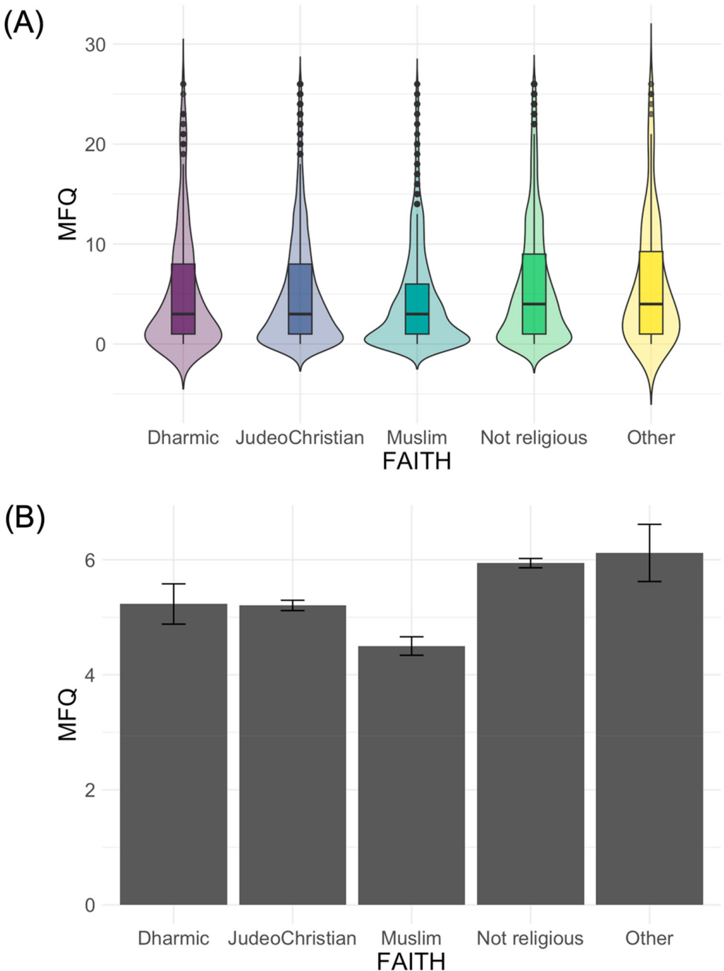
“…plots allow us to inspect the local density estimates in addition to the summary statistics in each case, thus ensuring that there is no exceptional underlying structure to the data of any one group, for instance, in terms of an unusual set of outliers (Hintze & Nelson, 1998; Ho et al., 2019).”
Moving beyond P values: data analysis with estimation graphics
Ho, J., Tumkaya, T., Aryal, S., Choi, H., & Claridge-Chang, A. (2019) · Nature Methods · doi:10.1038/s41592-019-0470-3 · Cited by 1,758 · cited 1×
“…plots allow us to inspect the local density estimates in addition to the summary statistics in each case, thus ensuring that there is no exceptional underlying structure to the data of any one group, for instance, in terms of an unusual set of outliers (Hintze & Nelson, 1998; Ho et al., 2019).”
Relational schemas and the processing of social information.
Baldwin, M. W. (1992) · Psychological Bulletin · doi:10.1037//0033-2909.112.3.461 · Cited by 1,678 · cited 2×
“…et al., 2012; Horton et al., 2012; Parenteau et al., 2019), while it is known that trust and attachment styles interact in human relationships (Baldwin, 1992; Givertz et al., 2013), and that the relationship between the two constructs becomes particularly relevant during adolescence…”
Principles of confounder selection
VanderWeele, T. J. (2019) · European Journal of Epidemiology · doi:10.1007/s10654-019-00494-6 · Cited by 1,535 · cited 1×
“To account for potential confounding, we included covariates linked with both the outcome and the exposure variable, or with the outcome alone, but that were not instrumental or on the direct path between the two (VanderWeele, 2019).”
Social Identity, Health and Well‐Being: An Emerging Agenda for Applied Psychology
Haslam, S. A., Jetten, J., Postmes, T., & Haslam, C. (2009) · Applied Psychology · doi:10.1111/j.1464-0597.2008.00379.x · Cited by 1,301 · cited 1×
“There is, of course, a great variety of such threats to one ’ s sense of belonging (Allen et al., 2021; Arslan, 2021; Haslam et al., 2009; Tomova et al., 2021).”
The Coevolution of Parochial Altruism and War
Choi, J.-K., & Bowles, S. (2007) · Science · doi:10.1126/science.1144237 · Cited by 1,227
Mental Health of Children and Young People in Great Britain, 2004: (557702010-001)
Green, H., McGinnity, A., Meltzer, H., Ford, T., & Goodman, R. (2005) · PsycEXTRA Dataset · doi:10.1037/e557702010-001 · Cited by 1,216 · cited 1×
“The bidirectional links between adolescent depression and its social-developmental contexts, including the crucial role of peer relationships (Adedeji et al., 2022), are already well-known (Aseltine et al., 1994; Green et al., 2005).”
Neumann, I. D., & Landgraf, R. (2012) · Trends in Neurosciences · doi:10.1016/j.tins.2012.08.004 · Cited by 954 · cited 1×
“Evidence has been presented in this direction, showing that oxytocin dysregulation is linked with depression (Neumann & Landgraf, 2012; Veiga et al., 2022; Xie et al., 2022), possibly through oxytocin ’ s interactions with in fl ammatory factors that modify reactions to stressors (De Cagna et al.,…”
Allen, K.-A., Kern, M. L., Rozek, C. S., McInerney, D. M., & Slavich, G. M. (2021) · Australian Journal of Psychology · doi:10.1080/00049530.2021.1883409 · Cited by 935 · cited 1×
“There is, of course, a great variety of such threats to one ’ s sense of belonging (Allen et al., 2021; Arslan, 2021; Haslam et al., 2009; Tomova et al., 2021).”
Kessler, R. C. (2012) · Psychiatric Clinics of North America · doi:10.1016/j.psc.2011.11.005 · Cited by 871 · cited 1×
“The overall impact of adolescent depression extends beyond this period of life, however, as it predicts later emotional problem trajectories, chronic illness, and lower personal income (Kessler, 2012; Mullen, 2018).”
Religiousness and mental health: a review
Moreira-Almeida, A., Lotufo Neto, F., & Koenig, H. G. (2006) · Revista Brasileira de Psiquiatria · doi:10.1590/s1516-44462006005000006 · Cited by 835 · cited 1×
“…2022; Steger & Frazier, 2005; Tiliouine et al., 2009), and is known to predict better mental health (Hoogeveen et al., 2022; Mohr et al., 2006; Moreira-Almeida et al., 2006), in both adult (AbdAleati et al., 2016; Malinakova et al., 2020) and adolescent populations (Cotton et al., 2006;…”
Attachment, evolution, and the psychology of religion
(2005) · Choice Reviews Online · doi:10.5860/choice.43-0631 · Cited by 832 · cited 1×
“This connection certainly has been anticipated by the corpus of previous research on belonging (Allen & Kern, 2017; Riley, 2019), social capital (Almedom, 2005; McPherson et al., 2014), and attachment (Kirkpatrick, 2005).”
Emmons, R. A., & Paloutzian, R. F. (2003) · Annual Review of Psychology · doi:10.1146/annurev.psych.54.101601.145024 · Cited by 816 · cited 1×
“The broader question is about the role of religion in mental health and adjustment, and multiple viewpoints have been put forward to answer this during the last two decades (Emmons & Paloutzian, 2003; Lucchetti et al., 2021; Pargament & Raiya, 2007; Vishkin et al., 2014).”
(2016) · doi:10.3389/fpsyg · Cited by 801
Hostinar, C. E., Sullivan, R. M., & Gunnar, M. R. (2014) · Psychological Bulletin · doi:10.1037/a0032671 · Cited by 739 · cited 1×
“…fact that social threats engage neural circuits that upregulate immune system components implicated in in fl ammatory responses (Furman et al., 2019; Hostinar et al., 2014); in the short term, this is bene fi cial in terms of accelerated wound healing and recovery, but in the long term, causes…”
Oxytocin pathways and the evolution of human behavior
Carter, C. S. (2014) · Annual Review of Psychology · doi:10.1146/annurev-psych-010213-115110 · Cited by 714 · cited 2×
“…is, oxytocin, vasopressin, and corresponding receptors) appear to be of central importance for social function, and — under certain conditions — oxytocin fosters a sense of social safety and connectedness towards the in-group (Carter, 2014), although not towards the out-group (Egito et al., 2020).”
Signaling, solidarity, and the sacred: The evolution of religious behavior
Sosis, R., & Alcorta, C. (2003) · Evolutionary Anthropology: Issues, News, and Reviews · doi:10.1002/evan.10120 · Cited by 699 · cited 2×
“…independent variable (religiousness) necessarily encapsulates both belief and religious service attendance, rituals, praying, and social signaling (Sosis & Alcorta, 2003), among other behaviors that are di ff erentially associated with proso-ciality and trust (Aksoy & Wiertz, 2023; Sosis, 2005;…”
Social capital and mental health: An interdisciplinary review of primary evidence
Almedom, A. M. (2005) · Social Science & Medicine · doi:10.1016/j.socscimed.2004.12.025 · Cited by 698 · cited 1×
“This connection certainly has been anticipated by the corpus of previous research on belonging (Allen & Kern, 2017; Riley, 2019), social capital (Almedom, 2005; McPherson et al., 2014), and attachment (Kirkpatrick, 2005).”
Frith, C. D. (2007) · Philosophical Transactions of the Royal Society B: Biological Sciences · doi:10.1098/rstb.2006.2003 · Cited by 690 · cited 1×
“…perspective (Fermin et al., 2022), where it was shown that the volume reduction that occurred in certain brain areas associated with social cognition (Blakemore, 2008; Frith, 2007), was similar between depressive patients and healthy participants reporting high levels of interpersonal distrust.”
Meaning in Life: One Link in the Chain From Religiousness to Well-Being.
Steger, M. F., & Frazier, P. (2005) · Journal of Counseling Psychology · doi:10.1037/0022-0167.52.4.574 · Cited by 676 · cited 1×
“Crucially, religiousness has been associated with subjective well-being in various studies (Dunbar, 2021, 2022; Steger & Frazier, 2005; Tiliouine et al., 2009), and is known to predict better mental health (Hoogeveen et al., 2022; Mohr et al., 2006; Moreira-Almeida et al., 2006), in both adult…”
Blakemore, S.-J. (2019) · The Lancet · doi:10.1016/s0140-6736(19)31013-x · Cited by 670
Olff, M., Frijling, J. L., Kubzansky, L. D., Bradley, B., Ellenbogen, M. A., Cardoso, C., Bartz, J. A., Yee, J. R., & van Zuiden, M. (2013) · Psychoneuroendocrinology · doi:10.1016/j.psyneuen.2013.06.019 · Cited by 620 · cited 1×
“Therefore, future research could address these oxytocin pathways (Eckstein et al., 2019; Ol ff et al., 2013), which we hypothesize to be involved in the attenuating e ff ect of religiousness (social safety upregulating oxytocin receptors) on distrust (social threat downregulating oxytocin receptors).”
Dimensions of Religiosity and Their Relationship to Lifetime Psychiatric and Substance Use Disorders
Kendler, K. S., Liu, X.-Q., Gardner, C. O., McCullough, M. E., Larson, D., & Prescott, C. A. (2003) · American Journal of Psychiatry · doi:10.1176/appi.ajp.160.3.496 · Cited by 558 · cited 1×
“On a fi rst level of analysis, further investigation could distinguish broadly between doxis and praxis , namely, spiritual belief and religious practice (Kendler et al., 2003; Smart, 1996).”
Rebutting Existing Misconceptions About Multiple Imputation as a Method for Handling Missing Data
van Ginkel, J. R., Linting, M., Rippe, R. C. A., & van der Voort, A. (2020) · Journal of Personality Assessment · doi:10.1080/00223891.2018.1530680 · Cited by 550
Slavich, G. M. (2020) · Annual Review of Clinical Psychology · doi:10.1146/annurev-clinpsy-032816-045159 · Cited by 502 · cited 5×
“Motivated by Social Safety Theory (Slavich, 2020), our primary research question was whether religiousness fosters social safety and, therefore, acts as a moderator in the relationship between social threat (distrust) and pathogenesis in adolescence (depressive symptoms).”
InfluentialReligion/spirituality and adolescent health outcomes: a review
Cotton, S., Zebracki, K., Rosenthal, S. L., Tsevat, J., & Drotar, D. (2006) · Journal of Adolescent Health · doi:10.1016/j.jadohealth.2005.10.005 · Cited by 449 · cited 1×
“…et al., 2009), and is known to predict better mental health (Hoogeveen et al., 2022; Mohr et al., 2006; Moreira-Almeida et al., 2006), in both adult (AbdAleati et al., 2016; Malinakova et al., 2020) and adolescent populations (Cotton et al., 2006; Estrada et al., 2019; Fruehwirth et al., 2019).”
Survival of the Friendliest: Homo sapiens Evolved via Selection for Prosociality
Hare, B. (2017) · Annual Review of Psychology · doi:10.1146/annurev-psych-010416-044201 · Cited by 444 · cited 1×
“Humans have evolved to seek and thrive in environments that are socially safe, namely, prosocial milieus that select for social-cognitive competences such as mentalisation and perspective-taking (Hare, 2017), and for social-a ff ective competences like empathy (Carter, 2014).”
An Attachment-Theoretical Approach to Romantic Love and Religious Belief
Kirkpatrick, L. A., & Shaver, P. R. (1992) · Personality and Social Psychology Bulletin · doi:10.1177/0146167292183002 · Cited by 414 · cited 1×
“From the point of view of attachment theory (Kirkpatrick & Shaver, 1992), in particular, secure, avoidant, and ambivalent attachment to a higher spiritual power have been examined, and corresponding outcomes in psychological adjustment have been identi fi ed in the literature (Cooper et al., 2009;…”
Daly, M. (2022) · Journal of Adolescent Health · doi:10.1016/j.jadohealth.2021.08.026 · Cited by 388 · cited 3×
“Crucially, religiousness has been associated with subjective well-being in various studies (Dunbar, 2021, 2022; Steger & Frazier, 2005; Tiliouine et al., 2009), and is known to predict better mental health (Hoogeveen et al., 2022; Mohr et al., 2006; Moreira-Almeida et al., 2006), in both adult…”
Black sheep get the blues: a psychobiological model of social rejection and depression
Slavich, G. M., O’Donovan, A., Epel, E. S., & Kemeny, M. E. (2010) · Neuroscience & Biobehavioral Reviews · doi:10.1016/j.neubiorev.2010.01.003 · Cited by 362 · cited 1×
“As a result, in the framework of SST, the presence of real or perceived social threats must be a contributing factor to the psychogenesis of adolescent depression (Murphy et al., 2013; Slavich et al., 2010).”
Religion, spirituality, and health: a review and update.
Koenig, H. G. (2015) · PubMed · Cited by 360
Villani, D., Sorgente, A., Iannello, P., & Antonietti, A. (2019) · Frontiers in Psychology · doi:10.3389/fpsyg.2019.01525 · Cited by 348 · cited 1×
“Religion, faith, and spirituality are terms that have been deployed di ff erently depending on the context (Clarke, 2009; Koenig, 2015), and their operationalization has not always been clear (Villani et al., 2019).”
Adolescent-parent attachment: Bonds that support healthy development
Moretti, M. M., & Peled, M. (2004) · Paediatrics & Child Health · doi:10.1093/pch/9.8.551 · Cited by 344 · cited 1×
“…while it is known that trust and attachment styles interact in human relationships (Baldwin, 1992; Givertz et al., 2013), and that the relationship between the two constructs becomes particularly relevant during adolescence (Moretti & Peled, 2004; Mónaco et al., 2019; Therriault et al., 2021).”
Spirituality, religiousness, and mental health: A review of the current scientific evidence
Lucchetti, G., Koenig, H. G., & Lucchetti, A. L. G. (2021) · World Journal of Clinical Cases · doi:10.12998/wjcc.v9.i26.7620 · Cited by 312 · cited 1×
“The broader question is about the role of religion in mental health and adjustment, and multiple viewpoints have been put forward to answer this during the last two decades (Emmons & Paloutzian, 2003; Lucchetti et al., 2021; Pargament & Raiya, 2007; Vishkin et al., 2014).”
Sleep Patterns and Mental Health Correlates in US Adolescents
Zhang, J., Paksarian, D., Lamers, F., Hickie, I. B., He, J., & Merikangas, K. R. (2017) · The Journal of Pediatrics · doi:10.1016/j.jpeds.2016.11.007 · Cited by 296 · cited 1×
“Other studies have provided evidence for the mental health impact of moving schools (Singh et al., 2014), regular family meals (Agathão et al., 2021), maternal mental health (Blakemore, 2019; Fitzsimons et al., 2017), risk-taking attitudes and chronotype (Zhang et al., 2017, 2022).”
Dimensions of the sacred: an anatomy of the world's beliefs
(1997) · Choice Reviews Online · doi:10.5860/choice.34-3265 · Cited by 294 · cited 1×
“On a fi rst level of analysis, further investigation could distinguish broadly between doxis and praxis , namely, spiritual belief and religious practice (Kendler et al., 2003; Smart, 1996).”
Quintana, D. S., Lischke, A., Grace, S., Scheele, D., Ma, Y., & Becker, B. (2021) · Molecular Psychiatry · doi:10.1038/s41380-020-00864-7 · Cited by 263 · cited 1×
“This has led several researchers to investigate treatments based on intranasal oxytocin, both for depression and conditions in which social cognition is impaired (De Cagna et al., 2019; Quintana et al., 2021; Scantamburlo et al., 2015; Winterton et al., 2021).”
Mohr, S., Brandt, P.-Y., Borras, L., Gilliéron, C., & Huguelet, P. (2006) · American Journal of Psychiatry · doi:10.1176/ajp.2006.163.11.1952 · Cited by 255
Arslan, G. (2021) · Australian Journal of Psychology · doi:10.1080/00049530.2021.1904499 · Cited by 217 · cited 1×
“There is, of course, a great variety of such threats to one ’ s sense of belonging (Allen et al., 2021; Arslan, 2021; Haslam et al., 2009; Tomova et al., 2021).”
McPherson, K. E., Kerr, S., McGee, E., Morgan, A., Cheater, F. M., McLean, J., & Egan, J. (2014) · BMC Psychology · doi:10.1186/2050-7283-2-7 · Cited by 214 · cited 1×
“This connection certainly has been anticipated by the corpus of previous research on belonging (Allen & Kern, 2017; Riley, 2019), social capital (Almedom, 2005; McPherson et al., 2014), and attachment (Kirkpatrick, 2005).”
Does Religion Promote Trust? The Role of Signaling, Reputation, and Punishment
Sosis, R. H. (2005) · Cited by 214
Major depressive disorder in children and adolescents
Mullen, S. (2018) · Mental Health Clinician · doi:10.9740/mhc.2018.11.275 · Cited by 213 · cited 1×
“The overall impact of adolescent depression extends beyond this period of life, however, as it predicts later emotional problem trajectories, chronic illness, and lower personal income (Kessler, 2012; Mullen, 2018).”
Development and predictors of mental ill-health and wellbeing from childhood to adolescence
Patalay, P., & Fitzsimons, E. (2018) · Social Psychiatry and Psychiatric Epidemiology · doi:10.1007/s00127-018-1604-0 · Cited by 209 · cited 1×
“Based on the MCS dataset, mental health outcomes in middle adolescence have been associated with sex, ethnicity, and family characteristics (Patalay & Fitzsimons, 2018); fruit and vegetable consumption (Hoare et al., 2020); BMI (Patalay & Hardman, 2019); bullying (Sharpe et al., 2022); and…”
I. Pargament, K., & Abu Raiya, H. (2007) · Psyke & Logos · doi:10.7146/pl.v28i2.8398 · Cited by 203
The importance of belonging and the avoidance of social risk taking in adolescence
Tomova, L., Andrews, J. L., & Blakemore, S.-J. (2021) · Developmental Review · doi:10.1016/j.dr.2021.100981 · Cited by 196 · cited 1×
“There is, of course, a great variety of such threats to one ’ s sense of belonging (Allen et al., 2021; Arslan, 2021; Haslam et al., 2009; Tomova et al., 2021).”
The Millennium Cohort Study: the making of a multi-purpose resource for social science and policy
Joshi, H., & Fitzsimons, E. (2016) · Longitudinal and Life Course Studies · doi:10.14301/llcs.v7i4.410 · Cited by 187 · cited 6×
“By “ faith ” we mean the broad religious a ffi liation that the adolescent reported (categorical variable) in the Millennium Cohort Study (MCS).”
InfluentialChen, Y., Kim, E. S., & VanderWeele, T. J. (2021) · International Journal of Epidemiology · doi:10.1093/ije/dyaa120 · Cited by 185 · cited 1×
“…rituals, praying, and social signaling (Sosis & Alcorta, 2003), among other behaviors that are di ff erentially associated with proso-ciality and trust (Aksoy & Wiertz, 2023; Sosis, 2005; Valente & Okulicz-Kozaryn, 2021), in turn di ff erentially related to health and well-being (Chen et al., 2021).”
Religious education can contribute to adolescent mental health in school settings
Estrada, C. A. M., Lomboy, M. F. T. C., Gregorio, E. R., Amalia, E., Leynes, C. R., Quizon, R. R., & Kobayashi, J. (2019) · International Journal of Mental Health Systems · doi:10.1186/s13033-019-0286-7 · Cited by 184 · cited 1×
“…et al., 2009), and is known to predict better mental health (Hoogeveen et al., 2022; Mohr et al., 2006; Moreira-Almeida et al., 2006), in both adult (AbdAleati et al., 2016; Malinakova et al., 2020) and adolescent populations (Cotton et al., 2006; Estrada et al., 2019; Fruehwirth et al., 2019).”
The Oxford Handbook of the Sociology of Religion
(2011) · Oxford University Press eBooks · doi:10.1093/oxfordhb/9780199588961.001.0001 · Cited by 184
Islamic religiosity, subjective well-being, and health
Tiliouine, H., Cummins, R. A., & Davern, M. (2009) · Mental Health, Religion & Culture · doi:10.1080/13674670802118099 · Cited by 181 · cited 1×
“Crucially, religiousness has been associated with subjective well-being in various studies (Dunbar, 2021, 2022; Steger & Frazier, 2005; Tiliouine et al., 2009), and is known to predict better mental health (Hoogeveen et al., 2022; Mohr et al., 2006; Moreira-Almeida et al., 2006), in both adult…”
A many-analysts approach to the relation between religiosity and well-being
Hoogeveen, S., Sarafoglou, A., Aczél, B., Aditya, Y., Alayan, A. J., Allen, P., Altay, S., Alzahawi, S., Amir, Y., Anthony, F.-V., et al. (2022) · Religion Brain & Behavior · doi:10.1080/2153599x.2022.2070255 · Cited by 176 · cited 1×
“…well-being in various studies (Dunbar, 2021, 2022; Steger & Frazier, 2005; Tiliouine et al., 2009), and is known to predict better mental health (Hoogeveen et al., 2022; Mohr et al., 2006; Moreira-Almeida et al., 2006), in both adult (AbdAleati et al., 2016; Malinakova et al., 2020) and…”
The Effects of Physical Activity on Social Interactions: The Case of Trust and Trustworthiness
Bartolomeo, G. D., & Papa, S. (2017) · Journal of Sports Economics · doi:10.1177/1527002517717299 · Cited by 175 · cited 1×
“…there are known associations of trust and socioeconomic factors (Graa fl and & Lous, 2019), language ability in adolescence (Clarke et al., 2023), risk-taking attitudes (Cruwys et al., 2021), physical activity (Papa, 2019), dietary (Mieziene et al., 2019) and family meal habits (Smith et al., 2020).”
Making room for oxytocin in understanding depression
McQuaid, R. J., McInnis, O. A., Abizaid, A., & Anisman, H. (2014) · Neuroscience & Biobehavioral Reviews · doi:10.1016/j.neubiorev.2014.07.005 · Cited by 174 · cited 1×
“…that oxytocin dysregulation is linked with depression (Neumann & Landgraf, 2012; Veiga et al., 2022; Xie et al., 2022), possibly through oxytocin ’ s interactions with in fl ammatory factors that modify reactions to stressors (De Cagna et al., 2019; Heinrichs et al., 2003; McQuaid et al., 2014).”
Advances in human oxytocin measurement: challenges and proposed solutions
Tabak, B. A., Leng, G., Szeto, A., Parker, K. J., Verbalis, J. G., Ziegler, T. E., Lee, M. R., Neumann, I. D., & Mendez, A. J. (2023) · Molecular Psychiatry · doi:10.1038/s41380-022-01719-z · Cited by 170 · cited 1×
“The debate continues partly because of the technical challenges involved in measuring oxytocin levels (Tabak et al., 2023), and partly because of the inherent complexity in completely disentan-gling trust from other prosocial, cooperative behaviors (Helliwell et al., 2017).”
Kim, S.-S., Chung, Y., Perry, M. J., Kawachi, I., & Subramanian, S. V. (2012) · PLoS ONE · doi:10.1371/journal.pone.0030602 · Cited by 163 · cited 1×
“The fi ndings were in line with a large, longitudinal study from South Korea (Kim et al., 2012), which was, however, using data drawn from an adult population.”
Religiousness and Mental Health: Systematic Review Study
AbdAleati, N. S., Mohd Zaharim, N., & Mydin, Y. O. (2016) · Journal of Religion and Health · doi:10.1007/s10943-014-9896-1 · Cited by 158 · cited 1×
“…et al., 2009), and is known to predict better mental health (Hoogeveen et al., 2022; Mohr et al., 2006; Moreira-Almeida et al., 2006), in both adult (AbdAleati et al., 2016; Malinakova et al., 2020) and adolescent populations (Cotton et al., 2006; Estrada et al., 2019; Fruehwirth et al., 2019).”
Religion and Depression in Adolescence
Fruehwirth, J. C., Iyer, S., & Zhang, A. (2019) · Journal of Political Economy · doi:10.1086/701425 · Cited by 154 · cited 1×
“…et al., 2009), and is known to predict better mental health (Hoogeveen et al., 2022; Mohr et al., 2006; Moreira-Almeida et al., 2006), in both adult (AbdAleati et al., 2016; Malinakova et al., 2020) and adolescent populations (Cotton et al., 2006; Estrada et al., 2019; Fruehwirth et al., 2019).”
Poverty dynamics and parental mental health: Determinants of childhood mental health in the UK
Fitzsimons, E., Goodman, A., Kelly, E., & Smith, J. P. (2017) · Social Science & Medicine · doi:10.1016/j.socscimed.2016.12.040 · Cited by 153 · cited 1×
“Other studies have provided evidence for the mental health impact of moving schools (Singh et al., 2014), regular family meals (Agathão et al., 2021), maternal mental health (Blakemore, 2019; Fitzsimons et al., 2017), risk-taking attitudes and chronotype (Zhang et al., 2017, 2022).”
Effects of oxytocin administration on spirituality and emotional responses to meditation
Cappellen, P. V., Way, B. M., Isgett, S. F., & Fredrickson, B. L. (2016) · Social Cognitive and Affective Neuroscience · doi:10.1093/scan/nsw078 · Cited by 152 · cited 1×
“In addition, religiousness has been found to correlate positively with the level of plasma oxytocin (Kelsch et al., 2013), the level of endogenous oxytocin (Holbrook et al., 2015), and the amount of administered oxytocin (Van Cappellen et al., 2016).”
Social Safety Theory: Conceptual foundation, underlying mechanisms, and future directions
Slavich, G. M., Roos, L. G., Mengelkoch, S., Webb, C. A., Shattuck, E. C., Moriarity, D. P., & Alley, J. C. (2023) · Health Psychology Review · doi:10.1080/17437199.2023.2171900 · Cited by 151 · cited 2×
“Based on evolutionary arguments (Slavich et al., 2023), SST posits that social bonding and belonging constitute a fundamental organizing principle of human behavior (Slavich, 2020).”
Attachment to God, Stressful Life Events, and Changes in Psychological Distress
Ellison, C. G., Bradshaw, M., Kuyel, N., & Marcum, J. P. (2012) · Review of Religious Research · doi:10.1007/s13644-011-0023-4 · Cited by 144 · cited 1×
“…power have been examined, and corresponding outcomes in psychological adjustment have been identi fi ed in the literature (Cooper et al., 2009; Ellison et al., 2012; Horton et al., 2012; Parenteau et al., 2019), while it is known that trust and attachment styles interact in human…”
Mónaco, E., Schoeps, K., & Montoya‐Castilla, I. (2019) · International Journal of Environmental Research and Public Health · doi:10.3390/ijerph16142554 · Cited by 139 · cited 1×
“…while it is known that trust and attachment styles interact in human relationships (Baldwin, 1992; Givertz et al., 2013), and that the relationship between the two constructs becomes particularly relevant during adolescence (Moretti & Peled, 2004; Mónaco et al., 2019; Therriault et al., 2021).”
Oxytocin and the Neurobiology of Prosocial Behavior
Marsh, N., Marsh, A. A., Lee, M. R., & Hurlemann, R. (2021) · The Neuroscientist · doi:10.1177/1073858420960111 · Cited by 139 · cited 1×
“The current consensus is that prosocial behaviors and social cognitive abilities in humans are tracked by the neuroendocrine network of the social brain, and that oxytocin — a neuro-peptide hormone — modulates the function of this network (Marsh et al., 2021).”
A registered replication study on oxytocin and trust
Declerck, C. H., Boone, C., Pauwels, L., Vogt, B., & Fehr, E. (2020) · Nature Human Behaviour · doi:10.1038/s41562-020-0878-x · Cited by 137 · cited 1×
“There is still considerable debate around the link between interpersonal trust and oxytocin (Declerck et al., 2020; Yan & Kirsch, 2021), evidence for which had been presented originally by Kosfeld et al. (2005).”
Wilson, S., & Dumornay, N. M. (2022) · Journal of Adolescent Health · doi:10.1016/j.jadohealth.2021.12.003 · Cited by 135 · cited 1×
“Adolescent depression (Blakemore, 2019; Thapar et al., 2012) is one of the leading contributors to global disease burden in this age group (Daly, 2022; Wilson & Dumornay, 2022), and a major cause of poor educational outcomes (Wickersham et al., 2021).”
School Belonging in Adolescents: Theory, Research and Practice
Allen, K.-A., & Kern, M. L. (2017) · SpringerBriefs in Psychology · doi:10.1007/978-981-10-5996-4 · Cited by 135 · cited 1×
“This connection certainly has been anticipated by the corpus of previous research on belonging (Allen & Kern, 2017; Riley, 2019), social capital (Almedom, 2005; McPherson et al., 2014), and attachment (Kirkpatrick, 2005).”
When trust goes wrong: A social identity model of risk taking.
Cruwys, T., Greenaway, K. H., Ferris, L. J., Rathbone, J. A., Saeri, A. K., Williams, E., Parker, S. L., Chang, M. X., Croft, N., Bingley, W., et al. (2021) · Journal of Personality and Social Psychology · doi:10.1037/pspi0000243 · Cited by 133
Social Capital and Prosocial Behaviour as Sources of Well-Being
Helliwell, J. F., Aknin, L. B., Shiplett, H., Huang, H., & Wang, S. (2017) · National Bureau of Economic Research · doi:10.3386/w23761 · Cited by 121
Loewenthal, K. M., Cinnirella, M., Evdoka, G., & Murphy, P. (2001) · British Journal of Medical Psychology · doi:10.1348/000711201160993 · Cited by 119
Givertz, M., Woszidlo, A., Segrin, C., & Knutson, K. (2013) · Journal of Social and Personal Relationships · doi:10.1177/0265407513482445 · Cited by 118 · cited 2×
“…Horton et al., 2012; Parenteau et al., 2019), while it is known that trust and attachment styles interact in human relationships (Baldwin, 1992; Givertz et al., 2013), and that the relationship between the two constructs becomes particularly relevant during adolescence (Moretti & Peled, 2004;…”
De Cagna, F., Fusar-Poli, L., Damiani, S., Rocchetti, M., Giovanna, G., Mori, A., Politi, P., & Brondino, N. (2019) · Clinical Psychopharmacology and Neuroscience · doi:10.9758/cpn.2019.17.1.1 · Cited by 117 · cited 2×
“…that oxytocin dysregulation is linked with depression (Neumann & Landgraf, 2012; Veiga et al., 2022; Xie et al., 2022), possibly through oxytocin ’ s interactions with in fl ammatory factors that modify reactions to stressors (De Cagna et al., 2019; Heinrichs et al., 2003; McQuaid et al., 2014).”
Slavich, G. M. (2022) · Current Opinion in Psychology · doi:10.1016/j.copsyc.2022.101299 · Cited by 111 · cited 1×
“Synthesizing previous research, SST maintains that social safety is central to our health and adjustment, while social threat is harmful to it (Slavich, 2022).”
Depression and the social developmental context of adolescence.
Aseltine, R. H., Gore, S. L., & Colten, M. E. (1994) · Journal of Personality and Social Psychology · doi:10.1037//0022-3514.67.2.252 · Cited by 108 · cited 1×
“The bidirectional links between adolescent depression and its social-developmental contexts, including the crucial role of peer relationships (Adedeji et al., 2022), are already well-known (Aseltine et al., 1994; Green et al., 2005).”
Riley, K. (2019) · Educational and Child Psychology · doi:10.53841/bpsecp.2019.36.4.91 · Cited by 104 · cited 1×
“This connection certainly has been anticipated by the corpus of previous research on belonging (Allen & Kern, 2017; Riley, 2019), social capital (Almedom, 2005; McPherson et al., 2014), and attachment (Kirkpatrick, 2005).”
Self-reported spirituality correlates with endogenous oxytocin.
Holbrook, C., Hahn‐Holbrook, J., & Holt‐Lunstad, J. (2015) · Psychology of Religion and Spirituality · doi:10.1037/a0038255 · Cited by 97 · cited 1×
“In addition, religiousness has been found to correlate positively with the level of plasma oxytocin (Kelsch et al., 2013), the level of endogenous oxytocin (Holbrook et al., 2015), and the amount of administered oxytocin (Van Cappellen et al., 2016).”
Income Inequality, Life Satisfaction Inequality and Trust: A Cross Country Panel Analysis
Graafland, J., & Lous, B. (2019) · Journal of Happiness Studies · doi:10.1007/s10902-018-0021-0 · Cited by 95 · cited 1×
“These variables have also been associated with interpersonal trust: for instance, there are known associations of trust and socioeconomic factors (Graa fl and & Lous, 2019), language ability in adolescence (Clarke et al., 2023), risk-taking attitudes (Cruwys et al., 2021), physical activity (Papa,…”
Religion, Emotion Regulation, and Well-Being
Vishkin, A., Bigman, Y., & Tamir, M. (2014) · Cross-cultural advancements in positive psychology · doi:10.1007/978-94-017-8950-9_13 · Cited by 93 · cited 1×
“The broader question is about the role of religion in mental health and adjustment, and multiple viewpoints have been put forward to answer this during the last two decades (Emmons & Paloutzian, 2003; Lucchetti et al., 2021; Pargament & Raiya, 2007; Vishkin et al., 2014).”
Murphy, M. L. M., Slavich, G. M., Rohleder, N., & Miller, G. E. (2013) · Clinical Psychological Science · doi:10.1177/2167702612455743 · Cited by 92 · cited 1×
“As a result, in the framework of SST, the presence of real or perceived social threats must be a contributing factor to the psychogenesis of adolescent depression (Murphy et al., 2013; Slavich et al., 2010).”
Peer Relationships and Depressive Symptoms Among Adolescents: Results From the German BELLA Study
Adedeji, A., Otto, C., Kaman, A., Reiß, F., Devine, J., & Ravens‐Sieberer, U. (2022) · Frontiers in Psychology · doi:10.3389/fpsyg.2021.767922 · Cited by 91 · cited 1×
“The bidirectional links between adolescent depression and its social-developmental contexts, including the crucial role of peer relationships (Adedeji et al., 2022), are already well-known (Aseltine et al., 1994; Green et al., 2005).”
Kelsch, C. B., Ironson, G. H., Szeto, A., Kremer, H., Schneiderman, N., & Mendez, A. J. (2013) · BRILL eBooks · doi:10.1163/9789004252073_007 · Cited by 83 · cited 1×
“In addition, religiousness has been found to correlate positively with the level of plasma oxytocin (Kelsch et al., 2013), the level of endogenous oxytocin (Holbrook et al., 2015), and the amount of administered oxytocin (Van Cappellen et al., 2016).”
Religiosity and religious attendance as factors in wellbeing and social engagement
Dunbar, R. (2020) · Religion Brain & Behavior · doi:10.1080/2153599x.2020.1712618 · Cited by 83 · cited 1×
“Crucially, religiousness has been associated with subjective well-being in various studies (Dunbar, 2021, 2022; Steger & Frazier, 2005; Tiliouine et al., 2009), and is known to predict better mental health (Hoogeveen et al., 2022; Mohr et al., 2006; Moreira-Almeida et al., 2006), in both adult…”
Self-citationThe Oxford Handbook of the Sociology of Religion
Clarke, P. (2008) · Oxford University Press eBooks · doi:10.1093/oxfordhb/9780199279791.001.0001 · Cited by 82 · cited 1×
“Religion, faith, and spirituality are terms that have been deployed di ff erently depending on the context (Clarke, 2009; Koenig, 2015), and their operationalization has not always been clear (Villani et al., 2019).”
Patalay, P., & Hardman, C. A. (2019) · JAMA Psychiatry · doi:10.1001/jamapsychiatry.2019.0169 · Cited by 81 · cited 5×
“Body-mass index ( BMI ) was a derived, numerical variable, and school-night chronotype was an interval variable from 1 (going to bed before 9pm) to 5 (after midnight).”
InfluentialMaliňáková, K., Tavel, P., Meier, Z., van Dijk, J. P., & Reijneveld, S. A. (2020) · International Journal of Environmental Research and Public Health · doi:10.3390/ijerph17020494 · Cited by 81 · cited 1×
“…et al., 2009), and is known to predict better mental health (Hoogeveen et al., 2022; Mohr et al., 2006; Moreira-Almeida et al., 2006), in both adult (AbdAleati et al., 2016; Malinakova et al., 2020) and adolescent populations (Cotton et al., 2006; Estrada et al., 2019; Fruehwirth et al., 2019).”
Lewis, G. J., Ritchie, S. J., & Bates, T. C. (2011) · Intelligence · doi:10.1016/j.intell.2011.08.002 · Cited by 80 · cited 1×
“…could investigate the di ff erential impact on adolescent depression of belief dimensions — such as, belief in an afterlife, or the existence of a watchful God — and that of behavioral dimensions, which include attendance in places of worship, praying, fasting, and meditation (Lewis et al., 2011).”
Scantamburlo, G., Hansenne, M., Geenen, V., Legros, J. J., & Ansseau, M. (2015) · European Psychiatry · doi:10.1016/j.eurpsy.2014.08.007 · Cited by 71 · cited 1×
“This has led several researchers to investigate treatments based on intranasal oxytocin, both for depression and conditions in which social cognition is impaired (De Cagna et al., 2019; Quintana et al., 2021; Scantamburlo et al., 2015; Winterton et al., 2021).”
Jarbin, H., Ivarsson, T., Andersson, M., Bergman, H., & Skarphéðinsson, G. (2020) · PLoS ONE · doi:10.1371/journal.pone.0230623 · Cited by 70 · cited 2×
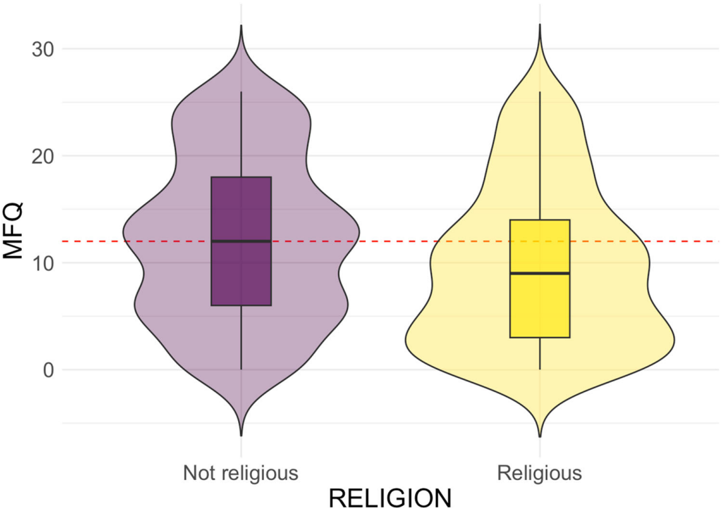
“%) cohort members on or above the accepted clinical threshold of MFQ score of 12 (Angold et al., 1995; Jarbin et al., 2020).”
Differentiated Styles of Attachment to God and Varying Religious Coping Efforts
Cooper, L. B., Bruce, A. J., Harman, M. J., & Boccaccini, M. T. (2009) · Journal of Psychology and Theology · doi:10.1177/009164710903700205 · Cited by 64 · cited 1×
“…to a higher spiritual power have been examined, and corresponding outcomes in psychological adjustment have been identi fi ed in the literature (Cooper et al., 2009; Ellison et al., 2012; Horton et al., 2012; Parenteau et al., 2019), while it is known that trust and attachment styles…”
Improving the precision of intranasal oxytocin research
Winterton, A., Westlye, L. T., Steen, N. E., Andreassen, O. A., & Quintana, D. S. (2020) · Nature Human Behaviour · doi:10.1038/s41562-020-00996-4 · Cited by 63 · cited 1×
“This has led several researchers to investigate treatments based on intranasal oxytocin, both for depression and conditions in which social cognition is impaired (De Cagna et al., 2019; Quintana et al., 2021; Scantamburlo et al., 2015; Winterton et al., 2021).”
Wickersham, A., Dickson, H., Jones, R., Pritchard, M., Stewart, R. J., Ford, T. J., & Downs, J. M. (2020) · The British Journal of Psychiatry · doi:10.1192/bjp.2020.160 · Cited by 57 · cited 1×
“Adolescent depression (Blakemore, 2019; Thapar et al., 2012) is one of the leading contributors to global disease burden in this age group (Daly, 2022; Wilson & Dumornay, 2022), and a major cause of poor educational outcomes (Wickersham et al., 2021).”
Examining Attachment to God and Health Risk-Taking Behaviors in College Students
Horton, K. D., Ellison, C. G., Loukas, A., Downey, D. L., & Barrett, J. B. (2010) · Journal of Religion and Health · doi:10.1007/s10943-010-9380-5 · Cited by 56 · cited 1×
“…examined, and corresponding outcomes in psychological adjustment have been identi fi ed in the literature (Cooper et al., 2009; Ellison et al., 2012; Horton et al., 2012; Parenteau et al., 2019), while it is known that trust and attachment styles interact in human relationships (Baldwin, 1992;…”
Aksoy, O., & Wiertz, D. (2023) · European Sociological Review · doi:10.1093/esr/jcad024 · Cited by 55 · cited 2×
“…rituals, praying, and social signaling (Sosis & Alcorta, 2003), among other behaviors that are di ff erentially associated with proso-ciality and trust (Aksoy & Wiertz, 2023; Sosis, 2005; Valente & Okulicz-Kozaryn, 2021), in turn di ff erentially related to health and well-being (Chen et al., 2021).”
Sharpe, H., Fink, E., Duffy, F., & Patalay, P. (2021) · European Child & Adolescent Psychiatry · doi:10.1007/s00787-020-01708-z · Cited by 49 · cited 1×
“…outcomes in middle adolescence have been associated with sex, ethnicity, and family characteristics (Patalay & Fitzsimons, 2018); fruit and vegetable consumption (Hoare et al., 2020); BMI (Patalay & Hardman, 2019); bullying (Sharpe et al., 2022); and neighborhood ecology (Mueller & Flouri, 2021).”
Singh, S. P., Winsper, C., Wolke, D., & Bryson, A. (2014) · Journal of the American Academy of Child & Adolescent Psychiatry · doi:10.1016/j.jaac.2014.01.016 · Cited by 47 · cited 1×
“Other studies have provided evidence for the mental health impact of moving schools (Singh et al., 2014), regular family meals (Agathão et al., 2021), maternal mental health (Blakemore, 2019; Fitzsimons et al., 2017), risk-taking attitudes and chronotype (Zhang et al., 2017, 2022).”
Religiosity and Trust: Evidence from the United States
Valente, R. R., & Okulicz‐Kozaryn, A. (2021) · Review of Religious Research · doi:10.1007/s13644-020-00437-8 · Cited by 46 · cited 3×
“…rituals, praying, and social signaling (Sosis & Alcorta, 2003), among other behaviors that are di ff erentially associated with proso-ciality and trust (Aksoy & Wiertz, 2023; Sosis, 2005; Valente & Okulicz-Kozaryn, 2021), in turn di ff erentially related to health and well-being (Chen et al., 2021).”
Biases and Standard Errors of Standardized Regression Coefficients
Yuan, K.-H., & Chan, W. (2011) · Psychometrika · doi:10.1007/s11336-011-9224-6 · Cited by 43
Attachment to God and Psychological Adjustment: God’s Responses and Our Coping Strategies
Parenteau, S. C., Hurd, K., Wu, H., & Feck, C. (2019) · Journal of Religion and Health · doi:10.1007/s10943-019-00765-2 · Cited by 37 · cited 1×
“…outcomes in psychological adjustment have been identi fi ed in the literature (Cooper et al., 2009; Ellison et al., 2012; Horton et al., 2012; Parenteau et al., 2019), while it is known that trust and attachment styles interact in human relationships (Baldwin, 1992; Givertz et al., 2013),…”
The Family Meal Model: Influences on Family Mealtime Participation
Smith, S. L., Ramey, E., Sisson, S. B., Richardson, S., & DeGrace, B. W. (2019) · OTJR Occupational Therapy Journal of Research · doi:10.1177/1539449219876878 · Cited by 36 · cited 1×
“…there are known associations of trust and socioeconomic factors (Graa fl and & Lous, 2019), language ability in adolescence (Clarke et al., 2023), risk-taking attitudes (Cruwys et al., 2021), physical activity (Papa, 2019), dietary (Mieziene et al., 2019) and family meal habits (Smith et al., 2020).”
Agathão, B. T., Cunha, D. B., Sichieri, R., & Lopes, C. D. S. (2021) · PLoS ONE · doi:10.1371/journal.pone.0243793 · Cited by 33 · cited 1×
“Other studies have provided evidence for the mental health impact of moving schools (Singh et al., 2014), regular family meals (Agathão et al., 2021), maternal mental health (Blakemore, 2019; Fitzsimons et al., 2017), risk-taking attitudes and chronotype (Zhang et al., 2017, 2022).”
Hoare, E., Werneck, A. O., Stubbs, B., Firth, J., Collins, S., Corder, K., & van Sluijs, E. M. F. (2020) · JAMA Network Open · doi:10.1001/jamanetworkopen.2020.11381 · Cited by 30 · cited 1×
“…outcomes in middle adolescence have been associated with sex, ethnicity, and family characteristics (Patalay & Fitzsimons, 2018); fruit and vegetable consumption (Hoare et al., 2020); BMI (Patalay & Hardman, 2019); bullying (Sharpe et al., 2022); and neighborhood ecology (Mueller & Flouri, 2021).”
Oxytocin for learning calm and safety
Eckstein, M., Almeida de Minas, A. C., Scheele, D., Kreuder, A.-K., Hurlemann, R., Grinevich, V., & Ditzen, B. (2019) · International Journal of Psychophysiology · doi:10.1016/j.ijpsycho.2018.06.004 · Cited by 26 · cited 1×
“Therefore, future research could address these oxytocin pathways (Eckstein et al., 2019; Ol ff et al., 2013), which we hypothesize to be involved in the attenuating e ff ect of religiousness (social safety upregulating oxytocin receptors) on distrust (social threat downregulating oxytocin receptors).”
Miežienė, B., Emeljanovas, A., Novak, D., & Kawachi, I. I. (2019) · Nutrients · doi:10.3390/nu11061332 · Cited by 26 · cited 1×
“…there are known associations of trust and socioeconomic factors (Graa fl and & Lous, 2019), language ability in adolescence (Clarke et al., 2023), risk-taking attitudes (Cruwys et al., 2021), physical activity (Papa, 2019), dietary (Mieziene et al., 2019) and family meal habits (Smith et al., 2020).”
Oxytocin increases the social salience of the outgroup in potential threat contexts
do Egito, J. H. T., Nevat, M., Shamay‐Tsoory, S., & Osório, A. (2020) · Hormones and Behavior · doi:10.1016/j.yhbeh.2020.104733 · Cited by 25 · cited 1×
“…is, oxytocin, vasopressin, and corresponding receptors) appear to be of central importance for social function, and — under certain conditions — oxytocin fosters a sense of social safety and connectedness towards the in-group (Carter, 2014), although not towards the out-group (Egito et al., 2020).”
Francis, L. J., & McKenna, U. (2018) · Religions · doi:10.3390/rel9080243 · Cited by 23
Urban Adolescence: The Role of Neighbourhood Greenspace in Mental Well-Being
Mueller, M. A. E., & Flouri, E. (2021) · Frontiers in Psychology · doi:10.3389/fpsyg.2021.712065 · Cited by 23 · cited 1×
“…outcomes in middle adolescence have been associated with sex, ethnicity, and family characteristics (Patalay & Fitzsimons, 2018); fruit and vegetable consumption (Hoare et al., 2020); BMI (Patalay & Hardman, 2019); bullying (Sharpe et al., 2022); and neighborhood ecology (Mueller & Flouri, 2021).”
The neuroanatomy of social trust predicts depression vulnerability
Fermin, A. S. R., Kiyonari, T., Matsumoto, Y., Takagishi, H., Li, Y., Kanai, R., Sakagami, M., Akaishi, R., Ichikawa, N., Takamura, M., et al. (2022) · Scientific Reports · doi:10.1038/s41598-022-20443-w · Cited by 23 · cited 1×
“Furthermore, the link between interpersonal distrust and depression has been examined recently from a neurobiological perspective (Fermin et al., 2022), where it was shown that the volume reduction that occurred in certain brain areas associated with social cognition (Blakemore, 2008; Frith, 2007),…”
Veiga, L., Carolino, E., Santos, I., Veríssimo, C., Almeida, A., Grilo, A. M., Brito, M., & Santos, C. (2022) · BMC Psychology · doi:10.1186/s40359-022-00744-5 · Cited by 18 · cited 1×
“Evidence has been presented in this direction, showing that oxytocin dysregulation is linked with depression (Neumann & Landgraf, 2012; Veiga et al., 2022; Xie et al., 2022), possibly through oxytocin ’ s interactions with in fl ammatory factors that modify reactions to stressors (De Cagna et al.,…”
Interpersonal Trust across the Lifespan
Rotenberg, K. J. (2001) · Elsevier eBooks · doi:10.1016/b0-08-043076-7/01774-5 · Cited by 17 · cited 1×
“But given that interpersonal trust is essential for social bonding and the development of healthy relationships throughout the life span (Rotenberg, 2001; Uslaner, 2002), it would be natural to assume that distrust towards other people tracks a fundamental threat to one ’ s sense of social safety.”
Zhang, Q., Wang, X., Miao, L., He, L., & Wang, H. (2022) · International Journal of Environmental Research and Public Health · doi:10.3390/ijerph192316068 · Cited by 15 · cited 1×
“Other studies have provided evidence for the mental health impact of moving schools (Singh et al., 2014), regular family meals (Agathão et al., 2021), maternal mental health (Blakemore, 2019; Fitzsimons et al., 2017), risk-taking attitudes and chronotype (Zhang et al., 2017, 2022).”
Xie, S., Hu, Y., Fang, L., Chen, S., Botchway, B. O. A., Tan, X., Fang, M., & Hu, Z. (2021) · Reviews in the Neurosciences · doi:10.1515/revneuro-2020-0128 · Cited by 14 · cited 1×
“…has been presented in this direction, showing that oxytocin dysregulation is linked with depression (Neumann & Landgraf, 2012; Veiga et al., 2022; Xie et al., 2022), possibly through oxytocin ’ s interactions with in fl ammatory factors that modify reactions to stressors (De Cagna et al., 2019;…”
Factors Associated with Parent–Adolescent Attachment Relationship Quality: A Longitudinal Study
Therriault, D., Lemelin, J., Toupin, J., & Déry, M. (2021) · Adolescents · doi:10.3390/adolescents1020013 · Cited by 13 · cited 1×
“…while it is known that trust and attachment styles interact in human relationships (Baldwin, 1992; Givertz et al., 2013), and that the relationship between the two constructs becomes particularly relevant during adolescence (Moretti & Peled, 2004; Mónaco et al., 2019; Therriault et al., 2021).”
Language skills and interpersonal trust in adolescents with and without mental illness
Clarke, A., Rose, T., & Meredith, P. J. (2022) · International Journal of Speech-Language Pathology · doi:10.1080/17549507.2022.2075466 · Cited by 7 · cited 1×
“…trust: for instance, there are known associations of trust and socioeconomic factors (Graa fl and & Lous, 2019), language ability in adolescence (Clarke et al., 2023), risk-taking attitudes (Cruwys et al., 2021), physical activity (Papa, 2019), dietary (Mieziene et al., 2019) and family meal…”
Tsomokos, D. I., & Flouri, E. (2023) · advances.in/psychology · doi:10.56296/aip00002 · Cited by 6 · cited 1×
“However, a recent unifying framework, provided by Social Safety Theory (Slavich, 2020; Slavich et al., 2023), allows us to understand more broadly why these associations are forged in the fi rst place, especially during adolescence, a key period of social development (Tsomokos & Flouri, 2023).”
Self-citationTrust and Oxytocin: Context-Dependent Exogenous and Endogenous Modulation of Trust
Yan, Z., & Kirsch, P. (2021) · Cambridge University Press eBooks · doi:10.1017/9781108770880.018 · Cited by 4
Barbero (2014) · doi:10.1016/j · Cited by 1
Religious Faith, Trust & DepressionPreprint
Tsomokos, D. I. (2023) · OSF Preprints (OSF Preprints) · doi:10.17605/osf.io/m9ekj · Cited by 1
Self-citation
Research works printed but not linked: 3
- 18. Church, D., & Midouhas, E. (2016). Data note: MEDIX air pollution data at ward level, linked to MCS1 and MCS2.
- 27. Dunbar, R. (2022). How religion evolved: And why it endures. Oxford University Press.
- 112. Tsomokos, D. I., & Slavich, G. M. (2023). Under review.
Cited by
Tsomokos, D. I., & Slavich, G. M. (2024) · Nature Mental Health · doi:10.1038/s44220-024-00203-7 · Cited by 29
Self-citationRutar, M., Naterer, A., & Lavrič, M. (2025) · Journal of Trust Research · doi:10.1080/21515581.2025.2456270 · Cited by 13
“Recent research highlights the importance of this relationship, with findings indicating that higher trust in adolescence reduces depression and anxiety in early adulthood (Låftman et al., 2024; Tsomokos & Dunbar, 2023).”
Religion and Cognitive Safety: Pastoral and Psychological Implications
Roszak, P., Reczkowski, R., & Wróblewski, P. (2024) · Pastoral Psychology · doi:10.1007/s11089-024-01124-z · Cited by 10
“This resilience, associated with preventing the loss of meaning, reducing depression (Iwański, 2023; Tsomokos & Dunbar, 2023), and upholding truthfulness (Ryan, 2019), underscores the role of religiousness in providing social safety.”
Tsomokos, D. I. (2026) · Social Psychiatry and Psychiatric Epidemiology · doi:10.1007/s00127-025-02999-w · Cited by 5
“Furthermore, recent studies have provided evidence for a link between depression and interpersonal distrust in middle adolescence, both cross-sectionally [52] and longitudinally [53] (ages 14 to 17).”
Self-citationLiu, X., & Liu, X. (2024) · Religions · doi:10.3390/rel15091061 · Cited by 3
Metadata
- Authors
- Tsomokos, D. I., & Dunbar, R. I. M.
- Affiliations
- University of Glasgow (GB)
- University of Oxford (GB)
- Corresponding author
- Tsomokos, Dimitris I.
- Venue
- Religion, Brain & Behavior
- Publisher
- Informa UK Limited
- Published
- 2023-10-02
- Volume
- 14
- Issue
- 4
- Pages
- 359-376
- ISSN
- 2153-5981 (ISSN-L)
- 2153-599X
- OpenAlex
- W4387260538
- Semantic Scholar
- 75886b0f60eabe43b3565f14972a9072b08b8492
- Cited by
- 10
- References
- 128
- Citations by year
- 2026: 4 · 2025: 3 · 2024: 3
- FWCI
- 2.72
- Type
- journal article
- Language
- en
- Open access
- hybrid
- doi.org
- Licence
- Locations
- Religion Brain & Behavior (publishedVersion, cc-by-nc-nd)
- ENLIGHTEN (Jurnal Bimbingan dan Konseling Islam) (submittedVersion, cc-by-sa)
- UCL Discovery (University College London) (submittedVersion, cc-by-nc-nd)
- Funders
- Alphablocks Nursery School Ltd
- Topics
- Social Sciences › Health › Religion, Spirituality, and Psychology
- Social Sciences › Psychology › Clinical Psychology › Child and Adolescent Psychosocial and Emotional Development
- Social Sciences › Health › Health disparities and outcomes
- Keywords
- religion, religiosity, adolescent mental health, depression, interpersonal distrust, social danger, moderation, adolescents, birth cohort
About these checks
Registry, retraction, Cites and statistics results are computed, not judged, with one exception: a printed reference that no index lists is read once by a model before it counts as a citation error. Claims are extracted by a model and kept only when their quote appears verbatim in the text; each cited source is then checked, with a model’s help, for whether it says what the claim relies on. Those verdicts can be wrong — read the claim’s quote and the cited source before relying on one.
Statistics and arithmetic are recomputed, not judged.
Confidence bands are shown only for fields calibrated on our annotated test set. None is calibrated yet, so no band is shown.
What counts as a claim ›How we measure confidence ›How we check this ›
Are you an author, or do you see a problem with this page? Request a review
Data sources
Bibliographic data: Semantic Scholar, OpenAlex, Crossref.
Contains information from the Semantic Scholar Academic Graph Datasets, made available under the ODC Attribution License (ODC-BY 1.0).
Semantic Scholar’s data is described in: Kinney, R., et al. (2023). The Semantic Scholar Open Data Platform. arXiv:2301.10140.
