

Deep learning for electroencephalogram (EEG) classification tasks: a review
Open accessThe DOI matches its Crossref record; 123 of the 123 references it cites were found in a registry or an index.
Abstract
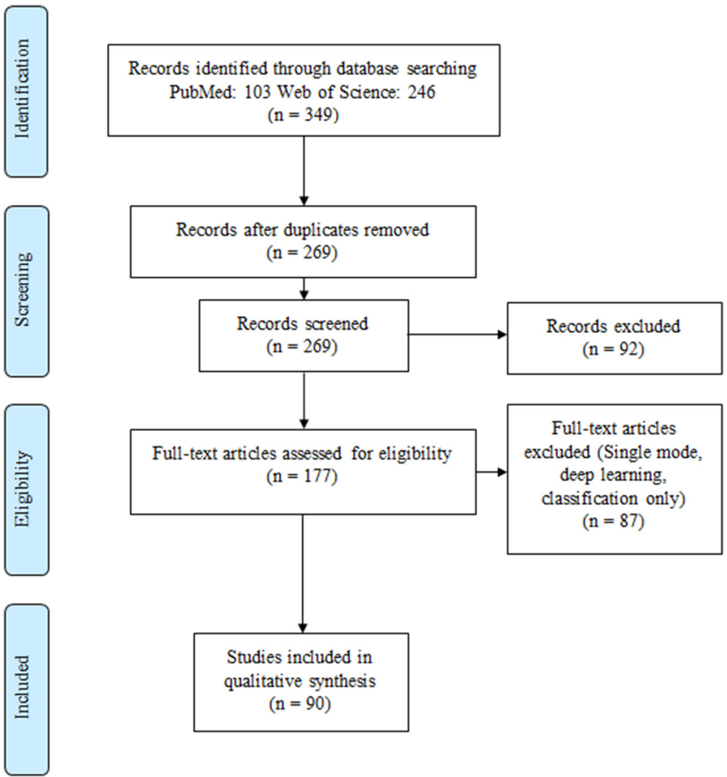
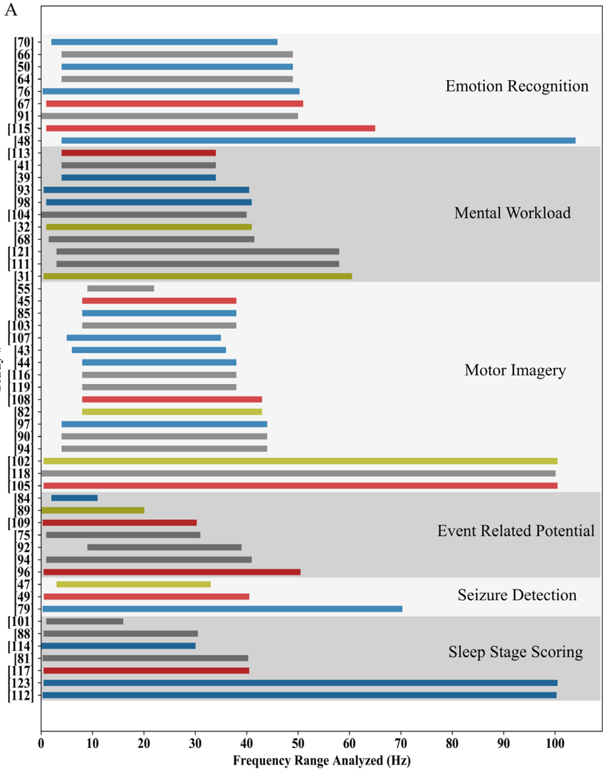
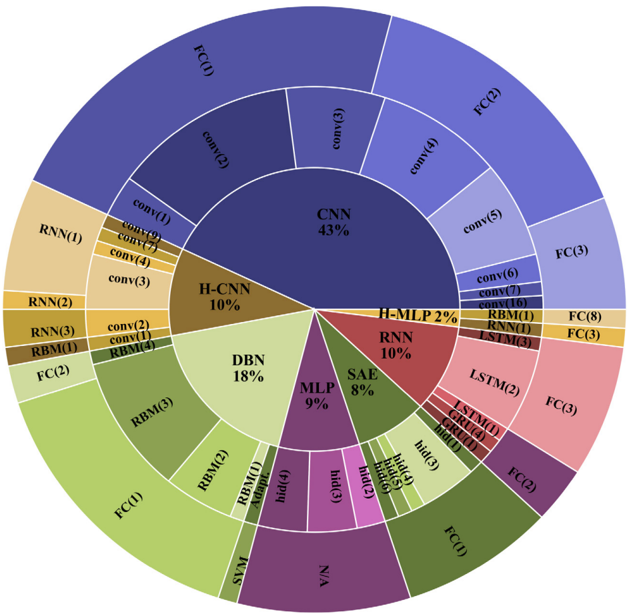
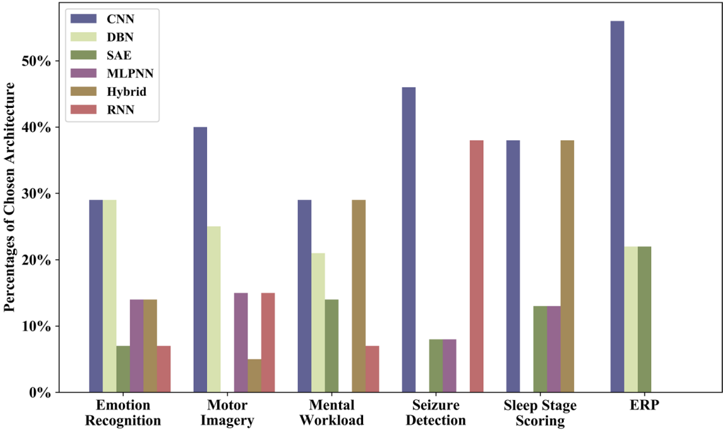
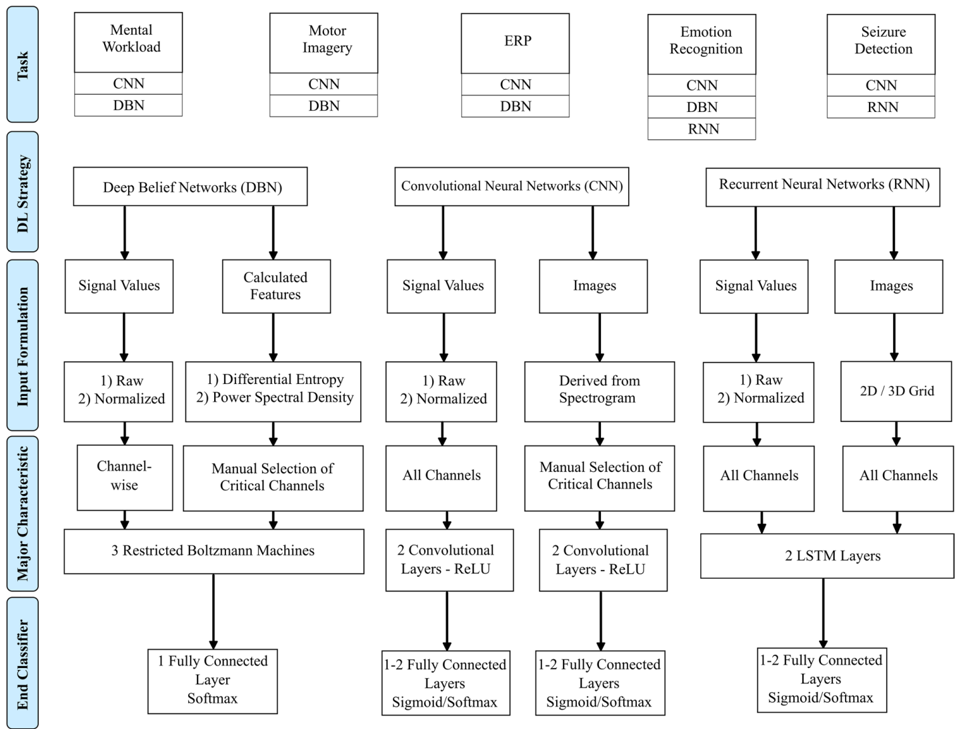
OBJECTIVE: Electroencephalography (EEG) analysis has been an important tool in neuroscience with applications in neuroscience, neural engineering (e.g. Brain-computer interfaces, BCI's), and even commercial applications. Many of the analytical tools used in EEG studies have used machine learning to uncover relevant information for neural classification and neuroimaging. Recently, the availability of large EEG data sets and advances in machine learning have both led to the deployment of deep learning architectures, especially in the analysis of EEG signals and in understanding the information it may contain for brain functionality. The robust automatic classification of these signals is an important step towards making the use of EEG more practical in many applications and less reliant on trained professionals. Towards this goal, a systematic review of the literature on deep learning applications to EEG classification was performed to address the following critical questions: (1) Which EEG classification tasks have been explored with deep learning? (2) What input formulations have been used for training the deep networks? (3) Are there specific deep learning network structures suitable for specific types of tasks? APPROACH: A systematic literature review of EEG classification using deep learning was performed on Web of Science and PubMed databases, resulting in 90 identified studies. Those studies were analyzed based on type of task, EEG preprocessing methods, input type, and deep learning architecture. MAIN RESULTS: For EEG classification tasks, convolutional neural networks, recurrent neural networks, deep belief networks outperform stacked auto-encoders and multi-layer perceptron neural networks in classification accuracy. The tasks that used deep learning fell into five general groups: emotion recognition, motor imagery, mental workload, seizure detection, event related potential detection, and sleep scoring. For each type of task, we describe the specific input formulation, major characteristics, and end classifier recommendations found through this review. SIGNIFICANCE: This review summarizes the current practices and performance outcomes in the use of deep learning for EEG classification. Practical suggestions on the selection of many hyperparameters are provided in the hope that they will promote or guide the deployment of deep learning to EEG datasets in future research.
Overview
The claims and statistics of this paper haven’t been checked yet.
Free: it reads the open-access text and checks the first 5 claims that cite a source we can check. Create a free account to check every claim.
Integrity signals
Registry
Cites
Statistics
Figures
Verification
Claims the paper makes
The claims and statistics of this paper haven’t been checked yet.
Free: it reads the open-access text and checks the first 5 claims that cite a source we can check. Create a free account to check every claim.
Claims other papers make about this one
Each is checked against this paper’s own text: does it say what the citing paper says it does?
The source backs part of the claim, not all of it — or backs it for a different population, condition or comparison.
In the citing paper
“The difficulty of EEG signal processing is to extract high-dimensional features from non-stationary time series with low signal-to-noise ratio [18].”
From IENet: a robust convolutional neural network for EEG based brain-computer interfaces (2022) · cites this paper as [18]
Experimental — accuracy not yet measuredThe source backs part of the claim, not all of it — or backs it for a different population, condition or comparison.
In the citing paper
“Convolutional neural networks (CNN), a leading deep learning structure for data on Euclidean space, outperform the above machine learning algorithms in classification accuracy (Craik et al., 2019).”
From Spatial–temporal graph convolutional network for Alzheimer classification based on brain functional connectivity imaging of electroencephalogram (2022) · cites this paper as Craik et al., 2019
Experimental — accuracy not yet measuredThe cited source says what the claim attributes to it.
In the citing paper
“As for the structures of deep leaning models, convolutional neural networks (CNNs) are the most prevalent architectures in EEG classification tasks [18].”
From IENet: a robust convolutional neural network for EEG based brain-computer interfaces (2022) · cites this paper as [18]
Self-check
Percentages, sums and reported differences re-computed from the paper’s own numbers.
The self-check needs the paper’s full text.
Citations
Cites
Hochreiter, S., & Schmidhuber, J. (1997) · Neural Computation · doi:10.1162/neco.1997.9.8.1735 · Cited by 102,318 · cited 1×
“LSTM is a popular extension of the standard RNN module [83].”
BackgroundLeCun, Y., Bengio, Y., & Hinton, G. (2015) · Nature · doi:10.1038/nature14539 · Cited by 84,126
Preferred reporting items for systematic reviews and meta-analyses: The PRISMA statement
Moher, D., Liberati, A., Tetzlaff, J., & Altman, D. G. (2010) · International Journal of Surgery · doi:10.1016/j.ijsu.2010.02.007 · Cited by 12,156
(1982) · Trends in Neurosciences · doi:10.1016/0166-2236(82)90076-5 · Cited by 9,089
Speech recognition with deep recurrent neural networks
Graves, A., Mohamed, A.-R., & Hinton, G. (2013) · 2013 IEEE International Conference on Acoustics, Speech and Signal Processing · doi:10.1109/icassp.2013.6638947 · Cited by 8,893 · cited 1×
“Indeed, it significantly improved performance in a wide range of traditionally challenging domains, such as images [10], videos [11], speech [12], and text [13].”
BackgroundLearning long-term dependencies with gradient descent is difficult
Bengio, Y., Simard, P., & Frasconi, P. (1994) · IEEE Transactions on Neural Networks · doi:10.1109/72.279181 · Cited by 8,542 · cited 1×
“Neural networks did not immediately receive the high attention seen today in neural classification applications because of practical issues, such as very long computation time and problems with the vanishing/exploding gradients [8].”
BackgroundLarge-Scale Video Classification with Convolutional Neural Networks
Karpathy, A., Toderici, G., Shetty, S., Leung, T., Sukthankar, R., & Fei-Fei, L. (2014) · 2014 IEEE Conference on Computer Vision and Pattern Recognition · doi:10.1109/cvpr.2014.223 · Cited by 6,354 · cited 1×
“Indeed, it significantly improved performance in a wide range of traditionally challenging domains, such as images [10], videos [11], speech [12], and text [13].”
EEGNet: a compact convolutional neural network for EEG-based brain-computer interfaces
Lawhern, V. J., Solon, A. J., Waytowich, N. R., Gordon, S. M., Hung, C. P., & Lance, B. J. (2018) · Journal of Neural Engineering · doi:10.1088/1741-2552/aace8c · Cited by 5,115 · cited 1×
“1 FC 20 h 2 OUT [94] CNN ELU (conv) SV P300(1) N/A P300(1) P300(1) 3 conv Softmax (FC) All (64/56/22) 1–40 Hz P300(2) 1–40 Hz MI 4–40 Hz 15 93% 1 FC 0.”
EEGNet: A Compact Convolutional Network for EEG-based Brain-Computer Interfaces
Lawhern, V. J., Solon, A. J., Waytowich, N. R., Gordon, S. M., Hung, C. P., & Lance, B. J. (2016) · arXiv · doi:10.48550/arxiv.1611.08024 · Cited by 5,105 · cited 1×
“1 FC 20 h 2 OUT [94] CNN ELU (conv) SV P300(1) N/A P300(1) P300(1) 3 conv Softmax (FC) All (64/56/22) 1–40 Hz P300(2) 1–40 Hz MI 4–40 Hz 15 93% 1 FC 0.”
DEAP: A Database for Emotion Analysis ;Using Physiological Signals
Koelstra, S., Muhl, C., Soleymani, M., Lee, J.-S., Yazdani, A., Ebrahimi, T., Pun, T., Nijholt, A., & Patras, I. (2012) · IEEE Transactions on Affective Computing · doi:10.1109/t-affc.2011.15 · Cited by 5,093 · cited 3×
“The datasets that are used in more than one study within this review include an emotion recognition dataset ([56], various subsets used in ten studies), a mental workload dataset ([57], used in four studies), two motor imagery datasets from the same BCI competition ([58], one dataset used in six studies and the second…”
BackgroundMethod
Research works printed but not linked: 24
- He Y, 2018, J. Neural Eng., 15
- Karpathy A, 2014, Proc. IEEE Computer Society Conf. Computer Vision Pattern Recognition, 1725
- Sutskever I, 2011, Proc. of the 28th Int. Conf. on Machine Learning, 1017
- Zhao Y, 2014, 2014 Asian Conf. Computer Visison, 1
- Roy S, 2018, 40th Annu. Int. Conf. IEEE Eng. Med. Biol. Soc. (EMBC), 2756
- Teplan M, 2002, Meas. Sci., 2, 1
- Pfurtscheller G, 2001, 89, 1123
- Kuanar S, 2018 IEEE Int. Conf. on Acoustics, Speech and Signal Processing (ICASSP), 352
- Abbas W, 2018, 40th Annu. Int. Conf. IEEE Eng. Med. Biol. Soc. (EMBC), 219
- Wei X, 2018, 18, 111
- Xu H, 2016, 2016 IEEE 18th Int. Workshop Multimedia Signal Processing, 1
- Vareka L, 2017, Application of Stacked Autoencoders to P300 Experimental Data (Int. Conf. on Artificial Intelligence and Soft Computing)
- Yuen T C, 2009, Int. J. Integr. Eng., 1, 71
- Alhagry S, 2017, Emotion, 8, 8
- Yin Z, 2016, Chinese Control Conf. CCC, 2016, 3907
- Pereira A, 2018, Preprint
- Ang K K, 2019, J. Neural Eng., 16
- Liu J, 2015, Chinese Control Conf. CCC, 2015, 3518
- Ansari M L A, 2018, J. Neural Eng., 15
- Kobler R J, 2016, 2016 IEEE Int. Conf. Syst. Man, Cybernetics SMC 2016—Conf. Proc., 469
- An X, 2014, Int. Conf. on Intelligent Computing, 203
- Gao Y, 2015, 2015 IEEE Int. Conf. Multimedia Expo Workshops ICMEW 2015, 2, 1
- Bablani A, 2018, 2018 9th Int. Conf. Computing Communication Networking Technologies, 1
- Luo T, 2018, Bioinformatics, 19, 344
Cited by
Items 101–200 of 1,001
TFormer: A time–frequency Transformer with batch normalization for driver fatigue recognition
Li, R., Hu, M., Gao, R., Wang, L., Suganthan, P. N., & Sourina, O. (2024) · Advanced Engineering Informatics · doi:10.1016/j.aei.2024.102575 · Cited by 113
Emerging trends in BCI-robotics for motor control and rehabilitation
Robinson, N., Mane, R., Chouhan, T. S., & Guan, C. (2021) · Current Opinion in Biomedical Engineering · doi:10.1016/j.cobme.2021.100354 · Cited by 100
Fused CNN-LSTM deep learning emotion recognition model using electroencephalography signals
Ramzan, M., & Dawn, S. (2021) · International Journal of Neuroscience · doi:10.1080/00207454.2021.1941947 · Cited by 92
“This automatic detection and classification of neural functions make EEG more practical in application [1].”
MethodEESCN: A novel spiking neural network method for EEG-based emotion recognition
Xu, F., Pan, D., Zheng, H., Ouyang, Y., Jia, Z., & Zeng, H. (2023) · Computer Methods and Programs in Biomedicine · doi:10.1016/j.cmpb.2023.107927 · Cited by 92
EEG-based optimization of eye state classification using modified-BER metaheuristic algorithm
Elshewey, A. M., Alhussan, A. A., Khafaga, D. S., El‐kenawy, E. M., & Tarek, Z. (2024) · Scientific Reports · doi:10.1038/s41598-024-74475-5 · Cited by 93
Jeong, J.-H., Cho, J.-H., Shim, K.-H., Kwon, B.-H., Lee, B.-H., Lee, D.-Y., Lee, D.-H., & Lee, S. (2020) · GigaScience · doi:10.1093/gigascience/giaa098 · Cited by 97
Sundaresan, A., Penchina, B., Cheong, S., Grace, V., Valero‐Cabré, A., & Martel, A. (2021) · Brain Informatics · doi:10.1186/s40708-021-00133-5 · Cited by 95
Continuous Seizure Detection Based on Transformer and Long-Term iEEG
Sun, Y., Jin, W., Si, X., Zhang, X., Cao, J., Wang, L., Yin, S., & Ming, D. (2022) · IEEE Journal of Biomedical and Health Informatics · doi:10.1109/jbhi.2022.3199206 · Cited by 95
“In seizure detection, deep learning models, especially convolutional neural networks (CNNs), use spectrograms or Fourier features generated from raw iEEG signals as input [23].”
MethodLi, Z., Hwang, K., Li, K., Wu, J., & Ji, T. (2022) · Scientific Reports · doi:10.1038/s41598-022-23656-1 · Cited by 102
Tsuchimoto, S., Shibusawa, S., Iwama, S., Hayashi, M., Okuyama, K., Mizuguchi, N., Kato, K., & Ushiba, J. (2021) · Journal of Neuroscience Methods · doi:10.1016/j.jneumeth.2021.109089 · Cited by 88
A graph convolutional neural network for the automated detection of seizures in the neonatal EEG
Raeisi, K., Khazaei, M., Croce, P., Tamburro, G., Comani, S., & Zappasodi, F. (2022) · Computer Methods and Programs in Biomedicine · doi:10.1016/j.cmpb.2022.106950 · Cited by 85
Deep learning in neuroimaging data analysis: Applications, challenges, and solutions
Avberšek, L. K., & Repovš, G. (2022) · Frontiers in Neuroimaging · doi:10.3389/fnimg.2022.981642 · Cited by 101
Li, J., Pan, W., Huang, H., Pan, J., & Wang, F. (2023) · Frontiers in Human Neuroscience · doi:10.3389/fnhum.2023.1169949 · Cited by 93
“Among the physiological signals, EEG signals are widely used in neural engineering and brain-computer interfaces (BCIs) research due to their high temporal resolution, non-invasiveness, and low cost (Craik et al., 2019).”
BackgroundEnsemble of Autoencoders for Anomaly Detection in Biomedical Data: A Narrative Review
Nawaz, A., Khan, S. S., & Ahmad, A. (2024) · IEEE Access · doi:10.1109/access.2024.3360691 · Cited by 60
“Anomaly detection in EEG refers to identifying deviations from normal brain function in an EEG [87], such as epilepsy, a sleep disorder, or a brain tumor [88].”
BackgroundADHD detection using dynamic connectivity patterns of EEG data and ConvLSTM with attention framework
Bakhtyari, M., & Mirzaei, S. (2022) · Biomedical Signal Processing and Control · doi:10.1016/j.bspc.2022.103708 · Cited by 82
ECG-NET: A deep LSTM autoencoder for detecting anomalous ECG
Roy, M., Majumder, S., Halder, A., & Biswas, U. (2023) · Engineering Applications of Artificial Intelligence · doi:10.1016/j.engappai.2023.106484 · Cited by 83
CorrNet: Fine-Grained Emotion Recognition for Video Watching Using Wearable Physiological Sensors
Zhang, T., Ali, A. E., Wang, C., Hanjalić, A., & Cesar, P. S. (2020) · Sensors · doi:10.3390/s21010052 · Cited by 89
“With respect to EEG, emotion recognition accuracies up to 80% have been achieved over the past decade [25].”
BackgroundShahabi, M. S., Shalbaf, A., & Maghsoudi, A. (2021) · Journal of Applied Biomedicine · doi:10.1016/j.bbe.2021.06.006 · Cited by 84
Neural Applications Using Immersive Virtual Reality: A Review on EEG Studies
Choi, J. W., Kwon, H., Choi, J.-H., Kaongoen, N., Hwang, C., Kim, M., Kim, B. H., & Jo, S. (2023) · IEEE Transactions on Neural Systems and Rehabilitation Engineering · doi:10.1109/tnsre.2023.3254551 · Cited by 85
“…to solve these problems by incorporating various machine learning and deep learning architectures to consider subject-dependent, subject-independent, and session-dependent aspects [131], [132], [133], [134], the accuracy of BCI performance requires further improvement for commercial applications.”
BackgroundHybrid Human-Machine Interface for Gait Decoding Through Bayesian Fusion of EEG and EMG Classifiers
Tortora, S., Tonin, L., Chisari, C., Micera, S., Menegatti, E., & Artoni, F. (2020) · Frontiers in Neurorobotics · doi:10.3389/fnbot.2020.582728 · Cited by 82
“…number of units per layer), shown in Figure 3A , were empirically defined for EEG and EMG signals separately based on the performance on the validation set, averaged across subjects, and on previous studies in literature (Craik et al., 2019; Luo et al., 2019; Roy et al., 2019; Tortora et al., 2020).”
MethodShallow Convolutional Network Excel for Classifying Motor Imagery EEG in BCI Applications
Hermosilla, D. M., Codorniú, R. T., Baracaldo, R. L., Zamora, R. S., Delisle-Rodríguez, D., Albuerne, Y. L., & Álvarez, J. R. N. (2021) · IEEE Access · doi:10.1109/access.2021.3091399 · Cited by 88
“For instance, Convolutional Neural Network (CNN) has been widely used with success for MI recognition through EEG signals [40], [41] due to its capability of learning high-level features, including the hierarchical structures in end-to-end data, and the automatic parameter optimization.”
MethodMachine Learning in the Parkinson’s disease smartwatch (PADS) dataset
Varghese, J., Brenner, A., Fujarski, M., van Alen, C. M., Plagwitz, L., & Warnecke, T. (2024) · npj Parkinson's Disease · doi:10.1038/s41531-023-00625-7 · Cited by 92
Self-supervised Learning for Electroencephalogram: A Systematic Survey
Weng, W., Gu, Y., Guo, S., Ma, Y., Yang, Z., Liu, Y., & Chen, Y. (2025) · ACM Computing Surveys · doi:10.1145/3736574 · Cited by 97
“In general, the training paradigms of SSL can be summarized into three categories: 1. pre-train mode; 2. joint-train mode; 3. unsupervised-train mode.”
Shan, X., Cao, J., Huo, S., Chen, L., Sarrigiannis, P. G., & Zhao, Y. (2022) · Human Brain Mapping · doi:10.1002/hbm.25994 · Cited by 75
“Convolutional neural networks (CNN), a leading deep learning structure for data on Euclidean space, outperform the above machine learning algorithms in classification accuracy (Craik et al., 2019).”
BackgroundPan, C., Shi, C., Mu, H., Li, J., & Gao, X. (2020) · Applied Sciences · doi:10.3390/app10051619 · Cited by 71
“Recently, deep learning (DL) methods have been used for EEG-based emotion classification [28,29].”
BackgroundMethodPfeffer, M. A., Ling, S. H., & Wong, J. K. W. (2024) · Computers in Biology and Medicine · doi:10.1016/j.compbiomed.2024.108705 · Cited by 91
Sibilano, E., Brunetti, A., Buongiorno, D., Lassi, M., Grippo, A., Bessi, V., Micera, S., Mazzoni, A., & Bevilacqua, V. (2023) · Journal of Neural Engineering · doi:10.1088/1741-2552/acb96e · Cited by 84
“Even though it is still not clear whether heavy signal preprocessing is needed when employing DL methods [53], a systematic review on EEG classification carried out by Roy et al pointed out how most published papers in this field still preprocess the EEG data before feeding it to deep models [37].”
MethodSelf-supervised Learning with Attention Mechanism for EEG-based seizure detection
Xiao, T., Wang, Z., Zhang, Y., Lv, H., Wang, S., Feng, H., & Zhao, Y. (2023) · Biomedical Signal Processing and Control · doi:10.1016/j.bspc.2023.105464 · Cited by 75
Spike detection and sorting with deep learning
Rácz, M., Liber, C., Németh, E., Fiáth, R., Rokai, J., Harmati, I., Ulbert, I., & Márton, G. (2019) · Journal of Neural Engineering · doi:10.1088/1741-2552/ab4896 · Cited by 78
Simões, M., Borra, D., Santamaría-Vázquez, E., GBT-UPM, Bittencourt-Villalpando, M., Krzemiński, D., Miladinović, A., Neural_Engineering_Group, Schmid, T., Zhao, H., et al. (2020) · Frontiers in Neuroscience · doi:10.3389/fnins.2020.568104 · Cited by 72
Seizure detection algorithm based on improved functional brain network structure feature extraction
Jiang, L., He, J., Pan, H., Wu, D., Jiang, T., & Liu, J. (2022) · Biomedical Signal Processing and Control · doi:10.1016/j.bspc.2022.104053 · Cited by 77
Deep learning applied to electroencephalogram data in mental disorders: a systematic review
de Bardeci, M., Ip, C. T., & Olbrich, S. (2021) · Biological Psychology · doi:10.1016/j.biopsycho.2021.108117 · Cited by 71
Application of Transfer Learning in EEG Decoding Based on Brain-Computer Interfaces: A Review
Zhang, K., Xu, G., Zheng, X., Li, H., Zhang, S., Yu, Y., & Liang, R. (2020) · Sensors · doi:10.3390/s20216321 · Cited by 76
Jin, W., Zhu, X., Qian, L., Wu, C., Yang, F., Zhan, D., Kang, Z., Luo, K., Meng, D., & Xu, G. (2024) · Frontiers in Computational Neuroscience · doi:10.3389/fncom.2024.1431815 · Cited by 91
EEG emotion recognition based on TQWT-features and hybrid convolutional recurrent neural network
Zhong, M.-Y., Qing-yu, Y., Liu, Y., Zhen, B.-Y., Zhao, F.-D., & Xie, B.-B. (2022) · Biomedical Signal Processing and Control · doi:10.1016/j.bspc.2022.104211 · Cited by 73
Deep learning in motor imagery EEG signal decoding: A Systematic Review
Saibene, A., Ghaemi, H., & Dağdevır, E. (2024) · Neurocomputing · doi:10.1016/j.neucom.2024.128577 · Cited by 83
Bagherzadeh, S., Maghooli, K., Shalbaf, A., & Maghsoudi, A. (2022) · Cognitive Neurodynamics · doi:10.1007/s11571-021-09756-0 · Cited by 73
“CNN is a specific type of neural networks which widely utilized in biomedical signal processing and classification applications (Saeedi et al. 2020a; Faust et al. 2018; Craik et al. 2019; Deng and Yu 2014).”
BackgroundMulti-scale convolutional transformer network for motor imagery brain-computer interface
Zhao, W., Zhang, B., Zhou, H., Wei, D., Huang, C., & Lan, Q. (2025) · Scientific Reports · doi:10.1038/s41598-025-96611-5 · Cited by 91
Epileptic Seizure Detection and Experimental Treatment: A Review
Kim, T.-H., Nguyen, P., Pham, N., Bui, N., Truong, H., Ha, S., & Vu, T. N. (2020) · Frontiers in Neurology · doi:10.3389/fneur.2020.00701 · Cited by 79
Sylvester, S., Sagehorn, M., Gruber, T., Atzmueller, M., & Schöne, B. (2024) · Behavior Research Methods · doi:10.3758/s13428-023-02335-7 · Cited by 79
“Surprisingly, the survey found that CNNs performed well on the signal directly without the need to transform the data to spectro-grams during preprocessing (Craik et al., 2019).”
BackgroundA review on evaluating mental stress by deep learning using EEG signals
Badr, Y., Tariq, U., Al-Shargie, F., Babiloni, F., Mughairbi, F. A., & Al-Nashash, H. A. (2024) · Neural Computing and Applications · doi:10.1007/s00521-024-09809-5 · Cited by 91
Stress Classification Using Brain Signals Based on LSTM Network
Phutela, N., Relan, D., Gabrani, G., Kumaraguru, P., & Samuel, M. (2022) · Computational Intelligence and Neuroscience · doi:10.1155/2022/7607592 · Cited by 81
“A detailed review of deep learning techniques for classification tasks using EEG signals is reported in [33].”
BackgroundBagherzadeh, S., Shalbaf, A., Shoeibi, A., Jafari, M., Tan, R., & Acharya, U. R. (2024) · IEEE Access · doi:10.1109/access.2024.3384303 · Cited by 75
“Recently, deep learning methods like deep autoen-coders [25], and convolutional neural networks (CNNs) [25], [26], [27], [28], [29], [30], [31] have been applied to emotion recognition studies.”
BackgroundMethodVidyasagar, K. E. C., Kumar, K. R., Sai, G. N. K. A., Ruchita, M., & Saikia, M. J. (2024) · IEEE Access · doi:10.1109/access.2024.3399114 · Cited by 73
“This integration redefines EEG analysis, making it more accessible and less dependent on specialized expertise [70].”
BackgroundAlqudah, A. M., & Moussavi, Z. (2025) · Computers, materials & continua/Computers, materials & continua (Print) · doi:10.32604/cmc.2025.063643 · Cited by 102
Bouallegue, G., Djemal, R., Alshebeili, S. A., & Aldhalaan, H. (2020) · IEEE Access · doi:10.1109/access.2020.3037995 · Cited by 69
“Moreover, current works have lack of designing a dynamic multitask algorithm that is adaptable to multiple diseases (ASD/ Epilepsy) [46].”
BackgroundMethodInfluentialZhu, Y., Li, Y., Lu, J., & Li, P. (2021) · IEEE Access · doi:10.1109/access.2021.3052656 · Cited by 72
“In recent years, convolutional neural network (CNN) have achieved satisfactory performance on computer vision and speech recognition [13], [14].”
BackgroundLuján, M., Jiménez, M. V. J., Mateo, J., Ricarte, J. J., & Borja, A. L. (2021) · Electronics · doi:10.3390/electronics10233037 · Cited by 74
Continuous sensorimotor rhythm based brain computer interface learning in a large population
Stieger, J., Engel, S. A., & He, B. (2021) · Scientific Data · doi:10.1038/s41597-021-00883-1 · Cited by 75
“One encouraging trend in BCI is to use artificial neural networks to decode brain states 13,35–37 .”
MethodStrategi Pembelajaran Abad 21Preprint
Mesra, R. (2023) · OSF Preprints (OSF Preprints) · doi:10.31219/osf.io/ec6du · Cited by 68
A Review of Processing Methods and Classification Algorithm for EEG Signal
Xie, Y., & Oniga, S. (2020) · Carpathian Journal of Electronic and Computer Engineering · doi:10.2478/cjece-2020-0004 · Cited by 64
“The deep neural networks used mainly contain convolutional neural networks, recurrent neural networks, deep belief networks, and also include stack autoencoders and multilayer perceptron [31].”
BackgroundMethodSamavat, A., Khalili, E., Ayati, B., & Ayati, M. (2022) · IEEE Access · doi:10.1109/access.2022.3155647 · Cited by 73
“It is claimed that deep learning method addresses the shortcomings of recent approaches, such as the requirement of a large amount of data [11].”
MethodElnaggar, K., El-Gayar, M. M., & Elmogy, M. M. (2025) · Diagnostics · doi:10.3390/diagnostics15020210 · Cited by 84
Ko, W., Jeon, E., Jeong, S., Phyo, J., & Suk, H. (2021) · Frontiers in Human Neuroscience · doi:10.3389/fnhum.2021.643386 · Cited by 73
Statistical inference on representational geometries
Schütt, H. H., Kipnis, A. D., Diedrichsen, J., & Kriegeskorte, N. (2023) · eLife · doi:10.7554/elife.82566 · Cited by 74
Cherian, R., & Kanaga, E. G. M. (2022) · Journal of Neuroscience Methods · doi:10.1016/j.jneumeth.2022.109483 · Cited by 69
Maimaiti, B., Meng, H., Lv, Y., Qiu, J., Zhu, Z., Xie, Y., Li, Y., Yu-Cheng, Zhao, W., Liu, J., et al. (2021) · Neuroscience · doi:10.1016/j.neuroscience.2021.11.017 · Cited by 71
On the Deep Learning Models for EEG-Based Brain-Computer Interface Using Motor Imagery
Zhu, H., Forenzo, D., & He, B. (2022) · IEEE Transactions on Neural Systems and Rehabilitation Engineering · doi:10.1109/tnsre.2022.3198041 · Cited by 67
“Several groups have been working on deep neural networks for MI classification [17] and published several models.”
Bio-Signals in Medical Applications and Challenges Using Artificial Intelligence
Swapna, M., Viswanadhula, U. M., Aluvalu, R., Vardharajan, V., & Kotecha, K. (2022) · Journal of Sensor and Actuator Networks · doi:10.3390/jsan11010017 · Cited by 60
“Sleeping stages are stage 1, 2, 3, and 4 [20].”
BackgroundA systematic comparison of deep learning methods for EEG time series analysis
Walther, D., Viehweg, J., Haueisen, J., & Mäder, P. (2023) · Frontiers in Neuroinformatics · doi:10.3389/fninf.2023.1067095 · Cited by 68
“We focus on EEG recordings as a non-invasive and cost efficient method to measure brain activity with electrodes placed directly on the scalp (Craik et al., 2019) (cp. Figure 2).”
BackgroundMethodInfluentialA systematic literature review of emotion recognition using EEG signals
Prabowo, D. W., Nugroho, H. A., Setiawan, N. A., & Debayle, J. (2023) · Cognitive Systems Research · doi:10.1016/j.cogsys.2023.101152 · Cited by 66
CNN based classification of motor imaginary using variational mode decomposed EEG-spectrum image
Krishnan, K. K., & Soman, K. P. (2021) · Biomedical Engineering Letters · doi:10.1007/s13534-021-00190-z · Cited by 65
“Among the various classifiers, deep learning networks like CNN, Deep Belief network (DBF), Restricted Boltzmann Machines (RBM) and Hybrid CNN remain outstanding [8].”
BackgroundRavindran, A. S., & Contreras-Vidal, J. L. (2023) · Scientific Reports · doi:10.1038/s41598-023-43871-8 · Cited by 71
Self-citationHow Can Physiological Computing Benefit Human-Robot Interaction?
Roy, R. N., Drougard, N., Gateau, T., Dehais, F., & Chanel, C. P. C. (2020) · Robotics · doi:10.3390/robotics9040100 · Cited by 63
“Neural networks (NN) [104], such as the multi-layer perceptron (MLP), are also successful and have given birth to deep learning [105], which is beginning to be used to classify EEG data when the database is large enough [106].”
BackgroundAn Analysis of Deep Learning Models in SSVEP-Based BCI: A Survey
Xu, D., Tang, F., Li, Y., Zhang, Q., & Feng, X. (2023) · Brain Sciences · doi:10.3390/brainsci13030483 · Cited by 69
Decoding EEG Brain Activity for Multi-Modal Natural Language Processing
Hollenstein, N., Renggli, C., Glaus, B., Barrett, M., Tröndle, M., Langer, N., & Zhang, C. (2021) · Frontiers in Human Neuroscience · doi:10.3389/fnhum.2021.659410 · Cited by 67
2020 International brain–computer interface competition: A review
Jeong, J.-H., Cho, J.-H., Lee, Y.-E., Lee, S., Shin, G.-H., Kweon, Y.-S., Millán, J. D. R., Müller, K., & Lee, S.-W. (2022) · Frontiers in Human Neuroscience · doi:10.3389/fnhum.2022.898300 · Cited by 88
“The most recent work applying neural networks has focused on the development of various architectures and algorithms while testing them on a standard benchmark (Craik et al., 2019; Stieger et al., 2021) or datasets gathered by individual researchers.”
BackgroundBenefits of deep learning classification of continuous noninvasive brain–computer interface control
Stieger, J. R., Engel, S. A., Suma, D., & He, B. (2021) · Journal of Neural Engineering · doi:10.1088/1741-2552/ac0584 · Cited by 55
Saini, M., Satija, U., & Upadhayay, M. D. (2022) · Biomedical Signal Processing and Control · doi:10.1016/j.bspc.2022.103494 · Cited by 57
“This issue can be addressed by the use of deep learning approaches where the features are automatically learnt from the raw data during the training process [29].”
BackgroundRecent Trends in EEG-Based Motor Imagery Signal Analysis and Recognition: A Comprehensive Review
Sharma, N. V., Sharma, M., Singhal, A., Vyas, R., Malik, H., Afthanorhan, A., & Hossaini, M. A. (2023) · IEEE Access · doi:10.1109/access.2023.3299497 · Cited by 60
“RNN has the problem of exploding and vanishing gradients [63].”
BackgroundCraley, J., Johnson, E. L., Jouny, C. C., & Venkataraman, A. (2020) · Biomedical Signal Processing and Control · doi:10.1016/j.bspc.2020.102360 · Cited by 61
“This interest in deep learning has extended into EEG analysis, finding applications in brain computer interfaces, sleep state analysis, and seizure detection [33].”
A systematic deep learning model selection for p300-based brain-computer interfaces
Abibullaev, B., & Zollanvari, A. (2022) · IEEE Transactions on Systems Man and Cybernetics Systems · doi:10.1109/tsmc.2021.3051136 · Cited by 53
“Beyond the CNN architecture, recurrent neural networks (RNNs) and hybrids of CNNs and RNNs have been used in recent years in several BCI applications, such as visual image classification [49], decoding of motor imagery [50], rapid serial visual evoked potentials [51], and mental workload detection [52] (see [45] and […”
MethodA Deep LSTM based Approach for Intrusion Detection IoT Devices Network in Smart Home
Azumah, S. W., ElSayed, Z., Adewopo, V. A., Zaghloul, Z. S., & Li, C. (2021) · IEEE World Forum on Internet of Things (WF-IoT) · doi:10.1109/wf-iot51360.2021.9596033 · Cited by 65
Spatio-temporal MLP network for seizure prediction using EEG signals
Li, C., Shao, C., Song, R., Xu, G., Liu, X., Qian, R., & Chen, X. (2022) · Measurement · doi:10.1016/j.measurement.2022.112278 · Cited by 60
Santamaría-Vázquez, E., Martínez-Cagigal, V., Marcos-Martínez, D., Rodríguez-González, V., Pérez-Velasco, S., Moreno-Calderón, S., & Hornero, R. (2023) · Computer Methods and Programs in Biomedicine · doi:10.1016/j.cmpb.2023.107357 · Cited by 60
Zhu, F., Zhang, J., Dang, R., Hu, B., & Wang, Q. (2024) · Biomedical Signal Processing and Control · doi:10.1016/j.bspc.2024.106996 · Cited by 61
DreaMR: Diffusion-Driven Counterfactual Explanation for Functional MRI
Bedel, H. A., & Çukur, T. (2024) · IEEE Transactions on Medical Imaging · doi:10.1109/tmi.2024.3507008 · Cited by 61
“For instance, electroencephalography measures local field potentials [91] and magnetoencephalography measures local magnetic fields caused by neural activity [92], near-infrared spectroscopy measures hemodynamic changes consequent to neural activity [93], and microelectrode arrays directly measure…”
Evaluating Performance of EEG Data-Driven Machine Learning for Traumatic Brain Injury Classification
Vivaldi, N., Caiola, M. J., Solarana, K., & Ye, M. (2021) · IEEE Transactions on Biomedical Engineering · doi:10.1109/tbme.2021.3062502 · Cited by 60
“…in computational capability, machine/deep learning has been under intense investigation for implementation in multiple neurological fields, including mind decoding in brain-computer interface [26], identification of sleep-wake stages [27], prediction of seizures [28], and prognosis of stroke [29].”
BackgroundCheah, K. H., Nisar, H., Yap, V. V., Lee, C., & Sinha, G. R. (2021) · Journal of Healthcare Engineering · doi:10.1155/2021/5599615 · Cited by 61
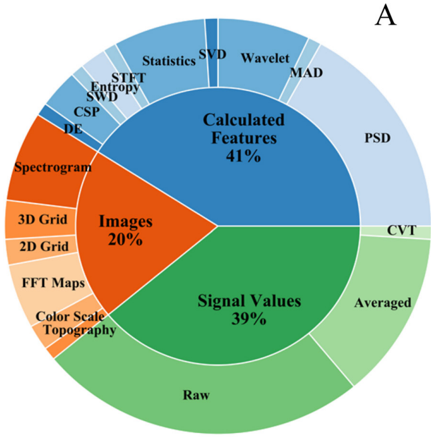
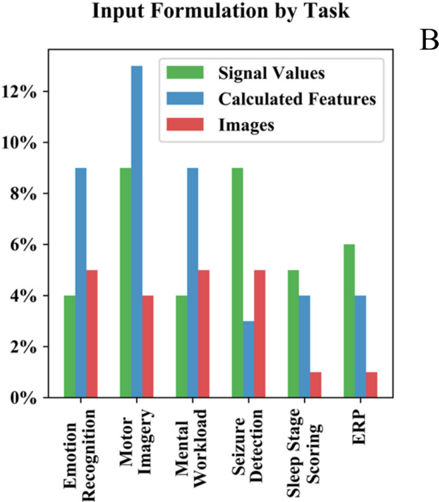
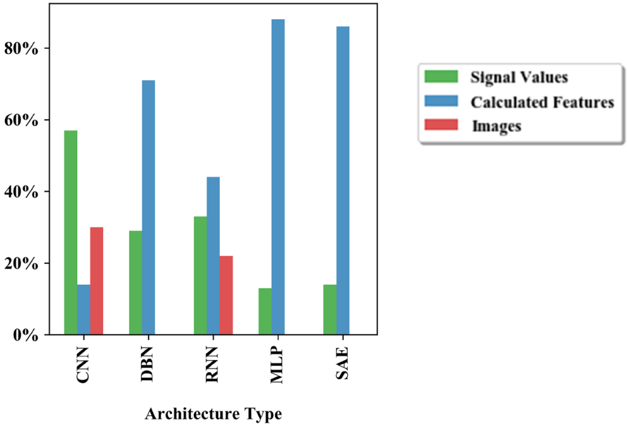
“A recent extensive 5-year review by Craik et al. (2019) [15] on the current research state of deep neural networks for EEG classification reported the finding of only about 22% of the emotion recognition research using EEG signal values as the input data, with the remaining vast majority using the…”
BackgroundBagherzadeh, S., Maghooli, K., Shalbaf, A., & Maghsoudi, A. (2022) · Biomedical Signal Processing and Control · doi:10.1016/j.bspc.2022.103544 · Cited by 56
Topological Data Analysis as a New Tool for EEG Processing
Xu, X., Drougard, N., & Roy, R. N. (2021) · Frontiers in Neuroscience · doi:10.3389/fnins.2021.761703 · Cited by 52
“Many techniques have been developed, ranging from traditional spectral analysis, to non-linear analysis, as well as to recent deep learning techniques (Muthuswamy and Thakor, 1998; Müller et al., 2008; Murugappan et al., 2008; Subha et al., 2010; Craik et al., 2019).”
MethodRaeisi, K., Khazaei, M., Tamburro, G., Croce, P., Comani, S., & Zappasodi, F. (2023) · International Journal of Neural Systems · doi:10.1142/s0129065723500466 · Cited by 55
A Comprehensive Survey of EEG Preprocessing Methods for Cognitive Load Assessment
Kyriaki, K., Koukopoulos, D. K., & Fidas, C. A. (2024) · IEEE Access · doi:10.1109/access.2024.3360328 · Cited by 52
“Limitations: Previous reviews on EEG classification included denoising but focused on ‘‘Cognitive Workload’’, extracting works more related to the workplace [33], [34].”
BackgroundMethodInfluentialThe Status of Textile-Based Dry EEG Electrodes
Tseghai, G. B., Malengier, B., Fante, K. A., & Langenhove, L. V. (2021) · Autex Research Journal · doi:10.2478/aut-2019-0071 · Cited by 57
Subject-independent meta-learning framework towards optimal training of EEG-based classifiers
Ng, H. W., & Guan, C. (2024) · Neural Networks · doi:10.1016/j.neunet.2024.106108 · Cited by 64
Raza, H., Chowdhury, A., & Bhattacharyya, S. (2020) · International Joint Conference on Neural Networks (IJCNN) · doi:10.1109/ijcnn48605.2020.9206884 · Cited by 65
“Different architectures of deep convolutional neural network (CNNs) have also been explored for decoding EEG signals [24]–[26].”
BackgroundThe present and future of neural interfaces
Valeriani, D., Santoro, F., & Ienca, M. (2022) · Frontiers in Neurorobotics · doi:10.3389/fnbot.2022.953968 · Cited by 53
“Moreover, advancements in machine learning and, particularly, deep learning have allowed neuroscientists to uncover novel brain features and build more complex classification models to handle highly dimensional input data (Craik et al., 2019; Roy et al., 2019).”
BackgroundMulti-Source Transfer Learning for EEG Classification Based on Domain Adversarial Neural Network
Liu, D., Zhang, J., Wu, H., Liu, S., & Long, J. (2022) · IEEE Transactions on Neural Systems and Rehabilitation Engineering · doi:10.1109/tnsre.2022.3219418 · Cited by 53
“Deep neural networks directly extract and classify features from raw EEG signals by imitating the structure and connections of neurons, which showed an advantage over shallow models by learning a deep representation [32], [33], [34].”
BackgroundPower spectral density-based resting-state EEG classification of first-episode psychosis
Redwan, S. M., Uddin, M. P., Ulhaq, A., Sharif, M. I., & Krishnamoorthy, G. (2024) · Scientific Reports · doi:10.1038/s41598-024-66110-0 · Cited by 59
“Major depressive disorder 20 , depression 21,22 , cognitive states 23 , and multiple other psychiatric disorders 22 have been studied using resting-state EEG as of late, and some of them have been published as datasets.”
BackgroundCutCat: An augmentation method for EEG classification
Al-Saegh, A., Dawwd, S. A., & Abdul-Jabbar, J. M. (2021) · Neural Networks · doi:10.1016/j.neunet.2021.05.032 · Cited by 54
Singh, K., & Malhotra, J. (2022) · Multimedia Tools and Applications · doi:10.1007/s11042-022-12512-z · Cited by 63
“They have tremendous computational capabilities for handling big data of EEG signals with lower classification time, thereby making them suitable for real-time applications [20, 24, 62, 70].”
BackgroundQin, Y., & Bulbul, T. (2023) · Automation in Construction · doi:10.1016/j.autcon.2023.104892 · Cited by 55
Wang, H., Cao, L., Huang, C., Jia, J., Dong, Y., Fan, C., & de Albuquerque, V. H. C. (2023) · IEEE Transactions on Neural Systems and Rehabilitation Engineering · doi:10.1109/tnsre.2023.3297654 · Cited by 51
“Deep learning frameworks have recently been used for decoding and classifying EEG signals, which are often characterized by low signal-to-noise ratios (SNRs) and high dimensionality [16].”
MethodDecoding movement kinematics from EEG using an interpretable convolutional neural network
Borra, D., Mondini, V., Magosso, E., & Müller-Putz, G. (2023) · Computers in Biology and Medicine · doi:10.1016/j.compbiomed.2023.107323 · Cited by 55
Jafari, M., Sadeghi, D., Shoeibi, A., Alinejad‐Rokny, H., Beheshti, A., López-García, D., Chen, Z., Acharya, U. R., & Górriz, J. M. (2023) · Applied Intelligence · doi:10.1007/s10489-023-05155-6 · Cited by 56
“These models can extract complex patterns and relationships from neuroimaging modalities such as EEG signals, which are challenging to identify using traditional ML methods [200, 201].”
Lu, H., You, Z., Guo, Y., & Hu, X. (2024) · IEEE Transactions on Affective Computing · doi:10.1109/taffc.2024.3392904 · Cited by 66
“According to the studies on resting EEG of depression [53]”
Mental Workload Assessment Using Deep Learning Models From EEG Signals: A Systematic Review
Kingphai, K., & Moshfeghi, Y. (2024) · IEEE Transactions on Cognitive and Developmental Systems · doi:10.1109/tcds.2024.3460750 · Cited by 64
“Considerable progress has been made in this fi eld as a result of previous notable review articles [33], [34], [35], [36], [37], [38], [39], [40], [41].”
Multimodal Data-Driven Robot Control for Human–Robot Collaborative Assembly
Liu, S., Wang, L., & Wang, X. V. (2022) · Journal of Manufacturing Science and Engineering · doi:10.1115/1.4053806 · Cited by 53
Evaluation of Machine Learning Algorithms for Classification of EEG Signals
Ramírez-Arias, F. J., García-Guerrero, E. E., Tlelo‐Cuautle, E., Colores-Vargas, J. M., García–Canseco, E., López-Bonilla, O. R., Galindo-Aldana, G., & Inzunza-González, E. (2022) · Technologies · doi:10.3390/technologies10040079 · Cited by 54
M3CV: A multi-subject, multi-session, and multi-task database for EEG-based biometrics challenge
Huang, G., Hu, Z., Chen, W., Zhang, S., Liang, Z., Li, L., Zhang, L., & Zhang, Z. (2022) · NeuroImage · doi:10.1016/j.neuroimage.2022.119666 · Cited by 56
Metadata
- Authors
- Craik, A., He, Y., & Contreras-Vidal, J. L.
- Affiliations
- University of Houston (US)
- Corresponding author
- Craik, Alexander
- Venue
- Journal of Neural Engineering
- Publisher
- IOP Publishing
- Published
- 2019-04-09
- Volume
- 16
- Issue
- 3
- Pages
- 031001
- ISSN
- 1741-2552 (ISSN-L)
- 1741-2560
- OpenAlex
- W2915893085
- Cited by
- 1,758
- References
- 122
- Citations by year
- 2026: 308 · 2025: 287 · 2024: 273 · 2023: 290 · 2022: 246 · 2021: 213 · 2020: 116 · 2019: 23
- FWCI
- 18.93
- Type
- journal article
- Language
- en
- Open access
- hybrid
- doi.org
- Licence
- cc-by
- iopscience.iop.org/info/page/text-and-data-mining (tdm)
- creativecommons.org/licenses/by/3.0/ (vor)
- Locations
- Journal of Neural Engineering (publishedVersion, cc-by)
- PubMed (publishedVersion)
- Funders
- Center for Advanced Computing and Data Science
- Topics
- Life Sciences › Neuroscience › Cognitive Neuroscience › EEG and Brain-Computer Interfaces
- Physical Sciences › Computer Science › Artificial Intelligence › Emotion and Mood Recognition
- Health Sciences › Medicine › Cardiology and Cardiovascular Medicine › ECG Monitoring and Analysis
- Keywords
- EEG, EEG classification, deep learning, convolutional neural networks, recurrent neural networks, deep belief network, stacked autoencoder, motor imagery, emotion recognition, mental workload, seizure detection, sleep stage classification, EEG preprocessing
- MeSH terms
- Deep Learning, Animals, Brain, Electroencephalography, Humans, Psychomotor Performance, Neural Networks, Computer, Brain-Computer Interfaces
About these checks
Registry, retraction, Cites and statistics results are computed, not judged, with one exception: a printed reference that no index lists is read once by a model before it counts as a citation error. Claims are extracted by a model and kept only when their quote appears verbatim in the text; each cited source is then checked, with a model’s help, for whether it says what the claim relies on. Those verdicts can be wrong — read the claim’s quote and the cited source before relying on one.
Statistics and arithmetic are recomputed, not judged.
Confidence bands are shown only for fields calibrated on our annotated test set. None is calibrated yet, so no band is shown.
What counts as a claim ›How we measure confidence ›How we check this ›
Are you an author, or do you see a problem with this page? Request a review
Data sources
Bibliographic data: Semantic Scholar, OpenAlex, Crossref.
Contains information from the Semantic Scholar Academic Graph Datasets, made available under the ODC Attribution License (ODC-BY 1.0).
Semantic Scholar’s data is described in: Kinney, R., et al. (2023). The Semantic Scholar Open Data Platform. arXiv:2301.10140.
