

Deep learning for electroencephalogram (EEG) classification tasks: a review
Open accessThe DOI matches its Crossref record; 123 of the 123 references it cites were found in a registry or an index.
Abstract
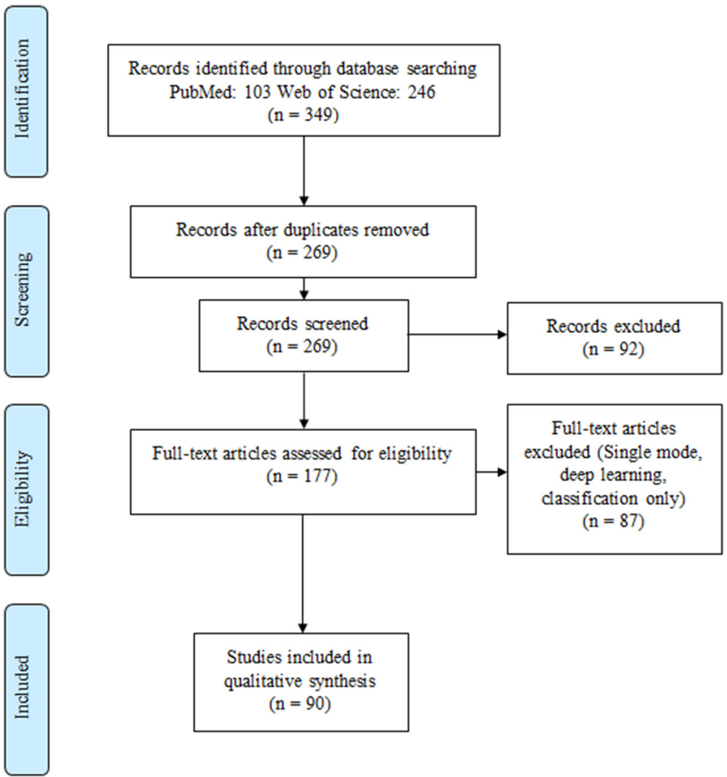
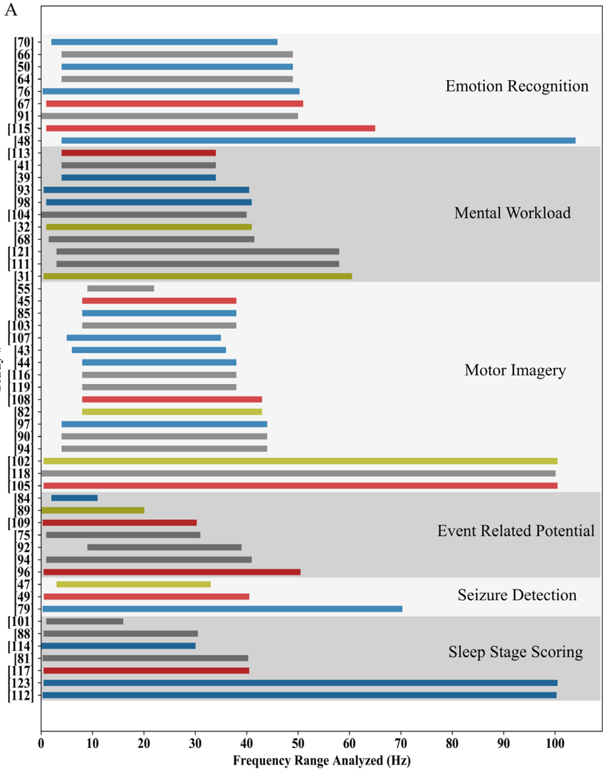
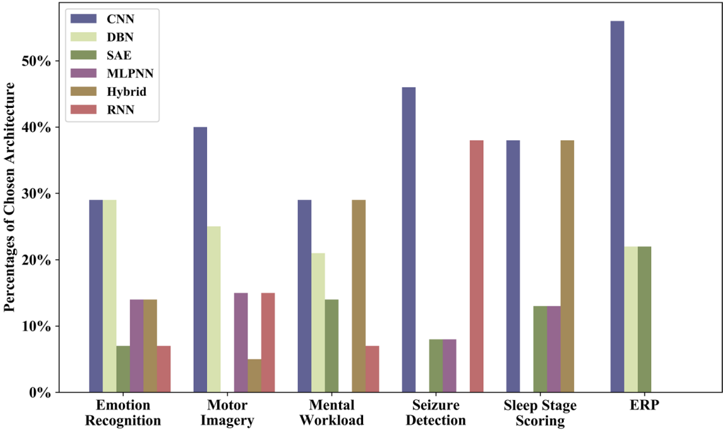
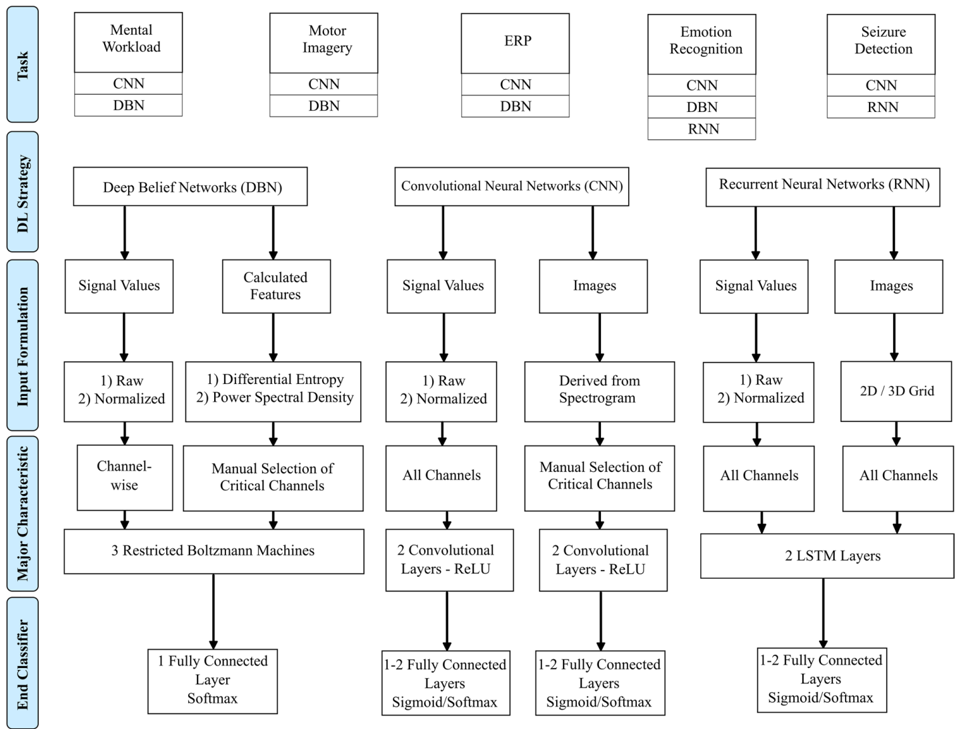
OBJECTIVE: Electroencephalography (EEG) analysis has been an important tool in neuroscience with applications in neuroscience, neural engineering (e.g. Brain-computer interfaces, BCI's), and even commercial applications. Many of the analytical tools used in EEG studies have used machine learning to uncover relevant information for neural classification and neuroimaging. Recently, the availability of large EEG data sets and advances in machine learning have both led to the deployment of deep learning architectures, especially in the analysis of EEG signals and in understanding the information it may contain for brain functionality. The robust automatic classification of these signals is an important step towards making the use of EEG more practical in many applications and less reliant on trained professionals. Towards this goal, a systematic review of the literature on deep learning applications to EEG classification was performed to address the following critical questions: (1) Which EEG classification tasks have been explored with deep learning? (2) What input formulations have been used for training the deep networks? (3) Are there specific deep learning network structures suitable for specific types of tasks? APPROACH: A systematic literature review of EEG classification using deep learning was performed on Web of Science and PubMed databases, resulting in 90 identified studies. Those studies were analyzed based on type of task, EEG preprocessing methods, input type, and deep learning architecture. MAIN RESULTS: For EEG classification tasks, convolutional neural networks, recurrent neural networks, deep belief networks outperform stacked auto-encoders and multi-layer perceptron neural networks in classification accuracy. The tasks that used deep learning fell into five general groups: emotion recognition, motor imagery, mental workload, seizure detection, event related potential detection, and sleep scoring. For each type of task, we describe the specific input formulation, major characteristics, and end classifier recommendations found through this review. SIGNIFICANCE: This review summarizes the current practices and performance outcomes in the use of deep learning for EEG classification. Practical suggestions on the selection of many hyperparameters are provided in the hope that they will promote or guide the deployment of deep learning to EEG datasets in future research.
Overview
The claims and statistics of this paper haven’t been checked yet.
Free: it reads the open-access text and checks the first 5 claims that cite a source we can check. Create a free account to check every claim.
Integrity signals
Registry
Cites
Statistics
Figures
Verification
Claims the paper makes
The claims and statistics of this paper haven’t been checked yet.
Free: it reads the open-access text and checks the first 5 claims that cite a source we can check. Create a free account to check every claim.
Claims other papers make about this one
Each is checked against this paper’s own text: does it say what the citing paper says it does?
The source backs part of the claim, not all of it — or backs it for a different population, condition or comparison.
In the citing paper
“The difficulty of EEG signal processing is to extract high-dimensional features from non-stationary time series with low signal-to-noise ratio [18].”
From IENet: a robust convolutional neural network for EEG based brain-computer interfaces (2022) · cites this paper as [18]
Experimental — accuracy not yet measuredThe source backs part of the claim, not all of it — or backs it for a different population, condition or comparison.
In the citing paper
“Convolutional neural networks (CNN), a leading deep learning structure for data on Euclidean space, outperform the above machine learning algorithms in classification accuracy (Craik et al., 2019).”
From Spatial–temporal graph convolutional network for Alzheimer classification based on brain functional connectivity imaging of electroencephalogram (2022) · cites this paper as Craik et al., 2019
Experimental — accuracy not yet measuredThe cited source says what the claim attributes to it.
In the citing paper
“As for the structures of deep leaning models, convolutional neural networks (CNNs) are the most prevalent architectures in EEG classification tasks [18].”
From IENet: a robust convolutional neural network for EEG based brain-computer interfaces (2022) · cites this paper as [18]
Self-check
Percentages, sums and reported differences re-computed from the paper’s own numbers.
The self-check needs the paper’s full text.
Citations
Cites
Hochreiter, S., & Schmidhuber, J. (1997) · Neural Computation · doi:10.1162/neco.1997.9.8.1735 · Cited by 102,318 · cited 1×
“LSTM is a popular extension of the standard RNN module [83].”
BackgroundLeCun, Y., Bengio, Y., & Hinton, G. (2015) · Nature · doi:10.1038/nature14539 · Cited by 84,126
Preferred reporting items for systematic reviews and meta-analyses: The PRISMA statement
Moher, D., Liberati, A., Tetzlaff, J., & Altman, D. G. (2010) · International Journal of Surgery · doi:10.1016/j.ijsu.2010.02.007 · Cited by 12,156
(1982) · Trends in Neurosciences · doi:10.1016/0166-2236(82)90076-5 · Cited by 9,089
Speech recognition with deep recurrent neural networks
Graves, A., Mohamed, A.-R., & Hinton, G. (2013) · 2013 IEEE International Conference on Acoustics, Speech and Signal Processing · doi:10.1109/icassp.2013.6638947 · Cited by 8,893 · cited 1×
“Indeed, it significantly improved performance in a wide range of traditionally challenging domains, such as images [10], videos [11], speech [12], and text [13].”
BackgroundLearning long-term dependencies with gradient descent is difficult
Bengio, Y., Simard, P., & Frasconi, P. (1994) · IEEE Transactions on Neural Networks · doi:10.1109/72.279181 · Cited by 8,542 · cited 1×
“Neural networks did not immediately receive the high attention seen today in neural classification applications because of practical issues, such as very long computation time and problems with the vanishing/exploding gradients [8].”
BackgroundLarge-Scale Video Classification with Convolutional Neural Networks
Karpathy, A., Toderici, G., Shetty, S., Leung, T., Sukthankar, R., & Fei-Fei, L. (2014) · 2014 IEEE Conference on Computer Vision and Pattern Recognition · doi:10.1109/cvpr.2014.223 · Cited by 6,354 · cited 1×
“Indeed, it significantly improved performance in a wide range of traditionally challenging domains, such as images [10], videos [11], speech [12], and text [13].”
EEGNet: a compact convolutional neural network for EEG-based brain-computer interfaces
Lawhern, V. J., Solon, A. J., Waytowich, N. R., Gordon, S. M., Hung, C. P., & Lance, B. J. (2018) · Journal of Neural Engineering · doi:10.1088/1741-2552/aace8c · Cited by 5,115 · cited 1×
“1 FC 20 h 2 OUT [94] CNN ELU (conv) SV P300(1) N/A P300(1) P300(1) 3 conv Softmax (FC) All (64/56/22) 1–40 Hz P300(2) 1–40 Hz MI 4–40 Hz 15 93% 1 FC 0.”
EEGNet: A Compact Convolutional Network for EEG-based Brain-Computer Interfaces
Lawhern, V. J., Solon, A. J., Waytowich, N. R., Gordon, S. M., Hung, C. P., & Lance, B. J. (2016) · arXiv · doi:10.48550/arxiv.1611.08024 · Cited by 5,105 · cited 1×
“1 FC 20 h 2 OUT [94] CNN ELU (conv) SV P300(1) N/A P300(1) P300(1) 3 conv Softmax (FC) All (64/56/22) 1–40 Hz P300(2) 1–40 Hz MI 4–40 Hz 15 93% 1 FC 0.”
DEAP: A Database for Emotion Analysis ;Using Physiological Signals
Koelstra, S., Muhl, C., Soleymani, M., Lee, J.-S., Yazdani, A., Ebrahimi, T., Pun, T., Nijholt, A., & Patras, I. (2012) · IEEE Transactions on Affective Computing · doi:10.1109/t-affc.2011.15 · Cited by 5,093 · cited 3×
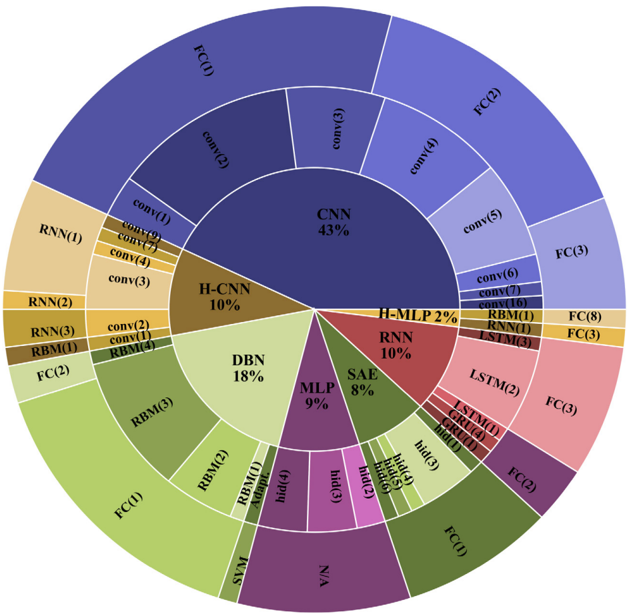
“The datasets that are used in more than one study within this review include an emotion recognition dataset ([56], various subsets used in ten studies), a mental workload dataset ([57], used in four studies), two motor imagery datasets from the same BCI competition ([58], one dataset used in six studies and the second…”
BackgroundMethod
Research works printed but not linked: 24
- He Y, 2018, J. Neural Eng., 15
- Karpathy A, 2014, Proc. IEEE Computer Society Conf. Computer Vision Pattern Recognition, 1725
- Sutskever I, 2011, Proc. of the 28th Int. Conf. on Machine Learning, 1017
- Zhao Y, 2014, 2014 Asian Conf. Computer Visison, 1
- Roy S, 2018, 40th Annu. Int. Conf. IEEE Eng. Med. Biol. Soc. (EMBC), 2756
- Teplan M, 2002, Meas. Sci., 2, 1
- Pfurtscheller G, 2001, 89, 1123
- Kuanar S, 2018 IEEE Int. Conf. on Acoustics, Speech and Signal Processing (ICASSP), 352
- Abbas W, 2018, 40th Annu. Int. Conf. IEEE Eng. Med. Biol. Soc. (EMBC), 219
- Wei X, 2018, 18, 111
- Xu H, 2016, 2016 IEEE 18th Int. Workshop Multimedia Signal Processing, 1
- Vareka L, 2017, Application of Stacked Autoencoders to P300 Experimental Data (Int. Conf. on Artificial Intelligence and Soft Computing)
- Yuen T C, 2009, Int. J. Integr. Eng., 1, 71
- Alhagry S, 2017, Emotion, 8, 8
- Yin Z, 2016, Chinese Control Conf. CCC, 2016, 3907
- Pereira A, 2018, Preprint
- Ang K K, 2019, J. Neural Eng., 16
- Liu J, 2015, Chinese Control Conf. CCC, 2015, 3518
- Ansari M L A, 2018, J. Neural Eng., 15
- Kobler R J, 2016, 2016 IEEE Int. Conf. Syst. Man, Cybernetics SMC 2016—Conf. Proc., 469
- An X, 2014, Int. Conf. on Intelligent Computing, 203
- Gao Y, 2015, 2015 IEEE Int. Conf. Multimedia Expo Workshops ICMEW 2015, 2, 1
- Bablani A, 2018, 2018 9th Int. Conf. Computing Communication Networking Technologies, 1
- Luo T, 2018, Bioinformatics, 19, 344
Cited by
Items 201–300 of 1,001
Detection of ADHD from EEG signals using new hybrid decomposition and deep learning techniques
Esas, M. Y., & Latifoğlu, F. (2023) · Journal of Neural Engineering · doi:10.1088/1741-2552/acc902 · Cited by 52
“The cost-effectiveness and non-invasive nature of the EEG makes it an important source of data for many neuroscience studies [8].”
BackgroundShen, M., Wen, P. P., Song, B., & Li, Y. (2023) · Computers in Biology and Medicine · doi:10.1016/j.compbiomed.2023.107022 · Cited by 54
EEG-based epileptic seizure detection using deep learning techniques: A survey
Xu, J., Yan, K., Deng, Z., Yang, Y., Liu, J., Wang, J., & Yuan, S. (2024) · Neurocomputing · doi:10.1016/j.neucom.2024.128644 · Cited by 56
Xiao, Z., Zhang, H., Tong, H., & Xu, X. (2022) · IEEE International Conference on Bioinformatics and Biomedicine (BIBM) · doi:10.1109/bibm55620.2022.9995049 · Cited by 54
“The convolutional neural network (CNN), recurrent neural network (RNN), and attention mechanism are three widely used deep learning techniques for EEG signal classification [2], [5].”
MethodDeep Representation Learning: Fundamentals, Technologies, Applications, and Open Challenges
Payandeh, A., Baghaei, K. T., Fayyazsanavi, P., Ramezani, S. B., Chen, Z., & Rahimi, S. (2023) · IEEE Access · doi:10.1109/access.2023.3335196 · Cited by 64
“…reports to be combined with medical images [272], real-time denoising of medical video [273], classification of electroenephalogram (EEG) data [274], generating captions for images [28], [29], [30], [275], biomedical image segmentation [276], semantic segmentation of unstructured 3D point…”
BackgroundAn end-to-end CNN with attentional mechanism applied to raw EEG in a BCI classification task
Lashgari, E., Ott, J., Connelly, A., Baldi, P., & Maoz, U. (2021) · Journal of Neural Engineering · doi:10.1088/1741-2552/ac1ade · Cited by 49
“Another issue with collecting EEG over multiple session is the non-stationary nature of EEG signals [90]—i.”
Jeong, J.-H., Cho, J.-H., Lee, B.-H., & Lee, S. (2022) · IEEE Transactions on Cybernetics · doi:10.1109/tcyb.2022.3211694 · Cited by 48
“Recent studies have focused on the intuitiveness of neural commands along with the application of BMI for deep learning technology [50].”
BackgroundDiagnosis of mild Alzheimer's disease by EEG and ERP signals using linear and nonlinear classifiers
Rad, E. M., Azarnoosh, M., Ghoshuni, M., & Khalilzadeh, M. M. (2021) · Biomedical Signal Processing and Control · doi:10.1016/j.bspc.2021.103049 · Cited by 51
Baghdadi, A., Fourati, R., Aribi, Y., Daoud, S., Dammak, M., Mhiri, C., Chabchoub, H., Siarry, P., & Alimi, A. M. (2023) · Journal of Ambient Intelligence and Humanized Computing · doi:10.1007/s12652-023-04609-6 · Cited by 46
“However, the signal itself and EEG images (spectrograms) were also used [25].”
MethodČukić, M., López, V., & Pavón, J. (2020) · Journal of Medical Internet Research · doi:10.2196/19548 · Cited by 45
“As it contains highly structured data, the EEG (a matrix of voltage values as columns/recorded from different electrode voltage and time) is highly suitable for machine learning [10].”
BackgroundUsing EEG to Distinguish Between Writing and Typing for the Same Cognitive Task
Qu, X., Mei, Q., Liu, P., & Hickey, T. J. (2020) · Lecture notes in computer science · doi:10.1007/978-3-030-60735-7_7 · Cited by 55
“Such passive BCI approaches, as [8, 13, 28] mentioned, could be helpful for a better understanding about real-time brain signals for healthy subjects beyond medical applications[26].”
BackgroundMethodInfluentialSubject-Independent Deep Architecture for EEG-Based Motor Imagery Classification
Sartipi, S., & Çetin, M. (2024) · IEEE Transactions on Neural Systems and Rehabilitation Engineering · doi:10.1109/tnsre.2024.3360194 · Cited by 48
“Recently, deep learning models have been shown to exhibit superior performance in EEG recordings compared to traditional machine learning algorithms [6].”
BackgroundMethodBarnett, A. J., Guo, Z., Jing, J., Ge, W., Kaplan, P. W., Kong, W. Y., Karakis, I., Herlopian, A., Jayagopal, L. A., Taraschenko, O. D., et al. (2024) · NEJM AI · doi:10.1056/aioa2300331 · Cited by 59
“;33”
EEG2Rep: Enhancing Self-supervised EEG Representation Through Informative Masked Inputs
Foumani, N. M., Mackellar, G., Ghane, S., Irtza, S., Nguyen, N., & Salehi, M. (2024) · ACM SIGKDD Conference on Knowledge Discovery and Data Mining (KDD) · doi:10.1145/3637528.3671600 · Cited by 100
“In the past decade, the integration of deep learning into biomedical research has experienced significant growth, demonstrating its ability to frequently outperform conventional machine learning methods across various tasks [4, 6–8].”
BackgroundJeong, J.-H., Lee, B.-H., Lee, D.-H., Yun, Y., & Lee, S. (2020) · IEEE Access · doi:10.1109/access.2020.2983182 · Cited by 48
“Recent BCI advances have been applied to deep learning techniques which could generate a new signal feature representation and architecture training [32], [33].”
BackgroundExtracting the Auditory Attention in a Dual-Speaker Scenario From EEG Using a Joint CNN-LSTM Model
Kuruvila, I., Muncke, J., Fischer, E., & Hoppe, U. (2021) · Frontiers in Physiology · doi:10.3389/fphys.2021.700655 · Cited by 53
“Since neural networks have the ability to model non-linearity, they have been used to estimate the dynamic state of brain from EEG signals (Craik et al., 2019).”
A comprehensive review of machine learning approaches for dyslexia diagnosis
Ahire, N. K., Awale, R. N., Patnaik, S., & Wagh, A. E. (2022) · Multimedia Tools and Applications · doi:10.1007/s11042-022-13939-0 · Cited by 52
“…algorithms are also exploited well for EEG classification tasks, where convolution neural networks (CNN), recurrent neural networks (RNN), deep belief networks (DBN) yield better classification accuracy as compared to stacked auto-encoders and multi-layer perceptron neural networks [17, 103].”
BackgroundAuditory stimulation and deep learning predict awakening from coma after cardiac arrest
Aellen, F. M., Alnes, S. L., Loosli, F., Rossetti, A. O., Zubler, F., Lucia, M. D., & Tzovara, A. (2023) · Brain · doi:10.1093/brain/awac340 · Cited by 48
CSP-Net: Common spatial pattern empowered neural networks for EEG-based motor imagery classification
Jiang, X., Meng, L., Chen, X., Xu, Y., & Wu, D. (2024) · Knowledge-Based Systems · doi:10.1016/j.knosys.2024.112668 · Cited by 57
EEG foundation models: a critical review of current progress and future directions
Kuruppu, G., Wagh, N., Křemen, V., & Varatharajah, Y. (2026) · Journal of Neural Engineering · doi:10.1088/1741-2552/ae4455 · Cited by 65
“However, in the last decade, EEG research has seen significant advances in deep learning-based approaches for extracting application-specific features from raw EEG data (EEG-DL) [2, 3].”
Objective Evaluation Metrics for Automatic Classification of EEG Events
Shah, V., Golmohammadi, M., Obeid, I., & Picone, J. (2021) · Springer eBooks · doi:10.1007/978-3-030-67494-6_8 · Cited by 44
Lin, C., Chuang, C., Hung, Y.-C., Fang, C.-N., Wu, D., & Wang, Y. (2020) · IEEE Transactions on Cybernetics · doi:10.1109/tcyb.2020.3010805 · Cited by 46
“Recently, several EEG studies have adopted deep learning algorithms [42-46].”
BackgroundEEG signal classification based on SVM with improved squirrel search algorithm
Shi, M., Wang, C., Li, X., Li, M.-Q., Wang, L., & Xie, N. (2020) · Biomedizinische Technik/Biomedical Engineering · doi:10.1515/bmt-2020-0038 · Cited by 45
“In addition, with the availability of big data and the development of graphic processing unit (GPU) in recent years, deep learning has been widely applied to classi fi cation problems [27].”
BackgroundAdaptive Filtering for Improved EEG-Based Mental Workload Assessment of Ambulant Users
Rosanne, O., Albuquerque, I., Cassani, R., Gagnon, J.-F., Tremblay, S., & Falk, T. H. (2021) · Frontiers in Neuroscience · doi:10.3389/fnins.2021.611962 · Cited by 46
“Numerous studies have reported the usefulness of such features for mental workload assessment (Liu et al., 2017; Craik et al., 2019; Zhang et al., 2019).”
BackgroundEEG2Vec: Learning Affective EEG Representations via Variational Autoencoders
Bethge, D., Hallgarten, P., Große-Puppendahl, T., Kari, M., Chuang, L. L., Özdenizci, O., & Schmidt, A. (2022) · Conference proceedings/Conference proceedings - IEEE International Conference on Systems, Man, and Cybernetics · doi:10.1109/smc53654.2022.9945517 · Cited by 64
“Similarly specialized networks with hierarchical spatial and temporal EEG feature extraction for emotion recognition have also been proposed [25]–[28] (see [29] for a review).”
BackgroundZhong, X., Gu, Y., Luo, Y., Zeng, X., & Liu, G. (2022) · Applied Intelligence · doi:10.1007/s10489-022-04228-2 · Cited by 44
“It is also worth noting that most deep learning emotional classifiers lack interpretability, relying entirely on blindly extracted features [33].”
BackgroundA novel feature fusion network for multimodal emotion recognition from EEG and eye movement signals
Fu, B., Gu, C., Fu, M., Xia, Y., & Liu, Y. (2023) · Frontiers in Neuroscience · doi:10.3389/fnins.2023.1234162 · Cited by 58
DWT and CNN based multi-class motor imagery electroencephalographic signal recognition
Ma, X., Wang, D., Liu, D., & Yang, J. (2020) · Journal of Neural Engineering · doi:10.1088/1741-2552/ab6f15 · Cited by 47
“MI tasks involve having the subject imagine certain muscle movements on limbs and the tongue [13], primarily existing in four frequency bands: theta (4 – 7 Hz), alpha (8 – 12 Hz ), Many BCI studies have explored tasks involving imagined movement of the left hand, right hand, feet and tongue [15,…”
BackgroundAvilov, O., Rimbert, S., Popov, A. O., & Bougrain, L. (2020) · Annual International Conference of the IEEE Engineering in Medicine and Biology Society (EMBC) · doi:10.1109/embc44109.2020.9176228 · Cited by 49
“The potential of deep learning architectures which can deal with raw EEG signals especially for motor imagery based tasks is rather unexplored and is an active research field [7].”
BackgroundKuo, C., Chen, G.-T., & Liao, P.-Y. (2021) · Biomedical Signal Processing and Control · doi:10.1016/j.bspc.2021.102981 · Cited by 46
Shi, J., Tang, J., Lu, Z., Zhang, R., Yang, J., Guo, Q., & Zhang, D. (2024) · Biomedical Signal Processing and Control · doi:10.1016/j.bspc.2024.106401 · Cited by 46
Object classification from randomized EEG trials
Ahmed, H., Wilbur, R. Β., Bharadwaj, H., & Siskind, J. M. (2021) · IEEE Computer Society Conference on Computer Vision and Pattern Recognition/Proceedings - IEEE Computer Society Conference on Computer Vision and Pattern Recognition/Proceedings · doi:10.1109/cvpr46437.2021.00384 · Cited by 56
“Two recent survey papers [7, 33] collectively contain 372 references.”
Imagined character recognition through EEG signals using deep convolutional neural network
Ullah, S., & Halim, Z. (2021) · Medical & Biological Engineering & Computing · doi:10.1007/s11517-021-02368-0 · Cited by 49
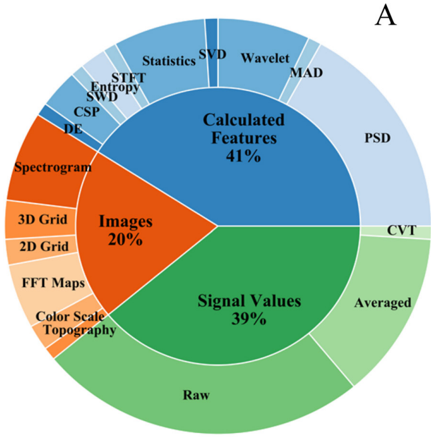
“The most commonly used input formulation methodologies in the literature are power spectral density, wavelet decomposition, and statistical measures of the signal such as SD and mean [8].”
MethodBorra, D., Magosso, E., Castelo-Branco, M. S., & Simões, M. A. (2022) · Journal of Neural Engineering · doi:10.1088/1741-2552/ac7908 · Cited by 41
A Privacy-Preserving Generative Adversarial Network Method for Securing EEG Brain Signals
Debie, E., Moustafa, N., & Whitty, M. T. (2020) · International Joint Conference on Neural Networks (IJCNN) · doi:10.1109/ijcnn48605.2020.9206683 · Cited by 53
“Several deep learning including GAN methods have been explored for feature extraction and classification of EEG data, readers are referred to [18] for a comprehensive review of those approaches.”
BackgroundGutiérrez-Martínez, J., Mercado-Gutierrez, J. A., Carvajal-Gámez, B. E., Rosas‐Trigueros, J. L., & Contreras-Martinez, A. E. (2021) · Frontiers in Human Neuroscience · doi:10.3389/fnhum.2021.772837 · Cited by 42
“Hence, DNN have become an useful method to improve classification performance of BCI systems using EEG signals (Craik and Contreras, 2019) and evoked potentials (Kwak et al.”
MethodLópez-Dorado, A., del Castillo, M. O., Satué, M., Rodrigo, M. J., Barea, R., Sánchez‐Morla, E. M., Cavaliere-Ballesta, C., Rodriguez-Ascariz, J. M., Boquete, L., & García‐Martín, E. (2021) · Sensors · doi:10.3390/s22010167 · Cited by 45
Wang, Y., Yang, Y., Cao, G., Guo, J., Wei, P., Feng, T., Dai, Y. D., Huang, J., Kang, G., & Zhao, G. (2022) · Computers in Biology and Medicine · doi:10.1016/j.compbiomed.2022.105703 · Cited by 49
Genetic algorithm for feature selection of EEG heterogeneous data
Saibene, A., & Gasparini, F. (2023) · Expert Systems with Applications · doi:10.1016/j.eswa.2022.119488 · Cited by 42
“Electroencephalography (EEG) has been employed by researchers in different experimental domains, regarding emotion recognition, motor imagery, mental workload, seizure detection and sleep (Craik et al., 2019), mainly because it is non-invasive, has recently been embedded in low-cost devices (LaRocco et al.”
Tigga, N. P., & Garg, S. (2022) · Health Information Science and Systems · doi:10.1007/s13755-022-00205-8 · Cited by 47
“The genetic algorithm (GA) and principal component analysis (PCA) are the most common methods used in this regard [25].”
MethodA multi-day and high-quality EEG dataset for motor imagery brain-computer interface
Yang, B., Rong, F., Xie, Y., Li, D., Zhang, J., Fu, L. H., Shi, G., & Gao, X. (2025) · Scientific Data · doi:10.1038/s41597-025-04826-y · Cited by 54
Göker, H. (2023) · Physical and Engineering Sciences in Medicine · doi:10.1007/s13246-023-01284-x · Cited by 39
“Deep learning is successfully applied in different fields, and it also holds great promise as it learns good feature representations from complex signals or medical images [58].”
BackgroundLocal and global convolutional transformer-based motor imagery EEG classification
Zhang, J., Li, K., Yang, B., & Han, X. (2023) · Frontiers in Neuroscience · doi:10.3389/fnins.2023.1219988 · Cited by 47
“When a person is imagining a certain motor behavior, the related motor cortex generates the corresponding neuron responses which help improve motor functional recovery by reducing the gap induced by brain disorders between motor intention and sensory feedback of motor movements (Craik et al., 2019).”
BackgroundLeino, A., Nikkonen, S., Kainulainen, S., Korkalainen, H., Töyräs, J., Myllymaa, S., Leppänen, T., Ylä-Herttuala, S., Westerén-Punnonen, S., Muraja‐Murro, A., et al. (2020) · Sleep Medicine · doi:10.1016/j.sleep.2020.12.032 · Cited by 42
Hardware Acceleration of EEG-Based Emotion Classification Systems: A Comprehensive Survey
Gonzalez, H. A., George, R., Muzaffar, S., Acevedo, J., Höppner, S., Mayr, C., Yoo, J., Fitzek, F. H. P., & Elfadel, I. M. (2021) · IEEE Transactions on Biomedical Circuits and Systems · doi:10.1109/tbcas.2021.3089132 · Cited by 39
“We further include the 13 papers of [2] where recent work on deep neural networks in relation to EEG-based emotion detection was reviewed.”
BackgroundShoji, T., Yoshida, N., & Tanaka, T. (2021) · Biomedical Signal Processing and Control · doi:10.1016/j.bspc.2021.103013 · Cited by 47
Moctezuma, L. A., Abe, T., & Molinas, M. (2022) · Scientific Reports · doi:10.1038/s41598-022-07517-5 · Cited by 43
“However, the EEGNet has been tested for different EEG-based task classifications, exhibiting higher accuracies than some ML-based classifiers 43,48,49 .”
MethodA neuroscience-inspired spiking neural network for EEG-based auditory spatial attention detection
Faghihi, F., Cai, S., & Moustafa, A. A. (2022) · Neural Networks · doi:10.1016/j.neunet.2022.05.003 · Cited by 45
Design and Validation of a Low-Cost Mobile EEG-Based Brain–Computer Interface
Craik, A., González-España, J. J., Alamir, A., Edquilang, D., Wong, S., Sánchez-Rodríguez, L., Feng, J., Francisco, G. E., & Contreras-Vidal, J. L. (2023) · Sensors · doi:10.3390/s23135930 · Cited by 41
“…including physiological and non-physiological artifacts [3] resulting in low signal-to-noise ratios [4], recent advancements in de-noising (e.g., [5,6]) and deep learning [7,8] techniques have driven the emergence of viable clinical and non-clinical BCI applications based on scalp EEG [1,2,9].”
BackgroundMethodSelf-citationWatanabe, M., Eguchi, A., Sakurai, K., Yamamoto, M., Mori, C., The Japan Environment Children’s Study (JECS) Group, Kamijima, M., Yamazaki, S., Ohya, Y., Kishi, R., et al. (2023) · Scientific Reports · doi:10.1038/s41598-023-44313-1 · Cited by 77
Yang, B., & Liu, H. (2020) · IEEE Access · doi:10.1109/access.2020.2999915 · Cited by 44
“This advantage makes CNN gain much attention in biomedical engineering field [16], [17].”
BackgroundTaghizadegan, Y., Dabanloo, N. J., Maghooli, K., & Sheikhani, A. (2021) · Biomedical Signal Processing and Control · doi:10.1016/j.bspc.2021.102928 · Cited by 41
Mathur, P., & Chakka, V. K. (2022) · IEEE Sensors Journal · doi:10.1109/jsen.2022.3156152 · Cited by 39
Pappalettera, C., Cacciotti, A., Nucci, L., Miraglia, F., Rossini, P. M., & Vecchio, F. (2022) · GeroScience · doi:10.1007/s11357-022-00710-4 · Cited by 41
López‐Larraz, E., Escolano, C., Robledo, A., Morlas, L., Alda, A., & Mínguez, J. (2023) · Frontiers in Human Neuroscience · doi:10.3389/fnhum.2023.1135153 · Cited by 42
McCallan, N., Davidson, S., Ng, K. Y., Biglarbeigi, P., Finlay, D., Lan, B. L., & McLaughlin, J. A. (2023) · Expert Systems with Applications · doi:10.1016/j.eswa.2023.121040 · Cited by 38
Generative AI Enables EEG Data Augmentation for Alzheimer’s Disease Detection Via Diffusion Model
Zhou, T., Chen, X., Shen, Y., Nieuwoudt, M., Pun, C., & Wang, S. (2023) · IEEE International Symposium on Product Compliance Engineering - Asia (ISPCE-ASIA) · doi:10.1109/ispce-asia60405.2023.10365931 · Cited by 50
Graph-Aware Contrasting for Multivariate Time-Series Classification
Wang, Y., Xu, Y., Yang, J., Wu, M., Li, X., Xie, L., & Chen, Z. (2024) · Proceedings of the AAAI Conference on Artificial Intelligence · doi:10.1609/aaai.v38i14.29501 · Cited by 55
“To improve the performance of MTS classification, deep learning has gained popularity for learning effective representations (Craik, He, and Contreras-Vidal 2019; Chen et al. 2021; Deng and Hooi 2021; Chen et al. 2020c; Zhao et al. 2019).”
Enhanced EEG signal classification in brain computer interfaces using hybrid deep learning models
Das, A., Singh, S., Kim, J., Ahanger, T. A., & Pise, A. A. (2025) · Scientific Reports · doi:10.1038/s41598-025-07427-2 · Cited by 47
Analysis and classification of hybrid BCI based on motor imagery and speech imagery
Wang, L., Liu, X., Liang, Z., Yang, Z., & Hu, X. (2019) · Measurement · doi:10.1016/j.measurement.2019.07.070 · Cited by 44
Learning From Heterogeneous Eeg Signals with Differentiable Channel Reordering
Saeed, A., Grangier, D., Pietquin, O., & Zeghidour, N. (2021) · IEEE International Conference on Acoustics Speech and Signal Processing · doi:10.1109/icassp39728.2021.9413712 · Cited by 50
Deep Learning for Neuromarketing; Classification of User Preference using EEG Signals
Alimardani, M., & Kaba, M. (2021) · Augmented Human International Conference · doi:10.1145/3460881.3460930 · Cited by 37
“[13] conducted an extensive review of deep learning techniques used in a wide range of EEG classification tasks,”
BackgroundMethodLee, M., Jeong, J.-H., Kim, Y., & Lee, S. (2021) · IEEE Transactions on Neural Systems and Rehabilitation Engineering · doi:10.1109/tnsre.2021.3087506 · Cited by 40
CNN models for EEG motor imagery signal classification
Alnaanah, M. A., Wahdow, M., & Alrashdan, M. H. S. (2022) · Signal Image and Video Processing · doi:10.1007/s11760-022-02293-1 · Cited by 37
“The number of subjects for each groups is [4,4,4,3,3] and [21,21,21,21,20] for BCI Competition IV and Physionet datasets, respectively.”
BackgroundRoessner, V., Rothe, J., Kohls, G., Schomerus, G., Ehrlich, S., & Beste, C. (2021) · European Child & Adolescent Psychiatry · doi:10.1007/s00787-021-01836-0 · Cited by 40
“For example, the identification of relevant information from EEG patterns for neural classification of brain functionality has been significantly improved by ML techniques [13].”
BackgroundBorra, D., Fantozzi, S., & Magosso, E. (2021) · Frontiers in Human Neuroscience · doi:10.3389/fnhum.2021.655840 · Cited by 36
Pirasteh, A., Ghiyasvand, M. S., & Pouladian, M. (2024) · Disability and Rehabilitation Assistive Technology · doi:10.1080/17483107.2024.2316312 · Cited by 40
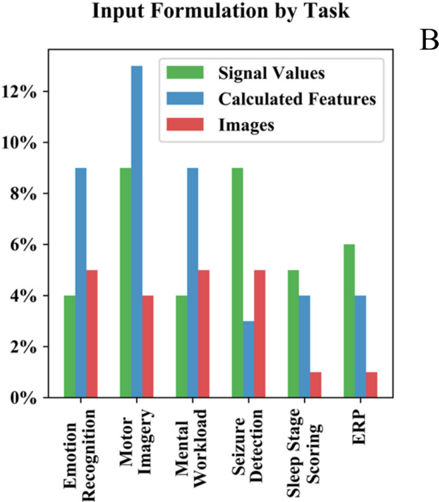
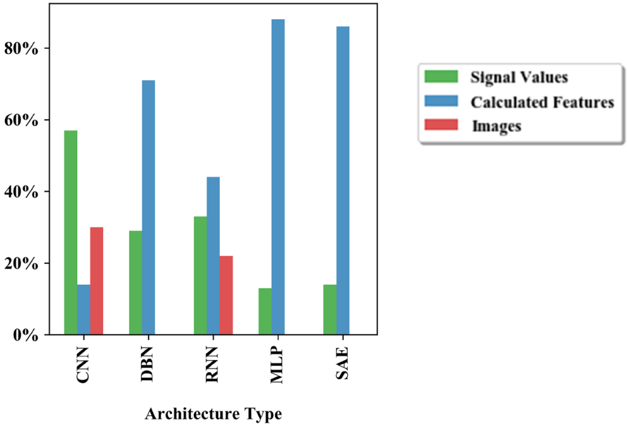
“DBN is one of the DL algorithms, this method works better when using signal values or estimated properties as input, while CNN performs best when using signal values or images (spectrometer) as input [53].”
Giovannetti, A., Susi, G., Casti, P., Mencattini, A., Pusil, S. A., López, M. E., Natale, C. D., & Martinelli, E. (2021) · Neural Computing and Applications · doi:10.1007/s00521-021-06105-4 · Cited by 40
Gao, W., Yu, T., Yu, J.-G., Gu, Z., Li, K., Huang, Y., Yu, Z. L., & Li, Y. (2021) · IEEE Transactions on Neural Systems and Rehabilitation Engineering · doi:10.1109/tnsre.2021.3083548 · Cited by 42
“Readers can refer to references such as [27], [28] for a comprehensive review of deep learning for EEG data analysis and BCIs.”
BackgroundA Self-Supervised Learning Based Channel Attention MLP-Mixer Network for Motor Imagery Decoding
He, Y., Lu, Z., Wang, J., Ying, S., & Shi, J. (2022) · IEEE Transactions on Neural Systems and Rehabilitation Engineering · doi:10.1109/tnsre.2022.3199363 · Cited by 36
Self-citationA Generalized Zero-Shot Learning Scheme for SSVEP-Based BCI System
Wang, X., Liu, A., Wu, L., Li, C., Liu, Y., & Chen, X. (2023) · IEEE Transactions on Neural Systems and Rehabilitation Engineering · doi:10.1109/tnsre.2023.3235804 · Cited by 38
“CNN is the most commonly used DL method in EEG classification tasks [22].”
MethodSpatial–Temporal EEG Fusion Based on Neural Network for Major Depressive Disorder Detection
Zhang, B., Wei, D., Yan, G., Li, X., Su, Y., & Cai, H. (2023) · Interdisciplinary Sciences Computational Life Sciences · doi:10.1007/s12539-023-00567-x · Cited by 45
Continuous tracking using deep learning-based decoding for noninvasive brain–computer interface
Forenzo, D., Zhu, H., Shanahan, J., Lim, J., & He, B. (2024) · PNAS Nexus · doi:10.1093/pnasnexus/pgae145 · Cited by 46
Weakly-Supervised Learning for Fine-Grained Emotion Recognition Using Physiological Signals
Zhang, T., Ali, A. E., Wang, C., Hanjalić, A., & Cesar, P. S. (2022) · IEEE Transactions on Affective Computing · doi:10.1109/taffc.2022.3158234 · Cited by 40
Song, Z., Deng, B., Wang, J., Yi, G., & Yue, W. (2022) · IEEE Transactions on Neural Systems and Rehabilitation Engineering · doi:10.1109/tnsre.2022.3165060 · Cited by 42
Anders, C., & Arnrich, B. (2022) · Computers in Biology and Medicine · doi:10.1016/j.compbiomed.2022.106088 · Cited by 41
IENet: a robust convolutional neural network for EEG based brain-computer interfaces
Du, Y., & Liu, J. (2022) · Journal of Neural Engineering · doi:10.1088/1741-2552/ac7257 · Cited by 34
“Therefore, robust algorithm that can automatically extract EEG features across paradigms without human experience is required for EEG-BCI, which can promote BCI technologies to be more practical and reduce the dependence on well-trained professionals in application areas [18].”
BackgroundMethodInfluentialDepression diagnosis: EEG-based cognitive biomarkers and machine learning
Boby, K., & Veerasingam, S. (2024) · Behavioural Brain Research · doi:10.1016/j.bbr.2024.115325 · Cited by 42
Multi-class Time Continuity Voting for EEG Classification
Qu, X., Liu, P., Li, Z., & Hickey, T. J. (2020) · Lecture notes in computer science · doi:10.1007/978-3-030-60735-7_3 · Cited by 41
“Previous studies[4, 7, 16, 20] demonstrated that EEG signals could successfully be used to distinguish several kinds of cognitive tasks.”
BackgroundMethodInfluentialFilter Bank Convolutional Neural Network for SSVEP Classification
Zhao, D., Wang, T., Tian, Y., & Jiang, X. (2021) · IEEE Access · doi:10.1109/access.2021.3124238 · Cited by 41
“In short, CNN structure plays the most popular role in different deep learning-based BCI algorithms [20].”
BackgroundDeep learning-based EEG analysis: investigating P3 ERP components
Borra, D., & Magosso, E. (2021) · Journal of Integrative Neuroscience · doi:10.31083/j.jin2004083 · Cited by 38
Furman, Ł., Duch, W., Minati, L., & Tołpa, K. (2022) · The European Physical Journal Special Topics · doi:10.1140/epjs/s11734-022-00683-7 · Cited by 36
Longo, L. (2022) · Brain Sciences · doi:10.3390/brainsci12101416 · Cited by 37
“Fortunately, advances in machine learning [33] and particularly in deep learning methods [39] have proven useful for learning models from EEG data [19].”
Anomaly Detection in Electroencephalography Signal Using Deep Learning Model
Tahura, S., Samiul, S. M. H., Kaiser, M. S., & Mahmud, M. (2020) · Advances in intelligent systems and computing · doi:10.1007/978-981-33-4673-4_18 · Cited by 36
Lionakis, E., Κarampidis, K., & Papadourakis, G. M. (2023) · Multimodal Technologies and Interaction · doi:10.3390/mti7100095 · Cited by 36
Epileptic seizure detection using scalogram-based hybrid CNN model on EEG signals
Sadam, S. S. P., & Nalini, N. J. (2023) · Signal Image and Video Processing · doi:10.1007/s11760-023-02871-x · Cited by 36
Zhang, G., Garrett, D. R., Simmons, A. M., Kiat, J. E., & Luck, S. J. (2024) · Psychophysiology · doi:10.1111/psyp.14511 · Cited by 43
“…more advanced approaches to artifact correction such as artifact subspace reconstruction (Blum et al., 2019; Chang et al., 2020) and deep-learning based methods (Craik et al., 2019; Yang et al., 2018) will likely be more effective than the simple ICA implementation used in the present study.”
Deep Learning-Based Assessment Model for Real-Time Identification of Visual Learners Using Raw EEG
Jawed, S., Faye, I., & Malik, A. S. (2024) · IEEE Transactions on Neural Systems and Rehabilitation Engineering · doi:10.1109/tnsre.2024.3351694 · Cited by 34
“A literature review found that the highest accuracy of 87% [28] was achieved with two LSTM layers and one dense layer, while the next best accuracy of 82% was achieved with CNN alone.”
BackgroundPušica, M., Kartali, A., Bojović, L., Gligorijević, I., Jovanović, J., Leva, M. C., & Mijović, B. (2024) · Brain Sciences · doi:10.3390/brainsci14020149 · Cited by 40
Wang, Y., Han, M., Peng, Y., Zhao, R., Fan, D., Meng, X., Xu, H. L., Niu, H., Cheng, J., & Liu, T. (2024) · Biomedical Signal Processing and Control · doi:10.1016/j.bspc.2024.106046 · Cited by 37
Esmaeilpour, A., Tabarestani, S. S., & Niazi, A. (2024) · Engineering Reports · doi:10.1002/eng2.12918 · Cited by 34
Deep learning-based spike sorting: a survey
Meyer, L. M., Zamani, M., Rokai, J., & Demosthenous, A. (2024) · Journal of Neural Engineering · doi:10.1088/1741-2552/ad8b6c · Cited by 30
“…learning applications in neuroscience research include decoding brain activity on a macro level, e.g. by analysing functional magnetic resonance images [19] or electroencephalogram (EEG) [20], and on a micro level, by analysing intracranial micro-electrode recordings, e.g. for spike sorting [21].”
Generative modeling and augmentation of EEG signals using improved diffusion probabilistic models
Torma, S., & Szegletes, L. (2025) · Journal of Neural Engineering · doi:10.1088/1741-2552/ada0e4 · Cited by 44
“However, these techniques require substantial high-quality data [11, 12].”
Mendonça, F., Mostafa, S. S., Morgado‐Dias, F., & Ravelo-García, A. G. (2019) · Entropy · doi:10.3390/e21121203 · Cited by 47
“Therefore, the 1D-CNN was selected since it is one of the best networks for automatic feature extraction [43] that was, at this time, not yet used for the CAP phase detection.”
MethodDeep Learning for Cardiovascular Risk Stratification
Schlesinger, D. E., & Stultz, C. M. (2020) · Current Treatment Options in Cardiovascular Medicine · doi:10.1007/s11936-020-00814-0 · Cited by 35
“Many of these approaches have already been applied to the interpretation and classification of electroencephalographic signals [50].”
BackgroundKotowski, K., Smolarczyk, T., Roterman‐Konieczna, I., & Stąpor, K. (2020) · Journal of Computational Chemistry · doi:10.1002/jcc.26432 · Cited by 34
Emotion Recognition using EEG and Physiological Data for Robot-Assisted Rehabilitation Systems
Gümüşlü, E., Barkana, D. E., & Köse, H. (2020) · Companion Publication of the International Conference on Multimodal Interaction (ICMI Companion) · doi:10.1145/3395035.3425199 · Cited by 41
“CNN has shown to be more suited if EEG data is converted into images [9], [40, 49].”
BackgroundMethodInfluentialIntegrated CWT-CNN for Epilepsy Detection Using Multiclass EEG Dataset
Naseem, S., Javed, K., Khan, M. J., Rubab, S., Khan, M. A., & Nam, Y. (2021) · Computers, materials & continua/Computers, materials & continua (Print) · doi:10.32604/cmc.2021.018239 · Cited by 39
“Lately, with the success of Deep Learning (DL) models, researchers have overcome many classification challenges such as deep learning models do not require prior feature derivation and selection techniques [18,19].”
BackgroundDecoding Hand Movement Types and Kinematic Information From Electroencephalogram
Xu, B., Wang, Y., Deng, L., Wu, C., Zhang, W., Li, H., & Song, A. (2021) · IEEE Transactions on Neural Systems and Rehabilitation Engineering · doi:10.1109/tnsre.2021.3106897 · Cited by 35
“Deep learning algorithms can not only be used for extract various features from time-frequency images or EEG source imaging, but also for EEG analysis to boost the decoding performance [49-51].”
Neural decoding of semantic concepts: a systematic literature review
Rybář, M., & Daly, I. P. (2022) · Journal of Neural Engineering · doi:10.1088/1741-2552/ac619a · Cited by 43
“This is despite the rapid recent growth of the use of these methods in many related domains of neuroscience [149].”
Metadata
- Authors
- Craik, A., He, Y., & Contreras-Vidal, J. L.
- Affiliations
- University of Houston (US)
- Corresponding author
- Craik, Alexander
- Venue
- Journal of Neural Engineering
- Publisher
- IOP Publishing
- Published
- 2019-04-09
- Volume
- 16
- Issue
- 3
- Pages
- 031001
- ISSN
- 1741-2552 (ISSN-L)
- 1741-2560
- OpenAlex
- W2915893085
- Cited by
- 1,758
- References
- 122
- Citations by year
- 2026: 308 · 2025: 287 · 2024: 273 · 2023: 290 · 2022: 246 · 2021: 213 · 2020: 116 · 2019: 23
- FWCI
- 18.93
- Type
- journal article
- Language
- en
- Open access
- hybrid
- doi.org
- Licence
- cc-by
- iopscience.iop.org/info/page/text-and-data-mining (tdm)
- creativecommons.org/licenses/by/3.0/ (vor)
- Locations
- Journal of Neural Engineering (publishedVersion, cc-by)
- PubMed (publishedVersion)
- Funders
- Center for Advanced Computing and Data Science
- Topics
- Life Sciences › Neuroscience › Cognitive Neuroscience › EEG and Brain-Computer Interfaces
- Physical Sciences › Computer Science › Artificial Intelligence › Emotion and Mood Recognition
- Health Sciences › Medicine › Cardiology and Cardiovascular Medicine › ECG Monitoring and Analysis
- Keywords
- EEG, EEG classification, deep learning, convolutional neural networks, recurrent neural networks, deep belief network, stacked autoencoder, motor imagery, emotion recognition, mental workload, seizure detection, sleep stage classification, EEG preprocessing
- MeSH terms
- Deep Learning, Animals, Brain, Electroencephalography, Humans, Psychomotor Performance, Neural Networks, Computer, Brain-Computer Interfaces
About these checks
Registry, retraction, Cites and statistics results are computed, not judged, with one exception: a printed reference that no index lists is read once by a model before it counts as a citation error. Claims are extracted by a model and kept only when their quote appears verbatim in the text; each cited source is then checked, with a model’s help, for whether it says what the claim relies on. Those verdicts can be wrong — read the claim’s quote and the cited source before relying on one.
Statistics and arithmetic are recomputed, not judged.
Confidence bands are shown only for fields calibrated on our annotated test set. None is calibrated yet, so no band is shown.
What counts as a claim ›How we measure confidence ›How we check this ›
Are you an author, or do you see a problem with this page? Request a review
Data sources
Bibliographic data: Semantic Scholar, OpenAlex, Crossref.
Contains information from the Semantic Scholar Academic Graph Datasets, made available under the ODC Attribution License (ODC-BY 1.0).
Semantic Scholar’s data is described in: Kinney, R., et al. (2023). The Semantic Scholar Open Data Platform. arXiv:2301.10140.
