

Deep learning for electroencephalogram (EEG) classification tasks: a review
Open accessThe DOI matches its Crossref record; 123 of the 123 references it cites were found in a registry or an index.
Abstract
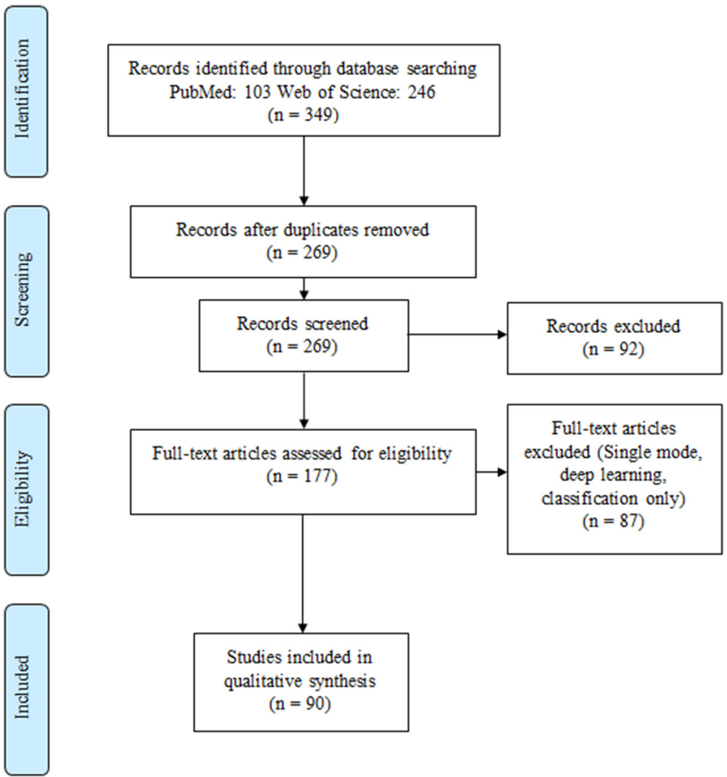
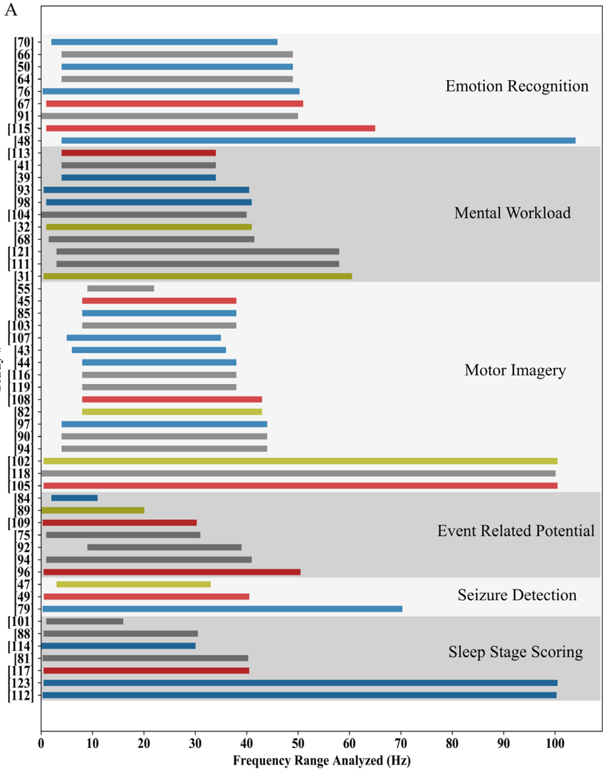
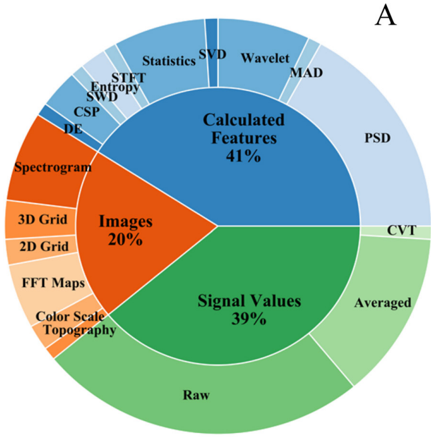
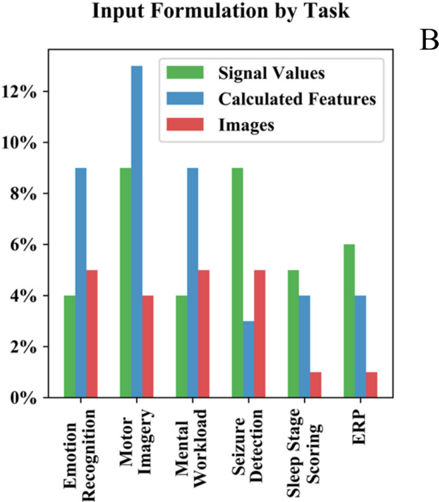
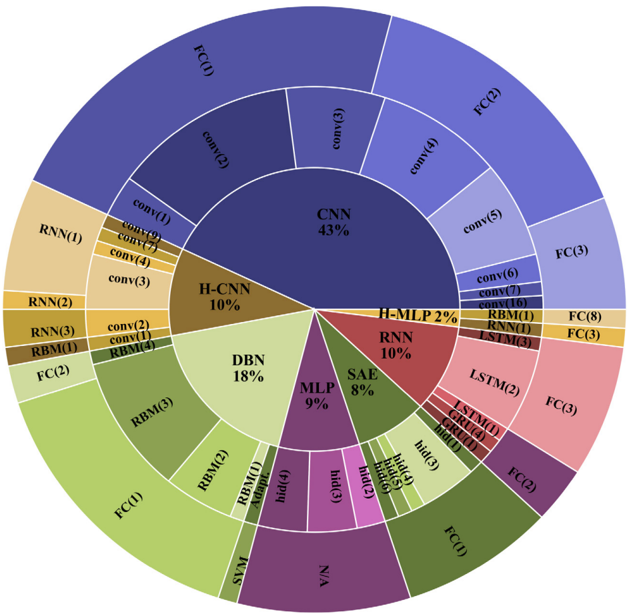
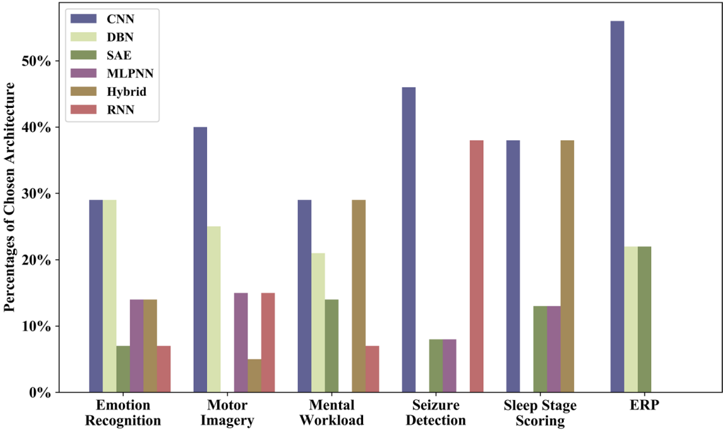
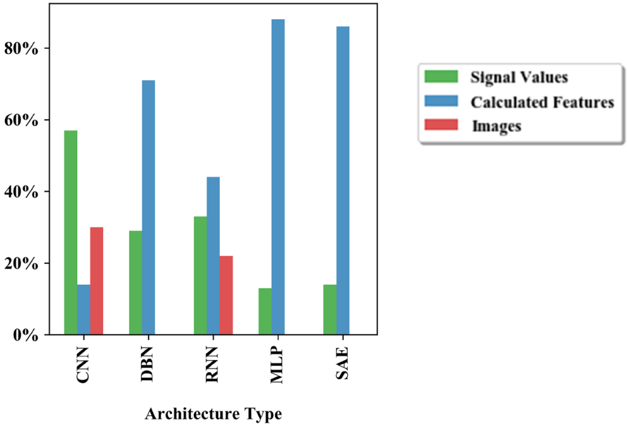
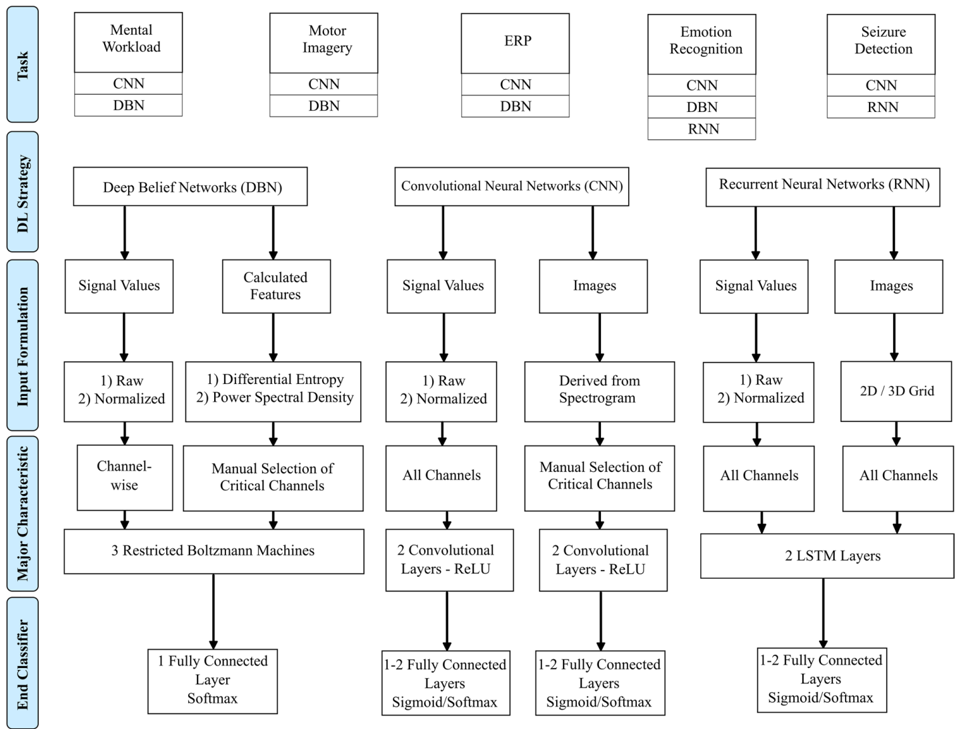
OBJECTIVE: Electroencephalography (EEG) analysis has been an important tool in neuroscience with applications in neuroscience, neural engineering (e.g. Brain-computer interfaces, BCI's), and even commercial applications. Many of the analytical tools used in EEG studies have used machine learning to uncover relevant information for neural classification and neuroimaging. Recently, the availability of large EEG data sets and advances in machine learning have both led to the deployment of deep learning architectures, especially in the analysis of EEG signals and in understanding the information it may contain for brain functionality. The robust automatic classification of these signals is an important step towards making the use of EEG more practical in many applications and less reliant on trained professionals. Towards this goal, a systematic review of the literature on deep learning applications to EEG classification was performed to address the following critical questions: (1) Which EEG classification tasks have been explored with deep learning? (2) What input formulations have been used for training the deep networks? (3) Are there specific deep learning network structures suitable for specific types of tasks? APPROACH: A systematic literature review of EEG classification using deep learning was performed on Web of Science and PubMed databases, resulting in 90 identified studies. Those studies were analyzed based on type of task, EEG preprocessing methods, input type, and deep learning architecture. MAIN RESULTS: For EEG classification tasks, convolutional neural networks, recurrent neural networks, deep belief networks outperform stacked auto-encoders and multi-layer perceptron neural networks in classification accuracy. The tasks that used deep learning fell into five general groups: emotion recognition, motor imagery, mental workload, seizure detection, event related potential detection, and sleep scoring. For each type of task, we describe the specific input formulation, major characteristics, and end classifier recommendations found through this review. SIGNIFICANCE: This review summarizes the current practices and performance outcomes in the use of deep learning for EEG classification. Practical suggestions on the selection of many hyperparameters are provided in the hope that they will promote or guide the deployment of deep learning to EEG datasets in future research.
Overview
The claims and statistics of this paper haven’t been checked yet.
Free: it reads the open-access text and checks the first 5 claims that cite a source we can check. Create a free account to check every claim.
Integrity signals
Registry
Cites
Statistics
Figures
Verification
Claims the paper makes
The claims and statistics of this paper haven’t been checked yet.
Free: it reads the open-access text and checks the first 5 claims that cite a source we can check. Create a free account to check every claim.
Claims other papers make about this one
Each is checked against this paper’s own text: does it say what the citing paper says it does?
The source backs part of the claim, not all of it — or backs it for a different population, condition or comparison.
In the citing paper
“The difficulty of EEG signal processing is to extract high-dimensional features from non-stationary time series with low signal-to-noise ratio [18].”
From IENet: a robust convolutional neural network for EEG based brain-computer interfaces (2022) · cites this paper as [18]
Experimental — accuracy not yet measuredThe source backs part of the claim, not all of it — or backs it for a different population, condition or comparison.
In the citing paper
“Convolutional neural networks (CNN), a leading deep learning structure for data on Euclidean space, outperform the above machine learning algorithms in classification accuracy (Craik et al., 2019).”
From Spatial–temporal graph convolutional network for Alzheimer classification based on brain functional connectivity imaging of electroencephalogram (2022) · cites this paper as Craik et al., 2019
Experimental — accuracy not yet measuredThe cited source says what the claim attributes to it.
In the citing paper
“As for the structures of deep leaning models, convolutional neural networks (CNNs) are the most prevalent architectures in EEG classification tasks [18].”
From IENet: a robust convolutional neural network for EEG based brain-computer interfaces (2022) · cites this paper as [18]
Self-check
Percentages, sums and reported differences re-computed from the paper’s own numbers.
The self-check needs the paper’s full text.
Citations
Cites
Hochreiter, S., & Schmidhuber, J. (1997) · Neural Computation · doi:10.1162/neco.1997.9.8.1735 · Cited by 102,318 · cited 1×
“LSTM is a popular extension of the standard RNN module [83].”
BackgroundLeCun, Y., Bengio, Y., & Hinton, G. (2015) · Nature · doi:10.1038/nature14539 · Cited by 84,126
Preferred reporting items for systematic reviews and meta-analyses: The PRISMA statement
Moher, D., Liberati, A., Tetzlaff, J., & Altman, D. G. (2010) · International Journal of Surgery · doi:10.1016/j.ijsu.2010.02.007 · Cited by 12,156
(1982) · Trends in Neurosciences · doi:10.1016/0166-2236(82)90076-5 · Cited by 9,089
Speech recognition with deep recurrent neural networks
Graves, A., Mohamed, A.-R., & Hinton, G. (2013) · 2013 IEEE International Conference on Acoustics, Speech and Signal Processing · doi:10.1109/icassp.2013.6638947 · Cited by 8,893 · cited 1×
“Indeed, it significantly improved performance in a wide range of traditionally challenging domains, such as images [10], videos [11], speech [12], and text [13].”
BackgroundLearning long-term dependencies with gradient descent is difficult
Bengio, Y., Simard, P., & Frasconi, P. (1994) · IEEE Transactions on Neural Networks · doi:10.1109/72.279181 · Cited by 8,542 · cited 1×
“Neural networks did not immediately receive the high attention seen today in neural classification applications because of practical issues, such as very long computation time and problems with the vanishing/exploding gradients [8].”
BackgroundLarge-Scale Video Classification with Convolutional Neural Networks
Karpathy, A., Toderici, G., Shetty, S., Leung, T., Sukthankar, R., & Fei-Fei, L. (2014) · 2014 IEEE Conference on Computer Vision and Pattern Recognition · doi:10.1109/cvpr.2014.223 · Cited by 6,354 · cited 1×
“Indeed, it significantly improved performance in a wide range of traditionally challenging domains, such as images [10], videos [11], speech [12], and text [13].”
EEGNet: a compact convolutional neural network for EEG-based brain-computer interfaces
Lawhern, V. J., Solon, A. J., Waytowich, N. R., Gordon, S. M., Hung, C. P., & Lance, B. J. (2018) · Journal of Neural Engineering · doi:10.1088/1741-2552/aace8c · Cited by 5,115 · cited 1×
“1 FC 20 h 2 OUT [94] CNN ELU (conv) SV P300(1) N/A P300(1) P300(1) 3 conv Softmax (FC) All (64/56/22) 1–40 Hz P300(2) 1–40 Hz MI 4–40 Hz 15 93% 1 FC 0.”
EEGNet: A Compact Convolutional Network for EEG-based Brain-Computer Interfaces
Lawhern, V. J., Solon, A. J., Waytowich, N. R., Gordon, S. M., Hung, C. P., & Lance, B. J. (2016) · arXiv · doi:10.48550/arxiv.1611.08024 · Cited by 5,105 · cited 1×
“1 FC 20 h 2 OUT [94] CNN ELU (conv) SV P300(1) N/A P300(1) P300(1) 3 conv Softmax (FC) All (64/56/22) 1–40 Hz P300(2) 1–40 Hz MI 4–40 Hz 15 93% 1 FC 0.”
DEAP: A Database for Emotion Analysis ;Using Physiological Signals
Koelstra, S., Muhl, C., Soleymani, M., Lee, J.-S., Yazdani, A., Ebrahimi, T., Pun, T., Nijholt, A., & Patras, I. (2012) · IEEE Transactions on Affective Computing · doi:10.1109/t-affc.2011.15 · Cited by 5,093 · cited 3×
“The datasets that are used in more than one study within this review include an emotion recognition dataset ([56], various subsets used in ten studies), a mental workload dataset ([57], used in four studies), two motor imagery datasets from the same BCI competition ([58], one dataset used in six studies and the second…”
BackgroundMethod
Research works printed but not linked: 24
- He Y, 2018, J. Neural Eng., 15
- Karpathy A, 2014, Proc. IEEE Computer Society Conf. Computer Vision Pattern Recognition, 1725
- Sutskever I, 2011, Proc. of the 28th Int. Conf. on Machine Learning, 1017
- Zhao Y, 2014, 2014 Asian Conf. Computer Visison, 1
- Roy S, 2018, 40th Annu. Int. Conf. IEEE Eng. Med. Biol. Soc. (EMBC), 2756
- Teplan M, 2002, Meas. Sci., 2, 1
- Pfurtscheller G, 2001, 89, 1123
- Kuanar S, 2018 IEEE Int. Conf. on Acoustics, Speech and Signal Processing (ICASSP), 352
- Abbas W, 2018, 40th Annu. Int. Conf. IEEE Eng. Med. Biol. Soc. (EMBC), 219
- Wei X, 2018, 18, 111
- Xu H, 2016, 2016 IEEE 18th Int. Workshop Multimedia Signal Processing, 1
- Vareka L, 2017, Application of Stacked Autoencoders to P300 Experimental Data (Int. Conf. on Artificial Intelligence and Soft Computing)
- Yuen T C, 2009, Int. J. Integr. Eng., 1, 71
- Alhagry S, 2017, Emotion, 8, 8
- Yin Z, 2016, Chinese Control Conf. CCC, 2016, 3907
- Pereira A, 2018, Preprint
- Ang K K, 2019, J. Neural Eng., 16
- Liu J, 2015, Chinese Control Conf. CCC, 2015, 3518
- Ansari M L A, 2018, J. Neural Eng., 15
- Kobler R J, 2016, 2016 IEEE Int. Conf. Syst. Man, Cybernetics SMC 2016—Conf. Proc., 469
- An X, 2014, Int. Conf. on Intelligent Computing, 203
- Gao Y, 2015, 2015 IEEE Int. Conf. Multimedia Expo Workshops ICMEW 2015, 2, 1
- Bablani A, 2018, 2018 9th Int. Conf. Computing Communication Networking Technologies, 1
- Luo T, 2018, Bioinformatics, 19, 344
Cited by
Items 601–700 of 1,001
Temporal Alpha Dissimilarity of ADHD Brain Network in Comparison With CPT and CATA
Lin, J.-W., Fan, Z.-C., Tzou, S.-C., Wang, L., & Ko, L. (2024) · IEEE Transactions on Neural Systems and Rehabilitation Engineering · doi:10.1109/tnsre.2024.3360137 · Cited by 13
“References [9], [46], and [47] provides a systematic review and meta-analysis of the sustained effects of neurofeedback in ADHD.”
BackgroundTowards Automated Seizure Detection With Wearable EEG – Grand Challenge
Bhagubai, M., Swinnen, L., Cleeren, E., Paesschen, W. V., Vos, M. D., & Chatzichristos, C. (2024) · IEEE Open Journal of Signal Processing · doi:10.1109/ojsp.2024.3378604 · Cited by 20
“For a long time, Machine Learning (ML) methods have been employed to analyze EEG data and develop classifiers in order to detect seizures [11], [12].”
MethodVishwanath, M., Jafarlou, S., Shin, I., Dutt, N. D., Rahmani, A. M., Lim, M. M., & Cao, H. (2020) · Annual International Conference of the IEEE Engineering in Medicine and Biology Society (EMBC) · doi:10.1109/embc44109.2020.9175915 · Cited by 16
“Recently, machine learning algorithms have been successfully implemented in the same domains for improved performance [12], leveraging some of their prominent advantages such as ability to automatically extract features, lesser need for labeled data and handling of multi-dimensional data.”
BackgroundDiscrimination of cycling patterns using accelerometric data and deep learning techniques
Procházka, A., Charvátová, H., Vyšata, O., Jarchi, D., & Sanei, S. (2020) · Neural Computing and Applications · doi:10.1007/s00521-020-05504-3 · Cited by 14
Özdenizci, O., Eldeeb, S. M., Demir, A., Erdogmus, D., & Akçakaya, M. (2021) · Biomedical Signal Processing and Control · doi:10.1016/j.bspc.2021.102507 · Cited by 12
“Deep neural networks have been widely explored as generic feature extractors for EEG in various clas-sification tasks [29–33].”
BackgroundTaori, T. J., Gupta, S. S., Bhagat, S., Gajre, S. S., & Manthalkar, R. R. (2022) · IETE Journal of Research · doi:10.1080/03772063.2022.2098191 · Cited by 13
“The performance of a very deep network on EEG data is not very promising; as the network goes deep, the performance is degraded [49].”
BackgroundDecoding Speech Evoked Jaw Motion from Non-invasive Neuromagnetic Oscillations
Dash, D., Ferrari, P., & Wang, J. (2020) · International Joint Conference on Neural Networks (IJCNN) · doi:10.1109/ijcnn48605.2020.9207448 · Cited by 15
“Thus, for modeling sequential time series data LSTM has been a popular approach, and has been applied for modeling EEG [37]–[39] or MEG [40]–[42] based neural signals.”
MethodPotentialities and limitations of the use of EEG devices in educational contexts
Monge, A. J. G., Rodríguez‐Navarro, H., & Prieto, J. M. M. (2023) · Comunicar · doi:10.3916/c76-2023-04 · Cited by 18
Sonawane, P. S., & Helonde, J. B. (2023) · Computer Methods in Biomechanics and Biomedical Engineering Imaging & Visualization · doi:10.1080/21681163.2023.2280551 · Cited by 11
“Unlike the traditional methods, DL methods require a lot of information for the training stage (Chu et al. 2006; Pierezan and Coelho 2018; Craik et al. 2019; Shoeibi et al. 2021).”
Enhancing Eye-Tracking Performance Through Multi-task Learning Transformer
Li, W., Zhou, N., & Qu, X. (2024) · Lecture notes in computer science · doi:10.1007/978-3-031-61572-6_3 · Cited by 11
“A wide range of machine learning and deep learning techniques have been applied to EEG data, facilitating advanced understanding and applications across multiple domains [14,47,1,18,20,25,29,26,37,41,56,17,60,54,39,43,44,42,45,40].”
BackgroundVishnu, K. N., & Gupta, C. N. (2024) · Progress in Biomedical Engineering · doi:10.1088/2516-1091/ad8530 · Cited by 13
“Popular features used in cognitive workload research can be categorized into six groups [11]: ‘ spectral ,’ ‘ nonlinear ,’ ‘ temporal ,’ ‘ spatial ,’ ‘ statistical ,’ and ‘ others .’”
Wang, A., & Sun, J. (2025) · BMC Psychiatry · doi:10.1186/s12888-025-07171-x · Cited by 11
“Although the proposed rule-based framework is transparent and interpretable, it cannot fully capture the complex nonlinear relationships that AI models can learn [6].”
Attar, E. T. (2025) · Frontiers in Human Neuroscience · doi:10.3389/fnhum.2025.1616456 · Cited by 11
“This heightened phase alignment across trials is consistent with task-driven attentional synchronization and stimulus salience processing (Ebrahimzadeh et al., 2013; Craik et al., 2019).”
Yu, H., Mu, Q., Liu, C., Wang, S., & Sun, J. (2025) · Neural Regeneration Research · doi:10.4103/nrr.nrr-d-25-00217 · Cited by 21
“…and do not involve clinical trial investigations, leaving unaddressed synergistic opportunities arising from cross-component innovation (Craik et al., 2019; Padfield et al., 2019; Mane et al., 2020; Pan et al., 2022; Liu et al., 2023; Qin et al., 2023; Tibermacine et al., 2024; Zhang…”
InfluentialTang, J., Li, Y., Su, C.-W., Fan, X., Zheng, Y., Wang, H., Naeem, H., Fang, P., Wang, J., Yao, N., et al. (2025) · Neurocomputing · doi:10.1016/j.neucom.2025.131715 · Cited by 17
On Using AI for EEG-Based BCI Applications: Problems, Current Challenges and Future Trends
Barbera, T., Burger, J., D’Amelio, A., Zini, S., Bianco, S., Lanzarotti, R., Napoletano, P., Boccignone, G., & Contreras-Vidal, J. L. (2025) · International Journal of Human-Computer Interaction · doi:10.1080/10447318.2025.2561185 · Cited by 17
“EEG-based BCI applications are widely designed for healthcare and well-being applications, and more recently, they have also been adopted by healthy individuals in non-medical applications (V¨arbu, Muhammad, & Muhammad, 2022).”
Self-citationZheng, W., Shi, Y. H., Xia, X., Ying, Y., & Men, H. (2022) · Measurement · doi:10.1016/j.measurement.2022.112150 · Cited by 11
Polat, H. (2022) · Traitement du signal · doi:10.18280/ts.390623 · Cited by 11
Design of virtual BCI channels based on informer
Sun, H., Li, C., & Zhang, H. (2023) · Frontiers in Human Neuroscience · doi:10.3389/fnhum.2023.1150316 · Cited by 13
“Deep learning architectures such as convolutional neural networks (CNN) and recurrent neural networks (RNN) play a crucial role in BCI development (Craik et al., 2020), accelerating its advancement.”
BackgroundAnalysis of circadian rhythm components in EEG/EMG data of aged mice
Masuda, K., Katsuda, Y., Niwa, Y., Sakurai, T., & Hirano, A. (2023) · Frontiers in Neuroscience · doi:10.3389/fnins.2023.1173537 · Cited by 11
“Newer models have been proposed for machine learning EEG analysis; therefore, the accuracy of circadian rhythm phase estimation may also be improved using the latest models (Craik et al., 2019; Phan and Mikkelsen, 2022;Koyanagi et al., 2023).”
MethodSemi-supervised multi-source transfer learning for cross-subject EEG motor imagery classification
Zhang, F., Wu, H., & Guo, Y. (2024) · Medical & Biological Engineering & Computing · doi:10.1007/s11517-024-03032-z · Cited by 13
MISNet: multi-source information-shared EEG emotion recognition network with two-stream structure
Gong, M., Zhong, W., Ye, L., & Zhang, Q. (2024) · Frontiers in Neuroscience · doi:10.3389/fnins.2024.1293962 · Cited by 13
A Novel Recognition and Classification Approach for Motor Imagery Based on Spatio-Temporal Features
Lv, R., Chang, W., Yan, G., Nie, W., Zheng, L., Guo, B., & Sadiq, M. T. (2024) · IEEE Journal of Biomedical and Health Informatics · doi:10.1109/jbhi.2024.3464550 · Cited by 14
“However,duetothenon-stationary andlowsignal-to-noiseratiocharacteristicsofEEGsignals, it is a challenging problem to improve the classification and recognition accuracy of motor imagery brain-computer interface systems [11].”
Rokai, J., Rácz, M., Fiáth, R., Ulbert, I., & Márton, G. (2020) · Journal of Neural Engineering · doi:10.1088/1741-2552/abf521 · Cited by 12
“stated for other areas of electrophysiology, like motor imaginary task classification based on EEG, where a plethora of deep learning techniques was applied [5].”
Bi-LSTM neural network for EEG-based error detection in musicians’ performance
Ariza, I., Tardón, L. J., Barbancho, A. M., De-Torres, I., & Barbancho, I. (2022) · Biomedical Signal Processing and Control · doi:10.1016/j.bspc.2022.103885 · Cited by 12
Lee, C.-H., Kim, H., Kim, Y.-T., Kim, H., Kim, J. B., & Kim, D. (2022) · Journal of Ambient Intelligence and Humanized Computing · doi:10.1007/s12652-022-04443-2 · Cited by 14
“…learning algorithms, deep learning algorithms can automatically detect the optimal features that reflect the characteristics of the input data without manual feature engineering (Craik et al. 2019); however, the existing deep learning-based sleep classification methods are not without limitations.”
BackgroundEEG-Based Emergency Braking Prediction Using Data Ablation and SVM Classification
Nacpil, E. J. C., Wang, Z., Guan, M., Nakano, K., & Jeon, I. (2023) · IEEE Sensors Journal · doi:10.1109/jsen.2023.3283447 · Cited by 12
“It is acknowledged that there is a growing body of literature proposing deep learning to classify EEGs [9].”
BackgroundConsistency of quantitative electroencephalography features in a large clinical data set
Nahmias, D. O., Kontson, K. L., Soltysik, D. A., & Civillico, E. F. (2019) · Journal of Neural Engineering · doi:10.1088/1741-2552/ab4af3 · Cited by 11
“These features would therefore be better for applications that require unique identification of individuals as well as the many machine learning applications in EEG [3].”
BackgroundClassification of visual comprehension based on EEG data using sparse optimal scoring
Ford, L., Borneman, J. D., Krebs, J., Malaia, E., & Ames, B. (2021) · Journal of Neural Engineering · doi:10.1088/1741-2552/abdb3b · Cited by 12
“…or, more generally, in neuro-typical participants as they engage in a specific task (e.g. as experiencing a specific emotion, viewing/l-istening to a specific type of stimulus, performing under increased mental workload), or assume non-intentional states, such as seizure onset, or sleep stages [1].”
InfluentialEEG Daydreaming, A Machine Learning Approach to Detect Daydreaming Activities
Wang, R., & Qu, X. (2022) · Lecture notes in computer science · doi:10.1007/978-3-031-05457-0_17 · Cited by 22
“Long Short-Term Memory has been widely used on EEG signal classification and showed high accuracy when combined with other classification techniques [9, 2].”
MethodEnhanced Online Continuous Brain-Control by Deep Learning-Based EEG Decoding
Wang, J., Yao, L., & Wang, Y. (2025) · IEEE Transactions on Neural Systems and Rehabilitation Engineering · doi:10.1109/tnsre.2025.3591254 · Cited by 12
“More recently, deep learning has opened a new door to further improve the potential of MI-BCIs by powerful neural network architectures [23], [24], [25].”
Managing the fatigue frontier: AI applications in air traffic control operations
Xin, S., Lim, K. Y. H., Hsieh, M.-H., Chen, C.-H., & Dong, L. (2025) · Advanced Engineering Informatics · doi:10.1016/j.aei.2025.103660 · Cited by 10
AI ‐based localization of the epileptogenic zone using intracranial EEG
Daida, A., Zhang, Y., Kanai, S., Staba, R. J., Roychowdhury, V., & Nariai, H. (2025) · Epilepsia Open · doi:10.1002/epi4.70130 · Cited by 13
“124,125 In the application of DL to HFO research, an early study in 2019 used five layers of CNN to utilize time-frequency plots as imaging input.”
A Survey of EEG-Based Approaches to Classroom Attention Assessment in Education
Wei, L., Yu, Y., Qin, Y., & Zhang, S. (2025) · Information · doi:10.3390/info16100860 · Cited by 11
Investigation on Robustness of EEG-based Brain-Computer Interfaces
Nagarajan, A., Robinson, N., & Guan, C. (2021) · Annual International Conference of the IEEE Engineering in Medicine and Biology Society (EMBC) · doi:10.1109/embc46164.2021.9630031 · Cited by 11
“Due to the recent progress of deep learning [10], several neural network based EEG-BCI classification models have been introduced and are reported to be performing better than the machine learning counterparts [11].”
MethodData augmentation for cross-subject EEG features using Siamese neural network
Fu, R., Wang, Y., & Jia, C. (2022) · Biomedical Signal Processing and Control · doi:10.1016/j.bspc.2022.103614 · Cited by 13
Multi frequency band fusion method for EEG signal classification
Wahdow, M., Alnaanah, M. A., Fadel, W., Adolf, A., Köllőd, C. M., & Ulbert, I. (2022) · Signal Image and Video Processing · doi:10.1007/s11760-022-02399-6 · Cited by 11
Ziogas, A., Mokros, A., Kawohl, W., de Bardeci, M., Olbrich, I., Habermeyer, B., Habermeyer, E., & Olbrich, S. (2023) · Neuropsychobiology · doi:10.1159/000530931 · Cited by 10
“Especially so-called deep learning algorithms proved their superiority in the classi fi cation of time series data in comparison to conventional statistical analysis, given that enough labeled data are available [23].”
BackgroundLemon Diseases Detection and Classification using Hybrid CNN-SVM Model
Gupta, R., Kaur, M. P., Garg, N., Shankar, H., & Ahmed, S. (2023) · International Conference on Secure Cyber Computing and Communications (ICSCCC) · doi:10.1109/icsccc58608.2023.10176828 · Cited by 14
“It fares better than freestanding models that solely use CNN [15], [16] and certain other variations, like Bi-LSTM [17].”
BackgroundEnd-to-end deep learning approach to mouse behavior classification from cortex-wide calcium imaging
Ajioka, T., Nakai, N., Yamashita, O., & Takumi, T. (2024) · PLoS Computational Biology · doi:10.1371/journal.pcbi.1011074 · Cited by 10
“…vision from neural signals from the brain and for neuroengineering such as brain-computer interface (BCI) technology that utilizes the correspondence relationship between neural signals and their intentional behavioral expressions (Craik et al., 2019; LeCun et al., 2015; Livezey and Glaser, 2021).”
BackgroundA Multimodal Feature Fusion Brain Fatigue Recognition System Based on Bayes-gcForest
Zhou, Y., Chen, P., Fan, Y., & Wu, Y. F. (2024) · Sensors · doi:10.3390/s24092910 · Cited by 10
“Among these signals, the EEG is regarded as one of the most reliable physiological signals currently applied to detecting the state of brain fatigue [6].”
BackgroundMSHANet: a multi-scale residual network with hybrid attention for motor imagery EEG decoding
Li, M., Li, J., Zheng, X. S., Ge, J., & Xu, G. (2024) · Cognitive Neurodynamics · doi:10.1007/s11571-024-10127-8 · Cited by 10
EEG classification for visual brain decoding with spatio-temporal and transformer based paradigms.
Sharma, A., Nigam, J., Rathore, A., & Bhavsar, A. V. (2024) · Indian Conference on Computer Vision, Graphics and Image Processing · doi:10.1145/3702250.3702286 · Cited by 12
“People have also used Long Short Term Memory (LSTM) [7], [2] and Recurrent Neural Network (RNN) [3] for classification based on EEG.”
Predicting Architectural Space Preferences Using EEG-Based Emotion Analysis: A CNN-LSTM Approach
Cho, J. E., Kang, S. Y., Hong, Y. Y., & Jun, H. J. (2025) · Applied Sciences · doi:10.3390/app15084217 · Cited by 14
“…these problems, sophisticated preprocessing methods such as independent component analysis or empirical mode decomposition are needed, possibly in tandem with multi-modality approaches (EEG plus functional magnetic resonance imaging) and large-scale data training using deep learning [60,61].”
Sulavko, A. Е., Ложников, П. С., Choban, A. G., Stadnikov, D., Nigrey, A. A., & Inivatov, D. P. (2020) · Информационно-управляющие системы · doi:10.31799/1684-8853-2020-6-37-49 · Cited by 10
“This study focuses on the development of meth-ods for recognizing the user identity, his or her psychophysiological state (PPS), and the tasks he or she performs on a computer using multilayer convolution neural networks (CNN) and deep learning methods [1].”
MethodThe Effect of SOA on An Asynchronous ERP and VEP-Based BCI
Li, M., Yang, G., Liu, Z., Gong, M., Xu, G., & Lin, F. (2021) · IEEE Access · doi:10.1109/access.2021.3050545 · Cited by 10
“Artifact removal is not performed since the ERP is obvious [14], [41].”
BackgroundShemyakina, N. V., & Nagornova, Z. V. (2020) · Human Physiology · doi:10.1134/s0362119720060092 · Cited by 10
“The studies with classification of the electrophysiological patterns of mental states are often associated with the attempts to assess the degree of fatigue or cognitive load or to classify emotional states based on EEG data [44, 45].”
BackgroundMoment-to-Moment Continuous Attention Fluctuation Monitoring through Consumer-Grade EEG Device
Zhang, S., Yan, Z., Sapkota, S., Zhao, S., & Ooi, W. T. (2021) · Sensors · doi:10.3390/s21103419 · Cited by 12
“There are numerous machine learning classifiers [69] such as k-nearest neighbor (kNN), SVM, Bayesian, as well as deep learning networks [70], such as the convolutional neural network (CNN) and long short-term memory (LSTM), though we chose the SVM with the radial basis function kernel, due to its popular use and in co…”
MethodAutomated detection of clinical depression based on convolution neural network model
Yan, D., Zhao, L., Song, X.-W., Zang, X., & Yang, L. (2022) · Biomedizinische Technik/Biomedical Engineering · doi:10.1515/bmt-2021-0232 · Cited by 13
Weight-sharing network structure based on multi-channel EEG time-frequency map
Liu, Y., Zhang, S., Xiao, W., & Zhao, B. (2022) · Biomedical Signal Processing and Control · doi:10.1016/j.bspc.2022.103698 · Cited by 10
Active Brain-Computer Interfacing for Healthy Users
Shishkin, S. L. (2022) · Frontiers in Neuroscience · doi:10.3389/fnins.2022.859887 · Cited by 12
“One possible way is the use of deep neural networks as BCI classifiers (Craik et al., 2019; Roy et al., 2019).”
BackgroundJan-Cordón, D. E., de Vega, M., López-Pigüi, J., & Padrón, I. (2022) · Brain Sciences · doi:10.3390/brainsci12111506 · Cited by 11
“The growing field of applications based on robust deep learning has encouraged many researchers to use these methods with EEG resting state data classification [7], with special applications to explore psychopathological features and states, such as depression.”
BackgroundMethodCross-session Classification of Mental Workload Levels using Recurrent Neural Networks
Vishnu, K. N., Madhavan, S., & Gupta, C. N. (2022) · IEEE Symposium Series on Computational Intelligence (SSCI) · doi:10.1109/ssci51031.2022.10022261 · Cited by 10
Bustios, P., & Rosa, J. L. G. (2023) · Applied Intelligence · doi:10.1007/s10489-023-05134-x · Cited by 12
Lei, X., Pan, F., Liu, H., He, P., Zheng, D., & Feng, J. (2023) · Engineering Applications of Artificial Intelligence · doi:10.1016/j.engappai.2023.107686 · Cited by 10
Craik, A., Kilicarslan, A., & Contreras-Vidal, J. L. (2019) · Annual International Conference of the IEEE Engineering in Medicine and Biology Society (EMBC) · doi:10.1109/embc.2019.8857575 · Cited by 10
“Furthermore, as compared to other deep learning architectures, DCNNs have had prior classification success in handling the raw EEG signal as inputs, rather than handcrafted features [12].”
BackgroundSelf-citationSalimi, N., Barlow, M., & Lakshika, E. (2019) · IEEE Symposium Series on Computational Intelligence (SSCI) · doi:10.1109/ssci44817.2019.9003141 · Cited by 10
“recognition, seizure detection), there is an increasing interest in the use of deep learning techniques to classify MW [7].”
Smart Health Monitoring for Seizure Detection using Mobile Edge Computing
Ali, Z. S., Subramanian, N., & Erbad, A. (2020) · International Wireless Communications and Mobile Computing Conference (IWCMC) · doi:10.1109/iwcmc48107.2020.9148418 · Cited by 10
“The authors in [6] claim the results from the EEGNet are good even without any pre-processing to remove unwanted noise.”
MethodA Deep Learning-Based Real-time Seizure Detection System
Shawki, N., Elseify, T., Cap, T., Shah, V., Obeid, I., & Picone, J. (2020) · IEEE Signal Processing in Medicine and Biology Symposium · doi:10.1109/spmb50085.2020.9353623 · Cited by 10
“Electroencephalography (EEG) is a popular clinical monitoring tool used for diagnosing brain-related disorders such as epilepsy [1].”
BackgroundAslan, S. G., & Yılmaz, B. (2024) · The EuroBiotech Journal · doi:10.2478/ebtj-2024-0017 · Cited by 9
Learner’s cognitive state recognition based on multimodal physiological signal fusion
Li, Y., Li, Y., He, X., Fang, J., Zhou, C., & Liu, C. (2024) · Applied Intelligence · doi:10.1007/s10489-024-05958-1 · Cited by 11
A Hybrid EEG-EMG Framework for Humanoid Control using Deep Learning Transformers
Olikkal, P., Pillai, B. M., Suthakorn, J., Ali, H., & Vinjamuri, R. K. (2024) · IEEE International Conference on Robotics and Biomimetics (ROBIO) · doi:10.1109/robio64047.2024.10907308 · Cited by 12
Deep Learning-Driven Behavioral Modeling in IoST for Mental Health Monitoring and Intervention
Li, J., Akbar, M. A., Ahmed, S. H., Wang, Z., & Yang, J. (2025) · IEEE Transactions on Computational Social Systems · doi:10.1109/tcss.2025.3550419 · Cited by 9
“…studies based on EEG signals, EEG signal processing methods are mainly divided into three types: features extracted from EEG signals, original EEG data or the average value of original data, and the use of different feature processing methods to convert EEG signals into image form [18], [19], [20].”
Gao, C., Jia, L., Xu, J., & Yang, P. (2025) · Knowledge-Based Systems · doi:10.1016/j.knosys.2025.113938 · Cited by 14
Milyani, A. H., & Attar, E. T. (2025) · Frontiers in Human Neuroscience · doi:10.3389/fnhum.2025.1668935 · Cited by 13
“Inspired by advances in natural language processing and EEG modeling, this architecture applied wavelet-based time-frequency decomposition followed by self-attention mechanisms to capture long-range dependencies across frequency bands and time (Feng et al., 2021; Craik et al., 2019).”
Usman, M., Ashebir, S. E., Okey-Mbata, C., Yun, Y., & Kim, S. (2025) · Applied Sciences · doi:10.3390/app152111316 · Cited by 9
“The sequential EEG and ERP data processing benefits from the use of recurrent neural networks (RNNs) and their gated variants, including long short-term memory (LSTM) and bidirectional LSTM (BiLSTM) for temporal dependency modeling [18].”
Multimodal human-robot collaboration: advancements and future directions
Liu, S., Liu, Z., Qin, Q., Wang, X. V., & Wang, L. (2025) · International Journal of Manufacturing Research · doi:10.1504/ijmr.2025.149872 · Cited by 15
Mancazzo, V., Sibilano, E., Buongiorno, D., Carli, R., Bevilacqua, V., & Brunetti, A. (2026) · Biomedical Signal Processing and Control · doi:10.1016/j.bspc.2026.109811 · Cited by 9
Improving EEG-based Alzheimer’s Disease Identification with Generative Adversarial Learning
Song, Z., Wang, J., Yi, G., & Deng, B. (2021) · Chinese Control Conference (CCC) · doi:10.23919/ccc52363.2021.9550108 · Cited by 10
“…can be applied to various EEG-based AD-related diagnosis and prediction [10-13] to enhance the engineering feature space and also may contribute to the deep learning-based studies [39, 40], in which the real data can be replaced with the EEG representations learned from deep neural network models.”
BackgroundA review on EEG based Emotion Analysis using Machine Learning approaches
Sharma, T., Diwakar, M., Singh, P., Arya, C., Lamba, S., & Kumar, P. (2021) · IEEE Uttar Pradesh Section International Conference on Electrical, Electronics and Computer Engineering (UPCON) · doi:10.1109/upcon52273.2021.9667588 · Cited by 12
Empirical Wavelet Transform-Based Framework for Diagnosis of Epilepsy Using EEG Signals
Khan, S. I., & Pachori, R. B. (2022) · Advances in bioinformatics and biomedical engineering book series · doi:10.4018/978-1-6684-3947-0.ch012 · Cited by 14
Rhythms Synchronization Effects on Cognition during Listening to Quranic Recitation
Ismail, S., Reza, F., Jusoh, M. H., & Juahir, H. (2022) · Malaysian Journal of Fundamental and Applied Sciences · doi:10.11113/mjfas.v18n5.2671 · Cited by 11
“Currently, the large EEG dataset and advance data analytics had led to the deployment of advanced analysis of EEG signals in understanding the information it may contain for brain functionality related to health and behaviour (Craik et al., 2019).”
BackgroundA two-branch trade-off neural network for balanced scoring sleep stages on multiple cohorts
Zhang, D., Sun, J., She, Y., Cui, Y.-P., Zeng, X., Lu, L., Tang, C., Xu, N., Chen, B., & Qin, W. (2023) · Frontiers in Neuroscience · doi:10.3389/fnins.2023.1176551 · Cited by 11
Babu, S. S., Prabhu, V., Parthasarathy, V., & Kumar, G. S. (2023) · Biomedical Signal Processing and Control · doi:10.1016/j.bspc.2023.105245 · Cited by 9
Decoding auditory-evoked response in affective states using wearable around-ear EEG system
Choi, J.-H., Kaongoen, N., Choi, H., Kim, M., Kim, B. H., & Jo, S. (2023) · Biomedical Physics & Engineering Express · doi:10.1088/2057-1976/acf137 · Cited by 10
Li, C., Wang, H., Liu, Y., Zhu, X., & Song, L. (2023) · Biomedical Signal Processing and Control · doi:10.1016/j.bspc.2023.105524 · Cited by 11
Xu, R., Tang, J., Li, C., Wang, H., Li, L., He, Y., Tu, C., & Li, Z. (2024) · Meta-Radiology · doi:10.1016/j.metrad.2024.100069 · Cited by 10
Self-citationAvoiding Post-Processing With Event-Based Detection in Biomedical Signals
Seeuws, N., Vos, M. D., & Bertrand, A. (2024) · IEEE Transactions on Biomedical Engineering · doi:10.1109/tbme.2024.3375759 · Cited by 15
“The prototypical machine learning approach to detect such events in biomedical signals involves segmenting a signal recording into distinct epochs and predicting a label for each individual epoch [20].”
BackgroundDeep-Learning-Based Automated Anomaly Detection of EEGs in Intensive Care Units
Wu, J. C., Liao, N.-C., Yang, T.-H., Hsieh, C.-C., Huang, J., Pai, Y., Huang, Y., Wu, C., & Lu, H. H. (2024) · Bioengineering · doi:10.3390/bioengineering11050421 · Cited by 10
“EEGs have been used to conduct various kinds of research works [2].”
MethodWei, L., McHugh, J. C., & Mooney, C. (2024) · IEEE Access · doi:10.1109/access.2024.3415786 · Cited by 11
“EEG [2]) and images (e.g. CT [3], MRI [4] and X-ray [5]) has facilitated medical diagnosis, prediction of potential diseases or events, and improvement of preventive care and treatment.”
BackgroundZhang, J., Fang, J., Liu, S., Liu, D., Wu, H., & Long, J. (2024) · IEEE Transactions on Instrumentation and Measurement · doi:10.1109/tim.2024.3451593 · Cited by 13
“In general, the extracted deep representations are more informative than those extracted from shallow models [33], [34], [35].”
BackgroundKang, T., Chen, Y., & Wallraven, C. (2024) · Journal of Neural Engineering · doi:10.1088/1741-2552/ad788e · Cited by 11
“Recently there has been an influx of studies utilizing deep neural networks for brain state classifications (see [52, 53] for review).”
Thinking is Like Processing a Sequence of Spatial and Temporal Words
Gallo, I., & Corchs, S. (2024) · International Joint Conference on Neural Networks (IJCNN) · doi:10.1109/ijcnn60899.2024.10650922 · Cited by 13
“A systematic review analysis was presented by [9], observing that for EEG classification tasks, Convolutional Neural Networks (CNNs), RRNs and Deep Belief Networks outperform stacked auto-encoders and multi-layer perceptron neural networks in classification accuracy.”
BackgroundMethodPartial Label Learning for Emotion Recognition From EEG
Zhang, G., & Etemad, A. (2025) · IEEE Transactions on Affective Computing · doi:10.1109/taffc.2025.3562027 · Cited by 11
“…such as electrocardiography [7], electromyography [8], and electrodermal activity [9], Electroencephalography (EEG) has been widely used for human emotion recognition due to its direct reflection of brain activities [2], [10], [11], [12] One of the critical challenges in EEG labeling is the lack…”
Rieck, C., Penava, P., & Buettner, R. (2025) · IEEE Access · doi:10.1109/access.2025.3586005 · Cited by 9
“…on textual and audiovisual data. de Bardeci et al. [25] explore the classification of psychiatric disorders based on EEG, while Craik et al. [26] review DL applications, particularly convolutional neural networks (CNNs), recurrent neural networks (RNNs) and deep belief networks (DBNs), in…”
Shams, M., & Sagheer, A. (2020) · Bio-Medical Materials and Engineering · doi:10.3233/bme-201081 · Cited by 9
“In this paper we demonstrated that the CNNs and RNNs outperformed other deep models [34].”
Ground Truth Dataset for EEG-Based Emotion Recognition With Visual Indication
Yang, G., Jiao, R. L., Jiang, H., & Zhang, T. (2020) · IEEE Access · doi:10.1109/access.2020.3030680 · Cited by 9
“…attention and achieved marvelous results in many fields, such as image recognition, natural language processing, speech recognition, etc. Activated by such attraction, many researchers have also tried to apply the deep convolutional neural network to the EEG-based emotional recognition [14], [15].”
BackgroundLi, H., Fan, K., Ma, J., Wang, B., Qiao, X., Yan, Y., Du, W., & Wang, L. (2021) · IEEE Journal of Translational Engineering in Health and Medicine · doi:10.1109/jtehm.2021.3056911 · Cited by 9
“(ResNet), AlexNet, and the Visual Geometry Groupnetwork (VGGNet) [67].”
BackgroundMethodTang, Y., Chen, D., Zuo, Y., Lu, X., Ranjan, R. K., Zomaya, A. Y., Yao, Q., & Li, X. (2021) · IEEE Transactions on Knowledge and Data Engineering · doi:10.1109/tkde.2021.3128770 · Cited by 9
“2) Deep feature construction : deep learning methods have recently boomed to capture deep features of Mv-TSD in a non-linear manner [1], [10], and autoencoders are salient among those [11], [12].”
BackgroundCollazos-Huertas, D. F., Álvarez-Meza, A. M., & Castellanos-Dominguez, G. (2022) · Applied Sciences · doi:10.3390/app12031695 · Cited by 10
Fathi, Y., & Erfanian, A. (2022) · Frontiers in Neuroscience · doi:10.3389/fnins.2022.801818 · Cited by 10
Muñoz, M. S., Torres, C. E. S., Salazar-Cabrera, R., López, D. M., & Vargas-Cañas, R. (2022) · Sustainability · doi:10.3390/su141811420 · Cited by 11
CNN with Self-attention in EEG Classification
Wang, X., & Wang, Z. (2022) · Lecture notes in computer science · doi:10.1007/978-3-031-17618-0_36 · Cited by 10
Deep Learning Approaches for Epileptic Seizures Recognition based on EEG Signal
Mekruksavanich, S., & Jitpattanakul, A. (2023) · International Conference on Telecommunications and Signal Processing (TSP) · doi:10.1109/tsp59544.2023.10197685 · Cited by 10
“State-of-the-art DL techniques have been applied [12].”
Visual Mental Workload Assessment from EEG in Manual Assembly Task
Pušica, M., Caiazzo, C., Djapan, M., Savkovi\'c, M., & Leva, M. C. (2023) · European Safety and Reliability Conference (ESREL) · doi:10.3850/978-981-18-8071-1_p667-cd · Cited by 9
Sibilano, E., Suglia, V., Brunetti, A., Buongiorno, D., Caporusso, N., Guger, C., & Bevilacqua, V. (2023) · Neuromethods · doi:10.1007/978-1-0716-3545-2_10 · Cited by 12
A Novel Approach to Learning Models on EEG Data Using Graph Theory Features—A Comparative Study
Prakash, B., Baboo, G. K., & Baths, V. (2021) · Big Data and Cognitive Computing · doi:10.3390/bdcc5030039 · Cited by 11
“RNN was a good model for studying both working memory [37,38] and emotional state [39] EEG data when compared to other models such as SVM or deep belief networks [40]; on that note the following RNN model is implemented.”
MethodO’Reilly, J. A. (2022) · Journal of Neural Engineering · doi:10.1088/1741-2552/ac9257 · Cited by 9
“The majority of applications of deep learning techniques in neuroscience research fall under the category of signal classification or decoding models [61], which can be particularly effective for brain-computer interfacing [62].”
Nafea, M. S., & Ismail, Z. H. (2025) · AI · doi:10.3390/ai6060120 · Cited by 8
“Although CNNs are widely used for seizure recognition [7], they struggle to capture spatial dependencies and complex interactions be-tween different brain regions [8].”
A graph-based method for automatic graded diagnosis of depression using EEG signals
Ren, S., & Song, J. (2024) · Biomedical Signal Processing and Control · doi:10.1016/j.bspc.2024.106973 · Cited by 8
Metadata
- Authors
- Craik, A., He, Y., & Contreras-Vidal, J. L.
- Affiliations
- University of Houston (US)
- Corresponding author
- Craik, Alexander
- Venue
- Journal of Neural Engineering
- Publisher
- IOP Publishing
- Published
- 2019-04-09
- Volume
- 16
- Issue
- 3
- Pages
- 031001
- ISSN
- 1741-2552 (ISSN-L)
- 1741-2560
- OpenAlex
- W2915893085
- Cited by
- 1,758
- References
- 122
- Citations by year
- 2026: 308 · 2025: 287 · 2024: 273 · 2023: 290 · 2022: 246 · 2021: 213 · 2020: 116 · 2019: 23
- FWCI
- 18.93
- Type
- journal article
- Language
- en
- Open access
- hybrid
- doi.org
- Licence
- cc-by
- iopscience.iop.org/info/page/text-and-data-mining (tdm)
- creativecommons.org/licenses/by/3.0/ (vor)
- Locations
- Journal of Neural Engineering (publishedVersion, cc-by)
- PubMed (publishedVersion)
- Funders
- Center for Advanced Computing and Data Science
- Topics
- Life Sciences › Neuroscience › Cognitive Neuroscience › EEG and Brain-Computer Interfaces
- Physical Sciences › Computer Science › Artificial Intelligence › Emotion and Mood Recognition
- Health Sciences › Medicine › Cardiology and Cardiovascular Medicine › ECG Monitoring and Analysis
- Keywords
- EEG, EEG classification, deep learning, convolutional neural networks, recurrent neural networks, deep belief network, stacked autoencoder, motor imagery, emotion recognition, mental workload, seizure detection, sleep stage classification, EEG preprocessing
- MeSH terms
- Deep Learning, Animals, Brain, Electroencephalography, Humans, Psychomotor Performance, Neural Networks, Computer, Brain-Computer Interfaces
About these checks
Registry, retraction, Cites and statistics results are computed, not judged, with one exception: a printed reference that no index lists is read once by a model before it counts as a citation error. Claims are extracted by a model and kept only when their quote appears verbatim in the text; each cited source is then checked, with a model’s help, for whether it says what the claim relies on. Those verdicts can be wrong — read the claim’s quote and the cited source before relying on one.
Statistics and arithmetic are recomputed, not judged.
Confidence bands are shown only for fields calibrated on our annotated test set. None is calibrated yet, so no band is shown.
What counts as a claim ›How we measure confidence ›How we check this ›
Are you an author, or do you see a problem with this page? Request a review
Data sources
Bibliographic data: Semantic Scholar, OpenAlex, Crossref.
Contains information from the Semantic Scholar Academic Graph Datasets, made available under the ODC Attribution License (ODC-BY 1.0).
Semantic Scholar’s data is described in: Kinney, R., et al. (2023). The Semantic Scholar Open Data Platform. arXiv:2301.10140.
