

Deep learning for electroencephalogram (EEG) classification tasks: a review
Open accessThe DOI matches its Crossref record; 123 of the 123 references it cites were found in a registry or an index.
Abstract
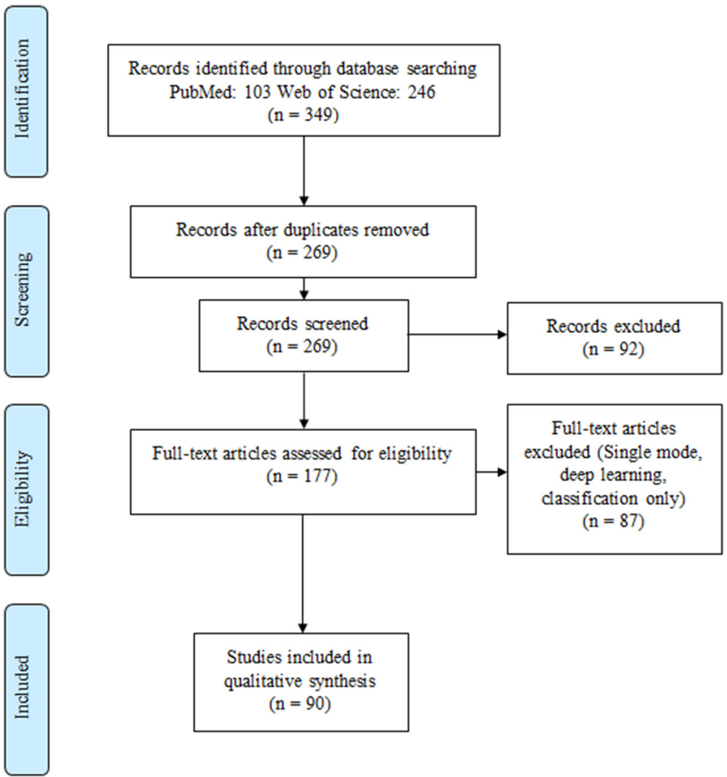
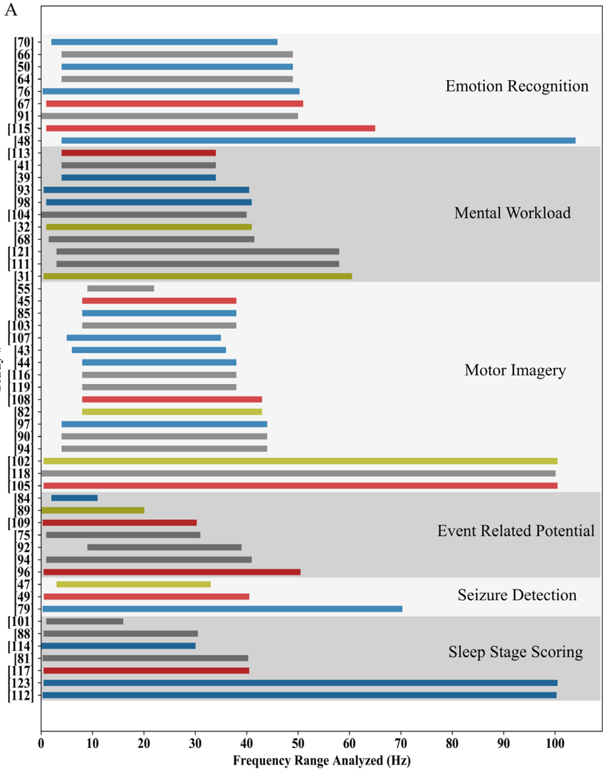
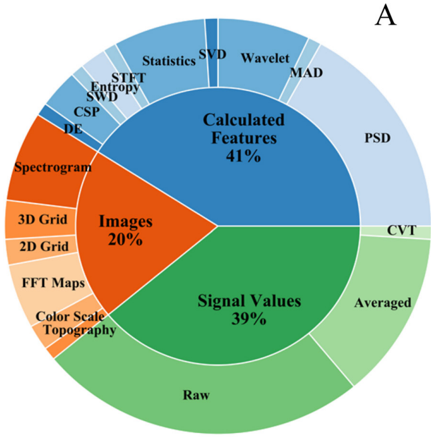
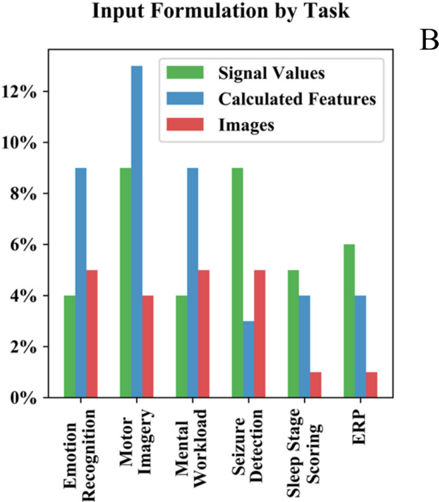
OBJECTIVE: Electroencephalography (EEG) analysis has been an important tool in neuroscience with applications in neuroscience, neural engineering (e.g. Brain-computer interfaces, BCI's), and even commercial applications. Many of the analytical tools used in EEG studies have used machine learning to uncover relevant information for neural classification and neuroimaging. Recently, the availability of large EEG data sets and advances in machine learning have both led to the deployment of deep learning architectures, especially in the analysis of EEG signals and in understanding the information it may contain for brain functionality. The robust automatic classification of these signals is an important step towards making the use of EEG more practical in many applications and less reliant on trained professionals. Towards this goal, a systematic review of the literature on deep learning applications to EEG classification was performed to address the following critical questions: (1) Which EEG classification tasks have been explored with deep learning? (2) What input formulations have been used for training the deep networks? (3) Are there specific deep learning network structures suitable for specific types of tasks? APPROACH: A systematic literature review of EEG classification using deep learning was performed on Web of Science and PubMed databases, resulting in 90 identified studies. Those studies were analyzed based on type of task, EEG preprocessing methods, input type, and deep learning architecture. MAIN RESULTS: For EEG classification tasks, convolutional neural networks, recurrent neural networks, deep belief networks outperform stacked auto-encoders and multi-layer perceptron neural networks in classification accuracy. The tasks that used deep learning fell into five general groups: emotion recognition, motor imagery, mental workload, seizure detection, event related potential detection, and sleep scoring. For each type of task, we describe the specific input formulation, major characteristics, and end classifier recommendations found through this review. SIGNIFICANCE: This review summarizes the current practices and performance outcomes in the use of deep learning for EEG classification. Practical suggestions on the selection of many hyperparameters are provided in the hope that they will promote or guide the deployment of deep learning to EEG datasets in future research.
Overview
The claims and statistics of this paper haven’t been checked yet.
Free: it reads the open-access text and checks the first 5 claims that cite a source we can check. Create a free account to check every claim.
Integrity signals
Registry
Cites
Statistics
Figures
Verification
Claims the paper makes
The claims and statistics of this paper haven’t been checked yet.
Free: it reads the open-access text and checks the first 5 claims that cite a source we can check. Create a free account to check every claim.
Claims other papers make about this one
Each is checked against this paper’s own text: does it say what the citing paper says it does?
The source backs part of the claim, not all of it — or backs it for a different population, condition or comparison.
In the citing paper
“The difficulty of EEG signal processing is to extract high-dimensional features from non-stationary time series with low signal-to-noise ratio [18].”
From IENet: a robust convolutional neural network for EEG based brain-computer interfaces (2022) · cites this paper as [18]
Experimental — accuracy not yet measuredThe source backs part of the claim, not all of it — or backs it for a different population, condition or comparison.
In the citing paper
“Convolutional neural networks (CNN), a leading deep learning structure for data on Euclidean space, outperform the above machine learning algorithms in classification accuracy (Craik et al., 2019).”
From Spatial–temporal graph convolutional network for Alzheimer classification based on brain functional connectivity imaging of electroencephalogram (2022) · cites this paper as Craik et al., 2019
Experimental — accuracy not yet measuredThe cited source says what the claim attributes to it.
In the citing paper
“As for the structures of deep leaning models, convolutional neural networks (CNNs) are the most prevalent architectures in EEG classification tasks [18].”
From IENet: a robust convolutional neural network for EEG based brain-computer interfaces (2022) · cites this paper as [18]
Self-check
Percentages, sums and reported differences re-computed from the paper’s own numbers.
The self-check needs the paper’s full text.
Citations
Cites
Hochreiter, S., & Schmidhuber, J. (1997) · Neural Computation · doi:10.1162/neco.1997.9.8.1735 · Cited by 102,318 · cited 1×
“LSTM is a popular extension of the standard RNN module [83].”
BackgroundLeCun, Y., Bengio, Y., & Hinton, G. (2015) · Nature · doi:10.1038/nature14539 · Cited by 84,126
Preferred reporting items for systematic reviews and meta-analyses: The PRISMA statement
Moher, D., Liberati, A., Tetzlaff, J., & Altman, D. G. (2010) · International Journal of Surgery · doi:10.1016/j.ijsu.2010.02.007 · Cited by 12,156
(1982) · Trends in Neurosciences · doi:10.1016/0166-2236(82)90076-5 · Cited by 9,089
Speech recognition with deep recurrent neural networks
Graves, A., Mohamed, A.-R., & Hinton, G. (2013) · 2013 IEEE International Conference on Acoustics, Speech and Signal Processing · doi:10.1109/icassp.2013.6638947 · Cited by 8,893 · cited 1×
“Indeed, it significantly improved performance in a wide range of traditionally challenging domains, such as images [10], videos [11], speech [12], and text [13].”
BackgroundLearning long-term dependencies with gradient descent is difficult
Bengio, Y., Simard, P., & Frasconi, P. (1994) · IEEE Transactions on Neural Networks · doi:10.1109/72.279181 · Cited by 8,542 · cited 1×
“Neural networks did not immediately receive the high attention seen today in neural classification applications because of practical issues, such as very long computation time and problems with the vanishing/exploding gradients [8].”
BackgroundLarge-Scale Video Classification with Convolutional Neural Networks
Karpathy, A., Toderici, G., Shetty, S., Leung, T., Sukthankar, R., & Fei-Fei, L. (2014) · 2014 IEEE Conference on Computer Vision and Pattern Recognition · doi:10.1109/cvpr.2014.223 · Cited by 6,354 · cited 1×
“Indeed, it significantly improved performance in a wide range of traditionally challenging domains, such as images [10], videos [11], speech [12], and text [13].”
EEGNet: a compact convolutional neural network for EEG-based brain-computer interfaces
Lawhern, V. J., Solon, A. J., Waytowich, N. R., Gordon, S. M., Hung, C. P., & Lance, B. J. (2018) · Journal of Neural Engineering · doi:10.1088/1741-2552/aace8c · Cited by 5,115 · cited 1×
“1 FC 20 h 2 OUT [94] CNN ELU (conv) SV P300(1) N/A P300(1) P300(1) 3 conv Softmax (FC) All (64/56/22) 1–40 Hz P300(2) 1–40 Hz MI 4–40 Hz 15 93% 1 FC 0.”
EEGNet: A Compact Convolutional Network for EEG-based Brain-Computer Interfaces
Lawhern, V. J., Solon, A. J., Waytowich, N. R., Gordon, S. M., Hung, C. P., & Lance, B. J. (2016) · arXiv · doi:10.48550/arxiv.1611.08024 · Cited by 5,105 · cited 1×
“1 FC 20 h 2 OUT [94] CNN ELU (conv) SV P300(1) N/A P300(1) P300(1) 3 conv Softmax (FC) All (64/56/22) 1–40 Hz P300(2) 1–40 Hz MI 4–40 Hz 15 93% 1 FC 0.”
DEAP: A Database for Emotion Analysis ;Using Physiological Signals
Koelstra, S., Muhl, C., Soleymani, M., Lee, J.-S., Yazdani, A., Ebrahimi, T., Pun, T., Nijholt, A., & Patras, I. (2012) · IEEE Transactions on Affective Computing · doi:10.1109/t-affc.2011.15 · Cited by 5,093 · cited 3×
“The datasets that are used in more than one study within this review include an emotion recognition dataset ([56], various subsets used in ten studies), a mental workload dataset ([57], used in four studies), two motor imagery datasets from the same BCI competition ([58], one dataset used in six studies and the second…”
BackgroundMethod
Research works printed but not linked: 24
- He Y, 2018, J. Neural Eng., 15
- Karpathy A, 2014, Proc. IEEE Computer Society Conf. Computer Vision Pattern Recognition, 1725
- Sutskever I, 2011, Proc. of the 28th Int. Conf. on Machine Learning, 1017
- Zhao Y, 2014, 2014 Asian Conf. Computer Visison, 1
- Roy S, 2018, 40th Annu. Int. Conf. IEEE Eng. Med. Biol. Soc. (EMBC), 2756
- Teplan M, 2002, Meas. Sci., 2, 1
- Pfurtscheller G, 2001, 89, 1123
- Kuanar S, 2018 IEEE Int. Conf. on Acoustics, Speech and Signal Processing (ICASSP), 352
- Abbas W, 2018, 40th Annu. Int. Conf. IEEE Eng. Med. Biol. Soc. (EMBC), 219
- Wei X, 2018, 18, 111
- Xu H, 2016, 2016 IEEE 18th Int. Workshop Multimedia Signal Processing, 1
- Vareka L, 2017, Application of Stacked Autoencoders to P300 Experimental Data (Int. Conf. on Artificial Intelligence and Soft Computing)
- Yuen T C, 2009, Int. J. Integr. Eng., 1, 71
- Alhagry S, 2017, Emotion, 8, 8
- Yin Z, 2016, Chinese Control Conf. CCC, 2016, 3907
- Pereira A, 2018, Preprint
- Ang K K, 2019, J. Neural Eng., 16
- Liu J, 2015, Chinese Control Conf. CCC, 2015, 3518
- Ansari M L A, 2018, J. Neural Eng., 15
- Kobler R J, 2016, 2016 IEEE Int. Conf. Syst. Man, Cybernetics SMC 2016—Conf. Proc., 469
- An X, 2014, Int. Conf. on Intelligent Computing, 203
- Gao Y, 2015, 2015 IEEE Int. Conf. Multimedia Expo Workshops ICMEW 2015, 2, 1
- Bablani A, 2018, 2018 9th Int. Conf. Computing Communication Networking Technologies, 1
- Luo T, 2018, Bioinformatics, 19, 344
Cited by
Items 401–500 of 1,001
A low-power low-noise amplifier with high CMRR for wearable healthcare applications
Sharma, K., Singh, S., & Sachdeva, A. (2023) · AEU - International Journal of Electronics and Communications · doi:10.1016/j.aeue.2023.154994 · Cited by 23
Amplifying pathological detection in EEG signaling pathways through cross-dataset transfer learning
Darvishi-Bayazi, M.-J., Ghaemi, M. S., Lesort, T., Arefin, M. R., Faubert, J., & Rish, I. (2023) · Computers in Biology and Medicine · doi:10.1016/j.compbiomed.2023.107893 · Cited by 30
Guo, Z., Wang, J., Jing, T., & Fu, L. (2024) · Computer Methods and Programs in Biomedicine · doi:10.1016/j.cmpb.2024.108105 · Cited by 22
Lin, P.-J., Li, W., Zhai, X., Sun, J., Pan, Y., Ji, L., & Li, C. (2024) · Neurocomputing · doi:10.1016/j.neucom.2024.127622 · Cited by 23
Wang, Y., Peng, Y., Han, M., Liu, X., Niu, H., Cheng, J., Chang, S., & Liu, T. (2024) · Journal of Neural Engineering · doi:10.1088/1741-2552/ad5048 · Cited by 29
“Among the various deep learning models used for EEG decoding, convolutional neural networks (CNNs) have gained significant popularity [29–31].”
Classification of epileptic seizures in EEG data based on iterative gated graph convolution network
Hu, Y., Liu, J., Sun, R., Yu, Y., & Sui, Y. (2024) · Frontiers in Computational Neuroscience · doi:10.3389/fncom.2024.1454529 · Cited by 23
Avilov, O., Rimbert, S., Popov, A. O., & Bougrain, L. (2021) · IEEE Transactions on Biomedical Engineering · doi:10.1109/tbme.2021.3064794 · Cited by 22
“Indeed, whereas deep neural networks show better performances compared to standard machine learning methods in almost all application domains, analysis of EEG signals especially in BCI domain remains an area where the use of deep learning techniques is still limited [19], [20].”
Liu, J., Dong, K., Sun, Y. M., Kakkos, I., Huang, F., Wang, G., Qi, P., Chen, X., Zhang, D., Bezerianos, A., et al. (2021) · Engineering · doi:10.1016/j.eng.2021.11.013 · Cited by 25
Robust asynchronous control of ERP-Based brain-Computer interfaces using deep learning
Santamaría-Vázquez, E., Martínez-Cagigal, V., Pérez-Velasco, S., Marcos-Martínez, D., & Hornero, R. (2022) · Computer Methods and Programs in Biomedicine · doi:10.1016/j.cmpb.2022.106623 · Cited by 22
Zhou, X., Zou, R., & Huang, X. (2021) · Biomedical Signal Processing and Control · doi:10.1016/j.bspc.2021.102965 · Cited by 21
Kumar, N., & Michmizos, K. P. (2022) · Scientific Reports · doi:10.1038/s41598-022-05079-0 · Cited by 26
“This work adds to the mounting evidence for the effectiveness of DNNs in predicting cognitive functions from EEG 52 .”
BackgroundEEG-fest: few-shot based attention network for driver's drowsiness estimation with EEG signals
Ding, N., Zhang, C., & Eskandarian, A. (2023) · Biomedical Physics & Engineering Express · doi:10.1088/2057-1976/ad0f3f · Cited by 23
“The DL-based algorithms use end-to-end neural network models for automatic signal denoising, feature extraction, and classification [20].”
MethodTime–space–frequency feature Fusion for 3-channel motor imagery classification
Miao, Z., & Zhao, M. (2023) · Biomedical Signal Processing and Control · doi:10.1016/j.bspc.2023.105867 · Cited by 23
Latent alignment in deep learning models for EEG decoding
Bakas, S., Ludwig, S., Adamos, D. A., Laskaris, N., Panagakis, Y., & Zafeiriou, S. P. (2025) · Journal of Neural Engineering · doi:10.1088/1741-2552/adb336 · Cited by 26
“A recent review by Craik et al found that a majority of studies using deep learning on EEG did not mention or chose not to perform explicit artifact removal [9].”
Real-Time Seizure State Tracking Using Two Channels: A Mixed-Filter Approach
Ahmadi, M. B., Craik, A., Azgomi, H. F., Francis, J. T., Contreras-Vidal, J. L., & Faghih, R. T. (2019) · Asilomar Conference on Signals, Systems and Computers (ACSSC) · doi:10.1109/ieeeconf44664.2019.9048990 · Cited by 21
“EEG analysis is typically accomplished with the use of machine learning algorithms [11], such as convolutional neural networks [12], [13], recurrent neural networks [14], [15], spiking neural networks [16], Support Vector Machines (SVM) [17]–[19], and Linear Discriminant Analysis (LDA) [20].”
MethodSelf-citationTian, Y., & Ma, L. (2020) · Journal of Neural Engineering · doi:10.1088/1741-2552/ab92b2 · Cited by 22
Handling Missing Sensors in Topology-Aware IoT Applications with Gated Graph Neural Network
Liu, S., Yao, S., Huang, Y., Liu, D., Shao, H., Zhao, Y., Li, J., Wang, T., Wang, R., Yang, C., et al. (2020) · Proceedings of the ACM on Interactive, Mobile, Wearable and Ubiquitous Technologies · doi:10.1145/3411818 · Cited by 20
“EEG data is inherently noisy because EEG electrodes also pick up unwanted electrical physiological signals, such as the electromyogram (EMG) from eye blinks and muscles on the neck [13].”
BackgroundDeep Learning-Based EEG Emotion Recognition: A Review
Liu, Y. H., Xue, W., Yang, L., & Li, M. (2025) · Brain Sciences · doi:10.3390/brainsci16010041 · Cited by 27
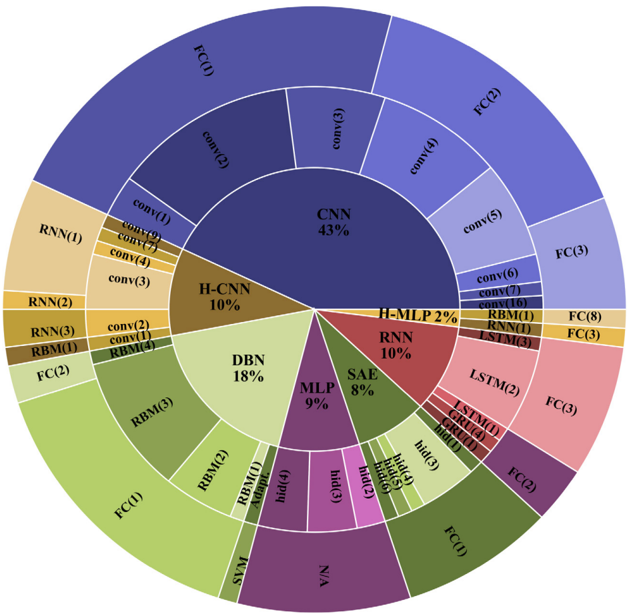
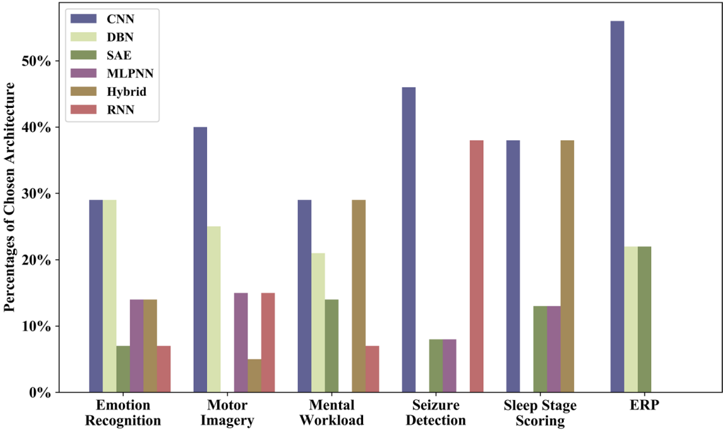
“Among the deep neural networks applied to EEG signal processing, CNNs, RNNs, and DBNs (deep belief networks) perform better than other deep networks such as SAE (stacked autoencoders) and MLPNN (multilayer perceptron neural networks) [14].”
Biswas, D., Pallikkulath, S., & Chakravarthy, V. S. (2021) · Frontiers in Computational Neuroscience · doi:10.3389/fncom.2021.551111 · Cited by 23
“…convolutional neural network and deep belief network have been used for EEG signal processing and classification at various scales which found application in the following areas: brain-computer interface, epilepsy, cognitive and effective monitoring, etc. (Craik and He, 2019; Roy et al., 2019).”
MethodInfluentialWang, P., Wang, M., Zhou, Y., Xu, Z., & Zhang, D. (2022) · Frontiers of Computer Science · doi:10.1007/s11704-021-0587-2 · Cited by 24
Song, Z., Deng, B., Wang, J., & Yi, G. (2022) · Journal of Neural Engineering · doi:10.1088/1741-2552/ac697d · Cited by 23
“However, limited by the time-consuming problem and following the development of deep-learning techniques in the imaging field [21, 22], an alternative using deep neural networks was raised [ 4, 23, 24] to learn feature representations from EEG automatically.”
InfluentialPawuś, D., & Paszkiel, S. (2022) · Applied Sciences · doi:10.3390/app12115762 · Cited by 21
Development of a Deep Learning System to Detect Esophageal Cancer by Barium Esophagram
Zhang, P., She, Y., Gao, J., Feng, Z., Tan, Q., Min, X., & Xu, S. (2022) · Frontiers in Oncology · doi:10.3389/fonc.2022.766243 · Cited by 21
A Saliency based Feature Fusion Model for EEG Emotion Estimation
Delvigne, V., Facchini, A., Wannous, H., Dutoit, T., Ris, L., & Vandeborre, J. (2022) · Annual International Conference of the IEEE Engineering in Medicine and Biology Society (EMBC) · doi:10.1109/embc48229.2022.9871720 · Cited by 21
“As reported by Craik et al. [3], one paper out of 6 considering the use of Deep Learning (DL) algorithm for EEG is dedicated to emotion estimation tasks.”
MethodA survey of deep learning-based classification methods for steady-state visual evoked potentials
Pan, Y., Chen, J., & Zhang, Y. (2023) · Brain-Apparatus Communication A Journal of Bacomics · doi:10.1080/27706710.2023.2181102 · Cited by 25
A deep learning network based on CNN and sliding window LSTM for spike sorting
Wang, M., Zhang, L., Yu, H., Chen, S., Zhang, X., Zhang, Y., & Gao, D. (2023) · Computers in Biology and Medicine · doi:10.1016/j.compbiomed.2023.106879 · Cited by 20
Polat, H. (2023) · Journal of Applied Clinical Medical Physics · doi:10.1002/acm2.14039 · Cited by 20
Chauhan, N., & Choi, B.-J. (2023) · Brain Sciences · doi:10.3390/brainsci13071046 · Cited by 21
“Furthermore, DL algorithms have achieved optimal performances across various domains, including natural language understanding, computer vision, and speech recognition tasks, as well as more recent applications in MRI analysis [19], X-rays [20], CT scans [21], PET [22], and EEG [23].”
BackgroundKhayretdinova, M., Zakharov, I., Pshonkovskaya, P., Adamovich, T., Kiryasov, A., Zhdanov, A. V., & Shovkun, A. (2023) · NeuroImage · doi:10.1016/j.neuroimage.2023.120495 · Cited by 24
Hua, C., Tao, J., Zhou, Z., Chai, L., Yan, Y., Liu, J., & Fu, R. (2024) · Computer Methods and Programs in Biomedicine · doi:10.1016/j.cmpb.2024.108218 · Cited by 24
Xie, H. M., Dong, Z., Yang, H., Luo, Y., Ren, S., Zhang, P., He, J., Jia, C., Yang, Y., Jiang, M., et al. (2024) · Applied Soft Computing · doi:10.1016/j.asoc.2024.112631 · Cited by 25
Qiu, Y., Liu, H., & Zhao, M. (2025) · Applied Sciences · doi:10.3390/app15010392 · Cited by 30
Arif, S., Khan, M. J., Naseer, N., Hong, K., Sajid, H., & Ayaz, Y. (2021) · Frontiers in Human Neuroscience · doi:10.3389/fnhum.2021.658444 · Cited by 20
“In such cases, drowsiness can instantly lead the human brain through various sleep stages (Craik et al., 2019; Ko et al., 2020).”
BackgroundDecoding motor imagery tasks using ESI and hybrid feature CNN
Fang, T., Song, Z., Zhan, G., Zhang, X., Mu, W., Wang, P., Zhang, L., & Kang, X. (2022) · Journal of Neural Engineering · doi:10.1088/1741-2552/ac4ed0 · Cited by 22
“A variety of common neural network architectures are used for EEG classification, such as convolutional neural network (CNN), RNN, and DBN [13].”
InfluentialWardana, B. E., Usman, N., Guilin, X., & Jiao, D. (2023) · Journal International Inspire Education Technology · doi:10.55849/jiiet.v2i3.466 · Cited by 21
“Islamic boarding schools are not fully capable of implementing the National Education Standards, especially those related to the teacher's role as an educator (Wakiah & Usman, 2020).”
MethodGibbon, S., Attaheri, A., Choisdealbha, Á. N., Rocha, S., Brusini, P., Mead, N., Boutris, P., Olawole‐Scott, H., Ahmed, H., Flanagan, S. A., et al. (2021) · Brain and Language · doi:10.1016/j.bandl.2021.104968 · Cited by 20
“Our data therefore partially support the notion proposed by Craik et al. (2019) and Roy et al. (2019) that some traditional pre-processing steps may not be required for machine learning approaches to EEG analysis, given the CNN’s ability to cut through noise.”
Statsenko, Y. A., Kuznetsov, N. V., & Ljubisavljević, M. (2025) · Biomedicines · doi:10.3390/biomedicines13020460 · Cited by 20
“Computational models are presented with the classic ‘integrate-and-fire’ model [201,202], the conventional [203] and stochastic versions of Hodgkin–Huxley model [204], and a number of neuronal networks that link cellular mechanisms of neuromodulation to large-scale neural dynamics [205–210].”
Filippini, M., Borra, D., Ursino, M., Magosso, E., & Fattori, P. (2022) · Neural Networks · doi:10.1016/j.neunet.2022.03.044 · Cited by 20
Li, F., Li, H., Li, Y., Wu, H., Fu, B., Ji, Y., Wang, C., & Shi, G. (2022) · Journal of Neural Engineering · doi:10.1088/1741-2552/ac6a7d · Cited by 19
“In contrast to traditional research that relies on expert-level experience and priori domain knowledge to extract representation information, deep learning can automatically extract discriminative data representations from EEG recordings of brain activity [27].”
EEG Guided Multimodal Lie Detection with Audio-Visual Cues
Javaid, H., Dilawari, A., Khan, M. U. G., & Wajid, B. (2022) · doi:10.1109/icai55435.2022.9773469 · Cited by 19
A Novel Multimodule Neural Network for EEG Denoising
Zhang, Z., Yu, X., Rong, X., & Iwata, M. (2022) · IEEE Access · doi:10.1109/access.2022.3173261 · Cited by 27
““T” the number of discrete time points of the input EEG epoch. no available public database to evaluate the model performance [64].”
BackgroundInvestigating Brain Connectivity with Graph Neural Networks and GNNExplainer
Zhdanov, M., Steinmann, S., & Hoffmann, N. (2022) · Proceedings - International Conference on Pattern Recognition/Proceedings/International Conference on Pattern Recognition · doi:10.1109/icpr56361.2022.9956201 · Cited by 20
“CNN-based models typically achieve the best performance [16].”
MethodLiang, X., Liu, Y., Yu, Y., Liu, K., Liu, Y., & Zhou, Z. (2023) · Brain Sciences · doi:10.3390/brainsci13020268 · Cited by 20
“Among all deep learning-based EEG decoding methods, those related to CNNs account for 53% of the total (43% for CNNs and 10% for hybrid CNNs) [14].”
MethodCross-Subject Tinnitus Diagnosis Based on Multi-Band EEG Contrastive Representation Learning
Wang, C., Zhu, X.-R., Zhou, X., Li, J., Lan, L., Huang, D., Zheng, Y., & Cai, Y. (2023) · IEEE Journal of Biomedical and Health Informatics · doi:10.1109/jbhi.2023.3264521 · Cited by 22
“based deep learning methods to accomplish various downstream tasks [14], [21], [22], [23].”
MethodPneuNetV1: A Deep Neural Network for Classification of Pneumothorax Using CXR Images
Gourisaria, M. K., Singh, V., Chatterjee, R., Panda, S. K., Pradhan, M. R., & Acharya, B. (2023) · IEEE Access · doi:10.1109/access.2023.3289842 · Cited by 19
“work [10], EEG signal classification [11], [12], and vari-”
Jin, L., Qu, H., Pang, L., Zhang, Z., & Lyu, Z. (2023) · Biomedical Signal Processing and Control · doi:10.1016/j.bspc.2023.105662 · Cited by 20
Veeranki, Y. R., McNaboe, R. Q., & Posada-Quintero, H. F. (2023) · Signals · doi:10.3390/signals4040045 · Cited by 20
EEG Datasets for Healthcare: A Scoping Review
da Silva, C. P., Tedesco, S. A., & O’Flynn, B. (2024) · IEEE Access · doi:10.1109/access.2024.3376254 · Cited by 20
“The authors suggest any interested readers to read the publication [19] for information regarding general EEG datasets, [16] and [35] for data on emotion recognition, [36] for motor imagery, and [37] for depression, while [19] and [38] provide an in-depth review of deep learning and EEG.”
BackgroundKim, M., & Im, C. (2024) · Computers in Biology and Medicine · doi:10.1016/j.compbiomed.2024.108788 · Cited by 21
Basheer, S., Aldehim, G., Alluhaidan, A. S., & Sakri, S. B. (2024) · Alexandria Engineering Journal · doi:10.1016/j.aej.2024.06.058 · Cited by 20
Anomaly Detection in Fractal Time Series with LSTM Autoencoders
Kirichenko, L., Коваль, Ю. А., Yakovlev, S., & Chumachenko, D. (2024) · Mathematics · doi:10.3390/math12193079 · Cited by 19
Sedehi, J. F., Dabanloo, N. J., Maghooli, K., & Sheikhani, A. (2025) · Heliyon · doi:10.1016/j.heliyon.2025.e41767 · Cited by 21
The More, the Better? Evaluating the Role of EEG Preprocessing for Deep Learning Applications
Pup, F. D., Zanola, A., Tshimanga, L. F., Bertoldo, A., & Atzori, M. (2025) · IEEE Transactions on Neural Systems and Rehabilitation Engineering · doi:10.1109/tnsre.2025.3547616 · Cited by 26
“To enhance the analysis of EEG data, Deep Learning (DL) has emerged as a new powerful resource in the domain [7].”
Robust Single-Trial EEG-Based Authentication Achieved with a 2-Stage Classifier
Barayeu, U., Horlava, N., Libert, A., & Hulle, M. M. V. (2020) · Biosensors · doi:10.3390/bios10090124 · Cited by 19
Arif, S., Arif, M., Munawar, S., Ayaz, Y., Khan, M. J., & Naseer, N. (2021) · IEEE International Conference on Artificial Intelligence and Mechatronics Systems (AIMS) · doi:10.1109/aims52415.2021.9466007 · Cited by 22
Balaji, A., Tripathi, U., Chamola, V., Benslimane, A., & Guizani, M. (2021) · IEEE Transactions on Intelligent Transportation Systems · doi:10.1109/tits.2021.3125126 · Cited by 19
“traditional methods, especially in case of EEG signals [28].”
BackgroundA gradient-based automatic optimization CNN framework for EEG state recognition
Wang, H., Zhu, X., Chen, P., Yang, Y., Ma, C., & Gao, Z. (2022) · Journal of Neural Engineering · doi:10.1088/1741-2552/ac41ac · Cited by 21
“Numerous emotion-based classification methods have been proposed, consequently [25–27].”
Unique Deep Radiomic Signature Shows NMN Treatment Reverses Morphology of Oocytes from Aged Mice
Habibalahi, A., Bertoldo, M. J., Mahbub, S. B., Campbell, J. M., Goss, D. M., Ledger, W. J., Gilchrist, R. B., Wu, L. E., & Goldys, E. M. (2022) · Biomedicines · doi:10.3390/biomedicines10071544 · Cited by 19
“Deep learning strategies (machine learning algorithms that use multiple layers to progressively extract higher-level features from data) have been used to interpret electroencephalogram (EEG), electrocardiogram (ECG), magnetoencephalography (MEG), and magnetic resonance imaging (MRI) data, to improve reliability and p…”
MethodExplainable Machine Learning Methods for Classification of Brain States during Visual Perception
Islam, R., Andreev, A. V., Shusharina, N. N., & Hramov, A. E. (2022) · Mathematics · doi:10.3390/math10152819 · Cited by 19
Tinnitus and distress: an electroencephalography classification study
Piarulli, A., Vanneste, S., Nemirovsky, I. E., Kandeepan, S., Maudoux, A., Gemignani, A., Ridder, D. D., & Soddu, A. (2022) · Brain Communications · doi:10.1093/braincomms/fcad018 · Cited by 21
“It is also important to note that while our approach relied on SVMs, other types of supervised classification procedures exist.(2) Another important category includes deep learning classification procedures with neural networks,(47,48) which may be more suitable for specific types of EEG analysis.”
MethodEnhancing Safety and Privacy in Industry 4.0: The ICE Laboratory Case Study
Cunico, F., Aldegheri, S., Avogaro, A., Boldo, M., Bombieri, N., Capogrosso, L., Caputo, A., Damiano Carra, B., Centomo, S., Cheng, D. S., et al. (2024) · IEEE Access · doi:10.1109/access.2024.3479411 · Cited by 18
“The vast majority of EEG-related works focus on the classification of mental over collected data rather than on forecasting [71].”
Multi-modal cross-domain self-supervised pre-training for fMRI and EEG fusion
Wei, X., Zhao, K., Jiao, Y., Carlisle, N. B., Xie, H., Fonzo, G. A., & Zhang, Y. (2024) · Neural Networks · doi:10.1016/j.neunet.2024.107066 · Cited by 29
Phase-amplitude coupling between mu- and gamma-waves to carry motor commands
Chholak, P., Pisarchik, A. N., Kurkin, S., Александрович, М. В., & Hramov, A. E. (2019) · Scientific School Dynamics of Complex Networks and their Applications (DCNA) · doi:10.1109/dcnair.2019.8875549 · Cited by 19
“In the very recent systematic and extensive review [9],”
BackgroundEEGminer: discovering interpretable features of brain activity with learnable filters
Ludwig, S., Bakas, S., Adamos, D. A., Laskaris, N., Panagakis, Y., & Zafeiriou, S. P. (2024) · Journal of Neural Engineering · doi:10.1088/1741-2552/ad44d7 · Cited by 21
Towards Deeper Neural Networks for Neonatal Seizure Detection
Daly, A., O'Shea, A., Lightbody, G., & Temko, A. (2021) · Annual International Conference of the IEEE Engineering in Medicine and Biology Society (EMBC) · doi:10.1109/embc46164.2021.9629485 · Cited by 18
“More recently deep learning based seizure detection algorithms have improved the algorithmic performance [5-9].”
BackgroundAttention-Based CNN Capturing EEG Recording’s Average Voltage and Local Change
Yi, L., & Qu, X. (2022) · Lecture notes in computer science · doi:10.1007/978-3-031-05643-7_29 · Cited by 27
“Most research used the convolutional neural network (CNN), a type of deep neural network (DNN), as the model of choice [9,15].”
BackgroundMethodImproved Manual Annotation of EEG Signals through Convolutional Neural Network Guidance
Diachenko, M., Houtman, S. J., Juárez-Martinez, E. L., Ramautar, J. R., Weiler, R., Mansvelder, H. D., Bruining, H., Bloem, P., & Linkenkaer‐Hansen, K. (2022) · eNeuro · doi:10.1523/eneuro.0160-22.2022 · Cited by 21
“In recent years, deep-learning algorithms have gained popularity to address EEG signal denoising (Wang et al., 2018; B Yang et al., 2018; Craik et al., 2019; Pion-Tonachini et al., 2019; Roy et al., 2019; Sun et al., 2020; Boudaya et al., 2022; Jurczak et al., 2022; Liu et al., 2022), providing a…”
BackgroundJiang, L., Siriaraya, P., Choi, D., Zeng, F., & Kuwahara, N. (2022) · Frontiers in Aging Neuroscience · doi:10.3389/fnagi.2022.945024 · Cited by 20
“End-to-end deep learning framework Recently studies began to focus on end-to-end deep learning frameworks (Craik et al., 2019).”
BackgroundZhou, X., & Liao, P. (2023) · Sustainability · doi:10.3390/su15064812 · Cited by 21
Recognition of map activities using eye tracking and EEG data
Qin, T., Fias, W., de Weghe, N. V., & Huang, H. (2024) · International Journal of Geographical Information Science · doi:10.1080/13658816.2024.2309188 · Cited by 19
“Two predominant approaches have emerged for recognition applications in ET and EEG: conventional classification (Jordan and Mitchell 2015) and deep learning methods (Craik et al. 2019).”
BackgroundA Comparative Review of Detection Methods in SSVEP-Based Brain-Computer Interfaces
Besharat, A., Samadzadehaghdam, N., & Afghan, R. (2024) · IEEE Access · doi:10.1109/access.2024.3509275 · Cited by 22
“DL models offer a significant advantage in their exceptional feature extraction capabilities, allowing them to be applied directly to raw data without requiring any pre-processing [130].”
RETRACTED: Decoding thoughts, encoding ethics: A narrative review of the BCI-AI revolution
Rudroff, T. (2024) · Brain Research · doi:10.1016/j.brainres.2024.149423 · Cited by 21
“However, as Craik et al. (2019) note, these advanced approaches sometimes sacrifice interpretability for performance – a crucial consideration in clinical settings where understanding decision-making processes remains paramount.”
InfluentialRetractedClassify Motor Imagery by a Novel CNN with Data Augmentation
Huang, W., Wang, L., Yan, Z., & Liu, Y. (2020) · Annual International Conference of the IEEE Engineering in Medicine and Biology Society (EMBC) · doi:10.1109/embc44109.2020.9176361 · Cited by 18
“In particular, brain-computer interfaces (BCI) have undergone extensive research [1].”
BackgroundChu, L., Pei, L., & Qiu, R. C. (2021) · IEEE Internet of Things Journal · doi:10.1109/jiot.2021.3105647 · Cited by 19
Abibullaev, B., Kunanbayev, K., & Zollanvari, A. (2022) · IEEE Transactions on Human-Machine Systems · doi:10.1109/thms.2022.3189576 · Cited by 19
“introduced a plethora of neural network architectures in the BCI field [37], [68], [72], we note that the majority of the studies still”
BackgroundJoint Filter-Band-Combination and Multi-View CNN for Electroencephalogram Decoding
Fan, Z., Xi, X., Gao, Y., Wang, T., Fang, F. Z., Houston, M. J., Zhang, Y., Li, L., & Lu, Z. Y. (2023) · IEEE Transactions on Neural Systems and Rehabilitation Engineering · doi:10.1109/tnsre.2023.3269055 · Cited by 18
“Recently, automatic feature extraction method based on convolutional neural network (CNN) has been applied in various engineering fields (including motor imagery recognition [20], [21], [22]).”
BackgroundMethodClassification of Hand-Grasp Movements of Stroke Patients using EEG Data
Rasheed, S., & Mumtaz, W. (2021) · doi:10.1109/icai52203.2021.9445231 · Cited by 17
Classification of imagined geometric shapes using EEG signals and convolutional neural networks
Llorella, F. R., Iáñez, E., Azorín, J. M., & Patow, G. (2021) · Neuroscience Informatics · doi:10.1016/j.neuri.2021.100029 · Cited by 19
Guerra, T. C. D. B., Nóbrega, T., Morya, E., Martins, A. D. M., & de Sousa, V. A. (2023) · Sensors · doi:10.3390/s23094277 · Cited by 21
“These algorithms automatically classify the data, allowing more practical applications, and it is less dependent on trained professionals [14].”
BackgroundInfluentialMotor decoding from the posterior parietal cortex using deep neural networks
Borra, D., Filippini, M., Ursino, M., Fattori, P., & Magosso, E. (2023) · Journal of Neural Engineering · doi:10.1088/1741-2552/acd1b6 · Cited by 18
“However, neural networks have been already widely proposed and tested for neural time series decoding, mainly using non-invasive modalities, especially EEG [47, 77, 78] due to its high portability, low cost and BCI applications.”
Particle Swarm Optimisation for Emotion Recognition Systems: A Decade Review of the Literature
Yamin, M. N. M., Aziz, K. A., Siang, T. G., & Aziz, N. A. A. (2023) · Applied Sciences · doi:10.3390/app13127054 · Cited by 18
Ahmadieh, H., Gassemi, F., & Moradi, M. H. (2023) · Biomedical Signal Processing and Control · doi:10.1016/j.bspc.2023.105497 · Cited by 24
A Review on Deep Learning For Electroencephalogram Signal Classification
Gatfan, S. K. (2024) · Journal of Al-Qadisiyah for Computer Science and Mathematics · doi:10.29304/jqcsm.2024.16.11453 · Cited by 19
“Due to its high temporal resolution, relatively minimal financial cost, and non-invasive nature it’s frequently utilized in neural and biomedical engineering research (for example brain-computer interfaces(BCI))[2], seizure detection [3], and sleep analysis[4].”
BackgroundSibilano, E., Buongiorno, D., Lassi, M., Grippo, A., Bessi, V., Sorbi, S., Mazzoni, A., Bevilacqua, V., & Brunetti, A. (2024) · IEEE Journal of Biomedical and Health Informatics · doi:10.1109/jbhi.2024.3390606 · Cited by 20
“In-deed, EEG has the advantages of non-invasiveness, ease of use and cost-effectiveness, representing a promising and more reproducible alternative to traditional diagnostic methods [11].”
MethodApplication of advanced biosensors in nervous system diseases
Meng, Z., Zhang, Y., Lu, Y., Yuan, F., Wang, J., Chen, J., Liu, J., Wang, G., & Zang, G. (2024) · Interdisciplinary medicine · doi:10.1002/inmd.20240024 · Cited by 18
A Novel State Space Model with Dynamic Graphic Neural Network for EEG Event Detection
Li, X., Yan, S., Wu, Y., Dai, C., & Guo, Y. (2024) · International Journal of Neural Systems · doi:10.1142/s012906572550008x · Cited by 19
Neurophysiological Approaches to Lie Detection: A Systematic Review
Taha, B. N., Baykara, M., & Alakuş, T. B. (2025) · Brain Sciences · doi:10.3390/brainsci15050519 · Cited by 17
Behera, B. K., Al-Kuwari, S. M., & Farouk, A. (2025) · IEEE Transactions on Artificial Intelligence · doi:10.1109/tai.2025.3572852 · Cited by 23
“These techniques can improve signal processing and feature extraction and enable more resilient and adaptive BCI systems [9].”
Exploration of face-perceptual ability by EEG induced deep learning algorithm
Ghosh, L., Dewan, D., Chowdhury, A., & Konar, A. (2021) · Biomedical Signal Processing and Control · doi:10.1016/j.bspc.2020.102368 · Cited by 18
Epileptic electroencephalography classification using embedded dynamic mode decomposition
Hellar, J., Erfaniantaghvayi, N., & Aazhang, B. (2022) · Journal of Neural Engineering · doi:10.1088/1741-2552/ac7256 · Cited by 17
Zubler, F., & Tzovara, A. (2023) · Frontiers in Neurology · doi:10.3389/fneur.2023.1183810 · Cited by 22
AJILE12: Long-term naturalistic human intracranial neural recordings and pose
Peterson, S. M., Singh, S. H., Dichter, B., Scheid, M. R., Rao, R. P. N., & Brunton, B. W. (2022) · Scientific Data · doi:10.1038/s41597-022-01280-y · Cited by 29
Yadav, H., & Maini, S. (2025) · Computers in Biology and Medicine · doi:10.1016/j.compbiomed.2025.110937 · Cited by 22
Single‐Cell and Spatial Multiomics: Applications for Diseases
Li, W., Chen, C., Zhu, X., & Zhang, C. (2025) · MedComm · doi:10.1002/mco2.70553 · Cited by 20
“Learning the characteristics of each network and using them as the input for a classification or prediction model is an option [ 203, 211, 212 ].”
Motor Imagery Analysis from Extensive EEG Data Representations Using Convolutional Neural Networks
Lomelin-Ibarra, V. A., Gutierrez-Rodríguez, A. E., & Cantoral-Ceballos, J. A. (2022) · Sensors · doi:10.3390/s22166093 · Cited by 16
“EEG 1D signals present a strong temporal domain; however, due to the dissipation of electrical currents through the scalp, the spatial domain causes trouble to isolate specific mental tasks [6,7].”
BackgroundZainuddin, A. Z. A., Mansor, W., Lee, K. Y., & Mahmoodin, Z. (2022) · International Journal of Power Electronics and Drive Systems/International Journal of Electrical and Computer Engineering · doi:10.11591/ijece.v12i6.pp6614-6624 · Cited by 18
Time Majority Voting, a PC-Based EEG Classifier for Non-expert Users
Dou, G., Zhou, Z., & Qu, X. (2022) · Lecture notes in computer science · doi:10.1007/978-3-031-17618-0_29 · Cited by 21
Performance analysis of EEG based emotion recognition using deep learning models
Margaret, M. J., & Banu, N. M. M. (2023) · Brain-Computer Interfaces · doi:10.1080/2326263x.2023.2206292 · Cited by 16
Recognizing emotions induced by wearable haptic vibration using noninvasive electroencephalogram
Wang, X., Xu, B., Zhang, W., Wang, J., Deng, L., Ping, J., Hu, C., & Li, H. (2023) · Frontiers in Neuroscience · doi:10.3389/fnins.2023.1219553 · Cited by 20
“Currently, the above datasets are commonly utilized to extract various features and boost the classification performance by deep learning algorithms (Craik et al., 2019).”
BackgroundXu, H., Pei, Z., Han, Q., Hou, M., Qian, X., Weng, T., Tian, Y., Qiu, Z., & Zhou, B. (2024) · IEEE Access · doi:10.1109/access.2024.3349552 · Cited by 18
“Alexander and Yongtian [24] used deep learning (DL) algorithm for EEG, especially emotional assessment tasks.”
Method
Metadata
- Authors
- Craik, A., He, Y., & Contreras-Vidal, J. L.
- Affiliations
- University of Houston (US)
- Corresponding author
- Craik, Alexander
- Venue
- Journal of Neural Engineering
- Publisher
- IOP Publishing
- Published
- 2019-04-09
- Volume
- 16
- Issue
- 3
- Pages
- 031001
- ISSN
- 1741-2552 (ISSN-L)
- 1741-2560
- OpenAlex
- W2915893085
- Cited by
- 1,758
- References
- 122
- Citations by year
- 2026: 308 · 2025: 287 · 2024: 273 · 2023: 290 · 2022: 246 · 2021: 213 · 2020: 116 · 2019: 23
- FWCI
- 18.93
- Type
- journal article
- Language
- en
- Open access
- hybrid
- doi.org
- Licence
- cc-by
- iopscience.iop.org/info/page/text-and-data-mining (tdm)
- creativecommons.org/licenses/by/3.0/ (vor)
- Locations
- Journal of Neural Engineering (publishedVersion, cc-by)
- PubMed (publishedVersion)
- Funders
- Center for Advanced Computing and Data Science
- Topics
- Life Sciences › Neuroscience › Cognitive Neuroscience › EEG and Brain-Computer Interfaces
- Physical Sciences › Computer Science › Artificial Intelligence › Emotion and Mood Recognition
- Health Sciences › Medicine › Cardiology and Cardiovascular Medicine › ECG Monitoring and Analysis
- Keywords
- EEG, EEG classification, deep learning, convolutional neural networks, recurrent neural networks, deep belief network, stacked autoencoder, motor imagery, emotion recognition, mental workload, seizure detection, sleep stage classification, EEG preprocessing
- MeSH terms
- Deep Learning, Animals, Brain, Electroencephalography, Humans, Psychomotor Performance, Neural Networks, Computer, Brain-Computer Interfaces
About these checks
Registry, retraction, Cites and statistics results are computed, not judged, with one exception: a printed reference that no index lists is read once by a model before it counts as a citation error. Claims are extracted by a model and kept only when their quote appears verbatim in the text; each cited source is then checked, with a model’s help, for whether it says what the claim relies on. Those verdicts can be wrong — read the claim’s quote and the cited source before relying on one.
Statistics and arithmetic are recomputed, not judged.
Confidence bands are shown only for fields calibrated on our annotated test set. None is calibrated yet, so no band is shown.
What counts as a claim ›How we measure confidence ›How we check this ›
Are you an author, or do you see a problem with this page? Request a review
Data sources
Bibliographic data: Semantic Scholar, OpenAlex, Crossref.
Contains information from the Semantic Scholar Academic Graph Datasets, made available under the ODC Attribution License (ODC-BY 1.0).
Semantic Scholar’s data is described in: Kinney, R., et al. (2023). The Semantic Scholar Open Data Platform. arXiv:2301.10140.
