

Deep learning for electroencephalogram (EEG) classification tasks: a review
Open accessThe DOI matches its Crossref record; 123 of the 123 references it cites were found in a registry or an index.
Abstract
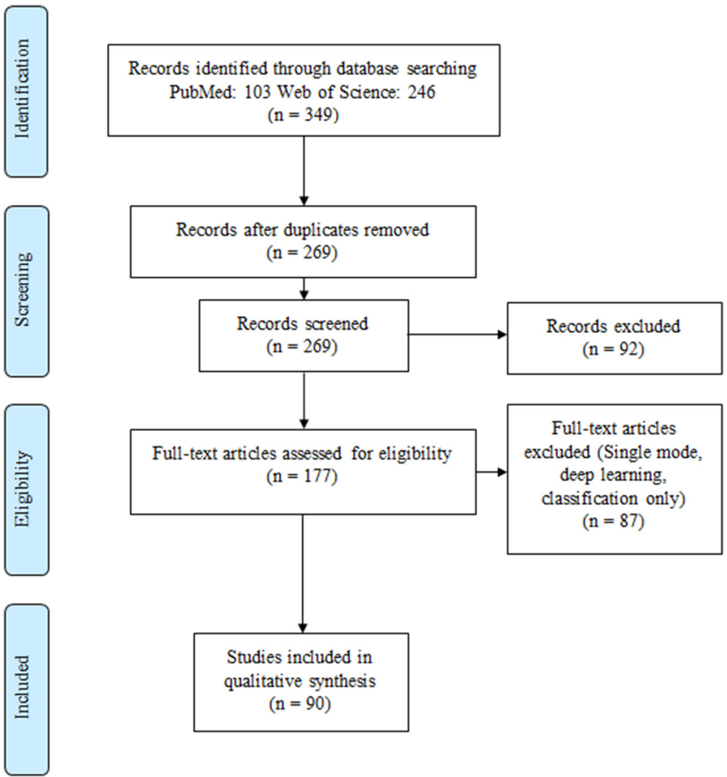
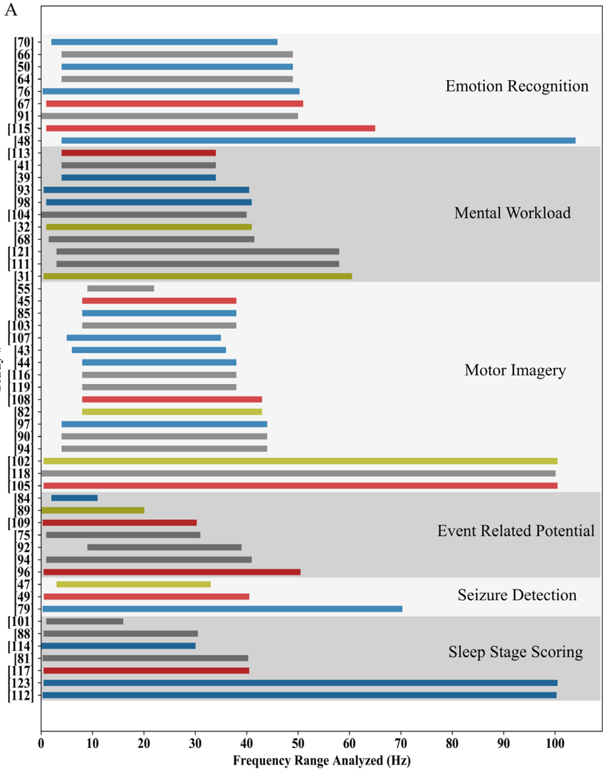
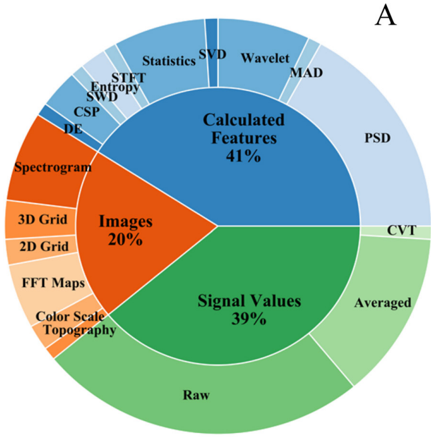
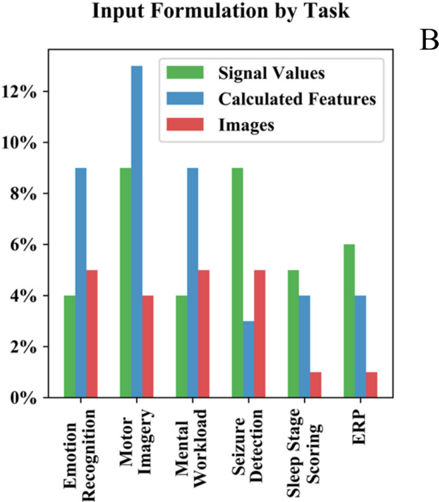
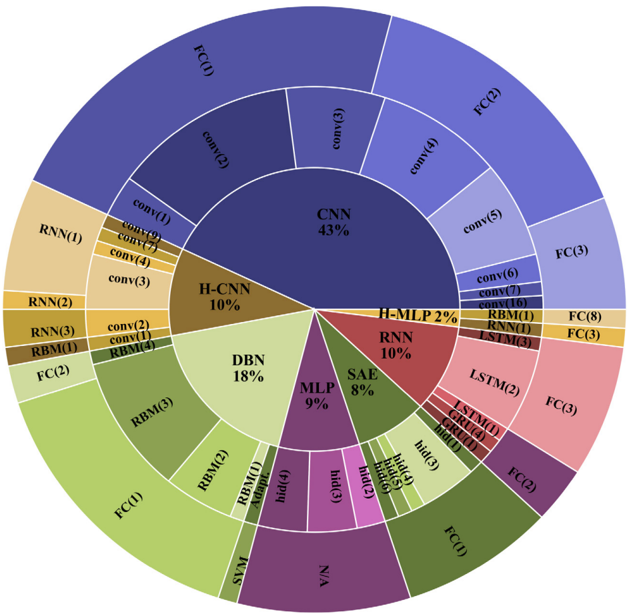
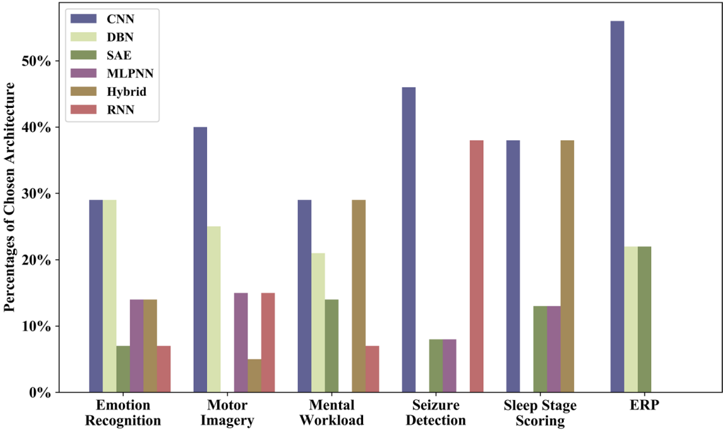
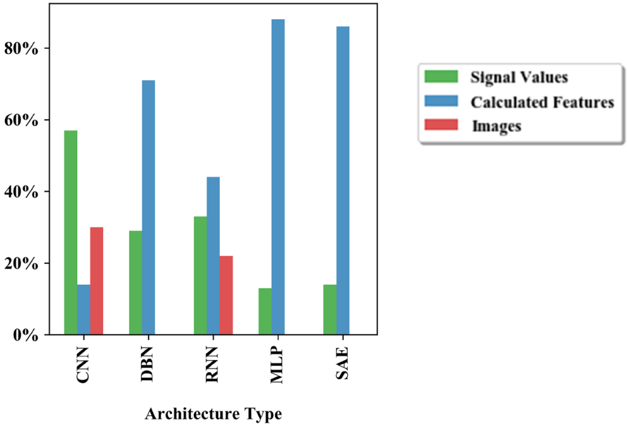
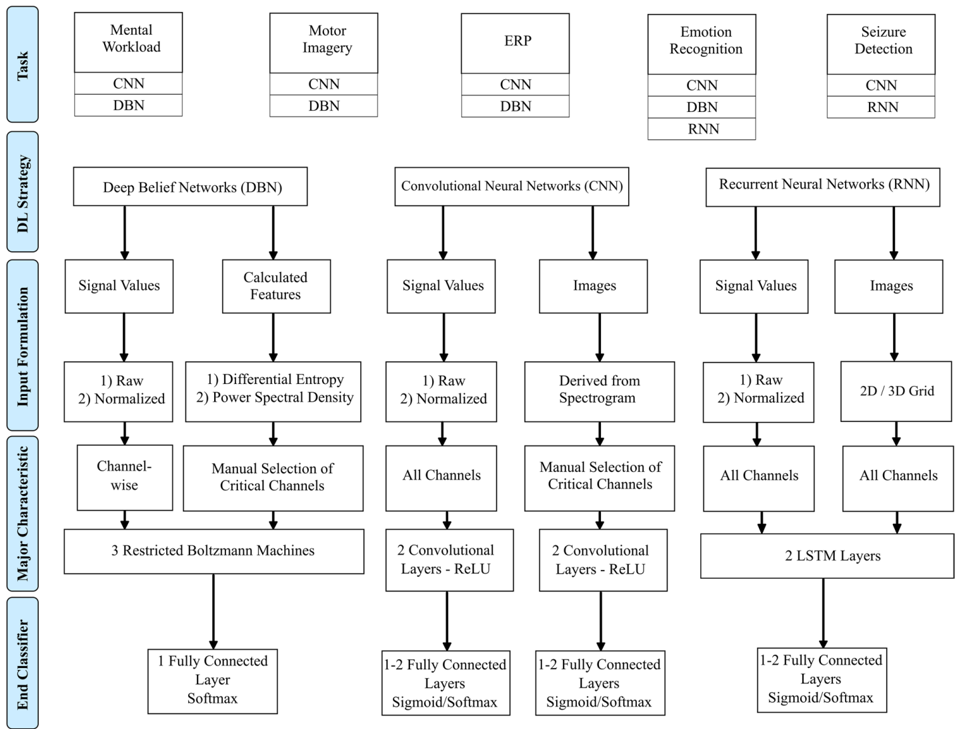
OBJECTIVE: Electroencephalography (EEG) analysis has been an important tool in neuroscience with applications in neuroscience, neural engineering (e.g. Brain-computer interfaces, BCI's), and even commercial applications. Many of the analytical tools used in EEG studies have used machine learning to uncover relevant information for neural classification and neuroimaging. Recently, the availability of large EEG data sets and advances in machine learning have both led to the deployment of deep learning architectures, especially in the analysis of EEG signals and in understanding the information it may contain for brain functionality. The robust automatic classification of these signals is an important step towards making the use of EEG more practical in many applications and less reliant on trained professionals. Towards this goal, a systematic review of the literature on deep learning applications to EEG classification was performed to address the following critical questions: (1) Which EEG classification tasks have been explored with deep learning? (2) What input formulations have been used for training the deep networks? (3) Are there specific deep learning network structures suitable for specific types of tasks? APPROACH: A systematic literature review of EEG classification using deep learning was performed on Web of Science and PubMed databases, resulting in 90 identified studies. Those studies were analyzed based on type of task, EEG preprocessing methods, input type, and deep learning architecture. MAIN RESULTS: For EEG classification tasks, convolutional neural networks, recurrent neural networks, deep belief networks outperform stacked auto-encoders and multi-layer perceptron neural networks in classification accuracy. The tasks that used deep learning fell into five general groups: emotion recognition, motor imagery, mental workload, seizure detection, event related potential detection, and sleep scoring. For each type of task, we describe the specific input formulation, major characteristics, and end classifier recommendations found through this review. SIGNIFICANCE: This review summarizes the current practices and performance outcomes in the use of deep learning for EEG classification. Practical suggestions on the selection of many hyperparameters are provided in the hope that they will promote or guide the deployment of deep learning to EEG datasets in future research.
Overview
The claims and statistics of this paper haven’t been checked yet.
Free: it reads the open-access text and checks the first 5 claims that cite a source we can check. Create a free account to check every claim.
Integrity signals
Registry
Cites
Statistics
Figures
Verification
Claims the paper makes
The claims and statistics of this paper haven’t been checked yet.
Free: it reads the open-access text and checks the first 5 claims that cite a source we can check. Create a free account to check every claim.
Claims other papers make about this one
Each is checked against this paper’s own text: does it say what the citing paper says it does?
The source backs part of the claim, not all of it — or backs it for a different population, condition or comparison.
In the citing paper
“The difficulty of EEG signal processing is to extract high-dimensional features from non-stationary time series with low signal-to-noise ratio [18].”
From IENet: a robust convolutional neural network for EEG based brain-computer interfaces (2022) · cites this paper as [18]
Experimental — accuracy not yet measuredThe source backs part of the claim, not all of it — or backs it for a different population, condition or comparison.
In the citing paper
“Convolutional neural networks (CNN), a leading deep learning structure for data on Euclidean space, outperform the above machine learning algorithms in classification accuracy (Craik et al., 2019).”
From Spatial–temporal graph convolutional network for Alzheimer classification based on brain functional connectivity imaging of electroencephalogram (2022) · cites this paper as Craik et al., 2019
Experimental — accuracy not yet measuredThe cited source says what the claim attributes to it.
In the citing paper
“As for the structures of deep leaning models, convolutional neural networks (CNNs) are the most prevalent architectures in EEG classification tasks [18].”
From IENet: a robust convolutional neural network for EEG based brain-computer interfaces (2022) · cites this paper as [18]
Self-check
Percentages, sums and reported differences re-computed from the paper’s own numbers.
The self-check needs the paper’s full text.
Citations
Cites
Hochreiter, S., & Schmidhuber, J. (1997) · Neural Computation · doi:10.1162/neco.1997.9.8.1735 · Cited by 102,318 · cited 1×
“LSTM is a popular extension of the standard RNN module [83].”
BackgroundLeCun, Y., Bengio, Y., & Hinton, G. (2015) · Nature · doi:10.1038/nature14539 · Cited by 84,126
Preferred reporting items for systematic reviews and meta-analyses: The PRISMA statement
Moher, D., Liberati, A., Tetzlaff, J., & Altman, D. G. (2010) · International Journal of Surgery · doi:10.1016/j.ijsu.2010.02.007 · Cited by 12,156
(1982) · Trends in Neurosciences · doi:10.1016/0166-2236(82)90076-5 · Cited by 9,089
Speech recognition with deep recurrent neural networks
Graves, A., Mohamed, A.-R., & Hinton, G. (2013) · 2013 IEEE International Conference on Acoustics, Speech and Signal Processing · doi:10.1109/icassp.2013.6638947 · Cited by 8,893 · cited 1×
“Indeed, it significantly improved performance in a wide range of traditionally challenging domains, such as images [10], videos [11], speech [12], and text [13].”
BackgroundLearning long-term dependencies with gradient descent is difficult
Bengio, Y., Simard, P., & Frasconi, P. (1994) · IEEE Transactions on Neural Networks · doi:10.1109/72.279181 · Cited by 8,542 · cited 1×
“Neural networks did not immediately receive the high attention seen today in neural classification applications because of practical issues, such as very long computation time and problems with the vanishing/exploding gradients [8].”
BackgroundLarge-Scale Video Classification with Convolutional Neural Networks
Karpathy, A., Toderici, G., Shetty, S., Leung, T., Sukthankar, R., & Fei-Fei, L. (2014) · 2014 IEEE Conference on Computer Vision and Pattern Recognition · doi:10.1109/cvpr.2014.223 · Cited by 6,354 · cited 1×
“Indeed, it significantly improved performance in a wide range of traditionally challenging domains, such as images [10], videos [11], speech [12], and text [13].”
EEGNet: a compact convolutional neural network for EEG-based brain-computer interfaces
Lawhern, V. J., Solon, A. J., Waytowich, N. R., Gordon, S. M., Hung, C. P., & Lance, B. J. (2018) · Journal of Neural Engineering · doi:10.1088/1741-2552/aace8c · Cited by 5,115 · cited 1×
“1 FC 20 h 2 OUT [94] CNN ELU (conv) SV P300(1) N/A P300(1) P300(1) 3 conv Softmax (FC) All (64/56/22) 1–40 Hz P300(2) 1–40 Hz MI 4–40 Hz 15 93% 1 FC 0.”
EEGNet: A Compact Convolutional Network for EEG-based Brain-Computer Interfaces
Lawhern, V. J., Solon, A. J., Waytowich, N. R., Gordon, S. M., Hung, C. P., & Lance, B. J. (2016) · arXiv · doi:10.48550/arxiv.1611.08024 · Cited by 5,105 · cited 1×
“1 FC 20 h 2 OUT [94] CNN ELU (conv) SV P300(1) N/A P300(1) P300(1) 3 conv Softmax (FC) All (64/56/22) 1–40 Hz P300(2) 1–40 Hz MI 4–40 Hz 15 93% 1 FC 0.”
DEAP: A Database for Emotion Analysis ;Using Physiological Signals
Koelstra, S., Muhl, C., Soleymani, M., Lee, J.-S., Yazdani, A., Ebrahimi, T., Pun, T., Nijholt, A., & Patras, I. (2012) · IEEE Transactions on Affective Computing · doi:10.1109/t-affc.2011.15 · Cited by 5,093 · cited 3×
“The datasets that are used in more than one study within this review include an emotion recognition dataset ([56], various subsets used in ten studies), a mental workload dataset ([57], used in four studies), two motor imagery datasets from the same BCI competition ([58], one dataset used in six studies and the second…”
BackgroundMethod
Research works printed but not linked: 24
- He Y, 2018, J. Neural Eng., 15
- Karpathy A, 2014, Proc. IEEE Computer Society Conf. Computer Vision Pattern Recognition, 1725
- Sutskever I, 2011, Proc. of the 28th Int. Conf. on Machine Learning, 1017
- Zhao Y, 2014, 2014 Asian Conf. Computer Visison, 1
- Roy S, 2018, 40th Annu. Int. Conf. IEEE Eng. Med. Biol. Soc. (EMBC), 2756
- Teplan M, 2002, Meas. Sci., 2, 1
- Pfurtscheller G, 2001, 89, 1123
- Kuanar S, 2018 IEEE Int. Conf. on Acoustics, Speech and Signal Processing (ICASSP), 352
- Abbas W, 2018, 40th Annu. Int. Conf. IEEE Eng. Med. Biol. Soc. (EMBC), 219
- Wei X, 2018, 18, 111
- Xu H, 2016, 2016 IEEE 18th Int. Workshop Multimedia Signal Processing, 1
- Vareka L, 2017, Application of Stacked Autoencoders to P300 Experimental Data (Int. Conf. on Artificial Intelligence and Soft Computing)
- Yuen T C, 2009, Int. J. Integr. Eng., 1, 71
- Alhagry S, 2017, Emotion, 8, 8
- Yin Z, 2016, Chinese Control Conf. CCC, 2016, 3907
- Pereira A, 2018, Preprint
- Ang K K, 2019, J. Neural Eng., 16
- Liu J, 2015, Chinese Control Conf. CCC, 2015, 3518
- Ansari M L A, 2018, J. Neural Eng., 15
- Kobler R J, 2016, 2016 IEEE Int. Conf. Syst. Man, Cybernetics SMC 2016—Conf. Proc., 469
- An X, 2014, Int. Conf. on Intelligent Computing, 203
- Gao Y, 2015, 2015 IEEE Int. Conf. Multimedia Expo Workshops ICMEW 2015, 2, 1
- Bablani A, 2018, 2018 9th Int. Conf. Computing Communication Networking Technologies, 1
- Luo T, 2018, Bioinformatics, 19, 344
Cited by
Altaheri, H., Muhammad, G., Alsulaiman, M., Amin, S. U., Altuwaijri, G. A., Abdul, W., Bencherif, M. A., & Faisal, M. (2023) · Neural Computing and Applications · doi:10.1007/s00521-021-06352-5 · Cited by 590
“[37] specifically investigated the DLbased techniques.”
EEG-Based Emotion Recognition via Channel-Wise Attention and Self Attention
Tao, W., Li, C., Song, R., Cheng, J., Liu, Y., Wan, F., & Chen, X. (2023) · IEEE Transactions on Affective Computing · doi:10.1109/taffc.2020.3025777 · Cited by 581
“puters better understand the current emotional state of the user [21].”
BackgroundRashid, M., Sulaiman, N., P. P. Abdul Majeed, A., Musa, R. M., Ab. Nasir, A. F., Bari, B. S., & Khatun, S. (2020) · Frontiers in Neurorobotics · doi:10.3389/fnbot.2020.00025 · Cited by 506
“The ability to acquire a robust automatic classification of EEG signals is an essential step toward making the use of EEG more practical in many applications and less reliant on trained professionals (Alexander et al., 2018).”
BackgroundEEG Based Emotion Recognition: A Tutorial and Review
Li, X., Zhang, Y., Tiwari, P., Song, D., Hu, B., Yang, M., Zhao, Z., Kumar, N., & Marttinen, P. (2023) · ACM Computing Surveys · doi:10.1145/3524499 · Cited by 508
“[29] focuses on introducing the Deep Learning-based methodologies applied to EEG modeling.”
MethodEpileptic Seizures Detection Using Deep Learning Techniques: A Review
Shoeibi, A., Khodatars, M., Ghassemi, N., Jafari, M., Moridian, P., Alizadehsani, R., Panahiazar, M., Khozeimeh, F., Zare, A., Hosseini-Nejad, H., et al. (2021) · International Journal of Environmental Research and Public Health · doi:10.3390/ijerph18115780 · Cited by 459
“DL models, unlike conventional machine learning techniques, require huge data in the training phase [29].”
BackgroundMethodTSception: Capturing Temporal Dynamics and Spatial Asymmetry From EEG for Emotion Recognition
Ding, Y., Robinson, N., Zhang, S., Zeng, Q., & Guan, C. (2023) · IEEE Transactions on Affective Computing · doi:10.1109/taffc.2022.3169001 · Cited by 428
Deep learning for motor imagery EEG-based classification: A review
Al-Saegh, A., Dawwd, S. A., & Abdul-Jabbar, J. M. (2021) · Biomedical Signal Processing and Control · doi:10.1016/j.bspc.2020.102172 · Cited by 437
Gu, X., Cao, Z., Jolfaei, A., Xu, P., Wu, D., Jung, T.-P., & Lin, C.-T. (2021) · IEEE/ACM Transactions on Computational Biology and Bioinformatics · doi:10.1109/tcbb.2021.3052811 · Cited by 395
“Although [32] believes that deep learning methods have not demonstrated convincing enhancement over some state-of-the-art BCI methods, the results reviewed recently in [33] illustrated that some deep learning methods, for instance, convolutional neural networks (CNNs), generative adversarial networks (GANs), and deep…”
BackgroundData augmentation for deep-learning-based electroencephalography
Lashgari, E., Liang, D., & Maoz, U. (2020) · Journal of Neuroscience Methods · doi:10.1016/j.jneumeth.2020.108885 · Cited by 398
A survey on deep learning in medicine: Why, how and when?
Piccialli, F., Somma, V. D., Giampaolo, F., Cuomo, S., & Fortino, G. (2021) · Information Fusion · doi:10.1016/j.inffus.2020.09.006 · Cited by 348
Past, Present, and Future of EEG-Based BCI Applications
Värbu, K., Muhammad, N., & Muhammad, Y. (2022) · Sensors · doi:10.3390/s22093331 · Cited by 321
“[30] and has been used widely in conducting well organized systematic literature reviews such as [5,23,28,29].”
MethodXie, J., Zhang, J., Sun, J., Ma, Z., Qin, L., Li, G., Zhou, H., & Zhan, Y. (2022) · IEEE Transactions on Neural Systems and Rehabilitation Engineering · doi:10.1109/tnsre.2022.3194600 · Cited by 314
Interface, interaction, and intelligence in generalized brain–computer interfaces
Gao, X., Wang, Y., Chen, X., & Gao, S. (2021) · Trends in Cognitive Sciences · doi:10.1016/j.tics.2021.04.003 · Cited by 304
Brain-Controlled Robotic Arm System Based on Multi-Directional CNN-BiLSTM Network Using EEG Signals
Jeong, J.-H., Shim, K.-H., Kim, D.-J., & Lee, S.-W. (2020) · IEEE Transactions on Neural Systems and Rehabilitation Engineering · doi:10.1109/tnsre.2020.2981659 · Cited by 292
“These deep learning techniques have contributed to the robust EEG decoding of different upper or lower extremity movements despite poor signal to noise and spontaneous potentials [64].”
BackgroundZhang, K., Robinson, N., Lee, S.-W., & Guan, C. (2021) · Neural Networks · doi:10.1016/j.neunet.2020.12.013 · Cited by 284
Neural Decoding of EEG Signals with Machine Learning: A Systematic Review
Saeidi, M., Karwowski, W., Farahani, F. V., Fiok, K., Taiar, R., Hancock, P. A., & Al-Juaid, A. (2021) · Brain Sciences · doi:10.3390/brainsci11111525 · Cited by 258
“This advantage has significantly improved the performance on large data sets with high-dimensional data [20].”
BackgroundMethodInfluentialMedical deep learning—A systematic meta-review
Egger, J., Gsaxner, C., Pepe, A., Pomykala, K. L., Jonske, F., Kurz, M., Li, J., & Kleesiek, J. (2022) · Computer Methods and Programs in Biomedicine · doi:10.1016/j.cmpb.2022.106874 · Cited by 251
“[52] perform a systematic review on deep learnng applications for EEG classification, addressing several questions, ncluding specifiying specific EEG tasks.”
DeprNet: A Deep Convolution Neural Network Framework for Detecting Depression Using EEG
Seal, A., Bajpai, R., Agnihotri, J., Yazidi, A., Herrera-Viedma, E., & Krejcar, O. (2021) · IEEE Transactions on Instrumentation and Measurement · doi:10.1109/tim.2021.3053999 · Cited by 265
“However, Craik et al. [4] revealed that 37% of the previous studies did not preprocess the EEG data, 49% removed artifacts manually, and 14% used automatic artifact removal techniques.”
MethodDeep Representation-Based Domain Adaptation for Nonstationary EEG Classification
Zhao, H., Zheng, Q., Ma, K., Li, H., & Zheng, Y. (2021) · IEEE Transactions on Neural Networks and Learning Systems · doi:10.1109/tnnls.2020.3010780 · Cited by 253
“Recently, DNN methods have been investigated in EEG classification tasks [22].”
MethodCognitive Workload Recognition Using EEG Signals and Machine Learning: A Review
Zhou, Y., Huang, S., Xu, Z., Wang, P., Wu, X., & Zhang, D. (2022) · IEEE Transactions on Cognitive and Developmental Systems · doi:10.1109/tcds.2021.3090217 · Cited by 221
“the input of CNN, then spectrograms or topographic maps may be the most prevalent choice [44], [123].”
BackgroundInfluentialEmotion recognition based on EEG feature maps through deep learning network
Topic, A., & Russo, M. (2021) · Engineering Science and Technology, an International Journal · doi:10.1016/j.jestch.2021.03.012 · Cited by 230
Santamaría-Vázquez, E., Martínez-Cagigal, V., Vaquerizo-Villar, F., & Hornero, R. (2020) · IEEE Transactions on Neural Systems and Rehabilitation Engineering · doi:10.1109/tnsre.2020.3048106 · Cited by 213
“As commented previously, the use of RNNs for EEG processing is scarce [14].”
BackgroundMethodInfluentialLGGNet: Learning From Local-Global-Graph Representations for Brain–Computer Interface
Ding, Y., Robinson, N., Tong, C., Zeng, Q., & Guan, C. (2024) · IEEE Transactions on Neural Networks and Learning Systems · doi:10.1109/tnnls.2023.3236635 · Cited by 211
“To study the effect of the number of T kernels in the temporal convolutional layer, the number of T kernels is set from [5, 10, 15, 20, 25].”
BackgroundMachine-learning-based diagnostics of EEG pathology
Gemein, L. A. W., Schirrmeister, R. T., Chrabąszcz, P., Wilson, D., Boedecker, J., Schulze-Bonhage, A., Hutter, F., & Ball, T. (2020) · NeuroImage · doi:10.1016/j.neuroimage.2020.117021 · Cited by 218
EEG based Major Depressive disorder and Bipolar disorder detection using Neural Networks:A review
Yasin, S., Hussain, S. A., Aslan, S., Raza, I., Muzammel, M., & Othmani, A. (2021) · Computer Methods and Programs in Biomedicine · doi:10.1016/j.cmpb.2021.106007 · Cited by 253
Miao, Z., Zhao, M., Zhang, X., & Ming, D. (2023) · NeuroImage · doi:10.1016/j.neuroimage.2023.120209 · Cited by 186
The applied principles of EEG analysis methods in neuroscience and clinical neurology
Zhang, H., Zhou, Q.-Q., Chen, H., Hu, X.-Q., Li, W.-G., Bai, Y., Han, J.-X., Wang, Y., Liang, Z.-H., Chen, D., et al. (2023) · Military Medical Research · doi:10.1186/s40779-023-00502-7 · Cited by 160
Review of semi-dry electrodes for EEG recording
Li, G.-L., Wu, J.-T., Xia, Y.-H., He, Q.-G., & Jin, H.-G. (2020) · Journal of Neural Engineering · doi:10.1088/1741-2552/abbd50 · Cited by 178
Affective Computing: Recent Advances, Challenges, and Future Trends
Pei, G., Li, H., Lu, Y., Wang, Y., Hua, S., & Li, T. (2023) · Intelligent Computing · doi:10.34133/icomputing.0076 · Cited by 212
Review on Emotion Recognition Based on Electroencephalography
Liu, H., Zhang, Y., Li, Y., & Kong, X. (2021) · Frontiers in Computational Neuroscience · doi:10.3389/fncom.2021.758212 · Cited by 159
Shalbaf, A., Bagherzadeh, S., & Maghsoudi, A. (2020) · Physical and Engineering Sciences in Medicine · doi:10.1007/s13246-020-00925-9 · Cited by 160
Sharma, R., Kim, M., & Gupta, A. (2022) · Biomedical Signal Processing and Control · doi:10.1016/j.bspc.2021.103101 · Cited by 158
Comparing user-dependent and user-independent training of CNN for SSVEP BCI
Ravi, A., Beni, N. H., Manuel, J., & Jiang, N. (2020) · Journal of Neural Engineering · doi:10.1088/1741-2552/ab6a67 · Cited by 165
Explainable Artificial Intelligence for Neuroscience: Behavioral Neurostimulation
Fellous, J.-M., Sapiro, G., Rossi, A., Mayberg, H., & Ferrante, M. (2019) · Frontiers in Neuroscience · doi:10.3389/fnins.2019.01346 · Cited by 155
Data augmentation for enhancing EEG-based emotion recognition with deep generative models.
Luo, Y., Zhu, L.-Z., Wan, Z.-Y., & Lu, B.-L. (2020) · Journal of Neural Engineering · doi:10.1088/1741-2552/abb580 · Cited by 162
Abibullaev, B., Keutayeva, A., & Zollanvari, A. (2023) · IEEE Access · doi:10.1109/access.2023.3329678 · Cited by 180
“However, with deep learning, automated feature extraction from raw neural data became feasible, minimizing the need for manual intervention and domain-specific preprocessing [40], [41], showcasing enhanced performance in tasks such as motor imagery classification [42], [43].”
MethodWang, J., Yao, L., & Wang, Y. (2023) · IEEE Transactions on Neural Systems and Rehabilitation Engineering · doi:10.1109/tnsre.2023.3257319 · Cited by 175
“Deep learning-based approaches alleviate the necessity of hand-crafted features in an end-to-end learning manner [21].”
BackgroundEEG-ITNet: An Explainable Inception Temporal Convolutional Network for Motor Imagery Classification
Salami, A., Andreu-Perez, J., & Gillmeister, H. (2022) · IEEE Access · doi:10.1109/access.2022.3161489 · Cited by 155
“Moreover, deep learning algorithms have recently accompanied these state-of-the-art algorithms to obtain even more promising and reliable outcomes [4, 7-9].”
BackgroundA transformer-based deep neural network model for SSVEP classification
Chen, J., Zhang, Y., Pan, Y., Xu, P., & Guan, C. (2023) · Neural Networks · doi:10.1016/j.neunet.2023.04.045 · Cited by 170
Status of deep learning for EEG-based brain–computer interface applications
Hossain, K. M., Islam, M. A., Hossain, S., Nijholt, A., & Ahad, M. A. R. (2023) · Frontiers in Computational Neuroscience · doi:10.3389/fncom.2022.1006763 · Cited by 188
“The EEG electrodes also take up undesired electrical physiological signals from eye blinks and neck muscles (Crespo-Garcia et al., 2008; Amin et al., 2019b).”
BackgroundA review on EEG-based multimodal learning for emotion recognition
Pillalamarri, R., & Shanmugam, U. (2025) · Artificial Intelligence Review · doi:10.1007/s10462-025-11126-9 · Cited by 183
Identifying mental fatigue of construction workers using EEG and deep learning
Wang, Y., Huang, Y., Gu, B., Cao, S., & Fang, D. (2023) · Automation in Construction · doi:10.1016/j.autcon.2023.104887 · Cited by 168
Mattioli, F., Porcaro, C., & Baldassarre, G. (2021) · Journal of Neural Engineering · doi:10.1088/1741-2552/ac4430 · Cited by 146
“This makes this approach a very suitable tool for classification and regression tasks applied to EEG signals [1, 38–41].”
MethodRetractedAlgarni, M., Saeed, F., Al-Hadhrami, T., Ghabban, F. M., & Al-Sarem, M. (2022) · Sensors · doi:10.3390/s22082976 · Cited by 170
“BCI actively contributes to helping patients find solutions to their health problems and improve the quality of healthy life for patients with motor disabilities or with various mental diseases [1], to help patients communicate with others or control their prosthetic limbs by determining the brain’s activities [2].”
BackgroundToward reliable signals decoding for electroencephalogram: A benchmark study to EEGNeX
Chen, X., Teng, X., Chen, H., Pan, Y., & Geyer, P. (2023) · Biomedical Signal Processing and Control · doi:10.1016/j.bspc.2023.105475 · Cited by 166
Deep learning-based BCI for gait decoding from EEG with LSTM recurrent neural network
Tortora, S., Ghidoni, S., Chisari, C., Micera, S., & Artoni, F. (2020) · Journal of Neural Engineering · doi:10.1088/1741-2552/ab9842 · Cited by 134
“Deep learning models have been introduced in neurorobotics to process brain signals in many applications (Craik et al 2019).”
Background4D attention-based neural network for EEG emotion recognition
Xiao, G., Shi, M., Ye, M., Xu, B., Chen, Z., & Ren, Q. (2022) · Cognitive Neurodynamics · doi:10.1007/s11571-021-09751-5 · Cited by 131
TSception:A Deep Learning Framework for Emotion Detection Using EEG
Ding, Y., Robinson, N., Zeng, Q., Chen, D., Wai, A. A. P., Lee, T.-S. W., & Guan, C. (2020) · International Joint Conference on Neural Networks (IJCNN) · doi:10.1109/ijcnn48605.2020.9206750 · Cited by 170
“A lot of research work has been conducted to solve the EEG emotional state classification problem [1] [7].”
BackgroundDeep Learning in EEG: Advance of the Last Ten-Year Critical Period
Gong, S., Xing, K., Cichocki, A., & Li, J. (2021) · IEEE Transactions on Cognitive and Developmental Systems · doi:10.1109/tcds.2021.3079712 · Cited by 147
“separately for task type, model type and so on [21].”
MethodTibrewal, N., Leeuwis, N., & Alimardani, M. (2022) · PLoS ONE · doi:10.1371/journal.pone.0268880 · Cited by 148
Data augmentation for motor imagery signal classification based on a hybrid neural network.
Zhang, K., Xu, G., Han, Z., Ma, K., Zheng, X., Chen, L., Duan, N., & Zhang, S. (2020) · Sensors · doi:10.3390/s20164485 · Cited by 130
“Recently, a growing number of researchers have used deep learning networks to decode EEG signals [60].”
BackgroundThe Perils and Pitfalls of Block Design for EEG Classification Experiments
Li, R., Johansen, J. S., Ahmed, H., Ilyevsky, T. V., Wilbur, R. Β., Bharadwaj, H., & Siskind, J. M. (2020) · IEEE Transactions on Pattern Analysis and Machine Intelligence · doi:10.1109/tpami.2020.2973153 · Cited by 175
“However, despite the explosion of studies using machine learning techniques applied to neuroimaging data [13], [14], to our knowledge, the effects of EEG/fMRI”
BackgroundDrug repositioning based on weighted local information augmented graph neural network
Meng, Y., Wang, Y., Xu, J., Lu, C., Tang, X., Peng, T., Zhang, B., Tian, G., & Yang, J. (2023) · Briefings in Bioinformatics · doi:10.1093/bib/bbad431 · Cited by 132
“Deep learning techniques are widely utilized in various areas of bioinformatics [14–17].”
BackgroundEarly prediction of epileptic seizures using a long-term recurrent convolutional network
Wei, X., Zhou, L., Zhang, Z., Chen, Z., & Zhou, Y. (2019) · Journal of Neuroscience Methods · doi:10.1016/j.jneumeth.2019.108395 · Cited by 139
State-of-the-Art Deep Learning Methods on Electrocardiogram Data: Systematic Review
Πετμεζάς, Γ., Stefanopoulos, L., Kilintzis, V., Tzavelis, A., Rogers, J. A., Katsaggelos, A. K., & Maglaveras, N. (2022) · JMIR Medical Informatics · doi:10.2196/38454 · Cited by 147
“Since then, they have been successfully used in various medical applications, including medical image analysis [12], biomedical signal classification [13,14], pulmonary sound classification [15], biomedical signal quality assessment [16], pathological voice detection [17], and sleep staging [18].”
BackgroundMehmood, I., Li, H., Qarout, Y., Umer, W., Anwer, S., Wu, H., Hussain, M., & Antwi‐Afari, M. F. (2023) · Advanced Engineering Informatics · doi:10.1016/j.aei.2023.101978 · Cited by 125
Soft Electronics for Health Monitoring Assisted by Machine Learning
Qiao, Y., Luo, J., Cui, T., Liu, H., Tang, H., Zeng, Y.-F., Liu, C., Li, Y., Jian, J., Wu, J., et al. (2023) · Nano-Micro Letters · doi:10.1007/s40820-023-01029-1 · Cited by 129
GLFANet: A global to local feature aggregation network for EEG emotion recognition
Liu, S., Zhao, Y., An, Y., Zhao, J., Wang, S., & Yan, J. (2023) · Biomedical Signal Processing and Control · doi:10.1016/j.bspc.2023.104799 · Cited by 123
Rivera, M. J., Teruel, M. Á., Maté, A., & Trujillo, J. C. (2021) · Artificial Intelligence Review · doi:10.1007/s10462-021-09986-y · Cited by 136
Human emotion recognition based on time–frequency analysis of multivariate EEG signal
Padhmashree, V., & Bhattacharyya, A. (2021) · Knowledge-Based Systems · doi:10.1016/j.knosys.2021.107867 · Cited by 137
Li, Q., Ng, K. K. H., Yu, S. C. M., Yiu, C. Y., & Lyu, M. (2022) · Knowledge-Based Systems · doi:10.1016/j.knosys.2022.110179 · Cited by 119
EEG-Based BCIs on Motor Imagery Paradigm Using Wearable Technologies: A Systematic Review
Saibene, A., Caglioni, M., Corchs, S., & Gasparini, F. (2023) · Sensors · doi:10.3390/s23052798 · Cited by 137
Cooney, C., Korik, A., Folli, R., & Coyle, D. (2020) · Sensors · doi:10.3390/s20164629 · Cited by 106
“Other studies cited in the reviews [36,44], although employing DL models other than CNNs, follow this pattern of inadequate reporting of HP optimization.”
BackgroundArpaïa, P., Espósito, A., Natalizio, A., & Parvis, M. (2022) · Journal of Neural Engineering · doi:10.1088/1741-2552/ac74e0 · Cited by 124
“Other studies, instead, gave an overview of the most popular signal processing steps and strategies in MI classification [11, 41], and deep learning techniques were of particular concern in recent works [42, 43].”
EEG-based emotion recognition using multi-scale dynamic CNN and gated transformer
Cheng, Z., Bu, X., Wang, Q., Yang, T., & Tu, J. (2024) · Scientific Reports · doi:10.1038/s41598-024-82705-z · Cited by 128
Gong, P., Wang, P., Zhou, Y., & Zhang, D. (2023) · IEEE Transactions on Neural Systems and Rehabilitation Engineering · doi:10.1109/tnsre.2023.3246989 · Cited by 123
“In recent years, EEG-based BCIs have been used in a wide range of application areas [3], [4], [5], [6], [7], [8], [9], [10], [11].”
BackgroundRecent Approaches on Classification and Feature Extraction of EEG Signal: A Review
Pooja, Pahuja, S., & Veer, K. (2021) · Robotica · doi:10.1017/s0263574721000382 · Cited by 114
“[7] Which classification task and input formulations are performed with deep learning? Which specific deep learning network structures are suitable for a particular task? 47”
BackgroundLee, S., Hussein, R., Ward, R. K., Wang, Z. J., & McKeown, M. J. (2021) · Journal of Neuroscience Methods · doi:10.1016/j.jneumeth.2021.109282 · Cited by 131
EEG-ConvTransformer for single-trial EEG-based visual stimulus classification
Bagchi, S., & Bathula, D. R. (2022) · Pattern Recognition · doi:10.1016/j.patcog.2022.108757 · Cited by 131
A novel explainable machine learning approach for EEG-based brain-computer interface systems
Ieracitano, C., Mammone, N., Hussain, A., & Morabito, F. C. (2021) · Neural Computing and Applications · doi:10.1007/s00521-020-05624-w · Cited by 119
Advanced EEG-based learning approaches to predict schizophrenia: Promises and pitfalls
Barros, C., Silva, C. A., & Pinheiro, A. P. (2021) · Artificial Intelligence in Medicine · doi:10.1016/j.artmed.2021.102039 · Cited by 120
Identification of Children at Risk of Schizophrenia via Deep Learning and EEG Responses
Ahmedt-Aristizabal, D., Fernando, T., Denman, S., Robinson, J. E., Sridharan, S., Johnston, P. J., Laurens, K. R., & Fookes, C. (2021) · IEEE Journal of Biomedical and Health Informatics · doi:10.1109/jbhi.2020.2984238 · Cited by 103
“evaluation of brain signals [12] and mental health disorders [13].”
BackgroundTime–frequency time–space LSTM for robust classification of physiological signals
Pham, T. D. (2021) · Scientific Reports · doi:10.1038/s41598-021-86432-7 · Cited by 110
Emerging Technologies for Next Generation Remote Health Care and Assisted Living
Ahmad, I., Asghar, Z., Kumar, T., Li, G., Manzoor, A., Mikhaylov, K., Shah, S. A., Höyhtyä, M., Reponen, J., Huusko, J., et al. (2022) · IEEE Access · doi:10.1109/access.2022.3177278 · Cited by 122
“Electroencephalogram CNN, RNN, DBN and Auto-encoders EEG classification [186]”
MethodHuggins, C. J., Escudero, J., Parra, M. A., Scally, B., Anghinah, R., Vitória Lacerda De Araújo, A., Basile, L. F., & Abasolo, D. (2021) · Journal of Neural Engineering · doi:10.1088/1741-2552/ac05d8 · Cited by 105
“The drawback of this is that standalone, EEG analyses have not produced results which can compete with standard practices (Craik et al 2019).”
Wu, J., Zhou, T., & Li, T. (2020) · Entropy · doi:10.3390/e22020140 · Cited by 110
“Deep learning-based approaches were also applied to EEG signal classification in recent years [38,41].”
MethodTedre, M., Denning, P. J., & Toivonen, T. (2021) · Koli Calling International Conference on Computing Education Research · doi:10.1145/3488042.3488053 · Cited by 125
“In some areas of medicine, machines diagnose illnesses from medical images more accurately than medical professionals do [6, 30].”
BackgroundBioelectronic Implantable Devices for Physiological Signal Recording and Closed‐Loop Neuromodulation
Oh, S., Jekal, J., Liu, J., Kim, J., Park, J., Lee, T., & Jang, K. (2024) · Advanced Functional Materials · doi:10.1002/adfm.202403562 · Cited by 113
Thinker invariance: enabling deep neural networks for BCI across more people
Kostas, D., & Rudzicz, F. (2020) · Journal of Neural Engineering · doi:10.1088/1741-2552/abb7a7 · Cited by 113
“Despite some successes with shallow models [2–5], only limited attempts have been made to use deeper models with more than 2–3 layers, or modern architecture choices such as residual connections, attention, and adversarial losses [2, 6, 7].”
BackgroundZdravkova, K., Krasniqi, V., Dalipi, F., & Ferati, M. (2022) · Frontiers in Artificial Intelligence · doi:10.3389/frai.2022.970430 · Cited by 118
“Moreover, DNN have become a useful approach to improve classification performance of BCI systems using EEG signals (Kwak et al., 2017; Craik et al., 2019).”
MethodLearning Invariant Representations From EEG via Adversarial Inference
Ozdenizci, O., Wang, Y., Koike-Akino, T., & Erdogmus, D. (2020) · IEEE Access · doi:10.1109/access.2020.2971600 · Cited by 95
“To that end, convolutional neural network (CNN) based feature extractors became powerful generic EEG signal processing tools, alleviating the need for manual feature extraction [2], [5].”
BackgroundMethodAn in-depth survey on Deep Learning-based Motor Imagery Electroencephalogram (EEG) classification
Wang, X., Liesaputra, V., Liu, Z., Wáng, Y., & Huang, Z. (2023) · Artificial Intelligence in Medicine · doi:10.1016/j.artmed.2023.102738 · Cited by 117
Taşçı, G., Loh, H. W., Barua, P. D., Bayğın, M., Taşçı, B., Doğan, Ş., Tuncer, T., Palmer, E. E., Tan, R., & Acharya, U. R. (2022) · Knowledge-Based Systems · doi:10.1016/j.knosys.2022.110190 · Cited by 98
EEG Classification with Transformer-Based Models
Sun, J., Xie, J., & Zhou, H. (2021) · IEEE Global Conference on Life Sciences and Technologies (LifeTech) · doi:10.1109/lifetech52111.2021.9391844 · Cited by 97
“So far, the commonly used models in EEG classification are CNN[5][6], RNN[7], and Hybrid CNN, while Transformer has not been used[8].”
MethodData augmentation for self-paced motor imagery classification with C-LSTM.
Freer, D., & Yang, G.-Z. (2020) · Journal of Neural Engineering · doi:10.1088/1741-2552/ab57c0 · Cited by 96
“Recent review papers [19, 21, 26] have more fully investigated the use of deep learning concepts for EEG processing, so interested parties can refer to these for a more in-depth understanding.”
BackgroundA deep learning framework for epileptic seizure detection based on neonatal EEG signals
Gramacki, A., & Gramacki, J. (2022) · Scientific Reports · doi:10.1038/s41598-022-15830-2 · Cited by 96
Cross-Subject EEG-Based Emotion Recognition Through Neural Networks With Stratified Normalization
Fdez, J., Guttenberg, N., Witkowski, O., & Pasquali, A. (2021) · Frontiers in Neuroscience · doi:10.3389/fnins.2021.626277 · Cited by 85
Chen, Y., Chang, R., & Guo, J. (2021) · IEEE Access · doi:10.1109/access.2021.3068316 · Cited by 105
“In recent years, with the improvement of computer automation and the advancement of pattern recognition task, some deep learning methods have been gradually developed, and used in the field of EEG-based emotion recognition [22], [23].”
BackgroundYasin, S., Othmani, A., Raza, I., & Hussain, S. A. (2023) · Computers in Biology and Medicine · doi:10.1016/j.compbiomed.2023.106741 · Cited by 103
EEG-based investigation of the impact of room size and window placement on cognitive performance
Cruz-Garza, J. G., Darfler, M., Rounds, J. D., Gao, E., & Kalantari, S. (2022) · Journal of Building Engineering · doi:10.1016/j.jobe.2022.104540 · Cited by 106
Cognitive neuroscience and robotics: Advancements and future research directions
Liu, S., Wang, L., & Gao, R. X. (2023) · Robotics and Computer-Integrated Manufacturing · doi:10.1016/j.rcim.2023.102610 · Cited by 107
Classification of alcoholic EEG signals using wavelet scattering transform-based features
Buriro, A. B., Ahmed, B., Baloch, G. L., Ahmed, J., Shoorangiz, R., Weddell, S. J., & Jones, R. D. (2021) · Computers in Biology and Medicine · doi:10.1016/j.compbiomed.2021.104969 · Cited by 97
“The rectified logic unit (Relu) [53] has been the widely-used nonlinear activation function, employed in 70% of CNN architectures, and performs the best with the sigmoid function [36].”
BackgroundMethodSelf-Supervised Contrastive Learning for Medical Time Series: A Systematic Review
Liu, Z., Alavi, A., Li, M., & Zhang, X. (2023) · Sensors · doi:10.3390/s23094221 · Cited by 90
“These electrodes link to a computer that will be able to record the sampled electrical impulse as one’s brain activities during a medical test or pre-defined task [45].”
BackgroundPaulo, J., Pires, G., & Nunes, U. (2021) · IEEE Transactions on Neural Systems and Rehabilitation Engineering · doi:10.1109/tnsre.2021.3079505 · Cited by 90
“cation on EEG [59], being able to achieve superior results compared to works in the same context.”
MethodResultNeural Memory Networks for Seizure Type Classification
Ahmedt‐Aristizabal, D., Fernando, T., Denman, S., Petersson, L., Aburn, M. J., & Fookes, C. (2020) · Annual International Conference of the IEEE Engineering in Medicine and Biology Society (EMBC) · doi:10.1109/embc44109.2020.9175641 · Cited by 103
“to the processing of EEG recordings for epilepsy research, have been limited to date [3], [4].”
BackgroundSingh, K., Singh, S., & Malhotra, J. (2020) · Proceedings of the Institution of Mechanical Engineers Part H Journal of Engineering in Medicine · doi:10.1177/0954411920966937 · Cited by 89
“For present work, a detailed study has been conducted to explore the architectural details of different CNN models used in signal processing tasks for diagnosis of schizophrenia 49,50,51,52 and other disorders, including epilepsy, 78,79 Alzheimer’s disease 80,81 and Parkinson’s disease 73,82 etc.”
BackgroundDepression diagnosis by deep learning using EEG signals: A systematic review
Safayari, A., & Bolhasani, H. (2021) · Medicine in Novel Technology and Devices · doi:10.1016/j.medntd.2021.100102 · Cited by 104
Detection of epileptic seizure using EEG signals analysis based on deep learning techniques
Abdulwahhab, A. H., Abdulaal, A. H., Al-Ghrairi, A. H. T., Mohammed, A. A., & Valizadeh, M. (2024) · Chaos Solitons & Fractals · doi:10.1016/j.chaos.2024.114700 · Cited by 105
Ranjan, R., Sahana, B. C., & Bhandari, A. K. (2024) · Archives of Computational Methods in Engineering · doi:10.1007/s11831-023-10047-6 · Cited by 100
“In hybrid learning, the fusion of two or more basic deep learning models or at least one deep learning model and a non-deep learning classifier to capitalise on the distinctive characteristics that are associated with each individual approach [22].”
InfluentialPeng, Y. K., Qin, F., Kong, W., Ge, Y., Nie, F., & Cichocki, A. S. (2021) · IEEE Transactions on Cognitive and Developmental Systems · doi:10.1109/tcds.2021.3082803 · Cited by 94
“Two review studies on applying deep learning models into EEG data processing can be found in [22] and [23].”
Background
Metadata
- Authors
- Craik, A., He, Y., & Contreras-Vidal, J. L.
- Affiliations
- University of Houston (US)
- Corresponding author
- Craik, Alexander
- Venue
- Journal of Neural Engineering
- Publisher
- IOP Publishing
- Published
- 2019-04-09
- Volume
- 16
- Issue
- 3
- Pages
- 031001
- ISSN
- 1741-2552 (ISSN-L)
- 1741-2560
- OpenAlex
- W2915893085
- Cited by
- 1,758
- References
- 122
- Citations by year
- 2026: 308 · 2025: 287 · 2024: 273 · 2023: 290 · 2022: 246 · 2021: 213 · 2020: 116 · 2019: 23
- FWCI
- 18.93
- Type
- journal article
- Language
- en
- Open access
- hybrid
- doi.org
- Licence
- cc-by
- iopscience.iop.org/info/page/text-and-data-mining (tdm)
- creativecommons.org/licenses/by/3.0/ (vor)
- Locations
- Journal of Neural Engineering (publishedVersion, cc-by)
- PubMed (publishedVersion)
- Funders
- Center for Advanced Computing and Data Science
- Topics
- Life Sciences › Neuroscience › Cognitive Neuroscience › EEG and Brain-Computer Interfaces
- Physical Sciences › Computer Science › Artificial Intelligence › Emotion and Mood Recognition
- Health Sciences › Medicine › Cardiology and Cardiovascular Medicine › ECG Monitoring and Analysis
- Keywords
- EEG, EEG classification, deep learning, convolutional neural networks, recurrent neural networks, deep belief network, stacked autoencoder, motor imagery, emotion recognition, mental workload, seizure detection, sleep stage classification, EEG preprocessing
- MeSH terms
- Deep Learning, Animals, Brain, Electroencephalography, Humans, Psychomotor Performance, Neural Networks, Computer, Brain-Computer Interfaces
About these checks
Registry, retraction, Cites and statistics results are computed, not judged, with one exception: a printed reference that no index lists is read once by a model before it counts as a citation error. Claims are extracted by a model and kept only when their quote appears verbatim in the text; each cited source is then checked, with a model’s help, for whether it says what the claim relies on. Those verdicts can be wrong — read the claim’s quote and the cited source before relying on one.
Statistics and arithmetic are recomputed, not judged.
Confidence bands are shown only for fields calibrated on our annotated test set. None is calibrated yet, so no band is shown.
What counts as a claim ›How we measure confidence ›How we check this ›
Are you an author, or do you see a problem with this page? Request a review
Data sources
Bibliographic data: Semantic Scholar, OpenAlex, Crossref.
Contains information from the Semantic Scholar Academic Graph Datasets, made available under the ODC Attribution License (ODC-BY 1.0).
Semantic Scholar’s data is described in: Kinney, R., et al. (2023). The Semantic Scholar Open Data Platform. arXiv:2301.10140.
