

Deep learning for electroencephalogram (EEG) classification tasks: a review
Open accessThe DOI matches its Crossref record; 123 of the 123 references it cites were found in a registry or an index.
Abstract
OBJECTIVE: Electroencephalography (EEG) analysis has been an important tool in neuroscience with applications in neuroscience, neural engineering (e.g. Brain-computer interfaces, BCI's), and even commercial applications. Many of the analytical tools used in EEG studies have used machine learning to uncover relevant information for neural classification and neuroimaging. Recently, the availability of large EEG data sets and advances in machine learning have both led to the deployment of deep learning architectures, especially in the analysis of EEG signals and in understanding the information it may contain for brain functionality. The robust automatic classification of these signals is an important step towards making the use of EEG more practical in many applications and less reliant on trained professionals. Towards this goal, a systematic review of the literature on deep learning applications to EEG classification was performed to address the following critical questions: (1) Which EEG classification tasks have been explored with deep learning? (2) What input formulations have been used for training the deep networks? (3) Are there specific deep learning network structures suitable for specific types of tasks? APPROACH: A systematic literature review of EEG classification using deep learning was performed on Web of Science and PubMed databases, resulting in 90 identified studies. Those studies were analyzed based on type of task, EEG preprocessing methods, input type, and deep learning architecture. MAIN RESULTS: For EEG classification tasks, convolutional neural networks, recurrent neural networks, deep belief networks outperform stacked auto-encoders and multi-layer perceptron neural networks in classification accuracy. The tasks that used deep learning fell into five general groups: emotion recognition, motor imagery, mental workload, seizure detection, event related potential detection, and sleep scoring. For each type of task, we describe the specific input formulation, major characteristics, and end classifier recommendations found through this review. SIGNIFICANCE: This review summarizes the current practices and performance outcomes in the use of deep learning for EEG classification. Practical suggestions on the selection of many hyperparameters are provided in the hope that they will promote or guide the deployment of deep learning to EEG datasets in future research.
Overview
The claims and statistics of this paper haven’t been checked yet.
Free: it reads the open-access text and checks the first 5 claims that cite a source we can check. Create a free account to check every claim.
Integrity signals
Registry
Cites
Statistics
Figures
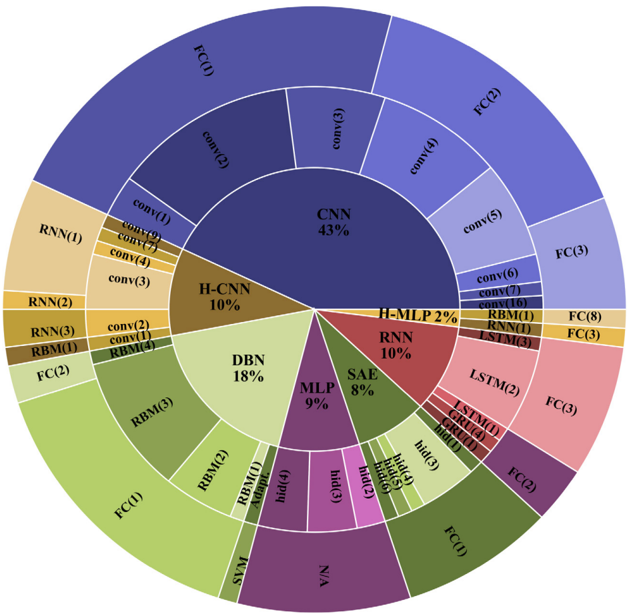
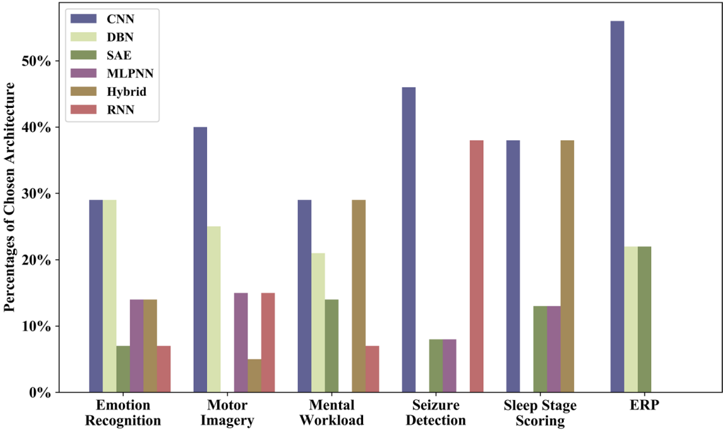
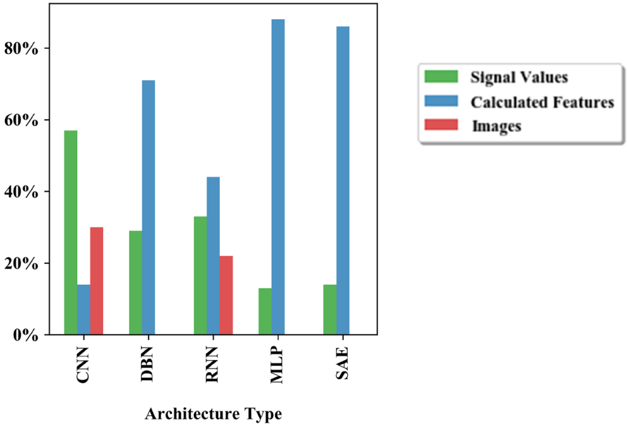
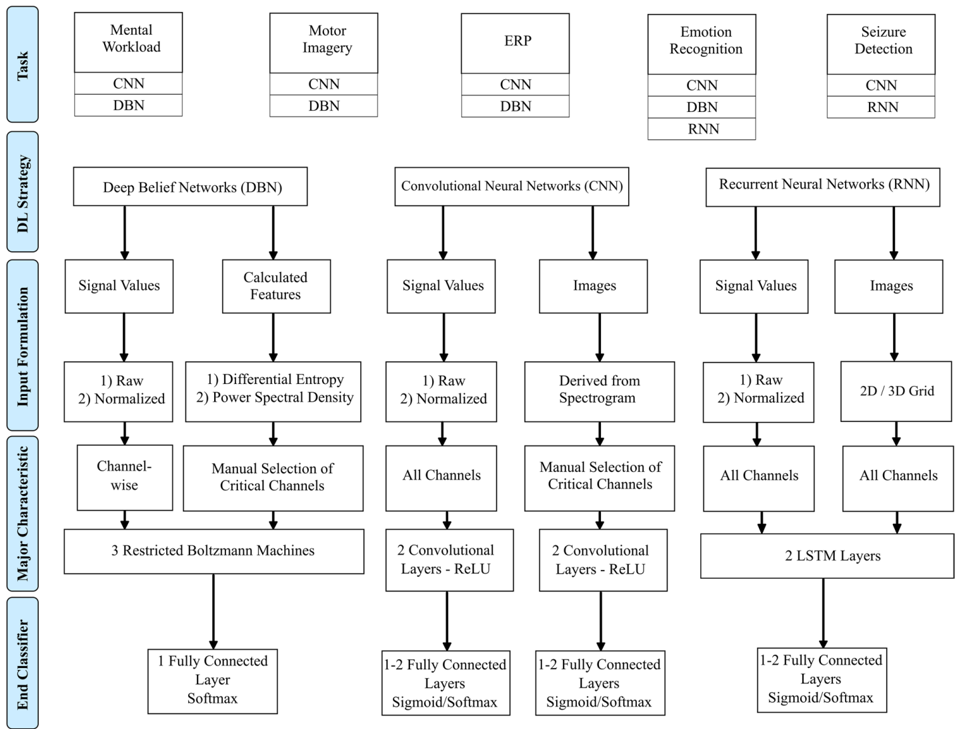
Verification
Claims the paper makes
The claims and statistics of this paper haven’t been checked yet.
Free: it reads the open-access text and checks the first 5 claims that cite a source we can check. Create a free account to check every claim.
Claims other papers make about this one
Each is checked against this paper’s own text: does it say what the citing paper says it does?
The source backs part of the claim, not all of it — or backs it for a different population, condition or comparison.
In the citing paper
“The difficulty of EEG signal processing is to extract high-dimensional features from non-stationary time series with low signal-to-noise ratio [18].”
From IENet: a robust convolutional neural network for EEG based brain-computer interfaces (2022) · cites this paper as [18]
Experimental — accuracy not yet measuredThe source backs part of the claim, not all of it — or backs it for a different population, condition or comparison.
In the citing paper
“Convolutional neural networks (CNN), a leading deep learning structure for data on Euclidean space, outperform the above machine learning algorithms in classification accuracy (Craik et al., 2019).”
From Spatial–temporal graph convolutional network for Alzheimer classification based on brain functional connectivity imaging of electroencephalogram (2022) · cites this paper as Craik et al., 2019
Experimental — accuracy not yet measuredThe cited source says what the claim attributes to it.
In the citing paper
“As for the structures of deep leaning models, convolutional neural networks (CNNs) are the most prevalent architectures in EEG classification tasks [18].”
From IENet: a robust convolutional neural network for EEG based brain-computer interfaces (2022) · cites this paper as [18]
Self-check
Percentages, sums and reported differences re-computed from the paper’s own numbers.
The self-check needs the paper’s full text.
Citations
Cites
Hochreiter, S., & Schmidhuber, J. (1997) · Neural Computation · doi:10.1162/neco.1997.9.8.1735 · Cited by 102,318 · cited 1×
“LSTM is a popular extension of the standard RNN module [83].”
BackgroundLeCun, Y., Bengio, Y., & Hinton, G. (2015) · Nature · doi:10.1038/nature14539 · Cited by 84,126
Preferred reporting items for systematic reviews and meta-analyses: The PRISMA statement
Moher, D., Liberati, A., Tetzlaff, J., & Altman, D. G. (2010) · International Journal of Surgery · doi:10.1016/j.ijsu.2010.02.007 · Cited by 12,156
(1982) · Trends in Neurosciences · doi:10.1016/0166-2236(82)90076-5 · Cited by 9,089
Speech recognition with deep recurrent neural networks
Graves, A., Mohamed, A.-R., & Hinton, G. (2013) · 2013 IEEE International Conference on Acoustics, Speech and Signal Processing · doi:10.1109/icassp.2013.6638947 · Cited by 8,893 · cited 1×
“Indeed, it significantly improved performance in a wide range of traditionally challenging domains, such as images [10], videos [11], speech [12], and text [13].”
BackgroundLearning long-term dependencies with gradient descent is difficult
Bengio, Y., Simard, P., & Frasconi, P. (1994) · IEEE Transactions on Neural Networks · doi:10.1109/72.279181 · Cited by 8,542 · cited 1×
“Neural networks did not immediately receive the high attention seen today in neural classification applications because of practical issues, such as very long computation time and problems with the vanishing/exploding gradients [8].”
BackgroundLarge-Scale Video Classification with Convolutional Neural Networks
Karpathy, A., Toderici, G., Shetty, S., Leung, T., Sukthankar, R., & Fei-Fei, L. (2014) · 2014 IEEE Conference on Computer Vision and Pattern Recognition · doi:10.1109/cvpr.2014.223 · Cited by 6,354 · cited 1×
“Indeed, it significantly improved performance in a wide range of traditionally challenging domains, such as images [10], videos [11], speech [12], and text [13].”
EEGNet: a compact convolutional neural network for EEG-based brain-computer interfaces
Lawhern, V. J., Solon, A. J., Waytowich, N. R., Gordon, S. M., Hung, C. P., & Lance, B. J. (2018) · Journal of Neural Engineering · doi:10.1088/1741-2552/aace8c · Cited by 5,115 · cited 1×
“1 FC 20 h 2 OUT [94] CNN ELU (conv) SV P300(1) N/A P300(1) P300(1) 3 conv Softmax (FC) All (64/56/22) 1–40 Hz P300(2) 1–40 Hz MI 4–40 Hz 15 93% 1 FC 0.”
EEGNet: A Compact Convolutional Network for EEG-based Brain-Computer Interfaces
Lawhern, V. J., Solon, A. J., Waytowich, N. R., Gordon, S. M., Hung, C. P., & Lance, B. J. (2016) · arXiv · doi:10.48550/arxiv.1611.08024 · Cited by 5,105 · cited 1×
“1 FC 20 h 2 OUT [94] CNN ELU (conv) SV P300(1) N/A P300(1) P300(1) 3 conv Softmax (FC) All (64/56/22) 1–40 Hz P300(2) 1–40 Hz MI 4–40 Hz 15 93% 1 FC 0.”
DEAP: A Database for Emotion Analysis ;Using Physiological Signals
Koelstra, S., Muhl, C., Soleymani, M., Lee, J.-S., Yazdani, A., Ebrahimi, T., Pun, T., Nijholt, A., & Patras, I. (2012) · IEEE Transactions on Affective Computing · doi:10.1109/t-affc.2011.15 · Cited by 5,093 · cited 3×
“The datasets that are used in more than one study within this review include an emotion recognition dataset ([56], various subsets used in ten studies), a mental workload dataset ([57], used in four studies), two motor imagery datasets from the same BCI competition ([58], one dataset used in six studies and the second…”
BackgroundMethod
Research works printed but not linked: 24
- He Y, 2018, J. Neural Eng., 15
- Karpathy A, 2014, Proc. IEEE Computer Society Conf. Computer Vision Pattern Recognition, 1725
- Sutskever I, 2011, Proc. of the 28th Int. Conf. on Machine Learning, 1017
- Zhao Y, 2014, 2014 Asian Conf. Computer Visison, 1
- Roy S, 2018, 40th Annu. Int. Conf. IEEE Eng. Med. Biol. Soc. (EMBC), 2756
- Teplan M, 2002, Meas. Sci., 2, 1
- Pfurtscheller G, 2001, 89, 1123
- Kuanar S, 2018 IEEE Int. Conf. on Acoustics, Speech and Signal Processing (ICASSP), 352
- Abbas W, 2018, 40th Annu. Int. Conf. IEEE Eng. Med. Biol. Soc. (EMBC), 219
- Wei X, 2018, 18, 111
- Xu H, 2016, 2016 IEEE 18th Int. Workshop Multimedia Signal Processing, 1
- Vareka L, 2017, Application of Stacked Autoencoders to P300 Experimental Data (Int. Conf. on Artificial Intelligence and Soft Computing)
- Yuen T C, 2009, Int. J. Integr. Eng., 1, 71
- Alhagry S, 2017, Emotion, 8, 8
- Yin Z, 2016, Chinese Control Conf. CCC, 2016, 3907
- Pereira A, 2018, Preprint
- Ang K K, 2019, J. Neural Eng., 16
- Liu J, 2015, Chinese Control Conf. CCC, 2015, 3518
- Ansari M L A, 2018, J. Neural Eng., 15
- Kobler R J, 2016, 2016 IEEE Int. Conf. Syst. Man, Cybernetics SMC 2016—Conf. Proc., 469
- An X, 2014, Int. Conf. on Intelligent Computing, 203
- Gao Y, 2015, 2015 IEEE Int. Conf. Multimedia Expo Workshops ICMEW 2015, 2, 1
- Bablani A, 2018, 2018 9th Int. Conf. Computing Communication Networking Technologies, 1
- Luo T, 2018, Bioinformatics, 19, 344
Cited by
Items 801–900 of 1,001
Li, H., & Li, M. (2020) · PLoS ONE · doi:10.1371/journal.pone.0234068 · Cited by 6
“It is found that the DCNN model based on Leaky Relu, ELU, and MaxOut activation functions have higher recognition accuracy, the calculation of Leaky Relu activation function is relatively simple, and its convergence rate is faster than that of Sigmoid and Tanh activation function [26].”
MethodRetractedDeep Convolutional Neural Network Regularization for Alcoholism Detection Using EEG Signals
Mukhtar, H., Qaisar, S. M., & Zaguia, A. (2021) · Sensors · doi:10.3390/s21165456 · Cited by 60
“Several recent reviews in the last couple of years [10,19,24,25] covering the state of the art in EEG classification of brain-related activities have identified about a dozen domains of application.”
BackgroundMethodInfluentialAbdulwahab, S., Khleaf, H. K., & Jasim, M. H. (2021) · Engineering and Technology Journal · doi:10.30684/etj.v39i7.1854 · Cited by 7
“These BCI's are more manageable and provide the right signals due to advancement in technologies, also does not present any risk to the user's health [2][21].”
BackgroundMethodVowel speech recognition from rat electroencephalography using long short-term memory neural network
Ham, J., Yoo, H.-J., Kim, J., & Lee, B. (2022) · PLoS ONE · doi:10.1371/journal.pone.0270405 · Cited by 8
“With the advances in neurophysiological studies, electroencephalography (EEG) has been widely used in research involving neuroscience and neural engineering [6].”
BackgroundMethodInfluentialAssessing vestibular function using electroencephalogram rhythms evoked during the caloric test
Han, Y., Bai, Y., Liu, Q., Yuncheng, Z., Chen, T., Wang, W., & Ni, G. (2023) · Frontiers in Neurology · doi:10.3389/fneur.2023.1126214 · Cited by 7
Improving the performance of SSVEP-BCI contaminated by physiological noise via adversarial training
Wang, D., Liu, A., Xue, B., Wu, L., & Chen, X. (2023) · Medicine in Novel Technology and Devices · doi:10.1016/j.medntd.2023.100213 · Cited by 7
Lee, W., & Son, G. (2023) · Multimedia Tools and Applications · doi:10.1007/s11042-023-16294-w · Cited by 6
“For EEG-based emotion classification, machine learning techniques such as Support Vector Machine (SVM) and K-Nearest Neighbors (KNN) and deep learning techniques such as Convolutional Neural Networks (CNN) and Long-Short Term Memory (LSTM) have emerged by [6, 13, 16, 25].”
Attention based 1D-CNN for Mental Workload Classification using EEG
Parveen, F., & Bhavsar, A. V. (2023) · International Conference on PErvasive Technologies Related to Assistive Environments (PETRA) · doi:10.1145/3594806.3596582 · Cited by 6
“In recent years, deep learning has showed tremendous potential in aiding in the analysis of EEG signals due to its ability to learn effective feature representations from raw data [20], [7].”
BackgroundMortier, S., Turkeš, R., Winne, J. D., Ransbeeck, W. V., Botteldooren, D. B., Devos, P., Latré, S., Leman, M., & Verdonck, T. (2023) · Sensors · doi:10.3390/s23239588 · Cited by 6
“Recently, deep learning approaches, primarily based on convolutional neural networks (CNNs), for example, EEGNet [33–35], have also gained in popularity [36–38].”
BackgroundBorra, D., Filippini, M., Ursino, M., Fattori, P., & Magosso, E. (2024) · Computers in Biology and Medicine · doi:10.1016/j.compbiomed.2024.108188 · Cited by 6
Al-Qazzaz, N. K., Ali, S. H. M., & Ahmad, S. A. (2024) · Elsevier eBooks · doi:10.1016/b978-0-443-29150-0.00003-2 · Cited by 7
Towards Optimising EEG Decoding using Post-hoc Explanations and Domain Knowledge
Rajpura, P., & Meena, Y. K. (2024) · Annual International Conference of the IEEE Engineering in Medicine and Biology Society (EMBC) · doi:10.1109/embc53108.2024.10781846 · Cited by 6
“To identify user-invariant patterns, complex models for data-driven learning are proposed [1], [15].”
Wu, X., Ouyang, R., & Zhang, C. (2024) · Biomedical Signal Processing and Control · doi:10.1016/j.bspc.2024.107345 · Cited by 7
Penava, P., & Buettner, R. (2025) · Electronic Markets · doi:10.1007/s12525-025-00778-8 · Cited by 7
“In future work, we will systematically test further architectural possibilities such as 3D CNNs or 2D CNNs to create comparisons to the proposed 1D architecture (Craik et al., 2019).”
Single-Modality Emotion Detection: EEG-Based Feature Engineering and Interpretability
Vishal, A. N., Deepan, S., & Veluppal, A. (2025) · International Conference on Bio Signals, Images, and Instrumentation (ICBSII) · doi:10.1109/icbsii65145.2025.11013139 · Cited by 6
“Their framework on feature importance analysis led us in associating beta-band PSD with emotional intensity[12].”
FourierMask: Explain EEG-Based End-to-End Deep Learning Models in the Frequency Domain
Wang, H., Zhang, J., Yang, K., Xiong, J., Liu, X., Chen, T., & Song, L. (2025) · IEEE Journal of Biomedical and Health Informatics · doi:10.1109/jbhi.2025.3610742 · Cited by 8
“3) The EEG data distribution shows clustering with significant discrepancies between clusters [1], [2], [4], [22].”
InfluentialZhao, J. C., Zhao, D., Shi, L., Kuang, Z., Jing, W., & Wang, H. H. (2020) · Computational Intelligence · doi:10.1111/coin.12414 · Cited by 6
Automated segmentation of biventricular contours in tissue phase mapping using deep learning
Shen, D., Pathrose, A., Sarnari, R., Blake, A., Berhane, H., Baraboo, J. J., Carr, J., Markl, M., & Kim, D. J. (2021) · NMR in Biomedicine · doi:10.1002/nbm.4606 · Cited by 6
Essentials of Predicting Epileptic Seizures Based on EEG Using Machine Learning: A Review
Patel, V. D., Tailor, J., & Ganatra, A. P. (2021) · The Open Biomedical Engineering Journal · doi:10.2174/1874120702115010090 · Cited by 7
Motor Imagery Signal Classification Using Constant-Q Transform for BCI Applications
Balım, M. A., Hanilçi, C., & Acır, N. (2021) · European Signal Processing Conference (EUSIPCO) · doi:10.23919/eusipco54536.2021.9616160 · Cited by 6
Benefits and Limitations of Neuromarketing Techniques in Enhancing Marketing Strategies
Nizam, N. N. A. M., Yahaya, Y. H., Amran, M. F. M., Ahmad, S. R., Yusop, N. M. M., & Razali, N. A. M. (2022) · International Visualization, Informatics and Technology Conference (IVIT) · doi:10.1109/ivit55443.2022.10033407 · Cited by 6
“A significant number of traditional machine learning and pattern recognition algorithms have been used for EEG data [11].”
MethodA Novel Hybrid Deep Neural Network for Predicting Athlete Performance Using Dynamic Brain Waves
Tsai, Y.-H., Wu, S.-K., Yu, S.-S., & Tsai, M.-H. (2023) · Mathematics · doi:10.3390/math11040903 · Cited by 6
Unconstrained neighbor selection for minimum reconstruction error-based K-NN classifiers
Hajizadeh, R. (2023) · Complex & Intelligent Systems · doi:10.1007/s40747-023-01027-1 · Cited by 6
“Deep learning obtains exciting results in many applications, such as classifying includes electroencephalography (EEG) [29], text [13], time-series data [30], remote sensing images [31], etc.”
BackgroundNandhini, A., & Sangeetha, J. (2023) · Advances in intelligent systems and computing · doi:10.1007/978-981-19-9819-5_27 · Cited by 6
Decoding Imagined Musical Pitch From Human Scalp Electroencephalograms
Chung, M., Kim, T.-H., Jeong, E., Chung, C. K., Kim, J. S., Kwon, O., & Kim, S.-P. (2023) · IEEE Transactions on Neural Systems and Rehabilitation Engineering · doi:10.1109/tnsre.2023.3270175 · Cited by 8
“as demonstrated by other EEG-BCI studies [55].”
Rosenfelder, M. J., Spiliopoulou, M., Hoppenstedt, B., Pryss, R. C., Fissler, P., Walter, M. D. P., Kolassa, I., & Bender, A. (2023) · Frontiers in Computational Neuroscience · doi:10.3389/fncom.2023.1142948 · Cited by 7
“There are recent approaches using deep learning algorithms (Craik et al., 2019; Liu et al., 2021; Zhang et al., 2021; Lomelin-Ibarra et al., 2022).”
MethodEEG-based epileptic seizure pattern decoding using vision transformer
Hireche, A., Damseh, R., Sirpal, P., & Belkacem, A. N. (2023) · International Conference on Innovations in Information Technology · doi:10.1109/iit59782.2023.10366416 · Cited by 6
“Artificial intelligence (AI), specifically, and deep learning (DL) schemes have proven their significance in enhancing the analysis of EEG data (13).”
BackgroundNeuronal pathway and signal modulation for motor communication
Chholak, P., Pisarchik, A. N., Kurkin, S., Александрович, М. В., & Hramov, A. E. (2019) · Cybernetics and Physics · doi:10.35470/2226-4116-2019-8-3-106-113 · Cited by 6
“In the very recent, systematic and extensive review, [Craik et al., 2019] described only eight studies that employed MLP for deep neural network classification using EEG, three of which were focussed on MI.”
BackgroundDutta, S., & Nandy, A. (2020) · Joint International Conference on Data Science & Management of Data (CODS-COMAD) · doi:10.1145/3371158.3371181 · Cited by 6
“Craik et. al [4] attempted to identify and answered these important questions like 1) which tasks for EEG classification was already discovered on deep learning model?”
BackgroundTime-frequency feature extraction for classification of episodic memory
Anderson, R., & Sandsten, M. (2020) · EURASIP Journal on Advances in Signal Processing · doi:10.1186/s13634-020-00681-8 · Cited by 6
Akhter, R., Lawal, K., Tanvir, M., & Ahmed, S. (2020) · International Journal of Advanced Computer Science and Applications · doi:10.14569/ijacsa.2020.0111080 · Cited by 6
“All these steps make ERPs suitable for use by machine learning [8,9].”
MethodEEG Emotion Recognition Based on Channel Attention for E-Healthcare Applications
Zhang, X., Du, T., & Zhang, Z. (2021) · Lecture notes in computer science · doi:10.1007/978-3-030-67835-7_14 · Cited by 6
Mirzabagherian, H., Sardari, M., Menhaj, M. B., & Suratgar, A. A. (2021) · RSI International Conference on Robotics and Mechatronics (ICRoM) · doi:10.1109/icrom54204.2021.9663528 · Cited by 8
Ettahiri, H., Vicente, J. M. F., & Fechtali, T. (2022) · Lecture notes in computer science · doi:10.1007/978-3-031-06242-1_62 · Cited by 7
Chen, R.-C., Liou, M.-J., & Dewi, C. (2021) · Conference on Technologies and Applications of Artificial Intelligence (TAAI) · doi:10.1109/taai54685.2021.00040 · Cited by 6
Lemoine, É., Briard, J. N., Rioux, B., Podbielski, R., Nauche, B., Toffa, D. H., Keezer, M. R., Lesage, F., Nguyen, D. K., & Assi, E. B. (2023) · BMJ Open · doi:10.1136/bmjopen-2022-066932 · Cited by 8
Deep Learning Methods for EEG Neural Classification
Nakagome, S., Craik, A., Ravindran, A. S., He, Y., Cruz-Garza, J. G., & Contreras-Vidal, J. L. (2023) · Handbook of Neuroengineering · doi:10.1007/978-981-16-5540-1_78 · Cited by 6
Self-citationPatil, A. B., & Patil, M. (2023) · International Journal on Recent and Innovation Trends in Computing and Communication · doi:10.17762/ijritcc.v11i9.8357 · Cited by 5
Li, Y., Li, K., Wang, S., Wu, H., & Li, P. (2024) · Expert Systems with Applications · doi:10.1016/j.eswa.2024.125303 · Cited by 9
Distinguishing Resting State From Motor Imagery Swallowing Using EEG and Deep Learning Models
Aslan, S. G., & Yılmaz, B. (2024) · IEEE Access · doi:10.1109/access.2024.3501013 · Cited by 5
“Deep learning is a technology that has made significant advancements in the field of artificial intelligence, providing effective results in various application areas [39].”
Venugopal, P. S., Remya Bharathy, K., & Selvaraj, R. (2024) · International Conference on IoT Based Control Networks and Intelligent Systems (ICICNIS) · doi:10.1109/icicnis64247.2024.10823357 · Cited by 5
“Stimulus time locking method can be used to identify the ERP but with additional devices[16].”
INCEPFORMERNET: A MULTI-SCALE MULTI-HEAD ATTENTION NETWORK FOR SSVEP CLASSIFICATION
HUANG, Y., CHEN, Y., CAO, L., Cao, Y., YANG, X., Dong, Y., & LIU, T. (2025) · Journal of Mechanics in Medicine and Biology · doi:10.1142/s0219519425400809 · Cited by 5
Tobias, A. G., & Kittur, J. (2025) · Frontiers in Education · doi:10.3389/feduc.2025.1583404 · Cited by 6
Borra, D., & Magosso, E. (2025) · Computer Methods and Programs in Biomedicine · doi:10.1016/j.cmpb.2025.109008 · Cited by 5
Motor imagery decoding network with multisubject dynamic transfer
Li, Z., Li, M., & Yang, Y. (2025) · Brain Informatics · doi:10.1186/s40708-025-00267-w · Cited by 5
“…(EEG) signals, which record electrical changes during brain activity and reflect the electrophysiological activity of neurons on the surface of the cerebral cortex or scalp, are widely used in BCI systems because of their high temporal resolution, safety, and cost-effectiveness [8–10].”
TFANet: a temporal fusion attention neural network for motor imagery decoding
Zhang, C., Liu, Y., & Wu, X. (2025) · Frontiers in Neuroscience · doi:10.3389/fnins.2025.1635588 · Cited by 6
Neuroanatomy-Informed Brain–Machine Hybrid Intelligence for Robust Acoustic Target Detection
Shi, J., Wang, J., Fei, W., Feleke, A. G., & Bi, L. (2025) · Cyborg and Bionic Systems · doi:10.34133/cbsystems.0438 · Cited by 5
“However, most existing EEG decoding methods are either general purpose or designed for nonauditory task, with few algorithms specifically developed for target recognition in complex auditory scenes [ 19 – 21 ].”
Escobar-López, M., & Salazar-Varas, R. (2025) · Biomedical Signal Processing and Control · doi:10.1016/j.bspc.2025.108733 · Cited by 6
Yang, B., Ding, Y., Chen, C., & Guo, T. (2025) · Alexandria Engineering Journal · doi:10.1016/j.aej.2025.09.066 · Cited by 5
TCPL: task-conditioned prompt learning for few-shot cross-subject motor imagery EEG decoding
Wang, P., Xie, T., Zhou, Y., Gong, P., & Chan, R. H. M. (2025) · Frontiers in Neuroscience · doi:10.3389/fnins.2025.1689286 · Cited by 7
Adaptive symmetry activation function for special Euclidean group: Theory and application
Zheng, F., Gong, H., Han, X., Hua, L., & Xin, S. (2025) · Advanced Engineering Informatics · doi:10.1016/j.aei.2025.104193 · Cited by 6
Bridging Deep Learning and Quantum Computing for EEG-Driven P300 Targeted ASD Response Detection
Turjya, S. M., & Fawakherji, M. (2025) · IEEE Access · doi:10.1109/access.2025.3646589 · Cited by 5
“CNNs were among the earliest models to gain traction, particularly due to their ability to capture spatially local dependencies between electrode channels [26], [28].”
Ma, Y., Li, Z., Chen, L., Liu, Q., & Yang, L. (2025) · Ocean Engineering · doi:10.1016/j.oceaneng.2025.124106 · Cited by 5
Kwon, J., & Shin, Y. (2025) · European Journal of Neuroscience · doi:10.1111/ejn.70376 · Cited by 7
“This design overlooks the anatomical, spatial, and topological structure inherent in neural recordings, especially in sensor-based modalities like EEG, where the position and configuration of electrodes carry critical neurophysiological meaning (Craik et al. 2019).”
Qü, S., Wu, X., Huang, L., Zhou, Y., Sun, Q., & Zeng, F. (2026) · Scientific Reports · doi:10.1038/s41598-026-36733-6 · Cited by 5
GAF-FusionNet: Multimodal ECG Analysis via Gramian Angular Fields and Split Attention
Qin, J., & Liu, F. (2025) · Lecture notes in computer science · doi:10.1007/978-981-96-6603-4_21 · Cited by 5
A Deep Learning Approach for Real-time Detection of Epileptic Seizures using EEG
Afsari, K., Barachi, M. E., Fasciani, S., & Belqasmi, F. (2022) · International Conference on Smart and Sustainable Technologies (SpliTech) · doi:10.23919/splitech55088.2022.9854359 · Cited by 7
“The great majority of deep learning approaches opted for a Convolutional Neural Network (CNN) architecture or for a Recurrent Neural Networks (RNN) architecture [17].”
BackgroundXiang, B., & Abdelmonsef, A. (2022) · Lecture notes in computer science · doi:10.1007/978-3-031-17615-9_44 · Cited by 6
Using Data Augmentation to Improve EEG-Based Prediction of Emergency Braking Intention
Liang, X., Liu, Y., Yu, Y., & Zhou, Z. (2022) · China Automation Congress (CAC) · doi:10.1109/cac57257.2022.10055049 · Cited by 5
“In this paper, we selected three convolutional neural networks, ShallowNet [14], DeepNet [14] and EEGNet[15], which were widely used in the field of BCI[16].”
MethodDeep Representation of EEG Signals Using Spatio-Spectral Feature Images
Bajaj, N., & Carrión, J. R. (2023) · Applied Sciences · doi:10.3390/app13179825 · Cited by 5
Chen, Y., Feng, Y., Chen, Z., Zhou, Y., Yang, Y., Ji, Q., Xu, W., Zhou, G., Gao, T., & Li, X. (2023) · IEEE Sensors Journal · doi:10.1109/jsen.2023.3312975 · Cited by 5
“…near-extreme points in the first-order differential of the filtered signal can be used to distinguish the periodic changes of the signal caused by the change of blood volume during the cardiac cycle and the blinking artifacts caused by blinking, so as to realize blink detection [27], [28], [29].”
BackgroundZhu, J., Liu, Q., & Xu, C. (2023) · International Journal of Pattern Recognition and Artificial Intelligence · doi:10.1142/s0218001423540204 · Cited by 5
Adaptive Bayesian Meta-Learning for EEG Signal Classification
Guo, X., Zhu, J., Zhang, L., Jin, B., & Wei, X. (2023) · IEEE International Conference on Bioinformatics and Biomedicine (BIBM) · doi:10.1109/bibm58861.2023.10386001 · Cited by 8
“Reflecting neuronal dynamics while being non-invasive, spontaneous and difficult to camouflage, it has been widely utilized in neuroscience research and biomedical engineering [1], e.g., emotion analysis, cognition classification, sleep stage recognition, and motor imagery classification.”
MethodGenerating Visually Evoked Potentials Using a Diffusion Probabilistic Model
Torma, S., Tevesz, J., & Szegletes, L. (2023) · IEEE International Conference on Cognitive Infocommunications · doi:10.1109/coginfocom59411.2023.10397513 · Cited by 5
Liu, X., Zhang, X., Yu, T., Dang, R., Li, J., Hu, B., Wang, Q., & Luo, R. (2024) · Brain Research · doi:10.1016/j.brainres.2024.148813 · Cited by 8
A novel and efficient multi-scale feature extraction method for EEG classification
Lu, Z., & Wang, J. (2024) · AIMS Mathematics · doi:10.3934/math.2024805 · Cited by 5
Enhancing Representation Learning of EEG Data with Masked Autoencoders
Zhou, Y., & Liu, S. (2024) · Lecture notes in computer science · doi:10.1007/978-3-031-61572-6_7 · Cited by 6
“Various deep learning models such as convolutional neural network (CNN), recurrent neural network (RNN) and Transformer have been applied to EEG data [7,13,54,38,30,65,61,60,63,1,62,56,20,27,34,29,39,46,17,70,59,44,48,49,47,50,45].”
BackgroundMethodEpileptic detection based on deep learning: A review
Assim, O. M., & Mahmood, A. F. (2024) · Iraqi Journal for Electrical And Electronic Engineering · doi:10.37917/ijeee.20.2.10 · Cited by 5
Wang, X., Dang, M., Yang, K., Cui, X., Zhang, D., & Chen, C. (2024) · Biomedical Signal Processing and Control · doi:10.1016/j.bspc.2024.106583 · Cited by 7
Low-Frequency Motor Cortex EEG Predicts Four Rates of Force Development
O’Keeffe, R., Shirazi, S. Y., Vecchio, A. D., Ibáñez, J., Mrachacz‐Kersting, N., Bighamian, R., Rizzo, J., Farina, D., & Atashzar, S. F. (2024) · IEEE Transactions on Haptics · doi:10.1109/toh.2024.3428308 · Cited by 6
“In recent times, complex machine learning techniques such as deep learning algorithms have been harnessed to process various biosignals like EMG [70], [71], EEG [72], [73], and MRCP [37], [74].”
Mekruksavanich, S., & Jitpattanakul, A. (2024) · Lecture notes in networks and systems · doi:10.1007/978-3-031-66336-9_1 · Cited by 5
Inverse Transfer Network With Frontier Point Restoration for EEG Transfer Classification
Niu, X., Lü, N., & Kang, J. (2024) · IEEE Transactions on Industrial Informatics · doi:10.1109/tii.2024.3441636 · Cited by 5
“Deep learning has achieved great success in EEG classi-fication tasks [4].”
Borra, D., Paissan, F., & Ravanelli, M. (2024) · Computers in Biology and Medicine · doi:10.1016/j.compbiomed.2024.109097 · Cited by 11
Wang, I.-N., Lee, C.-H., Kim, H., & Kim, D. (2024) · IEEE Access · doi:10.1109/access.2024.3459866 · Cited by 6
“…separate or integrate all steps, such as feature extraction, feature selection, and classification, and are widely used for EEG classifications for various purposes, including MI classification, assessment of psychological conditions such as depression, and detection of alcoholism [30], [34], [35].”
MethodDeep Learning-Based Early Prediction of Epileptic Seizures Using EEG
M, H. T. K., Ardra, S. S., Joseph, L. R., Tomy, M., Mathew, J., & Rajan, R. (2024) · IEEE Recent Advances in Intelligent Computational Systems · doi:10.1109/raics61201.2024.10690136 · Cited by 5
“On critical analysis on these spikes, it is possible to determine on which time frame the seizure occurred for that particular patient [8].”
BackgroundLearning Motor Cues in Brain-Muscle Modulation
Xiang, T., Zhou, X.-H., Xie, X., Liu, S.-Q., Gui, M.-J., Li, H., Huang, D.-X., Liu, X., & Hou, Z. (2024) · IEEE Transactions on Cybernetics · doi:10.1109/tcyb.2024.3415369 · Cited by 6
Fukushima, T., & Miyamoto, R. (2024) · Lecture notes in computer science · doi:10.1007/978-981-96-0901-7_4 · Cited by 6
Jabber, A. A., Shadeed, G. A., Salim, N., & Dibs, H. (2025) · Operations Research Forum · doi:10.1007/s43069-025-00430-3 · Cited by 7
“DL has significantly contributed to precise and swift diagnosis in various healthcare domains, relying on pictures like X-ray images [2, 8] and signals such as electromyography (EMG) [17], electroencephalogram (EEG) [18], and electrocardiogram (ECG) [19].”
Usman, M., Lin, W., Lin, Y.-Y., Hsieh, S.-T., Chen, Y.-T., Lo, Y., & Lin, C. (2025) · Journal of Applied Biomedicine · doi:10.1016/j.bbe.2025.04.001 · Cited by 5
Singh, A. K., & Tao, X. (2020) · IEEE Symposium Series on Computational Intelligence (SSCI) · doi:10.1109/ssci47803.2020.9308292 · Cited by 5
“The past few years have seen an increased number of deep learning applications in understanding and classifying brain signals [4].”
BackgroundShirly, G., & Jerritta, S. (2021) · IOP Conference Series Materials Science and Engineering · doi:10.1088/1757-899x/1070/1/012083 · Cited by 5
Latifoğlu, F., Orhanbulucu, F., & İleri, R. (2021) · TURKISH JOURNAL OF ELECTRICAL ENGINEERING & COMPUTER SCIENCES · doi:10.3906/elk-2105-86 · Cited by 5
“When the studies were examined, it was stated that the most preferred DL model in EEG and especially ERP studies and with the highest accuracy rate was CNN [29].”
MethodTelling functional networks apart using ranked network features stability
Zanin, M., Güntekin, B., Aktürk, T., Yıldırım, E., Yener, G., Kıyı, İ., Gündüz, D. H., Sequeira, H., & Papo, D. (2022) · Scientific Reports · doi:10.1038/s41598-022-06497-w · Cited by 5
Low-quality training data detection method of EEG signals for motor imagery BCI system
Ouyang, R., Jin, Z., Tang, S., Fan, C., & Wu, X. (2022) · Journal of Neuroscience Methods · doi:10.1016/j.jneumeth.2022.109607 · Cited by 5
“…2018; Chen et al., 2017b, 2016; Ang et al., 2012) and new machine learning methods, such as deep learning, etc., are introduced (Dose et al., 2018; Craik et al., 2019; Schirrmeister et al., 2017), but the stability and generalization performance of the MI-BCI system is still far from the actual…”
BackgroundOralhan, Z., Oralhan, B., Khayyat, M. M., Abdel‐Khalek, S., & Mansour, R. F. (2022) · Computational and Mathematical Methods in Medicine · doi:10.1155/2022/8452002 · Cited by 6
“In summary, the structure of CNN is the most often used in various deep learning-based BCI signal classification algorithms [22].”
MethodRetractedMajoros, T., & Oniga, S. (2022) · Electronics · doi:10.3390/electronics11152293 · Cited by 6
“The study [17] provides a comprehensive overview of different articles examining deep learning on EEG.”
BackgroundAn Interpretable and Attention-Based Method for Gaze Estimation Using Electroencephalography
Weng, N., Płomecka, M. B., Kaufmann, M., Kastrati, A., Wattenhofer, R. P., & Langer, N. (2023) · Lecture notes in computer science · doi:10.1007/978-3-031-43895-0_69 · Cited by 8
Attention-based CNN and Relative Phase Feature Modeling for Improved Imagined Speech Recognition
Niimura, Y., Takemoto, J., Kai, A., & Nakagawa, S. (2023) · Asia-Pacific Signal and Information Processing Association Annual Summit and Conference (APSIPA ASC) · doi:10.1109/apsipaasc58517.2023.10317203 · Cited by 5
Hosseini, M. S. K., Firoozabadi, M. P., Badie, K., & Fallah, P. A. (2023) · Basic and Clinical Neuroscience Journal · doi:10.32598/bcn.2022.3830.2 · Cited by 5
“Emotions can be reflected through facial expressions, voice intonation, body language, physiological signals, etc (Craik, 2019; Einalou, 2017).”
BackgroundLu, T., Lu, M., Wu, D., Ding, Y., Liu, H., Li, T.-T., & Song, D. (2024) · World Journal of Gastrointestinal Surgery · doi:10.4240/wjgs.v16.i1.85 · Cited by 5
RetractedAlakuş, T. B., & Baykara, M. (2024) · Diagnostics · doi:10.3390/diagnostics14080786 · Cited by 6
Wan, X., Wang, Y., Wang, Z., Tang, Y., & Liu, B. (2024) · Physiological Measurement · doi:10.1088/1361-6579/ad5bbc · Cited by 6
“The applications of emotion recognition could be applied in various domains, such as safe driving, sleeping analysis, and seizure detection (Craik et al 2019).”
Ni, Y., Yang, Y., Chen, H., Wang, X., Lesica, N. A., Zeng, F., & Imani, M. (2024) · IEEE Transactions on Biomedical Engineering · doi:10.1109/tbme.2024.3408279 · Cited by 7
Mobile Learning Revolution: Harnessing the Potential of Smartphones in the Learning Process
Purnama, Y., Lewa, I., Syilvia Wenny, J., Afni, F., & Wahyuni, S. (2024) · Journal International of Lingua and Technology · doi:10.55849/jiltech.v3i2.683 · Cited by 5
“(Craik et al., 2019).”
Kristjánsson, T. Ó., Stone, K. L., Sørensen, H. B. D., Brink-Kjær, A., Mignot, E. J.-M., & Jennum, P. (2024) · SLEEP · doi:10.1093/sleep/zsae219 · Cited by 6
GNN4EEG: A Benchmark and Toolkit for Electroencephalography Classification with Graph Neural Network
Zhang, K., Ye, Z., Ai, Q., Xie, X., & Liu, Y. (2024) · ACM International Joint Conference on Pervasive and Ubiquitous Computing (UbiComp) · doi:10.1145/3675094.3678475 · Cited by 10
“…transform the multi-channel time-series data into a one-dimensional or two-dimensional format and then put one-dimensional data into classifiers such as support vector machines (SVM) or multilayer perceptron (MLP) [3, 16], and two-dimensional data into Convolutional Neural Network (CNN) [6, 7].”
Kumar, N., & Michmizos, K. P. (2020) · IEEE/RAS-EMBS International Conference on Biomedical Robotics and Biomechatronics (BioRob) · doi:10.1109/biorob49111.2020.9224272 · Cited by 5
“Adding to the mounting studies demonstrating the effectiveness of deep neural networks in predicting cognitive functions from EEG [37], this paper shows how CNN can use its two-dimensional structure to extract task-specific spatiotemporal features from the inherently noisy EEG signals,”
BackgroundCollazos-Huertas, D. F., Álvarez-Meza, A. M., & Castellanos-Dominguez, G. (2021) · Biomedical Signal Processing and Control · doi:10.1016/j.bspc.2021.102626 · Cited by 6
Brain Signals Classification Based on Fuzzy Lattice Reasoning
Vrochidou, Ε., Lytridis, C., Bazinas, C., Papakostas, G. A., Wagatsuma, H., & Kaburlasos, V. G. (2021) · Mathematics · doi:10.3390/math9091063 · Cited by 5
Kipiński, L., & Kordecki, W. (2021) · Journal of Neuroscience Methods · doi:10.1016/j.jneumeth.2021.109318 · Cited by 5
Metadata
- Authors
- Craik, A., He, Y., & Contreras-Vidal, J. L.
- Affiliations
- University of Houston (US)
- Corresponding author
- Craik, Alexander
- Venue
- Journal of Neural Engineering
- Publisher
- IOP Publishing
- Published
- 2019-04-09
- Volume
- 16
- Issue
- 3
- Pages
- 031001
- ISSN
- 1741-2552 (ISSN-L)
- 1741-2560
- OpenAlex
- W2915893085
- Cited by
- 1,758
- References
- 122
- Citations by year
- 2026: 308 · 2025: 287 · 2024: 273 · 2023: 290 · 2022: 246 · 2021: 213 · 2020: 116 · 2019: 23
- FWCI
- 18.93
- Type
- journal article
- Language
- en
- Open access
- hybrid
- doi.org
- Licence
- cc-by
- iopscience.iop.org/info/page/text-and-data-mining (tdm)
- creativecommons.org/licenses/by/3.0/ (vor)
- Locations
- Journal of Neural Engineering (publishedVersion, cc-by)
- PubMed (publishedVersion)
- Funders
- Center for Advanced Computing and Data Science
- Topics
- Life Sciences › Neuroscience › Cognitive Neuroscience › EEG and Brain-Computer Interfaces
- Physical Sciences › Computer Science › Artificial Intelligence › Emotion and Mood Recognition
- Health Sciences › Medicine › Cardiology and Cardiovascular Medicine › ECG Monitoring and Analysis
- Keywords
- EEG, EEG classification, deep learning, convolutional neural networks, recurrent neural networks, deep belief network, stacked autoencoder, motor imagery, emotion recognition, mental workload, seizure detection, sleep stage classification, EEG preprocessing
- MeSH terms
- Deep Learning, Animals, Brain, Electroencephalography, Humans, Psychomotor Performance, Neural Networks, Computer, Brain-Computer Interfaces
About these checks
Registry, retraction, Cites and statistics results are computed, not judged, with one exception: a printed reference that no index lists is read once by a model before it counts as a citation error. Claims are extracted by a model and kept only when their quote appears verbatim in the text; each cited source is then checked, with a model’s help, for whether it says what the claim relies on. Those verdicts can be wrong — read the claim’s quote and the cited source before relying on one.
Statistics and arithmetic are recomputed, not judged.
Confidence bands are shown only for fields calibrated on our annotated test set. None is calibrated yet, so no band is shown.
What counts as a claim ›How we measure confidence ›How we check this ›
Are you an author, or do you see a problem with this page? Request a review
Data sources
Bibliographic data: Semantic Scholar, OpenAlex, Crossref.
Contains information from the Semantic Scholar Academic Graph Datasets, made available under the ODC Attribution License (ODC-BY 1.0).
Semantic Scholar’s data is described in: Kinney, R., et al. (2023). The Semantic Scholar Open Data Platform. arXiv:2301.10140.
