

Deep learning for electroencephalogram (EEG) classification tasks: a review
Open accessThe DOI matches its Crossref record; 123 of the 123 references it cites were found in a registry or an index.
Abstract
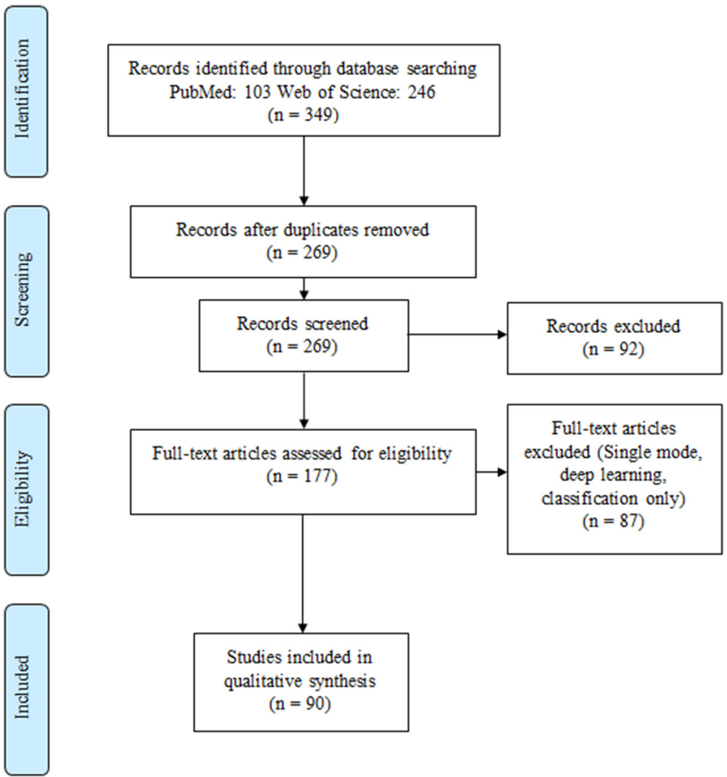
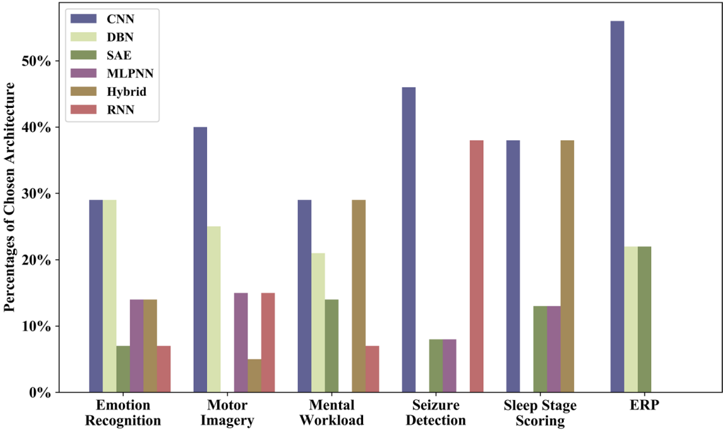
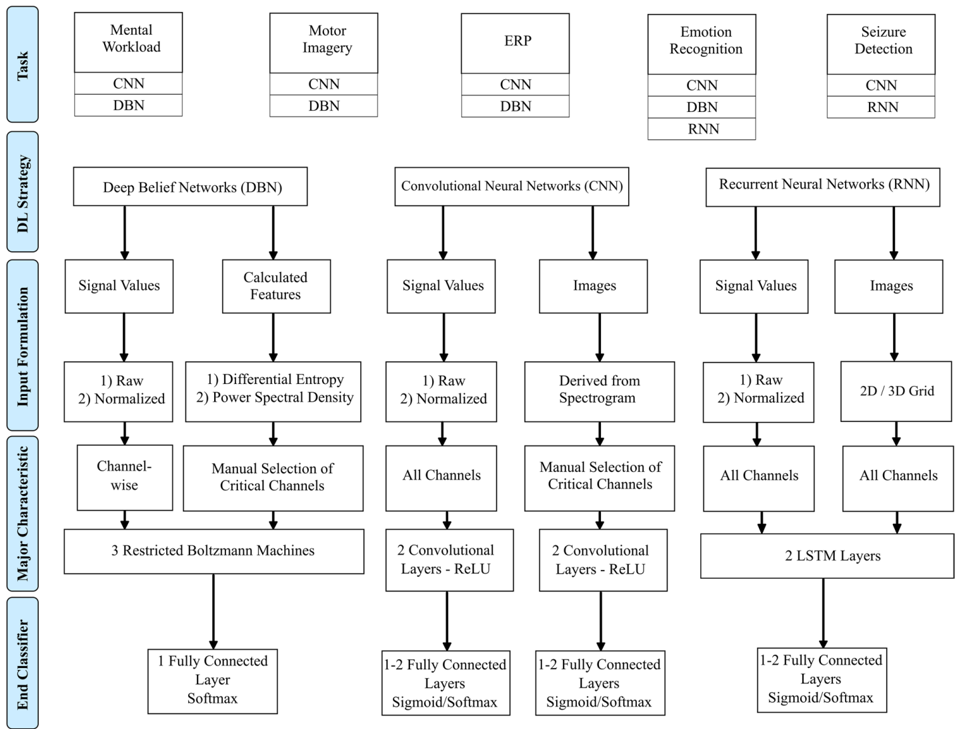
OBJECTIVE: Electroencephalography (EEG) analysis has been an important tool in neuroscience with applications in neuroscience, neural engineering (e.g. Brain-computer interfaces, BCI's), and even commercial applications. Many of the analytical tools used in EEG studies have used machine learning to uncover relevant information for neural classification and neuroimaging. Recently, the availability of large EEG data sets and advances in machine learning have both led to the deployment of deep learning architectures, especially in the analysis of EEG signals and in understanding the information it may contain for brain functionality. The robust automatic classification of these signals is an important step towards making the use of EEG more practical in many applications and less reliant on trained professionals. Towards this goal, a systematic review of the literature on deep learning applications to EEG classification was performed to address the following critical questions: (1) Which EEG classification tasks have been explored with deep learning? (2) What input formulations have been used for training the deep networks? (3) Are there specific deep learning network structures suitable for specific types of tasks? APPROACH: A systematic literature review of EEG classification using deep learning was performed on Web of Science and PubMed databases, resulting in 90 identified studies. Those studies were analyzed based on type of task, EEG preprocessing methods, input type, and deep learning architecture. MAIN RESULTS: For EEG classification tasks, convolutional neural networks, recurrent neural networks, deep belief networks outperform stacked auto-encoders and multi-layer perceptron neural networks in classification accuracy. The tasks that used deep learning fell into five general groups: emotion recognition, motor imagery, mental workload, seizure detection, event related potential detection, and sleep scoring. For each type of task, we describe the specific input formulation, major characteristics, and end classifier recommendations found through this review. SIGNIFICANCE: This review summarizes the current practices and performance outcomes in the use of deep learning for EEG classification. Practical suggestions on the selection of many hyperparameters are provided in the hope that they will promote or guide the deployment of deep learning to EEG datasets in future research.
Overview
The claims and statistics of this paper haven’t been checked yet.
Free: it reads the open-access text and checks the first 5 claims that cite a source we can check. Create a free account to check every claim.
Integrity signals
Registry
Cites
Statistics
Figures
Verification
Claims the paper makes
The claims and statistics of this paper haven’t been checked yet.
Free: it reads the open-access text and checks the first 5 claims that cite a source we can check. Create a free account to check every claim.
Claims other papers make about this one
Each is checked against this paper’s own text: does it say what the citing paper says it does?
The source backs part of the claim, not all of it — or backs it for a different population, condition or comparison.
In the citing paper
“The difficulty of EEG signal processing is to extract high-dimensional features from non-stationary time series with low signal-to-noise ratio [18].”
From IENet: a robust convolutional neural network for EEG based brain-computer interfaces (2022) · cites this paper as [18]
Experimental — accuracy not yet measuredThe source backs part of the claim, not all of it — or backs it for a different population, condition or comparison.
In the citing paper
“Convolutional neural networks (CNN), a leading deep learning structure for data on Euclidean space, outperform the above machine learning algorithms in classification accuracy (Craik et al., 2019).”
From Spatial–temporal graph convolutional network for Alzheimer classification based on brain functional connectivity imaging of electroencephalogram (2022) · cites this paper as Craik et al., 2019
Experimental — accuracy not yet measuredThe cited source says what the claim attributes to it.
In the citing paper
“As for the structures of deep leaning models, convolutional neural networks (CNNs) are the most prevalent architectures in EEG classification tasks [18].”
From IENet: a robust convolutional neural network for EEG based brain-computer interfaces (2022) · cites this paper as [18]
Self-check
Percentages, sums and reported differences re-computed from the paper’s own numbers.
The self-check needs the paper’s full text.
Citations
Cites
Hochreiter, S., & Schmidhuber, J. (1997) · Neural Computation · doi:10.1162/neco.1997.9.8.1735 · Cited by 102,318 · cited 1×
“LSTM is a popular extension of the standard RNN module [83].”
BackgroundLeCun, Y., Bengio, Y., & Hinton, G. (2015) · Nature · doi:10.1038/nature14539 · Cited by 84,126
Preferred reporting items for systematic reviews and meta-analyses: The PRISMA statement
Moher, D., Liberati, A., Tetzlaff, J., & Altman, D. G. (2010) · International Journal of Surgery · doi:10.1016/j.ijsu.2010.02.007 · Cited by 12,156
(1982) · Trends in Neurosciences · doi:10.1016/0166-2236(82)90076-5 · Cited by 9,089
Speech recognition with deep recurrent neural networks
Graves, A., Mohamed, A.-R., & Hinton, G. (2013) · 2013 IEEE International Conference on Acoustics, Speech and Signal Processing · doi:10.1109/icassp.2013.6638947 · Cited by 8,893 · cited 1×
“Indeed, it significantly improved performance in a wide range of traditionally challenging domains, such as images [10], videos [11], speech [12], and text [13].”
BackgroundLearning long-term dependencies with gradient descent is difficult
Bengio, Y., Simard, P., & Frasconi, P. (1994) · IEEE Transactions on Neural Networks · doi:10.1109/72.279181 · Cited by 8,542 · cited 1×
“Neural networks did not immediately receive the high attention seen today in neural classification applications because of practical issues, such as very long computation time and problems with the vanishing/exploding gradients [8].”
BackgroundLarge-Scale Video Classification with Convolutional Neural Networks
Karpathy, A., Toderici, G., Shetty, S., Leung, T., Sukthankar, R., & Fei-Fei, L. (2014) · 2014 IEEE Conference on Computer Vision and Pattern Recognition · doi:10.1109/cvpr.2014.223 · Cited by 6,354 · cited 1×
“Indeed, it significantly improved performance in a wide range of traditionally challenging domains, such as images [10], videos [11], speech [12], and text [13].”
EEGNet: a compact convolutional neural network for EEG-based brain-computer interfaces
Lawhern, V. J., Solon, A. J., Waytowich, N. R., Gordon, S. M., Hung, C. P., & Lance, B. J. (2018) · Journal of Neural Engineering · doi:10.1088/1741-2552/aace8c · Cited by 5,115 · cited 1×
“1 FC 20 h 2 OUT [94] CNN ELU (conv) SV P300(1) N/A P300(1) P300(1) 3 conv Softmax (FC) All (64/56/22) 1–40 Hz P300(2) 1–40 Hz MI 4–40 Hz 15 93% 1 FC 0.”
EEGNet: A Compact Convolutional Network for EEG-based Brain-Computer Interfaces
Lawhern, V. J., Solon, A. J., Waytowich, N. R., Gordon, S. M., Hung, C. P., & Lance, B. J. (2016) · arXiv · doi:10.48550/arxiv.1611.08024 · Cited by 5,105 · cited 1×
“1 FC 20 h 2 OUT [94] CNN ELU (conv) SV P300(1) N/A P300(1) P300(1) 3 conv Softmax (FC) All (64/56/22) 1–40 Hz P300(2) 1–40 Hz MI 4–40 Hz 15 93% 1 FC 0.”
DEAP: A Database for Emotion Analysis ;Using Physiological Signals
Koelstra, S., Muhl, C., Soleymani, M., Lee, J.-S., Yazdani, A., Ebrahimi, T., Pun, T., Nijholt, A., & Patras, I. (2012) · IEEE Transactions on Affective Computing · doi:10.1109/t-affc.2011.15 · Cited by 5,093 · cited 3×
“The datasets that are used in more than one study within this review include an emotion recognition dataset ([56], various subsets used in ten studies), a mental workload dataset ([57], used in four studies), two motor imagery datasets from the same BCI competition ([58], one dataset used in six studies and the second…”
BackgroundMethod
Research works printed but not linked: 24
- He Y, 2018, J. Neural Eng., 15
- Karpathy A, 2014, Proc. IEEE Computer Society Conf. Computer Vision Pattern Recognition, 1725
- Sutskever I, 2011, Proc. of the 28th Int. Conf. on Machine Learning, 1017
- Zhao Y, 2014, 2014 Asian Conf. Computer Visison, 1
- Roy S, 2018, 40th Annu. Int. Conf. IEEE Eng. Med. Biol. Soc. (EMBC), 2756
- Teplan M, 2002, Meas. Sci., 2, 1
- Pfurtscheller G, 2001, 89, 1123
- Kuanar S, 2018 IEEE Int. Conf. on Acoustics, Speech and Signal Processing (ICASSP), 352
- Abbas W, 2018, 40th Annu. Int. Conf. IEEE Eng. Med. Biol. Soc. (EMBC), 219
- Wei X, 2018, 18, 111
- Xu H, 2016, 2016 IEEE 18th Int. Workshop Multimedia Signal Processing, 1
- Vareka L, 2017, Application of Stacked Autoencoders to P300 Experimental Data (Int. Conf. on Artificial Intelligence and Soft Computing)
- Yuen T C, 2009, Int. J. Integr. Eng., 1, 71
- Alhagry S, 2017, Emotion, 8, 8
- Yin Z, 2016, Chinese Control Conf. CCC, 2016, 3907
- Pereira A, 2018, Preprint
- Ang K K, 2019, J. Neural Eng., 16
- Liu J, 2015, Chinese Control Conf. CCC, 2015, 3518
- Ansari M L A, 2018, J. Neural Eng., 15
- Kobler R J, 2016, 2016 IEEE Int. Conf. Syst. Man, Cybernetics SMC 2016—Conf. Proc., 469
- An X, 2014, Int. Conf. on Intelligent Computing, 203
- Gao Y, 2015, 2015 IEEE Int. Conf. Multimedia Expo Workshops ICMEW 2015, 2, 1
- Bablani A, 2018, 2018 9th Int. Conf. Computing Communication Networking Technologies, 1
- Luo T, 2018, Bioinformatics, 19, 344
Cited by
Items 701–800 of 1,001
Zhang, T., Zhou, X., Li, X., Wang, Y., Fan, Q., Liang, J., Fan, W., Zhou, X., & Du, Q. (2024) · Displays · doi:10.1016/j.displa.2024.102886 · Cited by 9
Wang, H., Guo, J., Zhang, Y., Fu, Z. Q., & Yao, Y. (2025) · Journal of NeuroEngineering and Rehabilitation · doi:10.1186/s12984-025-01617-9 · Cited by 9
“A detailed discussion of the algorithms is beyond the scope of this review, and references can be found in the reviews by Hamdi Altaheri [163], M-Parsa Hosseini [167], Zitong Wan [164], F Lotte [165], Alexander Craik [168], and Xiang Zhang [169] et al.”
Heim, M., Heinrichs, F., Hueppe, M., Nunez, F., Szameitat, A., Reuter, M., Goetz, S. M., & Weber, C. (2025) · IEEE Access · doi:10.1109/access.2025.3569932 · Cited by 12
“To handle the complexity of EEG data, ML models, and specifically deep neural networks (DNNs), are well suited [53] and were used to classify the EEG data streams.”
Rahman, R., Azad, A. K. A., & Momen, S. (2025) · Biomedical Signal Processing and Control · doi:10.1016/j.bspc.2025.108230 · Cited by 10
A Hybrid CNN–GRU–LSTM Algorithm with SHAP-Based Interpretability for EEG-Based ADHD Diagnosis
Baibulova, M., Aitimov, M., Burganova, R., Абдыкеримова, Л., Sabirova, U., Seitakhmetova, Z., Uvaliyeva, G., Orynbassar, M., Kassekeyeva, A. B., & Kassim, M. B. (2025) · Algorithms · doi:10.3390/a18080453 · Cited by 8
A Review of Transformer-Based and Hybrid Deep Learning Approaches for EEG Analysis
Konkar, A., & Qu, X. (2026) · Lecture notes in computer science · doi:10.1007/978-3-032-12660-3_29 · Cited by 8
“Numerous studies have proposed hybrid CNN-RNN architectures to leverage the strengths of both modules, particularly in motor imagery and visual stimulus tasks [19, 9, 15, 33, 35, 43, 52].”
Hallal, L., Rhinelander, J. P., Venkat, R., & Newman, A. J. (2026) · AI · doi:10.3390/ai7020050 · Cited by 15
Cognitive Warfare Through the Lens of Critical Neuroscience: Data, Theory, and Values
Wood, G. (2026) · Neuroethics · doi:10.1007/s12152-026-09647-3 · Cited by 8
“More direct approaches include non-invasive brain measurements such as EEG (Craik et al. 2019), fNIRS (Eastmond et al. 2022), fMRI (Chen & Glover 2015), and MEG (Haynes and Rees 2006) as well as neuromodulation techniques such as transcranial magnetic (Pascual-Leone et al. 2000) or electrical stimulation.”
Data-driven Data Augmentation for Motor Imagery Brain-Computer Interface
Lee, H. K., Lee, J.-H., Park, J.-O., & Choi, Y.-S. (2021) · International Conference on Information Networking · doi:10.1109/icoin50884.2021.9333908 · Cited by 8
“The state-of-the-art DL models have greatly contributed to the improvement of the classification performance in BCI [1], [2].”
Non–human primate epidural ECoG analysis using explainable deep learning technology
Choi, H., Lim, S., Min, K., Ahn, K.-H., Lee, K., & Jang, D. P. (2021) · Journal of Neural Engineering · doi:10.1088/1741-2552/ac3314 · Cited by 9
“With the remarkable growth in the field of neural networks, deep neural network (DNN) research has produced an improved performance in fields such as image, speech, and text classification [1, 2].”
Tang, J., Luk, P. C. K., & Zhou, Y. (2023) · Bioengineering · doi:10.3390/bioengineering10050514 · Cited by 9
“Electroencephalogram (EEG) [29], electrooculogram (EOG) [30], electrocorticogram (ECG) [31], and electromyogram (EMG) [32] signals are frequently utilised biomedical signals.”
BackgroundA sleep staging model for the sleep environment control based on machine learning
Cao, T., Lian, Z., Du, H., Shen, J., Fan, Y., & Lyu, J. (2023) · Building Simulation · doi:10.1007/s12273-023-1049-6 · Cited by 8
“Advances in artificial intelligence and the availability of large datasets have driven the development of sleep staging (Craik et al. 2019).”
BackgroundBrain‐regulated learning for classifying on‐site hazards with small datasets
Zhou, X., & Liao, P. (2023) · Computer-Aided Civil and Infrastructure Engineering · doi:10.1111/mice.13078 · Cited by 8
“By leveraging deep learning, the need for manual feature extraction is alleviated, leading to exceptional classification performance in various cognitive tasks involving EEG signal classification (Craik et al., 2019; Schirrmeister et al., 2017).”
BackgroundThree-stage transfer learning for motor imagery EEG recognition
Li, J., She, Q., Meng, M., Du, S., & Zhang, Y. (2024) · Medical & Biological Engineering & Computing · doi:10.1007/s11517-024-03036-9 · Cited by 8
Multimodal EEG-fNIRS Seizure Pattern Decoding Using Vision Transformer
Damseh, R., Hireche, A., Sirpal, P., & Belkacem, A. N. (2024) · IEEE Open Journal of the Computer Society · doi:10.1109/ojcs.2024.3500032 · Cited by 8
“Compared to classical machine learning algorithms, deep learning (DL) techniques, e.g., that using convolutional neural networks (CNNs) and transformers [22], [23], [24], excel at automatically extracting useful features from time series data without the need for manual feature engineering [25].”
Dual Optimization of Deep CNN for Motor Imagery EEG Tasks Classification
Al-Saegh, A., Daood, A. I., & Ismail, M. H. (2024) · Diyala Journal of Engineering Sciences · doi:10.24237/djes.2024.17405 · Cited by 10
“Many other uses of DL in analyzing EEG signals exist [15-17].”
Brain state forecasting for precise brain stimulation: Current approaches and future perspectives
Matola, M. D., & Miniussi, C. (2025) · NeuroImage · doi:10.1016/j.neuroimage.2025.121050 · Cited by 10
“In the field of EEG, they have been largely used to classify signal patterns (Craik et al., 2019), with particularly interesting applications to the support of medical decision making (da Silva Lourenço et al., 2023; Gemein et al., 2020; Golmohammadi et al., 2019; Hartmann et al., 2018).”
Emotion Recognition Using EEG Signals in Human Brain Waves and Deep Learning Approaches
Mekruksavanich, S., Hnoohom, N., Phaphan, W., & Jitpattanakul, A. (2025) · Joint International Conference on Digital Arts, Media and Technology with ECTI Northern Section Conference on Electrical, Electronics, Computer and Telecommunications Engineering (ECTI DAMT & NCON) · doi:10.1109/ectidamtncon64748.2025.10962120 · Cited by 8
Frontiers in EEG as a tool for the management of pediatric epilepsy: Past, present, and future
Nariai, H. (2025) · Epilepsia Open · doi:10.1002/epi4.70116 · Cited by 12
“89,90 For example, a research group developed a deep neural network that automatically detects interictal epileptiform discharges (IEDs) with expert-level reliability, exceeding the performance of human EEG readers.”
Machine learning for the diagnosis of early-stage diabetes using temporal glucose profiles
Lee, W. S., Jo, J., & Song, T. (2021) · Journal of the Korean Physical Society · doi:10.1007/s40042-021-00056-8 · Cited by 10
Mendonça, F., Mostafa, S. S., Morgado‐Dias, F., Juliá-Serdà, G., & Ravelo-García, A. G. (2020) · IEEE Access · doi:10.1109/access.2020.3019734 · Cited by 9
“CNN was chosen since it was identified as one of the best networks for automatic feature extraction [39], [40].”
MethodMendonça, F., Mostafa, S. S., Morgado‐Dias, F., & Ravelo-García, A. G. (2021) · Artificial Intelligence in Medicine · doi:10.1016/j.artmed.2021.102019 · Cited by 9
Convolutional Neural Network-Based Visually Evoked EEG Classification Model on MindBigData
Kumari, N., Anwar, S., & Bhattacharjee, V. (2021) · Advances in intelligent systems and computing · doi:10.1007/978-981-16-1543-6_22 · Cited by 9
Deep Learning Architectures Used In Eeg-Based Estimation Of Cognitive workload: A Review
Zenia, N. Z., & Hu, Y. (2021) · IEEE International Conference on Autonomous Systems (ICAS) · doi:10.1109/icas49788.2021.9551143 · Cited by 8
BCI‐control and monitoring system for smart home automation using wavelet classifiers
Al-Canaan, A., Chakib, H., Uzair, M., Toor, S., Al‐Khatib, A., & Sultan, M. (2021) · IET Signal Processing · doi:10.1049/sil2.12080 · Cited by 8
Spatial-temporal network for fine-grained-level emotion EEG recognition
Ji, Y., Li, F., Fu, B., Li, Y., Zhou, Y., Niu, Y., Zhang, L., Chen, Y., & Shi, G. (2022) · Journal of Neural Engineering · doi:10.1088/1741-2552/ac6d7d · Cited by 9
“The DL method can extract the deep-level features of the signals [20, 21].”
Probing epileptic disorders with lightweight neural network and EEG's intrinsic geometry
Song, Z., Deng, B., Zhu, Y., Cai, L., Wang, J., & Yi, G. (2022) · Nonlinear Dynamics · doi:10.1007/s11071-022-08118-7 · Cited by 9
“Due to the low-risk and cost-effective advantages, non-invasive wearable devices play an essential role in improving clinical management for epileptic patients by observing the epileptic severity and providing seizure alarms through the recorded bio-signals [2–5].”
BackgroundLiu, H., Shi, R., Liao, R., Liu, Y., Che, J., Bai, Z., Cheng, N., & Ma, H. (2022) · Brain Sciences · doi:10.3390/brainsci12121677 · Cited by 8
“At the most basic level, EEG datasets consist of 2D (time and channel) matrices of real values representing brain‐generated potentials recorded on the scalp in relation to specific task conditions [39].”
BackgroundCEEMD-MultiRocket: Integrating CEEMD with Improved MultiRocket for Time Series Classification
Wang, P., Wu, J., Yuan, W., & Li, T. (2023) · Electronics · doi:10.3390/electronics12051188 · Cited by 9
A bidirectional interaction-based hybrid network architecture for EEG cognitive recognition
Zhao, Y., Zeng, H., Zheng, H., Wu, J., Kong, W., & Dai, G. (2023) · Computer Methods and Programs in Biomedicine · doi:10.1016/j.cmpb.2023.107593 · Cited by 8
Muhasshanah, M., Tohir, M., Ningsih, D. A., Susanti, N. Y., Umiyah, A., & Fitria, L. (2023) · CommIT (Communication and Information Technology) Journal · doi:10.21512/commit.v17i1.8236 · Cited by 8
Spatial Encoding of EEG Brain Wave Signals to Predict Student’s Mental State During E-Learning
Kopparapu, S. K., Bhattacharya, D., & Sinha, N. (2023) · Machine learning for signal processing ... · doi:10.1109/mlsp55844.2023.10285955 · Cited by 8
“…tool to capture the dynamically changing complex brain wave patterns during any cognitive tasks such as emotion recognition, motor imagery tasks, seizure detection, quantifying drowsiness and mental fatigue, attention, working memory, effect of mental stress, sleep analysis and meditation [1].”
MethodJiao, Y., Zheng, Q., Qiao, D., Lang, X., Xie, L., & Pan, Y. F. (2024) · Biological Cybernetics · doi:10.1007/s00422-024-00984-1 · Cited by 10
Chiossi, F., Ou, C., Putze, F., & Mayer, S. (2024) · International Conference on Mobile and Ubiquitous Multimedia (MUM) · doi:10.1145/3701571.3701579 · Cited by 8
“Prior studies have suggested NNs are more effective for EEG data in workload classification than linear algorithms [2, 17, 34].”
Development of a Deep Learning-Based Brain-Computer Interface for Visual Imagery Recognition
Castro, A. J. F., Cruzit, J. N. P., Guzman, J. J. C. D., Pajarillo, J. J. T., Rilloraza, A. M. M., Nieles, J. P. M., & Prado, S. V. (2020) · IEEE International Colloquium on Signal Processing & Its Applications (CSPA) · doi:10.1109/cspa48992.2020.9068713 · Cited by 8
“Hence, we exploit its applicatibility in these applications and compare them with traditional methods [4][5].”
MethodArtificial intelligence/machine learning solutions for mobile and wearable devices
Xu, Z., Yu, B., & Wang, F. (2020) · Elsevier eBooks · doi:10.1016/b978-0-12-820077-3.00004-3 · Cited by 12
Du, Y., Yin, M., & Jiao, B. (2020) · IEEE International Conference on Computer and Communications (ICCC) · doi:10.1109/iccc51575.2020.9345194 · Cited by 10
“Therefore, the combination of deep learning and BCI becomes a new solution in BCI studies [6].”
BackgroundDu, Y., Wei, L., Lu, Y., & Gao, H. (2021) · Neurorehabilitation · doi:10.3233/nre-210176 · Cited by 8
“Electroen-cephalograph (EEG), a non-invasive technology which can measure neurological changes associated with cortical synaptic activity, has been an important tool in neuroscience with applications in neuro-science (Craik et al., 2019).”
Ramirez, M., Kaheh, S., Khalil, M. A., & George, K. (2022) · IEEE Annual Computing and Communication Workshop and Conference (CCWC) · doi:10.1109/ccwc54503.2022.9720831 · Cited by 8
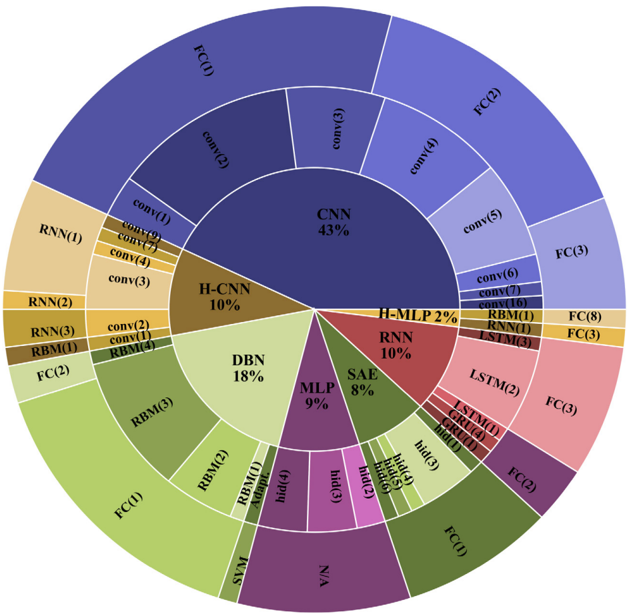
“In 43% of all peer-reviewed publications, convolutional neural networks (CNNs) were the most frequently used architecture [9].”
BackgroundKim, M., Kim, H., Seo, P., Jung, K., & Kim, K. H. (2022) · Sensors · doi:10.3390/s22207792 · Cited by 8
FGPat18: Feynman graph pattern-based language detection model using EEG signals
Kırık, S., Doğan, Ş., Bayğın, M., Barua, P. D., Demir, C. F., Keleş, T., Yıldız, A. M., Bayğın, N., Tuncer, I., Tuncer, T., et al. (2023) · Biomedical Signal Processing and Control · doi:10.1016/j.bspc.2023.104927 · Cited by 8
Laya: A LeJEPA Approach to EEG via Latent Prediction over ReconstructionPreprint
Panchavati, S., Panchavati, U., Nariai, H., Arnold, C., & Speier, W. F. (2026) · arXiv (Cornell University) · doi:10.48550/arxiv.2603.16281 · Cited by 9
Exploring the feasibility of olfactory brain–computer interfaces
Rajabi, N., Zanettin, I., Ribeiro, A. H., Vasco, M., Björkman, M., Lundström, J. N., & Kragić, D. (2025) · Scientific Reports · doi:10.1038/s41598-025-01488-z · Cited by 8
“CNNs are the most commonly used architectures in EEG signal classification and have shown improved performances over other architectures in many BCI applications 14,20,21 .”
Hao, Y., Han, Y., Huang, J., Hao, C., Yu, B., Wei, S., & Zhou, K. (2025) · Frontiers in Neuroscience · doi:10.3389/fnins.2025.1653693 · Cited by 9
Mutlu, A. (2025) · Acadlore Transactions on AI and Machine Learning · doi:10.56578/ataiml040304 · Cited by 7
MEG-GPT: A transformer-based foundation model for magnetoencephalography data
Huang, R., Cho, S., Gohil, C., Jones, Ō. P., & Woolrich, M. W. (2026) · Imaging Neuroscience · doi:10.1162/imag.a.1301 · Cited by 8
“Cross entropy has been shown to have better convergence properties compared to the mean-square-error (MSE) loss, which is used for continuous data (Géron, 2022).”
MVGT: A Multi-view Graph Transformer Based on Spatial Relations for EEG Emotion Recognition
Cui, Y., Liu, X., Liang, J., & Fu, Y. (2025) · Lecture notes in computer science · doi:10.1007/978-981-95-4378-6_1 · Cited by 8
“Due to the different anisotropic volume conduction characteristics [37] in human brain tissues, there may be temporal delays between different channels, which in turn leads to time-unaligned events at a single moment thus causing performance degradation.”
BackgroundSalazar-Dubois, D. V., Álvarez-Meza, A. M., & Castellanos-Dominguez, G. (2025) · Mathematics · doi:10.3390/math13244026 · Cited by 7
Neural decoding for EEG-BCI: from conventional machine learning to deep learning models
Ding, Y., Ma, X., Zhang, P., Tang, Y., Zhao, Z., Chen, D., Wu, D., & Tang, Z. (2026) · Brain Hemorrhages · doi:10.1016/j.hest.2026.01.002 · Cited by 8
Kalogeropoulos, C., Mavroudi, S. P., & Theofilatos, K. (2026) · Signals · doi:10.3390/signals7010017 · Cited by 9
“The standard architecture is the C-RNN (Convolutional-Recurrent Neural Network) [297–299].”
Cross-subject generalization for EEG decoding: a survey of deep learning methods
Li, T., Yan, Y., Dou, F., Song, W., & Zhang, X. (2026) · Progress in Biomedical Engineering · doi:10.1088/2516-1091/ae65f0 · Cited by 20
“The application of deep learning to electroencephalography (EEG) signal decoding has marked a significant paradigm shift in computational neuroscience and brain-computer interfaces (BCIs) [1].”
Dewan, D., Ghosh, L., Chakraborty, B., Chowdhury, A., Konar, A., & Nagar, A. K. (2020) · International Joint Conference on Neural Networks (IJCNN) · doi:10.1109/ijcnn48605.2020.9207348 · Cited by 7
“There exist several classification techniques involving EEG signals as input to the classifier [1]-[3].”
MethodA Method for Classification and Evaluation of Pilot’s Mental States Based on CNN
Wang, Q., Wang, Z., Xiong, R., Liao, X., & Tan, X. (2023) · Computer Systems Science and Engineering · doi:10.32604/csse.2023.034183 · Cited by 9
Two Heads Are Better Than One: A Bio-Inspired Method for Improving Classification on EEG-ET Data
Modesitt, E., Yang, R., & Liu, Q. (2023) · Communications in computer and information science · doi:10.1007/978-3-031-35989-7_49 · Cited by 8
MEGNet: A MEG-Based Deep Learning Model for Cognitive and Motor Imagery Classification
Sarma, M., Bond, C., Nara, S., & Raza, H. (2023) · IEEE International Conference on Bioinformatics and Biomedicine (BIBM) · doi:10.1109/bibm58861.2023.10385695 · Cited by 7
“Craik and team [11] provided a detailed assessment of several deep learning algorithms used in EEG classification tasks, providing insights into potential modifications for MEG data interpretation.”
BackgroundMachine Unlearning for Seizure Prediction
Shao, C., Li, C., Song, R., Liu, X., Qian, R., & Chen, X. (2024) · IEEE Transactions on Cognitive and Developmental Systems · doi:10.1109/tcds.2024.3395663 · Cited by 10
“Benefit from the usage of large-scale DNNs, deep learning achieves great success in AI, including natural language processing (NLP) [30], computer vision (CV) [31], and biomedical signal processing [32].”
Chambellant, F., Gaveau, J., Papaxanthis, C., & Thomas, E. (2024) · Heliyon · doi:10.1016/j.heliyon.2024.e33461 · Cited by 7
“Deep neural networks are especially advantageous in cases where it is difficult to provide feature engineering ahead of time and the algorithm has to extract the essential features F. Chambellant et al. [31,32].”
BackgroundAnalysis of the impact of deep learning know-how and data in modelling neonatal EEG
Daly, A., Lightbody, G., & Temko, A. (2024) · Scientific Reports · doi:10.1038/s41598-024-78979-y · Cited by 7
Khan, A. M., Khan, F. H., Dwivedi, A. K., Semwal, V. B., Martha, S., & Bijalwan, V. (2024) · SN Computer Science · doi:10.1007/s42979-024-03419-7 · Cited by 7
Wang, J., & Li, M. (2024) · IEEE Transactions on Instrumentation and Measurement · doi:10.1109/tim.2024.3500057 · Cited by 9
“This approach circumvents potential biases in feature selection and extracts generalizable and latent features from raw EEG data [23].”
Epileptic Seizure Prediction Based on Synchroextracting Transform and Sparse Representation
Ra, J. S., Li, T., & Li, Y. (2024) · IEEE Access · doi:10.1109/access.2024.3514859 · Cited by 7
“An increasing number of EEG analysis studies using DL have been published lately, and 14% of them were to find or predict seizures [20].”
Liyanagedera, N. D., Bareham, C. A., Kempton, H. M., & Guesgen, H. W. (2025) · Brain Informatics · doi:10.1186/s40708-025-00251-4 · Cited by 9
EEG Data Augmentation Method Based on the Gaussian Mixture Model
Liao, C., Zhao, S., Wang, X., Zhang, J., Liao, Y., & Wu, X. (2025) · Mathematics · doi:10.3390/math13050729 · Cited by 10
Exploring EEG and eye movement fusion for multi-class target RSVP-BCI
Li, X., Wei, W., Zhao, K., Mao, J., Lu, Y., Qiu, S., & He, H. (2025) · Information Fusion · doi:10.1016/j.inffus.2025.103135 · Cited by 8
Vogl, J., O'Brien, K., & Onge, P. S. (2025) · Frontiers in Neuroergonomics · doi:10.3389/fnrgo.2025.1566431 · Cited by 9
Machine Learning Model for Assessing Human Well-being Using Brain Wave Activities
Palaniappan, S., Logeswaran, R., & Yong, Y. L. (2025) · Journal of Informatics and Web Engineering · doi:10.33093/jiwe.2025.4.2.7 · Cited by 7
Hybrid Deep Learning Models for Accurate EEG-Based Cognitive State Classification
Nandihal, P., Kumar, S. B. M., Rajeshwari, J., Nagesh, M., Kumar, K., Madhu, B., & Bharath, K. N. (2025) · SN Computer Science · doi:10.1007/s42979-025-04338-x · Cited by 7
Single feature spatio-temporal architecture for EEG Based cognitive load assessment
Ramaswamy, A., Bal, A., Das, A., Gubbi, J., Muralidharan, K., Ramakrishnan, R. K., Pal, A., & Balamuralidhar, P. (2021) · Annual International Conference of the IEEE Engineering in Medicine and Biology Society (EMBC) · doi:10.1109/embc46164.2021.9630107 · Cited by 7
Lazurenko, D. M., Shepelev, I. E., Shaposhnikov, D. G., Saevskiy, A., & Kiroy, V. N. (2022) · Applied Sciences · doi:10.3390/app12052736 · Cited by 7
Ettahiri, H., Vicente, J. M. F., & Fechtali, T. (2022) · Frontiers in Human Neuroscience · doi:10.3389/fnhum.2022.915276 · Cited by 7
“Craik et al. (2019) described the current practice of DL in EEG classification.”
BackgroundExploring the Visual Guidance of Motor Imagery in Sustainable Brain–Computer Interfaces
Yang, C., Kong, L., Zhang, Z., Tao, Y., & Chen, X. (2022) · Sustainability · doi:10.3390/su142113844 · Cited by 10
Electrophysiological correlates of the emotional response on brain activity in adolescents
Mesa‐Gresa, P., Gil‐Gómez, J., Lozano-Quilis, J. A., Schoeps, K., & Montoya‐Castilla, I. (2023) · Biomedical Signal Processing and Control · doi:10.1016/j.bspc.2023.105754 · Cited by 8
Frequency Domain Channel-Wise Attack to CNN Classifiers in Motor Imagery Brain-Computer Interfaces
Huang, X., Choi, K., Liang, S., Zhang, Y., Zhang, Y., Poon, S. K.-S., & Pedrycz, W. (2023) · IEEE Transactions on Biomedical Engineering · doi:10.1109/tbme.2023.3344295 · Cited by 8
“A number of convolutional neural networks (CNNs) have been introduced as competitive solutions in MI classification tasks [8], [9].”
BackgroundEEG Opto-Processor: Epileptic Seizure Detection Using Diffractive Photonic Computing Units
Yan, T., Zhang, M., Chen, H., Wan, S., Shang, K., Zhang, H., Cao, X., Lin, X., & Dai, Q. (2024) · Engineering · doi:10.1016/j.eng.2024.01.008 · Cited by 11
Measuring and identifying pre-service fatigue due to hypoxic exposure
Wang, Y., Gu, B., Miao, C., Yu, Y., Huang, Y., Zhang, Z., & Fang, D. (2024) · Automation in Construction · doi:10.1016/j.autcon.2024.105307 · Cited by 7
Prefrontal Cortex Activity During Gait in People With Persistent Symptoms After Concussion
Martini, D. N., Mancini, M., Antonellis, P., McDonnell, P., Vitório, R., Stuart, S., & King, L. A. (2024) · Neurorehabilitation and neural repair · doi:10.1177/15459683241240423 · Cited by 8
Chen, Q., Xia, M., Li, J., Luo, Y., Wang, X., Li, F., Liang, Y., & Zhang, Y. (2025) · Cerebral Cortex · doi:10.1093/cercor/bhae505 · Cited by 7
Rudroff, T. (2025) · Brain Sciences · doi:10.3390/brainsci15050449 · Cited by 7
“This approach has proven particularly valuable for decoding complex communication signals where relevant features may not be obvious [21].”
InfluentialDeep Learning Analysis Approach for Major Depressive Disorder in Children and Adolescents
Najafabadi, A. J., & Bagh, K. (2025) · Springer eBooks · doi:10.1007/978-3-031-88024-7_6 · Cited by 9
EEG data processing with neural network
Majoros, T., Ujvari, B., & Oniga, S. (2019) · Carpathian Journal of Electronic and Computer Engineering · doi:10.2478/cjece-2019-0014 · Cited by 7
“The robust automatic classification of these signals is an important step towards making the use of EEG more practical in many applications and less reliant on trained professionals [5].”
BackgroundM2NN: Rare Event Inference through Multi-variate Multi-scale Attention
Ravindranath, M., Candan, K. S., & Sapino, M. L. (2020) · IEEE International Conference on Smart Data Services (SMDS) · doi:10.1109/smds49396.2020.00014 · Cited by 9
“More recently, deep learning [22] has been shown to perform well in rare inference tasks compared to other conventional methods in signal processing and other applications [23] [24].”
MethodCross-site Epileptic Seizure Detection Using Convolutional Neural Networks
Currey, D., Hsu, D., Ahmed, R., Venkataraman, A., & Craley, J. (2021) · Conference on Information Sciences and Systems · doi:10.1109/ciss50987.2021.9400222 · Cited by 7
“As deep learning methods continue to mature, they have been applied to the problem of seizure detection [11].”
MethodBest practices for supervised machine learning when examining biomarkers in clinical populations
Schultz, B. G., Joukhadar, Z., Nattala, U., Quiroga, M. D. M., Bolk, F., & Vogel, A. P. (2021) · Elsevier eBooks · doi:10.1016/b978-0-12-822884-5.00013-1 · Cited by 9
Time Series Pattern Discovery by Deep Learning and Graph Mining
Romanova, A. (2021) · Communications in computer and information science · doi:10.1007/978-3-030-87101-7_19 · Cited by 8
Klymenko, M., Doesburg, S. M., Medvedev, G., Xi, P., Ribary, U., & Vakorin, V. A. (2023) · IEEE Journal of Biomedical and Health Informatics · doi:10.1109/jbhi.2023.3236264 · Cited by 9
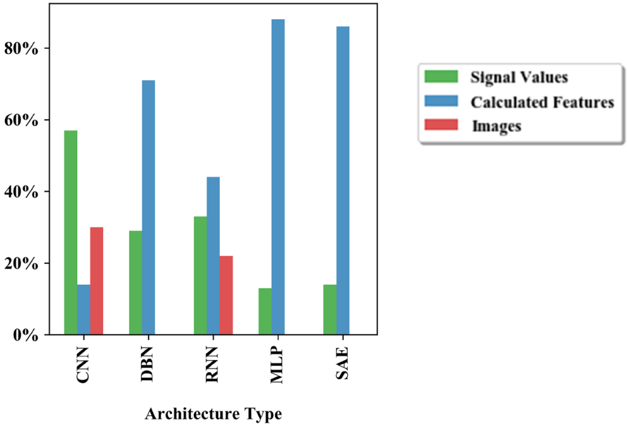
“Studies on classifying EEG signals can be loosely divided into three categories based on how EEG is organized as an input for prediction models: time series, images, and a vector of extracted features [17].”
BackgroundEyvazpour, R., Navi, F. F. T., Shakeri, E., Nikzad, B., & Heysieattalab, S. (2023) · Brain and Behavior · doi:10.1002/brb3.3139 · Cited by 7
Kumar, N., & Michmizos, K. P. (2020) · IEEE/RAS-EMBS International Conference on Biomedical Robotics and Biomechatronics (BioRob) · doi:10.1109/biorob49111.2020.9224368 · Cited by 9
“Adding to the mounting evidence that deep networks can predict cognitive functions [33], our work showed how CE can be measured using EEG as an objective signal.”
BackgroundAttention Networks for Multi-Task Signal Analysis
Ahmedt‐Aristizabal, D., Armin, M. A., Denman, S., Fookes, C., & Petersson, L. (2020) · Annual International Conference of the IEEE Engineering in Medicine and Biology Society (EMBC) · doi:10.1109/embc44109.2020.9175730 · Cited by 8
“In recent years, machine learning models such as convolutional neural networks (CNNs) and recurrent neural networks (RNN) have become popular for multimodal time series analysis, achieving high detection accuracy for different case studies [3].”
BackgroundPerformance Evaluation of Compressed Deep CNN for Motor Imagery Classification using EEG
Vishnupriya, R., Robinson, N., Ramasubba Reddy, M., & Guan, C. (2021) · Annual International Conference of the IEEE Engineering in Medicine and Biology Society (EMBC) · doi:10.1109/embc46164.2021.9631018 · Cited by 11
“In BCI studies, out of many DL models, convolutional neural networks (CNN) are the most used model [3][4].”
MethodTowards interactive reinforcement learning with intrinsic feedback
Poole, B., & Lee, M. (2024) · Neurocomputing · doi:10.1016/j.neucom.2024.127628 · Cited by 8
“The last stage of classification consists of decoding informative brain signals from the general neural activity which is often done through employing various machine learning methods [21, 78, 129, 133].”
BackgroundMethodCannard, C., & Arnaud Delorme, A. (2022) · PsyArXiv (OSF Preprints) · doi:10.31234/osf.io/xwmyk · Cited by 9
Hilali, M., Ezzati, A., & Alla, S. B. (2025) · Information · doi:10.3390/info16070560 · Cited by 10
CognitiveArm: Enabling Real-Time EEG-Controlled Prosthetic Arm Using Embodied Machine Learning
Basit, A., Nawaz, M., Rehman, S., & Shafique, M. (2025) · ACM/IEEE Design Automation Conference (DAC) · doi:10.1109/dac63849.2025.11132917 · Cited by 11
Emotion Recognition Using EEG Signals: Machine Learning-Based Analysis on the MAHNOB-HCI Dataset
Lam, C. M. (2026) · Lecture notes in networks and systems · doi:10.1007/978-3-032-19182-3_5 · Cited by 6
Huang, J. (2022) · International Journal of Intelligent Computing and Cybernetics · doi:10.1108/ijicc-05-2022-0130 · Cited by 6
Zhou, Z., Dou, G., & Qu, X. (2022) · Communications in computer and information science · doi:10.1007/978-3-031-19679-9_16 · Cited by 11
Inter Subject Emotion Recognition Using Spatio-Temporal Features From EEG Signal
Asif, M., Srivastava, D., Gupta, A., & Tiwary, U. S. (2023) · International Computer Science and Engineering Conference · doi:10.1109/icsec59635.2023.10329776 · Cited by 10
“There are various methods and deep learning architectures based on CNN, RNN, DNN etc., available for emotion recognition that works well on subject-dependent emotion tasks [4] [5] [6].”
MethodQin, Y., Bulbul, T., & Withers, J. (2024) · ASCE International Conference on Computing in Civil Engineering (i3CE) · doi:10.1061/9780784485231.030 · Cited by 7
Visual-Guided Dual-Spatial Interaction Network for Fine-Grained Brain Semantic Decoding
Tang, J., Yang, Y., Zhao, Q., Ding, Y., Zhang, J., Song, Y., & Kong, W. (2024) · IEEE Transactions on Instrumentation and Measurement · doi:10.1109/tim.2024.3480232 · Cited by 7
“In order to effectively decode the visual stimulus from the brain representations (the obtained EEG data), many efforts are paid to construct the corresponding learning models that attend to the EEG analysis [7].”
BackgroundQuantity versus diversity: Influence of data on detecting EEG pathology with advanced ML models
Poziomska, M., Dovgialo, M., Olbratowski, P., Niedbalski, P., Ogniewski, P., Zych, J., Rogala, J., & Żygierewicz, J. (2025) · Neural Networks · doi:10.1016/j.neunet.2025.108073 · Cited by 9
Metadata
- Authors
- Craik, A., He, Y., & Contreras-Vidal, J. L.
- Affiliations
- University of Houston (US)
- Corresponding author
- Craik, Alexander
- Venue
- Journal of Neural Engineering
- Publisher
- IOP Publishing
- Published
- 2019-04-09
- Volume
- 16
- Issue
- 3
- Pages
- 031001
- ISSN
- 1741-2552 (ISSN-L)
- 1741-2560
- OpenAlex
- W2915893085
- Cited by
- 1,758
- References
- 122
- Citations by year
- 2026: 308 · 2025: 287 · 2024: 273 · 2023: 290 · 2022: 246 · 2021: 213 · 2020: 116 · 2019: 23
- FWCI
- 18.93
- Type
- journal article
- Language
- en
- Open access
- hybrid
- doi.org
- Licence
- cc-by
- iopscience.iop.org/info/page/text-and-data-mining (tdm)
- creativecommons.org/licenses/by/3.0/ (vor)
- Locations
- Journal of Neural Engineering (publishedVersion, cc-by)
- PubMed (publishedVersion)
- Funders
- Center for Advanced Computing and Data Science
- Topics
- Life Sciences › Neuroscience › Cognitive Neuroscience › EEG and Brain-Computer Interfaces
- Physical Sciences › Computer Science › Artificial Intelligence › Emotion and Mood Recognition
- Health Sciences › Medicine › Cardiology and Cardiovascular Medicine › ECG Monitoring and Analysis
- Keywords
- EEG, EEG classification, deep learning, convolutional neural networks, recurrent neural networks, deep belief network, stacked autoencoder, motor imagery, emotion recognition, mental workload, seizure detection, sleep stage classification, EEG preprocessing
- MeSH terms
- Deep Learning, Animals, Brain, Electroencephalography, Humans, Psychomotor Performance, Neural Networks, Computer, Brain-Computer Interfaces
About these checks
Registry, retraction, Cites and statistics results are computed, not judged, with one exception: a printed reference that no index lists is read once by a model before it counts as a citation error. Claims are extracted by a model and kept only when their quote appears verbatim in the text; each cited source is then checked, with a model’s help, for whether it says what the claim relies on. Those verdicts can be wrong — read the claim’s quote and the cited source before relying on one.
Statistics and arithmetic are recomputed, not judged.
Confidence bands are shown only for fields calibrated on our annotated test set. None is calibrated yet, so no band is shown.
What counts as a claim ›How we measure confidence ›How we check this ›
Are you an author, or do you see a problem with this page? Request a review
Data sources
Bibliographic data: Semantic Scholar, OpenAlex, Crossref.
Contains information from the Semantic Scholar Academic Graph Datasets, made available under the ODC Attribution License (ODC-BY 1.0).
Semantic Scholar’s data is described in: Kinney, R., et al. (2023). The Semantic Scholar Open Data Platform. arXiv:2301.10140.
