

Deep learning for electroencephalogram (EEG) classification tasks: a review
Open accessThe DOI matches its Crossref record; 123 of the 123 references it cites were found in a registry or an index.
Abstract
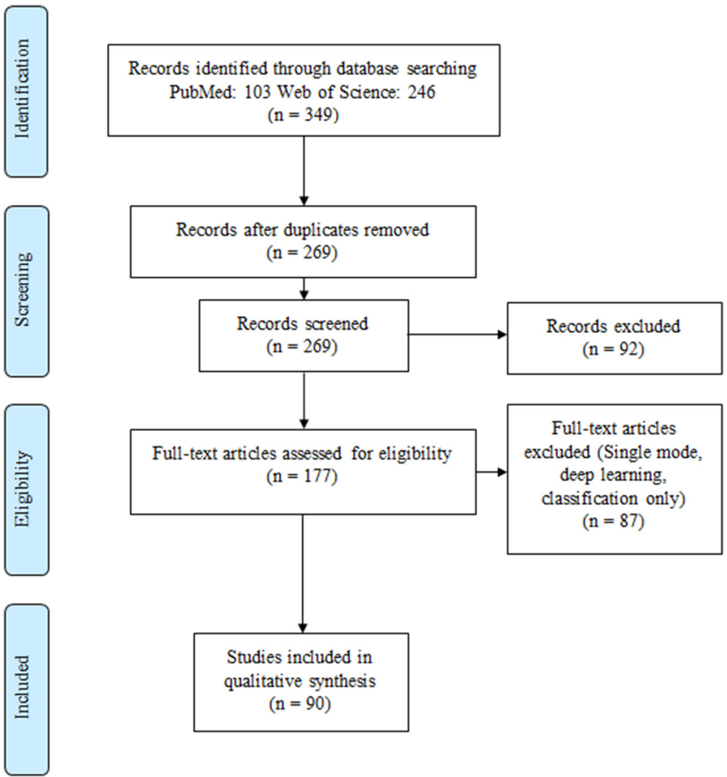
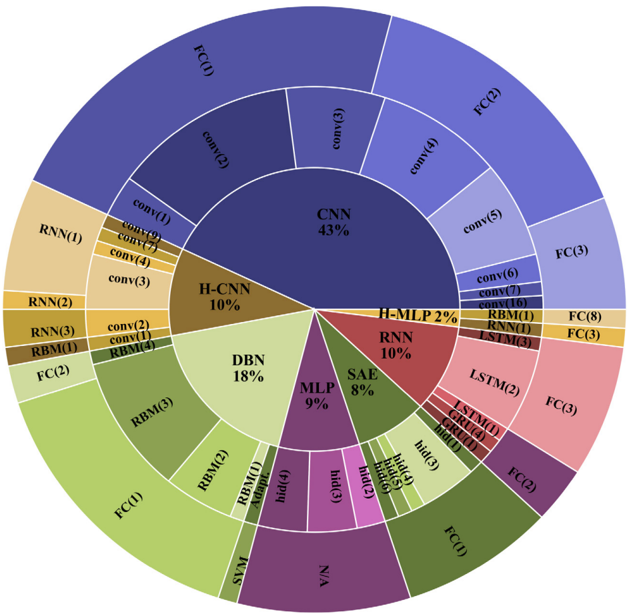
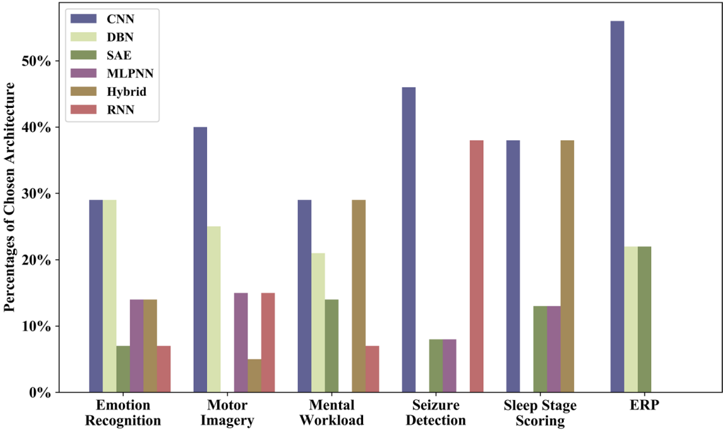
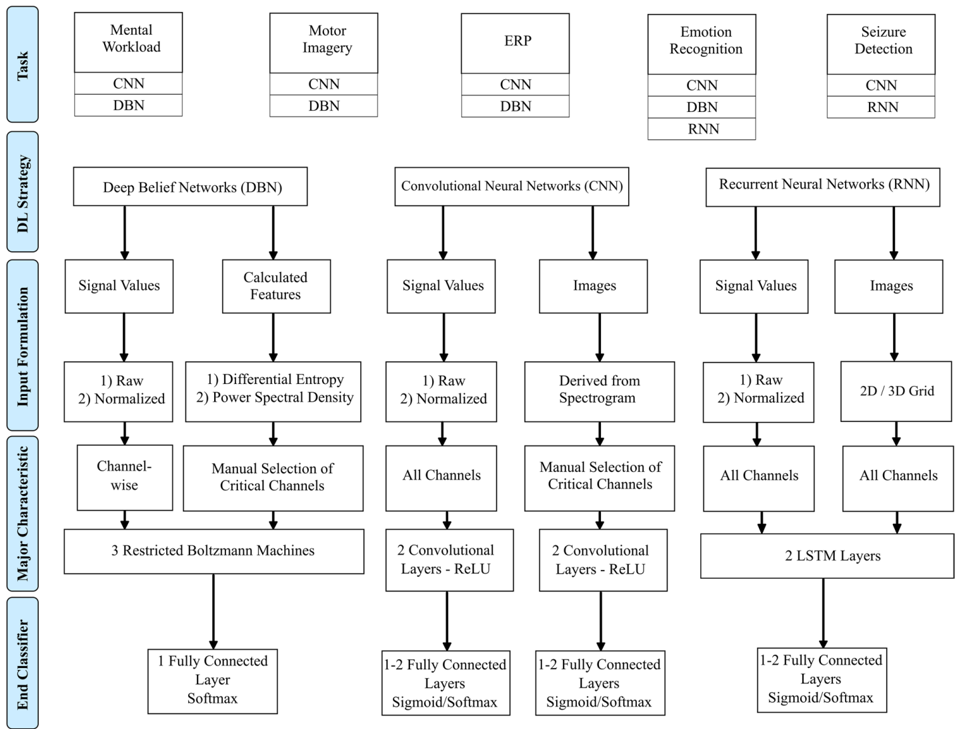
OBJECTIVE: Electroencephalography (EEG) analysis has been an important tool in neuroscience with applications in neuroscience, neural engineering (e.g. Brain-computer interfaces, BCI's), and even commercial applications. Many of the analytical tools used in EEG studies have used machine learning to uncover relevant information for neural classification and neuroimaging. Recently, the availability of large EEG data sets and advances in machine learning have both led to the deployment of deep learning architectures, especially in the analysis of EEG signals and in understanding the information it may contain for brain functionality. The robust automatic classification of these signals is an important step towards making the use of EEG more practical in many applications and less reliant on trained professionals. Towards this goal, a systematic review of the literature on deep learning applications to EEG classification was performed to address the following critical questions: (1) Which EEG classification tasks have been explored with deep learning? (2) What input formulations have been used for training the deep networks? (3) Are there specific deep learning network structures suitable for specific types of tasks? APPROACH: A systematic literature review of EEG classification using deep learning was performed on Web of Science and PubMed databases, resulting in 90 identified studies. Those studies were analyzed based on type of task, EEG preprocessing methods, input type, and deep learning architecture. MAIN RESULTS: For EEG classification tasks, convolutional neural networks, recurrent neural networks, deep belief networks outperform stacked auto-encoders and multi-layer perceptron neural networks in classification accuracy. The tasks that used deep learning fell into five general groups: emotion recognition, motor imagery, mental workload, seizure detection, event related potential detection, and sleep scoring. For each type of task, we describe the specific input formulation, major characteristics, and end classifier recommendations found through this review. SIGNIFICANCE: This review summarizes the current practices and performance outcomes in the use of deep learning for EEG classification. Practical suggestions on the selection of many hyperparameters are provided in the hope that they will promote or guide the deployment of deep learning to EEG datasets in future research.
Overview
The claims and statistics of this paper haven’t been checked yet.
Free: it reads the open-access text and checks the first 5 claims that cite a source we can check. Create a free account to check every claim.
Integrity signals
Registry
Cites
Statistics
Figures
Verification
Claims the paper makes
The claims and statistics of this paper haven’t been checked yet.
Free: it reads the open-access text and checks the first 5 claims that cite a source we can check. Create a free account to check every claim.
Claims other papers make about this one
Each is checked against this paper’s own text: does it say what the citing paper says it does?
The source backs part of the claim, not all of it — or backs it for a different population, condition or comparison.
In the citing paper
“The difficulty of EEG signal processing is to extract high-dimensional features from non-stationary time series with low signal-to-noise ratio [18].”
From IENet: a robust convolutional neural network for EEG based brain-computer interfaces (2022) · cites this paper as [18]
Experimental — accuracy not yet measuredThe source backs part of the claim, not all of it — or backs it for a different population, condition or comparison.
In the citing paper
“Convolutional neural networks (CNN), a leading deep learning structure for data on Euclidean space, outperform the above machine learning algorithms in classification accuracy (Craik et al., 2019).”
From Spatial–temporal graph convolutional network for Alzheimer classification based on brain functional connectivity imaging of electroencephalogram (2022) · cites this paper as Craik et al., 2019
Experimental — accuracy not yet measuredThe cited source says what the claim attributes to it.
In the citing paper
“As for the structures of deep leaning models, convolutional neural networks (CNNs) are the most prevalent architectures in EEG classification tasks [18].”
From IENet: a robust convolutional neural network for EEG based brain-computer interfaces (2022) · cites this paper as [18]
Self-check
Percentages, sums and reported differences re-computed from the paper’s own numbers.
The self-check needs the paper’s full text.
Citations
Cites
Hochreiter, S., & Schmidhuber, J. (1997) · Neural Computation · doi:10.1162/neco.1997.9.8.1735 · Cited by 102,318 · cited 1×
“LSTM is a popular extension of the standard RNN module [83].”
BackgroundLeCun, Y., Bengio, Y., & Hinton, G. (2015) · Nature · doi:10.1038/nature14539 · Cited by 84,126
Preferred reporting items for systematic reviews and meta-analyses: The PRISMA statement
Moher, D., Liberati, A., Tetzlaff, J., & Altman, D. G. (2010) · International Journal of Surgery · doi:10.1016/j.ijsu.2010.02.007 · Cited by 12,156
(1982) · Trends in Neurosciences · doi:10.1016/0166-2236(82)90076-5 · Cited by 9,089
Speech recognition with deep recurrent neural networks
Graves, A., Mohamed, A.-R., & Hinton, G. (2013) · 2013 IEEE International Conference on Acoustics, Speech and Signal Processing · doi:10.1109/icassp.2013.6638947 · Cited by 8,893 · cited 1×
“Indeed, it significantly improved performance in a wide range of traditionally challenging domains, such as images [10], videos [11], speech [12], and text [13].”
BackgroundLearning long-term dependencies with gradient descent is difficult
Bengio, Y., Simard, P., & Frasconi, P. (1994) · IEEE Transactions on Neural Networks · doi:10.1109/72.279181 · Cited by 8,542 · cited 1×
“Neural networks did not immediately receive the high attention seen today in neural classification applications because of practical issues, such as very long computation time and problems with the vanishing/exploding gradients [8].”
BackgroundLarge-Scale Video Classification with Convolutional Neural Networks
Karpathy, A., Toderici, G., Shetty, S., Leung, T., Sukthankar, R., & Fei-Fei, L. (2014) · 2014 IEEE Conference on Computer Vision and Pattern Recognition · doi:10.1109/cvpr.2014.223 · Cited by 6,354 · cited 1×
“Indeed, it significantly improved performance in a wide range of traditionally challenging domains, such as images [10], videos [11], speech [12], and text [13].”
EEGNet: a compact convolutional neural network for EEG-based brain-computer interfaces
Lawhern, V. J., Solon, A. J., Waytowich, N. R., Gordon, S. M., Hung, C. P., & Lance, B. J. (2018) · Journal of Neural Engineering · doi:10.1088/1741-2552/aace8c · Cited by 5,115 · cited 1×
“1 FC 20 h 2 OUT [94] CNN ELU (conv) SV P300(1) N/A P300(1) P300(1) 3 conv Softmax (FC) All (64/56/22) 1–40 Hz P300(2) 1–40 Hz MI 4–40 Hz 15 93% 1 FC 0.”
EEGNet: A Compact Convolutional Network for EEG-based Brain-Computer Interfaces
Lawhern, V. J., Solon, A. J., Waytowich, N. R., Gordon, S. M., Hung, C. P., & Lance, B. J. (2016) · arXiv · doi:10.48550/arxiv.1611.08024 · Cited by 5,105 · cited 1×
“1 FC 20 h 2 OUT [94] CNN ELU (conv) SV P300(1) N/A P300(1) P300(1) 3 conv Softmax (FC) All (64/56/22) 1–40 Hz P300(2) 1–40 Hz MI 4–40 Hz 15 93% 1 FC 0.”
DEAP: A Database for Emotion Analysis ;Using Physiological Signals
Koelstra, S., Muhl, C., Soleymani, M., Lee, J.-S., Yazdani, A., Ebrahimi, T., Pun, T., Nijholt, A., & Patras, I. (2012) · IEEE Transactions on Affective Computing · doi:10.1109/t-affc.2011.15 · Cited by 5,093 · cited 3×
“The datasets that are used in more than one study within this review include an emotion recognition dataset ([56], various subsets used in ten studies), a mental workload dataset ([57], used in four studies), two motor imagery datasets from the same BCI competition ([58], one dataset used in six studies and the second…”
BackgroundMethod
Research works printed but not linked: 24
- He Y, 2018, J. Neural Eng., 15
- Karpathy A, 2014, Proc. IEEE Computer Society Conf. Computer Vision Pattern Recognition, 1725
- Sutskever I, 2011, Proc. of the 28th Int. Conf. on Machine Learning, 1017
- Zhao Y, 2014, 2014 Asian Conf. Computer Visison, 1
- Roy S, 2018, 40th Annu. Int. Conf. IEEE Eng. Med. Biol. Soc. (EMBC), 2756
- Teplan M, 2002, Meas. Sci., 2, 1
- Pfurtscheller G, 2001, 89, 1123
- Kuanar S, 2018 IEEE Int. Conf. on Acoustics, Speech and Signal Processing (ICASSP), 352
- Abbas W, 2018, 40th Annu. Int. Conf. IEEE Eng. Med. Biol. Soc. (EMBC), 219
- Wei X, 2018, 18, 111
- Xu H, 2016, 2016 IEEE 18th Int. Workshop Multimedia Signal Processing, 1
- Vareka L, 2017, Application of Stacked Autoencoders to P300 Experimental Data (Int. Conf. on Artificial Intelligence and Soft Computing)
- Yuen T C, 2009, Int. J. Integr. Eng., 1, 71
- Alhagry S, 2017, Emotion, 8, 8
- Yin Z, 2016, Chinese Control Conf. CCC, 2016, 3907
- Pereira A, 2018, Preprint
- Ang K K, 2019, J. Neural Eng., 16
- Liu J, 2015, Chinese Control Conf. CCC, 2015, 3518
- Ansari M L A, 2018, J. Neural Eng., 15
- Kobler R J, 2016, 2016 IEEE Int. Conf. Syst. Man, Cybernetics SMC 2016—Conf. Proc., 469
- An X, 2014, Int. Conf. on Intelligent Computing, 203
- Gao Y, 2015, 2015 IEEE Int. Conf. Multimedia Expo Workshops ICMEW 2015, 2, 1
- Bablani A, 2018, 2018 9th Int. Conf. Computing Communication Networking Technologies, 1
- Luo T, 2018, Bioinformatics, 19, 344
Cited by
Items 501–600 of 1,001
MCMTNet: Advanced network architectures for EEG-based motor imagery classification
Yang, Y., Zhang, X., Zhang, X., & Yu, C. (2024) · Neurocomputing · doi:10.1016/j.neucom.2024.129255 · Cited by 18
Deep Learning Methods in Electroencephalography
Kotowski, K., Stąpor, K., & Ochab, J. K. (2020) · Learning and analytics in intelligent systems · doi:10.1007/978-3-030-49724-8_8 · Cited by 16
Hybrid Machine Learning Scheme for Classification of BECTS and TLE Patients Using EEG Brain Signals
Yang, W., Joo, M., Kim, Y., Kim, S. H., & Chung, J. (2020) · IEEE Access · doi:10.1109/access.2020.3038948 · Cited by 16
A Deep Classifier for Upper-Limbs Motor Anticipation Tasks in an Online BCI Setting
Valenti, A., Barsotti, M., Bacciu, D., & Ascari, L. (2021) · Bioengineering · doi:10.3390/bioengineering8020021 · Cited by 16
“For this reason, and thanks to the rapid advancements in the AI field [16], an increasing number of works focuses on the application of deep learning (DL) methods for the recognition of mental states associated with movements from EEG signals [17] and also from the combination of EEG and electromyiographic (EMG) signa…”
BackgroundTang, J., Li, X., Yang, Y. W., & Zhang, W. (2021) · Electronics Letters · doi:10.1049/ell2.12275 · Cited by 16
Sex differences in rTMS treatment response: A deep learning‐based EEG investigation
Adamson, M. M., Hadipour, A. L., Uyulan, Ç., Erguzel, T. T., Çerezci, O., Kazemi, R., Phillips, A., Seenivasan, S., Shah, S., & Tarhan, N. (2022) · Brain and Behavior · doi:10.1002/brb3.2696 · Cited by 18
“EEG, among many other types of data, can be used after artifacts are removed, in deep learning models for the purposes of feature extraction and thus classification of a variable of interest (Abbasi & Goldenholz, 2019; Ay et al., 2019; Craik et al., 2019).”
MethodZhang, S., Wu, L., Yu, S., Shi, E., Qiang, N., Gao, H. B., Zhao, J., & Zhao, S. (2022) · IEEE Transactions on Neural Networks and Learning Systems · doi:10.1109/tnnls.2022.3214225 · Cited by 18
“…algorithms have shown great superiors in the machine learning field [15], [16], [17], [18], many deep learning-based methods were proposed for EEG brain states classification tasks, and these methods achieved significant improvement on classification performance [19], [20], [21], [22], [23].”
MethodEEGraph: An open-source Python library for modeling electroencephalograms using graphs
Maitín, A. M., Nogales, A., Chazarra, P., & García-Tejedor, Á. J. (2022) · Neurocomputing · doi:10.1016/j.neucom.2022.11.050 · Cited by 16
Brain-Computer Interface for Stroke Rehabilitation
Mane, R., Ang, K. K., & Guan, C. (2023) · Handbook of Neuroengineering · doi:10.1007/978-981-16-5540-1_33 · Cited by 20
EEG Emotion Recognition by Fusion of Multi-Scale Features
Du, X., Meng, Y., Qiu, S., Lv, Y., & Liu, Q. (2023) · Brain Sciences · doi:10.3390/brainsci13091293 · Cited by 17
“In recent years, deep learning algorithms have been widely applied in various fields such as image and sequential signal processing [17,18].”
MethodGeneralizability of EEG-based Mental Attention Modeling with Multiple Cognitive Tasks
Wai, A. A. P., Dou, M., & Guan, C. (2020) · Annual International Conference of the IEEE Engineering in Medicine and Biology Society (EMBC) · doi:10.1109/embc44109.2020.9176346 · Cited by 16
“collecting data from more subjects and applying no manually crafted features by applying deep learning approaches [17].”
BackgroundDeep Learning Approaches for EEG-Based Biometrics: A Systematic Review
Albaiati, A. E., Akbar, M. F., Hssayeni, M. D., Khalil, A., Wahab, M. N. A., Weli, S. S., & Raheem, E. A. (2025) · IEEE Access · doi:10.1109/access.2025.3605614 · Cited by 17
“The choice between small and large filter sizes depends on a trade-off between the advantages and disadvantages of these filter sizes [105], [108].”
InfluentialLi, Q., Huang, Q., Jiang, W., Song, Z., & Wu, X. (2026) · IEEE Transactions on Human-Machine Systems · doi:10.1109/thms.2026.3659708 · Cited by 18
“Unlike stimulus-dependent paradigms that impose external cognitive demands, MI-based control leverages existing neural pathways for motor intention, resulting in more intuitive and less fatiguing interaction [30].”
A Review on Preprocessing of EEG Signal
Dhanaselvam, P. S., & Chellam, C. N. (2023) · International Conference on Bio Signals, Images, and Instrumentation (ICBSII) · doi:10.1109/icbsii58188.2023.10181071 · Cited by 19
“Alexander Craik et al.[30]in his study specified that the study of various artifact removal did not address any specific artifact removal process.”
BackgroundMethodInfluentialJin, C., Song, A. H., & Kim, S. (2024) · IEEE Access · doi:10.1109/access.2024.3406736 · Cited by 17
“Among the various brain imaging techniques employed to measure these neural activities, electroencephalography (EEG) stands out, largely owing to its superior advantages such as non-invasiveness, high-temporal resolution, cost-effectiveness, and portability [6], [7].”
BackgroundLi, S., Daly, I. P., Guan, C., Cichocki, A. S., & Jin, J. (2024) · Neural Networks · doi:10.1016/j.neunet.2024.106655 · Cited by 18
Decoding Brain Signals from Rapid-Event EEG for Visual Analysis Using Deep Learning
Rehman, M., Anwer, H., Garay, H., Alemany-Iturriaga, J., Díez, I. D. L. T., Siddiqui, H. U. R., & Ullah, S. (2024) · Sensors · doi:10.3390/s24216965 · Cited by 16
“This information can be utilized for a variety of endeavors, like for the recognition of emotions [12–14], sleep stages [15–17], prediction of critical thinking [18], speech activity detection in mute patients [19,20], etc.”
BackgroundToward brain-inspired foundation model for EEG signal processing: our opinion
Cui, S., Lee, D., & Dong, W. (2024) · Frontiers in Neuroscience · doi:10.3389/fnins.2024.1507654 · Cited by 18
“…the feature-driven methods (Shoeibi et al., 2021) (Lawhern et al., 2018), recurrent neural networks (RNNs) (Li et al., 2022 ), Transformers Lee and Lee (2022) have shown promise in applications such as sleep stage classification, emotion recognition, and seizure detection (Craik et al., 2019).”
EEGSNet: A novel EEG cognitive recognition model using spiking neural network
Shi, J., Zhao, Y., Wang, C., Zeng, H., & Dai, G. (2025) · Biomedical Signal Processing and Control · doi:10.1016/j.bspc.2025.107610 · Cited by 16
Abdulkarim, H., & Al-Faiz, M. Z. (2021) · International Journal of Power Electronics and Drive Systems/International Journal of Electrical and Computer Engineering · doi:10.11591/ijece.v11i5.pp4016-4026 · Cited by 15
“In computer vision, the data elements represent the pixels of the image, which is a two-dimensional array (for each Red, Green, and Blue channels), while the kernel filter is 3 by 3 or 5 by 5 [32].”
MethodZhang, X., Arrowsmith, S., Tsongas, S., Hayward, C. T., Meng, H., & Ben‐Zion, Y. (2021) · Seismological Research Letters · doi:10.1785/0220210198 · Cited by 15
Reconstructed phase space portraits for detecting brain diseases using deep learning
Ilakiyaselvan, N., Khan, A. N., & Shahina, A. (2021) · Biomedical Signal Processing and Control · doi:10.1016/j.bspc.2021.103278 · Cited by 16
Li, Y., Wu, B., Li, X., Qin, Z., Yang, X., & Li, Y. (2021) · Frontiers in Genetics · doi:10.3389/fgene.2021.751791 · Cited by 15
“Many researchers will combine the deep learning algorithm with EEG, to operate EEG with feature extraction, selection, and classification, which can provide an auxiliary tool for the clinical diagnosis of depression (Craik et al., 2019).”
BackgroundRemote photonic detection of human senses using secondary speckle patterns
Kalyuzhner, Z., Agdarov, S., Orr, I., Beiderman, Y., Bennett, A., & Zalevsky, Z. (2022) · Scientific Reports · doi:10.1038/s41598-021-04558-0 · Cited by 16
Ravindran, A. S., Malaya, C. A., John, I., Francisco, G. E., Layne, C. S., & Contreras-Vidal, J. L. (2022) · Journal of Neural Engineering · doi:10.1088/1741-2552/ac6ca9 · Cited by 16
“A similar review by Craik et al [44] reports 63% of studies did not preprocess the EEG for classification tasks.”
Self-citationA Proposed LSTM‐Based Neuromarketing Model for Consumer Emotional State Evaluation Using EEG
Gill, R., & Singh, J. (2022) · Wiley eBooks · doi:10.1002/9781119792437.ch8 · Cited by 16
Hu, X., Zhou, R., Hu, M., Wen, J., & Shen, T. (2022) · Computer Methods and Programs in Biomedicine · doi:10.1016/j.cmpb.2022.107098 · Cited by 15
Diagnostic and prognostic EEG analysis of critically ill patients: A deep learning study
Jonas, S., Müller, M. D., Rossetti, A. O., Rüegg, S. J., Alvarez, V., Schindler, K. A., & Zubler, F. (2022) · NeuroImage Clinical · doi:10.1016/j.nicl.2022.103167 · Cited by 15
“Other studies have shown that DL can be effective in detecting epileptiform activity (Craik et al., 2019; Roy et al., 2019).”
Characterizing gas–liquid two-phase flow behavior using complex network and deep learning
Li, M., Wang, R., Zhang, J., & Gao, Z. (2023) · Chaos An Interdisciplinary Journal of Nonlinear Science · doi:10.1063/5.0124998 · Cited by 15
Sleeping Abnormalities Detection using Deep Learning Techniques
Murugesan, M., Abirami, V., Iswarya, M., & Kaviya, N. (2023) · International Conference on Electronics and Renewable Systems (ICEARS) · doi:10.1109/icears56392.2023.10085009 · Cited by 15
Zheng, H., Pan, L., & Li, T. (2023) · Journal of Building Engineering · doi:10.1016/j.jobe.2023.107305 · Cited by 17
Singh, A., Velagala, V. R., Kumar, T., Dutta, R. R., & Sontakke, T. R. (2023) · Cureus · doi:10.7759/cureus.42460 · Cited by 19
“Relevant features and patterns are extracted from the spectrogram data, following which the spectral data are classified [41].”
MethodA Deep Learning-Based Approach for Accurate Diagnosis of Alcohol Usage Severity Using EEG Signals
Kumari, N., Anwar, S., & Bhattacharjee, V. (2022) · IETE Journal of Research · doi:10.1080/03772063.2022.2038705 · Cited by 20
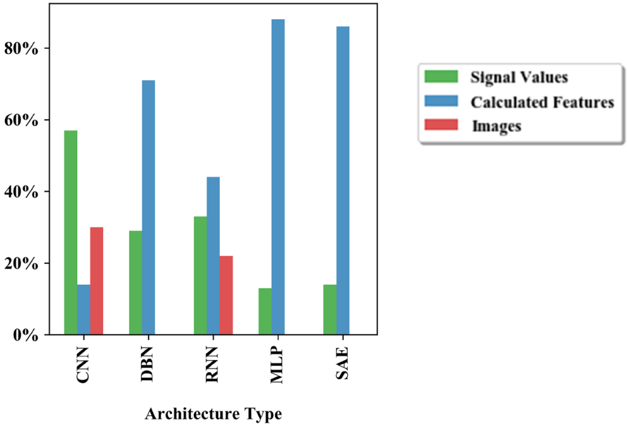
“Craik et al. [31] revealed that the average pre-dictability of deep learning-based classifiers that take signal values as input outperformed the methods that used calculated features as input in a review of studies for classification of EEG signals for a wide range of tasks.”
MethodCross-Subject Motor Imagery Electroencephalogram Decoding with Domain Generalization
Zheng, Y., Wu, S., Chen, J., Yao, Q., & Zheng, S. (2025) · Bioengineering · doi:10.3390/bioengineering12050495 · Cited by 16
“By decoding EEG signals from the associated motor cortex on the brain scalp, motor intentions can be recognized, thus facilitating patients’ proactive engagement in the rehabilitation stage [13].”
Gallego-Molina, N. J., Ortíz, A., Arco, J. E., Martínez-Murcia, F. J., & Woo, W. L. (2024) · Interdisciplinary Sciences Computational Life Sciences · doi:10.1007/s12539-024-00634-x · Cited by 19
“Among all these uses of deep learning, a challenging part is defining the inputs [24].”
BackgroundXie, Y., & Oniga, S. (2024) · Sensors · doi:10.3390/s24175813 · Cited by 15
“For example, these reviews covered general deep learning methods based on EEG [1], analyzed transfer learning mechanisms for common EEG tasks [1], and listed existing software solutions [2].”
BackgroundAi, Q., Liu, Y., Liu, Q., Ma, L., & Chen, K. (2025) · Biomedical Signal Processing and Control · doi:10.1016/j.bspc.2025.107526 · Cited by 14
Zhang, G., & Luck, S. J. (2025) · NeuroImage · doi:10.1016/j.neuroimage.2025.121304 · Cited by 14
“Similarly, the present findings may not generalize to more advanced decoding algorithms, such as convolutional neural networks, recurrent neural networks, and deep belief networks for deep learning (Al-Saegh et al., 2021; Craik et al., 2019; Gong et al., 2022).”
Naderi, M., & Najafabadi, A. J. (2025) · BMC Psychiatry · doi:10.1186/s12888-025-07296-z · Cited by 14
“…have been several computational studies in recent years that have aimed to either distinguish healthy from other neuropsychiatric and neurodevelopmental disorders, e.g., ADHD [19]; Autism Spectrum Disorder [20, 21]; MDD [22–24] or for time-series forecasting in order to predict EEG signals [25].”
Towards Internet-of-Things for Wearable Neurotechnology
Elmalaki, S., Demirel, B. U., Taherisadr, M., Stern-Nezer, S. J., Lin, J. J., & Faruque, M. A. A. (2021) · International Symposium on Quality Electronic Design (ISQED) · doi:10.1109/isqed51717.2021.9424364 · Cited by 14
“…various deep learning models were proposed for wearable technologies, such as convolutional neural networks (CNN), deep belief networks (DBN), gener ative adversarial networks (GAN), recurrent neural networks (RNN), stacked autoencoder (SAE), and restricted Boltzmann machines (RBM) [36].”
Detecting Mental Workload in Virtual Reality Using EEG Spectral Data: A Deep Learning Approach
Ved, H., & Yildirim, C. (2021) · IEEE International Conference on Artificial Intelligence and Virtual Reality (AIVR) · doi:10.1109/aivr52153.2021.00039 · Cited by 22
Inferring Brain State Dynamics Underlying Naturalistic Stimuli Evoked Emotion Changes With dHA-HMM
Tan, C., Liu, X., & Zhang, G. (2022) · Neuroinformatics · doi:10.1007/s12021-022-09568-5 · Cited by 16
“It is also important for the development of affective brain computer interface and for the understanding of patients with affective disorders in a natural scene (Craik et al., 2019; He et al., 2020; Wang et al., 2014).”
BackgroundJemioło, P., Storman, D., Mamica, M., Szymkowski, M., Żabicka, W., Wojtaszek-Główka, M., & Ligęza, A. (2022) · Sensors · doi:10.3390/s22072538 · Cited by 19
“DL refers to the architecture of neural networks comprising at least two hidden layers [68].”
BackgroundWang, H., Zhu, X., Chen, T., Li, C., & Song, L. (2022) · IEEE Transactions on Biomedical Engineering · doi:10.1109/tbme.2022.3218116 · Cited by 14
“EEG data is characterized by the low signal-to-noise ratio (SNR) [4], [5] and high dimensionality [1], [6], which reduces the performance of the traditional technologies.”
BackgroundLi, R., Liu, D., Li, Z., Liu, J., Zhou, J., Liu, W., Liu, B., Fu, W., & Alhassan, A. B. (2022) · Frontiers in Neuroscience · doi:10.3389/fnins.2022.988535 · Cited by 15
“Following innovations in algorithm development, novel neural network architectures for deep learning have offered the benefits of a smaller reliance upon prior expert knowledge, and automatic feature optimization has recently been employed for decoding EEG signals (Craik et al., 2020).”
MethodResultInfluentialA hybrid EEG and head motion system for smart home control for disabled people
Arachchige, M. D. J., Marwan Nafea, M., & Nugroho, H. (2022) · Journal of Ambient Intelligence and Humanized Computing · doi:10.1007/s12652-022-04469-6 · Cited by 16
“The accuracy of such detection algorithms can be further improved by involving methods, such as wavelet transform and artificial intelligence-based classifications (Alshebly and Nafea 2019; Craik et al. 2019; al-Qerem et al. 2020).”
MethodOrhanbulucu, F., Lati̇foğlu, F., & Baydemir, R. (2023) · Diagnostics · doi:10.3390/diagnostics13111887 · Cited by 14
“has been stated that images in the T-F plane obtained from non-stationary physiological signals such as EEG can be used with deep learning models [21].”
BackgroundInfluentialLemoine, É., Briard, J. N., Rioux, B., Gharbi, O., Podbielski, R., Nauche, B., Toffa, D. H., Keezer, M. R., Lesage, F., Nguyen, D. K., et al. (2023) · Computational and Structural Biotechnology Journal · doi:10.1016/j.csbj.2023.12.006 · Cited by 17
The bibliometric analysis of EEGLAB software in the Web of Science indexed articles
Fayaz, M. (2023) · Neuroscience Informatics · doi:10.1016/j.neuri.2023.100154 · Cited by 15
Roncero-Parra, C., Torres, A. P., Sánchez-Reolid, R., Mateo-Sotos, J., & Borja, A. L. (2024) · Heliyon · doi:10.1016/j.heliyon.2024.e26298 · Cited by 18
Nijholt, A., Contreras-Vidal, J. L., Jeunet, C., & Väljamäe, A. (2022) · Frontiers in Computer Science · doi:10.3389/fcomp.2022.860619 · Cited by 16
“Moreover, research on the use of deep networks for BCI applications has increased recently and promises to increase the accuracy of BCI systems (Craik et al., 2019).”
BackgroundSelf-citationDuan, F., Lv, Y., Sun, Z., & Li, J. (2022) · Neural Processing Letters · doi:10.1007/s11063-021-10738-w · Cited by 13
“Considering the advantages that deep learning has to offer, it is unsurprising that they are also suitable for the analysis of EEG [36], EMG [37] and other bioelectric signals.”
BackgroundWermelinger, J., Parduzi, Q., Sariyar, M., Raabe, A., Schneider, U. C., & Seidel, K. (2023) · BMC Medical Informatics and Decision Making · doi:10.1186/s12911-023-02276-3 · Cited by 15
“ML been applied in diagnosis and prognosis as well as in classification of diseases [13–15].”
MethodDecoding Silent Reading EEG Signals Using Adaptive Feature Graph Convolutional Network
Li, C., Fang, G., Liu, Y., Liu, J., & Song, L. (2023) · IEEE Signal Processing Letters · doi:10.1109/lsp.2023.3337727 · Cited by 15
“Support Vector Machine (SVM), Convolutional Neural Networks (CNNs), and Recurrent Neural Networks (RNNs) have been widely used for the classification of silent reading EEG signals [15], [16], [17], [18], [19].”
MethodResting State EEG Variability and Implications for Interpreting Clinical Effect Sizes
Liu, E., Luu, C., & Wu, L. C. (2024) · IEEE Transactions on Neural Systems and Rehabilitation Engineering · doi:10.1109/tnsre.2024.3355956 · Cited by 13
“For example, machine learning classifiers have been applied to determine pathophysiology in rsEEG [42], so variability in classification performance across varying conditions may be clinically important.”
BackgroundInvestigating mental workload caused by NDRTs in highly automated driving with deep learning
Hu, X., & Hu, J. (2024) · Traffic Injury Prevention · doi:10.1080/15389588.2023.2276657 · Cited by 13
“With the growing accessibility of substantial EEG data sets in recent years, deep learning frameworks have been harnessed to decode and classify EEG signal, particularly those characterized by low signal-to-noise ratios and high dimensionality of the data (Craik et al. 2019).”
BackgroundNeural Networks Meet Neural Activity: Utilizing EEG for Mental Workload Estimation
Siddhad, G., Roy, P. P., & Kim, B. (2024) · Lecture notes in computer science · doi:10.1007/978-3-031-78195-7_22 · Cited by 13
Wang, P., Zheng, H., Dai, S., Wang, Y., Gu, X., Wu, Y., & Wang, X. (2024) · Chinese journal of information fusion. · doi:10.62762/cjif.2024.876830 · Cited by 13
Li, F., Yu, F., Shen, L., Li, H., Yang, X., & Shen, Q. (2025) · Mathematics · doi:10.3390/math13010166 · Cited by 14
Chen, L., Yin, Z., Gu, X., Zhang, X., Cao, X., Zhang, C., & Li, X. (2025) · Computer Methods and Programs in Biomedicine · doi:10.1016/j.cmpb.2025.108594 · Cited by 17
Prediction of acoustic tinnitus suppression using resting-state EEG via explainable AI approach
Shabestari, P. S., Schoisswohl, S., Wellauer, Z., Naas, A., Kleinjung, T., Schecklmann, M., Langguth, B., & Neff, P. K. A. (2025) · Scientific Reports · doi:10.1038/s41598-025-95351-w · Cited by 16
“…power values averaged within the five canonical M/EEG frequency bands (comprising 310 features), average spectral Shannon entropy (comprising 310 features) 40,41 , and non-oscillatory parameters, such as the slope and offset of power spectral density at each electrode (comprising 124 features) 42 .”
Llorella, F. R., Azorín, J. M., & Patow, G. (2022) · Neural Computing and Applications · doi:10.1007/s00521-022-07542-5 · Cited by 14
“It should be mentioned that neural networks have been widely used for the creation of BCI systems, in general obtaining good results [12], being convolutional networks one of the most used techniques [13].”
MethodEvolving Deep Learning Models for Epilepsy Diagnosis in Data Scarcity Context: A Survey
Aldahr, R. S., Alanazi, M., & Ilyas, M. (2022) · International Conference on Telecommunications and Signal Processing (TSP) · doi:10.1109/tsp55681.2022.9851282 · Cited by 13
“Epilepsy Decision-Making: Recently, the advancements in the computational intelligence system paved the way for deploying deep learning models to ensure the quality of clinical decision-making and early medical diagnosis [15, 16].”
BackgroundGiudice, M. L., Ferlazzo, E., Mammone, N., Gasparini, S., Cianci, V., Pascarella, A., Mammì, A., Mandic, D. P., Morabito, F. C., & Aguglia, U. (2022) · International Journal of Environmental Research and Public Health · doi:10.3390/ijerph192315733 · Cited by 15
Ramasubramanian, B., Reddy, V. S., Chellappan, V., & Ramakrishna, S. (2022) · Biosensors · doi:10.3390/bios12121176 · Cited by 13
“The brain’s electrical information is passed through the electrodes to a device that monitors and records the data [4,195].”
BackgroundRobust Motor Imagery Tasks Classification Approach Using Bayesian Neural Network
Hermosilla, D. M., Codorniú, R. T., Lamar-Carbonell, S., Zamora, R. S., Tamayo-Pacheco, J. J., Mayor, J. J. V., & Delisle-Rodríguez, D. (2023) · Sensors · doi:10.3390/s23020703 · Cited by 18
Discovering Themes in Deep Brain Stimulation Research Using Explainable Artificial Intelligence
Allen, B. (2023) · Biomedicines · doi:10.3390/biomedicines11030771 · Cited by 15
“For example, machine learning can effectively detect patterns of brain activity, but may not reveal a better understanding of the mechanisms that change brain function [5].”
BackgroundGenerative Adversarial Network (GAN) for Simulating Electroencephalography
Mahey, P., Toussi, N., Purnomu, G., & Herdman, A. T. (2023) · Brain Topography · doi:10.1007/s10548-023-00986-5 · Cited by 13
“Past studies had variance in preprocessing techniques ranging from creating data matrices of time-frequency analyses or covariance matrices fed directly into the GAN (Fahimi et al. 2019; Craik et al., 2019) as well as no preprocessing (Hartmann et al. 2018).”
BackgroundSex‐related patterns in the electroencephalogram and their relevance in machine learning classifiers
Jochmann, T., Seibel, M. S., Jochmann, E., Khan, S., Hämäläinen, M., & Haueisen, J. (2023) · Human Brain Mapping · doi:10.1002/hbm.26417 · Cited by 14
“The advent of deep learning has led to numerous studies about convolutional neural networks (CNNs) for detecting neurological and psychiatric diseases from electroencephalogram (EEG) data (Craik et al., 2019; Jonas et al., 2019; Roy et al., 2019; Schirrmeister et al., 2017).”
BackgroundChen, Y., Zhe, T., Chang, R., Cao, Y., Yun, G., Li, W., Zhang, S., & Sun, S. (2024) · Advanced Science · doi:10.1002/advs.202305251 · Cited by 18
Calibration-free online test-time adaptation for electroencephalography motor imagery decoding
Wimpff, M., Döbler, M., & Yang, B. (2024) · International Winter Conference on Brain-Computer Interface (BCI) · doi:10.1109/bci60775.2024.10480468 · Cited by 33
“In recent years, there has been a substantial increase in research focused on deep learning methods for BCIs [1], [2] as deep learning methods are able to implicitly extract intricate patterns from EEG signals to improve the decoding performance.”
BackgroundDeep Learning Methods for EEG Signals Classification of Motor Imagery in BCI
Saputra, M. F., Setiawan, N. A., & Ardiyanto, I. (2019) · IJITEE (International Journal of Information Technology and Electrical Engineering) · doi:10.22146/ijitee.48110 · Cited by 15
“Deep learning is a neural network that has at least two hidden layers [21].”
BackgroundMishra, A., Sharma, S., Kumar, S., Ranjan, P., & Ujlayan, A. (2020) · Neural Computing and Applications · doi:10.1007/s00521-020-05125-w · Cited by 14
Fernández-Vargas, J., Tremmel, C., Valeriani, D., Bhattacharyya, S., Cinel, C., Citi, L., & Poli, R. (2021) · Journal of Neural Engineering · doi:10.1088/1741-2552/abf2e4 · Cited by 14
“However deep networks have shown their potential on the field [62–64] making them a good candidate for future research on confidence prediction.”
BackgroundTSMG: A Deep Learning Framework for Recognizing Human Learning Style Using EEG Signals
Zhang, B., Shi, Y., Hou, L., Yin, Z., & Chai, C. (2021) · Brain Sciences · doi:10.3390/brainsci11111397 · Cited by 16
Visual Brain Decoding for Short Duration EEG Signals
Mishra, R. K., Sharma, K., & Bhavsar, A. V. (2021) · European Signal Processing Conference (EUSIPCO) · doi:10.23919/eusipco54536.2021.9616192 · Cited by 16
Deep Learning Methods for EEG Neural Classification
Nakagome, S., Craik, A., Ravindran, A. S., He, Y., Cruz-Garza, J. G., & Contreras-Vidal, J. L. (2022) · Handbook of Neuroengineering · doi:10.1007/978-981-15-2848-4_78-1 · Cited by 14
Self-citationCollaborative Filtering with Preferences Inferred from Brain Signals
Davis, K. M., Spapé, M., & Ruotsalo, T. (2021) · International World Wide Web Conference (WWW) · doi:10.1145/3442381.3450031 · Cited by 19
“Wemodel the brain signals with a neural architecture representing a combination of a neural EEG classifier [11] and neural collaborative filtering approach [25].”
EEG4Home: A Human-In-The-Loop Machine Learning Model for EEG-Based BCI
Qu, X., & Hickey, T. J. (2022) · Lecture notes in computer science · doi:10.1007/978-3-031-05457-0_14 · Cited by 23
“Researchers from both clinical and non-clinical fields have applied EEG-based Brain Computer Interaction (BCI) techniques in many different ways [13,4], such as diagnosis of abnormal states, evaluating the effect of the treatments, seizure detection, motor imagery tasks [5], and developing…”
BackgroundWang, X., Liu, A., Wu, L., Guan, L., & Chen, X. (2023) · IEEE Transactions on Neural Systems and Rehabilitation Engineering · doi:10.1109/tnsre.2023.3324148 · Cited by 14
“Deep learning (DL) methods, especially convolutional neural networks (CNN), are widely used for EEG analysis [7], [18], [19].”
MethodDeterminants of Emotion Recognition System Adoption: Empirical Evidence from Malaysia
Yamin, M. N. M., Aziz, K. A., Siang, T. G., & Aziz, N. A. A. (2023) · Applied Sciences · doi:10.3390/app132111854 · Cited by 15
EEG Motor Imagery Classification by Feature Extracted Deep 1D-CNN and Semi-Deep Fine-Tuning
Taghizadeh, M., Vaez, F., & Faezipour, M. (2024) · IEEE Access · doi:10.1109/access.2024.3430838 · Cited by 14
“Due to its end-to-end structure and competitive performance, DL has demonstrated its effectiveness in processing EEG data [32].”
BackgroundMethodThe influence of mental calculations on brain regions and heart rates
Malali, M. J., Sarbaz, Y., Zolfaghari, S., & Khodayarlou, A. (2024) · Scientific Reports · doi:10.1038/s41598-024-69919-x · Cited by 12
Sung, D.-J., Kim, K.-T., Jeong, J.-H., Kim, L., Lee, S. J., Kim, H., & Kim, S. (2024) · Heliyon · doi:10.1016/j.heliyon.2024.e37343 · Cited by 13
“Over the past 2 – 3 years, advancements in computing power, driven by the development of graphics processing units (GPUs), have increased interest in deep learning [12,13].”
BackgroundResearch progress on the depth of anesthesia monitoring based on the electroencephalogram
He, X., Li, T., & Wang, X. (2024) · Ibrain · doi:10.1002/ibra.12186 · Cited by 18
Pan, S., Shen, T., Lian, Y., & Shi, L. (2024) · Brain Sciences · doi:10.3390/brainsci15010027 · Cited by 15
Jonna, S. T., & Natarajan, K. (2025) · The European Physical Journal Special Topics · doi:10.1140/epjs/s11734-025-01606-y · Cited by 15
“Craik et al. [34] focused on EEG classification via deep learning, and Shi et al. [35] developed hybrid convolutional recurrent networks for Parkinson’s disease diagnosis.”
Zhai, L., Zhao, M., Zhang, J., Jamil, M., Naz, R., & Li, C. Y. (2025) · BMC Psychiatry · doi:10.1186/s12888-025-07589-3 · Cited by 18
“Key to the effectiveness of ML algorithms in EEG analysis is the selection of relevant features and preprocessing strategies [13].”
Kang, J.-H., Youn, J., Kim, S.-H., & Kim, J. (2021) · Frontiers in Neuroscience · doi:10.3389/fnins.2021.663101 · Cited by 14
Diao, T., Kushzad, F., Patel, M. D., Bindiganavale, M. P., Wasi, M., Kochenderfer, M. J., & Moss, H. E. (2021) · Frontiers in Medicine · doi:10.3389/fmed.2021.771713 · Cited by 12
ASTERI: image-based representation of EEG signals for motor imagery classification
Gomes, J. C., Rodrigues, M. C. A., & dos Santos, W. P. (2022) · Research on Biomedical Engineering · doi:10.1007/s42600-022-00215-1 · Cited by 14
“Abnormalities such as excessive and uncontrolled brain activity, slow rhythms, or altered synchronization may be indicative of neuronal dysfunction or brain degeneration, for instance (Abiri et al. 2019; Craik et al. 2019).”
BackgroundEEG-Based Emotion Classification Using Improved Cross-Connected Convolutional Neural Network
Dai, J., Xi, X., Li, G., & Wang, T. (2022) · Brain Sciences · doi:10.3390/brainsci12080977 · Cited by 16
“Feature input to EEG is often analyzed in the time–frequency domain [13].”
BackgroundLuján, M. Á., Mateo, J., Santos, J. L., & Borja, A. L. (2022) · International Journal of Machine Learning and Cybernetics · doi:10.1007/s13042-022-01668-7 · Cited by 13
“Recent research studies focused on machine learning have significantly helped to develop new classification techniques using EEG records [16–19].”
Fang, T., Wang, J., Mu, W., Song, Z., Zhang, X., Zhan, G., Wang, P., Bin, J., Niu, L., Zhang, L., et al. (2022) · Journal of Neural Engineering · doi:10.1088/1741-2552/aca82d · Cited by 13
“In the EEG classification model of MI-EEG, the CNN or its variant occupies the absolute advantage [16, 17, 22].”
Uyulan, Ç., Mayor, D. F., Steffert, T., Watson, T., & Banks, D. (2023) · Applied Sciences · doi:10.3390/app13042703 · Cited by 12
Kim, H., Seo, P., Byun, J., Jung, K., & Kim, K. H. (2023) · Scientific Reports · doi:10.1038/s41598-023-35209-1 · Cited by 12
Bayesian Uncertainty Modeling for P300-Based Brain-Computer Interface
Ma, R., Zhang, H., Zhang, J., Zhong, X., Yu, Z., Li, Y., Yu, T., & Gu, Z. (2023) · IEEE Transactions on Neural Systems and Rehabilitation Engineering · doi:10.1109/tnsre.2023.3286688 · Cited by 14
“CNN is capable to extract discriminative features from raw signals and has been successfully used in BCI [12].”
BackgroundMethodPerturbing BEAMs: EEG adversarial attack to deep learning models for epilepsy diagnosing
Yu, J., Qiu, K., Wang, P., Su, C., Fan, Y., & Cao, Y. (2023) · BMC Medical Informatics and Decision Making · doi:10.1186/s12911-023-02212-5 · Cited by 15
“That is why many studies first extract useful empirical features from raw EEG signals and then put them into deep neural network models alone or together with raw EEG [14, 15].”
BackgroundTrends in Machine Learning and Electroencephalogram (EEG): A Review for Undergraduate Researchers
Murungi, N. K., Pham, M. V., Dai, X., & Qu, X. (2023) · Lecture notes in computer science · doi:10.1007/978-3-031-48038-6_27 · Cited by 12
Advances in Modeling and Interpretability of Deep Neural Sleep Staging: A Systematic Review
Soleimani, R., Barahona, J., Chen, Y., Bozkurt, A. Y., Daniele, M. A.-A., Pozdin, V. A., & Lobaton, E. J. (2023) · Physiologia · doi:10.3390/physiologia4010001 · Cited by 13
Metadata
- Authors
- Craik, A., He, Y., & Contreras-Vidal, J. L.
- Affiliations
- University of Houston (US)
- Corresponding author
- Craik, Alexander
- Venue
- Journal of Neural Engineering
- Publisher
- IOP Publishing
- Published
- 2019-04-09
- Volume
- 16
- Issue
- 3
- Pages
- 031001
- ISSN
- 1741-2552 (ISSN-L)
- 1741-2560
- OpenAlex
- W2915893085
- Cited by
- 1,758
- References
- 122
- Citations by year
- 2026: 308 · 2025: 287 · 2024: 273 · 2023: 290 · 2022: 246 · 2021: 213 · 2020: 116 · 2019: 23
- FWCI
- 18.93
- Type
- journal article
- Language
- en
- Open access
- hybrid
- doi.org
- Licence
- cc-by
- iopscience.iop.org/info/page/text-and-data-mining (tdm)
- creativecommons.org/licenses/by/3.0/ (vor)
- Locations
- Journal of Neural Engineering (publishedVersion, cc-by)
- PubMed (publishedVersion)
- Funders
- Center for Advanced Computing and Data Science
- Topics
- Life Sciences › Neuroscience › Cognitive Neuroscience › EEG and Brain-Computer Interfaces
- Physical Sciences › Computer Science › Artificial Intelligence › Emotion and Mood Recognition
- Health Sciences › Medicine › Cardiology and Cardiovascular Medicine › ECG Monitoring and Analysis
- Keywords
- EEG, EEG classification, deep learning, convolutional neural networks, recurrent neural networks, deep belief network, stacked autoencoder, motor imagery, emotion recognition, mental workload, seizure detection, sleep stage classification, EEG preprocessing
- MeSH terms
- Deep Learning, Animals, Brain, Electroencephalography, Humans, Psychomotor Performance, Neural Networks, Computer, Brain-Computer Interfaces
About these checks
Registry, retraction, Cites and statistics results are computed, not judged, with one exception: a printed reference that no index lists is read once by a model before it counts as a citation error. Claims are extracted by a model and kept only when their quote appears verbatim in the text; each cited source is then checked, with a model’s help, for whether it says what the claim relies on. Those verdicts can be wrong — read the claim’s quote and the cited source before relying on one.
Statistics and arithmetic are recomputed, not judged.
Confidence bands are shown only for fields calibrated on our annotated test set. None is calibrated yet, so no band is shown.
What counts as a claim ›How we measure confidence ›How we check this ›
Are you an author, or do you see a problem with this page? Request a review
Data sources
Bibliographic data: Semantic Scholar, OpenAlex, Crossref.
Contains information from the Semantic Scholar Academic Graph Datasets, made available under the ODC Attribution License (ODC-BY 1.0).
Semantic Scholar’s data is described in: Kinney, R., et al. (2023). The Semantic Scholar Open Data Platform. arXiv:2301.10140.
