

Validation of non-invasive central blood pressure devices: ARTERY Society task force consensus statement on protocol standardization
Open accessThe DOI matches its Crossref record; 78 of the 78 references it cites were found in a registry or an index.
Abstract
The original Riva-Rocci method to measure blood pressure (BP) using a cuff at the upper arm assumed the pressure obtained by this technique was a good proxy for central aortic BP.1,2 The clinical (prognostic) importance of brachial cuff BP is undeniable for both the assessment of cardiovascular risk associated with elevated BP and the benefits of treatment-induced BP reduction.3 However, it is also generally appreciated that peripheral artery systolic BP (SBP; brachial or radial artery) may be an inaccurate substitute for central SBP.4 This has been reported in human studies using intra-arterial catheterization of peripheral and central arteries.5–8 There may also be a discrepancy between peripheral and central BP responses to vasoactive drugs.9 These findings are corroborated in larger studies using non-invasive central aortic BP methods,10–13 and, while yet to be fully adopted in clinical practice, an independent prognostic value of central BP has been demonstrated.14–16 Altogether, there is a growing interest among clinicians towards improving risk estimates by using devices that provide more accurate measures of central aortic BP than those provided by current brachial cuff BP methods. Many non-invasive devices have been developed that purport to estimate central BP from different peripheral artery sites (e.g. radial, brachial, carotid arteries) using different principles of recording the pressure or surrogate signals (e.g. applanation tonometry, oscillometry, ultrasound, or magnetic resonance imaging) and different calibration methods to derive central BP. Since upper arm cuff-based devices to estimate central BP are more clinically appealing, in recent years several companies have developed such devices using a variety of techniques (e.g. oscillometric sub-diastolic or supra-systolic waveform analysis with generalized transfer functions), which employ a variety of signal processing steps to estimate central BP from peripheral signals.17,18 Yet, with no standardized guidelines,17 the accuracy testing of these new devices (as well as the preceding devices) has not been undertaken in a uniform fashion with comparable protocols, emphasizing the need for guidance in this field.19–22 An international task force was convened to address this situation. To identify issues that need to be addressed and reach consensus relating to methods for assessing and reporting the accuracy of central BP devices. To provide recommendations regarding appropriate protocols to assess and report the evaluation of accuracy (validation) of central BP devices. Initiation of the task force emanated from issues raised at an organized debate relating to central BP at the ARTERY Society Meeting, Maastricht, The Netherlands in October 2014. Task force members were invited to provide feedback on a draft document of intent prior to the first meeting at the ESH Meeting, Milan, Italy, June 2015. At this meeting, terms of reference, principal issues, and topics were refined. A second meeting to discuss outstanding issues was held at the 2015 ARTERY Society meeting, Krakow, Poland, with communication of upgraded documents to members for input, and with disagreements settled by majority consensus. Identified issues and recommendations (a glossary of terms is provided in Table 1): Glossary of terms Glossary of terms (1) Disparity of non-invasive central BP devices as to what is being measured. Most central BP devices claim to produce an estimated central BP relative to cuff brachial BP with brachial SBP usually higher than central SBP. This can be achieved by a variety of techniques including: (a) Brachial forearm or radial applanation tonometry and a peripheral waveform-aorta transfer function23 or the radial waveform second systolic peak.24 (b) Local derivation of carotid BP on the assumption that with appropriate waveform calibration (i.e. mean arterial pressure [MAP] and diastolic BP [DBP]) carotid BP represents central aortic BP. This can be achieved by non-invasive carotid artery tonometry or ultrasound/magnetic resonance imaging of the carotid diameter/area waveform.25–27 (similar techniques are also being applied on aortic distension waveforms).28 However, for practical applications, the radial or brachial artery waveform is more readily recorded where waveforms are registered with more consistent reproducibility and repeatability, and are less prone to noise introduced by incorrect vessel applanation or respiration as can occur with carotid waveforms. (c) Calculated central BP through transfer function and modified calibration of peripheral pressure waveforms.26,29,30 Methods (b) or (c) may produce central SBP estimates higher than brachial cuff SBP (discussed within issue 2). (i) Recommendations: Device manufacturers should clearly state the purported measurement function of their device. While recognizing wide variety in devices, these can be broadly categorized into two types based on their function: Type I—device purports to give
Overview
The claims and statistics of this paper haven’t been checked yet.
Free: it reads the open-access text and checks the first 5 claims that cite a source we can check. Create a free account to check every claim.
Integrity signals
Registry
Cites
Statistics
Figures
Verification
Claims the paper makes
The claims and statistics of this paper haven’t been checked yet.
Free: it reads the open-access text and checks the first 5 claims that cite a source we can check. Create a free account to check every claim.
Claims other papers make about this one
Each is checked against this paper’s own text: does it say what the citing paper says it does?
The source backs part of the claim, not all of it — or backs it for a different population, condition or comparison.
In the citing paper
“at present, a standardized validation protocol has not been established for assessing the accuracy of these devices, and thus their accuracy and clinical usefulness remain questionable37.”
From Blood pressure and its variability: classic and novel measurement techniques (2022) · cites this paper as [37]
Experimental — accuracy not yet measuredThe source backs part of the claim, not all of it — or backs it for a different population, condition or comparison.
In the citing paper
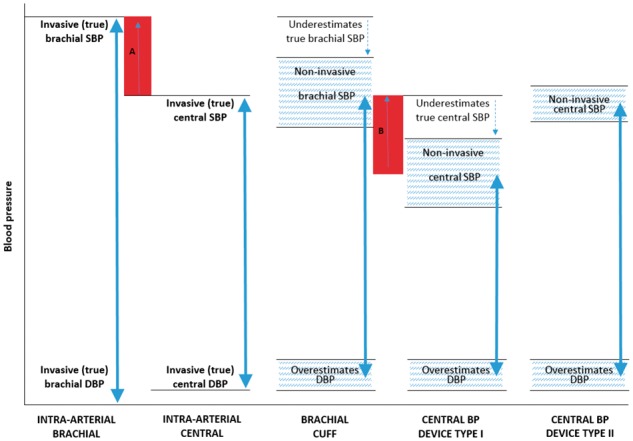
“The figure highlights that divergence from true intra-arterial BP values is greatest for automated BPMDs, and this issue forms a major component of the rationale to develop new BP technology to provide better estimates of BP, especially at the central aortic level [66].”
From Automated 'oscillometric' blood pressure measuring devices: how they work and what they measure (2022) · cites this paper as [66]
Experimental — accuracy not yet measured
Self-check
Percentages, sums and reported differences re-computed from the paper’s own numbers.
The self-check needs the paper’s full text.
Citations
Cites
(2013) · European Heart Journal · doi:10.1093/eurheartj/eht151 · Cited by 13,655
Self-citationMeasuring agreement in method comparison studies
Bland, J. M., & Altman, D. G. (1999) · Statistical Methods in Medical Research · doi:10.1177/096228029900800204 · Cited by 9,619 · cited 2×
“When log transformations do not solve the problem of a relationship between the difference and the mean, regression approaches or non-parametric approaches can be used instead, but with preference for the latter (for details see 72 ).”
MethodMeasuring agreement in method comparison studies
Bland, J. M., & Altman, D. G. (1999) · Statistical Methods in Medical Research · doi:10.1191/096228099673819272 · Cited by 9,619
Mancia, G., Fagard, R., Narkiewicz, K., Redón, J., Zanchetti, A., Böhm, M., Christiaens, T., Cifkova, R., De Backer, G., Dominiczak, A., et al. (2013) · Journal of Hypertension · doi:10.1097/01.hjh.0000431740.32696.cc · Cited by 5,655
Self-citationMedical Instrumentation-Application and Design
Webster, J. G. (1978) · Journal of Clinical Engineering · doi:10.1097/00004669-197807000-00017 · Cited by 1,847
Human blood pressure determination by sphygmomanometry.
Perloff, D., Grim, C., Flack, J., Frohlich, E. D., Hill, M., McDonald, M., & Morgenstern, B. Z. (1993) · Circulation · doi:10.1161/01.cir.88.5.2460 · Cited by 1,591 · cited 1×
“but with greater differences (>10 mmHg lower BP with inspiration) in the presence of cardiac or respiratory abnormalities such as constrictive pericarditis or severe pulmonary disease.(53) Due to limits around the amount of time that can be dedicated to validation studies within the clinical laboratory, it may not be…”
BackgroundVlachopoulos, C., Aznaouridis, K., O'Rourke, M. F., Safar, M. E., Baou, K., & Stefanadis, C. (2010) · European Heart Journal · doi:10.1093/eurheartj/ehq024 · Cited by 1,363 · cited 1×
“14,74 For unfamiliar readers, an accompanying editorial addresses the issues.”
BackgroundSelf-citationNormal Vascular Aging: Differential Effects on Wave Reflection and Aortic Pulse Wave Velocity
McEniery, C. M., Yasmin, Hall, I. R., Qasem, A., Wilkinson, I. B., & Cockcroft, J. R. (2005) · Journal of the American College of Cardiology · doi:10.1016/j.jacc.2005.07.037 · Cited by 1,359
Self-citationChen, C.-H., Nevo, E., Fetics, B., Pak, P. H., Yin, F. C. P., Maughan, W. L., & Kass, D. A. (1997) · Circulation · doi:10.1161/01.cir.95.7.1827 · Cited by 1,307 · cited 9×
“Many non-invasive devices have been developed that purport to estimate central BP from different peripheral artery sites (e.g. radial, brachial, carotid arteries) using different principles of recording the pressure or surrogate signals (e.g. applanation tonometry, oscillome-try, ultrasound, or magnetic resonance imag…”
BackgroundInfluentialSelf-citationThe influence of heart rate on augmentation index and central arterial pressure in humans
Wilkinson, I. B., MacCallum, H., Flint, L., Cockcroft, J. R., Newby, D. E., & Webb, D. J. (2000) · The Journal of Physiology · doi:10.1111/j.1469-7793.2000.t01-1-00263.x · Cited by 1,091 · cited 1×
“), because heart rate influences aortic stiffness and SBP amplification.(70,71) Exact criteria for BP and heart rate ranges needs to be resolved.”
BackgroundSelf-citation
Research works printed but not linked: 1
- Review of the Australian Code for the Responsible Conduct of Research (2007). National Health and Medical Research Council, the Australian Research Council and Universities Australia; 2015.
Cited by
Mancia, G., Kreutz, R., Brunström, M., Burnier, M., Grassi, G., Januszewicz, A., Muiesan, M. L., Tsioufis, K., Agabiti-Rosei, E., Algharably, E. A. E., et al. (2023) · Journal of Hypertension · doi:10.1097/hjh.0000000000003480 · Cited by 3,473
Self-citation2024 ESC Guidelines for the management of elevated blood pressure and hypertension
McEvoy, J. W., McCarthy, C. P., Bruno, R. M., Brouwers, S., Canavan, M. D., Ceconi, C., Christodorescu, R. M., Daskalopoulou, S. S., Ferro, C. J., Gerdts, E., et al. (2024) · European Heart Journal · doi:10.1093/eurheartj/ehae178 · Cited by 2,298
Self-citationDigital health: a path to validation
Mathews, S. C., McShea, M. J., Hanley, C. L., Ravitz, A., Labrique, A. B., & Cohen, A. B. (2019) · npj Digital Medicine · doi:10.1038/s41746-019-0111-3 · Cited by 508
“Applications that claim to perform the functions of established medical devices, such as those reflecting biological processes like heart rate, blood pressure, or respiratory rate, should be able to demonstrate equivalence according to rigorous standards set for other non-smartphone based novel devices.(26) System fai…”
BackgroundBlood pressure and its variability: classic and novel measurement techniques
Schutte, A. E., Kollias, A., & Stergiou, G. S. (2022) · Nature Reviews Cardiology · doi:10.1038/s41569-022-00690-0 · Cited by 335
Self-citationArterial Stiffness and Hypertension in the Elderly
Laurent, S., & Boutouyrie, P. (2020) · Frontiers in Cardiovascular Medicine · doi:10.3389/fcvm.2020.544302 · Cited by 266
“Their goal is to determine the discrete value of central SBP using the second systolic peak (SBP2) on the radial or brachial pressure waveforms (1, 78, 79, 81, 82).”
MethodSelf-citationAccuracy of Cuff-Measured Blood Pressure
Picone, D. S., Schultz, M. G., Otahal, P., Aakhus, S., Al-Jumaily, A. M., Black, J. A., Bos, W. J., Chambers, J. B., Chen, C.-H., Cheng, H.-M., et al. (2017) · Journal of the American College of Cardiology · doi:10.1016/j.jacc.2017.05.064 · Cited by 277
“Improvement of BP device accuracy standards is desirable (29).”
BackgroundMethodSelf-citation2024 Clinical practice guidelines for Hypertension in adults
Kobalava, Z. D., Konradi, A. O., Nedogoda, S. V., Shlyakhto, E. V., Arutyunov, G. P., Baranova, E. I., Barbarash, O. L., Bobkova, N. V., Boytsov, S. A., Bubnova, M. G., et al. (2024) · Russian Journal of Cardiology · doi:10.15829/1560-4071-2024-6117 · Cited by 211
Sharman, J. E., O’Brien, E., Alpert, B., Schutte, A. E., Delles, C., Hecht Olsen, M., Asmar, R., Atkins, N., Barbosa, E., Calhoun, D., et al. (2020) · Journal of Hypertension · doi:10.1097/hjh.0000000000002246 · Cited by 139
Self-citation(2022) · PubMed Central · doi:10.6515/acs.202205_38(3).20220321a · Cited by 117
Subclinical Primary Aldosteronism and Cardiovascular Health: A Population-Based Cohort Study
Hundemer, G. L., Agharazii, M., Madore, F., Vaidya, A., Brown, J. M., Leung, A. A. C., Kline, G. A., Larose, É., Piché, M., Crean, A. M., et al. (2023) · Circulation · doi:10.1161/circulationaha.123.066389 · Cited by 113
“Outcomes 23 PWV is a validated clinical measure of arterial stiffness that can be captured noninvasively, with higher PWV measures corresponding to increased arterial stiffness and vascular target organ injury.”
BackgroundSelf-citationPalatini, P., Rosei, E. A., Avolio, A., Bilo, G., Casiglia, E., Ghiadoni, L., Giannattasio, C., Grassi, G., Jelakovich, B., Julius, S., et al. (2018) · Journal of Hypertension · doi:10.1097/hjh.0000000000001726 · Cited by 87
“Another important limitation to the use of central BP in ISHY is the lack of official threshold values that differentiate normal from high central BP [140,141].”
BackgroundSelf-citationAutomated 'oscillometric' blood pressure measuring devices: how they work and what they measure
Sharman, J. E., Tan, I., Stergiou, G. S., Lombardi, C., Saladini, F., Butlin, M., Padwal, R., Asayama, K., Avolio, A., Brady, T. M., et al. (2022) · Journal of Human Hypertension · doi:10.1038/s41371-022-00693-x · Cited by 84
“The figure highlights that divergence from true intra-arterial BP values is greatest for automated BPMDs, and this issue forms a major component of the rationale to develop new BP technology to provide better estimates of BP, especially at the central aortic level [66].”
BackgroundSelf-citationTerentes-Printzios, D. G., Vlachopoulos, C. V., Xaplanteris, P., Ioakeimidis, N., Aznaouridis, K. A., Baou, K., Kardara, D., Georgiopoulos, G. A., Georgakopoulos, C., & Tousoulis, D. M. (2017) · Hypertension · doi:10.1161/hypertensionaha.117.09633 · Cited by 89
Self-citationVascular Dysfunction of COVID-19 Is Partially Reverted in the Long-Term
Zanoli, L., Gaudio, A., Mikhailidis, D. P., Katsiki, N., Castellino, N., Cicero, L. L., Geraci, G., Sessa, C., Fiorito, L., Marino, F., et al. (2022) · Circulation Research · doi:10.1161/circresaha.121.320460 · Cited by 86
Armstrong, M. K., Schultz, M. G., Picone, D. S., Black, J. A., Dwyer, N., Roberts-Thomson, P., & Sharman, J. E. (2019) · Hypertension · doi:10.1161/hypertensionaha.119.12674 · Cited by 59
Self-citationBijl, R. C., Valensise, H. C. C., Novelli, G. P., Vasapollo, B., Wilkinson, I. B., Thilaganathan, B., Stöhr, E. J., Lees, C. C., van der Marel, C. D., Cornette, J. M. J., et al. (2019) · Ultrasound in Obstetrics and Gynecology · doi:10.1002/uog.20231 · Cited by 59
Self-citationRisk Stratification by Cross-Classification of Central and Brachial Systolic Blood Pressure
Cheng, Y.-B., Thijs, L., Aparicio, L. S., Huang, Q.-F., Wei, F.-F., Yu, Y.-L., Barochiner, J., Sheng, C.-S., Yang, W.-Y., Niiranen, T., et al. (2022) · Hypertension · doi:10.1161/hypertensionaha.121.18773 · Cited by 57
Self-citationAccuracy of fully automated oscillometric central aortic blood pressure measurement techniques
Gotzmann, M., Hogeweg, M., Seibert, F. S., Rohn, B., Bergbauer, M., Babel, N., Bauer, F., Mügge, A., & Westhoff, T. H. (2019) · Journal of Hypertension · doi:10.1097/hjh.0000000000002237 · Cited by 59
“Invasive and noninvasive blood pressure measurements were performed according to the recommendations of the ARTERY Society Consensus statement on protocol standardization [9].”
MethodPrediction of Cardiovascular Events by Type I Central Systolic Blood Pressure: A Prospective Study
Lamarche, F., Agharazii, M., Madore, F., & Goupil, R. (2020) · Hypertension · doi:10.1161/hypertensionaha.120.16163 · Cited by 58
Schultz, M. G., Picone, D. S., Armstrong, M. K., Black, J. A., Dwyer, N., Roberts‐Thomson, P., & Sharman, J. E. (2020) · Hypertension · doi:10.1161/hypertensionaha.120.14916 · Cited by 57
“All participants provided informed written consent for participation, and measures were carried out according to the Artery Society protocol recommendations (Table S4).(4) All data is made available on reasonable request to the authors.”
BackgroundMethodSelf-citationPicone, D. S., Schultz, M. G., Peng, X., Black, J. A., Dwyer, N., Roberts-Thomson, P., Chen, C.-H., Cheng, H.-M., Pucci, G., Wang, J.-G., et al. (2018) · Hypertension · doi:10.1161/hypertensionaha.117.10696 · Cited by 47
Self-citationWeber, T., Protogerou, A. D., Agharazii, M., Argyris, A., Bahous, S. A., Banegas, J. R., Binder, R. K., Blacher, J., Brandao, A. A., Cruz, J. J., et al. (2021) · Hypertension · doi:10.1161/hypertensionaha.121.17765 · Cited by 48
Self-citationStabouli, S., Printza, N. G., Zervas, C., Dotis, J., Chrysaidou, K., Maliahova, O., Antza, C., Papachristou, F., & Kotsis, V. (2018) · Journal of Hypertension · doi:10.1097/hjh.0000000000001819 · Cited by 50
Cheng, H., Chuang, S., Wang, T., Kario, K., Buranakitjaroen, P., Chia, Y. C., Divinagracia, R. A., Hoshide, S., Minh, H. V., Nailes, J. M., et al. (2019) · Journal of Clinical Hypertension · doi:10.1111/jch.13758 · Cited by 52
Self-citationGrillo, A., Salvi, P., Furlanis, G. M., Baldi, C., Rovina, M., Salvi, L., Faini, A., Bilo, G., Fabris, B., Carretta, R., et al. (2020) · Journal of Hypertension · doi:10.1097/hjh.0000000000002564 · Cited by 46
“com calibration with MAP and DBP provides a more accurate assessment of central BP than calibration with SBP and DBP [4,26].”
BackgroundMethodInfluentialSelf-citationSánchez, R. A., Boggia, J., Peñaherrera, E., Barroso, W. S., Barbosa, E., Villar, R., Cobos, L., Hernández Hernández, R., Lopez, J., Octavio, J. A., et al. (2020) · The Journal of Clinical Hypertension · doi:10.1111/jch.13816 · Cited by 38
Self-citationMills, C. E., Govoni, V., Faconti, L., Casagrande, M., Morant, S. V., Crickmore, H., Iqbal, F., Maskell, P., Masani, A., Nanino, E., et al. (2020) · British Journal of Clinical Pharmacology · doi:10.1111/bcp.14194 · Cited by 36
Self-citationEstimating central blood pressure from aortic flow: development and assessment of algorithms
Harana, J. M., Charlton, P. H., Vennin, S., Aramburu, J., Florkow, M. C., van Engelen, A., Schneider, T., de Bliek, H., Ruijsink, B., Valverde, I., et al. (2020) · American Journal of Physiology-Heart and Circulatory Physiology · doi:10.1152/ajpheart.00241.2020 · Cited by 42
Self-citationVascular Aging and Central Aortic Blood Pressure: From Pathophysiology to Treatment
Battistoni, A., Michielon, A., Marino, G., & Savoia, C. (2020) · High Blood Pressure & Cardiovascular Prevention · doi:10.1007/s40292-020-00395-w · Cited by 40
“Tonometric records of the internal pressure of the vessel is based on Laplace’s Law and can be used to acquire the carotid or radial pressure waveform which are surrogates for central aortic pressure waveform [48, 49].”
BackgroundMethodInfluentialCentral aortic blood pressure estimation in children and adolescents: results of the KidCoreBP study
Mynard, J. P., Goldsmith, G., Springall, G. A. C., Eastaugh, L., Lane, G. K., Zannino, D., Smolich, J. J., Avolio, A. P., & Cheung, M. M. H. (2019) · Journal of Hypertension · doi:10.1097/hjh.0000000000002338 · Cited by 36
“Agreement was assessed via the intra-class correlation coefficient (ICC) and modified Bland–Altman plots, with intra-arterial reference values used on the x-axis rather than the average of the reference and test methods, as recommended in the Task Force guidelines [19].”
BackgroundMethodSelf-citationIntra-arterial analysis of the best calibration methods to estimate aortic blood pressure
Picone, D. S., Schultz, M. G., Peng, X., Black, J. A., Dwyer, N., Roberts‐Thomson, P., Qasem, A., & Sharman, J. E. (2018) · Journal of Hypertension · doi:10.1097/hjh.0000000000001902 · Cited by 35
Self-citationThe influence of SBP amplification on the accuracy of form-factor-derived mean arterial pressure
Schultz, M. G., Picone, D. S., Armstrong, M. K., Black, J. A., Dwyer, N., Roberts‐Thomson, P., Sturgess, D. J., & Sharman, J. E. (2020) · Journal of Hypertension · doi:10.1097/hjh.0000000000002385 · Cited by 33
“However, every attempt was made to minimise this by following rigorous quality control procedures as per guideline recommendations [21], and our finding of a small reduction in reference MAP from the aorta to the brachial and radial arteries is consistent with previous literature [2–6].”
BackgroundResultSelf-citationCarotid Pulse Wave Analysis: Future Direction of Hemodynamic and Cardiovascular Risk Assessment
Parittotokkaporn, S., de Castro, D., Lowe, A., & Pylypchuk, R. D. (2021) · JMA Journal · doi:10.31662/jmaj.2020-0108 · Cited by 33
“For practical applications, the brachial or radial artery waveform is more readily recorded with more consistent reproducibility and repeatability with less prone to noise introduced by incorrect vessel applanation or respiration as can occur with carotid waveforms ((10)).”
BackgroundCentral Over Peripheral Blood Pressure: An Emerging Issue in Hypertension Research
Terentes-Printzios, D. G., Gardikioti, V., & Vlachopoulos, C. V. (2021) · Heart Lung and Circulation · doi:10.1016/j.hlc.2021.07.019 · Cited by 31
Self-citationSharman, J. E., & Marwick, T. H. (2018) · Journal of Human Hypertension · doi:10.1038/s41371-018-0122-6 · Cited by 34
Self-citationValidation and Critical Evaluation of the Effective Arterial Elastance in Critically Ill Patients
Jozwiak, M., Millasseau, S., Richard, C., Monnet, X., Mercado, P., Dépret, F., Alphonsine, J.-E., Teboul, J., & Chemla, D. (2019) · Critical Care Medicine · doi:10.1097/ccm.0000000000003645 · Cited by 29
Self-citationGuala, A., Tosello, F., Leone, D., Sabia, L., D’Ascenzo, F., Moretti, C., Bollati, M., Veglio, F., Ridolfi, L., & Milan, A. (2018) · Hypertension Research · doi:10.1038/s41440-018-0159-5 · Cited by 29
Hughes, A. D., & Parker, K. H. (2020) · Proceedings of the Institution of Mechanical Engineers Part H Journal of Engineering in Medicine · doi:10.1177/0954411920917557 · Cited by 28
“This issue has also been alluded to previously,(45, 100-102) but its implications for”
BackgroundSelf-citationAccuracy Difference of Noninvasive Blood Pressure Measurements by Sex and Height
Abbaoui, Y., Fortier, C., Desbiens, L., Kowalski, C., Lamarche, F., Nadeau‐Fredette, A., Madore, F., Agharazii, M., & Goupil, R. (2022) · JAMA Network Open · doi:10.1001/jamanetworkopen.2022.15513 · Cited by 28
Kolwelter, J., Bosch, A., Jung, S., Stabel, L., Kannenkeril, D., Ott, C., Bramlage, P., Schiffer, M., Achenbach, S. S., & Schmieder, R. E. (2021) · ESC Heart Failure · doi:10.1002/ehf2.13622 · Cited by 29
“It is common knowledge that impairment of vascular function plays a central role in the development and progression of HF (ventricular-arterial coupling).(7,8) A key marker of vascular changes is arterial stiffness, which increases with the aging process and, which has been identified as a strong predictor of cardiova…”
BackgroundNakagomi, A., Shoji, T., Okada, S., Ohno, Y., & Kobayashi, Y. (2017) · Hypertension Research · doi:10.1038/hr.2017.81 · Cited by 26
Chuang, S., Chang, H., Cheng, H., Pan, W., & Chen, C. (2017) · American Journal of Hypertension · doi:10.1093/ajh/hpx178 · Cited by 27
Self-citationDeveloping technologies to assess vascular ageing: a roadmap from VascAgeNet
Zanelli, S., Agnoletti, D., Alastruey, J., Allen, J., Bianchini, E., Bikia, V., Boutouyrie, P., Bruno, R. M., Climie, R. E., Djeldjli, D., et al. (2024) · Physiological Measurement · doi:10.1088/1361-6579/ad548e · Cited by 26
Self-citationMeasuring the Carotid to Femoral Pulse Wave Velocity (Cf-PWV) to Evaluate Arterial Stiffness
Ji, H., Xiong, J., Yu, S., Chi, C., Bai, B., Teliewubai, J., Lu, Y., Zhang, Y., & Xu, Y. (2018) · Journal of Visualized Experiments · doi:10.3791/57083 · Cited by 24
Gkaliagkousi, Ε., Gavriilaki, E., Vasileiadis, I. E., Nikolaidou, B., Yiannaki, E. E., Lazaridis, A. A., Triantafyllou, Α., Anyfanti, P., Markala, D., Zarifis, Ι., et al. (2019) · American Journal of Hypertension · doi:10.1093/ajh/hpz116 · Cited by 24
Chazova, I. E., Михайловна, Ч. Н., Blinova, N. V., Владимировна, А. А., Alekseeva, T. A., Ambatiello, L. G., Balanova, Y. А., Bragina, A. E., Danilov, N. M., Drapkina, O. M., et al. (2024) · Systemic Hypertension · doi:10.38109/2075-082x-2024-4-5-109 · Cited by 28
Zinoveev, A., Castro, J. M., García-Espinosa, V., Marin, M., Chiesa, P., Bia, D., & Zócalo, Y. (2019) · PLoS ONE · doi:10.1371/journal.pone.0226709 · Cited by 30
“direct calibration of carotid waves) and/or indirectly, applying generalized transfer functions (GTF), low-pass filters or wave analysis[8,9].”
MethodPrzewłocka‐Kosmala, M., Jasic-Szpak, E., Rojek, A., Kabaj, M., Sharman, J. E., & Kosmala, W. (2019) · European Journal of Preventive Cardiology · doi:10.1177/2047487319839162 · Cited by 22
“This calibration approach preserves the level of difference in systolic BP between brachial and central arterial sites, but is likely to underestimate the true central aortic systolic BP.14 Augmented pressure was assessed as the pressure difference between the first and second systolic peaks on the central pressure wa…”
BackgroundInfluentialSelf-citationGerónimo, J. F., Poiré, E. C., Chowienczyk, P., & Alastruey, J. (2021) · Frontiers in Physiology · doi:10.3389/fphys.2021.608098 · Cited by 22
“Recent (2017) clinical guidelines for the validation of noninvasive central blood pressure devices propose a mean absolute difference ≤ 5 mmHg with a SD ≤ 8 mmHg compared with the reference cSBP (Sharman et al., 2017).”
BackgroundSelf-citationAsmar, R. G., Stergiou, G. S., de la Sierra, A., Jelaković, B., Millasseau, S., Topouchian, J. A., Shirai, K., Blacher, J., Avolio, A. P., Jankowski, P., et al. (2024) · Journal of Hypertension · doi:10.1097/hjh.0000000000003787 · Cited by 22
Self-citationGotzmann, M., Hogeweg, M., Bauer, F., Seibert, F. S., Rohn, B., Mügge, A., Babel, N., & Westhoff, T. H. (2020) · Journal of Hypertension · doi:10.1097/hjh.0000000000002563 · Cited by 19
“Invasive and noninvasive BP measurements were performed according to the recommendations of the ARTERY Society Consensus statement on protocol standardization [10].”
MethodChuang, S., Chang, H., Tsai, T., Cheng, H., Pan, W., & Chen, C. (2020) · Journal of Clinical Hypertension · doi:10.1111/jch.14105 · Cited by 19
Self-citationMelville, S., Teskey, R. J., Philip, S., Simpson, J. A., Lutchmedial, S. R., & Brunt, K. R. (2018) · Journal of Medical Internet Research · doi:10.2196/jmir.8009 · Cited by 19
“AAMI: Association for the Advancement of Medical Instrumentation CHEP: Canadian Hypertension Education Program ESH: European Society of Hypertension FDA: Food and Drug Administration SPRINT: Systolic Blood Pressure Intervention Trial J Med Internet Res 2018 | vol. 20 | iss.”
BackgroundMethodInfluentialStampalija, T., Lees, C. C., Ghi, T., Cornette, J. M. J., Gyselaers, W., Ferrazzi, E., Mousa, T. A., Spaanderman, M. E. A., Thilaganathan, B., Valensise, H., et al. (2025) · Ultrasound in Obstetrics and Gynecology · doi:10.1002/uog.70040 · Cited by 23
Yu, S., Xiong, J., Lu, Y., Chi, C., Teliewubai, J., Bai, B., Ji, H., Zhou, Y., Fan, X., Blacher, J., et al. (2018) · Journal of the American Society of Hypertension · doi:10.1016/j.jash.2017.12.013 · Cited by 18
Self-citationSanchez, R. A., Pessana, F., Lev, G. V., Mirada, M., Méndiz, O., Ramirez, A. J., & Fischer, E. I. C. (2020) · High Blood Pressure & Cardiovascular Prevention · doi:10.1007/s40292-020-00371-4 · Cited by 18
“This study followed Artery Society Consensus statement on protocol standardization [17].”
BackgroundMethodInfluentialJedrzejewski, D., McFarlane, E., Lacy, P. S., & Williams, B. (2021) · Hypertension · doi:10.1161/hypertensionaha.120.16817 · Cited by 18
Aparicio, L. S., Huang, Q., Melgarejo, J. D., Wei, D., Thijs, L., Wei, F., Gilis‐Malinowska, N., Sheng, C., Boggia, J. G., Niiranen, T., et al. (2021) · American Journal of Hypertension · doi:10.1093/ajh/hpab139 · Cited by 19
Self-citationGarcía‐Ortiz, L., Recio-Rodriguez, J. I., Agudo‐Conde, C., Maderuelo-Fernández, J. Á., Patino-Alonso, M. C., de Cabo-Laso, Á., Rodríguez-Martín, C., González‐Sánchez, J., Rodríguez‐Sánchez, E., & Gómez-Marcos, M. Á. (2018) · Journal of Hypertension · doi:10.1097/hjh.0000000000001806 · Cited by 18
Dörr, M., Richter, S. E., Eckert, S., Ohlow, M., Hammer, F., Hummel, A., Dornberger, V., Genzel, E., & Baulmann, J. (2019) · Journal of Clinical Medicine · doi:10.3390/jcm8071073 · Cited by 18
Self-citationThe impact of transcatheter aortic valve implantation on arterial stiffness and wave reflections
Terentes-Printzios, D. G., Gardikioti, V., Aznaouridis, K. A., Latsios, G., Drakopoulou, M., Siasos, G., Oikonomou, E. K., Tsigkou, V., Xanthopoulou, M., Vavuranakis, Μ., et al. (2020) · International Journal of Cardiology · doi:10.1016/j.ijcard.2020.08.040 · Cited by 20
Self-citationTrinkmann, F., Benck, U., Halder, J., Semmelweis, A., Saur, J., Borggrefe, M. M., Akın, İ., & Kaden, J. J. (2020) · American Journal of Hypertension · doi:10.1093/ajh/hpaa174 · Cited by 17
Chemla, D., Millasseau, S., Hamzaoui, O., Teboul, J., Monnet, X., Michard, F., & Jozwiak, M. (2021) · Frontiers in Cardiovascular Medicine · doi:10.3389/fcvm.2021.772613 · Cited by 19
“(2) The proof of concept was established by studying 139 patients, which is a high number of patients for an invasive study, also bearing in mind that a n value >85 has been recommended for this type of validation study (25); and (3) the high accuracy and reasonably good precision of DCBP was observed over a wide cSBP…”
BackgroundMethodSelf-citationPoleszczuk, J., Dębowska, M., Dąbrowski, W., Wójcik-Załuska, A., Załuska, W., & Waniewski, J. (2018) · PLoS Computational Biology · doi:10.1371/journal.pcbi.1006417 · Cited by 17
Fong, T. S., Urbina, E. M., Howden, E. J., Wallace, I., Park, C. M., Gall, S., Salim, A., Boutouyrie, P., Bruno, R. M., & Climie, R. E. (2021) · Heart Lung and Circulation · doi:10.1016/j.hlc.2021.05.107 · Cited by 16
Self-citationKowalski, C., Yang, K., Charron, T., Doucet, M., Hatem, R., Kouz, R., Palisaitis, D., Schampaert, É., Terriault, P., Tessier, P., et al. (2021) · Journal of Hypertension · doi:10.1097/hjh.0000000000002943 · Cited by 16
“All measurements were performed in accordance with the ARTERY Society task force consensus statement on protocol standardization [6].”
MethodResultInfluentialOmboni, S., Arystan, A., & Benczúr, B. (2021) · Journal of Human Hypertension · doi:10.1038/s41371-021-00606-4 · Cited by 18
Blanch, P., Armario, P., Oliveras, A., Fernández‐Llama, P., González, S. V., Pareja, J., Álvarez, E., Calero, F., Sierra, C., & de la Sierra, A. (2018) · American Journal of Hypertension · doi:10.1093/ajh/hpy123 · Cited by 17
Laugesen, E., Knudsen, S. T., Hansen, K. W., Rossen, N. B., Jensen, L. O., Hansen, M. S., Andersen, L. K., Thomsen, K. K., Søndergaard, H. M., Bøttcher, M., et al. (2020) · Journal of Hypertension · doi:10.1097/hjh.0000000000002694 · Cited by 15
“A recent consensus document outlines standards for validation of new central BP devices [29].”
BackgroundBia, D., Zócalo, Y., Sanchez, R. A., Lev, G. A., Méndiz, O., Pessana, F., Ramirez, A. J., & Cabrera‐Fischer, E. I. (2023) · Frontiers in Physiology · doi:10.3389/fphys.2023.1113972 · Cited by 17
“” In this regard, data about the “best calibration scheme” come from studies that used the same device and it remains to be determined if findings could be extrapolated (and/or generalized) to other approaches (Sharman et al., 2017).”
BackgroundEcheverri, D., Pizano, A., Cabrales, J. R., & Moreno, K. (2017) · High Blood Pressure & Cardiovascular Prevention · doi:10.1007/s40292-017-0238-8 · Cited by 15
“Although, we did the study before the standardized protocol for central blood pressure validation [26], our study design satisfices the mandatory and most of the requirements.”
BackgroundMethodInfluentialCheng, H. M., Chuang, S., Sung, S., Wu, C., Wang, J., Hsu, P., Chao, C., Hwang, J., Wang, T., & Chen, C.-H. (2019) · PubMed · doi:10.6515/acs.201905_35(3).20190415b · Cited by 18
Self-citationCheung, C. H. Y., Khaw, M. L., Tam, V. C. W., Ying, M. T. C., & Lee, S. W. Y. (2020) · Journal of Applied Physiology · doi:10.1152/japplphysiol.00822.2019 · Cited by 14
Vlachopoulos, C. V., Koutagiar, I. P., Terentes-Printzios, D. G., Skoumas, I., Rigatou, A., Miliou, A., Skliros, A.-N., Pantou, S., Filis, K., & Tousoulis, D. M. (2018) · Hellenic Journal of Cardiology · doi:10.1016/j.hjc.2018.05.003 · Cited by 14
Self-citationPeng, X., Schultz, M. G., Picone, D. S., Dwyer, N., Black, J. A., Roberts‐Thomson, P., & Sharman, J. E. (2018) · Journal of Clinical Hypertension · doi:10.1111/jch.13411 · Cited by 13
Self-citationDíaz, A., Bia, D., & Zócalo, Y. (2019) · High Blood Pressure & Cardiovascular Prevention · doi:10.1007/s40292-019-00346-0 · Cited by 16
Chemla, D., & Millasseau, S. (2020) · Journal of Clinical Monitoring and Computing · doi:10.1007/s10877-020-00599-4 · Cited by 14
Self-citationLee, I., Chen, C., Wang, J., Fu, C., Lee, W., Liang, K., Lin, S., & Sheu, W. H. (2017) · Clinica Chimica Acta · doi:10.1016/j.cca.2017.10.023 · Cited by 12
Self-citationNtineri, A., Κόλλιας, Α., Bountzona, I., Servos, G., Moyssakis, I. E., Destounis, A., Vazeou, A., Soldatou, A., & Stergiou, G. S. (2020) · Journal of Hypertension · doi:10.1097/hjh.0000000000002518 · Cited by 13
Self-citationPicone, D. S., Schultz, M. G., Armstrong, M. K., Black, J. A., Bos, W. J. W., Chen, C., Cheng, H., Crémer, A., Dwyer, N., Hughes, A. D., et al. (2021) · Hypertension · doi:10.1161/hypertensionaha.120.16109 · Cited by 14
Self-citationThe Role of Central Blood Pressure Monitoring in the Management of Hypertension
Ochoa, A., Patarroyo‐Aponte, G., & Rahman, M. (2018) · Current Cardiology Reports · doi:10.1007/s11886-018-0991-x · Cited by 12
Wickramasuriya, D. S., Khazaei, S., Kiani, R., & Faghih, R. T. (2023) · IEEE Access · doi:10.1109/access.2023.3334974 · Cited by 11
“For instance, modeling techniques that calculate central aortic blood pressure using only peripheral measurements have also faced validation challenges [77].”
BackgroundChuang, S., Chang, H., Cheng, H., Pan, W., & Chen, C. (2019) · American Journal of Hypertension · doi:10.1093/ajh/hpz008 · Cited by 12
Self-citationCai, T. Y., Haghighi, M. M., Roberts, P. A., Mervis, J., Qasem, A., Butlin, M., Celermajer, D. S., Avolio, A. P., Skilton, M. R., & Ayer, J. G. (2020) · American Journal of Hypertension · doi:10.1093/ajh/hpaa148 · Cited by 11
Self-citationKiran, R., V, Nabeel, P. M., Chandran, D., Sivaprakasam, M., & Joseph, J. (2022) · Blood Pressure · doi:10.1080/08037051.2021.2022453 · Cited by 11
“[43] to fully establish the system’s performance in terms of repeatability, reproducibility and accuracy.”
BackgroundResultEsposito, C., Machado, P., Cohen, I. S., Mehrotra, P., Savage, M. P., Fischman, D. L., Davis, M., Ruggiero, N. J., Walinsky, P., McDonald, M. E., et al. (2022) · American Journal of Hypertension · doi:10.1093/ajh/hpac010 · Cited by 11
Accuracy of cuff blood pressure and systolic blood pressure amplification
Bui, T. V., Picone, D. S., Schultz, M. G., Peng, X., Black, J. A., Dwyer, N., Roberts‐Thomson, P., Adams, H. S. L., Chen, C., Cheng, H., et al. (2023) · Hypertension Research · doi:10.1038/s41440-023-01311-0 · Cited by 12
“At each study site clinical characteristics, cuff BP, invasive brachial BP and invasive aortic BP measurements were recorded in accordance with available international standard guidelines [10] and then combined as a convenience sample.”
MethodSelf-citationComparison between cuff-based and radial tonometry exercise-induced central blood pressure
Morales‐Acuna, F. J., Ratcliffe, B. J., Harrison, C. D., Crowe, S., Bockover, E. J., Pawlak, R., & Gurovich, A. N. (2019) · European Journal of Applied Physiology · doi:10.1007/s00421-019-04079-9 · Cited by 11
Comparison between cuff-based and invasive systolic blood pressure amplification
Bui, T. V., Picone, D. S., Schultz, M. G., Armstrong, M. K., Peng, X., Black, J. A., Dwyer, N., Roberts‐Thomson, P., Adams, H. S. L., Hughes, A. D., et al. (2022) · Journal of Hypertension · doi:10.1097/hjh.0000000000003228 · Cited by 11
“This study aimed to determine the agreement between cuffbased and invasive SBP amplification derived from two central BP devices operating in a type I function [4].”
BackgroundMethodResultSelf-citationCentral hypertension is a non‐negligible cardiovascular risk factor
Cheng, Y., Li, Y., Cheng, H., Siddique, S., Huynh, M. V., Sukonthasarn, A., Chen, C., & Wang, J. (2022) · Journal of Clinical Hypertension · doi:10.1111/jch.14561 · Cited by 11
Self-citationJozwiak, M., Millasseau, S., Teboul, J., Lombardi, R., Devanlay, R., Umbdenstock, E., Morand, L., Dellamonica, J., & Chemla, D. (2024) · Journal of the American Heart Association · doi:10.1161/jaha.123.031969 · Cited by 10
“1,5,24 The mean FF value of 0.35 that we observed in our invasive study at the radial artery level is consistent with the findings of Schultz et al, who reported a value of 0.36 in their invasive study, 17 and with the value of 0.35 documented by Adji and O’Rourke in their noninvasive tonometric…”
InfluentialSelf-citationHernández, J. M. D. L. T., Fernández, G. V., Brown, J. Y., Laso, F. S., Lee, D., Fradejas-Sastre, V., Camarero, T. G., Elmariah, S., Inglessis, I., Zueco, J., et al. (2021) · Journal of Clinical Hypertension · doi:10.1111/jch.14245 · Cited by 13
Feasibility of non‐invasive measurement of central blood pressure and arterial stiffness in shock
Markakis, K., Pagonas, N., Georgianou, E., Zgoura, P., Rohn, B., Bertram, S., Seidel, M., Bettag, S., Trappe, H., Babel, N., et al. (2021) · European Journal of Clinical Investigation · doi:10.1111/eci.13587 · Cited by 10
Kwon, Y., Stafford, P. L., Baruch, M. C., Kim, S.-H., Cho, Y., Mazimba, S., & Gimple, L. W. (2021) · Blood Pressure Monitoring · doi:10.1097/mbp.0000000000000568 · Cited by 10
Kapur, G., Chen, L., Xu, Y. P., Cashen, K., Clark, J. A., Feng, X., & Wu, S. F. (2019) · Pediatric Critical Care Medicine · doi:10.1097/pcc.0000000000001997 · Cited by 10
“org 815 there is no accepted standard methodology to evaluate the new generation of continuous noninvasive BP monitors against existing methods (33, 37, 38).”
BackgroundMethodSharman, J. E., Stanton, T., Reid, C. M., KEECH, A. C., Roberts‐Thomson, P., Stewart, S., Greenough, R., Stowasser, M., & Abhayaratna, W. P. (2017) · Contemporary Clinical Trials · doi:10.1016/j.cct.2017.08.010 · Cited by 9
Self-citationTasmin, S., Aschebrook‐Kilfoy, B., Hedeker, D., Gopalakrishnan, R., Connellan, E., Kibriya, M. G., Young, M. T., Kaufman, J. D., & Ahsan, H. (2024) · Environmental Health · doi:10.1186/s12940-024-01077-z · Cited by 10
“The clinical importance of standard brachial cuff measurement of peripheral BP is undeniable; however, peripheral BP may be an inaccurate substitute for central BP [27].”
Tamborini, A., Aghilinejad, A., & Gharib, M. (2025) · Proceedings of the National Academy of Sciences · doi:10.1073/pnas.2416006122 · Cited by 9
“The protocol and analysis were conducted in accordance with the guidelines outlined by Sharman et al. (42) for validating noninvasive central BP devices.”
Fryer, S. M., Paterson, C. A., Turner, L. A., Moinuddin, A., Faulkner, J., Stoner, L. R., Daykin, A. R., & Stone, K. J. (2023) · Frontiers in Physiology · doi:10.3389/fphys.2023.1107456 · Cited by 9
“In accordance with Sharman (Sharman et al., 2017) each PWA assessment was separated by a 1-min period.”
BackgroundMethodCheng, H., Sung, S., Chen, C.-H., Yu, W., Yang, S.-M., Guo, C., Chuang, S., & Chiang, C. (2019) · Trials · doi:10.1186/s13063-019-3366-8 · Cited by 9
Self-citation
Metadata
- Authors
- Sharman, J. E., Avolio, A. P., Baulmann, J., Benetos, A., Blacher, J., Blizzard, C. L., Boutouyrie, P., Chen, C.-H., Chowienczyk, P., Cockcroft, J. R., Cruickshank, J. K., Ferreira, I., Ghiadoni, L., Hughes, A., Jankowski, P., Laurent, S., McDonnell, B. J., McEniery, C., Millasseau, S. C., Papaioannou, T. G., Parati, G., Park, J. B., Protogerou, A. D., Roman, M. J., Schillaci, G., Segers, P., Stergiou, G. S., Tomiyama, H., Townsend, R. R., Van Bortel, L. M., Wang, J., Wassertheurer, S., Weber, T., Wilkinson, I. B., & Vlachopoulos, C.
- Affiliations
- University of Tasmania (AU)
- Macquarie University (AU)
- University Hospital Schleswig-Holstein (DE)
- Département de Médecine Gériatrique, CHRU de Nancy and INSERM U1116, Université de Lorraine, Vandoeuvre-les-Nancy, France
- Assistance Publique – Hôpitaux de Paris (FR)
- Inserm (FR)
- National Yang Ming University (TW)
- King's College London (GB)
- Cardiff Metropolitan University (GB)
- The University of Queensland (AU)
- University of Pisa (IT)
- University College London (GB)
- Jagiellonian University (PL)
- Departments of Pharmacology, European Georges Pompidou Hospital, Assistance Publique Hôpitaux de Paris, Inserm UMR 970, University Paris Descartes, Paris, France
- University of Cambridge (GB)
- Pulse Wave Consulting, Saint Leu la Foret, France
- Biomedical Engineering Unit, First Department of Cardiology, Hippokration Hospital, Medical School, National and Kapodistrian University of Athens, Athens, Greece
- IRCCS Istituto Auxologico Italiano (IT)
- Dankook University (KR)
- National and Kapodistrian University of Athens (GR)
- Weill Cornell Medicine (US)
- University of Perugia (IT)
- Ghent University (BE)
- Tokyo Medical University (JP)
- University of Pennsylvania (US)
- Heymans Institute of Pharmacology, Ghent University, Ghent, Belgium
- The Shanghai Institute of Hypertension, Ruijin Hospital, Shanghai Jiaotong University School of Medicine, Shanghai, China
- AIT Austrian Institute of Technology GmbH (AT)
- Klinikum Wels-Grieskirchen (AT)
- Corresponding author
- Sharman, James E.
- ORCID
- Sharman, James E.
- Avolio, Alberto P.
- Baulmann, Johannes
- Blacher, Jacques
- Blizzard, C. Leigh
- Boutouyrie, Pierre
- Chowienczyk, Phil
- Cruickshank, J. Kennedy
- Ferreira, Isabel
- Ghiadoni, Lorenzo
- Hughes, Alun
- Jankowski, Piotr
- McDonnell, Barry J.
- McEniery, Carmel
- Parati, Gianfranco
- Park, Jeong Bae
- Protogerou, Athanase D.
- Roman, Mary J.
- Segers, Patrick
- Stergiou, George S.
- Tomiyama, Hirofumi
- Townsend, Raymond R.
- Wassertheurer, Siegfried
- Weber, Thomas
- Wilkinson, Ian B.
- Vlachopoulos, Charalambos
- Venue
- European Heart Journal
- Publisher
- Oxford University Press (OUP)
- Published
- 2017-01-30
- Volume
- 38
- Issue
- 37
- Pages
- 2805-2812
- ISSN
- 0195-668X (ISSN-L)
- 1522-9645
- PMC
- PMC5837446
- OpenAlex
- W2585667310
- Cited by
- 231
- References
- 77
- Citations by year
- 2026: 10 · 2025: 13 · 2024: 25 · 2023: 26 · 2022: 27 · 2021: 27 · 2020: 35 · 2019: 24 · 2018: 23 · 2017: 19
- FWCI
- 18.12
- Type
- journal article
- Language
- en
- Open access
- hybrid
- doi.org
- Licence
- cc-by-nc
- Locations
- European Heart Journal (publishedVersion, cc-by-nc)
- PubMed Central (publishedVersion, cc-by-nc)
- PubMed (publishedVersion)
- UTAS Research Repository (acceptedVersion)
- eCite Digital Repository (University of Tasmania) (submittedVersion, cc-by-nc)
- Research Online (University of Wollongong) (submittedVersion)
- Homo Politicus (Academy of Humanities and Economics in Lodz) (submittedVersion, cc-by-nc-nd)
- Jagiellonian University Repository (Jagiellonian University) (submittedVersion, cc-by-nc-nd)
- Ghent University Academic Bibliography (Ghent University) (submittedVersion)
- CINECA IRIS Institutial research information system (University of Pisa) (submittedVersion)
- BOA (University of Milano-Bicocca) (submittedVersion)
- UCL Discovery (University College London) (submittedVersion)
- Figshare (submittedVersion, cc-by)
- Figshare (submittedVersion)
- Research Portal (King's College London) (submittedVersion, cc-by-nc)
- Cardiff Metropolitan Research Repository (Cardiff Metropolitan University) (submittedVersion, cc-by)
- Apollo (University of Cambridge) (submittedVersion, cc-by-nc)
- Apollo
- Funders
- National Institute for Health and Care Research (NF-SI-0515-10093)
- British Heart Foundation (FS/12/8/29377, SP/14/8/31352)
- High Blood Pressure Research Council of Australia
- Servier
- Menzies Institute for Medical Research
- Institut Servier
- Topics
- Health Sciences › Medicine › Cardiology and Cardiovascular Medicine › Cardiovascular Health and Disease Prevention
- Health Sciences › Medicine › Cardiology and Cardiovascular Medicine › Blood Pressure and Hypertension Studies
- Physical Sciences › Engineering › Biomedical Engineering › Non-Invasive Vital Sign Monitoring
- Keywords
- central blood pressure, non-invasive blood pressure measurement, device validation, applanation tonometry, generalized transfer function, cardiovascular risk assessment, protocol standardization
- MeSH terms
- Blood Pressure, Blood Pressure Determination, Cardiology, Congresses as Topic, Humans, Hypertension, Netherlands, Reference Standards, Societies, Medical, Consensus
About these checks
Registry, retraction, Cites and statistics results are computed, not judged, with one exception: a printed reference that no index lists is read once by a model before it counts as a citation error. Claims are extracted by a model and kept only when their quote appears verbatim in the text; each cited source is then checked, with a model’s help, for whether it says what the claim relies on. Those verdicts can be wrong — read the claim’s quote and the cited source before relying on one.
Statistics and arithmetic are recomputed, not judged.
Confidence bands are shown only for fields calibrated on our annotated test set. None is calibrated yet, so no band is shown.
What counts as a claim ›How we measure confidence ›How we check this ›
Are you an author, or do you see a problem with this page? Request a review
Data sources
Bibliographic data: Semantic Scholar, OpenAlex, Crossref.
Contains information from the Semantic Scholar Academic Graph Datasets, made available under the ODC Attribution License (ODC-BY 1.0).
Semantic Scholar’s data is described in: Kinney, R., et al. (2023). The Semantic Scholar Open Data Platform. arXiv:2301.10140.
