

The DOI matches its Crossref record; 14 of the 14 references it cites were found in a registry or an index.
Resilience during uncertainty? Greater social connectedness during COVID‐19 lockdown is associated with reduced distress and fatigue
Open accessAbstract
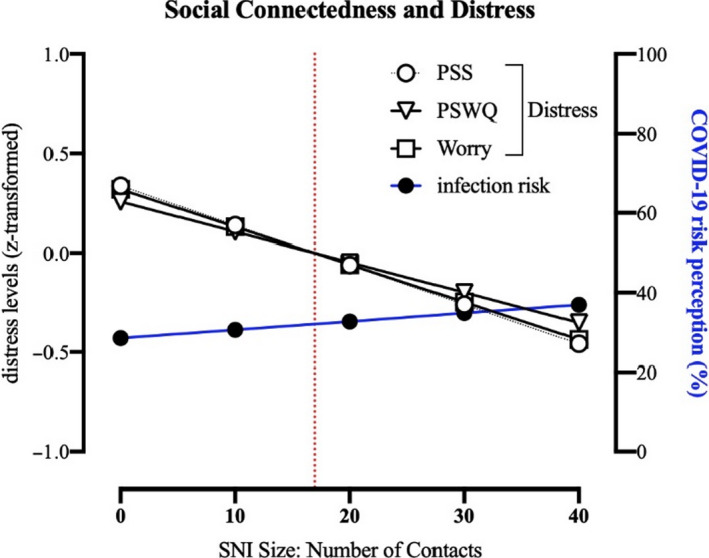
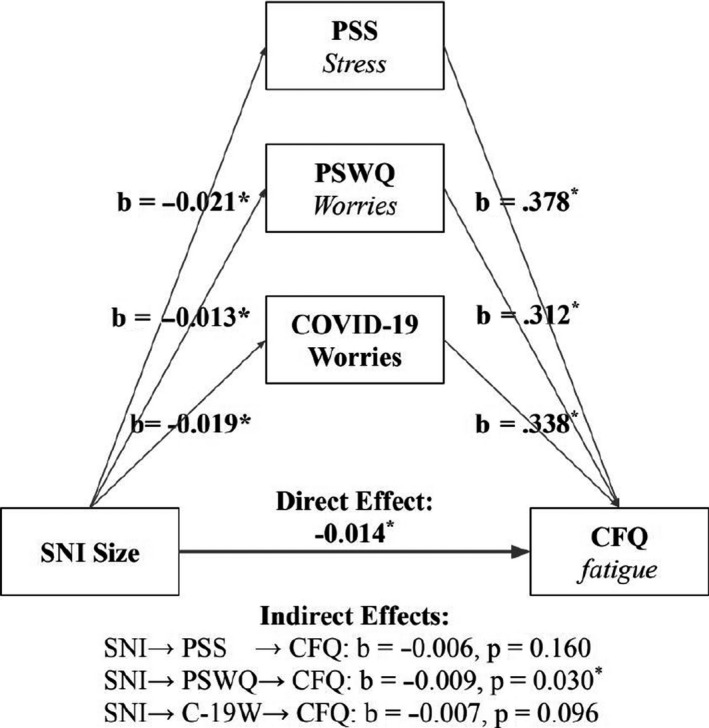
Background: Social connections are crucial for our health and well‐being. This is especially true during times of high uncertainty and distress, such as during the COVID‐19 lockdown. This period was characterized by unprecedented physical distancing (often communicated as social distancing) measures resulting in significant changes to people’s usual social lives. Given the potential effects of this disruption on people’s well‐being, it is crucial to identify factors which are associated with negative health outcomes, and conversely, those that promote resilience during times of adversity. Aims: We examined the relationship between individuals’ levels of social connectedness during lockdown and self‐reported stress, worry, and fatigue. Method: Survey data were collected from 981 individuals in a representative sample of Austrian citizens. Data collection occurred during the last week of a six‐week nationwide lockdown due to the COVID‐19 pandemic. The final sample consisted of 902 participants. Participants were asked to complete validated questionnaires to assess levels of social connectedness as well as measures of perceived stress, worry—both general and COVID‐19 specific—and symptoms of fatigue during the previous two weeks. Results: Our results demonstrate that greater social connectedness during the lockdown period was associated with lower levels of perceived stress, as well as general and COVID‐19‐specific worries. Furthermore, we found a negative relationship between fatigue and social connectedness, which was mediated by feelings of stress, general worries, and COVID‐19‐specific worries—respectively, indicating that individuals with smaller network sizes, who were highly distressed during the pandemic, were also likely to report feeling more fatigued. Conclusion: Our findings highlight the important role that social connections play in promoting resilience by buffering against negative physical and mental health outcomes, particularly in times of adversity in times of adversity.
Overview
The claims and statistics of this paper haven’t been checked yet.
Run the check — free, no account needed. It reads the open-access text and checks the sources it cites.
Integrity signals
Registry
Cites
Statistics
Figures
Verification
Claims the paper makes
The claims and statistics of this paper haven’t been checked yet.
Run the check — free, no account needed. It reads the open-access text and checks the sources it cites.
Claims other papers make about this one
Each is checked against this paper’s own text: does it say what the citing paper says it does?
The cited source says what the claim attributes to it.
In the citing paper
“demonstrating that social connections play an important role in promoting resilience by buffering against negative physical and mental health outcomes (Nitschke, et al., 2021).”
From Living through lockdown: A qualitative exploration of individuals' experiences in the UK. (2022) · cites this paper as Nitschke, et al., 2021
The cited source says what the claim attributes to it.
In the citing paper
“a recent study showed that greater social connectedness during lockdown was associated with lower levels of perceived stress, lower COVID‐19 related worries and feeling less fatigued”
From Living through lockdown: A qualitative exploration of individuals' experiences in the UK. (2022) · cites this paper as Nitschke, et al., 2021
Self-check
Percentages, sums and reported differences re-computed from the paper’s own numbers.
The self-check needs the paper’s full text.
Citations
Cites
The Use of Cronbach’s Alpha When Developing and Reporting Research Instruments in Science Education
Taber, K. S. (2018) · Research in Science Education · doi:10.1007/s11165-016-9602-2 · Cited by 10,679
Social Relationships and Mortality Risk: A Meta-analytic Review
Holt-Lunstad, J., Smith, T. B., & Layton, J. B. (2010) · PLoS Medicine · doi:10.1371/journal.pmed.1000316 · Cited by 7,272
Dickerson, S. S., & Kemeny, M. E. (2004) · Psychological Bulletin · doi:10.1037/0033-2909.130.3.355 · Cited by 5,881
Development and validation of the Penn State Worry Questionnaire
Meyer, T. J., Miller, M. L., Metzger, R. L., & Borkovec, T. D. (1990) · Behaviour Research and Therapy · doi:10.1016/0005-7967(90)90135-6 · Cited by 5,099 · cited 2×
“, 1994)—and general worry (PSWQ; Meyer et al., 1990), and fatigue (CFQ; Chalder et al.”
BackgroundDevelopment of a fatigue scale
Chalder, T., Berelowitz, G., Pawlikowska, T., Watts, L., Wessely, S., Wright, D., & Wallace, E. P. (1993) · Journal of Psychosomatic Research · doi:10.1016/0022-3999(93)90081-p · Cited by 3,032 · cited 3×
“…a higher number of social contacts in the last two weeks of a nationwide lockdown (i.e., higher social connectedness; Cohen et al., 1997) was associated with lower levels of stress (PSS; Cohen et al., 1994)—and general worry (PSWQ; Meyer et al., 1990), and fatigue (CFQ; Chalder et al., 1993).”
BackgroundMethodSocial relationships and health: The toxic effects of perceived social isolation
Cacioppo, J. T., & Cacioppo, S. (2014) · Social and Personality Psychology Compass · doi:10.1111/spc3.12087 · Cited by 1,057
Interpersonal emotion regulation.
Zaki, J., & Williams, W. C. (2013) · Emotion · doi:10.1037/a0033839 · Cited by 988
Holt-Lunstad, J. (2018) · Annual Review of Psychology · doi:10.1146/annurev-psych-122216-011902 · Cited by 873
Americans’ COVID-19 stress, coping, and adherence to CDC guidelines
Park, C. L., Russell, B. S., Fendrich, M., Finkelstein-Fox, L., Hutchison, M., & Becker, J. (2020) · Journal of General Internal Medicine · doi:10.1007/s11606-020-05898-9 · Cited by 728
Social determinants of health and survival in humans and other animals
Snyder-Mackler, N., Burger, J. R., Gaydosh, L., Belsky, D. W., Noppert, G. A., Campos, F. A., Bartolomucci, A., Yang, Y. C., Aiello, A. E., O’Rand, A., et al. (2020) · Science · doi:10.1126/science.aax9553 · Cited by 679
Research works printed but not linked: 40
- 10.1176/appi.ajp.160.2.221 · DOI
- 10.1177/0898264308324626 · DOI
- 10.1080/10615809608249406 · DOI
- 10.1097/NMD.0b013e31819d9334 · DOI
- 10.1016/j.tics.2020.05.016 · DOI · Paper page
- 10.1016/j.jpsychores.2009.10.007 · DOI
- 10.1080/13607863.2018.1481928 · DOI
- 10.1016/j.socscimed.2016.01.020 · DOI
- 10.1037/0033-2909.112.1.155 · DOI · Paper page
- 10.1001/jama.1997.03540480040036 · DOI · Paper page
- Cohen S., 1994, Perceived stress scale, Measuring Stress: A Guide for Health and Social Scientists, 10, 1
- Cohen S., 1985, Social support and health
- 10.1037/hea0000029 · DOI
- 10.1038/npp.2017.231 · DOI
- 10.1038/nn.3086 · DOI · Paper page
- 10.1016/j.neuroimage.2007.01.038 · DOI · Paper page
- 10.1111/1467-6494.00066 · DOI
- 10.1016/S0006-3223(03)00465-7 · DOI · Paper page
- 10.1037/0278-6133.15.2.135 · DOI
- 10.1016/j.neubiorev.2009.10.002 · DOI · Paper page
- 10.1177/0093854806290007 · DOI
- 10.1093/scan/nsz033 · DOI
- 10.1016/j.neuropsychologia.2018.04.030 · DOI
- 10.1016/j.psychres.2011.07.015 · DOI
- 10.1007/s00127-013-0798-4 · DOI
- R Core Team, 2020, R: A language and environment for statistical computing
- 10.1016/j.ajp.2020.102066 · DOI · Paper page
- 10.1016/j.jad.2014.12.049 · DOI · Paper page
- Shevlin M., 2020, COVID‐19‐related anxiety predicts somatic symptoms in the UK population, British Journal of Health Psychology, 26
- 10.1111/j.1749-6632.2009.04418.x · DOI · Paper page
- 10.1146/annurev.soc.34.040507.134601 · DOI · Paper page
- 10.1097/PSY.0b013e31825941ff · DOI
- 10.1007/BF03405526 · DOI
- 10.1016/j.neubiorev.2016.05.008 · DOI
- Tingley D. Yamamoto T. Hirose K. Keele L. &Imai K.(2014).mediation: R package for causal mediation analysis. · DOI
- 10.1016/j.socscimed.2005.10.034 · DOI
- 10.1016/j.euroneuro.2020.05.003 · DOI · Paper page
- 10.1111/j.1083-6101.2012.01584.x · DOI
- 10.1093/med:psych/9780195126709.003.0004 · DOI
- 10.1186/1744-9081-5-10 · DOI
Cited by
Sorted by citations
Manchia, M., Gathier, A. W., Eser, H. Y., Schmidt, M. V., de Quervain, D. J. ‐., van Amelsvoort, T., Bisson, J. I., Cryan, J. F., Howes, O. D., Pinto, L., et al. (2021) · European Neuropsychopharmacology · doi:10.1016/j.euroneuro.2021.10.864 · Cited by 532
Nobari, H., Fashi, M., Eskandari, A., Villafaina, S., Murillo-Garcia, Á., & Pérez-Gómez, J. (2021) · International Journal of Environmental Research and Public Health · doi:10.3390/ijerph18094563 · Cited by 204
“According to a systematic review, children should perform 60–180 min of daily moderate to vigorous physical activity and use their own bodyweight or light weights during strength training [48].”
BackgroundLabrague, L. (2021) · Journal of Nursing Management · doi:10.1111/jonm.13383 · Cited by 174
“Research during the first few months of the pandemic correlated poor staffing ratios with increased patient workloads, leading to a higher incidence of anxiety, depression, anxiety and post- traumatic stress disorder among nurses in Canada (Havaei et al., 2021).”
BackgroundDo we experience pandemic fatigue? current state, predictors, and prevention
Haktanır, A., Can, N., Seki, T., Kurnaz, M. F., & Dilmaç, B. (2021) · Current Psychology · doi:10.1007/s12144-021-02397-w · Cited by 161
Simon, J., Helter, T. M., White, R. G., van der Boor, C., & Łaszewska, A. (2021) · BMC Public Health · doi:10.1186/s12889-021-10351-5 · Cited by 154
Labrague, L. J., & Ballad, C. A. C. (2021) · Perspectives In Psychiatric Care · doi:10.1111/ppc.12765 · Cited by 146
Serlachius, A. S., Badawy, S. M., & Thabrew, H. (2020) · JMIR Pediatrics and Parenting · doi:10.2196/23057 · Cited by 140
“Additionally, evidence from Austria indicates that social connectedness can increase during lockdown and that it is associated with reduced distress and fatigue [51].”
BackgroundKUTTY, A. A. K. A., Wakjira, T. G., Küçükvar, M., Abdella, G. M., & Onat, N. C. (2022) · Journal of Cleaner Production · doi:10.1016/j.jclepro.2022.134203 · Cited by 135
Adolescent Mental Health, Connectedness, and Mode of School Instruction During COVID-19
Hertz, M. F., Kilmer, G., Verlenden, J., Liddon, N. C., Rasberry, C. N., Barrios, L. C., & Ethier, K. A. (2021) · Journal of Adolescent Health · doi:10.1016/j.jadohealth.2021.10.021 · Cited by 132
“Research with adults on connectedness during COVID-19 and mental health indicates that overall social connectedness can protect against negative mental health, with more robust social connections associated with lower levels of distress and fatigue during the pandemic [16].”
Towards building resilient cities to pandemics: A review of COVID-19 literature
Amirzadeh, M., Sobhaninia, S., Buckman, S. T., & Sharifi, A. (2022) · Sustainable Cities and Society · doi:10.1016/j.scs.2022.104326 · Cited by 127
Prosocial development in adolescence
Crone, E. A., & Achterberg, M. (2021) · Current Opinion in Psychology · doi:10.1016/j.copsyc.2021.09.020 · Cited by 125
Borrega-Mouquinho, Y., Sánchez-Gómez, J., García, J. P. F., Collado‐Mateo, D., & Villafaina, S. (2021) · Frontiers in Psychology · doi:10.3389/fpsyg.2021.643069 · Cited by 118
“This is relevant since resilience is quite important to face uncertain situations under stress, such as the COVID-19 pandemic (Bryce et al., 2020; Nitschke et al., 2020).”
BackgroundPandemic fatigue fueled political discontent during the COVID-19 pandemic
Jørgensen, F. J., Bor, A., Rasmussen, M. S., Lindholt, M. F., & Petersen, M. B. (2022) · Proceedings of the National Academy of Sciences · doi:10.1073/pnas.2201266119 · Cited by 108
“These rapid norm changes during the COVID-19 pandemic are likely to cause mentally taxing feelings of control loss and uncertainty that may increase levels of pandemic fatigue (12, 37).”
Recent Advances on Social Determinants of Mental Health: Looking Fast Forward
Alegria, M. M., Álvarez, K., Cheng, M., & Falgas‐Bagué, I. (2023) · American Journal of Psychiatry · doi:10.1176/appi.ajp.20230371 · Cited by 123
Matos, M., McEwan, K., Kanovský, M., Halamová, J., Steindl, S. R., Ferreira, N., Linharelhos, M., Rijo, D., Asano, K., Márquez, M. G., et al. (2022) · Mindfulness · doi:10.1007/s12671-021-01822-2 · Cited by 82
Adolescence Amid a Pandemic: Short‐ and Long‐Term Implications
Hussong, A. M., Benner, A. D., Erdem, G., Lansford, J. E., Makila, L. M., Petrie, R. C., & The SRA COVID‐19 Response Team (2021) · Journal of Research on Adolescence · doi:10.1111/jora.12671 · Cited by 67
“Pandemic loneliness has been linked with decrements in mental health and wellbeing just as lower social connection (Nitschke et al., 2021), less time spent with friends, lower quality friendships (Bernasco, Nelemans, van der Graaff, & Branje, 2021), and smaller social networks ADOLESCENCE AMID A PANDEMIC 825”
BackgroundScandurra, C., Bochicchio, V., Dolce, P., Valerio, P., Muzii, B., & Maldonato, M. N. (2021) · Current Psychology · doi:10.1007/s12144-021-02059-x · Cited by 77
“Previous research has demonstrated that uncertainty and worry prove to be associated with fatigue, suggesting that greater levels of uncertainty increase levels of fatigue (Nitschke et al., 2020).”
BackgroundInfluentialMäkiniemi, J.-P., Oksanen, A., & Mäkikangas, A. (2021) · International Journal of Environmental Research and Public Health · doi:10.3390/ijerph18137146 · Cited by 100
“, greater size of social network) was associated with lower levels of perceived stress and fatigue [46].”
BackgroundYıldırım, M., Çi̇çek, İ., & Şanlı, M. E. (2021) · Current Psychology · doi:10.1007/s12144-021-01781-w · Cited by 73
“, 2020; Arslan& Yıldırım, 2021), coronavirus stress and social connectedness (Nitschke et al., 2020).”
BackgroundSilveira, S., Hecht, M., Matthaeus, H., Adli, M., Voelkle, M. C., & Singer, T. (2022) · International Journal of Environmental Research and Public Health · doi:10.3390/ijerph19063290 · Cited by 60
“Interestingly, other studies that found an association between social connectedness and lower levels of psychological distress in the context of the COVID-19 pandemic were either conducted in a cross-sectional design [96] or used pre-lockdown levels of perceived social support to predict mental health status after the…”
BackgroundLee, Y., Malcein, L. A., & Kim, S. C. (2021) · International Journal of Environmental Research and Public Health · doi:10.3390/ijerph18073571 · Cited by 90
“For example, women had more COVID-related worries than men but had about the same level of perceived stress and perceived chance of contracting COVID-19 with men [64].”
BackgroundAbdulmohdi, N. (2023) · Nursing Open · doi:10.1002/nop2.2036 · Cited by 66
“Having adequate social support help people cope with adversities in their life, enhance peo - ple's health, well-being, resilience and reduce the risk of burnout (Galanis et al., 2021; Garcia & Calvo, 2021 ; Nitschke et al., 2021; Zhang et al., 2021, 2022).”
BackgroundCharacterizing the mechanisms of social connection
Delgado, M. R., Fareri, D. S., & Chang, L. J. (2023) · Neuron · doi:10.1016/j.neuron.2023.09.012 · Cited by 88
“5 Thus, there is a growing sentiment emphasizing social connection as a public health priority, given multi-disciplinary efforts highlighting the importance of strong social bonds in mitigating the adverse consequences of social isolation and stress.”
BackgroundAponte-Meléndez, Y., Mateu‐Gelabert, P., Fong, C., Eckhardt, B. J., Kapadia, S. N., & Marks, K. (2021) · Harm Reduction Journal · doi:10.1186/s12954-021-00568-3 · Cited by 60
The association between acute stress & empathy: A systematic literature review
Nitschke, J. P., & Bartz, J. A. (2022) · Neuroscience & Biobehavioral Reviews · doi:10.1016/j.neubiorev.2022.105003 · Cited by 69
“Social connections are important for our health and well-being (Bzdok and Dunbar, 2020; Holt-Lunstad, 2018; Nitschke et al., 2021; Snyder-Mackler et al., 2020), identifying factors that can help and foster social relationships is thus important.”
BackgroundSelf-citationWell-Being and the COVID-19 Pandemic
Esposito, C., Napoli, I. D., Agueli, B., Marino, L., Procentese, F., & Arcidiacono, C. (2021) · European Psychologist · doi:10.1027/1016-9040/a000468 · Cited by 58
Mack, D. L., DaSilva, A. W., Rogers, C., Hedlund, E. L., Murphy, E. I., Vojdanovski, V., Plomp, J., Wang, W., Nepal, S. K., Holtzheimer, P. E., et al. (2021) · Journal of Medical Internet Research · doi:10.2196/28892 · Cited by 64
“Moreover, social connection may provide resilience in battling COVID-19 fatigue [50].”
Lyzwinski, L. N. (2024) · Journal of Occupational Health · doi:10.1093/joccuh/uiae005 · Cited by 46
“Social connectivity was identified as a main factor for buffering against stress in 1 study in Austria, 79 whereas a study in Spain found that social support was negatively associated with depression.”
BackgroundMotivations and Limits for COVID-19 Policy Compliance in Germany and Switzerland
Zimmermann, B., Fiske, A., McLennan, S., Sierawska, A., Hangel, N., & Buyx, A. (2021) · International Journal of Health Policy and Management · doi:10.34172/ijhpm.2021.30 · Cited by 45
Kappel, S., Schmitt, O., Emily, F., & Fureix, C. (2021) · Applied Animal Behaviour Science · doi:10.1016/j.applanim.2021.105269 · Cited by 49
Moriarty, T. A., Bourbeau, K., Fontana, F. E., McNamara, S. W. T., & da Silva, M. P. (2021) · International Journal of Environmental Research and Public Health · doi:10.3390/ijerph18094752 · Cited by 52
“Evidence from Nitschke and colleagues suggests decreased social connectedness is associated with higher levels of perceived stress [37].”
BackgroundZyberaj, J., Seibel, S., Schowalter, A. F., Pötz, L., Richter-Killenberg, S., & Volmer, J. (2022) · Sustainability · doi:10.3390/su14053105 · Cited by 53
“To measure career-related worries due to COVID-19 we used a single item developed by Nitschke [19].”
BackgroundMethodEffect of Hope on Resilience in Adolescents: Social Support and Social Connectedness as Mediators
Çi̇çek, İ. (2021) · Journal of Positive School Psychology · doi:10.47602/jpsp.v5i2.283 · Cited by 43
“…also reported that there is a positive and significant relationship between social connectedness and optimism (Yıldırım et al., 2021), resilience (Nitschke et al., 2021; Scarf, 2017), hope (Williamson et al., 2007), social support (Duru, 2008b; Reyes et al., 2020), well-being (Arslan, 2018;…”
BackgroundImpact of COVID-19 First Wave on Psychological and Psychosocial Dimensions: A Systematic Review
Filindassi, V., Pedrini, C., Sabadini, C., Duradoni, M., & Guazzini, A. (2022) · COVID · doi:10.3390/covid2030022 · Cited by 56
“[276] Austria 902 Stress Greater social connectedness during the lockdown was associated with lower levels of perceived stress, as well as general and COVID-19 specific worries.”
BackgroundHossain, M. E., Rana, M. J., Islam, S., Khan, M. A., Chakrobortty, S., Ema, N. S., & Bekun, F. V. (2021) · Human Vaccines & Immunotherapeutics · doi:10.1080/21645515.2021.1968215 · Cited by 44
“In line with the results, Nitschke et al.(48) reported that the government should avoid enforcement in vaccination as it may prove a good strategy for a limited time but has a destructive impact on the social system.”
Goldstein Ferber, S., Shoval, G., Zalsman, G., Mikulincer, M., & Weller, A. (2021) · Frontiers in Psychiatry · doi:10.3389/fpsyt.2021.680403 · Cited by 40
“The positive cognitions related to attachment security (“I’mworthy of love,” “Others are benevolent and trustworthy”) may afford decisive motor actions to protect the close others that provide emotional security (127, 128).”
BackgroundSocial connectedness, mindfulness, and coping as protective factors during the COVID‐19 pandemic
Dailey, S. F., Parker, M. M., & Campbell, A. (2023) · Journal of Counseling & Development · doi:10.1002/jcad.12450 · Cited by 41
“Nitschke et al. (2021) found that adults who used online communications during COVID-19 lockdown to engage with friends and family experienced higher levels of social connectedness and lower levels of stress and worry.”
BackgroundO'Donnell, J., Cárdenas, D., Orazani, S. N., Evans, A., & Reynolds, K. J. (2022) · Social Science & Medicine · doi:10.1016/j.socscimed.2022.114821 · Cited by 47
Matos, M., McEwan, K., Kanovský, M., Halamová, J., Steindl, S. R., Ferreira, N. B., Linharelhos, M., Rijo, D., Asano, K., Gregório, S., et al. (2021) · Clinical Psychology & Psychotherapy · doi:10.1002/cpp.2601 · Cited by 59
“Recent research has shown social connectedness to potentially buffer against the negative physical and mental health impact of the coronavirus pandemic, and promote resilience (Nitschke et al., 2020; Palgi et al., 2020; Saltzman et al., 2020).”
BackgroundHarp, N. R., Freeman, J. B., & Neta, M. (2022) · Journal of Experimental Psychology General · doi:10.1037/xge0001173 · Cited by 38
“…facilitates social connection, perhaps through greater empathy (Neta & Brock, 2021) or more secure attachment (Brock, Harp, & Neta, in revision), and maintaining positive social connections during uncertain times protects against negative physical and mental health outcomes (Nitschke et al., 2020).”
BackgroundOttoni, C. A., Winters, M., & Sims‐Gould, J. (2022) · Health & Place · doi:10.1016/j.healthplace.2022.102844 · Cited by 58
Sabato, H., Abraham, Y., & Kogut, T. (2021) · Journal of Research on Adolescence · doi:10.1111/jora.12655 · Cited by 54
Lopez, A., Caffò, A. O., Tinella, L., di Masi, M. N., & Bosco, A. (2021) · Applied Psychology Health and Well-Being · doi:10.1111/aphw.12268 · Cited by 44
Lardone, A., Sorrentino, P., Giancamilli, F., Palombi, T., Simper, T. N., Mandolesi, L., Lucidi, F., Chirico, A., & Galli, F. (2020) · PeerJ · doi:10.7717/peerj.10611 · Cited by 47
“These results are in line with literature dealing with the effect of social factors on QoL both within the context of a pandemic (Nitschke et al., 2020) and those that are not (Reyes et al., 2020).”
ResultBrown, A., & Leite, A. C. (2022) · Journal of Applied Social Psychology · doi:10.1111/jasp.12934 · Cited by 60
Warrier, U., John, M., & Warrier, S. G. (2021) · FIIB Business Review · doi:10.1177/2319714521992032 · Cited by 50
“Resilience is the ability to bounce back post adversity, and this EI dimension was found to help cope with the challenges created by the pandemic situations (Nitschke et al., 2020).”
BackgroundZarrouq, B., Abbas, N. H., Hilaly, J. E., Asri, A. E., Abbouyi, S., Omari, M., Malki, H. E., Bouazza, S., Moutawakkil, S. G., Halim, K., et al. (2021) · BMC Psychiatry · doi:10.1186/s12888-021-03271-6 · Cited by 46
“Moreover, studies showed that prolonged feelings of distress and worry can increase levels of fatigue [15].”
BackgroundBeall, J. M., Jackson, S. B., Casola, W. R., Peterson, M. N., Larson, L. R., Stevenson, K. T., & Seekamp, E. (2022) · Wellbeing Space and Society · doi:10.1016/j.wss.2022.100094 · Cited by 38
“Many practices ranging from social activities (Nitschke et al., 2021; Ozbay et al., 2007) to exercise (Southwick et al.”
Vacaru, S. V., Beijers, R., & de Weerth, C. (2022) · PLoS ONE · doi:10.1371/journal.pone.0264962 · Cited by 40
Knowledge and Attitudes on Vaccination in Southern Romanians: A Cross-Sectional Questionnaire
Popa, G. L., Muntean, A.-A., Muntean, M.-M., & Popa, M. I. (2020) · Vaccines · doi:10.3390/vaccines8040774 · Cited by 38
“While these are general preventive measures, the lockdown caused by the SARS-CoV-2 pandemic and the ensuing fatigue prove that these measures work only for a limited amount of time before negatively impacting society [28].”
BackgroundLin, Y., Fu, S., & Zhou, X. (2023) · Internet Research · doi:10.1108/intr-05-2022-0320 · Cited by 33
The evolutionary path of place making: From late twentieth century to post-pandemic cities
Amirzadeh, M., & Sharifi, A. (2024) · Land Use Policy · doi:10.1016/j.landusepol.2024.107124 · Cited by 29
Rahiem, M. D. H., Krauss, S. E., & Ersing, R. L. (2021) · International Journal of Environmental Research and Public Health · doi:10.3390/ijerph181910489 · Cited by 44
Hassan, S. M., Ring, A., Tahir, N., & Gabbay, M. (2021) · BMC Public Health · doi:10.1186/s12889-021-10869-8 · Cited by 43
“Social connectedness has long been recognised as important for psychological wellbeing and a recent survey undertaken during COVID-19 ‘stay at home’ measures in Austria, highlighted the relationship between social connectedness and psychological wellbeing [29].”
BackgroundConnectedness: The Updated and Expanded Pillar of Lifestyle Psychiatry and Lifestyle Medicine
Merlo, G., Snellman, L., & Sugden, S. G. (2025) · American Journal of Lifestyle Medicine · doi:10.1177/15598276251345455 · Cited by 37
“117 Similarly, during the initial months of the pandemic, Matos et al. surveyed over 4000 participants from 21 countries and found that those with increased social connections experienced more post-traumatic growth and overall wellness compared to those with less social connections.”
Skulmowski, A., & Standl, B. (2021) · Human Behavior and Emerging Technologies · doi:10.1002/hbe2.260 · Cited by 30
Humphrey, A., & Vari, O. (2021) · Behavioral Science · doi:10.3390/bs11040050 · Cited by 29
Connected Despite Lockdown: The Role of Social Interactions and Social Media Use in Wellbeing
Sun, R.-Z., Rieble, C., Liu, Y., & Sauter, D. (2020) · Collabra: Psychology · doi:10.31234/osf.io/x5k8u · Cited by 29
“While we primarily found within-person effects, our findings are consistent with a large-scale cross-sectional study conducted during the pandemic, which suggests that people who, on average, have more social interactions also report higher levels of wellbeing (Nitschke et al., 2020).”
Impact of COVID‐19 on adolescent and emerging adult brain tumor survivors and their parents
Fisher, A. P., Patronick, J., Gerhardt, C. A., Radonovich, K., Salloum, R., & Wade, S. L. (2021) · Pediatric Blood & Cancer · doi:10.1002/pbc.29116 · Cited by 25
Economic uncertainty spillover and social networks
Ma, D., Zhang, C., Hui, Y., & Xu, B. (2022) · Journal of business research · doi:10.1016/j.jbusres.2022.03.015 · Cited by 28
Humphrey, A., March, E., Lavender, A. P., Miller, K. J., Alvarenga, M. E., & Mesagno, C. (2022) · Behavioral Sciences · doi:10.3390/bs12030086 · Cited by 30
“This challenging social environment raises the need to consider how the loss of social connections impact resilience and psychological wellbeing amidst this global pandemic [4,10,11].”
BackgroundResultBurnett, C., Purkey, E., Davison, C., Watson, A., Kehoe, J., Traviss, S., Nolan, D., & Bayoumi, I. (2022) · International Journal of Environmental Research and Public Health · doi:10.3390/ijerph19042472 · Cited by 28
“The authors speculate that social connections provide a buffer against negative physical and mental health outcomes, and can promote resilience during times of uncertainty and distress [24].”
BackgroundHuang, H. Y., Li, H., & Hsu, Y. (2022) · Journal of Community Psychology · doi:10.1002/jcop.22824 · Cited by 37
Rudert, S. C., Gleibs, I. H., Gollwitzer, M., Häfner, M., Hajek, K. V., Harth, N. S., Häusser, J. A., Imhoff, R., & Schneider, D. (2021) · European Psychologist · doi:10.1027/1016-9040/a000457 · Cited by 34
Boursier, V., Gioia, F., Musetti, A., & Schimmenti, A. (2023) · Journal of Human Behavior in the Social Environment · doi:10.1080/10911359.2022.2059605 · Cited by 25
Al-Shaer, E. A., Aliedan, M. M., Zayed, M. A., Elrayah, M., & Moustafa, M. A. (2024) · Sustainability · doi:10.3390/su16020644 · Cited by 33
Kumar, R., Beniwal, K., & Bahurupi, Y. A. (2022) · Frontiers in Psychology · doi:10.3389/fpsyg.2022.940544 · Cited by 25
Soares, A. K. S., Goedert, M. C. F., & Vargas, A. F. (2022) · Frontiers in Psychology · doi:10.3389/fpsyg.2022.802653 · Cited by 42
Hassan, B. A. R., Mohammed, A. H., Wayyes, A. M., Farhan, S., Al-ani, O., Blebil, A., & Dujaili, J. (2022) · Current Psychology · doi:10.1007/s12144-022-02779-8 · Cited by 24
“Notably, students have been using social media and participating in various activities which build a sense of community to curb the loneliness introduced by the lockdown (Nitschke et al., 2021).”
BackgroundThe protective role of resilience and social support against burnout during the COVID-19 pandemic
Shahwan, S., Tay, E. H., Shafie, S., Tan, Y. B., Gunasekaran, S., Tan, R. H. S., Satghare, P., Zhang, Y., Wang, P., Tan, S. C., et al. (2024) · Frontiers in Public Health · doi:10.3389/fpubh.2024.1374484 · Cited by 34
Ramírez-Correa, P., Grandón, E. E., Ramírez-Santana, M., Arenas-Gaitán, J., & Rondán-Cataluña, F. J. (2023) · Behavioral Science · doi:10.3390/bs13020087 · Cited by 23
Steijvers, L. C., Brinkhues, S., van Tilburg, T. G., Hoebe, C. J. P. A., Stijnen, M., de Vries, N. K., Crutzen, R., & Dukers–Muijrers, N. H. T. M. (2022) · BMC Public Health · doi:10.1186/s12889-022-14500-2 · Cited by 32
“Social networks can act as a buffer in dealing with stressful life events including the COVID-19 pandemic by providing social support [39].”
BackgroundNovaković, I. Z., Lueger‐Schuster, B., Verginer, L., Bakić, H., Ajduković, D., Borges, C., Figueiredo‐Braga, M., Javakhishvili, J. D., Tsiskarishvili, L., Dragan, M., et al. (2022) · European Journal of Psychotraumatology · doi:10.1080/20008198.2022.2065431 · Cited by 25
“Even people who have not reached the threshold for mental health disorders have been burdened by work-related problems, financial issues, and lack of social support (Nitschke et al., 2021; Rodríguez-Rey, Garrido-Hernansaiz, & Collado, 2020).”
BackgroundMcDaniels, B. W., & Subramanian, I. (2022) · International review of neurobiology · doi:10.1016/bs.irn.2022.03.003 · Cited by 25
Quirk, H., Haake, S. J., Goyder, E., Bullas, A. M., Graney, M., & Wellington, C. (2022) · Health Promotion International · doi:10.1093/heapro/daac012 · Cited by 17
“physical and mental health outcomes (Nitschke et al., 2020).”
Victorson, D. E., Doninger, G. L., Victorson, S., Victorson, G., Hall, L., Maletich, C., Corr, B. R., Scortino, K., Burns, Z., Allen, L., et al. (2021) · International Journal of Environmental Research and Public Health · doi:10.3390/ijerph182312622 · Cited by 22
“Compelling empirical data on the health benefits of feeling connected with others have been reported by researchers for decades for improved mood, decreased cardiovascular disease risk and even all-cause mortality risk [21,23,24].”
BackgroundActive Coping and Anxiety Symptoms during the COVID-19 Pandemic in Spanish Adults
Moreno, R. L., Fernández-Daza, M. P., Cogollo, S. J. Z., Olivencia-Carrión, M. A., Jiménez-Torres, M. G., Olivencia-Carrión, M. D., Ogallar, A., & Godoy‐Izquierdo, D. (2021) · International Journal of Environmental Research and Public Health · doi:10.3390/ijerph18168240 · Cited by 28
Stories of Life during the First Wave of the COVID-19 Pandemic in Italy: A Qualitative Study
Tomaino, S. C. M., Cipolletta, S., Kostova, Z., & Todorova, I. L. G. (2021) · International Journal of Environmental Research and Public Health · doi:10.3390/ijerph18147630 · Cited by 23
Living through lockdown: A qualitative exploration of individuals' experiences in the UK.
Taylor, C., Lafarge, C., Cahill, S., Milani, R., & Görzig, A. (2022) · Health & Social Care in the Community · doi:10.1111/hsc.13772 · Cited by 19
COVID-19 stressors, wellbeing and health behaviours: a cross-sectional study
Bell, L., Smith, R., van de Venter, E. C., Shuttleworth, C., Wilson, K. S., & Lycett, D. (2021) · Journal of Public Health · doi:10.1093/pubmed/fdab241 · Cited by 23
Barrett, A. M., Hogreve, J., & Brüggen, E. C. (2021) · Frontiers in Psychology · doi:10.3389/fpsyg.2020.577972 · Cited by 22
Warner, N. Z., & Groarke, A. (2022) · BMC Health Services Research · doi:10.1186/s12913-022-08372-w · Cited by 20
“A lack of easily accessible, clear, relevant health information can lead to uncertainty [12], which if not managed appropriately, can lead to distress [13, 14] and ill physical and psychological health [15, 16].”
BackgroundKim, H. J., Meeker, T. J., Tulloch, I. K., Mullins, R. J., Park, J., & Bae, S. H. (2022) · International Journal of Public Health · doi:10.3389/ijph.2022.1604552 · Cited by 20
“Fatigue has also been associated with stress, general worries, and COVID-19 specific worries [21].”
BackgroundAli, K., Iasiello, M. P., van Agteren, J. E., Mavrangelos, T., Kyrios, M., & Fassnacht, D. B. (2022) · Globalization and Health · doi:10.1186/s12992-022-00807-7 · Cited by 20
“Not being able to be with loved ones and have access to social support during unprecedented times of a pandemic has been identified as being extremely challenging and results in psychological distress [28].”
BackgroundJaeghere, E. A. D., Kanervo, H., Colman, R., Schrauwen, W., West, P., Vandemaele, N., Pauw, A. D., Jacobs, C., Hilderson, I., Saerens, M., et al. (2022) · Cancers · doi:10.3390/cancers14041093 · Cited by 24
“has been reported that the quality and quantity of social relationships is positively related to mental health and well-being during the pandemic [42,43].”
BackgroundCogan, N. A., Kennedy, C., Beck, Z., McInnes, L., MacIntyre, G., Morton, L., Tanner, G., & Kołacz, J. (2022) · Health & Social Care in the Community · doi:10.1111/hsc.13992 · Cited by 57
Tudehope, L., Lee, P. J., Wiseman, N., Dwirahmadi, F., & Sofija, E. (2021) · Journal of Health Psychology · doi:10.1177/13591053211062351 · Cited by 23
Happiness before and during the COVID-19 pandemic in Italy: A population-based longitudinal study
Prati, G., & Mancini, A. D. (2023) · International Journal of Disaster Risk Reduction · doi:10.1016/j.ijdrr.2023.103711 · Cited by 20
“Given that the number of social contacts during the pandemic predicted lower levels of distress [35], living in a larger household, compared to living alone or in a small household, could increase the probability of face-to-face interactions that increase feelings of social connectedness [33].”
Factors Influencing COVID-19 Prevention Behaviors
Wachira, E., Laki, K., Chavan, B. B., Aidoo-Frimpong, G. A., & Kingori, C. (2022) · Journal of Prevention · doi:10.1007/s10935-022-00719-7 · Cited by 22
Hardy, R. Y., Boch, S. J., Davenport, M., Chavez, L. J., & Kelleher, K. J. (2023) · The Journal of Rural Health · doi:10.1111/jrh.12802 · Cited by 23
Lee, Y., Hyun, Y., You, M., Lee, H., Han, J.-O., & Seo, S. (2023) · BMC Public Health · doi:10.1186/s12889-023-15628-5 · Cited by 22
“Social connectedness and social support during or after a traumatic event are associated with lower levels of mental health problems [54, 55].”
BackgroundMacalli, M., Castel, L., Jacqmin‐Gadda, H., Galesne, C., Tournier, M., Galéra, C., Pereira, E., & Tzourio, C. (2024) · Journal of Affective Disorders · doi:10.1016/j.jad.2024.09.093 · Cited by 21
Effects of social position and household affordances on COVID-19 lockdown resilience and coping
Chesterman, A., Battista, M., & Causse, E. (2021) · Journal of Environmental Psychology · doi:10.1016/j.jenvp.2021.101687 · Cited by 23
Well-Being Science for Teaching and the General Public
Tov, W., Wirtz, D., Kushlev, K., Biswas‐Diener, R., & Diener, E. (2022) · Perspectives on Psychological Science · doi:10.1177/17456916211046946 · Cited by 24
The effects of social interactions on momentary stress and mood during COVID ‐19 lockdowns
Forbes, P., Pronizius, E., Feneberg, A. C., Nater, U. M., Piperno, G., Silani, G., Stijovic, A., & Lamm, C. (2022) · British Journal of Health Psychology · doi:10.1111/bjhp.12626 · Cited by 20
“Our findings support studies showing that social contact during the COVID-19 pandemic was associated with greater psychological well-being (Nitschke et al., 2021; Sommerlad et al., 2021).”
BackgroundResultSelf-citationImpacts of nature deprivations during the COVID-19 pandemic: A pre-post comparison
Colléony, A., Clayton, S., & Shwartz, A. (2022) · Biological Conservation · doi:10.1016/j.biocon.2022.109520 · Cited by 20
“The covid-19 pandemic and lockdowns have impacted various aspects of people lives including concerns for financial security, social connectedness, and nature deprivation (Miklitz et al., 2021; Nitschke et al., 2021; Soga et al., 2020).”
BackgroundThe feasibility and impact of online peer support on the well-being of higher education students
Drysdale, M., McBeath, M. L., & Callaghan, S. A. (2021) · The Journal of Mental Health Training Education and Practice · doi:10.1108/jmhtep-02-2021-0012 · Cited by 35
Shufford, K. N., Hall, D. L., Randall, A. K., Braunstein, B. M., O’Brien, M. M., & Mickelson, K. D. (2021) · Journal of Social and Personal Relationships · doi:10.1177/02654075211041316 · Cited by 15
“Given that staying socially connected has been positively associated with higher resiliency and lower fatigue (Nitschke et al., 2020), the current results may lend themselves to boosting positivity and combating quarantine fatigue.”
ResultVaccination Fear Scale (VFS-6): Development and Initial Validation
Malas, O., & Tolsá, M. (2021) · doi:10.13129/2282-1619/mjcp-2971 · Cited by 15
“…Wheaton et al., 2021) and was related to mental health indicators and adherence to preventive measures; being the social support (Gori et al., 2021; Koçak, 2021; Nitschke et al., 2021) and receiving clear messages from the authorities (Bavolar et al., 2021) a way to reduce the mental problems.”
BackgroundParadoxical Impacts of Social Relationship on Well-Being During the COVID-19 Pandemic
Lee, S. S., Shim, Y., Choi, J., & Choi, I. (2023) · Journal of Happiness Studies · doi:10.1007/s10902-022-00614-2 · Cited by 14
“Recent studies have investigated the association between social interaction (or social isolation) and well-being after the COVID-19 outbreak (Macdonald & Hülür, 2021; Nitschke et al., 2021; Pancani et al., 2021) and produced empirical evidence supporting that face-to-face (Sommerlad et al.”
Background
Metadata
- Authors
- Nitschke, J. P., Forbes, P. A. G., Ali, N., Cutler, J., Apps, M. A. J., Lockwood, P. L., & Lamm, C.
- Affiliations
- University of Vienna (AT)
- University of Oxford (GB)
- Corresponding author
- Nitschke, Jonas P.
- Lamm, Claus
- ORCID
- Venue
- British Journal of Health Psychology
- Publisher
- Wiley
- Published
- 2020-10-25
- Volume
- 26
- Issue
- 2
- Pages
- 553-569
- ISSN
- 1359-107X (ISSN-L)
- 2044-8287
- PMC
- PMC8247344
- OpenAlex
- W3094151465
- Cited by
- 329
- References
- 68
- Citations by year
- 2026: 9 · 2025: 34 · 2024: 38 · 2023: 65 · 2022: 98 · 2021: 77 · 2020: 8
- FWCI
- 24.82
- Type
- journal article
- Language
- en
- Open access
- hybrid
- doi.org
- Licence
- Locations
- British Journal of Health Psychology (publishedVersion, cc-by)
- PubMed Central (publishedVersion, cc-by)
- PubMed (publishedVersion)
- eScholarship@McGill (McGill) (submittedVersion)
- University of Birmingham Research Portal (University of Birmingham) (submittedVersion, other-oa)
- PsyArXiv (OSF Preprints) (submittedVersion, cc-by)
- PsyArXiv (OSF Preprints) (submittedVersion)
- Funders
- Universität Wien
- Austrian Science Fund (I3381)
- Topics
- Social Sciences › Psychology › Clinical Psychology › COVID-19 and Mental Health
- Social Sciences › Psychology › Clinical Psychology › Resilience and Mental Health
- Social Sciences › Health › Health disparities and outcomes
- Keywords
- social connectedness, COVID-19 lockdown, perceived stress, worry, fatigue, resilience, social distancing, social networks, psychological distress, mediation
- MeSH terms
- COVID-19, SARS-CoV-2, Communicable Disease Control, Fatigue, Humans, Uncertainty, Pandemics
About these checks
Registry, retraction, Cites and statistics results are computed, not judged, with one exception: a printed reference that no index lists is read once by a model before it counts as a citation error. Claims are extracted by a model and kept only when their quote appears verbatim in the text; each cited source is then checked, with a model’s help, for whether it says what the claim relies on. Those verdicts can be wrong — read the claim’s quote and the cited source before relying on one.
Statistics and arithmetic are recomputed, not judged.
Confidence bands are shown only for fields calibrated on our annotated test set. None is calibrated yet, so no band is shown.
What counts as a claim ›How we measure confidence ›How we check this ›
Are you an author, or do you see a problem with this page? Request a review
