

Examining the impacts of the COVID-19 pandemic on family mental health in Canada: findings from a national cross-sectional study
Open accessThe DOI matches its Crossref record; 49 of the 49 references it cites were found in a registry or an index.
Abstract
Objectives: In the first wave of the COVID-19 pandemic, social isolation, school/child care closures and employment instability have created unprecedented conditions for families raising children at home. This study describes the mental health impacts of the COVID-19 pandemic on families with children in Canada. Design, setting and participants: This descriptive study used a nationally representative, cross-sectional survey of adults living in Canada (n=3000) to examine the mental health impacts of the COVID-19 pandemic. Outcomes among parents with children <18 years old living at home (n=618) were compared with the rest of the sample. Data were collected via an online survey between 14 May to 29 May 2020. Outcome measures: Participants reported on changes to their mental health since the onset of the pandemic and sources of stress, emotional responses, substance use patterns and suicidality/self-harm. Additionally, parents identified changes in their interactions with their children, impacts on their children’s mental health and sources of support accessed. Results: 44.3% of parents with children <18 years living at home reported worse mental health as a result of the COVID-19 pandemic compared with 35.6% of respondents without children <18 living at home, χ 2 (1, n=3000)=16.2, p<0.001. More parents compared with the rest of the sample reported increased alcohol consumption (27.7% vs 16.1%, χ 2 (1, n=3000)=43.8, p<0.001), suicidal thoughts/feelings (8.3% vs 5.2%, χ 2 (1, n=3000)=8.0, p=0.005) and stress about being safe from physical/emotional domestic violence (11.5% vs 7.9%, χ 2 (1, n=3000)=8.1, p=0.005). 24.8% (95% CI 21.4 to 28.4) of parents reported their children’s mental health had worsened since the pandemic. Parents also reported more frequent negative as well as positive interactions with their children due to the pandemic (eg, more conflicts, 22.2% (95% CI 19.0 to 25.7); increased feelings of closeness, 49.7% (95% CI 45.7 to 53.7)). Conclusions: This study identifies that families with children <18 at home have experienced deteriorated mental health due to the pandemic. Population-level responses are required to adequately respond to families’ diverse needs and mitigate the potential for widening health and social inequities for parents and children.
Overview
The claims and statistics of this paper haven’t been checked yet.
Free: it reads the open-access text and checks the first 5 claims that cite a source we can check. Create a free account to check every claim.
Integrity signals
Registry
Cites
Statistics
Figures
Verification
Claims the paper makes
The claims and statistics of this paper haven’t been checked yet.
Free: it reads the open-access text and checks the first 5 claims that cite a source we can check. Create a free account to check every claim.
Claims other papers make about this one
Each is checked against this paper’s own text: does it say what the citing paper says it does?
The cited source doesn’t support the claim as written.
In the citing paper
“People without family are at a particularly high risk of health problems and deteriorated mental health due to COVID-19 [8,9].”
From Depression, anxiety, and stress in Korean general population during the COVID-19 pandemic. (2022) · cites this paper as [9]
Checked by a reasoning model — may be wrong.
Experimental — accuracy not yet measuredThe cited source says what the claim attributes to it.
In the citing paper
“Apart from the effects on the individual child or adolescent, the pandemic situation affected parents and whole family constructs [9], with a rise in parental stress, interparental and parent–child conflicts [10], child maltreatment [11, 12] and intimate partner violence [13].”
Self-check
Percentages, sums and reported differences re-computed from the paper’s own numbers.
The self-check needs the paper’s full text.
Citations
Cites
An interactive web-based dashboard to track COVID-19 in real time
Dong, E., Du, H., & Gardner, L. (2020) · The Lancet Infectious Diseases · doi:10.1016/s1473-3099(20)30120-1 · Cited by 10,048
Holmes, E. A., O'Connor, R. C., Perry, V. H., Tracey, I., Wessely, S., Arseneault, L., Ballard, C., Christensen, H., Cohen Silver, R., Everall, I., et al. (2020) · The Lancet Psychiatry · doi:10.1016/s2215-0366(20)30168-1 · Cited by 5,715
Impact of COVID-19 pandemic on mental health in the general population: a systematic review
Xiong, J., Lipsitz, O., Nasri, F., Lui, L. M. W., Gill, H., Phan, L., Chen-Li, D., Iacobucci, M., Ho, R., Majeed, A., et al. (2020) · Journal of Affective Disorders · doi:10.1016/j.jad.2020.08.001 · Cited by 5,204 · cited 1×
“Schools/child care, communities and government systems play an essential role in protecting and supporting parents and children, particularly for families without reliable access to the Internet or virtual technologies.”
BackgroundThe Lifelong Effects of Early Childhood Adversity and Toxic Stress
Shonkoff, J. P., Garner, A. S., THE COMMITTEE ON PSYCHOSOCIAL ASPECTS OF CHILD AND FAMILY HEALTH, C. O. E. C., Siegel, B. S., Dobbins, M. I., Earls, M. F., Garner, A. S., McGuinn, L., Pascoe, J., & Wood, D. L. (2012) · Pediatrics · doi:10.1542/peds.2011-2663 · Cited by 5,164
Mental health and the COVID-19 pandemic
Pfefferbaum, B., & North, C. S. (2020) · New England Journal of Medicine · doi:10.1056/nejmp2008017 · Cited by 4,378
Sick individuals and sick populations
Rose, G. (2001) · International Journal of Epidemiology · doi:10.1093/ije/30.3.427 · Cited by 3,736
The life course as developmental theory
Elder, G. H. (1998) · Child Development · doi:10.1111/j.1467-8624.1998.tb06128.x · Cited by 3,513
Sick individuals and sick populations
ROSE, G. (1985) · International Journal of Epidemiology · doi:10.1093/ije/14.1.32 · Cited by 2,701
Galea, S., Merchant, R. M., & Lurie, N. (2020) · JAMA Internal Medicine · doi:10.1001/jamainternmed.2020.1562 · Cited by 2,089
Manuscripts Accepted for Publication
(2005) · Child Development · doi:10.1111/j.1467-8624.2005.00876.x · Cited by 2,047
Research works printed but not linked: 2
- Vogel L . COVID-19: A timeline of Canada’s first-wave response, 2020; Canadian Medical Association Journal (CMAJ) News. Available: https://cmajnews.com/2020/06/12/coronavirus-1095847/
- Kousoulis A , McDaid S , Crepaz-Keay D , et al . Smaller boats in the COVID-19 storm: how different groups are coping with the coronavirus pandemic. London, UK: Mental Health Foundation; 2020: In press.
Cited by
Items 101–200 of 494
Craig, S. G., Robillard, C. L., Turner, B. J., & Ames, M. E. (2021) · Journal of Family Violence · doi:10.1007/s10896-021-00320-2 · Cited by 19
“The robust literature pointing to elevated family stress associated with the COVID-19 pandemic (Gadermann et al., 2021) raises concern about child maltreatment, as stressed caregivers tend to use less sensitive, more coercive/ controlling, and more punitive parenting strategies (Stith et al.”
BackgroundInfluentialJournault, A., Beaumont, E., & LUPIEN, S. J. (2022) · Stress and Health · doi:10.1002/smi.3183 · Cited by 23
“…review excluded studies measuring stress and did not evaluate the change in mental health outcomes specific to parents (vs. other adults), while another Canadian study found that parents were more affected during the first months of the pandemic compared to other adults (Gadermann et al., 2021).”
BackgroundResultInfluentialYang, F., Wei, J., Zhao, X., & An, R. (2025) · JMIR mhealth and uhealth · doi:10.2196/58597 · Cited by 18
“During the pandemic, national surveys across various countries revealed a heightened mental health strain on children, exacerbated by lockdowns that limited access to services and reduced help-seeking out of fear of contracting virus [1,7,8].”
The ecology of youth psychological wellbeing in the COVID-19 pandemic.
Salmon, K. (2021) · Journal of Applied Research in Memory and Cognition · doi:10.1016/j.jarmac.2021.11.002 · Cited by 18
“…with their child, including both harsh and lax discipline practices, often occurring in the context of financial concerns and/or a pre-existing mental health condition (Chung, Lanier, & Wong, 2020; Fosco, Sloan, Fang, & Feinberg, 2021; Gadermann et al., 2021; Whittle, Bray, Lin, & Schwartz, 2020).”
InfluentialEhrler, M., Hagmann, C. F., Stöckli, A., Kretschmar, O., Landolt, M. A., Latal, B., & Wehrle, F. M. (2022) · European Child & Adolescent Psychiatry · doi:10.1007/s00787-022-02014-6 · Cited by 16
“Indeed, the well-being of parents was reported to be more strongly affected than that of adults without children [28, 29].”
BackgroundJoys or Sorrows of Parenting During the COVID-19 Lockdown: A Scoping Review
Fadda, M., Melotto, M., Zufferey, M. C., Puhan, M. A., Frei, A. L., Albanese, E., & Camerini, A.-L. (2023) · Public health reviews · doi:10.3389/phrs.2022.1605263 · Cited by 19
Stacey, D., Ludwig, C., Archambault, P. M., Smith, M., Taljaard, M., Carley, M. E., Plourde, K. V., Boland, L., Gogovor, A., Graham, I. D., et al. (2023) · JMIR Public Health and Surveillance · doi:10.2196/43652 · Cited by 16
“This was not surprising, given mental health has been impacted the most during COVID-19 XSL • FO RenderX [45,46].”
Role of Social Media in Changing the Social Life Patterns of Youth at UAE
Tahat, K. M., Tahat, D. N., Mansoori, A. S., Habes, M., Alghazo, E. M., & Ketbi, N. (2023) · Studies in systems, decision and control · doi:10.1007/978-3-031-39158-3_14 · Cited by 14
Child Disruptions, Remote Learning, and Parent Mental Health during the COVID-19 Pandemic
Deeb, S., Madden, D. A., Berhane, T., Lin, J., Özbek, U., Mayer, V., & Vangeepuram, N. (2022) · International Journal of Environmental Research and Public Health · doi:10.3390/ijerph19116442 · Cited by 15
COVID-19 vaccine hesitancy, vaccination, and mental health: A national study among U.S. parents
Penner, F., Contreras, H. T., Elzaki, Y., Santos, R. P., & Sarver, D. E. (2023) · Current Psychology · doi:10.1007/s12144-023-04740-9 · Cited by 16
“Closure of schools and childcare centers put additional pressures on parents to care for children at home, often while working (Gadermann et al., 2021).”
Haight, J., Gokiert, R., & Daniels, J. (2023) · Frontiers in Education · doi:10.3389/feduc.2023.1289408 · Cited by 15
Psychological Factors Associated with Functional Tic-like Behaviours during the COVID-19 Pandemic
Berg, L., Pringsheim, T. M., Lerario, M. P., & Martino, D. (2024) · Research on Child and Adolescent Psychopathology · doi:10.1007/s10802-024-01184-y · Cited by 17
Bik-Multanowska, K., Mikocka‐Walus, A. A., Fernando, J. W., & Westrupp, E. M. (2021) · Journal of Psychosomatic Research · doi:10.1016/j.jpsychores.2021.110688 · Cited by 15
Jakimovski, D., Kavak, K. S., Longbrake, E. E., Levit, E., Perrone, C. M., Bar‐Or, A., Benedict, R. H. B., Riley, C., Jager, P. L. D., Venkatesh, S., et al. (2022) · Multiple Sclerosis and Related Disorders · doi:10.1016/j.msard.2022.104235 · Cited by 15
Moin, J. S., Vigod, S. N., Plumptre, L., Troke, N., Asaria, M., Papanicolas, I., Wodchis, W. P., Brail, S., & Anderson, G. (2023) · BMJ Open · doi:10.1136/bmjopen-2023-073616 · Cited by 17
“13 32 33 To our knowledge, a similar study regarding DSH found no increase in ED and hospitalisation among adolescents and young adults.”
BackgroundLeigh, J. P., Moss, S. J., Sriskandarajah, C., McArthur, E., Ahmed, S. B., Birnie, K. A., Halperin, B. A., Halperin, S. A., Harley, M., Hu, J., et al. (2023) · Scientific Reports · doi:10.1038/s41598-023-34544-7 · Cited by 14
Gibson, L., Stevenson, K. T., Busch, K. C., Cutts, B. B., Seekamp, E., & Krementz, S. (2024) · The Journal of Environmental Education · doi:10.1080/00958964.2023.2259853 · Cited by 14
“…fatigue was due in large part to the pandemic, as student and parent mental health struggles likely—and understandably—made an optional survey a comparatively low priority (Anderson et al., 2022; Ben Brik et al., 2022; Gadermann et al., 2021; Jones et al., 2022; Moreland-Russell et al., 2022).”
BackgroundGrowing Up Under COVID-19: Young People’s Agency in Family Dynamics
Shah, M., Rizzo, S., Percy‐Smith, B., Monchuk, L., Lorusso, E., Tay, C., & Day, L. (2021) · Frontiers in Sociology · doi:10.3389/fsoc.2021.722380 · Cited by 16
MacEachern, K. H., Venugopal, J., Varin, M., Weeks, M., Hussain, N., & Baker, M. M. (2021) · Health Promotion and Chronic Disease Prevention in Canada · doi:10.24095/hpcdp.41.11.03 · Cited by 14
Nicodemus, L., Tabios, I. K. B., Limpoco, A. G., Domingo, G. D. P., & Tantengco, O. A. G. (2022) · Journal of Clinical Medicine · doi:10.3390/jcm11175236 · Cited by 13
“Family members, particularly parents, also reported increased family conflicts due to the pandemic [21].”
BackgroundLessons from the COVID-19 pandemic for substance misuse services: findings from a peer-led study
Holloway, K. R., Murray, S., Buhociu, M., Arthur, A., Molinaro, R., Chicken, S., Thomas, E., Courtney, S., Spencer, A., Wood, R., et al. (2022) · Harm Reduction Journal · doi:10.1186/s12954-022-00713-6 · Cited by 14
“Families and children COVID-19 had a profound impact on families across the world [61] and our interviewees were no exception.”
BackgroundTurner, B. J., Switzer, A. C., Welch, B. E., Legg, N. K., Gregory, M. A., Phiri, P., Rathod, S., & Paterson, T. S. E. (2022) · Journal of Affective Disorders · doi:10.1016/j.jad.2022.12.074 · Cited by 13
Logie, C. H., Lys, C. L., Sokolovic, N., Mackay, K. I., Donkers, H., Kanbari, A., Pooyak, S. D., & Loppie, C. (2021) · Cambridge Prisms Global Mental Health · doi:10.1017/gmh.2021.21 · Cited by 15
“It is imperative to understand and attend to the ongoing and long-term impacts of COVID-19 on Arctic youth mental health, particularly among youth with pre-existing mental health challenges that may be sustained or exacerbated by pandemic related anxiety, social isolation and school closures (Council, 2020; The Lancet…”
BackgroundShilton, T., Mancini, A. D., Perlstein, S., DiDomenico, G. E., Visoki, E., Greenberg, D. M., Brown, L. A., Gur, R. C., Gur, R. E., Waller, R. E., et al. (2023) · Stress and Health · doi:10.1002/smi.3233 · Cited by 14
Paediatric intensive care challenges caused by indirect effects of the COVID-19 pandemic
Kanthimathinathan, H. K., Pollak, U., & Shekerdemian, L. S. (2021) · Intensive Care Medicine · doi:10.1007/s00134-021-06400-7 · Cited by 12
“Using prior research, and what is widely accepted within the PICU community, these policies are likely to cause additional stress among parents and carers as well as for the patients [9].”
MethodShields, M. E., Tonmyr, L., González, A., Atkinson, L. R., Blair, D.-L., Hovdestad, W., & MacMillan, H. L. (2023) · BMJ Open · doi:10.1136/bmjopen-2022-063991 · Cited by 17
Hails, K. A., McWhirter, A. C., Sileci, A. C. B., & Stormshak, E. A. (2024) · Early Childhood Research Quarterly · doi:10.1016/j.ecresq.2024.09.009 · Cited by 13
Waboso, N., Donison, L., Raby, R., Harding, E., Sheppard, L. C., Grossman, K., Myatt, H., & Black, S. (2022) · Children & Society · doi:10.1111/chso.12579 · Cited by 13
McIsaac, J. D., Lamptey, D., Harley, J., MacQuarrie, M., Cummings, R., Rossiter, M. D., Janus, M., & Turner, J. C. (2022) · Child Care Health and Development · doi:10.1111/cch.13046 · Cited by 13
“…global pandemic through an ecological systems lens frames family environment at the forefront of public health efforts in the prevention of further spread of COVID-19 and as potentially the most influential microsystem shaping the development and health of young children (Gadermann et al., 2021).”
BackgroundPark, J., & Kim, S. (2023) · International Journal of Environmental Research and Public Health · doi:10.3390/ijerph20054425 · Cited by 12
Bak, M., Chiu, C., & Chin, J. (2023) · Cyberpsychology Behavior and Social Networking · doi:10.1089/cyber.2022.0116 · Cited by 12
The Impact of the COVID-19 Pandemic on the Paternal Parenting Experience: A Scoping Review
Dol, J., Dennis, C., Naraine, S., & Goyal, D. (2024) · Journal of Family Nursing · doi:10.1177/10748407241270073 · Cited by 11
The Impact of Scarcity on Pro-environmental Behavior in the COVID-19 Pandemic
Sachdeva, S. S., Wu, J. S.-T., & Zhao, J. (2021) · Frontiers in Sustainable Cities · doi:10.3389/frsc.2021.767501 · Cited by 14
“In North America, 46% of Canadians reported being stressed financially (Gadermann et al., 2021), 52% of US adults say they have experienced negative financial impacts due to the pandemic (American Psychological Association, 2020), and 51% of US adults reported that the pandemic has made it harder for them to achieve t…”
BackgroundChallenges and Implications of the COVID-19 Pandemic on Mental Health: A Systematic Review
Abubakar, A. R., Tor, M. A., Ogidigo, J. O., Sani, I. H., Rowaiye, A. B., Ramalan, M. A., Najib, Y. S., Danbala, A. A., Adamu, F., Abdullah, A., et al. (2022) · Psych · doi:10.3390/psych4030035 · Cited by 11
Household composition and anxiety symptoms during the COVID-19 pandemic: A population-based study
McDonald, A. J., Hamilton, H. A., Elton‐Marshall, T., Nigatu, Y. T., Jankowicz, D., Bondy, S. J., Wells, S. L., & Wickens, C. M. (2022) · PLoS ONE · doi:10.1371/journal.pone.0277243 · Cited by 11
“Moreover, recent research suggests that parental burnout may have increased more among fathers than among mothers during the pandemic [31], which may be contributing to greater increases in mental health and substance use problems among fathers [7, 14].”
BackgroundResultLearning from adversity: What the COVID ‐19 pandemic can teach us about family resiliency
Brock, R. L., Calkins, F. C., Hamburger, E., Kumar, S. A., Laifer, L. M., Phillips, E. M., & Ramsdell, E. L. (2022) · Family Process · doi:10.1111/famp.12849 · Cited by 18
Sprang, G., Eslinger, J. G., Whitt‐Woosley, A., Gusler, S., & Clemans, T. A. (2023) · Journal of Child & Adolescent Trauma · doi:10.1007/s40653-023-00531-3 · Cited by 31
Colucci, L., Smith, J. A., & Browne, D. T. (2023) · Frontiers in Epidemiology · doi:10.3389/fepid.2023.1073811 · Cited by 11
Beauregard, C., Papazian-Zohrabian, G., & Rousseau, C. (2024) · The Arts in Psychotherapy · doi:10.1016/j.aip.2024.102124 · Cited by 16
“…greater for refugee children than for children who were native-born because of the exacerbation of pre-existing health and social inequalities (Cleveland et al., 2020; Coller & Webber, 2020; Gadermann et al., 2021; Gassman-Pines et al., 2020; Morrow & Weisser, 2012; Valenzuela et al., 2020).”
BackgroundLeveraging the science of early life predictability to inform policies promoting child health
Glynn, L. M., Liu, S. R., Lucas, C. T., & Davis, E. P. (2024) · Developmental Cognitive Neuroscience · doi:10.1016/j.dcn.2024.101437 · Cited by 10
“…use, and divorce (Betancourt et al., 2013; Crespo et al., 2013; Guidubaldi et al., 1986; Wolin and Bennett, 1984) and also from community or societal-level stressors such as natural disasters or global pandemics (Bates et al., 2021; Gadermann et al., 2021; Glynn et al., 2021; Rosen et al., 2021).”
Parenting a newborn baby during the COVID-19 pandemic: a qualitative survey
Sledge, H., Lawler, M., Hourihane, J. O., Franklin, R., Boland, F., Dunne, S., McCallion, N., O’Mahony, L., & Byrne, S. (2022) · BMJ Paediatrics Open · doi:10.1136/bmjpo-2021-001348 · Cited by 10
Turner, S. E., Brockway, M. L., Azad, M. B., Grant, A., Tomfohr‐Madsen, L. M., & Brown, A. (2023) · Women and Birth · doi:10.1016/j.wombi.2023.01.002 · Cited by 13
GUTMAN, G. M., Karbakhsh, M., & Stewart, H. G. (2022) · GeroPsych · doi:10.1024/1662-9647/a000301 · Cited by 11
Meaninglessness and monotony in pandemic boredom
Hughes, E. (2023) · Phenomenology and the Cognitive Sciences · doi:10.1007/s11097-023-09888-0 · Cited by 12
“…upon mental health, relationships, work, education, and finances more generally, might influence how we interpret the significance of different people’s experiences of pandemic boredom (Bambra et al., 2021; Fineberg et al., 2021; Gadermann et al., 2021; Niedzwiedz et al., 2021; Reme et al., 2022).”
BackgroundImpact of the Coronavirus Pandemic on Family Well-Being: A Rapid and Scoping Review
Soejima, T. (2021) · Open Journal of Nursing · doi:10.4236/ojn.2021.1112085 · Cited by 11
“during the COVID-19 pandemic, they also improved in certain instances [16]”
BackgroundInfluentialÜnsal, F., & Acar, İ. H. (2023) · Children · doi:10.3390/children10040639 · Cited by 11
“Unprecedented events such as the COVID-19 pandemic could burden parents with young children, including fathers, leading them to have disruptions in their parenting [2,3].”
BackgroundMooney, A. C., Jackson, K. E., Hamad, R., Fernald, L. C. H., Hoskote, M., & Gosliner, W. A. (2023) · BMC Public Health · doi:10.1186/s12889-023-16037-4 · Cited by 13
“Suicidal ideation and alcohol use both increased among parents during the pandemic [11].”
BackgroundJoshi, D., Aschner, A., Atkinson, L. R., Halili-Sychangco, D., Duku, E., Puffer, E. S., Rieder, A. D., Tonmyr, L., & González, A. (2023) · BMJ Open · doi:10.1136/bmjopen-2022-066840 · Cited by 11
A dashboard for the evaluation of the effect of school closures on wellbeing of children and parents
Brackx, F. M., Smedt, B. D., & Molenberghs, G. (2023) · Archives of Public Health · doi:10.1186/s13690-023-01114-2 · Cited by 13
“In Canada, 65% of parents reported spending more quality time with their children [63].”
BackgroundThe Two Sides of the COVID-19 Pandemic
Kumar, R., Srivastava, V., & Nand, K. N. (2023) · COVID · doi:10.3390/covid3120121 · Cited by 16
Risser, L. R., Berger, R. P., Renov, V., Aboiye, F., Duplessis, V., Henderson, C., Randell, K. A., Miller, E. P., & Ragavan, M. I. (2022) · Academic Pediatrics · doi:10.1016/j.acap.2022.03.011 · Cited by 12
The impact of COVID-19 on Canadian child maltreatment workers
Williams, S., Bruer, K. C., Evans, A. D., & Price, H. L. (2022) · Children and Youth Services Review · doi:10.1016/j.childyouth.2022.106492 · Cited by 9
COVID-19 in China: A Rapid Review of the Impacts on the Mental Health of Undergraduate Students
Shi, H.-R., Zhu, H., & Yan, N. (2022) · Frontiers in Public Health · doi:10.3389/fpubh.2022.940285 · Cited by 9
Pugliese, E., Mosca, O., Paolini, D., Mancini, F., Puntonieri, D., & Maricchiolo, F. (2022) · Current Psychology · doi:10.1007/s12144-022-03374-7 · Cited by 11
Loose, T., Geoffroy, M., Vanzella‐Yang, A., & Côté, S. M. (2023) · Journal of Affective Disorders Reports · doi:10.1016/j.jadr.2023.100499 · Cited by 14
Wong, L. P., Alias, H., Farid, N. D. N., Yusop, S. M., Musa, Z., Hu, Z., & Lin, Y. (2023) · Frontiers in Public Health · doi:10.3389/fpubh.2023.1158698 · Cited by 9
“As a result, negative parent–child interactions and conflicts were commonly reported during the COVID-19 pandemic (5, 6).”
BackgroundKaifi, R., Subahi, A. E., Alqarni, S., Jaddawi, A., Alghamdi, A. A., & Alshamrani, K. M. (2023) · Advances in Medical Education and Practice · doi:10.2147/amep.s407289 · Cited by 9
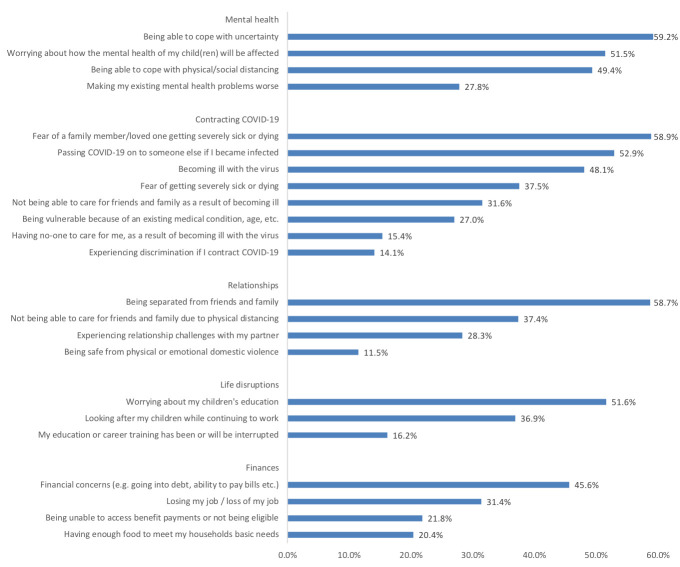
“Similarly, a Canadian study revealed that their participants were more concerned about family members and loved ones from getting severely sick or dying, with a percentage of 59%, then passing the virus to someone else if got infected with 53%, and finally becoming ill by the virus with 48%.(14) The reason for this co…”
BackgroundCapaldi, C. A., Liu, L., & Dopko, R. L. (2021) · Promotion de la santé et prévention des maladies chroniques au Canada · doi:10.24095/hpcdp.41.11.05f · Cited by 16
Yakub, N. A., Ali, S. F., Farid, N. D. N., Shari, N. I., & Panatik, S. A. (2024) · Journal of Affective Disorders Reports · doi:10.1016/j.jadr.2024.100826 · Cited by 16
Behavioral consequences of income and expense shocks
Larsen, V., Carriaga, R., Wething, H., Zhao, J., & Hall, C. (2023) · Journal of Behavioral and Experimental Economics · doi:10.1016/j.socec.2023.102067 · Cited by 9
Bourion-Bédès, S., Rousseau, H., Batt, M., Beltrand, C., Machane, R., Tarquinio, P., Tarquinio, C., & Baumann, C. (2023) · BMC Public Health · doi:10.1186/s12889-023-16731-3 · Cited by 9
Xie, L. F., Housni, A., Roy‐Fleming, A., Bandini, A., Delormier, T., Costa, D. D., & Brazeau, A. (2023) · Digital Health · doi:10.1177/20552076231204435 · Cited by 10
“This study occurred during the coronavirus pandemic when people’s lifestyles, including the use of digital tools, were affected.(41,42) Participants were recruited through the BETTER registry.”
Mental Health in Obstetric Patients and Providers During the COVID-19 Pandemic
Raiff, E. M., D’Antonio, K. M., Mai, C., & Monk, C. E. (2021) · Clinical Obstetrics & Gynecology · doi:10.1097/grf.0000000000000668 · Cited by 12
Time at Home during the COVID-19 Pandemic: Findings from Focus Groups with Hispanic Parents
Hammons, A. J., Robart, R. L., & González, G. (2022) · Children · doi:10.3390/children9050634 · Cited by 9
“This is consistent with other studies that found that families experienced more emotional closeness and enjoyment of family time during the pandemic [2,14,43].”
BackgroundResultSanders, J. E., Antia, H., Bernal, E., Landon, J., Reed, A. J., Seale, A., Sullivan, H., Sutton, E., Arundel, M. K., & Csiernik, R. (2022) · Journal of Social Work Education · doi:10.1080/10437797.2022.2089305 · Cited by 9
“The lack of family support offered through schools is not limited to the pandemic and is in part due to government policies and limited funding toward school supports for caregivers (Gadermann et al., 2021).”
BackgroundInfluentialWake, A. D. (2022) · Interdisciplinary Perspectives on Infectious Diseases · doi:10.1155/2022/2443785 · Cited by 12
“This pandemic has also led to mental health worsening of the families who had children [10], the entire population [11], and an enormous effect on mental health of the youth [12].”
BackgroundBoucher, V. G., Haight, B. L., Léger, C., Deslauriers, F., Bacon, S., Lavoie, K., Puterman, E. M., for the iCARE study team, Grañana, N. E., Boyle, J. A., et al. (2023) · Canadian Journal of Public Health · doi:10.17269/s41997-023-00807-z · Cited by 15
“, 2021), younger people (El-Gabalawy & Sommer, 2021), individuals with children (Gadermann et al., 2021), lower socioeconomic status individuals (Miconi et al.”
Zhang, X., Jambon, M. M., Afifi, T. O., Atkinson, L. R., Bennett, T. A., Duku, E., Duncan, L., Joshi, D., Kimber, M., MacMillan, H. L., et al. (2022) · Frontiers in Psychology · doi:10.3389/fpsyg.2022.884591 · Cited by 8
Khoury, J. E., Atkinson, L. R., & González, A. (2024) · Infancy · doi:10.1111/infa.12584 · Cited by 8
Happel‐Parkins, A., Azim, K. A., Neal, M., Barnes, K. L., & Gnanadass, E. (2024) · American Journal of Qualitative Research · doi:10.29333/ajqr/14390 · Cited by 7
Cénat, J. M., Farahi, S. M. M. M., & Dalexis, R. D. (2025) · The Lancet Regional Health - Americas · doi:10.1016/j.lana.2025.101231 · Cited by 15
Acar, İ. H., Sezer, Ş. N., Uculas, İ., & Ünsal, F. (2023) · Children · doi:10.3390/children10020312 · Cited by 8
“The change, stress, restrictions, and financial problems that came with the pandemic have increased the burden on parents and overall within-family interactions [1,11].”
BackgroundA Feasibility Study of the SAFE Pilot Program: A University–School Board Partnership in Ontario
Sanders, J. E., Seale, A., Lewis, V. A., Arundel, M. K., & Csiernik, R. (2023) · Research on Social Work Practice · doi:10.1177/10497315231159059 · Cited by 7
“…education needs or those in families with fewer fi nancial and social resources were disproportionately impacted by school closures and the burden to raise and educate children disproportionately fell on women (Gadermann et al., 2021; Lee, 2020; Mete Yesil et al., 2022; Radomski et al., 2022).”
BackgroundAstakhova, M. N., Ho, V. T., & McKay, A. S. (2023) · Journal of Management Studies · doi:10.1111/joms.12929 · Cited by 7
Muhajarine, N., Pisolkar, V., Hinz, T., Adeyinka, D. A., McCutcheon, J., Alaverdashvili, M., Damodharan, S., Dena, I., Jurgens, C. J. C., Taras, V., et al. (2023) · Children · doi:10.3390/children10061009 · Cited by 11
Lee, J. B., Ross, K. M., Ntanda, H. N., Fiest, K. M., Letourneau, N. L., & the APrON Study Team (2023) · Children · doi:10.3390/children10111725 · Cited by 7
“Parents also reported increased parental psychological distress and parenting irritability, decreased family positive expressiveness, conflict with children and parenting-related exhaustion [6,14,15].”
BackgroundFuller, S., Cai, M., & Lero, D. S. (2024) · Society and Mental Health · doi:10.1177/21568693231223549 · Cited by 8
“…countries found declines in mental health in the early months among parents, especially mothers, who experienced greater initial employment losses and bore the brunt of increased care demands (e.g., Gadermann et al. 2021; Montazer et al. 2022; Racine et al. 2021; Vicari, Zoch, and Ba¨chmann 2022).”
Jurek, K., Niewiadomska, I., & Chwaszcz, J. (2024) · Scientific Reports · doi:10.1038/s41598-024-73103-6 · Cited by 11
Pasquini, G., Ferguson, G., Bouklas, I., Vu, H., Zamani, M., Zhaoyang, R., Harrington, K., Roque, N. A., Mogle, J. A., Schwartz, H. A., et al. (2022) · PLoS ONE · doi:10.1371/journal.pone.0264280 · Cited by 7
“For example, because the EAS sample includes only older adults, participants’ psychological well-being may not have been as tightly tied to community changes in services impacting age-relevant roles, such as school closures and childcare which may have been picked up in Twitter [1,49].”
BackgroundHow South African Families Protected Themselves during the COVID-19 Pandemic: A Qualitative Study
Adebiyi, B. O., Donga, G., Omukunyi, B., & Roman, N. V. (2022) · Sustainability · doi:10.3390/su14031236 · Cited by 9
“The study reported worsening mental health (such as increased alcohol consumption, suicidal thoughts/feelings, and stress about being safe from physical/emotional domestic violence) for parents as well as children as a result of the COVID-19 pandemic [15].”
BackgroundWho’s Going to Keep Us Safe? Surviving Domestic Violence and Shared Parenting During Covid-19
Archer‐Kuhn, B., Hughes, J., Saini, M., Still, M., Beltrano, N. R., & Tam, D. M. Y. (2022) · Journal of Child and Family Studies · doi:10.1007/s10826-022-02458-z · Cited by 10
“…study expressed experiencing these same pressures of managing work from home, home schooling when schools shifted to remote learning, financial challenges due to lost income, and their own and children’s general fears about the Covid-19 virus experienced by many families (Gadermann et al., 2021).”
BackgroundPudpong, N., Julchoo, S., Sinam, P., Uansri, S., Kunpeuk, W., & Suphanchaimat, R. (2022) · International Journal of Environmental Research and Public Health · doi:10.3390/ijerph192215001 · Cited by 4
“(2022) examined the mental health dimension of family members through the viewpoint of parents in Canada, and found that families with children aged younger than 18 years old at home experienced deteriorating mental health, leading to an increase in alcohol consumption and suicidal thoughts among those parents [14].”
BackgroundResultMosheva, M., Barzilai, Y., Hertz‐Palmor, N., Mekori‐Domachevsky, E., Avinir, A., Erez, G., Vardi, N., Schoen, G., Lahav, T., Sadeh, H., et al. (2023) · Healthcare · doi:10.3390/healthcare11050765 · Cited by 10
La pandémie de COVID-19 : quelles répercussions sur les familles ?
Charton, L., Labrecque, L., & Lévy, J. J. (2023) · Enfances Familles Générations · doi:10.7202/1096374ar · Cited by 9
Adeyinka, D. A., Novik, N., Novotná, G., Bartram, M. H., Gabrys, R. L., & Muhajarine, N. (2023) · BMC Psychiatry · doi:10.1186/s12888-023-05051-w · Cited by 10
“During the first year of the pandemic, Canadians who reported experiencing suicidal thoughts/feelings due to the pandemic ranged from 4.2% to 8.3%, which was significantly higher than the 2.7% in 2019 (pre-pandemic) [22–24].”
BackgroundInfluentialDionne, É., Haggerty, J. L., Scott, C. M., Doucet, S. A., Stewart, T. L., Quesnel‐Vallée, A., Montelpare, W. J., Urquhart, R., Sutherland, J. M., & Yves, Y. (2023) · Healthcare policy · doi:10.12927/hcpol.2023.27181 · Cited by 7
Cameron, C., O’Brien, M., Whitaker, L., Hollingworth, K., & Hauari, H. (2021) · Journal of Family Research · doi:10.20377/jfr-725 · Cited by 7
Effects of Daily School and Care Disruptions During the COVID-19 Pandemic on Child Mental Health
Gassman‐Pines, A., Ananat, E., Fitz-Henley, J., & Leer, J. (2022) · National Bureau of Economic Research · doi:10.3386/w29659 · Cited by 9
Moghimi, E., Belfry, K., Farr, S., Stafford, S., Bogdan, A., Brush, M., Canning, C., & Kim, S. (2025) · BMC Health Services Research · doi:10.1186/s12913-024-12101-w · Cited by 10
Levkovich, I., & Shinan‐Altman, S. (2022) · Archives of Environmental & Occupational Health · doi:10.1080/19338244.2022.2063242 · Cited by 6
“Parents who were required to homeschool their children during the pandemic were left juggling their new role as teacher with the increased demands of parenting and work.(61) Our results add to those of previous studies by showing that there were no overall gender differences in WFC and FWC experiences during the pande…”
ResultWalker, K. K., & Zimet, G. D. (2022) · Journal of Family Communication · doi:10.1080/15267431.2022.2082431 · Cited by 7
“School, community organizations, and governments were useful for helping parents and children cope with psychological stresses during the early pandemic months (Benfer & Wiley, 2020; Gadermann et al., 2021; Rummo et al., 2020).”
BackgroundParents' coping behaviors and mental health during the COVID ‐19 pandemic
Koepp, A. E., Barton, J. M., Berendzen, H. M., Rough, H. E., & Gershoff, E. T. (2023) · Family Relations · doi:10.1111/fare.12929 · Cited by 6
Huang, J. W., Kwan, M., Tse, L. A., & He, S. Y. (2023) · International Journal of Environmental Research and Public Health · doi:10.3390/ijerph20166620 · Cited by 6
“[7] revealed that parents with children younger than 18 years old living at home reported worse mental health due to potential family conflicts during the pandemic than adults without children younger than 18 years old living at home.”
BackgroundResultClinical characteristics and short-term outcomes of acute pancreatitis among patients with COVID-19
Zhang, J.-C., Luo, D., Kang, M., Li, B., & Su, S. (2023) · European journal of medical research · doi:10.1186/s40001-023-01252-x · Cited by 6
“Numerous patients with COVID-19 encounter emotional disorders and exhibit symptoms of depression [13–15].”
BackgroundImpact of COVID-19 on Child Development: A Systematic ReviewPreprint
Jones, M., Walker, J. A., & Jones, E. A. (2023) · Preprints.org · doi:10.20944/preprints202309.0241.v1 · Cited by 6
Predictability Can Reduce the Burden of Adverse Childhood Experiences: Policies to Promote It
Glynn, L. M. (2024) · Policy Insights from the Behavioral and Brain Sciences · doi:10.1177/23727322241304354 · Cited by 7
“Similarly, providing predictability and structure in the form of family routines appears to be protective in the context of larger societal level disasters (Bates et al., 2021; Gadermann et al., 2021; Gordon-Hacker et al., 2023).”
The lived experience of stress for parents in the context of COVID ‐19–related disruption
Painter, F. L., Booth, A., Letcher, P., Olsson, C. A., & McIntosh, J. E. (2023) · Family Relations · doi:10.1111/fare.12867 · Cited by 5
Preschool Emotional Problems in the Post-Pandemic Era between Parental Risk and Protective Factors
Prino, L. E., Arace, A., Zonca, P., Agostini, P., & Scarzello, D. (2023) · Healthcare · doi:10.3390/healthcare11212862 · Cited by 6
“Studies on the psychological outcomes of the pandemic have shown that parents experienced high levels of stress [38,39], greater than the general population of adults [40,41].”
BackgroundBecker, E., Atkinson, L. R., González, A., & Khoury, J. E. (2024) · Infant Mental Health Journal · doi:10.1002/imhj.22096 · Cited by 7
Coparenting Quality During COVID-19: Exploring Gender Differences Using a Mixed Methods Approach
Douglas, S., Morrison, K. M., Miller, A. L., & Haines, J. (2024) · Journal of Family Issues · doi:10.1177/0192513x241236555 · Cited by 5
Metadata
- Authors
- Gadermann, A. C., Thomson, K. C., Richardson, C. G., Gagné, M., McAuliffe, C., Hirani, S., & Jenkins, E.
- Affiliations
- University of British Columbia (CA)
- Corresponding author
- Gadermann, Anne C
- ORCID
- Venue
- BMJ Open
- Publisher
- BMJ
- Published
- 2021-01
- Volume
- 11
- Issue
- 1
- Pages
- e042871
- ISSN
- 2044-6055 (ISSN-L)
- PMC
- PMC7804831
- OpenAlex
- W3119253972
- Cited by
- 479
- References
- 48
- Citations by year
- 2026: 26 · 2025: 55 · 2024: 75 · 2023: 112 · 2022: 120 · 2021: 91
- FWCI
- 67.83
- Type
- journal article
- Language
- en
- Open access
- gold
- doi.org
- Licence
- Locations
- BMJ Open (publishedVersion, cc-by-nc)
- PubMed Central (publishedVersion, cc-by-nc)
- PubMed (publishedVersion)
- cIRcle (University of British Columbia) (submittedVersion, cc-by-nc)
- DOAJ (DOAJ: Directory of Open Access Journals) (submittedVersion, cc-by-sa)
- Open Collections
- Funders
- Michael Smith Health Research BC
- National Institute for Health and Care Research (NIHR201342)
- Canadian Mental Health Association
- Canadian Institutes of Health Research
- Topics
- Social Sciences › Psychology › Clinical Psychology › COVID-19 and Mental Health
- Health Sciences › Medicine › Public Health, Environmental and Occupational Health › Maternal Mental Health During Pregnancy and Postpartum
- Social Sciences › Psychology › Clinical Psychology › Child and Adolescent Psychosocial and Emotional Development
- Keywords
- COVID-19 pandemic, family mental health, parents of children, child mental health, social isolation, school closures, employment instability, alcohol consumption, suicidal ideation, self-harm, domestic violence, parent-child conflict, parent-child closeness, substance use, sources of support, Canada, lockdown
- MeSH terms
- COVID-19, SARS-CoV-2, Adolescent, Adult, Mental Disorders, Canada, Cross-Sectional Studies, Family Health, Female, Health Surveys, Humans, Longitudinal Studies, Male, Middle Aged, Quarantine, Social Isolation, Stress, Psychological, Young Adult
About these checks
Registry, retraction, Cites and statistics results are computed, not judged, with one exception: a printed reference that no index lists is read once by a model before it counts as a citation error. Claims are extracted by a model and kept only when their quote appears verbatim in the text; each cited source is then checked, with a model’s help, for whether it says what the claim relies on. Those verdicts can be wrong — read the claim’s quote and the cited source before relying on one.
Statistics and arithmetic are recomputed, not judged.
Confidence bands are shown only for fields calibrated on our annotated test set. None is calibrated yet, so no band is shown.
What counts as a claim ›How we measure confidence ›How we check this ›
Are you an author, or do you see a problem with this page? Request a review
Data sources
Bibliographic data: Semantic Scholar, OpenAlex, Crossref.
Contains information from the Semantic Scholar Academic Graph Datasets, made available under the ODC Attribution License (ODC-BY 1.0).
Semantic Scholar’s data is described in: Kinney, R., et al. (2023). The Semantic Scholar Open Data Platform. arXiv:2301.10140.
