

TSH and Thyrotropic Agonists: Key Actors in Thyroid Homeostasis
Open accessThe DOI matches its Crossref record; 434 of the 434 references it cites were found in a registry or an index.
Abstract
This paper provides the reader with an overview of our current knowledge of hypothalamic-pituitary-thyroid feedback from a cybernetic standpoint. Over the past decades we have gained a plethora of information from biochemical, clinical, and epidemiological investigation, especially on the role of TSH and other thyrotropic agonists as critical components of this complex relationship. Integrating these data into a systems perspective delivers new insights into static and dynamic behaviour of thyroid homeostasis. Explicit usage of this information with mathematical methods promises to deliver a better understanding of thyrotropic feedback control and new options for personalised diagnosis of thyroid dysfunction and targeted therapy, also by permitting a new perspective on the conundrum of the TSH reference range.
Overview
The claims and statistics of this paper haven’t been checked yet.
Free: it reads the open-access text and checks the first 5 claims that cite a source we can check. Create a free account to check every claim.
Integrity signals
Registry
Cites
Statistics
Figures
Verification
Claims the paper makes
The claims and statistics of this paper haven’t been checked yet.
Free: it reads the open-access text and checks the first 5 claims that cite a source we can check. Create a free account to check every claim.
Claims other papers make about this one
Each is checked against this paper’s own text: does it say what the citing paper says it does?
The source backs part of the claim, not all of it — or backs it for a different population, condition or comparison.
In the citing paper
“the true nature of TSH referencing is bivariate in relation to an appropriate individual TSH level when combined with a certain FT4 level (101, 186–189).”
From Homeostatic control of the thyroid-pituitary axis: perspectives for diagnosis and treatment (2015) · cites this paper as [101]
Experimental — accuracy not yet measuredThe source backs part of the claim, not all of it — or backs it for a different population, condition or comparison.
In the citing paper
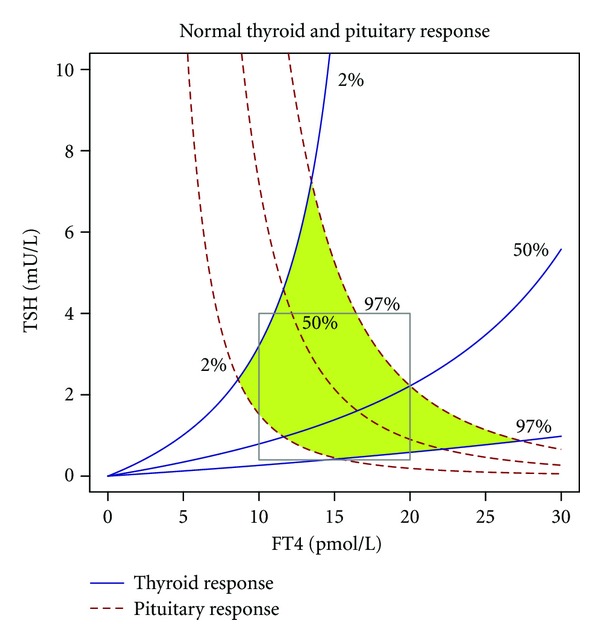
“It is important to appreciate that the homeostatic relationship of TSH and FT4 defines the reference range of TSH in a “kite-shaped” graphical configuration, as opposed to the rectangular area obtained by plotting the two univariate parameters (101).”
From Homeostatic control of the thyroid-pituitary axis: perspectives for diagnosis and treatment (2015) · cites this paper as [101]
Experimental — accuracy not yet measuredThe source backs part of the claim, not all of it — or backs it for a different population, condition or comparison.
In the citing paper
“However, the simple ratios are conceptually incompatible with known kinetic properties of enzyme-mediated processes, as they wrongly assume linear relationships (6).”
From Calculated Parameters of Thyroid Homeostasis: Emerging Tools for Differential Diagnosis and Clinical Research (2016) · cites this paper as [6]
Experimental — accuracy not yet measuredThe source backs part of the claim, not all of it — or backs it for a different population, condition or comparison.
In the citing paper
“A small trial with 20 healthy volunteers revealed the re-test reliability of SPINA-GT to be higher than that of every other parameter (6, 32).”
From Calculated Parameters of Thyroid Homeostasis: Emerging Tools for Differential Diagnosis and Clinical Research (2016) · cites this paper as [6]
Experimental — accuracy not yet measuredThe cited source says what the claim attributes to it.
In the citing paper
“Unfortunately, however, the location of the set point is unknown and inaccessible in the situation of hypothyroidism (6, 19).”
From Calculated Parameters of Thyroid Homeostasis: Emerging Tools for Differential Diagnosis and Clinical Research (2016) · cites this paper as [6]
2 more claims about this paper
Create a free account to see every claim other papers make about this one.
Self-check
Percentages, sums and reported differences re-computed from the paper’s own numbers.
The self-check needs the paper’s full text.
Citations
Cites
Colowick, S. P., Joshi, M. D., Jagannathan, & KAPLAN, N. O. (1966) · Cited by 26,137
Molecular Mechanisms of Depression: Perspectives on New Treatment Strategies
Lang, U. E., & Borgwardt, S. (2013) · Cellular Physiology and Biochemistry · doi:10.1159/000350094 · Cited by 8,475
Hormones and endocrine-disrupting chemicals: low-dose effects and nonmonotonic dose responses
Vandenberg, L. N., Colborn, T., Hayes, T. B., Heindel, J. J., Jacobs, D. R., Lee, D.-H., Shioda, T., Soto, A. M., vom Saal, F. S., Welshons, W. V., et al. (2012) · Endocrine Reviews · doi:10.1210/er.2011-1050 · Cited by 3,209 · cited 1×
“Similar effects may ensue from exposure to endocrine disruptors [265] like phthalates [266–268], brominated flame retardants [266, 267, 269], perfluorinated compound [266, 267, 270], polychlorinated biphenyls [271–276], bisphenol A [254, 266–269, 274], or bisphenol F [277].”
BackgroundUnrepeatable Repeatabilities: A Common Mistake
Lessells, C. M., & Boag, P. T. (1987) · The Auk · doi:10.2307/4087240 · Cited by 2,916
The incidence of thyroid disorders in the community: a twenty-year follow-up of the Whickham Survey
Vanderpump, M. P. J., Tunbrldge, W. M. G., French, J. M., Appleton, D., Bates, D., Clark, F., Evans, J. G., Hasan, D. M., Rodgers, H., Tunbridge, F., et al. (1995) · Clinical Endocrinology · doi:10.1111/j.1365-2265.1995.tb01894.x · Cited by 2,432
Bile acids induce energy expenditure by promoting intracellular thyroid hormone activation
Watanabe, M., Houten, S. M., Mataki, C., Christoffolete, M. A., Kim, B. W., Sato, H., Messaddeq, N., Harney, J. W., Ezaki, O., Kodama, T., et al. (2006) · Nature · doi:10.1038/nature04330 · Cited by 2,220 · cited 1×
“In addition, T3 is regulated by nonthyroidal factors, first of all peripheral deiodination [19, 21–25] that is subject of multiple metabolic control inputs [19, 26–30], which would also render a primarily T3-dependent feedback mechanism ineffective.”
BackgroundIngbar, S. H. (1965) · Archives of Internal Medicine · doi:10.1001/archinte.1965.03870060154035 · Cited by 1,743
Molecular Aspects of Thyroid Hormone Actions
Cheng, S.-Y., Leonard, J. L., & Davis, P. J. (2010) · Endocrine Reviews · doi:10.1210/er.2009-0007 · Cited by 1,384 · cited 1×
“Possible mechanisms of acquired thyroid hormone resistance include impairments of transmembrane transport [15, 16, 243], deiodination [19, 227, 228, 244], entry into nucleus [245, 246], receptor binding [243, 247–253], and nongenomic effects of iodothyronines [28, 254–264].”
BackgroundGlinoer, D. (1997) · Endocrine Reviews · doi:10.1210/edrv.18.3.0300 · Cited by 1,364 · cited 9×
“Mutations of TSH receptor leading to increased sensitivity to HCG may lead to overt hyperthyroidism even in normal pregnancy [336].”
BackgroundInfluentialLaboratory Support for the Diagnosis and Monitoring of Thyroid Disease
(2003) · Thyroid · doi:10.1089/105072503321086962 · Cited by 1,212
The role of sialic acid in determining the survival of glycoproteins in the circulation
Morell, A. G., Gregoriadis, G., Scheinberg, I. H., Hickman, J., & Ashwell, G. (1971) · Journal of Biological Chemistry · doi:10.1016/s0021-9258(19)76994-4 · Cited by 1,072
Murrieta, H. S., Muñoz, E. P., Adem, E., Burillo, G., Vazquez, M., & Cabrera, E. B. (1996) · Applied Radiation and Isotopes · doi:10.1016/s0969-8043(96)00238-2 · Cited by 962
Cellular and Molecular Basis of Deiodinase-Regulated Thyroid Hormone Signaling1
Gereben, B., Zavacki, A. M., Ribich, S., Kim, B. W., Huang, S. A., Simonides, W. S., Zeöld, A., & Bianco, A. C. (2008) · Endocrine Reviews · doi:10.1210/er.2008-0019 · Cited by 891 · cited 2×
“Possible mechanisms of acquired thyroid hormone resistance include impairments of transmembrane transport [15, 16, 243], deiodination [19, 227, 228, 244], entry into nucleus [245, 246], receptor binding [243, 247–253], and nongenomic effects of iodothyronines [28, 254–264].”
BackgroundIdentification of monocarboxylate transporter 8 as a specific thyroid hormone transporter
Friesema, E. C. H., Ganguly, S., Abdalla, A., Fox, J. E. M., Halestrap, A. P., & Visser, T. J. (2003) · Journal of Biological Chemistry · doi:10.1074/jbc.m300909200 · Cited by 725
Dynamic neuroendocrine responses to critical illness
den Berghe, G. V. (2002) · Frontiers in Neuroendocrinology · doi:10.1016/s0091-3022(02)00006-7 · Cited by 710
Dumitrescu, A. M., Liao, X.-H., Best, T. B., Brockmann, K., & Refetoff, S. (2004) · The American Journal of Human Genetics · doi:10.1086/380999 · Cited by 706 · cited 1×
“For instance, alterations of the setpoint have also been described in patients suffering from mutations of thyroid hormone transporters, first of all MCT8 [154–161], and in several polymorphisms of deiodinases [154, 162–167].”
BackgroundAndersen, S., Pedersen, K. M., Bruun, N. H., & Laurberg, P. (2002) · The Journal of Clinical Endocrinology & Metabolism · doi:10.1210/jcem.87.3.8165 · Cited by 686 · cited 1×
“Moreover, there is evidence that the intraindividual variation of TSH levels is narrower than the width of the population based reference range [378, 379].”
BackgroundThyroid effects of endocrine disrupting chemicals
Boas, M., Feldt-Rasmussen, U., & Main, K. M. (2012) · Molecular and Cellular Endocrinology · doi:10.1016/j.mce.2011.09.005 · Cited by 620
Drug binding to human alpha-1-acid glycoprotein in health and disease.
Kremer, J. M., Wilting, J., & Janssen, L. H. (1988) · Pharmacological Reviews · doi:10.1016/s0031-6997(25)00015-8 · Cited by 583
Chatzellis, E., Alexandraki, K. I., Androulakis, I. I., & Kaltsas, G. (2015) · Neuroendocrinology · doi:10.1159/000371806 · Cited by 572
Thyrotrophin in the pars tuberalis triggers photoperiodic response
Nakao, N., Ono, H., Yamamura, T., Anraku, T., Takagi, T., Higashi, K., Yasuo, S., Katou, Y., Kageyama, S., Uno, Y., et al. (2008) · Nature · doi:10.1038/nature06738 · Cited by 540
Dangerous dogmas in medicine: the nonthyroidal illness syndrome
De Groot, L. J. (1999) · The Journal of Clinical Endocrinology & Metabolism · doi:10.1210/jcem.84.1.5364 · Cited by 505
Thyrotropin-Secreting Pituitary Tumors*
BECK-PECCOZ, P., BRUCKER-DAVIS, F., PERSANI, L., SMALLRIDGE, R. C., & WEINTRAUB, B. D. (1996) · Endocrine Reviews · doi:10.1210/edrv-17-6-610 · Cited by 491
Low-T3 syndrome: a strong prognostic predictor of death in patients with heart disease
Iervasi, G., Pingitore, A., Landi, P., Raciti, M., Ripoli, A., Scarlattini, M., L’Abbate, A., & Donato, L. (2003) · Circulation · doi:10.1161/01.cir.0000048124.64204.3f · Cited by 472
Thyroid Hormone Treatment after Coronary-Artery Bypass Surgery
Klemperer, J. D., Klein, I., Gomez, M., Helm, R. E., Ojamaa, K., Thomas, S. J., Isom, O. W., & Krieger, K. (1995) · New England Journal of Medicine · doi:10.1056/nejm199512073332302 · Cited by 460
Dual Endocrine Activity of the Testes
McCullagh, D. R. (1932) · Science · doi:10.1126/science.76.1957.19 · Cited by 451
Mechanisms behind the non-thyroidal illness syndrome: an update
Warner, M. H., & Beckett, G. J. (2010) · Journal of Endocrinology · doi:10.1677/joe-09-0412 · Cited by 432
General Background on the Hypothalamic-Pituitary-Thyroid (HPT) Axis
Zoeller, R. T., Tan, S. W., & Tyl, R. W. (2007) · Critical Reviews in Toxicology · doi:10.1080/10408440601123446 · Cited by 424
The Evidence for a Narrower Thyrotropin Reference Range Is Compelling
Wartofsky, L., & Dickey, R. A. (2005) · The Journal of Clinical Endocrinology & Metabolism · doi:10.1210/jc.2005-0455 · Cited by 424
Adverse Effects of Low Dose Amiodarone: A Meta-Analysis
Vorperian, V. R., Havighurst, T. C., Miller, S., & January, C. T. (1997) · Journal of the American College of Cardiology · doi:10.1016/s0735-1097(97)00220-9 · Cited by 419
Hennemann, G., Docter, R., Friesema, E. C. H., de Jong, M., Krenning, E. P., & Visser, T. J. (2001) · Endocrine Reviews · doi:10.1210/edrv.22.4.0435 · Cited by 394
The second biological revolution.
Huxley, J. S. (1946) · PubMed · Cited by 389
A Mutation in the Thyroid Hormone Receptor Alpha Gene
Bochukova, E., Schoenmakers, N., Agostini, M., Schoenmakers, E., Rajanayagam, O., Keogh, J. M., Henning, E., Reinemund, J., Gevers, E., Sarri, M., et al. (2012) · New England Journal of Medicine · doi:10.1056/nejmoa1110296 · Cited by 379 · cited 1×
“The phenotypical pattern consisted in skeletal abnormalities, microsomia, constipation, and hyperdeiodination [240].”
BackgroundApplications of a New Chemiluminometric Thyrotropin Assay to Subnormal Measurement*
SPENCER, C. A., LoPRESTI, J. S., PATEL, A., GUTTLER, R. B., EIGEN, A., SHEN, D., GRAY, D., & NICOLOFF, J. T. (1990) · The Journal of Clinical Endocrinology & Metabolism · doi:10.1210/jcem-70-2-453 · Cited by 371 · cited 1×
“Although assays for TSH, free, and total peripheral thyroid hormones have been continually improved over the previous decades [304–312], some indeterminacy persists [307, 313–315].”
BackgroundBRENT, G. A., & HERSHMAN, J. M. (1986) · The Journal of Clinical Endocrinology & Metabolism · doi:10.1210/jcem-63-1-1 · Cited by 365
Mechanisms of nongenomic actions of thyroid hormone
Davis, P. J., Leonard, J. L., & Davis, F. B. (2008) · Frontiers in Neuroendocrinology · doi:10.1016/j.yfrne.2007.09.003 · Cited by 363
Thyrotropin-Releasing Hormone and the Thyroid Hormone Feedback Mechanism
Chiamolera, M. I., & Wondisford, F. E. (2009) · Endocrinology · doi:10.1210/en.2008-1795 · Cited by 361
Rodien, P., Brémont, C., Sanson, M.-L. R., Parma, J., Van Sande, J., Costagliola, S., Luton, J.-P., Vassart, G., & Duprez, L. (1998) · New England Journal of Medicine · doi:10.1056/nejm199812173392505 · Cited by 350
Glinoer, D. (1997) · Endocrine Reviews · doi:10.1210/er.18.3.404 · Cited by 349
Resistance to Thyrotropin Caused by Mutations in the Thyrotropin-Receptor Gene
Sunthornthepvarakul, T., Gottschalk, M. E., Hayashi, Y., & Refetoff, S. (1995) · New England Journal of Medicine · doi:10.1056/nejm199501193320305 · Cited by 345
The TRH neuron: a hypothalamic integrator of energy metabolism
Lechan, R. M., & Fekete, C. (2006) · Progress in brain research · doi:10.1016/s0079-6123(06)53012-2 · Cited by 338 · cited 1×
“More and more hints, however, indicate a central role of the TRH neuron in energy homeostasis, where thyroid signalling is a critical component [62, 63].”
BackgroundMeeker, J. D., & Ferguson, K. K. (2011) · Environmental Health Perspectives · doi:10.1289/ehp.1103582 · Cited by 337
Panicker, V., Saravanan, P., Vaidya, B., Evans, J., Hattersley, A. T., Frayling, T. M., & Dayan, C. M. (2009) · The Journal of Clinical Endocrinology & Metabolism · doi:10.1210/jc.2008-1301 · Cited by 327
A Mutation in the Thyroid Hormone Receptor Alpha Gene
Bochukova, E. G., Schoenmakers, N. A., Agostini, M., Schoenmakers, E., Rajanayagam, O., Keogh, J. M., Henning, E., Reinemund, J., Gevers, E. F., Sarri, M., et al. (2012) · UCL Discovery (University College London) · Cited by 327
Baenziger, J. U., & Green, E. D. (1988) · Biochimica et Biophysica Acta (BBA) - Reviews on Biomembranes · doi:10.1016/0304-4157(88)90012-3 · Cited by 309
Levothyroxine Monotherapy Cannot Guarantee Euthyroidism in All Athyreotic Patients
Gullo, D., Latina, A., Frasca, F., Le Moli, R., Pellegriti, G., & Vigneri, R. (2011) · PLoS ONE · doi:10.1371/journal.pone.0022552 · Cited by 307 · cited 1×
“Persons with abnormal sum activity of deiodinases, however, might benefit from additional treatment with liothyronine [414, 423], although this does not hold true for all polymorphisms of deiodinases [424].”
BackgroundThe Management of Hyperthyroidism
Wood, A. J. J., & Franklyn, J. A. (1994) · New England Journal of Medicine · doi:10.1056/nejm199406163302407 · Cited by 306
Moore, C. R., & Price, D. (1932) · American Journal of Anatomy · doi:10.1002/aja.1000500103 · Cited by 296
Grozinsky-Glasberg, S., Fraser, A., Nahshoni, E., Weizman, A., & Leibovici, L. (2006) · The Journal of Clinical Endocrinology & Metabolism · doi:10.1210/jc.2006-0448 · Cited by 296 · cited 1×
“Numerous trials [413–422] did not lead to a standard recommendation.”
BackgroundThe Thyrotropin Reference Range Should Remain Unchanged
Surks, M. I., Goswami, G., & Daniels, G. H. (2005) · The Journal of Clinical Endocrinology & Metabolism · doi:10.1210/jc.2005-0170 · Cited by 287
Physiological regulation of circadian and pulsatile thyrotropin secretion in normal man and woman
BRABANT, G., PRANK, K., RANFT, U., SCHUERMEYER, T., WAGNER, T. O. F., HAUSER, H., KUMMER, B., FEISTNER, H., HESCH, R. D., & MÜHLEN, A. V. Z. (1990) · The Journal of Clinical Endocrinology & Metabolism · doi:10.1210/jcem-70-2-403 · Cited by 282
Free T4 immunoassays are flawed during pregnancy
Lee, R. H., Spencer, C. A., Mestman, J. H., Miller, E. A., Petrovic, I., Braverman, L. E., & Goodwin, T. M. (2009) · American Journal of Obstetrics and Gynecology · doi:10.1016/j.ajog.2008.10.042 · Cited by 281 · cited 1×
“Although assays for TSH, free, and total peripheral thyroid hormones have been continually improved over the previous decades [304–312], some indeterminacy persists [307, 313–315].”
BackgroundBeck-Peccoz, P., Amr, S., Menezes-Ferreira, M. M., Faglia, G., & Weintraub, B. D. (1985) · New England Journal of Medicine · doi:10.1056/nejm198504253121703 · Cited by 261 · cited 2×
“To add further confusion, TSH secretion may be impaired not only quantitatively but also qualitatively resulting from secretion of biologically inactive TSH [189, 190], as discussed above.”
BackgroundNongenomic Actions of Thyroid Hormone
DAVIS, P. J., & DAVIS, F. B. (1996) · Thyroid · doi:10.1089/thy.1996.6.497 · Cited by 258
Abramowicz, M. J., Duprez, L., Parma, J., Vassart, G., & Heinrichs, C. (1997) · Journal of Clinical Investigation · doi:10.1172/jci119497 · Cited by 257
Portnay, G. I., O'Brian, J. T., Bush, J., Vagenakis, A. G., Azizi, F., Arky, R. A., Ingbar, S. H., & Braverman, L. E. (1974) · The Journal of Clinical Endocrinology & Metabolism · doi:10.1210/jcem-39-1-191 · Cited by 252
Walsh, J. P., Bremner, A. P., Feddema, P., Leedman, P. J., Brown, S. J., & O'Leary, P. (2010) · The Journal of Clinical Endocrinology & Metabolism · doi:10.1210/jc.2009-1977 · Cited by 252
Peeters, R. P., van Toor, H., Klootwijk, W., de Rijke, Y. B., Kuiper, G. G. J. M., Uitterlinden, A. G., & Visser, T. J. (2003) · The Journal of Clinical Endocrinology & Metabolism · doi:10.1210/jc.2002-021592 · Cited by 243
Jostel, A., Ryder, W. D. J., & Shalet, S. M. (2009) · Clinical Endocrinology · doi:10.1111/j.1365-2265.2009.03534.x · Cited by 238
Environmental Chemicals Impacting the Thyroid: Targets and Consequences
Zoeller, R. T. (2007) · Thyroid · doi:10.1089/thy.2007.0107 · Cited by 228
Spencer, C. A., Hollowell, J. G., Kazarosyan, M., & Braverman, L. E. (2007) · The Journal of Clinical Endocrinology & Metabolism · doi:10.1210/jc.2007-0287 · Cited by 227 · cited 1×
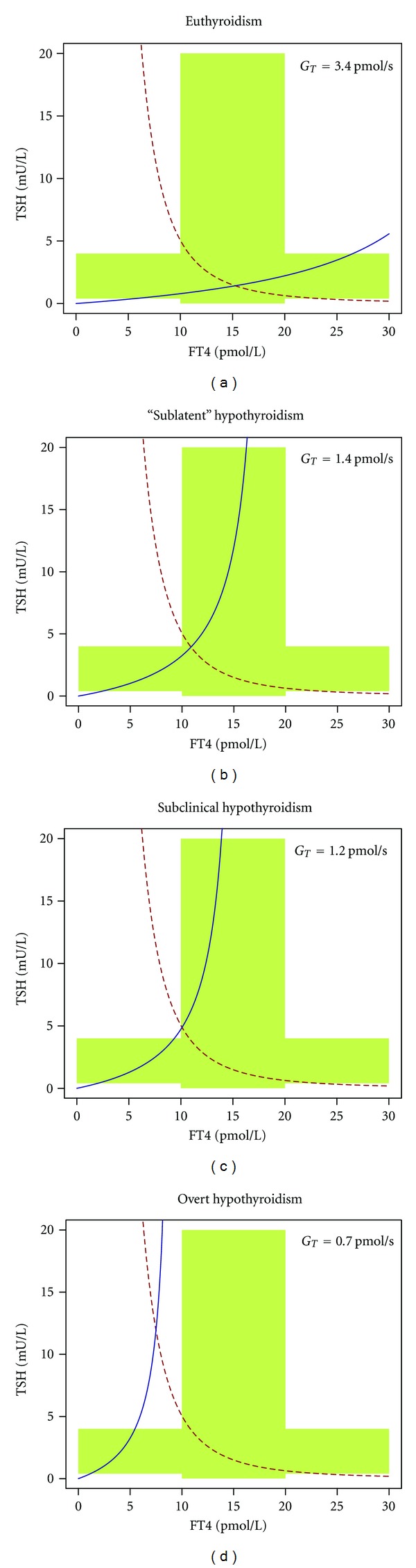
“Additionally, in this group of what we would suggest to term “sublatent hypothyroidism,” elevated levels of thyroid autoantibodies [375, 376] and increased frequency of hypoechogenicity in thyroid ultrasound [377] were observed.”
BackgroundType 1 iodothyronine deiodinase in human physiology and disease
Maia, A. L., Goemann, I. M., Meyer, E. L. S., & Wajner, S. M. (2011) · Journal of Endocrinology · doi:10.1530/joe-10-0481 · Cited by 222
O'Rahilly, R. (1983) · Anatomy and Embryology · doi:10.1007/bf00305086 · Cited by 221
Simultaneous Measurement of Thyroxine and Triiodothyronine Peripheral Turnover Kinetics in Man
Nicoloff, J. T., Low, J. C., Dussault, J. H., & Fisher, D. A. (1972) · Journal of Clinical Investigation · doi:10.1172/jci106835 · Cited by 219
Walsh, J. P., Shiels, L., Lim, E. M., Bhagat, C. I., Ward, L. C., Stuckey, B. G. A., Dhaliwal, S. S., Chew, G. T., Bhagat, M. C., & Cussons, A. J. (2003) · The Journal of Clinical Endocrinology & Metabolism · doi:10.1210/jc.2003-030249 · Cited by 210 · cited 1×
“Numerous trials [413–422] did not lead to a standard recommendation.”
BackgroundPhysiological variations in thyroid hormones: physiological and pathophysiological considerations
Fisher, D. A. (1996) · Clinical Chemistry · doi:10.1093/clinchem/42.1.135 · Cited by 209
Silva, J. E., & Larsen, P. R. (1978) · Journal of Clinical Investigation · doi:10.1172/jci109041 · Cited by 209
Die Hormonal-Nervöse Regulierung der Funktion des Hypophysenvorderlappens
Hohlweg, W., & Junkmann, K. (1932) · Klinische Wochenschrift · doi:10.1007/bf01781486 · Cited by 205
Membrane Receptor for Thyroid Hormone: Physiologic and Pharmacologic Implications
Davis, P. J., Davis, F. B., Mousa, S. A., Luidens, M. K., & Lin, H.-Y. (2011) · Annual Review of Pharmacology and Toxicology · doi:10.1146/annurev-pharmtox-010510-100512 · Cited by 204
Laboratory support for the diagnosis and monitoring of thyroid disease
Spencer, C. (2009) · Pathology · doi:10.1097/01268031-200941001-00041 · Cited by 202
Fasting-Induced Changes in the Hypothalamus–Pituitary–Thyroid Axis
Boelen, A., Wiersinga, W. M., & Fliers, E. (2008) · Thyroid · doi:10.1089/thy.2007.0253 · Cited by 194 · cited 1×
“As similar alterations are observed with very different assay techniques and a comparable phenotype is also observed in starving or hibernating organisms [210–214] it seems to be more than only the result of flawed assays.”
BackgroundDe Groot, L. J. (2006) · Critical Care Clinics · doi:10.1016/j.ccc.2005.10.001 · Cited by 188
Visser, T. J., Kaplan, M. M., Leonard, J. L., & Larsen, P. R. (1983) · Journal of Clinical Investigation · doi:10.1172/jci110854 · Cited by 186
Appelhof, B. C., Fliers, E., Wekking, E. M., Schene, A. H., Huyser, J., Tijssen, J. G. P., Endert, E., van Weert, H. C. P. M., & Wiersinga, W. M. (2005) · The Journal of Clinical Endocrinology & Metabolism · doi:10.1210/jc.2004-2111 · Cited by 183
Fekete, C., Gereben, B., Doleschall, M., Harney, J. W., Dora, J. M., Bianco, A. C., Sarkar, S., Liposits, Z., Rand, W., Emerson, C., et al. (2004) · Endocrinology · doi:10.1210/en.2003-1439 · Cited by 179 · cited 2×
“Conversely, central hyperdeiodination may lead to suppressed TSH levels, as both evidenced by animal experiments [61, 231] and computer simulations (Figure 7).”
BackgroundSex hormone-binding globulin gene expression in the liver: Drugs and the metabolic syndrome
PUGEAT, M. M., Nader, N., Hogeveen, K. N., Raverot, G., Déchaud, H., & Grenot, C. (2009) · Molecular and Cellular Endocrinology · doi:10.1016/j.mce.2009.09.020 · Cited by 177
REDUCED ACTIVE THYROID HORMONE LEVELS IN ACUTE ILLNESS
Burger, A., Suter, P., Nicod, P., Vallotton, M. B., Vagenakis, A., & Braverman, L. (1976) · The Lancet · doi:10.1016/s0140-6736(76)92774-4 · Cited by 176
Biebermann, H., Schöneberg, T., Krude, H., Schultz, G., Gudermann, T., & Grüters, A. (1997) · The Journal of Clinical Endocrinology & Metabolism · doi:10.1210/jcem.82.10.4286 · Cited by 175
Sawka, A. M., Gerstein, H. C., Marriott, M. J., MacQueen, G. M., & Joffe, R. T. (2003) · The Journal of Clinical Endocrinology & Metabolism · doi:10.1210/jc.2003-030139 · Cited by 175 · cited 1×
“Numerous trials [413–422] did not lead to a standard recommendation.”
BackgroundNutritional and Hormonal Regulation of Thyroid Hormone Deiodinases
Larsen, P. R., & Berry, M. J. (1995) · Annual Review of Nutrition · doi:10.1146/annurev.nu.15.070195.001543 · Cited by 175
A trial of thyroxine in acute renal failure
Acker, C. G., Singh, A. R., Flick, R. P., Bernardini, J., Greenberg, A., & Johnson, J. P. (2000) · Kidney International · doi:10.1046/j.1523-1755.2000.00827.x · Cited by 174
Human monoclonal thyroid stimulating autoantibody
Sanders, J., Evans, M., Premawardhana, L., Depraetere, H., Jeffreys, J., Richards, T., Furmaniak, J., & Smith, B. R. (2003) · The Lancet · doi:10.1016/s0140-6736(03)13866-4 · Cited by 172
Kohn, L. D., Shimura, H., Shimura, Y., Hidaka, A., Giuliani, C., Napolitano, G., Ohmori, M., Laglia, G., & Saji, M. (1995) · Vitamins & Hormones · doi:10.1016/s0083-6729(08)60658-5 · Cited by 169
G protein-coupled receptors: mutations and endocrine diseases
Vassart, G., & Costagliola, S. (2011) · Nature Reviews Endocrinology · doi:10.1038/nrendo.2011.20 · Cited by 169
Valente, W. A., Vitti, P., Yavin, Z., Yavin, E., Rotella, C. M., Grollman, E. F., Toccafondi, R. S., & Kohn, L. D. (1982) · Proceedings of the National Academy of Sciences · doi:10.1073/pnas.79.21.6680 · Cited by 165
Effect of the Thyroid State on Myocardial Contractility and Ventricular Ejection Rate in Man
AMIDI, M., LEON, D. F., DEGROOT, W. J., KROETZ, F. W., & LEONARD, J. J. (1968) · Circulation · doi:10.1161/01.cir.38.2.229 · Cited by 165
The MCT8 thyroid hormone transporter and Allan–Herndon–Dudley syndrome
Schwartz, C. E., & Stevenson, R. E. (2007) · Best Practice & Research Clinical Endocrinology & Metabolism · doi:10.1016/j.beem.2007.03.009 · Cited by 164
Four families with loss of function mutations of the thyrotropin receptor
de Roux, N. (1996) · Journal of Clinical Endocrinology & Metabolism · doi:10.1210/jc.81.12.4229 · Cited by 163
Nakabayashi, K., Matsumi, H., Bhalla, A., Bae, J., Mosselman, S., Hsu, S. Y., & Hsueh, A. J. W. (2002) · Journal of Clinical Investigation · doi:10.1172/jci0214340 · Cited by 161
Triiodothyronine therapy lowers the incidence of atrial fibrillation after cardiac operations
Klemperer, J. D., Klein, I. L., Ojama, K., Helm, R. E., Gomez, M., Wayne Isom, O., & Krieger, K. H. (1996) · The Annals of Thoracic Surgery · doi:10.1016/0003-4975(96)00102-6 · Cited by 160
Grossmann, M., Weintraub, B. D., & Szkudlinski, M. W. (1997) · Endocrine Reviews · doi:10.1210/edrv.18.4.0305 · Cited by 160
Boelen, A., Kwakkel, J., Thijssen-Timmer, D., Alkemade, A., Fliers, E., & Wiersinga, W. (2004) · Journal of Endocrinology · doi:10.1677/joe.0.1820315 · Cited by 159
Polychlorinated biphenyls suppress thyroid hormone-induced transactivation
Iwasaki, T., Miyazaki, W., Takeshita, A., Kuroda, Y., & Koibuchi, N. (2002) · Biochemical and Biophysical Research Communications · doi:10.1016/s0006-291x(02)02659-1 · Cited by 156
Altered Thyroid Function in Nonthyroidal Illness and Surgery — To Treat or Not to Treat?
Utiger, R. D. (1995) · New England Journal of Medicine · doi:10.1056/nejm199512073332310 · Cited by 155
Panicker, V., Cluett, C., Shields, B., Murray, A., Parnell, K. S., Perry, J. R. B., Weedon, M. N., Singleton, A., Hernandez, D., Evans, J., et al. (2008) · The Journal of Clinical Endocrinology & Metabolism · doi:10.1210/jc.2008-0397 · Cited by 155 · cited 1×
“For instance, alterations of the setpoint have also been described in patients suffering from mutations of thyroid hormone transporters, first of all MCT8 [154–161], and in several polymorphisms of deiodinases [154, 162–167].”
BackgroundBile Acids and the Membrane Bile Acid Receptor TGR5—Connecting Nutrition and Metabolism
Thomas, C., Auwerx, J., & Schoonjans, K. (2008) · Thyroid · doi:10.1089/thy.2007.0255 · Cited by 154
Germline Mutations of TSH Receptor Gene as Cause of Nonautoimmune Subclinical Hypothyroidism
Alberti, L. (2002) · Journal of Clinical Endocrinology & Metabolism · doi:10.1210/jc.87.6.2549 · Cited by 154
Nygaard, B., Jensen, E. W., Kvetny, J., Jarløv, A., & Faber, J. (2009) · European Journal of Endocrinology · doi:10.1530/eje-09-0542 · Cited by 153
AMINO, N., YABU, Y., MIKI, T., MORIMOTO, S., KUMAHARA, Y., MORI, H., IWATANI, Y., NISHI, K., NAKATANI, K., & MIYAI, K. (1981) · The Journal of Clinical Endocrinology & Metabolism · doi:10.1210/jcem-53-1-113 · Cited by 149
Ji, K., Kim, S., Kho, Y., Paek, D., Sakong, J., Ha, J., Kim, S., & Choi, K. (2012) · Environment International · doi:10.1016/j.envint.2012.03.007 · Cited by 146
Gagné, N., Parma, J., Deal, C., Vassart, G., & Van Vliet, G. (1998) · The Journal of Clinical Endocrinology & Metabolism · doi:10.1210/jcem.83.5.4771 · Cited by 145
Miyazaki, W., Iwasaki, T., Takeshita, A., Kuroda, Y., & Koibuchi, N. (2004) · Journal of Biological Chemistry · doi:10.1074/jbc.m310531200 · Cited by 145
Tissue Thyroid Hormone Levels in Critical Illness
Peeters, R. P., van der Geyten, S., Wouters, P. J., Darras, V. M., van Toor, H., Kaptein, E., Visser, T. J., & Van den Berghe, G. (2005) · The Journal of Clinical Endocrinology & Metabolism · doi:10.1210/jc.2005-1013 · Cited by 145
Smith, B. R., Sanders, J., & Furmaniak, J. (2007) · Thyroid · doi:10.1089/thy.2007.0239 · Cited by 143
Pulsatile secretion of thyrotropin in man
GREENSPAN, S. L., KLIBANSK, A., SCHQENFELD, D., & RIDGWAY, E. C. (1986) · The Journal of Clinical Endocrinology & Metabolism · doi:10.1210/jcem-63-3-661 · Cited by 140 · cited 1×
“6 mU/L and a frequency of 5 to 20 per 24 hours [33].”
BackgroundAdaptive Activation of Thyroid Hormone and Energy Expenditure
Bianco, A. C., Maia, A. L., da Silva, W. S., & Christoffolete, M. A. (2005) · Bioscience Reports · doi:10.1007/s10540-005-2885-6 · Cited by 138
Structurally specific binding of halogenated biphenyls to thyroxine transport protein
Rickenbacher, U., McKinney, J. D., Oatley, S. J., & Blake, C. C. F. (1986) · Journal of Medicinal Chemistry · doi:10.1021/jm00155a010 · Cited by 135
Ito, M., Miyauchi, A., Morita, S., Kudo, T., Nishihara, E., Kihara, M., Takamura, Y., Ito, Y., Kobayashi, K., Miya, A., et al. (2012) · European Journal of Endocrinology · doi:10.1530/eje-11-1029 · Cited by 133 · cited 1×
“populations [122, 123] and also with changes in FT3 levels in patients on substitution therapy [124].”
BackgroundWang, F., Tan, Y., Wang, C., Zhang, X., Zhao, Y., Song, X., Zhang, B., Guan, Q., Xu, J., Zhang, J., et al. (2012) · The Journal of Clinical Endocrinology & Metabolism · doi:10.1210/jc.2012-1133 · Cited by 132
Evans, M. K., Sanders, J. F., Tagami, T., Sanders, P. W., Young, S., Roberts, E., Wilmot, J., Hu, X., Kabelis, K., Clark, J., et al. (2010) · Clinical Endocrinology · doi:10.1111/j.1365-2265.2010.03831.x · Cited by 131
Biebermann, H. (1997) · The Journal of Clinical Endocrinology & Metabolism · doi:10.1210/jc.82.10.3471 · Cited by 131
Thyrotropin-secreting pituitary tumors
Beck‐Peccoz, P. (1996) · Endocrine Reviews · doi:10.1210/er.17.6.610 · Cited by 131
van der Deure, W. M., Peeters, R. P., & Visser, T. J. (2010) · Journal of Molecular Endocrinology · doi:10.1677/jme-09-0042 · Cited by 130 · cited 1×
“For instance, alterations of the setpoint have also been described in patients suffering from mutations of thyroid hormone transporters, first of all MCT8 [154–161], and in several polymorphisms of deiodinases [154, 162–167].”
BackgroundHeritability of serum TSH, free T4 and free T3 concentrations: a study of a large UK twin cohort
Panicker, V., Wilson, S. G., Spector, T. D., Brown, S. J., Falchi, M., Richards, J. B., Surdulescu, G. L., Lim, E. M., Fletcher, S. J., & Walsh, J. P. (2008) · Clinical Endocrinology · doi:10.1111/j.1365-2265.2007.03079.x · Cited by 128 · cited 1×
“TSH-FT4 product, a similar measure, was demonstrated to have a significant heritable component in a large cohort of twin pairs [303].”
BackgroundThe interrelationships between thyroid dysfunction and hypogonadism in men and boys
Meikle, A. W. (2004) · Thyroid · doi:10.1089/105072504323024552 · Cited by 128
Minireview: The Neural Regulation of the Hypothalamic-Pituitary-Thyroid Axis
Costa-e-Sousa, R. H., & Hollenberg, A. N. (2012) · Endocrinology · doi:10.1210/en.2012-1467 · Cited by 126
Combination Treatment with T4 and T3: Toward Personalized Replacement Therapy in Hypothyroidism?
Biondi, B., & Wartofsky, L. (2012) · The Journal of Clinical Endocrinology & Metabolism · doi:10.1210/jc.2011-3399 · Cited by 124
Selva, D. M., & Hammond, G. L. (2009) · Journal of Molecular Endocrinology · doi:10.1677/jme-09-0025 · Cited by 123
Hennemann, G. (2001) · Endocrine Reviews · doi:10.1210/er.22.4.451 · Cited by 122
Hamilton, T. E., Davis, S., Onstad, L., & Kopecky, K. J. (2008) · The Journal of Clinical Endocrinology & Metabolism · doi:10.1210/jc.2006-2300 · Cited by 121
Sheng, Z.-G., Tang, Y., Liu, Y., Yuan, Y., Zhao, B., Chao, X., & Zhu, B. (2011) · Toxicology and Applied Pharmacology · doi:10.1016/j.taap.2011.12.018 · Cited by 119
Two Novel Mutations in the Thyrotropin (TSH) Receptor Gene in a Child with Resistance to TSH1
Clifton-Bligh, R. J., Gregory, J. W., Ludgate, M., John, R., Persani, L., Asteria, C., Beck-Peccoz, P., & Chatterjee, V. K. K. (1997) · The Journal of Clinical Endocrinology & Metabolism · doi:10.1210/jcem.82.4.3863 · Cited by 119
Burman, K. D., Wartofsky, L., Dinterman, R. E., Kesler, P., & Wannemacher, R. W. (1979) · Metabolism · doi:10.1016/0026-0495(79)90206-3 · Cited by 118
Christoffolete, M. A., Ribeiro, R., Singru, P., Fekete, C., da Silva, W. S., Gordon, D. F., Huang, S. A., Crescenzi, A., Harney, J. W., Ridgway, E. C., et al. (2006) · Endocrinology · doi:10.1210/en.2005-1300 · Cited by 118 · cited 1×
“High pituitary DIO2 expression rate ensures operative feedback despite T4-induced ubiquitination of type 2 deiodinase [31].”
BackgroundGenetics and phenomics of hypothyroidism due to TSH resistance
Persani, L., Calebiro, D., Cordella, D., Weber, G., Gelmini, G., Libri, D., de Filippis, T., & Bonomi, M. (2010) · Molecular and Cellular Endocrinology · doi:10.1016/j.mce.2010.01.008 · Cited by 117
Thyroid-Stimulating Monoclonal Antibodies
Sanders, J. F., Jeffreys, J., Depraetere, H., Richards, T., Evans, M. K., Kiddie, A., Brereton, K., Groenen, M., Oda, Y., Furmaniak, J., et al. (2002) · Thyroid · doi:10.1089/105072502321085135 · Cited by 117
Munro, H. N., & Young, V. R. (1978) · American Journal of Clinical Nutrition · doi:10.1093/ajcn/31.9.1608 · Cited by 116
The hypothalamus-pituitary-thyroid axis in critical illness.
Mebis, L., & den Berghe, G. V. (2009) · PubMed · Cited by 116
Engineering human glycoprotein hormone superactive analogues
Szkudlinski, M. W., Teh, N. G., Grossmann, M., Tropea, J. E., & Weintraub, B. D. (1996) · Nature Biotechnology · doi:10.1038/nbt1096-1257 · Cited by 114
REICHLIN, S., & UTIGER, R. D. (1967) · The Journal of Clinical Endocrinology & Metabolism · doi:10.1210/jcem-27-2-251 · Cited by 114
Berger, M., Reymond, M., Shenkin, A., Rey, F., Wardle, C., Cayeux, C., Schindler, C., & Chioléro, R. (2001) · Intensive Care Medicine · doi:10.1007/s001340000757 · Cited by 113 · cited 1×
“T3/T4 ratio has been applied in numerous publications, and it was shown that this parameter is elevated in certain thyroid disorders [234, 236, 281, 282] and iodine deficiency [283], while it is reduced in nonthyroidal illness [284, 285].”
BackgroundNeumann, S., Huang, W., Titus, S., Krause, G., Kleinau, G., Alberobello, A. T., Zheng, W., Southall, N. T., Inglese, J., Austin, C. P., et al. (2009) · Proceedings of the National Academy of Sciences · doi:10.1073/pnas.0904506106 · Cited by 113
Doyle, K. P., Suchland, K. L., Ciesielski, T. M. P., Lessov, N. S., Grandy, D. K., Scanlan, T. S., & Stenzel-Poore, M. P. (2007) · Stroke · doi:10.1161/strokeaha.106.480277 · Cited by 112
Novel insights into thyroid hormones from the study of common genetic variation
Dayan, C. M., & Panicker, V. (2009) · Nature Reviews Endocrinology · doi:10.1038/nrendo.2009.19 · Cited by 110 · cited 1×
“For instance, alterations of the setpoint have also been described in patients suffering from mutations of thyroid hormone transporters, first of all MCT8 [154–161], and in several polymorphisms of deiodinases [154, 162–167].”
Backgroundde Jong, F. J., Peeters, R. P., den Heijer, T., van der Deure, W. M., Hofman, A., Uitterlinden, A. G., Visser, T. J., & Breteler, M. M. B. (2007) · The Journal of Clinical Endocrinology & Metabolism · doi:10.1210/jc.2006-1331 · Cited by 110
Prummel, M. F. (2000) · Journal of Clinical Endocrinology & Metabolism · doi:10.1210/jc.85.11.4347 · Cited by 110
Peeters, R. P., van den Beld, A. W., Attalki, H., Toor, H. V., de Rijke, Y. B., Kuiper, G. G. J. M., Lamberts, S. W. J., Janssen, J. A. M. J. L., Uitterlinden, A. G., & Visser, T. J. (2005) · American Journal of Physiology-Endocrinology and Metabolism · doi:10.1152/ajpendo.00571.2004 · Cited by 108 · cited 1×
“For instance, alterations of the setpoint have also been described in patients suffering from mutations of thyroid hormone transporters, first of all MCT8 [154–161], and in several polymorphisms of deiodinases [154, 162–167].”
BackgroundA monoclonal thyroid-stimulating antibody
Ando, T., Latif, R., Pritsker, A., Moran, T., Nagayama, Y., & Davies, T. F. (2002) · Journal of Clinical Investigation · doi:10.1172/jci16991 · Cited by 106
Radetti, G., Maselli, M., Buzi, F., Corrias, A., Mussa, A., Cambiaso, P., Salerno, M., Cappa, M., Baiocchi, M., Gastaldi, R., et al. (2012) · Clinical Endocrinology · doi:10.1111/j.1365-2265.2011.04251.x · Cited by 103
Reduced nuclear triiodothyronine receptors in starvation-induced hypothyroidism
DeGroot, L. J., Coleoni, A. H., Rue, P. A., Seo, H., Martino, E., & Refetoff, S. (1977) · Biochemical and Biophysical Research Communications · doi:10.1016/0006-291x(77)90076-6 · Cited by 102
Takasu, N., & Matsushita, M. (2012) · Journal of Thyroid Research · doi:10.1155/2012/182176 · Cited by 101
Complex relationship between free thyroxine and TSH in the regulation of thyroid function
Hoermann, R., Eckl, W., Hoermann, C., & Larisch, R. (2010) · European Journal of Endocrinology · doi:10.1530/eje-10-0106 · Cited by 101 · cited 1×
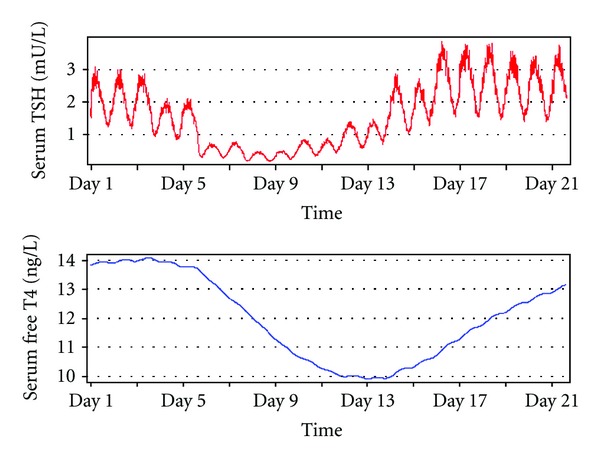
“Interestingly, the interaction seems to be more than pure addition as the amplitude of short TSH pulses also rises in the second half of night.”
BackgroundJonklaas, J., Kahric-Janicic, N., Soldin, O. P., & Soldin, S. J. (2009) · Clinical Chemistry · doi:10.1373/clinchem.2008.118752 · Cited by 101
Ultra short-loop feedback control of thyrotropin secretion
Prummel, M. F., Brokken, L. J. S., & Wiersinga, W. M. (2004) · Thyroid · doi:10.1089/thy.2004.14.825 · Cited by 100 · cited 1×
“This and the fact that ultrashort loop feedback control of thyrotropin secretion had been observed in rabbits [42, 43] led to the discovery of TSH receptors on folliculostellate cells of anterior pituitary lobe [44–46] and consecutive confirmation of a similar autocrine or paracrine effect in humans [47, 48].”
BackgroundMultiple metals predict prolactin and thyrotropin (TSH) levels in men
Meeker, J. D., Rossano, M. G., Protas, B., Diamond, M. P., Puscheck, E. E., Daly, D., Paneth, N., & Wirth, J. J. (2009) · Environmental Research · doi:10.1016/j.envres.2009.06.004 · Cited by 100
Effraimidis, G., Strieder, T. G. A., Tijssen, J. G. P., & Wiersinga, W. M. (2011) · European Journal of Endocrinology · doi:10.1530/eje-10-0785 · Cited by 99
Angelousi, A. G., Karageorgopoulos, D. E., Kapaskelis, A. M., & Falagas, M. E. (2011) · European Journal of Endocrinology · doi:10.1530/eje-10-0695 · Cited by 98
Friesema, E. C. H., Jansen, J., & Visser, T. J. (2005) · Biochemical Society Transactions · doi:10.1042/bst0330228 · Cited by 97
Two Novel Mutations in the Thyrotropin (TSH) Receptor Gene in a Child with Resistance to TSH
Clifton-Bligh, R. J. (1997) · Journal of Clinical Endocrinology & Metabolism · doi:10.1210/jc.82.4.1094 · Cited by 97
Ranasinghe, A. M., Quinn, D. W., Pagano, D., Edwards, N., Faroqui, M., Graham, T. R., Keogh, B. E., Mascaro, J., Riddington, D. W., Rooney, S. J., et al. (2006) · Circulation · doi:10.1161/circulationaha.105.000786 · Cited by 96
Scoscia, E., Baglioni, S., Eslami, A., Iervasi, G., Monti, S., & Todisco, T. (2004) · European Journal of Endocrinology · doi:10.1530/eje.0.1510557 · Cited by 96
Gauger, K. J., Giera, S., Sharlin, D. S., Bansal, R., Iannacone, E., & Zoeller, R. T. (2007) · Environmental Health Perspectives · doi:10.1289/ehp.10328 · Cited by 95
den Brinker, M., Joosten, K. F. M., Visser, T. J., Hop, W. C. J., de Rijke, Y. B., Hazelzet, J. A., Boonstra, V. H., & Hokken-Koelega, A. C. S. (2005) · The Journal of Clinical Endocrinology & Metabolism · doi:10.1210/jc.2005-0888 · Cited by 95
Thyroid hormone metabolism and environmental chemical exposure
Leijs, M. M., ten Tusscher, G. W., Olie, K., van Teunenbroek, T., van Aalderen, W. M. C., de Voogt, P., Vulsma, T., Bartoňová, A., Krauss, M. K. V., Moșoiu, C., et al. (2012) · Environmental Health · doi:10.1186/1476-069x-11-s1-s10 · Cited by 95
Kolbert, K. S., Pentlow, K. S., Pearson, J. R., Sheikh, A., Finn, R. D., Humm, J. L., & Larson, S. M. (2007) · PubMed · Cited by 94
Expression and regulation of type II iodothyronine deiodinase in human thyroid gland
Murakami, M., Araki, O., Hosoi, Y., Kamiya, Y., Morimura, T., Ogiwara, T., Mizuma, H., & Mori, M. (2001) · Endocrinology · doi:10.1210/endo.142.7.8280 · Cited by 94
Hyperthyroidism and human chorionic gonadotrophin production in gestational trophoblastic disease
Walkington, L., Webster, J., Hancock, B. W., Everard, J., & Coleman, R. E. (2011) · British Journal of Cancer · doi:10.1038/bjc.2011.139 · Cited by 94
Hays, M. T. (1988) · Endocrine Research · doi:10.3109/07435808809032986 · Cited by 94 · cited 1×
“Moreover, iodothyronines are subject to enterohepatic circulation that is a target of additional control signals [16, 74] and due to the prokinetic effects of iodothyronines possibly including thyroid hormones themselves [75, 76].”
BackgroundSARNE, D. H., REFETOFF, S., ROSENFIELD, R. L., & FARRIAUX, J. P. (1988) · The Journal of Clinical Endocrinology & Metabolism · doi:10.1210/jcem-66-4-740 · Cited by 94
Thyroxine alone or thyroxine plus triiodothyronine replacement therapy for hypothyroidism
Chao, M., Jiawei, X., Xia, H., Guoming, W., Yangang, W., Xufu, W., & Shuyao, Z. (2009) · Nuclear Medicine Communications · doi:10.1097/mnm.0b013e32832c79e0 · Cited by 93
Type 2 deiodinase at the crossroads of thyroid hormone action
Arrojo e Drigo, R., & Bianco, A. C. (2011) · The International Journal of Biochemistry & Cell Biology · doi:10.1016/j.biocel.2011.05.016 · Cited by 93
Appelhof, B. C., Peeters, R. P., Wiersinga, W. M., Visser, T. J., Wekking, E. M., Huyser, J., Schene, A. H., Tijssen, J. G. P., Hoogendijk, W. J. G., & Fliers, E. (2005) · The Journal of Clinical Endocrinology & Metabolism · doi:10.1210/jc.2005-0451 · Cited by 91
Vejbjerg, P., Knudsen, N., Perrild, H., Laurberg, P., Pedersen, I. B., Rasmussen, L. B., Ovesen, L., & Jørgensen, T. (2006) · European Journal of Endocrinology · doi:10.1530/eje.1.02255 · Cited by 90
Edelman, I. S. (1974) · New England Journal of Medicine · doi:10.1056/nejm197406062902308 · Cited by 90
Grossmann, M., Szkudlinski, M. W., Wong, R., Dias, J. A., Ji, T. H., & Weintraub, B. D. (1997) · Journal of Biological Chemistry · doi:10.1074/jbc.272.24.15532 · Cited by 89
Martínez, L., Webb, P., Polikarpov, I., & Skaf, M. S. (2005) · Journal of Medicinal Chemistry · doi:10.1021/jm050805n · Cited by 89
Giera, S., Bansal, R., Ortiz-Toro, T. M., Taub, D. G., & Zoeller, R. T. (2011) · Endocrinology · doi:10.1210/en.2010-1490 · Cited by 89
Okada, S. L., Ellsworth, J. L., Durnam, D. M., Haugen, H. S., Holloway, J. L., Kelley, M. L., Lewis, K. E., Ren, H., Sheppard, P. O., Storey, H. M., et al. (2006) · Molecular Endocrinology · doi:10.1210/me.2005-0270 · Cited by 89
Higashihara, N., Shiraishi, K., Miyata, K., Oshima, Y., Minobe, Y., & Yamasaki, K. (2007) · Archives of Toxicology · doi:10.1007/s00204-007-0223-4 · Cited by 88
Hypothalamic thyrotropin-releasing hormone and thyrotropin biological activity
PERSANI, L. (1998) · Thyroid · doi:10.1089/thy.1998.8.941 · Cited by 87 · cited 1×
“However, bioactivity of sialylated TSH seems to be reduced [84, 85].”
BackgroundSpencer, C. A. (1988) · Mayo Clinic Proceedings · doi:10.1016/s0025-6196(12)65408-1 · Cited by 87
Pohlenz, J. (1999) · Journal of Clinical Endocrinology & Metabolism · doi:10.1210/jc.84.11.3919 · Cited by 87
The TSH upper reference limit: where are we at?
Laurberg, P., Andersen, S., Carlé, A., Karmisholt, J., Knudsen, N., & Pedersen, I. B. (2011) · Nature Reviews Endocrinology · doi:10.1038/nrendo.2011.13 · Cited by 86 · cited 1×
“Recently, a new debate on the boundaries of TSH reference range has emerged [368, 369], since it was observed that patients with TSH levels of more than 2.”
BackgroundPersani, L., Borgato, S., Romoli, R., Asteria, C., Pizzocaro, A., & Beck-Peccoz, P. (1998) · The Journal of Clinical Endocrinology & Metabolism · doi:10.1210/jcem.83.7.4970 · Cited by 85
Macro-Thyrotropin: A Case Report and Review of Literature
Loh, T. P., Kao, S. L., Halsall, D. J., Toh, S.-A. E. S., Chan, E., Ho, S. C., Tai, E. S., & Khoo, C. M. (2012) · The Journal of Clinical Endocrinology & Metabolism · doi:10.1210/jc.2011-3490 · Cited by 84 · cited 1×
“Although assays for TSH, free, and total peripheral thyroid hormones have been continually improved over the previous decades [304–312], some indeterminacy persists [307, 313–315].”
BackgroundLaurberg, P. (1984) · Metabolism · doi:10.1016/0026-0495(84)90203-8 · Cited by 84 · cited 1×
“T3/T4 ratio has been applied in numerous publications, and it was shown that this parameter is elevated in certain thyroid disorders [234, 236, 281, 282] and iodine deficiency [283], while it is reduced in nonthyroidal illness [284, 285].”
BackgroundMortoglou, A., & Candiloros, H. (2004) · HORMONES · doi:10.14310/horm.2002.11120 · Cited by 82
Update in TSH Receptor Agonists and Antagonists
Gershengorn, M. C., & Neumann, S. (2012) · The Journal of Clinical Endocrinology & Metabolism · doi:10.1210/jc.2012-3080 · Cited by 81
The thyroid-pituitary homeostatic mechanism
Danziger, L., & Elmergreen, G. L. (1956) · The Bulletin of Mathematical Biophysics · doi:10.1007/bf02477840 · Cited by 81 · cited 2×
“The first theoretically based mathematical models of thyroid homeostasis, however, had already been developed in the preceding decade [93, 94].”
BackgroundDoes Hypothyroidism Affect Gastrointestinal Motility?
Yaylali, O., Kirac, S., Yilmaz, M., Akin, F., Yuksel, D., Demirkan, N., & Akdag, B. (2009) · Gastroenterology Research and Practice · doi:10.1155/2009/529802 · Cited by 80
Gagne, N. (1998) · The Journal of Clinical Endocrinology & Metabolism · doi:10.1210/jc.83.5.1771 · Cited by 80
Partial peripheral resistance to thyroid hormone
Kaplan, M. M., Swartz, S. L., & Larsen, P. R. (1981) · The American Journal of Medicine · doi:10.1016/0002-9343(81)90885-8 · Cited by 79
Normal Physiology of Hypothalamic Pituitary Regulation
Sam, S., & Frohman, L. A. (2008) · Endocrinology and Metabolism Clinics of North America · doi:10.1016/j.ecl.2007.10.007 · Cited by 78
Refetoff, S. (1993) · Clinics in Laboratory Medicine · doi:10.1016/s0272-2712(18)30426-8 · Cited by 76
Koulouri, O., Auldin, M. A., Agarwal, R., Kieffer, V., Robertson, C., Falconer Smith, J., Levy, M. J., & Howlett, T. A. (2011) · Clinical Endocrinology · doi:10.1111/j.1365-2265.2011.03984.x · Cited by 75 · cited 1×
“Decision making based on TSH levels alone may lead to misinterpretations of serious impact, especially in cases of possible overt thyroid heterostasis [127–129] and even more in potential central dysregulations [280].”
BackgroundKim, B. W., Daniels, G. H., Harrison, B. J., Price, A., Harney, J. W., Larsen, P. R., & Weetman, A. P. (2003) · The Journal of Clinical Endocrinology & Metabolism · doi:10.1210/jc.2002-020921 · Cited by 75
Estimation of the Secretion Rate of Thyrotropin in Man*
Odell, W. D., Utiger, R. D., Wilber, J. F., & Condliffe, P. G. (1967) · Journal of Clinical Investigation · doi:10.1172/jci105601 · Cited by 75
The Endocrine Function of Iodine.
(1941) · Annals of Internal Medicine · doi:10.7326/0003-4819-15-2-334_1 · Cited by 75
STANLEY, M. M., & ASTWOOD, E. B. (1949) · Endocrinology · doi:10.1210/endo-44-1-49 · Cited by 74
Falsely Elevated Thyroid-Stimulating Hormone (TSH) Level Due to Macro-TSH
SAKAI, H., FUKUDA, G., SUZUKI, N., WATANABE, C., & ODAWARA, M. (2009) · Endocrine Journal · doi:10.1507/endocrj.k08e-361 · Cited by 74
Seasonality in Plasma Thyroxine in the Desert Tortoise, Gopherus agassizii
Kohel, K. A., MacKenzie, D. S., Rostal, D. C., Grumbles, J. S., & Lance, V. A. (2001) · General and Comparative Endocrinology · doi:10.1006/gcen.2000.7595 · Cited by 73
3-Iodothyronamine (T1AM): A New Player on the Thyroid Endocrine Team?
Scanlan, T. S. (2009) · Endocrinology · doi:10.1210/en.2008-1596 · Cited by 73
Costagliola, S., Bonomi, M., Morgenthaler, N. G., Durme, J. V., Panneels, V., Refetoff, S., & Vassart, G. (2004) · Molecular Endocrinology · doi:10.1210/me.2004-0231 · Cited by 73
Benvenga, S. (2001) · Journal of Clinical Endocrinology & Metabolism · doi:10.1210/jc.86.8.3579 · Cited by 73
Tonacchera, M., Perri, A., De Marco, G., Agretti, P., Banco, M. E., Di Cosmo, C., Grasso, L., Vitti, P., Chiovato, L., & Pinchera, A. (2004) · The Journal of Clinical Endocrinology & Metabolism · doi:10.1210/jc.2004-1243 · Cited by 72
Persani, L. (1998) · The Journal of Clinical Endocrinology & Metabolism · doi:10.1210/jc.83.7.2486 · Cited by 72
Murakami, M. (2001) · Endocrinology · doi:10.1210/en.142.3.1195 · Cited by 71
Maranduba, C. M. C., Friesema, E. C. H., Kok, F., Kester, M. H. A., Jansen, J., Sertié, A. L., Passos-Bueno, M. R., & Visser, T. J. (2006) · Journal of Medical Genetics · doi:10.1136/jmg.2005.035840 · Cited by 71
Gartner, W., & Weissel, M. (2004) · Thyroid · doi:10.1089/1050725041517075 · Cited by 70
Circulating Thyrotropin Bioactivity in Sporadic Central Hypothyroidism
Persani, L. (2000) · Journal of Clinical Endocrinology & Metabolism · doi:10.1210/jc.85.10.3631 · Cited by 70 · cited 1×
“Glycosylation patterns of TSH may also be one of the reasons for concentration-independent modulation of TSH bioaction, as represented by a lack of correlation between TSH levels and FT4 concentration in central hypothyroidism [90].”
Background
Research works printed but not linked: 14
- Aron M Action de la préhypophyse sur la thyroïde chez le cobaye Comptes Rendus des Séances de la Société de Biologie 1929 102 682 684
- Dietrich JW Der Hypophysen-Schilddrüsen-Regelkreis. Entwicklung und klinische Anwendung eines nichtlinearen Modells Entwicklung Und Klinische Anwendung Eines Nichtlinearen Modells 2002 Berlin, Germany Logos
- Prummel MF Méduri G Loosfeldt H Human anterior pituitary contains a TSH-receptor Journal of Endocrinological Investigation 1997 20, article 27
- DiStefano JJ Stear EB Neuroendocrine control of thyroid secretion in living systems: a feedback control system model The Bulletin of Mathematical Biophysics 1968 30 1 3 26 2-s2.0-0014257362 4969955 · DOI
- Cohen JL Becker KL Thyroid-stimulation hormone and its disorders Principles and Practice of Endocrinology and Metabolism 1990 Philadelphia, Pa, USA J. B. Lippincott Company 144 152
- Dietrich JW Mitzdorf U Weitkunat R Pickardt CR The pituitary-thyroid feedback control: stability and oscillations in a new nonlinear model Journal of Endocrinological Investigation 1997 20 5
- Dietrich JW Fischer MR Jauch J Pantke E Gärtner R Pickardt CR SPINA-THYR: a novel systems theoretic approach to determine the secretion capacity of the thyroid gland European Journal of Internal Medicine 1999 10 supplement 1 p. S34
- Rothacker K Hadlow NC Wardrop R Walsh JP The relationship between TSH and free T4 is not log-linear and differs between genders and age groups Proceedings of the ASN Events: The Annual Scientific Meeting of the Endocrine Society of Australia and the Society for Reproductive Biology August 2012 Queensland, Australia Gold Coast
- Martino E Pinchera A Braverman LE Utiger RD Central hypothyroidism Werner and Ingbar's the Thyroid 2005 9th edition Philadelphia, Pa, USA Lippincott Williams & Wilkins 754 768
- Grußendorf M Metabolismus der Schilddrüsenhormone 1988 1st edition Stuttgart, Germany Georg Thieme
- Dumont JE Vassart G DeGroot Thyroid regulation Endocrinology 1995 WB Saunders
- Jeyabalan A Urban A Ackermann A Die berechnete Sekretionsleistung der Schilddrüse unterstützt die Differentialdiagnose zwischen latenter Hyperthyreose und Non-Thyroidal-Illness-Syndrom mit thyreotroper Adaptation Kongress Der Deutschen Gesellschaft Für Innere Medizin 2011 117 Wiesbaden, Germany p. PS97
- Cohen RN Wondisford FE Braverman LE Uller RP Chemistry and biosynthesis of thyrotropin Werner and Ingbar's the Thyroid 2005 Philadelphia, Pa, USA Lippincott Williams & Wilkins 159 175
- Heinzeller T Stuttgart GR Entwicklungsgeschichte, Ontogenese und Histologie Schilddrüsenerkrankungen 2004 Wissenschaftliche Verlagsgesellschaft 3 15
Cited by
Bisphenol A and human health: A review of the literature
Rochester, J. R. (2013) · Reproductive Toxicology · doi:10.1016/j.reprotox.2013.08.008 · Cited by 2,018
“The production of 12 thyroid hormones are regulated by negative feedback to the brain [142].”
BackgroundBallesteros, V., Costa, O., Iñiguez, C., Fletcher, T., Ballester, F., & Lopez-Espinosa, M.-J. (2017) · Environment International · doi:10.1016/j.envint.2016.10.015 · Cited by 242
Chatzitomaris, A., Hoermann, R., Midgley, J. E., Hering, S., Urban, A., Dietrich, B., Abood, A., Klein, H. H., & Dietrich, J. W. (2017) · Frontiers in Endocrinology · doi:10.3389/fendo.2017.00163 · Cited by 173
“Thyroid Control Homeostatic control of thyroid function represents a classical example of a hypothalamic–pituitary-mediated endocrine feedback mechanism (Figure 2) (18, 35).”
BackgroundInfluentialDietrich, J. W., Landgrafe-Mende, G., Wiora, E., Chatzitomaris, A., Klein, H. H., Midgley, J. E. M., & Hoermann, R. (2016) · Frontiers in Endocrinology · doi:10.3389/fendo.2016.00057 · Cited by 164
“They found it to be increased in iodine deficiency (41) and other settings of hyperdeiodination (42–44) – possibly accompanied by intrathyroidal hypoiodination and representing an iodine recovery mechanism – and to be decreased in NTIS (45, 46), central hypothyroidism ensuing from thyrotropic insufficiency (47, 48), c…”
BackgroundInfluentialHomeostatic control of the thyroid-pituitary axis: perspectives for diagnosis and treatment
Hoermann, R., Midgley, J. E. M., Larisch, R., & Dietrich, J. W. (2015) · Frontiers in Endocrinology · doi:10.3389/fendo.2015.00177 · Cited by 143
Self-citation
Metadata
- Authors
- Dietrich, J. W., Landgrafe, G., & Fotiadou, E. H.
- Affiliations
- University Hospitals of the Ruhr-University of Bochum (DE)
- Lab XU44, Medical Hospital I, Bergmannsheil University Hospitals, Ruhr University of Bochum (UK RUB), Bürkle-de-la-Camp-Platz 1, 44789 Bochum, NRW, Germany
- Corresponding author
- Dietrich, Johannes W.
- Venue
- Journal of Thyroid Research
- Publisher
- Hindawi Limited
- Published
- 2012
- Volume
- 2012
- Pages
- 1-29
- ISSN
- 2042-0072 (ISSN-L)
- 2090-8067
- PMC
- PMC3544290
- OpenAlex
- W1980687578
- Cited by
- 146
- References
- 431
- Citations by year
- 2026: 2 · 2025: 11 · 2024: 9 · 2023: 11 · 2022: 12 · 2021: 17 · 2020: 16 · 2019: 11 · 2018: 12 · 2017: 9 · 2016: 12 · 2015: 11 · 2014: 9 · 2013: 4
- FWCI
- 6.16
- Type
- journal article
- Language
- en
- Open access
- hybrid
- doi.org
- Locations
- Journal of Thyroid Research (publishedVersion, cc-by)
- Europe PMC (PubMed Central) (publishedVersion, cc-by)
- PubMed Central (publishedVersion, cc-by)
- PubMed (publishedVersion)
- DOAJ (DOAJ: Directory of Open Access Journals) (submittedVersion, cc-by-sa)
- Topics
- Health Sciences › Medicine › Endocrinology, Diabetes and Metabolism › Thyroid Disorders and Treatments
- Health Sciences › Medicine › Endocrinology, Diabetes and Metabolism › Thyroid Cancer Diagnosis and Treatment
- Health Sciences › Medicine › Endocrinology, Diabetes and Metabolism › Growth Hormone and Insulin-like Growth Factors
- Keywords
- thyroid-stimulating hormone, hypothalamic-pituitary-thyroid axis, thyroid homeostasis, feedback control, cybernetics, mathematical modeling, TSH reference range, thyroid dysfunction, personalized diagnosis, targeted therapy
About these checks
Registry, retraction, Cites and statistics results are computed, not judged, with one exception: a printed reference that no index lists is read once by a model before it counts as a citation error. Claims are extracted by a model and kept only when their quote appears verbatim in the text; each cited source is then checked, with a model’s help, for whether it says what the claim relies on. Those verdicts can be wrong — read the claim’s quote and the cited source before relying on one.
Statistics and arithmetic are recomputed, not judged.
Confidence bands are shown only for fields calibrated on our annotated test set. None is calibrated yet, so no band is shown.
What counts as a claim ›How we measure confidence ›How we check this ›
Are you an author, or do you see a problem with this page? Request a review
Data sources
Bibliographic data: Semantic Scholar, OpenAlex, Crossref.
Contains information from the Semantic Scholar Academic Graph Datasets, made available under the ODC Attribution License (ODC-BY 1.0).
Semantic Scholar’s data is described in: Kinney, R., et al. (2023). The Semantic Scholar Open Data Platform. arXiv:2301.10140.
