

A tale of three next generation sequencing platforms: comparison of Ion torrent, pacific biosciences and illumina MiSeq sequencers
Open accessThe DOI matches its Crossref record; 32 of the 32 references it cites were found in a registry or an index.
Abstract
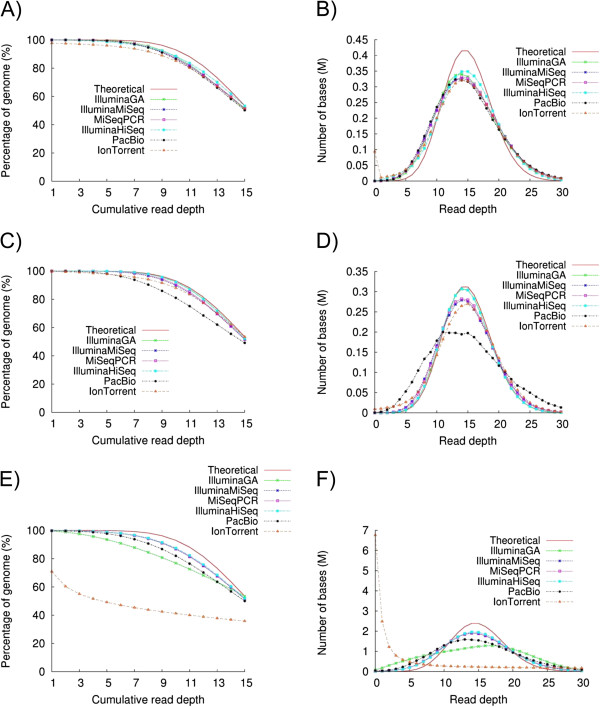
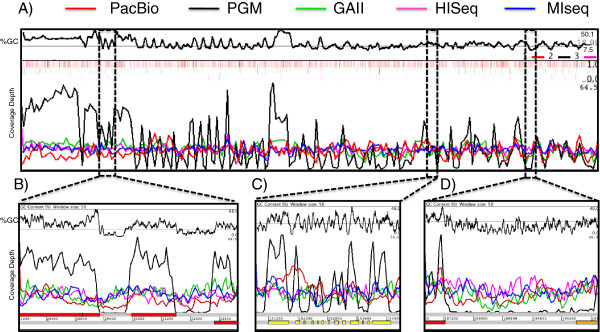
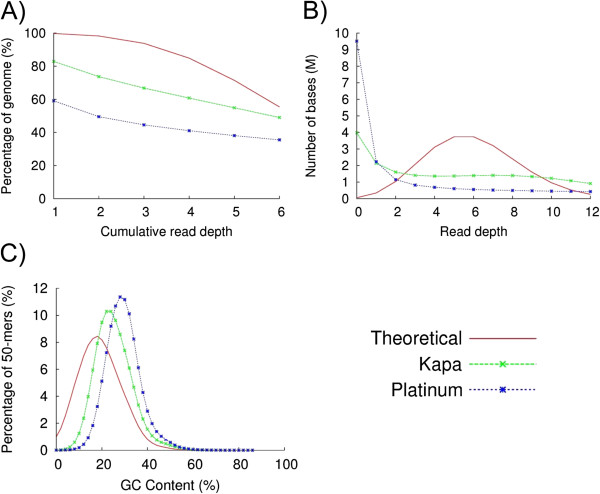
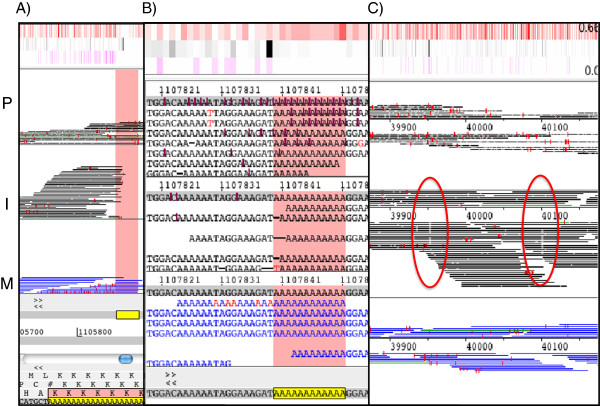
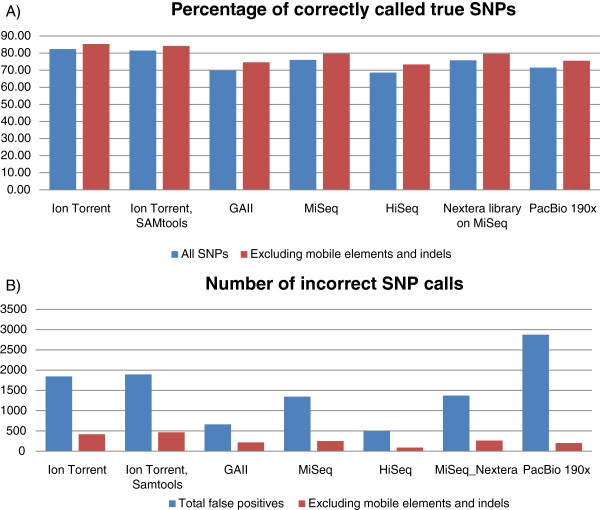
BACKGROUND: Next generation sequencing (NGS) technology has revolutionized genomic and genetic research. The pace of change in this area is rapid with three major new sequencing platforms having been released in 2011: Ion Torrent's PGM, Pacific Biosciences' RS and the Illumina MiSeq. Here we compare the results obtained with those platforms to the performance of the Illumina HiSeq, the current market leader. In order to compare these platforms, and get sufficient coverage depth to allow meaningful analysis, we have sequenced a set of 4 microbial genomes with mean GC content ranging from 19.3 to 67.7%. Together, these represent a comprehensive range of genome content. Here we report our analysis of that sequence data in terms of coverage distribution, bias, GC distribution, variant detection and accuracy. RESULTS: Sequence generated by Ion Torrent, MiSeq and Pacific Biosciences technologies displays near perfect coverage behaviour on GC-rich, neutral and moderately AT-rich genomes, but a profound bias was observed upon sequencing the extremely AT-rich genome of Plasmodium falciparum on the PGM, resulting in no coverage for approximately 30% of the genome. We analysed the ability to call variants from each platform and found that we could call slightly more variants from Ion Torrent data compared to MiSeq data, but at the expense of a higher false positive rate. Variant calling from Pacific Biosciences data was possible but higher coverage depth was required. Context specific errors were observed in both PGM and MiSeq data, but not in that from the Pacific Biosciences platform. CONCLUSIONS: All three fast turnaround sequencers evaluated here were able to generate usable sequence. However there are key differences between the quality of that data and the applications it will support.
Overview
The claims and statistics of this paper haven’t been checked yet.
Free: it reads the open-access text and checks the first 5 claims that cite a source we can check. Create a free account to check every claim.
Integrity signals
Registry
Cites
Statistics
Figures
Verification
Claims the paper makes
The claims and statistics of this paper haven’t been checked yet.
Free: it reads the open-access text and checks the first 5 claims that cite a source we can check. Create a free account to check every claim.
Claims other papers make about this one
Each is checked against this paper’s own text: does it say what the citing paper says it does?
The source backs part of the claim, not all of it — or backs it for a different population, condition or comparison.
In the citing paper
“The limit of detection in these experiments is based on the inherent error rate of the Illumina platform (up to 0.4%), which has previously been described for genome editing experiment analyzed by NGS71–73.”
From A high-fidelity Cas9 mutant delivered as a ribonucleoprotein complex enables efficient gene editing in human hematopoietic stem and progenitor cells (2018) · cites this paper as [72]
Experimental — accuracy not yet measuredThe check wasn’t confident either way, so it gives no verdict — never disputed.
In the citing paper
“RNA-seq is expected to produce some reads from highly expressed transcripts that begin at the same nucleotide and are thus designated “duplicate.””
From Multi-platform assessment of transcriptome profiling using RNA-seq in the ABRF next-generation sequencing study (2014) · cites this paper as [8]
Experimental — accuracy not yet measured
Self-check
Percentages, sums and reported differences re-computed from the paper’s own numbers.
The self-check needs the paper’s full text.
Citations
Cites
The Sequence Alignment/Map format and SAMtools
Li, H., Handsaker, B., Wysoker, A., Fennell, T., Ruan, J., Homer, N., Marth, G., Abecasis, G., Durbin, R., & 1000 Genome Project Data Processing Subgroup (2009) · Bioinformatics · doi:10.1093/bioinformatics/btp352 · Cited by 62,041
Fast and accurate short read alignment with Burrows-Wheeler transform
Li, H., & Durbin, R. (2009) · Bioinformatics · doi:10.1093/bioinformatics/btp324 · Cited by 58,607
RNA-Seq: a revolutionary tool for transcriptomics
Wang, Z., Gerstein, M., & Snyder, M. (2009) · Nature Reviews Genetics · doi:10.1038/nrg2484 · Cited by 13,174 · cited 1×
“Illumina sequencing has matured to the point where a great many applications [15-24] have been developed on the platform.”
BackgroundGenome sequence of the human malaria parasite Plasmodium falciparum
Gardner, M. J., Hall, N., Fung, E., White, O., Berriman, M., Hyman, R. W., Carlton, J. M., Pain, A., Nelson, K. E., Bowman, S., et al. (2002) · Nature · doi:10.1038/nature01097 · Cited by 4,407 · cited 1×
“4% [14], we use it as one of our test genomes, representing a significant challenge to most sequencing technologies.”
Method(1997) · Obesity Surgery · doi:10.1381/096089297765555359 · Cited by 3,916
Real-Time DNA Sequencing from Single Polymerase Molecules
Eid, J., Fehr, A., Gray, J., Luong, K., Lyle, J., Otto, G., Peluso, P., Rank, D., Baybayan, P., Bettman, B., et al. (2009) · Science · doi:10.1126/science.1162986 · Cited by 3,732
Accurate whole human genome sequencing using reversible terminator chemistry
Bentley, D. R., Balasubramanian, S., Swerdlow, H. P., Smith, G. P., Milton, J., Brown, C. G., Hall, K. P., Evers, D. J., Barnes, C. L., Bignell, H. R., et al. (2008) · Nature · doi:10.1038/nature07517 · Cited by 3,684
Self-citationGenome-Wide Mapping of in Vivo Protein-DNA Interactions
Johnson, D. S., Mortazavi, A., Myers, R. M., & Wold, B. (2007) · Science · doi:10.1126/science.1141319 · Cited by 2,927
An integrated semiconductor device enabling non-optical genome sequencing
Rothberg, J. M., Hinz, W., Rearick, T. M., Schultz, J., Mileski, W., Davey, M., Leamon, J. H., Johnson, K., Milgrew, M. J., Edwards, M., et al. (2011) · Nature · doi:10.1038/nature10242 · Cited by 2,172
Diep, B. A., Gill, S. R., Chang, R. F., Phan, T. H., Chen, J. H., Davidson, M. G., Lin, F., Lin, J., Carleton, H. A., Mongodin, E. F., et al. (2006) · The Lancet · doi:10.1016/s0140-6736(06)68231-7 · Cited by 1,633 · cited 9×
“MGEs were manually identified from the S. aureus USA300_FPR3757 genome annotation SNPs called from the resulting alignment provided a high-quality reference set for comparison with the SNPs identified by each sequencing platform.”
MethodInfluential
Cited by
Items 301–400 of 1,000
Privacy-Preserving Processing of Raw Genomic Data
Ayday, E., Raisaro, J. L., Hengartner, U., Molyneaux, A., & Hubaux, J. (2014) · Lecture notes in computer science · doi:10.1007/978-3-642-54568-9_9 · Cited by 82
“78% for Ion Torrent and 13% for PacBio sequencing [3].”
BackgroundSystematic Characterization and Comparative Analysis of the Rabbit Immunoglobulin Repertoire
Lavinder, J. J., Hoi, K. H., Reddy, S. T., Wine, Y., & Georgiou, G. (2014) · PLoS ONE · doi:10.1371/journal.pone.0101322 · Cited by 76
“It should be noted that the reported mutational load is a combination of both biological processes mediated by AID and inherent PCR/ sequencing error, which has been reported to be approximately 1% for both 454 GS-FLX [45] and Illumina MiSeq sequencing [46].”
BackgroundHaig, S., Kotlarz, N., LiPuma, J. J., & Raskin, L. M. (2018) · mBio · doi:10.1128/mbio.02354-17 · Cited by 97
“The high guanine-cytosine content of NTM genomes (25) provides an additional challenge by increasing the potential for positional errors in several sequencing platforms (26).”
BackgroundA Benchmark Study on Error Assessment and Quality Control of CCS Reads Derived from the PacBio RS
Jiao, X. (2013) · Journal of Data Mining in Genomics & Proteomics · doi:10.4172/2153-0602.1000136 · Cited by 81
“Regardless of the ~15% error rate reported for the raw sub reads of PacBio [1,10], one of the standard outputs from the platform is the Circular Consensus Sequence(CCS) read (the throughput is ~10-20 k per SMRT cell), which is an error-corrected consensus read derived from the multiple alignment consensus of sub reads…”
BackgroundDetection and Enumeration of Spore-Forming Bacteria in Powdered Dairy Products
McHugh, A. J., Feehily, C., Hill, C., & Cotter, P. D. (2017) · Frontiers in Microbiology · doi:10.3389/fmicb.2017.00109 · Cited by 96
“All of these are notoriously difficult to classify and differentiate from each other (Helgason et al., 2000; Radnedge et al., 2003; Rasko et al., 2005; Liu et al., 2015).”
Liao, X., Zhao, Y., Kong, X., Khan, A., Zhou, B., Liu, D., Kashif, M. H., Chen, P., Wang, H., & Zhou, R. (2018) · Scientific Reports · doi:10.1038/s41598-018-30297-w · Cited by 86
Liu, X., Tao, T., Zhao, L. Y., Li, G., & Yang, L. (2020) · Clinical and Experimental Ophthalmology · doi:10.1111/ceo.13875 · Cited by 75
Insights into structural variations and genome rearrangements in prokaryotic genomes
Periwal, V., & Scaria, V. (2014) · Bioinformatics · doi:10.1093/bioinformatics/btu600 · Cited by 83
Fiona: a parallel and automatic strategy for read error correction
Schulz, M. H., Weese, D., Holtgrewe, M., Dimitrova, V., Niu, S., Reinert, K., & Richard, H. (2014) · Bioinformatics · doi:10.1093/bioinformatics/btu440 · Cited by 89
“Uk = m∑ i=1 `i · `i∑ e=1 fk(e, `i) ε e (1− ε)(li−e) , (1) where fk(e, `) is the number of sequences with e errors in a read of length ` such that any interval of length k contains at least one error.”
BackgroundVierheilig, J., Savio, D., Ley, R. E., Mach, R. L., Farnleitner, A. H., & Reischer, G. H. (2015) · Water Science & Technology · doi:10.2166/wst.2015.407 · Cited by 85
Skin microbiota of first cousins affected by psoriasis and atopic dermatitis
Drago, L., De Grandi, R., Altomare, G., Pigatto, P., Rossi, O., & Toscano, M. (2016) · Clinical and Molecular Allergy · doi:10.1186/s12948-016-0038-z · Cited by 76
Tracking the best reference genes for RT-qPCR data normalization in filamentous fungi
Llanos, A., François, J., & Parrou, J. (2015) · BMC Genomics · doi:10.1186/s12864-015-1224-y · Cited by 90
“For all these reasons, and aided by extraordinary advances in genome sequencing facilities [16,17], there has been a tremendous effort to pursue the sequencing of filamentous fungi.”
BackgroundWatherston, J., McNevin, D. B., Gahan, M. E., Bruce, D., & Ward, J. (2018) · Forensic Science International Genetics · doi:10.1016/j.fsigen.2018.08.016 · Cited by 82
Xue, Z., Kable, M. E., & Marco, M. L. (2018) · mSphere · doi:10.1128/msphere.00410-18 · Cited by 80
“The Illumina MiSeq is well-established and known for its low 248 error rate, high volume read outputs, and low sequencing cost per Gb (37, 38).”
GenStore: a high-performance in-storage processing system for genome sequence analysis
Ghiasi, N. M., Park, J., Mustafa, H., Kim, J. S., Olgun, A., Gollwitzer, A., Cali, D. S., Fırtına, C., Mao, H., Alserr, N. A., et al. (2022) · International Conference on Architectural Support for Programming Languages and Operating Systems (ASPLOS) · doi:10.1145/3503222.3507702 · Cited by 99
“This is because it is common practice to sequence each DNA fragment several times (i.e., with high coverage) to improve the accuracy of downstream genetic analyses [26, 53, 54, 148].”
Yu, Z., Zeng, Z., Zhang, J., Pan, Y., Chen, M., Guo, Y., Yu, N., Chodosh, J., Fu, N., Che, X., et al. (2016) · Scientific Reports · doi:10.1038/srep37216 · Cited by 73
Clawson, M. L., Murray, R. W., Sweeney, M. T., Apley, M. D., DeDonder, K. D., Capik, S. F., Larson, R. L., Lubbers, B. V., White, B. J., Kalbfleisch, T., et al. (2016) · BMC Genomics · doi:10.1186/s12864-016-3316-8 · Cited by 83
“Because the Illumina platform generated paired-end reads of clonal sequence [41], the mapped reads could be checked for the presence of nucleotide polymorphisms where both alleles were observed between reads from the same isolate, and were not the result of mapping or sequencing errors.”
MethodColloquium : Ionic phenomena in nanoscale pores through 2D materials
Sahu, S., & Zwolak, M. (2019) · Reviews of Modern Physics · doi:10.1103/revmodphys.91.021004 · Cited by 77
Kai, W., Nomura, K., Fujiwara, A., Nakamura, Y., Yasuike, M., Ojima, N., Masaoka, T., Ozaki, A., Kazeto, Y., Gen, K., et al. (2014) · BMC Genomics · doi:10.1186/1471-2164-15-233 · Cited by 89
“The Ion PGM is a relatively new technology; therefore, its output, including quality and downstream application, has not yet fully matured [10].”
BackgroundMethod3′READS+, a sensitive and accurate method for 3′ end sequencing of polyadenylated RNA
Zheng, D., Liu, X., & Tian, B. (2016) · RNA · doi:10.1261/rna.057075.116 · Cited by 86
“Sequencing homopolymers is challenging for current sequencing platforms (Quail et al. 2012).”
BackgroundEmerging spatial patterns in Antarctic prokaryotes
Chong, C. W., Pearce, D. A., & Convey, P. (2015) · Frontiers in Microbiology · doi:10.3389/fmicb.2015.01058 · Cited by 79
Liang, C., van Dijk, J. P., Scholtens, I. M. J., Staats, M., Prins, T. W., Voorhuijzen, M. M., Martins-da-Silva, A., Arisi, A. C. M., den Dunnen, J. T., & Kok, E. J. (2014) · Analytical and Bioanalytical Chemistry · doi:10.1007/s00216-014-7667-1 · Cited by 72
“For the PacBio data, the choice of dedicated de novo assembly tools was limited, as most tools have difficulties with handling the long reads with high sequence error rates [21].”
MethodTurchinovich, A. A., Surowy, H., Serva, A., Zapatka, M., Lichter, P., & Burwinkel, B. (2014) · RNA Biology · doi:10.4161/rna.29304 · Cited by 78
Humphreys, C. M., McLean, S., Schatschneider, S., Millat, T., Henstra, A. M., Annan, F. J., Breitkopf, R., Pander, B., Piatek, P., Rowe, P., et al. (2015) · BMC Genomics · doi:10.1186/s12864-015-2287-5 · Cited by 92
“However, it has been found that the error rate for PacBio sequencing is relatively high when compared to Illumina sequencing data [46, 47], especially concerning homopolymer regions between two and fourteen base pairs in length [48].”
BackgroundCharacterization of MinION nanopore data for resequencing analyses
Magi, A., Giusti, B., & Tattini, L. (2016) · Briefings in Bioinformatics · doi:10.1093/bib/bbw077 · Cited by 77
Inzaule, S. C., Ondoa, P., PETER, T. F., Mugyenyi, P. N., Stevens, W. S., de Wit, T. F. R., & Hamers, R. L. (2016) · The Lancet Infectious Diseases · doi:10.1016/s1473-3099(16)30118-9 · Cited by 71
Current mutation discovery approaches in Retinitis Pigmentosa
Anasagasti, A., Irigoyen, C., Barandika, O., de Munaín, A. L., & Ruiz‐Ederra, J. (2012) · Vision Research · doi:10.1016/j.visres.2012.09.012 · Cited by 84
Manzari, C., Fosso, B., Marzano, M., Annese, A., Caprioli, R., D’Erchia, A. M., Gissi, C., Intranuovo, M., Picardi, E., Santamaría, M., et al. (2014) · Biological Invasions · doi:10.1007/s10530-014-0810-2 · Cited by 72
“Illumina/Solexa represents the NGS sequencing system most widely used for amplicon-based metagenomic studies (Luo et al. 2012), providing optimal performances in terms of time, costs and coverage (Caporaso et al. 2012; Kozich et al. 2013; Liu et al. 2012; Loman et al. 2012; Quail et al. 2012).”
BackgroundMethodBertolini, F., Ghionda, M. C., D’Alessandro, E., Geraci, C., Chiofalo, V., & Fontanesi, L. (2015) · PLoS ONE · doi:10.1371/journal.pone.0121701 · Cited by 74
“Advantages of the Ion Torrent platform are due to the low cost per run, the speed of the sequencing step, the possibility to barcode different samples that can run on the same chip and the possibility to use different chips that can allow different scales of sequencing throughput according to the analytical needs [18,…”
BackgroundValidation of high throughput sequencing and microbial forensics applications
Budowle, B., Connell, N. D., Bielecka-Oder, A., Colwell, R. R., Corbett, C. R., Fletcher, J., Forsman, M., Kadavy, D. R., Markotić, A., Morse, S., et al. (2014) · Investigative Genetics · doi:10.1186/2041-2223-5-9 · Cited by 82
“Sequencing Each HTS system employs a unique chemistry for sequence determination and each will have to be validated in general and then specifically according to applicable features of the system [51,52,89-93].”
BackgroundIs Oxford Nanopore sequencing ready for analyzing complex microbiomes?
Kerkhof, L. J. (2021) · FEMS Microbiology Ecology · doi:10.1093/femsec/fiab001 · Cited by 76
Leichty, A. R., & Brisson, D. (2014) · Genetics · doi:10.1534/genetics.114.165498 · Cited by 82
“It is important to note that next-generation sequencing technologies are inherently biased and uneven sequence coverage is common (Lam et al. 2012; Quail et al. 2012; Ross et al. 2013), similar to the data from our pre- and postamplification samples (Figure S2).”
ResultCompleting bacterial genome assemblies: strategy and performance comparisons
Liao, Y.-C., Lin, S.-H., & Lin, H.-H. (2015) · Scientific Reports · doi:10.1038/srep08747 · Cited by 85
“…sequencing technology has changed the traditional Sanger sequencing paradigm. sequencing The decrease in expense associated with sequencing genomic data has made this technology broadly accessible, and now decentralized laboratories can afford to execute their own internal genome projects 1,2 .”
BackgroundNguyen, T. V., Jung, H., Nguyen, T. M., Hurwood, D. A., & Mather, P. B. (2015) · Marine Genomics · doi:10.1016/j.margen.2015.11.010 · Cited by 76
Iwanowicz, D. D., Vandergast, A. G., Cornman, R. S., Adams, C., Kohn, J. R., Fisher, R. N., & Brehme, C. S. (2016) · PLoS ONE · doi:10.1371/journal.pone.0165366 · Cited by 72
Gayathiri, E., Prakash, P., Kumaravel, P., Jayaprakash, J., Ragunathan, M. G., Sankar, S., Pandiaraj, S., Thirumalaivasan, N., Thiruvengadam, M., & Rajakumar, G. (2023) · Progress in Biophysics and Molecular Biology · doi:10.1016/j.pbiomolbio.2023.08.002 · Cited by 84
Genome assembly and annotation for red clover (Trifolium pratense; Fabaceae)
Ištvánek, J., Jaroš, M., Křenek, A., & Řepková, J. (2014) · American Journal of Botany · doi:10.3732/ajb.1300340 · Cited by 90
Diverse Lineages of Candida albicans Live on Old Oaks
Bensasson, D., Dicks, J., Ludwig, J. M., Bond, C. J., Elliston, A., Roberts, I. N., & James, S. A. (2019) · Genetics · doi:10.1534/genetics.118.301482 · Cited by 68
Lee, E. R., Parkin, N. T., Jennings, C., Brumme, C. J., Enns, E., Casadellà, M., Howison, M., Coetzer, M., Ávila‐Ríos, S., Capina, R. E., et al. (2020) · Scientific Reports · doi:10.1038/s41598-020-58544-z · Cited by 71
RNA-Binding Proteins in Regulation of Alternative Cleavage and Polyadenylation
Zheng, D., & Tian, B. (2014) · Advances in experimental medicine and biology · doi:10.1007/978-1-4939-1221-6_3 · Cited by 70
Metagenomic Analysis and its Applications
Ghosh, A., Mehta, A., & Khan, A. M. (2018) · Elsevier eBooks · doi:10.1016/b978-0-12-809633-8.20178-7 · Cited by 87
Chen, X., Li, Q., Li, Y., Qian, J., & Han, J. (2015) · Frontiers in Plant Science · doi:10.3389/fpls.2015.00042 · Cited by 75
“The observed raw error rate was 12.86%, which was much higher than that of other platforms, such as Illumina MiSeq and Ion Torrent PGM (Quail et al., 2012).”
InfluentialRNAEditor: easy detection of RNA editing events and the introduction of editing islands
John, D., Weirick, T., Dimmeler, S., & Uchida, S. (2016) · Briefings in Bioinformatics · doi:10.1093/bib/bbw087 · Cited by 75
Campisciano, G., Zanotta, N., Licastro, D., De Seta, F., & Comar, M. (2018) · Scientific Reports · doi:10.1038/s41598-018-20649-x · Cited by 67
Albrecht, V., Zweiniger, C., Surendranath, V., Lang, K., Schöfl, G., Dahl, A., Winkler, S., Lange, V., Böhme, I., & Schmidt, A. H. (2017) · HLA · doi:10.1111/tan.13057 · Cited by 66
“In comparison to the shortread method, however, SMRT sequencing is prone to sequencing errors, especially in homopolymeric and repetitive sequence regions.(11,13) In this particular example (Figure 3), a high rate of insertion/deletion errors results in a situation where the difference in the length of a poly-A-stretc…”
BackgroundMethodYang, Y., Wu, L., Chen, J., Wu, X., Xia, J., Meng, Z., Liu, X., & Lin, H. (2020) · 动物学研究 · doi:10.24272/j.issn.2095-8137.2020.038 · Cited by 71
“Third-generation sequencing technologies have improved the extension of sequencing reads and provide superior platforms to produce complete and exact genomes (Quail et al., 2012).”
Microbial Bioremediation and Biodegradation of Petroleum Products—A Mini Review
Adedeji, J. A., Tetteh, E. K., Amankwa, M. O., Asante-Sackey, D., Ofori-Frimpong, S., Armah, E. K., Rathilal, S., Mohammadi, A. H., & Chetty, M. (2022) · Applied Sciences · doi:10.3390/app122312212 · Cited by 91
Development and Validation of a New HPV Genotyping Assay Based on Next-Generation Sequencing
Yi, X., Zou, J., Xu, J., Liu, T., Liu, T., Hua, S., Xi, F., Nie, X., Ye, L., Luo, Y., et al. (2014) · American Journal of Clinical Pathology · doi:10.1309/ajcp9p2kjsxekcjb · Cited by 75
Defining the Clinical Value of a Genomic Diagnosis in the Era of Next-Generation Sequencing
Strande, N. T., & Berg, J. S. (2016) · Annual Review of Genomics and Human Genetics · doi:10.1146/annurev-genom-083115-022348 · Cited by 75
“Detailed reviews outlining the mechanics and biochemistry behind each sequencing technology, including those described below, can be found elsewhere (72, 80, 93, 100).”
BackgroundKarouia, F., Peyvan, K., & Pohorille, A. (2017) · Biotechnology Advances · doi:10.1016/j.biotechadv.2017.04.003 · Cited by 71
Lisi, S., Fiore, E., Scarano, S., Pascale, E., Boehman, Y., Ducongè, F., Chierici, S., Minunni, M., Peyrin, É., & Ravelet, C. (2018) · Analytica Chimica Acta · doi:10.1016/j.aca.2018.07.029 · Cited by 71
Transmission of hepatitis E virus by water: An issue still pending in industrialized countries
Fenaux, H., Chassaing, M., Berger, S., Gantzer, C., Bertrand, I., & Schvoerer, É. (2018) · Water Research · doi:10.1016/j.watres.2018.12.014 · Cited by 67
Detection of circulating tumor DNA in patients with osteosarcoma
Barris, D. M., Weiner, S. B., Dubin, R. A., Fremed, M., Zhang, X., Piperdi, S., Zhang, W., Maqbool, S., Gill, J., Roth, M., et al. (2018) · Oncotarget · doi:10.18632/oncotarget.24268 · Cited by 63
“1% and 1% [31], which limits the ability to detect ultra low frequency mutations.”
BackgroundKanda, K., Pflug, J. M., Sproul, J. S., Dasenko, M., & Maddison, D. R. (2015) · PLoS ONE · doi:10.1371/journal.pone.0143929 · Cited by 73
Hybrid assembly with long and short reads improves discovery of gene family expansions
Miller, J. R., Zhou, P., Mudge, J., Gurtowski, J., Lee, H., Ramaraj, T., Walenz, B. P., Liu, J., Stupar, R. M., Denny, R. L., et al. (2017) · BMC Genomics · doi:10.1186/s12864-017-3927-8 · Cited by 75
“The base call accuracy of individual reads is about 87% [14] and chimera, i.”
BackgroundGutierrez, J. M., Ferrocino, I., Rantsiou, K., & Cocolin, L. (2018) · International Journal of Food Microbiology · doi:10.1016/j.ijfoodmicro.2018.10.010 · Cited by 70
Willette, D. A., Allendorf, F. W., Barber, P. H., Barshis, D. J., Carpenter, K. E., Crandall, E. D., Cresko, W. A., Fernández-Silva, I., Matz, M. V., Meyer, E., et al. (2014) · Bulletin of Marine Science · doi:10.5343/bms.2013.1008 · Cited by 74
“…relative strengths and weaknesses (Harismendy et al. 2009, Davey et al. 2011, Pareek et al. 2011, boers et al. 2012, Liu et al. 2012, Luo et al. 2012, Quail et al. 2012, Arnold et al. 2013, Gautier et al. 2013), and therefore we limit our technical discussion to some of these NGs tools in…”
BackgroundKukita, Y., Uchida, J., Oba, S., Nishino, K., Kumagai, T., Taniguchi, K., Okuyama, T., Imamura, F., & Kato, K. (2013) · PLoS ONE · doi:10.1371/journal.pone.0081468 · Cited by 64
“These results agreed with previously reported observations from the PGM platform [15].”
ResultVembar, S. S., Seetin, M. G., Lambert, C. C., Nattestad, M., Schatz, M. C., Baybayan, P. A., Scherf, A., & Smith, M. L. (2016) · DNA Research · doi:10.1093/dnares/dsw022 · Cited by 87
“2A; read N50), suggesting that the Pacific Biosciences P6 polymerase may be capable of sequencing through long stretches of highly ATrich genomic content, confirming prior reports of little to no sequence-context bias of SMRT sequencing.(13,14,25)”
BackgroundSelf-citationThe use of -omics tools for assessing biodeterioration of cultural heritage: A review
Gutarowska, B. (2020) · Journal of Cultural Heritage · doi:10.1016/j.culher.2020.03.006 · Cited by 78
Fujiyoshi, S., Muto-Fujita, A., & Maruyama, F. (2020) · Scientific Reports · doi:10.1038/s41598-020-69450-9 · Cited by 67
Conte, C., Rotini, A., Manfra, L., D’Andrea, M. M., Winters, G., & Migliore, L. (2021) · Water · doi:10.3390/w13040406 · Cited by 73
“[212] showed that the PGM platform showed better performances, but at the expense of a higher false positive rate.”
BackgroundMastering DNA chromatogram analysis in Sanger sequencing for reliable clinical analysis
Al‐Shuhaib, M. B. S., & Hashim, H. O. (2023) · Journal of Genetic Engineering and Biotechnology · doi:10.1186/s43141-023-00587-6 · Cited by 121
“Moreover, the application of high-fidelity DNA polymerases with proofreading capabilities, capable of identifying and rectifying errors during DNA synthesis, aids in minimizing PCR-related errors [11].”
BackgroundA High-Plex PCR Approach for Massively Parallel Sequencing
Nguyen‐Dumont, T., Pope, B. J., Hammet, F., Southey, M. C., & Park, D. J. (2013) · BioTechniques · doi:10.2144/000114052 · Cited by 68
Next‐generation sequencing – feasibility and practicality in haematology
Kohlmann, A., Großmann, V., Nadarajah, N., & Haferlach, T. (2013) · British Journal of Haematology · doi:10.1111/bjh.12194 · Cited by 72
“In another study including 105 CLL patients investigated by WES, Quesada et al (2012) reported on mutations in SF3B1, encoding a subunit of the spliceosomal U2 small nuclear ribonucleoprotein (snRNP), that were somatically mutated in 9 7% of affected individuals.”
BackgroundHLA Haplotyping from RNA-seq Data Using Hierarchical Read Weighting
Kim, H. J., & Pourmand, N. (2013) · PLoS ONE · doi:10.1371/journal.pone.0067885 · Cited by 68
Eimeria genomics: Where are we now and where are we going?
Blake, D. P. (2015) · Veterinary Parasitology · doi:10.1016/j.vetpar.2015.05.007 · Cited by 64
“…improvement. t al., 2012; Schwarz et al., 2010; d: Dong et al., 2011; e: Novaes et al., 2012; f: Aart t al., 2012; k: Tuda et al., 2011; l: Walker et al., 2015; m: Heitlinger et al., 2014; Ab onger read lengths and (for the first two) improved availability for maller labs (Quail et al., 2012).”
BackgroundWilkinson, M. J., Szabo, C., Ford, C. S., Yarom, Y., Croxford, A. E., Camp, A., & Gooding, P. (2017) · Scientific Reports · doi:10.1038/srep46040 · Cited by 72
Microbial Diversity in the Era of Omic Technologies
Nikolaki, S., & Tsiamis, G. (2013) · BioMed Research International · doi:10.1155/2013/958719 · Cited by 80
“Ion Torrent was purchased by Life Technologies in 2010.”
BackgroundInfluentialJames, T. Y., Marino, J. A., Perfecto, I., & Vandermeer, J. H. (2015) · Applied and Environmental Microbiology · doi:10.1128/aem.02639-15 · Cited by 69
“16 Exophiala eucalyptorum (23) Eurotiomycetes Chaetothyriales 103 1”
BackgroundMethodCuber, P., Chooneea, D., Geeves, C., Salatino, S., Creedy, T. J., Griffin, C., Sivess, L., Barnes, I., Price, B. W., & Misra, R. (2023) · Ecological Genetics and Genomics · doi:10.1016/j.egg.2023.100181 · Cited by 77
Xiao, C., Mai, Z., Lian, X., Zhong, J., Jin, J., He, Q., & Zhang, G. (2014) · PLoS ONE · doi:10.1371/journal.pone.0094250 · Cited by 68
“Origins of the deviation include single nucleotide polymorphisms (reviewed in [8]), PCR amplification [9], base calling (reviewed in [10]) and sequencer errors [11].”
BackgroundInfluentialMotazedi, E., Finkers, R., Maliepaard, C. A., & de Ridder, D. (2016) · Briefings in Bioinformatics · doi:10.1093/bib/bbw126 · Cited by 71
Automated and Accurate Estimation of Gene Family Abundance from Shotgun Metagenomes
Nayfach, S., Bradley, P. H., Wyman, S. K., Laurent, T. J., Williams, A., Eisen, J. A., Pollard, K. S., & Sharpton, T. J. (2015) · PLOS Computational Biology · doi:10.1371/journal.pcbi.1004573 · Cited by 62
“3 million single-end reads, and were generated using a 1% uniform error rate and a 4:1 ratio of substitutions to indels, which is approximately consistent with raw error rates from Illumina sequencing platforms [81].”
BackgroundRhodes, J. L., Beale, M. A., & Fisher, M. C. (2014) · PLoS ONE · doi:10.1371/journal.pone.0113501 · Cited by 62
“Sequencing by synthesis, as developed by Illumina, is currently the market leader in high-throughput next-generation sequencing (NGS) methods [1,2,3].”
BackgroundMethodThe Genomics of Emerging Pathogens
Firth, C., & Lipkin, W. I. (2013) · Annual Review of Genomics and Human Genetics · doi:10.1146/annurev-genom-091212-153446 · Cited by 67
Filter forensics: microbiota recovery from residential HVAC filters
Maestre, J. P., Jennings, W. C., Wylie, D., Horner, S. D., Siegel, J. A., & Kinney, K. A. (2018) · Microbiome · doi:10.1186/s40168-018-0407-6 · Cited by 67
Whole-Genome Sequencing Redefines Shewanella Taxonomy
Thorell, K., Meier‐Kolthoff, J. P., Sjöling, Å., & Martín‐Rodríguez, A. J. (2019) · Frontiers in Microbiology · doi:10.3389/fmicb.2019.01861 · Cited by 63
Third‐Generation Sequencing of Epigenetic DNA
Searle, B., Müller, M., Carell, T., & Kellett, A. (2023) · Angewandte Chemie International Edition · doi:10.1002/anie.202215704 · Cited by 72
Biochemical Methods To Investigate lncRNA and the Influence of lncRNA:Protein Complexes on Chromatin
McFadden, E. J., & Hargrove, A. E. (2016) · Biochemistry · doi:10.1021/acs.biochem.5b01141 · Cited by 64
Next-generation sequencing revolution through big data analytics
Tripathi, R., Sharma, P., Chakraborty, P., & Varadwaj, P. K. (2016) · Frontiers in Life Science · doi:10.1080/21553769.2016.1178180 · Cited by 72
“Few instruments use emulsion PCR to amplify single library fragments onto microbeads, whereas some of them utilize bridge amplification to form template clusters on a flow cell (Quail et al. 2012).”
MethodImproved hybrid de novo genome assembly of domesticated apple (Malus x domestica)
Li, X., Kui, L., Zhang, J., Xie, Y., Wang, L., Yan, Y., Wang, N., Xu, J., Li, C., Wang, W., et al. (2016) · GigaScience · doi:10.1186/s13742-016-0139-0 · Cited by 64
“These libraries were sequenced on an Illumina HiSeq 4000 platform (Illumina; CA, USA) using the PE-150 module [1], and yielded about 86 Gb of raw data.”
MethodGómez, J., Reguero, J. R., Morı́s, C., Martı́n, M., Álvarez, V., Alonso, B., Iglesias, S., & Coto, E. (2014) · Circulation Journal · doi:10.1253/circj.cj-14-0628 · Cited by 60
Eduardoff, M., Gross, T. E., Santos, C., de la Puente, M., Ballard, D., Strobl, C., Børsting, C., Morling, N., Fusco, L., Hussing, C., et al. (2016) · Forensic Science International Genetics · doi:10.1016/j.fsigen.2016.04.008 · Cited by 68
“21 calls in certain samples, which is in accordance with minimum sequence coverage thresholds established for reliable SNP genotyping in other MPS sequencing studies [13,46-49].”
MethodResultRuh, M., Briand, M., Bonneau, S., Jacques, M., & Chen, N. W. G. (2017) · BMC Genomics · doi:10.1186/s12864-017-4087-6 · Cited by 72
“Given the high rate of indels observed after SMRT sequencing [43], we sequenced the PCR products corresponding to these eight fulllength tal pseudogenes with Sanger sequencing technology and all were validated as complete tal genes.”
LeBlanc, D. P. M., Meier, M. J., Lo, F. Y., Schmidt, E. K., Valentine, C. C., Williams, A., Salk, J. J., Yauk, C. L., & Marchetti, F. (2022) · BMC Genomics · doi:10.1186/s12864-022-08752-w · Cited by 66
Pauwels, K., Keersmaecker, S. C. J. D., de Schrijver, A., du Jardin, P., Roosens, N. H. C., & Herman, P. (2015) · Trends in Food Science & Technology · doi:10.1016/j.tifs.2015.07.009 · Cited by 66
“Although NGS technologies allowing longer read lengths (1e30 kb) exist, these are currently associated with increased error rates which hamper accurate sequencing (Quail et al., 2012).”
BackgroundTyler, A. D., Christianson, S., Knox, N., Mabon, P., Wolfe, J. N., Domselaar, G. V., Graham, M., & Sharma, M. K. (2016) · PLoS ONE · doi:10.1371/journal.pone.0148676 · Cited by 67
“Studies of the AT- and repeat-rich Plasmodium falciparum for example, have demonstrated inconsistent sequencing depth of coverage across the genome [31].”
BackgroundBorm, S. V., Belák, S., Freimanis, G., Fusaro, A., Granberg, F., Höper, D. W., King, D. P., Monne, I., Orton, R. J., & Rosseel, T. (2014) · Methods in molecular biology · doi:10.1007/978-1-4939-2004-4_30 · Cited by 73
Lücking, R., & Hawksworth, D. L. (2018) · IMA Fungus · doi:10.5598/imafungus.2018.09.01.09 · Cited by 80
“…do not exceed 300–600 bases (100– 200 bases on HTS platforms), compared to the phased-out Roche 454 Titanium platform with up to 700 bases or 1500 bases and more on PacBio RS (Loman et al. 2012, Luo et al. 2012, Quail et al. 2012, Yergeau et al. 2012, Salipante et al. 2014, Goodwin et al. 2016).”
BackgroundBerthelier, J., Casse, N., Daccord, N., Jamilloux, V., Saint‐Jean, B., & Carrier, G. (2018) · BMC Genomics · doi:10.1186/s12864-018-4763-1 · Cited by 69
Effect of the enzyme and PCR conditions on the quality of high-throughput DNA sequencing results
Brandariz-Fontes, C., Camacho‐Sanchez, M., Vilà, C., Vega-Pla, J. L., Rico, C., & Leonard, J. A. (2015) · Scientific Reports · doi:10.1038/srep08056 · Cited by 69
Comparative transcriptomic analysis of human and Drosophila extracellular vesicles
Lefebvre, F. A., Benoit Bouvrette, L. P., Perras, L., Blanchet-Cohen, A., Garnier, D., Rak, J., & Lécuyer, É. (2016) · Scientific Reports · doi:10.1038/srep27680 · Cited by 58
Ribani, A., Schiavo, G., Utzeri, V. J., Bertolini, F., Geraci, C., Bovo, S., & Fontanesi, L. (2017) · Food Chemistry · doi:10.1016/j.foodchem.2017.11.006 · Cited by 63
Turner, T. R., Hayhurst, J. D., Hayward, D. R., Bultitude, W. P., Barker, D. J., Robinson, J., Madrigal, J. A., Mayor, N. P., & Marsh, S. G. E. (2017) · HLA · doi:10.1111/tan.13184 · Cited by 62
Xu, Y., Zhi, Y., Wu, Q. J., Du, R., & Xu, Y. (2017) · Frontiers in Microbiology · doi:10.3389/fmicb.2017.02609 · Cited by 62
“The Z. bailii MT15 genome was sequenced using the wholegenome shotgun sequencing approach on an Illumina Miseq platform (Quail et al., 2012).”
MethodBroecker, F., Klumpp, J., Schuppler, M., Russo, G., Biedermann, L., Hombach, M., Rogler, G., & Moelling, K. (2016) · Molecular Case Studies · doi:10.1101/mcs.a000448 · Cited by 58
“In the present study, we used the latest chemistry (C6) that reinforces the main characteristics that make the PacBio platform attractive for microbial sequencing: the absence of sequence context-dependent error and GC-coverage biases (Carneiro et al. 2012; Quail et al. 2012) and, most importantly, the read length.”
MethodExome/Genome Sequencing in Undiagnosed Syndromes
Sullivan, J. A., Schoch, K., Spillmann, R. C., & Shashi, V. (2023) · Annual Review of Medicine · doi:10.1146/annurev-med-042921-110721 · Cited by 69
“Two well-known commercial entities that offer long-read sequencing are PacBio (single-molecule realtime DNA sequencing) and Oxford Nanopore Technologies (sensors detect the DNA molecules due to ionic current changes) (88, 89).”
BackgroundXiong, L., Barrett, A. N., Hua, R., Tan, T. Z., Ho, S. S. Y., Chan, J. K. Y., Zhong, M., & Choolani, M. A. (2014) · Prenatal Diagnosis · doi:10.1002/pd.4536 · Cited by 64
Aivelo, T., & Medlar, A. J. (2017) · Parasitology · doi:10.1017/s0031182017000610 · Cited by 70
“For example, 454 suffers from homopolymer errors (Quince et al. 2011) and Ion PGM is biased by high GC content (Quail et al. 2012).”
Background
Metadata
- Authors
- Quail, M., Smith, M. E., Coupland, P., Otto, T. D., Harris, S. R., Connor, T. R., Bertoni, A., Swerdlow, H. P., & Gu, Y.
- Affiliations
- Wellcome Sanger Institute (GB)
- Corresponding author
- Quail, Michael
- ORCID
- Venue
- BMC Genomics
- Published
- 2012
- Volume
- 13
- Issue
- 1
- Pages
- 341
- ISSN
- 1471-2164 (ISSN-L)
- PMC
- PMC3431227
- OpenAlex
- W2124715997
- Semantic Scholar
- 11bc28c49fc164952f587bba71e55d25db0d1757
- Cited by
- 2,031
- References
- 32
- Citations by year
- 2026: 33 · 2025: 50 · 2024: 105 · 2023: 78 · 2022: 91 · 2021: 130 · 2020: 150 · 2019: 144 · 2018: 188 · 2017: 207 · 2016: 254 · 2015: 226 · 2014: 218 · 2013: 144 · 2012: 9
- FWCI
- 76.69
- Type
- journal article
- Language
- en
- Open access
- gold
- doi.org
- Licence
- cc-by
- Locations
- BMC Genomics (publishedVersion, cc-by)
- Europe PMC (PubMed Central) (publishedVersion, cc-by)
- PubMed Central (publishedVersion, cc-by)
- PubMed (publishedVersion)
- ORCA Online Research @Cardiff (Cardiff University) (acceptedVersion)
- ENLIGHTEN (Jurnal Bimbingan dan Konseling Islam) (acceptedVersion)
- DOAJ (DOAJ: Directory of Open Access Journals) (submittedVersion, cc-by-sa)
- Funders
- Wellcome Trust (grant number 098051, 098051)
- European Commission
- Topics
- Life Sciences › Biochemistry, Genetics and Molecular Biology › Molecular Biology › Genomics and Phylogenetic Studies
- Life Sciences › Biochemistry, Genetics and Molecular Biology › Genetics › Genomics and Rare Diseases
- Life Sciences › Biochemistry, Genetics and Molecular Biology › Molecular Biology › Genetics, Bioinformatics, and Biomedical Research
- Keywords
- Ion Torrent PGM, Illumina MiSeq, Illumina HiSeq, microbial genomes, AT-rich genome, Plasmodium falciparum, GC content, variant calling, false positive rate, sequencing error rate
- MeSH terms
- Base Composition, Base Sequence, Bordetella pertussis, Plasmodium falciparum, Staphylococcus aureus, Gene Library, Genome, Bacterial, Sequence Analysis, DNA, Genome, Protozoan, Polymorphism, Single Nucleotide, Databases, Genetic, Nucleotide Motifs
About these checks
Registry, retraction, Cites and statistics results are computed, not judged, with one exception: a printed reference that no index lists is read once by a model before it counts as a citation error. Claims are extracted by a model and kept only when their quote appears verbatim in the text; each cited source is then checked, with a model’s help, for whether it says what the claim relies on. Those verdicts can be wrong — read the claim’s quote and the cited source before relying on one.
Statistics and arithmetic are recomputed, not judged.
Confidence bands are shown only for fields calibrated on our annotated test set. None is calibrated yet, so no band is shown.
What counts as a claim ›How we measure confidence ›How we check this ›
Are you an author, or do you see a problem with this page? Request a review
Data sources
Bibliographic data: Semantic Scholar, OpenAlex, Crossref.
Contains information from the Semantic Scholar Academic Graph Datasets, made available under the ODC Attribution License (ODC-BY 1.0).
Semantic Scholar’s data is described in: Kinney, R., et al. (2023). The Semantic Scholar Open Data Platform. arXiv:2301.10140.
