

Surface proteins that promote adherence of Staphylococcus aureusto human desquamated nasal epithelial cells
Open accessThe DOI matches its Crossref record; 35 of the 35 references it cites were found in a registry or an index.
Abstract
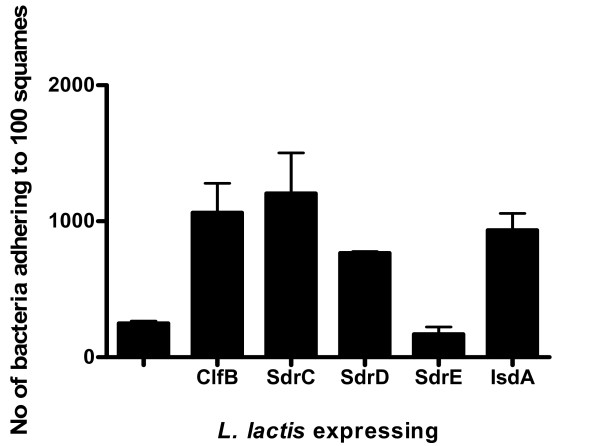
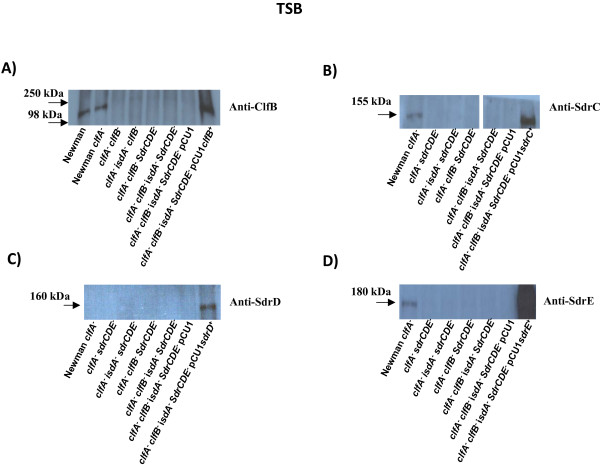
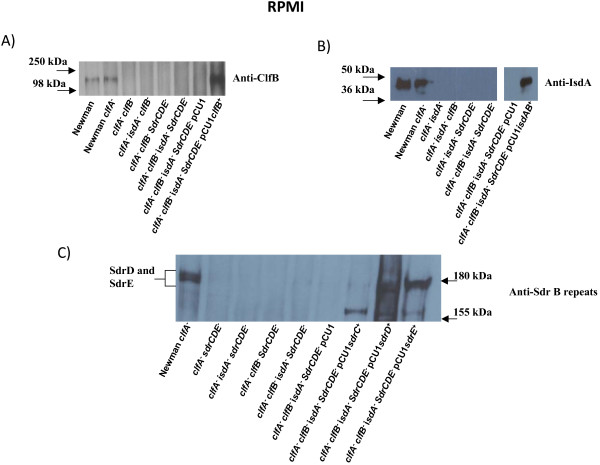
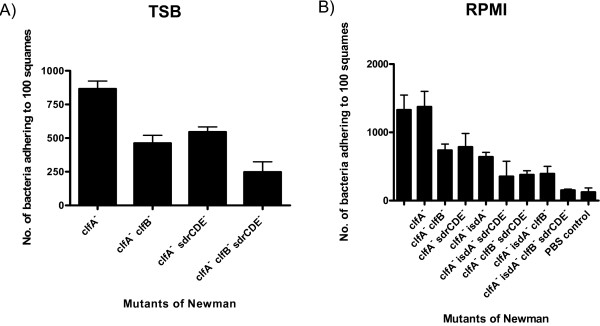
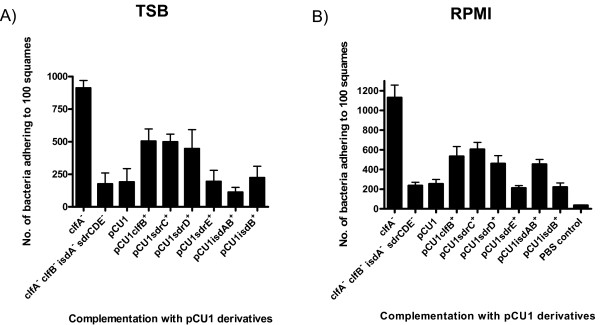
Background: The natural habitat of Staphylococcus aureus is the moist squamous epithelium in the anterior nares. About 20% of the human population carry S. aureus permanently in their noses and another 60% of individuals are intermittent carriers. The ability of S. aureus to colonize the nasal epithelium is in part due to expression of surface proteins clumping factor B (ClfB) and the iron-regulated surface determinant A (IsdA), which promote adhesion to desquamated epithelial cells present in the anterior part of the nasal vestibule. S. aureus strain Newman defective in IsdA and ClfB exhibited reduced but not completely defective adherence to squamous cells in indicating that other cell surface components might also contribute. Results: Surface proteins IsdA, ClfB, and the serine-aspartic acid repeat proteins SdrC, SdrD and SdrE were investigated to determine their contribution to the adherence of S. aureus to desquamated nasal epithelial cells. This was achieved by expression of ClfB, IsdA, SdrC, SdrD and SdrE on the surface of the surrogate Gram-positive host Lactococcus lactis and by isolating mutants of S. aureus Newman defective in one or more factor. The level of adherence of strains to squamous cells isolated from the nares of volunteers was measured. Results consistently showed that ClfB, IsdA, SdrC and SdrD each contributed to the ability of S. aureus to adhere to squamous cells. A mutant lacking all four proteins was completely defective in adherence. Conclusion: The ability of S. aureus Newman to adhere to desquamated nasal epithelial cells is multifactorial and involves SdrD and SdrC as well as ClfB and IsdA.
Overview
The claims and statistics of this paper haven’t been checked yet.
Free: it reads the open-access text and checks the first 5 claims that cite a source we can check. Create a free account to check every claim.
Integrity signals
Registry
Cites
Statistics
Figures
Verification
Claims the paper makes
The claims and statistics of this paper haven’t been checked yet.
Free: it reads the open-access text and checks the first 5 claims that cite a source we can check. Create a free account to check every claim.
Claims other papers make about this one
Each is checked against this paper’s own text: does it say what the citing paper says it does?
The cited source says what the claim attributes to it.
In the citing paper
“Consistent with this hypothesis, IsdA facilitates binding to human desquamated epithelial cells, and promotes nasal colonization in rats [122, 126, 127].”
From Metal ion acquisition in Staphylococcus aureus: overcoming nutritional immunity (2012) · cites this paper as [126]
In the citing paper
“SdrD promotes S. aureus adhesion to exfoliated nasal epithelial cells [63] and human keratin-forming cells in vitro [64]. It also promotes abscess formation in vivo [65].”
From A Review of Biofilm Formation of Staphylococcus aureus and Its Regulation Mechanism (2022) · cites this paper as [63]
Self-check
Percentages, sums and reported differences re-computed from the paper’s own numbers.
The self-check needs the paper’s full text.
Citations
Cites
Nasal carriage of Staphylococcus aureus: epidemiology, underlying mechanisms, and associated risks
Kluytmans, J., van Belkum, A., & Verbrugh, H. (1997) · Clinical Microbiology Reviews · doi:10.1128/cmr.10.3.505 · Cited by 2,595 · cited 1×
“aureus permanently in their noses and another 60% of individuals are intermittent carriers [1].”
BackgroundNasal Carriage as a Source of Staphylococcus aureus Bacteremia
von Eiff, C., Becker, K., Machka, K., Stammer, H., & Peters, G. (2001) · New England Journal of Medicine · doi:10.1056/nejm200101043440102 · Cited by 1,984
The cornified envelope: a model of cell death in the skin
Candi, E., Schmidt, R., & Melino, G. (2005) · Nature Reviews Molecular Cell Biology · doi:10.1038/nrm1619 · Cited by 1,776 · cited 1×
“Loricrin accounts for 70 – 85% of the cornified envelope [23-25].”
BackgroundWertheim, H. F., Vos, M. C., Ott, A., van Belkum, A., Voss, A., Kluytmans, J. A., van Keulen, P. H., Vandenbroucke-Grauls, C. M., Meester, M. H., & Verbrugh, H. A. (2004) · The Lancet · doi:10.1016/s0140-6736(04)16897-9 · Cited by 892 · cited 1×
“However when infected, carriers suffer significantly fewer fatalities, suggesting that carriage stimulates a degree of protective immunity [8].”
BackgroundWeidenmaier, C., Kokai-Kun, J. F., Kristian, S. A., Chanturiya, T., Kalbacher, H., Gross, M., Nicholson, G., Neumeister, B., Mond, J. J., & Peschel, A. (2004) · Nature Medicine · doi:10.1038/nm991 · Cited by 560 · cited 6×
“Thus colonization of the cotton rat requires both WTA [26] and surface proteins [15] albeit at different stages in the process [21] and in different parts of the nares.”
BackgroundInfluentialSteinert, P. M., & Marekov, L. N. (1995) · Journal of Biological Chemistry · doi:10.1074/jbc.270.30.17702 · Cited by 516 · cited 1×
“Loricrin accounts for 70 – 85% of the cornified envelope [23-25].”
BackgroundStaphylococcus aureus Nasal Carriage and Infection in Patients on Hemodialysis
Yu, V. L., Goetz, A., Wagener, M., Smith, P. B., Rihs, J. D., Hanchett, J., & Zuravleff, J. J. (1986) · New England Journal of Medicine · doi:10.1056/nejm198607103150204 · Cited by 475 · cited 2×
“aureus has been shown to reduce infection rates in dialysis, diabetic and AIDS patients [4-6].”
BackgroundClumping factor B (ClfB), a new surface‐located fibrinogen‐binding adhesin of Staphylococcus aureus
Ní Eidhin, D., Perkins, S., Francois, P., Vaudaux, P., Höök, M., & Foster, T. J. (1998) · Molecular Microbiology · doi:10.1046/j.1365-2958.1998.01050.x · Cited by 418
Self-citationThe role of Staphylococcus aureus surface protein SasG in adherence and biofilm formation
Corrigan, R. M., Rigby, D., Handley, P., & Foster, T. J. (2007) · Microbiology · doi:10.1099/mic.0.2007/006676-0 · Cited by 341 · cited 4×
“However SasG is not expressed by many strains including Newman [14].”
BackgroundInfluentialSelf-citationO´Brien, L., Kerrigan, S. W., Kaw, G., Hogan, M., Penadés, J., Litt, D., Fitzgerald, D. J., Foster, T. J., & Cox, D. (2002) · Molecular Microbiology · doi:10.1046/j.1365-2958.2002.02935.x · Cited by 309
Self-citation
Research works printed but not linked: 1
- Sambrook J Russell DW Molecular cloning, a labratory manual 2001 3 Cold Spring Harbor, New York: Cold Spring Harbour Laboratory Press
Cited by
Adhesion, invasion and evasion: the many functions of the surface proteins of Staphylococcus aureus
Foster, T. J., Geoghegan, J. A., Ganesh, V. K., & Höök, M. (2014) · Nature Reviews Microbiology · doi:10.1038/nrmicro3161 · Cited by 1,533
Self-citationStaphylococcus aureus host interactions and adaptation
Howden, B. P., Giulieri, S. G., Wong Fok Lung, T., Baines, S. L., Sharkey, L. K., Lee, J. Y. H., Hachani, A., Monk, I. R., & Stinear, T. P. (2023) · Nature Reviews Microbiology · doi:10.1038/s41579-023-00852-y · Cited by 689
Staphylococcus aureus biofilm: a complex developmental organism
Moormeier, D. E., & Bayles, K. W. (2017) · Molecular Microbiology · doi:10.1111/mmi.13634 · Cited by 556
“…et al., 2008; McCourt et al., 2014), serine-aspartate repeat family proteins (SdrC, SdrD and SdrE) (Josefsson et al., 1998; O’Brien et al., 2002; Corrigan et al., 2009), clumping factors (ClfA and ClfB) (McDevitt et al., 1994; Ni Eidhin et al., 1998), collagen adhesin (Zong et al., 2005),…”
BackgroundSakr, A., Brégeon, F., Mège, J.-L., Rolain, J.-M., & Blin, O. (2018) · Frontiers in Microbiology · doi:10.3389/fmicb.2018.02419 · Cited by 555
“aureus surface proteins, such as surface protein G (SasG), SasX, and the serine-aspartate repeat proteins SdrC and SdrD may also serve as ligands to the epithelial cells (Corrigan et al., 2009; Liu Q. et al., 2015).”
BackgroundStaphylococcus aureus and Atopic Dermatitis: A Complex and Evolving Relationship
Geoghegan, J. A., Irvine, A. D., & Foster, T. J. (2018) · Trends in Microbiology · doi:10.1016/j.tim.2017.11.008 · Cited by 511
“Several other surface-located CWA proteins promote adhesion to nasal squamous epithelial cells [54].”
Self-citationThe Staphylococcal Biofilm: Adhesins, Regulation, and Host Response
Paharik, A. E., & Horswill, A. R. (2016) · Microbiology Spectrum · doi:10.1128/microbiolspec.vmbf-0022-2015 · Cited by 471
“Like SdrC, SdrD mediates adherence to human desquamated nasal epithelial cells (84).”
BackgroundA Review of Biofilm Formation of Staphylococcus aureus and Its Regulation Mechanism
Peng, Q., Tang, X., Dong, W., Sun, N., & Yuan, W. (2022) · Antibiotics · doi:10.3390/antibiotics12010012 · Cited by 440
“aureus adhesion to exfoliated nasal epithelial cells [63] and human keratinforming cells in vitro [64].”
BackgroundThe commensal lifestyle of Staphylococcus aureus and its interactions with the nasal microbiota
Krismer, B., Weidenmaier, C., Zipperer, A., & Peschel, A. (2017) · Nature Reviews Microbiology · doi:10.1038/nrmicro.2017.104 · Cited by 375
Scenery of Staphylococcus Implant Infections in Orthopedics
Montanaro, L., Speziale, P., Campoccia, D., Ravaioli, S., Cangini, I., Pietrocola, G., Giannini, S., & Arciola, C. R. (2011) · Future Microbiology · doi:10.2217/fmb.11.117 · Cited by 368
Targeting Staphylococcus aureus Toxins: A Potential form of Anti-Virulence Therapy
Kong, C., Neoh, H.-M., & Nathan, S. (2016) · Toxins · doi:10.3390/toxins8030072 · Cited by 317
“MSCRAMMS (microbial surface component recognizing adhesive matrix molecules) constitute the largest family of surface proteins and are integral for host extra-cellular matrix attachment and colonization [6,7].”
BackgroundPathogenesis of Staphylococcus aureus Bloodstream Infections
Thomer, L., Schneewind, O., & Missiakas, D. (2016) · Annual Review of Pathology: Mechanisms of Disease · doi:10.1146/annurev-pathol-012615-044351 · Cited by 292
“A member of the MSCRAMM and SD repeat families of surface proteins, SdrD mediates staphylococcal adherence to desquamated epithelial cells (124).”
Clinical Impact of Staphylococcus aureus Skin and Soft Tissue Infections
Linz, M. S., Mattappallil, A., Finkel, D., & Parker, D. (2023) · Antibiotics · doi:10.3390/antibiotics12030557 · Cited by 293
MRSA epidemic linked to a quickly spreading colonization and virulence determinant
Li, M., Du, X., Villaruz, A. E., Diep, B. A., Wang, D., Song, Y., Tian, Y., Hu, J., Yu, F., Lu, Y., et al. (2012) · Nature Medicine · doi:10.1038/nm.2692 · Cited by 278
Staphylococcus aureus: Determinants of human carriage
Sollid, J. U. E., Furberg, A. S., Hanssen, A. M., & Johannessen, M. (2014) · Infection, Genetics and Evolution · doi:10.1016/j.meegid.2013.03.020 · Cited by 257
Zecconi, A., & Scali, F. (2013) · Immunology Letters · doi:10.1016/j.imlet.2013.01.004 · Cited by 256
Turroni, F., Serafini, F., Foroni, E., Duranti, S., O’Connell Motherway, M., Taverniti, V., Mangifesta, M., Milani, C., Viappiani, A., Roversi, T., et al. (2013) · Proceedings of the National Academy of Sciences · doi:10.1073/pnas.1303897110 · Cited by 247
“lactis has previously been used successfully as a heterologous host for expression of bifidobacterial proteins (26, 27), as well as a host to display full-length forms of microbial surface structures (28).”
Brown, A. F., Leech, J. M., Rogers, T. R., & McLoughlin, R. M. (2014) · Frontiers in Immunology · doi:10.3389/fimmu.2013.00507 · Cited by 246
Sugimoto, S., Iwamoto, T., Takada, K., Okuda, K.-I., Tajima, A., Iwase, T., & Mizunoe, Y. (2013) · Journal of Bacteriology · doi:10.1128/jb.01672-12 · Cited by 242
“SdrD, Spa, IsdA, and Emp are necessary for abscess formation (36).”
BackgroundInfluentialEffect of filaggrin breakdown products on growth of and protein expression by Staphylococcus aureus
Miajlovic, H., Fallon, P. G., Irvine, A. D., & Foster, T. J. (2010) · Journal of Allergy and Clinical Immunology · doi:10.1016/j.jaci.2010.09.015 · Cited by 241
“The serine-aspartate repeat proteins (Sdrs) C and D and the S aureus surface protein G also promote adhesion of bacteria to squamous cells, although their ligands are not known.(10) The nasal mucosa and skin are iron-restricted environments that stimulate expression of iron-regulated surface determinant A (IsdA) by S…”
BackgroundSelf-citationStaphylococcal Adhesion and Host Cell Invasion: Fibronectin-Binding and Other Mechanisms
Josse, J., Laurent, F., & Diot, A. (2017) · Frontiers in Microbiology · doi:10.3389/fmicb.2017.02433 · Cited by 235
“…Yes No (Fibrinogen) (aVB3) Endothelial cell Szabados et al., 2011 SdrD S. aureus NT Low No Desmoglein 1 Keratinocyte, nasal epithelial cell Corrigan et al., 2009; Askarian et al., 2017 Tet38 S. aureus NT Low No CD36 A549 cell Truong-Bolduc et al., 2017 SraP S. aureus NT Low NT gp340 A549…”
BackgroundAdhesion Mechanisms of Staphylococci
Heilmann, C. (2011) · Advances in Experimental Medicine and Biology · doi:10.1007/978-94-007-0940-9_7 · Cited by 232
“Corrigan et al. (2009) sdrD SdrD Binding to nasal epithelial cells Corrigan et al. (2009) sdrE SdrE Platelet aggregation O’Brien et al. (2002a) spa Protein A (Spa) IgG, IgM, von Willebrand Factor, platelet receptor gC1qR; bacterial cell aggregation Chavakis et al. (2005),”
BackgroundInfluentialMcCarthy, A. J., & Lindsay, J. A. (2010) · BMC Microbiology · doi:10.1186/1471-2180-10-173 · Cited by 230
“Serine aspartate repeat protein D sdrD SdrD [106-109]”
BackgroundInfluentialThe MSCRAMM Family of Cell-Wall-Anchored Surface Proteins of Gram-Positive Cocci
Foster, T. J. (2019) · Trends in Microbiology · doi:10.1016/j.tim.2019.06.007 · Cited by 214
Self-citationJenkins, A., Diep, B. A., Mai, T. T., Vo, N. H., Warrener, P., Suzich, J., Stover, C. K., & Sellman, B. R. (2015) · mBio · doi:10.1128/mbio.02272-14 · Cited by 203
Temporal and Stochastic Control of Staphylococcus aureus Biofilm Development
Moormeier, D. E., Bose, J. L., Horswill, A. R., & Bayles, K. W. (2014) · mBio · doi:10.1128/mbio.01341-14 · Cited by 198
“In an attempt to identify specific proteins important in the attachment and multiplication stages, we utilized the BioFlux system to screen the Nebraska Transposon Mutant Library (NTML) (25) for mutants that are defective in the production of MSCRAMM proteins, including fibronectin-binding proteins A and B (FnbA and F…”
MethodIdentification of Extracellular DNA-Binding Proteins in the Biofilm Matrix
Kavanaugh, J. S., Flack, C. E., Lister, J., Ricker, E. B., Ibberson, C. B., Jenul, C., Moormeier, D. E., Delmain, E. A., Bayles, K. W., & Horswill, A. R. (2019) · mBio · doi:10.1128/mbio.01137-19 · Cited by 197
Guinane, C. M., Ben Zakour, N. L., Tormo-Mas, M. A., Weinert, L. A., Lowder, B. V., Cartwright, R. A., Smyth, D. S., Smyth, C. J., Lindsay, J. A., Gould, K. A., et al. (2010) · Genome Biology and Evolution · doi:10.1093/gbe/evq031 · Cited by 197
“The ovine-specific variants of TSST-1 and SEC encoded by SaPIov1 have previously been demonstrated to vary in biological activity in comparison with the alleles produced by bovine or human S. aureus strains, suggesting a host-specific functional activity (Lee et al. 1992; Deringer et al. 1997).”
Staphylococcus aureus and the oral cavity: An overlooked source of carriage and infection?
McCormack, M. G., Smith, A. J., Akram, A. N., Jackson, M., Robertson, D., & Edwards, G. (2015) · American Journal of Infection Control · doi:10.1016/j.ajic.2014.09.015 · Cited by 183
Mulcahy, M. E., Geoghegan, J. A., Monk, I. R., O'Keeffe, K. M., Walsh, E. J., Foster, T. J., & McLoughlin, R. M. (2012) · PLoS Pathogens · doi:10.1371/journal.ppat.1003092 · Cited by 171
“aureus is a multifaceted process that involves the interaction of several bacterial surface molecules with different host ligands [25].”
BackgroundSelf-citationCrosby, H. A., Schlievert, P. M., Merriman, J. A., King, J. M., Salgado-Pabón, W., & Horswill, A. R. (2016) · PLOS Pathogens · doi:10.1371/journal.ppat.1005604 · Cited by 165
“SdrD, a member of the serineaspartate repeat family, and SasG are both reported to contribute to adherence to desquamated nasal epithelial cells [44,45].”
BackgroundMetal ion acquisition in Staphylococcus aureus: overcoming nutritional immunity
Cassat, J. E., & Skaar, E. P. (2012) · Seminars in Immunopathology · doi:10.1007/s00281-011-0294-4 · Cited by 155
“Consistent with this hypothesis, IsdA facilitates binding to human desquamated epithelial cells, and promotes nasal colonization in rats [122, 126, 127].”
BackgroundStaphylococcus aureus determinants for nasal colonization
Weidenmaier, C., Goerke, C., & Wolz, C. (2012) · Trends in Microbiology · doi:10.1016/j.tim.2012.03.004 · Cited by 190
Staphylococcus aureus: the current state of disease, pathophysiology and strategies for prevention
Dayan, G. H., Mohamed, N., Scully, I. L., Cooper, D., Begier, E., Eiden, J., Jansen, K. U., Gurtman, A., & Anderson, A. S. (2016) · Expert Review of Vaccines · doi:10.1080/14760584.2016.1179583 · Cited by 154
Staphylococci: Colonizers and Pathogens of Human Skin
Coates‐Brown, R., Moran, J. C., & Horsburgh, M. J. (2013) · Future Microbiology · doi:10.2217/fmb.13.145 · Cited by 187
Surface Proteins ofStaphylococcus aureus
Foster, T. J. (2019) · Microbiology Spectrum · doi:10.1128/microbiolspec.gpp3-0046-2018 · Cited by 188
“SdrC, SdrD, SasG, Pls, and SasX contribute to bacterial adhesion to corneocytes in vitro , and SasX can also promote colonization of the nares of mice (43, 93, 115).”
BackgroundSelf-citationShettigar, K., & Murali, T. S. (2020) · European Journal of Clinical Microbiology & Infectious Diseases · doi:10.1007/s10096-020-03984-8 · Cited by 145
Colonization and infection of the human host by staphylococci: adhesion, survival and immune evasion
Foster, T. J. (2009) · Veterinary Dermatology · doi:10.1111/j.1365-3164.2009.00825.x · Cited by 179
Self-citationBurian, M., Rautenberg, M., Kohler, T. P., Fritz, M., Krismer, B., Unger, C., Hoffmann, W. H., Peschel, A., Wolz, C., & Goerke, C. (2010) · The Journal of Infectious Diseases · doi:10.1086/651619 · Cited by 164
Pietrocola, G., Campoccia, D., Motta, C., Montanaro, L., Arciola, C. R., & Speziale, P. (2022) · International Journal of Molecular Sciences · doi:10.3390/ijms23115958 · Cited by 141
“Other members of the Clf subfamily are SdrC, SdrD and SdrE which contain additional B repeats inserted between the A domain and the SD repeat region [70,71].”
BackgroundStaphylococcus aureus Colonization of the Human Nose and Interaction with Other Microbiome Members
Laux, C., Peschel, A., & Krismer, B. (2019) · Microbiology Spectrum · doi:10.1128/microbiolspec.gpp3-0029-2018 · Cited by 136
Detection and clinical relevance of Staphylococcus aureus nasal carriage: an update
Verhoeven, P. O., Gagnaire, J., Botelho-Nevers, E., Grattard, F., Carricajo, A., Lucht, F., Pozzetto, B., & Berthelot, P. (2014) · Expert Review of Anti-infective Therapy · doi:10.1586/14787210.2014.859985 · Cited by 133
Regulatory Adaptation of Staphylococcus aureus during Nasal Colonization of Humans
Burian, M., Wolz, C., & Goerke, C. (2010) · PLoS ONE · doi:10.1371/journal.pone.0010040 · Cited by 153
“Adherence to human desquamated nasal epithelial cells is an important factor in successful nasal colonization and was shown to be mediated by clfB, isdA and WTA in vitro [7,30], in the”
Speziale, P., Pietrocola, G., Rindi, S., Provenzano, M., Provenza, G., Di Poto, A., Visai, L., & Arciola, C. R. (2009) · Future Microbiology · doi:10.2217/fmb.09.102 · Cited by 126
Baur, S., Rautenberg, M., Faulstich, M., Grau, T., Severin, Y., Unger, C., Hoffmann, W. H., Rudel, T., Autenrieth, I. B., & Weidenmaier, C. (2014) · PLoS Pathogens · doi:10.1371/journal.ppat.1004089 · Cited by 119
“aureus factors like the polysaccharide capsule [13], an array of surface protein adhesins [4,14,15,16,17], and cell wall teichoic acids (WTA) [6,18,19] have been implicated”
BackgroundHost–Bacterial Crosstalk Determines Staphylococcus aureus Nasal Colonization
Mulcahy, M. E., & McLoughlin, R. M. (2016) · Trends in Microbiology · doi:10.1016/j.tim.2016.06.012 · Cited by 147
Zielinska, A. K., Beenken, K. E., Mrak, L. N., Spencer, H. J., Post, G. R., Skinner, R. A., Tackett, A. J., Horswill, A. R., & Smeltzer, M. S. (2012) · Molecular Microbiology · doi:10.1111/mmi.12048 · Cited by 111
“SdrD promotes adherence to dequamated nasal cells, thus suggesting that it plays a role in colonization (Corrigan et al., 2009), an important contributing factor in the development of all forms of S. aureus infection.”
BackgroundWall Teichoic Acid Glycosylation Governs Staphylococcus aureus Nasal Colonization
Winstel, V., Kühner, P., Salomon, F., Larsen, J., Skov, R. L., Hoffmann, W. H., Peschel, A., & Weidenmaier, C. (2015) · mBio · doi:10.1128/mbio.00632-15 · Cited by 123
Clarke, S. R., Andre, G., Walsh, E. J., Dufrêne, Y. F., Foster, T. J., & Foster, S. J. (2009) · Infection and Immunity · doi:10.1128/iai.01304-08 · Cited by 105
“Overall binding to nasal cells requires the cumulative activities of at least the surface proteins IsdA, ClfB, and SdrCD and thus is multifactorial (8, 12, 37).”
BackgroundSelf-citationConover, M. S., Sloan, G. P., Love, C. F., Sukumar, N., & Deora, R. (2010) · Molecular Microbiology · doi:10.1111/j.1365-2958.2010.07297.x · Cited by 131
“aureus, while multiple surface-exposed factors like Wta (wall teichoic acid), clumping factor B and iron regulated surface protein A are critical for colonization of rodent nasopharynx, their role in lung colonization has not been examined (Schaffer et al., 2006; Corrigan et al., 2009).”
BackgroundDas, S., Lindemann, C., Young, B. C., Muller, J., Österreich, B., Ternette, N., Winkler, A.-C., Paprotka, K., Reinhardt, R., Förstner, K. U., et al. (2016) · Proceedings of the National Academy of Sciences · doi:10.1073/pnas.1520255113 · Cited by 104
“cells and colonization were found to be down-regulated (sdrCD) (43) (2 and 2-fold, respectively) (SI Appendix, Fig.”
BackgroundSarathy, V. V., Liang, X., Horndahl, J. K., Ganesh, V. K., Smeds, E., Foster, T. J., & Höök, M. (2011) · Journal of Biological Chemistry · doi:10.1074/jbc.m110.214981 · Cited by 127
Self-citationHost- and microbe determinants that may influence the success of S. aureus colonization
Johannessen, M., Sollid, J. E., & Hanssen, A.-M. (2012) · Frontiers in Cellular and Infection Microbiology · doi:10.3389/fcimb.2012.00056 · Cited by 117
“The bacterial proteins SdrC, SdrD, and SasG are also shown to promote adhesion of bacteria to desquamated nasal epithelial cells harvested from human donors (Roche et al., 2003; Corrigan et al., 2009).”
Beta-Hemolysin Promotes Skin Colonization by Staphylococcus aureus
Katayama, Y., Baba, T., Sekine, M., Fukuda, M., & Hiramatsu, K. (2013) · Journal of Bacteriology · doi:10.1128/jb.01786-12 · Cited by 131
“Several bacterial factors, including wall teichoic acid (WTA) (13), clumping factor B (ClfB) (14), capsular polysaccharide (Cap) (15), iron-regulated surface determinant (IsdA) (16), and upregulator of autolytic activity (SceD) (17), were determined to be involved in S.”
BackgroundSdrC induces staphylococcal biofilm formation through a homophilic interaction
Barbu, E. M., Mackenzie, C., Foster, T. J., & Höök, M. (2014) · Molecular Microbiology · doi:10.1111/mmi.12750 · Cited by 99
“…(2002) Newman DU5989 sdrD::pG+Host O’Brien et al. (2002) Newman DU5973 ΔsdrCDE::Tetr O’Brien et al. (2002) Newman DU6023 clfA5 isdA clfB::Ermr ΔsdrCDE::Tetr Corrigan et al. (2009) LAC ST8, human clinical MRSA isolate, USA300 Voyich et al. (2005) MW2 ST1, human clinical MRSA isolate Baba et al.…”
BackgroundMethodSelf-citationGanesh, V. K., Barbu, E. M., Deivanayagam, C. C. S., Le, B., Anderson, A. S., Matsuka, Y. V., Lin, S. L., Foster, T. J., Narayana, S. V. L., & Höök, M. (2011) · Journal of Biological Chemistry · doi:10.1074/jbc.m110.217414 · Cited by 92
Self-citationAskarian, F., Ajayi, C., Hanssen, A.-M., van Sorge, N. M., Pettersen, I., Diep, D. B., Sollid, J. U. E., & Johannessen, M. (2016) · Scientific Reports · doi:10.1038/srep22134 · Cited by 89
Paharik, A. E., Salgado‐Pabón, W., Meyerholz, D. K., White, M. J., Schlievert, P. M., & Horswill, A. R. (2016) · mSphere · doi:10.1128/msphere.00208-16 · Cited by 98
“aureus adherence to desquamated nasal epithelial cells (38).”
BackgroundEvasion of host defenses by intracellular Staphylococcus aureus
Watkins, K. E., & Unnikrishnan, M. (2020) · Advances in applied microbiology · doi:10.1016/bs.aambs.2020.05.001 · Cited by 94
Zapotoczna, M., Jevnikar, Z., Miajlovic, H., Kos, J., & Foster, T. J. (2013) · Cellular Microbiology · doi:10.1111/cmi.12097 · Cited by 81
“IsdA binds to several different host proteins including cytokeratin 10, and contributes to bacterial adhesion to desquamated nasal epithelial cells and to nasal colonization (Clarke et al., 2004; 2009; Corrigan et al., 2009).”
BackgroundSelf-citationMacintosh, R. L., Brittan, J. L., Bhattacharya, R., Jenkinson, H. F., Derrick, J. P., Upton, M., & Handley, P. S. (2009) · Journal of Bacteriology · doi:10.1128/jb.00764-09 · Cited by 94
“aureus (ClfB, SdrC, and SdrD) as well as the Aap homolog SasG are known to contribute to adhesion to nasal epithelial cells (10, 43), raising the possibility that the Sdr proteins from S.”
BackgroundEdwards, A. M., Potter, U., Meenan, N. A. G., Potts, J. R., & Massey, R. C. (2011) · PLoS ONE · doi:10.1371/journal.pone.0018899 · Cited by 80
“aureus surface proteins are implicated in attachment to nasal epithelial cells, including ClfB, IsdA, SdrC, SdrD and SasG, as well as wall teichoic acid, which is essential for nasal colonisation [44–47].”
BackgroundWang, W., Cheng, X., Liao, J., Lin, Z., Chen, L., Liu, D., Zhang, T., Li, L., Lu, Y., & Xia, H. (2019) · ACS Biomaterials Science & Engineering · doi:10.1021/acsbiomaterials.9b01280 · Cited by 84
Sortases, Surface Proteins, and Their Roles in Staphylococcus aureus Disease and Vaccine Development
Schneewind, O., & Missiakas, D. M. (2019) · Microbiology Spectrum · doi:10.1128/microbiolspec.psib-0004-2018 · Cited by 88
Sedarat, Z., & Taylor-Robinson, A. W. (2022) · Pathogens · doi:10.3390/pathogens11040388 · Cited by 60
Green, S. I., Kaelber, J. T., Ma, L. M., Trautner, B. W., Ramig, R. F., & Maresso, A. W. (2017) · Scientific Reports · doi:10.1038/srep46151 · Cited by 76
Cell Wall-Anchored Surface Proteins of Staphylococcus aureus: Many Proteins, Multiple Functions
Geoghegan, J. A., & Foster, T. J. (2015) · Current topics in microbiology and immunology · doi:10.1007/82_2015_5002 · Cited by 81
“Nasal colonization Corrigan et al. (2009)”
Self-citationWhat Distinguishes Highly Pathogenic Staphylococci from Medium- and Non-pathogenic?
Rosenstein, R., & Götz, F. (2012) · Current topics in microbiology and immunology · doi:10.1007/82_2012_286 · Cited by 98
“This ambivalent character is also reflected on the molecular level, as some adhesins which might be important in the colonization of the host might also have a role in the adhesion to host cells in the course of an infection (Corrigan et al. 2009).”
BackgroundStaphylococcus aureus Pathogenesis: Secretion Systems, Adhesins, and Invasins
Bartlett, A. H., & Hultén, K. G. (2010) · The Pediatric Infectious Disease Journal · doi:10.1097/inf.0b013e3181ef2477 · Cited by 97
Evaluation of Staphylococcus aureus virulence factors using a silkworm model
Miyazaki, S., Matsumoto, Y., Sekimizu, K., & Kaito, C. (2011) · FEMS Microbiology Letters · doi:10.1111/j.1574-6968.2011.02439.x · Cited by 66
“aureus to mammalian epithelial cells (Barbu et al., 2008; Corrigan et al., 2009).”
BackgroundSerine-Aspartate Repeat Protein D Increases Staphylococcus aureus Virulence and Survival in Blood
Askarian, F., Uchiyama, S., Valderrama, J. A., Ajayi, C., Sollid, J. U. E., van Sorge, N. M., Nizet, V., van Strijp, J. A. G., & Johannessen, M. (2017) · Infection and Immunity · doi:10.1128/iai.00559-16 · Cited by 53
“aureus to desquamated nasal epithelial cells (3) and to human keratinocytes in vitro (4) and contributes to abscess formation in vivo (5).”
Tsompanidou, E., Denham, E. L., Sibbald, M. J. J. B., Yang, X., Seinen, J., Friedrich, A. W., Buist, G., & van Dijl, J. M. (2012) · PLoS ONE · doi:10.1371/journal.pone.0044646 · Cited by 68
“However, ClfB is not only able to bind to fibrinogen itself, but also to proteins present in the envelope of squamous cells and to desquamated nasal epithelial cells [26,42,43].”
BackgroundSong, Y., Rubio, A., Jayaswal, R. K., Silverman, J. A., & Wilkinson, B. J. (2013) · PLoS ONE · doi:10.1371/journal.pone.0058469 · Cited by 61
“aureus to adhere to squamous epithelial cells [66].”
BackgroundStutz, K., Stephan, R., & Tasara, T. (2010) · Journal of Clinical Microbiology · doi:10.1128/jcm.01148-10 · Cited by 73
Identification of Key Determinants of Staphylococcus aureus Vaginal Colonization
Deng, L., Schilcher, K., Burcham, L. R., Kwiecinski, J. M., Johsnon, P. M., Head, S. R., Heinrichs, D. E., Horswill, A. R., & Doran, K. S. (2019) · mBio · doi:10.1128/mbio.02321-19 · Cited by 79
“the same protein family as ClfA/B (51) and have been reported to bind nasal epithelia (23).”
BackgroundInfluentialKang, S., Kong, F., Liang, X., Li, M., Yang, N., Cao, X., Yang, M., Tao, D., Yue, X., & Zheng, Y. (2019) · Journal of Agricultural and Food Chemistry · doi:10.1021/acs.jafc.9b06364 · Cited by 63
Iron-Regulated Surface Determinant (Isd) Proteins of Staphylococcus lugdunensis
Zapotoczna, M., Heilbronner, S., Speziale, P., & Foster, T. J. (2012) · Journal of Bacteriology · doi:10.1128/jb.01195-12 · Cited by 56
Self-citationProcession to Pediatric Bacteremia and Sepsis: Covert Operations and Failures in Diplomacy
Bateman, S. L., & Seed, P. C. (2010) · PEDIATRICS · doi:10.1542/peds.2009-3169 · Cited by 65
The Staphylococcal Biofilm: Adhesins, Regulation, and Host Response
Paharik, A. E., & Horswill, A. R. (2016) · ASM Press eBooks · doi:10.1128/9781555819286.ch19 · Cited by 78
Exploring the transcriptome of Staphylococcus aureus in its natural niche
Chaves‐Moreno, D., Wos‐Oxley, M. L., Jáuregui, R., Medina, E., Oxley, A. P. A., & Pieper, D. H. (2016) · Scientific Reports · doi:10.1038/srep33174 · Cited by 63
Staphylococcal Protein A Contributes to Persistent Colonization of Mice with Staphylococcus aureus
Sun, Y., Emolo, C., Holtfreter, S., Wiles, S., Kreiswirth, B. N., Missiakas, D. M., & Schneewind, O. (2018) · Journal of Bacteriology · doi:10.1128/jb.00735-17 · Cited by 61
“Serine-aspartate repeat surface proteins C (SdrC) and D (SdrD), as well as iron-regulated surface determinant A (IsdA), also contribute to staphylococcal adherence to human nasal epithelial cells (17, 22).”
BackgroundMethodLactic acid bacteria as probiotics for the nose?
Boeck, I. D., Spacova, I., Vanderveken, O. M., & Lebeer, S. (2021) · Microbial Biotechnology · doi:10.1111/1751-7915.13759 · Cited by 55
“aureus for instance produces several surface proteins, such as clumping factors B (ClfB) and fibronectin-binding protein (FnBP), involved in adhesion to human airway epithelium (Mongodin et al., 2002; Corrigan et al., 2009).”
BackgroundCarbon Source-Dependent Reprogramming of Anaerobic Metabolism in Staphylococcus aureus
Troitzsch, A., Loi, V. V., Methling, K., Zühlke, D., Lalk, M., Riedel, K., Bernhardt, J., Elsayed, E., Bange, G., Antelmann, H., et al. (2021) · Journal of Bacteriology · doi:10.1128/jb.00639-20 · Cited by 61
“Finally, the pyruvate medium-dependent upregulation of SdrD, which specifically promotes adherence of bacteria to nasal epithelial cells (48, 49), suggests that this niche is characterized by low glucose.”
BackgroundDoes Staphylococcus Aureus Nasal Colonization Involve Biofilm Formation?
Krismer, B., & Peschel, A. (2011) · Future Microbiology · doi:10.2217/fmb.11.37 · Cited by 63
Disruption of staphylococcal aggregation protects against lethal lung injury
Hook, J. L., Islam, M. N., Parker, D., Prince, A. S., Bhattacharya, S., & Bhattacharya, J. (2018) · Journal of Clinical Investigation · doi:10.1172/jci95823 · Cited by 58
Bronk, J., Russell, B. H., Rivera, J. J., Pasqualini, R., Arap, W., Höök, M., & Barbu, E. M. (2014) · Acta Biomaterialia · doi:10.1016/j.actbio.2014.04.005 · Cited by 51
Hong, X., Qin, J., Li, T., Dai, Y., Wang, Y., Liu, Q., He, L., Lü, H., Gao, Q., Lin, Y. Q., et al. (2016) · Frontiers in Microbiology · doi:10.3389/fmicb.2016.00951 · Cited by 52
“…a nonparametric t-test (n = 8 per group), **p < 0.01. potentially responsible for nasal colonization, including teichoic acids (Weidenmaier et al., 2004), specific surface proteins (Wertheim et al., 2008; Corrigan et al., 2009), and immunemodulatory factors (Jin et al., 2004; Clarke et al., 2007).”
BackgroundInfluentialTaj, Y., Abdullah, F. E., & Kazmi, S. U. (2010) · PubMed · Cited by 42
Characterization of transcription within sdr region of Staphylococcus aureus
Sitkiewicz, I., Babiak, I., & Hryniewicz, W. (2010) · Antonie van Leeuwenhoek · doi:10.1007/s10482-010-9476-7 · Cited by 40
Staphylococcus aureus adhesion to the host
Berry, K. A., Verhoef, M. T. A., Leonard, A. C., & Cox, G. (2022) · Annals of the New York Academy of Sciences · doi:10.1111/nyas.14807 · Cited by 57
Suzuki, T., Swoboda, J. G., Campbell, J., Walker, S., & Gilmore, M. S. (2010) · Antimicrobial Agents and Chemotherapy · doi:10.1128/aac.00879-10 · Cited by 41
“One interpretation is that WTA could be involved in target cell binding along with surface proteins (8).”
BackgroundBelikova, D., Jochim, A., Power, J. J., Holden, M. T. G., & Heilbronner, S. (2020) · Nature Communications · doi:10.1038/s41467-020-17277-3 · Cited by 41
Dreisbach, A., van der Kooi‐Pol, M. M., Otto, A., Gronau, K., Bonarius, H. P. J., Westra, H., Groen, H., Becher, D., Hecker, M., & van Dijl, J. M. (2011) · PROTEOMICS · doi:10.1002/pmic.201100134 · Cited by 43
“The best characterized MSCRAMMs are the clumping factors A and B as well as the fibrinogen-binding protein A (FnbpA) and fibrinogen-binding protein B [5–11].”
BackgroundYang, F., Zhang, S., Shang, X., Li, H., Zhang, H., Cui, D., Wang, X., Wang, L., Yan, Z., & Sun, Y. (2019) · Journal of Dairy Science · doi:10.3168/jds.2019-16317 · Cited by 61
Diep, B. A., Phung, Q., Date, S., Arnott, D., Bakalarski, C., Xu, M., Nakamura, G., Swem, D. L., Alexander, M. K., Le, H. N., et al. (2014) · The Journal of Infectious Diseases · doi:10.1093/infdis/jit662 · Cited by 38
“aureus pathogenesis has been extensively studied [9, 10].”
Molecular mechanisms of Staphylococcus aureus nasopharyngeal colonization
Edwards, A. M., Massey, R. C., & Clarke, S. R. (2011) · Molecular Oral Microbiology · doi:10.1111/j.2041-1014.2011.00628.x · Cited by 56
Low, L. Y., Harrison, P. F., Gould, J. A., Powell, D., Choo, J. M., Forster, S. C., Chapman, R., Gearing, L. J., Cheung, J. K., Hertzog, P. J., et al. (2018) · mBio · doi:10.1128/mbio.00473-18 · Cited by 39
Staphylococcus aureusLpl protein triggers human host cell invasion via activation of Hsp90 receptor
Tribelli, P. M., Luqman, A., Nguyen, M., Madlung, J., Fan, S., Maček, B., Saß, P., Bitschar, K., Schittek, B., Kretschmer, D., et al. (2019) · Cellular Microbiology · doi:10.1111/cmi.13111 · Cited by 42
Staphylococcus aureus in Inflammation and Pain: Update on Pathologic Mechanisms
Rasquel-Oliveira, F. S., Ribeiro, J. M., Martelossi-Cebinelli, G., Costa, F., Nakazato, G., Casagrande, R., & Verri, W. A., Jr. (2025) · Pathogens · doi:10.3390/pathogens14020185 · Cited by 52
Bacigalupe, R., Tormo‐Más, M. Á., Penadés, J. R., & Fitzgerald, J. R. (2019) · Science Advances · doi:10.1126/sciadv.aax0063 · Cited by 37
Shambat, S. M., Siemens, N., Monk, I. R., Mohan, D. B., Mukundan, S., Krishnan, K. C., Prabhakara, S., Snäll, J., Kearns, A., Vandenesch, F., et al. (2016) · Scientific Reports · doi:10.1038/srep31360 · Cited by 37
Metadata
- Authors
- Corrigan, R. M., Miajlovic, H., & Foster, T. J.
- Affiliations
- Trinity College Dublin (IE)
- Corresponding author
- Foster, Timothy J
- Venue
- BMC Microbiology
- Published
- 2009-01-30
- Volume
- 9
- Issue
- 1
- Pages
- 22-22
- ISSN
- 1471-2180 (ISSN-L)
- PMC
- PMC2642834
- OpenAlex
- W2082111828
- Cited by
- 226
- References
- 35
- Citations by year
- 2026: 4 · 2025: 8 · 2024: 10 · 2023: 13 · 2022: 17 · 2021: 10 · 2020: 7 · 2019: 20 · 2018: 11 · 2017: 14 · 2016: 17 · 2015: 14 · 2014: 12 · 2013: 15 · 2012: 16
- FWCI
- 12.38
- Type
- journal article
- Language
- en
- Open access
- gold
- doi.org
- Licence
- cc-by
- Locations
- BMC Microbiology (publishedVersion, cc-by)
- PubMed Central (publishedVersion, cc-by)
- PubMed (publishedVersion)
- White Rose Research Online (University of Leeds, The University of Sheffield, University of York) (acceptedVersion)
- Arrow@dit (Dublin Institute of Technology) (submittedVersion, cc-by-nc-sa)
- DOAJ (DOAJ: Directory of Open Access Journals) (submittedVersion, cc-by-sa)
- Trinity's Access to Research Output (TARA) (Trinity College Dublin) (submittedVersion)
- Funders
- Health Research Board
- Science Foundation Ireland
- Topics
- Health Sciences › Medicine › Infectious Diseases › Antimicrobial Resistance in Staphylococcus
- Life Sciences › Biochemistry, Genetics and Molecular Biology › Molecular Biology › Biochemical and Structural Characterization
- Life Sciences › Biochemistry, Genetics and Molecular Biology › Molecular Biology › Bacterial biofilms and quorum sensing
- Keywords
- Staphylococcus aureus, bacterial adhesion, nasal epithelial cells, clumping factor B, ISDA, SdrE, nasal carriage, Lactococcus lactis, bacterial surface proteins
- MeSH terms
- Bacterial Adhesion, Cells, Cultured, Epithelial Cells, Genetic Complementation Test, Humans, Mutation, Nasal Mucosa, Staphylococcus aureus, Lactococcus lactis, Adhesins, Bacterial
About these checks
Registry, retraction, Cites and statistics results are computed, not judged, with one exception: a printed reference that no index lists is read once by a model before it counts as a citation error. Claims are extracted by a model and kept only when their quote appears verbatim in the text; each cited source is then checked, with a model’s help, for whether it says what the claim relies on. Those verdicts can be wrong — read the claim’s quote and the cited source before relying on one.
Statistics and arithmetic are recomputed, not judged.
Confidence bands are shown only for fields calibrated on our annotated test set. None is calibrated yet, so no band is shown.
What counts as a claim ›How we measure confidence ›How we check this ›
Are you an author, or do you see a problem with this page? Request a review
Data sources
Bibliographic data: Semantic Scholar, OpenAlex, Crossref.
Contains information from the Semantic Scholar Academic Graph Datasets, made available under the ODC Attribution License (ODC-BY 1.0).
Semantic Scholar’s data is described in: Kinney, R., et al. (2023). The Semantic Scholar Open Data Platform. arXiv:2301.10140.
