

Mindfulness based interventions in multiple sclerosis–a systematic review
Open accessThe DOI matches its Crossref record; 47 of the 48 references it cites were found in a registry or an index.
Abstract
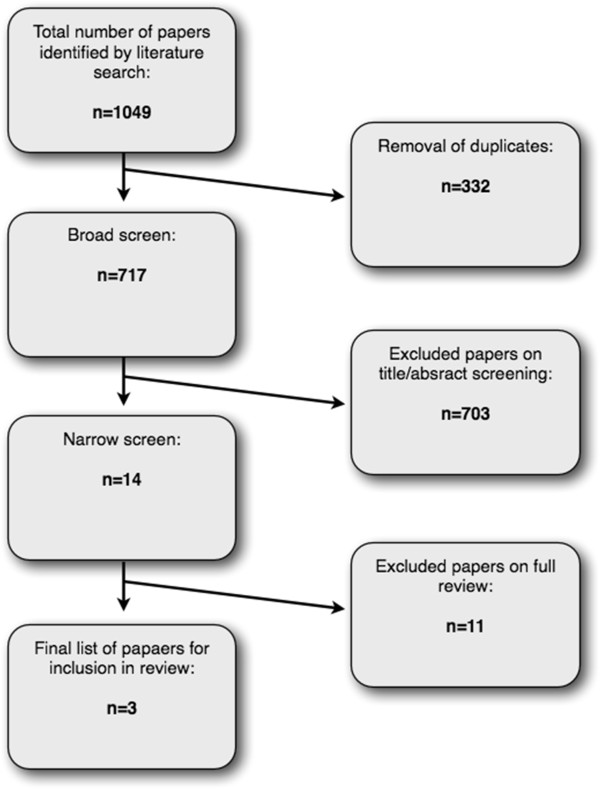
BACKGROUND: Multiple sclerosis (MS) is a stressful condition; depression, anxiety, pain and fatigue are all common problems. Mindfulness based interventions (MBIs) mitigate stress and prevent relapse in depression and are increasingly being used in healthcare. However, there are currently no systematic reviews of MBIs in people with MS. This review aims to evaluate the effectiveness of MBIs in people with MS. METHODS: Systematic searches were carried out in seven major databases, using both subject headings and key words. Papers were screened, data extracted, quality appraised, and analysed by two reviewers independently, using predefined criteria. Study quality was assessed using the Cochrane Collaboration risk of bias tool. Perceived stress was the primary outcome. Secondary outcomes include mental health, physical health, quality of life, and health service utilisation. Statistical meta-analysis was not possible. Disagreements were adjudicated by a third party reviewer. RESULTS: Three studies (n = 183 participants) were included in the final analysis. The studies were undertaken in Wales (n = 16, randomised controlled trial - (RCT)), Switzerland (n = 150, RCT), and the United States (n = 17, controlled trial). 146 (80%) participants were female; mean age (SD) was 48.6 (9.4) years. Relapsing remitting MS was the main diagnostic category (n = 123, 67%); 43 (26%) had secondary progressive disease; and the remainder were unspecified. MBIs lasted 6-8 weeks; attrition rates were variable (5-43%); all employed pre- post- measures; two had longer follow up; one at 3, and one at 6 months. Socio-economic status of participants was not made explicit; health service utilisation and costs were not reported. No study reported on perceived stress. All studies reported quality of life (QOL), mental health (anxiety and depression), physical (fatigue, standing balance, pain), and psychosocial measures. Statistically significant beneficial effects relating to QOL, mental health, and selected physical health measures were sustained at 3- and 6- month follow up. CONCLUSION: From the limited data available, MBIs may benefit some MS patients in terms of QOL, mental health, and some physical health measures. Further studies are needed to clarify how MBIs might best serve the MS population.
Overview
The claims and statistics of this paper haven’t been checked yet.
Free: it reads the open-access text and checks the first 5 claims that cite a source we can check. Create a free account to check every claim.
Integrity signals
Registry
Cites
Statistics
Figures
Verification
Claims the paper makes
The claims and statistics of this paper haven’t been checked yet.
Free: it reads the open-access text and checks the first 5 claims that cite a source we can check. Create a free account to check every claim.
Claims other papers make about this one
Each is checked against this paper’s own text: does it say what the citing paper says it does?
The cited source doesn’t support the claim as written.
In the citing paper
“In sum, some form of CBT is the only evidence-based treatment to reduce anxiety in people with MS.”
From EMDR treatment for anxiety in MS patients: A pilot study (2020) · cites this paper as [11]
Checked by a reasoning model — may be wrong.
Experimental — accuracy not yet measuredThe source backs part of the claim, not all of it — or backs it for a different population, condition or comparison.
In the citing paper
“The present study’s quantitative results related to MBI efficacy echo previous meta-analyses.59–61,117,118”
From Feasibility, Acceptability, and Efficacy of Mindfulness Training in People With Upper Motor Neuron Disorders: A Systematic Review (2022) · cites this paper as [118]
Experimental — accuracy not yet measuredThe source backs part of the claim, not all of it — or backs it for a different population, condition or comparison.
In the citing paper
“Recent systematic reviews have indicated that MBIs are effective in MS patients (Simpson et al., 2014; Levin et al., 2014; San José et al., 2016).”
From The effectiveness of a body-affective mindfulness intervention for multiple sclerosis patients with depressive symptoms: A randomized controlled clinical trial (2017) · cites this paper as Simpson et al., 2014
Experimental — accuracy not yet measuredThe source backs part of the claim, not all of it — or backs it for a different population, condition or comparison.
In the citing paper
“Both a review including only controlled trial (Simpson et al., 2014) and a review using a less restrictive criterion of effectiveness (Levin et al., 2014) concluded that MBIs can improve MS patients’ quality of life and mental health, and improve ability to cope with some of the physical symptoms, such as fatigue and pain.”
From The effectiveness of a body-affective mindfulness intervention for multiple sclerosis patients with depressive symptoms: A randomized controlled clinical trial (2017) · cites this paper as Simpson et al., 2014
Experimental — accuracy not yet measuredThe source backs part of the claim, not all of it — or backs it for a different population, condition or comparison.
In the citing paper
“and argued that there is a need for more rigorous clinical trials comparing MBI with active control groups (Levin et al., 2014; Simpson et al., 2014).”
From The effectiveness of a body-affective mindfulness intervention for multiple sclerosis patients with depressive symptoms: A randomized controlled clinical trial (2017) · cites this paper as Simpson et al., 2014
Experimental — accuracy not yet measured
16 more claims about this paper
Create a free account to see every claim other papers make about this one.
Self-check
Percentages, sums and reported differences re-computed from the paper’s own numbers.
The self-check needs the paper’s full text.
Citations
Cites
The Cochrane Collaboration's tool for assessing risk of bias in randomised trials
Higgins, J. P. T., Altman, D. G., Gotzsche, P. C., Juni, P., Moher, D., Oxman, A. D., Savovic, J., Schulz, K. F., Weeks, L., Sterne, J. A. C., et al. (2011) · BMJ · doi:10.1136/bmj.d5928 · Cited by 33,817
Dermyshi, E., Wang, Y., Yan, C., Hong, W., Qiu, G., Gong, X., & Zhang, T. (2017) · Neonatology · doi:10.1159/000454668 · Cited by 24,451
Diagnostic criteria for multiple sclerosis: 2010 revisions to the McDonald criteria
Polman, C. H., Reingold, S. C., Banwell, B., Clanet, M., Cohen, J. A., Filippi, M., Fujihara, K., Havrdova, E., Hutchinson, M., Kappos, L., et al. (2011) · Annals of Neurology · doi:10.1002/ana.22366 · Cited by 9,802 · cited 1×
“MS characteristically falls into several different diagnostic subclassifications, depending on disease activity and stage of progression [8,9].”
Background(2008) · Medical Entomology and Zoology · Cited by 7,477
McDonald, W. I., Compston, A., Edan, G., Goodkin, D., Hartung, H., Lublin, F. D., McFarland, H. F., Paty, D. W., Polman, C. H., Reingold, S. C., et al. (2001) · Annals of Neurology · doi:10.1002/ana.1032 · Cited by 6,969 · cited 1×
“MS characteristically falls into several different diagnostic subclassifications, depending on disease activity and stage of progression [8,9].”
BackgroundNew Multiple Sclerosis Phenotypic Classification
Lublin, F. D. (2014) · European Neurology · doi:10.1159/000367614 · Cited by 4,259
Systematic reviews: CRD's guidance for undertaking reviews in health care
Tacconelli, E. (2010) · The Lancet Infectious Diseases · doi:10.1016/s1473-3099(10)70065-7 · Cited by 3,245 · cited 2×
“Reviews UoYCf D, Akers J: Systematic reviews: CRD’s guidance for undertaking reviews in health care: Centre for Reviews and Dissemination.”
MethodPrevention of relapse/recurrence in major depression by mindfulness-based cognitive therapy.
Teasdale, J. D., Segal, Z. V., Williams, J. M. G., Ridgeway, V. A., Soulsby, J. M., & Lau, M. A. (2000) · Journal of Consulting and Clinical Psychology · doi:10.1037/0022-006x.68.4.615 · Cited by 3,236 · cited 1×
“Mindfulness Based Cognitive Therapy (MBCT) is a derivative of MBSR, with a greater emphasis on cognitive techniques, designed for specific mental health conditions such as recurrent depression [35].”
Background(2005) · Medical Entomology and Zoology · Cited by 3,197
Hölzel, B. K., Lazar, S. W., Gard, T., Schuman-Olivier, Z., Vago, D. R., & Ott, U. (2011) · Perspectives on Psychological Science · doi:10.1177/1745691611419671 · Cited by 3,024 · cited 1×
“MBSR appears to have neuroendocrine, immunological and neuroplastic effects, although research in this area remains explorative in nature [30-33].”
Background
Cited by
Resilience training in the workplace from 2003 to 2014: A systematic review
Robertson, I. T., Cooper, C. L., Sarkar, M., & Curran, T. (2015) · Journal of Occupational and Organizational Psychology · doi:10.1111/joop.12120 · Cited by 724
“Simpson et al., 2014).”
Origin and function of stress-induced IL-6 in murine models
Qing, H., Desrouleaux, R., Israni-Winger, K., Mineur, Y. S., Fogelman, N., Zhang, C., Rashed, S., Palm, N. W., Sinha, R., Picciotto, M. R., et al. (2020) · Cell · doi:10.1016/j.cell.2020.05.054 · Cited by 303
“Concordantly, several randomized controlled trials targeting stress management have largely lead to improvement in the morbidity of inflammatory diseases (Black and Slavich, 2016; Pbert et al., 2012; Simpson et al., 2014).”
Balance, gait, and falls in multiple sclerosis
(2018) · Handbook of Clinical Neurology · doi:10.1016/b978-0-444-63916-5.00015-x · Cited by 365
Serpa, J. G., Taylor, S. L., & Tillisch, K. (2014) · Medical Care · doi:10.1097/mlr.0000000000000202 · Cited by 169
Management of Fatigue in Persons with Multiple Sclerosis
Khan, F., Amatya, B., & Galea, M. (2014) · Frontiers in Neurology · doi:10.3389/fneur.2014.00177 · Cited by 139
“COGNITIVE AND PSYCHOLOGICAL INTERVENTIONS (LEVEL II) Several studies have investigated cognitive training in pwMS aiming mainly to improve attentional deficits, communication, and memory (66).”
BackgroundResultInfluentialBurschka, J. M., Keune, P. M., Oy, U. H.-V., Oschmann, P., & Kuhn, P. (2014) · BMC Neurology · doi:10.1186/s12883-014-0165-4 · Cited by 140
“Nevertheless, to date the body of studies on this topic remains limited [16].”
BackgroundResultZhang, J., Xu, R., Wang, B., & Wang, J. (2016) · Complementary Therapies in Medicine · doi:10.1016/j.ctim.2016.02.012 · Cited by 130
Distress improves after mindfulness training for progressive MS: a pilot randomised trial
Bogosian, A., Chadwick, P., Windgassen, S., Norton, S., McCrone, P., Mosweu, I., Silber, E., & Moss-Morris, R. (2015) · Multiple Sclerosis Journal · doi:10.1177/1352458515576261 · Cited by 135
Web-Based Mindfulness Interventions for People With Physical Health Conditions: Systematic Review
Toivonen, K. I., Zernicke, K., & Carlson, L. E. (2017) · Journal of Medical Internet Research · doi:10.2196/jmir.7487 · Cited by 106
“These reviews have consistently described reduced anxiety, depressive symptoms, and distress; improved mood; and improved quality of life [5-7,11,12,14,16-18].”
BackgroundJohns, S. A., Brown, L. F., Beck-Coon, K., Talib, T. L., Monahan, P. O., Giesler, R. B., Tong, Y., Wilhelm, L., Carpenter, J. S., Von Ah, D., et al. (2016) · Supportive Care in Cancer · doi:10.1007/s00520-016-3220-4 · Cited by 112
“Systematic reviews in adults with cancer [15, 17, 18] and in noncancer populations [19, 20] have concluded that mindfulness-based interventions are promising but require further investigation, particularly with respect to treating fatigue and its correlates [1, 21].”
BackgroundThe role of stress in the mosaic of autoimmunity: An overlooked association
Sharif, Κ., Watad, ., Coplan, L., Lichtbroun, B., Krosser, A., Lichtbroun, M., Bragazzi, N. L., Amital, H., Afek, A. B., & Shoenfeld, Y. (2018) · Autoimmunity Reviews · doi:10.1016/j.autrev.2018.04.005 · Cited by 130
Hearn, J. H., & Cross, A. (2020) · BMC Neurology · doi:10.1186/s12883-020-1619-5 · Cited by 99
“In October 2018 (search updated January 2020), PsycINFO, PsycARTICLES, and MEDLINE were searched using the following search strategy: ((spinal cord injur*) OR Paraplegi* OR Tetraplegi* OR *) AND (Mindful* OR MBI OR Acceptance OR (mind body) OR Meditat*) AND (Pain OR Depress* OR Anxiety OR (Quality of life) OR QoL OR (…”
BackgroundInfluentialSimpson, R., Mair, F. S., & Mercer, S. W. (2017) · BMC Neurology · doi:10.1186/s12883-017-0880-8 · Cited by 95
“3 Effect sizes with 95% confidence intervals 3 months post-MBSR (adjusted for age/sex/SES/previous meditation/yoga): EQ5D – EuroQol QOL measure adjusted for age/sex/SES/meditation/yoga.”
BackgroundInfluentialSelf-citationSimpson, R., Simpson, S., Ramparsad, N., Lawrence, M., Booth, J., & Mercer, S. W. (2019) · Journal of Neurology, Neurosurgery & Psychiatry · doi:10.1136/jnnp-2018-320165 · Cited by 86
“Conclusions MBis are effective at improving mental well-being in PwMS.”
BackgroundInfluentialSelf-citationUlrichsen, K. M., Kaufmann, T., Dørum, E. S., Kolskår, K. K., Richard, G., Alnæs, D., Arneberg, T. J., Westlye, L. T., & Nordvik, J. E. (2016) · Frontiers in Psychology · doi:10.3389/fpsyg.2016.00912 · Cited by 86
“Whereas previous reviews summarizing the literature on mindfulness and fatigue in neurological disorders (Immink, 2014), stroke (Lawrence et al., 2013), and MS (Simpson et al., 2014) have been published, none of the mentioned have conducted a meta-analysis of the treatment effects.”
BackgroundGkintoni, E., Vassilopoulos, S. P., & Νικολάου, Γ. (2025) · Journal of Clinical Medicine · doi:10.3390/jcm14051703 · Cited by 140
Hearn, J. H., & Finlay, K. A. (2018) · Spinal Cord · doi:10.1038/s41393-018-0090-2 · Cited by 82
“The maximum attrition rate at follow-up target of 20% was based on the mean attrition rate from systematic review evidence of mindfulness interventions for people with multiple sclerosis (range 5–43%) [29].”
BackgroundMeditation as an adjunct to the management of multiple sclerosis.
Levin, A. B., Hadgkiss, E. J., Weiland, T. J., & Jelinek, G. A. (2014) · Neurology Research International · doi:10.1155/2014/704691 · Cited by 77
Kolahkaj, B., & Zargar, F. (2015) · Nursing and Midwifery Studies · doi:10.17795/nmsjournal29655 · Cited by 77
“These studies showed that MBRS can improve psychological symptoms of patients (18-20).”
BackgroundOnline meditation training for people with multiple sclerosis: a randomized controlled trial
Cavalera, C., Rovaris, M., Mendozzi, L., Pugnetti, L., Garegnani, M., Castelnuovo, G., Molinari, E., & Pagnini, F. (2019) · Multiple Sclerosis Journal · doi:10.1177/1352458518761187 · Cited by 74
‘Hidden’ factors influencing quality of life in patients with multiple sclerosis
Lysandropoulos, A. P., & Havrdová, E. (2015) · European Journal of Neurology · doi:10.1111/ene.12801 · Cited by 87
“A systematic review analysed the results of three controlled clinical trials in which the benefits of mindfulness-based interventions conducted over 6– 8 weeks in MS patients were investigated [21].”
BackgroundPilot evaluation of a resilience training program for people with multiple sclerosis
Pakenham, K. I., Mawdsley, M., Brown, F. L., & Burton, N. W. (2018) · Rehabilitation Psychology · doi:10.1037/rep0000167 · Cited by 71
“A systematic review of mindfulness-based interventions for MS found preliminary evidence supporting the utility of mindfulness for positively impacting QoL, depression, and some physical symptoms (Simpson et al., 2014).”
BackgroundLongitudinal associations between mindfulness and well-being in people with multiple sclerosis
Pagnini, F., Cavalera, C., Rovaris, M., Mendozzi, L., Molinari, E., Phillips, D., & Langer, E. (2019) · International Journal of Clinical and Health Psychology · doi:10.1016/j.ijchp.2018.11.003 · Cited by 63
Anderson, N., & Ozakinci, G. (2018) · BMC Psychology · doi:10.1186/s40359-018-0225-4 · Cited by 61
Mindfulness-based stress reduction in Parkinson’s disease: a systematic review
McLean, G., Lawrence, M., Simpson, R., & Mercer, S. W. (2017) · BMC Neurology · doi:10.1186/s12883-017-0876-4 · Cited by 59
Self-citationOptimising mindfulness-based stress reduction for people with multiple sclerosis
Simpson, R., Byrne, S., Wood, K., Mair, F. S., & Mercer, S. W. (2018) · Chronic Illness · doi:10.1177/1742395317715504 · Cited by 59
Self-citationWellness and the Role of Comorbidities in Multiple Sclerosis
Moss, B. P., Rensel, M. R., & Hersh, C. M. (2017) · Neurotherapeutics · doi:10.1007/s13311-017-0563-6 · Cited by 65
Hoogerwerf, A., Bol, Y., Lobbestael, J., Hupperts, R., & Heugten, C. (2017) · Journal of Rehabilitation Medicine · doi:10.2340/16501977-2237 · Cited by 58
“Comparing the dropout rate with other studies, we found a wide range, from 5% to 43% in mindfulness-based interventions in MS patients (12).”
BackgroundResultInfluentialChing, H.-H., Koo, M., Tsai, T.-H., & Chen, C.-Y. (2015) · Evidence-based Complementary and Alternative Medicine · doi:10.1155/2015/254358 · Cited by 58
Crescentini, C., Matiz, A., Cimenti, M., Pascoli, E., Eleopra, R., & Fabbro, F. (2018) · International Journal of MS Care · doi:10.7224/1537-2073.2016-093 · Cited by 56
Psychological stress in heart failure: a potentially actionable disease modifier
Harris, K. M., Jacoby, D. L., Lampert, R. J., Soucier, R. J., & Burg, M. M. (2020) · Heart Failure Reviews · doi:10.1007/s10741-020-10056-8 · Cited by 67
Carletto, S., Tesio, V., Borghi, M., Francone, D., Scavelli, F., Bertino, G., Malucchi, S., Bertolotto, A., Oliva, F., Torta, R., et al. (2017) · Frontiers in Psychology · doi:10.3389/fpsyg.2017.02083 · Cited by 49
“Both a review including only controlled trial (Simpson et al., 2014) and a review using a less restrictive Frontiers in Psychology | www.frontiersin.org 2 November 2017 | Volume 8 | Article 2083 criterion of effectiveness (Levin et al., 2014) concluded that MBIs can improve MS patients’ quality of…”
BackgroundMethodInfluentialPouyanfard, S., Mohammadpour, M., ParviziFard, A. A., & Sadeghi, K. (2020) · Trends in Psychiatry and Psychotherapy · doi:10.1590/2237-6089-2018-0105 · Cited by 49
Jani, B. D., Simpson, R., Lawrence, M., Simpson, S., & Mercer, S. W. (2018) · Pilot and Feasibility Studies · doi:10.1186/s40814-018-0244-1 · Cited by 45
Self-citationSimpson, R., Simpson, S., Ramparsad, N., Lawrence, M., Booth, J., & Mercer, S. W. (2020) · Multiple Sclerosis and Related Disorders · doi:10.1016/j.msard.2019.101493 · Cited by 45
Self-citationThird wave cognitive behavioural therapies for people with multiple sclerosis: a scoping review
Zarotti, N., Eccles, F., Broyd, A., Longinotti, C., Mobley, A., & Simpson, J. (2023) · Disability and Rehabilitation · doi:10.1080/09638288.2022.2069292 · Cited by 40
“Fatigue Pain Resilience [94] MBSR Secondary qualitative analysis of Simpson et al. (2017) I: 23 RRMS N/A Good level of acceptability for people with MS.”
MethodAlbelo-Martínez, M., & Rizvi, S. (2025) · Neurotherapeutics · doi:10.1016/j.neurot.2025.e00601 · Cited by 51
“Stress management techniques, such as mindfulness meditation, yoga, and cognitive behavioral therapy (CBT), are also effective in reducing stress and improving quality of life [32].”
Mindfulness-based interventions in epilepsy: a systematic review
Wood, K., Lawrence, M., Jani, B., Simpson, R., & Mercer, S. W. (2017) · BMC Neurology · doi:10.1186/s12883-017-0832-3 · Cited by 38
“Mindfulness-based interventions (MBIs) are increasingly used to treat stress and mental health comorbidities in people with long-term conditions (LTCs), including other neurological conditions such as multiple sclerosis [24] and stroke [25].”
BackgroundSelf-citationMomsen, A. H., Ørtenblad, L., & Maribo, T. (2022) · Annals of Physical and Rehabilitation Medicine · doi:10.1016/j.rehab.2021.101529 · Cited by 64
Bahrani, S., Zargar, F., Yousefipour, G., & Akbari, H. (2017) · Iranian Red Crescent Medical Journal · doi:10.5812/ircmj.44566 · Cited by 36
“In the recent years, there has been a growing interest in adopting mindfulness-based interventions (MBI) to relieve patients from chronic pain, cancer, heart disease (27), and most recently to enhance well-being and quality of life in patients with MS (28).”
BackgroundImpacts of mindfulness-based interventions in people undergoing hemodialysis: a systematic review
Razzera, B. N., Adamoli, A. N., Ranheiri, M. F., Oliveira, M. D. S., & Feóli, A. M. P. (2021) · Brazilian Journal of Nephrology · doi:10.1590/2175-8239-jbn-2021-0116 · Cited by 44
Social isolation impairs remyelination in mice through modulation of IL‐6
Makinodan, M., Ikawa, D., Miyamoto, Y., Yamauchi, J., Yamamuro, K., Yamashita, Y., Toritsuka, M., Kimoto, S., Okumura, K., Yamauchi, T., et al. (2016) · The FASEB Journal · doi:10.1096/fj.201600537r · Cited by 31
“Several studies have shown that psychosocial stress is highly relevant to the prognosis of patients with MS (12, 35) and that this type of stress can increase IL-6 levels in the blood and CSF (36, 37).”
BackgroundGodazandeh, K., Sosa, S. M., Wu, J., & Zakrzewska, J. M. (2019) · Multiple Sclerosis and Related Disorders · doi:10.1016/j.msard.2019.06.015 · Cited by 34
Simpson, R., Simpson, S., Wasilewski, M., Mercer, S., & Lawrence, M. (2022) · Disability and Rehabilitation · doi:10.1080/09638288.2021.1964622 · Cited by 30
Self-citationTaylor, P., Dorstyn, D., & Prior, E. (2019) · Journal of Health Psychology · doi:10.1177/1359105319860185 · Cited by 35
“Importantly, randomized controlled studies specifically focused on reducing stress in the MS cohort have been published in recent years and can extend on the findings of previous reviews (Munoz et al., 2016; Reynard et al., 2014; Simpson et al., 2014; Thomas et al., 2006).”
BackgroundMethodResultCarletto, S., Cavalera, C., Sadowski, I., Rovaris, M., Borghi, M., Khoury, B., Ostacoli, L., & Pagnini, F. (2020) · Psychosomatic Medicine · doi:10.1097/psy.0000000000000819 · Cited by 29
Multidimensional fatigue in pulmonary hypertension: prevalence, severity and predictors
Tartavoulle, T. M., Karpinski, A. C., Aubin, A., Kluger, B. M., Distler, O., & Saketkoo, L. A. (2018) · ERJ Open Research · doi:10.1183/23120541.00079-2017 · Cited by 31
Treatment of Mood Disorders in Multiple Sclerosis
Pérez, L., Sánchez-González, R., & Lázaro, E. (2014) · Current Treatment Options in Neurology · doi:10.1007/s11940-014-0323-4 · Cited by 29
Carletto, S., Borghi, M., Francone, D., Scavelli, F., Bertino, G., Cavallo, M., Malucchi, S., Bertolotto, A., Oliva, F., & Ostacoli, L. (2016) · BMC Neurology · doi:10.1186/s12883-016-0528-0 · Cited by 27
“tion, a low attrition rate and no side effects [20, 28].”
BackgroundInfluentialBrands, I. M. H., Bol, Y., Stapert, S. Z., Köhler, S., & Heugten, C. M. V. (2017) · Clinical Rehabilitation · doi:10.1177/0269215517718367 · Cited by 34
Yoga as a method of symptom management in multiple sclerosis
Frank, R., & Larimore, J. L. (2015) · Frontiers in Neuroscience · doi:10.3389/fnins.2015.00133 · Cited by 29
Thompson, B., Moghaddam, N., Evangelou, N., Baufeldt, A., & das Nair, R. (2022) · Multiple Sclerosis and Related Disorders · doi:10.1016/j.msard.2022.103862 · Cited by 25
“…review of mindfulness (a focus of ACT) based interventions in pwMS showed significant effects on anxiety (0.36 – 0.39), depression (0.36 – 0.65), fatigue (0.38 – 0.41) and health-related QoL (0.28 – 0.86), which remained statistically significant at six-month follow-up (Simpson et al., 2014).”
BackgroundInfluentialRussell, R., Black, L. J., Pham, N. M., & Begley, A. M. (2020) · Multiple Sclerosis and Related Disorders · doi:10.1016/j.msard.2020.102171 · Cited by 27
Robinson, P. L., Russell, A., & Dysch, L. (2019) · Brain Impairment · doi:10.1017/brimp.2019.2 · Cited by 24
“…to date have related to specific third-wave therapies for specific neurological conditions, such as ACT for ABI (Kangas & McDonald, 2011), ACT for anxiety in ABI (Soo et al., 2011) and mindfulnessbased approaches for MS (Simpson et al., 2014) or stroke (Lawrence, Booth, Mercer, & Crawford, 2013).”
BackgroundRooney, S., Moffat, F., Wood, L., & Paul, L. (2019) · International Journal of MS Care · doi:10.7224/1537-2073.2018-019 · Cited by 27
Simpson, R., Simpson, S., Wood, K., Mercer, S. W., & Mair, F. S. (2019) · Chronic Illness · doi:10.1177/1742395318769354 · Cited by 23
Self-citationSadeghi-Bahmani, D., Esmaeili, L., Mokhtari, F., Sadeghi Bahmani, L., Afsharzadeh, M., Shaygannejad, V., Mirmosayyeb, O., Goldstein-Piekarski, A. N., & Gross, J. J. (2022) · Multiple Sclerosis and Related Disorders · doi:10.1016/j.msard.2022.104029 · Cited by 22
Health Behaviors, Wellness, and Multiple Sclerosis Amid COVID-19
Motl, R. W., Ehde, D. M., Shinto, L. H., Fernhall, B., LaRocca, N. G., & Zackowski, K. M. (2020) · Archives of Physical Medicine and Rehabilitation · doi:10.1016/j.apmr.2020.06.001 · Cited by 24
Darviri, C., Zavitsanou, C., Delikou, A., Giotaki, A., Artemiadis, A., Anagnostouli, M. C., Varvogli, L., Vasdekis, S. N., & Chrousos, G. P. (2016) · Psychology · doi:10.4236/psych.2016.74059 · Cited by 28
“So far, there are numerous and diverse published interventions for MS patients, the full description of which is beyond the scope of this paper (for reviews see Simpson et al., 2014; Plow et al., 2011; Olsen, 2009).”
BackgroundMultiple sclerosis: Motor dysfunction
Younger, D. S. (2023) · Handbook of clinical neurology · doi:10.1016/b978-0-323-98817-9.00016-8 · Cited by 33
Chan, J., Leung, D. K. Y., Walton, H., Wong, G. H. Y., & Spector, A. E. (2020) · Expert Review of Neurotherapeutics · doi:10.1080/14737175.2020.1810571 · Cited by 23
“On the other hand, MBSR is showing initial evidence of effectiveness in improving psychological functioning in physical health conditions, such as cancer, fibromyalgia, chronic pain, multiple sclerosis, psoriasis, HIV and chronic obstructive lung disease, and also in healthy participants [29, 31-33].”
BackgroundMind-Body Interventions in the Management of Chronic Cancer Pain
Eaton, L. H., & Hulett, J. M. (2019) · Seminars in Oncology Nursing · doi:10.1016/j.soncn.2019.04.005 · Cited by 24
Exploring Wellness Interventions in Progressive Multiple Sclerosis: an Evidence-Based Review
Venasse, M., Edwards, T. A., & Pilutti, L. A. (2018) · Current Treatment Options in Neurology · doi:10.1007/s11940-018-0497-2 · Cited by 19
Prayer: A Helpful Aid in Recovery from Depression
Johnson, K. A. (2018) · Journal of Religion and Health · doi:10.1007/s10943-018-0564-8 · Cited by 24
Effect of Exercise Interventions on Anxiety in People with Multiple Sclerosis
Gascoyne, C., Karahalios, A., Demaneuf, T., & Marck, C. H. (2019) · International Journal of MS Care · doi:10.7224/1537-2073.2019-009r · Cited by 26
Nettleton, J. A., Burton, A. E., & Povey, R. C. (2022) · Diabetes Research and Clinical Practice · doi:10.1016/j.diabres.2022.109876 · Cited by 28
Bhattarai, M., Smedema, S. M., Hoyt, W. T., & Bishop, M. L. (2022) · Health and Quality of Life Outcomes · doi:10.1186/s12955-022-02059-w · Cited by 22
Nag, N., Yu, M., Jelinek, G. A., Simpson, S., Neate, S. L., & Schmidt, H. K. (2021) · Journal of Personalized Medicine · doi:10.3390/jpm11111218 · Cited by 18
EMDR treatment for anxiety in MS patients: A pilot study
Wallis, O. C., & de Vries, J. (2020) · Multiple Sclerosis Journal - Experimental, Translational and Clinical · doi:10.1177/2055217320974388 · Cited by 16
“patients benefit from mindfulness-based interventions in terms of QoL, mental health, and some physical health measures.(11) More recently, eight sessions”
BackgroundMindfulness-Based Stress Reduction for Newly Graduated Registered Nurses
Kulka, J. M., Gagne, J. C. D., Mullen, C. K., & Robeano, K. (2018) · Creative Nursing · doi:10.1891/1078-4535.24.4.243 · Cited by 18
“…encouraged not only as complementary therapies for physical ailments, mental health coping skills, and long-term physical conditions, but as a means of dealing with the daily stressors of life (Atanes et al., 2015; Crowe et al., 2015; KlaininYobas, Cho, & Creedy, 2012; Simpson et al., 2014).”
BackgroundHearn, J. H., Finlay, K. A., & Sheffield, D. (2021) · British Journal of Health Psychology · doi:10.1111/bjhp.12462 · Cited by 15
“Research with people with multiple sclerosis has demonstrated benefit for promotingmental health and quality of life (Simpson et al., 2014; Simpson et al., 2019) and relieving fatigue,with inconsistent results for pain (Simpson et al.”
BackgroundResultQi, W., Zhao, F., Huang, S., Wei, Z., Yang, H., He, K., Li, C., Guo, Q., & Hu, J. (2023) · Mindfulness · doi:10.1007/s12671-023-02221-5 · Cited by 15
“…quality of the women in the MBGI group was poor, the remission of anxiety and depression was not affected by sleep prob - lems due to the long-lasting effect of mindfulness practice brought by the mindfulness-based intervention (Carlson et al., 2016 ; Plews-Ogan et al., 2005; Simpson et al., 2014).”
BackgroundNeues zur symptomatischen MS-Therapie: Teil 5 – Fatigue
Henze, T., Feneberg, W. W., Flachenecker, P., Seidel, D., Albrecht, H., Starck, M., & Meuth, S. G. (2017) · Der Nervenarzt · doi:10.1007/s00115-017-0442-8 · Cited by 17
The Relationship of Mindfulness to Body Shame, Body Responsiveness, and Health Outcomes
Lamont, J. M. (2018) · Mindfulness · doi:10.1007/s12671-018-1020-2 · Cited by 24
Management of Fatigue in Neurological disorders: Implications for Rehabilitation
Khan, F., & Amatya, B. (2018) · The Journal of the International Society of Physical and Rehabilitation Medicine · doi:10.4103/ijprm.ijprm_5_18 · Cited by 17
Mindfulness-based interventions for people with multiple sclerosis
Simpson, R., Mair, F. S., & Mercer, S. W. (2015) · Multiple Sclerosis Journal · doi:10.1177/1352458515579702 · Cited by 17
Self-citationMuñoz San José, A., Oreja-Guevara, C., Cebolla Lorenzo, S., Carrillo Notario, L., Rodríguez Vega, B., & Bayón Pérez, C. (2016) · Neurología · doi:10.1016/j.nrl.2015.07.014 · Cited by 14
José, A. M. S., Oreja‐Guevara, C., Lorenzo, S. C., Notario, L. C., Vega, B. R., & Pérez, C. B. (2016) · Neurología (English Edition) · doi:10.1016/j.nrleng.2015.07.003 · Cited by 21
Spitzer, E., & Pakenham, K. I. (2018) · Clinical Psychologist · doi:10.1111/cp.12108 · Cited by 14
“, 2012) and stress management has been proposed as a means of reducing disease activity (Simpson et al., 2014).”
BackgroundAnagnostouli, M. C., Babili, I., Chrousos, G. P., Artemiadis, A., & Darviri, C. (2018) · Neurological Research · doi:10.1080/01616412.2018.1548745 · Cited by 15
“symptoms or slow down disease course [7,17].”
Ghodspour, Z., Najafi, M., & Rahimian Boogar, I. (2018) · Practice in Clinical Psychology · doi:10.32598/jpcp.6.4.215 · Cited by 14
“This is consistent with other research findings (Grossman et al., 2010; Simpson et al., 2014; Tavee, Rensel, Planchon, Butler, & Stone, 2011).”
BackgroundResultDe la Torre, G. G., Mato, I., Doval, S., Espinosa, R., Moya, M., Cantero, R., Gonzalez, M., Gonzalez, C., Garcia, M. A., Hermans, G., et al. (2022) · Applied Neuropsychology: Adult · doi:10.1080/23279095.2020.1732388 · Cited by 14
“It is worth mentioning that it is difficult to make a comparison with other studies since few publications have delved into the relationship between mindfulness and multiple sclerosis, although some exist and have shown positive results (Simpson et al., 2014).”
ResultClari, M., Conti, A., Fontanella, R., Rossi, A. L. P., & Matarese, M. (2020) · Mindfulness · doi:10.1007/s12671-020-01348-z · Cited by 20
Rahimi, H., Pirmoradi, M., Lavasani, F. F., & Farahani, H. (2023) · Journal of Education and Health Promotion · doi:10.4103/jehp.jehp_521_22 · Cited by 12
“,[38] Shareh and Asgharkhah,[39] Mills and Allen,[40] as well as Simpson et al.[41]”
BackgroundSesel, A.-L., Sharpe, L., Beadnall, H. N., Barnett, M. H., Szabo, M., & Naismith, S. L. (2021) · Journal of Medical Internet Research · doi:10.2196/19309 · Cited by 12
Ozen, L. J., Dubois, S. J., Gibbons, C., Short, M. M., Maxwell, H., & Bédard, M. (2016) · Mindfulness · doi:10.1007/s12671-016-0577-x · Cited by 16
Feasibility trial of a telehealth support group intervention to reduce anxiety in multiple sclerosis
Kever, A., Aguerre, I. M., Vargas, W. S., Farber, R. S., Levine, L., Riley, C., Vasquez, M., & Leavitt, V. M. (2022) · Clinical Rehabilitation · doi:10.1177/02692155221107077 · Cited by 10
“004* Depression (PHQ-8) 10 (9) 2 (15) U= 82.”
Guarnaccia, J. B., Njike, V. Y., Dutton, A., Ayettey, R. G., Treu, J. A., Comerford, B. P., & Sinha, R. (2023) · BMC Neurology · doi:10.1186/s12883-023-03309-0 · Cited by 15
“With respect to MS, two MBSR literature reviews showed significant improvements in quality of life, mental health and some physical health measures, including fatigue, standing, balance and pain [31, 32].”
BackgroundMindfulness in Physical and Occupational Therapy Education and Practice: A scoping review
Dean, S., Peng, W., Zaslawski, C., Elliott, D., Newton-John, T. R. O., Campo, M. A., & Pappas, E. (2017) · Physical Therapy Reviews · doi:10.1080/10833196.2017.1341594 · Cited by 13
Pakenham, K. I., Scott, T., & Uccelli, M. M. (2017) · International Journal of MS Care · doi:10.7224/1537-2073.2016-080 · Cited by 14
Sgoifo, A., Bignamini, A., Mantia, L. L., Celani, M. G., Parietti, P., Ceriani, M. A., Marazzi, M. R., Proserpio, P., Nobili, L., Protti, A., et al. (2017) · Neurology and Therapy · doi:10.1007/s40120-017-0081-9 · Cited by 10
“Among n-PI, the Integrated Imaginative Distention (IID) [14–16] is a therapy that joins interventions previously proven effective on MS fatigue: relaxation, self-awareness, and psychotherapy [12, 17].”
BackgroundAn At-home Positive Psychology Intervention for Individuals with Multiple Sclerosis
Freedman, M. E., Healy, B. C., Huffman, J. C., Chitnis, T., Weiner, H. L., & Glanz, B. I. (2020) · International Journal of MS Care · doi:10.7224/1537-2073.2020-020 · Cited by 13
Campbell, M., & Pakenham, K. I. (2021) · Applied Research in Quality of Life · doi:10.1007/s11482-021-09944-4 · Cited by 13
Psychotherapie in der neurologischen Rehabilitation
Schmidt, R., Piliavska, K., Maier-Ring, D., van Husen, D. K., & Dettmers, C. (2017) · Aktuelle Neurologie · doi:10.1055/s-0043-104525 · Cited by 9
“[82] Simpson R, Booth J, Lawrence M et al.”
BackgroundKorupolu, R., Malik, A., Ratcliff, C., Robinson-Whelen, S., & Taylor, H. B. (2022) · Archives of Physical Medicine and Rehabilitation · doi:10.1016/j.apmr.2022.05.020 · Cited by 8
Morris-Bankole, H., & Ho, A. K. (2023) · Multiple Sclerosis and Related Disorders · doi:10.1016/j.msard.2023.104562 · Cited by 11
Psychological interventions in multiple sclerosis: Improving cognition and quality of life
Harand, C., & Defer, G. L. (2018) · Annals of Physical and Rehabilitation Medicine · doi:10.1016/j.rehab.2018.10.002 · Cited by 11
O'Donnell, J., Jelinek, G. A., Gray, K. M., Livera, A. M. D., Brown, C. R., Neate, S. L., O’Kearney, E., Taylor, K. L., Bevens, W., & Weiland, T. J. (2020) · Informatics for Health and Social Care · doi:10.1080/17538157.2020.1755975 · Cited by 9
The survey of mindfulness in multiple sclerosis patients and its association with attachment style
Mohamadirizi, S., Shaygannejad, V., & Mohamadirizi, S. (2017) · Journal of Education and Health Promotion · doi:10.4103/jehp.jehp_114_14 · Cited by 7
“In other words, mindfulness means creating peace by thoughts and feelings toward try to make a change or disregard them, as in various studies mindfulness is defined as regarding a specific way to a specific purpose, in the present moment, without prejudice.[9] So, mindfulness includes description and observation of t…”
BackgroundPreventing suicidal behavior in patients with multiple sclerosis: a scoping review
Mellentin, A. I., Stenager, E. N., & Stenager, E. (2018) · Expert Review of Neurotherapeutics · doi:10.1080/14737175.2018.1549990 · Cited by 9
“Classical clinical psychological approaches such as cognitive behavioral therapy (CBT) targeting maladaptive coping strategies and adjustment, and also derives of CBT such as mindfulness-based therapy (MBT) targeting to diminish psychological distress and prevent relapse in depressive and other psychiatric symptoms ha…”
Background
Metadata
- Authors
- Simpson, R., Booth, J., Lawrence, M., Byrne, S., Mair, F., & Mercer, S.
- Affiliations
- University of Glasgow (GB)
- Glasgow Caledonian University (GB)
- Corresponding author
- Simpson, Robert
- Venue
- BMC Neurology
- Published
- 2014-01-17
- Volume
- 14
- Issue
- 1
- Pages
- 15-15
- ISSN
- 1471-2377 (ISSN-L)
- PMC
- PMC3900731
- OpenAlex
- W2162971756
- Semantic Scholar
- 6be329b9d02b59985aff702d281aff90d5bdf5d3
- Cited by
- 195
- References
- 48
- Citations by year
- 2026: 4 · 2025: 13 · 2024: 1 · 2023: 13 · 2022: 12 · 2021: 7 · 2020: 21 · 2019: 39 · 2018: 26 · 2017: 24 · 2016: 15 · 2015: 12 · 2014: 8
- FWCI
- 2.98
- Type
- journal article
- Language
- en
- Open access
- gold
- doi.org
- Licence
- Locations
- BMC Neurology (publishedVersion, cc-by)
- Europe PMC (PubMed Central) (publishedVersion, cc-by)
- PubMed Central (publishedVersion, cc-by)
- PubMed (publishedVersion)
- ENLIGHTEN (Jurnal Bimbingan dan Konseling Islam) (acceptedVersion)
- ResearchOnline (Glasgow Caledonian University) (acceptedVersion, cc-by)
- Topics
- Social Sciences › Psychology › Clinical Psychology › Mindfulness and Compassion Interventions
- Health Sciences › Medicine › Clinical Neurology › Multiple Sclerosis Research Studies
- Health Sciences › Medicine › Oncology › Cancer survivorship and care
- Keywords
- mindfulness-based interventions, multiple sclerosis, relapsing-remitting multiple sclerosis, secondary progressive multiple sclerosis, quality of life, mental health, depression, anxiety, fatigue, pain, physical health, perceived stress, psychosocial outcomes
- MeSH terms
- Anxiety, Depression, Fatigue, Humans, Multiple Sclerosis, Quality of Life, Randomized Controlled Trials as Topic, Mindfulness
About these checks
Registry, retraction, Cites and statistics results are computed, not judged, with one exception: a printed reference that no index lists is read once by a model before it counts as a citation error. Claims are extracted by a model and kept only when their quote appears verbatim in the text; each cited source is then checked, with a model’s help, for whether it says what the claim relies on. Those verdicts can be wrong — read the claim’s quote and the cited source before relying on one.
Statistics and arithmetic are recomputed, not judged.
Confidence bands are shown only for fields calibrated on our annotated test set. None is calibrated yet, so no band is shown.
What counts as a claim ›How we measure confidence ›How we check this ›
Are you an author, or do you see a problem with this page? Request a review
Data sources
Bibliographic data: Semantic Scholar, OpenAlex, Crossref.
Contains information from the Semantic Scholar Academic Graph Datasets, made available under the ODC Attribution License (ODC-BY 1.0).
Semantic Scholar’s data is described in: Kinney, R., et al. (2023). The Semantic Scholar Open Data Platform. arXiv:2301.10140.
