

Mobile phone use and stress, sleep disturbances, and symptoms of depression among young adults – A prospective cohort study
Open accessThe DOI matches its Crossref record; 65 of the 66 references it cites were found in a registry or an index.
Abstract
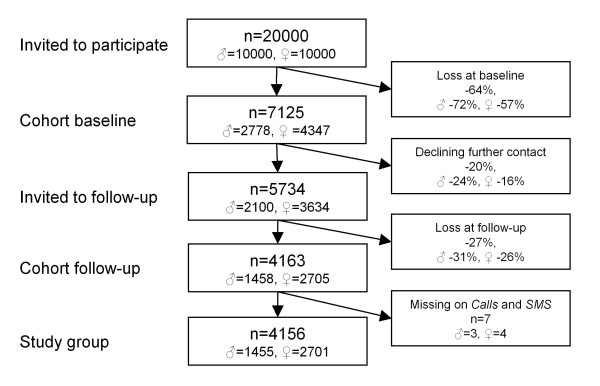
BACKGROUND: Because of the quick development and widespread use of mobile phones, and their vast effect on communication and interactions, it is important to study possible negative health effects of mobile phone exposure. The overall aim of this study was to investigate whether there are associations between psychosocial aspects of mobile phone use and mental health symptoms in a prospective cohort of young adults. METHODS: The study group consisted of young adults 20-24 years old (n = 4156), who responded to a questionnaire at baseline and 1-year follow-up. Mobile phone exposure variables included frequency of use, but also more qualitative variables: demands on availability, perceived stressfulness of accessibility, being awakened at night by the mobile phone, and personal overuse of the mobile phone. Mental health outcomes included current stress, sleep disorders, and symptoms of depression. Prevalence ratios (PRs) were calculated for cross-sectional and prospective associations between exposure variables and mental health outcomes for men and women separately. RESULTS: There were cross-sectional associations between high compared to low mobile phone use and stress, sleep disturbances, and symptoms of depression for the men and women. When excluding respondents reporting mental health symptoms at baseline, high mobile phone use was associated with sleep disturbances and symptoms of depression for the men and symptoms of depression for the women at 1-year follow-up. All qualitative variables had cross-sectional associations with mental health outcomes. In prospective analysis, overuse was associated with stress and sleep disturbances for women, and high accessibility stress was associated with stress, sleep disturbances, and symptoms of depression for both men and women. CONCLUSIONS: High frequency of mobile phone use at baseline was a risk factor for mental health outcomes at 1-year follow-up among the young adults. The risk for reporting mental health symptoms at follow-up was greatest among those who had perceived accessibility via mobile phones to be stressful. Public health prevention strategies focusing on attitudes could include information and advice, helping young adults to set limits for their own and others' accessibility.
Overview
The claims and statistics of this paper haven’t been checked yet.
Free: it reads the open-access text and checks the first 5 claims that cite a source we can check. Create a free account to check every claim.
Integrity signals
Registry
Cites
Statistics
Figures
Verification
Claims the paper makes
The claims and statistics of this paper haven’t been checked yet.
Free: it reads the open-access text and checks the first 5 claims that cite a source we can check. Create a free account to check every claim.
Claims other papers make about this one
Each is checked against this paper’s own text: does it say what the citing paper says it does?
The source backs part of the claim, not all of it — or backs it for a different population, condition or comparison.
In the citing paper
“Several studies indicate that high levels of social media use or screen time may reduce users' amount and quality of sleep.16,17”
From Social Media Use and Its Link to Physical Health Indicators (2022) · cites this paper as [17]
Experimental — accuracy not yet measuredThe source backs part of the claim, not all of it — or backs it for a different population, condition or comparison.
In the citing paper
“The first was focused on the non-smart mobile phone and was mainly due to two factors: the amount of phone bills that the use led to and the high use of text messages.”
From Problematic Use of the Internet and Smartphones in University Students: 2006–2017 (2018) · cites this paper as [6]
Experimental — accuracy not yet measuredThe source backs part of the claim, not all of it — or backs it for a different population, condition or comparison.
In the citing paper
“Previous studies showed the relationships between long phone usage duration and high stress [45] and long and frequent phone usage and severe depressive symptoms [8].”
From Identifying Objective Physiological Markers and Modifiable Behaviors for Self-Reported Stress and Mental Health Status Using Wearable Sensors and Mobile Phones: Observational Study (2018) · cites this paper as [45]
Experimental — accuracy not yet measuredThe source backs part of the claim, not all of it — or backs it for a different population, condition or comparison.
In the citing paper
“late night phone and exercise activities could relate to self-reported stress and mental health [45].”
From Identifying Objective Physiological Markers and Modifiable Behaviors for Self-Reported Stress and Mental Health Status Using Wearable Sensors and Mobile Phones: Observational Study (2018) · cites this paper as [45]
Experimental — accuracy not yet measuredThe cited source says what the claim attributes to it.
In the citing paper
“A questionnaire-based study also showed a relationship between high mobile phone usage, stress, and symptoms of depression [45].”
4 more claims about this paper
Create a free account to see every claim other papers make about this one.
Self-check
Percentages, sums and reported differences re-computed from the paper’s own numbers.
The self-check needs the paper’s full text.
Citations
Cites
Internet Addiction: The Emergence of a New Clinical Disorder
YOUNG, K. S. (1998) · CyberPsychology & Behavior · doi:10.1089/cpb.1998.1.237 · Cited by 5,513 · cited 1×
“Internet addiction has been proposed as a specific psychiatric illness [14]; however, this form of problematic Internet use could also be considered to share elements with impulse control disorders and be related to the specific activities done on the Internet (such as gambling) rather than the Internet per se [15,16].”
Mental health of young people: A global public-health challenge
Patel, V., Flisher, A. J., Hetrick, S., & McGorry, P. (2007) · The Lancet · doi:10.1016/s0140-6736(07)60368-7 · Cited by 3,126 · cited 1×
“Mental health problems have been increasing among young people in Sweden and around the world [1,2].”
Utility of a new procedure for diagnosing mental disorders in primary care. The PRIME-MD 1000 study
Spitzer, R. L. (1994) · JAMA · doi:10.1001/jama.272.22.1749 · Cited by 2,635
Mental health problems and help-seeking behavior among college students
Hunt, J., & Eisenberg, D. (2010) · Journal of Adolescent Health · doi:10.1016/j.jadohealth.2009.08.008 · Cited by 1,949 · cited 1×
“Cultural and social changes in terms of increased materialism and individualism have been discussed in relation to this [3,4], including the possibility of a decreasing stigma about mental illness, improved screening for mental illness, and increased help-seeking behaviors [5].”
Psychosocial work environment and mental health—a meta-analytic review
Stansfeld, S., & Candy, B. (2006) · Scandinavian Journal of Work, Environment & Health · doi:10.5271/sjweh.1050 · Cited by 1,875 · cited 1×
“Social support is a well-known factor that both promotes health and buffers negative effects of psychosocial strain [36,37].”
Utility of a New Procedure for Diagnosing Mental Disorders in Primary Care: The PRIME-MD 1000 Study
Spitzer, R. L. (1994) · JAMA · doi:10.1001/jama.1994.03520220043029 · Cited by 1,873 · cited 3×
“Following the suggested PRIME-MD procedure [29,30], a predictive power of 33% [30] would imply that about 20% of the study group was clinically depressed.”
InfluentialSleep disturbance and psychiatric disorders: A longitudinal epidemiological study of young Adults
Breslau, N., Roth, T., Rosenthal, L., & Andreski, P. (1996) · Biological Psychiatry · doi:10.1016/0006-3223(95)00188-3 · Cited by 1,831 · cited 1×
“For example, in one study of young adults [34], sleep disorders was a predictor of major depression onset with an odds ratio of nearly 4.”
Case-finding instruments for depression: Two questions are as good as many
Whooley, M. A., Avins, A. L., Miranda, J., & Browner, W. S. (1997) · Journal of General Internal Medicine · doi:10.1046/j.1525-1497.1997.00076.x · Cited by 1,826
Psychological Predictors of Problem Mobile Phone Use
Bianchi, A., & Phillips, J. G. (2005) · CyberPsychology & Behavior · doi:10.1089/cpb.2005.8.39 · Cited by 1,514 · cited 1×
“Intensive mobile phone use has been associated with dependency on the mobile phone [14,15], and problematic mobile phone use has been a focus in the literature concerning psychological aspects of mobile phone use, where criteria for substance addiction diagnoses or behavioral addictions [16,17] have been used to defin…”
Pathological Video Game Use Among Youths: A Two-Year Longitudinal Study
Gentile, D. A., Choo, H., Liau, A., Sim, T., Li, D., Fung, D., & Khoo, A. (2011) · Pediatrics · doi:10.1542/peds.2010-1353 · Cited by 1,314 · cited 1×
“In a longitudinal study among youths, pathological gaming predicted higher levels of depression, anxiety, social phobia, and poor school performance [22].”
Research works printed but not linked: 3
- StatisticsSweden: Health and medical care 1980-2005. LE Living conditions. Stockholm. 2006, Sweden, [In Swedish, with parts in English]
- Ekman A, Ahlstrand C, Andrén M, Boström M, Dellve L, Eriksson J, Gustafsson E, Hagberg J, Lindegård A, Thomée S, et al: Ung Vuxen - Basenkät (Young adults - baseline questionnaire) [In Swedish]. Rapport från Arbets- och miljömedicin [Occupational and Environmental Report] No 118. 2008, Occupational and Environmental medicine, Gothenburg University, Gothenburg, Sweden
- Karasek R, Theorell T: Healthy work. 1990, New York: Basic Books
Cited by
Items 601–700 of 1,002
(2016) · International Association for Development of the Information Society · Cited by 13
Palal, D., & Stalin, P. (2018) · Journal of Public Health · doi:10.1007/s10389-018-0963-z · Cited by 13
The Association of Smartphone Usage Duration with Physical Fitness among Chinese University Students
Li, W., Cui, Y., Gong, Q., Huang, C. X., & Guo, F. H. (2022) · International Journal of Environmental Research and Public Health · doi:10.3390/ijerph19010572 · Cited by 19
Gan, Y., Zhang, T., Zhang, J., Wu, X., & Shao, M. (2022) · Frontiers in Psychology · doi:10.3389/fpsyg.2022.937446 · Cited by 18
“…attention to the association between mobile phone addiction and interpersonal issues (Seo et al., 2016; Troussas et al., 2022), depressive state (Thomée et al., 2011; Wang et al., 2014, 2019; Coyne et al., 2019), and anxiety disorders (Beranuy et al., 2009; Hong et al., 2012; Liu et al., 2017).”
BackgroundMessage applications in the doctor-patient relationship as a stressor
Veiga, M. G., Felizi, R. T., Trevisan, G. D., Cubero, D. D. I. G., Fernandes, C. E., & de Oliveira, E. (2022) · Revista da Associação Médica Brasileira · doi:10.1590/1806-9282.20220253 · Cited by 13
Smartphone stress: Concept, structure, and development of measurement among adolescents
Huang, S., Lai, X., Ke, L., Qin, X., Yan, J. J., Xie, Y., Dai, X., & Wang, Y. (2022) · Cyberpsychology Journal of Psychosocial Research on Cyberspace · doi:10.5817/cp2022-5-1 · Cited by 22
Vujić, A., Volarov, M., Latas, M. B., Griffiths, M. D., & Szabó, A. (2023) · International Journal of Mental Health and Addiction · doi:10.1007/s11469-023-01013-1 · Cited by 15
“For example, those who use their smartphones excessively tend to report higher levels of depression, anxiety, stress (Elhai et al., 2017), and sleep disturbances (Sohn et al., 2019; Thomée et al., 2011).”
“I'm Not a Gadget”: A Grounded Theory on Unplugging
Morris, N., & Cravens, J. D. (2017) · American Journal of Family Therapy · doi:10.1080/01926187.2017.1365665 · Cited by 34
The Dark Side of Operational Wi-Fi Calling Services
Xie, T., Tu, G.-H., Li, C.-Y., Peng, C., Li, J., & Zhang, M. (2018) · IEEE Conference on Communications and Network Security · doi:10.1109/cns.2018.8433136 · Cited by 14
“, stressful [14]), and user behaviors (e.”
What Drives the Drivers? A Qualitative Perspective on what Motivates the Crowd Delivery Workforce
Asdecker, B., & Zirkelbach, F. (2020) · Hawaii International Conference on System Sciences (HICSS) · doi:10.24251/hicss.2020.490 · Cited by 13
“Research suggests that the frequent use of smartphone applications can lead to stress, sleep disturbances, and symptoms of depression [37].”
BackgroundKim, Y.-S., Lee, S.-J., Park, C., Kim, B., Lee, C.-S., Cha, B., Lee, D., Choi, J.-W., Lee, Y.-J., & Seo, J.-Y. (2020) · Chronobiology in Medicine · doi:10.33069/cim.2020.0004 · Cited by 15
“Several studies have shown that depression and smartphone addiction are significantly related [3,6,70,78,79], whereas other studies have not [4,24].”
Empirical Analysis of Factors Contributing to Smartphone Addiction
Meena, M. E., Kang, S. G., Nguchu, B. A., Milly, N., Makwetta, J. J., & Fomude, A. H. (2021) · Open Journal of Business and Management · doi:10.4236/ojbm.2021.91012 · Cited by 18
Positive Technology for Helping People Cope with Stress
Villani, D., Cipresso, P., Gaggioli, A., & Riva, G. (2016) · Advances in psychology, mental health, and behavioral studies (APMHBS) book series · doi:10.4018/978-1-4666-9986-1.ch014 · Cited by 14
Tng, G. Y. Q., & Yang, H. (2023) · Behaviour and Information Technology · doi:10.1080/0144929x.2023.2196573 · Cited by 13
“…the frequency of interruptive smartphone noti fi cations and messages is positively related to anxiety and stress in young adults (Elhai et al. 2021; Thomée, Härenstam, and Hagberg 2011), and that ‘ batching ’ noti fi cations rather than receiving individual noti fi cations can reduce stress and…”
BackgroundGong, Z., Guo, Y., Fan, S., Sun, X., & Wu, Y. (2024) · Frontiers in Psychology · doi:10.3389/fpsyg.2024.1447852 · Cited by 14
Zhu, Y., Liu, J., Chen, F., Qian, W., Cao, K., Huang, J., Wang, H., Wang, Q., & Luo, X. (2024) · BMC Public Health · doi:10.1186/s12889-024-20811-3 · Cited by 12
“Nevertheless, this negative coping mechanism may actually cultivate more detrimental consequences, creating a feedback loop that exacerbates feelings of loneliness and other negative emotions [70, 71].”
Wickord, L.-C., & Quaiser-Pohl, C. M. (2025) · Computers in Human Behavior · doi:10.1016/j.chb.2025.108583 · Cited by 14
Tang, X., Shen, Z., Khan, M. I., & Wang, Q. (2025) · Frontiers in Psychology · doi:10.3389/fpsyg.2025.1474340 · Cited by 20
Ali, L., Krevers, B., & Skärsäter, I. (2015) · Issues in Mental Health Nursing · doi:10.3109/01612840.2014.1002644 · Cited by 17
Baffour, B., Haynes, M. A., Western, M., Pennay, D., Misson, S., & Martínez, A. (2016) · Journal of Official Statistics · doi:10.1515/jos-2016-0029 · Cited by 12
“Specifically, we considered smoking behaviour and incidence of depression and anxiety to investigate the hypothesis that the mobile-only population had poorer health outcomes (Lee et al. 2010; Thomée et al. 2011).”
BackgroundInfluentialKnowledge, Attitudes and Practices of Computer Vision Syndrome among Medical Students in Goa
Raiturcar, T. P. (2021) · Epidemiology International · doi:10.24321/2455.7048.202102 · Cited by 12
Otsuka, Y., Kaneita, Y., Itani, O., & Matsumoto, Y. (2022) · International Journal of Mental Health and Addiction · doi:10.1007/s11469-021-00594-z · Cited by 16
Attitude and Usage of Mobile Phone among Students in Yazd University of Medical Science
Baghiani-Moghadam, M. H., Shahbazi, H., Boroojeni, D. M., & Baghianimoghadam, B. (2013) · Iranian Red Crescent Medical Journal · doi:10.5812/ircmj.4141 · Cited by 12
“About 19% of our participants had tried to decrease use of mobile phone but were unsuccessful; this rate in Thomee study (10) was 10%.”
BackgroundSosso, F. A. E., Kuss, D. J., Vandelanotte, C., Medrano, J. L. J., Husain, M. E., Curcio, G., Papadopoulos, D., Aseem, A., Bhati, P., Lopez-Rosales, F., et al. (2020) · Scientific Reports · doi:10.1038/s41598-020-58462-0 · Cited by 14
RetractedBedtime Smart Phone Usage and Its Effects on Work-Related Behaviour at Workplace
Ellahi, A., Javed, Y., Begum, S., Mushtaq, R., Rehman, M., & Rehman, H. M. (2021) · Frontiers in Psychology · doi:10.3389/fpsyg.2021.698413 · Cited by 15
Pundir, P., Andrews, T., Binu, S., & Kamath, R. (2016) · International Journal of Community Medicine and Public Health · doi:10.18203/2394-6040.ijcmph20163371 · Cited by 17
WhatsApp social media addiction and mental health: mindfulness and healing use interventions
Moqbel, M., Alshare, K. A., Erskine, M. A., & Bartelt, V. L. (2023) · Behaviour and Information Technology · doi:10.1080/0144929x.2023.2253932 · Cited by 13
“Mental health, de fi ned as an individual ’ s cognitive, emotional, and behavioural well-being, is a central element of health (Larson 1978; Okun et al. 1984; Thomée, Härenstam, and Hagberg 2011; Zautra and Hempel 1984).”
Wu, W., Li, S., Chen, F., & Zeng, Y. (2024) · Current Psychology · doi:10.1007/s12144-024-06916-3 · Cited by 13
“…to respond to all phone calls and messages will cause feelings of guilt, which will undoubtedly have a negative impact on individual mental health (Sara et al., 2011 ; Sojeong et al., 2015); However, appropriate intensity of physical exercise can promote brain development and improve cognitive…”
Lu, X., Zhang, L., & Tao, Y. (2025) · Journal of Affective Disorders · doi:10.1016/j.jad.2025.119981 · Cited by 13
Mediating Factors for the Relationship between Stress and Work Ability over Time in Young Adults
van Schaaijk, A., Baloch, A. N., Thomée, S., Frings‐Dresen, M. H. W., Hagberg, M., & Nieuwenhuijsen, K. (2020) · International Journal of Environmental Research and Public Health · doi:10.3390/ijerph17072530 · Cited by 13
“In these questionnaires, questions on work demands and general health related to these work demands were asked in order to assess occupational health in young adults [39].”
BackgroundMethodSelf-citationBassi, G., Lis, A., Marci, T., & Salcuni, S. (2021) · International Journal of Mental Health and Addiction · doi:10.1007/s11469-021-00705-w · Cited by 14
“More specifically, internalized symptoms related to smartphone use appear to express themselves as symptoms of depression and anxiety (Boumosleh & Jaalouk, 2017; Mitchell & Hussain, 2018) and also can cause sleep disturbances (Thomee et al., 2011).”
BackgroundJalali, N., Sahu, K. S., Oetomo, A., & Morita, P. P. (2022) · JMIR mhealth and uhealth · doi:10.2196/28811 · Cited by 13
“In addition, inefficient or disturbed sleep, due to behaviors such as technology use (eg, use of mobile device screens), can also lead to chronic stress and poor mental health [5].”
BackgroundGao, Q., Sun, R., Li, B., Xiang, K., Zheng, M., Fu, E., & Kong, F. (2022) · Journal of Psychopathology and Behavioral Assessment · doi:10.1007/s10862-022-09993-5 · Cited by 11
“Empirical evidences showed that individuals with a higher dependence on mobile phones tend to experience more depressive symptoms (Seo et al., 2016; Thomée et al., 2011).”
BackgroundLi, G., Liu, H., Qiu, C., & Tang, W. (2022) · Frontiers in Psychiatry · doi:10.3389/fpsyt.2022.971800 · Cited by 12
Cho, Y., In, H., Park, M., Park, E., & Kim, S. H. (2023) · Addictive Behaviors · doi:10.1016/j.addbeh.2023.107629 · Cited by 13
Akçay, F. G., BAYRAKLI, M., & Gezgin, D. M. (2023) · Journal of Educational Technology and Online Learning · doi:10.31681/jetol.1089882 · Cited by 14
“…& Leung, 2009; Kibona & Mgaya, 2015), reduction in physical and social activities (Kim et al., 2015; Lepp et al., 2013; Yen et al., 2009), sleep disorders (Gezgin, 2018; Sahin et al., 2013; Thomée et al., 2011) and loneliness (Bian & Leung, 2015; Cosguner, 2012; Guzeller & Takao et al., 2009).”
Rofi’i, A., & Susilo, S. V. (2023) · AL-ISHLAH Jurnal Pendidikan · doi:10.35445/alishlah.v15i2.2475 · Cited by 11
Perceived Health and Nomophobia among Young Adults: The Mediating Role of Depression and Stress
Notara, V., Vagka, E., Lagiou, A., & Gnardellis, C. (2023) · Sustainability · doi:10.3390/su16010096 · Cited by 16
The Role of Librarians in Promoting Digital Wellness: A Case Study
Loos, A. T. (2017) · Public & Access Services Quarterly · doi:10.1080/15228959.2016.1268943 · Cited by 13
“For example, Thomée, Härenstam, and Hagberg (2011) stressed that interventions for college students should focus on changing attitudes in an effort to help them set more healthy digital boundaries like limiting frequency, accessibility, and duration of use.”
BackgroundMobile phone dependence among undergraduate medical students in Nanded city
Domple, V. K., Wadde, S. K., & Gattani, P. L. (2017) · Annals of Tropical Medicine and Public Health · doi:10.4103/atmph.atmph_71_17 · Cited by 14
“,[6] concluded in their prospective cohort study that high frequency of mobile phone use at baseline was a risk factor for reporting sleep disturbances and symptoms of depression for the men and women at 1-year followup.”
BackgroundThe correlation between smart device usage & sleep quality among UAE residents
Abedalqader, F., Alhuarrat, M. A. D., Ibrahim, G., Taha, F., Tamimi, A. A., Shukur, M., & Elmoselhi, A. B. (2019) · Sleep Medicine · doi:10.1016/j.sleep.2019.04.017 · Cited by 11
Moqbel, M. (2020) · Hawaii International Conference on System Sciences (HICSS) · doi:10.24251/hicss.2020.745 · Cited by 18
“Researchers have highlighted these unintended negative consequences [12-14]; researched ways to measure their impact on individuals’ mental health [10, 15-17]; on leisure [18]; on academic performance [19]; and explored their antecedents [2022].”
BackgroundMohamed, R. A., & Moustafa, H. A. (2021) · The Egyptian Family Medicine Journal/The Egyptian Family Medicine Journal · doi:10.21608/efmj.2021.27850.1024 · Cited by 14
ÖZCAN, H. M., & KOÇ, U. (2022) · Ege Akademik Bakis (Ege Academic Review) · doi:10.21121/eab.987487 · Cited by 20
“In addition to studies in which internet addicts are compared to people addicted to gambling, drugs and alcohol (Young, 1998); there are also studies that have concluded that excessive phone use is closely related to sleep disorder and depression symptoms (Thomee et al., 2011).”
BackgroundA Study on the Usage of Mobile Phones for Cyber Bullying Among Tweens & Teens of Chennai, India
Venkataraghavan, M. (2015) · Online Journal of Communication and Media Technologies · doi:10.30935/ojcmt/5671 · Cited by 16
Obesogenic behaviours and depressive symptoms in children: a narrative literature review
Dennison, M., Sisson, S. B., & Morris, A. S. (2016) · Obesity Reviews · doi:10.1111/obr.12419 · Cited by 14
Chandler, M. C., Ellison, O. K., McGowan, A. L., Fenn, K. M., & Pontifex, M. B. (2022) · Journal of American College Health · doi:10.1080/07448481.2022.2077110 · Cited by 14
Severinsen, E. R., Andersen, T. O., Dissing, A. S., Jensen, A. K., Sejling, C., Freiesleben, N. L. C., Nielsen, H. S., & Rod, N. H. (2023) · SLEEP Advances · doi:10.1093/sleepadvances/zpad013 · Cited by 15
“Nevertheless, previous studies have shown that nighttime smartphone use was associated with shorter sleep duration [2, 10], longer sleep duration [10], and poor sleep quality [1, 4].”
BackgroundThe ethics of human digital twins: Counterfeit people, personhood, and the right to privacy
Favela, L. H., & Amon, M. J. (2023) · IEEE International Conference on Digital Twins and Parallel Intelligence (DTPI) · doi:10.1109/dtpi59677.2023.10365409 · Cited by 13
“In this way, the mental health difficulties and distorted self-images people often experience due to technology usage (e.g., [38], [39], [40]) may be exacerbated.”
BackgroundStirnberg, J., Margraf, J., Precht, L.-M., & Brailovskaia, J. (2024) · Psychopathology · doi:10.1159/000538263 · Cited by 19
“This goes along with previous fi ndings that smartphone use may contribute to instant grati fi cation [67] through positive reinforcement, which immediately results in satisfaction.”
Zhan, Y., & Ding, X. (2025) · Scientific Reports · doi:10.1038/s41598-025-01102-2 · Cited by 10
Validity and Reliability Analysis of the Artificial Intelligence–Digital Life Balance Scale
Erdemir, N., & Atik, S. (2025) · Psychiatric Quarterly · doi:10.1007/s11126-025-10167-1 · Cited by 15
“Excessive use of digital technologies has been associated with various psychiatric issues, including anxiety, depression, attention-deficit/hyperactivity disorder (ADHD), and sleep disorders [9 , 10 ].”
Shauly, O., Gould, D. J., & Patel, K. M. (2019) · Aesthetic Surgery Journal Open Forum · doi:10.1093/asjof/ojz007 · Cited by 10
Smartphone-induced Behaviour: Utilisation, Benefits, Nomophobic Behaviour and Perceived Risks
Sharma, K., Sarathamani, T., Bhougal, S., & Singh, H. K. (2021) · Journal of Creative Communications · doi:10.1177/0973258620979519 · Cited by 15
“Other aspects such as difficulty in rational decision-making, unsound mental capacity including tendency to frequent depression are also associated with smartphone usage (Elhai et al., 2016; Elhai, et al., 2017; Thomée et al., 2011; Wolniewicz et al., 2018).”
BackgroundRelationship Between Smartphone Addiction and Stress and Life Satisfaction in Medical Students
Eisanazar, A., Najafi, K., Mohammadi, A., Sarlak, C., & Mirfarhadi, N. (2021) · Journal of Guilan University of Medical Sciences · doi:10.32598/jgums.30.2.1742.1 · Cited by 11
Cerro, E. D., Félix, J., Tresguerres, J. A. F., & la Fuente, M. D. (2022) · Environmental Health · doi:10.1186/s12940-022-00882-8 · Cited by 11
“Sleep quality is also affected by EMFs emitted from human modern technologies [29, 30] and EMF exposure at night has more severe effects on health in comparison to EMF radiation during the daytime [12].”
BackgroundStudent Stress and Mental Health Crisis: Higher Education Institutional Perspective
Singh, A., & Kumar, P. (2023) · Advances in higher education and professional development book series · doi:10.4018/979-8-3693-0708-3.ch013 · Cited by 18
Bakır, V., & Dilmaç, B. (2023) · Research on Education and Psychology · doi:10.54535/rep.1331114 · Cited by 16
“Studies show that phubbing leads to the isolation of individuals in social settings, reduces the quality of communication, and negatively affects interpersonal trust (Beranuy et al., 2009; Chotpitayasunondh & Douglas, 2018; Roberts & David, 2016; Thomée et al., 2011).”
BackgroundSheikh, B. W., Hariri, N. H., Alqahtani, M. A., Aljabri, A. A., Eterji, A. S., Almutawa, S. M., Aljohani, R., Metair, S. A., Rawas, T. A., Bawahab, N. S., et al. (2024) · Clinical Practice and Epidemiology in Mental Health · doi:10.2174/0117450179311620240508105100 · Cited by 12
Mohammadi, N. M., Rezaeisharif, F., Bagheri, N., Olyayie, H. T., Sharifi, M., & Sharifi, H. P. (2024) · BMC Psychiatry · doi:10.1186/s12888-024-05985-9 · Cited by 12
“Additionally, excessive cell phone use, coupled with a negative attitude and dependence on this device, may increase the risk of anxiety and depression [17, 18].”
BackgroundCoping strategies in individuals at risk and not at risk of mobile phone addiction
Dziurzyńska, E., Pawłowska, B., & Potembska, E. (2016) · Current Problems of Psychiatry · doi:10.1515/cpp-2016-0024 · Cited by 10
Asakawa, T., Muramatsu, A., Hayashi, T., Urata, T., Taya, M., & Mizuno‐Matsumoto, Y. (2014) · Frontiers in Human Neuroscience · doi:10.3389/fnhum.2014.01006 · Cited by 14
“On the other hand, smartphones are thought to be a cause of physical and mental stress, and overdependence or overuse of smartphones has been reported to cause depression, sleep disorders, and other symptoms of stress (Thomée et al., 2011).”
InfluentialDevelopment and psychometric properties of the problematic mobile video gaming scale
Sheng, J.-R., & Wang, J.-L. (2019) · Current Psychology · doi:10.1007/s12144-019-00415-6 · Cited by 14
Zimmermann, L., & Sobolev, M. (2020) · PsyArXiv (OSF Preprints) · doi:10.31234/osf.io/nmgdz · Cited by 11
The habitual characteristic of smart phone use under relevant cues among Chinese college students
Li, M., Duan, J., Liu, Y., Zou, J., Yang, X., & Zeng, H. (2023) · Frontiers in Psychology · doi:10.3389/fpsyg.2023.1218886 · Cited by 16
“, 2019), leading to serious consequences including sleep disturbances or depression (Thomée et al., 2011).”
BackgroundThe relationship between loneliness and sleep quality: multiple chain mediating roles
Ge, D. (2024) · Current Psychology · doi:10.1007/s12144-024-06639-5 · Cited by 9
“Longitudinal studies have also found that intense mobile phone use even predicts sleep disturbances in individuals one year later (Thomée et al., 2011 ).”
Liebig, L., Balogh, E., Birkás, B., Faubl, N., Zelko, E., Gräfe, W., Pieper, S., Gottschall, M., & Riemenschneider, H. (2026) · Frontiers in Psychiatry · doi:10.3389/fpsyt.2026.1735186 · Cited by 11
Problematic mobile phone use. Review of literature
Demkow, M., & Jakubczyk, A. (2019) · Alcoholism and Drug Addiction · doi:10.5114/ain.2019.91003 · Cited by 9
Yang, Y. J., Li, S., Zhang, K., Xiang, X., Li, Z., Ahn, S., & Murphy, J. G. (2020) · Journal of Aging and Physical Activity · doi:10.1123/japa.2019-0222 · Cited by 10
Smartphones and academic performance: evidence from India
Ammunje, R. N., Mahesh Prabhu, H., & Barkur, G. (2022) · Interactive Technology and Smart Education · doi:10.1108/itse-11-2021-0204 · Cited by 13
Subjective Smartphone Screen Time and Co-morbid Mental Illness
Noel, J. K., Jacob, S., Wensley, I. A., & Rosenthal, S. R. (2022) · Journal of Technology in Behavioral Science · doi:10.1007/s41347-022-00276-0 · Cited by 10
Smartphone addiction: impact on health and well-being
Gupta, A. K. S. K., Singh, P. S. B., & Krishak, A. K. S. (2024) · International Journal of Community Medicine and Public Health · doi:10.18203/2394-6040.ijcmph20241213 · Cited by 9
Examining Screen Time, Screen Use Experiences, and Well-Being in Adults
Wang, T. L., & Vella‐Brodrick, D. (2018) · Social Networking · doi:10.4236/sn.2018.71003 · Cited by 12
Akıllı Telefon Bağımlılığı ile Sürücü Davranışları Arasındaki İlişki
Büyükbaş, S., Tekin, E., & Tekeş, B. (2019) · Trafik ve Ulaşım Araştırmaları Dergisi · doi:10.38002/tuad.515264 · Cited by 9
Glumbić, N., Brojčin, B., Đorđević, M., & Žunić‐Pavlović, V. (2020) · British Journal of Learning Disabilities · doi:10.1111/bld.12358 · Cited by 9
Problematic internet use: causes, consequences, and future directions
Wright, M. F., Heiman, T., & Olenik‐Shemesh, D. (2020) · Elsevier eBooks · doi:10.1016/b978-0-12-817499-9.00002-8 · Cited by 14
Cesareo, M., Tagliabue, M., Oppo, A., & Moderato, P. (2021) · Cogent Psychology · doi:10.1080/23311908.2021.1880304 · Cited by 15
“Moreover, the overuse of smartphones was shown to heighten psychological distress (Chesley, 2005) and lead to other health issues, such as sleep disturbances and depression (Thomée et al., 2007, 2011).”
BackgroundScreen time and Sleep Quality among College and University Students of Karachi
Muhammad, N., Hussain, M., & Adnan, S. M. (2021) · Journal of Health & Biological Sciences · doi:10.12662/2317-3076jhbs.v9i1.3214.p1-14.2021 · Cited by 16
Kumar, S., Datta, D., Dong, G., Cai, L., Boukhechba, M., & Barnes, L. E. (2022) · ACM Transactions on Computing for Healthcare · doi:10.1145/3524886 · Cited by 11
“Increased smartphone usage has been linked to poorer self-reported measures of anxiety, sleep quality, and stress [31][33].”
BackgroundTitilope, A. O. (2014) · International Journal of Information and Communication Technology Education · doi:10.4018/ijicte.2014040101 · Cited by 9
Study of mobile phone usage in medical students of deemed university of Western Maharashtra, India
Yadav, J. U., & Yadav, D. J. (2017) · International Journal of Community Medicine and Public Health · doi:10.18203/2394-6040.ijcmph20170263 · Cited by 9
An 8-Week Group Cognitive Behavioral Therapy Intervention for Mobile Dependence
Li, T., Cui, L., Ma, S., Zhang, S., Zheng, J., Xiao, J., & Zhang, Q. (2018) · Psychology · doi:10.4236/psych.2018.98116 · Cited by 9
Creating an Optimal Sleep Environment
Pigeon, W. R., & Grandner, M. A. (2013) · Elsevier eBooks · doi:10.1016/b978-0-12-378610-4.00022-x · Cited by 13
Drouin, M. A., Kaiser, D. H., & Miller, D. A. (2015) · Wiley eBooks · doi:10.1002/9781118771952.ch11 · Cited by 14
Li, P., Chen, J., Duan, Z., Xu, W., & Feng, Y. (2024) · Behavioral Sciences · doi:10.3390/bs14121191 · Cited by 9
Vu, T. H., & Tagliabue, M. (2025) · Frontiers in Psychiatry · doi:10.3389/fpsyt.2025.1602997 · Cited by 12
Wang, M., Zhao, M., Ma, D., Ji, X., Li, D., & Xu, Z. (2025) · International Journal of Mental Health Promotion · doi:10.32604/ijmhp.2025.067133 · Cited by 8
“…prior studies have examined the mediating pathways connecting smartphone overuse to affective disorders, including depressive symptomatology [10] and behavioral maladjustment, including pathological procrastination patterns [11], a critical gap remains regarding its impact on academic…”
InfluentialADAPTATION OF THE MOBILE PHONE DEPENDENCE TEST FOR PORTUGUESE ADOLESCENTS AND YOUTH
Dias, P. C., Gonçalves, S., Cadime, I., & Montañés, M. C. (2019) · Psicologia Saúde & Doenças · doi:10.15309/19psd200302 · Cited by 14
The Electronic Media Fast and Student Well-Being: An Exercise in Transformational Teaching
Gomes, M. E., Kime, L., Bush, J. M., & Myers, A. B. (2020) · Teaching of Psychology · doi:10.1177/0098628320965260 · Cited by 9
“Several studies have found an association between electronic technology use and poor sleep when devices are used at night (Christiensen et al., 2016; Demirci et al., 2015; Thomee et al., 2011).”
BackgroundKarim, M. R., Ahmed, H. U., & Akhter, S. (2022) · F1000Research · doi:10.12688/f1000research.122927.1 · Cited by 9
Ding, X., Jin, X., Tang, Y., & Yang, Z. (2023) · Annales Médico-psychologiques revue psychiatrique · doi:10.1016/j.amp.2023.09.012 · Cited by 10
Nursing Performance and Smartphone Use in Clinical Settings
Noghan, N., Sadri, M., Hejazi, S. S., Noghan, N., Jalilv, M., & Shirahmadi, S. (2023) · Indian Journal of Occupational and Environmental Medicine · doi:10.4103/ijoem.ijoem_107_22 · Cited by 10
Development of the Mobile Phone Attachment Scale
Bock, B. C., Thind, H. K., Fava, J. L., Walaska, K., Barnett, N. P., Rosen, R. K., Traficante, R. M., & Lantini, R. (2016) · Hawaii International Conference on System Sciences (HICSS) · doi:10.1109/hicss.2016.424 · Cited by 11
“However, to date these measures have been derived from the addictions and psychopathology literature and are intended to measure problematic use of technology within a conceptual framework of use-as-pathology [10-12].”
BackgroundShauly, O., Gould, D. J., & Patel, K. M. (2020) · European Journal of Plastic Surgery · doi:10.1007/s00238-020-01639-7 · Cited by 8
Üniversite Öğrencilerinde Akıllı Telefon Bağımlılığı: Çok Boyutlu Yalnızlığın Yordayıcı Rolü
Gezgin, D. M., Ümmet, D., & Hamutoğlu, N. B. (2020) · Trakya Eğitim Dergisi · doi:10.24315/tred.553035 · Cited by 18
Johnson, A. R., Sridhar, P. R., & Joseph, M. (2022) · Journal of Indian Association for Child and Adolescent Mental Health · doi:10.1177/09731342221096481 · Cited by 10
Sarhan, A. L. (2024) · Palestinian medical and pharmaceutical journal/Palestinian medical & pharmaceutical journal · doi:10.59049/2790-0231.1097 · Cited by 10
Multimodal Low-Invasive System for Sleep Quality Monitoring and Improvement
Lobato, F., de Resende, D. C. O., Nascimento, R. P., Siqueira, A. L. C., Jacob, A., & de Santana, Á. L. (2017) · Internet of things · doi:10.1007/978-3-319-50758-3_9 · Cited by 8
Jung, M. S., Ju, K. O., Song, M. S., & Lee, K. S. (2016) · Journal of the Korean Society of School Health · doi:10.15434/kssh.2016.29.3.245 · Cited by 9
“비 록 각 연구에서 사용한 도구가 모두 동일하지는 않았지만, 인 지기능 특히 집중력과 주의력, 단순 작업에 대한 반응 속도, 단 기 기억, 작업 기억이 주로 영향을 받는 영역으로 보고되었다 [14-16].”
InfluentialLin, J.-H. T. (2018) · Chinese Journal of Communication · doi:10.1080/17544750.2018.1511606 · Cited by 8
Metadata
- Authors
- Thomée, S., Härenstam, A., & Hagberg, M.
- Affiliations
- University of Gothenburg (SE)
- Corresponding author
- Thomée, Sara
- Venue
- BMC Public Health
- Published
- 2011-01-31
- Volume
- 11
- Issue
- 1
- Pages
- 66-66
- ISSN
- 1471-2458 (ISSN-L)
- PMC
- PMC3042390
- OpenAlex
- W2117971251
- Cited by
- 1,269
- References
- 66
- Citations by year
- 2026: 54 · 2025: 76 · 2024: 103 · 2023: 111 · 2022: 133 · 2021: 126 · 2020: 151 · 2019: 105 · 2018: 119 · 2017: 79 · 2016: 79 · 2015: 49 · 2014: 34 · 2013: 34 · 2012: 13
- FWCI
- 88.28
- Type
- journal article
- Language
- en
- Open access
- gold
- doi.org
- Licence
- cc-by
- creativecommons.org/licenses/by/2.0 (tdm)
- Locations
- BMC Public Health (publishedVersion, cc-by)
- PubMed Central (publishedVersion, cc-by)
- PubMed (publishedVersion)
- Gothenburg University Publications Electronic Archive (Gothenburg University) (acceptedVersion)
- DOAJ (DOAJ: Directory of Open Access Journals) (submittedVersion)
- Funders
- Forskningsrådet för Arbetsliv och Socialvetenskap
- Topics
- Social Sciences › Sociology and Political Science › Impact of Technology on Adolescents
- Social Sciences › Psychology › Social Psychology › Technostress in Professional Settings
- Social Sciences › Education › Child Development and Digital Technology
- Keywords
- mobile phone use, mental health, stress, sleep disorders, depressive symptoms, young adults, mobile phone overuse, sex differences, mobile phone exposure
- MeSH terms
- Cross-Sectional Studies, Depression, Female, Humans, Male, Prospective Studies, Surveys and Questionnaires, Risk Factors, Sleep Wake Disorders, Stress, Psychological, Sweden, Cohort Studies, Cell Phone, Young Adult
About these checks
Registry, retraction, Cites and statistics results are computed, not judged, with one exception: a printed reference that no index lists is read once by a model before it counts as a citation error. Claims are extracted by a model and kept only when their quote appears verbatim in the text; each cited source is then checked, with a model’s help, for whether it says what the claim relies on. Those verdicts can be wrong — read the claim’s quote and the cited source before relying on one.
Statistics and arithmetic are recomputed, not judged.
Confidence bands are shown only for fields calibrated on our annotated test set. None is calibrated yet, so no band is shown.
What counts as a claim ›How we measure confidence ›How we check this ›
Are you an author, or do you see a problem with this page? Request a review
Data sources
Bibliographic data: Semantic Scholar, OpenAlex, Crossref.
Contains information from the Semantic Scholar Academic Graph Datasets, made available under the ODC Attribution License (ODC-BY 1.0).
Semantic Scholar’s data is described in: Kinney, R., et al. (2023). The Semantic Scholar Open Data Platform. arXiv:2301.10140.
