

Mobile phone use and stress, sleep disturbances, and symptoms of depression among young adults – A prospective cohort study
Open accessThe DOI matches its Crossref record; 65 of the 66 references it cites were found in a registry or an index.
Abstract
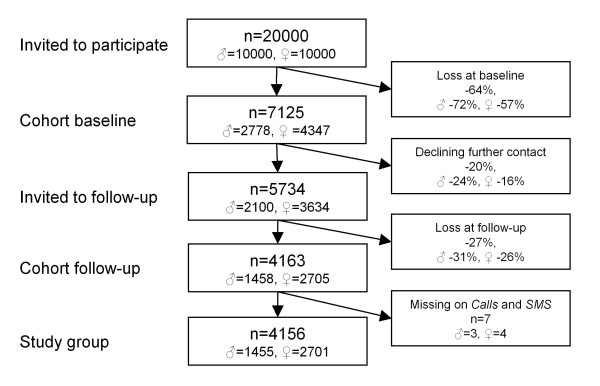
BACKGROUND: Because of the quick development and widespread use of mobile phones, and their vast effect on communication and interactions, it is important to study possible negative health effects of mobile phone exposure. The overall aim of this study was to investigate whether there are associations between psychosocial aspects of mobile phone use and mental health symptoms in a prospective cohort of young adults. METHODS: The study group consisted of young adults 20-24 years old (n = 4156), who responded to a questionnaire at baseline and 1-year follow-up. Mobile phone exposure variables included frequency of use, but also more qualitative variables: demands on availability, perceived stressfulness of accessibility, being awakened at night by the mobile phone, and personal overuse of the mobile phone. Mental health outcomes included current stress, sleep disorders, and symptoms of depression. Prevalence ratios (PRs) were calculated for cross-sectional and prospective associations between exposure variables and mental health outcomes for men and women separately. RESULTS: There were cross-sectional associations between high compared to low mobile phone use and stress, sleep disturbances, and symptoms of depression for the men and women. When excluding respondents reporting mental health symptoms at baseline, high mobile phone use was associated with sleep disturbances and symptoms of depression for the men and symptoms of depression for the women at 1-year follow-up. All qualitative variables had cross-sectional associations with mental health outcomes. In prospective analysis, overuse was associated with stress and sleep disturbances for women, and high accessibility stress was associated with stress, sleep disturbances, and symptoms of depression for both men and women. CONCLUSIONS: High frequency of mobile phone use at baseline was a risk factor for mental health outcomes at 1-year follow-up among the young adults. The risk for reporting mental health symptoms at follow-up was greatest among those who had perceived accessibility via mobile phones to be stressful. Public health prevention strategies focusing on attitudes could include information and advice, helping young adults to set limits for their own and others' accessibility.
Overview
The claims and statistics of this paper haven’t been checked yet.
Free: it reads the open-access text and checks the first 5 claims that cite a source we can check. Create a free account to check every claim.
Integrity signals
Registry
Cites
Statistics
Figures
Verification
Claims the paper makes
The claims and statistics of this paper haven’t been checked yet.
Free: it reads the open-access text and checks the first 5 claims that cite a source we can check. Create a free account to check every claim.
Claims other papers make about this one
Each is checked against this paper’s own text: does it say what the citing paper says it does?
The source backs part of the claim, not all of it — or backs it for a different population, condition or comparison.
In the citing paper
“Several studies indicate that high levels of social media use or screen time may reduce users' amount and quality of sleep.16,17”
From Social Media Use and Its Link to Physical Health Indicators (2022) · cites this paper as [17]
Experimental — accuracy not yet measuredThe source backs part of the claim, not all of it — or backs it for a different population, condition or comparison.
In the citing paper
“The first was focused on the non-smart mobile phone and was mainly due to two factors: the amount of phone bills that the use led to and the high use of text messages.”
From Problematic Use of the Internet and Smartphones in University Students: 2006–2017 (2018) · cites this paper as [6]
Experimental — accuracy not yet measuredThe source backs part of the claim, not all of it — or backs it for a different population, condition or comparison.
In the citing paper
“Previous studies showed the relationships between long phone usage duration and high stress [45] and long and frequent phone usage and severe depressive symptoms [8].”
From Identifying Objective Physiological Markers and Modifiable Behaviors for Self-Reported Stress and Mental Health Status Using Wearable Sensors and Mobile Phones: Observational Study (2018) · cites this paper as [45]
Experimental — accuracy not yet measuredThe source backs part of the claim, not all of it — or backs it for a different population, condition or comparison.
In the citing paper
“late night phone and exercise activities could relate to self-reported stress and mental health [45].”
From Identifying Objective Physiological Markers and Modifiable Behaviors for Self-Reported Stress and Mental Health Status Using Wearable Sensors and Mobile Phones: Observational Study (2018) · cites this paper as [45]
Experimental — accuracy not yet measuredThe cited source says what the claim attributes to it.
In the citing paper
“A questionnaire-based study also showed a relationship between high mobile phone usage, stress, and symptoms of depression [45].”
4 more claims about this paper
Create a free account to see every claim other papers make about this one.
Self-check
Percentages, sums and reported differences re-computed from the paper’s own numbers.
The self-check needs the paper’s full text.
Citations
Cites
Internet Addiction: The Emergence of a New Clinical Disorder
YOUNG, K. S. (1998) · CyberPsychology & Behavior · doi:10.1089/cpb.1998.1.237 · Cited by 5,513 · cited 1×
“Internet addiction has been proposed as a specific psychiatric illness [14]; however, this form of problematic Internet use could also be considered to share elements with impulse control disorders and be related to the specific activities done on the Internet (such as gambling) rather than the Internet per se [15,16].”
Mental health of young people: A global public-health challenge
Patel, V., Flisher, A. J., Hetrick, S., & McGorry, P. (2007) · The Lancet · doi:10.1016/s0140-6736(07)60368-7 · Cited by 3,126 · cited 1×
“Mental health problems have been increasing among young people in Sweden and around the world [1,2].”
Utility of a new procedure for diagnosing mental disorders in primary care. The PRIME-MD 1000 study
Spitzer, R. L. (1994) · JAMA · doi:10.1001/jama.272.22.1749 · Cited by 2,635
Mental health problems and help-seeking behavior among college students
Hunt, J., & Eisenberg, D. (2010) · Journal of Adolescent Health · doi:10.1016/j.jadohealth.2009.08.008 · Cited by 1,949 · cited 1×
“Cultural and social changes in terms of increased materialism and individualism have been discussed in relation to this [3,4], including the possibility of a decreasing stigma about mental illness, improved screening for mental illness, and increased help-seeking behaviors [5].”
Psychosocial work environment and mental health—a meta-analytic review
Stansfeld, S., & Candy, B. (2006) · Scandinavian Journal of Work, Environment & Health · doi:10.5271/sjweh.1050 · Cited by 1,875 · cited 1×
“Social support is a well-known factor that both promotes health and buffers negative effects of psychosocial strain [36,37].”
Utility of a New Procedure for Diagnosing Mental Disorders in Primary Care: The PRIME-MD 1000 Study
Spitzer, R. L. (1994) · JAMA · doi:10.1001/jama.1994.03520220043029 · Cited by 1,873 · cited 3×
“Following the suggested PRIME-MD procedure [29,30], a predictive power of 33% [30] would imply that about 20% of the study group was clinically depressed.”
InfluentialSleep disturbance and psychiatric disorders: A longitudinal epidemiological study of young Adults
Breslau, N., Roth, T., Rosenthal, L., & Andreski, P. (1996) · Biological Psychiatry · doi:10.1016/0006-3223(95)00188-3 · Cited by 1,831 · cited 1×
“For example, in one study of young adults [34], sleep disorders was a predictor of major depression onset with an odds ratio of nearly 4.”
Case-finding instruments for depression: Two questions are as good as many
Whooley, M. A., Avins, A. L., Miranda, J., & Browner, W. S. (1997) · Journal of General Internal Medicine · doi:10.1046/j.1525-1497.1997.00076.x · Cited by 1,826
Psychological Predictors of Problem Mobile Phone Use
Bianchi, A., & Phillips, J. G. (2005) · CyberPsychology & Behavior · doi:10.1089/cpb.2005.8.39 · Cited by 1,514 · cited 1×
“Intensive mobile phone use has been associated with dependency on the mobile phone [14,15], and problematic mobile phone use has been a focus in the literature concerning psychological aspects of mobile phone use, where criteria for substance addiction diagnoses or behavioral addictions [16,17] have been used to defin…”
Pathological Video Game Use Among Youths: A Two-Year Longitudinal Study
Gentile, D. A., Choo, H., Liau, A., Sim, T., Li, D., Fung, D., & Khoo, A. (2011) · Pediatrics · doi:10.1542/peds.2010-1353 · Cited by 1,314 · cited 1×
“In a longitudinal study among youths, pathological gaming predicted higher levels of depression, anxiety, social phobia, and poor school performance [22].”
Research works printed but not linked: 3
- StatisticsSweden: Health and medical care 1980-2005. LE Living conditions. Stockholm. 2006, Sweden, [In Swedish, with parts in English]
- Ekman A, Ahlstrand C, Andrén M, Boström M, Dellve L, Eriksson J, Gustafsson E, Hagberg J, Lindegård A, Thomée S, et al: Ung Vuxen - Basenkät (Young adults - baseline questionnaire) [In Swedish]. Rapport från Arbets- och miljömedicin [Occupational and Environmental Report] No 118. 2008, Occupational and Environmental medicine, Gothenburg University, Gothenburg, Sweden
- Karasek R, Theorell T: Healthy work. 1990, New York: Basic Books
Cited by
Items 201–300 of 1,002
Schneider, F. M., Lutz, S., Halfmann, A., Meier, A., & Reinecke, L. (2021) · Mobile Media & Communication · doi:10.1177/20501579211054928 · Cited by 88
“Most of the time, demands arise from common functions related to mobile connectivity (e.g., connection cues, connection load, availability; Bayer, Campbell, et al., 2016; LaRose et al., 2014; Reinecke et al., 2017; Thomée et al., 2011).”
BackgroundKwan, H. C., & Leung, M. T. (2017) · IAFOR Journal of Psychology & the Behavioral Sciences · doi:10.22492/ijpbs.3.1.06 · Cited by 84
“Studies on smartphones suggest that its improper usage could lead to mental health symptoms and physical problems such as depression, preoccupation, and mood regulation under cyberspace activity (Widyanto, Griffiths & Brunsden, 2011; Young, 1998; Eklöf et. al., 2007; Hagberg et al., 2011).”
BackgroundMasud, M. T., Mamun, M. A., Thapa, K., Lee, D. H., Griffiths, M. D., & Yang, S. (2020) · Journal of Biomedical Informatics · doi:10.1016/j.jbi.2019.103371 · Cited by 84
“For a small minority, excessive smartphone use can be potentially addictive alongside comorbid symptoms such as depression, stress, anxiety, and sleep disturbances [60,61].”
BackgroundRogers, A. P., & Barber, L. K. (2019) · Computers in Human Behavior · doi:10.1016/j.chb.2018.12.016 · Cited by 72
Distracted gaze: Problematic use of mobile technologies in vacation contexts
Ayeh, J. K. (2018) · Tourism Management Perspectives · doi:10.1016/j.tmp.2018.01.002 · Cited by 94
“Research has found use behaviours to have led to numerous unintended adverse consequences, such as stress (Thomée et al., 2011), sleep deprivation (Cain & Gradisar, 2010; Van den Bulck, 2003) and poorer learning (Chen & Yan, 2016; Fox, Rosen, & Crawford, 2008).”
BackgroundScreen time and depression risk: A meta-analysis of cohort studies
Li, L., Zhang, Q., Zhu, L., Zeng, G., Huang, H., Zhuge, J., Kuang, X., Yang, S., Yang, D., Chen, Z., et al. (2022) · Frontiers in Psychiatry · doi:10.3389/fpsyt.2022.1058572 · Cited by 71
“(44) None Sweden 4,156 Range 20–24 M/F General Mobile phone Two items from Prime-MD Excluded 12 Relationship status, educational level, and occupation”
BackgroundResultChaudhury, S., Patil, A., Bhavya, & Srivastava, S. (2019) · Industrial Psychiatry Journal · doi:10.4103/ipj.ipj_93_18 · Cited by 104
Zhai, X., Ye, M., Wang, C., Gu, Q., Huang, T., Wang, K., Chen, Z., & Fan, X. (2020) · Mental Health and Physical Activity · doi:10.1016/j.mhpa.2020.100323 · Cited by 67
Symptoms and Cognitive Functions in Adolescents in Relation to Mobile Phone Use during Night
Schoeni, A., Roser, K., & Röösli, M. (2015) · PLoS ONE · doi:10.1371/journal.pone.0133528 · Cited by 89
It’s Time to Confront Student Mental Health Issues Associated with Smartphones and Social Media
Cain, J. (2018) · American Journal of Pharmaceutical Education · doi:10.5688/ajpe6862 · Cited by 63
Always Connected: Technology Use Increases Technostress Among Public Managers
Camarena, L., & Fusi, F. (2021) · The American Review of Public Administration · doi:10.1177/02750740211050387 · Cited by 88
“Kim et al. (2015) and Thomée et al. (2011) fi nd a positive relationship between phone usage for work purposes and stress-related outcomes such as lack of sleep and work exhaustion.”
BackgroundYoung people's experiences of mobile phone text counselling: Balancing connection and control
Gibson, K. L., & Cartwright, C. (2014) · Children and Youth Services Review · doi:10.1016/j.childyouth.2014.05.010 · Cited by 98
Jin, Y., Sun, C., An, J., & Li, J. (2017) · International Journal of Mental Health and Addiction · doi:10.1007/s11469-017-9772-9 · Cited by 82
Digital wellbeing tools through users lens
Almourad, M. B., Alrobai, A., Skinner, T., Hussain, M., & Ali, R. (2021) · Technology in Society · doi:10.1016/j.techsoc.2021.101778 · Cited by 69
Wolfers, L. N., Festl, R., & Utz, S. (2020) · Computers in Human Behavior · doi:10.1016/j.chb.2020.106339 · Cited by 67
Relating Through Technology: Everyday Social Interaction
Hall, J. A. (2020) · Cambridge University Press eBooks · doi:10.1017/9781108629935 · Cited by 95
The effect of broadband Internet on the gender gap in mental health: Evidence from Germany
Golin, M. (2022) · Health Economics · doi:10.1002/hec.4570 · Cited by 68
ICT Exposure and the Level of Wellbeing and Progress: A Cross Country Analysis
Maiti, D., & Awasthi, A. (2019) · Social Indicators Research · doi:10.1007/s11205-019-02153-5 · Cited by 83
“Leave your smartphone out of bed”: quantitative analysis of smartphone use effect on sleep quality
Kheirinejad, S., Visuri, A., Ferreira, D., & Hosio, S. J. (2022) · Personal and Ubiquitous Computing · doi:10.1007/s00779-022-01694-w · Cited by 91
“However, the overuse of smartphones and the Internet, especially at night, has increased concerns about their potential mental health and sleep effects, especially in youth [68, 69].”
BackgroundOlufadi, Y. (2015) · Computers & Education · doi:10.1016/j.compedu.2015.03.005 · Cited by 85
How is problematic smartphone use related to adolescent depression? A moderated mediation analysis
Wang, P., Liu, S., Zhao, M., Yang, X., Zhang, G., Chu, X., Wang, X., Zeng, P., & Lei, L. (2019) · Children and Youth Services Review · doi:10.1016/j.childyouth.2019.104384 · Cited by 64
Achdut, N., & Sarid, O. (2020) · Israel Journal of Health Policy Research · doi:10.1186/s13584-019-0359-8 · Cited by 75
Evidence for and against banning mobile phones in schools: a scoping review.
Campbell, M., Edwards, E. J., Pennell, D., Poed, S., Lister, V., Gillett-Swan, J., Kelly, A., Zec, D., & Nguyen, T.-A. (2024) · Journal of Psychologists and Counsellors in Schools · doi:10.1177/20556365241270394 · Cited by 66
“For example, research has shown that mobile phone problems, such as nomophobia and excessive use, are associated with social anxiety (Edwards et al., 2022), social phobia (King et al., 2017), depression (Thomée et al., 2011) and suicide (Twenge & Campbell, 2018).”
Zimmermann, L. (2021) · Journal of the Association for Consumer Research · doi:10.1086/714365 · Cited by 66
“Recent research is un-covering negative consequences of mobile overuse on performance (Lanaj, Johnson, and Barnes 2014; Felisoni and Godoi 2018), stress and compulsive behavior (Lee et al. 2014), sleep patterns (Thomée, Härenstam, and Hagberg 2011), and cognitive capacity (Ward et al. 2017).”
BackgroundZhong, W., Wang, Y., & Zhang, G. (2020) · International Journal of Mental Health and Addiction · doi:10.1007/s11469-020-00308-x · Cited by 73
“Mobile phone dependence is positively related to depressive symptoms (Sara 2011) and negatively correlated with interpersonal relationships, self-esteem, self-regulation, and life satisfaction among young people (Lepp et al. 2014).”
BackgroundJanković, B., Nikolić, M., Vukonjanski, J., & Terek, E. (2015) · Computers in Human Behavior · doi:10.1016/j.chb.2015.09.022 · Cited by 82
Estimation of Symptom Severity During Chemotherapy From Passively Sensed Data: Exploratory Study
Low, C. A., Dey, A. K., Ferreira, D., Kamarck, T., Sun, W., Bae, S., & Doryab, A. (2017) · Journal of Medical Internet Research · doi:10.2196/jmir.9046 · Cited by 66
“The finding that greater symptom severity was related to greater phone use duration is consistent with studies linking depressive symptoms and mobile phone use [13,22].”
ResultMurnane, E. L., Abdullah, S., Matthews, M., Kay, M., Kientz, J. A., Choudhury, T., Gay, G., & Cosley, D. (2016) · Proceedings of the 18th International Conference on Human-Computer Interaction with Mobile Devices and Services · doi:10.1145/2935334.2935383 · Cited by 68
“Finally, recent studies continue to suggest links between nightly technology usage and sleep problems — particularly when it comes to usage delaying sleep onset and cutting into sleep time [13, 59, 81, 85].”
BackgroundFu, X., Liu, J., Liu, R.-D., Ding, Y., Wang, J., Zhen, R., & Jin, F. (2020) · International Journal of Environmental Research and Public Health · doi:10.3390/ijerph17051487 · Cited by 62
“It can produce a series of negative health and psychological consequences, such as sleep problems and physical harm [16,23]; decreased level of physical activity [24,25]; social problems [16]; decreased life satisfaction [26]; academic problems [15,27–29]; anxiety when separated from mobile phones [30,31]; negative em…”
BackgroundGalvin, J., Evans, M. S., Nelson, K., Richards, G., Mavritsaki, E., Giovazolias, T., Koutra, K., Mellor, B., Zurlo, M. C., Smith, A. P., et al. (2022) · Europe’s Journal of Psychology · doi:10.5964/ejop.4725 · Cited by 83
Daniyal, M., Javaid, S. F., Hassan, A., & Khan, M. A. (2022) · International Journal of Environmental Research and Public Health · doi:10.3390/ijerph19159352 · Cited by 82
“Our findings are supported by the previous studies [14,53], which it was observed that immense use of cell phones together with an adverse attitude and feeling of anxiety can increase the risk of depression and anxiety.”
ResultCell phones: the psychosocial risks.
Sansone, R. A., & Sansone, L. A. (2013) · Europe PMC (PubMed Central) · Cited by 101
Largo-Wight, E., O’Hara, B. K., & Chen, W. W. (2016) · HERD Health Environments Research & Design Journal · doi:10.1177/1937586715619741 · Cited by 92
From reading books to increased smart device screen time
Dirani, M., Crowston, J. G., & Wong, T. Y. (2019) · British Journal of Ophthalmology · doi:10.1136/bjophthalmol-2018-313295 · Cited by 63
Chen, Y., Zhu, J., & Zhang, W. (2021) · Journal of Adolescence · doi:10.1016/j.adolescence.2021.03.003 · Cited by 65
Jeong, B., Lee, J. Y., Kim, B. M., Park, E., Kwon, J.-G., Kim, D.-J., Lee, Y., Choi, J.-S., & Lee, D. (2020) · Addictive Behaviors · doi:10.1016/j.addbeh.2020.106485 · Cited by 62
Shahidin, S. H., Midin, M., Sidi, H., Choy, C. L., Jaafar, N. R. N., Sahimi, H. M. S., & Roos, N. A. C. (2022) · International Journal of Environmental Research and Public Health · doi:10.3390/ijerph192315848 · Cited by 72
Polos, P. G., Bhat, S., Gupta, D., O'Malley, R. J., DeBari, V. A., Upadhyay, H., Chaudhry, S., Nimma, A., Pinto‐Zipp, G., & Chokroverty, S. (2015) · Journal of Adolescence · doi:10.1016/j.adolescence.2015.08.002 · Cited by 62
Ge, Y., Xin, S., Luan, D., Zou, Z., Bai, X., Liu, M., & Gao, Q. (2019) · Addictive Behaviors · doi:10.1016/j.addbeh.2019.106224 · Cited by 77
Márquez‐Hernández, V. V., Gutiérrez‐Puertas, L., Gámez, G. G., Gutiérrez‐Puertas, V., & Aguilera‐Manrique, G. (2020) · Nurse Education in Practice · doi:10.1016/j.nepr.2020.102910 · Cited by 72
López-Fernández, O., Kuss, D. J., Pontes, H. M., Griffiths, M. D., Dawes, C., Justice, L. V., Männikkö, N., Kääriäinen, M., Rumpf, H., Bischof, A., et al. (2018) · International Journal of Environmental Research and Public Health · doi:10.3390/ijerph15061213 · Cited by 73
“For instance, two studies analysing young Swedish adults’ perceptions of the need of being available at all times via their mobile phones [14,15] reported that mobile phone use was positively associated with stress, depression, and sleep disorders.”
BackgroundSoraci, P., Demetrovics, Z., Bevan, N., Pisanti, R., Servidio, R. C., Bernardo, C. D., Chini, E., & Griffiths, M. D. (2025) · International Journal of Mental Health and Addiction · doi:10.1007/s11469-024-01432-8 · Cited by 85
“Evidence has demonstrated negative associations between PSU and adverse psychological outcomes, including greater psychological distress and reduced life satisfaction (Elhai et al., 2017a, b; Sha et al., 2019; Sohn et al., 2019; Thomée et al., 2011; Vahedi & Saiphoo, 2018).”
Attention or Distraction? The Impact of Mobile Phone on Users' Psychological Well-Being
Chu, J., Qaisar, S., Shah, Z., & Jalil, A. (2021) · Frontiers in Psychology · doi:10.3389/fpsyg.2021.612127 · Cited by 74
“Even when users are doing work activities and studying (Thomée et al., 2011; Zhou, 2019), their primary focus is distracted by mobile phone technology (Coursaris et al.”
BackgroundInfluentialQanash, S. A., Al-Husayni, F., Falata, H., Halawani, O., Jahra, E., Murshed, B., Alhejaili, F. F., Ghabashi, A., & Alhashmi, H. (2021) · JMIR Medical Education · doi:10.2196/25662 · Cited by 77
“Serious effects on individual physical and psychological health have been reported with electronic device overuse, such as headache, visual disturbances, chronic neck and back pain, stress, anxiety, and sleep disruption [1-5].”
BackgroundLiu, Y., Tan, D., Wang, P., Xiao, T., Wang, X., & Zhang, T. (2024) · Scientific Reports · doi:10.1038/s41598-024-71797-2 · Cited by 63
The relationship between nomophobia and psychiatric symptoms in adolescents
Kuşçu, T. D., Gümüştaş, F., Arman, A. R., & Göksu, M. (2020) · International Journal of Psychiatry in Clinical Practice · doi:10.1080/13651501.2020.1819334 · Cited by 66
“In most of the studies, nomophobia is related to internalising symptoms such as anxiety, depression, and distress (Thom ee et al. 2011; Samaha and Hawi 2016; Ozdemir et al. 2018; Apak and Yaman 2019).”
BackgroundVally, Z., & Hichami, F. E. (2019) · Addictive Behaviors Reports · doi:10.1016/j.abrep.2019.100185 · Cited by 64
“Psychologically, sleep disturbances (Thomée et al., 2011), depression and anxiety (Elhai et al.”
BackgroundLogan, A. C., & Selhub, E. M. (2013) · Cited by 79
Introduction: Telework in the 21st century – an evolutionary perspective
Messenger, J. C. (2019) · Edward Elgar Publishing eBooks · doi:10.4337/9781789903751.00005 · Cited by 86
“As Thomée et al. (2011) show with their study on smartphone use among young adults in Sweden, new ICTs in general increase constant connectivity, sleep disturbance, depression and the risk of burnout.”
BackgroundAlshahrani, A., Abdrabo, M. S., Aly, S. M., Alshahrani, M. S., Alqhtani, R. S., Asiri, F., & Ahmad, I. (2021) · International Journal of Environmental Research and Public Health · doi:10.3390/ijerph18126290 · Cited by 61
“The continuous checking and/or utilization of smartphone applications for prolonged periods is associated with stress, withdrawal, anxiety, sleep disturbance, decreased physical activity, poorer academic performance, and deterioration in wellbeing [2].”
Backgrounde-commerce website customer engagement: Delineating the role of UTAUT, vividness, and compulsion
Taheri, B., Yousaf, A., Gannon, M. J., & Mishra, A. (2024) · Journal of Retailing and Consumer Services · doi:10.1016/j.jretconser.2024.103835 · Cited by 79
Mobile Phone Usage and its Health Effects Among Adults in a Semi-Urban Area of Southern India
Stalin, P. (2016) · JOURNAL OF CLINICAL AND DIAGNOSTIC RESEARCH · doi:10.7860/jcdr/2016/16576.7074 · Cited by 58
“In another study from Sweden among adolescents, they found that the prevalence of tiredness, headache and sleep disturbances was high among frequent mobile users [13].”
BackgroundTettamanti, G., Auvinen, A., Åkerstedt, T., Kojo, K., Ahlbom, A., Heinävaara, S., Elliott, P., Schüz, J., Deltour, I., Kromhout, H., et al. (2020) · Environment International · doi:10.1016/j.envint.2020.105687 · Cited by 57
“So far, only few previous prospective cohort studies have investigated the effect of mobile phone use on sleep quality (Cho et al., 2016; Mohler et al., 2012; Thomee et al., 2011; Tokiya et al., 2017).”
BackgroundResultInfluentialPrediction of Happy-Sad mood from daily behaviors and previous sleep history
Sano, A., Yu, A. Z., McHill, A. W., Phillips, A. J. K., Taylor, S., Jaques, N., Klerman, E. B., & Picard, R. W. (2015) · Annual International Conference of the IEEE Engineering in Medicine and Biology Society (EMBC) · doi:10.1109/embc.2015.7319954 · Cited by 63
“In addition, lighting from the interaction with mobile phones or emailing late at night could disturb the biological circadian clock and increase alertness, both of which can influence mood [16].”
A brief intervention to reduce burnout and improve sleep quality in medical students
Brubaker, J. R., Swan, A., & Beverly, E. A. (2020) · BMC Medical Education · doi:10.1186/s12909-020-02263-6 · Cited by 61
Meeus, A., Eggermont, S., & Beullens, K. (2019) · Human Communication Research · doi:10.1093/hcr/hqy015 · Cited by 55
Auvinen, A., Feychting, M., Ahlbom, A., Hillert, L., Elliott, P., Schüz, J., Kromhout, H., Toledano, M. B., Johansen, C., Poulsen, A. H., et al. (2019) · International Journal of Epidemiology · doi:10.1093/ije/dyz127 · Cited by 55
“40 – 49 2636 (50) 1319 (25) 724 (14) 544 (10) 5223”
Untangling the adverse effects of late-night usage of smartphone-based SNS among University students
Luqman, A., Masood, A., Shahzad, F., Shahbaz, M., & Feng, Y. (2021) · Behaviour & Information Technology · doi:10.1080/0144929x.2020.1773538 · Cited by 56
Hong, Y. P., Yeom, Y. O., & Lim, M. H. (2021) · Journal of Korean Medical Science · doi:10.3346/jkms.2021.36.e129 · Cited by 76
Khan, A., McLeod, G., Hidajat, T. J., & Edwards, E. J. (2023) · Journal of Medical Systems · doi:10.1007/s10916-023-02005-3 · Cited by 68
“…Australian adults are conceptually similar to past studies conducted in other contexts, which found that PSU was linked to elevated depression [20, 22–24], anxiety [13, 20, 22, 24], stress [22, 24–26 ], and difficulties with sleep [23, 24, 27], and importantly in a dose-dependent manner [22, 23].”
BackgroundResultThe association of smartphone use and depression in Japanese adolescents
Nishida, T., Tamura, H., & Sakakibara, H. (2019) · Psychiatry Research · doi:10.1016/j.psychres.2019.01.074 · Cited by 50
NotiMind: Utilizing Responses to Smart Phone Notifications as Affective Sensors
Kanjo, E., Kuss, D. J., & Ang, C. S. (2017) · IEEE Access · doi:10.1109/access.2017.2755661 · Cited by 55
“Thomée [37] conducted four studies assessing how the use of computers and mobile phones affects the mental health of young adults.”
BackgroundWickersham, A., Petrides, P. M., Williamson, V., & Leightley, D. (2019) · DIGITAL HEALTH · doi:10.1177/2055207619842986 · Cited by 54
“PTSD has been linked to problematic smartphone use,(33,34) and problematic smartphone use has, in turn, been linked to poorer mental health outcomes.(35) These associations could conceivably be exacerbated by encouraging the use of app-based interventions.”
BackgroundDeveloping a shorter version of the Estonian Smartphone Addiction Proneness Scale (E-SAPS18)
Rozgonjuk, D., Rosenvald, V., Janno, S., & Täht, K. (2016) · Cyberpsychology: Journal of Psychosocial Research on Cyberspace · doi:10.5817/cp2016-4-4 · Cited by 53
Gugushvili, N., Täht, K., Rozgonjuk, D., Raudlam, M., Ruiter, R., & Verduyn, P. (2020) · Cyberpsychology: Journal of Psychosocial Research on Cyberspace · doi:10.5817/cp2020-2-3 · Cited by 40
“, 2014), sleep problems and stress as well (Lemola et al., 2015; Thomée et al., 2011).”
BackgroundWinkler, A., Jeromin, F., Doering, B. K., & Barke, A. (2020) · Computers in Human Behavior · doi:10.1016/j.chb.2020.106500 · Cited by 59
Jahrami, H., Abdelaziz, A., Binsanad, L., Alhaj, O. A., Buheji, M., Bragazzi, N. L., Saif, Z., BaHammam, A. S., & Vitiello, M. V. (2021) · International Journal of Environmental Research and Public Health · doi:10.3390/ijerph18020711 · Cited by 63
“one-year prospective study among young Swedish adults revealed increased mobile phone addiction behaviors in individuals with higher baseline scores of sleep problems [51].”
BackgroundUZAKTAN EĞİTİM ÖĞRENCİLERİNİN BAKIŞ AÇISIYLA UZAKTAN EĞİTİM VE MOBİL ÖĞRENME
GÖKBULUT, B. (2021) · Eğitim Teknolojisi Kuram ve Uygulama · doi:10.17943/etku.797164 · Cited by 90
Lusar, A. C., Oberst, U. E., Cladellas, R., & Fúster, H. (2020) · International Journal of Environmental Research and Public Health · doi:10.3390/ijerph17176429 · Cited by 68
Arrivillaga, C., Rey, L., & Extremera, N. (2021) · Journal of Affective Disorders · doi:10.1016/j.jad.2021.09.021 · Cited by 64
Social Media Use and Its Link to Physical Health Indicators
Lee, D. S., Jiang, T., Crocker, J., & Way, B. M. (2022) · Cyberpsychology, Behavior, and Social Networking · doi:10.1089/cyber.2021.0188 · Cited by 53
“17,27,28 30 Stress can undermine health in many ways, for example, by increasing the number and severity of somatic symptoms, 31 the probability of infection and the severity of symptoms following exposure to a cold virus, 32 and systemic inflam-mation.”
Foerster, M., & Röösli, M. (2017) · Computers in Human Behavior · doi:10.1016/j.chb.2017.02.015 · Cited by 64
Zhang, J., Zhang, K., Guo, L., Chen, Q.-L., Gao, P., Wang, T., Li, J., Guo, G., & Ding, G. (2017) · International Journal of Environmental Research and Public Health · doi:10.3390/ijerph14111344 · Cited by 54
Clonazepam: Indications, Side Effects, and Potential for Nonmedical Use
Dokkedal‐Silva, V., Berro, L. F., Galduróz, J. C. F., Tufik, S. B., & Andersen, M. L. (2019) · Harvard Review of Psychiatry · doi:10.1097/hrp.0000000000000227 · Cited by 62
Nathan, N., & Zeitzer, J. (2013) · BMC Public Health · doi:10.1186/1471-2458-13-840 · Cited by 51
“In one prospective study of young Swedish adults, aged 20–24, those who were high volume mobile phone users and male, but not female, were at greater risk for developing sleep disturbances a year later [7].”
BackgroundTypical phone use habits: intense use does not predict negative well-being
Katevas, K., Arapakis, I., & Pielot, M. (2018) · International Conference on Human-Computer Interaction with Mobile Devices and Services (MobileHCI) · doi:10.1145/3229434.3229441 · Cited by 58
“, causing psychological distress [2], depression [44, 40], anxiety [18, 25], sleep disorders [18, 40], and reduced satisfaction with life [25].”
BackgroundSwiping away the moments that make up a dull day: Narcissism, boredom, and compulsive smartphone use
Ksinan, A. J., Mališ, J., & Vazsonyi, A. T. (2019) · Current Psychology · doi:10.1007/s12144-019-00228-7 · Cited by 58
Nuevas tecnologías - ¿ Nuevas patologías ? El smartphone y el fear of missing out
Gil, F., Oberst, U., Del Valle, G., & Chamarro, A. (2015) · Aloma: Revista de Psicologia, Ciències de l'Educació i de l'Esport · doi:10.51698/aloma.2015.33.2.77-83 · Cited by 50
Akhtar, F., Patel, P., Heyat, M. B. B., Yousaf, S., Baig, A. A., Mohona, R. A., Mutoffar, M. M., Bhattacharya, T., Teelhawod, B. N., Li, J., et al. (2022) · CNS & Neurological Disorders - Drug Targets · doi:10.2174/1871527321666220614121439 · Cited by 61
McLaughlin, B., Gotlieb, M. R., & Mills, D. J. (2022) · Health Communication · doi:10.1080/10410236.2022.2106086 · Cited by 65
“For example, Internet (Akin & Iskender, 2011; Younes et al., 2016), video game (Loton et al., 2016; Mentzoni et al., 2011), and smartphone addiction (Samaha & Hawi, 2016; Thomée et al., 2011) are all related to increased anxiety, stress, and depression.”
Liu, M., & Lu, C. (2022) · Frontiers in Public Health · doi:10.3389/fpubh.2022.965135 · Cited by 53
“Moreover, constant exposure to blue light suppresses melatonin production, causing circadian disruption, sleep disturbances, and mental overload, which might be an important factor in developing psychopathological symptoms, such as depression (15, 16).”
BackgroundLiu, R., Hong, W., Ding, Y., Oei, T. P. S., Zhen, R., Jiang, S., & Liu, J. (2019) · Frontiers in Psychology · doi:10.3389/fpsyg.2019.01589 · Cited by 53
Bradley, A. H. M., & Howard, A. L. (2023) · Clinical Psychological Science · doi:10.1177/21677026221116889 · Cited by 58
Kwon, Y.-S., & Paek, K. S. (2016) · Indian Journal of Science and Technology · doi:10.17485/ijst/2016/v9i41/103844 · Cited by 57
Cheung, T. C. C., Lee, R., Tse, A. C. Y., Wai, C., So, B. C. L., Szeto, G. P. Y., & Lee, P. H. (2019) · Cyberpsychology Behavior and Social Networking · doi:10.1089/cyber.2019.0325 · Cited by 57
“1,24 63 Separately from sleep disturbance, excessive smartphone use may also contribute to depression through effects on self-perceived mental health, 12,64–66 for instance, by forcing unflattering comparisons between users and apparently happier social media counterparts.”
Catone, G., Senese, V. P., Pisano, S., Siciliano, M., Russo, K., Muratori, P., Marotta, R., Pascotto, A., & Broome, M. R. (2020) · Computers in Human Behavior · doi:10.1016/j.chb.2020.106496 · Cited by 58
Bitar, Z., Akel, M., Salameh, P., Obeïd, S., & Hallit, S. R. (2022) · Current Psychology · doi:10.1007/s12144-022-03104-z · Cited by 58
“Research showed that phubbing is positively linked to greater social withdraw (Beranuy et al., 2009; Thomée et al., 2011), a reduction in communication quality perception (Chotpitayasunondh & Douglas, 2018), and a low level of interpersonal trust (Roberts & David, 2016) all leading to anxiety.”
BackgroundMobile Device Usage before and during the COVID-19 Pandemic among Rural and Urban Adults
Jonnatan, L., Seaton, C. L., Rush, K. L., Li, E. P. H., & Hasan, K. (2022) · International Journal of Environmental Research and Public Health · doi:10.3390/ijerph19148231 · Cited by 59
Risk of overusing mobile phones: Technostress effect
Boonjing, V., & Chanvarasuth, P. (2017) · Procedia Computer Science · doi:10.1016/j.procs.2017.06.053 · Cited by 56
Recent and emerging technologies: Implications for women's safety
Cardoso, L., Sorenson, S. B., Webb, O., & Landers, S. E. (2019) · Technology in Society · doi:10.1016/j.techsoc.2019.01.001 · Cited by 55
Eichenberg, C., Schott, M., & Schroiff, A. (2021) · Frontiers in Psychiatry · doi:10.3389/fpsyt.2020.599241 · Cited by 55
“There are not only problematic physical effects, such as neck pain (5) or accidents affecting pedestrians (6), but also mental health problems, including sleep disturbances, depression, problems with interpersonal relationships (7), and even smartphone addiction (8).”
Backgroundde Hesselle, L. C., & Montag, C. (2024) · BMC Psychology · doi:10.1186/s40359-024-01611-1 · Cited by 64
Liu, Y., Shen, Q., Duan, L., Xu, L., Xiao, Y., & Zhang, T. (2024) · BMC Psychiatry · doi:10.1186/s12888-024-05809-w · Cited by 49
Developing and Testing a Scale Designed to Measure Perceived Phubbing
David, M. E., & Roberts, J. A. (2020) · International Journal of Environmental Research and Public Health · doi:10.3390/ijerph17218152 · Cited by 53
“Observing subtle non-verbal skills such as eye movement, posture, vocal intonations, touch, and response to ambient environmental cues allows us to better understand the intentions of our conversation partners [68].”
BackgroundZhang, Y., Li, S., & Yu, G. (2021) · Current Psychology · doi:10.1007/s12144-020-01333-8 · Cited by 47
Matthews, M. L., Murnane, E. L., Snyder, J., Guha, S., Chang, P. F., Doherty, G. J., & Gay, G. K. (2017) · Computers in Human Behavior · doi:10.1016/j.chb.2017.05.009 · Cited by 52
Dey, M., Studer, J., Schaub, M. P., Gmel, G., Ebert, D. D., Lee, J. Y.-C., & Haug, S. (2019) · Journal of Behavioral Addictions · doi:10.1556/2006.8.2019.17 · Cited by 45
Smartphone use behavior and quality of life: What is the role of awareness?
Sela, A., Rozenboim, N., & Gal, H. C. (2022) · PLoS ONE · doi:10.1371/journal.pone.0260637 · Cited by 61
M-Learning? When it comes to learning, smartphones are a liability, not an asset
Spitzer, M. (2015) · Trends in Neuroscience and Education · doi:10.1016/j.tine.2015.11.004 · Cited by 54
Relação entre uso do telefone celular antes de dormir, qualidade do sono e sonolência diurna
de Freitas, C. C. M., Gozzoli, A. L. D. M., Konno, J. N., & Fuess, V. L. R. (2017) · Revista de Medicina · doi:10.11606/issn.1679-9836.v96i1p14-20 · Cited by 63
Metadata
- Authors
- Thomée, S., Härenstam, A., & Hagberg, M.
- Affiliations
- University of Gothenburg (SE)
- Corresponding author
- Thomée, Sara
- Venue
- BMC Public Health
- Published
- 2011-01-31
- Volume
- 11
- Issue
- 1
- Pages
- 66-66
- ISSN
- 1471-2458 (ISSN-L)
- PMC
- PMC3042390
- OpenAlex
- W2117971251
- Cited by
- 1,269
- References
- 66
- Citations by year
- 2026: 54 · 2025: 76 · 2024: 103 · 2023: 111 · 2022: 133 · 2021: 126 · 2020: 151 · 2019: 105 · 2018: 119 · 2017: 79 · 2016: 79 · 2015: 49 · 2014: 34 · 2013: 34 · 2012: 13
- FWCI
- 88.28
- Type
- journal article
- Language
- en
- Open access
- gold
- doi.org
- Licence
- cc-by
- creativecommons.org/licenses/by/2.0 (tdm)
- Locations
- BMC Public Health (publishedVersion, cc-by)
- PubMed Central (publishedVersion, cc-by)
- PubMed (publishedVersion)
- Gothenburg University Publications Electronic Archive (Gothenburg University) (acceptedVersion)
- DOAJ (DOAJ: Directory of Open Access Journals) (submittedVersion)
- Funders
- Forskningsrådet för Arbetsliv och Socialvetenskap
- Topics
- Social Sciences › Sociology and Political Science › Impact of Technology on Adolescents
- Social Sciences › Psychology › Social Psychology › Technostress in Professional Settings
- Social Sciences › Education › Child Development and Digital Technology
- Keywords
- mobile phone use, mental health, stress, sleep disorders, depressive symptoms, young adults, mobile phone overuse, sex differences, mobile phone exposure
- MeSH terms
- Cross-Sectional Studies, Depression, Female, Humans, Male, Prospective Studies, Surveys and Questionnaires, Risk Factors, Sleep Wake Disorders, Stress, Psychological, Sweden, Cohort Studies, Cell Phone, Young Adult
About these checks
Registry, retraction, Cites and statistics results are computed, not judged, with one exception: a printed reference that no index lists is read once by a model before it counts as a citation error. Claims are extracted by a model and kept only when their quote appears verbatim in the text; each cited source is then checked, with a model’s help, for whether it says what the claim relies on. Those verdicts can be wrong — read the claim’s quote and the cited source before relying on one.
Statistics and arithmetic are recomputed, not judged.
Confidence bands are shown only for fields calibrated on our annotated test set. None is calibrated yet, so no band is shown.
What counts as a claim ›How we measure confidence ›How we check this ›
Are you an author, or do you see a problem with this page? Request a review
Data sources
Bibliographic data: Semantic Scholar, OpenAlex, Crossref.
Contains information from the Semantic Scholar Academic Graph Datasets, made available under the ODC Attribution License (ODC-BY 1.0).
Semantic Scholar’s data is described in: Kinney, R., et al. (2023). The Semantic Scholar Open Data Platform. arXiv:2301.10140.
