

Mobile phone use and stress, sleep disturbances, and symptoms of depression among young adults – A prospective cohort study
Open accessThe DOI matches its Crossref record; 65 of the 66 references it cites were found in a registry or an index.
Abstract
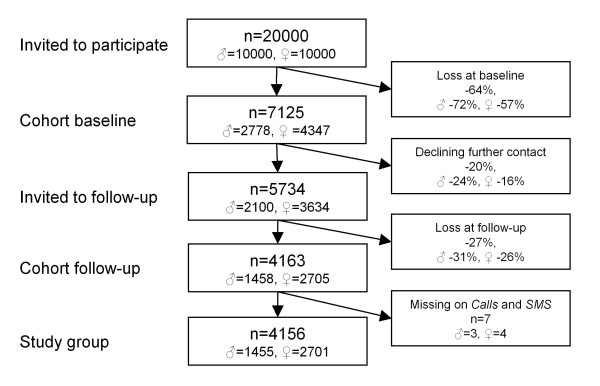
BACKGROUND: Because of the quick development and widespread use of mobile phones, and their vast effect on communication and interactions, it is important to study possible negative health effects of mobile phone exposure. The overall aim of this study was to investigate whether there are associations between psychosocial aspects of mobile phone use and mental health symptoms in a prospective cohort of young adults. METHODS: The study group consisted of young adults 20-24 years old (n = 4156), who responded to a questionnaire at baseline and 1-year follow-up. Mobile phone exposure variables included frequency of use, but also more qualitative variables: demands on availability, perceived stressfulness of accessibility, being awakened at night by the mobile phone, and personal overuse of the mobile phone. Mental health outcomes included current stress, sleep disorders, and symptoms of depression. Prevalence ratios (PRs) were calculated for cross-sectional and prospective associations between exposure variables and mental health outcomes for men and women separately. RESULTS: There were cross-sectional associations between high compared to low mobile phone use and stress, sleep disturbances, and symptoms of depression for the men and women. When excluding respondents reporting mental health symptoms at baseline, high mobile phone use was associated with sleep disturbances and symptoms of depression for the men and symptoms of depression for the women at 1-year follow-up. All qualitative variables had cross-sectional associations with mental health outcomes. In prospective analysis, overuse was associated with stress and sleep disturbances for women, and high accessibility stress was associated with stress, sleep disturbances, and symptoms of depression for both men and women. CONCLUSIONS: High frequency of mobile phone use at baseline was a risk factor for mental health outcomes at 1-year follow-up among the young adults. The risk for reporting mental health symptoms at follow-up was greatest among those who had perceived accessibility via mobile phones to be stressful. Public health prevention strategies focusing on attitudes could include information and advice, helping young adults to set limits for their own and others' accessibility.
Overview
The claims and statistics of this paper haven’t been checked yet.
Free: it reads the open-access text and checks the first 5 claims that cite a source we can check. Create a free account to check every claim.
Integrity signals
Registry
Cites
Statistics
Figures
Verification
Claims the paper makes
The claims and statistics of this paper haven’t been checked yet.
Free: it reads the open-access text and checks the first 5 claims that cite a source we can check. Create a free account to check every claim.
Claims other papers make about this one
Each is checked against this paper’s own text: does it say what the citing paper says it does?
The source backs part of the claim, not all of it — or backs it for a different population, condition or comparison.
In the citing paper
“Several studies indicate that high levels of social media use or screen time may reduce users' amount and quality of sleep.16,17”
From Social Media Use and Its Link to Physical Health Indicators (2022) · cites this paper as [17]
Experimental — accuracy not yet measuredThe source backs part of the claim, not all of it — or backs it for a different population, condition or comparison.
In the citing paper
“The first was focused on the non-smart mobile phone and was mainly due to two factors: the amount of phone bills that the use led to and the high use of text messages.”
From Problematic Use of the Internet and Smartphones in University Students: 2006–2017 (2018) · cites this paper as [6]
Experimental — accuracy not yet measuredThe source backs part of the claim, not all of it — or backs it for a different population, condition or comparison.
In the citing paper
“Previous studies showed the relationships between long phone usage duration and high stress [45] and long and frequent phone usage and severe depressive symptoms [8].”
From Identifying Objective Physiological Markers and Modifiable Behaviors for Self-Reported Stress and Mental Health Status Using Wearable Sensors and Mobile Phones: Observational Study (2018) · cites this paper as [45]
Experimental — accuracy not yet measuredThe source backs part of the claim, not all of it — or backs it for a different population, condition or comparison.
In the citing paper
“late night phone and exercise activities could relate to self-reported stress and mental health [45].”
From Identifying Objective Physiological Markers and Modifiable Behaviors for Self-Reported Stress and Mental Health Status Using Wearable Sensors and Mobile Phones: Observational Study (2018) · cites this paper as [45]
Experimental — accuracy not yet measuredThe cited source says what the claim attributes to it.
In the citing paper
“A questionnaire-based study also showed a relationship between high mobile phone usage, stress, and symptoms of depression [45].”
4 more claims about this paper
Create a free account to see every claim other papers make about this one.
Self-check
Percentages, sums and reported differences re-computed from the paper’s own numbers.
The self-check needs the paper’s full text.
Citations
Cites
Internet Addiction: The Emergence of a New Clinical Disorder
YOUNG, K. S. (1998) · CyberPsychology & Behavior · doi:10.1089/cpb.1998.1.237 · Cited by 5,513 · cited 1×
“Internet addiction has been proposed as a specific psychiatric illness [14]; however, this form of problematic Internet use could also be considered to share elements with impulse control disorders and be related to the specific activities done on the Internet (such as gambling) rather than the Internet per se [15,16].”
Mental health of young people: A global public-health challenge
Patel, V., Flisher, A. J., Hetrick, S., & McGorry, P. (2007) · The Lancet · doi:10.1016/s0140-6736(07)60368-7 · Cited by 3,126 · cited 1×
“Mental health problems have been increasing among young people in Sweden and around the world [1,2].”
Utility of a new procedure for diagnosing mental disorders in primary care. The PRIME-MD 1000 study
Spitzer, R. L. (1994) · JAMA · doi:10.1001/jama.272.22.1749 · Cited by 2,635
Mental health problems and help-seeking behavior among college students
Hunt, J., & Eisenberg, D. (2010) · Journal of Adolescent Health · doi:10.1016/j.jadohealth.2009.08.008 · Cited by 1,949 · cited 1×
“Cultural and social changes in terms of increased materialism and individualism have been discussed in relation to this [3,4], including the possibility of a decreasing stigma about mental illness, improved screening for mental illness, and increased help-seeking behaviors [5].”
Psychosocial work environment and mental health—a meta-analytic review
Stansfeld, S., & Candy, B. (2006) · Scandinavian Journal of Work, Environment & Health · doi:10.5271/sjweh.1050 · Cited by 1,875 · cited 1×
“Social support is a well-known factor that both promotes health and buffers negative effects of psychosocial strain [36,37].”
Utility of a New Procedure for Diagnosing Mental Disorders in Primary Care: The PRIME-MD 1000 Study
Spitzer, R. L. (1994) · JAMA · doi:10.1001/jama.1994.03520220043029 · Cited by 1,873 · cited 3×
“Following the suggested PRIME-MD procedure [29,30], a predictive power of 33% [30] would imply that about 20% of the study group was clinically depressed.”
InfluentialSleep disturbance and psychiatric disorders: A longitudinal epidemiological study of young Adults
Breslau, N., Roth, T., Rosenthal, L., & Andreski, P. (1996) · Biological Psychiatry · doi:10.1016/0006-3223(95)00188-3 · Cited by 1,831 · cited 1×
“For example, in one study of young adults [34], sleep disorders was a predictor of major depression onset with an odds ratio of nearly 4.”
Case-finding instruments for depression: Two questions are as good as many
Whooley, M. A., Avins, A. L., Miranda, J., & Browner, W. S. (1997) · Journal of General Internal Medicine · doi:10.1046/j.1525-1497.1997.00076.x · Cited by 1,826
Psychological Predictors of Problem Mobile Phone Use
Bianchi, A., & Phillips, J. G. (2005) · CyberPsychology & Behavior · doi:10.1089/cpb.2005.8.39 · Cited by 1,514 · cited 1×
“Intensive mobile phone use has been associated with dependency on the mobile phone [14,15], and problematic mobile phone use has been a focus in the literature concerning psychological aspects of mobile phone use, where criteria for substance addiction diagnoses or behavioral addictions [16,17] have been used to defin…”
Pathological Video Game Use Among Youths: A Two-Year Longitudinal Study
Gentile, D. A., Choo, H., Liau, A., Sim, T., Li, D., Fung, D., & Khoo, A. (2011) · Pediatrics · doi:10.1542/peds.2010-1353 · Cited by 1,314 · cited 1×
“In a longitudinal study among youths, pathological gaming predicted higher levels of depression, anxiety, social phobia, and poor school performance [22].”
Research works printed but not linked: 3
- StatisticsSweden: Health and medical care 1980-2005. LE Living conditions. Stockholm. 2006, Sweden, [In Swedish, with parts in English]
- Ekman A, Ahlstrand C, Andrén M, Boström M, Dellve L, Eriksson J, Gustafsson E, Hagberg J, Lindegård A, Thomée S, et al: Ung Vuxen - Basenkät (Young adults - baseline questionnaire) [In Swedish]. Rapport från Arbets- och miljömedicin [Occupational and Environmental Report] No 118. 2008, Occupational and Environmental medicine, Gothenburg University, Gothenburg, Sweden
- Karasek R, Theorell T: Healthy work. 1990, New York: Basic Books
Cited by
Items 501–600 of 1,002
Cerruti, R., Spensieri, V., Presaghi, F., Valastro, C., Fontana, A., & Guidetti, V. (2017) · IRIS Research product catalog (Sapienza University of Rome) · Cited by 28
Kim, H., Choi, I. Y., & Kim, D. (2020) · JMIR mhealth and uhealth · doi:10.2196/18505 · Cited by 26
“Growing evidence suggests that excessive or problematic smartphone use can adversely affect individual physical health (eg, headaches, neck, and wrist pain; obscured vision) [6,7] and mental health (eg, depression, anxiety, etc) [8-11] as well as psychological attributes such as self-esteem and self-control [10,12,13].”
BackgroundLin, X. Y., & Lachman, M. E. (2021) · Technology Mind and Behavior · doi:10.1037/tmb0000026 · Cited by 28
“Between-person analyses have shown that more CMC such as text messaging and the internet were associated with more stress (Thomée et al., 2011).”
BackgroundInfluentialRodman, A. M., Bustamante, C. M. V., Dennison, M., Flournoy, J. C., Coppersmith, D. D. L., Nook, E. C., Worthington, S., Mair, P., & McLaughlin, K. A. (2021) · Clinical Psychological Science · doi:10.1177/2167702621991804 · Cited by 30
“, 2018) and others examining these relationships over the course of months or years (Padilla-Walker et al., 2012; Thomée et al., 2011)—and this may contribute to inconsistent findings.”
BackgroundResultVelmurugan, M. S. (2016) · Environmental Innovation and Societal Transitions · doi:10.1016/j.eist.2016.04.002 · Cited by 30
Hanani, A., Badrasawi, M., Zidan, S., & Hunjul, M. (2022) · BMC Psychiatry · doi:10.1186/s12888-022-03915-1 · Cited by 21
“[59], and Chen [60], which showed that there is a correlation between addiction to mobile phones and mental health in dimensions of depression, psychosis, behavioral problems, and anxiety.”
BackgroundSocial media use and systemic inflammation: The moderating role of self-esteem
Lee, D. S., & Way, B. M. (2021) · Brain, Behavior, & Immunity - Health · doi:10.1016/j.bbih.2021.100300 · Cited by 21
Wong, S. M., Chen, E. Y., Wong, C. S., Suen, Y., Chan, D. L., Tsang, S. H., Wong, T., Cheung, C., Chan, K., Lui, S. S., et al. (2022) · Psychiatry Research · doi:10.1016/j.psychres.2022.114939 · Cited by 21
Joshi, S. C. (2022) · Sleep and Biological Rhythms · doi:10.1007/s41105-022-00388-3 · Cited by 27
Machimbarrena, J. M., Beranuy, M., Vergara‐Moragues, E., Fernández‐González, L., Calvete, E., & González‐Cabrera, J. M. (2022) · Adicciones · doi:10.20882/adicciones.1494 · Cited by 35
Halfmann, A., Meier, A., & Reinecke, L. (2023) · Journal of Media Psychology Theories Methods and Applications · doi:10.1027/1864-1105/a000381 · Cited by 27
Wang, Y., Long, J., Liu, Y.-H., Liu, T., & Billieux, J. (2020) · BMC Psychiatry · doi:10.1186/s12888-020-2449-0 · Cited by 21
Pace of life and perceived stress in international students
Lippke, S., Schalk, T. M., Kühnen, U., & Shang, B. (2021) · PsyCh Journal · doi:10.1002/pchj.426 · Cited by 30
From early to late adolescence: Effect of problematic mobile phone use on depression of adolescents
Kong, F., Liu, G., Gao, Q., & Deng, J. (2021) · School Psychology International · doi:10.1177/01430343211039266 · Cited by 26
Consciously Connected: The Role of Mindfulness for Mobile Phone Connectedness and Stress
Hefner, D., & Freytag, A. (2024) · Media Psychology · doi:10.1080/15213269.2023.2253732 · Cited by 20
“For example, Thomée et al. (2011) found in their longitudinal study on mobile phone use, stress, sleep disturbances, and symptoms of depression that among young adults, permanent accessibility via the mobile phone had the strongest effect on stress.”
BackgroundWang, Y., Zhang, H., Zhang, Z., Sun, B., Tang, C., Zhang, L., Jiang, Z., Ding, B., Liao, Y., & Cai, P. (2021) · Environmental Pollution · doi:10.1016/j.envpol.2021.117087 · Cited by 22
Yang, H., Zhang, Y., Wu, X., Gan, P., Luo, X., Zhong, S., & Zuo, W. (2022) · Bioelectromagnetics · doi:10.1002/bem.22388 · Cited by 20
Ayorech, Z., Baldwin, J. R., Pingault, J., Rimfeld, K., & Plomin, R. J. (2023) · Scientific Reports · doi:10.1038/s41598-022-25374-0 · Cited by 24
Subramaniam, M., Koh, Y. S., Sambasivam, R., Samari, E., Abdin, E., Jeyagurunathan, A., Tan, B. C. W., Zhang, Y., Ma, S., Chow, W. L., et al. (2024) · Asian Journal of Psychiatry · doi:10.1016/j.ajp.2024.104124 · Cited by 23
Mobile phone addiction in Tibetan and Han Chinese adolescents
Lu, L., Xu, D., Liu, H., Zhang, L., Ng, C. H., Ungvari, G. S., Wu, W. T., Xiang, Y., An, F., & Xiang, Y. (2018) · Perspectives In Psychiatric Care · doi:10.1111/ppc.12336 · Cited by 22
Adaptation and Validation of the Polish Version of the 10-Item Mobile Phone Problematic Use Scale
Mach, A., Demkow, M., Klimkiewicz, A., Jakubczyk, A., Abramowska, M., Kuciak, A., Serafin, P., Szczypiński, J., & Wojnar, M. (2020) · Frontiers in Psychiatry · doi:10.3389/fpsyt.2020.00427 · Cited by 25
“inducing headache (4), concentration difficulties (2), pain, fatigue (5), reduction in the amount of physical activity (1), and indirect injuries such as accidents affecting pedestrians or drivers (3, 6).”
BackgroundSano, A. (2016) · DSpace@MIT (Massachusetts Institute of Technology) · Cited by 52
The Effect of Free Time Management Skills upon Smartphone Addiction Risk in University Students
GEZGİN, D. M., MIHCI, C., & GEDİK, S. (2021) · Journal of Education in Science, Environment and Health · doi:10.21891/jeseh.991910 · Cited by 19
Beyond Detection: Towards Actionable Sensing Research in Clinical Mental Healthcare
Adler, D. A., Yang, Y., Viranda, T., Xu, X., Mohr, D. C., Meter, A. V., Tartaglia, J., Jacobson, N. C., Wang, F., Estrin, D. L., et al. (2024) · Proceedings of the ACM on Interactive Mobile Wearable and Ubiquitous Technologies · doi:10.1145/3699755 · Cited by 38
“Analogously, we showed participants two patient cases that contained expected behavior-depression relationships from literature [110, 139, 159] ( positive, + cases ), and two cases that subverted these expectations ( negative, – cases ) to understand how passive data impacts care when it confirms…”
Rana, R. H., Alam, K., & Gow, J. (2019) · Information Technology for Development · doi:10.1080/02681102.2019.1678455 · Cited by 21
“…phones and other internet-enabled devices, with adverse health consequences such as brain tumors (Coureau et al., 2014); stress, emotional instability and depression (Augner & Hacker, 2012); sleep disorder (Thomée, Härenstam, & Hagberg, 2011) and road accidents (Backer-Grøndahl & Sagberg, 2011).”
BackgroundMethodKhoo, S. S., & Yang, H. (2021) · International Journal of Environmental Research and Public Health · doi:10.3390/ijerph182413020 · Cited by 22
Smartphone Use and Addiction among Pharmacy Students in Northern Thailand: A Cross-Sectional Study
Chinwong, D., Sukwuttichai, P., Jaiwong, N., Saenjum, C., Klinjun, N., & Chinwong, S. (2023) · Healthcare · doi:10.3390/healthcare11091264 · Cited by 22
“The excessive use of smartphones can significantly impact an individual’s health [10, 11].”
BackgroundNahidi, M., Ahmadi, M., Bordbar, M. R. F., Morovatdar, N., Khadem-Rezayian, M., & Abdolalizadeh, A. (2023) · International Clinical Psychopharmacology · doi:10.1097/yic.0000000000000517 · Cited by 24
“However, other evidence suggests that excessive smartphone usage can trigger psychiatric and sleep disturbance (Thomée et al ., 2011; Lemola et al ., 2015).”
BackgroundDuradoni, M., Raimondi, T., Buttà, F., & Guazzini, A. (2023) · Human Behavior and Emerging Technologies · doi:10.1155/2023/6653652 · Cited by 26
“…a phubber ’ s perspective, some of the factors associated with phubbing are higher levels of mobile phone addiction, Internet addiction, social media addiction, video game addiction, depression, social anxiety, social withdrawal, and nomophobia [18 – 24] and experience higher distress [22, 25].”
BackgroundSocial pressures and their impact on smartphone use stickiness and use habit among adolescents
Bai, H., Liu, J., Bai, W., & Cao, T. (2024) · Heliyon · doi:10.1016/j.heliyon.2024.e29111 · Cited by 26
“It may disrupt circadian rhythms, causing sleep deprivation [13].”
BackgroundAddiction to the Smartphone in High School Students: How It’s in Daily Life?
García-Santıllán, A., & Espinosa-Ramos, E. (2021) · Contemporary Educational Technology · doi:10.30935/cedtech/9609 · Cited by 27
“In a study carried out in Sweden by Thomée et al. (2011), 4,156 young people between 20 and 24 years old were surveyed with a questionnaire and followed up for a year.”
BackgroundCorzo, C. A. C., Miranda-Chávez, B., Vizcarra-Jiménez, D., Hueda-Zavaleta, M., Rivarola-Hidalgo, M., Parihuana-Travezaño, E. G., & Taype-Rondán, Á. (2022) · Medicina · doi:10.3390/medicina58101325 · Cited by 20
“The similarity of these findings could be because excessive use of mobile devices is a factor in developing sleep disorders [34] due to several mechanisms, such as the bright light emitted by the device [30] and more time looking the cellphone [35].”
BackgroundPrevalence of sensorineural deafness in habitual mobile phone users
Sahoo, G., & Sebastian, H. (2011) · Indian Journal of Otology · doi:10.4103/0971-7749.91182 · Cited by 19
Mobile Addiction and associated factors amongst youth
Deshpande, A. (2015) · Indian Journal of Mental Health(IJMH) · doi:10.30877/ijmh.2.3.2015.244-248 · Cited by 19
“Researchers have found that the frequency of mobile phone use is associated with mental health issues like sleep disorders and depression [13].”
BackgroundNaeem, F., Gire, N., Xiang, S., Yang, M., Syed, Y., Shokraneh, F., Adams, C., & Farooq, S. (2016) · World Journal of Psychiatry · doi:10.5498/wjp.v6.i2.187 · Cited by 18
Choi, W., Kang, S., & Choi, S. B. (2024) · Frontiers in Public Health · doi:10.3389/fpubh.2024.1186327 · Cited by 25
“The rise in night work makes it difficult for workers to get sufficient sleep (69), which can have severe health implications, such as weakened immune systems, increased stress, memory impairments, and decreased concentration (70).”
BackgroundEdwards, E. J., Taylor, C. S., & Vaughan, R. S. (2022) · School Psychology International · doi:10.1177/01430343221111061 · Cited by 25
“The extent to which smartphone behaviours are related to psychosocial wellbeing has been the interest of cyber-psychology researchers for over a decade (e.g., Lepp et al., 2014; Thomée et al., 2011).”
BackgroundRobert, J., & Kadhiravan, S. (2022) · Heliyon · doi:10.1016/j.heliyon.2022.e10026 · Cited by 24
“It is reported that excessive use of smartphones during the day, increase the likelihood of sleep disorder (Thomee et al., 2011).”
Zhang, Y., Li, S., Xu, H., Jin, Z., Li, R., Zhang, Y., & Wan, Y. (2023) · BMC Psychiatry · doi:10.1186/s12888-023-04777-x · Cited by 22
“Nonetheless, our findings pertaining to the association between childhood maltreatment and problematic mobile phone use with depression and anxiety symptoms were similar to those in previous cohort studies [61, 62].”
ResultPsychological processes linking problematic smartphone use to sleep disturbance in young adults
Peltz, J. S., Bodenlos, J. S., Kingery, J. N., & Abar, C. C. (2023) · Sleep Health · doi:10.1016/j.sleh.2023.05.005 · Cited by 19
Effect of fear of missing out on learning burnout in medical students: a moderated mediation
Ye, X., Li, Y., Liu, Y., Zheng, Q., Lin, Z., Zeng, Y., Lin, Z., Zhu, T., Chen, X., Chen, L., et al. (2023) · Frontiers in Psychiatry · doi:10.3389/fpsyt.2023.1289906 · Cited by 28
Exploring risk factors and determinants: A scoping review of factors associated with nomophobia
Rajguru, A. J., Mishra, A. K., Bhargava, R., Sarkar, S., & Balhara, Y. P. S. (2024) · Indian Journal of Psychiatry · doi:10.4103/indianjpsychiatry.indianjpsychiatry_244_24 · Cited by 22
“[4,5] Excessive smartphone use and nomophobia significantly impact an individual’s physical, psychological, and social health.”
Velmurugan, M. S. (2016) · Renewable and Sustainable Energy Reviews · doi:10.1016/j.rser.2016.09.011 · Cited by 24
Mobile Technology Dependence and Mobile Technostress
Mak, B. L., Nickerson, R. C., & Sim, J. (2018) · International Journal of Innovation and Technology Management · doi:10.1142/s0219877018500396 · Cited by 25
The Untold Secrets of WiFi-Calling Services: Vulnerabilities, Attacks, and Countermeasures
Xie, T., Tu, G.-H., Yin, B., Li, C.-Y., Peng, C., Zhang, M., Liu, H., & Liu, X. (2020) · IEEE Transactions on Mobile Computing · doi:10.1109/tmc.2020.2995509 · Cited by 24
A study on some psychological health effects of cell-phone usage amongst college going students
Acharya, J. P., Acharya, I., & Waghrey, D. (2013) · International Journal of Medical Research & Health Sciences · doi:10.5958/j.2319-5886.2.3.068 · Cited by 18
Cortical processing during smartphone text messaging
Tatum, W. O., DiCiaccio, B., & Yelvington, K. H. (2016) · Epilepsy & Behavior · doi:10.1016/j.yebeh.2016.03.018 · Cited by 21
“Paradoxically, overdependence and overuse of smartphones can provoke depression, sleep disorders, and other symptoms of stress which could secondarily alter the EEG [29].”
Borelli, J. L., Wang, Y., Li, F. H., Russo, L. N., Tironi, M., Yamashita, K., Zhou, E., Lai, J., Nguyen, B., Azimi, I., et al. (2025) · JMIR Formative Research · doi:10.2196/67964 · Cited by 27
“Growing research has also identified earlier problematic mobile phone use as a predictor of depression later in development [59] and that call activity has been traced to indicate depression [60-62].”
Nayak, S., & Budhwar, P. S. (2022) · Aslib Journal of Information Management · doi:10.1108/ajim-08-2021-0228 · Cited by 26
Non-Pharmacological Treatments in Paediatric Migraine
Baglioni, V., Bozza, F., Beatrice, A., Cameli, N., Cinnante, E. M. C., Lentini, G., Faedda, N., Natalucci, G., & Guidetti, V. (2024) · Journal of Clinical Medicine · doi:10.3390/jcm13051278 · Cited by 20
“Indeed, all these factors implicated in the diet–migraine relationship share inflammation as a common pathophysiologic target, showing an impact on energy homeostasis, neuropeptide release modulation, neuroreceptors, ion channels and nitric oxide release, vasodilation, and vasoconstriction [26,27].”
Ong, R. H. S., Sim, H. S., Bergman, M. M., How, C. H., Png, C. A. L., Lim, C. S., Peh, L. H., & Oh, H. C. (2024) · PLoS ONE · doi:10.1371/journal.pone.0315364 · Cited by 22
Machine Learning-Based Prediction of Depressive Disorders via Various Data Modalities: A Survey
Li, Q., Liu, X., Hu, X., Ahad, M. A. R., Ren, M., Yao, L., & Huang, Y. (2025) · IEEE/CAA Journal of Automatica Sinica · doi:10.1109/jas.2025.125393 · Cited by 22
Helpful-stressful cycle? Psychological links between type of mobile phone user and stress
Lee, Y.-K., Chang, C.-T., Cheng, Z.-H., & Lin, Y. (2016) · Behaviour & Information Technology · doi:10.1080/0144929x.2015.1055800 · Cited by 17
“Fourth, since frequent mobile phone usage has been found to be positively associated with elevated stress levels (Thomee, Harenstam, and Hagberg 2011), future research may explore the possible interactive effect between phone use frequency and user type.”
BackgroundInfluentialChangements technologiques, TIC et santé psychologique au travail : une revue de la littérature
Medzo-M'engone, J., Bobillier-Chaumon, M., & Préau, M. (2019) · Psychologie Française · doi:10.1016/j.psfr.2018.03.002 · Cited by 8
Social Capital and Self-Rated Health: Empirical Evidence from China
Gu, J., & Zhu, R. (2020) · International Journal of Environmental Research and Public Health · doi:10.3390/ijerph17239108 · Cited by 19
The association of sleep and late‐night cell phone use among adolescents
Amra, B., Shahsavari, A., Moghadam, R. S., Mirheli, O., Khaniabadi, B. M., Bazukar, M., Yadollahi‐Farsani, A., & Kelishadi, R. (2017) · Jornal de Pediatria (Versão em Português) · doi:10.1016/j.jpedp.2017.03.001 · Cited by 36
Compulsive Smartphone Use: The Roles of Flow, Reinforcement Motives, and Convenience
Zhang, K. Z. K., Chen, C., Zhao, S. J., & Lee, M. (2014) · AIS Electronic Library (AISeL) · Cited by 24
Technostress of HR professionals: the darker implication of remote work transformations
Nayak, S., Budhwar, P., & Malik, A. (2025) · The International Journal of Human Resource Management · doi:10.1080/09585192.2024.2446508 · Cited by 16
“Though smartphones are used for entertainment or to relieve stress by people, it is also accompanied by an urge for compulsive usage (Thomée et al., 2011).”
InfluentialImpacto de la tecnología en la sociedad: el caso de Ecuador
González, A. L., & de Mora, R. P. G. (2019) · REVISTA CIENCIAS PEDAGÓGICAS E INNOVACIÓN · doi:10.26423/rcpi.v7i2.299 · Cited by 24
The Effects of Smartphone Usage on University Students
Arumugam, N., Selvanayagam, S., & Sathiyasenan, S. T. (2020) · International Journal of Academic Research in Progressive Education and Development · doi:10.6007/ijarped/v9-i3/7960 · Cited by 26
Frydenlund, G., Guldager, J. D., Frederiksen, K. O., & Egebæk, H. K. (2023) · Heliyon · doi:10.1016/j.heliyon.2023.e20368 · Cited by 16
Li, Q., Wei, S., & Liu, Z. (2024) · Frontiers in Psychiatry · doi:10.3389/fpsyt.2024.1458378 · Cited by 18
Farhat, K., Aslam, W., Arif, I., & Ahmed, Z. (2021) · IIM Kozhikode Society & Management Review · doi:10.1177/22779752211000479 · Cited by 19
“However, compulsive use of smartphones may cause disorders in users that are psychological and physiological in nature (Thomée et al., 2007, 2011).”
BackgroundNawaz, S., Bhowmik, J., Linden, T., & Mitchell, M. (2024) · Entertainment Computing · doi:10.1016/j.entcom.2024.100906 · Cited by 23
García-Santıllán, A., & Escalera-Chávez, M. E. (2020) · Acta de Investigación Psicológica · doi:10.22201/fpsi.20074719e.2020.3.358 · Cited by 29
Zeng, Y., Zhang, J., Wei, J., & Li, S. (2022) · International Journal of Environmental Research and Public Health · doi:10.3390/ijerph192315903 · Cited by 21
“Therefore, low academic achievement caused by smartphone addiction [74,75] can be regarded as a threat or fear as well as adverse physiological reactions such as numbness in the hands and feet, palpitations, and gastrointestinal dysfunction.”
BackgroundFirst aid in the pocket: The psychosocial benefits of smartphones in self-threatening situations
Schneider, F. M., Rieger, D., & Hopp, F. R. (2022) · Computers in Human Behavior · doi:10.1016/j.chb.2022.107629 · Cited by 17
Liu, H., Novotný, J., & Váchová, L. (2022) · Frontiers in Psychology · doi:10.3389/fpsyg.2022.1057544 · Cited by 18
“Excessive smartphone use has been linked to a higher risk of anxiety and depression (Thomée et al., 2011; Rosen et al., 2013; Firth et al., 2017; Matar Boumosleh and Jaalouk, 2017; Lei et al., 2020; Cheng et al., 2021; Ratan et al., 2021), poorer health (Schoeni et al.”
BackgroundStević, A. (2024) · Social Media + Society · doi:10.1177/20563051241239282 · Cited by 25
“As social demands of mobile availability (Thomée et al., 2011) continuously grow, it is to be expected that higher involvement in active social media use brings forward both availability and production pressure.”
BackgroundMobile Phone Use and Stress-Coping Strategies of Medical Students
Toda, M., Ezoe, S., & Takeshita, T. (2014) · International Journal of Cyber Behavior Psychology and Learning · doi:10.4018/ijcbpl.2014100104 · Cited by 18
Specific Virtues as Predictors of Smartphone Addiction among Chinese Undergraduates
Lian, L., & You, X. (2017) · Current Psychology · doi:10.1007/s12144-017-9612-x · Cited by 18
“A growing number of studies report that uncontrolled Smartphone use is associated with sleep disturbances, work intrusion, depression, dangerous behaviors (e.g., phone use while driving), and pathological symptoms (Thomée et al. 2011; White et al. 2004).”
BackgroundAndriani, W. S., Sriati, A., & Yamin, A. (2019) · Jurnal Keperawatan Komprehensif · doi:10.33755/jkk.v5i2.143 · Cited by 18
Huang, Y., Hu, S.-C., Shyu, L.-Y., & Yeh, C. (2020) · Journal of the Chinese Medical Association · doi:10.1097/jcma.0000000000000278 · Cited by 16
Influence of hand and smartphone anthropometric measurements on hand pain and discomfort
Kamel, D. M., Hakeem, C. A., & Tantawy, S. A. (2020) · Medicine · doi:10.1097/md.0000000000019513 · Cited by 15
Li, W., Cui, Y., Gong, Q., & Zhu, Z. (2022) · International Journal of Environmental Research and Public Health · doi:10.3390/ijerph19127386 · Cited by 20
“It has been proven that a high frequency of smartphone use is a risk factor for sleep disturbances and depressive symptoms [11] and is associated with perceived concentration difficulties [12], fatigue [12,13], headaches [14], and neck pain [15].”
BackgroundThreshold of radiofrequency electromagnetic field effect on human brain
Hinrikus, H., Lass, J., & Bachmann, M. (2021) · International Journal of Radiation Biology · doi:10.1080/09553002.2021.1969055 · Cited by 17
“The results of the study based on a special questionnaire indicated association between higher mobile phone use and symptoms of depression (Thomee et al. 2011).”
BackgroundSmartphone Usage, Social Relations and Life Satisfaction of Hong Kong College Students
Chui, R. C. F. (2014) · Springer eBooks · doi:10.1007/978-981-287-209-8_16 · Cited by 16
Contingency management for smartphone and social media use: a feasibility study
Stanley, T. B., Correia, C. J., & Irons, J. G. (2022) · Addiction Research & Theory · doi:10.1080/16066359.2022.2038140 · Cited by 17
Gürkan, H. H., Atabay, E., & Gezgin, D. M. (2022) · Trakya Eğitim Dergisi · doi:10.24315/tred.1115385 · Cited by 17
Demirkan, A. K. (2024) · Iranian Journal of Psychiatry · doi:10.18502/ijps.v19i2.15107 · Cited by 17
“Consequently, it is not surprising that studies have found that adolescents use their smartphones in ways that can lead to mental health issues, including sleep disorders, depression, difficulties in interpersonal relationships, and even smartphone addiction (32-34).”
BackgroundSmartphone addiction in Iranian schoolchildren: a population-based study
Azizi, A., Emamian, M. H., Hashemi, H., & Fotouhi, A. (2024) · Scientific Reports · doi:10.1038/s41598-024-73816-8 · Cited by 16
Cross-lagged relations between smartphone addiction and flourishing in adolescents
Okur, S., ENGİN, M. Ç., Kütük, H., & Satıcı, S. A. (2024) · Personality and Individual Differences · doi:10.1016/j.paid.2024.113008 · Cited by 15
Exploring the Perspectives of Psychologists Who Use Mindfulness in Therapeutic Practice
Moir, S., Skues, J., & Theiler, S. (2019) · Australian Psychologist · doi:10.1111/ap.12356 · Cited by 15
Ahmed, N. A., Radwan, N. M., Ezz, H. S. A., Khadrawy, Y. A., & Salama, N. A. (2018) · Toxicology and Industrial Health · doi:10.1177/0748233718798975 · Cited by 15
“The rapid development and widespread use of mobile phone systems have raised concerns about the negative health effects of electromagnetic exposure on the human organism and, in particular, the brain (Hermann and Hossmann, 1997; Thomée et al., 2011).”
BackgroundInfluentialThe Relationship between Nomophobia, Mental Health, and Coping Style in Medical Students
Anjana, K., Suresh, V. C., Sachin, B. S., & Poornima, C. (2021) · Indian Journal of Social Psychiatry · doi:10.4103/ijsp.ijsp_213_20 · Cited by 15
Islam, M. Z., Hsan, K., Islam, M. S., Gozal, D., & Hossain, M. (2021) · Sleep Science · doi:10.5935/1984-0063.20200069 · Cited by 23
“Quality and sufficient sleep is necessary for both physical and mental health 5,13,18,19 , while poor sleep quality or insufficient sleep are closely associated with unhealthy lifestyle behaviors including internet use 20 .”
BackgroundKorkmazer, B., Yurdakul, F., ÖZER, Ş. D., YEŞİL, Ö., Coşkuntuncel, C., Sualp, B. N., Önder, A., & Şahin, E. M. (2022) · Journal of Istanbul Faculty of Medicine / İstanbul Tıp Fakültesi Dergisi · doi:10.26650/iuitfd.907719 · Cited by 18
“In addition to these, the results of various studies show that excessive use of smartphones and addiction to their content is related to anxiety disorder and depression (3, 4).”
BackgroundMindfulness, impulsivity and psychological distress: the mediation role of smartphone addiction
Kayiş, A. R. (2022) · British Journal of Guidance and Counselling · doi:10.1080/03069885.2022.2046255 · Cited by 19
“Besides, longitudinal studies have also shown that excessive mobile phone use causes depression, anxiety, and sleep disorders (Thomée et al., 2007; Thomée et al., 2011), with problematic smartphone use increasing university students’ psychological distress (Chen et al., 2020).”
BackgroundProblematic mobile phone use and cyberbullying perpetration in adolescents
Shin, W., & Kim, H. (2022) · Behaviour and Information Technology · doi:10.1080/0144929x.2022.2104756 · Cited by 18
“Researchers have observed that PMPU is associated with negative psychological states, health problems, failure in school, and delinquency (e.g. Augner and Hacker 2012; Billieux et al. 2015; Choi, Choi, and Kim 2017; Jun 2016; Thomée, Härenstam, and Hagberg 2011).”
BackgroundGao, X., Li, C., Han, B., Xu, P., & Qu, C. (2023) · Frontiers in Public Health · doi:10.3389/fpubh.2023.1108911 · Cited by 20
Effect of Online Classes on Physical and Mental Well-Being of Students During Covid-19
Sharma, M., & Sharma, P. (2021) · Indian Journal of Physical Therapy and Research · doi:10.4103/ijptr.ijptr_57_21 · Cited by 16
The Correlation between Cell Phone Use and Sleep Quality in Medical Students
Bayatiani, M. R., Seif, F., & Bayati, A. (2016) · DOAJ (DOAJ: Directory of Open Access Journals) · doi:10.22038/ijmp.2016.7140 · Cited by 15
“These findings were in agreement with previous studies, which have emphasized on the association between sleep disturbance and frequent cell phone use [30, 31].”
ResultFactors influencing dependence on mobile phone
Biglu, M. H., & Ghavami, M. (2016) · Journal of Analytical Research in Clinical Medicine · doi:10.15171/jarcm.2016.026 · Cited by 16
Kim, H. H., & Chun, J. (2018) · PLoS ONE · doi:10.1371/journal.pone.0196824 · Cited by 19
The theory of planned behavior and strength training in college-aged women
Castellanos, D. K. C., Daprano, C. M., Blevins, C., & Crecelius, A. R. (2020) · Journal of American College Health · doi:10.1080/07448481.2020.1775606 · Cited by 16
Yu, L., Chen, Z., Huang, X., Tao, X., & Lv, Y. (2025) · Behavioral Sciences · doi:10.3390/bs15101325 · Cited by 18
“Since young people with MPA often report more sleep deprivation (Thomée et al., 2011) and academic burnout (Jin et al., 2023), PA may improve sleep quality and procrastination by stimulating the pituitary gland to release more endorphins.”
Lee, K. W., Ching, S. M., Ali, N., Ooi, C. Y., Sidek, S. K. H., Amat, A., Yatim, Y., Yahaya, Z., Shamsuddin, N., Ibrahim, I., et al. (2023) · International Journal of Mental Health Promotion · doi:10.32604/ijmhp.2023.013407 · Cited by 19
Soraci, P., Pisanti, R., Servidio, R. C., Holte, A. J., Ferrari, A., Demetrovics, Z., & Griffiths, M. D. (2024) · International Journal of Mental Health and Addiction · doi:10.1007/s11469-024-01375-0 · Cited by 16
“…the relationship between problematic smartphone use (PSU) and self-esteem, numerous studies have investigated the influence of excessive smartphone engagement on individuals’ self-perception (e.g., De-Sola Gutiérrez et al., 2016; Elhai et al., 2017; Longstreet & Brooks, 2017; Thomée et al., 2018).”
Murdock, K. K., Adams, S. K., Crichlow-Ball, C., Horissian, M., & Roberts, M. (2019) · Psychology of Popular Media Culture · doi:10.1037/ppm0000156 · Cited by 18
HUBUNGAN STRES DAN KECANDUAN SMARTPHONE PADA SISWA KELAS X SMA NEGERI 5 SURAKARTA
Simangunsong, S., & Sawitri, D. R. (2018) · Jurnal EMPATI · doi:10.14710/empati.2017.19988 · Cited by 27
Metadata
- Authors
- Thomée, S., Härenstam, A., & Hagberg, M.
- Affiliations
- University of Gothenburg (SE)
- Corresponding author
- Thomée, Sara
- Venue
- BMC Public Health
- Published
- 2011-01-31
- Volume
- 11
- Issue
- 1
- Pages
- 66-66
- ISSN
- 1471-2458 (ISSN-L)
- PMC
- PMC3042390
- OpenAlex
- W2117971251
- Cited by
- 1,269
- References
- 66
- Citations by year
- 2026: 54 · 2025: 76 · 2024: 103 · 2023: 111 · 2022: 133 · 2021: 126 · 2020: 151 · 2019: 105 · 2018: 119 · 2017: 79 · 2016: 79 · 2015: 49 · 2014: 34 · 2013: 34 · 2012: 13
- FWCI
- 88.28
- Type
- journal article
- Language
- en
- Open access
- gold
- doi.org
- Licence
- cc-by
- creativecommons.org/licenses/by/2.0 (tdm)
- Locations
- BMC Public Health (publishedVersion, cc-by)
- PubMed Central (publishedVersion, cc-by)
- PubMed (publishedVersion)
- Gothenburg University Publications Electronic Archive (Gothenburg University) (acceptedVersion)
- DOAJ (DOAJ: Directory of Open Access Journals) (submittedVersion)
- Funders
- Forskningsrådet för Arbetsliv och Socialvetenskap
- Topics
- Social Sciences › Sociology and Political Science › Impact of Technology on Adolescents
- Social Sciences › Psychology › Social Psychology › Technostress in Professional Settings
- Social Sciences › Education › Child Development and Digital Technology
- Keywords
- mobile phone use, mental health, stress, sleep disorders, depressive symptoms, young adults, mobile phone overuse, sex differences, mobile phone exposure
- MeSH terms
- Cross-Sectional Studies, Depression, Female, Humans, Male, Prospective Studies, Surveys and Questionnaires, Risk Factors, Sleep Wake Disorders, Stress, Psychological, Sweden, Cohort Studies, Cell Phone, Young Adult
About these checks
Registry, retraction, Cites and statistics results are computed, not judged, with one exception: a printed reference that no index lists is read once by a model before it counts as a citation error. Claims are extracted by a model and kept only when their quote appears verbatim in the text; each cited source is then checked, with a model’s help, for whether it says what the claim relies on. Those verdicts can be wrong — read the claim’s quote and the cited source before relying on one.
Statistics and arithmetic are recomputed, not judged.
Confidence bands are shown only for fields calibrated on our annotated test set. None is calibrated yet, so no band is shown.
What counts as a claim ›How we measure confidence ›How we check this ›
Are you an author, or do you see a problem with this page? Request a review
Data sources
Bibliographic data: Semantic Scholar, OpenAlex, Crossref.
Contains information from the Semantic Scholar Academic Graph Datasets, made available under the ODC Attribution License (ODC-BY 1.0).
Semantic Scholar’s data is described in: Kinney, R., et al. (2023). The Semantic Scholar Open Data Platform. arXiv:2301.10140.
