

Mobile phone use and stress, sleep disturbances, and symptoms of depression among young adults – A prospective cohort study
Open accessThe DOI matches its Crossref record; 65 of the 66 references it cites were found in a registry or an index.
Abstract
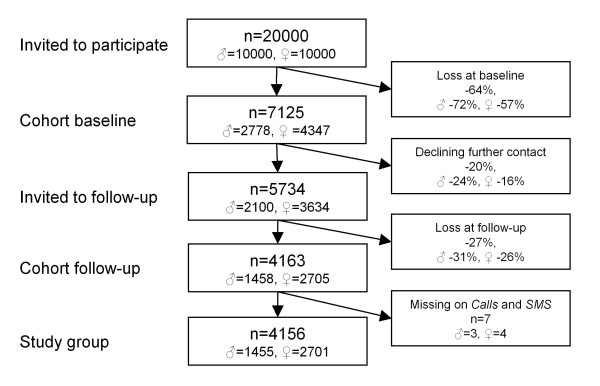
BACKGROUND: Because of the quick development and widespread use of mobile phones, and their vast effect on communication and interactions, it is important to study possible negative health effects of mobile phone exposure. The overall aim of this study was to investigate whether there are associations between psychosocial aspects of mobile phone use and mental health symptoms in a prospective cohort of young adults. METHODS: The study group consisted of young adults 20-24 years old (n = 4156), who responded to a questionnaire at baseline and 1-year follow-up. Mobile phone exposure variables included frequency of use, but also more qualitative variables: demands on availability, perceived stressfulness of accessibility, being awakened at night by the mobile phone, and personal overuse of the mobile phone. Mental health outcomes included current stress, sleep disorders, and symptoms of depression. Prevalence ratios (PRs) were calculated for cross-sectional and prospective associations between exposure variables and mental health outcomes for men and women separately. RESULTS: There were cross-sectional associations between high compared to low mobile phone use and stress, sleep disturbances, and symptoms of depression for the men and women. When excluding respondents reporting mental health symptoms at baseline, high mobile phone use was associated with sleep disturbances and symptoms of depression for the men and symptoms of depression for the women at 1-year follow-up. All qualitative variables had cross-sectional associations with mental health outcomes. In prospective analysis, overuse was associated with stress and sleep disturbances for women, and high accessibility stress was associated with stress, sleep disturbances, and symptoms of depression for both men and women. CONCLUSIONS: High frequency of mobile phone use at baseline was a risk factor for mental health outcomes at 1-year follow-up among the young adults. The risk for reporting mental health symptoms at follow-up was greatest among those who had perceived accessibility via mobile phones to be stressful. Public health prevention strategies focusing on attitudes could include information and advice, helping young adults to set limits for their own and others' accessibility.
Overview
The claims and statistics of this paper haven’t been checked yet.
Free: it reads the open-access text and checks the first 5 claims that cite a source we can check. Create a free account to check every claim.
Integrity signals
Registry
Cites
Statistics
Figures
Verification
Claims the paper makes
The claims and statistics of this paper haven’t been checked yet.
Free: it reads the open-access text and checks the first 5 claims that cite a source we can check. Create a free account to check every claim.
Claims other papers make about this one
Each is checked against this paper’s own text: does it say what the citing paper says it does?
The source backs part of the claim, not all of it — or backs it for a different population, condition or comparison.
In the citing paper
“Several studies indicate that high levels of social media use or screen time may reduce users' amount and quality of sleep.16,17”
From Social Media Use and Its Link to Physical Health Indicators (2022) · cites this paper as [17]
Experimental — accuracy not yet measuredThe source backs part of the claim, not all of it — or backs it for a different population, condition or comparison.
In the citing paper
“The first was focused on the non-smart mobile phone and was mainly due to two factors: the amount of phone bills that the use led to and the high use of text messages.”
From Problematic Use of the Internet and Smartphones in University Students: 2006–2017 (2018) · cites this paper as [6]
Experimental — accuracy not yet measuredThe source backs part of the claim, not all of it — or backs it for a different population, condition or comparison.
In the citing paper
“Previous studies showed the relationships between long phone usage duration and high stress [45] and long and frequent phone usage and severe depressive symptoms [8].”
From Identifying Objective Physiological Markers and Modifiable Behaviors for Self-Reported Stress and Mental Health Status Using Wearable Sensors and Mobile Phones: Observational Study (2018) · cites this paper as [45]
Experimental — accuracy not yet measuredThe source backs part of the claim, not all of it — or backs it for a different population, condition or comparison.
In the citing paper
“late night phone and exercise activities could relate to self-reported stress and mental health [45].”
From Identifying Objective Physiological Markers and Modifiable Behaviors for Self-Reported Stress and Mental Health Status Using Wearable Sensors and Mobile Phones: Observational Study (2018) · cites this paper as [45]
Experimental — accuracy not yet measuredThe cited source says what the claim attributes to it.
In the citing paper
“A questionnaire-based study also showed a relationship between high mobile phone usage, stress, and symptoms of depression [45].”
4 more claims about this paper
Create a free account to see every claim other papers make about this one.
Self-check
Percentages, sums and reported differences re-computed from the paper’s own numbers.
The self-check needs the paper’s full text.
Citations
Cites
Internet Addiction: The Emergence of a New Clinical Disorder
YOUNG, K. S. (1998) · CyberPsychology & Behavior · doi:10.1089/cpb.1998.1.237 · Cited by 5,513 · cited 1×
“Internet addiction has been proposed as a specific psychiatric illness [14]; however, this form of problematic Internet use could also be considered to share elements with impulse control disorders and be related to the specific activities done on the Internet (such as gambling) rather than the Internet per se [15,16].”
Mental health of young people: A global public-health challenge
Patel, V., Flisher, A. J., Hetrick, S., & McGorry, P. (2007) · The Lancet · doi:10.1016/s0140-6736(07)60368-7 · Cited by 3,126 · cited 1×
“Mental health problems have been increasing among young people in Sweden and around the world [1,2].”
Utility of a new procedure for diagnosing mental disorders in primary care. The PRIME-MD 1000 study
Spitzer, R. L. (1994) · JAMA · doi:10.1001/jama.272.22.1749 · Cited by 2,635
Mental health problems and help-seeking behavior among college students
Hunt, J., & Eisenberg, D. (2010) · Journal of Adolescent Health · doi:10.1016/j.jadohealth.2009.08.008 · Cited by 1,949 · cited 1×
“Cultural and social changes in terms of increased materialism and individualism have been discussed in relation to this [3,4], including the possibility of a decreasing stigma about mental illness, improved screening for mental illness, and increased help-seeking behaviors [5].”
Psychosocial work environment and mental health—a meta-analytic review
Stansfeld, S., & Candy, B. (2006) · Scandinavian Journal of Work, Environment & Health · doi:10.5271/sjweh.1050 · Cited by 1,875 · cited 1×
“Social support is a well-known factor that both promotes health and buffers negative effects of psychosocial strain [36,37].”
Utility of a New Procedure for Diagnosing Mental Disorders in Primary Care: The PRIME-MD 1000 Study
Spitzer, R. L. (1994) · JAMA · doi:10.1001/jama.1994.03520220043029 · Cited by 1,873 · cited 3×
“Following the suggested PRIME-MD procedure [29,30], a predictive power of 33% [30] would imply that about 20% of the study group was clinically depressed.”
InfluentialSleep disturbance and psychiatric disorders: A longitudinal epidemiological study of young Adults
Breslau, N., Roth, T., Rosenthal, L., & Andreski, P. (1996) · Biological Psychiatry · doi:10.1016/0006-3223(95)00188-3 · Cited by 1,831 · cited 1×
“For example, in one study of young adults [34], sleep disorders was a predictor of major depression onset with an odds ratio of nearly 4.”
Case-finding instruments for depression: Two questions are as good as many
Whooley, M. A., Avins, A. L., Miranda, J., & Browner, W. S. (1997) · Journal of General Internal Medicine · doi:10.1046/j.1525-1497.1997.00076.x · Cited by 1,826
Psychological Predictors of Problem Mobile Phone Use
Bianchi, A., & Phillips, J. G. (2005) · CyberPsychology & Behavior · doi:10.1089/cpb.2005.8.39 · Cited by 1,514 · cited 1×
“Intensive mobile phone use has been associated with dependency on the mobile phone [14,15], and problematic mobile phone use has been a focus in the literature concerning psychological aspects of mobile phone use, where criteria for substance addiction diagnoses or behavioral addictions [16,17] have been used to defin…”
Pathological Video Game Use Among Youths: A Two-Year Longitudinal Study
Gentile, D. A., Choo, H., Liau, A., Sim, T., Li, D., Fung, D., & Khoo, A. (2011) · Pediatrics · doi:10.1542/peds.2010-1353 · Cited by 1,314 · cited 1×
“In a longitudinal study among youths, pathological gaming predicted higher levels of depression, anxiety, social phobia, and poor school performance [22].”
Research works printed but not linked: 3
- StatisticsSweden: Health and medical care 1980-2005. LE Living conditions. Stockholm. 2006, Sweden, [In Swedish, with parts in English]
- Ekman A, Ahlstrand C, Andrén M, Boström M, Dellve L, Eriksson J, Gustafsson E, Hagberg J, Lindegård A, Thomée S, et al: Ung Vuxen - Basenkät (Young adults - baseline questionnaire) [In Swedish]. Rapport från Arbets- och miljömedicin [Occupational and Environmental Report] No 118. 2008, Occupational and Environmental medicine, Gothenburg University, Gothenburg, Sweden
- Karasek R, Theorell T: Healthy work. 1990, New York: Basic Books
Cited by
Elhai, J. D., Dvorak, R. D., Levine, J. C., & Hall, B. J. (2017) · Journal of Affective Disorders · doi:10.1016/j.jad.2016.08.030 · Cited by 1,689
“Depression Ten studies assessed symptoms of depression (Augner and Hacker, 2012; Demirci et al., 2015; Guzeller and Cosguner, 2012; Ha et al., 2008; Harwood et al., 2014; Kim et al., 2015a; Lu et al., 2011; Smetaniuk, 2014; Thomée et al., 2011; Yen et al., 2009).”
BackgroundInfluentialDemirci, K., Akgönül, M., & Akpinar, A. (2015) · Journal of Behavioral Addictions · doi:10.1556/2006.4.2015.010 · Cited by 1,529
“Because sleep is a significant biological mechanism related to mood regulation (Thomée, et al., 2011), students whose sleep is disrupted because of technology use may be more likely to experience markers of depression such as loss of energy, concentration problems, and daytime sleepiness (Adams &…”
BackgroundRelationships among smartphone addiction, stress, academic performance, and satisfaction with life
Samaha, M., & Hawi, N. S. (2016) · Computers in Human Behavior · doi:10.1016/j.chb.2015.12.045 · Cited by 1,246
Billieux, J., Maurage, P., Lopez-Fernandez, O., Kuss, D. J., & Griffiths, M. D. (2015) · Current Addiction Reports · doi:10.1007/s40429-015-0054-y · Cited by 1,205
Dhir, A., Yossatorn, Y., Kaur, P., & Chen, S. (2018) · International Journal of Information Management · doi:10.1016/j.ijinfomgt.2018.01.012 · Cited by 1,033
The dark side of smartphone usage: Psychological traits, compulsive behavior and technostress
Lee, Y.-K., Chang, C.-T., Lin, Y., & Cheng, Z.-H. (2014) · Computers in Human Behavior · doi:10.1016/j.chb.2013.10.047 · Cited by 1,007
“Compulsive usage leads to mental health symptoms such as sleep disturbance and depression (Thomée, Eklöf, Gustafsson, Nilsson, & Hagberg, 2007; Thomée et al., 2011).”
BackgroundElhai, J. D., Levine, J. C., Dvorak, R. D., & Hall, B. J. (2016) · Computers in Human Behavior · doi:10.1016/j.chb.2016.05.079 · Cited by 1,020
Is smartphone addiction really an addiction?
Panova, T., & Carbonell, X. (2018) · Journal of behavioral addictions · doi:10.1556/2006.7.2018.49 · Cited by 976
How “phubbing” becomes the norm: The antecedents and consequences of snubbing via smartphone
Chotpitayasunondh, V., & Douglas, K. M. (2016) · Computers in Human Behavior · doi:10.1016/j.chb.2016.05.018 · Cited by 954
Lemola, S., Perkinson-Gloor, N., Brand, S., Dewald-Kaufmann, J. F., & Grob, A. (2015) · Journal of Youth and Adolescence · doi:10.1007/s10964-014-0176-x · Cited by 940
“Moreover, these results are thus also in line with similar reports concerning young adults (Brunborg et al. 2011; Thomée et al. 2011).”
ResultProblematic use of the mobile phone: A literature review and a pathways model
Billieux, J. (2012) · Current Psychiatry Reviews · doi:10.2174/157340012803520522 · Cited by 794
“…the growing number of studies emphasizing that depressive symptoms frequently co-occur with dysfunctional or excessive use of the mobile phone [6] [9] [16] [17] [19] and by the fact that a wide range of problematic and addictive behaviors serves as a short-term strategy to deal with unpleasant…”
BackgroundSaeb, S., Zhang, M., Karr, C. J., Schueller, S. M., Corden, M. E., Kording, K. P., & Mohr, D. C. (2015) · Journal of Medical Internet Research · doi:10.2196/jmir.4273 · Cited by 782
“previous studies that have found a correlation between mobile phone use and some depressive symptoms [23,24].”
BackgroundCell-phone addiction: a review
De-Sola Gutiérrez, J., Rodríguez de Fonseca, F., & Rubio, G. (2016) · Frontiers in Psychiatry · doi:10.3389/fpsyt.2016.00175 · Cited by 722
“(154, 155) also observed a relationship between the number of calls and messages and sleep difficulties as well as with the tendency to use the phone during the night (59).”
BackgroundThe role of insufficient sleep and circadian misalignment in obesity
Chaput, J.-P., McHill, A. W., Cox, R. C., Broussard, J. L., Dutil, C., da Costa, B. G. G., Sampasa-Kanyinga, H., & Wright, K. P. (2023) · Nature Reviews Endocrinology · doi:10.1038/s41574-022-00747-7 · Cited by 649
Bian, M., & Leung, L. (2015) · Social Science Computer Review · doi:10.1177/0894439314528779 · Cited by 669
Busch, P. A., & McCarthy, S. (2021) · Computers in Human Behavior · doi:10.1016/j.chb.2020.106414 · Cited by 657
McDaniel, B. T., & Coyne, S. M. (2016) · Psychology of Popular Media Culture · doi:10.1037/ppm0000065 · Cited by 643
Insomnia and the risk of depression: a meta-analysis of prospective cohort studies
Li, L., Wu, C., Gan, Y., Qu, X., & Lu, Z. (2016) · BMC Psychiatry · doi:10.1186/s12888-016-1075-3 · Cited by 626
“Three studies reported results for males only [18, 44, 52], and three studies reported results for females only [32, 46, 55], 27 studies reported results for both males and females [9, 10, 17, 19–23, 33–43, 45, 47–51, 53, 54, 56],and one study [47] reported results for males and females separately.”
BackgroundMethodResultInfluentialCha, S.-S., & Seo, B.-K. (2018) · Health Psychology Open · doi:10.1177/2055102918755046 · Cited by 592
“A longitudinal study on heavy users of a computer, social media, and mobile phone showed greater level of prolonged stress, depression, and sleep disturbances (Thomée et al., 2011).”
BackgroundCheever, N. A., Rosen, L. D., Carrier, L. M., & Chavez, A. (2014) · Computers in Human Behavior · doi:10.1016/j.chb.2014.05.002 · Cited by 589
“Thomée, Härenstam, and Hagberg (2011) examined the same concept along with other elements such as mental overload, disturbed sleep, and never feeling free as consequences of high mobile phone use.”
BackgroundChen, B., Liu, F., Ding, S., Ying, X., Wang, L., & Wen, Y. (2017) · BMC Psychiatry · doi:10.1186/s12888-017-1503-z · Cited by 572
“In another study, 362 employed adults were tested for associations between age, selfesteem, extraversion, emotional stability, depression on the one hand, and impulse control in relation to different levels of addictive and problematic mobile phone use on the other [17], and the study found that age, depression, and e…”
BackgroundStress Recognition Using Wearable Sensors and Mobile Phones
Sano, A., & Picard, R. W. (2013) · 2013 Humaine Association Conference on Affective Computing and Intelligent Interaction · doi:10.1109/acii.2013.117 · Cited by 523
“At the same time, the advance of mobile technologies can lead addictive behaviors and as some studies have shown, may pose risks on stress, sleep and mental health [12].”
BackgroundBedtime mobile phone use and sleep in adults
Exelmans, L., & Van den Bulck, J. (2016) · Social Science & Medicine · doi:10.1016/j.socscimed.2015.11.037 · Cited by 445
Sedentary behaviour and health in adults: an overview of systematic reviews
Saunders, T. J., McIsaac, T., Douillette, K., Gaulton, N., Hunter, S., Rhodes, R. E., Prince, S. A., Carson, V., Chaput, J.-P., Chastin, S., et al. (2020) · Applied Physiology, Nutrition, and Metabolism · doi:10.1139/apnm-2020-0272 · Cited by 469
“Understanding the health implications of social media and electronic device use is crucial given their prevalent use, and their purported links to reduced mental health (Thomée et al. 2011), impaired sleep (Sampasa-Kanyinga et al.”
BackgroundRosen, L. D., Whaling, K., Rab, S., Carrier, L. M., & Cheever, N. A. (2013) · Computers in Human Behavior · doi:10.1016/j.chb.2012.11.012 · Cited by 472
“Facebook addiction, based on criteria for other addictions, is related to sleep disturbances (Andreassen, Torsheim, Brunborg, & Pallesen, 2012) as is excessive mobile phone use (Thomee et al., 2011).”
BackgroundSmartphone addiction, daily interruptions and self-reported productivity
Duke, É., & Montag, C. (2017) · Addictive Behaviors Reports · doi:10.1016/j.abrep.2017.07.002 · Cited by 466
“Earlier work by Thomée et al. (2011; 2010) seems to support the idea of technostress.”
BackgroundResultInfluentialMicrofinance, financial inclusion and ICT: Implications for poverty and inequality
Mushtaq, R., & Bruneau, C. (2019) · Technology in Society · doi:10.1016/j.techsoc.2019.101154 · Cited by 424
Gökçearslan, Ş., Mumcu, F. K., Haşlaman, T., & Çevik, Y. D. (2016) · Computers in Human Behavior · doi:10.1016/j.chb.2016.05.091 · Cited by 424
Yang, J., Fu, X., Liao, X., & Li, Y. (2020) · Psychiatry Research · doi:10.1016/j.psychres.2019.112686 · Cited by 377
Reinecke, L., Aufenanger, S., Beutel, M. E., Dreier, M., Quiring, O., Stark, B., Wölfling, K., & Müller, K. W. (2017) · Media Psychology · doi:10.1080/15213269.2015.1121832 · Cited by 387
Elhai, J. D., Levine, J. C., & Hall, B. J. (2019) · Journal of Anxiety Disorders · doi:10.1016/j.janxdis.2018.11.005 · Cited by 345
Thomée, S. (2018) · International Journal of Environmental Research and Public Health · doi:10.3390/ijerph15122692 · Cited by 323
“, about 5% [26,65,95,123,132,144,148,156,184,249,268,269,274,286], were identified as having any form of longitudinal design, test-retest reliability studies excepted.”
BackgroundResultInfluentialSelf-citationChen, L., Yan, Z., Tang, W., Yang, F., Xie, X., & He, J. (2016) · Computers in Human Behavior · doi:10.1016/j.chb.2015.10.030 · Cited by 334
“…level has been linked to interpersonal problems (Liu & Kuo, 2007; Park, Kim, & Lee, 2014; Przybylski & Weinstein, 2013) and negative emotions such as depression (Thomée et al., 2011; Wang et al., 2014; Yen et al., 2009) and anxiety (Beranuy et al., 2009; Hong et al., 2012; Yen et al., 2009).”
BackgroundSano, A., Taylor, S., McHill, A. W., Phillips, A. J., Barger, L. K., Klerman, E., & Picard, R. (2018) · Journal of Medical Internet Research · doi:10.2196/jmir.9410 · Cited by 333
“…and sleep time (estimated for each individual from actigraphy and daily sleep diaries) as physiological responses, such as SC and ACC during daytime and sleep time have different meanings [44] and late night phone and exercise activities could relate to self-reported stress and mental health [45].”
BackgroundBillieux, J., Philippot, P., Schmid, C., Maurage, P., De Mol, J., & Van der Linden, M. (2015) · Clinical Psychology & Psychotherapy · doi:10.1002/cpp.1910 · Cited by 329
“As emphasized previously, it has been shown that overuse of the mobile phone can have detrimental effects on various spheres of daily living (e.g., sleep disturbances, financial problems and conflicts with family or friends; see Billieux, 2012; Thomée et al., 2011).”
BackgroundThe role of stress and motivation in problematic smartphone use among college students
Wang, J.-L., Wang, H.-Z., Gaskin, J., & Wang, L.-H. (2015) · Computers in Human Behavior · doi:10.1016/j.chb.2015.07.005 · Cited by 317
“However, spending too much time on by a diminished sense of volitional control and induce persistent smartphone activity (Thomee, Harenstam, & Hagberg, 2011), leading to mental health symptoms such as sleep disturbances, depression, and psychological distress (Chesley, 2005; Thomee, Eklof, Gustafsson, Nilsson, & Hagbe…”
BackgroundDeterminants of sleep quality in college students: A literature review
Wang, F., & Bíró, É. (2021) · EXPLORE · doi:10.1016/j.explore.2020.11.003 · Cited by 291
The relationship between mobile phone location sensor data and depressive symptom severity
Saeb, S., Lattie, E. G., Schueller, S. M., Kording, K. P., & Mohr, D. C. (2016) · PeerJ · doi:10.7717/peerj.2537 · Cited by 313
Kim, J.-H., Seo, M., & David, P. (2015) · Computers in Human Behavior · doi:10.1016/j.chb.2015.05.030 · Cited by 303
Fossum, I. N., Nordnes, L. T., Storemark, S. S., Bjorvatn, B., & Pallesen, S. (2014) · Behavioral Sleep Medicine · doi:10.1080/15402002.2013.819468 · Cited by 306
“…more likely to report a range of different health problems, public health prevention strategies should aim to inform and give advice about the importance of sleep and recovery, including advice about limits for the use of electronic media devices close to and after bedtime (Thomée et al., 2011).”
BackgroundResultInfluentialKenney, E. L., & Gortmaker, S. L. (2017) · The Journal of Pediatrics · doi:10.1016/j.jpeds.2016.11.015 · Cited by 297
Wang, X., Li, Y., & Fan, H. (2019) · BMC Public Health · doi:10.1186/s12889-019-7904-9 · Cited by 299
Baker, D. A., & Algorta, G. P. (2016) · Cyberpsychology, Behavior, and Social Networking · doi:10.1089/cyber.2016.0206 · Cited by 286
“18 These studies indicate that some people may be susceptible to developing depression when they use technology for long periods of time or become detached from their social or occupational environments.”
The association between smartphone use, stress, and anxiety: A meta‐analytic review
Vahedi, Z., & Saiphoo, A. (2018) · Stress and Health · doi:10.1002/smi.2805 · Cited by 280
Matthes, J., Karsay, K., Schmuck, D., & Stevic, A. (2020) · Computers in Human Behavior · doi:10.1016/j.chb.2019.106217 · Cited by 267
Mobile phone addiction and sleep quality among Chinese adolescents: A moderated mediation model
Liu, Q.-Q., Zhou, Z.-K., Yang, X.-J., Kong, F.-C., Niu, G.-F., & Fan, C.-Y. (2017) · Computers in Human Behavior · doi:10.1016/j.chb.2017.02.042 · Cited by 278
Mobile phone dependency and its impacts on adolescents’ social and academic behaviors
Seo, D. G., Park, Y., Kim, M. K., & Park, J. (2016) · Computers in Human Behavior · doi:10.1016/j.chb.2016.05.026 · Cited by 270
Elhai, J. D., Gallinari, E. F., Rozgonjuk, D., & Yang, H. (2020) · Addictive Behaviors · doi:10.1016/j.addbeh.2020.106335 · Cited by 269
Yildiz Durak, H. (2019) · The Social Science Journal · doi:10.1016/j.soscij.2018.09.003 · Cited by 249
Zhang, M. X., & Wu, A. M. S. (2020) · Addictive Behaviors · doi:10.1016/j.addbeh.2020.106552 · Cited by 265
Hook vs. hope: How to enhance customer engagement through gamification
Eisingerich, A. B., Marchand, A., Fritze, M. P., & Dong, L. (2019) · International Journal of Research in Marketing · doi:10.1016/j.ijresmar.2019.02.003 · Cited by 252
Smartphone addiction and associated consequences: Role of loneliness and self-regulation
Mahapatra, S. (2019) · Behaviour & Information Technology · doi:10.1080/0144929x.2018.1560499 · Cited by 261
“…and non-excessive users, and correlated it with psychological characteristics and behaviours such as depression and self-esteem (Ha et al. 2008; Thomee, Harenstam, and Hagberg 2011; Yen et al. 2009) and van Deursen et al. (2015) found a relation between self-regulation and overuse of…”
BackgroundSmartphone usage and increased risk of mobile phone addiction: A concurrent study
Parasuraman, S., Sam, A., Yee, S. K., Chuon, B. C., & Ren, L. (2017) · International Journal of Pharmaceutical Investigation · doi:10.4103/jphi.jphi_56_17 · Cited by 252
“collected data from 4156 adults aged between 20 and 24 years and observed no clear association between availability demands or being awakened at night and the mental health outcomes.[21] Overuse of mobile phone can lead to reduced quality of interpersonal relationships and lack of productivity in daily life.”
BackgroundImpact of Lifestyle on Health.
Farhud, D. D. (2015) · Europe PMC (PubMed Central) · Cited by 259
Toward dynamic urban environmental exposure assessments in mental health research
Helbich, M. (2018) · Environmental Research · doi:10.1016/j.envres.2017.11.006 · Cited by 258
“While enhancing social support and promoting the maintenance of personal relationships (Rettie, 2008), the frequency of incoming and outgoing calls was found to be, for example, a behavioral marker correlating with depression severity (Saeb et al., 2015; Thomée et al., 2011).”
BackgroundDefinition of Substance and Non-substance Addiction
Zou, Z., Wang, H., d’Oleire Uquillas, F., Wang, X., Ding, J., & Chen, H. (2017) · Advances in Experimental Medicine and Biology · doi:10.1007/978-981-10-5562-1_2 · Cited by 252
Smartphone addiction, sleep quality, depression, anxiety, and stress among medical students
Nikolic, A., Bukurov, B., Kocic, I., Vukovic, M., Ladjevic, N., Vrhovac, M., Pavlović, Z., Grujicic, J., Kisic, D., & Sipetic, S. (2023) · Frontiers in Public Health · doi:10.3389/fpubh.2023.1252371 · Cited by 202
“Multiple studies have provided evidence of a positive correlation between smartphone addiction and stress, anxiety, and depression (8, 17), as well as associations with poor sleep quality, fatigue, difficulties in falling asleep, and shorter sleep duration (17–20).”
BackgroundTexting on mobile phones and musculoskeletal disorders in young adults: A five-year cohort study
Gustafsson, E., Thomée, S., Grimby-Ekman, A., & Hagberg, M. (2017) · Applied Ergonomics · doi:10.1016/j.apergo.2016.06.012 · Cited by 238
Self-citationWang, P., Zhao, M., Wang, X., Xie, X., Wang, Y., & Lei, L. (2017) · Journal of Behavioral Addictions · doi:10.1556/2006.6.2017.079 · Cited by 247
“…as physical health problems, emotional problems, sleep disturbances, and academic failures (Kim, Kim, & Jee, 2015; Lemola, Perkinson-Gloor, Brand, Dewald-Kaufmann, & Grob, 2015; Lepp, Barkley, & Karpinski, 2014; Samaha & Hawi, 2016; Seo, Park, Kim, & Park, 2016; Thomee, Harenstam, & Hagberg, 2011).”
BackgroundHussain, Z., Griffiths, M. D., & Sheffield, D. (2017) · Journal of Behavioral Addictions · doi:10.1556/2006.6.2017.052 · Cited by 244
“For example, a study focusing on young Swedish adults found that increased smartphone use predicted increased symptoms of depression a year later (Thomée, Härenstam, & Hagberg, 2011).”
BackgroundMethodProblematic Use of the Internet and Smartphones in University Students: 2006–2017
Carbonell, X., Chamarro, A., Oberst, U., Rodrigo, B., & Prades, M. (2018) · International Journal of Environmental Research and Public Health · doi:10.3390/ijerph15030475 · Cited by 240
“Several studies can serve as examples [6,9,34,36].”
BackgroundLopez-Fernandez, O., Kuss, D. J., Romo, L., Morvan, Y., Kern, L., Graziani, P., Rousseau, A., Rumpf, H.-J., Bischof, A., Gässler, A.-K., et al. (2017) · Journal of Behavioral Addictions · doi:10.1556/2006.6.2017.020 · Cited by 237
“…et al., 2008), risky driving (White, Eiser, & Harris, 2004), banned use in prohibited areas (Nickerson, Isaac, & Mak, 2008), sleep interference (Thomée, Harenstam, & Hagberg, 2011), reduced physical activity (Kim, Kim, & Jee, 2015), cyberbullying (Nicol & Fleming, 2010), sexting (Dir, Cyders,…”
Constantly connected–The effects of smart-devices on mental health
Harwood, J., Dooley, J. J., Scott, A. J., & Joiner, R. (2014) · Computers in Human Behavior · doi:10.1016/j.chb.2014.02.006 · Cited by 236
“It is also likely that being highly involved further increases depression and stress, as previous research has found that the greatest contribution to depression, stress and sleep disturbances is the perceived expectation that individuals should be available around the clock (Thomee et al., 2010; Thomee et al., 2011).”
ResultSano, A., Phillips, A. J., Yu, A. Z., McHill, A. W., Taylor, S., Jaques, N., Czeisler, C. A., Klerman, E. B., & Picard, R. W. (2015) · 2015 IEEE 12th International Conference on Wearable and Implantable Body Sensor Networks (BSN) · doi:10.1109/bsn.2015.7299420 · Cited by 236
INDO AMERICAN JOURNAL OF PHARMACEUTICAL SCIENCES
Baru, P. C. R. (2014) · ADVANCED SCIENCES INDEX · Cited by 236
Davey, A., Davey, S., Raghav, S., Singh, J., Singh, N., Blachnio, A., & Przepiórkaa, A. (2018) · Journal of Family and Community Medicine · doi:10.4103/jfcm.jfcm_71_17 · Cited by 216
Connection Overload? A Cross Cultural Study of the Consequences of Social Media Connection
LaRose, R., Connolly, R., Lee, H., Li, K., & Hales, K. D. (2014) · Information Systems Management · doi:10.1080/10580530.2014.854097 · Cited by 225
McDaniel, B. T., & Coyne, S. M. (2016) · The Social Science Journal · doi:10.1016/j.soscij.2016.04.010 · Cited by 225
Tamura, H., Nishida, T., Tsuji, A., & Sakakibara, H. (2017) · International Journal of Environmental Research and Public Health · doi:10.3390/ijerph14070701 · Cited by 224
“Mobile phone overuse may also pose the risk of mobile phone addiction or smartphone addiction [4,14], thus contributing to poor sleep quality [13,14,19,20] and psychological problems such as depression and anxiety [13,21,22].”
BackgroundQi, C. (2019) · Behaviour & Information Technology · doi:10.1080/0144929x.2019.1585476 · Cited by 202
“Heavy usage has been con fi rmed to increase fatigue, sleep problems, and depression (Thomee, Harenstam, and Hagberg 2011).”
BackgroundDigital media use and sleep in late adolescence and young adulthood: A systematic review
Brautsch, L. A., Lund, L., Andersen, M. M., Jennum, P. J., Folker, A. P., & Andersen, S. (2023) · Sleep Medicine Reviews · doi:10.1016/j.smrv.2022.101742 · Cited by 218
Jun, S. (2016) · Computers in Human Behavior · doi:10.1016/j.chb.2015.12.061 · Cited by 208
Mobile phone addiction and adolescents’ anxiety and depression: the moderating role of mindfulness
Yang, X., Zhou, Z., Liu, Q., & Fan, C. (2019) · Journal of Child and Family Studies · doi:10.1007/s10826-018-01323-2 · Cited by 205
“Specifically, mobile phone addiction is a risk factor not only for health hazards such as sleep disturbance (Liu et al. 2017; Thomée et al. 2011), but also for social maladjustment such as poor academic performance, perceived stress, and interpersonal problems (Hawi and Samaha 2016; Merlo 2008; Samaha and Hawi 2016).”
BackgroundLi, J., Lepp, A., & Barkley, J. E. (2015) · Computers in Human Behavior · doi:10.1016/j.chb.2015.06.021 · Cited by 195
“, 2012), poor sleep quality (Fossum et al., 2014; Lanaj et al., 2014; Lemola et al., 2015; Munezawa et al., 2011; Murdock, 2013; Thomée et al., 2011), decreased mental health (Beranuy et al.”
BackgroundArgumosa‐Villar, L., Boada‐Grau, J., & Vigil‐Colet, A. (2017) · Journal of Adolescence · doi:10.1016/j.adolescence.2017.02.003 · Cited by 183
Panova, T., & Lleras, A. (2016) · Computers in Human Behavior · doi:10.1016/j.chb.2015.12.062 · Cited by 195
Rohani, D. A., Faurholt-Jepsen, M., Kessing, L. V., & Bardram, J. E. (2017) · doi:10.2196/preprints.9691 · Cited by 195
“Similarly, subjective-based mobile phone use has been studied in relation to depression, where Thomée et al found that high mobile phone use was associated with symptoms of depression [79].”
BackgroundProblematic mobile phone use in adolescents: derivation of a short scale MPPUS-10
Foerster, M., Roser, K., Schoeni, A., & Röösli, M. (2015) · International Journal of Public Health · doi:10.1007/s00038-015-0660-4 · Cited by 190
“In addition, a variety of adverse health effects such as depression, social anxiety, insomnia, hyperactivity or conduct problems have been associated with different forms of technology overuse (Canan 2013; Cheung and Wong 2011; Jenaro et al. 2007; Morgan and Cotten 2003; Thomée et al. 2011).”
BackgroundApaolaza, V., Hartmann, P., D'Souza, C., & Gilsanz, A. (2019) · Cyberpsychology, Behavior, and Social Networking · doi:10.1089/cyber.2018.0681 · Cited by 189
Flatt, A. (2013) · The College Quarterly · Cited by 257
Alt, D. (2018) · Current Psychology · doi:10.1007/s12144-016-9496-1 · Cited by 173
“In the same vein, Thomée et al. (2011) investigated possible associations between psychosocial aspects of mobile phone use and mental health symptoms in a prospective cohort of young adults.”
Sleep Quality as a Mediator Between Technology-Related Sleep Quality, Depression, and Anxiety
Adams, S. K., & Kisler, T. S. (2013) · Cyberpsychology, Behavior, and Social Networking · doi:10.1089/cyber.2012.0157 · Cited by 177
“As supported by other researchers, it is likely that high technology users will experience more overall impairment.(36)”
Nomophobia and lifestyle: Smartphone use and its relationship to psychopathologies
Gonçalves, S., Dias, P. C., & Correia, A. (2020) · Computers in Human Behavior Reports · doi:10.1016/j.chbr.2020.100025 · Cited by 229
Gökçearslan, Ş., Uluyol, Ç., & Şahin, S. (2018) · Children and Youth Services Review · doi:10.1016/j.childyouth.2018.05.036 · Cited by 167
Han, L., Geng, J., Jou, M., Gao, F., & Yang, H. (2017) · Computers in Human Behavior · doi:10.1016/j.chb.2017.07.036 · Cited by 171
The Emerging Phenomenon of Nomophobia in Young Adults: A Systematic Review Study
Notara, V., Vagka, E., Gnardellis, C., & Lagiou, A. (2021) · addiction and health · doi:10.22122/ahj.v13i2.309 · Cited by 135
Orzech, K. M., Grandner, M. A., Roane, B. M., & Carskadon, M. A. (2016) · Computers in Human Behavior · doi:10.1016/j.chb.2015.08.049 · Cited by 167
Ayar, D., Özalp Gerçeker, G., Özdemir, E. Z., & Bektaş, M. (2018) · CIN: Computers, Informatics, Nursing · doi:10.1097/cin.0000000000000458 · Cited by 130
“Constantly checking or using smartphones, checking for text messages or e-mails, connecting to social networks, and surfing the Internet can cause sleep disturbances, stress, anxiety, decreased physical activity, and reduced academic performance.(17) Choi and Lee(18) emphasized that overuse of smartphones leads to man…”
BackgroundLian, L., You, X., Huang, J., & Yang, R. (2016) · Computers in Human Behavior · doi:10.1016/j.chb.2016.08.027 · Cited by 165
Thomée, S., Härenstam, A., & Hagberg, M. (2012) · BMC Psychiatry · doi:10.1186/1471-244x-12-176 · Cited by 164
“69) [24], we tested these two exposure variables in combination with mobile phone use, with sleep disturbances as the outcome.”
BackgroundMethodSelf-citationJiang, Z., & Zhao, X. (2016) · BMC Psychiatry · doi:10.1186/s12888-016-1131-z · Cited by 159
“For instance, high frequency of mobile phone use was associated with sleep disturbance and symptoms of depression [3].”
BackgroundChen, C., & Leung, L. W. (2015) · Telematics and Informatics · doi:10.1016/j.tele.2015.11.005 · Cited by 189
“…negatively affect the player’s health and behavior, leading to poor academic performance (Leung and Lee, 2012), cognitive distortion (Li and Wang, 2013), low quality of interpersonal relationships (Huang et al., 2015), social anxiety (Lo et al., 2005), and sleep disturbances (Thomée et al., 2011).”
Rosen, L., Carrier, L. M., Miller, A., Rokkum, J., & Ruiz, A. (2016) · Sleep Health · doi:10.1016/j.sleh.2015.11.003 · Cited by 157
Coyne, S. M., Stockdale, L., & Summers, K. (2019) · Computers in Human Behavior · doi:10.1016/j.chb.2019.02.014 · Cited by 156
Excessive dependence on mobile social apps: A rational addiction perspective
Kwon, H. E., So, H., Han, S. P., & Oh, W. (2016) · Information Systems Research · doi:10.1287/isre.2016.0658 · Cited by 156
Park, S. (2014) · BMC Public Health · doi:10.1186/1471-2458-14-1143 · Cited by 147
Validation of a Malay Version of the Smartphone Addiction Scale among Medical Students in Malaysia
Ching, S. M., Yee, A., Ramachandran, V., Sazlly Lim, S. M., Wan Sulaiman, W. A., Foo, Y. L., & Hoo, F. K. (2015) · PLOS ONE · doi:10.1371/journal.pone.0139337 · Cited by 150
A survey on big data-driven digital phenotyping of mental health
Liang, Y., Zheng, X., & Zeng, D. D. (2019) · Information Fusion · doi:10.1016/j.inffus.2019.04.001 · Cited by 158
Sleep Quality in Medical Students; the Impact of Over-Use of Mobile Cell-Phone and Social Networks.
Mohammadbeigi, A., absari, R., Valizadeh, F., saadati, M., Sharifimoghadam, S., Ahmadi, A., Mokhtari, M., & Ansari, H. (2016) · PubMed Central · Cited by 223
The association between social anxiety and mobile phone addiction: A three-level meta-analysis
Ran, G., Li, J., Zhang, Q., & Niu, X. (2022) · Computers in Human Behavior · doi:10.1016/j.chb.2022.107198 · Cited by 164
Metadata
- Authors
- Thomée, S., Härenstam, A., & Hagberg, M.
- Affiliations
- University of Gothenburg (SE)
- Corresponding author
- Thomée, Sara
- Venue
- BMC Public Health
- Published
- 2011-01-31
- Volume
- 11
- Issue
- 1
- Pages
- 66-66
- ISSN
- 1471-2458 (ISSN-L)
- PMC
- PMC3042390
- OpenAlex
- W2117971251
- Cited by
- 1,269
- References
- 66
- Citations by year
- 2026: 54 · 2025: 76 · 2024: 103 · 2023: 111 · 2022: 133 · 2021: 126 · 2020: 151 · 2019: 105 · 2018: 119 · 2017: 79 · 2016: 79 · 2015: 49 · 2014: 34 · 2013: 34 · 2012: 13
- FWCI
- 88.28
- Type
- journal article
- Language
- en
- Open access
- gold
- doi.org
- Licence
- cc-by
- creativecommons.org/licenses/by/2.0 (tdm)
- Locations
- BMC Public Health (publishedVersion, cc-by)
- PubMed Central (publishedVersion, cc-by)
- PubMed (publishedVersion)
- Gothenburg University Publications Electronic Archive (Gothenburg University) (acceptedVersion)
- DOAJ (DOAJ: Directory of Open Access Journals) (submittedVersion)
- Funders
- Forskningsrådet för Arbetsliv och Socialvetenskap
- Topics
- Social Sciences › Sociology and Political Science › Impact of Technology on Adolescents
- Social Sciences › Psychology › Social Psychology › Technostress in Professional Settings
- Social Sciences › Education › Child Development and Digital Technology
- Keywords
- mobile phone use, mental health, stress, sleep disorders, depressive symptoms, young adults, mobile phone overuse, sex differences, mobile phone exposure
- MeSH terms
- Cross-Sectional Studies, Depression, Female, Humans, Male, Prospective Studies, Surveys and Questionnaires, Risk Factors, Sleep Wake Disorders, Stress, Psychological, Sweden, Cohort Studies, Cell Phone, Young Adult
About these checks
Registry, retraction, Cites and statistics results are computed, not judged, with one exception: a printed reference that no index lists is read once by a model before it counts as a citation error. Claims are extracted by a model and kept only when their quote appears verbatim in the text; each cited source is then checked, with a model’s help, for whether it says what the claim relies on. Those verdicts can be wrong — read the claim’s quote and the cited source before relying on one.
Statistics and arithmetic are recomputed, not judged.
Confidence bands are shown only for fields calibrated on our annotated test set. None is calibrated yet, so no band is shown.
What counts as a claim ›How we measure confidence ›How we check this ›
Are you an author, or do you see a problem with this page? Request a review
Data sources
Bibliographic data: Semantic Scholar, OpenAlex, Crossref.
Contains information from the Semantic Scholar Academic Graph Datasets, made available under the ODC Attribution License (ODC-BY 1.0).
Semantic Scholar’s data is described in: Kinney, R., et al. (2023). The Semantic Scholar Open Data Platform. arXiv:2301.10140.
