

Mobile phone use and stress, sleep disturbances, and symptoms of depression among young adults – A prospective cohort study
Open accessThe DOI matches its Crossref record; 65 of the 66 references it cites were found in a registry or an index.
Abstract
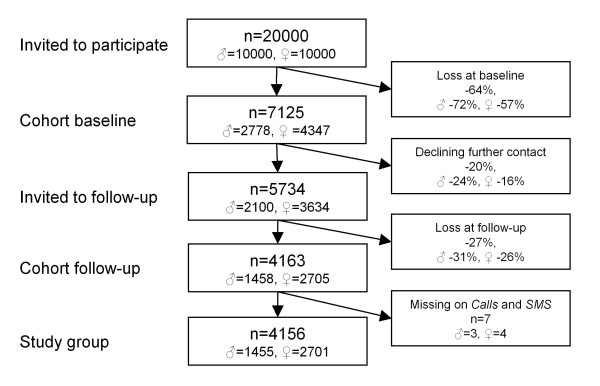
BACKGROUND: Because of the quick development and widespread use of mobile phones, and their vast effect on communication and interactions, it is important to study possible negative health effects of mobile phone exposure. The overall aim of this study was to investigate whether there are associations between psychosocial aspects of mobile phone use and mental health symptoms in a prospective cohort of young adults. METHODS: The study group consisted of young adults 20-24 years old (n = 4156), who responded to a questionnaire at baseline and 1-year follow-up. Mobile phone exposure variables included frequency of use, but also more qualitative variables: demands on availability, perceived stressfulness of accessibility, being awakened at night by the mobile phone, and personal overuse of the mobile phone. Mental health outcomes included current stress, sleep disorders, and symptoms of depression. Prevalence ratios (PRs) were calculated for cross-sectional and prospective associations between exposure variables and mental health outcomes for men and women separately. RESULTS: There were cross-sectional associations between high compared to low mobile phone use and stress, sleep disturbances, and symptoms of depression for the men and women. When excluding respondents reporting mental health symptoms at baseline, high mobile phone use was associated with sleep disturbances and symptoms of depression for the men and symptoms of depression for the women at 1-year follow-up. All qualitative variables had cross-sectional associations with mental health outcomes. In prospective analysis, overuse was associated with stress and sleep disturbances for women, and high accessibility stress was associated with stress, sleep disturbances, and symptoms of depression for both men and women. CONCLUSIONS: High frequency of mobile phone use at baseline was a risk factor for mental health outcomes at 1-year follow-up among the young adults. The risk for reporting mental health symptoms at follow-up was greatest among those who had perceived accessibility via mobile phones to be stressful. Public health prevention strategies focusing on attitudes could include information and advice, helping young adults to set limits for their own and others' accessibility.
Overview
The claims and statistics of this paper haven’t been checked yet.
Free: it reads the open-access text and checks the first 5 claims that cite a source we can check. Create a free account to check every claim.
Integrity signals
Registry
Cites
Statistics
Figures
Verification
Claims the paper makes
The claims and statistics of this paper haven’t been checked yet.
Free: it reads the open-access text and checks the first 5 claims that cite a source we can check. Create a free account to check every claim.
Claims other papers make about this one
Each is checked against this paper’s own text: does it say what the citing paper says it does?
The source backs part of the claim, not all of it — or backs it for a different population, condition or comparison.
In the citing paper
“Several studies indicate that high levels of social media use or screen time may reduce users' amount and quality of sleep.16,17”
From Social Media Use and Its Link to Physical Health Indicators (2022) · cites this paper as [17]
Experimental — accuracy not yet measuredThe source backs part of the claim, not all of it — or backs it for a different population, condition or comparison.
In the citing paper
“The first was focused on the non-smart mobile phone and was mainly due to two factors: the amount of phone bills that the use led to and the high use of text messages.”
From Problematic Use of the Internet and Smartphones in University Students: 2006–2017 (2018) · cites this paper as [6]
Experimental — accuracy not yet measuredThe source backs part of the claim, not all of it — or backs it for a different population, condition or comparison.
In the citing paper
“Previous studies showed the relationships between long phone usage duration and high stress [45] and long and frequent phone usage and severe depressive symptoms [8].”
From Identifying Objective Physiological Markers and Modifiable Behaviors for Self-Reported Stress and Mental Health Status Using Wearable Sensors and Mobile Phones: Observational Study (2018) · cites this paper as [45]
Experimental — accuracy not yet measuredThe source backs part of the claim, not all of it — or backs it for a different population, condition or comparison.
In the citing paper
“late night phone and exercise activities could relate to self-reported stress and mental health [45].”
From Identifying Objective Physiological Markers and Modifiable Behaviors for Self-Reported Stress and Mental Health Status Using Wearable Sensors and Mobile Phones: Observational Study (2018) · cites this paper as [45]
Experimental — accuracy not yet measuredThe cited source says what the claim attributes to it.
In the citing paper
“A questionnaire-based study also showed a relationship between high mobile phone usage, stress, and symptoms of depression [45].”
4 more claims about this paper
Create a free account to see every claim other papers make about this one.
Self-check
Percentages, sums and reported differences re-computed from the paper’s own numbers.
The self-check needs the paper’s full text.
Citations
Cites
Internet Addiction: The Emergence of a New Clinical Disorder
YOUNG, K. S. (1998) · CyberPsychology & Behavior · doi:10.1089/cpb.1998.1.237 · Cited by 5,513 · cited 1×
“Internet addiction has been proposed as a specific psychiatric illness [14]; however, this form of problematic Internet use could also be considered to share elements with impulse control disorders and be related to the specific activities done on the Internet (such as gambling) rather than the Internet per se [15,16].”
Mental health of young people: A global public-health challenge
Patel, V., Flisher, A. J., Hetrick, S., & McGorry, P. (2007) · The Lancet · doi:10.1016/s0140-6736(07)60368-7 · Cited by 3,126 · cited 1×
“Mental health problems have been increasing among young people in Sweden and around the world [1,2].”
Utility of a new procedure for diagnosing mental disorders in primary care. The PRIME-MD 1000 study
Spitzer, R. L. (1994) · JAMA · doi:10.1001/jama.272.22.1749 · Cited by 2,635
Mental health problems and help-seeking behavior among college students
Hunt, J., & Eisenberg, D. (2010) · Journal of Adolescent Health · doi:10.1016/j.jadohealth.2009.08.008 · Cited by 1,949 · cited 1×
“Cultural and social changes in terms of increased materialism and individualism have been discussed in relation to this [3,4], including the possibility of a decreasing stigma about mental illness, improved screening for mental illness, and increased help-seeking behaviors [5].”
Psychosocial work environment and mental health—a meta-analytic review
Stansfeld, S., & Candy, B. (2006) · Scandinavian Journal of Work, Environment & Health · doi:10.5271/sjweh.1050 · Cited by 1,875 · cited 1×
“Social support is a well-known factor that both promotes health and buffers negative effects of psychosocial strain [36,37].”
Utility of a New Procedure for Diagnosing Mental Disorders in Primary Care: The PRIME-MD 1000 Study
Spitzer, R. L. (1994) · JAMA · doi:10.1001/jama.1994.03520220043029 · Cited by 1,873 · cited 3×
“Following the suggested PRIME-MD procedure [29,30], a predictive power of 33% [30] would imply that about 20% of the study group was clinically depressed.”
InfluentialSleep disturbance and psychiatric disorders: A longitudinal epidemiological study of young Adults
Breslau, N., Roth, T., Rosenthal, L., & Andreski, P. (1996) · Biological Psychiatry · doi:10.1016/0006-3223(95)00188-3 · Cited by 1,831 · cited 1×
“For example, in one study of young adults [34], sleep disorders was a predictor of major depression onset with an odds ratio of nearly 4.”
Case-finding instruments for depression: Two questions are as good as many
Whooley, M. A., Avins, A. L., Miranda, J., & Browner, W. S. (1997) · Journal of General Internal Medicine · doi:10.1046/j.1525-1497.1997.00076.x · Cited by 1,826
Psychological Predictors of Problem Mobile Phone Use
Bianchi, A., & Phillips, J. G. (2005) · CyberPsychology & Behavior · doi:10.1089/cpb.2005.8.39 · Cited by 1,514 · cited 1×
“Intensive mobile phone use has been associated with dependency on the mobile phone [14,15], and problematic mobile phone use has been a focus in the literature concerning psychological aspects of mobile phone use, where criteria for substance addiction diagnoses or behavioral addictions [16,17] have been used to defin…”
Pathological Video Game Use Among Youths: A Two-Year Longitudinal Study
Gentile, D. A., Choo, H., Liau, A., Sim, T., Li, D., Fung, D., & Khoo, A. (2011) · Pediatrics · doi:10.1542/peds.2010-1353 · Cited by 1,314 · cited 1×
“In a longitudinal study among youths, pathological gaming predicted higher levels of depression, anxiety, social phobia, and poor school performance [22].”
Research works printed but not linked: 3
- StatisticsSweden: Health and medical care 1980-2005. LE Living conditions. Stockholm. 2006, Sweden, [In Swedish, with parts in English]
- Ekman A, Ahlstrand C, Andrén M, Boström M, Dellve L, Eriksson J, Gustafsson E, Hagberg J, Lindegård A, Thomée S, et al: Ung Vuxen - Basenkät (Young adults - baseline questionnaire) [In Swedish]. Rapport från Arbets- och miljömedicin [Occupational and Environmental Report] No 118. 2008, Occupational and Environmental medicine, Gothenburg University, Gothenburg, Sweden
- Karasek R, Theorell T: Healthy work. 1990, New York: Basic Books
Cited by
Items 401–500 of 1,002
Zeyrek, İ., Tabara, M. F., & Çakan, M. (2024) · Brain and Behavior · doi:10.1002/brb3.70137 · Cited by 42
“This disruption can impact melatonin levels and increase the likelihood of mental health problems, including depression, stress, anxiety, and social dysfunction (Thomée, Härenstam, and Hagberg 2011; Yogesh, Abha, and Priyanka 2014).”
Ye, Z., Zhang, T., Peng, Y., Rao, W., & Jia, P. (2025) · BMC Public Health · doi:10.1186/s12889-025-22720-5 · Cited by 32
“Studies have shown that smart-phone addiction can cause stress for college students [72].”
Computer-related health problems among university students in Majmaah region, Saudi Arabia
Sirajudeen, M. S., Muthusamy, H., Alqahtani, M. M., Waly, M. I., & Jilani, A. K. (2018) · Biomedical Research - India · doi:10.4066/biomedicalresearch.61-18-418 · Cited by 30
“The mobile phone users need to understand the importance of sleep and recovery and advice regarding self-imposed limit for smartphone use during night and situations demanding attention [50].”
BackgroundThe Relationship of Smartphone Addiction and Alexithymia
Gündoğmuş, İ., Aydın, M. S., & Algül, A. (2021) · Psychiatry Investigation · doi:10.30773/pi.2021.0072 · Cited by 37
The smartphone addiction, peer relationships and loneliness in adolescents
Erdem, E., & Efe, Y. S. (2021) · L Encéphale · doi:10.1016/j.encep.2021.06.009 · Cited by 40
Reflective smartphone disengagement: Conceptualization, measurement, and validation
Matthes, J., Karsay, K., Hirsch, M., Stević, A., & Schmuck, D. (2021) · Computers in Human Behavior · doi:10.1016/j.chb.2021.107078 · Cited by 37
Khan, N. F., & Khan, M. N. (2021) · Asia-Pacific Journal of Business Administration · doi:10.1108/apjba-09-2021-0430 · Cited by 37
An Analysis of the Impact of Cell Phone Use on Depressive Symptoms among Japanese Elders
Minagawa, Y., & Saito, Y. (2014) · Gerontology · doi:10.1159/000363059 · Cited by 34
Schoeni, A., Roser, K., & Röösli, M. (2017) · Environmental Research · doi:10.1016/j.envres.2017.01.004 · Cited by 32
Addiction-Like Mobile Phone Behavior – Validation and Association With Problem Gambling
Fransson, A., Montañés, M. C., & Håkansson, A. (2018) · Frontiers in Psychology · doi:10.3389/fpsyg.2018.00655 · Cited by 31
“Associations have been found between intense mobile phone use and mental distress, such as depression, anxiety, stress and sleep disturbances (Yen et al., 2009; Thomée et al., 2011; Demirci et al., 2015; Exelmans and Van den Bulck, 2016; Roser et al., 2016; Tamura et al., 2017; Lopez-Fernandez et al., 2018).”
BackgroundNing, W., & Inan, F. A. (2024) · Journal of Research on Technology in Education · doi:10.1080/15391523.2023.2196456 · Cited by 29
“Using prospective cohort design, Thomee et al. (2011)found that there is a relationship between mobile phone overuse and stress in women and sleep disturbance in both men and women.”
Li, G., & Liu, Q. (2023) · Behavioral Sciences · doi:10.3390/bs13030250 · Cited by 33
Li, B., Gu, Y., Yang, Y., Zhao, M., & Dong, Y. H. (2023) · Journal of Adolescence · doi:10.1002/jad.12173 · Cited by 36
Rahmillah, F. I., Tariq, A., King, M., & Oviedo-Trespalacios, Ó. (2023) · Journal of Medical Internet Research · doi:10.2196/42541 · Cited by 36
“Other issues linked to MMPU include decreased academic performance (measured in terms of grade point average) [4,5], increased anxiety [4], increased stress [4-6], and irregular sleep patterns [6].”
Deng, X., Li, X., & Xiang, Y. (2023) · Computers in Human Behavior · doi:10.1016/j.chb.2023.107988 · Cited by 37
Zhang, D., Yang, Y., & Guan, M. (2024) · Frontiers in Psychology · doi:10.3389/fpsyg.2024.1345076 · Cited by 36
“…predictive effect between internet overuse behavior and depression (Xun et al., 2013; Tian et al., 2022), and those classified as heavy users of computer, social media, and mobile phone subsequently experience more severe long-term stress, depression, and sleep disorders (Thomée et al., 2011).”
BackgroundCheng, Q., Zhou, Y. C., Hongying, Z., Wang, Q., & Peng, W. (2024) · Frontiers in Psychology · doi:10.3389/fpsyg.2024.1490338 · Cited by 35
Effects of electromagnetic fields emitted from W‐CDMA‐like mobile phones on sleep in humans
Nakatani‐Enomoto, S., Furubayashi, T., Ushiyama, A., Groiss, S. J., Ueshima, K., Sokejima, S., Simba, A. Y., Wake, K., Watanabe, S., Nishikawa, M., et al. (2013) · Bioelectromagnetics · doi:10.1002/bem.21809 · Cited by 29
“One previous cohort study showed that frequent mobile phone use in young adults resulted in a high risk of sleep disturbance and depression [Thomée et al., 2011].”
BackgroundSahu, M., Gandhi, S., Sharma, M. K., & Marimuthu, P. (2019) · Investigación y Educación en Enfermería · doi:10.17533/udea.iee.v37n3e05 · Cited by 39
“Similar to the present study findings, one study found that there were cross-sectional associations between high mobile phone use and stress, sleep disturbances, and symptoms of depression among the young adults as well.(12) Significant cross-sectional association was also reported between problematic mobile phone use…”
BackgroundResultWang, J., Li, M., Geng, J., Wang, H., Nie, J., & Lei, L. (2022) · Journal of Interpersonal Violence · doi:10.1177/08862605221099495 · Cited by 31
“PSU could result in various mental health problems such as depression and sleeping disturbances and even poor physical health (Thomée et al., 2011; Xie et al., 2018).”
BackgroundDoes the Excessive use of Mobile Phones in Young Adults Reflect an Emerging Behavioral Addiction?
Basu, D., Kate, N., Nehra, R., Grover, S., & Khehra, N. (2012) · Journal of Postgraduate Medicine Education and Research · doi:10.5005/jp-journals-10028-1040 · Cited by 38
Bhatt, C. R., Benke, G., Smith, C. L., Redmayne, M., Dimitriadis, C., Dalecki, A., Macleod, S., Sim, M. R., Croft, R. J., Wolfe, R. S., et al. (2017) · Environmental Health · doi:10.1186/s12940-017-0250-4 · Cited by 29
“Socioeconomic status (SES) was estimated from socio-economic indexes for areas in accordance with children’s residential postal codes [18].”
MethodEarly mobile phone ownership: influencing the wellbeing of girls and boys in Ireland?
Dempsey, S., Lyons, S., & McCoy, S. (2020) · Journal of Children and Media · doi:10.1080/17482798.2020.1725902 · Cited by 28
Exploring flow in the mobile interface context
Johnson, C. D., Bauer, B., & Singh, N. (2019) · Journal of Retailing and Consumer Services · doi:10.1016/j.jretconser.2019.01.013 · Cited by 31
“Prior research has shown that mobile phone usage for entertainment or stress alleviation can provide immediate gratification, but it can also lead to a diminished sense of volitional control and induce persistent activity (Thomée, Härenstam, & Hagberg, 2011).”
Nomofobi: Ayırıcı Tanı ve Tedavisi
Bekaroğlu, E., & Yılmaz, T. (2020) · Psikiyatride Guncel Yaklasimlar - Current Approaches in Psychiatry · doi:10.18863/pgy.528897 · Cited by 49
The relations between smartphone use, mood, and flow experience
Marty-Dugas, J., & Smilek, D. (2020) · Personality and Individual Differences · doi:10.1016/j.paid.2020.109966 · Cited by 36
Wickord, L.-C., & Quaiser-Pohl, C. M. (2022) · Behavioral Sciences · doi:10.3390/bs12040099 · Cited by 38
“Some studies find problematic smartphone use as a cause and predictor of stress [31] as well as those that find increased stress as a cause and problematic smartphone use as a consequence [20], which then leads to more stress.”
BackgroundResultInfluentialLi, X., Li, W., Liu, M., Xiao, W., & Zhou, H. (2022) · Frontiers in Public Health · doi:10.3389/fpubh.2022.902425 · Cited by 36
“Mobile phone addiction/excessive usage of mobile phones could lead to depression (4), academic difficulties (5), and poor creativity and productivity (6, 7).”
BackgroundSimó-Sanz, C., Ballestar‐Tarín, M. L., & Martínez‐Sabater, A. (2018) · PLoS ONE · doi:10.1371/journal.pone.0205389 · Cited by 33
Shang, Z., Wang, D., Liu, Z., & Zhang, X. (2024) · Journal of Affective Disorders · doi:10.1016/j.jad.2024.09.035 · Cited by 31
Smartphone Addiction and the Use of Social Media among University Students
ŞANAL, Y., & Özer, Ö. (2017) · Mediterranean Journal of Humanities · doi:10.13114/mjh.2017.370 · Cited by 44
“Another study conducted with adults in Sweden suggested that high mobile phone use was associated with sleep disturbance and symptoms of depression (Thomee et al. 2011).”
BackgroundSocial, Ethical, and Moral Issues in Smart Tourism Development in Destinations
Pan, B., Lin, M. S., Liang, Y., Akyildiz, A., & Park, S. Y. (2021) · Journal of Smart Tourism · doi:10.52255/smarttourism.2021.1.1.3 · Cited by 36
“Previous research on young adults revealed that frequent use of ICT, specifically mobile phones, is linked to symptoms of depression, sleep disorders, and stress (Thomée, Dellve, Härenstam, & Hagberg, 2010; Thomée, Härenstam, & Hagberg, 2011).”
Schiffler, T., Seiler-Ramadas, R., Štefanac, S., Haider, S., Mües, H. M., & Grabovac, I. (2022) · International Journal of Environmental Research and Public Health · doi:10.3390/ijerph19020701 · Cited by 29
Problematic Smartphone Use on Mental Health: A Systematic Mapping Study and Taxonomy
Schroeder, G. L., Heckler, W. F., Francisco, R., & Barbosa, J. L. V. (2021) · Behaviour and Information Technology · doi:10.1080/0144929x.2022.2149422 · Cited by 31
“Thomée, Härenstam, and Hagberg (2011) stated that public health prevention strategies focusing on attitudes could include information and advice, helping young adults set limits for their own and others ’ accessibility.”
BackgroundThe Mobile Phone Affinity Scale: Enhancement and Refinement
Bock, B. C., Lantini, R., Thind, H. K., Walaska, K., Rosen, R. K., Fava, J. L., Barnett, N. P., & Scott‐Sheldon, L. A. J. (2016) · JMIR mhealth and uhealth · doi:10.2196/mhealth.6705 · Cited by 34
“Previous research has reported increased levels of anxiety, depression, and impulsivity associated with problematic mobile phone use [11,14], and since the MPAS was designed to assess both negative and positive constructs associated with mobile”
Lu, X., Oda, M., Ohba, T., Mitsubuchi, H., Masuda, S., & Katoh, T. (2017) · Environmental Health and Preventive Medicine · doi:10.1186/s12199-017-0656-1 · Cited by 30
“excessive mobile phone use may lead to a number of symptoms, such as headache, impaired concentration and memory, fatigue, and sleep disturbances [14, 15].”
BackgroundKuru, T., & Çelenk, S. (2021) · Anatolian Journal of Psychiatry · doi:10.5455/apd.136695 · Cited by 26
Wang, Y., Luo, Y., Yan, N., Mackay, L. E., Wang, Y., Wang, Y., Shiferaw, B. D., Shen, X., Zhu, Y., & Wang, W. (2024) · Addictive Behaviors · doi:10.1016/j.addbeh.2024.108170 · Cited by 29
Rahman, M., Rabby, M. F., Kabir, M. R., Anjum, R., Saha, O., Bhuiyan, M. A. A., Emon, H. H., & Hossain, M. M. (2025) · Journal of Health Population and Nutrition · doi:10.1186/s41043-025-00896-1 · Cited by 39
“FoMO drives individuals to constantly check social media to stay updated and connected, leading to compulsive behavior [9].”
Ragupathi, D., Ibrahim, N., Tan, K., & Andrew, B. N. (2020) · International Journal of Environmental Research and Public Health · doi:10.3390/ijerph17197131 · Cited by 35
“In particular, our findings corroborate previously published results that found high bedtime mobile phone use was associated with low sleep quality [13,14,41,42].”
ResultJia, M., Wang, F., Chen, R., Hua, H., Yang, Q., Yang, D., Wang, N., Li, X., Ma, F., Huang, L., et al. (2021) · Sleep And Breathing · doi:10.1007/s11325-021-02295-2 · Cited by 26
Yılmaz, T., & Bekaroğlu, E. (2021) · Current Psychology · doi:10.1007/s12144-021-01501-4 · Cited by 45
Shen, C., Dumontheil, I., Thomas, M. S. C., Röösli, M., Elliott, P., & Toledano, M. B. (2021) · Journal of Medical Internet Research · doi:10.2196/26485 · Cited by 28
“The duration of screen-based device use, such as television, mobile phone, and video game consoles, is associated with insufficient sleep duration and increased sleep disturbance in adolescents [20-22].”
Guo, Z., Yang, T., Qiu, R., Qiu, H., Ren, L., Liu, X., Han, Z., & Zhu, X. (2023) · Frontiers in Psychiatry · doi:10.3389/fpsyt.2023.1097301 · Cited by 30
Mobile phone and adolescents- addiction a mindful check in!
Kumar, S. S. (2014) · International Journal of Advanced Nursing Studies · doi:10.14419/ijans.v3i1.2109 · Cited by 28
A study of the health implications of mobile phone use in 8-14s
Fowler, J. E. N., & Noyes, J. (2017) · DYNA · doi:10.15446/dyna.v84n200.62156 · Cited by 33
“However, there have been negative health effects reported when voice calls and texts disrupt social interaction [35,36] or disturb sleep [37].”
BackgroundNo Compromise of Competition Sleep Compared With Habitual Sleep in Elite Australian Footballers
Lalor, B. J., Halson, S. L., Tran, J., Kemp, J. G., & Cormack, S. J. (2017) · International Journal of Sports Physiology and Performance · doi:10.1123/ijspp.2016-0776 · Cited by 38
The medicalization of sleeplessness: Results of U.S. office visit outcomes, 2008–2015
Moloney, M., Ciciurkaite, G., & Brown, R. L. (2019) · SSM - Population Health · doi:10.1016/j.ssmph.2019.100388 · Cited by 26
“…factors (e.g., career uncertainty, near-constant use of light-producing technology, worry over children or aging parents) that are closely linked to sleep loss and request for sleep aids (Moloney, 2017; Seidel, Yorgason, Polenick, Zarit, & Fingerman, 2017; Thomee, Harenstam, & Hagberg, 2011).”
Kim, J. S., Wang, B., Kim, M., Lee, J., Kim, H., Roh, D., Lee, K. H., Hong, S.-B., Lim, J. S., Kim, J.-W., et al. (2023) · JMIR Formative Research · doi:10.2196/45991 · Cited by 25
“This is in line with the results of previous studies, which have also reported fairly consistent results regarding the association between longer smartphone use and depressive symptoms [9,47].”
ResultMobile phones, radiofrequency fields, and health effects in children – Epidemiological studies
Feychting, M. (2011) · Progress in Biophysics and Molecular Biology · doi:10.1016/j.pbiomolbio.2011.09.016 · Cited by 31
Swendeman, D. T., Sumstine, S., Brink, A., Mindry, D. L., Medich, M., & Russell, M. (2020) · JMIR Formative Research · doi:10.2196/15777 · Cited by 28
“Fourth, it is important to note that the steep rise in mobile phone use among children and adolescents has also raised concerns about possible adverse effects such as addictive tendencies, depression, anxiety, sleep disruption, and cyberbullying [46,47].”
BackgroundSeo, J.-Y., Lee, C.-S., Lee, Y.-J., Lee, M., Bhang, S., & Lee, D. (2020) · Journal of Korean Medical Science · doi:10.3346/jkms.2020.35.e282 · Cited by 31
Islam, M. (2021) · Healthcare · doi:10.3390/healthcare9091213 · Cited by 30
Kim, S., & Lee, K. (2021) · Neuropsychiatric Disease and Treatment · doi:10.2147/ndt.s339412 · Cited by 27
Truelove, V., Watson-Brown, N., & Oviedo-Trespalacios, Ó. (2023) · Transportation Research Part F Traffic Psychology and Behaviour · doi:10.1016/j.trf.2023.01.019 · Cited by 28
Sleep quality assessment of adolescents residing in an urban resettlement colony, New Delhi, India
Dubey, M., Nongkynrih, B., Gupta, S., Kalaivani, M., Goswami, A. K., & Salve, H. R. (2019) · Indian Journal of Community Medicine · doi:10.4103/ijcm.ijcm_87_19 · Cited by 34
HOŞGÖR, H., & Hoşgör, D. G. (2020) · Current Addiction Research · doi:10.5455/car.105-1562758780 · Cited by 34
Kater, M., & Schlarb, A. A. (2020) · Somnologie - Schlafforschung und Schlafmedizin · doi:10.1007/s11818-020-00272-7 · Cited by 29
Multidimensional Profiles of Addictive Smartphone Use: A Latent Profile Analysis
Yang, H., Tng, G. Y. Q., Khoo, S. S., & Yang, S. (2022) · Current Psychology · doi:10.1007/s12144-022-02881-x · Cited by 26
Zhang, R., Jiang, Q., Cheng, M., & Rhim, Y.-T. (2024) · Psicologia Reflexão e Crítica · doi:10.1186/s41155-024-00308-z · Cited by 37
“Second, the level of loneliness can predict the physical health of adolescents (Thomée et al., 2011).”
BackgroundLangtree, E. M., Razak, A., & Haffejee, F. (2018) · African Journal of Health Professions Education · doi:10.7196/ajhpe.2018.v10i2.993 · Cited by 24
Nomkin, L. G., & Gordon, I. (2021) · PLoS ONE · doi:10.1371/journal.pone.0257956 · Cited by 37
Al-Marri, K., Al-Qashoti, M., Al-Zoqari, H., Elshaikh, U. A. M., Naqadan, A., Saeed, R. K. M., Faraj, J., & Shraim, M. (2021) · Medicine · doi:10.1097/md.0000000000027311 · Cited by 24
Hessari, H., & Nategh, T. (2022) · Asian Journal of Business Ethics · doi:10.1007/s13520-022-00145-2 · Cited by 37
“Based on the interlinked relationship between smartphone addiction and stress, depression, and anxiety (Geng et al., 2021; Thomée et al., 2011) and the reverse relationship between stress and anxiety with job performance (de Clercq et al.”
BackgroundKontostoli, E., Jones, A., Pearson, N., Foley, L. S., Biddle, S., & Atkin, A. J. (2022) · International Journal of Behavioral Medicine · doi:10.1007/s12529-022-10077-7 · Cited by 28
The impact of technostress on organizational functioning
Bencsik, A., & Juhász, T. (2023) · Problems and Perspectives in Management · doi:10.21511/ppm.21(1).2023.20 · Cited by 25
Pathological use of mobile phones by secondary school students
Warzecha, K., & Pawlak, A. (2017) · Archives of Psychiatry and Psychotherapy · doi:10.12740/app/67931 · Cited by 26
Hetolang, L. T., & Amone‐P’Olak, K. (2017) · South African Journal of Psychology · doi:10.1177/0081246317711793 · Cited by 31
Gladius Jennifer, H., Sowmiya, K. R., Vidya, D., A., A. L. P., & William, R. F. (2017) · International Journal of Community Medicine and Public Health · doi:10.18203/2394-6040.ijcmph20175814 · Cited by 24
Hsieh, Y., Yen, C., & Chou, W. (2019) · International Journal of Environmental Research and Public Health · doi:10.3390/ijerph16081423 · Cited by 29
Giordano, C., Salerno, L., Pavia, L., Cavani, P., Coco, G. L., Tosto, C., & Blasi, M. D. (2019) · PubMed Central · doi:10.36131/clinicalnpsych2019050602 · Cited by 31
Boland, W. A., Martin, I. M., & Mason, M. J. (2020) · Journal of Consumer Affairs · doi:10.1111/joca.12324 · Cited by 26
Lee, M., Chung, S. J., Lee, Y., Park, S., Kwon, J.-G., Kim, D., Lee, D., & Choi, J. (2020) · International Journal of Environmental Research and Public Health · doi:10.3390/ijerph17165806 · Cited by 31
“In addition to this, physical problems have also been linked to long-term smartphone usage, including muscle ache and headaches, which subsequently deteriorate sleep quality [8].”
BackgroundZhu, Y., Liu, J., Wang, Q., Huang, J., Li, X., & Liu, J. (2023) · Psychology Research and Behavior Management · doi:10.2147/prbm.s431615 · Cited by 30
“52,66 Demirci et al and Dalbudak et al observed that depression and anxiety symptoms were significantly more severe in a smartphone and internet overuse group than in a normal use group among college students.”
BackgroundThe Prevalence and Psychological Symptoms of Nomophobia among University Students
Kateb, S. (2017) · Journal of Research in Curriculum Instruction and Educational Technology · doi:10.21608/jrciet.2017.24454 · Cited by 33
SOCIAL MEDIA USAGE, OVERLOAD AND EXHAUSTION: A PERFORMANCE PERSPECTIVE
Kamal, N., Rabbani, S., Samdani, H., Shujaat, S., & Ahmad, M. (2020) · International Review of Management and Marketing · doi:10.32479/irmm.10190 · Cited by 33
“It enables employees to perform better by knowledge sharing, motivation and improved morale (Singh et al., 2019) However, technology also contributes adversely towards employee outcomes like nonworkplace disturbance and health issues (Thomée et al., 2011).”
BackgroundA study on the effect of mobile phone use on sleep
Sinha, S., Dhooria, S., Sasi, A., Tomer, A., Nakka, T., Kumar, S., Gupta, G., Pandey, R. M., Behera, D., Mohan, A., et al. (2022) · International Journal of Microbiology Research · doi:10.4103/ijmr.ijmr_2221_21 · Cited by 30
“Sleep latency 46 15 (0-90) 49 14 (1-116) 0.”
Hu, H., Yang, X., Mo, P. K. H., Zhao, C., Kuang, B., Zhang, G., & Lin, G. (2022) · Frontiers in Psychology · doi:10.3389/fpsyg.2022.1001280 · Cited by 25
“(2017) and empirical studies on the roles of technology addiction (including MPA) in depression in young adults (Thomée et al., 2012; Ivanova et al., 2020).”
BackgroundLiu, X., Peng, L., Wang, Z., Zeng, P., Mi, Y., & Xu, H. (2023) · Frontiers in Psychiatry · doi:10.3389/fpsyt.2023.1100355 · Cited by 25
“Evidence suggests that sleep is an important biological mechanism in mood regulation (71) and that repeated sleep disruption may have direct effects on recovery and health.”
BackgroundAddiction to Modern Gadgets and Technologies Across Generations
Bhattacharyya, R. (2021) · Eastern Journal of Psychiatry · doi:10.5005/ejp-18-2-27 · Cited by 30
Dissing, A., Rod, N. H., Gerds, T., & Lund, R. (2020) · Scandinavian Journal of Public Health · doi:10.1177/1403494820920418 · Cited by 21
Hao, Z., Jin, L., Lyu, R., & Akram, H. R. (2020) · Children and Youth Services Review · doi:10.1016/j.childyouth.2020.105402 · Cited by 25
Alexithymia and Problematic Mobile Phone Use: A Moderated Mediation Model
Hao, Z., & Jin, L. (2020) · Frontiers in Psychology · doi:10.3389/fpsyg.2020.541507 · Cited by 24
The problematic use of mobile phone and mental health: A review study in Iran
Amiri, M., Dowran, B., Salimi, H., & Zarghami, M. H. (2020) · Journal of Education and Health Promotion · doi:10.4103/jehp.jehp_268_20 · Cited by 30
“Because the problematic use of mobile phone can have many negative consequences, for example sleep disturbances,[8‐10] reduced academic performance,[11] stress,[10] and mental health symptoms,[9] several studies tried to identify predictive factors for it over the past decade.”
BackgroundRahmani, A. M., Lai, J., Jafarlou, S., Azimi, I., Yunusova, A., Rivera, A. P., Labbaf, S., Anzanpour, A., Dutt, N. D., Jain, R., et al. (2022) · Frontiers in Digital Health · doi:10.3389/fdgth.2022.933587 · Cited by 30
“Moreover, frequent mobile phone usage (on screen) has been correlated to current symptoms of depression especially within young adult men and women [52].”
BackgroundORTAOKUL ÖĞRENCİLERİNİN AKILLI TELEFON KULLANIMLARI VE BAĞIMLILIK DÜZEYLERİYLE İLGİLİ UNSURLAR
Durak, H. Y., & Seferoğlu, S. S. (2018) · Eğitim Teknolojisi Kuram ve Uygulama · doi:10.17943/etku.288822 · Cited by 49
Jameel, A., Guo, W., Hussain, A., Kanwel, S., & Sahito, N. (2025) · Scientific Reports · doi:10.1038/s41598-025-03163-9 · Cited by 26
Yin, J., Cheng, X., Yi, Z., Deng, L., & Liu, Y. (2025) · BMC Psychology · doi:10.1186/s40359-025-03303-w · Cited by 32
“The theoretical explanations for the relationship between physical activity and sleep quality include physiological mechanisms such as growth hormone [93], cytokines [84], and thermoregulation [10], which provide a multifaceted explanation for their relationship and strengthen the existing evidence.”
Mobile Phone Use and Risk of Adverse Health Impacts among Medical Students in Jeddah, Saudi Arabia
Hegazy, A., Abaalkhail, B., Awadalla, N. J., Qadi, M., & Al-Ahmadi, J. (2016) · Journal of Advances in Medicine and Medical Research · doi:10.9734/bjmmr/2016/24339 · Cited by 25
“Several studies had found that, fatigue is a predominant symptom among the excessive mobile phone users which might be related to the electromagnetic radiations emitted from the phone [3,25,31].”
BackgroundResultInfluentialNighttime cell phone use and sleep quality in young adults
Joshi, S. C., Woodward, J., & Woltering, S. (2021) · Sleep and Biological Rhythms · doi:10.1007/s41105-021-00345-6 · Cited by 25
“These data align with the previous studies on college students reporting sleep difficulty due to the use of cell phones on the bed [2, 12, 14, 29].”
Li, Y., Ma, X., Li, C., & Gu, C. (2021) · Frontiers in Psychology · doi:10.3389/fpsyg.2021.766392 · Cited by 22
Martínez-Líbano, J. (2022) · ReiDoCrea Revista electrónica de investigación Docencia Creativa · doi:10.30827/digibug.72270 · Cited by 74
Çelik, F., Köseoğlu, M. A., & Elhai, J. D. (2022) · International Journal of Human-Computer Interaction · doi:10.1080/10447318.2022.2097783 · Cited by 25
“:3) ee et al., 2011).”
Li, L., Wang, L., & Wang, X. (2022) · Frontiers in Psychology · doi:10.3389/fpsyg.2022.1023245 · Cited by 24
“A 1year longitudinal study further demonstrated that frequent smartphone use among young adults increases the potential risk of sleep disturbance (Thomée et al., 2011).”
BackgroundDepression Detection Through Smartphone Sensing: A Federated Learning Approach
Tabassum, N., Ahmed, M., Shorna, N. J., Sowad, M. M. U. R. S., & Haque, H. M. Z. (2023) · International Journal of Interactive Mobile Technologies (iJIM) · doi:10.3991/ijim.v17i01.35131 · Cited by 26
Machado, J., Pai, R. R., & Kotian, R. R. (2023) · Journal of Education and Health Promotion · doi:10.4103/jehp.jehp_981_22 · Cited by 30
Say “GDNT”: frequency of adolescent texting at night
Troxel, W., Hunter, G., & Scharf, D. M. (2015) · Sleep Health · doi:10.1016/j.sleh.2015.09.006 · Cited by 26
“Given the rapidly evolving nature of modern day electronic media use and given numerous research and popular press articles documenting the adverse consequences of excessive media use on indicators of adolescent mental and physical health(2-4), including sleep specifically(5, 6), there has been increasing awareness of…”
BackgroundThe Texting Rhythm: A Novel EEG Waveform Using Smartphones
Tatum, W. O., DiCiaccio, B., Kipta, J. A., Yelvington, K. H., & Stein, M. A. (2016) · Journal of Clinical Neurophysiology · doi:10.1097/wnp.0000000000000250 · Cited by 24
“Overuse of smartphones may cause depression, sleep disorders, and other symptoms of physical and mental stress (Thomee et al., 2011).”
BackgroundSelvaganapathy, K., Rajappan, R., & Dee, T. H. (2017) · International Journal of Integrative Medical Sciences · doi:10.16965/ijims.2017.118 · Cited by 24
Mahmoodi, H., Nadrian, H., Shaghaghi, A., Jafarabadi, M. A., Ahmadi, A., & Saqqezi, G. S. (2018) · Journal of Child and Adolescent Psychiatric Nursing · doi:10.1111/jcap.12202 · Cited by 28
“These findings are consistent with those reported in previous studies (Kamibeppu & Sugiura, 2005; Thomée et al., 2011; Van den Bulck, 2010).”
BackgroundMethodResultInfluential
Metadata
- Authors
- Thomée, S., Härenstam, A., & Hagberg, M.
- Affiliations
- University of Gothenburg (SE)
- Corresponding author
- Thomée, Sara
- Venue
- BMC Public Health
- Published
- 2011-01-31
- Volume
- 11
- Issue
- 1
- Pages
- 66-66
- ISSN
- 1471-2458 (ISSN-L)
- PMC
- PMC3042390
- OpenAlex
- W2117971251
- Cited by
- 1,269
- References
- 66
- Citations by year
- 2026: 54 · 2025: 76 · 2024: 103 · 2023: 111 · 2022: 133 · 2021: 126 · 2020: 151 · 2019: 105 · 2018: 119 · 2017: 79 · 2016: 79 · 2015: 49 · 2014: 34 · 2013: 34 · 2012: 13
- FWCI
- 88.28
- Type
- journal article
- Language
- en
- Open access
- gold
- doi.org
- Licence
- cc-by
- creativecommons.org/licenses/by/2.0 (tdm)
- Locations
- BMC Public Health (publishedVersion, cc-by)
- PubMed Central (publishedVersion, cc-by)
- PubMed (publishedVersion)
- Gothenburg University Publications Electronic Archive (Gothenburg University) (acceptedVersion)
- DOAJ (DOAJ: Directory of Open Access Journals) (submittedVersion)
- Funders
- Forskningsrådet för Arbetsliv och Socialvetenskap
- Topics
- Social Sciences › Sociology and Political Science › Impact of Technology on Adolescents
- Social Sciences › Psychology › Social Psychology › Technostress in Professional Settings
- Social Sciences › Education › Child Development and Digital Technology
- Keywords
- mobile phone use, mental health, stress, sleep disorders, depressive symptoms, young adults, mobile phone overuse, sex differences, mobile phone exposure
- MeSH terms
- Cross-Sectional Studies, Depression, Female, Humans, Male, Prospective Studies, Surveys and Questionnaires, Risk Factors, Sleep Wake Disorders, Stress, Psychological, Sweden, Cohort Studies, Cell Phone, Young Adult
About these checks
Registry, retraction, Cites and statistics results are computed, not judged, with one exception: a printed reference that no index lists is read once by a model before it counts as a citation error. Claims are extracted by a model and kept only when their quote appears verbatim in the text; each cited source is then checked, with a model’s help, for whether it says what the claim relies on. Those verdicts can be wrong — read the claim’s quote and the cited source before relying on one.
Statistics and arithmetic are recomputed, not judged.
Confidence bands are shown only for fields calibrated on our annotated test set. None is calibrated yet, so no band is shown.
What counts as a claim ›How we measure confidence ›How we check this ›
Are you an author, or do you see a problem with this page? Request a review
Data sources
Bibliographic data: Semantic Scholar, OpenAlex, Crossref.
Contains information from the Semantic Scholar Academic Graph Datasets, made available under the ODC Attribution License (ODC-BY 1.0).
Semantic Scholar’s data is described in: Kinney, R., et al. (2023). The Semantic Scholar Open Data Platform. arXiv:2301.10140.
