

Mobile phone use and stress, sleep disturbances, and symptoms of depression among young adults – A prospective cohort study
Open accessThe DOI matches its Crossref record; 65 of the 66 references it cites were found in a registry or an index.
Abstract
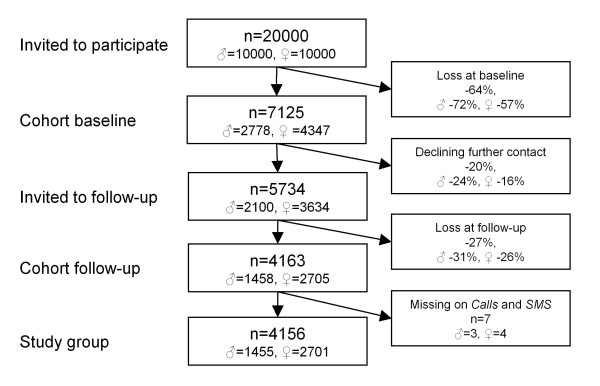
BACKGROUND: Because of the quick development and widespread use of mobile phones, and their vast effect on communication and interactions, it is important to study possible negative health effects of mobile phone exposure. The overall aim of this study was to investigate whether there are associations between psychosocial aspects of mobile phone use and mental health symptoms in a prospective cohort of young adults. METHODS: The study group consisted of young adults 20-24 years old (n = 4156), who responded to a questionnaire at baseline and 1-year follow-up. Mobile phone exposure variables included frequency of use, but also more qualitative variables: demands on availability, perceived stressfulness of accessibility, being awakened at night by the mobile phone, and personal overuse of the mobile phone. Mental health outcomes included current stress, sleep disorders, and symptoms of depression. Prevalence ratios (PRs) were calculated for cross-sectional and prospective associations between exposure variables and mental health outcomes for men and women separately. RESULTS: There were cross-sectional associations between high compared to low mobile phone use and stress, sleep disturbances, and symptoms of depression for the men and women. When excluding respondents reporting mental health symptoms at baseline, high mobile phone use was associated with sleep disturbances and symptoms of depression for the men and symptoms of depression for the women at 1-year follow-up. All qualitative variables had cross-sectional associations with mental health outcomes. In prospective analysis, overuse was associated with stress and sleep disturbances for women, and high accessibility stress was associated with stress, sleep disturbances, and symptoms of depression for both men and women. CONCLUSIONS: High frequency of mobile phone use at baseline was a risk factor for mental health outcomes at 1-year follow-up among the young adults. The risk for reporting mental health symptoms at follow-up was greatest among those who had perceived accessibility via mobile phones to be stressful. Public health prevention strategies focusing on attitudes could include information and advice, helping young adults to set limits for their own and others' accessibility.
Overview
The claims and statistics of this paper haven’t been checked yet.
Free: it reads the open-access text and checks the first 5 claims that cite a source we can check. Create a free account to check every claim.
Integrity signals
Registry
Cites
Statistics
Figures
Verification
Claims the paper makes
The claims and statistics of this paper haven’t been checked yet.
Free: it reads the open-access text and checks the first 5 claims that cite a source we can check. Create a free account to check every claim.
Claims other papers make about this one
Each is checked against this paper’s own text: does it say what the citing paper says it does?
The source backs part of the claim, not all of it — or backs it for a different population, condition or comparison.
In the citing paper
“Several studies indicate that high levels of social media use or screen time may reduce users' amount and quality of sleep.16,17”
From Social Media Use and Its Link to Physical Health Indicators (2022) · cites this paper as [17]
Experimental — accuracy not yet measuredThe source backs part of the claim, not all of it — or backs it for a different population, condition or comparison.
In the citing paper
“The first was focused on the non-smart mobile phone and was mainly due to two factors: the amount of phone bills that the use led to and the high use of text messages.”
From Problematic Use of the Internet and Smartphones in University Students: 2006–2017 (2018) · cites this paper as [6]
Experimental — accuracy not yet measuredThe source backs part of the claim, not all of it — or backs it for a different population, condition or comparison.
In the citing paper
“Previous studies showed the relationships between long phone usage duration and high stress [45] and long and frequent phone usage and severe depressive symptoms [8].”
From Identifying Objective Physiological Markers and Modifiable Behaviors for Self-Reported Stress and Mental Health Status Using Wearable Sensors and Mobile Phones: Observational Study (2018) · cites this paper as [45]
Experimental — accuracy not yet measuredThe source backs part of the claim, not all of it — or backs it for a different population, condition or comparison.
In the citing paper
“late night phone and exercise activities could relate to self-reported stress and mental health [45].”
From Identifying Objective Physiological Markers and Modifiable Behaviors for Self-Reported Stress and Mental Health Status Using Wearable Sensors and Mobile Phones: Observational Study (2018) · cites this paper as [45]
Experimental — accuracy not yet measuredThe cited source says what the claim attributes to it.
In the citing paper
“A questionnaire-based study also showed a relationship between high mobile phone usage, stress, and symptoms of depression [45].”
4 more claims about this paper
Create a free account to see every claim other papers make about this one.
Self-check
Percentages, sums and reported differences re-computed from the paper’s own numbers.
The self-check needs the paper’s full text.
Citations
Cites
Internet Addiction: The Emergence of a New Clinical Disorder
YOUNG, K. S. (1998) · CyberPsychology & Behavior · doi:10.1089/cpb.1998.1.237 · Cited by 5,513 · cited 1×
“Internet addiction has been proposed as a specific psychiatric illness [14]; however, this form of problematic Internet use could also be considered to share elements with impulse control disorders and be related to the specific activities done on the Internet (such as gambling) rather than the Internet per se [15,16].”
Mental health of young people: A global public-health challenge
Patel, V., Flisher, A. J., Hetrick, S., & McGorry, P. (2007) · The Lancet · doi:10.1016/s0140-6736(07)60368-7 · Cited by 3,126 · cited 1×
“Mental health problems have been increasing among young people in Sweden and around the world [1,2].”
Utility of a new procedure for diagnosing mental disorders in primary care. The PRIME-MD 1000 study
Spitzer, R. L. (1994) · JAMA · doi:10.1001/jama.272.22.1749 · Cited by 2,635
Mental health problems and help-seeking behavior among college students
Hunt, J., & Eisenberg, D. (2010) · Journal of Adolescent Health · doi:10.1016/j.jadohealth.2009.08.008 · Cited by 1,949 · cited 1×
“Cultural and social changes in terms of increased materialism and individualism have been discussed in relation to this [3,4], including the possibility of a decreasing stigma about mental illness, improved screening for mental illness, and increased help-seeking behaviors [5].”
Psychosocial work environment and mental health—a meta-analytic review
Stansfeld, S., & Candy, B. (2006) · Scandinavian Journal of Work, Environment & Health · doi:10.5271/sjweh.1050 · Cited by 1,875 · cited 1×
“Social support is a well-known factor that both promotes health and buffers negative effects of psychosocial strain [36,37].”
Utility of a New Procedure for Diagnosing Mental Disorders in Primary Care: The PRIME-MD 1000 Study
Spitzer, R. L. (1994) · JAMA · doi:10.1001/jama.1994.03520220043029 · Cited by 1,873 · cited 3×
“Following the suggested PRIME-MD procedure [29,30], a predictive power of 33% [30] would imply that about 20% of the study group was clinically depressed.”
InfluentialSleep disturbance and psychiatric disorders: A longitudinal epidemiological study of young Adults
Breslau, N., Roth, T., Rosenthal, L., & Andreski, P. (1996) · Biological Psychiatry · doi:10.1016/0006-3223(95)00188-3 · Cited by 1,831 · cited 1×
“For example, in one study of young adults [34], sleep disorders was a predictor of major depression onset with an odds ratio of nearly 4.”
Case-finding instruments for depression: Two questions are as good as many
Whooley, M. A., Avins, A. L., Miranda, J., & Browner, W. S. (1997) · Journal of General Internal Medicine · doi:10.1046/j.1525-1497.1997.00076.x · Cited by 1,826
Psychological Predictors of Problem Mobile Phone Use
Bianchi, A., & Phillips, J. G. (2005) · CyberPsychology & Behavior · doi:10.1089/cpb.2005.8.39 · Cited by 1,514 · cited 1×
“Intensive mobile phone use has been associated with dependency on the mobile phone [14,15], and problematic mobile phone use has been a focus in the literature concerning psychological aspects of mobile phone use, where criteria for substance addiction diagnoses or behavioral addictions [16,17] have been used to defin…”
Pathological Video Game Use Among Youths: A Two-Year Longitudinal Study
Gentile, D. A., Choo, H., Liau, A., Sim, T., Li, D., Fung, D., & Khoo, A. (2011) · Pediatrics · doi:10.1542/peds.2010-1353 · Cited by 1,314 · cited 1×
“In a longitudinal study among youths, pathological gaming predicted higher levels of depression, anxiety, social phobia, and poor school performance [22].”
Research works printed but not linked: 3
- StatisticsSweden: Health and medical care 1980-2005. LE Living conditions. Stockholm. 2006, Sweden, [In Swedish, with parts in English]
- Ekman A, Ahlstrand C, Andrén M, Boström M, Dellve L, Eriksson J, Gustafsson E, Hagberg J, Lindegård A, Thomée S, et al: Ung Vuxen - Basenkät (Young adults - baseline questionnaire) [In Swedish]. Rapport från Arbets- och miljömedicin [Occupational and Environmental Report] No 118. 2008, Occupational and Environmental medicine, Gothenburg University, Gothenburg, Sweden
- Karasek R, Theorell T: Healthy work. 1990, New York: Basic Books
Cited by
Items 301–400 of 1,002
Jin-fu, W., Liu, X., Xu, X., Wang, H., & Yang, G. (2024) · Psychology Research and Behavior Management · doi:10.2147/prbm.s462794 · Cited by 51
“32 On the other end of the spectrum, physical activity is considered a key factor in mitigating individual smartphone addiction.”
BackgroundCain, J. J., & Malcom, D. R. (2019) · American Journal of Pharmaceutical Education · doi:10.5688/ajpe7136 · Cited by 66
Šmotek, M., Fárková, E., Manková, D., & Kopřivová, J. (2020) · Sleep Health · doi:10.1016/j.sleh.2019.11.007 · Cited by 53
Is psychological resilience a protective factor between motivations and excessive smartphone use?
Shen, X. (2020) · Journal of Pacific Rim Psychology · doi:10.1017/prp.2020.10 · Cited by 52
Arora, A., Chakraborty, P., & Bhatia, M. P. S. (2021) · Studies in systems, decision and control · doi:10.1007/978-3-030-67716-9_13 · Cited by 58
Zhang, M. X., Zhou, H., Yang, H. M., & Wu, A. M. S. (2021) · Current Psychology · doi:10.1007/s12144-021-01863-9 · Cited by 53
Dissing, A. S., Andersen, T. O., Nørup, L. N., Clark, A., Nejsum, M., & Rod, N. H. (2021) · Journal of Sleep Research · doi:10.1111/jsr.13356 · Cited by 46
Essel, H. B., Vlachopoulos, D., & Tachie-Menson, A. (2021) · PLoS ONE · doi:10.1371/journal.pone.0252880 · Cited by 58
“Besides, some negative consequences include increased anxiety and interference [24], reduced sense of volitional control [25] and increased psychological burnout [26].”
BackgroundIdentification and prediction of phubbing behavior: a data-driven approach
Rahman, A., Duradoni, M., & Guazzini, A. (2021) · Neural Computing and Applications · doi:10.1007/s00521-021-06649-5 · Cited by 44
“Phubbers appeared to be characterized by higher levels of mobile phone addiction, Internet addiction, social media addiction, mobile game addiction, depression, Social Interaction Anxiety Scale, social withdrawal, and nomophobia [12, 17–22], and experience more distress [19, 23].”
BackgroundKeller, J., Roitzheim, C., Radtke, T., Schenkel, K., & Schwarzer, R. (2021) · JMIR mhealth and uhealth · doi:10.2196/26397 · Cited by 47
“Empirical findings show links of problematic smartphone use with psychopathology, such as depression, anxiety, stress, and sleep disturbances, as well as negative physical consequences, such as forward neck posture and hand dysfunction [4-7].”
Lin, B., Teo, E. W., & Yan, T. (2022) · Psychology Research and Behavior Management · doi:10.2147/prbm.s375395 · Cited by 47
“However, using smartphone excessively might possess certain negative outcomes such as decreased sense of volitional control as well as persistent smartphone activity.(4) The concept and connotation of SA were developed from extensive research on internet addiction.”
BackgroundSmartphone-based social networking sites and intention to quit: self-regulatory perspective
Masood, A., Feng, Y., Rasheed, M. I., Ali, A., & Gong, M. (2021) · Behaviour & Information Technology · doi:10.1080/0144929x.2020.1740787 · Cited by 39
Lu, L., Lok, K.-I., Mei, S. L., Cui, X. L., Li, L., Ng, C. H., Ungvari, G. S., Zhang, J., An, F., & Xiang, Y. (2020) · PeerJ · doi:10.7717/peerj.8859 · Cited by 52
Tao, Y., Tang, Q., Zou, X., Wang, S., Ma, Z., Zhang, L., & Liu, X. (2023) · Computers in Human Behavior · doi:10.1016/j.chb.2023.107920 · Cited by 44
Toward an integrated framework for examining the addictive use of smartphones among young adults
Tan, C. N.-L. (2023) · Asian Journal of Social Health and Behavior · doi:10.4103/shb.shb_206_23 · Cited by 45
“Stress, sleep disturbances, and excessive work demands are suggested by Thomée et al.[28] to be more significant predictors of addictive use, as well as social norms and perceived addiction.”
BackgroundA Comparison of Cervical Flexion, Pain, and Clinical Depression in Frequency of Smartphone Use
Park, J.-H., Kim, K., Kim, N., Choi, I., Lee, S., Tak, S., & Yim, J. (2015) · International Journal of Bio-Science and Bio-Technology · doi:10.14257/ijbsbt.2015.7.3.19 · Cited by 44
“In addition, a high frequency of smartphone use could be a risk factor for symptoms of depression[20]”
BackgroundSciandra, M. R., Inman, J. J., & Stephen, A. T. (2019) · Journal of the Academy of Marketing Science · doi:10.1007/s11747-019-00647-9 · Cited by 47
“2015) and specific health risks associated with mobile phone reliance (Thomée et al. 2011).”
BackgroundLutz, S., Schneider, F. M., & Vorderer, P. (2019) · Computers in Human Behavior · doi:10.1016/j.chb.2019.106216 · Cited by 55
Li, G., Conti, A. A., Qiu, C., & Tang, W. (2022) · BMC Public Health · doi:10.1186/s12889-022-13931-1 · Cited by 48
“’s (2011) longitudinal study revealed an association between high-frequency mobile phone use, sleep disturbances, and depression at a one-year follow-up on 4156 young adults [40].”
BackgroundThe Janus Face of the 'New Ways of Work': Rise, Risks and Regulation of Nomadic WorkPreprint
Popma, J. R. (2014) · SSRN Electronic Journal · doi:10.2139/ssrn.2376713 · Cited by 78
Geng, J., Bao, L., Wang, H., Wang, J., Gao, T., & Lei, L. (2022) · Addictive Behaviors · doi:10.1016/j.addbeh.2022.107250 · Cited by 40
Fekih‐Romdhane, F., Jahrami, H., Away, R., Trabelsi, K., Pandi-Perumal, S. R., Seeman, M. V., Hallit, S. R., & Cheour, M. (2023) · BMC Psychiatry · doi:10.1186/s12888-023-04563-9 · Cited by 56
Chen, C., Shen, Y., Lv, S., Wang, B., & Zhu, Y. (2023) · Frontiers in Psychology · doi:10.3389/fpsyg.2023.1137220 · Cited by 51
Neagu, S. N., & Vieriu, A. M. (2025) · Education Sciences · doi:10.3390/educsci15091192 · Cited by 55
Eyvazlou, M., Zarei, E., Rahimi, A., & Abazari, M. (2016) · Chronobiology International · doi:10.3109/07420528.2015.1135933 · Cited by 38
“Sleep disturbance can be one of the consequences of excessive use of mobile phones (Thomée et al., 2011).”
BackgroundKhoury, J. M., das Neves, M. D. C. L., Roque, M. A. V., de Freitas, A. A. C., da Costa, M. R., & Garcia, F. D. (2019) · Trends in Psychiatry and Psychotherapy · doi:10.1590/2237-6089-2018-0069 · Cited by 46
Bitar, Z., Hallit, S. R., Khansa, W., & Obeïd, S. (2021) · BMC Psychology · doi:10.1186/s40359-021-00594-7 · Cited by 43
“Similar results were found in many previous studies where smartphone addiction and Internet addiction were found associated with higher depression [19, 20, 52].”
BackgroundResultPsychological factors and alcohol use in problematic mobile phone use in the Spanish population
De-Sola, J., Talledo, H., Rubio, G., & de Fonseca, F. R. (2017) · Frontiers in Psychiatry · doi:10.3389/fpsyt.2017.00011 · Cited by 39
Tao, S., Wu, X., Zhang, S., Tong, S., Hao, J., & Tao, F. (2017) · Journal of Public Health · doi:10.1007/s10389-016-0766-z · Cited by 39
“Additionally, a prospective cohort study found that PMPU was related to sleep disturbances and depression among men, and depression among women at 1-year followup (Thomée et al. 2011)—evidently, the psychosocial influence of PMPU is common and serious.”
BackgroundAttention deficit hyperactivity symptoms predict problematic mobile phone use
Panagiotidi, M., & Overton, P. (2022) · Current Psychology · doi:10.1007/s12144-020-00785-2 · Cited by 38
Cyber-Syndrome and its Formation, Classification, Recovery and Prevention
Ning, H., Dhelim, S., Bouras, M. A., Khelloufi, A., & Ullah, A. (2018) · IEEE Access · doi:10.1109/access.2018.2848286 · Cited by 36
“However, some studies have proved the relation between excessive interaction with the cyberspace and depression symptoms, especially smartphones [49], [50], that is because the overuse of smartphone helps people to avoid social activities and isolate themselves, which will make them more susceptible to stress.”
BackgroundKim, H., Cho, M., Ko, H., Yoo, J. E., & Song, Y. (2020) · Korean Journal of Family Medicine · doi:10.4082/kjfm.18.0108 · Cited by 46
A Marketing Approach to a Psychological Problem: Problematic Smartphone Use on Adolescents
Ertemel, A. V., & Arı, E. (2020) · International Journal of Environmental Research and Public Health · doi:10.3390/ijerph17072471 · Cited by 43
“Among those problems pointed in the literature are their negative effect in interpersonal relations, [12], personal health [13] well-being [14,15], including decreased academic performance and decreased physical activity [16] as well as depression symptoms [17].”
BackgroundYılbaş, B., & Karadeniz, P. G. (2022) · ALPHA PSYCHIATRY · doi:10.5152/alphapsychiatry.2022.21656 · Cited by 41
Digital Strategies for Screen Time Reduction: A Randomized Field Experiment
Zimmermann, L., & Sobolev, M. (2023) · Cyberpsychology, Behavior, and Social Networking · doi:10.1089/cyber.2022.0027 · Cited by 37
“36 41 Thus, another goal of this study was to investigate whether reducing mobile usage benefits well-being and performance.”
Murdock, K. K., Gorman, S., & Robbins, M. (2015) · Journal of Adolescence · doi:10.1016/j.adolescence.2014.10.010 · Cited by 37
The Effectiveness of Hypnotherapy in Reducing Stress Levels
Alizamar, A., Ifdil, I., Fadli, R. P., Erwinda, L., Zola, N., Churnia, E., Bariyyah, K., Refnadi, R., & Rangka, I. B. (2018) · Addictive Disorders & Their Treatment · doi:10.1097/adt.0000000000000140 · Cited by 31
Assessment of gadgets addiction and its impact on health among undergraduates
Kumar, A. K., & Sherkhane, M. S. (2018) · International Journal of Community Medicine and Public Health · doi:10.18203/2394-6040.ijcmph20183109 · Cited by 37
“It was in consistence with a study done in Sweden, where frequent smart-phone phone use was associated with sleep disturbances and symptoms of depression were experienced by both men and women.(15) This shows that lack of rest to the body leads to exhaustion and directly decreases the quality of performing activities.”
ResultSmartphone Addiction, Sleep Quality and Mechanism
Moattari, M., Moattari, F., Kaka, G., Mohseni, K. H., Sadraie, S. H., & Majid, N. (2018) · International Journal of Cognition and Behaviour · doi:10.23937/ijcb-2017/1710002 · Cited by 58
Breaking out from constant connectivity: Agentic regulation of smartphone use
Russo, M., Ollier‐Malaterre, A., & Morandin, G. (2019) · Computers in Human Behavior · doi:10.1016/j.chb.2019.03.038 · Cited by 48
Tsarna, E., Reedijk, M., Birks, L. E., Guxens, M., Ballester, F., Ha, M., Jiménez-Zabala, A., Kheifets, L., Lertxundi, A., Lim, H., et al. (2019) · American Journal of Epidemiology · doi:10.1093/aje/kwz092 · Cited by 40
Chen, C., Zhang, K. Z. K., Gong, X., Lee, M., & Wang, Y. (2019) · Information Systems Journal · doi:10.1111/isj.12264 · Cited by 46
“Studies have suggested that it can lead to health problems (Thomée et al., 2011), social anxiety (Lo et al., 2005), cognitive distortion (Li & Wang, 2013), poor academic performance (Leung & Lee, 2012) and many other serious consequences.”
BackgroundHe, D., Shen, X., & Liu, Q.-Q. (2020) · Children and Youth Services Review · doi:10.1016/j.childyouth.2020.105232 · Cited by 36
Phubber’s Emotional Activations: The Association between PANAS and Phubbing Behavior
Guazzini, A., Raimondi, T., Biagini, B., Bagnoli, F., & Duradoni, M. (2021) · Future Internet · doi:10.3390/fi13120311 · Cited by 46
Yang, M., Sheng, X., Ge, M., Zhang, L., Huang, C., Cui, S., Yuan, Q., Ye, M., Zhou, R., Cao, P., et al. (2022) · BMC Psychiatry · doi:10.1186/s12888-022-04384-2 · Cited by 42
“At the same time, excessive use of the Internet can interfere with teenagers’ physical and mental health, leading to psychological problems [35, 36].”
BackgroundBoström, M., Sluiter, J. K., & Hagberg, M. (2012) · BMC Public Health · doi:10.1186/1471-2458-12-694 · Cited by 37
“This procedure has been described in detail [18].”
Self-citationChoudhary, S., Thomas, N., Ellenberger, J., Srinivasan, G., & Cohen, R. (2022) · JMIR Formative Research · doi:10.2196/37736 · Cited by 46
“Another study found that high mobile phone use was associated with symptoms of depression in men and women at 1-year follow-up compared with people with low phone use [50].”
BackgroundWu, J., Zhang, B., Zhou, S., Huang, Z., Xu, Y., Lu, X., Zheng, X., & Ouyang, D. (2023) · Frontiers in Microbiology · doi:10.3389/fmicb.2023.1236847 · Cited by 46
Qirtas, M. M., Zafeiridi, E., White, E. B., & Pesch, D. (2023) · Digital Health · doi:10.1177/20552076231211104 · Cited by 47
“29 Additionally, low sleep, low activity duration and low social interaction have been found to exacerbate loneliness and depression.”
BackgroundSiebers, T., Beyens, I., Baumgartner, S. E., & Valkenburg, P. M. (2024) · Communication Research · doi:10.1177/00936502241276793 · Cited by 51
“…that smartphone apps may increase social demands during the day (e.g., availability expectations, fear of missing out), and digital stress (Freytag et al., 2021; Hefner & Vorderer, 2016; Steele et al., 2020), which may, in turn, lead to poor sleep quality (Thomée et al., 2011; Yao & Wang, 2022).”
Nguyen, C. T. T., Yang, H.-J., Lee, G. T., Nguyen, L. T. K., & Kuo, S. (2021) · Journal of Pediatric Nursing · doi:10.1016/j.pedn.2021.07.019 · Cited by 41
Zhou, D., Liu, J., Wang, T., Liu, J., & Li, G. (2021) · Computers in Human Behavior · doi:10.1016/j.chb.2021.107171 · Cited by 40
Göldağ, B. (2022) · Journal of Learning and Teaching in Digital Age · doi:10.53850/joltida.958039 · Cited by 51
“Again, Thomée, Härenstam, and Hagberg (2011) have carried out a study with 4156 young adults (20-24) in Sweden with 1-year follow-up and concluded that there is a correlation between stress, sleep disturbance and depression, and excessive cell phone use.”
BackgroundNaser, A. Y., Alwafi, H. H., Itani, R., Alzayani, S., Qadus, S., Al‐Rousan, R. M., Abdelwahab, G. M., Dahmash, E. Z., AlQatawneh, A., Khojah, H. M. J., et al. (2023) · BMC Psychiatry · doi:10.1186/s12888-023-05049-4 · Cited by 62
Vagka, E., Gnardellis, C., Lagiou, A., & Notara, V. (2024) · International Journal of Environmental Research and Public Health · doi:10.3390/ijerph21070920 · Cited by 52
“…or emails, accessing social networks, and internet browsing, has been associated with adverse effects on various aspects of well-being, which encompass disruptions in sleep patterns, high levels of stress and anxiety, decreased levels of physical activity and diminished academic performance [12].”
BackgroundWang, Y., Matz-Costa, C. J., Miller, J. B., Carr, D. C., & Kohlbacher, F. (2018) · Innovation in Aging · doi:10.1093/geroni/igy027 · Cited by 46
Akyol, N. A., Ergin, D. A., Krettmann, A. K., & Essau, C. A. (2021) · Addictive Behaviors Reports · doi:10.1016/j.abrep.2021.100384 · Cited by 45
“…for this were related to more two-income families with fewer children, higher divorce rate where separated parents feeling emotionally obligated to give their children more material possessions, and the need of young people to strive towards “fitting in” or “being cool” (Torlak et al., 2011).”
BackgroundEvaluation of ‘Right to Disconnect’ Legislation and Its Impact on Employee’s Productivity
Pansu, L. (2018) · International Journal Of Management and Applied Research · doi:10.18646/2056.52.18-008 · Cited by 58
“Thomée et al (2011) remind that the action of constantly checking or using smartphones and other digital devices has been linked with a higher level of stress, anxiety, sleep disorders and overall deterioration of well-being.”
BackgroundResultChu, Y., Oh, Y., Gwon, M., Hwang, S., Jeong, H., Kim, H., Kim, K., & Kim, Y. H. (2022) · Journal of Clinical Sleep Medicine · doi:10.5664/jcsm.10392 · Cited by 47
Chang, C.-W., Chen, J., Huang, S.-W., Potenza, M. N., Su, J.-A., Chang, K., Pakpour, A. H., & Lin, C. (2023) · Addictive Behaviors · doi:10.1016/j.addbeh.2023.107807 · Cited by 38
Compulsive Cell Phone Use and History of Motor Vehicle Crash
O'Connor, S. S., Whitehill, J. M., King, K. M., Kernic, M. A., Boyle, L. N., Bresnahan, B. W., Mack, C. D., & Ebel, B. E. (2013) · Journal of Adolescent Health · doi:10.1016/j.jadohealth.2013.05.015 · Cited by 34
“Findings suggest that depression [21], impulsivity [22], extroversion [23], and low self-esteem [18] are associated with problematic or excessive cell phone use.”
Leisure time computer use and overweight development in young adults – a prospective study
Thomée, S., Lissner, L., Hagberg, M., & Grimby‐Ekman, A. (2015) · BMC Public Health · doi:10.1186/s12889-015-2131-5 · Cited by 43
Self-citationPearson, A. L., Mack, E., & Namanya, J. (2017) · PLOS ONE · doi:10.1371/journal.pone.0169819 · Cited by 35
Khoury, J. M., Couto, L. F. S. C., Santos, D. D. A., Silva, V. H. D. O. E., Drumond, J. P. S., Silva, L. L. D. C. E., Malloy‐Diniz, L. F., Albuquerque, M. R., das Neves, M. D. C. L., & Garcia, F. D. (2019) · Frontiers in Psychiatry · doi:10.3389/fpsyt.2019.00073 · Cited by 50
“Smartphone Addiction (SA) is a new construct that has been associated with morbidity, such as reduction in academic and labor performances (1–9), sleep disorders (10, 11), impairments in interpersonal relationships (12–14), and an increased risk for in traffic accidents (12–14).”
BackgroundBal, E., & Balcı, Ş. (2020) · Erciyes İletişim Dergisi · doi:10.17680/erciyesiletisim.654569 · Cited by 45
Nomophobia: A rising concern among Indian students
Kumar, R. S., Kumari, S., Bharti, P., & Sharma, D. (2021) · Industrial Psychiatry Journal · doi:10.4103/ipj.ipj_134_21 · Cited by 62
“A study [17] indicated that long time exposure of phones per day cause headache, muscle stiffness, sleep disturbances, [18] memory changes, dizziness, depressive symptoms, difficulties in concentration, cramps, and pain in their back and neck.”
Problem mobile gaming: The role of mobile gaming habits, context, and platform
Syvertsen, A., Ortiz de Gortari, A. B., King, D. L., & Pallesen, S. (2022) · Nordic Studies on Alcohol and Drugs · doi:10.1177/14550725221083189 · Cited by 33
“Mobile phone gaming may distract from or otherwise interfere with normal activities, including driving (Lipovac et al., 2017), sleep (Demirci et al., 2015; Thomée et al., 2011), and academic pursuits (Kates et al., 2018).”
BackgroundGeneration WhatsApp: inter-brain synchrony during face-to-face and texting communication
Schwartz, L., Lévy, J., Hayut, O., Netzer, O., Endevelt–Shapira, Y., & Feldman, R. (2024) · Scientific Reports · doi:10.1038/s41598-024-52587-2 · Cited by 38
Investigation of a Preliminary Mixed Method of Phubbing and Social Connectedness in Adolescents.
Ang, C., Teo, K.-M., Ong, Y.-L., & Siak, S.-L. (2019) · PubMed Central · doi:10.22122/ahj.v11i1.539 · Cited by 62
Lim, P. K., Nordin, A. S. A., Yee, A. H. A., & Tan, S. B. (2020) · International Journal of Mental Health and Addiction · doi:10.1007/s11469-019-00203-0 · Cited by 43
Ayandele, O., Popoola, O., & Oladiji, T. O. (2020) · Journal of Health Research · doi:10.1108/jhr-10-2019-0225 · Cited by 42
“Similarly, a one-year investigation into mobile phone use among 4159 young adults in Sweden revealed that frequent mobile phone use was a risk factor for depressive symptoms [26].”
BackgroundAutonomy and Manipulation: Refining the Argument Against Persuasive Advertising
Aylsworth, T. (2020) · Journal of Business Ethics · doi:10.1007/s10551-020-04590-6 · Cited by 41
Dissing, A. S., Andersen, T. O., Jensen, A. K., Lund, R., & Rod, N. H. (2022) · Scientific Reports · doi:10.1038/s41598-022-10116-z · Cited by 44
Gilbert, A., Baumgartner, S. E., & Reinecke, L. (2023) · Mobile Media & Communication · doi:10.1177/20501579221138017 · Cited by 33
AwareMe: Addressing Fear of Public Speech through Awareness
Bubel, M., Jiang, R., Lee, C. H., Shi, W., & Tse, A. (2016) · CHI Conference Extended Abstracts on Human Factors in Computing Systems (CHI EA) · doi:10.1145/2851581.2890633 · Cited by 37
Chen, L. A., Wu, C., Lee, M., & Yang, L.-T. (2020) · Journal of the Formosan Medical Association · doi:10.1016/j.jfma.2020.01.012 · Cited by 35
Rahmi, K. H., Fahrudin, A., Supriyadi, T., Herlina, E., Rosilawati, R., & Ningrum, S. R. (2025) · Multidisciplinary Reviews · doi:10.31893/multirev.2025380 · Cited by 48
Mobile recovery? The impact of smartphone use on recovery experiences in waiting situations
Rieger, D., Hefner, D., & Vorderer, P. (2017) · Mobile Media & Communication · doi:10.1177/2050157917691556 · Cited by 39
“…of Internet access and its accompanying digital communication can provoke a connection overload and, therefore, contribute to stress and a decline in academic performance and sleep quality (Hefner & Vorderer, 2016; Klein Murdock, 2013; LaRose et al., 2014; Lepp et al., 2014; Thomée et al., 2011).”
BackgroundResultAkowuah, P. K., Nti, A. N., Ankamah‐Lomotey, S., Frimpong, A. A., Fummey, J., Boadi, P., Osei-Poku, K., & Adjei‐Anang, J. (2021) · Advances in Public Health · doi:10.1155/2021/6611348 · Cited by 32
Arora, A., Chakraborty, P., & Bhatia, M. P. S. (2021) · Arabian Journal for Science and Engineering · doi:10.1007/s13369-021-06078-5 · Cited by 38
“Excessive use of smartphones during the day, increase the likelihood of a sleeping disorder, stress, anxiety [23] leading to feeling of less physically active after experiencing these symptoms.”
BackgroundJahagirdar, V., Rama, K., Soppari, P., & Kumar, M. V. (2021) · Journal of Addiction · doi:10.1155/2021/8750650 · Cited by 32
“increased stress, sleep disturbances, and depression [5, 6].”
BackgroundThe use of cell phone and insight into its potential human health impacts
Kim, K., Kabir, E., & Jahan, S. A. (2016) · Environmental Monitoring and Assessment · doi:10.1007/s10661-016-5227-1 · Cited by 38
Comparison of students with and without problematic smartphone use in light of attachment style
Eichenberg, C., Schott, M., & Schroiff, A. (2019) · Frontiers in Psychiatry · doi:10.3389/fpsyt.2019.00681 · Cited by 31
“Regarding mental health, recent studies showed a connection between increased smartphone use and sleep disturbances (17) and problems with interpersonal relationships (18).”
BackgroundNighttime smartphone use, sleep quality, and mental health: investigating a complex relationship
Andersen, T. O., Sejling, C., Jensen, A. K., Drews, H. J., Ritz, B. R., Varga, T. V., & Rod, N. H. (2023) · SLEEP · doi:10.1093/sleep/zsad256 · Cited by 35
Wang, Q., Chen, Y., & Li, L. (2024) · Frontiers in Psychology · doi:10.3389/fpsyg.2024.1417379 · Cited by 37
Lian, L. (2017) · International Journal of Mental Health and Addiction · doi:10.1007/s11469-017-9842-z · Cited by 37
“Thus, recent research reports that uncontrolled smartphone use can cause sleep disturbances, work intrusion, depression, anxiety, loneliness, dangerous behaviours (e.g. phone use while driving) and pathological symptoms (Thomée et al. 2011).”
BackgroundState anxiety moderates the association between motivations and excessive smartphone use
Shen, X., Wang, H., Rost, D. H., Gaskin, J. E., & Wang, J. (2019) · Current Psychology · doi:10.1007/s12144-019-0127-5 · Cited by 33
Miranda, N. D., & Extremera, N. (2020) · KNOW AND SHARE PSYCHOLOGY · doi:10.25115/kasp.v1i2.3195 · Cited by 59
The effect of gadget on speech development of toddlers
Nugraha, A., Izah, N., Hidayah, S. N., Zulfiana, E., & Qudriani, M. (2019) · Journal of Physics Conference Series · doi:10.1088/1742-6596/1175/1/012203 · Cited by 31
The Influence of Mobile Phone Addiction on Academic Performance Among Teenagers
Universiti Teknologi, M. A. R. A., Rashid, J. A., Aziz, A. A., Universiti Teknologi, M. A. R. A., Rahman, A. A., Home Affair Ministry, M., Saaid, S. A., Universiti Teknologi, M. A. R. A., Ahmad, Z., & Universiti Teknologi, M. A. R. A. (2020) · Jurnal Komunikasi Malaysian Journal of Communication · doi:10.17576/jkmjc-2020-3603-25 · Cited by 44
“Mobile phone addiction can cause stress, sleep disturbances and symptoms of depression which can lead to mental health outcomes (Thomée et al., 2011).”
BackgroundAchdut, N., Refaeli, T., & Tayri, T. M. S. (2021) · Social Indicators Research · doi:10.1007/s11205-021-02729-0 · Cited by 39
Wickord, L.-C., & Quaiser-Pohl, C. M. (2022) · Behavioral Sciences · doi:10.3390/bs12020020 · Cited by 38
Moqbel, M., Nevo, S., & Nah, F. F. (2022) · Internet Research · doi:10.1108/intr-01-2021-0003 · Cited by 35
Hashemi, S., Ghazanfari, F., Ebrahimzadeh, F., Ghavi, S., & Badrizadeh, A. (2022) · BMC Psychiatry · doi:10.1186/s12888-022-04419-8 · Cited by 42
“Physical reactions such as headache or the sensation of heat caused by prolonged use of a cell phone can also be stressful and lead to concerns about the potential dangers of using electromagnetic devices [20].”
BackgroundEmerging Adults’ Text Message Use and Sleep Characteristics: A Multimethod, Naturalistic Study
Murdock, K. K., Horissian, M., & Crichlow-Ball, C. (2017) · Behavioral Sleep Medicine · doi:10.1080/15402002.2015.1120203 · Cited by 31
Cellular telephone use during free-living walking significantly reduces average walking speed
Barkley, J. E., & Lepp, A. (2016) · BMC Research Notes · doi:10.1186/s13104-016-2001-y · Cited by 37
“) [2, 3].”
BackgroundBarber, L. K., & Cucalon, M. S. (2017) · Stress and Health · doi:10.1002/smi.2746 · Cited by 39
Adamczewska, K., Dudzic, K., Chmiela, T., & Gorzkowska, A. (2022) · International Journal of Environmental Research and Public Health · doi:10.3390/ijerph19095152 · Cited by 42
“A growing number of studies indicate that smartphone abuse is associated with additional stress, sleep disturbances, lowered mood, and depression [6].”
BackgroundThe relationship of smartphone addiction with depression, anxiety, and stress among medical students
Sarhan, A. L. (2024) · SAGE Open Medicine · doi:10.1177/20503121241227367 · Cited by 41
“25,26 34 An international issue is the high frequency of anxiety disorders among college students.”
BackgroundRodman, A. M., Burns, J. A., Cotter, G., Ohashi, Y.-G. B., Rich, R. K., & McLaughlin, K. A. (2024) · Affective Science · doi:10.1007/s42761-024-00247-z · Cited by 42
Metadata
- Authors
- Thomée, S., Härenstam, A., & Hagberg, M.
- Affiliations
- University of Gothenburg (SE)
- Corresponding author
- Thomée, Sara
- Venue
- BMC Public Health
- Published
- 2011-01-31
- Volume
- 11
- Issue
- 1
- Pages
- 66-66
- ISSN
- 1471-2458 (ISSN-L)
- PMC
- PMC3042390
- OpenAlex
- W2117971251
- Cited by
- 1,269
- References
- 66
- Citations by year
- 2026: 54 · 2025: 76 · 2024: 103 · 2023: 111 · 2022: 133 · 2021: 126 · 2020: 151 · 2019: 105 · 2018: 119 · 2017: 79 · 2016: 79 · 2015: 49 · 2014: 34 · 2013: 34 · 2012: 13
- FWCI
- 88.28
- Type
- journal article
- Language
- en
- Open access
- gold
- doi.org
- Licence
- cc-by
- creativecommons.org/licenses/by/2.0 (tdm)
- Locations
- BMC Public Health (publishedVersion, cc-by)
- PubMed Central (publishedVersion, cc-by)
- PubMed (publishedVersion)
- Gothenburg University Publications Electronic Archive (Gothenburg University) (acceptedVersion)
- DOAJ (DOAJ: Directory of Open Access Journals) (submittedVersion)
- Funders
- Forskningsrådet för Arbetsliv och Socialvetenskap
- Topics
- Social Sciences › Sociology and Political Science › Impact of Technology on Adolescents
- Social Sciences › Psychology › Social Psychology › Technostress in Professional Settings
- Social Sciences › Education › Child Development and Digital Technology
- Keywords
- mobile phone use, mental health, stress, sleep disorders, depressive symptoms, young adults, mobile phone overuse, sex differences, mobile phone exposure
- MeSH terms
- Cross-Sectional Studies, Depression, Female, Humans, Male, Prospective Studies, Surveys and Questionnaires, Risk Factors, Sleep Wake Disorders, Stress, Psychological, Sweden, Cohort Studies, Cell Phone, Young Adult
About these checks
Registry, retraction, Cites and statistics results are computed, not judged, with one exception: a printed reference that no index lists is read once by a model before it counts as a citation error. Claims are extracted by a model and kept only when their quote appears verbatim in the text; each cited source is then checked, with a model’s help, for whether it says what the claim relies on. Those verdicts can be wrong — read the claim’s quote and the cited source before relying on one.
Statistics and arithmetic are recomputed, not judged.
Confidence bands are shown only for fields calibrated on our annotated test set. None is calibrated yet, so no band is shown.
What counts as a claim ›How we measure confidence ›How we check this ›
Are you an author, or do you see a problem with this page? Request a review
Data sources
Bibliographic data: Semantic Scholar, OpenAlex, Crossref.
Contains information from the Semantic Scholar Academic Graph Datasets, made available under the ODC Attribution License (ODC-BY 1.0).
Semantic Scholar’s data is described in: Kinney, R., et al. (2023). The Semantic Scholar Open Data Platform. arXiv:2301.10140.
