

Rethinking the patient: using Burden of Treatment Theory to understand the changing dynamics of illness
Open accessThe DOI matches its Crossref record; 77 of the 77 references it cites were found in a registry or an index.
Abstract
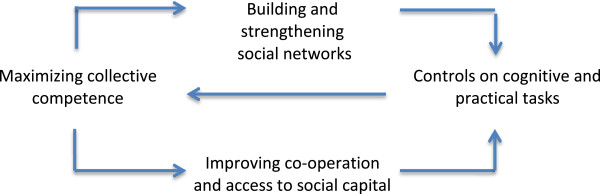
BACKGROUND: In this article we outline Burden of Treatment Theory, a new model of the relationship between sick people, their social networks, and healthcare services. Health services face the challenge of growing populations with long-term and life-limiting conditions, they have responded to this by delegating to sick people and their networks routine work aimed at managing symptoms, and at retarding - and sometimes preventing - disease progression. This is the new proactive work of patient-hood for which patients are increasingly accountable: founded on ideas about self-care, self-empowerment, and self-actualization, and on new technologies and treatment modalities which can be shifted from the clinic into the community. These place new demands on sick people, which they may experience as burdens of treatment. DISCUSSION: As the burdens accumulate some patients are overwhelmed, and the consequences are likely to be poor healthcare outcomes for individual patients, increasing strain on caregivers, and rising demand and costs of healthcare services. In the face of these challenges we need to better understand the resources that patients draw upon as they respond to the demands of both burdens of illness and burdens of treatment, and the ways that resources interact with healthcare utilization. SUMMARY: Burden of Treatment Theory is oriented to understanding how capacity for action interacts with the work that stems from healthcare. Burden of Treatment Theory is a structural model that focuses on the work that patients and their networks do. It thus helps us understand variations in healthcare utilization and adherence in different healthcare settings and clinical contexts.
Overview
The claims and statistics of this paper haven’t been checked yet.
Free: it reads the open-access text and checks the first 5 claims that cite a source we can check. Create a free account to check every claim.
Integrity signals
Registry
Cites
Statistics
Figures
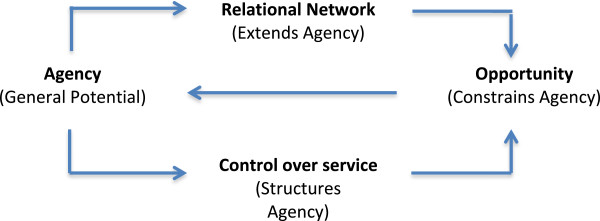
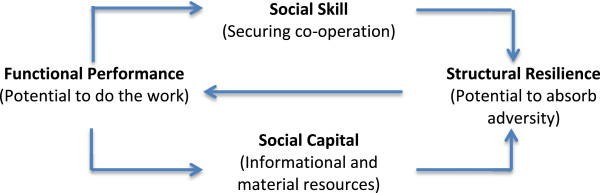
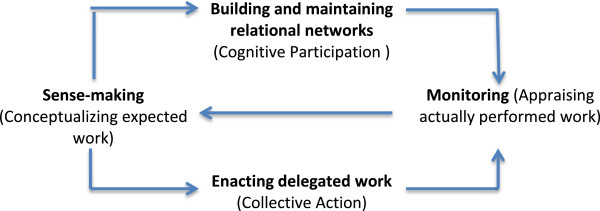
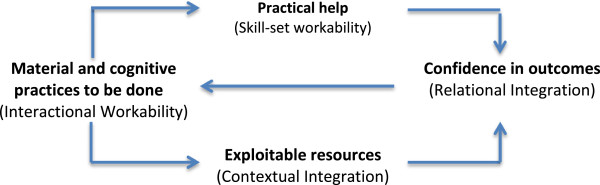
Verification
Claims the paper makes
The claims and statistics of this paper haven’t been checked yet.
Free: it reads the open-access text and checks the first 5 claims that cite a source we can check. Create a free account to check every claim.
Claims other papers make about this one
Each is checked against this paper’s own text: does it say what the citing paper says it does?
The cited source says what the claim attributes to it.
In the citing paper
“Burden of treatment also includes the effort needed from the patient to access services (31, 93), which technologies (especially e-consultations) could potentially alleviate.”
From Planning and Evaluating Remote Consultation Services: A New Conceptual Framework Incorporating Complexity and Practical Ethics (2021) · cites this paper as [93]
The cited source says what the claim attributes to it.
In the citing paper
“NPT both can be, and is, applied to those groups.”
From Using Normalization Process Theory in feasibility studies and process evaluations of complex healthcare interventions: a systematic review (2018) · cites this paper as [215]
The cited source says what the claim attributes to it.
In the citing paper
“But as May et al have pointed out in their burden of treatment theory, shifting the work of care from clinic to community places new demands on the sick (and hence raises ethical questions) [75].”
In the citing paper
“A related concept is what May et al. (93) have called burden of treatment—the additional burden placed on the patient when they are asked to “self-manage” —with the sickest and most vulnerable carrying the greatest burden.”
From Planning and Evaluating Remote Consultation Services: A New Conceptual Framework Incorporating Complexity and Practical Ethics (2021) · cites this paper as [93]
In the citing paper
“Work by Kennedy et al. [57] and Gallagher et al. [58], for example, applies NPT to situations in the home and outside of formal healthcare organisations, where ‘contexts’ are not so much organisational as organising and are distributed across informal social networks [59, 60].”
From Implementation, context and complexity (2016) · cites this paper as [59]
Self-check
Percentages, sums and reported differences re-computed from the paper’s own numbers.
The self-check needs the paper’s full text.
Citations
Cites
Granovetter, M. S. (1973) · American Journal of Sociology · doi:10.1086/225469 · Cited by 40,491 · cited 2×
“Following Granovetter [48], this is about the extent to which they can add useful relationships – characterized by weak ties between members – to the core of strong ties through which expectations or obligations of actual material and effective exchange are played out.”
BackgroundSocial Capital: Its Origins and Applications in Modern Sociology
Portes, A. (1998) · Annual Review of Sociology · doi:10.1146/annurev.soc.24.1.1 · Cited by 12,037 · cited 1×
“While functional performance and social skill describe the capacity of a patient and relational network to mobilize themselves and others to utilize healthcare services, access to social capital [47] is also crucial.”
Background(1951) · Cited by 8,693
Barnett, K., Mercer, S. W., Norbury, M., Watt, G., Wyke, S., & Guthrie, B. (2012) · The Lancet · doi:10.1016/s0140-6736(12)60240-2 · Cited by 6,972 · cited 1×
“Unsupported individuals who are isolated from meaningful social networks are not uncommon, especially amongst older people where relational networks are unstable and may diminish towards the end of life [5] but most patients have some kind of mutually supportive social relationships.”
BackgroundOrganizing and the process of sensemaking
Weick, K. E., Sutcliffe, K. M., & Obstfeld, D. (2005) · Organization Science · doi:10.1287/orsc.1050.0133 · Cited by 6,943
Chronic illness as biographical disruption
Bury, M. (1982) · Sociology of Health & Illness · doi:10.1111/1467-9566.ep11339939 · Cited by 3,960 · cited 1×
“By this we mean the extent to which members of the patient’s extended network can capture, possess, and mobilize psychological and social resources to absorb and compensate for – and even thrive – in the face of biographical disruptions [51], adverse path0physiological events and social processes.”
BackgroundImplementing, Embedding, and Integrating Practices: An Outline of Normalization Process Theory
May, C., & Finch, T. (2009) · Sociology · doi:10.1177/0038038509103208 · Cited by 2,115
Self-citationSocial Skill and the Theory of Fields
Fligstein, N. (2001) · Sociological Theory · doi:10.1111/0735-2751.00132 · Cited by 1,624
Development of a theory of implementation and integration: Normalization Process Theory
May, C. R., Mair, F., Finch, T., MacFarlane, A., Dowrick, C., Treweek, S., Rapley, T., Ballini, L., Ong, B. N., Rogers, A., et al. (2009) · Implementation Science · doi:10.1186/1748-5908-4-29 · Cited by 1,409
Self-citationBiocapital: The Constitution of Postgenomic Life
Sunder Rajan, K. (2006) · Duke University Press eBooks · doi:10.1215/9780822388005 · Cited by 1,067
Cited by
Items 401–500 of 737
Smith, S. K., Pryce, H., Burns-O’Connell, G., Knibb, R. C., & Greenwood, R. (2025) · Health Expectations · doi:10.1111/hex.70225 · Cited by 6
“…informational, material and financial resources), functional performance (possessing the cognitive capacity to complete the work) and structural resilience (the extent to which a patient's social network can help them cope through the mobilisation of psychological and social resources) [11 – 13].”
Wilson, E., Palmer, J., Kaltsakas, G., Lee, J.-S., & Faull, C. (2025) · Palliative Medicine · doi:10.1177/02692163251327866 · Cited by 5
“9,15 Liu et al. 16 define family caregiver burden as ‘the level of multifaceted strain perceived by the caregiver from caring for a family member and/or loved one over time’.”
Institutionalising emergent organisation in health and social care
Allen, D. A. (2019) · Journal of Health Organization and Management · doi:10.1108/jhom-10-2018-0275 · Cited by 9
Jones, G. L., Williams, K., Edmondson-Jones, M., Prevot, J., Drabwell, J., Solís, L., Shrimpton, A., & Mahlaoui, N. (2020) · Patient Preference and Adherence · doi:10.2147/ppa.s234669 · Cited by 6
Mikkonen, U., Voutilainen, A., Mikola, T., Roponen, J., Rajapolvi, S., Lehto, S. M., Ruusunen, A. A., & Mäntyselkä, P. T. (2023) · Preventive Medicine Reports · doi:10.1016/j.pmedr.2023.102431 · Cited by 10
Cupit, C., Finlay, T. M. D., & Pope, C. J. (2025) · Sociology of Health & Illness · doi:10.1111/1467-9566.70008 · Cited by 7
Vincent, C. A., & Amalberti, R. (2016) · Springer eBooks · doi:10.1007/978-3-319-25559-0_6 · Cited by 7
Durme, T. V., Schmitz, O., Cès, S., Lambert, A.-S., Billings, J. R., Anthierens, S., Lopez-Hartmann, M., Remmen, R., Mello, J. D. A., Declercq, A., et al. (2016) · Open Journal of Nursing · doi:10.4236/ojn.2016.610085 · Cited by 8
Saharan, A., Balachander, M., & Sparke, M. B. (2021) · Social Work in Health Care · doi:10.1080/00981389.2021.1986457 · Cited by 6
“Within analyses of interactions between healthcare systems and patients, scholars have noted that more neoliberal systems increasingly place the burdens of disease management onto patients directly (May et al., 2014).”
BackgroundHome care nursing practice for older persons with heart failure living at home
Björnsdóttir, K., & Ceci, C. (2022) · Journal of Clinical Nursing · doi:10.1111/jocn.16575 · Cited by 8
Morken, I. M., Wathne, H. B., Karlsen, B., Storm, M., Nordfonn, O. K., Gjeilo, K. H., Urstad, K. H., Søreide, J. A., & Husebø, A. M. L. (2023) · BMJ Open · doi:10.1136/bmjopen-2022-069599 · Cited by 6
Do We Have a Clue: The Treatment Burden for the Patient With Cancer?
Given, B. A., Given, C. W., Vachon, E. A., & Hershey, D. S. (2016) · Cancer Nursing · doi:10.1097/ncc.0000000000000408 · Cited by 5
Andersen, H. E., Hoeck, B., Nielsen, D. S., Ryg, J., & Delmar, C. (2020) · Nordic journal of nursing research · doi:10.1177/2057158520966754 · Cited by 5
Hounkpatin, H. O., Roderick, P. J., Morris, J., Harris, S., Watson, F., Dambha‐Miller, H., Roberts, H. C., Walsh, B. M., Smith, D. M., Fraser, S. D., et al. (2021) · PLoS ONE · doi:10.1371/journal.pone.0260228 · Cited by 5
“For those with greater clinical complexity and fewer available resources, total workload of a treatment regimen might represent a substantial burden, outweighing patient ‘capacity’ (ability to manage workload conferred by both treatment and the demands of everyday life) and risk treatment failure [7].”
BackgroundJackes, A., Malfesi, M., Curnow, E., Tyagi, V., & Bulley, C. (2022) · Women · doi:10.3390/women2020017 · Cited by 6
“One critique of this method is that data are analyzed though the cultural, political, and social lens of the time and therefore could be misinterpreted with changing norms [36].”
BackgroundMethodInfluentialLayton, N. A., LALOR, A. F., Slatyer, S., Lee, D. A., Bryant, C., Watson, M., Khushu, A., Burton, E., Oliveira, D., Brusco, N. K., et al. (2023) · Health Expectations · doi:10.1111/hex.13863 · Cited by 4
“15 Much of the existing research investigating care partner needs and interventions focusses on care partners of people with specific health conditions, such as care partners of people with dementia.”
BackgroundHaider, S., Gonzalez-Lopez, C., Clark, J. E., Gravholt, D. L., Breslin, M., Boehmer, K. R., Hartasanchez, S. A., Sanchez, B., Montori, V. M., & Lipska, K. J. (2024) · Clinical Diabetes · doi:10.2337/cd23-0062 · Cited by 5
Self-citationBooth, G., Rosa, A. I. D., Corcoran, P., Hallisey, C., Lucas, A., & Zarnegar, R. (2024) · Clinical Rehabilitation · doi:10.1177/02692155241254250 · Cited by 5
“21,22 Themes on the need for ongoing support from healthcare professionals after completing a programme appear repeatedly in qualitative studies of pain management programmes, 8 – 10 including in this study, and this is likely to have a relationship with the burdens of self-management.”
Miele, F., Godoy, C. A., & van Deen, W. K. (2024) · Springer eBooks · doi:10.1007/978-3-031-52049-5_6 · Cited by 4
van Pinxteren, M., Slome, C., Mair, F. S., May, C. R., & Levitt, N. S. (2024) · PLOS Global Public Health · doi:10.1371/journal.pgph.0003782 · Cited by 4
“Similar to May et al. (2014), we advocate for ‘more interventions that build and strengthen relational networks around patients, and that equip them to work effectively to navigate system controls and opportunity, are therefore likely to improve effective health care utilization’ [23].”
BackgroundMethodInfluentialSelf-citationHumphrey, A., May, C. R., Cummins, S., & Stevenson, F. A. (2025) · SSM - Qualitative Research in Health · doi:10.1016/j.ssmqr.2025.100604 · Cited by 6
Self-citationHarrison, S. L., Loughran, K., Suri, S., Franklin, A., Fernandes-James, C., Symm, J., Fisher, A., Kaner, E., Martin, D., McPhee, J. S., et al. (2025) · Respiratory Medicine · doi:10.1016/j.rmed.2025.108405 · Cited by 4
Thomas, S. T., Sav, A., Thomas, R., Cardona, M., Michaleff, Z. A., Titus, T. T., & Dobler, C. C. (2022) · BMJ Open · doi:10.1136/bmjopen-2022-064447 · Cited by 5
Diallo, B. A., Hassan, S., Kagwanja, N., Oyando, R., Badjie, J., Mumba, N., Prentice, A. M., Perel, P., Etyang, A. O., Nolte, E., et al. (2024) · NIHR Open Research · doi:10.3310/nihropenres.13523.1 · Cited by 5
Clifton, H., Welch, L., Ewings, S. M., & Summers, R. H. (2024) · British Journal of Nursing · doi:10.12968/bjon.2023.0230 · Cited by 4
Seeking Care for Long COVID: A Narrative Analysis of Canadian Experiences
Kaufmann, J. G., Gould, O. N., & Lloyd, V. K. (2023) · Journal of Patient Experience · doi:10.1177/23743735231151770 · Cited by 5
“When seen through the framework of Burden of Treatment Theory (7), the 5 narratives we identified highlighted the feedback loops within the process of seeking healthcare.”
BackgroundMethodInfluentialWood, K., Sardar, A., Eton, D. T., Mair, F. S., Kidd, L., Quinn, T. J., & Gallacher, K. (2023) · Disability and Rehabilitation · doi:10.1080/09638288.2023.2241360 · Cited by 4
“…of a high healthcare work-load i.e. all the different activities recommended by healthcare professionals in order to maintain or improve health [7,9,14]. it may also arise from care deficiencies i.e. aspects of care that did not meet the needs or expectations of stroke survivors such as long…”
Self-citationDesigning a “Thinking System” to Reduce the Human Burden of Care Delivery
Randhawa, G. S., Xiao, Y., & Gorman, P. (2019) · eGEMs (Generating Evidence & Methods to improve patient outcomes) · doi:10.5334/egems.299 · Cited by 4
What makes women with food hypersensitivity do self-management work?
Jakobsen, M. D., Obstfelder, A. U., Braaten, T., & Abelsen, B. (2019) · BMC Health Services Research · doi:10.1186/s12913-019-4243-6 · Cited by 4
“This presents a challenging and costly problem for health services, which tend to assign more and more of the work of managing such conditions to the patient [3].”
BackgroundPender, K., & Omole, O. B. (2019) · African Journal of Primary Health Care & Family Medicine · doi:10.4102/phcfm.v11i1.2110 · Cited by 4
Hainsworth, E. G., Shahmanesh, M., & Stevenson, F. A. (2020) · European Journal of Cancer Care · doi:10.1111/ecc.13222 · Cited by 8
“…of the treatment and language, many cancer patients prefer less active participation in medical decisions (Ernst et al., 2011) and can experience “work” such as liaising between services and managing symptoms as a burden, particularly if they do not have a social support network (May et al., 2014).”
BackgroundReid, C. J., Clark, N., Landy, A., & Alonso, M. (2019) · Canadian Journal of Community Mental Health · doi:10.7870/cjcmh-2019-018 · Cited by 5
Morden, A., Ong, B. N., Jinks, C., Healey, E. L., Finney, A. G., & Dziedzic, K. (2020) · Health An Interdisciplinary Journal for the Social Study of Health Illness and Medicine · doi:10.1177/1363459320925879 · Cited by 5
“For patients, managing chronic illness involves managing disruptions to social relationships as well as the demands of medical regimens (May et al., 2014).”
BackgroundAustin, R. C., Schoonhoven, L., Richardson, A. M., Kalra, P. R., & May, C. R. (2020) · ESC Heart Failure · doi:10.1002/ehf2.13010 · Cited by 4
“Overwhelming treatment burden may be associated with adverse clinical outcomes.(4,6) Patient responsibility and engagement with self‐care adding to BoT are not unique to CHF.”
BackgroundSelf-citationHorter, S., Achar, J., Gray, N., Parpieva, N., Nikolaevna, T. Z., Singh, J., & Stringer, B. (2020) · PLoS ONE · doi:10.1371/journal.pone.0242359 · Cited by 4
“What has been termed “structurally induced noncompliance” [25] can result from the weight of the routine work involved in engaging with treatment and care increasing over time, and an individual’s capacity to meet such demands becoming overwhelmed.”
BackgroundJones, G. L., Hajdukova, E. B., Hanna, E. S., Duncan, R., Gough, B., Hughes, J., Hughes, D., Ashworth, F., Prevot, J., Drabwell, J., et al. (2020) · Qualitative Research in Medicine & Healthcare · doi:10.4081/qrmh.2020.9564 · Cited by 6
Austin, R. C., Schoonhoven, L., Richardson, A. M., Kalra, P. R., & May, C. R. (2022) · Journal of Clinical Nursing · doi:10.1111/jocn.16484 · Cited by 10
Self-citationMiranda, J. J., Lazo‐Porras, M., Bernabé‐Ortiz, A., Pesantes, M. A., Diez‐Canseco, F., Cornejo, S. D. P., & Trujillo, A. J. (2019) · Wellcome Open Research · doi:10.12688/wellcomeopenres.14824.3 · Cited by 11
Jia, Z., Niu, Z., Wang, J. J., Hernández, J., Li, Y., & Wang, H. (2024) · Risk Management and Healthcare Policy · doi:10.2147/rmhp.s464434 · Cited by 3
Toft, B. S., Ellegaard, T., Nielsen, B. K., Rossen, C. B., Hørlück, J., Ludvigsen, M. S., Bekker, H., & Rodkjær, L. Ø. (2024) · BMC Health Services Research · doi:10.1186/s12913-024-11904-1 · Cited by 6
“We found it noteworthy that study participants did not raise or discuss topics identified by patient involvement research as being relevant to patient and carer stakeholders, such as burden [50], disempowerment, tokenism, manipulation, or forced responsibilization [12].”
Hörold, M., Gerhardinger, K., König, M., Rohr, M., Weigt, J., Apfelbacher, C., & Brandstetter, S. (2024) · BMJ Open · doi:10.1136/bmjopen-2024-089751 · Cited by 3
Treatment Burden and Uncertainty in the Context of Advanced Multimorbidity: A Focussed Ethnography
McParland, C., Johnston, B. M., & Cooper, M. (2025) · Qualitative Health Research · doi:10.1177/10497323251320836 · Cited by 4
“This study is informed by Burden of Treatment Theory (May et al., 2014).”
InfluentialNordfonn, O. K., Gallacher, K., & Førsund, L. H. (2025) · BMJ Open · doi:10.1136/bmjopen-2025-099704 · Cited by 3
“12 This approach allows us to define certain themes or concepts in advance as coding categories while also identifying new themes that emerge during the analysis.”
InfluentialSelf-citationHuelsnitz, C. O., Werner‐Lin, A., Shepherd, R. F., Han, P. K. J., & Khincha, P. P. (2025) · Qualitative Health Research · doi:10.1177/10497323251365787 · Cited by 3
May, C. R., Hillis, A., Gravenhorst, K. C., Bradley, C., Geng, E. H., Boehmer, K. R., Gallacher, K., Chew-Graham, C. A., Lippiett, K. A., May, C., et al. (2025) · Implementation Science Communications · doi:10.1186/s43058-025-00789-8 · Cited by 4
Self-citationStannard, S., Berrington, A. M., Ziauddeen, N., Fraser, S. D., Paranjothy, S., Owen, R. K., & Alwan, N. A. (2025) · BMC Medicine · doi:10.1186/s12916-025-04467-3 · Cited by 4
Marani, H., Baranek, H., Abrams, H. B., McDonald, M. A., Nguyen, M., Posada, J. D., Ross, H. J., Schofield, T., Shaw, J. C., & Bhatia, R. S. (2020) · Journal of Comorbidity · doi:10.1177/2235042x20924172 · Cited by 6
Pathway mapping as a tool to address police use of force in behavioral health crisis
Ross, H., Pine, K. H., Curran, S., & Augusta, D. (2022) · Social Science & Medicine · doi:10.1016/j.socscimed.2022.115088 · Cited by 3
Roberti, J. E., Alonso, J. P., & May, C. R. (2022) · Chronic Illness · doi:10.1177/17423953221124312 · Cited by 4
“4 However, some BoT may be reasonable, necessary, situational or transient; polypharmacy for multimorbidity or a speci fi c acute crisis, for example.”
BackgroundSelf-citationLived Experiences and Expectations of Postkidney Transplant Patients: A Phenomenological Study
., P., Dutta, M., & Kenwar, D. B. (2023) · Indian Journal of Transplantation · doi:10.4103/ijot.ijot_55_22 · Cited by 3
Joyce, D., Boehmer, K. R., Kamath, C. C., LaVecchia, C. M., Sharma, V., Schulte, P. J., Tilburt, J. C., Penson, D. F., & Boorjian, S. A. (2024) · Urology Practice · doi:10.1097/upj.0000000000000589 · Cited by 3
Self-citationStannard, S., Fraser, S. D., Owen, R. K., Berrington, A. M., Paranjothy, S., & Alwan, N. A. (2025) · European Journal of Public Health · doi:10.1093/eurpub/ckaf120 · Cited by 3
Herber, O. R., Krischel, M. C., & Whittal, A. (2020) · International Journal of Nursing Studies · doi:10.1016/j.ijnurstu.2020.103758 · Cited by 3
Nicoletti-Rojas, D., Retamal, R., Cerda, R., Rodríguez, L., Fuentes-Alburquenque, M., & Marcela Araya, B. (2022) · PLOS Global Public Health · doi:10.1371/journal.pgph.0000763 · Cited by 5
“Implementation of strategies to transfer knowledge and skills to those with NCDs so that they can manage their diseases, improve health and quality of life, and prevent saturation of the healthcare system is important [12, 13].”
BackgroundResultDevelopment and Validation of a Kidney-Transplant Specific Measure of Treatment Burden
Lorenz, E. C., Petterson, T. M., Zaniletti, I., Lackore, K. A., Johnson, B. K., Mai, M. L., Nair, S. S., Bentall, A., Yost, K. J., & Eton, D. T. (2022) · BMC Nephrology · doi:10.1186/s12882-022-02923-3 · Cited by 3
Self-citationLiving with polypharmacy: a narrative interview study with older Pakistanis in East London
Sultan, N., & Swinglehurst, D. (2023) · BMC Geriatrics · doi:10.1186/s12877-023-04392-1 · Cited by 5
“The efforts that must be made by families to support sustained medication use can place emotional and practical burdens on family members [35, 36].”
BackgroundLarsen, F. B., Lasgaard, M., Willert, M. V., & Sørensen, J. B. (2025) · PLoS ONE · doi:10.1371/journal.pone.0316759 · Cited by 6
Hunt, K. J., & May, C. R. (2025) · Palliative Medicine · doi:10.1177/02692163251321713 · Cited by 4
“46 Reviews of participation in self-care in heart failure, 51 chronic obstructive pulmonary disease and lung cancer, 52 and end-stage kidney disease 53 found that patients use opportunities to shape Negotiated Obligations in ways that allow them to exert Experienced Control over access to care and…”
Self-citationHow to Implement Digital Clinical Consultations in UK Maternity Care: the ARM@DA Realist Review
Evans, C., Clancy, G., Evans, K., Booth, A., Nazmeen, B., Sunney, C., Clowes, M., Jones, N. W., Timmons, S., & Spiby, H. (2025) · Health and Social Care Delivery Research · doi:10.3310/wqfv7425 · Cited by 3
McKinlay, E. M., McDonald, J., Darlow, B. J. S., & Perry, M. (2018) · Health & Social Care in the Community · doi:10.1111/hsc.12657 · Cited by 4
“This seems akin to the treatment burden associated with patients with long‐term conditions (Mair & May, 2014; May et al., 2014).”
BackgroundNikièma, A., Bonnet, E., Tougma, A., & Marcis, F. L. (2019) · Cybergeo · doi:10.4000/cybergeo.31502 · Cited by 4
‘Homemade’: Building, mending, and coordinating a care network
Bruni, A., Miele, F., & Piras, E. M. (2019) · Social Science & Medicine · doi:10.1016/j.socscimed.2019.112449 · Cited by 7
Pedretti, R. F. E., Ambrosetti, M., & Braga, S. S. (2019) · European Journal of Preventive Cardiology · doi:10.1177/2047487319876229 · Cited by 4
“Moreover, when there is an increased burden of concomitant chronic diseases, patients report that the relative increase in complexity and the number of therapeutic interventions required for an optimal treatment becomes just as burdensome as the disease itself.(5) It is necessary that cardiologists change their tradit…”
BackgroundAddressing the treatment burden of multimorbidity
Duncan, P. (2019) · InnovAiT Education and inspiration for general practice · doi:10.1177/1755738019863824 · Cited by 3
“Some patients can feel overwhelmed by treatment burden (May et al., 2014) and this can have a significant impact on their quality of life (see Box 1) (Duncan et al., 2018).”
BackgroundThe self-management work of food hypersensitivity
Jakobsen, M. D., Obstfelder, A. U., Braaten, T., & Abelsen, B. (2021) · PLoS ONE · doi:10.1371/journal.pone.0248181 · Cited by 4
“It has been argued that being overburdened can lead to poor adherence to recommended treatments, and that health care providers should therefore be attentive to peoples’ total burden of treatment and strive to keep the self-management workload feasible for persons with long-term conditions [23,25,27,28].”
BackgroundThe person at the centre? The role of self-management and self-management support
Nolte, E., & Anell, A. (2020) · Cambridge University Press eBooks · doi:10.1017/9781108855464.015 · Cited by 8
Managing multimorbidity: a qualitative study of the Australian general practitioner experience
Damarell, R., Morgan, D. D., Tieman, J., & Senior, T. (2022) · Family Practice · doi:10.1093/fampra/cmac096 · Cited by 8
Making Research Matter: Steps to Impact for Health and Care Researchers
Lamont, T. (2021) · Policy Press eBooks · doi:10.56687/9781447361176 · Cited by 7
Outcome Measures for Respiratory Physiotherapy in Cystic Fibrosis — Challenges and Advances
Marques, A. S. P. D. D., Cruz, J., Jácome, C. I. O., & Oliveira, A. (2015) · InTech eBooks · doi:10.5772/60674 · Cited by 7
“Burden of treatment is described as the increased demand experienced from performing self-care activities required to undertake treatment regimens and monitor health outcomes [163].”
BackgroundWaving not drowning: virtue ethics in general practice
Misselbrook, D. (2015) · British Journal of General Practice · doi:10.3399/bjgp15x684697 · Cited by 5
Jones, C., Cairns, R., Walker, H., Welsh, S., Edgar, B., Stevenson, K. S., Jani, B., Mark, P. B., Kingsmore, D. B., & Gallacher, K. (2025) · BMC Medicine · doi:10.1186/s12916-025-03904-7 · Cited by 2
Self-citationMobile App–Supported Self-Management for Chronic Low Back Pain: Realist Evaluation
Hunter, R. L., Gorely, T., & Beattie, M. (2026) · JMIR mhealth and uhealth · doi:10.2196/66435 · Cited by 3
“They were informed by two key substantive theories: May and collea-gues’ [28] burden of treatment theory and Lee and Koh’s [29] model of empowerment.”
InfluentialSönmez, S., & Top, M. (2025) · Geriatric Nursing · doi:10.1016/j.gerinurse.2025.103686 · Cited by 3
Hart, R. I., Rankin, D., Game, F. L., Vedhara, K., & Lawton, J. (2025) · Health An Interdisciplinary Journal for the Social Study of Health Illness and Medicine · doi:10.1177/13634593251387548 · Cited by 4
“Such accounts bring to mind May et al.’s (2014) conceptualisation of how the accumulating work associated with chronic illness(es) may lead to overwhelm, with this precipitating poorer health outcomes (and increased service use).”
Allemann, H., Thylén, I., Andréasson, F., & Strömberg, A. (2025) · Journal of Medical Internet Research · doi:10.2196/77576 · Cited by 2
“DIEGO is underpinned by 2 empirical theories: the normalization process theory (NPT) [37,38] and the burden of treatment theory (BOTT) [39].”
Price Transparency and Patient Empowerment
Hall, A. (2025) · Health Care Analysis · doi:10.1007/s10728-025-00550-1 · Cited by 3
“Reducing these “iatrogenic” burdens (as Boehmer et al. [ 54 ] describe them) would likely reduce nonadherence and help build patients’ capacity for managing their own health [ 55, 60, 61, 88].”
Characterization of social frailty in survivors of sepsis: a multicenter qualitative investigation
McPeake, J. M., Hamilton, C., Boehm, L. M., Toth, K. M., & Hartley, P. (2026) · Annals of the American Thoracic Society · doi:10.1093/annalsats/aaoaf050 · Cited by 2
Should we keep pushing a high fluid intake in kidney stones?
Lambert, K., & Hassan, H. C. (2026) · The Lancet · doi:10.1016/s0140-6736(26)00297-7 · Cited by 2
Hagstedt, L. J., Hvitfeldt, H., Riggare, S. S., Petersson, G., Davoody, N., & Hägglund, M. (2026) · JMIR Human Factors · doi:10.2196/79866 · Cited by 3
“As May et al [51] argue, self-management can impose a burden of treatment , particularly when health care systems shift responsibilities to patients without adequate support.”
Korai, A., Carey, S., & Allman-Farinelli, M. (2026) · Nutrition (Burbank, Los Angeles County, Calif.) · doi:10.1016/j.nut.2026.113228 · Cited by 2
Harris, J., Marcu, A., Gibson, F., Ream, E., Poole, K., Stewart, J., & Armes, J. (2026) · Supportive Care in Cancer · doi:10.1007/s00520-026-10645-7 · Cited by 2
“Our findings align with the ‘burden of treatment’ theory, which describes the workload imposed on patients by healthcare systems and their capacity to manage that burden [33].”
Bellass, S., Ellwood, A., Arakelyan, S., Bowers, S. P., Dewhurst, F., Hanley, S. J., Hayanga, B., Hopkins, S., Howe, N., Hunt, E. R., et al. (2026) · Journal of Multimorbidity and Comorbidity · doi:10.1177/26335565261459508 · Cited by 2
“Biographical disruption 26 and Burden of Treatment theory 27 are examples of sociological perspectives on long-term illness that have been employed by our members.”
New Challenges for Patient Safety
Vincent, C. A., & Amalberti, R. (2016) · Springer eBooks · doi:10.1007/978-3-319-25559-0_10 · Cited by 3
Papoutsi, C., Abel, G., Iglesias, C. P., van Dael, J., Reidy, C., Faulkner, S. D., Raynsford, H., Siciliano, M., Galindo, L. B., Gc, V. S., et al. (2024) · NIHR Open Research · doi:10.3310/nihropenres.13584.2 · Cited by 3
Pearson, H., Gibson, F., Myall, M., & Darlington, A. (2024) · SSM - Qualitative Research in Health · doi:10.1016/j.ssmqr.2024.100487 · Cited by 2
“Parent illness work could also be related to the burden of treat-ment theory (May et al., 2014) whereby patients, in this case parents balance the workload associated with managing their child ’ s illness and treatment with their individual resources or capacity which are internal or external to…”
Hall, A. J., Dillon, B., Pryce, H., Ambler, M., & Hanvey, K. (2024) · International Journal of Audiology · doi:10.1080/14992027.2024.2400328 · Cited by 2
“In terms of fittingness, our findings are consistent with the Burden of Treatment theory (May et al. 2014) which character-ises an individual’s burden of living with and managing a health condition as a balance between the work generated by healthcare systems and the capacity of people and their…”
InfluentialFaasse, M., van de Bovenkamp, H., Dulfer, K., Kauffman, V., Marinac, I., Leonardi, V., Davies, G., Pakter, P., Angelova, J., Wilkinson-Bell, K., et al. (2025) · Journal of Plastic Surgery and Hand Surgery · doi:10.2340/jphs.v60.42953 · Cited by 2
“This phenomenon relates to the Burden of Disease and Treatment Theory describing the work patients and their networks do to manage a condition and its multifaceted consequences in daily life [43].”
Groven, K. S., Braithwaite, J., & Dahl‐Michelsen, T. (2019) · European Journal of Physiotherapy · doi:10.1080/21679169.2019.1598490 · Cited by 2
Hultberg, J., Nilsson, S., Rudebeck, C. E., & Köhler, A. K. (2021) · BMJ Open · doi:10.1136/bmjopen-2021-056677 · Cited by 2
Treatment burden in multiple long-term conditions: a mixed-methods study protocol
Johnson, R., Kovalenko, A. G., Blakeman, T., Panagioti, M., Lawton, M., Dawson, S., Duncan, P., Fraser, S. D., Valderas, J. M., Chilcott, S., et al. (2023) · BJGP Open · doi:10.3399/bjgpo.2023.0097 · Cited by 3
Sala, T. P., Matondo, D. M., Crave, J. C., Belmokhtar, C., LeNy, G., Situakibanza, H. N.-T., Duracinský, M., Cherin, P., & Chassany, O. (2023) · Journal of Allergy and Clinical Immunology Global · doi:10.1016/j.jacig.2023.100173 · Cited by 2
“All data are managed by an approved health care data server.”
MethodGoulding, R., Birtwell, K., Hann, M., Peters, S., van Marwijk, H., & Bower, P. (2024) · BMC Family Practice · doi:10.1186/s12875-023-02221-3 · Cited by 2
“However patients’ ability and capacity to do this will vary due to a range of factors including their health and health literacy [10, 11].”
BackgroundAlonso, J. P., Ini, N., Villarejo, A., Belizán, M., & Roberti, J. E. (2024) · Disability and Rehabilitation · doi:10.1080/09638288.2024.2385732 · Cited by 7
“…work and social life, hidden costs, the efforts required to learn self-management skills, the problems caused by discontinuity of care, and the psychosocial effects of becoming a patient [21,22,31]. it is also necessary to consider the ability of individuals to cope with a given burden [21,22,31].”
InfluentialBazo‐Alvarez, J. C., Castillo, D. D., Piza, L. A., Bernabé‐Ortiz, A., Carrillo-Larco, R. M., Smeeth, L. L., Gilman, R. H., Checkley, W., & Miranda, J. J. (2024) · American Journal of Epidemiology · doi:10.1093/aje/kwae466 · Cited by 5
Orofo, C. E., Gothe, N. P., Torres, C. H., Yoo‐Jeong, M., & Ye, L. (2025) · Family & Community Health · doi:10.1097/fch.0000000000000422 · Cited by 3
Rivas, C. A., Moore, A. P., Thomson, A., Anand, K., Lal, Z. Z., Wu, A. F.-W., & Aksoy, O. (2025) · Health and Social Care Delivery Research · doi:10.3310/kytf4381 · Cited by 3
Novel Survivorship Paradigms in Head/Neck Cancer
Armache, M., Larson, A., Stemme, R. A., Walsh‐Bailey, C., Scott, K., Pearman, T. P., Stepan, K. O., Mierzwa, M. L., Mady, L. J., & Gharzai, L. A. (2025) · Seminars in Radiation Oncology · doi:10.1016/j.semradonc.2025.02.003 · Cited by 3
Handley, M., Windle, G., Mathie, E., Greco, H.-A., Underwood, B. R., Surr, C., Dening, K. H., Milton, S., Pujari, A. N., Lebcir, R., et al. (2025) · Aging & Mental Health · doi:10.1080/13607863.2025.2478168 · Cited by 3
“Consultation with stakeholders representing people living with dementia alongside other conditions, carers and professionals working in services, repeatedly identified challenges of navigating health and care systems that reflected two established theories: Burden of Treatment (May et al., 2014) and Diagnostic Oversha…”
Widening the scope of social science research on the dementias: the importance of Lewy Body Dementia
Gibson, G., Moreira, T., Pickersgill, M. D., Killen, A., Fernyhough, C., Oliver, E., Jamie, K., van Hees, S., Backhouse, T., Soilemezi, D., et al. (2025) · Wellcome Open Research · doi:10.12688/wellcomeopenres.24604.1 · Cited by 2
Booth, A., Rooney, G., Sutton, A., Leaviss, J., Deary, V., Dawes, H., & Burton, C. D. (2025) · Disability and Rehabilitation · doi:10.1080/09638288.2025.2593188 · Cited by 2
Metadata
- Authors
- May, C. R., Eton, D. T., Boehmer, K., Gallacher, K., Hunt, K., MacDonald, S., Mair, F. S., May, C. M., Montori, V. M., Richardson, A., Rogers, A. E., & Shippee, N.
- Affiliations
- University of Southampton (GB)
- Mayo Clinic (US)
- University of Glasgow (GB)
- University Hospital Southampton NHS Foundation Trust (GB)
- National Institute for Health and Care Research (GB)
- University of Minnesota (US)
- Corresponding author
- May, Carl R
- May, Christine M
- ORCID
- Venue
- BMC Health Services Research
- Published
- 2014-06-26
- Volume
- 14
- Issue
- 1
- Pages
- 281-281
- ISSN
- 1472-6963 (ISSN-L)
- PMC
- PMC4080515
- OpenAlex
- W2167877406
- Cited by
- 720
- References
- 77
- Citations by year
- 2026: 82 · 2025: 65 · 2024: 96 · 2023: 67 · 2022: 79 · 2021: 69 · 2020: 64 · 2019: 53 · 2018: 45 · 2017: 30 · 2016: 39 · 2015: 27 · 2014: 2
- FWCI
- 24.55
- Type
- journal article
- Language
- en
- Open access
- gold
- doi.org
- Licence
- Locations
- BMC Health Services Research (publishedVersion, cc-by)
- Europe PMC (PubMed Central) (publishedVersion, cc-by)
- PubMed Central (publishedVersion, cc-by)
- PubMed (publishedVersion)
- ENLIGHTEN (Jurnal Bimbingan dan Konseling Islam) (acceptedVersion)
- ePrints Soton (University of Southampton) (acceptedVersion)
- LSHTM Research Online (London School of Hygiene and Tropical Medicine) (acceptedVersion)
- Funders
- Macmillan Cancer Support
- Scottish Government
- National Institute for Health and Care Research
- Topics
- Health Sciences › Medicine › Epidemiology › Chronic Disease Management Strategies
- Health Sciences › Health Professions › General Health Professions › Mental Health and Patient Involvement
- Health Sciences › Nursing › Research and Theory › Nursing care and research
- Keywords
- patient burden, patienthood, illness experience, chronic disease, life-limiting illness, self-care, self-empowerment, social networks, health care utilization, medication adherence, caregiver burden, community-based care, action capacity
- MeSH terms
- Health Services, Humans, Models, Theoretical, Self Care, Social Support, Cost of Illness, Disease Progression
About these checks
Registry, retraction, Cites and statistics results are computed, not judged, with one exception: a printed reference that no index lists is read once by a model before it counts as a citation error. Claims are extracted by a model and kept only when their quote appears verbatim in the text; each cited source is then checked, with a model’s help, for whether it says what the claim relies on. Those verdicts can be wrong — read the claim’s quote and the cited source before relying on one.
Statistics and arithmetic are recomputed, not judged.
Confidence bands are shown only for fields calibrated on our annotated test set. None is calibrated yet, so no band is shown.
What counts as a claim ›How we measure confidence ›How we check this ›
Are you an author, or do you see a problem with this page? Request a review
Data sources
Bibliographic data: Semantic Scholar, OpenAlex, Crossref.
Contains information from the Semantic Scholar Academic Graph Datasets, made available under the ODC Attribution License (ODC-BY 1.0).
Semantic Scholar’s data is described in: Kinney, R., et al. (2023). The Semantic Scholar Open Data Platform. arXiv:2301.10140.
