

Rethinking the patient: using Burden of Treatment Theory to understand the changing dynamics of illness
Open accessThe DOI matches its Crossref record; 77 of the 77 references it cites were found in a registry or an index.
Abstract
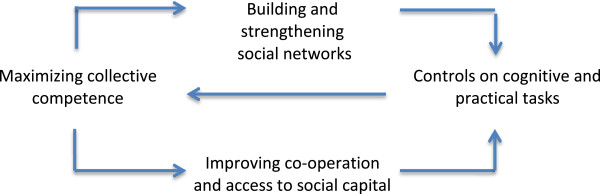
BACKGROUND: In this article we outline Burden of Treatment Theory, a new model of the relationship between sick people, their social networks, and healthcare services. Health services face the challenge of growing populations with long-term and life-limiting conditions, they have responded to this by delegating to sick people and their networks routine work aimed at managing symptoms, and at retarding - and sometimes preventing - disease progression. This is the new proactive work of patient-hood for which patients are increasingly accountable: founded on ideas about self-care, self-empowerment, and self-actualization, and on new technologies and treatment modalities which can be shifted from the clinic into the community. These place new demands on sick people, which they may experience as burdens of treatment. DISCUSSION: As the burdens accumulate some patients are overwhelmed, and the consequences are likely to be poor healthcare outcomes for individual patients, increasing strain on caregivers, and rising demand and costs of healthcare services. In the face of these challenges we need to better understand the resources that patients draw upon as they respond to the demands of both burdens of illness and burdens of treatment, and the ways that resources interact with healthcare utilization. SUMMARY: Burden of Treatment Theory is oriented to understanding how capacity for action interacts with the work that stems from healthcare. Burden of Treatment Theory is a structural model that focuses on the work that patients and their networks do. It thus helps us understand variations in healthcare utilization and adherence in different healthcare settings and clinical contexts.
Overview
The claims and statistics of this paper haven’t been checked yet.
Free: it reads the open-access text and checks the first 5 claims that cite a source we can check. Create a free account to check every claim.
Integrity signals
Registry
Cites
Statistics
Figures
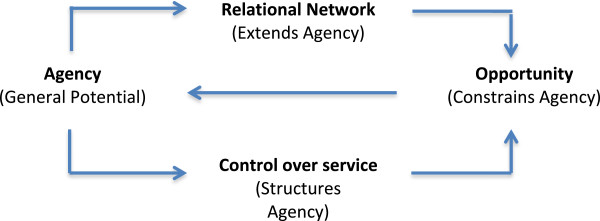
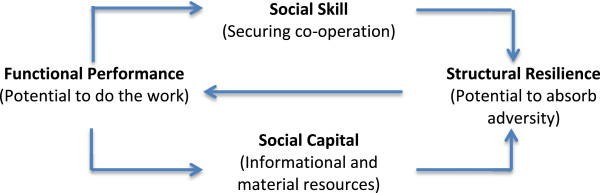
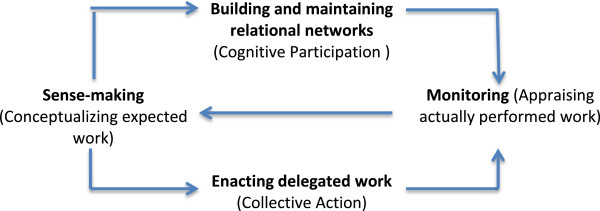
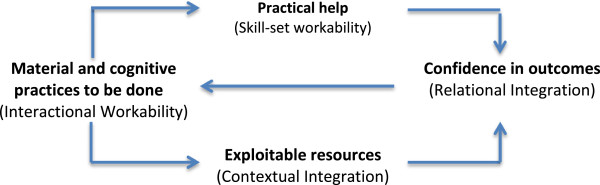
Verification
Claims the paper makes
The claims and statistics of this paper haven’t been checked yet.
Free: it reads the open-access text and checks the first 5 claims that cite a source we can check. Create a free account to check every claim.
Claims other papers make about this one
Each is checked against this paper’s own text: does it say what the citing paper says it does?
The cited source says what the claim attributes to it.
In the citing paper
“Burden of treatment also includes the effort needed from the patient to access services (31, 93), which technologies (especially e-consultations) could potentially alleviate.”
From Planning and Evaluating Remote Consultation Services: A New Conceptual Framework Incorporating Complexity and Practical Ethics (2021) · cites this paper as [93]
The cited source says what the claim attributes to it.
In the citing paper
“NPT both can be, and is, applied to those groups.”
From Using Normalization Process Theory in feasibility studies and process evaluations of complex healthcare interventions: a systematic review (2018) · cites this paper as [215]
The cited source says what the claim attributes to it.
In the citing paper
“But as May et al have pointed out in their burden of treatment theory, shifting the work of care from clinic to community places new demands on the sick (and hence raises ethical questions) [75].”
In the citing paper
“A related concept is what May et al. (93) have called burden of treatment—the additional burden placed on the patient when they are asked to “self-manage” —with the sickest and most vulnerable carrying the greatest burden.”
From Planning and Evaluating Remote Consultation Services: A New Conceptual Framework Incorporating Complexity and Practical Ethics (2021) · cites this paper as [93]
In the citing paper
“Work by Kennedy et al. [57] and Gallagher et al. [58], for example, applies NPT to situations in the home and outside of formal healthcare organisations, where ‘contexts’ are not so much organisational as organising and are distributed across informal social networks [59, 60].”
From Implementation, context and complexity (2016) · cites this paper as [59]
Self-check
Percentages, sums and reported differences re-computed from the paper’s own numbers.
The self-check needs the paper’s full text.
Citations
Cites
Granovetter, M. S. (1973) · American Journal of Sociology · doi:10.1086/225469 · Cited by 40,491 · cited 2×
“Following Granovetter [48], this is about the extent to which they can add useful relationships – characterized by weak ties between members – to the core of strong ties through which expectations or obligations of actual material and effective exchange are played out.”
BackgroundSocial Capital: Its Origins and Applications in Modern Sociology
Portes, A. (1998) · Annual Review of Sociology · doi:10.1146/annurev.soc.24.1.1 · Cited by 12,037 · cited 1×
“While functional performance and social skill describe the capacity of a patient and relational network to mobilize themselves and others to utilize healthcare services, access to social capital [47] is also crucial.”
Background(1951) · Cited by 8,693
Barnett, K., Mercer, S. W., Norbury, M., Watt, G., Wyke, S., & Guthrie, B. (2012) · The Lancet · doi:10.1016/s0140-6736(12)60240-2 · Cited by 6,972 · cited 1×
“Unsupported individuals who are isolated from meaningful social networks are not uncommon, especially amongst older people where relational networks are unstable and may diminish towards the end of life [5] but most patients have some kind of mutually supportive social relationships.”
BackgroundOrganizing and the process of sensemaking
Weick, K. E., Sutcliffe, K. M., & Obstfeld, D. (2005) · Organization Science · doi:10.1287/orsc.1050.0133 · Cited by 6,943
Chronic illness as biographical disruption
Bury, M. (1982) · Sociology of Health & Illness · doi:10.1111/1467-9566.ep11339939 · Cited by 3,960 · cited 1×
“By this we mean the extent to which members of the patient’s extended network can capture, possess, and mobilize psychological and social resources to absorb and compensate for – and even thrive – in the face of biographical disruptions [51], adverse path0physiological events and social processes.”
BackgroundImplementing, Embedding, and Integrating Practices: An Outline of Normalization Process Theory
May, C., & Finch, T. (2009) · Sociology · doi:10.1177/0038038509103208 · Cited by 2,115
Self-citationSocial Skill and the Theory of Fields
Fligstein, N. (2001) · Sociological Theory · doi:10.1111/0735-2751.00132 · Cited by 1,624
Development of a theory of implementation and integration: Normalization Process Theory
May, C. R., Mair, F., Finch, T., MacFarlane, A., Dowrick, C., Treweek, S., Rapley, T., Ballini, L., Ong, B. N., Rogers, A., et al. (2009) · Implementation Science · doi:10.1186/1748-5908-4-29 · Cited by 1,409
Self-citationBiocapital: The Constitution of Postgenomic Life
Sunder Rajan, K. (2006) · Duke University Press eBooks · doi:10.1215/9780822388005 · Cited by 1,067
Cited by
Items 201–300 of 737
Green, E., Shaw, S. E., & Harris, T. (2016) · BMJ Supportive & Palliative Care · doi:10.1136/bmjspcare-2015-000999 · Cited by 26
Design hotspots for care of discordant chronic comorbidities: patients' perspectives
Ongwere, T., Cantor, G. S., Martin, S. R., Shih, P. C., Clawson, J., & Connelly, K. (2018) · Nordic Conference on Human-Computer Interaction · doi:10.1145/3240167.3240221 · Cited by 27
McIntyre, M., Ehrlich, C., & Kendall, E. (2018) · Disability and Rehabilitation · doi:10.1080/09638288.2018.1508511 · Cited by 27
“Prior to conducting data analysis researchers were sensitized to the concept of treatment burden that arises from an imbalance between the work that people are required to do and their capacity to do the work [18,20].”
BackgroundInfluentialGilbert, A. W., Jones, J., Jaggi, A., & May, C. R. (2020) · BMJ Open · doi:10.1136/bmjopen-2019-036197 · Cited by 23
Self-citationHardman, R., Begg, S. J., & Spelten, E. R. (2021) · BMC Family Practice · doi:10.1186/s12875-021-01387-y · Cited by 22
“May [12], working with this definition, has proposed Normalisation Process Theory (NPT) [15, 16] as an appropriate tool to analyse treatment burden.”
Tan, Q. Y., Roberts, H. C., Fraser, S. D., Amar, K. A., & Ibrahim, K. (2023) · PLoS ONE · doi:10.1371/journal.pone.0283713 · Cited by 24
Neuner‐Jehle, S., Zechmann, S., Maissen, D. G., Rosemann, T. J., & Senn, O. (2017) · Patient Preference and Adherence · doi:10.2147/ppa.s137388 · Cited by 21
“11,12 The aim of our study was to investigate, in a sample of multimorbid Swiss patients, 1) to what degree GPs and patients were concordant in the perception of patients’ CCs and 2) how concordant CCs were with the GPs’ diagnoses ranked by relevance.”
BackgroundKristensen, M. A. T., Hølge‐Hazelton, B., Waldorff, F. B., & Guassora, A. D. (2017) · BMC Family Practice · doi:10.1186/s12875-017-0679-0 · Cited by 33
“In general practice, most patients have limited access to nursing assistance and the GP uses the assessment of selfcare ability in deciding on the appropriate treatment, which thereby affects the burden of treatment for the patient [29].”
BackgroundWalton, H., Simpson, A., Ramsay, A. I. G., Hudson, E., Hunter, A., Jones, J., Ng, P. L., Leeson‐Beevers, K., Bloom, L. C., Kai, J., et al. (2022) · Orphanet Journal of Rare Diseases · doi:10.1186/s13023-022-02321-w · Cited by 23
“However, patient/ carer involvement in coordination is not always appropriate if patients/carers are unable or do not want to coordinate their own care; and may have a negative impact on patients, families and the treatment burden that they experience [2, 12, 19, 39].”
BackgroundTreatment burden experienced by patients with lung cancer
El-Turk, N., Chou, M. S. H., Ting, N. C. H., Girgis, A., Vinod, S. K., Bray, V., & Dobler, C. C. (2021) · PLOS ONE · doi:10.1371/journal.pone.0245492 · Cited by 20
“The capacity-burden model proposes that undue treatment burden is experienced when workload exceeds a patient’s capacity [6].”
BackgroundOutpatient Care Fragmentation and Acute Care Utilization in Veterans Affairs Home-Based Primary Care
Edwards, S. T., Greene, L., Chaudhary, C., Boothroyd, D. B., Kinosian, B. P., & Zulman, D. M. (2022) · JAMA Network Open · doi:10.1001/jamanetworkopen.2022.30036 · Cited by 23
Hunter, R. L., Beattie, M., O’Malley, C., & Gorely, T. (2023) · PEC Innovation · doi:10.1016/j.pecinn.2023.100175 · Cited by 23
“4) was informed by May et al.'s Burden of Treatment theory [35].”
BackgroundMethodHollick, R. J., James, W. R., Nicoll, A., Locock, L., Black, C., Dhaun, N., Egan, A. C., Fluck, N., Laidlaw, L., Lanyon, P., et al. (2024) · The Lancet Rheumatology · doi:10.1016/s2665-9913(24)00082-1 · Cited by 22
“For example, theories about the work patients must do to access and benefit from treatment, 17 the jurisdictions of control created by professional work which, over time, shape what care is and is not provided, and by whom, 18 and the factors influencing sustainability of health-care services.”
BackgroundAttaining minimally disruptive medicine: context, challenges and a roadmap for implementation
Shippee, N. D., Allen, S., Leppin, A. A., May, C. R., & Montori, V. M. (2015) · The Journal of the Royal College of Physicians of Edinburgh · doi:10.4997/jrcpe.2015.206 · Cited by 21
Self-citationFrost, J., Grose, J., & Britten, N. (2016) · Health An Interdisciplinary Journal for the Social Study of Health Illness and Medicine · doi:10.1177/1363459316674787 · Cited by 25
“…patients go to maintain normal daily life; and self-management needs to be supported in ways which acknowledge and accommodate contextual factors which enable patients to meet their own goals, rather than merely managing symptoms (Morden et al 2011; Ong et al 2011; May et al 2014; Ong et al 2014).”
BackgroundInfluentialOpportunity or Burden? A Behavioral Framework for Patient Engagement
Kimerling, R. E., Lewis, E. T., Javier, S. J., & Zulman, D. M. (2019) · Medical Care · doi:10.1097/mlr.0000000000001240 · Cited by 21
Burden of Treatment Among Older Adults With Newly Diagnosed Multiple Myeloma
Mian, H. S., Fiala, M. A., & Wildes, T. M. (2020) · Clinical Lymphoma Myeloma & Leukemia · doi:10.1016/j.clml.2020.09.010 · Cited by 20
“Accessed: May 14, 2020.”
Abdelaziz, S., Garfield, S., Neves, A. L., Lloyd, J., Norton, J., van Dael, J., Wheeler, C., McLeod, M., & Franklin, B. D. (2024) · BMJ Open · doi:10.1136/bmjopen-2024-089026 · Cited by 19
A systematic review of the use of burden of treatment theory
Smyth, R., Smith, G., Alexander, E., May, C. R., Mair, F. S., & Gallacher, K. (2025) · Journal of Multimorbidity and Comorbidity · doi:10.1177/26335565251314828 · Cited by 26
Self-citationRealizing the Potential of Patient Engagement: Designing IT to Support Health in Everyday Life
Novak, L. L., Unertl, K. M., & Holden, R. J. (2016) · Studies in health technology and informatics · doi:10.3233/978-1-61499-635-4-237 · Cited by 21
Rogvi, S. Á., Guassora, A. D., Tvistholm, N., Wind, G., & Christensen, U. (2021) · Qualitative Health Research · doi:10.1177/10497323211041590 · Cited by 20
“Implementing and maintaining (and changing) care tasks (appointments in this context) is a burden of treatment, which cannot be reduced to the weight of any specific task (May et al., 2014).”
BackgroundInfluentialCare Coordination: A Concept Analysis
Anderson, A., & Hewner, S. (2021) · AJN American Journal of Nursing · doi:10.1097/01.naj.0000803188.10432.e1 · Cited by 20
Web-Based Activity Within a Sexual Health Economy: Observational Study
Turner, K., Zienkiewicz, A. K., Syred, J., Looker, K. J., de Sa, J., Brady, M., Free, C., Holdsworth, G., & Baraitser, P. (2018) · Journal of Medical Internet Research · doi:10.2196/jmir.8101 · Cited by 24
“Self-management requires additional skills, and health services can support their development [19].”
BackgroundKayser, L., Nøhr, C. G., Bertelsen, P., Botin, L., Villumsen, S., Showell, C., & Turner, P. A. (2018) · Informatics · doi:10.3390/informatics5040041 · Cited by 20
“This may mean changing contexts and opportunities, including expanding social networks and/or relieving the burden of treatment [3].”
BackgroundSystematic review of patient-reported measures of treatment burden in stroke
Gallacher, K., Quinn, T., Kidd, L., Eton, D. T., Dillon, M., Elliot, J., Johnston, N., Erwin, P. J., & Mair, F. S. (2019) · BMJ Open · doi:10.1136/bmjopen-2019-029258 · Cited by 21
“Healthcare workload encompasses all tasks relating to health including those recommended by health professionals and those required to maintain or improve health status.(8) Through our previous research, we created a taxonomy of treatment burden in stroke and a conceptual model,(4) 5 the latter is shown in figure 1.”
MethodSelf-citationCorbett, T. K., Cummings, A. J., Lee, K., Calman, L. A., Fenerty, V., Farrington, N., Lewis, L. A., Young, A., Boddington, H., Wiseman, T., et al. (2020) · PLoS ONE · doi:10.1371/journal.pone.0240516 · Cited by 20
“capacity to manage/ cope [19,20,44] • Receive care from providers that is focused on specific diseases, which can be burdensome and fragmented [4,19] • To encourage HCPs to ask health service users about how they are managing their health in general, taking a person-centred rather than disease centred approach • Ensur…”
BackgroundInfluentialSelf-citationBurden of Treatment among Elderly Patients with Cancer: A Scoping Review
Sav, A., McMillan, S. S., & Akosile, A. (2021) · Healthcare · doi:10.3390/healthcare9050612 · Cited by 22
“Rather, given that high levels of treatment burden can lead to treatment non-adherence, treatment adverse events, poor quality of life, and ineffective use of finite health resources [11], we want to “scope” the literature and provide information on strategies for health professionals to further assist this vulnerable…”
BackgroundGillespie, R. J., Mullan, J., & Harrison, L. (2022) · Health & Social Care in the Community · doi:10.1111/hsc.14058 · Cited by 23
“Additionally, the burden of managing complex medication regimens is high and may negatively impact quality of life (May et al., 2009, 2014).”
BackgroundHind, D., Parkin, J., Whitworth, V., Rex, S., Young, T. A., Hampson, L. V., Sheehan, J., Maguire, C., Cantrill, H., Scott, E., et al. (2017) · Pilot and Feasibility Studies · doi:10.1186/s40814-017-0132-0 · Cited by 30
“Where the capacity of parents and teaching assistants allows [49], physiotherapists can build capacity and share responsibility for the work of rehabilitation in the child, family and community.”
BackgroundExploring GP work in areas of high socioeconomic deprivation: a secondary analysis
McCallum, M., & Macdonald, S. (2021) · BJGP Open · doi:10.3399/bjgpo.2021.0117 · Cited by 21
“Patient capacity to self-manage is key, yet is often not taken into account(29).”
BackgroundSelf-citationSYMptoms in Chronic Heart Failure imPACT on Burden of Treatment (SYMPACT): A Cross-Sectional Survey
Austin, R. C., Schoonhoven, L., Koutra, V., Richardson, A. M., Kalra, P. R., & May, C. R. (2022) · ESC Heart Failure · doi:10.1002/ehf2.13904 · Cited by 24
Self-citationA rapid review of interventions to improve medicine self‐management for older people living at home
Previdoli, G., Cheong, V., Alldred, D. P., Tomlinson, J., Tyndale‐Biscoe, S., Silcock, J., Okeowo, D. A., & Fylan, B. (2023) · Health Expectations · doi:10.1111/hex.13729 · Cited by 22
Fulop, N., Walton, H., Crellin, N. E., Georghiou, T., Herlitz, L., Litchfield, I. J., Massou, E., Sherlaw‐Johnson, C., Sidhu, M. S., Tomini, S. M., et al. (2023) · Health and Social Care Delivery Research · doi:10.3310/fvqw4410 · Cited by 21
Woodward, A., Nimmons, D., Davies, N., Walters, K. R., Stevenson, F. A., Protheroe, J., Chew-Graham, C. A., & Armstrong, M. (2024) · Health Expectations · doi:10.1111/hex.14046 · Cited by 21
“8 Globally, health inequalities have been increasing in many countries, and it is suggested that ‘ wide ‐ ranging, long ‐ term policy programmes that simultaneously target multiple social determinants of health ’ are needed to reduce health inequalities.”
BackgroundInfluentialEhrlich, C., Chester, P., Kisely, S. R., Crompton, D., & Kendall, E. A. (2017) · Health & Social Care in the Community · doi:10.1111/hsc.12473 · Cited by 25
“Although the ideals underpinning this redistribution of responsibility are founded upon the promotion and encouragement of self- care, accountability, selfempowerment and self- actualisation, new demands are placed upon ill people that may manifest in treatment burden (May et al., 2014).”
BackgroundInfluentialSchick‐Makaroff, K., Wozniak, L., Short, H., Davison, S. N., Klarenbach, S. W., Buzinski, R., Walsh, M. W., & Johnson, J. A. (2021) · Journal of Patient-Reported Outcomes · doi:10.1186/s41687-021-00385-z · Cited by 25
Wildman, J. M., Morris, S. L., Pollard, T. M., Gibson, K., & Moffatt, S. (2021) · SSM - Qualitative Research in Health · doi:10.1016/j.ssmqr.2021.100032 · Cited by 21
“The capacity to undertake illness work is eroded by socioeconomic disadvantage (May et al., 2014).”
InfluentialYsrraelit, M. C., Fiol, M. P., Peña, F. R. V., Vanotti, S., Terrasa, S., Tran, V.-T., Montori, V. M., & Correale, J. D. (2019) · BMC Neurology · doi:10.1186/s12883-019-1441-0 · Cited by 21
Self-citation2022 National Standards for Diabetes Self-Management Education and Support
Davis, J., Fischl, A. H., Beck, J. K., Browning, L., Carter, A., Condon, J. E., Dennison, M., Francis, T., Hughes, P. J., Jaime, S., et al. (2022) · doi:10.2337/figshare.17049224 · Cited by 22
Mbokazi, N., van Pinxteren, M., Murphy, K., Mair, F. S., May, C. R., & Levitt, N. S. (2023) · Social Science & Medicine · doi:10.1016/j.socscimed.2023.116190 · Cited by 21
Self-citationJackson, K., Kaner, E., Hanratty, B., Gilvarry, E. A., Yardley, L., & O'Donnell, A. J. (2023) · Addiction · doi:10.1111/add.16350 · Cited by 19
“This need is heightened in the current resource-constrained system, where people are often required to manage alone for long periods until they reach the top of the waiting list or to navigate care between disparate and unreceptive services [22].”
InfluentialA ristotle, H ume and the goals of medicine
Misselbrook, D. (2015) · Journal of Evaluation in Clinical Practice · doi:10.1111/jep.12371 · Cited by 17
May, C. R., Masters, J., Welch, L., Hunt, K. J., Pope, C. J., Myall, M., Griffiths, P., Roderick, P. J., Glanville, J., & Richardson, A. M. (2015) · BMJ Open · doi:10.1136/bmjopen-2014-007372 · Cited by 19
“To do this we will build on the development of two empirically grounded theoretical models relevant to the problem of negotiating and embedding processes of care (normalisation process theory,(15) and burden of treatment theory).(21) To achieve this, we will use directed content analysis,(40) of qualitative data to bu…”
MethodSelf-citationKazimierczak, K. A. (2017) · Health An Interdisciplinary Journal for the Social Study of Health Illness and Medicine · doi:10.1177/1363459316688521 · Cited by 20
Data Driven Approach to Burden of Treatment Measurement: A Study of Patients with Breast Cancer.
Cheng, A., & Levy, M. A. (2016) · PubMed · Cited by 19
Hospitalization and post-discharge care in South Africa: A critical event in the continuum of care
Cichowitz, C., Pellegrino, R. A., Motlhaoleng, K., Martinson, N. A., Variava, E., & Hoffmann, C. J. (2018) · PLoS ONE · doi:10.1371/journal.pone.0208429 · Cited by 17
Rivas, C. A., Tkacz, D., Antao, L., Mentzakis, E., Gordon, M., Anstee, S., & Giordano, R. (2019) · Health Services and Delivery Research · doi:10.3310/hsdr07230 · Cited by 32
Messi, M., Mueller, Y. K., Haller, D. M., Zeller, A., Neuner‐Jehle, S., Streit, S., Burnand, B., & Herzig, L. (2020) · BMC Family Practice · doi:10.1186/s12875-020-01221-x · Cited by 18
Taking charge of eczema self-management: a qualitative interview study with young people with eczema
Greenwell, K., Ghio, D., Müller, I., Roberts, A., McNiven, A., Lawton, S., & Santer, M. (2021) · BMJ Open · doi:10.1136/bmjopen-2020-044005 · Cited by 20
Ekman, I., Wolf, A., Dickson, V. V., Bosworth, H. B., & Granger, B. B. (2017) · European Journal of Cardiovascular Nursing · doi:10.1177/1474515117707669 · Cited by 22
Croke, A., Moriarty, F., Boland, F., McCullagh, L., Cardwell, K., Smith, S. M., & Clyne, B. (2021) · BMJ Open · doi:10.1136/bmjopen-2020-041541 · Cited by 16
Zakumumpa, H., Kiguba, R., Ndagije, H. B., Ategeka, G., Ssanyu, J. N., & Kitutu, F. E. (2022) · BMC Infectious Diseases · doi:10.1186/s12879-022-07673-z · Cited by 23
Fraser, S. D., Stannard, S., Holland, E., Boniface, M., Hoyle, R. B., Wilkinson, R., Akbari, A., Ashworth, M. J., Berrington, A. M., Chiovoloni, R., et al. (2023) · Journal of Multimorbidity and Comorbidity · doi:10.1177/26335565231204544 · Cited by 20
“5 In earlier developmental work we introduced the term ‘ sentinel condition ’ to describe the fi rst LTC that an individual develops in their lifecourse as part of a subsequent MLTC-M cluster.”
BackgroundSelf-citationAdherence and the Moral Construction of the Self: A Narrative Analysis of Anticoagulant Medication
Hawking, M. K. D., Robson, J. P., Taylor, S. J., & Swinglehurst, D. (2020) · Qualitative Health Research · doi:10.1177/1049732320951772 · Cited by 21
“In this article, we conceptualize talk about medicines as part of the work, or burden (May et al., 2014) that patients with long-term conditions must manage in their everyday interactions.”
BackgroundGraversen, S. B., Pedersen, H. S., Sandbæk, A., Foss, C. H., & Ribe, A. R. (2020) · Journal of the American Medical Directors Association · doi:10.1016/j.jamda.2020.08.025 · Cited by 17
OPEN ARCH integrated care model: experiences of older Australians and their carers
Quigley, R., Russell, S., Harvey, D., & Mann, J. (2021) · Australian Journal of Primary Health · doi:10.1071/py20203 · Cited by 16
Petersson, C., Fust, R., Hagstedt, C., Wågström, P., & Nilsdotter‐Augustinsson, Å. (2018) · Journal of Clinical Nursing · doi:10.1111/jocn.14580 · Cited by 18
Promises and Perils of Group Clinics for Young People Living With Diabetes: A Realist Review
Papoutsi, C., Colligan, G., Hagell, A., Hargreaves, D. S., Marshall, M., Vijayaraghavan, S., Greenhalgh, T., & Finer, S. (2019) · Diabetes Care · doi:10.2337/dc18-2005 · Cited by 19
“of chronic conditions (20,21); theories of how practical patient knowledge can be made useful and transferable (22); the-”
BackgroundDavies, F., Wood, F., Bullock, A. D., Wallace, C. A., & Edwards, A. (2020) · Health Expectations · doi:10.1111/hex.13071 · Cited by 19
Luo, S., Lai, L. Y. H., Zhu, R., Gao, Y., & Zhao, Z. (2025) · Journal of Global Health · doi:10.7189/jogh.15.04282 · Cited by 17
Goodridge, D. M., Lowe, T. N., Cai, S., Herriot, F. N., Silverberg, R. V., Heynen, M., Hall, K. C., Peters, J., Butcher, S. J., & Oyedokun, T. O. (2023) · CMAJ Open · doi:10.9778/cmajo.20220205 · Cited by 19
Quinn, L. M., Narendran, P., Bhavra, K., Boardman, F., Greenfield, S., Randell, M. J., & Litchfield, I. J. (2024) · Pediatric Diabetes · doi:10.1155/2024/9927027 · Cited by 21
“Managing these sometimes contrasting requirements has been conceptualised as the “ burden ” placed on those participating [16] understood within three key domains; the work designated to an individual as a result of their participation, the factors that in fl uence or exacerbate successful and…”
Pearce, A., Henery, P., Katikireddi, S. V., Dundas, R., Leyland, A. H., Nicholls, D., Viner, R., Fenton, L., & Hope, S. (2024) · Child and Adolescent Mental Health · doi:10.1111/camh.12707 · Cited by 21
Hanlon, P., Bryson, I., Morrison, H., Rafiq, Q., Boehmer, K. R., Gionfriddo, M. R., Gallacher, K., May, C. R., Montori, V. M., Lewsey, J., et al. (2021) · Wellcome Open Research · doi:10.12688/wellcomeopenres.17238.1 · Cited by 17
Self-citationHusebø, A. M. L., Dalen, I., Søreide, J. A., Bru, E., & Richardson, A. M. (2021) · Journal of Clinical Nursing · doi:10.1111/jocn.16135 · Cited by 17
“…from long- term illness are impaired health and well- being (Eton et al., 2019; Lippiett et al., 2019), non- adherence to treatment and lifestyle interventions (May et al., 2014; Schreiner et al., 2020), costly readmissions (Eton et al., 2012) and burden on significant others (Sav et al., 2013).”
BackgroundSelf-citationTreatment burden in survivors of prostate and colorectal cancers: a qualitative interview study
Adam, R., Duncan, L., MacLennan, S. J., & Locock, L. (2023) · BMJ Open · doi:10.1136/bmjopen-2022-068997 · Cited by 15
Risk factors for hospital readmissions in pneumonia patients: A systematic review and meta-analysis
Fang, Y.-Y., Ni, J.-C., Wang, Y., Yu, J.-H., & Fu, L. (2022) · World Journal of Clinical Cases · doi:10.12998/wjcc.v10.i12.3787 · Cited by 20
Lin, K., Yao, M., Ji, X., Li, R., Andrew, L., Oosthuizen, J., Sim, M., & Chen, Y. (2024) · BMC Family Practice · doi:10.1186/s12875-024-02461-x · Cited by 17
“A preliminary coding manual was developed from a literature review that identified variations in the measurement of treatment burden [11, 15, 16].”
BackgroundMethodJin, R., Liu, C., Chen, J., Cui, M., Xu, B., Yuan, P., & Chen, L. (2024) · Frontiers in Pharmacology · doi:10.3389/fphar.2024.1426777 · Cited by 17
Wilson, E., Caswell, G., Latif, A., Anderson, C., Faull, C., & Pollock, K. (2020) · BMC Palliative Care · doi:10.1186/s12904-020-0537-z · Cited by 14
Husebø, A. M. L., Dalen, I., Richardson, A. M., Bru, E., & Søreide, J. A. (2021) · European Journal of Cancer Care · doi:10.1111/ecc.13437 · Cited by 16
Self-citationSolberg, M., Berg, G. V., & Andreassen, H. (2023) · BMC Health Services Research · doi:10.1186/s12913-023-10364-3 · Cited by 15
“For patients who are already struggling, such health care systems can become an additional burden [35, 36], which we also observe in our study.”
ResultHanley, S. J., McCann, S., Lee, S. I., Vowles, Z., Plachcinski, R., Nirantharakumar, K., Black, M. E., Locock, L., & Taylor, B. (2024) · Health Expectations · doi:10.1111/hex.14104 · Cited by 13
“…note that patients — especially those with MLTC — face ‘ new and growing demands to organize and co ‐ ordinate their own care, to comply with complex treatment and self ‐ monitoring regimens, and to meet a whole range of expectations of personal motivation, expertise and self ‐ care ’ [32, p. 2].”
BackgroundAssociation Between Number of Preventive Care Guidelines and Preventive Care Utilization by Patients
Taksler, G. B., Pfoh, E. R., Stange, K. C., & Rothberg, M. B. (2018) · American Journal of Preventive Medicine · doi:10.1016/j.amepre.2018.03.011 · Cited by 16
Fudge, N., & Swinglehurst, D. (2021) · Social Science & Medicine · doi:10.1016/j.socscimed.2021.114532 · Cited by 18
Suárez, N. R. E., LaVecchia, C. M., Morrow, A. S., Fischer, K. M., Kamath, C. C., Boehmer, K. R., & Brito, J. P. (2022) · Patient Education and Counseling · doi:10.1016/j.pec.2022.07.016 · Cited by 14
Self-citationAn interactive optimization model for sustainable production scheduling in healthcare
Priyan, S., & Banerjee, S. (2022) · Healthcare Analytics · doi:10.1016/j.health.2022.100124 · Cited by 17
Truppa, C. T., Ansbro, É., Willis, R., Zmeter, C., Khatib, A. E., Roberts, B., Perone, S. A., & Perel, P. (2023) · Conflict and Health · doi:10.1186/s13031-023-00532-x · Cited by 13
“Underlying concepts of patient burden and capacity have been explored in frameworks developed to understand how their interactions influence patient behaviour and management of long-term health conditions [94, 95].”
BackgroundWillis, R., Akik, C., Dirani, Z. E., Truppa, C. T., Zmeter, C., Fleri, F., Perone, S. A., Paci, R., Frederiksen, S., Haidar, C. A., et al. (2023) · PLOS Global Public Health · doi:10.1371/journal.pgph.0001383 · Cited by 15
“The delegation of ‘work’ from a health system to patients with chronic conditions and their social networks has been described in relation to the concept of ‘burden of treatment’, which recognises the work-load of healthcare and its impact on patient functioning and well-being [55,56].”
BackgroundAbrahamson, V., & Wilson, P. M. (2018) · Health & Social Care in the Community · doi:10.1111/hsc.12677 · Cited by 19
“When demand exceeds capacity, treatment becomes burdensome and is likely to result in reduced ad‐ herence and poorer outcomes (May et al., 2014) as illustrated with our “Type 3” patients.”
BackgroundUnmet healthcare needs among midlife adults with mental distress and multiple chronic conditions
Johnson, P. J., Mentzer, K. M., Jou, J., & Upchurch, D. M. (2021) · Aging & Mental Health · doi:10.1080/13607863.2021.1904830 · Cited by 16
Daker‐White, G., Goulding, R., Blakeman, T., Croke, S., Brown, B. C., Esmail, A., & Bower, P. (2018) · BMC Family Practice · doi:10.1186/s12875-018-0844-0 · Cited by 18
“make clear that a patient’s “relational networks will often include healthcare and other professionals” [36] although subsequent studies have tended to focus on treatment burden for patients, sometimes with the aim of informing a “minimally disruptive medicine” [37] or in efforts to mobilise patient resources to acces…”
BackgroundTowards a Sociology of Healthcare Safety and Quality
Allen, D. A., Braithwaite, J., Sandall, J., & Waring, J. J. (2016) · Wiley eBooks · doi:10.1002/9781119276371.ch1 · Cited by 14
Polus, M., Keikhosrokiani, P., Korhonen, O., Behutiye, W., & Isomursu, M. (2025) · Journal of Medical Internet Research · doi:10.2196/66874 · Cited by 15
“Telehealth and self-management interventions may shift the responsibility of the care to the patient, causing additional demands [16,17], digital systems may be inaccessible or difficult to use [18], and patients may struggle with digital stress [19].”
Patient administrative burden: a scoping review
Kyle, M. A., Feng, K., Wade, C., & Yaver, M. (2025) · Health Affairs Scholar · doi:10.1093/haschl/qxaf216 · Cited by 16
“23,65 Studies examining health care “hassles” and nonfinancial barriers to access that include patient administrative burden but composite measures make it challenging to isolate process failures.”
Croke, A., James, O., Clyne, B., Moriarty, F., Cardwell, K., & Smith, S. M. (2019) · HRB Open Research · doi:10.12688/hrbopenres.12966.2 · Cited by 12
Willems, J., Bablok, I., Farin‐Glattacker, E., & Langer, T. (2023) · Orphanet Journal of Rare Diseases · doi:10.1186/s13023-023-02739-w · Cited by 14
“This can apply to some but not all caregivers, particularly when conditions are complex [27, 28].”
Backgroundvan Melzen, R., Haveman, M. E., Schuurmann, R. C. L., Struys, M. M. R. F., & de Vries, J. P. P. M. (2023) · Sensors · doi:10.3390/s23156736 · Cited by 14
“However, shifting work from healthcare providers to the patients, as detailed by the Burden of Treatment Theory of May [42], creates higher demands on patients, which might be rather disempowering instead of increasing self-empowerment for patients.”
BackgroundCommunities of clinical practice in action: Doing whatever it takes
Young, J. E., Jaye, C., Egan, T. G., Williamson, M. I., Askerud, A., Radue, P., & Penese, M. (2017) · Health An Interdisciplinary Journal for the Social Study of Health Illness and Medicine · doi:10.1177/1363459316688515 · Cited by 13
“Core CoCP participants facilitated overcoming barriers by assisting practically with transport and language barriers, thus helping with the burden of treatment (May et al., 2014).”
BackgroundHowell, D. (2021) · Lung Cancer Management · doi:10.2217/lmt-2020-0017 · Cited by 13
“It is appealing to think about patients taking an active role in disease and symptom self-management, however there is a need to be cognizant that when therapeutic responsibility passes from the healthcare provider to patient so does the burden of care [103].”
BackgroundBurden of cancer trial participation: A qualitative sub-study of the INTERIM feasibility RCT
Nwolise, C. H., Corrie, P. G., Fitzpatrick, R. M., Gupta, A., Jenkinson, C., Middleton, M. R., & Matin, R. (2021) · Chronic Illness · doi:10.1177/17423953211060253 · Cited by 12
“These are resources that may counteract the negative impact of excessive demand of healthcare, lessen the treatment burden and influence adherence and engagement with clinicians.(7,30) Hence, it is vital that clinicians assess and assist with areas in which patients may need extra support and guidance, and consider pa…”
BackgroundInfluentialNoorlandt, H. W., Stoevelaar, R., van Dongen, S. I., Arslan, M., Luu, N., Kranenburg, L. W., Witkamp, E., van der Rijt, C. C. D., Lorig, K. R., van der Heide, A., et al. (2022) · European Journal of Cancer Care · doi:10.1111/ecc.13638 · Cited by 20
“In their Burden of Treatment Theory, they suggest that by redesigning healthcare services so that they are better coordinated, more patient-centred and acknowledging patient complexity, patients could be better equipped to handle their health problems (May et al., 2014).”
BackgroundPalmer, V. J., & Furler, J. (2018) · Visual Studies · doi:10.1080/1472586x.2018.1525309 · Cited by 12
Men, chronic illness and healthwork: accounts from male partners of women with endometriosis
Hudson, N., Law, C., Culley, L. A., Mitchell, H., Denny, E., Norton, W., & Raine‐Fenning, N. (2020) · Sociology of Health & Illness · doi:10.1111/1467-9566.13144 · Cited by 15
“This need is particularly pertinent in relation to the additional ‘treatment burden’ that accompanies a redistribution of the labour associated with illness management (May et al. 2014).”
BackgroundInfluentialInterrogating the promise of technology in epilepsy care: systematic, hermeneutic review
Papoutsi, C., Collins, C. D. E., Christopher, A., Shaw, S. E., & Greenhalgh, T. (2021) · Sociology of Health & Illness · doi:10.1111/1467-9566.13266 · Cited by 17
“Different responsibilities are being reproduced within each of these framings, echoing wider discussions about discourses of risk, individuality and responsibilisation (May et al., 2014; Prainsack, 2018; Rose, 2007).”
BackgroundTime Spent Engaging in Health Care Among Patients With Left Ventricular Assist Devices
Chuzi, S. E., Ahmad, F. S., Wu, T., Argaw, S. T., Harap, R., Grady, K. L., Rich, J. D., Pham, D. T., Khan, S. S., Wilcox, J. E., et al. (2022) · JACC Heart Failure · doi:10.1016/j.jchf.2022.01.011 · Cited by 12
Tarzia, L., May, C. R., & Hegarty, K. L. (2016) · BMC Women s Health · doi:10.1186/s12905-016-0352-0 · Cited by 17
“3) [51], the focus of our model is on the capacity of women and their support networks to engage in strategies for safety and wellbeing.”
BackgroundMethodInfluentialSelf-citationSmith, S. K., Burns-O’Connell, G., Knibb, R. C., Greenwood, R., Hussain, S., Shaw, R. L., Straus, J., Banks, J., Hall, A. J., Dhanda, N., et al. (2024) · Health Expectations · doi:10.1111/hex.70088 · Cited by 11
Kristensen, M. A. T., Due, T. D., Hølge‐Hazelton, B., Guassora, A. D., & Waldorff, F. B. (2018) · BJGP Open · doi:10.3399/bjgpopen18x101591 · Cited by 23
“This study also identified how GPs found this induced a risk of patients not adhering or attending, which correlates to findings by May et al, where increased burden of treatment, caused by expectations to adhere to complex treatment and self-monitoring regimes, led to structurally induced non-adherence and underutili…”
ResultMoore, A. J., Wylde, V., Bruce, J., Howells, N., Bertram, W., Eccleston, C., & Gooberman‐Hill, R. (2022) · BMC Musculoskeletal Disorders · doi:10.1186/s12891-022-05423-5 · Cited by 13
“May and colleagues suggest that patients have an increasingly important role in managing their illness and recovery “the new proactive work of patient-hood” [35]; the STAR care pathway may enable patients to play a greater part in the management of their recovery.”
Background
Metadata
- Authors
- May, C. R., Eton, D. T., Boehmer, K., Gallacher, K., Hunt, K., MacDonald, S., Mair, F. S., May, C. M., Montori, V. M., Richardson, A., Rogers, A. E., & Shippee, N.
- Affiliations
- University of Southampton (GB)
- Mayo Clinic (US)
- University of Glasgow (GB)
- University Hospital Southampton NHS Foundation Trust (GB)
- National Institute for Health and Care Research (GB)
- University of Minnesota (US)
- Corresponding author
- May, Carl R
- May, Christine M
- ORCID
- Venue
- BMC Health Services Research
- Published
- 2014-06-26
- Volume
- 14
- Issue
- 1
- Pages
- 281-281
- ISSN
- 1472-6963 (ISSN-L)
- PMC
- PMC4080515
- OpenAlex
- W2167877406
- Cited by
- 720
- References
- 77
- Citations by year
- 2026: 82 · 2025: 65 · 2024: 96 · 2023: 67 · 2022: 79 · 2021: 69 · 2020: 64 · 2019: 53 · 2018: 45 · 2017: 30 · 2016: 39 · 2015: 27 · 2014: 2
- FWCI
- 24.55
- Type
- journal article
- Language
- en
- Open access
- gold
- doi.org
- Licence
- Locations
- BMC Health Services Research (publishedVersion, cc-by)
- Europe PMC (PubMed Central) (publishedVersion, cc-by)
- PubMed Central (publishedVersion, cc-by)
- PubMed (publishedVersion)
- ENLIGHTEN (Jurnal Bimbingan dan Konseling Islam) (acceptedVersion)
- ePrints Soton (University of Southampton) (acceptedVersion)
- LSHTM Research Online (London School of Hygiene and Tropical Medicine) (acceptedVersion)
- Funders
- Macmillan Cancer Support
- Scottish Government
- National Institute for Health and Care Research
- Topics
- Health Sciences › Medicine › Epidemiology › Chronic Disease Management Strategies
- Health Sciences › Health Professions › General Health Professions › Mental Health and Patient Involvement
- Health Sciences › Nursing › Research and Theory › Nursing care and research
- Keywords
- patient burden, patienthood, illness experience, chronic disease, life-limiting illness, self-care, self-empowerment, social networks, health care utilization, medication adherence, caregiver burden, community-based care, action capacity
- MeSH terms
- Health Services, Humans, Models, Theoretical, Self Care, Social Support, Cost of Illness, Disease Progression
About these checks
Registry, retraction, Cites and statistics results are computed, not judged, with one exception: a printed reference that no index lists is read once by a model before it counts as a citation error. Claims are extracted by a model and kept only when their quote appears verbatim in the text; each cited source is then checked, with a model’s help, for whether it says what the claim relies on. Those verdicts can be wrong — read the claim’s quote and the cited source before relying on one.
Statistics and arithmetic are recomputed, not judged.
Confidence bands are shown only for fields calibrated on our annotated test set. None is calibrated yet, so no band is shown.
What counts as a claim ›How we measure confidence ›How we check this ›
Are you an author, or do you see a problem with this page? Request a review
Data sources
Bibliographic data: Semantic Scholar, OpenAlex, Crossref.
Contains information from the Semantic Scholar Academic Graph Datasets, made available under the ODC Attribution License (ODC-BY 1.0).
Semantic Scholar’s data is described in: Kinney, R., et al. (2023). The Semantic Scholar Open Data Platform. arXiv:2301.10140.
