

Rethinking the patient: using Burden of Treatment Theory to understand the changing dynamics of illness
Open accessThe DOI matches its Crossref record; 77 of the 77 references it cites were found in a registry or an index.
Abstract
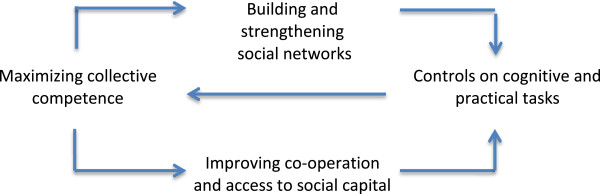
BACKGROUND: In this article we outline Burden of Treatment Theory, a new model of the relationship between sick people, their social networks, and healthcare services. Health services face the challenge of growing populations with long-term and life-limiting conditions, they have responded to this by delegating to sick people and their networks routine work aimed at managing symptoms, and at retarding - and sometimes preventing - disease progression. This is the new proactive work of patient-hood for which patients are increasingly accountable: founded on ideas about self-care, self-empowerment, and self-actualization, and on new technologies and treatment modalities which can be shifted from the clinic into the community. These place new demands on sick people, which they may experience as burdens of treatment. DISCUSSION: As the burdens accumulate some patients are overwhelmed, and the consequences are likely to be poor healthcare outcomes for individual patients, increasing strain on caregivers, and rising demand and costs of healthcare services. In the face of these challenges we need to better understand the resources that patients draw upon as they respond to the demands of both burdens of illness and burdens of treatment, and the ways that resources interact with healthcare utilization. SUMMARY: Burden of Treatment Theory is oriented to understanding how capacity for action interacts with the work that stems from healthcare. Burden of Treatment Theory is a structural model that focuses on the work that patients and their networks do. It thus helps us understand variations in healthcare utilization and adherence in different healthcare settings and clinical contexts.
Overview
The claims and statistics of this paper haven’t been checked yet.
Free: it reads the open-access text and checks the first 5 claims that cite a source we can check. Create a free account to check every claim.
Integrity signals
Registry
Cites
Statistics
Figures
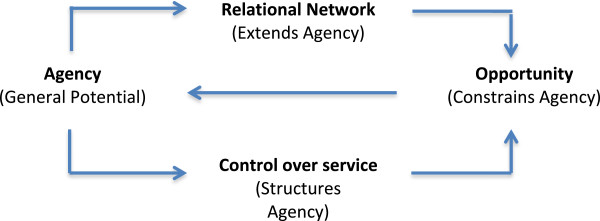
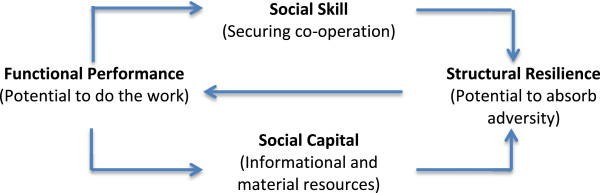
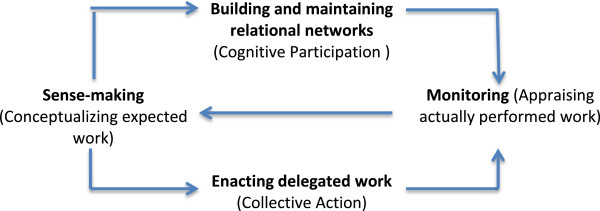
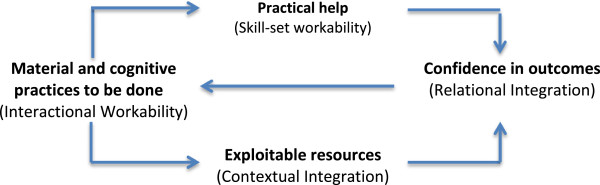
Verification
Claims the paper makes
The claims and statistics of this paper haven’t been checked yet.
Free: it reads the open-access text and checks the first 5 claims that cite a source we can check. Create a free account to check every claim.
Claims other papers make about this one
Each is checked against this paper’s own text: does it say what the citing paper says it does?
The cited source says what the claim attributes to it.
In the citing paper
“Burden of treatment also includes the effort needed from the patient to access services (31, 93), which technologies (especially e-consultations) could potentially alleviate.”
From Planning and Evaluating Remote Consultation Services: A New Conceptual Framework Incorporating Complexity and Practical Ethics (2021) · cites this paper as [93]
The cited source says what the claim attributes to it.
In the citing paper
“NPT both can be, and is, applied to those groups.”
From Using Normalization Process Theory in feasibility studies and process evaluations of complex healthcare interventions: a systematic review (2018) · cites this paper as [215]
The cited source says what the claim attributes to it.
In the citing paper
“But as May et al have pointed out in their burden of treatment theory, shifting the work of care from clinic to community places new demands on the sick (and hence raises ethical questions) [75].”
In the citing paper
“A related concept is what May et al. (93) have called burden of treatment—the additional burden placed on the patient when they are asked to “self-manage” —with the sickest and most vulnerable carrying the greatest burden.”
From Planning and Evaluating Remote Consultation Services: A New Conceptual Framework Incorporating Complexity and Practical Ethics (2021) · cites this paper as [93]
In the citing paper
“Work by Kennedy et al. [57] and Gallagher et al. [58], for example, applies NPT to situations in the home and outside of formal healthcare organisations, where ‘contexts’ are not so much organisational as organising and are distributed across informal social networks [59, 60].”
From Implementation, context and complexity (2016) · cites this paper as [59]
Self-check
Percentages, sums and reported differences re-computed from the paper’s own numbers.
The self-check needs the paper’s full text.
Citations
Cites
Granovetter, M. S. (1973) · American Journal of Sociology · doi:10.1086/225469 · Cited by 40,491 · cited 2×
“Following Granovetter [48], this is about the extent to which they can add useful relationships – characterized by weak ties between members – to the core of strong ties through which expectations or obligations of actual material and effective exchange are played out.”
BackgroundSocial Capital: Its Origins and Applications in Modern Sociology
Portes, A. (1998) · Annual Review of Sociology · doi:10.1146/annurev.soc.24.1.1 · Cited by 12,037 · cited 1×
“While functional performance and social skill describe the capacity of a patient and relational network to mobilize themselves and others to utilize healthcare services, access to social capital [47] is also crucial.”
Background(1951) · Cited by 8,693
Barnett, K., Mercer, S. W., Norbury, M., Watt, G., Wyke, S., & Guthrie, B. (2012) · The Lancet · doi:10.1016/s0140-6736(12)60240-2 · Cited by 6,972 · cited 1×
“Unsupported individuals who are isolated from meaningful social networks are not uncommon, especially amongst older people where relational networks are unstable and may diminish towards the end of life [5] but most patients have some kind of mutually supportive social relationships.”
BackgroundOrganizing and the process of sensemaking
Weick, K. E., Sutcliffe, K. M., & Obstfeld, D. (2005) · Organization Science · doi:10.1287/orsc.1050.0133 · Cited by 6,943
Chronic illness as biographical disruption
Bury, M. (1982) · Sociology of Health & Illness · doi:10.1111/1467-9566.ep11339939 · Cited by 3,960 · cited 1×
“By this we mean the extent to which members of the patient’s extended network can capture, possess, and mobilize psychological and social resources to absorb and compensate for – and even thrive – in the face of biographical disruptions [51], adverse path0physiological events and social processes.”
BackgroundImplementing, Embedding, and Integrating Practices: An Outline of Normalization Process Theory
May, C., & Finch, T. (2009) · Sociology · doi:10.1177/0038038509103208 · Cited by 2,115
Self-citationSocial Skill and the Theory of Fields
Fligstein, N. (2001) · Sociological Theory · doi:10.1111/0735-2751.00132 · Cited by 1,624
Development of a theory of implementation and integration: Normalization Process Theory
May, C. R., Mair, F., Finch, T., MacFarlane, A., Dowrick, C., Treweek, S., Rapley, T., Ballini, L., Ong, B. N., Rogers, A., et al. (2009) · Implementation Science · doi:10.1186/1748-5908-4-29 · Cited by 1,409
Self-citationBiocapital: The Constitution of Postgenomic Life
Sunder Rajan, K. (2006) · Duke University Press eBooks · doi:10.1215/9780822388005 · Cited by 1,067
Cited by
Items 501–600 of 737
Minimally Disruptive Diabetes Care for the Elderly
Spencer‐Bonilla, G., Rodríguez‐Gutiérrez, R., & Montori, V. M. (2016) · Diabetes Technology & Therapeutics · doi:10.1089/dia.2016.0380 · Cited by 2
“The extent to which this work, including the work of managing diabetes, impacts patients’ performance and well-being reflects the burden of treatment.(20,21) Overwhelmed patients may not be able to reach hemoglobin A1c or blood pressure targets,(19) as their burden of treatment is associated with exhaustion with self-…”
BackgroundSelf-citationGuassora, A. D., Reventlow, S. D., Sodemann, M., & Merrild, C. H. (2020) · Tidsskrift for Forskning i Sygdom og Samfund · doi:10.7146/tfss.v17i32.120972 · Cited by 2
Gallacher, K., Rowan, M. T., Eton, D. T., McLeod, H. J., Kidd, L., Wood, K., Sardar, A., Quinn, T. J., & Mair, F. S. (2023) · Health Open Research · doi:10.12688/healthopenres.13334.2 · Cited by 2
“Treatment burden after stroke is influenced by a person’s ability to manage their health, which is affected by: personal skills and attributes; physical and cognitive abilities; social support; financial status; life workload; and environment 2,3 .”
Self-citationMiedany, Y. M. E., Abu-Zaid, M. H., Gaafary, M. M. E., Mansour, M., Elwy, M. A., Palmer, D., Fathi, N. A., Hassan, W. A., Mortada, M., Eissa, M., et al. (2023) · Egyptian Rheumatology and Rehabilitation · doi:10.1186/s43166-023-00221-w · Cited by 2
“Rethinking the patient has highlighted the concept of patienthood and the need to adopt a new model of a relationship between patients living with arthritis and healthcare services, using the burden of treatment theory to understand the changing dynamics of chronic illness [5, 6].”
BackgroundDiallo, B. A., Hassan, S., Kagwanja, N., Oyando, R., Badjie, J., Mumba, N., Prentice, A. M., Perel, P., Etyang, A. O., Nolte, E., et al. (2024) · NIHR Open Research · doi:10.3310/nihropenres.13523.2 · Cited by 6
Patients, Families, and Care Settings
Locock, L., Robert, G., & Meier, N. (2019) · Oxford University Press eBooks · doi:10.1093/oso/9780198805304.003.0009 · Cited by 2
Schneider‐Kamp, A., Nielsen, H. L., Isaksen, J., Geyer, K., Lindell, J., & Sodemann, M. (2021) · K&K - Kultur og Klasse · doi:10.7146/kok.v49i131.127628 · Cited by 2
Governing chronic illness through integrated care
Turnbull, M. L. (2017) · UTS ePRESS (University of Technology Sydney) · Cited by 3
Managing medication at the end of life: supporting family carers
Bowers, B., & Wilson, E. (2023) · British Journal of Community Nursing · doi:10.12968/bjcn.2023.28.1.34 · Cited by 1
Carmen, J. V. S. (2024) · International Journal of Innovative Science and Research Technology (IJISRT) · doi:10.38124/ijisrt/ijisrt24jun199 · Cited by 1
Leaving the Norwegian opioid maintenance treatment program - patient experiences
Nesvåg, S. M., Bergqvist, P., Dahlberg, I. E., & McKay, J. R. (2024) · BMC Health Services Research · doi:10.1186/s12913-024-11859-3 · Cited by 3
“This burden of OMT treatment [25] has contributed to treat-ment retention problems in many countries [29].”
Experiential caring and the mobilisation of peerhood in group clinics
van Dael, J., Shaw, S. E., & Papoutsi, C. (2025) · Social Science & Medicine · doi:10.1016/j.socscimed.2025.118107 · Cited by 2
Multimorbidity: A global public health challenge
Rajović, N., & Milic, N. M. (2025) · Medicinski podmladak · doi:10.5937/mp76-46078 · Cited by 1
Wang, Y. Y., Xue, M., Yuan, M., Tao, M., Li, F., & Sun, Y. (2025) · Current Psychology · doi:10.1007/s12144-025-08312-x · Cited by 1
“Reduced adherence can worsen clinical outcomes like poorer prognosis, diminished quality of life, and elevated mortality risks (Gallacher et al., 2011; May et al., 2014).”
Vasiliauskienė, O., Vasiliauskas, D., Kontrimienė, A., Jaafar, B. N., Valius, L., Jaruševičienė, L., & Liseckienė, I. (2025) · Healthcare · doi:10.3390/healthcare13182268 · Cited by 1
Bowen, E. A., Ali, N., Anderson, A. J., Krolikowski, A. M., & Hewner, S. J. (2025) · Clinical Nursing Research · doi:10.1177/10547738251378678 · Cited by 1
“…ability to take action and make decisions regarding their health—capacities that are in turn influenced by factors like education, healthcare literacy, and the extent and severity of a person’s health conditions—influences their engagement in treatment (May et al., 2014; Rosbach & Andersen, 2017).”
Beyond compliance: Lived experiences of type 2 diabetes self‐management in Wales
Kaur, A., Williams, S., & Bishop, S. (2025) · Diabetic Medicine · doi:10.1111/dme.70152 · Cited by 1
McCallum, M., Mair, F. S., Macdonald, S., Hannah, M. K., Skivington, K., & Lewsey, J. (2025) · BMC Medicine · doi:10.1186/s12916-025-04337-y · Cited by 2
“Burden of Treatment Theory (BOTT) proposes that where treatment burden is greater than the capacity of patients (and their support networks, including practitioners) to meet these self-care demands, then poorer outcomes will occur [14, 17].”
InfluentialSelf-citationPaul, P., Haque, M. A., & Zakaria, A. F. M. (2025) · BMJ Global Health · doi:10.1136/bmjgh-2025-020481 · Cited by 1
“17 Whenever the cost of the treatment exceeds a patient’s capacity to get appropriate medical treatment, it prevents them from seeking proper care.”
Evaluating Digital Health Innovation: The Case for Person‐Centred Care Metrics Alongside Efficiency
Stacey, G., & Bond, C. (2026) · Journal of Advanced Nursing · doi:10.1111/jan.70501 · Cited by 1
Sullivan, S. S., Hewner, S. J., Casucci, S., Bowen, E. A., Chandola, V., Sheehan, A. M., Anderson, A., Gabello, J., & Noyes, K. (2026) · Frontiers in Health Services · doi:10.3389/frhs.2026.1737047 · Cited by 1
“…28), we prioritized integrating the patient experience [contending with the work of being a patient (“treatment burden”), self-care and self-management, medication management, and interacting with the healthcare system after hospital discharge] (29) into both the intervention and its evaluation.”
Hardman, R., Begg, S. J., & Spelten, E. R. (2026) · Journal of Multimorbidity and Comorbidity · doi:10.1177/26335565261417400 · Cited by 2
“9 A traditional self-management approach which focuses on the individual patient, rather than considering the fi t between patient and healthcare system, 8 can be challenging for those with high healthcare demands and/or low resources, whether physical, social or material.”
Treatment adherence in chronic uveitis: What does the MARS-5 tell us?
Çağlayan, M., Ekinci, D. Y., & Kozan, B. D. (2026) · BMC Ophthalmology · doi:10.1186/s12886-026-04700-4 · Cited by 1
“According to Burden of Treatment Theory, treat-ment burden reflects the cumulative work patients must perform to manage their condition alongside everyday life demands [25].”
Backer, K. D., Rose, E. L., Bull, C., Labisi, O., Felker, A. M., Kitchen, K., Mason, C., Montgomery, E., Sandall, J., Easter, A., et al. (2026) · BMJ Public Health · doi:10.1136/bmjph-2025-003171 · Cited by 1
Dong, J., Yan, M., Farmer, A., Jiang, L., Zhen, J., Tong, Y., Dong, Y., Zhang, G., Wu, L., Guo, Y., et al. (2026) · Health Expectations · doi:10.1111/hex.70693 · Cited by 2
Yu, Y., Huang, W., & Tang, S. (2026) · Social Science & Medicine · doi:10.1016/j.socscimed.2026.119403 · Cited by 1
Muir, D., McLarty, L., Drinkwater, J., Bennett, C., Birks, Y. F., Broadway‐Parkinson, A., Cooksey, V., Gleeson, P., Holland, C. R., Ledger, L., et al. (2026) · Health and Social Care Delivery Research · doi:10.3310/gjsc0721 · Cited by 1
Kripa, S. V. S., Neelamana, S. K., Krishnan, A., Babu, P., Mini, B. J., Lekha, T. R., Joseph, L., & Jeemon, P. (2026) · BMC Family Practice · doi:10.1186/s12875-026-03402-6 · Cited by 1
“…with multi-morbidity often struggle with attending frequent medical appointments, undergoing various tests, and adhering to complex medication regimens, indicating a high treat-ment burden [2, 9–12] However, there is limited literature from LMICs on treatment burden associated with multimorbidity.”
Digital Phenotyping and the Cumulative Burden of Self-Management of Bipolar Disorder
Bogdanova, K., Cila, N., Kudina, O., & Bozzon, A. (2026) · ACM Interactive Health Conference · doi:10.1145/3786579.3804919 · Cited by 1
“As they state, “patients experience new and growing demands to organise and coordinate their own care, to comply with complex treatment and self-monitoring regimens, and to meet a whole range of expectations of personal motivation, expertise and self-care” [37, p.2].”
InfluentialQiu, R., Feng, H., Li, X., & Zhou, H. (2026) · Journal of Medical Internet Research · doi:10.2196/90458 · Cited by 1
“In multimorbidity, the same functions are introduced into a care ecology shaped by treatment burden, polypharmacy, fragmented care, and competing self-management priorities [1,7,67,68].”
Burns-O’Connell, G., Pryce, H., Smith, S., Dauman, N., & Dernie, J. (2026) · International Journal of Audiology · doi:10.1080/14992027.2026.2706376 · Cited by 1
Korai, A., Carey, S., & Allman-Farinelli, M. A. (2026) · Nutrition & Dietetics · doi:10.1111/1747-0080.70087 · Cited by 1
“20 23 Study findings demonstrated how HETF burden could be conceptualised as comprising three interrelated components with 14 sub-themes.”
Treatment burden across multimorbidity combinations among middle-aged and older adults in the U.S.
Zahidy, M. A., Markwardt, S., Botoseneanu, A., Tran, V.-T., Montori, V. M., & Quiñones, A. R. (2026) · Journal of Multimorbidity and Comorbidity · doi:10.1177/26335565261490113 · Cited by 1
Self-citationBig Science: Research Collaboration for Evidence-Based Care
Montori, V. M. (2016) · Circulation Cardiovascular Quality and Outcomes · doi:10.1161/circoutcomes.116.003358 · Cited by 1
Self-citationSchlairet, M. C., Heddon, M. A., & Randolph, J. (2023) · Western Journal of Nursing Research · doi:10.1177/01939459231165749 · Cited by 1
“49 Our findings support and extend patterns described in the literature.”
ResultErhahiemen, P., O’Donnell, C. A., Gallacher, K., & Nicholl, B. I. (2024) · Health Open Research · doi:10.12688/healthopenres.13599.1 · Cited by 1
Self-citationRoberts, K. E., Baysari, M. T., Ho, E. K., Beckenkamp, P. R., Tian, Y., Jennings, M. D., Amorim, A. B., Maka, K., Morton, R. L., Ceprnja, D., et al. (2024) · BMC Health Services Research · doi:10.1186/s12913-024-11509-8 · Cited by 1
“An ageing population, rising healthcare costs and ongoing negative health behaviours [54] are cementing the importance of supporting self-management and self-care [55] leading to an increased need to understand the patient experience and patient perspectives of health-care services.”
BackgroundSmith, J. A. L., Shippee, N. D., Finnie, D. M., Killian, J. M., Montori, V. M., Redfield, M. M., & Dunlay, S. M. (2024) · BMJ Open · doi:10.1136/bmjopen-2024-088127 · Cited by 1
“28 Several participants reported that navigating communication with healthcare providers added significantly to the work of living with HF. 27 32 Respondents reported challenges in connecting with their clinical team when questions arose with their health.”
Self-citationWillis, R., Mbuthia, D., Gichagua, M., Nzinga, J., May, C. R., Mugo, P. M., & Murphy, A. (2025) · SSM - Qualitative Research in Health · doi:10.1016/j.ssmqr.2025.100563 · Cited by 1
Self-citationCheng, C., Chen, X., Wang, J., & Christensen, M. (2025) · Behavioral Sciences · doi:10.3390/bs15050707 · Cited by 1
“These concerns are consistent with frameworks such as Leventhal’s common sense model (Leventhal et al., 2016) and the burden of treatment theory (May et al., 2014), which identify emotional and cognitive responses to treatment demands.”
Roberts, J., Delaney, S., Mallows, A., & Neal, B. (2025) · BMC Musculoskeletal Disorders · doi:10.1186/s12891-025-08814-6 · Cited by 1
Durand, M. A., Thana, L., Al‐Haboubi, M., Pacho, A., Rehackova, L., Wistow, G., Douglas, N., & Mays, N. (2025) · Journal of Health Services Research & Policy · doi:10.1177/13558196251349400 · Cited by 1
“26 Furthermore, in 2022, Carers UK 27 reported that 41% of carers surveyed had not had a break from caring in the previous year, with some reporting burn-out.”
Jafree, S. R., Naveed, A., Ahsan, H., Burhan, S. K., Khawar, A., Khan, M. A., & Fischer, F. (2025) · BMC Gastroenterology · doi:10.1186/s12876-025-04235-w · Cited by 1
Mikkola, H., Aarnio, E., Hämeen‐Anttila, K., Airaksinen, M., Dimitrow, M. S., & Saastamoinen, L. (2025) · BMC Health Services Research · doi:10.1186/s12913-025-13402-4 · Cited by 1
“Various problems in the treat-ment of chronic conditions and medication can lower patients’ quality of life (QoL) and lead to poor adherence and treatment outcomes [1–4].”
Mansukhani, S. G., Kieser, M. A., Ricci, D., & Chewning, B. A. (2016) · Research in Social and Administrative Pharmacy · doi:10.1016/j.sapharm.2016.11.001 · Cited by 1
Simkins, J., Healey, E. L., Dziedzic, K., & Finney, A. G. (2020) · Musculoskeletal Care · doi:10.1002/msc.1455 · Cited by 1
The person at the centre? The role of self-management and self-management support
Nolte, E., & Anell, A. (2020) · Lund University Publications (Lund University) · Cited by 1
Récits de vie de patients greffés rénaux : de l’entrée dans la maladie à la greffe
Mathilde, N., Plotton, C., Vassal, P., & Xavier, G. (2020) · Néphrologie & Thérapeutique · doi:10.1016/j.nephro.2020.07.211 · Cited by 3
Respiratory management in daily life
Marques, A. S. P. D. D., & Souto‐Miranda, S. (2022) · Elsevier eBooks · doi:10.1016/b978-0-12-823447-1.00010-5 · Cited by 1
Negoescu, E., Marcilly, R., Cromie, S., Koay, A. C. C., & Grimes, T. (2023) · HRB Open Research · doi:10.12688/hrbopenres.13674.1 · Cited by 2
Multimorbidity in Primary Care
(2024) · Frontiers research topics · doi:10.3389/978-2-8325-4269-9 · Cited by 1
Understanding Complex Problems in Healthcare : By Applying a Free-Flowing Design Practice
Thies, A. (2016) · DiVA (Stockholm University) · Cited by 3
Davies, F. (2019) · ORCA Online Research @Cardiff (Cardiff University) · Cited by 2
Tighe, S. A., Kensing, F., Ball, K., Kayser, L., & Maddison, R. (2021) · doi:10.2196/preprints.35198 · Cited by 1
May, C. R., Hillis, A., Gravenhorst, K. C., Bradley, C., Geng, E., Gallacher, K., Chew-Graham, C. A., Lippiett, K. A., May, C., Smyth, R., et al. (2023) · Research Square · doi:10.21203/rs.3.rs-3059427/v1 · Cited by 2
Self-citationDiviani, N. (2025) · Springer eBooks · doi:10.1007/978-3-031-40858-8_441-1 · Cited by 1
Keast, J., Smith, L., Ghannam, S., & Dambha‐Miller, H. (2025) · Research Square · doi:10.21203/rs.3.rs-7500570/v1 · Cited by 1
Clinical decision making in dementia: mapping the minefields
Misselbrook, D. (2015) · British Journal of General Practice · doi:10.3399/bjgp15x685981
Power and Resilience in Practice: Fitting a ‘Square Peg in a Round Hole’ in Everyday Clinical Work
(2016) · CRC Press eBooks · doi:10.1201/9781315366838-21 · Cited by 1
The Relation Between Patient Education And Picc Line Occlusion
Petroulias, P. L. (2016) · Human Biology
eHealth and the burden of cancer survivorship.
Cox, A. (2016) · University of Surrey Open Research repository · Cited by 1
Symbolic, Collective and Intimate Spaces: An Ethnographic Approach to the Places of Integrated Care
Hughes, G. (2018) · Springer eBooks · doi:10.1007/978-3-319-89396-9_8
Methodological Challenges in Studying Context in Action
Dopson, S., & Meier, N. (2019) · Oxford University Press eBooks · doi:10.1093/oso/9780198805304.003.0003
Hainsworth, E. G. (2019) · UCL Discovery (University College London)
Freeman-Hildreth, Y. (2018) · SSRN Electronic Journal · doi:10.2139/ssrn.3240236
Lee, C. W., Luxford, Y., & Parmenter, G. (2019) · RUNE (Research UNE)
Allen, T., Hanna, L. A., Hall, M., & Hanna, A. (2020) · International Journal of Pharmacy Practice · doi:10.1111/ijpp.12633
Treatment Burden: Gaps and Future Directions for Communication, Measurement and Training
Winner, J. L., & Papautsky, E. L. (2020) · Proceedings of the International Symposium on Human Factors and Ergonomics in Health Care · doi:10.1177/2327857920091030
“Communication plays a critical role in incorporating treatment burden into consideration (Demain et al., 2015; May et al., 2014).”
BackgroundImpact Assessment System for Strategic Sector Regulation.
Novelli, E., Krapp, H., & Schiefer, G. W. (2011)
Pulmonary rehabilitation: a learning health care model?
Augustin, I. M. L. (2022) · Research Publications (Maastricht University) · doi:10.26481/dis.20220217ia · Cited by 1
Campbell, D. J. T., Ghuttora, H., Mladenovic, A. B., Smith, J., Leigh, R., Desveaux, L., Ivers, N. M., Manns, B., Tonelli, M. A., Naugler, C. T., et al. (2022) · Clinical Diabetes · doi:10.2337/cd21-0060
Systematic Reviews to Inform Practice, July/August 2022
Barger, M. K. (2022) · Journal of Midwifery & Women s Health · doi:10.1111/jmwh.13393 · Cited by 1
Management of nephrology practice in the environment of poor health literacy: The challenge
Balwani, M. R., Pasari, A. S., Tolani, P. R., & Bhawane, A. R. (2022) · Journal of The Nephrology Society · doi:10.4103/jtns.jtns_11_22 · Cited by 1
Impacto de la carga de trabajo del paciente crónico en la adherencia terapéutica
Santana, Y. D. L. Á. M., Sánchez, J. J. S., & Hernández, A. M. G. (2022) · Cultura de los Cuidados · doi:10.14198/cuid.2022.64.21
Hainsworth, E. G., & Piercy, H. (2023) · British Journal of Nursing · doi:10.12968/bjon.2023.32.11.s7
Health Literacy Implementation Principles: Pediatric Colorectal Program Development
Pasarón, R., Calisto, J. L., Gurucharri, B. P., & Levitt, M. A. (2024) · Journal of Pediatric Surgical Nursing · doi:10.1097/jps.0000000000000391 · Cited by 1
(2023) · NIHR Open Research · doi:10.3310/nihropenres.14544.r29923
(2023) · NIHR Open Research · doi:10.3310/nihropenres.14544.r30051
(2023) · NIHR Open Research · doi:10.3310/nihropenres.14544.r30046
Sarafinovska, M. (2024) · OpenArchive@CBS (Copenhagen Business School) · doi:10.22439/phd.01.2024
Rewriting the heart failure pillars toward less burdensome heart failure care pathways
Austin, R. C. (2024) · British Journal of Cardiology · doi:10.5837/bjc.2024.005
(2024) · NIHR Open Research · doi:10.3310/nihropenres.14677.r31190
Burdening the Predictive Mind: A Predictive Processing Approach to Health-Related BurdensPreprint
Smart, P. R., Fair, N., Fraser, S. D., & Boniface, M. (2024) · PsyArXiv (OSF Preprints) · doi:10.31234/osf.io/h8scp
Lin, K., Yao, M., Chen, Z., Ji, X., Lin, R., Chen, Y., & Sim, M. (2024) · Chinese general practice journal. · doi:10.1016/j.cgpj.2024.03.002
Orofo, C. E. (2024) · Digital Repository Service (Northeastern University) · doi:10.17760/d20652993
Papoutsi, C., Abel, G., Iglesias, C., et al. (2024) · NIHR Open Research · doi:10.3310/nihropenres.14745.r31862
Papoutsi, C., Abel, G., Iglesias, C., et al. (2024) · NIHR Open Research · doi:10.3310/nihropenres.14745.r31861
Characteristics of Patients Receiving Complex Case Management in an Acute Care Hospital
Charles, L. A., Jensen, L., Delfin, J. M. A., Norman, E., Dobbs, B., Tian, P. G. J., & Parmar, J. (2024) · Professional Case Management · doi:10.1097/ncm.0000000000000742
“It is well recognized that having a caregiver to support patients helps them stay home longer (May et al., 2014).”
(2024) · NIHR Open Research · doi:10.3310/nihropenres.14758.r32420
Diallo, B. A., Hassan, S., Kagwanja, N., Oyando, R., Badjie, J., Mumba, N., Prentice, A. M., Perel, P., Etyang, A. O., Nolte, E., et al. (2024) · NIHR Open Research · doi:10.3310/nihropenres.13523.3 · Cited by 5
“This creates a ‘treatment burden’ interacting with and complicating clinical care 33 .”
Beyond Index Conditions: Applying a Multimorbidity Approach to Renal Cancer Nursing
McParland, C., Seckin, M., & Johnston, B. M. (2024) · Seminars in Oncology Nursing · doi:10.1016/j.soncn.2024.151743
Hoon, E. A., Edwards, J., Robinson, P. C., Rowett, D. S., Stocks, N. P., Keen, H. I., & Hill, C. L. (2024) · Australian Journal of General Practice · doi:10.31128/ajgp-09-23-6980 · Cited by 1
Papers that estimate what things cost (health economic evaluations)
Greenhalgh, T., & Dijkstra, P. (2024) · Wiley eBooks · doi:10.1002/9781394206933.ch11
Rivas, C. A., Anand, K., Ball, E., Begum, S., Heera, N., Shahid, Y., Lal, Z. Z., & Moore, A. P. (2025) · medRxiv · doi:10.1101/2025.02.12.25322134
Enjeux éthiques du suivi à long terme des cancers pédiatriques
Camus, A., Henry, J. D., Berger, C., Bertrand, A., Dumas, A., Sé, M. D. S., Heinrich, S., Leprince, T., Michel, G., Riberon, C., et al. (2025) · Bulletin du Cancer · doi:10.1016/j.bulcan.2024.12.018
Emerging Trends in Real-World Pharmacoepidemiology: 2023
Salahudeen, M., Kao, L.-T., Pizzol, T. D. S. D., & Peterson, G. (2025) · Frontiers research topics · doi:10.3389/978-2-8325-6265-9
Burden of Treatment in Children and Adolescents With Type 1 Diabetes Evaluated by Focus Groups
Fur, S. L., Gueorguieva, I., Perge, K., Guemazi-Kheffi, F., Frament, N., Bouhours‐Nouet, N., Razafimahefa, B., Trioche-Eberschweiler, P., Nicolescu, R. C., Kherchiche, P. P., et al. (2025) · Pediatric Diabetes · doi:10.1155/pedi/8833434
“In the literature, BOT in adult patients with chronic illnesses has been the matter of numerous articles (reviewed in [21 – 25]).”
Eton, D. T., & Yost, K. J. (2025) · Journal of Multimorbidity and Comorbidity · doi:10.1177/26335565251350923
“2,4 13 Adherence is associated with lower rates of disease exacerbation, 14 hospitalization, 14 – 16 and mortality.”
Self-citationDorsey, A. F. (2025) · Medical Anthropology Quarterly · doi:10.1111/maq.70014
Metadata
- Authors
- May, C. R., Eton, D. T., Boehmer, K., Gallacher, K., Hunt, K., MacDonald, S., Mair, F. S., May, C. M., Montori, V. M., Richardson, A., Rogers, A. E., & Shippee, N.
- Affiliations
- University of Southampton (GB)
- Mayo Clinic (US)
- University of Glasgow (GB)
- University Hospital Southampton NHS Foundation Trust (GB)
- National Institute for Health and Care Research (GB)
- University of Minnesota (US)
- Corresponding author
- May, Carl R
- May, Christine M
- ORCID
- Venue
- BMC Health Services Research
- Published
- 2014-06-26
- Volume
- 14
- Issue
- 1
- Pages
- 281-281
- ISSN
- 1472-6963 (ISSN-L)
- PMC
- PMC4080515
- OpenAlex
- W2167877406
- Cited by
- 720
- References
- 77
- Citations by year
- 2026: 82 · 2025: 65 · 2024: 96 · 2023: 67 · 2022: 79 · 2021: 69 · 2020: 64 · 2019: 53 · 2018: 45 · 2017: 30 · 2016: 39 · 2015: 27 · 2014: 2
- FWCI
- 24.55
- Type
- journal article
- Language
- en
- Open access
- gold
- doi.org
- Licence
- Locations
- BMC Health Services Research (publishedVersion, cc-by)
- Europe PMC (PubMed Central) (publishedVersion, cc-by)
- PubMed Central (publishedVersion, cc-by)
- PubMed (publishedVersion)
- ENLIGHTEN (Jurnal Bimbingan dan Konseling Islam) (acceptedVersion)
- ePrints Soton (University of Southampton) (acceptedVersion)
- LSHTM Research Online (London School of Hygiene and Tropical Medicine) (acceptedVersion)
- Funders
- Macmillan Cancer Support
- Scottish Government
- National Institute for Health and Care Research
- Topics
- Health Sciences › Medicine › Epidemiology › Chronic Disease Management Strategies
- Health Sciences › Health Professions › General Health Professions › Mental Health and Patient Involvement
- Health Sciences › Nursing › Research and Theory › Nursing care and research
- Keywords
- patient burden, patienthood, illness experience, chronic disease, life-limiting illness, self-care, self-empowerment, social networks, health care utilization, medication adherence, caregiver burden, community-based care, action capacity
- MeSH terms
- Health Services, Humans, Models, Theoretical, Self Care, Social Support, Cost of Illness, Disease Progression
About these checks
Registry, retraction, Cites and statistics results are computed, not judged, with one exception: a printed reference that no index lists is read once by a model before it counts as a citation error. Claims are extracted by a model and kept only when their quote appears verbatim in the text; each cited source is then checked, with a model’s help, for whether it says what the claim relies on. Those verdicts can be wrong — read the claim’s quote and the cited source before relying on one.
Statistics and arithmetic are recomputed, not judged.
Confidence bands are shown only for fields calibrated on our annotated test set. None is calibrated yet, so no band is shown.
What counts as a claim ›How we measure confidence ›How we check this ›
Are you an author, or do you see a problem with this page? Request a review
Data sources
Bibliographic data: Semantic Scholar, OpenAlex, Crossref.
Contains information from the Semantic Scholar Academic Graph Datasets, made available under the ODC Attribution License (ODC-BY 1.0).
Semantic Scholar’s data is described in: Kinney, R., et al. (2023). The Semantic Scholar Open Data Platform. arXiv:2301.10140.
