

Rethinking the patient: using Burden of Treatment Theory to understand the changing dynamics of illness
Open accessThe DOI matches its Crossref record; 77 of the 77 references it cites were found in a registry or an index.
Abstract
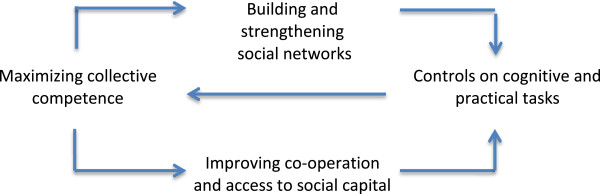
BACKGROUND: In this article we outline Burden of Treatment Theory, a new model of the relationship between sick people, their social networks, and healthcare services. Health services face the challenge of growing populations with long-term and life-limiting conditions, they have responded to this by delegating to sick people and their networks routine work aimed at managing symptoms, and at retarding - and sometimes preventing - disease progression. This is the new proactive work of patient-hood for which patients are increasingly accountable: founded on ideas about self-care, self-empowerment, and self-actualization, and on new technologies and treatment modalities which can be shifted from the clinic into the community. These place new demands on sick people, which they may experience as burdens of treatment. DISCUSSION: As the burdens accumulate some patients are overwhelmed, and the consequences are likely to be poor healthcare outcomes for individual patients, increasing strain on caregivers, and rising demand and costs of healthcare services. In the face of these challenges we need to better understand the resources that patients draw upon as they respond to the demands of both burdens of illness and burdens of treatment, and the ways that resources interact with healthcare utilization. SUMMARY: Burden of Treatment Theory is oriented to understanding how capacity for action interacts with the work that stems from healthcare. Burden of Treatment Theory is a structural model that focuses on the work that patients and their networks do. It thus helps us understand variations in healthcare utilization and adherence in different healthcare settings and clinical contexts.
Overview
The claims and statistics of this paper haven’t been checked yet.
Free: it reads the open-access text and checks the first 5 claims that cite a source we can check. Create a free account to check every claim.
Integrity signals
Registry
Cites
Statistics
Figures
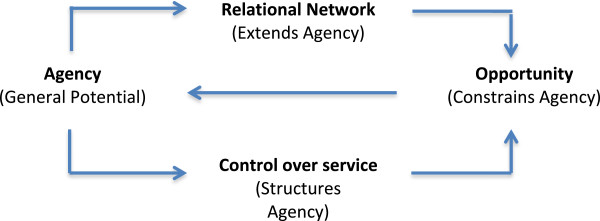
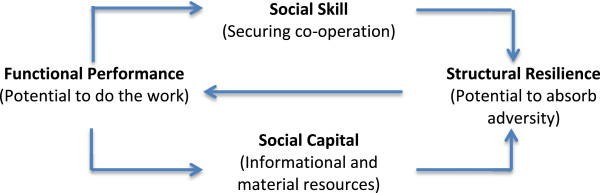
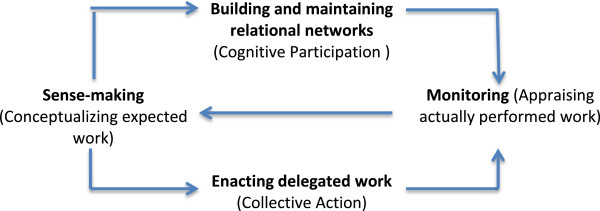
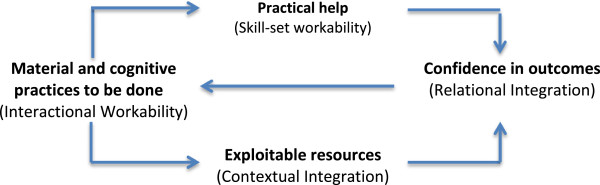
Verification
Claims the paper makes
The claims and statistics of this paper haven’t been checked yet.
Free: it reads the open-access text and checks the first 5 claims that cite a source we can check. Create a free account to check every claim.
Claims other papers make about this one
Each is checked against this paper’s own text: does it say what the citing paper says it does?
The cited source says what the claim attributes to it.
In the citing paper
“Burden of treatment also includes the effort needed from the patient to access services (31, 93), which technologies (especially e-consultations) could potentially alleviate.”
From Planning and Evaluating Remote Consultation Services: A New Conceptual Framework Incorporating Complexity and Practical Ethics (2021) · cites this paper as [93]
The cited source says what the claim attributes to it.
In the citing paper
“NPT both can be, and is, applied to those groups.”
From Using Normalization Process Theory in feasibility studies and process evaluations of complex healthcare interventions: a systematic review (2018) · cites this paper as [215]
The cited source says what the claim attributes to it.
In the citing paper
“But as May et al have pointed out in their burden of treatment theory, shifting the work of care from clinic to community places new demands on the sick (and hence raises ethical questions) [75].”
In the citing paper
“A related concept is what May et al. (93) have called burden of treatment—the additional burden placed on the patient when they are asked to “self-manage” —with the sickest and most vulnerable carrying the greatest burden.”
From Planning and Evaluating Remote Consultation Services: A New Conceptual Framework Incorporating Complexity and Practical Ethics (2021) · cites this paper as [93]
In the citing paper
“Work by Kennedy et al. [57] and Gallagher et al. [58], for example, applies NPT to situations in the home and outside of formal healthcare organisations, where ‘contexts’ are not so much organisational as organising and are distributed across informal social networks [59, 60].”
From Implementation, context and complexity (2016) · cites this paper as [59]
Self-check
Percentages, sums and reported differences re-computed from the paper’s own numbers.
The self-check needs the paper’s full text.
Citations
Cites
Granovetter, M. S. (1973) · American Journal of Sociology · doi:10.1086/225469 · Cited by 40,491 · cited 2×
“Following Granovetter [48], this is about the extent to which they can add useful relationships – characterized by weak ties between members – to the core of strong ties through which expectations or obligations of actual material and effective exchange are played out.”
BackgroundSocial Capital: Its Origins and Applications in Modern Sociology
Portes, A. (1998) · Annual Review of Sociology · doi:10.1146/annurev.soc.24.1.1 · Cited by 12,037 · cited 1×
“While functional performance and social skill describe the capacity of a patient and relational network to mobilize themselves and others to utilize healthcare services, access to social capital [47] is also crucial.”
Background(1951) · Cited by 8,693
Barnett, K., Mercer, S. W., Norbury, M., Watt, G., Wyke, S., & Guthrie, B. (2012) · The Lancet · doi:10.1016/s0140-6736(12)60240-2 · Cited by 6,972 · cited 1×
“Unsupported individuals who are isolated from meaningful social networks are not uncommon, especially amongst older people where relational networks are unstable and may diminish towards the end of life [5] but most patients have some kind of mutually supportive social relationships.”
BackgroundOrganizing and the process of sensemaking
Weick, K. E., Sutcliffe, K. M., & Obstfeld, D. (2005) · Organization Science · doi:10.1287/orsc.1050.0133 · Cited by 6,943
Chronic illness as biographical disruption
Bury, M. (1982) · Sociology of Health & Illness · doi:10.1111/1467-9566.ep11339939 · Cited by 3,960 · cited 1×
“By this we mean the extent to which members of the patient’s extended network can capture, possess, and mobilize psychological and social resources to absorb and compensate for – and even thrive – in the face of biographical disruptions [51], adverse path0physiological events and social processes.”
BackgroundImplementing, Embedding, and Integrating Practices: An Outline of Normalization Process Theory
May, C., & Finch, T. (2009) · Sociology · doi:10.1177/0038038509103208 · Cited by 2,115
Self-citationSocial Skill and the Theory of Fields
Fligstein, N. (2001) · Sociological Theory · doi:10.1111/0735-2751.00132 · Cited by 1,624
Development of a theory of implementation and integration: Normalization Process Theory
May, C. R., Mair, F., Finch, T., MacFarlane, A., Dowrick, C., Treweek, S., Rapley, T., Ballini, L., Ong, B. N., Rogers, A., et al. (2009) · Implementation Science · doi:10.1186/1748-5908-4-29 · Cited by 1,409
Self-citationBiocapital: The Constitution of Postgenomic Life
Sunder Rajan, K. (2006) · Duke University Press eBooks · doi:10.1215/9780822388005 · Cited by 1,067
Cited by
Items 101–200 of 737
Pesantes, M. A., Lazo-Porras, M., Dabrh, A. M. A., Ávila-Ramírez, J. R., Torres, M. D. C. C., Villamonte, G., Sánchez-Perez, G. P., Málaga, G., Bernabé‐Ortiz, A., & Miranda, J. J. (2015) · Canadian Journal of Cardiology · doi:10.1016/j.cjca.2015.06.003 · Cited by 51
Tompkins, C. N. E., Scanlon, K., Scott, E., Ream, E., Harding, S., & Armes, J. (2016) · BMC Health Services Research · doi:10.1186/s12913-016-1625-x · Cited by 49
Uncovering the invisible patient work system through a case study of breast cancer self-management
Gorman, R. K., Wellbeloved-Stone, C. A., & Valdez, R. S. (2018) · Ergonomics · doi:10.1080/00140139.2018.1503339 · Cited by 55
“…recent studies of work visibility (Ancker et al. 2015a; Moreira 2008; Nicolini 2006; Oudshoorn 2008; Senteio and Veinot 2014; Unruh and Pratt 2008; May et al. 2014; Boehmer et al. 2016; Shippee et al. 2012; May, Montori, and Mair 2009), which demonstrate the additional burdens of patient work…”
BackgroundManaging Diabetes in Hard to Reach Populations: A Review of Telehealth Interventions
Appuswamy, A. V., & Desimone, M. E. (2020) · Current Diabetes Reports · doi:10.1007/s11892-020-01310-2 · Cited by 50
Walton, H., Vindrola‐Padros, C., Crellin, N. E., Sidhu, M. S., Herlitz, L., Litchfield, I. J., Ellins, J., Ng, P. L., Massou, E., Tomini, S. M., et al. (2022) · Health Expectations · doi:10.1111/hex.13548 · Cited by 47
“Different individuals may tolerate different levels of treatment burden, and it has been suggested that this needs to be assessed regularly as tolerance changes over time.(10,32) Many factors worsen treatment burden, including situational factors (e.”
BackgroundInfluentialBoehmer, K. R., Dobler, C. C., Thota, A. D., Branda, M. E., Giblon, R. E., Behnken, E., Organick, P. W., Allen, S. V., Shaw, K., & Montori, V. M. (2019) · BMJ Open · doi:10.1136/bmjopen-2019-029105 · Cited by 43
Self-citationCross, S. P. M., & Álvarez‐Jiménez, M. (2024) · Frontiers in Psychiatry · doi:10.3389/fpsyt.2024.1382726 · Cited by 58
Clinical encounters in the post-guidelines era
Elwyn, G. J., Wieringa, S., & Greenhalgh, T. (2016) · BMJ · doi:10.1136/bmj.i3200 · Cited by 48
Usefulness of Wearable Cameras as a Tool to Enhance Chronic Disease Self-Management: Scoping Review
Maddison, R., Cartledge, S. H., Rogerson, M., Goedhart, N. S., Singh, T. R., Neil, C., Phung, D., & Ball, K. (2019) · JMIR mhealth and uhealth · doi:10.2196/10371 · Cited by 51
“We would expect that the simple nature of these devices would not add additional burden to people with chronic disease and their caregivers, but future research is required [56].”
Appleton, L., Poole, H. M., & Wall, C. (2018) · Journal of Advanced Nursing · doi:10.1111/jan.13553 · Cited by 45
Core GRADE 6: presenting the evidence in summary of findings tables
Guyatt, G. H., Yao, L., Murad, M. H., Hultcrantz, M., Agoritsas, T., de Beer, H., Schandelmaier, S., Iorio, A., Zeng, L., Prasad, M., et al. (2025) · BMJ · doi:10.1136/bmj-2024-083866 · Cited by 50
“…addition to displaying benefits and harms in their summary of findings tables, Core GRADE users may choose to narratively summarise available data on the burden of interventions 48 49 —what has been called the “work” of being a patient and what GRADE guidelines have referred to as practical issues.”
Self-citationEkstedt, M., Kirsebom, M., Lindqvist, G., Frykholm, O., Kneck, Å., Flink, M., & Wannheden, C. (2021) · International Journal of Environmental Research and Public Health · doi:10.3390/ijerph19010391 · Cited by 50
“Therefore, previous research has emphasized the need to better understand patients’ capacities to manage the burdens of illness and treatment [52] and called for minimally disruptive interventions oriented explicitly towards care for patients with complex conditions [53,54].”
Background2017 National Standards for Diabetes Self-Management Education and Support
Beck, J., Greenwood, D. A., Blanton, L., Bollinger, S. T., Butcher, M. K., Condon, J. E., Cypress, M., Faulkner, P., Fischl, A. H., Francis, T., et al. (2019) · The Diabetes Educator · doi:10.1177/0145721718820941 · Cited by 39
Webster, F., Christian, J. B., Mansfield, E. D., Bhattacharyya, O. K., HAWKER, G. A., Levinson, W. S., Naglie, G., Pham, T.-N. T., Rose, L., Schull, M. J., et al. (2015) · BMJ Open · doi:10.1136/bmjopen-2015-007664 · Cited by 40
What is the impact of day care on older people with long‐term conditions: A systematic review
Lunt, C., Dowrick, C. F., & Lloyd‐Williams, M. (2020) · Health & Social Care in the Community · doi:10.1111/hsc.13245 · Cited by 45
Burden of treatment in patients with chronic heart failure – A cross-sectional study
Nordfonn, O. K., Morken, I. M., Bru, L. E., Larsen, A. I., & Husebø, A. M. L. (2021) · Heart & Lung · doi:10.1016/j.hrtlng.2021.02.003 · Cited by 42
Boehmer, K. R., Gallacher, K., Lippiett, K. A., Mair, F. S., May, C. R., & Montori, V. M. (2022) · Mayo Clinic Proceedings · doi:10.1016/j.mayocp.2021.09.003 · Cited by 47
Self-citation2017 National Standards for Diabetes Self-Management Education and Support
Beck, J. K., Greenwood, D. A., Blanton, L., Bollinger, S. T., Butcher, M. K., Condon, J. E., Cypress, M., Faulkner, P., Fischl, A. H., Francis, T., et al. (2021) · The Science of Diabetes Self-Management and Care · doi:10.1177/0145721720987926 · Cited by 43
“health beliefs and attitudes, diabetes knowledge, diabetes self-management skills and behaviors, emotional response to diabetes, disease burden, ability, readiness to learn, literacy level (including health literacy and numeracy), physical limitations, family support, peer support (in person or via social networking s…”
Hounkpatin, H. O., Leydon, G., Veighey, K. V., Armstrong, K. A., Santer, M., Taal, M. W., Annells, P., May, C. R., Roderick, P. J., & Fraser, S. D. (2020) · BMJ Open · doi:10.1136/bmjopen-2020-042548 · Cited by 46
Self-citationLeadership for careful and kind care
Allwood, D., Koka, S., Armbruster, R., & Montori, V. M. (2021) · BMJ Leader · doi:10.1136/leader-2021-000451 · Cited by 40
Self-citationMyall, M., May, C. R., Grimmett, C., May, C., Calman, L. A., Richardson, A. M., & Foster, C. L. (2015) · BMC Medical Informatics and Decision Making · doi:10.1186/s12911-015-0214-y · Cited by 44
“NPT has been mainly used in qualitative studies of implementation [22], including systematic reviews [23–25].”
MethodSelf-citationJournal of Cancer Survivorship
(2013) · Journal of Cancer Survivorship · doi:10.1007/11764.1932-2267 · Cited by 37
Cupit, C., Rankin, J. M., Armstrong, N., & Martin, G. P. (2019) · Sociology of Health & Illness · doi:10.1111/1467-9566.12998 · Cited by 44
“Our analysis highlights how HCPs’ presentation of particular forms of preventative action (and their beliefs that these actions are incontrovertibly beneficial) creates difficulties for patients, adding to the ‘work of patienthood’ (May et al. 2014).”
Backgroundvan Pinxteren, M., Mbokazi, N., Murphy, K., Mair, F. S., May, C. R., & Levitt, N. S. (2023) · Frontiers in Medicine · doi:10.3389/fmed.2023.1061190 · Cited by 46
Self-citationDavies, M. J., Lim, S. K., Slater, T., Goldney, J., Philis‐Tsimikas, A., Franco, D. R., Lamptey, R., Yates, T. E., Tankova, T. I., & Lingvay, I. (2026) · Nature Reviews Disease Primers · doi:10.1038/s41572-026-00687-w · Cited by 64
Boehmer, K. R., Guerton, N. M., Soyring, J. E., Hargraves, I. G., Dick, S. R., & Montori, V. M. (2019) · Mayo Clinic Proceedings · doi:10.1016/j.mayocp.2018.08.021 · Cited by 38
Self-citationAssessment of functional health literacy in Brazilian carers of older people
de Almeida, K. M. V., Toye, C. M., Silveira, L. V. D. A., Slatyer, S., Hill, K., & Jacinto, A. F. (2019) · Dementia & Neuropsychologia · doi:10.1590/1980-57642018dn13-020006 · Cited by 44
Huang, C., Lam, L., Plummer, V., & Cross, W. M. (2020) · Patient Education and Counseling · doi:10.1016/j.pec.2020.10.032 · Cited by 47
Gu, J., Yang, C., Zhang, K., & Zhang, Q. (2021) · Geriatric Nursing · doi:10.1016/j.gerinurse.2021.07.006 · Cited by 38
Pollock, K., Wilson, E., Caswell, G., Latif, A., Caswell, A., Avery, A. J., Anderson, C., Crosby, V., & Faull, C. (2021) · Health Services and Delivery Research · doi:10.3310/hsdr09140 · Cited by 43
Pedersen, M. H., Duncan, P., Lasgaard, M., Friis, K., Salisbury, C., & Larsen, F. B. (2022) · BMJ Open · doi:10.1136/bmjopen-2021-055276 · Cited by 45
Association of Multimorbidity and Excess Mortality After Fractures Among Danish Adults
Tran, T. S., Bliuc, D., Ho-Le, T. P., Abrahamsen, B., van den Bergh, J. P., Chen, W., Eisman, J. A., Geusens, P., Hansen, L., Vestergaard, P., et al. (2022) · JAMA Network Open · doi:10.1001/jamanetworkopen.2022.35856 · Cited by 39
Context and complexity: the meaning of self‐management for older adults with heart disease
Moore, L., Frost, J., & Britten, N. (2015) · Sociology of Health & Illness · doi:10.1111/1467-9566.12316 · Cited by 47
Morris, R., Kennedy, A. P., & Sanders, C. (2015) · Health Expectations · doi:10.1111/hex.12394 · Cited by 43
Minimally Disruptive Medicine for Patients with Diabetes
Serrano, V., Spencer‐Bonilla, G., Boehmer, K. R., & Montori, V. M. (2017) · Current Diabetes Reports · doi:10.1007/s11892-017-0935-7 · Cited by 37
Self-citationThe assessment and management of quality of life of older adults with diabetes mellitus
Kassem, L. S., & Aron, D. C. (2020) · Expert Review of Endocrinology & Metabolism · doi:10.1080/17446651.2020.1737520 · Cited by 40
“between disease/treatment burden and the capacity to deal with that burden is of critical importance [7,8].”
BackgroundLesage, A., Leclère, B., Moret, L., & Glatin, C. L. (2021) · PLoS ONE · doi:10.1371/journal.pone.0245112 · Cited by 36
“For the same workload of healthcare, the burden of treatment may vary greatly from one patient to another depending on their ability to manage it [15].”
BackgroundPerspectives of Patients in Identifying Their Values‐Based Health Priorities
Feder, S. L., Kiwak, E., Costello, D. M., Dindo, L. N., Hernandez‐Bigos, K., Vo, L., Geda, M. E., Blaum, C. S., Tinetti, M. E., & Naik, A. D. (2019) · Journal of the American Geriatrics Society · doi:10.1111/jgs.15850 · Cited by 41
Logistic burdens of cancer care: A qualitative study
Dona, A. C., Jewett, P. I., Hwee, S., Brown, K. A., Solomon, M., Gupta, A., Teoh, D. G. K., Yang, G., Wolfson, J. A., Fan, Y., et al. (2024) · PLoS ONE · doi:10.1371/journal.pone.0300852 · Cited by 39
“The authors drew upon theories such as the Burden of Treatment Theory [34] and the Cumulative Complexity Model, [35] as well as instruments such as the Treatment Burden Questionnaire (TBQ) [36] and the Patient Experience with Treatment and Self-management (PETS), [37] all of which emphasizes the…”
MethodTreatment Burden of Medicare Beneficiaries With Stage I Non–Small-Cell Lung Cancer
Presley, C. J., Soulos, P. R., Tinetti, M. E., Montori, V. M., Yu, J. B., & Gross, C. P. (2017) · Journal of Oncology Practice · doi:10.1200/jop.2016.014100 · Cited by 36
“Physicians 20 (14-28) 14 (13-14) 22 (16-29) 15 (9-23) 16 (11-24) 7 (2-14) 16 (11-24) 9 (4-17)”
Self-citationAinsworth, B., Greenwell, K., Stuart, B., Raftery, J., Mair, F., Bruton, A., Yardley, L., & Thomas, M. (2019) · BMJ Open · doi:10.1136/bmjopen-2019-032465 · Cited by 35
“30 The questionnaire consisted of four questions with descriptive responses that explored whether new programmes were signed up to (such as gym membership, yoga/meditation) and the financial burden of doing so (see online supplementary appendix 1).”
Self-citationGilbert, A. W., Jones, J., Stokes, M. J., & May, C. R. (2021) · BMJ Open · doi:10.1136/bmjopen-2020-041038 · Cited by 40
Self-citationPerlman, A. I., & Dabrh, A. M. A. (2020) · Global Advances in Health and Medicine · doi:10.1177/2164956120959274 · Cited by 39
Espinoza, P., Varela, C. A., Vargas, I., Ortega, G., Silva, P. A., Boehmer, K. B., & Montori, V. M. (2020) · PLoS ONE · doi:10.1371/journal.pone.0241485 · Cited by 36
“As patients become overwhelmed under the burden of treatment, they may not be able to implement care with adequate fidelity, complicating their care, wellbeing, and the relationship with their clinicians [11].”
BackgroundSelf-citationAustin, R. C., Schoonhoven, L., Clancy, M., Richardson, A. M., Kalra, P. R., & May, C. R. (2021) · BMJ Open · doi:10.1136/bmjopen-2020-047060 · Cited by 36
Self-citationPalliative and end of life care of people with diabetes: issues, challenges and strategies
Dunning, T., & Martin, P. (2018) · Diabetes Research and Clinical Practice · doi:10.1016/j.diabres.2017.09.018 · Cited by 32
Tahsin, F., Armas, A., Kirakalaprathapan, A., Kadu, M., Sritharan, J., & Gray, C. S. (2023) · Journal of Medical Internet Research · doi:10.2196/44035 · Cited by 38
“In contrast, too many self-management responsibilities can overwhelm patients, especially if the patient has a low capacity (ie, financial resources) to shoulder the responsibilities [10].”
Person-centred medicines optimisation policy in England: an agenda for research on polypharmacy
Heaton, J., Britten, N., Krska, J., & Reeve, J. L. (2016) · Primary Health Care Research & Development · doi:10.1017/s1463423616000207 · Cited by 38
“There are also concepts such as ‘burden of treatment’ (May et al., 2014) and ‘minimally disruptive medicine’ that are salient and informing the development of tools for measuring the impact of interventions in terms that are more relevant to patients (Lepping, Montori and Gionfriddo, 2015).”
Hendry, G., Fenocchi, L., Woodburn, J., & Steultjens, M. P. M. (2018) · Journal of Foot and Ankle Research · doi:10.1186/s13047-018-0290-1 · Cited by 40
Quality of Life and Value Assessment in Health Care
Hall, A. (2019) · Health Care Analysis · doi:10.1007/s10728-019-00382-w · Cited by 37
Foley, L., Hynes, L., Murphy, A. W., & Molloy, G. J. (2021) · British Journal of Health Psychology · doi:10.1111/bjhp.12568 · Cited by 33
Role of age and health in perceptions of returning to work: a qualitative study
Neary, J., Katikireddi, S. V., Brown, J. E., Macdonald, E. B., & Thomson, H. (2019) · BMC Public Health · doi:10.1186/s12889-019-6819-9 · Cited by 33
Nordfonn, O. K., Morken, I. M., & Husebø, A. M. L. (2020) · Nursing Open · doi:10.1002/nop2.455 · Cited by 53
“Patients' ability to manage the BoT is important in affecting the outcomes and stability of HF disease (Eton et al., 2012; Shippee et al., 2012).”
BackgroundInfluentialShared Decision-Making. A Primer for Clinicians
Elwyn, G. J., Gulbrandsen, P., Leavitt, H. B., Abukmail, E., Clayman, M. L., Edwards, A., Finderup, J., Fisher, A., Grande, S. W., Hahlweg, P., et al. (2025) · Journal of General Internal Medicine · doi:10.1007/s11606-025-09707-z · Cited by 35
“34 There is also often insufficient or low-quality evidence, deepening uncertainty: a limitation clinicians must also share.”
Practical multidisciplinary approaches to heart failure management for improved patient outcome
Riley, J. P., & Masters, J. (2016) · European Heart Journal Supplements · doi:10.1093/eurheartj/suw046 · Cited by 40
Murray, E., Ross, J., Pal, K., Li, J., Dack, C., Stevenson, F., Sweeting, M., Parrott, S., Barnard, M., Yardley, L., et al. (2018) · Programme Grants for Applied Research · doi:10.3310/pgfar06050 · Cited by 19
Self-citationAchieving person-centred health systems: levers and strategies
Nolte, E., & Anell, A. (2020) · Cambridge University Press eBooks · doi:10.1017/9781108855464.007 · Cited by 34
Eton, D. T., Lee, M. K., Sauver, J. L. S., & Anderson, R. T. (2020) · Quality of Life Research · doi:10.1007/s11136-020-02546-x · Cited by 34
Self-citationHusebø, A. M. L., Karlsen, B., & Husebø, S. E. (2020) · BMC Health Services Research · doi:10.1186/s12913-020-05520-y · Cited by 34
Self-management by older people living with cancer and multi-morbidity: a qualitative study
Corbett, T. K., Lee, K., Cummings, A. J., Calman, L. A., Farrington, N., Lewis, L. A., Young, A., Richardson, A. M., Foster, C. L., & Bridges, J. (2022) · Supportive Care in Cancer · doi:10.1007/s00520-022-06892-z · Cited by 40
“Increasingly, people are encouraged to self-manage their health, and to balance the workload of everyday life alongside their health [15, 16].”
BackgroundSelf-citationPinto, C., Geraghty, A. W. A., McLoughlin, C., Pagnini, F., Yardley, L., & Dennison, L. (2022) · Health Psychology Review · doi:10.1080/17437199.2022.2073901 · Cited by 39
“Being fl exible with the structure of psychological services or providing necessary resources/support can help reduce this treatment burden (May et al., 2014; Rice et al., 2020).”
Walker, L. (2017) · Health An Interdisciplinary Journal for the Social Study of Health Illness and Medicine · doi:10.1177/1363459317739436 · Cited by 38
“This includes recording clinical data, managing complex drug regimes and navigating complicated administrative systems, requiring time, skill, resources and the mobilisation of capacity (Boehmer et al., 2016; May et al., 2014).”
Mair, F. S., & Gallacher, K. (2017) · British Journal of General Practice · doi:10.3399/bjgp17x690965 · Cited by 32
Self-citationAdeniji, C., Kenning, C., Coventry, P. A., & Bower, P. (2015) · BMC Health Services Research · doi:10.1186/s12913-015-0927-8 · Cited by 42
“This suggests that services need to place a greater focus on the experience of the patient with multimorbidity [10, 11].”
BackgroundHealth-related preferences of older patients with multimorbidity: an evidence map
González‐González, A. I., Schmucker, C. M., Nothacker, J., Motschall, E., Nguyen, T. S., Brueckle, M.-S., Blom, J. W., van den Akker, M., Röttger, K., Wegwarth, O., et al. (2019) · BMJ Open · doi:10.1136/bmjopen-2019-034485 · Cited by 35
Pritlove, C., Jassi, M., Burns, B., & McCurdy, A. B. R. (2021) · BMC Cancer · doi:10.1186/s12885-021-08527-8 · Cited by 31
Towards a More Patient-Centered Approach to Medication Safety
Lee, J. L.-Y., Dy, S. M., Gürses, A. P., Kim, J. M., Suarez‐Cuervo, C., Berger, Z. D., Brown, R., & Xiao, Y. (2017) · Journal of Patient Experience · doi:10.1177/2374373517727532 · Cited by 32
“Likewise, prioritizing the burden of a medication regimen for a patient and family incorporates patient-centeredness into medication safety while improving the appropriateness of the interventions to patients (12).”
BackgroundPollock, K., Caswell, G., Turner, N., & Wilson, E. (2023) · Death Studies · doi:10.1080/07481187.2023.2225042 · Cited by 28
“We might ask: what is the relevance of choice for carers and what is their entitlement to limit the demands of care (Borgstrom, 2015; May et al., 2014)?”
BackgroundThe emergence of multimorbidity as a matter of concern: a critical review
van Blarikom, E., Fudge, N., & Swinglehurst, D. (2022) · BioSocieties · doi:10.1057/s41292-022-00285-5 · Cited by 34
“Sinnott et al (2013) found that GPs experience the care for patients with multimorbidity as challenging on many levels, and patients themselves experience high ‘burdens of treatment’ (May et al. 2014) because they have to constantly navigate various systems of care and adhere to a variety of treatment plans (Rosbach a…”
BackgroundNdlovu, J. T., & Mokwena, K. E. (2023) · Healthcare · doi:10.3390/healthcare11192686 · Cited by 30
An assessment of patient burdens from head and neck cancer survivorship care
Massa, S. T., Rohde, R. L., Mckinstry, C., Gresham, M., Osazuwa‐Peters, N., Ward, G. M., & Walker, R. J. (2018) · Oral Oncology · doi:10.1016/j.oraloncology.2018.04.024 · Cited by 30
Ryan, C., Pope, C. J., & Roberts, L. C. (2020) · BMJ Open · doi:10.1136/bmjopen-2020-037157 · Cited by 30
Murray, E., Goodfellow, H., Bindman, J., BLANDFORD, A. E., Bradbury, K. J., Chaudhry, T., Fernández-Reyes, D., Gomes, M., Hamilton, F. L., Heightman, M., et al. (2022) · BMJ Open · doi:10.1136/bmjopen-2021-057408 · Cited by 32
Managing expectations: cognitive authority and experienced control in complex healthcare processes
Hunt, K. J., & May, C. R. (2017) · BMC Health Services Research · doi:10.1186/s12913-017-2366-1 · Cited by 33
“Cognitive Authority Theory suggests that there is another dimension to patient experience that is not fully accounted for in either the Cumulative Complexity Model or Burden of Treatment Theory.”
MethodInfluentialSelf-citationHusebø, A. M. L., Morken, I. M., Eriksen, K. S., & Nordfonn, O. K. (2018) · BMC Medical Research Methodology · doi:10.1186/s12874-018-0612-9 · Cited by 27
Kyle, J., Skleparis, D., Mair, F. S., & Gallacher, K. (2020) · BMJ Open · doi:10.1136/bmjopen-2019-034113 · Cited by 31
Self-citationWilson, E., Caswell, G., & Pollock, K. (2021) · Palliative Medicine · doi:10.1177/02692163211030113 · Cited by 32
“(1) semi-structured single interviews with bereaved family caregivers, and (2) interviews included within longitudinal case studies31,32 with patients and current family caregivers.”
BackgroundPritlove, C., Safai, P., Angus, J., Armstrong, P., Jones, J. M., & Parsons, J. A. (2018) · Qualitative Health Research · doi:10.1177/1049732318803885 · Cited by 32
2017 National Standards for Diabetes Self-Management Education and Support
Beck, J. K., Greenwood, D. A., Blanton, L., Bollinger, S. T., Butcher, M. K., Condon, J. E., Cypress, M., Faulkner, P., Fischl, A. H., Francis, T., et al. (2017) · Diabetes Spectrum · doi:10.2337/ds17-0067 · Cited by 30
“health beliefs and attitudes, diabetes knowledge, diabetes self-management skills and behaviors, emotional response to diabetes, disease burden, ability, readiness to learn, literacy level (including health literacy and numeracy), physical limitations, family support, peer support (in person or via social networking s…”
Hardman, R., Begg, S. J., & Spelten, E. R. (2021) · PLoS ONE · doi:10.1371/journal.pone.0255802 · Cited by 34
“The coding systems used were the Theory of Patient Capacity to analyse capacity [33] and Normalisation Process Theory to analyse burden [27].”
BackgroundMethodCo-ordinated care for people affected by rare diseases: the CONCORD mixed-methods study
Morris, S., Hudson, E., Bloom, L. C., Chitty, L. S., Fulop, N., Hunter, A., Jones, J., Kai, J., Kerecuk, L., Kokocinska, M., et al. (2022) · Health and Social Care Delivery Research · doi:10.3310/lnzz5321 · Cited by 30
Islam, Z., Pollock, K., Patterson, A., Hanjari, M., Wallace, L., Mururajani, I., Conroy, S., & Faull, C. (2023) · Health and Social Care Delivery Research · doi:10.3310/jvfw4781 · Cited by 33
Making sense of technology adoption in healthcare: meso-level considerations
May, C. R. (2015) · BMC Medicine · doi:10.1186/s12916-015-0305-8 · Cited by 31
Self-citationHeavey, E., Waring, J. J., Brún, A. D., Dawson, P., & Scott, J. (2019) · Journal of Health and Social Behavior · doi:10.1177/0022146519849027 · Cited by 29
“In addition to managing health risks and making appropriate use of healthcare services (Kitson et al. 2013; May et al. 2014; Pedersen and Kjær 2017), these responsibilities include engaging in safety-creating behaviors such as challenging healthcare professionals and alerting them to the patients’ needs (De Brún et al.”
BackgroundInfluentialO’Connor, S., Hanlon, P., O’Donnell, C. A., Gonzalez-Moral, S. G., Glanville, J., & Mair, F. S. (2016) · BMJ Open · doi:10.1136/bmjopen-2015-010895 · Cited by 29
Self-citationBarton, J. L., Hulen, E., Schue, A., Yelin, E. H., Ono, S. S., Tuepker, A., & Koenig, C. J. (2018) · Arthritis Care & Research · doi:10.1002/acr.23541 · Cited by 26
“This in turn may promote more high-value rheumatologic care in which patient-identified health goals are achieved within the capacity and workload of individual patients (18,19).”
BackgroundChin, W. Y., Wong, C. K. H., Ng, C. C. W., Choi, E. P. H., & Lam, C. L. K. (2019) · Family Practice · doi:10.1093/fampra/cmz008 · Cited by 27
Early, F. H., Wilson, P. M., Deaton, C., Wellwood, I., Haque, H. W., Fox, S. E., Yousaf, A., Meysner, O. D., Ward, J., Singh, S., et al. (2020) · ERJ Open Research · doi:10.1183/23120541.00219-2019 · Cited by 24
Qualitative research methods and its application in nephrology
Guha, C., Viecelli, A. K., Wong, G., Manera, K., & Tong, A. (2021) · Nephrology · doi:10.1111/nep.13888 · Cited by 38
“follow-up appointments can place a substantial treatment burden on patients and carers and impair quality of life.(2) This highlights the need for care that is responsive to the needs”
BackgroundChange in treatment burden among people with multimorbidity: a follow-up survey
Hounkpatin, H. O., Roderick, P. J., Harris, S., Morris, J., Smith, D. M., Walsh, B. M., Roberts, H. C., Dambha‐Miller, H., Tan, Q. Y., Watson, F., et al. (2022) · British Journal of General Practice · doi:10.3399/bjgp.2022.0103 · Cited by 26
Influence of health-system change on treatment burden: a systematic review
Matthews, K., Rennoldson, S. C., & Fraser, S. D. (2022) · British Journal of General Practice · doi:10.3399/bjgp.2022.0066 · Cited by 27
Early, F. H., Wilson, P. M., Deaton, C., Wellwood, I., Dickerson, T., Ward, J., Jongepier, L., Barlow, R., Singh, S., BENSON, J. A., et al. (2019) · BMJ Open · doi:10.1136/bmjopen-2018-024806 · Cited by 23
“Closely aligned to normalisation process theory, burden of treatment theory will be used to understand patients’ experiences.(46) This theory provides a structural model of the relationship between treatment burden and patients’/carers’ capacity to undertake work required to manage their condition, and helps to unders…”
MethodOzieh, M. N., Garacci, E., Campbell, J. A., Walker, R. J., & Egede, L. E. (2020) · American Journal of Preventive Medicine · doi:10.1016/j.amepre.2020.04.005 · Cited by 28
“Furthermore, the existing literature has shown that the presence of ACEs confers risk for poor health behaviors in adulthood as well as morbidity and chronic diseases such as diabetes and hypertension.(43) Consequently, this could increase the risk for kidney disease, the potential for complications, and the progressi…”
BackgroundChronic condition self-management is a social practice
Franklin, M., Willis, K. F., Lewis, S. C., & Smith, L. D. (2021) · Journal of Sociology · doi:10.1177/14407833211038059 · Cited by 27
“actively they are involved in the process of self-management with their health professionals, is socially structured (see Kennedy et al., 2013; May et al., 2014; Ong et al., 2014).”
BackgroundInfluentialMorton, K., Dennison, L., Bradbury, K. J., Band, R. J., May, C. R., Raftery, J. P., Little, P. S., McManus, R. J., & Yardley, L. (2018) · BMJ Open · doi:10.1136/bmjopen-2017-020843 · Cited by 34
“(BoT) theory provides a mechanism for understanding these experiences in the context of patients’ personal capacity to cope, with emphasis on the role of wider healthcare systems and social networks available to the patient.(1) Health economic evaluations also focus on understanding the impact of healthcare on patient…”
Self-citationBoehmer, K. R., Kyriacou, M., Behnken, E., Branda, M. E., & Montori, V. M. (2018) · BMC Family Practice · doi:10.1186/s12875-018-0852-0 · Cited by 24
“Both the Burden of Treatment Theory and the Theory of Patient Capacity focus on the importance of patients’ social networks in coping with illness and treatment [11, 12].”
BackgroundSelf-citationSocial Networks of Self-care and Perceived Treatment Burden Among Patients on In-Center Hemodialysis
Song, M., Paul, S., Plantinga, L., Henry, C., & Turberville-Trujillo, L. (2019) · Kidney Medicine · doi:10.1016/j.xkme.2019.04.001 · Cited by 27
“tivities and its impact on the individual’s well-being is known as treatment burden.(1,2,6-8) Shah et al(9) found that perceived treatment burden, measured by an overall rating scale, was the highest among patients with ESRD compared with other chronic conditions with complex selfmanagement demands, including celiac d…”
BackgroundJakubowski, B. E., Hinton, L., Khaira, J., Roberts, N. W., McManus, R. J., & Tucker, K. L. (2022) · BMJ Open · doi:10.1136/bmjopen-2021-051962 · Cited by 23
“Acting for the baby May et al argue that the work of self-management in the general population is often done in the context of ‘holding something larger and more complex’, 14 alluding to everyday life.”
BackgroundQuiñones, A. R., Nagel, C., Botoseneanu, A., Newsom, J. T., Dorr, D. A., Kaye, J. A., Thielke, S. M., & Allore, H. G. (2022) · Journal of Multimorbidity and Comorbidity · doi:10.1177/26335565221143012 · Cited by 25
Bowers, B., Pollock, K., & Barclay, S. I. G. (2022) · Age and Ageing · doi:10.1093/ageing/afac293 · Cited by 28
“May et al. (2014) propose that ‘the burden of treatment’ must be considered from the perspectives of the patient and their support networks to ensure that the work of care is appropriate and sustainable [43].”
Metadata
- Authors
- May, C. R., Eton, D. T., Boehmer, K., Gallacher, K., Hunt, K., MacDonald, S., Mair, F. S., May, C. M., Montori, V. M., Richardson, A., Rogers, A. E., & Shippee, N.
- Affiliations
- University of Southampton (GB)
- Mayo Clinic (US)
- University of Glasgow (GB)
- University Hospital Southampton NHS Foundation Trust (GB)
- National Institute for Health and Care Research (GB)
- University of Minnesota (US)
- Corresponding author
- May, Carl R
- May, Christine M
- ORCID
- Venue
- BMC Health Services Research
- Published
- 2014-06-26
- Volume
- 14
- Issue
- 1
- Pages
- 281-281
- ISSN
- 1472-6963 (ISSN-L)
- PMC
- PMC4080515
- OpenAlex
- W2167877406
- Cited by
- 720
- References
- 77
- Citations by year
- 2026: 82 · 2025: 65 · 2024: 96 · 2023: 67 · 2022: 79 · 2021: 69 · 2020: 64 · 2019: 53 · 2018: 45 · 2017: 30 · 2016: 39 · 2015: 27 · 2014: 2
- FWCI
- 24.55
- Type
- journal article
- Language
- en
- Open access
- gold
- doi.org
- Licence
- Locations
- BMC Health Services Research (publishedVersion, cc-by)
- Europe PMC (PubMed Central) (publishedVersion, cc-by)
- PubMed Central (publishedVersion, cc-by)
- PubMed (publishedVersion)
- ENLIGHTEN (Jurnal Bimbingan dan Konseling Islam) (acceptedVersion)
- ePrints Soton (University of Southampton) (acceptedVersion)
- LSHTM Research Online (London School of Hygiene and Tropical Medicine) (acceptedVersion)
- Funders
- Macmillan Cancer Support
- Scottish Government
- National Institute for Health and Care Research
- Topics
- Health Sciences › Medicine › Epidemiology › Chronic Disease Management Strategies
- Health Sciences › Health Professions › General Health Professions › Mental Health and Patient Involvement
- Health Sciences › Nursing › Research and Theory › Nursing care and research
- Keywords
- patient burden, patienthood, illness experience, chronic disease, life-limiting illness, self-care, self-empowerment, social networks, health care utilization, medication adherence, caregiver burden, community-based care, action capacity
- MeSH terms
- Health Services, Humans, Models, Theoretical, Self Care, Social Support, Cost of Illness, Disease Progression
About these checks
Registry, retraction, Cites and statistics results are computed, not judged, with one exception: a printed reference that no index lists is read once by a model before it counts as a citation error. Claims are extracted by a model and kept only when their quote appears verbatim in the text; each cited source is then checked, with a model’s help, for whether it says what the claim relies on. Those verdicts can be wrong — read the claim’s quote and the cited source before relying on one.
Statistics and arithmetic are recomputed, not judged.
Confidence bands are shown only for fields calibrated on our annotated test set. None is calibrated yet, so no band is shown.
What counts as a claim ›How we measure confidence ›How we check this ›
Are you an author, or do you see a problem with this page? Request a review
Data sources
Bibliographic data: Semantic Scholar, OpenAlex, Crossref.
Contains information from the Semantic Scholar Academic Graph Datasets, made available under the ODC Attribution License (ODC-BY 1.0).
Semantic Scholar’s data is described in: Kinney, R., et al. (2023). The Semantic Scholar Open Data Platform. arXiv:2301.10140.
