

Rethinking the patient: using Burden of Treatment Theory to understand the changing dynamics of illness
Open accessThe DOI matches its Crossref record; 77 of the 77 references it cites were found in a registry or an index.
Abstract
BACKGROUND: In this article we outline Burden of Treatment Theory, a new model of the relationship between sick people, their social networks, and healthcare services. Health services face the challenge of growing populations with long-term and life-limiting conditions, they have responded to this by delegating to sick people and their networks routine work aimed at managing symptoms, and at retarding - and sometimes preventing - disease progression. This is the new proactive work of patient-hood for which patients are increasingly accountable: founded on ideas about self-care, self-empowerment, and self-actualization, and on new technologies and treatment modalities which can be shifted from the clinic into the community. These place new demands on sick people, which they may experience as burdens of treatment. DISCUSSION: As the burdens accumulate some patients are overwhelmed, and the consequences are likely to be poor healthcare outcomes for individual patients, increasing strain on caregivers, and rising demand and costs of healthcare services. In the face of these challenges we need to better understand the resources that patients draw upon as they respond to the demands of both burdens of illness and burdens of treatment, and the ways that resources interact with healthcare utilization. SUMMARY: Burden of Treatment Theory is oriented to understanding how capacity for action interacts with the work that stems from healthcare. Burden of Treatment Theory is a structural model that focuses on the work that patients and their networks do. It thus helps us understand variations in healthcare utilization and adherence in different healthcare settings and clinical contexts.
Overview
The claims and statistics of this paper haven’t been checked yet.
Free: it reads the open-access text and checks the first 5 claims that cite a source we can check. Create a free account to check every claim.
Integrity signals
Registry
Cites
Statistics
Figures
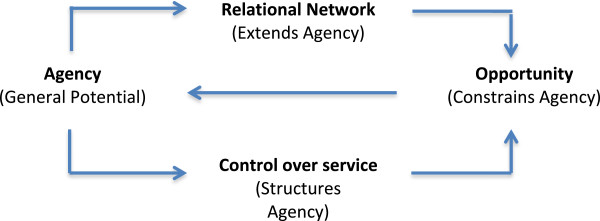
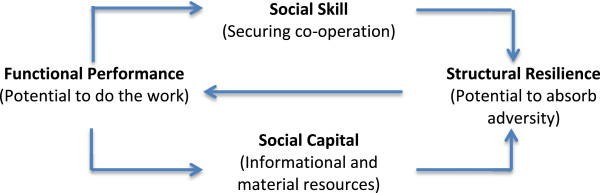
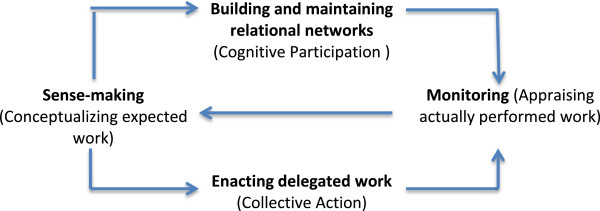
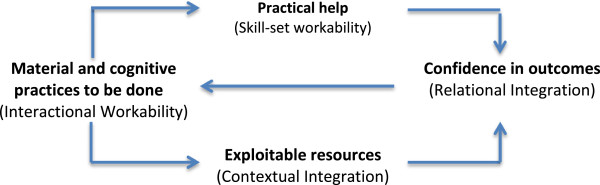
Verification
Claims the paper makes
The claims and statistics of this paper haven’t been checked yet.
Free: it reads the open-access text and checks the first 5 claims that cite a source we can check. Create a free account to check every claim.
Claims other papers make about this one
Each is checked against this paper’s own text: does it say what the citing paper says it does?
The cited source says what the claim attributes to it.
In the citing paper
“Burden of treatment also includes the effort needed from the patient to access services (31, 93), which technologies (especially e-consultations) could potentially alleviate.”
From Planning and Evaluating Remote Consultation Services: A New Conceptual Framework Incorporating Complexity and Practical Ethics (2021) · cites this paper as [93]
The cited source says what the claim attributes to it.
In the citing paper
“NPT both can be, and is, applied to those groups.”
From Using Normalization Process Theory in feasibility studies and process evaluations of complex healthcare interventions: a systematic review (2018) · cites this paper as [215]
The cited source says what the claim attributes to it.
In the citing paper
“But as May et al have pointed out in their burden of treatment theory, shifting the work of care from clinic to community places new demands on the sick (and hence raises ethical questions) [75].”
In the citing paper
“A related concept is what May et al. (93) have called burden of treatment—the additional burden placed on the patient when they are asked to “self-manage” —with the sickest and most vulnerable carrying the greatest burden.”
From Planning and Evaluating Remote Consultation Services: A New Conceptual Framework Incorporating Complexity and Practical Ethics (2021) · cites this paper as [93]
In the citing paper
“Work by Kennedy et al. [57] and Gallagher et al. [58], for example, applies NPT to situations in the home and outside of formal healthcare organisations, where ‘contexts’ are not so much organisational as organising and are distributed across informal social networks [59, 60].”
From Implementation, context and complexity (2016) · cites this paper as [59]
Self-check
Percentages, sums and reported differences re-computed from the paper’s own numbers.
The self-check needs the paper’s full text.
Citations
Cites
Granovetter, M. S. (1973) · American Journal of Sociology · doi:10.1086/225469 · Cited by 40,491 · cited 2×
“Following Granovetter [48], this is about the extent to which they can add useful relationships – characterized by weak ties between members – to the core of strong ties through which expectations or obligations of actual material and effective exchange are played out.”
BackgroundSocial Capital: Its Origins and Applications in Modern Sociology
Portes, A. (1998) · Annual Review of Sociology · doi:10.1146/annurev.soc.24.1.1 · Cited by 12,037 · cited 1×
“While functional performance and social skill describe the capacity of a patient and relational network to mobilize themselves and others to utilize healthcare services, access to social capital [47] is also crucial.”
Background(1951) · Cited by 8,693
Barnett, K., Mercer, S. W., Norbury, M., Watt, G., Wyke, S., & Guthrie, B. (2012) · The Lancet · doi:10.1016/s0140-6736(12)60240-2 · Cited by 6,972 · cited 1×
“Unsupported individuals who are isolated from meaningful social networks are not uncommon, especially amongst older people where relational networks are unstable and may diminish towards the end of life [5] but most patients have some kind of mutually supportive social relationships.”
BackgroundOrganizing and the process of sensemaking
Weick, K. E., Sutcliffe, K. M., & Obstfeld, D. (2005) · Organization Science · doi:10.1287/orsc.1050.0133 · Cited by 6,943
Chronic illness as biographical disruption
Bury, M. (1982) · Sociology of Health & Illness · doi:10.1111/1467-9566.ep11339939 · Cited by 3,960 · cited 1×
“By this we mean the extent to which members of the patient’s extended network can capture, possess, and mobilize psychological and social resources to absorb and compensate for – and even thrive – in the face of biographical disruptions [51], adverse path0physiological events and social processes.”
BackgroundImplementing, Embedding, and Integrating Practices: An Outline of Normalization Process Theory
May, C., & Finch, T. (2009) · Sociology · doi:10.1177/0038038509103208 · Cited by 2,115
Self-citationSocial Skill and the Theory of Fields
Fligstein, N. (2001) · Sociological Theory · doi:10.1111/0735-2751.00132 · Cited by 1,624
Development of a theory of implementation and integration: Normalization Process Theory
May, C. R., Mair, F., Finch, T., MacFarlane, A., Dowrick, C., Treweek, S., Rapley, T., Ballini, L., Ong, B. N., Rogers, A., et al. (2009) · Implementation Science · doi:10.1186/1748-5908-4-29 · Cited by 1,409
Self-citationBiocapital: The Constitution of Postgenomic Life
Sunder Rajan, K. (2006) · Duke University Press eBooks · doi:10.1215/9780822388005 · Cited by 1,067
Cited by
Greenhalgh, T., Wherton, J., Papoutsi, C., Lynch, J., Hughes, G., A'Court, C., Hinder, S., Fahy, N., Procter, R., & Shaw, S. (2017) · Journal of Medical Internet Research · doi:10.2196/jmir.8775 · Cited by 2,887
“But as May et al have pointed out in their burden of treatment theory, shifting the work of care from clinic to community places new demands on the sick (and hence raises ethical questions) [75].”
Skou, S. T., Mair, F. S., Fortin, M., Guthrie, B., Nunes, B. P., Miranda, J. J., Boyd, C. M., Pati, S., Mtenga, S., & Smith, S. M. (2022) · Nature Reviews Disease Primers · doi:10.1038/s41572-022-00376-4 · Cited by 1,362
Self-citationImplementation, context and complexity
May, C. R., Johnson, M., & Finch, T. (2016) · Implementation Science · doi:10.1186/s13012-016-0506-3 · Cited by 978
“[58], for example, applies NPT to situations in the home and outside of formal healthcare organisations, where ‘contexts’ are not so much organisational as organising and are distributed across informal social networks [59, 60].”
BackgroundSelf-citationMay, C. R., Cummings, A., Girling, M., Bracher, M., Mair, F. S., May, C. M., Murray, E., Myall, M., Rapley, T., & Finch, T. (2018) · Implementation Science · doi:10.1186/s13012-018-0758-1 · Cited by 683
Self-citationLadds, E., Rushforth, A., Wieringa, S., Taylor, S., Rayner, C., Husain, L., & Greenhalgh, T. (2020) · BMC Health Services Research · doi:10.1186/s12913-020-06001-y · Cited by 669
“The study was informed by emerging clinical understandings of long Covid [2] and theories from the social sciences of the narrative nature of human experience [26], lived experience of illness and its links to identity [27–29], stigma [30], burden of illness [31], good professional practice [32–34], access to healthca…”
MethodO’Connor, S., Hanlon, P., O’Donnell, C. A., Garcia, S., Glanville, J., & Mair, F. S. (2016) · BMC Medical Informatics and Decision Making · doi:10.1186/s12911-016-0359-3 · Cited by 636
Self-citationMultimorbidity in chronic disease: impact on health care resources and costs
McPhail, S. (2016) · Risk Management and Healthcare Policy · doi:10.2147/rmhp.s97248 · Cited by 549
Greenwood, D. A., Gee, P. M., Fatkin, K. J., & Peeples, M. (2017) · Journal of Diabetes Science and Technology · doi:10.1177/1932296817713506 · Cited by 526
Systematic review of smartphone-based passive sensing for health and wellbeing
Cornet, V. P., & Holden, R. J. (2018) · Journal of Biomedical Informatics · doi:10.1016/j.jbi.2017.12.008 · Cited by 406
“Passive sensing can ease — or, minimally, not add to —“ work that is delegated to patients and their families ” [67], by facilitating or automating di ffi cult tasks such as self-monitoring or daily logging [68].”
Background2017 national standards for diabetes self-management education and support
Beck, J., Greenwood, D. A., Blanton, L., Bollinger, S. T., Butcher, M. K., Condon, J. E., Cypress, M., Faulkner, P., Fischl, A. H., Francis, T., et al. (2017) · Diabetes Care · doi:10.2337/dci17-0025 · Cited by 348
“The minimally disruptive model of care defines a goal of maximizing participant outcomes with the minimal amount of work required by the person with diabetes to help simplify diabetes management and not add complexity (29).”
BackgroundCancer Survivors’ Experience With Telehealth: A Systematic Review and Thematic Synthesis.
Cox, A., Lucas, G., Marcu, A., Piano, M., Grosvenor, W., Mold, F., Maguire, R., & Ream, E. (2017) · Journal of Medical Internet Research · doi:10.2196/jmir.6575 · Cited by 330
“Yet there are a number of obstacles in the cancer survivor’s journey that can limit the ability to achieve this, particularly treatment burden [60]—an emerging concept within the chronic conditions literature including cancer [61].”
Thinking about the burden of treatment
Mair, F. S., & May, C. R. (2014) · BMJ · doi:10.1136/bmj.g6680 · Cited by 293
Self-citation2017 National Standards for Diabetes Self-Management Education and Support
Beck, J., Greenwood, D. A., Blanton, L., Bollinger, S. T., Butcher, M. K., Condon, J. E., Cypress, M., Faulkner, P., Fischl, A. H., Francis, T., et al. (2018) · The Diabetes Educator · doi:10.1177/0145721718754797 · Cited by 288
Six ‘biases’ against patients and carers in evidence-based medicine
Greenhalgh, T., Snow, R., Ryan, S., Rees, S., & Salisbury, H. (2015) · BMC Medicine · doi:10.1186/s12916-015-0437-x · Cited by 262
“In reality, symptoms of chronic illness can fluctuate substantially from day to day, as does the significance a person places on the illness [31–33].”
BackgroundRosbach, M., & Andersen, J. S. (2017) · PLOS ONE · doi:10.1371/journal.pone.0179916 · Cited by 239
The burden of comorbidity in people with chronic kidney disease stage 3: a cohort study
Fraser, S. D. S., Roderick, P. J., May, C. R., McIntyre, N., McIntyre, C., Fluck, R. J., Shardlow, A., & Taal, M. W. (2015) · BMC Nephrology · doi:10.1186/s12882-015-0189-z · Cited by 241
“In addition multiple comorbidity and associated polypharmacy have major implications for patients’ capacity to cope with treatment as considered in a ‘burden of treatment model’ [7, 8].”
BackgroundSelf-citationEstrogen-progestins and progestins for the management of endometriosis
Vercellini, P., Buggio, L., Berlanda, N., Barbara, G., Somigliana, E., & Bosari, S. (2016) · Fertility and Sterility · doi:10.1016/j.fertnstert.2016.10.022 · Cited by 243
Development and validation of the Multimorbidity Treatment Burden Questionnaire (MTBQ)
Duncan, P., Murphy, M., Man, M.-S., Chaplin, K., Gaunt, D., & Salisbury, C. (2020) · BMJ Open · doi:10.1136/bmjopen-2017-019413 · Cited by 233
“3 In order to understand the impact of treat-ment burden, and particularly to assess the effects of interventions that might increase or decrease burden, a valid patient-reported outcome measure (PROM) is essential.”
Tinetti, M. E., Naik, A. D., & Dodson, J. A. (2016) · JAMA Cardiology · doi:10.1001/jamacardio.2015.0248 · Cited by 236
Greenhalgh, T., Wherton, J., Papoutsi, C., Lynch, J., Hughes, G., A’Court, C., Hinder, S., Procter, R., & Shaw, S. (2018) · BMC Medicine · doi:10.1186/s12916-018-1050-6 · Cited by 232
“We drew in particular on published technology implementation frameworks and key theoretical work on diffusion of innovations [17, 18], technological entrepreneurship [6, 19], the patient experience of chronic illness [20], clinician resistance to technologies [21], the social processes of ‘normalising’ technologies in…”
MethodEton, D. T., Yost, K. J., Lai, J.-S., Ridgeway, J. L., Egginton, J. S., Rosedahl, J. K., Linzer, M., Boehm, D. H., Thakur, A., Poplau, S., et al. (2017) · Quality of Life Research · doi:10.1007/s11136-016-1397-0 · Cited by 219
“Many are required to engage in a complex variety of medical and self-management activities just to maintain their health status at a given level [16, 25].”
BackgroundSelf-citationSmith, S. M., Wallace, E., Clyne, B., Boland, F., & Fortin, M. (2021) · Systematic Reviews · doi:10.1186/s13643-021-01817-z · Cited by 214
Setting a research agenda for medical overuse
Morgan, D. J., Brownlee, S., Leppin, A. L., Kressin, N., Dhruva, S. S., Levin, L., Landon, B. E., Zezza, M. A., Schmidt, H., Saini, V., et al. (2015) · BMJ · doi:10.1136/bmj.h4534 · Cited by 214
Dermody, G., Whitehead, L., Wilson, G., & Glass, C. (2020) · Journal of Medical Internet Research · doi:10.2196/17331 · Cited by 209
“However, due to the complex multimorbid chronic disease, many community-dwelling older people are at risk of declining physical health as they age [60,61].”
BackgroundA Systematic Review of the Prevalence and Associations of Limited Health Literacy in CKD
Taylor, D. M., Fraser, S. D. S., Bradley, J. A., Bradley, C., Draper, H., Metcalfe, W., Oniscu, G. C., Tomson, C. R. V., Ravanan, R., Roderick, P. J., et al. (2017) · Clinical Journal of the American Society of Nephrology · doi:10.2215/cjn.12921216 · Cited by 204
2017 National Standards for Diabetes Self-Management Education and Support
Beck, J., Greenwood, D. A., Blanton, L., Bollinger, S. T., Butcher, M. K., Condon, J. E., Cypress, M., Faulkner, P., Fischl, A. H., Francis, T., et al. (2017) · The Diabetes Educator · doi:10.1177/0145721717722968 · Cited by 193
2022 National standards for diabetes self-management education and support
Davis, J., Fischl, A. H., Beck, J., Browning, L., Carter, A., Condon, J. E., Dennison, M., Francis, T., Hughes, P. J., Jaime, S., et al. (2022) · Diabetes Care · doi:10.2337/dc21-2396 · Cited by 191
“22,23 The National Standards are applicable to all care models, including solo practice, community, large practice, technology-enabled models of care, and others.”
Leppin, A., Montori, V., & Gionfriddo, M. (2015) · Healthcare · doi:10.3390/healthcare3010050 · Cited by 186
“May and colleagues have described the work involved in acquiring new routines and the ways in which patients are able (or unable) to enact prescribed work into their lives [10,11].”
BackgroundSelf-citationCurrent and future perspectives on the management of polypharmacy
Molokhia, M., & Majeed, A. (2017) · BMC Family Practice · doi:10.1186/s12875-017-0642-0 · Cited by 175
“can also help approve patient’s adherence to their medication [47].”
BackgroundGreenhalgh, T., Rosen, R., Shaw, S. E., Byng, R., Faulkner, S., Finlay, T., Grundy, E., Husain, L., Hughes, G., Leone, C., et al. (2021) · Frontiers in Digital Health · doi:10.3389/fdgth.2021.726095 · Cited by 173
“(93) have called burden of treatment—the additional burden placed on the patient when they are asked to “self-manage” —with the sickest and most vulnerable carrying the greatest burden.”
BackgroundDemain, S., Gonçalves, A.-C., Areia, C., Oliveira, R., Marcos, A. J., Marques, A., Parmar, R., & Hunt, K. (2015) · PLOS ONE · doi:10.1371/journal.pone.0125457 · Cited by 173
Self-citation2022 National standards for diabetes self-management education and support
Davis, J., Fischl, A. H., Beck, J., Browning, L., Carter, A., Condon, J. E., Dennison, M., Francis, T., Hughes, P. J., Jaime, S., et al. (2022) · The Science of Diabetes Self-Management and Care · doi:10.1177/26350106211072203 · Cited by 169
University students’ use of mental health services: a systematic review and meta-analysis
Osborn, T. G., Li, S., Saunders, R., & Fonagy, P. (2022) · International Journal of Mental Health Systems · doi:10.1186/s13033-022-00569-0 · Cited by 167
“If some groups of students are consistently underrepresented in services, it is unlikely activities and interventions these services provide will be appropriate for their needs, and will continue to be underutilised by these students [86].”
BackgroundGallacher, K., Batty, G. D., McLean, G., Mercer, S. W., Guthrie, B., May, C. R., Langhorne, P., & Mair, F. S. (2014) · BMC Medicine · doi:10.1186/preaccept-1272432928127782 · Cited by 164
“Third, multimorbidity is likely to increase h ealthcare contacts and affect the capacity of the individual to follow therapeutic regimens [48]; for example, those with stroke and comorbid arthritis may find physiotherapy sessions more challenging [49,50].”
BackgroundSelf-citationPage, B. F., Hinton, L., Harrop, E., & Vincent, C. (2020) · Health Expectations · doi:10.1111/hex.13092 · Cited by 161
Roberti, J. E., Cummings, A. J., Myall, M., Harvey, J. M., Lippiett, K. A., Hunt, K. J., Cicora, F., Alonso, J. P., & May, C. R. (2018) · BMJ Open · doi:10.1136/bmjopen-2018-023507 · Cited by 181
“When health systems fail to meet patients’ treatment needs, patients mobilise resources and develop coping strategies such as accepting charity or selling assets.(13) 29 312 This distressing scenario adds to their workload and very easily overwhelms patients’ capacity.”
BackgroundSelf-citationHuddlestone, L., Turner, J., Eborall, H., Hudson, N., Davies, M. J., & Martin, G. P. (2020) · BMC Family Practice · doi:10.1186/s12875-020-01107-y · Cited by 171
Eton, D. T., Ridgeway, J. L., Egginton, J. S., Tiedje, K., Linzer, M., Boehm, D. H., Poplau, S., de Oliveira, D. R., Odell, L., Montori, V. M., et al. (2015) · Patient Related Outcome Measures · doi:10.2147/prom.s78955 · Cited by 171
“28 limitations This study has a few limitations.”
Self-citationPatient Priority–Directed Decision Making and Care for Older Adults with Multiple Chronic Conditions
Tinetti, M. E., Esterson, J., Ferris, R. E., Posner, P., & Blaum, C. S. (2016) · Clinics in Geriatric Medicine · doi:10.1016/j.cger.2016.01.012 · Cited by 162
Boehmer, K. R., Gionfriddo, M. R., Rodríguez‐Gutiérrez, R., Dabrh, A. M. A., Leppin, A. L., Hargraves, I. G., May, C. R., Shippee, N. D., Castañeda-Guarderas, A., Zeballos-Palacios, C. L., et al. (2016) · BMC Family Practice · doi:10.1186/s12875-016-0525-9 · Cited by 165
Self-citationBoehmer, K. R., Abu Dabrh, A. M., Gionfriddo, M. R., Erwin, P., & Montori, V. M. (2018) · PLOS ONE · doi:10.1371/journal.pone.0190852 · Cited by 128
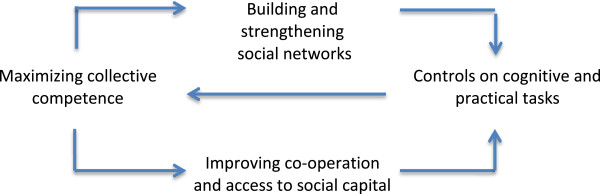
“[9] The Burden of Treatment Theory states: “Interventions that maximize collective competence in enacting practical tasks, distributing help and exploiting local resources, and effect increased confidence in healthcare processes and outcomes, are therefore likely to reduce inappropriate demands on healthcare services.…”
BackgroundSelf-citationCallan, C., Ladds, E. C., Husain, L., Pattinson, K. T. S., & Greenhalgh, T. (2022) · BMJ Open · doi:10.1136/bmjopen-2021-056366 · Cited by 168
What to Expect From the Evolving Field of Geriatric Cardiology
Bell, S. P., Orr, N. M., Dodson, J. A., Rich, M. W., Wenger, N. K., Blum, K., Harold, J. G., Tinetti, M. E., Maurer, M. S., & Forman, D. E. (2015) · Journal of the American College of Cardiology · doi:10.1016/j.jacc.2015.07.048 · Cited by 127
“Furthermore, as the burden of chronic conditions increases, patients report that the escalating number and complexity of interventions needed to treat each condition becomes as burdensome as the conditions themselves (10,11).”
BackgroundPatient administrative burden in the US health care system
Kyle, M. A., & Frakt, A. B. (2021) · Health Services Research · doi:10.1111/1475-6773.13861 · Cited by 140
Blakemore, A., Hann, M., Howells, K., Panagioti, M., Sidaway, M., Reeves, D., & Bower, P. (2016) · BMC Health Services Research · doi:10.1186/s12913-016-1843-2 · Cited by 147
“(f ) Perceived impact of multimorbidity Where patients have more than one long-term condition, they often face significant logistical and emotional challenges in managing the burden of their treatment, as well as the burden of disease [31, 32].”
BackgroundMultimorbidity matters in low and middle-income countries
Basto-Abreu, A. C., Barrientos‐Gutiérrez, T., Wade, A. N., de Melo, D. O., de Souza, A. S. S., Nunes, B. P., Perianayagam, A., Tian, M., Yan, L. L., Ghosh, A., et al. (2022) · Journal of Multimorbidity and Comorbidity · doi:10.1177/26335565221106074 · Cited by 138
A conceptual model of treatment burden and patient capacity in stroke
Gallacher, K., May, C. R., Langhorne, P., & Mair, F. S. (2018) · BMC Family Practice · doi:10.1186/s12875-017-0691-4 · Cited by 124
“Two important conceptual models of treatment burden in those with chronic illness have been created: Burden of Treatment Theory (BoTT) [6] and the Cumulative Complexity Model (CuCoM) [5].”
BackgroundMethodSelf-citationLippiett, K. A., Richardson, A., Myall, M., Cummings, A., & May, C. R. (2019) · BMJ Open · doi:10.1136/bmjopen-2017-020515 · Cited by 97
“It describes the generalities of patient experience across multiple healthcare systems and settings, rather than considering factors such as socioeconomic status and the attributes of healthcare systems that have been shown to be important in the consideration of BoT.1 Furthermore, qualitative research is, necessarily…”
BackgroundInfluentialSelf-citationMay, C. R., Cummings, A., Myall, M., Harvey, J., Pope, C., Griffiths, P., Roderick, P., Arber, M., Boehmer, K., Mair, F. S., et al. (2016) · BMJ Open · doi:10.1136/bmjopen-2016-011694 · Cited by 95
“These admission–discharge–readmission cycles may lead to increasing experiences of complex workload for patients and their carers which can sometimes be overwhelming and may have important effects of quality of life.(2) 11–13 Understanding the parameters of patient workload and the experiences of complexity that stem…”
BackgroundSelf-citationNordfonn, O. K., Morken, I. M., Bru, L. E., & Husebø, A. M. L. (2019) · Journal of Clinical Nursing · doi:10.1111/jocn.14799 · Cited by 148
Baz, S. A., Fang, C., Carpentieri, J., & Sheard, L. (2022) · Health Expectations · doi:10.1111/hex.13687 · Cited by 99
“Every participant described a degree of self ‐ management or ‘ burden of illness ’ , 26 for example, prioritizing rest, reducing physical activity or using home remedies.”
Multimorbidity in people with chronic kidney disease: implications for outcomes and treatment
Fraser, S. D., & Taal, M. W. (2016) · Current Opinion in Nephrology & Hypertension · doi:10.1097/mnh.0000000000000270 · Cited by 107
“All rights rese greater recognition that comorbidities, as well as any given index condition, create a ‘treatment burden’ – the demands placed on patients as they undertake the actions required to manage their conditions [5].”
BackgroundHolland, E., Matthews, K., Macdonald, S., Ashworth, M. J., Laidlaw, L., Cheung, K. S. Y., Stannard, S., Francis, N. A., Mair, F. S., Rajababoo, R., et al. (2024) · BMC Public Health · doi:10.1186/s12889-024-20763-8 · Cited by 96
“However, some conditions are more challenging than others for patients in terms of symptoms, impacting self-management demands (burden of treatment) and health-related quality of life [13, 14, 16–19].”
Self-citationKayser, L., Rossen, S., Karnoe, A., Elsworth, G. R., Vibe-Petersen, J., Christensen, J. F., Ried‐Larsen, M., & Osborne, R. H. (2019) · Journal of Medical Internet Research · doi:10.2196/10377 · Cited by 97
“However, Gilstad pointed out that eHealth literacy needs to be understood in a cultural, social, and institutional context [16], and May et al proposed that the burden of treatment may have a negative influence on the individual’s mental state [17].”
Towards a sociology of healthcare safety and quality
Allen, D. A., Braithwaite, J., Sandall, J., & Waring, J. J. (2015) · Sociology of Health & Illness · doi:10.1111/1467-9566.12390 · Cited by 97
Matima, R., Murphy, K., Levitt, N. S., BeLue, R., & Oni, T. (2018) · PLoS ONE · doi:10.1371/journal.pone.0194191 · Cited by 88
Irani, F., Wassall, R. R., & Preshaw, P. M. (2015) · Journal of Dentistry · doi:10.1016/j.jdent.2015.03.001 · Cited by 76
“relatively short follow-up period, poor sensitivity of the measurement tool to change, or potentially because of the negative impacts that the requirement for ongoing maintenance and management of chronic diseases can have on quality of life (19).”
Limited health literacy in advanced kidney disease
Taylor, D. M., Bradley, J. A., Bradley, C., Draper, H., Johnson, R., Metcalfe, W., Oniscu, G. C., Robb, M. L., Tomson, C., Watson, C. J. E., et al. (2016) · Kidney International · doi:10.1016/j.kint.2016.05.033 · Cited by 83
What does the literature mean by social prescribing? A critical review using discourse analysis
Calderón‐Larrañaga, S., Greenhalgh, T., Finer, S., & Clinch, M. (2022) · Sociology of Health & Illness · doi:10.1111/1467-9566.13468 · Cited by 89
“Maldistribution of power, wealth and resources operate through a wide range of social and economic pathways (including employment, income, housing and education) to generate unequal health outcomes (McCartney et al., 2020).”
BackgroundIntersectionality as a theoretical framework for researching health inequities in chronic pain
Macgregor, C., Walumbe, J., Tulle, E., Seenan, C., & Blane, D. (2023) · British Journal of Pain · doi:10.1177/20494637231188583 · Cited by 96
“28,29 The capacity required for condition management work can be impacted by health ineq-uities, including wealth, power, income, access, education, social connection and the prevailing political ideological approach to bene fi ts and healthcare.”
BackgroundTighe, S. A., Ball, K., Kensing, F., Kayser, L., Rawstorn, J. C., & Maddison, R. (2020) · Journal of Medical Internet Research · doi:10.2196/16774 · Cited by 86
“However, given that a digital platform would provide access to an extensive choice of discrete digital health interventions, it is important to note that the intention is not to overburden users [125].”
Ferris, R. E., Blaum, C. S., Kiwak, E., Austin, J. S., Esterson, J., Harkless, G., Oftedahl, G., Parchman, M. L., Ness, P. H. V., & Tinetti, M. E. (2017) · Journal of Aging and Health · doi:10.1177/0898264317691166 · Cited by 74
“Previous studies also document the complexity and burden that patients face as they manage their multiple chronic conditions (Bayliss, 2012; Boyd et al., 2014; May et al., 2014; Tran et al., 2014).”
BackgroundSmartphone apps for improving medication adherence in hypertension: patients’ perspectives
Morrissey, E. C., Casey, M., Glynn, L. G., Walsh, J. C., & Molloy, G. J. (2018) · Patient Preference and Adherence · doi:10.2147/ppa.s145647 · Cited by 67
“…there are also significant theory and evidence indicating that new tasks and technologies have the potential to create an undesirable burden 23 for people with these conditions, and it remains unclear whether these technologies are feasible, acceptable, and usable in the context of…”
Rheumatology in the digital health era: status quo and quo vadis?
Knitza, J., Gupta, L., & Hügle, T. (2024) · Nature Reviews Rheumatology · doi:10.1038/s41584-024-01177-7 · Cited by 71
“Shifting tasks and responsibilities to patients imposes new demands on those who are ill and should only be done voluntarily, with careful consideration given to preventing overwhelm, anxiety and the potential for medical errors 115 .”
Vogus, T. J., Gallan, A. S., Rathert, C., El-Manstrly, D. A., & Strong, A. (2020) · Journal of service management · doi:10.1108/josm-04-2020-0095 · Cited by 75
Tarzia, L., Iyer, D., Thrower, E., & Hegarty, K. L. (2017) · Journal of Technology in Human Services · doi:10.1080/15228835.2017.1350616 · Cited by 72
“Thus, critical internal and external factors may play a large part in help-seeking, irrespective of the behavior and response from health professionals (Cluss et al., 2006; May et al., 2014).”
BackgroundKnowles, S., Hays, R., Senra, H., Bower, P., Locock, L., Protheroe, J., Sanders, C., & Daker‐White, G. (2018) · Health Expectations · doi:10.1111/hex.12648 · Cited by 63
Valaitis, R. K., Cleghorn, L., Ploeg, J., Risdon, C., Mangin, D. A., Dolovich, L. R., Agarwal, G., Oliver, D., Gaber, J., & Chung, H. (2020) · BMC Family Practice · doi:10.1186/s12875-020-01143-8 · Cited by 69
Dabrh, A. M. A., Gallacher, K., Boehmer, K., Hargraves, I., & Mair, F. S. (2015) · The Journal of the Royal College of Physicians of Edinburgh · doi:10.4997/jrcpe.2015.205 · Cited by 67
Self-citationFriis, K., Lasgaard, M., Pedersen, M. H., Duncan, P., & Maindal, H. T. (2019) · Patient Education and Counseling · doi:10.1016/j.pec.2019.05.013 · Cited by 69
Wan, E. Y. F., Fung, C. S. C., Yu, E. Y. T., Chin, W. Y., Fong, D., Chan, A. K. C., & Lam, C. L. K. (2017) · Journal of the American Heart Association · doi:10.1161/jaha.117.006400 · Cited by 67
“In clinical practice, physicians need to understand the relative importance of treating individual factors to help them prioritize the treatment goals in patients who may not be able to tolerate treatment of all 3 conditions synchronously such as those who may be at increased risk of adverse effects, those with excess…”
BackgroundTrustworthy guidelines – excellent; customized care tools – even better
Elwyn, G. J., Quinlan, C., Mulley, A., Agoritsas, T., Vandvik, P. O., & Guyatt, G. H. (2015) · BMC Medicine · doi:10.1186/s12916-015-0436-y · Cited by 68
“The work required to locate the highest quality evidence before producing the best estimates of treatment effects, burden [19], benefits, and harms takes time and expertise.”
BackgroundExploring how virtual primary care visits affect patient burden of treatment
Kelley, L. T., Phung, M., Stamenova, V., Fujioka, J., Agarwal, P., Onabajo, N., Wong, I., Nguyen, M., Bhatia, R. S., & Bhattacharyya, O. (2020) · International Journal of Medical Informatics · doi:10.1016/j.ijmedinf.2020.104228 · Cited by 56
Adam, R., Nair, R., Duncan, L., Yeoh, E., Chan, J., Vilenskaya, V., & Gallacher, K. (2023) · PLoS ONE · doi:10.1371/journal.pone.0286308 · Cited by 64
“Treatment burden is the workload of health care for people with chronic illness, and the impact that this has on functioning and well-being [4].”
BackgroundInfluentialSelf-citationDefining Coordinated Care for People with Rare Conditions: A Scoping Review
Walton, H., Hudson, E., Simpson, A., Ramsay, A. I. G., Kai, J., Morris, S., Sutcliffe, A. G., & Fulop, N. (2020) · International Journal of Integrated Care · doi:10.5334/ijic.5464 · Cited by 57
Hanlon, P., McCallum, M., Jani, B., McQueenie, R., Lee, D., & Mair, F. S. (2020) · Journal of Comorbidity · doi:10.1177/2235042x10944344 · Cited by 67
“Age, median (IQR) 58 (51–62) 55 (48–61) 54 (48–60) 56 (49–61) 58 (51–63) Sex Female (%) 57,279 (56) 15,394 (52) 15,857 (65) 9697 (71) 5437 (60) Socioeconomic deprivation (%) Quintile 1 24,634 (24) 6072 (20) 4525 (19) 2570 (20) 1718 (19) Quintile 2 22,960 (22) 5952 (20) 4441 (18) 2518 (19) 1669 (19) Quintile 3 21,574 (…”
Self-citationHind, D., Parkin, J., Whitworth, V., Rex, S., Young, T. A., Hampson, L. V., Sheehan, J., Maguire, C., Cantrill, H., Scott, E., et al. (2017) · Health Technology Assessment · doi:10.3310/hta21270 · Cited by 67
“Often, the strategies that we develop to manage chronic disease created additional burdens of work for patients, leading to poor adherence and clinical outcomes, as well as wasted resources.(113,114) Minimally disruptive medicine should identify this burden, encourage improved co-ordination of care and design, or prio…”
BackgroundInfluentialPrinciple of rational prescribing and deprescribing in older adults with multiple chronic conditions
Ouellet, G. M., Ouellet, J. A., & Tinetti, M. E. (2018) · Therapeutic Advances in Drug Safety · doi:10.1177/2042098618791371 · Cited by 59
Slatyer, S., Aoun, S. M., Hill, K., Walsh, D., Whitty, D., & Toye, C. M. (2019) · BMC Health Services Research · doi:10.1186/s12913-019-4042-0 · Cited by 73
“281) as care shifts from hospitals to the community [4].”
BackgroundInfluentialHeen, A. F., Vandvik, P. O., Brandt, L., Montori, V. M., Lytvyn, L., Guyatt, G. H., Quinlan, C., & Agoritsas, T. (2020) · Journal of Clinical Epidemiology · doi:10.1016/j.jclinepi.2020.10.002 · Cited by 55
Self-citationA mixed‐methods systematic review of nurse‐led interventions for people with multimorbidity
McParland, C., Johnston, B. M., & Cooper, M. (2022) · Journal of Advanced Nursing · doi:10.1111/jan.15427 · Cited by 71
“Burden of Treatment Theory describes the complex interplay between the individual, the health system and their social network, and how these relationships mediate the individual's capacity to self- manage effectively (May et al., 2014).”
BackgroundBoehmer, K. R., Shippee, N. D., Beebe, T. J., & Montori, V. M. (2016) · Journal of Clinical Epidemiology · doi:10.1016/j.jclinepi.2016.01.006 · Cited by 58
“Treatment burden can be defined as treatment work, delegated by health care systems to patients and its impact on their functioning and well-being; there are growing demands on patients to organize their own care and selfmanage to comply with complex regimens [7,8].”
BackgroundSelf-citationBoehmer, K. R., Hargraves, I. G., Allen, S. V., Matthews, M. R., Maher, C., & Montori, V. M. (2016) · BMC Health Services Research · doi:10.1186/s12913-016-1742-6 · Cited by 55
“Rather, it proposes that capacity is critically dependent on the social settings in which it operates, hinging on the patient’s social skill and social network [10].”
BackgroundSelf-citation2017 National Standards for Diabetes Self-Management Education and Support
Beck, J., Greenwood, D. A., Blanton, L., Bollinger, S. T., Butcher, M. K., Condon, J. E., Cypress, M., Faulkner, P., Fischl, A. H., Francis, T., et al. (2020) · The Diabetes Educator · doi:10.1177/0145721719897952 · Cited by 46
“health beliefs and attitudes, diabetes knowledge, diabetes self-management skills and behaviors, emotional response to diabetes, disease burden, ability, readiness to learn, literacy level (including health literacy and numeracy), physical limitations, family support, peer support (in person or via social networking s…”
McBride, C. M., Morrissey, E. C., & Molloy, G. J. (2020) · JMIR mHealth and uHealth · doi:10.2196/17470 · Cited by 49
“This study adds to a growing body of literature that challenges the perspective that the use of such self-management technologies will inevitably add to the patient burden of treatment [16].”
Chikumbu, E. F., Bunn, C., Kasenda, S., Dube, A. L. N., Phiri, E., Jani, B., Jobe, M., Wyke, S., Seeley, J., Crampin, A. C., et al. (2022) · PLOS Global Public Health · doi:10.1371/journal.pgph.0000139 · Cited by 56
“To consider how useful NPT and BOTT are for understanding accounts of multimorbidity in Malawi, we first mapped themes onto a previously described burden of treatment framework using four NPT constructs [24, 25] namely: making sense of multimorbidity (coherence); interacting with others (cognitive participation); enac…”
BackgroundMethodInfluentialSelf-citationHolt, R. I. G., Hind, D., Gossage-Worrall, R., Bradburn, M. J., Saxon, D. H., McCrone, P., Morris, T., Etherington, A., Shiers, D., Barnard-Kelly, K. D., et al. (2018) · Health Technology Assessment · doi:10.3310/hta22650 · Cited by 56
Cavers, D., Habets, L., Cunningham-Burley, S., Watson, E., Banks, E., & Campbell, C. (2019) · Journal of Cancer Survivorship · doi:10.1007/s11764-019-0734-z · Cited by 40
Gebreyohannes, E. A., Gebresillassie, B. M., Mulugeta, F., Dessu, E., & Abebe, T. B. (2023) · Quality of Life Research · doi:10.1007/s11136-023-03473-3 · Cited by 53
Topp, S. M., Mwamba, C., Sharma, A., Mukamba, N., Beres, L. K., Geng, E., Holmes, C. B., & Sikazwe, I. T. (2018) · PLoS ONE · doi:10.1371/journal.pone.0193641 · Cited by 48
Herzig, L., Zeller, A., Pasquier, J., Streit, S., Neuner‐Jehle, S., Excoffier, S., & Haller, D. M. (2019) · BMC Family Practice · doi:10.1186/s12875-019-0974-z · Cited by 54
Patient experience after kidney transplant: a conceptual framework of treatment burden
Lorenz, E. C., Egginton, J. S., Stegall, M. D., Cheville, A. L., Heilman, R. L., Nair, S. S., Mai, M. L., & Eton, D. T. (2019) · Journal of Patient-Reported Outcomes · doi:10.1186/s41687-019-0095-4 · Cited by 47
Self-citationGiusti, A., Pukrittayakamee, P., Alarjeh, G., Farrant, L., Hunter, J., Mzimkulu, O., Gwyther, L., Williams, N., Wannarit, K., Abusalem, L., et al. (2022) · BMJ Global Health · doi:10.1136/bmjgh-2022-008843 · Cited by 60
“34 The data also indicate diverse personal preferences regarding particular components of PCC, for example, level of patient involvement in decision-making.”
BackgroundThe intersecting time, administrative, and financial burdens of a cancer diagnosis
Parsons, H. M., Gupta, A., Jewett, P. I., & Vogel, R. I. (2024) · JNCI Journal of the National Cancer Institute · doi:10.1093/jnci/djae252 · Cited by 50
Do critical illness survivors with multimorbidity need a different model of care?
Stewart, J. E., Bradley, J. M., Smith, S. M., McPeake, J. M., Walsh, T. S., Haines, K. J., Leggett, N. E., Hart, N. D., & McAuley, D. F. (2023) · Critical Care · doi:10.1186/s13054-023-04770-6 · Cited by 56
“The combination of high illness burden, high treatment burden, fragile social support and fragmented care significantly reduces the capacity of patients to self-manage their care, including for chronic conditions [83, 92, 93].”
BackgroundThe Feasibility and Effectiveness of Web-Based Advance Care Planning Programs: Scoping Review
van der Smissen, D., Overbeek, A., van Dulmen, S., van Gemert‐Pijnen, J. E. W. C., van der Heide, A., Rietjens, J. A. C., & Korfage, I. J. (2020) · Journal of Medical Internet Research · doi:10.2196/15578 · Cited by 51
“Furthermore, people with chronic diseases may not have the time and energy for face-to-face conversations, for example, because of treatment burden, even if these conversations would help them [8-10].”
BackgroundDevelopment of models of care coordination for rare conditions: a qualitative study
Walton, H., Simpson, A., Ramsay, A. I. G., Hunter, A., Jones, J., Ng, P. L., Leeson‐Beevers, K., Bloom, L. C., Kai, J., Kokocinska, M., et al. (2022) · Orphanet Journal of Rare Diseases · doi:10.1186/s13023-022-02190-3 · Cited by 49
“Findings from previous research relating to chronic conditions [1, 8, 15], together with the vast number of rare conditions [16], differences in availability of services (e.”
BackgroundResultEton, D. T., Linzer, M., Boehm, D. H., Vanderboom, C. E., Rogers, E. A., Frost, M. H., Wambua, M., Vang, M., Poplau, S., Lee, M. K., et al. (2020) · BMC Family Practice · doi:10.1186/s12875-020-01291-x · Cited by 56
Self-citation2022 National Standards for Diabetes Self-Management Education and Support
Davis, J., Fischl, A. H., Beck, J. K., Browning, L., Carter, A., Condon, J. E., Dennison, M., Francis, T., Hughes, P. J., Jaime, S., et al. (2022) · Diabetes Spectrum · doi:10.2337/ds22-ps02 · Cited by 50
Heaton, J., Räisänen, U., & Salinas, M. (2015) · Sociology of Health & Illness · doi:10.1111/1467-9566.12298 · Cited by 51
Metadata
- Authors
- May, C. R., Eton, D. T., Boehmer, K., Gallacher, K., Hunt, K., MacDonald, S., Mair, F. S., May, C. M., Montori, V. M., Richardson, A., Rogers, A. E., & Shippee, N.
- Affiliations
- University of Southampton (GB)
- Mayo Clinic (US)
- University of Glasgow (GB)
- University Hospital Southampton NHS Foundation Trust (GB)
- National Institute for Health and Care Research (GB)
- University of Minnesota (US)
- Corresponding author
- May, Carl R
- May, Christine M
- ORCID
- Venue
- BMC Health Services Research
- Published
- 2014-06-26
- Volume
- 14
- Issue
- 1
- Pages
- 281-281
- ISSN
- 1472-6963 (ISSN-L)
- PMC
- PMC4080515
- OpenAlex
- W2167877406
- Cited by
- 720
- References
- 77
- Citations by year
- 2026: 82 · 2025: 65 · 2024: 96 · 2023: 67 · 2022: 79 · 2021: 69 · 2020: 64 · 2019: 53 · 2018: 45 · 2017: 30 · 2016: 39 · 2015: 27 · 2014: 2
- FWCI
- 24.55
- Type
- journal article
- Language
- en
- Open access
- gold
- doi.org
- Licence
- Locations
- BMC Health Services Research (publishedVersion, cc-by)
- Europe PMC (PubMed Central) (publishedVersion, cc-by)
- PubMed Central (publishedVersion, cc-by)
- PubMed (publishedVersion)
- ENLIGHTEN (Jurnal Bimbingan dan Konseling Islam) (acceptedVersion)
- ePrints Soton (University of Southampton) (acceptedVersion)
- LSHTM Research Online (London School of Hygiene and Tropical Medicine) (acceptedVersion)
- Funders
- Macmillan Cancer Support
- Scottish Government
- National Institute for Health and Care Research
- Topics
- Health Sciences › Medicine › Epidemiology › Chronic Disease Management Strategies
- Health Sciences › Health Professions › General Health Professions › Mental Health and Patient Involvement
- Health Sciences › Nursing › Research and Theory › Nursing care and research
- Keywords
- patient burden, patienthood, illness experience, chronic disease, life-limiting illness, self-care, self-empowerment, social networks, health care utilization, medication adherence, caregiver burden, community-based care, action capacity
- MeSH terms
- Health Services, Humans, Models, Theoretical, Self Care, Social Support, Cost of Illness, Disease Progression
About these checks
Registry, retraction, Cites and statistics results are computed, not judged, with one exception: a printed reference that no index lists is read once by a model before it counts as a citation error. Claims are extracted by a model and kept only when their quote appears verbatim in the text; each cited source is then checked, with a model’s help, for whether it says what the claim relies on. Those verdicts can be wrong — read the claim’s quote and the cited source before relying on one.
Statistics and arithmetic are recomputed, not judged.
Confidence bands are shown only for fields calibrated on our annotated test set. None is calibrated yet, so no band is shown.
What counts as a claim ›How we measure confidence ›How we check this ›
Are you an author, or do you see a problem with this page? Request a review
Data sources
Bibliographic data: Semantic Scholar, OpenAlex, Crossref.
Contains information from the Semantic Scholar Academic Graph Datasets, made available under the ODC Attribution License (ODC-BY 1.0).
Semantic Scholar’s data is described in: Kinney, R., et al. (2023). The Semantic Scholar Open Data Platform. arXiv:2301.10140.
