

Rethinking the patient: using Burden of Treatment Theory to understand the changing dynamics of illness
Open accessThe DOI matches its Crossref record; 77 of the 77 references it cites were found in a registry or an index.
Abstract
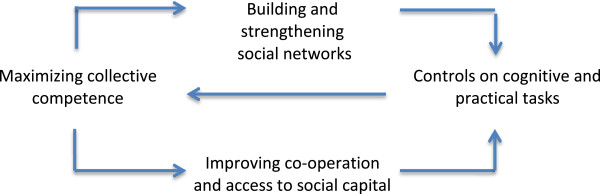
BACKGROUND: In this article we outline Burden of Treatment Theory, a new model of the relationship between sick people, their social networks, and healthcare services. Health services face the challenge of growing populations with long-term and life-limiting conditions, they have responded to this by delegating to sick people and their networks routine work aimed at managing symptoms, and at retarding - and sometimes preventing - disease progression. This is the new proactive work of patient-hood for which patients are increasingly accountable: founded on ideas about self-care, self-empowerment, and self-actualization, and on new technologies and treatment modalities which can be shifted from the clinic into the community. These place new demands on sick people, which they may experience as burdens of treatment. DISCUSSION: As the burdens accumulate some patients are overwhelmed, and the consequences are likely to be poor healthcare outcomes for individual patients, increasing strain on caregivers, and rising demand and costs of healthcare services. In the face of these challenges we need to better understand the resources that patients draw upon as they respond to the demands of both burdens of illness and burdens of treatment, and the ways that resources interact with healthcare utilization. SUMMARY: Burden of Treatment Theory is oriented to understanding how capacity for action interacts with the work that stems from healthcare. Burden of Treatment Theory is a structural model that focuses on the work that patients and their networks do. It thus helps us understand variations in healthcare utilization and adherence in different healthcare settings and clinical contexts.
Overview
The claims and statistics of this paper haven’t been checked yet.
Free: it reads the open-access text and checks the first 5 claims that cite a source we can check. Create a free account to check every claim.
Integrity signals
Registry
Cites
Statistics
Figures
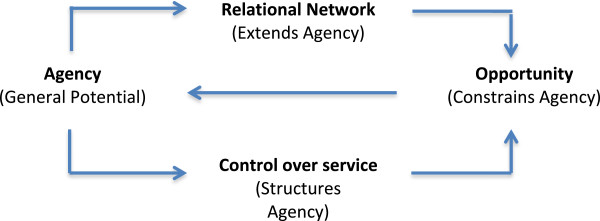
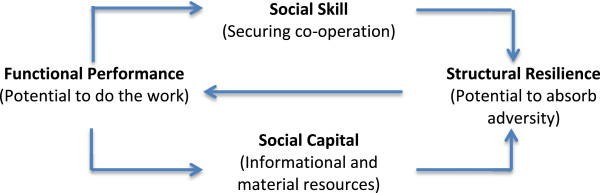
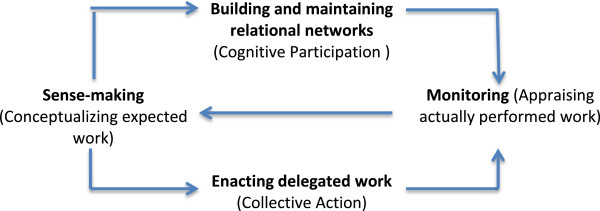
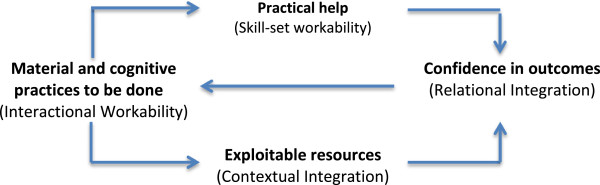
Verification
Claims the paper makes
The claims and statistics of this paper haven’t been checked yet.
Free: it reads the open-access text and checks the first 5 claims that cite a source we can check. Create a free account to check every claim.
Claims other papers make about this one
Each is checked against this paper’s own text: does it say what the citing paper says it does?
The cited source says what the claim attributes to it.
In the citing paper
“Burden of treatment also includes the effort needed from the patient to access services (31, 93), which technologies (especially e-consultations) could potentially alleviate.”
From Planning and Evaluating Remote Consultation Services: A New Conceptual Framework Incorporating Complexity and Practical Ethics (2021) · cites this paper as [93]
The cited source says what the claim attributes to it.
In the citing paper
“NPT both can be, and is, applied to those groups.”
From Using Normalization Process Theory in feasibility studies and process evaluations of complex healthcare interventions: a systematic review (2018) · cites this paper as [215]
The cited source says what the claim attributes to it.
In the citing paper
“But as May et al have pointed out in their burden of treatment theory, shifting the work of care from clinic to community places new demands on the sick (and hence raises ethical questions) [75].”
In the citing paper
“A related concept is what May et al. (93) have called burden of treatment—the additional burden placed on the patient when they are asked to “self-manage” —with the sickest and most vulnerable carrying the greatest burden.”
From Planning and Evaluating Remote Consultation Services: A New Conceptual Framework Incorporating Complexity and Practical Ethics (2021) · cites this paper as [93]
In the citing paper
“Work by Kennedy et al. [57] and Gallagher et al. [58], for example, applies NPT to situations in the home and outside of formal healthcare organisations, where ‘contexts’ are not so much organisational as organising and are distributed across informal social networks [59, 60].”
From Implementation, context and complexity (2016) · cites this paper as [59]
Self-check
Percentages, sums and reported differences re-computed from the paper’s own numbers.
The self-check needs the paper’s full text.
Citations
Cites
Granovetter, M. S. (1973) · American Journal of Sociology · doi:10.1086/225469 · Cited by 40,491 · cited 2×
“Following Granovetter [48], this is about the extent to which they can add useful relationships – characterized by weak ties between members – to the core of strong ties through which expectations or obligations of actual material and effective exchange are played out.”
BackgroundSocial Capital: Its Origins and Applications in Modern Sociology
Portes, A. (1998) · Annual Review of Sociology · doi:10.1146/annurev.soc.24.1.1 · Cited by 12,037 · cited 1×
“While functional performance and social skill describe the capacity of a patient and relational network to mobilize themselves and others to utilize healthcare services, access to social capital [47] is also crucial.”
Background(1951) · Cited by 8,693
Barnett, K., Mercer, S. W., Norbury, M., Watt, G., Wyke, S., & Guthrie, B. (2012) · The Lancet · doi:10.1016/s0140-6736(12)60240-2 · Cited by 6,972 · cited 1×
“Unsupported individuals who are isolated from meaningful social networks are not uncommon, especially amongst older people where relational networks are unstable and may diminish towards the end of life [5] but most patients have some kind of mutually supportive social relationships.”
BackgroundOrganizing and the process of sensemaking
Weick, K. E., Sutcliffe, K. M., & Obstfeld, D. (2005) · Organization Science · doi:10.1287/orsc.1050.0133 · Cited by 6,943
Chronic illness as biographical disruption
Bury, M. (1982) · Sociology of Health & Illness · doi:10.1111/1467-9566.ep11339939 · Cited by 3,960 · cited 1×
“By this we mean the extent to which members of the patient’s extended network can capture, possess, and mobilize psychological and social resources to absorb and compensate for – and even thrive – in the face of biographical disruptions [51], adverse path0physiological events and social processes.”
BackgroundImplementing, Embedding, and Integrating Practices: An Outline of Normalization Process Theory
May, C., & Finch, T. (2009) · Sociology · doi:10.1177/0038038509103208 · Cited by 2,115
Self-citationSocial Skill and the Theory of Fields
Fligstein, N. (2001) · Sociological Theory · doi:10.1111/0735-2751.00132 · Cited by 1,624
Development of a theory of implementation and integration: Normalization Process Theory
May, C. R., Mair, F., Finch, T., MacFarlane, A., Dowrick, C., Treweek, S., Rapley, T., Ballini, L., Ong, B. N., Rogers, A., et al. (2009) · Implementation Science · doi:10.1186/1748-5908-4-29 · Cited by 1,409
Self-citationBiocapital: The Constitution of Postgenomic Life
Sunder Rajan, K. (2006) · Duke University Press eBooks · doi:10.1215/9780822388005 · Cited by 1,067
Cited by
Items 301–400 of 737
What is the burden of tinnitus?
Pryce, H., Dauman, N., & Burns-O’Connell, G. (2023) · Frontiers in Psychology · doi:10.3389/fpsyg.2022.981776 · Cited by 13
“It is vital that we remember the variation in capacity that people hold to engage with interventions is inherently subject to day-to-day change (May et al., 2014).”
BackgroundInfluentialvan Pinxteren, M., Mbokazi, N., Murphy, K., Mair, F. S., May, C. R., & Levitt, N. S. (2023) · Journal of Multimorbidity and Comorbidity · doi:10.1177/26335565231168041 · Cited by 14
“BoTT explores the role of the patient and their networks in managing, caring for and supporting the work of being a patient and analyses how patients’workload is being distributed through and within their networks.(24,25) Both BoTT and the CuCoM define patient complexity as a dynamic state which considers the personal…”
BackgroundSelf-citationHealey, E. L., Lewis, M., Shivji, N. A., van der Windt, D., Babatunde, O. O., Simkins, J., Bartlam, B., Rowlands, G., & Protheroe, J. (2023) · BMC Musculoskeletal Disorders · doi:10.1186/s12891-023-06452-4 · Cited by 15
“Health services are increasingly delegating the work of managing MSK conditions to patients themselves [15], yet people with limited HL are less likely to be able to do this successfully.”
Backgroundde Graaff, B., Bendien, S., & van de Bovenkamp, H. (2021) · Journal of Asthma · doi:10.1080/02770903.2021.1888976 · Cited by 11
Bunn, F., Goodman, C. M., Russell, B., Wilson, P. M., Manthorpe, J., Rait, G., Hodkinson, I., & Durand, M. (2018) · Health Services and Delivery Research · doi:10.3310/hsdr06280 · Cited by 16
Miranda, J. J., Lazo‐Porras, M., Bernabé‐Ortiz, A., Pesantes, M. A., Diez‐Canseco, F., Cornejo, S. D. P., & Trujillo, A. J. (2018) · Wellcome Open Research · doi:10.12688/wellcomeopenres.14824.1 · Cited by 11
Vasiliauskienė, O., Vasiliauskas, D., Duncan, P., Kontrimienė, A., Jaruševičienė, L., Česnulevičienė, A., Urbonas, G., & Liseckienė, I. (2023) · European Journal of General Practice · doi:10.1080/13814788.2023.2284257 · Cited by 10
Storm, M., Morken, I. M., Austin, R. C., Nordfonn, O. K., Wathne, H. B., Urstad, K. H., Karlsen, B., Dalen, I., Gjeilo, K. H., Richardson, A. M., et al. (2024) · BMC Health Services Research · doi:10.1186/s12913-023-10508-5 · Cited by 12
“If that balance tips so the workload exceeds the patient’s capacity, patients experience poorer outcomes, health-related quality of life (HRQoL) [25] and self-care [24].”
BackgroundSelf-citationHumphrey, A., Cummins, S., May, C. R., & Stevenson, F. A. (2024) · BJGP Open · doi:10.3399/bjgpo.2024.0050 · Cited by 13
“' (26, GP, Lewisham) The effort to recreate the emotional conditions of the physical consulting space during remote consultations was also mentioned: 'If you’re a skilled practitioner, you can still create that space in the way that you are, and the way that you ask questions, you can still create…”
InfluentialSelf-citationTreatment Burden Among Older Adults in the United States, 2022
Zhang, A. D., Wolfson, E. A., Mukamal, K. J., Schonberg, M. A., & Landon, B. E. (2025) · Journal of the American Geriatrics Society · doi:10.1111/jgs.19603 · Cited by 10
“Covariates were chosen based on a theoretical framework modified from the Shippee Cumulative Complexity Model and Burden of Treatment Theory [22, 23].”
Minton, C., Batten, L. S., & Huntington, A. (2019) · Australian Critical Care · doi:10.1016/j.aucc.2019.10.005 · Cited by 16
McCarthy, C., Moriarty, F., Wallace, E., Smith, S. M., & Clyne, B. (2020) · Journal of Comorbidity · doi:10.1177/2235042x20946243 · Cited by 11
“Treatment burden identified as important concept.(16,21) Content modification Tailoring/tweaking/ refining Refinement and updating of the OPTI-SCRIPT PIP criteria.”
BackgroundZhang, Q., Zhang, K., Li, M., Gu, J., Li, X., Li, M., & Jin, Y. (2021) · Family Practice · doi:10.1093/fampra/cmab004 · Cited by 11
Roberti, J. E., Alonso, J. P., Blas, L., & May, C. R. (2021) · Social Science & Medicine · doi:10.1016/j.socscimed.2021.114666 · Cited by 10
Self-citationMultimorbidity research in Sub-Saharan Africa: Proceedings of an interdisciplinary workshop
Banda, G. T., Bosire, E. N., Bunn, C., Chandler, C., Chikumbu, E. F., Chiwanda, J., Dixon, J., Ferrand, R. A., Kengne, A. P., Limbani, F., et al. (2023) · Wellcome Open Research · doi:10.12688/wellcomeopenres.18850.1 · Cited by 10
Jones, C. E., Mair, F. S., Williamson, A. E., McPherson, A., Eton, D. T., & Lowrie, R. (2023) · British Journal of General Practice · doi:10.3399/bjgp.2022.0587 · Cited by 10
“32 To the authors’ knowledge, there are no other studies of treatment burden in the PEH population; it is not possible to directly compare the results with similar populations.”
Self-citationChristiansen, J., Lasgaard, M., Pedersen, S. S., Pedersen, M. H., & Friis, K. (2024) · International Journal of Behavioral Medicine · doi:10.1007/s12529-024-10263-9 · Cited by 13
“For instance, individuals with heart failure described that treatment burden reduced their capacity to follow treatment plans [21] and induced poor adherence [21, 22].”
BackgroundSmith, S. K., Pryce, H., Burns-O’Connell, G., Hussain, S., Shaw, R. L., & Straus, J. (2024) · Health Expectations · doi:10.1111/hex.14067 · Cited by 16
“12 Peer support at lip ‐ reading classes and mutually supportive relationships (in which a family member or friend also had hearing loss) seemed important in enhancing social capital and structural resilience.”
BackgroundInfluentialFoster, C. L., Calman, L. A., Richardson, A. M., May, C. R., Rogers, A. E., & Smith, P. W. F. (2019) · BMJ Open · doi:10.1136/bmjopen-2019-029662 · Cited by 10
“Global initiatives are exploring ways to improve care for cancer survivors and calling for high-quality interdisciplinary research to provide evidence to inform the most effective ways to support survivors to improve health and well-being.(2) Benefits can be experienced following a cancer diagnosis; however, many peop…”
Self-citationA review of interventions to reduce pain in chronic wounds
Snelgrove, H., & Baileff, A. (2019) · British Journal of Community Nursing · doi:10.12968/bjcn.2019.24.sup12.s12 · Cited by 15
Montori, V. M. (2021) · Health Services Research · doi:10.1111/1475-6773.13865 · Cited by 12
Self-citationGorgon, E. J. R., Maka, K., Kam, A. C., Nisbet, G., Sullivan, J., Regan, G., Pourkazemi, F., Lin, J., Mohamed, M., & Leaver, A. M. (2022) · Health Expectations · doi:10.1111/hex.13419 · Cited by 11
“With greater action expected of patients in managing their health, proportionate support mechanisms need to be implemented.(55) Some participants voiced concerns regarding matching exercise and information to their skills and preferences, and a need for supervision and review of their programme, as similarly articulat…”
BackgroundAn ecosystem of accepting life with chronic pain: A meta-ethnography
Macgregor, C., Blane, D., Tulle, E., Campbell, C. L., Barber, R. J., O’Connor, C. H., & Seenan, C. (2024) · British Journal of Pain · doi:10.1177/20494637241250271 · Cited by 11
“2,3 6 For the individual and their network, living with pain can bring condition management ‘ work ’ , 7 or ‘ treatment burden ’ , 8 involving multiple tasks, emotional management and coordination with healthcare.”
Zahidy, M. A., Simha, S., Branda, M. E., Borras-Osorio, M., Haemmerle, M., Tran, V.-T., Ridgeway, J. L., & Montori, V. M. (2024) · Mayo Clinic Proceedings Digital Health · doi:10.1016/j.mcpdig.2024.11.001 · Cited by 12
“Subsequent research needs to connect this literature, for example, noting how caregivers and health care staff support the adoption of digital health by navigating administrative, technical, and access barriers, as predicted by May et al. 10 In turn, theory and empirical evidence, such as this study, should in fl uence…”
Self-citationMálaga, G., Cuba-Fuentes, M. S., Rojas-Mezarina, L., Romero-Albino, Z., Hamb, A., & Paz‐Soldán, V. A. (2019) · Anales de la Facultad de Medicina · doi:10.15381/anales.803.16864 · Cited by 21
“preferencias y contexto de cada paciente (44).”
BackgroundGilbert, A. W., Jones, J., Stokes, M. J., Mentzakis, E., & May, C. R. (2019) · BMJ Open · doi:10.1136/bmjopen-2019-035210 · Cited by 9
Self-citationQuigley, R., Foster, M. M., Harvey, D., & Ehrlich, C. (2021) · Health & Social Care in the Community · doi:10.1111/hsc.13405 · Cited by 10
Self-Management in Older Pakistanis Living With Multimorbidity in East London
Sultan, N., & Swinglehurst, D. (2021) · Qualitative Health Research · doi:10.1177/10497323211019355 · Cited by 10
Lippiett, K. A., Richardson, A. M., & May, C. R. (2022) · Health & Social Care in the Community · doi:10.1111/hsc.13858 · Cited by 9
“Indeed, our data suggest families assumed collective illness identities, allowing for collective action and bolstering patients' structural resilience (their potential to deal with adversity) (May et al., 2014).”
InfluentialSelf-citationAdministrative Burden Associated with Cost-Related Delays in Care in U.S. Cancer Patients
Doherty, M. J., Thom, B., & Gardner, D. S. (2023) · Cancer Epidemiology Biomarkers & Prevention · doi:10.1158/1055-9965.epi-23-0119 · Cited by 10
Health literacy and chronic conditions: A life course perspective
Gill, R., Protheroe, J., Luis, S.-N., den, B. S. V., Levin‐Zamir, D., & Okan, O. (2019) · Policy Press eBooks · doi:10.51952/9781447344520.015 · Cited by 11
Gonçalves, A., Jácome, C. I. O., Demain, S. H., Hunt, K. J., & Marques, A. S. P. D. D. (2016) · Disability and Rehabilitation · doi:10.1080/09638288.2016.1194898 · Cited by 9
“comes.[3] It also includes the impact of treatment on patient”
BackgroundInfluentialSelf-citationHageman, S. A., Tarzian, A. J., & Cagle, J. G. (2018) · Journal of Social Work in End-of-Life & Palliative Care · doi:10.1080/15524256.2018.1432008 · Cited by 9
“The costs of serious medical illness and end of life care are often a heavy burden for patients and families (Collins, Stepanczuk, Williams, & Rich, 2016; Kim, 2007; May et al., 2014; Zarit, 2004).”
BackgroundRost, M., Wangmo, T., Rakic, M., Acheson, E., Rischewski, J. R., Hengartner, H., Kühne, T., & Elger, B. S. (2018) · European Journal of Cancer Care · doi:10.1111/ecc.12879 · Cited by 9
“Furthermore, the authors identify a group of persons, not the individual patient, as the adequate unit of analysis (May et al., 2014).”
BackgroundInfluentialSpatial Associations of Multiple Chronic Conditions Among Older Adults
Cromley, E. K., Wilson-Genderson, M., Heid, A. R., & Pruchno, R. A. (2016) · Journal of Applied Gerontology · doi:10.1177/0733464816672044 · Cited by 9
Smith, S. M., Wallace, E., Clyne, B., Boland, F., & Fortin, M. (2021) · Research Square · doi:10.21203/rs.3.rs-144669/v1 · Cited by 9
Greenwell, K., Ainsworth, B., Bruton, A., Murray, E., Russell, D., Thomas, M., & Yardley, L. (2021) · npj Primary Care Respiratory Medicine · doi:10.1038/s41533-021-00248-6 · Cited by 8
Osborn, T. G., Town, R., Bawendi, M., Stapley, E., Saunders, R., & Fonagy, P. (2024) · Journal of Health Services Research & Policy · doi:10.1177/13558196241235877 · Cited by 12
“19 This may be relevant given many students initially access formal services after ‘ self-managing ’ through informal interactions.”
InfluentialPolus, M., Keikhosrokiani, P., Korhonen, O., Behutiye, W., & Isomursu, M. (2024) · JMIR Research Protocols · doi:10.2196/54833 · Cited by 9
“With limited resources, digital interventions may be used to reduce the burden on the health care system, and staff end up offloading the burden to patients [15-18].”
BackgroundMuir, D., McLarty, L., Drinkwater, J., Bennett, C., Birks, Y. F., Broadway‐Parkinson, A., Cooksey, V., Gleeson, P., Holland, C., Ledger, L., et al. (2024) · Journal of Tissue Viability · doi:10.1016/j.jtv.2024.08.007 · Cited by 9
Dagnew, S. B., Moges, T. A., Tarekegn, G. Y., Wondm, S. A., Assefa, A. N., Bekahegn, M. A., & Zewdu, W. S. (2025) · BMJ Open · doi:10.1136/bmjopen-2024-095666 · Cited by 9
“Particularly for patients with numerous chronic diseases and polypharmacy, high rates of illiteracy (56.8”
InfluentialMay, C. R., Gravenhorst, K. C., Hillis, A., Arber, M. R., Chew-Graham, C. A., Gallacher, K., Mair, F. S., Nolte, E., & Richardson, A. M. (2025) · Health and Social Care Delivery Research · doi:10.3310/hgtq8159 · Cited by 12
Self-citationBrunelli, V. N., Beggs, R., & Ehrlich, C. (2021) · Collegian Journal of the Royal College of Nursing Australia · doi:10.1016/j.colegn.2021.04.007 · Cited by 8
Postmenopausal women’s adherence to pelvic floor muscle exercises over 2 years
Wu, C., Newman, D. K., & Palmer, M. H. (2021) · Climacteric · doi:10.1080/13697137.2021.2006177 · Cited by 8
“Treatment itself is the burden for participants [17], and it may be that women with higher income have fewer factors competing for their time and energy to accessing resources [18,19] and have more convoy factors (i.”
BackgroundFamilies’ experiences of central-line infection in children: a qualitative study
Soto, C., Dixon‐Woods, M., & Tarrant, C. (2022) · Archives of Disease in Childhood · doi:10.1136/archdischild-2022-324186 · Cited by 8
Babatunde, O. O., Shivji, N. A., Rowlands, G., Quicke, J. G., Healey, E. L., Protheroe, J., & van der Windt, D. (2023) · Health Open Research · doi:10.12688/healthopenres.13151.1 · Cited by 8
Goals of older hospitalized patients with multimorbidity
Tent, S., Verhoeff, M., Festen, S., & Munster, B. C. V. (2023) · European Geriatric Medicine · doi:10.1007/s41999-023-00746-5 · Cited by 9
“For patients with multimorbidity, organization, coordination and compliance to a burden of regimens can be difficult [4].”
BackgroundLi, Y., Lam, L. T.-M., Xiao, Y., Qiu, Z., & Zhang, Y. (2024) · Frontiers in Psychiatry · doi:10.3389/fpsyt.2024.1332066 · Cited by 9
“According to the Burden of Treatment Theory (14), the perceived disease burden in LC patients may be aggregated by the dif fi culties of managing the symptoms.”
BackgroundInfluentialLin, K., Yao, M., Andrew, L., Li, R., Chen, Y., Oosthuizen, J., Sim, M., & Chen, Y. (2024) · BMC Family Practice · doi:10.1186/s12875-024-02301-y · Cited by 12
“This perspective illu-minates how factors of burden and the interaction of resources with healthcare utilisation influence an individual’s engagement with treatment and their experience of burden [11].”
BackgroundMethodInfluentialEvans, C., Clancy, G., Evans, K., Booth, A., Nazmeen, B., Sunney, C., Clowes, M., Jones, N. W., Timmons, S., & Spiby, H. (2024) · BMJ Open · doi:10.1136/bmjopen-2023-079153 · Cited by 8
“Burden of Treatment Theory 68 This is a theory that explains “the relationship between the demands that participating in healthcare places on patients and caregivers (their workload), and the affective, cognitive, relational and material resources that they can bring to bear on this workload (their capacity)” 48 Sever…”
InfluentialQu, W., Wang, X., Zhang, S., Wei, H., Zhou, P., Zhang, B., Long, Z., & Luan, X. (2024) · Heart & Lung · doi:10.1016/j.hrtlng.2024.11.019 · Cited by 8
Discussing a Nurse Assisted eHealth Service From Hospital to Home
Husebø, A. M. L., Storm, M., Morken, I. M., Espeland, J., Hagen, L., & Karlsen, B. (2019) · IEEE International Conference on Wireless and Mobile Computing, Networking and Communications (WiMob) · doi:10.1109/wimob.2019.8923545 · Cited by 8
“At large, the dominant and often unmet consequences of BoT are impaired health and well-being [10-12], non-adherence to treatment [8], costly re-hospitalizations [9], and burden on significant others [11-12].”
BackgroundInfluentialRoberti, J. E., Alonso, J. P., Blas, L., & May, C. R. (2021) · Health An Interdisciplinary Journal for the Social Study of Health Illness and Medicine · doi:10.1177/13634593211046842 · Cited by 9
Self-citationReventlow, S. D., Jønsson, A. B. R., Møller, M. C. R., Davidsen, A. S., & Olsen, L. R. (2019) · Springer eBooks · doi:10.1007/978-3-030-10940-0_10 · Cited by 8
Measurement of treatment burden in cystic fibrosis: A systematic review
Altabee, R., Mwamba, M. J., Turner, D., Davies, G., Abbott, J., Simmonds, N. J., Whitty, J. A., Carr, S. B., Barton, G., & Cameron, R. A. (2024) · Journal of Cystic Fibrosis · doi:10.1016/j.jcf.2024.11.005 · Cited by 11
Guo, Y., Tan, J., Shi, W., Bai, J., & Wang, J. (2025) · Frontiers in Medicine · doi:10.3389/fmed.2025.1521189 · Cited by 9
Coe, A., Gunn, J. M., & Kaylor‐Hughes, C. (2022) · JMIR Research Protocols · doi:10.2196/42526 · Cited by 10
“Patients have become increasingly responsible for managing the demands of their own health care [31,32] but are rarely being given the right support or information for how to do so effectively and confidently [31].”
BackgroundCardona, M., Sav, A., Michaleff, Z. A., Thomas, S. T., & Dobler, C. C. (2023) · Patient Preference and Adherence · doi:10.2147/ppa.s385911 · Cited by 7
“a worthy initiative, the physical, cognitive and emotional impact of these added responsibilities without matching health education or social networks may be detrimental.(12) These disruptions to patients’ lifestyle routine is known to affect treatment compliance and quality of life(13) as not all patients have the sa…”
BackgroundDalgarno, E., McDermott, I., Goff, M., Spooner, S., McBride, A., Hodgson, D. E., Donnelly, A., Hogg, J., & Checkland, K. (2023) · Journal of Public Health · doi:10.1093/pubmed/fdad203 · Cited by 7
“14,46 Restrictions introduced during the Covid-19 pandemic have increased the role of digital technologies in delivery of health care.”
BackgroundMethodInfluentialBühler, M., Atmore, C., Perry, M., Crengle, S. M., Norris, P., & Baxter, D. G. (2024) · BMC Health Services Research · doi:10.1186/s12913-024-10871-x · Cited by 7
“…to explain and guide implementation processes, including consideration of how existing or future aspects of a service are likely to impact equity [31, 32], by asking questions about the labour involved, in this case for patients seeking and engaging care, in terms of: (1) sense-making, (2)…”
BackgroundMethodHe, Y., Huang, Y., Li, R., Zhang, M., Zhu, M., & Wang, F. (2024) · Ecotoxicology and Environmental Safety · doi:10.1016/j.ecoenv.2024.116719 · Cited by 9
McCallum, M., Macdonald, S., & Mair, F. S. (2024) · British Journal of General Practice · doi:10.3399/bjgp.2024.0286 · Cited by 11
Self-citationMcEwan, K., Clarke, A., Dalkin, S. M., & Hand, A. (2024) · BMC Nursing · doi:10.1186/s12912-024-02441-7 · Cited by 8
“The PNS, through relationships, partnerships, and expertise, can reduce the ‘burden of treatment’ on the PwP and CP through the provision of responsive, pro-active, and personalised care and support [48].”
BackgroundDelord, M., Sun, X., Learoyd, A., Ćurčin, V., Wolfe, C. D. A., Ashworth, M. J., & Douiri, A. (2024) · BMC Family Practice · doi:10.1186/s12875-024-02636-6 · Cited by 9
Dabrh, A. M. A., Boehmer, K. R., Shippee, N. D., Rizza, S. A., Perlman, A. I., Dick, S. R., Behnken, E., & Montori, V. M. (2021) · BMC Health Services Research · doi:10.1186/s12913-020-06010-x · Cited by 7
“The final code book also included deductive codes related to the CuCoM, [3] the Burden of Treatment Theory, [5] and the Theory of Patient Capacity [4].”
MethodSelf-citationPapoutsi, C., Hargreaves, D. S., Hagell, A., Hounsome, N., Skirrow, H., Muralidhara, K., Colligan, G., Vijayaraghavan, S., Greenhalgh, T., & Finer, S. (2022) · Health and Social Care Delivery Research · doi:10.3310/nkcr8246 · Cited by 8
Stannard, S., Holland, E., Crozier, S., Hoyle, R. B., Boniface, M., Ahmed, M., McMahon, J., Ware, W., Zlatev, Z., Alwan, N. A., et al. (2022) · BMJ Open · doi:10.1136/bmjopen-2021-059587 · Cited by 7
Pritlove, C., & Dias, L. V. (2022) · Supportive Care in Cancer · doi:10.1007/s00520-022-07399-3 · Cited by 12
“The work of patienthood often involves the adoption of new and added tasks and responsibilities, carried out across changing and often unfamiliar contexts [1, 2].”
BackgroundLitchfield, I. J., Calvert, M., Kinsella, F. A. M., Sungum, N., & Aiyegbusi, O. L. (2023) · Orphanet Journal of Rare Diseases · doi:10.1186/s13023-023-02680-y · Cited by 10
“it to become an analytical framework that delineates the various tasks delegated to patients and the consequences of their compliance with the treatment, including the incidental factors that exacerbate this workload and the impact they have on their daily lives [24, 26].”
BackgroundInfluentialPryce, H., Smith, S. K., Burns-O’Connell, G., Shaw, R. L., Hussain, S., Banks, J., Hall, A. J., Knibb, R. C., Greenwood, R., & Straus, J. (2023) · BMJ Open · doi:10.1136/bmjopen-2022-069363 · Cited by 8
Pryce, H., Smith, S. K., Burns-O’Connell, G., Knibb, R. C., Greenwood, R., Shaw, R. L., Hussain, S., Banks, J., Hall, A. J., Straus, J., et al. (2023) · BMJ Open · doi:10.1136/bmjopen-2023-075229 · Cited by 8
“29 30 In the context of hearing loss, we can distinguish between illness work (living with hearing loss) and treatment work (accessing and managing hearing aids).”
BackgroundSOSYO-BİYO-TEKNİK BAKIM KOMPLEKSİ: TİP 1 DİYABETTE DİJİTAL SAĞLIK TAKİBİ
Şahinol, M., & BAŞKAVAK, G. (2021) · Sosyoloji araştırmaları dergisi/Sosyoloji araştırmaları dergisi · doi:10.18490/sosars.911385 · Cited by 9
Chua, A., Nguyen, E., Puah, L. L., Soong, J., & Keesing, S. (2022) · Current Oncology · doi:10.3390/curroncol29020101 · Cited by 8
“Prioritising engagement in meaningful occupations, routines and adapting everyday tasks are key components in obtaining a return to normalcy [30].”
BackgroundRead, S., Morgan, J., Gillespie, D., Nollett, C. L., Weiss, M., Allen, D. A., Anderson, P., & Waterman, H. A. (2020) · Patient Preference and Adherence · doi:10.2147/ppa.s239916 · Cited by 9
Differences in Time Burden across Local Therapy Strategies for Early-stage Breast Cancer
Swanick, C. W., Jiang, J., Maldonado, J. A., Lei, X. J., Shih, Y. T., Caudle, A. S., Baumann, D. P., Giordano, S. H., Shaitelman, S. F., Shirvani, S. M., et al. (2021) · Plastic & Reconstructive Surgery Global Open · doi:10.1097/gox.0000000000003904 · Cited by 6
Davies, J., Remington, A., Buckley, C., Crane, L., & Smalley, K. R. (2023) · Autism · doi:10.1177/13623613231182011 · Cited by 6
“Other research suggests that the ‘burden of treatment’ and the ‘work of being a patient’ can be significant even without the additional barriers that autistic people face (Boehmer et al., 2016; May et al., 2014).”
BackgroundDiversion: A Systems Theory Perspective
Gittner, L. S., Dennis, J. A., & Forbis, R. E. (2023) · Journal of Contemporary Criminal Justice · doi:10.1177/10439862231189415 · Cited by 6
Félix, B., Braga, C., Ntinga, X., Till, S. C., Meoli, L., van Heerden, A. C., Melo, R., Verdezoto, N. X., Densmore, M., & Nunes, F. (2024) · Designing Interactive Systems Conference · doi:10.1145/3643834.3661504 · Cited by 9
“May et al. [73]’s Burden of Treatment Theory argues that the patient’s capacity to perform self-care depends not only on their performance but also on their social capital and social skills.”
BackgroundMazzoni, A., Roberti, J. E., Guglielmino, M., Nadal, A. M., Mazzaresi, Y., Falaschi, A., Garcia, P. J., Espinoza-Pajuelo, L., Medina-Ranilla, J., Leslie, H. H., et al. (2024) · Global Health Science and Practice · doi:10.9745/ghsp-d-24-00208 · Cited by 6
Bowen, E. A., Anderson, A. J., Capozziello, N., & Hewner, S. J. (2024) · Qualitative Health Research · doi:10.1177/10497323241302673 · Cited by 6
“While the existence of these barriers for people experiencing home-lessness is robustly documented, little research on these topics to date has used the lens of burden of treatment theory (May et al., 2014).”
InfluentialRoberti, J. E., Belizán, M., Ini, N., Alonso, J. P., Mazzoni, A., Guglielmino, M., Mazzaresi, Y., Falaschi, A., Gómez-Portillo, J. M., Masier, G., et al. (2025) · Chronic Illness · doi:10.1177/17423953251318614 · Cited by 6
Burden of Treatment in Patients With Heart Failure
Smith, J. A. L., Killian, J. M., Shippee, N. D., Eton, D. T., Montori, V. M., Strand, J. J., & Dunlay, S. M. (2025) · Journal of the American Heart Association · doi:10.1161/jaha.124.039695 · Cited by 6
“6 Leveraging multidisciplinary team-based care, 28 ideally in a well-coordinated health care system 29 may help to decrease care fragmentation.”
Self-citationHealey, E. L., Jinks, C., Tan, V., Chew-Graham, C. A., Lawton, S., Nicholls, E. E., Finney, A. G., Porcheret, M., Cooper, V., Lewis, M., et al. (2015) · Journal of Comorbidity · doi:10.15256/joc.2015.5.60 · Cited by 10
Burden of support: a counter narrative of service users’ experiences with community housing services
Heerings, M., van de Bovenkamp, H., Cardol, M., & Bal, R. A. (2022) · Disability & Society · doi:10.1080/09687599.2022.2087490 · Cited by 9
“…thus does not aim to provide an overall assessment of current care practices, rather it aims at opening up reflection on improving quality of care by providing the framework of ‘burden of support’, for which we build on burden of treatment theory (May et al. 2014; Sav et al. 2013; Sav et al. 2015).”
BackgroundTavares, N., Jarrett, N., Wilkinson, T. M. A., & Hunt, K. J. (2023) · Journal of Palliative Medicine · doi:10.1089/jpm.2022.0028 · Cited by 8
“5– 8 While this increase in burden of treatment is inadvertent as it results from efforts to manage deterioration and reduce the increasing symptom burden, it nonetheless challenges the ethos of palliative care.”
Self-citationSex-related differences in self-reported treatment burden in patients with atrial fibrillation
Mihajlovic, M., Šimić, J., Marinković, M. M., Kovacevic, V., Kocijančić, A., Mujović, N. M., & Potpara, T. (2022) · Frontiers in Cardiovascular Medicine · doi:10.3389/fcvm.2022.1029730 · Cited by 6
“Patient capacity to endure treatment workload varies and depends on a variety of psychological, physical, and social factors (2, 3).”
BackgroundAssessing collaborative efforts of making care fit for each patient: A systematic review
Kunneman, M., Gravholt, D., Hartasanchez, S. A., Gionfriddo, M. R., Paskins, Z., Prokop, L. J., Stiggelbout, A. M., & Montori, V. M. (2023) · Health Expectations · doi:10.1111/hex.13759 · Cited by 7
Self-citationMay, C. R., Chew-Graham, C. A., Gallacher, K., Gravenhorst, K. C., Mair, F. S., Nolte, E., & Richardson, A. M. (2023) · NIHR Open Research · doi:10.3310/nihropenres.13411.1 · Cited by 7
“An example of the multi-stranded approach employed in this work might be: (1) (Index conditions OR generic terms for long term conditions) AND experience terms; (2) (Index conditions OR generic long term conditions terms) AND concept of service users AND qualitative research terms; (3) 1 OR 2; limit 3 to English langu…”
BackgroundSelf-citationEvans, C., Clancy, G., Evans, K., Booth, A., Nazmeen, B., Timmons, S., Sunney, C., Clowes, M., Jones, N. W., & Spiby, H. (2024) · Journal of research in nursing · doi:10.1177/17449871241226911 · Cited by 7
“We identified one framework (Greenhalgh et al., 2021) – Planning and Evaluating Remote Consultation Services (PERCS) and three mid-range theories: Candidacy (Dixon-Woods et al., 2006), Burden of Treatment (May et al., 2014) and Normalisation Process Theory (May et al., 2007).”
Who, What, Where, and How? The State of Family Science in Pediatric Palliative Care
Broden, E. G., Boyden, J. Y., Keller, S., James, R., & Mooney-Doyle, K. (2024) · Journal of Pain and Symptom Management · doi:10.1016/j.jpainsymman.2024.06.022 · Cited by 6
Tighe, S. A., Ball, K., Kayser, L., Kensing, F., & Maddison, R. (2022) · BMJ Open · doi:10.1136/bmjopen-2021-056768 · Cited by 14
“51 Offering healthcare professional or social support to digital platform users may ameliorate some of this burden while improving feelings of self-efficacy and readiness.”
BackgroundHörold, M., Apfelbacher, C., Gerhardinger, K., Rohr, M., Schimmelpfennig, M., Weigt, J., & Brandstetter, S. (2023) · JMIR Research Protocols · doi:10.2196/41436 · Cited by 6
“Within the social constructivist perspective, we work with sensitizing concepts from the social sciences, for example, “doing family” [30-32], “health literacy” [33], “the social amplification and attenuation of risk framework” [34], “burden of illness” [35], “access to health care” [36,37], “peer support among patien…”
BackgroundJakobsen, M. D., Braaten, T., Obstfelder, A. U., & Abelsen, B. (2016) · PLoS ONE · doi:10.1371/journal.pone.0168653 · Cited by 8
Burden of treatment in chronic heart failure: does symptom burden play a role?
Austin, R. C., Schoonhoven, L., Kalra, P. R., & May, C. R. (2019) · British Journal of Cardiac Nursing · doi:10.12968/bjca.2019.14.2.91 · Cited by 7
Self-citationMeijerink, J. F. J., Pronk, M., & Kramer, S. E. (2020) · American Journal of Audiology · doi:10.1044/2020_aja-19-00072 · Cited by 6
Lieber, J., Banjara, S. K., Mallinson, P. A. C., Mahajan, H., Bhogadi, S., Addanki, S., Birk, N. W., Song, W., Shah, A. S. V., Kurmi, O., et al. (2023) · BMJ Open · doi:10.1136/bmjopen-2023-073897 · Cited by 6
“77 Qualitative data quality Prior to data collection, topic guides will be piloted in the community to evaluate relevance, comprehension and length.”
BackgroundMethodCoe, A., Gunn, J. M., Allnutt, Z., & Kaylor‐Hughes, C. (2024) · BMJ Open · doi:10.1136/bmjopen-2023-078179 · Cited by 6
“Additionally, three stages of the deprescribing process ((1) initiation of the deprescribing discussion, (2) initiation of tapering and (3) the tapering period) were emerging as potential CMO configurations 21 28 ; however, the reasoning mechanisms require further investigation (see online…”
BackgroundHargraves, I. G., Boehmer, K. R., Amer, H., Kennedy, C. C., Griffin, J. M., Finnie, D. M., Montori, V. M., Smither, F. C., Mardini, S., Moran, S. L., et al. (2024) · Frontiers in Transplantation · doi:10.3389/frtra.2024.1421154 · Cited by 6
Self-citationCavers, D., Cunningham‐Burley, S., Watson, E. K., Banks, E., & Campbell, C. (2024) · Health Expectations · doi:10.1111/hex.70039 · Cited by 7
McEwan, K., Atkinson, J., Clarke, A., Bate, A., Jeffery, C., & Dalkin, S. M. (2024) · BMC Palliative Care · doi:10.1186/s12904-024-01610-4 · Cited by 9
Metadata
- Authors
- May, C. R., Eton, D. T., Boehmer, K., Gallacher, K., Hunt, K., MacDonald, S., Mair, F. S., May, C. M., Montori, V. M., Richardson, A., Rogers, A. E., & Shippee, N.
- Affiliations
- University of Southampton (GB)
- Mayo Clinic (US)
- University of Glasgow (GB)
- University Hospital Southampton NHS Foundation Trust (GB)
- National Institute for Health and Care Research (GB)
- University of Minnesota (US)
- Corresponding author
- May, Carl R
- May, Christine M
- ORCID
- Venue
- BMC Health Services Research
- Published
- 2014-06-26
- Volume
- 14
- Issue
- 1
- Pages
- 281-281
- ISSN
- 1472-6963 (ISSN-L)
- PMC
- PMC4080515
- OpenAlex
- W2167877406
- Cited by
- 720
- References
- 77
- Citations by year
- 2026: 82 · 2025: 65 · 2024: 96 · 2023: 67 · 2022: 79 · 2021: 69 · 2020: 64 · 2019: 53 · 2018: 45 · 2017: 30 · 2016: 39 · 2015: 27 · 2014: 2
- FWCI
- 24.55
- Type
- journal article
- Language
- en
- Open access
- gold
- doi.org
- Licence
- Locations
- BMC Health Services Research (publishedVersion, cc-by)
- Europe PMC (PubMed Central) (publishedVersion, cc-by)
- PubMed Central (publishedVersion, cc-by)
- PubMed (publishedVersion)
- ENLIGHTEN (Jurnal Bimbingan dan Konseling Islam) (acceptedVersion)
- ePrints Soton (University of Southampton) (acceptedVersion)
- LSHTM Research Online (London School of Hygiene and Tropical Medicine) (acceptedVersion)
- Funders
- Macmillan Cancer Support
- Scottish Government
- National Institute for Health and Care Research
- Topics
- Health Sciences › Medicine › Epidemiology › Chronic Disease Management Strategies
- Health Sciences › Health Professions › General Health Professions › Mental Health and Patient Involvement
- Health Sciences › Nursing › Research and Theory › Nursing care and research
- Keywords
- patient burden, patienthood, illness experience, chronic disease, life-limiting illness, self-care, self-empowerment, social networks, health care utilization, medication adherence, caregiver burden, community-based care, action capacity
- MeSH terms
- Health Services, Humans, Models, Theoretical, Self Care, Social Support, Cost of Illness, Disease Progression
About these checks
Registry, retraction, Cites and statistics results are computed, not judged, with one exception: a printed reference that no index lists is read once by a model before it counts as a citation error. Claims are extracted by a model and kept only when their quote appears verbatim in the text; each cited source is then checked, with a model’s help, for whether it says what the claim relies on. Those verdicts can be wrong — read the claim’s quote and the cited source before relying on one.
Statistics and arithmetic are recomputed, not judged.
Confidence bands are shown only for fields calibrated on our annotated test set. None is calibrated yet, so no band is shown.
What counts as a claim ›How we measure confidence ›How we check this ›
Are you an author, or do you see a problem with this page? Request a review
Data sources
Bibliographic data: Semantic Scholar, OpenAlex, Crossref.
Contains information from the Semantic Scholar Academic Graph Datasets, made available under the ODC Attribution License (ODC-BY 1.0).
Semantic Scholar’s data is described in: Kinney, R., et al. (2023). The Semantic Scholar Open Data Platform. arXiv:2301.10140.
