

A systematic review of the psychological and social benefits of participation in sport for children and adolescents: informing development of a conceptual model of health through sport
Open accessThe DOI matches its Crossref record; 69 of the 69 references it cites were found in a registry or an index.
Abstract
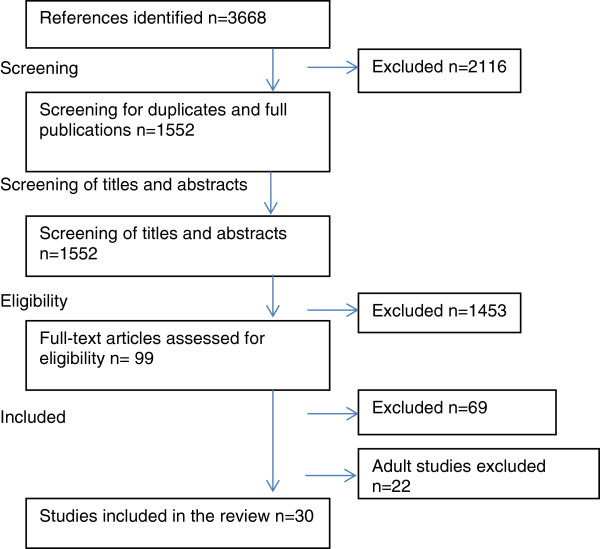
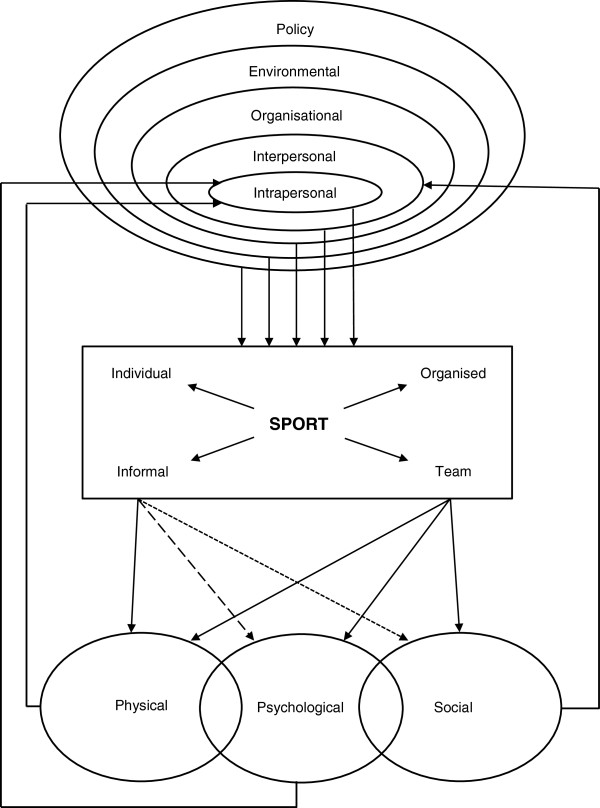
BACKGROUND: There are specific guidelines regarding the level of physical activity (PA) required to provide health benefits. However, the research underpinning these PA guidelines does not address the element of social health. Furthermore, there is insufficient evidence about the levels or types of PA associated specifically with psychological health. This paper first presents the results of a systematic review of the psychological and social health benefits of participation in sport by children and adolescents. Secondly, the information arising from the systematic review has been used to develop a conceptual model. METHODS: A systematic review of 14 electronic databases was conducted in June 2012, and studies published since 1990 were considered for inclusion. Studies that addressed mental and/or social health benefits from participation in sport were included. RESULTS: A total of 3668 publications were initially identified, of which 30 met the selection criteria. There were many different psychological and social health benefits reported, with the most commonly being improved self-esteem, social interaction followed by fewer depressive symptoms. Sport may be associated with improved psychosocial health above and beyond improvements attributable to participation in PA. Specifically, team sport seems to be associated with improved health outcomes compared to individual activities, due to the social nature of the participation. A conceptual model, Health through Sport, is proposed. The model depicts the relationship between psychological, psychosocial and social health domains, and their positive associations with sport participation, as reported in the literature. However, it is acknowledged that the capacity to determine the existence and direction of causal links between participation and health is limited by the fact that the majority of studies identified (n=21) were cross-sectional. CONCLUSION: It is recommended that community sport participation is advocated as a form of leisure time PA for children and adolescents, in an effort to not only improve physical health in relation to such matters as the obesity crisis, but also to enhance psychological and social health outcomes. It is also recommended that the causal link between participation in sport and psychosocial health be further investigated and the conceptual model of Health through Sport tested.
Overview
The claims and statistics of this paper haven’t been checked yet.
Free: it reads the open-access text and checks the first 5 claims that cite a source we can check. Create a free account to check every claim.
Integrity signals
Registry
Cites
Statistics
Figures
Verification
Claims the paper makes
The claims and statistics of this paper haven’t been checked yet.
Free: it reads the open-access text and checks the first 5 claims that cite a source we can check. Create a free account to check every claim.
Claims other papers make about this one
Each is checked against this paper’s own text: does it say what the citing paper says it does?
The source backs part of the claim, not all of it — or backs it for a different population, condition or comparison.
In the citing paper
“All six systematic reviews reported on organized sport activities and two also reported on organized non-sport activities (Cairns et al., 2014, Eime et al., 2013).”
From Impact of organized activities on mental health in children and adolescents: An umbrella review (2022) · cites this paper as Eime et al., 2013
Experimental — accuracy not yet measuredThe source backs part of the claim, not all of it — or backs it for a different population, condition or comparison.
In the citing paper
“Components of exercise interventions may represent important moderators of treatment effects.”
From Exercise for the treatment of anxiety in children and adolescents (2022) · cites this paper as Eime 2013
Experimental — accuracy not yet measuredThe source backs part of the claim, not all of it — or backs it for a different population, condition or comparison.
In the citing paper
“Indeed, intervention setting is another potential moderating factor, with group-based activities reported to confer a range of social benefits compared to individual activities (Eime 2013).”
From Exercise for the treatment of anxiety in children and adolescents (2022) · cites this paper as Eime 2013
Experimental — accuracy not yet measuredThe source backs part of the claim, not all of it — or backs it for a different population, condition or comparison.
In the citing paper
“We found evidence that children and adolescents who participated more frequently, who participated with higher intensity or who participated with longer duration (e.g. started at an early age or participated for a long period), had better mental health compared to their peers (Eime et al., 2013, Evans et al., 2017, Panza et al., 2020).”
From Impact of organized activities on mental health in children and adolescents: An umbrella review (2022) · cites this paper as Eime et al., 2013
Experimental — accuracy not yet measuredThe cited source says what the claim attributes to it.
In the citing paper
“Similarly, sports participation can be instrumental in the physical, social and emotional development of children and adolescents [30].”
2 more claims about this paper
Create a free account to see every claim other papers make about this one.
Self-check
Percentages, sums and reported differences re-computed from the paper’s own numbers.
The self-check needs the paper’s full text.
Citations
Cites
Kytle, J., & Bandura, A. (1978) · Contemporary Sociology · doi:10.2307/2065952 · Cited by 25,422
von Elm, E., Altman, D. G., Egger, M., Pocock, S. J., Gøtzsche, P. C., Vandenbroucke, J. P., & Initiative, F. T. S. (2007) · PLoS Medicine · doi:10.1371/journal.pmed.0040296 · Cited by 23,020
CONSORT 2010 Statement: updated guidelines for reporting parallel group randomised trials
the CONSORT Group, Schulz, K. F., Altman, D. G., & Moher, D. (2010) · BMC Medicine · doi:10.1186/1741-7015-8-18 · Cited by 13,371
Health Behavior and Health Education: Theory, Research, and Practice
(1992) · Annals of Internal Medicine · doi:10.7326/0003-4819-116-4-350_1 · Cited by 13,207
(1985) · Europe PMC (PubMed Central) · Cited by 9,143
Moher, D., Hopewell, S., Schulz, K. F., Montori, V., Gotzsche, P. C., Devereaux, P. J., Elbourne, D., Egger, M., & Altman, D. G. (2010) · BMJ · doi:10.1136/bmj.c869 · Cited by 8,883
An ecological perspective on health promotion programs
McLeroy, K. R., Bibeau, D., Steckler, A., & Glanz, K. (1988) · Health Education Quarterly · doi:10.1177/109019818801500401 · Cited by 8,502 · cited 2×
“The ‘determinants’ element is based on the well-established social ecological model [19,65] and is represented as concentric rings spreading out from the individual’s intrapersonal characteristics to widening spheres of influence.”
BackgroundDowns, S. H., & Black, N. (1998) · Journal of Epidemiology and Community Health · doi:10.1136/jech.52.6.377 · Cited by 8,252 · cited 1×
“Study quality was objectively appraised using the Downs and Black checklist [32].”
MethodJanssen, I., & LeBlanc, A. G. (2010) · International Journal of Behavioral Nutrition and Physical Activity · doi:10.1186/1479-5868-7-40 · Cited by 4,829
Measuring Health: A Guide to Rating Scales and Questionnaires
McDowell, I., & Newell, C. (1987) · Cited by 4,207
Cited by
Items 901–1,000 of 1,005
Watson, A. M., Biese, K. M., Reardon, C. L., Schwarz, A., Haraldsdóttir, K., Brooks, A., Bell, D. R., Steiner, Q., & McGuine, T. A. (2023) · Journal of Athletic Training · doi:10.4085/1062-6050-0479.22 · Cited by 9
de Bruijn, A. G. M., & van der Wilt, F. M. (2023) · Children · doi:10.3390/children10030568 · Cited by 12
“Although the categorization of team sports and individual sports is commonly used in research [49], a more fine-grained categorisation might provide more insight into how sports participation relates to children’s social acceptance.”
BackgroundA model for the multi-centered regulation of world sport
Bayle, E. (2023) · International Journal of Sport Policy and Politics · doi:10.1080/19406940.2023.2205868 · Cited by 8
“…participatory and spectator sport must be pursued in ways that promote social links, diversity, education, and health notably for the children (Eime et al. 2013, Neville et al. 2022), not just for people who do sport but also for sport’s supporters/fans and therefore for the population as a…”
BackgroundHoller, C., & Schüßler, A. (2024) · The Journal of Early Adolescence · doi:10.1177/02724316241265459 · Cited by 12
“Numerous studies also looked at the impact of peer networks for physical activity in children and adolescence (systematic review: Prochnow et al., 2020), because the development of physical performance is contingent upon the engagement in physical activity (e.g., Eime et al., 2013).”
Sinha, B. (2024) · Innovations in Sports Science. · doi:10.36676/iss.v1.i2.8 · Cited by 8
Wang, Y., Wang, H., & Zhao, H. (2024) · Frontiers in Psychology · doi:10.3389/fpsyg.2024.1485610 · Cited by 8
Harris, J. C., Wilson, I. G., Cardenas‐Iniguez, C., Watts, A. L., & Lisdahl, K. M. (2025) · International Journal of Environmental Research and Public Health · doi:10.3390/ijerph22020228 · Cited by 9
“Neighborhood characteristics may have undergone significant changes in the intervening period.”
A survival analysis of dropout among French swimmers
Difernand, A., Mallet, A., Larochelambert, Q. D., Pla, R., Marc, A., Barlier, K., Antero, J., Toussaint, J., & Sedeaud, A. (2025) · Frontiers in Sports and Active Living · doi:10.3389/fspor.2025.1509306 · Cited by 8
Larsen, A. C., Roos, E. M., Möller, S., Juhl, C. B., Storm, L. K., Kongsted, A., & Møller, M. (2025) · Scandinavian Journal of Medicine and Science in Sports · doi:10.1111/sms.70048 · Cited by 9
Wilén, C., Ahlqvist, V. H., Chen, C., Neovius, M., Magnusson, C., Henriksson, P., Dahlén, M., Sander, E., & Berglind, D. (2025) · BMC Pediatrics · doi:10.1186/s12887-025-05651-3 · Cited by 17
Vancampfort, D., Ward, P. B., Kwiringira, J. N., Damme, T. V., Rosenbaum, S., & Mugisha, J. (2025) · Journal of Affective Disorders · doi:10.1016/j.jad.2025.04.128 · Cited by 8
Wang, M., Wang, M., Yuan, X., Zhao, X. H., & Zhang, Y. (2025) · Frontiers in Psychology · doi:10.3389/fpsyg.2025.1649195 · Cited by 9
Lola, A. C., Bassa, E. I., Symeonidou, S., Stavropoulou, G., Papavasileiou, A., Fregidis, K., & Bismpos, M. (2026) · Sports · doi:10.3390/sports14010022 · Cited by 10
“From a health and well-being perspective, fostering both motor and cognitive development within youth sport may contribute positively to sustained physical activity participation, psychosocial growth, and the reduction in inactivity-related health risks [25,58].”
Hu, C., Meng, X., Wang, X., & Huang, J. (2026) · JMIR Serious Games · doi:10.2196/87847 · Cited by 8
“Participation in team or group-based sports also satisfies needs for relatedness and competence, offering offline sources of reward and belonging that may otherwise be sought in gaming environments [81,82].”
Biopsychosocial Benefits of Physical Activity in Children and Adolescents
Meydanlıoğlu, A. (2014) · Psikiyatride Guncel Yaklasimlar - Current Approaches in Psychiatry · doi:10.5455/cap.20140714124129 · Cited by 12
The Feasibility of Taekwondo for Addressing Social Interaction and Social Participation in Children
Calinog, M., Kugel, J. D., Krpalek, D., & Salamat, A. (2021) · The Open Journal of Occupational Therapy · doi:10.15453/2168-6408.1768 · Cited by 14
“Participation in physical activity not only improves physical health but also promotes social engagement and encourages the development of social interaction skills (Eime et al., 2013).”
BackgroundInfluentialSports-Related Brain Injury and Neurodegeneration in Athletes
Dhote, V. V., Raja, M. K. M. M., Samundre, P., Sharma, S., Anwikar, S., & Upaganlawar, A. (2021) · Current Molecular Pharmacology · doi:10.2174/1874467214666210910114324 · Cited by 9
Ditzel, A. L., Casas, F., Torres‐Vallejos, J., Reyes, F., & Alfaro, J. (2021) · Children and Youth Services Review · doi:10.1016/j.childyouth.2021.106338 · Cited by 12
Elliott, S., Drummond, M., Prichard, I. J., Lewis, L. K., Drummond, C., Litchfield, C., Mysko, E., O’Donnell, K., & Truskewycz, H. (2022) · Sport in Society · doi:10.1080/17430437.2022.2080059 · Cited by 8
“Participation in organised youth sport is associated with a variety of social and psychological health-related benefits including improved self-esteem, confidence, social skills and fewer depressive symptoms (for review, see Eime et al. 2013).”
BackgroundSweeney, E. A., Little, C. C., Wilson, J. C., Potter, M. N., Seehusen, C. N., & Howell, D. R. (2022) · Journal of Athletic Training · doi:10.4085/1062-6050-0266.22 · Cited by 8
van Leeuwen, L., Annink, A., Visser, K., & Jambroes, M. (2022) · Children · doi:10.3390/children9111746 · Cited by 15
“Parents play an important role in facilitating their children’s sports participation [3], but few studies to date have focused on understanding parent-related factors influencing children’s sports participation.”
BackgroundInfluentialFactors Related to Adolescents’ Participation in Organized Sports
Spruijtenburg, G. E., van Abswoude, F., Platvoet, S. W.-J., de Niet, M., Bekhuis, H., & Steenbergen, B. (2022) · International Journal of Environmental Research and Public Health · doi:10.3390/ijerph192315872 · Cited by 12
“Participation in organized sports during adolescence positively influences physical, mental and psychosocial health and may also contribute to the development of an active adult lifestyle [1].”
BackgroundFuture of Mental Health in Sport: CBT and Athletes
Werner, C., Parrish, D. E., & McIngvale, E. (2023) · Sport Social Work Journal · doi:10.33043/sswj.4.1.81-94 · Cited by 13
Sanders, M. R., Dittman, C. K., Mallett, C. J., & Rynne, S. B. (2024) · Family Relations · doi:10.1111/fare.12990 · Cited by 9
Sport- und Bewegungstherapie in der Behandlung psychischer Störungen bei Kindern und Jugendlichen
Kauczor-Rieck, K., Allroggen, M., & Gradl-Dietsch, G. (2024) · Zeitschrift für Kinder- und Jugendpsychiatrie und Psychotherapie · doi:10.1024/1422-4917/a000961 · Cited by 8
Abdelkarim, O., El-Gyar, N., Shalaby, A. M., & Aly, M. (2024) · Children · doi:10.3390/children11070842 · Cited by 13
“Socially, participation in PA promotes teamwork [8], boosts social skills [9], and strengthens peer relationships [10].”
BackgroundPisaniello, A., Figus, A., Digennaro, S., & Spulber, D. (2024) · Frontiers in Sports and Active Living · doi:10.3389/fspor.2024.1330346 · Cited by 22
Gallant, F., Giroux, M., Gunnell, K. E., Registe, P. P. W., Mekari, S., Doré, I., Sabiston, C. M., & Bélanger, M. F. (2024) · Scandinavian Journal of Medicine and Science in Sports · doi:10.1111/sms.14743 · Cited by 14
Sensor-based physical activity monitoring: Application of machine learning approaches
Sarangi, S. C., & Dash, Y. (2019) · International Conference on Intelligent Computing, Instrumentation and Control Technologies (ICICICT) · doi:10.1109/icicict46008.2019.8993176 · Cited by 8
“INTRODUCTION Healthy lifestyles are the key to sustainable physical and mental wellbeing [1-2].”
BackgroundThe health-related determinants of eating pattern of high school athletes in Goiás, Brazil
Noll, M. A., Rodrigues, A. P. S., & Silveira, É. A. (2020) · Archives of Public Health · doi:10.1186/s13690-020-0396-3 · Cited by 10
“Active people are at lower risk for many health-related conditions such as cardiovascular disease, diabetes, obesity, cancer, poor skeletal health, poor quality of life, and mental health [2, 3].”
BackgroundLacy, A. M. P., Eason, C. M., Stearns, R. L., & Casa, D. J. (2020) · Journal of Athletic Training · doi:10.4085/54-20 · Cited by 8
“155 After incorporating feedback, the finalized questionnaire was created on the Qualtrics 156 (Provo, UT) platform and consisted of three major sections: (1) demographic information, 157 including age, years in current position, and educational background (2) quantitative measures 158 pertaining to athletic directors…”
BackgroundMethodInfluentialDuncan, M. J., Patte, K. A., & Leatherdale, S. T. (2020) · Social Psychiatry and Psychiatric Epidemiology · doi:10.1007/s00127-020-01900-1 · Cited by 8
“Systematic reviews have consistently found various physical activity programs to improve psychological and social health in adolescents in [66, 67], the present study suggests that implementing such programs may be a valuable approach to offsetting cannabis-associated decreases in psychosocial well-being or possibly p…”
BackgroundCarrad, A., Parrish, A., & Yeatman, H. R. (2021) · International Journal of Environmental Research and Public Health · doi:10.3390/ijerph18136726 · Cited by 12
“Participation in organized sport carries with it various physical, mental and social benefits for individuals [6,7] and enhanced social capital for communities [8].”
BackgroundEstimation of vertical ground reaction force parameters during athletic tasks using 2D video
Straub, R. K., Horgan, A., & Powers, C. M. (2021) · Gait & Posture · doi:10.1016/j.gaitpost.2021.09.175 · Cited by 8
The Relationship Between Cricket Participation, Health, and Wellbeing: A Systematic Scoping Review
Bullock, G. S., Perera, N. K. P., Murray, A. D., Orchard, J. W., Arden, N., & Filbay, S. R. (2021) · International Journal of Sports Medicine · doi:10.1055/a-1686-6632 · Cited by 14
Hodges, A., Cordier, R., Joosten, A. V., & Bourke‐Taylor, H. M. (2021) · Journal of Autism and Developmental Disorders · doi:10.1007/s10803-021-05362-5 · Cited by 18
Owiti, S., & Hauw, D. (2021) · Frontiers in Sports and Active Living · doi:10.3389/fspor.2021.591438 · Cited by 12
“Problematic Experiences With Teammates and Adaptations Research on sports performance (Eime et al., 2013) has already established the critical nature of the relationship between teammates.”
BackgroundPhysical fitness and psychosocial health in a sample of Dutch adolescents
Haverkamp, B. F., Hartman, E., & Oosterlaan, J. (2021) · Preventive Medicine Reports · doi:10.1016/j.pmedr.2021.101689 · Cited by 14
“For example during physical education lessons or sports participation adolescents have the possibility to practice self-control skills, conflict-resolution and to learn cooperating with others, and to develop honesty, fairness, and moral judgement that might foster psychosocial health outcomes (Lubans et al., 2016; Ei…”
BackgroundClinical Utility and Validity of Exercise Vital Sign in Children
Young, J. A., Hand, B. N., Oñate, J. A., & Valasek, A. E. (2022) · Current Sports Medicine Reports · doi:10.1249/jsr.0000000000000928 · Cited by 8
Self-citationRoberts, S. D., Schatz, P., Register‐Mihalik, J. K., & Wojtowicz, M. A. (2021) · Concussion · doi:10.2217/cnc-2021-0008 · Cited by 10
“Youth sport participation is associated with numerous physical, psychological and sociological benefits [1].”
BackgroundFleming, D. J. M., Dorsch, T. E., & Dayley, J. C. (2022) · International Journal of Sport and Exercise Psychology · doi:10.1080/1612197x.2022.2058584 · Cited by 9
“By being more active, children are exposed to adaptive physiological changes while also experiencing social environments and cooperating with others such as teammates and coaches (Eime et al., 2013; FraserThomas et al., 2007; Telford et al., 2016).”
BackgroundMental health outcomes of the Daily Mile in elementary school children: a single‐arm pilot study
Arkesteyn, A., Vancampfort, D., Firth, J., & Damme, T. V. (2022) · Child and Adolescent Mental Health · doi:10.1111/camh.12573 · Cited by 13
Organized physical activity of secondary school students and university sports science students
Groffik, D., Frömel, K., Ziemba, M., Mitáš, J., & Seniow-Chmiel, S. (2022) · Annals of Agricultural and Environmental Medicine · doi:10.26444/aaem/150011 · Cited by 10
“Adolescence who participated in OPA showed a better level of physical mobility, positive changes in psycho-social and behavioural aspects [23, 52, 53], and improvement in sensorimotor coordination than those not participated in OPA or who did not exercise at all [21].”
BackgroundMatolić, T., Jurakić, D., Podnar, H., Radman, I., & Pedišić, Ž. (2023) · BMC Public Health · doi:10.1186/s12889-023-15589-9 · Cited by 16
“Other benefits of sports for the society include better integration of minorities [17] and people with disabilities [18], as well as improved socialisation of older adults, children, and adolescents [8].”
BackgroundOnline Sharing of Physical Activity: Does It Accelerate the Impact of a Health Promotion Program?
Manzoor, A. F., Mollee, J. S., Araújo, E. F. D. M., van Halteren, A., & Klein, M. C. A. (2016) · doi:10.1109/bdcloud-socialcom-sustaincom.2016.40 · Cited by 8
“Engaging in sufficient physical activity has many beneficial effects on physical and mental health [1], [2], while low levels of physical activity have been associated with increased risks of cardiovascular diseases, cancer, diabetes, and mental illness [3].”
BackgroundSilva, H. A., dos Passos, M. H. P., de Oliveira, V. M. A., Silva, Y. A., Pitangui, A. C. R., & de Araújo, R. C. (2018) · Motricidade · doi:10.6063/motricidade.9703 · Cited by 11
How I approach managing student athletes at risk for bleeding
Witmer, C. M. (2018) · Pediatric Blood & Cancer · doi:10.1002/pbc.27523 · Cited by 8
Sensitivity and Specificity of a Multimodal Approach for Concussion Assessment in Youth Athletes
Toong, T., Wilson, K. E., Hunt, A. W., Scratch, S. E., DeMatteo, C. A., & Reed, N. P. (2021) · Journal of Sport Rehabilitation · doi:10.1123/jsr.2020-0279 · Cited by 11
Castillo, I. I., Cruz, S. R. D., Ortúzar, A. M., & Araújo, D. (2021) · Heliyon · doi:10.1016/j.heliyon.2021.e06295 · Cited by 8
Physical education and its influence on emotional and mental development of pre-schoolers
Yumashev, A. V., Berestova, A., Derinov, A., Medvedev, I., & Philippova, A. (2021) · International Journal of Early Years Education · doi:10.1080/09669760.2021.1961079 · Cited by 12
Gallant, F., & Bélanger, M. F. (2021) · Frontiers in Sports and Active Living · doi:10.3389/fspor.2021.741495 · Cited by 14
“, 2015, 2016) and mental health (Eime et al., 2013; Evans et al., 2017), there is a need to”
BackgroundYuan, Y., Wang, M., Zhang, Q., Zhang, Y., Wang, X., Hou, X., Zhang, S.-J., & Liu, Y. (2022) · Journal of Applied Research in Intellectual Disabilities · doi:10.1111/jar.12976 · Cited by 11
Time use and health and wellbeing outcomes of sport school students in Australia
Knowles, O., Gastin, P. B., & Kremer, P. J. (2017) · Sport Sciences for Health · doi:10.1007/s11332-017-0378-1 · Cited by 10
“The findings support a review of psychological and social benefits of adolescent sport participation [11], however, the current findings are novel to the context of sport schools.”
BackgroundResultIf they only knew. Bullying victimization among children and youth in the Nordic countries
Bjereld, Y. (2017) · Gothenburg University Publications Electronic Archive (Gothenburg University) · Cited by 10
Abur, W. (2018) · Victoria University Research Repository (Victoria University) · Cited by 24
Address risk factors to prevent bone stress injuries in male and female athletes
Joy, E. A. (2019) · British Journal of Sports Medicine · doi:10.1136/bjsports-2018-100329 · Cited by 10
Ergen Sporcularda Spora Bağlılık İle İlişkili Bireysel ve Sosyal Faktörler: Sistematik Derleme
MERDAN, H. E., & Çağlar, E. (2022) · Spor Bilimleri Dergisi · doi:10.17644/sbd.1008784 · Cited by 15
Youth Sport Specialization and Risk of Injury: A General Review
Strosser, S. (2023) · Clinical Journal of Sport Medicine · doi:10.1097/jsm.0000000000001157 · Cited by 9
Dereceli, Ç., DOKUZOĞLU, G., & Dereceli, E. (2023) · Research in Sport Education and Sciences · doi:10.5152/jpess.2023.23071 · Cited by 7
Carter, J. S., McNair, G., Bushnell, A., Saldana, L., & Grant, K. E. (2023) · Mental health and physical activity · doi:10.1016/j.mhpa.2023.100562 · Cited by 9
The Importance of Landscape during Long-Distance Running Activity
Gajdek, A., Kasprzyk, I., & Ortyl, B. (2024) · Sustainability · doi:10.3390/su16020883 · Cited by 10
Biese, K. M., McGuine, T. A., Haraldsdóttir, K., Reardon, C. L., & Watson, A. M. (2024) · Sports Health A Multidisciplinary Approach · doi:10.1177/19417381231223494 · Cited by 8
“Similarly, Eime et al 8 proposed a conceptual model of Health through Sport that highlights the individual and overlapping positive effects sports can have on physical, psychological, and social well-being.”
BackgroundWiggins, L. D., Daniels, J. L., Overwyk, K. J., Croen, L., DiGuiseppi, C. G., Bradley, C., Powell, P. S., Dichter, G. S., Moody, E. J., & Pazol, K. (2024) · Disability and health journal · doi:10.1016/j.dhjo.2024.101633 · Cited by 11
Cranmer, G. A., Cox, E. G., Rey, R. T., Browning, B. W., & Holbert, L. G. (2024) · Communication & Sport · doi:10.1177/21674795241267197 · Cited by 10
“Past studies have suggested that the exchanges of resources, intrapersonal coping skills, or releasing of endorphins may have a role in athletes ’ psychological well-being (Eime et al., 2013).”
Rasmussen, R. M. W., Strandberg‐Larsen, K., Danielsen, S., Nordentoft, M., Erlangsen, A., & Madsen, T. (2025) · Social Psychiatry and Psychiatric Epidemiology · doi:10.1007/s00127-025-02827-1 · Cited by 9
“This is supported by findings, which link physical activities to improved self-esteem, increased social interaction and fewer depressive symptoms and potentially boost resilience towards suicidality [29].”
Commodification of U.S. youth sport: a critical analysis through Adorno’s culture industry concept
Lim, H.-E. (2025) · Sport Education and Society · doi:10.1080/13573322.2025.2488370 · Cited by 9
“Youth sport in the United States plays an important role in promoting physical health, teamwork, discipline and social skills among young people (Eime et al., 2013; Gould & Carson, 2008).”
Russo, G., Paganelli, V., & Ceciliani, A. (2025) · Acta Psychologica · doi:10.1016/j.actpsy.2025.105187 · Cited by 17
Ferreira, G., Redondo‐Tébar, A., Gonçalves, J. B., Sousa‐Sá, E., Oliveira, O., Lopes, L., & Santos, R. (2025) · British Journal of Health Psychology · doi:10.1111/bjhp.70004 · Cited by 14
Valadi, S., Dehghanizadeh, J., Gabbard, C. P., & Cairney, J. (2025) · BMC Pediatrics · doi:10.1186/s12887-025-05916-x · Cited by 10
Cai, B., Miao, Y., Zhao, J., Ying, X., & Lin, W. (2025) · Actas Españolas de Psiquiatría · doi:10.62641/aep.v53i4.2040 · Cited by 12
“However, regular physical activity has been associated with better subjective well-being and life satisfaction in both typically developing populations [4] and developmental disorders like ASD [5].”
Yang, X., Tian, J., & Madni, G. R. (2025) · BMC Sports Science Medicine and Rehabilitation · doi:10.1186/s13102-025-01290-4 · Cited by 11
“As nations strive to develop well-rounded citizens who contribute positively to society, sports education is increasingly integrated into academic curricula and community programs worldwide [7].”
InfluentialLenze, L., Benzing, V., Schmid, J., Minder, B., Henn, R.-E., & Frahsa, A. (2025) · International Journal of Behavioral Nutrition and Physical Activity · doi:10.1186/s12966-025-01834-4 · Cited by 10
From acceleration to resonance: reimagining Norwegian youth sport in a rapidly changing world
Bjørndal, C. T., & Espedalen, L. E. (2025) · Sport Ethics and Philosophy · doi:10.1080/17511321.2025.2579507 · Cited by 11
“Participation can still support self-worth, inclusion, and meaningful childhood experiences (Eime et al. 2013), but these benefits now depend on broader structural and cultural conditions rarely addressed in mainstream analyses (Bjørndal et al. 2024; Øydna and Bjørndal 2023).”
Resonant coaching in sport—a late modern approach
Reinold, M. (2025) · Sport Ethics and Philosophy · doi:10.1080/17511321.2025.2579509 · Cited by 13
“…environments, sport participation oriented toward health, leisure, and enjoyment is generally linked to a range of biopsychosocial benefits, including better physical health, improved social outcomes, and reduced levels of stress, depression, and anxiety (Eather et al. 2023; Eime et al. 2013).”
Jilink, L., Leseman, P. P. M., Slot, P. L., & Deynoot-Schaub, M. J. J. M. G. (2025) · International Journal of Educational Research Open · doi:10.1016/j.ijedro.2025.100546 · Cited by 14
Zhao, H., & Wang, Y. (2025) · BMC Public Health · doi:10.1186/s12889-025-25267-7 · Cited by 13
“In recent years, numerous cross-sectional studies have shown a significant negative correlation between physical exercise and aggressive behavior [12].”
The impact of public policy on socioeconomic equity in physical activity: a systematic review
Heuvelman, F., Birkholz, L., Tcymbal, A., Lakerveld, J., Beulens, J. W. J., Woods, C. B., Abu‐Omar, K., Volf, K., Sandu, P., Jankauskienė, R., et al. (2026) · International Journal of Behavioral Nutrition and Physical Activity · doi:10.1186/s12966-026-01880-6 · Cited by 8
“It can, furthermore, enhance mental health and wellbeing, and bone health [4–9].”
Sport and Children with Immune Thrombocytopenia: Never Give Up
Lassandro, G., Palmieri, V. V., Palladino, V., Accettura, D., Valente, R., & Giordano, P. (2019) · Current Sports Medicine Reports · doi:10.1249/jsr.0000000000000631 · Cited by 7
“The psychological benefits are no less important: it develops self-esteem, facilitates social skills, and teaches the value of defeat (1).”
BackgroundCommon injuries in resistance training
Alqarni, A. (2019) · Saudi Journal of Sports Medicine · doi:10.4103/sjsm.sjsm_4_20 · Cited by 11
COVID-19 Risk in Youth Club Sports: A Nationwide Sample Representing More Than 200 000 Athletes
Biese, K. M., McGuine, T. A., Haraldsdóttir, K., Goodavish, L., & Watson, A. M. (2021) · Journal of Athletic Training · doi:10.4085/1062-6050-0187.21 · Cited by 6
“Youth sports offer a myriad of social, physical, and mental health 54 benefits for adolescents.(4,5) Prior research has demonstrated an increase in symptoms of 55 depression and anxiety in adolescents related to quarantines and lock down orders,(6,7) and it has 56 been suggested that youth athletes may have been parti…”
BackgroundEngaging Minority Girls in Organized Youth Sport in Norway: A Case Study of a Project That Worked
Gjesdal, S., & Hedenborg, S. (2021) · Frontiers in Sports and Active Living · doi:10.3389/fspor.2021.781142 · Cited by 13
“This gap has also been seen in other western countries, and is problematic since sport participation can offer a range of physical and psychosocial benefits, such as physical fitness, self-esteem, and positive social interactions (Eime et al., 2013; Telford et al., 2016).”
BackgroundSport parenting during the COVID-19 pandemic: Perceptions of parents and youth in Australia
Elliott, S., Pankowiak, A., Eime, R., & Drummond, M. (2022) · Psychology of sport and exercise · doi:10.1016/j.psychsport.2022.102299 · Cited by 12
Self-citationProtocol for national mental health guidelines for community sport in Australia
Liddelow, C., Schweickle, M. J., Sutcliffe, J., Swann, C., Keegan, R. J., Rice, S., Okely, A. D., & Vella, S. A. (2022) · BMJ Open Sport & Exercise Medicine · doi:10.1136/bmjsem-2022-001426 · Cited by 7
Kercher, K. A., Steinfeldt, J. A., Rettke, D. J., Zuidema, T. R., Walker, M. J., Kercher, V. M. M., Silveyra, P., Seo, D., Macy, J. T., Hulvershorn, L. A., et al. (2023) · Journal of Adolescent Health · doi:10.1016/j.jadohealth.2022.11.247 · Cited by 8
The Association Between Sports Participation and Mental Health Across the Lifespan
Tahira, S. (2023) · International journal of Sport Studies for Health · doi:10.5812/intjssh-134601 · Cited by 7
“…include increased self-esteem, reduced depressive symptoms, and improved social connection; furthermore, there is widespread agreement that sports participation is associated with greater improvement in psychological and social health compared to other leisure-time physical activities (45).”
BackgroundCorrado, D. D., Sagone, E., Buscemi, A., & Coco, M. (2023) · International Journal of Environmental Research and Public Health · doi:10.3390/ijerph20075372 · Cited by 13
“Sport participation is related with positive emotional wellbeing, and young people reported a high quality of life, social and emotional functioning, and correct development [1].”
BackgroundTennis Specialization and Consequence of Injury/Illness Following Retirement
Vasenina, E., Stout, J. R., & Fukuda, D. H. (2023) · Sports · doi:10.3390/sports11050106 · Cited by 8
“Interestingly, sport participation has been associated with improved mental health, reduced stress, and enhanced positivity [34,35].”
BackgroundA Needs Analysis and Training Considerations for Female Adolescent Basketball Players
Andreyo, E., Unverzagt, C., Tompkins, J., Dawes, J. J., & Croll, S. (2023) · Strength and conditioning journal · doi:10.1519/ssc.0000000000000803 · Cited by 13
Zeng, X., & He, W. (2024) · Frontiers in Psychology · doi:10.3389/fpsyg.2024.1387420 · Cited by 9
Artificial Intelligence for Sport Injury Prediction
Owen, R., Owen, J. A., & Evans, S. L. (2024) · Springer eBooks · doi:10.1007/978-3-031-67256-9_5 · Cited by 14
The role of management in achieving health outcomes in SFD programmes: A stakeholder perspective
LeCrom, C. W., Martin, T. R., Dwyer, B., & Greenhalgh, G. P. (2018) · Sport Management Review · doi:10.1016/j.smr.2018.09.005 · Cited by 10
“Scholars have argued that sport participation has the potential to enhance health by allowing people the opportunity to engage in physically active behaviours, allowing them to strive for personal goals, and providing the context for socialisation (Eime et al., 2013; Gotova, 2015; Rowe & Siefken, 2016). Sport particip…”
BackgroundInfluentialAnderson, R., Warren, N., Misajon, R., & Lee, S. J. (2019) · Disability and Rehabilitation · doi:10.1080/09638288.2018.1510552 · Cited by 6
Relationship between cricket participation, health and well-being: scoping review protocol
Bullock, G. S., Perera, N. K., Murray, A. D., Arden, N., & Filbay, S. R. (2019) · BMJ Open · doi:10.1136/bmjopen-2019-032070 · Cited by 9
Peer influence and youth development
Erickson, K. T., Wright, E., Kochanek, J., & Vierimaa, M. (2020) · Elsevier eBooks · doi:10.1016/b978-0-12-816336-8.00013-5 · Cited by 10
Puga-González, E., Estévez, E. E., Torres‐Luque, G., & Cabello‐Manrique, D. (2020) · Journal of Human Sport and Exercise · doi:10.14198/jhse.2022.172.13 · Cited by 7
“…they receive, both public and private, is essential for their operation (Torres et al., 2018), in addition, in general terms, the impact that sport can have on public health, the fight against overweight and obesity is considered fundamental (Eime et al., 2013; Kim et al., 2012; Velázquez, 2010).”
Backgroundvan Dijk, M., Allegaert, P., Locus, M., Deschodt, M., Verheyden, G., Tournoy, J., & Flamaing, J. (2021) · Physiotherapy Research International · doi:10.1002/pri.1905 · Cited by 10
Steiger, A., Mumenthaler, F., & Nagel, S. (2021) · International Journal of Environmental Research and Public Health · doi:10.3390/ijerph18126603 · Cited by 8
“Although physical health can be fostered through any form of sports, organized sports mainly and strongly contribute to psychosocial health [19].”
BackgroundBattaglia, A., Kerr, G., & Stirling, A. (2021) · Qualitative Research in Sport, Exercise and Health · doi:10.1080/2159676x.2021.1947884 · Cited by 5
Adeoya, A. A., Adeleye, A. O., & Egawa, S. (2021) · IntechOpen eBooks · doi:10.5772/intechopen.99244 · Cited by 12
“2 and psychological health and well-being (self-esteem, anxiety, depression, vitality, energy) [4, 5], enhanced self-concept [6], lower rates of suicidal ideation including both thoughts and intentions [7].”
BackgroundAho, A. C., Renmarker, E., Axelsson, M., & Jakobsson, J. (2021) · Adapted Physical Activity Quarterly · doi:10.1123/apaq.2021-0035 · Cited by 11
Metadata
- Authors
- Eime, R. M., Young, J. A., Harvey, J. T., Charity, M. J., & Payne, W. R.
- Affiliations
- Victoria University (AU)
- Federation University (AU)
- Corresponding author
- Eime, Rochelle M
- Venue
- International Journal of Behavioral Nutrition and Physical Activity
- Published
- 2013
- Volume
- 10
- Issue
- 1
- Pages
- 98
- ISSN
- 1479-5868 (ISSN-L)
- PMC
- PMC3751802
- OpenAlex
- W2150292700
- Semantic Scholar
- 7f8fcfa7ffe59c88cef9c12ca5965f488c4b7011
- Cited by
- 2,366
- References
- 69
- Citations by year
- 2026: 266 · 2025: 309 · 2024: 262 · 2023: 267 · 2022: 238 · 2021: 235 · 2020: 203 · 2019: 153 · 2018: 142 · 2017: 103 · 2016: 86 · 2015: 59 · 2014: 38 · 2013: 3
- FWCI
- 6.70
- Type
- journal article
- Language
- en
- Open access
- gold
- doi.org
- Licence
- cc-by
- Locations
- International Journal of Behavioral Nutrition and Physical Activity (publishedVersion, cc-by)
- Europe PMC (PubMed Central) (publishedVersion, cc-by)
- PubMed Central (publishedVersion, cc-by)
- PubMed (publishedVersion)
- Victoria University Research Repository (Victoria University) (submittedVersion, cc-by)
- FedUni ResearchOnline (Federation University Australia) (submittedVersion)
- Figshare (submittedVersion, cc-by)
- Topics
- Health Sciences › Medicine › Public Health, Environmental and Occupational Health › Physical Activity and Health
- Social Sciences › Psychology › Developmental and Educational Psychology › Youth Development and Social Support
- Social Sciences › Life-span and Life-course Studies › Recreational Sport and Physical Activity
- Keywords
- sports participation, children, adolescents, mental health, social health, self-esteem, depressive symptoms, social interaction, team sports, individual sports, psychosocial health, conceptual model, physical activity guidelines, community sports, leisure-time physical activity
- MeSH terms
- Adolescent, Child, Depression, Health, Humans, Interpersonal Relations, Personal Satisfaction, Self Concept, Sports, Health Behavior, Exercise
About these checks
Registry, retraction, Cites and statistics results are computed, not judged, with one exception: a printed reference that no index lists is read once by a model before it counts as a citation error. Claims are extracted by a model and kept only when their quote appears verbatim in the text; each cited source is then checked, with a model’s help, for whether it says what the claim relies on. Those verdicts can be wrong — read the claim’s quote and the cited source before relying on one.
Statistics and arithmetic are recomputed, not judged.
Confidence bands are shown only for fields calibrated on our annotated test set. None is calibrated yet, so no band is shown.
What counts as a claim ›How we measure confidence ›How we check this ›
Are you an author, or do you see a problem with this page? Request a review
Data sources
Bibliographic data: Semantic Scholar, OpenAlex, Crossref.
Contains information from the Semantic Scholar Academic Graph Datasets, made available under the ODC Attribution License (ODC-BY 1.0).
Semantic Scholar’s data is described in: Kinney, R., et al. (2023). The Semantic Scholar Open Data Platform. arXiv:2301.10140.
