

Systematic review of sedentary behaviour and health indicators in school-aged children and youth.
Open accessThe DOI matches its Crossref record; 276 of the 276 references it cites were found in a registry or an index.
Abstract
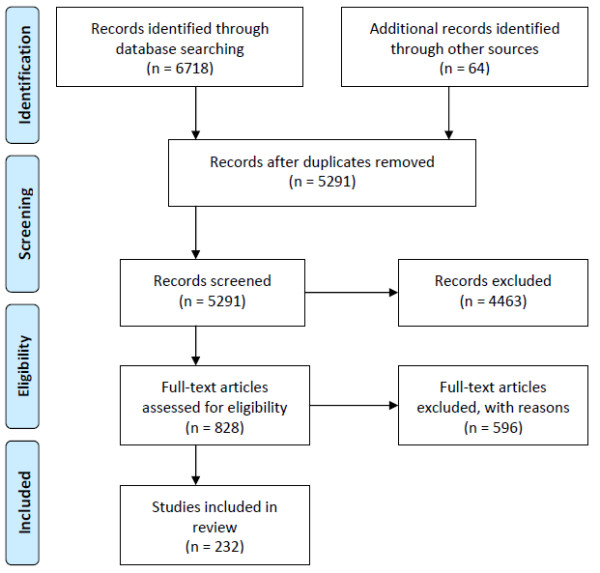
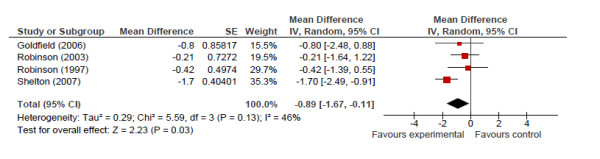
Accumulating evidence suggests that, independent of physical activity levels, sedentary behaviours are associated with increased risk of cardio-metabolic disease, all-cause mortality, and a variety of physiological and psychological problems. Therefore, the purpose of this systematic review is to determine the relationship between sedentary behaviour and health indicators in school-aged children and youth aged 5-17 years. Online databases (MEDLINE, EMBASE and PsycINFO), personal libraries and government documents were searched for relevant studies examining time spent engaging in sedentary behaviours and six specific health indicators (body composition, fitness, metabolic syndrome and cardiovascular disease, self-esteem, pro-social behaviour and academic achievement). 232 studies including 983,840 participants met inclusion criteria and were included in the review. Television (TV) watching was the most common measure of sedentary behaviour and body composition was the most common outcome measure. Qualitative analysis of all studies revealed a dose-response relation between increased sedentary behaviour and unfavourable health outcomes. Watching TV for more than 2 hours per day was associated with unfavourable body composition, decreased fitness, lowered scores for self-esteem and pro-social behaviour and decreased academic achievement. Meta-analysis was completed for randomized controlled studies that aimed to reduce sedentary time and reported change in body mass index (BMI) as their primary outcome. In this regard, a meta-analysis revealed an overall significant effect of -0.81 (95% CI of -1.44 to -0.17, p = 0.01) indicating an overall decrease in mean BMI associated with the interventions. There is a large body of evidence from all study designs which suggests that decreasing any type of sedentary time is associated with lower health risk in youth aged 5-17 years. In particular, the evidence suggests that daily TV viewing in excess of 2 hours is associated with reduced physical and psychosocial health, and that lowering sedentary time leads to reductions in BMI.
Overview
The claims and statistics of this paper haven’t been checked yet.
Free: it reads the open-access text and checks the first 5 claims that cite a source we can check. Create a free account to check every claim.
Integrity signals
Registry
Cites
Statistics
Figures
Verification
Claims the paper makes
The claims and statistics of this paper haven’t been checked yet.
Free: it reads the open-access text and checks the first 5 claims that cite a source we can check. Create a free account to check every claim.
Claims other papers make about this one
Each is checked against this paper’s own text: does it say what the citing paper says it does?
The source backs part of the claim, not all of it — or backs it for a different population, condition or comparison.
In the citing paper
“More than 2 hours per day of television viewing has been associated with lower academic performance in children and adolescents.14”
From Association Between Screen Media Use and Academic Performance Among Children and Adolescents: A Systematic Review and Meta-analysis (2019) · cites this paper as [14]
Experimental — accuracy not yet measuredThe cited source says what the claim attributes to it.
In the citing paper
“Previous systematic reviews in children and adolescents have focused on the association of television viewing and video game playing with academic performance, showing a negative association. 14,15”
From Association Between Screen Media Use and Academic Performance Among Children and Adolescents: A Systematic Review and Meta-analysis (2019) · cites this paper as [14]
In the citing paper
“In view of emerging evidence that sedentary behaviour may have independent health effects in young people 79”
From The school environment and adolescent physical activity and sedentary behaviour: a mixed-studies systematic review (2016) · cites this paper as [79]
Self-check
Percentages, sums and reported differences re-computed from the paper’s own numbers.
The self-check needs the paper’s full text.
Citations
Cites
Meta-analysis in clinical trials
DerSimonian, R., & Laird, N. (1986) · Controlled Clinical Trials · doi:10.1016/0197-2456(86)90046-2 · Cited by 39,552 · cited 1×
“Pooled estimates for the meta-analysis and their 95% confidence intervals were obtained using the random effects estimator of DerSimonian-Laird [37].”
MethodQuantifying heterogeneity in a meta‐analysis
Higgins, J. P. T., & Thompson, S. G. (2002) · Statistics in Medicine · doi:10.1002/sim.1186 · Cited by 36,763 · cited 1×
“Cochrane’s Q was used to test for heterogeneity among studies and the I(2) (squared) index [10] was used to determine the degree of heterogeneity [38].”
MethodBundesgesundheitsblatt - Gesundheitsforschung - Gesundheitsschutz
(2013) · Bundesgesundheitsblatt - Gesundheitsforschung - Gesundheitsschutz · doi:10.1007/103.1437-1588 · Cited by 11,796
Downs, S. H., & Black, N. (1998) · Journal of Epidemiology and Community Health · doi:10.1136/jech.52.6.377 · Cited by 8,252
Physical Activity in the United States Measured by Accelerometer
TROIANO, R. P., BERRIGAN, D., DODD, K. W., MÂSSE, L. C., TILERT, T., & MCDOWELL, M. (2008) · Medicine & Science in Sports & Exercise · doi:10.1249/mss.0b013e31815a51b3 · Cited by 7,638 · cited 1×
“However, across all age groups, levels of physical activity remain low [7-12] and obesity rates continue to rise [10,11,13,14]; collectively threatening the persistent increase in life expectancy enjoyed over the past century and efforts to counteract the inactivity and obesity crisis [15].”
BackgroundPrevalence and Trends in Obesity Among US Adults, 1999-2008
Flegal, K. M. (2010) · JAMA · doi:10.1001/jama.2009.2014 · Cited by 7,580 · cited 1×
“However, across all age groups, levels of physical activity remain low [7-12] and obesity rates continue to rise [10,11,13,14]; collectively threatening the persistent increase in life expectancy enjoyed over the past century and efforts to counteract the inactivity and obesity crisis [15].”
BackgroundJanssen, I., & LeBlanc, A. G. (2010) · International Journal of Behavioral Nutrition and Physical Activity · doi:10.1186/1479-5868-7-40 · Cited by 4,829 · cited 1×
“Engaging in regular physical activity is widely accepted as an effective preventative measure for a variety of health risk factors across all age, gender, ethnic and socioeconomic subgroups [1-6].”
BackgroundSelf-citationAmount of Time Spent in Sedentary Behaviors in the United States, 2003-2004
Matthews, C. E., Chen, K. Y., Freedson, P. S., Buchowski, M. S., Beech, B. M., Pate, R. R., & Troiano, R. P. (2008) · American Journal of Epidemiology · doi:10.1093/aje/kwm390 · Cited by 2,631
A Potential Decline in Life Expectancy in the United States in the 21st Century
Olshansky, S. J., Passaro, D. J., Hershow, R. C., Layden, J., Carnes, B. A., Brody, J., Hayflick, L., Butler, R. N., Allison, D. B., & Ludwig, D. S. (2005) · New England Journal of Medicine · doi:10.1056/nejmsr043743 · Cited by 2,612
A Potential Decline in Life Expectancy in the United States in the 21st Century
Olshansky, S. J., Passaro, D. J., Hershow, R. C., Layden, J., Carnes, B. A., Brody, J., Hayflick, L., Butler, R. N., Allison, D. B., & Ludwig, D. S. (2005) · Obstetrical & Gynecological Survey · doi:10.1097/01.ogx.0000167407.83915.e7 · Cited by 1,944
Research works printed but not linked: 5
- World Health Organization Global recommendations on physical activity for health 2010 Geneva, Switzerland; World Health Organization 26180873
- Bull FC Expert Working Groups Physical activity guidelines in the U.K.: Review and recommendations 2010 Leicestershire, UK: School of Sport, Exercise, and Health Sciences. Loughborough University
- Kirk SFL Penney TL Langille JJ The relationship between screen time, physical activity, dietary intake and healthy weights in children and youth: literature review and recommendations for intervention 2009 Halifax: Halifax Regional Physical Activity and the IWK Health Centre. Nova Scotia Department of Health Promotion and Protection
- LeBlanc AG Saunders TJ Larouche R Colley RC Goldfield G Tremblay MS Relation between sedentary behaviours and health outcomes in children and youth Joint Meeting of the North American Society for Pediatric Exercise Medicine and the European Group for Pediatric Work Physiology Annual General Meeting 2010 Sep 22-26, 2010; Niagara-on-the-Lake, ON. (abstract)
- Dasgupta K Sex differences in the development of higher systolic blood pressure during adolescence Cardiology Review 2008 25 5 54 7
Cited by
Items 901–1,000 of 1,002
Excessive screen viewing time by adolescents and body fatness in a developing country: Vietnam.
Nguyen, P. N. V., Tang, H., Nguyen, D. T., & Robert, A. R. (2016) · PubMed · doi:10.6133/apjcn.2016.25.1.21 · Cited by 23
Study protocol: effects of school gardens on children’s physical activity
Wells, N. M., Myers, B. M., & Henderson, C. (2014) · Archives of Public Health · doi:10.1186/2049-3258-72-43 · Cited by 21
“early-life mortality [9,10].”
Hrafnkelsdóttir, S. M., Brychta, R. J., Rögnvaldsdóttir, V., Chen, K. Y., Jóhannsson, E., Guðmundsdóttir, S. L., & Arngrímsson, S. Á. (2022) · International Journal of Environmental Research and Public Health · doi:10.3390/ijerph19031308 · Cited by 26
“Screen time is also typically sedentary and higher levels of sedentary behavior are associated with greater adiposity [11–13] and lower fitness [13], both of which may result in body image dissatisfaction [14].”
BackgroundAbadi, M. R. H., Hase, B., Dell, C. A., Johnston, J. D., & Kontulainen, S. A. (2022) · Anthrozoös · doi:10.1080/08927936.2022.2027091 · Cited by 23
“psychological health problems in children (Carson et al., 2016; Rodriguez-Ayllon et al., 2019; Saunders et al., 2016; Tremblay et al., 2011).”
BackgroundBiadgilign, S., Gebremichael, B., Abera, A., & Moges, T. (2022) · Frontiers in Public Health · doi:10.3389/fpubh.2022.731326 · Cited by 22
“The reduced level of PA in children is greatly associated with unfavorable metabolic and cardiovascular outcomes (16), reduced well-being, and cognitive function (17).”
BackgroundCarlson, J., Ridgers, N. D., Nakandala, S., Zablocki, R., Tuz‐Zahra, F., Bellettiere, J., Hibbing, P. R., Steel, C., Jankowska, M. M., Rosenberg, D. E., et al. (2022) · International Journal of Behavioral Nutrition and Physical Activity · doi:10.1186/s12966-022-01349-2 · Cited by 21
“However, these associations have been more consistently observed for reported sedentary behavior and screen time than for device-measured sedentary time [1–5].”
BackgroundMore than just physical activity: Time use clusters and profiles of Australian youth
Ferrar, K., Olds, T., & Maher, C. A. (2012) · Journal of science and medicine in sport · doi:10.1016/j.jsams.2012.11.885 · Cited by 22
Kesten, J. M., Sebire, S. J., Turner, K. M., Stewart-Brown, S. L., Bentley, G. F., & Jago, R. (2015) · Preventive Medicine Reports · doi:10.1016/j.pmedr.2015.01.005 · Cited by 24
“TV viewing for more than 2 h per day during childhood is associated with poor health indicators (Tremblay et al., 2011) and has been associated with adverse health outcomes in adulthood (Hancox et al.”
BackgroundDrenowatz, C. J., Carlson, J. J., Pfeiffer, K. A., & Eisenmann, J. C. (2012) · Frontiers of Medicine · doi:10.1007/s11684-012-0232-4 · Cited by 16
“Further, several studies have shown an increased prevalence of CVD risk with higher ST independent of PA [27–29].”
BackgroundEconomic Differences in Risk Factors for Obesity Among Overweight and Obese Children
Kim, H. S., Ham, O. K., Jang, M. N., Yun, H. J., & Park, J. (2013) · The Journal of School Nursing · doi:10.1177/1059840513509839 · Cited by 22
“Another study also reported a negative relationship between TV viewing time and cardiorespiratory fitness (Chinapaw, Proper, Brug, vanMechelen, & Singh, 2011), while watching TV more than 2 hr/day was shown to be associated with inappropriate body composition, low cardiopulmonary fitness, low self-efficacy, antisocial…”
BackgroundObjectively measured sedentary time and academic achievement in schoolchildren
Lopes, L., Santos, R., Mota, J. A. P. S., Pereira, B., & Lopes, V. P. (2016) · Journal of Sports Sciences · doi:10.1080/02640414.2016.1172724 · Cited by 28
“In school-aged children, SB (mostly assessed through the amount of time spent viewing television) has been associated with unfavourable body composition, decreased fitness, lower self-esteem and pro-social behaviour and decreased academic achievement (AA) (Tremblay et al., 2011).”
BackgroundInfluentialMcCormack, L. A., Meendering, J. R., SPECKER, B. L., & Binkley, T. L. (2016) · Journal of Clinical Densitometry · doi:10.1016/j.jocd.2016.03.008 · Cited by 20
Screen-based sedentary behavior during adolescence and pulmonary function in a birth cohort
da Silva, B. G. C., Menezes, A. M. B., Wehrmeister, F. C., Barros, F. C., & Pratt, M. (2017) · International Journal of Behavioral Nutrition and Physical Activity · doi:10.1186/s12966-017-0536-5 · Cited by 18
“Moreover, sedentary activity, such as television viewing, has been associated with consumption of high-density foods [52, 53] and obesity [9, 13].”
BackgroundInvestigating Children’s Short-Term Responses to Imposed or Restricted Physical Activity
Ridgers, N. D., Lamb, K. E., Timperio, A. F., Brown, H. L., & Salmon, J. (2017) · Journal of Physical Activity and Health · doi:10.1123/jpah.2017-0297 · Cited by 19
Sekiguchi, T., Hagiwara, Y., Yabe, Y., Tsuchiya, M., Itaya, N., Yoshida, S., Yano, T., Sogi, Y., Suzuki, K., & Itoi, E. (2018) · Journal of Shoulder and Elbow Surgery · doi:10.1016/j.jse.2018.06.005 · Cited by 16
da Costa, B. G. G., da Silva, K. S., Malheiros, L. E. A., Minatto, G., de Lima, L. R. A., & Petróski, E. L. (2018) · European Journal of Pediatrics · doi:10.1007/s00431-018-3233-8 · Cited by 16
Malden, S., Hughes, A. R., Gibson, A., Bardid, F., Androutsos, O., Craemer, M. D., Μanios, Y., Summerbell, C., Cardon, G., & Reilly, J. J. (2018) · BMJ Open · doi:10.1136/bmjopen-2018-023707 · Cited by 21
“8 9 19 While efforts to address these strengths and limitations of this study ► Site-specific adaptation of a previously successful intervention (ToyBox, which targets key obesogenic behaviours in early childhood) for use in another country (ToyBox Scotland).”
Backgroundda Silva, K. S., Bandeira, A. D. S., dos Santos, P. C., Malheiros, L. E. A., de Sousa, A. C. F. C., & Filho, V. C. B. (2018) · Brazilian Journal of Kinanthropometry and Human Performance · doi:10.5007/1980-0037.2018v20n4p415 · Cited by 20
“Rev Bras Cineantropom Desempenho Hum 2018, 20(4):415-445 431 as computer87, videogames12, and sitting time13.”
BackgroundInfluentialKidokoro, T., Suzuki, K., Naıto, H., Balasekaran, G., Song, J.-K., Park, S. Y., Liou, Y. M., Lu, D., Poh, B. K., Kijboonchoo, K., et al. (2019) · BMC Public Health · doi:10.1186/s12889-019-8079-0 · Cited by 19
Thomas, M. M., Gugusheff, J., Baldwin, H., Gale, J., Boylan, S. M., & Mihrshahi, S. (2020) · International Journal of Environmental Research and Public Health · doi:10.3390/ijerph17207509 · Cited by 21
Gonçalves, W. S. F., Byrne, R., de Lira, P. I. C., Viana, M. T., & Trost, S. G. (2020) · International Journal of Environmental Research and Public Health · doi:10.3390/ijerph18010239 · Cited by 16
Soltero, E. G., Jáuregui, A., Hernandez, E., Barquera, S., Jáuregui, E., Lopez-Taylor, J. R., Ortiz-Hernández, L., Lévesque, L., & Lee, R. E. (2021) · International Journal of Environmental Research and Public Health · doi:10.3390/ijerph18136788 · Cited by 20
“Global screen time guidelines recommend that children should be limited to less than or equal to 2 h of screen time per day [7,8].”
BackgroundOakley, J., Peters, R. L., Wake, M. A., Grobler, A. C., Kerr, J. A., Lycett, K., Cassim, R., Russell, M. A., Sun, C., Tang, M. L. K., et al. (2021) · BMC Public Health · doi:10.1186/s12889-021-11475-4 · Cited by 18
Julian, V., Ciba, I., Olsson, R., Dahlbom, M., Furthner, D., Gomahr, J., Maruszczak, K., Mörwald, K., Pixner, T., Schneider, A.-M., et al. (2021) · Nutrients · doi:10.3390/nu14010060 · Cited by 19
“The present results are fully concordant wit studies demonstrating that both sedentary and MVPA times would positively impact adiposity [23], cardiometabolic risk factors [19,21,22] and the MetS status [18] in youths.”
BackgroundResultDługosz, P., Liszka, D., Bastrakova, A., & Yuzva, L. (2022) · International Journal of Environmental Research and Public Health · doi:10.3390/ijerph191610074 · Cited by 29
Objectively Measured Sedentary Time in Children and Their Parents
Hughes, A. R., Muggeridge, D. J., Gibson, A., Johnstone, A., & Kirk, A. F. (2016) · AIMS Public Health · doi:10.3934/publichealth.2016.4.823 · Cited by 20
“Research suggests that these high levels of sedentary time in young people may have adverse effects on physical and psychosocial health [5], though most of the current evidence is based on cross-sectional studies and assessment of screen time (which does not adequately represent total sedentary time [6–8].”
Backgroundand the ΕΥΖΗΝ Study Group, Tambalis, K. D., Panagiotakos, D. B., Moraiti, I., Psarra, G., & Sidossis, L. S. (2018) · European Journal of Clinical Nutrition · doi:10.1038/s41430-018-0119-9 · Cited by 19
“It is of great concern that daily TV viewing (<2 h) is related to worse psychosocial and physical health, in childhood and adolescence [7].”
BackgroundPhan, T.-L. T., Tucker, J. M., Siegel, R., Christison, A. L., Stratbucker, W., Werk, L. N., Hossain, J., Datto, G. A., Gentile, D. A., & Stubblefield, S. (2018) · Childhood Obesity · doi:10.1089/chi.2018.0156 · Cited by 18
Standing Desks in a Grade 4 Classroom over the Full School Year
Parry, S. P., de Oliveira, B., McVeigh, J. A., Ee, J., Jacques, A., & Straker, L. M. (2019) · International Journal of Environmental Research and Public Health · doi:10.3390/ijerph16193590 · Cited by 16
“In recent years, there is emerging evidence that children are spending a high proportion of waking hours in sedentary behaviours [4,5], defined here as waking behaviours of low energy expenditure (metabolic equivalents of ≤1.”
BackgroundPhysical activity levels and sedentary time during school hours of 6th-grade girls in Germany
Sturm, D. J., Kelso, A., Kobel, S., & Demetriou, Y. (2020) · Journal of Public Health · doi:10.1007/s10389-019-01190-1 · Cited by 18
Types and contexts of child mobile screen use and associations with early childhood behavior
Mallawaarachchi, S. R., Anglim, J., & Horwood, S. (2024) · Early Childhood Research Quarterly · doi:10.1016/j.ecresq.2024.10.010 · Cited by 21
Guo, L., He, H., & Wang, C. (2025) · Frontiers in Pediatrics · doi:10.3389/fped.2025.1532035 · Cited by 26
Technological Media and Sedentary Behavior in Pediatrics
Odiaga, J. A., & Doucette, J. A. (2017) · The Journal for Nurse Practitioners · doi:10.1016/j.nurpra.2016.09.005 · Cited by 17
Štefan, L., Mišigoj‐Duraković, M., Devrnja, A., Podnar, H., Petrić, V., & Sorić, M. (2018) · Sustainability · doi:10.3390/su10093104 · Cited by 21
“In children, both low PA and high SB independently relate to adverse health outcomes [3,4].”
BackgroundJones, J. Z., Wolfenden, L., Grady, A., Finch, M., Alderman, K. B., Wedesweiler, T., & Yoong, S. L. (2019) · Health Promotion Journal of Australia · doi:10.1002/hpja.285 · Cited by 14
Martin, R., Murphy, J., Molina-Soberanes, D., & Murtagh, E. (2022) · BMC Public Health · doi:10.1186/s12889-022-12944-0 · Cited by 28
“Among the domains of sedentarism, passive recreational screen time (ST) has shown the strongest association with risk factors for children ́s health [19].”
BackgroundCholley-Gomez, M., Laujac, S., Delpierre, C., & Carayol, M. (2023) · Frontiers in Public Health · doi:10.3389/fpubh.2023.1106206 · Cited by 24
“poorer health outcomes in children (3, 4).”
BackgroundKoorts, H., Timperio, A. F., Abbott, G., Arundell, L., Ridgers, N. D., Cerin, E., Brown, H. E., Daly, R. M., Dunstan, D. W., Hume, C., et al. (2022) · International Journal of Behavioral Nutrition and Physical Activity · doi:10.1186/s12966-022-01354-5 · Cited by 22
“Increasingly, sedentary behaviour has been targeted in interventions alongside physical activity [15], and targeting both behaviours simultaneously may achieve the greatest health benefits [15].”
BackgroundPaschke, K., Napp, A.-K., & Thomasius, R. (2023) · Journal of Clinical Medicine · doi:10.3390/jcm12031010 · Cited by 17
Kowalczyk, M., Zgorzalewicz-Stachowiak, M., & Kostrzewa, M. (2023) · Children · doi:10.3390/children10081290 · Cited by 26
“A reduced amount of physical activity (PA) resulting from a sedentary lifestyle is one of the most alarming current problems among children and adolescents [1,2].”
BackgroundGerosa, T., & Gui, M. (2023) · Social Science Research · doi:10.1016/j.ssresearch.2023.102915 · Cited by 25
Cartmel, J., Hurst, B., Bobongie‐Harris, F., Hadley, F., Barblett, L., Harrison, L. J., & Irvine, S. L. (2023) · Childhood · doi:10.1177/09075682231212387 · Cited by 15
“…research investigates connections between children and young people ’ s sedentary leisure choices and poor physical and mental health outcomes, arriving at the conclusion that active leisure is preferable to passive (Holder et al., 2009; Mukherjee, 2023; Shin and You, 2013; Tremblay et al., 2011).”
BackgroundHajna, S., LeBlanc, P. J., Faught, B. E., Merchant, A. T., Cairney, J., Hay, J., & Liu, J. (2014) · Canadian Journal of Public Health · doi:10.17269/cjph.105.4150 · Cited by 15
Fatores sociodemográficos e comportamentais associados à adiposidade corporal em adolescentes
Bozza, R., de Campos, W., Bacil, E. D. A., Filho, V. C. B., Hardt, J. M., & da Silva, P. M. (2014) · Revista Paulista de Pediatria · doi:10.1590/0103-0582201432315 · Cited by 23
Aguilar-Farías, N., Martino-Fuentealba, P., & Espinoza-Silva, M. (2015) · PubMed · doi:10.3305/nh.2015.32.6.9489 · Cited by 18
Arazi, H., Jalali-Fard, A., & Abdinejad, H. (2016) · Physical Activity Review · doi:10.16926/par.2016.04.02 · Cited by 20
“Body composition, physical fitness and PA levels are strongly associated with cardiovascular disease and mortality [39,40].”
BackgroundNFL Play 60: Managing the intersection of professional sport and obesity
Sparvero, E. S., & Warner, S. M. (2019) · Sport Management Review · doi:10.1016/j.smr.2018.06.005 · Cited by 16
Predictors of Physical Activity in Middle Childhood. A Fixed-Effects Regression Approach
Zahl‐Thanem, T., Steinsbekk, S., & Wichstrøm, L. (2018) · Frontiers in Public Health · doi:10.3389/fpubh.2018.00305 · Cited by 18
“Also considering that sedentary behavior have detrimental effects on a range of health-related outcomes in children, independent of their PA levels, interventions should aim to promote less sedentary behavior in children (52).”
BackgroundRelationship Between Sedentary Time and Sleep Duration Among Korean Adolescents
Choi, H., Kim, C., Ko, H., & Park, C. G. (2019) · The Journal of School Nursing · doi:10.1177/1059840519842230 · Cited by 15
O’Connor, T. M., Elias, C. V., Thompson, R. R., Arlinghaus, K. R., Vollrath, K., Hernandez, D. C., Power, T. G., & Hughes, S. O. (2019) · Appetite · doi:10.1016/j.appet.2019.05.023 · Cited by 17
Ptomey, L. T., Washburn, R. A., Lee, J., Greene, J. L., Szabo‐Reed, A. N., Sherman, J. R., Danon, J. C., Osborne, L. N., Little, T. D., & Donnelly, J. E. (2019) · Contemporary Clinical Trials · doi:10.1016/j.cct.2019.105817 · Cited by 20
“An increase in MVPA of this magnitude is associated with improved adiposity and cardiovascular fitness in typically developing adolescents (67, 68), and potentially in adolescents with IDD, a group with low baseline levels of MVPA (69, 70).”
BackgroundFactors Associated with Sustained Exergaming: Longitudinal Investigation
O’Loughlin, E. K., Barnett, T. A., McGrath, J. J., Consalvo, M., & Kakinami, L. (2019) · JMIR Serious Games · doi:10.2196/13335 · Cited by 18
“Youth who do not meet PA recommendations are unlikely to benefit from the positive effects of PA on health [3,4], and sedentary youth may experience a wide range of negative physical and mental health issues [5].”
Relationship between smartphone use and sedentary behavior: a school-based study with adolescents
Lourenço, C. L. M., de Souza, T. F., & Mendes, E. L. (2019) · Revista Brasileira de Atividade Física & Saúde · doi:10.12820/rbafs.24e0078 · Cited by 33
Kim, H., Cao, C., Grabovac, I., Sánchez, G. F. L., Rana, B., Jacob, L., Koyanagi, A., Veronese, N., Yang, L., & Smith, L. (2020) · Journal of Epidemiology & Community Health · doi:10.1136/jech-2020-213754 · Cited by 15
Correlates of screen time and mediators of differences by parental education among adolescents
Gebremariam, M. K., Henjum, S., Terragni, L., & Torheim, L. E. (2020) · BMC Pediatrics · doi:10.1186/s12887-020-02181-y · Cited by 20
Relationship between sleep duration and TV time with cardiometabolic risk in adolescents
Sehn, A. P., Gaya, A. R., Dias, A. F., Brand, C., Mota, J. A. P. S., Pfeiffer, K. A., Sayavera, J. B., Renner, J. D. P., & Reuter, C. P. (2020) · Environmental Health and Preventive Medicine · doi:10.1186/s12199-020-00880-7 · Cited by 18
‘ Can we play the real sport?’ Co-creating a student-centered after-school sports club
Enríquez, O. N., & Oliver, K. L. (2020) · Physical Education and Sport Pedagogy · doi:10.1080/17408989.2020.1867716 · Cited by 20
“This is an important aspect to consider, because, there is an increasing number of children and youth disengaged from physical activity (Cappuccio et al. 2008; Janssen and LeBlanc 2010; Tremblay et al. 2011; Kohl et al. 2012).”
BackgroundDeterminants of student’s physical activity: a 12-month follow-up study in Ningxia province
Huang, W., Shi, X., Wang, Y., Li, X., Gao, P., Lu, J., & Zhuang, J. (2021) · BMC Public Health · doi:10.1186/s12889-021-10525-1 · Cited by 19
24-h Movement Guidelines and Substance Use among Adolescents: A School-Based Cross-Sectional Study
Sampasa‐Kanyinga, H., Colman, I., Goldfield, G. S., Janssen, I., Wang, J., Hamilton, H. A., & Chaput, J. (2021) · International Journal of Environmental Research and Public Health · doi:10.3390/ijerph18063309 · Cited by 16
Self-citationCai, W., Zhao, D., Zhang, M., Xu, Y., & Zhu, L. (2021) · Sensors · doi:10.3390/s21186246 · Cited by 15
Yin, N., Yu, X., Wang, F., Yu, Y., Wen, J., Guo, D., Jian, Y., Li, H., Huang, L., Wang, J., et al. (2022) · Nutrients · doi:10.3390/nu14091869 · Cited by 19
“concluded that lower sedentary behavior, of any type, is associated with favorable health indicators [20].”
BackgroundMüller, A., Nagy, Z., Kovács, S., Szőke, S., Bendíková, E., Ráthonyi, G., Ráthonyi-Ódor, K., Szabados, G. N., Gabnai, Z., & Bába, É. B. (2022) · International Journal of Environmental Research and Public Health · doi:10.3390/ijerph19148765 · Cited by 21
“They concluded that a reduction in any type of sedentary time was associated with a lower health risk [28].”
BackgroundPoulos, A., Wilson, K., Lanza, K., & Vanos, J. (2022) · International Journal of Behavioral Nutrition and Physical Activity · doi:10.1186/s12966-022-01355-4 · Cited by 16
Soós, I., Biddle, S., Ling, J., Hamar, P., Șandor, I., Boroș-Balint, I., Szabó, P., & Šimonek, J. (2014) · Hrčak Portal of scientific journals of Croatia (University Computing Centre) · Cited by 24
Fletcher, E. A., McNaughton, S. A., Lacy, K. E., Dunstan, D. W., Carson, V., & Salmon, J. (2016) · Obesity Science & Practice · doi:10.1002/osp4.60 · Cited by 17
“Time spent watching TV has consistently been shown to have adverse links with adolescent obesity (7) and MetS (8).”
BackgroundResultOka, M., Yamamoto, M., Mure, K., Takeshita, T., & Arita, M. (2016) · PLoS ONE · doi:10.1371/journal.pone.0165313 · Cited by 16
Moradi, G., Mostafavi, F., Azadi, N., Esmaeilnasab, N., & Nouri, B. (2016) · Europe PMC (PubMed Central) · Cited by 15
Correlates of physical activity among Australian Indigenous and non‐Indigenous adolescents
Macniven, R., Hearn, S., Grunseit, A. C., Richards, J. A., Nutbeam, D., & Bauman, A. E. (2016) · Australian and New Zealand Journal of Public Health · doi:10.1111/1753-6405.12609 · Cited by 20
I Am Bolder: A Social Cognitive Examination of Road Race Participant Behavior
Lough, N., Pharr, J. R., & Geurin, A. N. (2016) · Sport Marketing Quarterly · doi:10.1177/106169341602500203 · Cited by 15
“The benefits of training for a road race may include improved cardio-vascular fitness and stamina, improved mental health and stress reduction, and weight loss (O’Donovan et al., 2010; Tremblay et al., 2011; Vuori, 2010).”
Sustainable Cities and Healthy Cities: Are They the Same?
Portney, K. E., & Sansom, G. (2017) · Urban Planning · doi:10.17645/up.v2i3.1018 · Cited by 16
Pluta, B., Bronikowska, M., Tomczak, M., Laudańska–Krzemińska, I., & Bronikowski, M. (2017) · Biomedical Human Kinetics · doi:10.1515/bhk-2017-0023 · Cited by 17
“The most important determinants of leisure time are: studying at home, parents’ material conditions and the cultural home environment, learning at school, help in the household, time spent on the way to and from school, sleep, meals, outof-school educational institutions, and family atmosphere [3, 21, 47, 51].”
BackgroundEngel, A. C., Broderick, C. R., Ward, R. E., & Parmenter, B. J. (2018) · Clinical Pediatrics Open Access · doi:10.4172/2572-0775.1000129 · Cited by 20
Štefan, L., Sorić, M., Devrnja, A., Petrić, V., & Mišigoj‐Duraković, M. (2018) · International Journal of Adolescent Medicine and Health · doi:10.1515/ijamh-2017-0223 · Cited by 16
“Apart from inadequate PA and SP, inadequate sedentary behaviors (SBs) also increase the risk for cardiovascular, metabolic and mental diseases [14], [15].”
BackgroundRajala, K., Kankaanpää, A., Laine, K., Itkonen, H., Goodman, E., & Tammelin, T. (2018) · Journal of Sports Sciences · doi:10.1080/02640414.2018.1485227 · Cited by 22
“Sedentary behaviour has been identified as a health risk factor in children and youth, independently of the benefits of moderate to vigorous intensity physical activity (MVPA) (Santos et al., 2014; Tremblay et al., 2011).”
BackgroundScreen time and metabolic syndrome among expatriate adolescents in the United Arab Emirates
Khan, M. A., Shah, S. M. A., Shehab, A. M., Ghosal, S., Muhairi, S. J., Al‐Rifai, R. H., Al‐Maskari, F., Alkaabi, J., & Nauman, J. (2019) · Diabetes & Metabolic Syndrome Clinical Research & Reviews · doi:10.1016/j.dsx.2019.07.006 · Cited by 22
Katona, Z. B., Takács, J., Kerner, L., Alföldi, Z., Soós, I., Gyömörei, T., Podstawski, R., & Ihász, F. (2021) · International Journal of Environmental Research and Public Health · doi:10.3390/ijerph182413024 · Cited by 19
“As for the daily expected requirement for PA for adolescents (5–17 years)—at least 60 min of moderate-intensity PA has been significantly reduced [9].”
BackgroundLi, M., Sit, C. H. P., Wong, S. H. S., Wing, Y. K., Ng, C. K., & Sum, R. K. W. (2021) · Trials · doi:10.1186/s13063-021-05925-y · Cited by 25
“High levels of SB have been negatively associated with cardiometabolic health risk markers, such as obesity and high blood pressure, cholesterol, and insulin levels in children [5, 6].”
BackgroundEffect of intervention programs in schools to reduce screen time: a meta-analysis
Friedrich, R. R., Polet, J. P., Schuch, I., & Wagner, M. B. (2014) · Jornal de Pediatria (Versão em Português) · doi:10.1016/j.jpedp.2013.09.003 · Cited by 19
Physical activity and sedentary behaviour in Scottish youth with type 1 diabetes
MacMillan, F., Kirk, A. F., Mutrie, N., & Robertson, K. J. (2014) · Practical Diabetes · doi:10.1002/pdi.1874 · Cited by 16
Ltifi, M. A., Turki, O., Ben-Bouzaiene, G., Chong, K. H., Okely, A. D., & Chelly, M. S. (2024) · Sports Medicine and Health Science · doi:10.1016/j.smhs.2024.03.004 · Cited by 19
Zhang, D., Huang, J., Zhang, Y. H., Wei, Z., Long, T., Guo, X., & Li, M. (2025) · Diabetes Research and Clinical Practice · doi:10.1016/j.diabres.2025.112907 · Cited by 17
Are BMI and Sedentariness Correlated? A Multilevel Study in Children
Gomes, T. N., Katzmarzyk, P. T., dos Santos, F., de Chaves, R. N., Santos, D., Pereira, S., Champagne, C. M., Hedeker, D., & Maia, J. A. R. (2015) · Nutrients · doi:10.3390/nu7075258 · Cited by 19
“Sedentariness (Sed) is an emerging potential risk factor for obesity [6,7].”
BackgroundMethodInfluentialRodrigo-Sanjoaquín, J., Bois, J. E., Solana, A. A., Lhuisset, L., & Casterad, J. Z. (2020) · Sustainability · doi:10.3390/su12229436 · Cited by 15
Fillon, A., Pereira, B., Vanhelst, J., Baran, J., Masurier, J., Guirado, T., Boirie, Y., Duclos, M., Julian, V., & Thivel, D. (2022) · International Journal of Environmental Research and Public Health · doi:10.3390/ijerph192113782 · Cited by 20
Kobayashi, M., Pattarathitwat, P., Pongprajakand, A., & Kongkaew, S. (2023) · Obesity Pillars · doi:10.1016/j.obpill.2023.100055 · Cited by 16
“Unhealthy practices, including a sedentary lifestyle and little physical activity are known to be in fl uential causes of body fat accumulation in young individuals [14].”
BackgroundAn, D., Pan, J., Feng, R., Bai, D., & Zhang, J. (2024) · Journal of Intelligence · doi:10.3390/jintelligence12100094 · Cited by 25
“However, nearly 50% of exercise participants drop out in the first three to six months (Tremblay et al. 2011; Dong 2017).”
BackgroundDowning, K. L., Salmon, J., Hinkley, T., Hnatiuk, J. A., & Hesketh, K. D. (2017) · Trials · doi:10.1186/s13063-017-1841-7 · Cited by 20
Moreira, N. F., da Veiga, G. V., Santaliestra-Pasías, A. M., Androutsos, O., Cuenca‐García, M., de Oliveira, A. S. D., Pereira, R. A., de Moraes, A. B. D. V., den Bussche, K. V., Censi, L., et al. (2017) · Appetite · doi:10.1016/j.appet.2017.10.008 · Cited by 16
McWhannell, N., Triggs, C., & Moss, S. L. (2017) · European Physical Education Review · doi:10.1177/1356336x17743048 · Cited by 17
“…benefits of physical activity (PA) for psychological, social and physical health (Floriani and Kennedy, 2008; Janssen and LeBlanc, 2010; Tremblay et al, 2011), research suggests that a high proportion of school-aged children fail to meet the recommended guidelines of at least 60…”
BackgroundAhn, J., Min, S., & Kim, M. (2017) · Psychiatry Investigation · doi:10.4306/pi.2017.14.6.808 · Cited by 16
da Costa, B. G. G., Salmon, J., dos Santos, P. C., Minatto, G., & da Silva, K. S. (2019) · Journal of science and medicine in sport · doi:10.1016/j.jsams.2019.11.007 · Cited by 19
da Costa, B. G. G., da Silva, K. S., da Silveira, P. M., Berria, J., Machado, A. R., & Petróski, E. L. (2019) · Revista Brasileira de Epidemiologia · doi:10.1590/1980-549720190065 · Cited by 17
Evaluation of video game playing status in school-age children with various variables
Aydın, B., Oflu, A. T., & Yalçın, S. S. (2021) · Turkish Archives of Pediatrics · doi:10.5152/turkarchpediatr.2020.20092 · Cited by 18
“In contrast, screen use was negatively associated with social support (7, 8).”
BackgroundMeijer, A., Pouwels, P. J. W., Smith, J., Visscher, C., Bosker, R., Hartman, E., Oosterlaan, J., & Königs, M. (2021) · Journal of Neuroscience Research · doi:10.1002/jnr.24851 · Cited by 16
“The prevalence of a sedentary lifestyle among children is rapidly increasing (Gabel et al., 2016; Tremblay et al., 2011).”
BackgroundYuan, Y. Q., Ding, J. N., Bi, N., Wang, M. J., Zhou, S., Wang, X., Zhang, S.-J., Liu, Y., & Roswal, G. M. (2021) · Journal of Intellectual Disability Research · doi:10.1111/jir.12898 · Cited by 16
Vadathya, A. K., Musaad, S. M. A., Beltran, A., Pérez, O., Meister, L., Baranowski, T., Hughes, S. O., Mendoza, J. A., Sabharwal, A., Veeraraghavan, A., et al. (2022) · JMIR Pediatrics and Parenting · doi:10.2196/33569 · Cited by 14
“Television viewing therefore remains an important component of children’s overall screen use, which has been linked to detrimental cognitive development [6], worse child psychosocial outcomes [7], lower school achievement [7], child obesity [7,8], cardiometabolic risk [7], and decreased fitness [8].”
BackgroundGomwe, H., Seekoe, E., Lyoka, P. A., Marange, C. S., & Mafa, D. (2022) · South African Family Practice · doi:10.4102/safp.v64i1.5381 · Cited by 17
Burstein, D. S., Edelson, J. B., O’Malley, S. S., McBride, M., Stephens, P., Paridon, S. M., & Brothers, J. A. (2022) · Pediatric Cardiology · doi:10.1007/s00246-022-02920-1 · Cited by 15
Zhang, Y., Tao, S., Qu, Y., Mou, X., Gan, H., Zhou, P., Zhu, Z., Wu, X., & Tao, F. (2022) · BMC Public Health · doi:10.1186/s12889-022-14598-4 · Cited by 22
“The ST of participants was evaluated using one question: “How much time do you spend on ST?” [20].”
MethodVan Stappen, V., De Lepeleere, S., Huys, N., Latomme, J., Verloigne, M., Cardon, G., Androutsos, O., Manios, Y., De Bourdeaudhuij, I., & De Craemer, M. (2019) · PLOS ONE · doi:10.1371/journal.pone.0226131 · Cited by 9
Metadata
- Authors
- Tremblay, M. S., LeBlanc, A. G., Kho, M. E., Saunders, T. J., Larouche, R., Colley, R. C., Goldfield, G., & Gorber, S.
- Affiliations
- Children's Hospital of Eastern Ontario (CA)
- Johns Hopkins University (US)
- Public Health Agency of Canada (CA)
- Corresponding author
- Tremblay, Mark S
- ORCID
- Venue
- International Journal of Behavioral Nutrition and Physical Activity
- Published
- 2011
- Volume
- 8
- Issue
- 1
- Pages
- 98
- ISSN
- 1479-5868 (ISSN-L)
- PMC
- PMC3186735
- OpenAlex
- W2136823874
- Cited by
- 2,085
- References
- 276
- Citations by year
- 2026: 72 · 2025: 103 · 2024: 99 · 2023: 114 · 2022: 164 · 2021: 167 · 2020: 173 · 2019: 189 · 2018: 152 · 2017: 179 · 2016: 185 · 2015: 186 · 2014: 144 · 2013: 104 · 2012: 50
- FWCI
- 10.31
- Type
- journal article
- Language
- en
- Open access
- gold
- doi.org
- Licence
- cc-by
- Locations
- International Journal of Behavioral Nutrition and Physical Activity (publishedVersion, cc-by)
- Europe PMC (PubMed Central) (publishedVersion, cc-by)
- PubMed Central (publishedVersion, cc-by)
- PubMed (publishedVersion)
- uO Research (University of Ottawa) (submittedVersion, public-domain)
- DOAJ (DOAJ: Directory of Open Access Journals) (submittedVersion, cc-by-sa)
- Funders
- Public Health Agency of Canada
- Public Health Agency
- Canadian Institutes of Health Research
- Topics
- Health Sciences › Medicine › Public Health, Environmental and Occupational Health › Physical Activity and Health
- Health Sciences › Medicine › Public Health, Environmental and Occupational Health › Obesity, Physical Activity, Diet
- Health Sciences › Medicine › Public Health, Environmental and Occupational Health › School Health and Nursing Education
- Keywords
- sedentary behavior, television viewing, body composition, body mass index, physical fitness, metabolic syndrome, cardiovascular disease, self-esteem, prosocial behavior, academic performance, cardiometabolic risk
- MeSH terms
- Adolescent, Adolescent Behavior, Body Composition, Cardiovascular Diseases, Child, Child Behavior, Educational Status, Health Status, Health Status Indicators, Humans, Interpersonal Relations, Mortality, Obesity, Physical Fitness, Risk Factors, Self Concept, Television, Health Behavior, Body Mass Index, Metabolic Syndrome, Qualitative Research, Sedentary Behavior
About these checks
Registry, retraction, Cites and statistics results are computed, not judged, with one exception: a printed reference that no index lists is read once by a model before it counts as a citation error. Claims are extracted by a model and kept only when their quote appears verbatim in the text; each cited source is then checked, with a model’s help, for whether it says what the claim relies on. Those verdicts can be wrong — read the claim’s quote and the cited source before relying on one.
Statistics and arithmetic are recomputed, not judged.
Confidence bands are shown only for fields calibrated on our annotated test set. None is calibrated yet, so no band is shown.
What counts as a claim ›How we measure confidence ›How we check this ›
Are you an author, or do you see a problem with this page? Request a review
Data sources
Bibliographic data: Semantic Scholar, OpenAlex, Crossref.
Contains information from the Semantic Scholar Academic Graph Datasets, made available under the ODC Attribution License (ODC-BY 1.0).
Semantic Scholar’s data is described in: Kinney, R., et al. (2023). The Semantic Scholar Open Data Platform. arXiv:2301.10140.
