

Systematic review of sedentary behaviour and health indicators in school-aged children and youth.
Open accessThe DOI matches its Crossref record; 276 of the 276 references it cites were found in a registry or an index.
Abstract
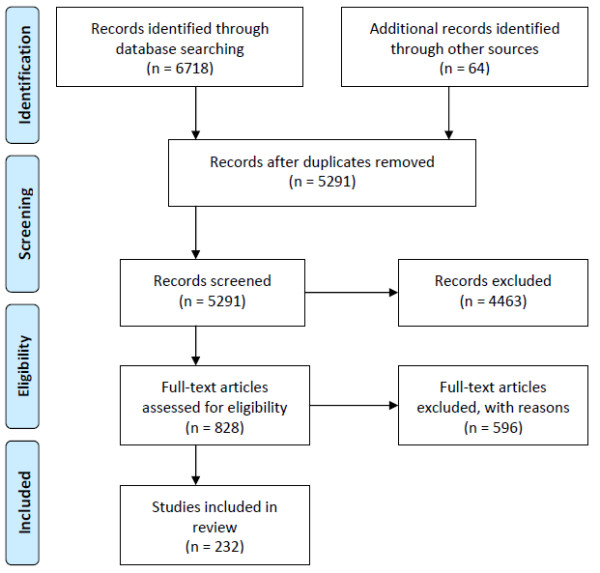
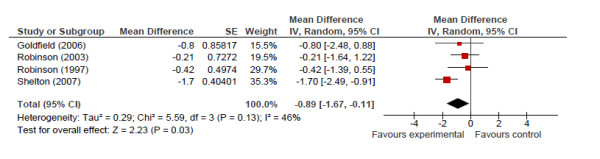
Accumulating evidence suggests that, independent of physical activity levels, sedentary behaviours are associated with increased risk of cardio-metabolic disease, all-cause mortality, and a variety of physiological and psychological problems. Therefore, the purpose of this systematic review is to determine the relationship between sedentary behaviour and health indicators in school-aged children and youth aged 5-17 years. Online databases (MEDLINE, EMBASE and PsycINFO), personal libraries and government documents were searched for relevant studies examining time spent engaging in sedentary behaviours and six specific health indicators (body composition, fitness, metabolic syndrome and cardiovascular disease, self-esteem, pro-social behaviour and academic achievement). 232 studies including 983,840 participants met inclusion criteria and were included in the review. Television (TV) watching was the most common measure of sedentary behaviour and body composition was the most common outcome measure. Qualitative analysis of all studies revealed a dose-response relation between increased sedentary behaviour and unfavourable health outcomes. Watching TV for more than 2 hours per day was associated with unfavourable body composition, decreased fitness, lowered scores for self-esteem and pro-social behaviour and decreased academic achievement. Meta-analysis was completed for randomized controlled studies that aimed to reduce sedentary time and reported change in body mass index (BMI) as their primary outcome. In this regard, a meta-analysis revealed an overall significant effect of -0.81 (95% CI of -1.44 to -0.17, p = 0.01) indicating an overall decrease in mean BMI associated with the interventions. There is a large body of evidence from all study designs which suggests that decreasing any type of sedentary time is associated with lower health risk in youth aged 5-17 years. In particular, the evidence suggests that daily TV viewing in excess of 2 hours is associated with reduced physical and psychosocial health, and that lowering sedentary time leads to reductions in BMI.
Overview
The claims and statistics of this paper haven’t been checked yet.
Free: it reads the open-access text and checks the first 5 claims that cite a source we can check. Create a free account to check every claim.
Integrity signals
Registry
Cites
Statistics
Figures
Verification
Claims the paper makes
The claims and statistics of this paper haven’t been checked yet.
Free: it reads the open-access text and checks the first 5 claims that cite a source we can check. Create a free account to check every claim.
Claims other papers make about this one
Each is checked against this paper’s own text: does it say what the citing paper says it does?
The source backs part of the claim, not all of it — or backs it for a different population, condition or comparison.
In the citing paper
“More than 2 hours per day of television viewing has been associated with lower academic performance in children and adolescents.14”
From Association Between Screen Media Use and Academic Performance Among Children and Adolescents: A Systematic Review and Meta-analysis (2019) · cites this paper as [14]
Experimental — accuracy not yet measuredThe cited source says what the claim attributes to it.
In the citing paper
“Previous systematic reviews in children and adolescents have focused on the association of television viewing and video game playing with academic performance, showing a negative association. 14,15”
From Association Between Screen Media Use and Academic Performance Among Children and Adolescents: A Systematic Review and Meta-analysis (2019) · cites this paper as [14]
In the citing paper
“In view of emerging evidence that sedentary behaviour may have independent health effects in young people 79”
From The school environment and adolescent physical activity and sedentary behaviour: a mixed-studies systematic review (2016) · cites this paper as [79]
Self-check
Percentages, sums and reported differences re-computed from the paper’s own numbers.
The self-check needs the paper’s full text.
Citations
Cites
Meta-analysis in clinical trials
DerSimonian, R., & Laird, N. (1986) · Controlled Clinical Trials · doi:10.1016/0197-2456(86)90046-2 · Cited by 39,552 · cited 1×
“Pooled estimates for the meta-analysis and their 95% confidence intervals were obtained using the random effects estimator of DerSimonian-Laird [37].”
MethodQuantifying heterogeneity in a meta‐analysis
Higgins, J. P. T., & Thompson, S. G. (2002) · Statistics in Medicine · doi:10.1002/sim.1186 · Cited by 36,763 · cited 1×
“Cochrane’s Q was used to test for heterogeneity among studies and the I(2) (squared) index [10] was used to determine the degree of heterogeneity [38].”
MethodBundesgesundheitsblatt - Gesundheitsforschung - Gesundheitsschutz
(2013) · Bundesgesundheitsblatt - Gesundheitsforschung - Gesundheitsschutz · doi:10.1007/103.1437-1588 · Cited by 11,796
Downs, S. H., & Black, N. (1998) · Journal of Epidemiology and Community Health · doi:10.1136/jech.52.6.377 · Cited by 8,252
Physical Activity in the United States Measured by Accelerometer
TROIANO, R. P., BERRIGAN, D., DODD, K. W., MÂSSE, L. C., TILERT, T., & MCDOWELL, M. (2008) · Medicine & Science in Sports & Exercise · doi:10.1249/mss.0b013e31815a51b3 · Cited by 7,638 · cited 1×
“However, across all age groups, levels of physical activity remain low [7-12] and obesity rates continue to rise [10,11,13,14]; collectively threatening the persistent increase in life expectancy enjoyed over the past century and efforts to counteract the inactivity and obesity crisis [15].”
BackgroundPrevalence and Trends in Obesity Among US Adults, 1999-2008
Flegal, K. M. (2010) · JAMA · doi:10.1001/jama.2009.2014 · Cited by 7,580 · cited 1×
“However, across all age groups, levels of physical activity remain low [7-12] and obesity rates continue to rise [10,11,13,14]; collectively threatening the persistent increase in life expectancy enjoyed over the past century and efforts to counteract the inactivity and obesity crisis [15].”
BackgroundJanssen, I., & LeBlanc, A. G. (2010) · International Journal of Behavioral Nutrition and Physical Activity · doi:10.1186/1479-5868-7-40 · Cited by 4,829 · cited 1×
“Engaging in regular physical activity is widely accepted as an effective preventative measure for a variety of health risk factors across all age, gender, ethnic and socioeconomic subgroups [1-6].”
BackgroundSelf-citationAmount of Time Spent in Sedentary Behaviors in the United States, 2003-2004
Matthews, C. E., Chen, K. Y., Freedson, P. S., Buchowski, M. S., Beech, B. M., Pate, R. R., & Troiano, R. P. (2008) · American Journal of Epidemiology · doi:10.1093/aje/kwm390 · Cited by 2,631
A Potential Decline in Life Expectancy in the United States in the 21st Century
Olshansky, S. J., Passaro, D. J., Hershow, R. C., Layden, J., Carnes, B. A., Brody, J., Hayflick, L., Butler, R. N., Allison, D. B., & Ludwig, D. S. (2005) · New England Journal of Medicine · doi:10.1056/nejmsr043743 · Cited by 2,612
A Potential Decline in Life Expectancy in the United States in the 21st Century
Olshansky, S. J., Passaro, D. J., Hershow, R. C., Layden, J., Carnes, B. A., Brody, J., Hayflick, L., Butler, R. N., Allison, D. B., & Ludwig, D. S. (2005) · Obstetrical & Gynecological Survey · doi:10.1097/01.ogx.0000167407.83915.e7 · Cited by 1,944
Research works printed but not linked: 5
- World Health Organization Global recommendations on physical activity for health 2010 Geneva, Switzerland; World Health Organization 26180873
- Bull FC Expert Working Groups Physical activity guidelines in the U.K.: Review and recommendations 2010 Leicestershire, UK: School of Sport, Exercise, and Health Sciences. Loughborough University
- Kirk SFL Penney TL Langille JJ The relationship between screen time, physical activity, dietary intake and healthy weights in children and youth: literature review and recommendations for intervention 2009 Halifax: Halifax Regional Physical Activity and the IWK Health Centre. Nova Scotia Department of Health Promotion and Protection
- LeBlanc AG Saunders TJ Larouche R Colley RC Goldfield G Tremblay MS Relation between sedentary behaviours and health outcomes in children and youth Joint Meeting of the North American Society for Pediatric Exercise Medicine and the European Group for Pediatric Work Physiology Annual General Meeting 2010 Sep 22-26, 2010; Niagara-on-the-Lake, ON. (abstract)
- Dasgupta K Sex differences in the development of higher systolic blood pressure during adolescence Cardiology Review 2008 25 5 54 7
Cited by
Items 301–400 of 1,002
Decelis, A., Jago, R., & Fox, K. R. (2014) · BMC Public Health · doi:10.1186/1471-2458-14-664 · Cited by 82
“A number of studies have reported that screen time is associated with body mass among children [8,9].”
BackgroundThe effects of standing desks within the school classroom: A systematic review
Sherry, A. P., Pearson, N., & Clemes, S. A. (2016) · Preventive Medicine Reports · doi:10.1016/j.pmedr.2016.03.016 · Cited by 62
“Quality of included studies was assessed by AS and NP using the Delphi list (Verhagen et al., 1998) as used in previous systematic reviews of behavioural interventions with children (Brown et al., 2013; Haapala, 2012; Van Stralen et al., 2011).”
MethodPangani, I. N., Kiplamai, F., Kamau, J. W., & Onywera, V. O. (2016) · Advances in Preventive Medicine · doi:10.1155/2016/1345017 · Cited by 78
“It is evident that the rapid urbanization, technology, and the dramatic lifestyle changes experienced by people in African cities are among risk factors of the overweight and obesity epidemic [9].”
BackgroundTelford, R. M., OLIVE, L. S., Cochrane, T., Davey, R., & Telford, R. D. (2016) · International Journal of Behavioral Nutrition and Physical Activity · doi:10.1186/s12966-016-0388-4 · Cited by 78
“There has been growing interest in interventions that specifically target sedentary behaviour separately from those increasing PA, which has been motivated by reports stating that sedentary behaviour is associated with obesity [27] and metabolic risk in children [28].”
BackgroundMetabolic Syndrome in Children and Adolescents
Gräf, C., & Ferrari, N. (2016) · Visceral Medicine · doi:10.1159/000449268 · Cited by 69
Prevention and Management of Childhood Obesity
Dabas, A., & Seth, A. (2018) · The Indian Journal of Pediatrics · doi:10.1007/s12098-018-2636-x · Cited by 85
“01) with interventions which reduced sedentary lifestyle like television viewing [16].”
BackgroundSedentary behavior patterns and adiposity in children: a study based on compositional data analysis
Gába, A., Pedišić, Ž., Štefelová, N., Dygrýn, J., Hron, K., Dumuid, D., & Tremblay, M. S. (2020) · BMC Pediatrics · doi:10.1186/s12887-020-02036-6 · Cited by 72
“Many of them also spend most of their time being sedentary [5].”
BackgroundSelf-citationInternet Gaming Disorder: the interplay between physical activity and user–avatar relationship
Liew, L. W. L., Stavropoulos, V., Adams, B. L. M., Burleigh, T. L., & Griffiths, M. D. (2018) · Behaviour and Information Technology · doi:10.1080/0144929x.2018.1464599 · Cited by 68
“Similarly, people who spend longer periods of time on- screen tend to experience a more disadvantaged sense of self in reality (i.e. poorer outcomes in body composition, fitness, self-esteem, self-worth, pro-social behaviour, and academic achievement; Tremblay et al. 2011).”
BackgroundLiao, Y., Liao, J., Durand, C. P., & Dunton, G. F. (2013) · Obesity Reviews · doi:10.1111/obr.12112 · Cited by 92
“A recent systematic review on 232 studies conducted by Tremblay and colleagues (14) revealed a dose–response relation between increased sedentary behaviour and negative physical and psychosocial health outcomes.”
BackgroundWagner, B. E., Folk, A. L., Hahn, S. L., Barr‐Anderson, D. J., Larson, N., & Neumark‐Sztainer, D. (2021) · International Journal of Environmental Research and Public Health · doi:10.3390/ijerph18094613 · Cited by 71
“Recreational screen time, which often includes watching TV, computer use, and smartphone use, is one of the most common means of engaging in sedentary behavior [9].”
BackgroundKontostoli, E., Jones, A., Pearson, N., Foley, L. S., Biddle, S., & Atkin, A. J. (2021) · Obesity Reviews · doi:10.1111/obr.13263 · Cited by 82
“Device-measured total sedentary time and selfreported screen-based sedentary behavior may be associated with a higher risk of obesity and low cardiorespiratory fitness.(2,3) Total sedentary time may also be associated with poor academic achievement and social interactions,(2) depression, and low self-esteem.”
BackgroundMarques, A., Calmeiro, L., Loureiro, N., Frasquilho, D., & de Matos, M. G. (2015) · Journal of Adolescence · doi:10.1016/j.adolescence.2015.07.018 · Cited by 82
“Parallel to the increased time in sedentary behaviours, a rising prevalence of health complaints among adolescents has been reported (Brindova et al., 2015; Torsheim et al., 2010; Tremblay et al., 2011).”
Backgroundthe Raine Study 22 year follow-up Investigator Group, Straker, L. M., Hall, G. L., Mountain, J., Howie, E. K., White, E., McArdle, N., & Eastwood, P. R. (2015) · BMC Public Health · doi:10.1186/s12889-015-1944-6 · Cited by 63
“Recent evidence indicates that the adverse effects of sedentary behaviour are present in childhood [94], even in the early years [95], suggesting that understanding the lifecourse predictors of these behaviours is critical.”
BackgroundAhola, R., Pyky, R., Jämsä, T., Mäntysaari, M., Koskimäki, H., Ikäheimo, T. M., Huotari, M.-L., Röning, J., Heikkinen, H. I., & Korpelainen, R. (2013) · BMC Public Health · doi:10.1186/1471-2458-13-32 · Cited by 59
“Daily TV viewing in excess of 2 hours is associated with diminished physical and psychosocial health, and a lowered sedentary time reduces body mass index [14].”
BackgroundActivity-related behavior typologies in youth: a systematic review
Parker, K. E., Salmon, J., Costigan, S. A., Villanueva, K., Brown, H. L., & Timperio, A. F. (2019) · International Journal of Behavioral Nutrition and Physical Activity · doi:10.1186/s12966-019-0804-7 · Cited by 66
Andrade, A., da Cruz, W. M., Correia, C. K., Santos, A. L. G., & Bevilacqua, G. G. (2020) · PLoS ONE · doi:10.1371/journal.pone.0232392 · Cited by 84
Academic performance and lifestyle behaviors in Australian school children: a cluster analysis
Dumuid, D., Olds, T., Martín-Fernández, J.-A., Lewis, L. K., Cassidy, L., & Maher, C. (2017) · Health Education & Behavior · doi:10.1177/1090198117699508 · Cited by 58
Zheng, C., Feng, J., Huang, Y., & Wong, S. H. (2021) · Health & Place · doi:10.1016/j.healthplace.2021.102546 · Cited by 67
Loprinzi, P. D., Cardinal, B. J., Lee, H., & Tudor-Locke, C. (2015) · Journal of Diabetes & Metabolic Disorders · doi:10.1186/s40200-015-0175-9 · Cited by 58
Barbiero, S. M., Sica, C. D., Schuh, D. S., Cesa, C. C., Petkowicz, R. D. O., & Pellanda, L. C. (2014) · BMC Pediatrics · doi:10.1186/1471-2431-14-271 · Cited by 61
“intolerance, dyslipidemia, and physical inactivity have emerged [7,23-27].”
BackgroundPredictors of Change in BMI From the Age of 4 to 8
Steinsbekk, S., & Wichstrøm, L. (2015) · Journal of Pediatric Psychology · doi:10.1093/jpepsy/jsv052 · Cited by 76
Morton, K., Corder, K. L., Suhrcke, M., Harrison, F., Jones, A., van Sluijs, E. M. F., & Atkin, A. J. (2016) · International Journal of Behavioral Nutrition and Physical Activity · doi:10.1186/s12966-016-0378-6 · Cited by 67
“In view of emerging evidence that sedentary behaviour may have independent health effects in young people [6], the findings of this study suggest that secondary schools should consider the potential impact of break Table 6 Longitudinal association of changes in the school environment with changes in activity intensity…”
BackgroundJakubec, L., Gába, A., Dygrýn, J., Rubín, L., Šimůnek, A., & Sigmund, E. (2020) · BMC Public Health · doi:10.1186/s12889-020-09213-3 · Cited by 67
“Excessive sedentary behavior (SB) and short sleep duration are also well-known contributors to the obesity risk [12, 13].”
BackgroundPrevalence of sedentary behavior and its correlates among primary and secondary school students
Ferreira, R. W., Rombaldi, A. J., Ricardo, L. I. C., Hallal, P. C., & Azevedo, M. R. (2015) · Revista Paulista de Pediatria (English Edition) · doi:10.1016/j.rppede.2015.09.002 · Cited by 76
LeBlanc, A. G., Berry, T. R., Deshpande, S., Duggan, M., Faulkner, G., Latimer‐Cheung, A. E., O’Reilly, N., Rhodes, R. E., Spence, J. C., & Tremblay, M. S. (2015) · Applied Physiology, Nutrition, and Metabolism · doi:10.1139/apnm-2014-0464 · Cited by 67
Self-citationVerloigne, M., Lippevelde, W. V., Maes, L., Yildirim, M., Chinapaw, M. J. M., Μanios, Y., Androutsos, O., Kovacs, E., Bringolf‐Isler, B., Brug, J., et al. (2012) · European Journal of Public Health · doi:10.1093/eurpub/cks047 · Cited by 57
Sedentary behavior among Spanish children and adolescents: findings from the ANIBES study
Mielgo‐Ayuso, J., Aparicio‐Ugarriza, R., Castillo, A., Ruiz, E., Ávila, J. M. B., Bartrina, J. A., Gil, Á., Ortega, R. M., Serra‐Majem, L., Varela‐Moreiras, G., et al. (2017) · BMC Public Health · doi:10.1186/s12889-017-4026-0 · Cited by 81
“More recently, apart from meeting PA guidelines, reducing sedentary behavior has become an additional goal in public health [10], even if the above-mentioned controversy exists.”
BackgroundEffects of an Intensive Lifestyle Intervention to Treat Overweight/Obese Children and Adolescents
Ranucci, C., Pippi, R., Buratta, L., Aiello, C., Gianfredi, V., Piana, N., Reginato, E., Alberto, T., Chiodini, E., Tomaro, E. S., et al. (2017) · BioMed Research International · doi:10.1155/2017/8573725 · Cited by 72
Extending the framework for mobile health information systems Research: A content analysis
Miah, S. J., Gammack, J. G., & Hasan, N. (2017) · Information Systems · doi:10.1016/j.is.2017.04.001 · Cited by 76
the Gateshead Millennium Study Core Team, Janssen, X., Basterfield, L., Parkinson, K. N., Pearce, M. S., Reilly, J. K., Adamson, A., & Reilly, J. J. (2015) · BMC Public Health · doi:10.1186/s12889-015-1847-6 · Cited by 65
“5 METs [1]) by children and adolescents, because of the potential for short and long-term health impacts of sedentary time [2], and interventions to modify sitting behavior in children are now”
BackgroundSharma, S. V., Shegog, R., Chow, J., Finley, C. E., Pomeroy, M., Smith, C., & Hoelscher, D. M. (2015) · Journal of the Academy of Nutrition and Dietetics · doi:10.1016/j.jand.2015.02.022 · Cited by 69
Hünük, D., İnce, M. L., & Tannehill, D. (2012) · European Physical Education Review · doi:10.1177/1356336x12450769 · Cited by 79
“, 2007) and their negative effect on the wellbeing of children and youth (Tremblay et al., 2011) provided the main impetus for stressing health-related fitness in the new physical education curriculum being implemented in Turkey.”
BackgroundScreen time, weight status and the self‐concept of physical attractiveness in adolescents
Suchert, V., Hanewinkel, R., & Isensee, B. (2016) · Journal of Adolescence · doi:10.1016/j.adolescence.2016.01.005 · Cited by 56
Correlates of screen time among 8–19-year-old students in China
Ye, S., Chen, L., Wang, Q., & Li, Q. (2018) · BMC Public Health · doi:10.1186/s12889-018-5355-3 · Cited by 63
Preferred leisure type, value orientations, and psychological well-being among East Asian Youth
Lee, E.-Y., Yi, K. J., Walker, G. J., & Spence, J. C. (2017) · Leisure Sciences · doi:10.1080/01490400.2016.1209139 · Cited by 55
“Given that extended screen time is associated with negative health conditions among adolescents (Tremblay et al., 2011), the current patterns of leisure preference among Korean and Japanese adolescents are a potential concern.”
BackgroundResultInfluentialSedentary behavior in a cohort of 8- to 10-year-old children at elevated risk of obesity
Herman, K. M., Sabiston, C. M., Mathieu, M.-E., Tremblay, A., & Paradis, G. (2014) · Preventive Medicine · doi:10.1016/j.ypmed.2013.12.029 · Cited by 81
Hyman, A., Stewart, K., Jamin, A.-M., Lauscher, H. N., Stacy, E., Kasten, G., & Ho, K. (2020) · Preventive Medicine Reports · doi:10.1016/j.pmedr.2020.101149 · Cited by 80
Huerta‐Uribe, N., Ramírez‐Vélez, R., Izquierdo, M., & García‐Hermoso, A. (2022) · Sports Medicine · doi:10.1007/s40279-022-01741-9 · Cited by 71
Borghese, M. M., Tremblay, M. S., Katzmarzyk, P. T., Tudor-Locke, C., Schuna, J. M., Leduc, G., Boyer, C., LeBlanc, A. G., & Chaput, J.-P. (2015) · International Journal of Behavioral Nutrition and Physical Activity · doi:10.1186/s12966-015-0221-5 · Cited by 55
Self-citationAggio, D., Smith, L., Fisher, A., & Hamer, M. (2015) · Preventive Medicine · doi:10.1016/j.ypmed.2014.11.018 · Cited by 55
“Moreover, it is associated with lower self-esteem and academic performance (Tremblay et al., 2011).”
BackgroundElinder, L. S., Heinemans, N., Zeebari, Z., & Patterson, E. (2014) · BMC Public Health · doi:10.1186/1471-2458-14-640 · Cited by 76
“Systematic reviews have concluded that there is strong evidence for associations between screen-based sedentary behaviour for more than two hours per day and higher weight status in children [18,46], as well as sleep problems, musculoskeletal pain and depression in girls [18].”
BackgroundBel‐Serrat, S., Mouratidou, T., Santaliestra-Pasías, A. M., Iacoviello, L., Kourides, Y. A., Mårild, S., Molnár, D., Reisch, L. A., Siani, A., Stomfai, S., et al. (2013) · European Journal of Clinical Nutrition · doi:10.1038/ejcn.2013.84 · Cited by 72
Kari, T. (2014) · International Journal of Gaming and Computer-Mediated Simulations · doi:10.4018/ijgcms.2014100105 · Cited by 80
“Sedentary activities have been shown to be a distinct risk factor for several adverse health outcomes among both adults (e.g. Matthews et al., 2012; Thorp, Owen, Neuhaus, & Dunstan, 2011) and children (e.g. Saunders, Chaput, & Tremblay, 2014; Tremblay et al., 2011).”
BackgroundIs sleep deprivation a contributor to obesity in children?
Chaput, J. (2015) · Eating and Weight Disorders - Studies on Anorexia Bulimia and Obesity · doi:10.1007/s40519-015-0233-9 · Cited by 67
Azevedo, L. B., Ling, J., Soós, I., Robalino, S., & Ells, L. J. (2016) · Obesity Reviews · doi:10.1111/obr.12414 · Cited by 67
“television viewing) is associated with obesity in children (11-13).”
BackgroundIsotemporal Substitution Analysis for Sedentary Behavior and Body Mass Index
HUANG, W. Y., WONG, S. H.-S., HE, G., & SALMON, J. (2016) · Medicine & Science in Sports & Exercise · doi:10.1249/mss.0000000000001002 · Cited by 55
“221 Studies primarily focusing on TV viewing or screen time have consistently found 222 associations between these activities and higher risks of obesity (10, 30), whereas evidence 223 of association between objectively assessed overall sedentary time (not examined in the 224 current study because of the different out…”
BackgroundMatin, N., Kelishadi, R., Heshmat, R., Motamed-Gorji, N., Djalalinia, S., Motlagh, M. E., Ardalan, G., Arefirad, T., Mohammadi, R., Safiri, S., et al. (2017) · International Health · doi:10.1093/inthealth/ihw044 · Cited by 55
Screen time is associated with depressive symptomatology among obese adolescents: a HEARTY study
Goldfield, G. S., Murray, M., Maras, D., Wilson, A. L., Phillips, P., Kenny, G. P., Hadjiyannakis, S., Alberga, A., Cameron, J. D., Tulluch, H., et al. (2016) · European Journal of Pediatrics · doi:10.1007/s00431-016-2720-z · Cited by 55
“Moreover, to the best of our knowledge, this is the first study to examine the relationship between duration and type of ST and depression in a sample of overweight and obese adolescents, which is clinically relevant given this population is at increased risk of depression [63] and spend disproportionately more time i…”
BackgroundSelf-citationHow Food as a Reward Is Detrimental to Children's Health, Learning, and Behavior
Fedewa, A. L., & Davis, M. C. (2015) · Journal of School Health · doi:10.1111/josh.12294 · Cited by 65
Tabacchi, G., Sánchez, G. F. L., Şahin, F. N., Kızılyallı, M., Genchi, R., Basile, M., Kirkar, M., Silva, C., Loureiro, N., Teixeira, E., et al. (2019) · Sustainability · doi:10.3390/su11247187 · Cited by 72
“In a study performed in 2002, researchers concluded that only about a third of children aged 11, 13 and 15 years reported enough PA to meet the current WHO guidelines [4].”
BackgroundMougharbel, F., Chaput, J., Sampasa‐Kanyinga, H., Colman, I., Leatherdale, S. T., Patte, K. A., & Goldfield, G. S. (2023) · Frontiers in Public Health · doi:10.3389/fpubh.2023.1101594 · Cited by 80
“org In addition to that, a systematic review (54) suggested that independent of physical activity levels, screen time-based sedentary behaviours are associated with increased psychological problems.”
BackgroundSelf-citationSimons, M., Brug, J., Chinapaw, M. J. M., de Boer, M. R., Seidell, J. C., & de Vet, E. (2015) · PLoS ONE · doi:10.1371/journal.pone.0126023 · Cited by 66
“Independent of physical activity, excessive sedentary time might also negatively affect health, although the evidence surrounding this issue is inconsistent [5,6].”
BackgroundEvidence-based guidelines for wise use of electronic games by children
Straker, L. M., Abbott, R. A., Collins, R., & Campbell, A. (2014) · Ergonomics · doi:10.1080/00140139.2014.895856 · Cited by 66
“Insufficient moderate-to-vigorous physical activity and too much time in sedentary behaviour are potentially independently associated with poorer health in the short and longer terms (Tremblay et al. 2011).”
BackgroundCollege Students’ Mobile Telephone Use Is Positively Associated With Sedentary Behavior
Barkley, J. E., Lepp, A., & Salehi-Esfahani, S. (2016) · American Journal of Lifestyle Medicine · doi:10.1177/1559827615594338 · Cited by 72
“Examining the relationship between cell phone use and both physical activity and sedentary behavior is potentially important as physical activity and sedentary behavior are separate constructs that have independent associations with a myriad of diseases (eg, cardiovascular, metabolic, etc).(7-9) It 594338 AJLXXX10.”
BackgroundFaulkner, G., White, L., Riazi, N., Latimer-Cheung, A. E., & Tremblay, M. S. (2016) · Applied Physiology, Nutrition, and Metabolism · doi:10.1139/apnm-2016-0100 · Cited by 54
Self-citationDumuid, D., Olds, T. S., Lewis, L. K., & Maher, C. (2016) · BMC Public Health · doi:10.1186/s12889-016-3419-9 · Cited by 54
“Conversely, mounting evidence links high screen time to poor fitness, lower self-esteem and low academic achievement [2].”
BackgroundNiermann, C. Y. N., Spengler, S., & Gubbels, J. S. (2018) · Frontiers in Public Health · doi:10.3389/fpubh.2018.00276 · Cited by 73
Penglee, N., Christiana, R. W., Battista, R. A., & Rosenberg, E. (2019) · International Journal of Environmental Research and Public Health · doi:10.3390/ijerph16081315 · Cited by 74
“Reasons for concern over the increased use of smartphones in college students relate to previous suggestions that sedentary behaviors in children and youth were associated with increased body fat percentage, decreased fitness and low self-esteem [22].”
BackgroundSuchert, V., Hanewinkel, R., Isensee, B., & läuft Study Group (2015) · Journal of Adolescence · doi:10.1016/j.adolescence.2015.03.014 · Cited by 49
Parents’ Interpretations of Screen Time Recommendations for Children Younger Than 2 Years
Brown, A., & Smolenaers, E. (2016) · Journal of Family Issues · doi:10.1177/0192513x16646595 · Cited by 76
“For example, screen-based sedentary behavior for more than 2 hours appears to unfavorably affect other aspects of social– emotional development including social skills, self-esteem, and mood, as well as other health and cognitive behaviors, including sleep patterns, and academic achievement, which may in turn affect i…”
BackgroundPearson, N., Biddle, S., Williams, L. K., Worsley, A., Crawford, D. A., & Ball, K. (2012) · Public Health Nutrition · doi:10.1017/s1368980012005204 · Cited by 63
Ayala, A. M. C., Salmon, J., Timperio, A. F., Sudholz, B., Ridgers, N. D., Sethi, P., & Dunstan, D. W. (2016) · International Journal of Environmental Research and Public Health · doi:10.3390/ijerph13121227 · Cited by 64
Fairclough, S. J., Dumuid, D., Mackintosh, K. A., Stone, G., Dagger, R. M., Stratton, G., Davies, I. G., & Boddy, L. M. (2018) · Preventive Medicine Reports · doi:10.1016/j.pmedr.2018.07.011 · Cited by 63
“Associations between children's ST (Tremblay et al., 2011), LPA (Carson et al.”
BackgroundChen, S., Liu, Y., Hong, J.-T., Tang, Y., Cao, Z., Zhuang, J., Zhu, Z., & Chen, P. (2018) · BMC Public Health · doi:10.1186/s12889-018-6167-1 · Cited by 62
“study was inconsistent with other studies [23, 31, 42] and might be explained by measures that lack questions specific to activities that girls’ enjoy to potentially reduce their actual SED time [43].”
ResultCHASTIN, S. F. M., McGregor, D. E., Biddle, S., Cardon, G., Chaput, J., Dall, P., Dempsey, P. C., DiPietro, L., Ekelund, U., Katzmarzyk, P. T., et al. (2021) · Journal of Physical Activity and Health · doi:10.1123/jpah.2020-0635 · Cited by 64
Sedentary behaviour and health in children — Evaluating the evidence
Chinapaw, M. J. M., Altenburg, T. M., & Brug, J. (2014) · Preventive Medicine · doi:10.1016/j.ypmed.2014.10.029 · Cited by 62
Fit 5 Kids TV Reduction Program for Latino Preschoolers
Mendoza, J. A., Baranowski, T., Jaramillo, S., Fesinmeyer, M. D., Haaland, W., Thompson, D., & Nicklas, T. A. (2016) · American Journal of Preventive Medicine · doi:10.1016/j.amepre.2015.09.017 · Cited by 52
Type-Specific Screen Time Associations with Cardiovascular Risk Markers in Children
Stamatakis, E., Coombs, N. A., Jago, R., Gama, A., Mourão, I., Nogueira, H. G. D. S. M., Rosado‐Marques, V., & Padez, C. M. P. (2013) · American Journal of Preventive Medicine · doi:10.1016/j.amepre.2013.01.020 · Cited by 67
Larouche, R., Oyeyemi, A. L., Prista, A., Onywera, V. O., Akinroye, K., & Tremblay, M. S. (2014) · International Journal of Behavioral Nutrition and Physical Activity · doi:10.1186/s12966-014-0129-5 · Cited by 64
“and to the authors’ experience using this tool in other systematic reviews of observational studies [26,31,32].”
MethodSelf-citationFletcher, E. A., Salmon, J., McNaughton, S. A., Orellana, L., Wadley, G. D., Bruce, C., Dempsey, P. C., Lacy, K. E., & Dunstan, D. W. (2018) · Journal of Science and Medicine in Sport · doi:10.1016/j.jsams.2017.06.002 · Cited by 52
Collaborators, O. B. O. T. I. C. A. D. (., Wijndaele, K., White, T., Andersen, L. B., Bugge, A., Kolle, E., Northstone, K., Wedderkopp, N., Ried-Larsen, M., Kriemler, S., et al. (2019) · International Journal of Behavioral Nutrition and Physical Activity · doi:10.1186/s12966-019-0858-6 · Cited by 49
Dong, X., Ding, L., Zhang, R., Ding, M., Wang, B., & Yi, X. (2021) · Frontiers in Pediatrics · doi:10.3389/fped.2021.722079 · Cited by 69
Effects of Filter Choice in GT3X Accelerometer Assessments of Free-Living Activity
Wanner, M., Martin, B. W., Meier, F., Probst-Hensch, N. M., & Kriemler, S. (2013) · Medicine & Science in Sports & Exercise · doi:10.1249/mss.0b013e31826c2cf1 · Cited by 51
Klitsie, T., Corder, K. L., Visscher, T. L. S., Atkin, A. J., Jones, A., & van Sluijs, E. M. F. (2013) · BMC Public Health · doi:10.1186/1471-2458-13-1092 · Cited by 66
“Television (TV) viewing, in particular, has been associated with unfavourable body composition, reduced fitness, lower self-esteem and poorer academic performance [1].”
BackgroundObeid, J., Balemans, A. C. J., Noorduyn, S. G., Gorter, J. W., & Timmons, B. W. (2014) · Physical Therapy · doi:10.2522/ptj.20130333 · Cited by 53
Borraccino, A., Lemma, P., Berchialla, P., Cappello, N., Inchley, J., Dalmasso, P., Charrier, L., Cavallo, F., & Italian HBSC 2010 Group (2016) · European Journal of Public Health · doi:10.1093/eurpub/ckw056 · Cited by 66
Randall, K., Ford, T. G., Kwon, K., Sisson, S. S., Bice, M. R., Dinkel, D. M., & Tsotsoros, J. D. (2021) · International Journal of Environmental Research and Public Health · doi:10.3390/ijerph18189430 · Cited by 65
“5 METs and includes prolonged sitting and staying in a reclining posture [13].”
Liu, M., Ming, Q., Yi, J., Wang, X., & Yao, S. (2016) · Frontiers in Psychology · doi:10.3389/fpsyg.2016.00574 · Cited by 50
“…studies in this area have examined whether ST is associated with particular mental health problems using the pediatricians’ ST recommendation of no more than 2 h per day as a threshold level (Pediatrics, 2001), which is based largely on narrative reviews and expert opinions (Tremblay et al., 2011).”
BackgroundSong, Y., Li, L., Xu, Y., Pan, G., Tao, F., & Ren, L. (2019) · Journal of Affective Disorders · doi:10.1016/j.jad.2019.11.082 · Cited by 52
Shen, H., Yan, J. H., Hong, J.-T., Clark, C. C. T., Yang, X.-N., Liu, Y., & Chen, S. (2020) · International Journal of Environmental Research and Public Health · doi:10.3390/ijerph17093066 · Cited by 56
Conceptual Understanding of Screen Media Parenting: Report of a Working Group
O’Connor, T. M., Hingle, M. D., Chuang, R., Gorely, T., Hinkley, T., Jago, R., Lanigan, J. D., Pearson, N., & Thompson, D. A. (2013) · Childhood Obesity · doi:10.1089/chi.2013.0025 · Cited by 56
“15 Several theories have been proposed that could explain the association including TV viewing: (1) Displacing time that would be otherwise spent in physical activity (the ‘‘Couch Potato Hypothesis’’); 23–25 (2) promoting eating while viewing leading to higher energy consumption; 12 (3) exposing…”
Raz-Silbiger, S., Lifshitz, N., Katz, N., Steinhart, S., Cermak, S. A., & Weintraub, N. (2015) · Research in Developmental Disabilities · doi:10.1016/j.ridd.2014.12.012 · Cited by 74
“These findings are similar to previous results relating to typically developing children (Iannotti, Kogan, Janssen, & Boyce, 2009; Tremblay et al., 2011).”
ResultRendo‐Urteaga, T., de Moraes, A. C. F., Collese, T. S., Μanios, Y., Hagströmer, M., Sjöstróm, M., Kafatos, A., Widhalm, K., Vanhelst, J., Marcos, A., et al. (2015) · International Journal of Cardiology · doi:10.1016/j.ijcard.2015.03.176 · Cited by 63
Borghese, M. M., Tremblay, M. S., Leduc, G., Boyer, C., Bélanger, P., LeBlanc, A. G., Francis, C. E., & Chaput, J. (2014) · Applied Physiology, Nutrition, and Metabolism · doi:10.1139/apnm-2013-0551 · Cited by 66
Self-citationRidley, K., Ridgers, N. D., & Salmon, J. (2016) · International Journal of Behavioral Nutrition and Physical Activity · doi:10.1186/s12966-016-0402-x · Cited by 53
Ahmed, M. D., Ho, W. K. Y., Niekerk, R. L. V., Morris, T., Elayaraja, M., Lee, K., & Randles, E. (2017) · Cogent Psychology · doi:10.1080/23311908.2017.1331602 · Cited by 70
“…that cardiorespiratory endurance is inversely correlated with weight status and directly correlated with physical activity levels (Aarnio, Winter, Kujala, & Kaprio, 2002; Deforche et al., 2003; Sveinsson, Arngrimsson, & Johannsson, 2009; Tremblay et al., 2011; World Health Organization, 2004).”
BackgroundResultInfluentialAdolescent Technology, Sleep, and Physical Activity Time in Two U.S. Cohorts
Fomby, P., Goode, J. A., Truong-Vu, K.-P., & Mollborn, S. (2019) · Youth & Society · doi:10.1177/0044118x19868365 · Cited by 57
“Screen time is the largest contributor to adolescent sedentary activity (Olds, Maher, Ridley, & Kittel, 2010; Tremblay et al., 2011).”
BackgroundInfluentialSedentary Behavior Research in the Chinese Population: A Systematic Scoping Review
Bao, R., Chen, S., Wang, Y., Xu, J., Wang, L., Zou, L., & Cai, Y. (2020) · International Journal of Environmental Research and Public Health · doi:10.3390/ijerph17103576 · Cited by 55
“, Canada, UK) on homework [44]; this relationship has been widely examined in other countries, the outcomes of which highlight the negative impact of SB on academic performance among children and adolescents [227].”
BackgroundAggio, D., Smith, L., & Hamer, M. (2015) · International Journal of Behavioral Nutrition and Physical Activity · doi:10.1186/s12966-015-0249-6 · Cited by 49
“Regular participation in physical activity and minimising sedentary behaviours promotes health and fitness in young people [16, 17] but it is unclear how the reallocation of time from one activity intensity to another might affect health and fitness outcomes.”
BackgroundFinne, E., Bucksch, J., Lampert, T., & Kolip, P. (2013) · Health Psychology and Behavioral Medicine · doi:10.1080/21642850.2013.809313 · Cited by 49
Musaiger, A. O., Mufty, B. A., & Al-Hazzaa, H. M. (2014) · Food and Nutrition Bulletin · doi:10.1177/156482651403500102 · Cited by 61
“Increased time spent watching television, playing video games, and using the Internet is a contributory factor to increased sedentary behaviors and consequently decreased physical activity [58].”
BackgroundAdherence to the Mediterranean dietary pattern and BMI change among US adolescents
Martin-Calvo, N., Chavarro, J. E., Falbe, J., Hu, F. B., & Field, A. E. (2016) · International Journal of Obesity · doi:10.1038/ijo.2016.59 · Cited by 49
“Covariates Both physical activity and sedentary behavior have been associated with weight change and other health indicators in children and adolescents(26,27).”
BackgroundTechnology and Children’s Screen-Based Activities in the UK: The Story of the Millennium So Far
Mullan, K. (2017) · Child Indicators Research · doi:10.1007/s12187-017-9509-0 · Cited by 60
“Certainly, there is a large body of evidence showing that excessive amounts of time in sedentary screen-based activities are negatively associated with a range of physical and mental health outcomes (for extensive reviews see: Carson et al. 2016; Tremblay et al. 2011; Suchert et al. 2015).”
BackgroundSleep problems and mental health among young Norwegian adolescents
Hestetun, I., Svendsen, M. V., & Oellingrath, I. M. (2018) · Nordic Journal of Psychiatry · doi:10.1080/08039488.2018.1499043 · Cited by 60
Zhang, Y., Wu, X., Tao, S., Li, S., Ma, L., Yu, Y., Sun, G., Li, T., & Tao, F. (2021) · Environmental Health and Preventive Medicine · doi:10.1186/s12199-021-01025-0 · Cited by 58
Kandola, A., Owen, N., Dunstan, D. W., & Hallgren, M. (2022) · Psychological Medicine · doi:10.1017/s0033291721000258 · Cited by 48
“The majority of sedentary behaviour during adolescence is due to screen time, such as television watching (Tremblay et al., 2011).”
BackgroundMaternal Education Level and Excessive Recreational Screen Time in Children: A Mediation Analysis
Pons, M., Bennasar‐Veny, M., & Yáñez, A. M. (2020) · International Journal of Environmental Research and Public Health · doi:10.3390/ijerph17238930 · Cited by 65
“Several studies indicated that watching TV and playing video games were inversely associated with the academic performance of children and adolescents [12,13].”
BackgroundObjectively measured sedentary behaviour and cardio-metabolic risk in youth: a review of evidence
Fröberg, A., & Raustorp, A. (2014) · European Journal of Pediatrics · doi:10.1007/s00431-014-2333-3 · Cited by 69
“A few years ago, Tremblay and associates [73] reported an association between sedentary behaviour and unfavourable body composition, increased risk for metabolic syndrome and cardio-vascular disease in youth.”
BackgroundCorrelates of physical activity and screen-based behaviors in Chinese children
Huang, Y., Wong, S. H., & Salmon, J. (2013) · Journal of science and medicine in sport · doi:10.1016/j.jsams.2012.12.011 · Cited by 61
Asthma and obesity in children: current evidence and potential systems biology approaches
Frey, U., Latzin, P., Usemann, J., Maccora, J., Zumsteg, U., & Kriemler, S. (2014) · Allergy · doi:10.1111/all.12525 · Cited by 58
“A recent systematic review in children hypothesized that levels of physical activity and sedentary behaviour can be separate risk factors for negative health outcomes (75).”
Background
Metadata
- Authors
- Tremblay, M. S., LeBlanc, A. G., Kho, M. E., Saunders, T. J., Larouche, R., Colley, R. C., Goldfield, G., & Gorber, S.
- Affiliations
- Children's Hospital of Eastern Ontario (CA)
- Johns Hopkins University (US)
- Public Health Agency of Canada (CA)
- Corresponding author
- Tremblay, Mark S
- ORCID
- Venue
- International Journal of Behavioral Nutrition and Physical Activity
- Published
- 2011
- Volume
- 8
- Issue
- 1
- Pages
- 98
- ISSN
- 1479-5868 (ISSN-L)
- PMC
- PMC3186735
- OpenAlex
- W2136823874
- Cited by
- 2,085
- References
- 276
- Citations by year
- 2026: 72 · 2025: 103 · 2024: 99 · 2023: 114 · 2022: 164 · 2021: 167 · 2020: 173 · 2019: 189 · 2018: 152 · 2017: 179 · 2016: 185 · 2015: 186 · 2014: 144 · 2013: 104 · 2012: 50
- FWCI
- 10.31
- Type
- journal article
- Language
- en
- Open access
- gold
- doi.org
- Licence
- cc-by
- Locations
- International Journal of Behavioral Nutrition and Physical Activity (publishedVersion, cc-by)
- Europe PMC (PubMed Central) (publishedVersion, cc-by)
- PubMed Central (publishedVersion, cc-by)
- PubMed (publishedVersion)
- uO Research (University of Ottawa) (submittedVersion, public-domain)
- DOAJ (DOAJ: Directory of Open Access Journals) (submittedVersion, cc-by-sa)
- Funders
- Public Health Agency of Canada
- Public Health Agency
- Canadian Institutes of Health Research
- Topics
- Health Sciences › Medicine › Public Health, Environmental and Occupational Health › Physical Activity and Health
- Health Sciences › Medicine › Public Health, Environmental and Occupational Health › Obesity, Physical Activity, Diet
- Health Sciences › Medicine › Public Health, Environmental and Occupational Health › School Health and Nursing Education
- Keywords
- sedentary behavior, television viewing, body composition, body mass index, physical fitness, metabolic syndrome, cardiovascular disease, self-esteem, prosocial behavior, academic performance, cardiometabolic risk
- MeSH terms
- Adolescent, Adolescent Behavior, Body Composition, Cardiovascular Diseases, Child, Child Behavior, Educational Status, Health Status, Health Status Indicators, Humans, Interpersonal Relations, Mortality, Obesity, Physical Fitness, Risk Factors, Self Concept, Television, Health Behavior, Body Mass Index, Metabolic Syndrome, Qualitative Research, Sedentary Behavior
About these checks
Registry, retraction, Cites and statistics results are computed, not judged, with one exception: a printed reference that no index lists is read once by a model before it counts as a citation error. Claims are extracted by a model and kept only when their quote appears verbatim in the text; each cited source is then checked, with a model’s help, for whether it says what the claim relies on. Those verdicts can be wrong — read the claim’s quote and the cited source before relying on one.
Statistics and arithmetic are recomputed, not judged.
Confidence bands are shown only for fields calibrated on our annotated test set. None is calibrated yet, so no band is shown.
What counts as a claim ›How we measure confidence ›How we check this ›
Are you an author, or do you see a problem with this page? Request a review
Data sources
Bibliographic data: Semantic Scholar, OpenAlex, Crossref.
Contains information from the Semantic Scholar Academic Graph Datasets, made available under the ODC Attribution License (ODC-BY 1.0).
Semantic Scholar’s data is described in: Kinney, R., et al. (2023). The Semantic Scholar Open Data Platform. arXiv:2301.10140.
