

Systematic review of sedentary behaviour and health indicators in school-aged children and youth.
Open accessThe DOI matches its Crossref record; 276 of the 276 references it cites were found in a registry or an index.
Abstract
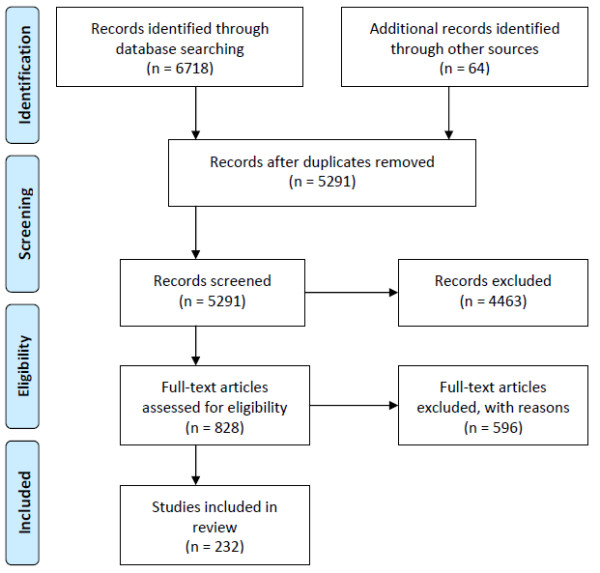
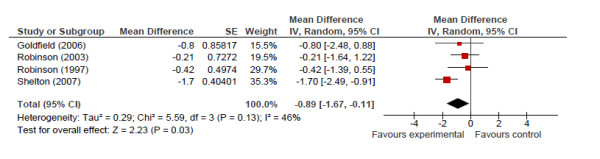
Accumulating evidence suggests that, independent of physical activity levels, sedentary behaviours are associated with increased risk of cardio-metabolic disease, all-cause mortality, and a variety of physiological and psychological problems. Therefore, the purpose of this systematic review is to determine the relationship between sedentary behaviour and health indicators in school-aged children and youth aged 5-17 years. Online databases (MEDLINE, EMBASE and PsycINFO), personal libraries and government documents were searched for relevant studies examining time spent engaging in sedentary behaviours and six specific health indicators (body composition, fitness, metabolic syndrome and cardiovascular disease, self-esteem, pro-social behaviour and academic achievement). 232 studies including 983,840 participants met inclusion criteria and were included in the review. Television (TV) watching was the most common measure of sedentary behaviour and body composition was the most common outcome measure. Qualitative analysis of all studies revealed a dose-response relation between increased sedentary behaviour and unfavourable health outcomes. Watching TV for more than 2 hours per day was associated with unfavourable body composition, decreased fitness, lowered scores for self-esteem and pro-social behaviour and decreased academic achievement. Meta-analysis was completed for randomized controlled studies that aimed to reduce sedentary time and reported change in body mass index (BMI) as their primary outcome. In this regard, a meta-analysis revealed an overall significant effect of -0.81 (95% CI of -1.44 to -0.17, p = 0.01) indicating an overall decrease in mean BMI associated with the interventions. There is a large body of evidence from all study designs which suggests that decreasing any type of sedentary time is associated with lower health risk in youth aged 5-17 years. In particular, the evidence suggests that daily TV viewing in excess of 2 hours is associated with reduced physical and psychosocial health, and that lowering sedentary time leads to reductions in BMI.
Overview
The claims and statistics of this paper haven’t been checked yet.
Free: it reads the open-access text and checks the first 5 claims that cite a source we can check. Create a free account to check every claim.
Integrity signals
Registry
Cites
Statistics
Figures
Verification
Claims the paper makes
The claims and statistics of this paper haven’t been checked yet.
Free: it reads the open-access text and checks the first 5 claims that cite a source we can check. Create a free account to check every claim.
Claims other papers make about this one
Each is checked against this paper’s own text: does it say what the citing paper says it does?
The source backs part of the claim, not all of it — or backs it for a different population, condition or comparison.
In the citing paper
“More than 2 hours per day of television viewing has been associated with lower academic performance in children and adolescents.14”
From Association Between Screen Media Use and Academic Performance Among Children and Adolescents: A Systematic Review and Meta-analysis (2019) · cites this paper as [14]
Experimental — accuracy not yet measuredThe cited source says what the claim attributes to it.
In the citing paper
“Previous systematic reviews in children and adolescents have focused on the association of television viewing and video game playing with academic performance, showing a negative association. 14,15”
From Association Between Screen Media Use and Academic Performance Among Children and Adolescents: A Systematic Review and Meta-analysis (2019) · cites this paper as [14]
In the citing paper
“In view of emerging evidence that sedentary behaviour may have independent health effects in young people 79”
From The school environment and adolescent physical activity and sedentary behaviour: a mixed-studies systematic review (2016) · cites this paper as [79]
Self-check
Percentages, sums and reported differences re-computed from the paper’s own numbers.
The self-check needs the paper’s full text.
Citations
Cites
Meta-analysis in clinical trials
DerSimonian, R., & Laird, N. (1986) · Controlled Clinical Trials · doi:10.1016/0197-2456(86)90046-2 · Cited by 39,552 · cited 1×
“Pooled estimates for the meta-analysis and their 95% confidence intervals were obtained using the random effects estimator of DerSimonian-Laird [37].”
MethodQuantifying heterogeneity in a meta‐analysis
Higgins, J. P. T., & Thompson, S. G. (2002) · Statistics in Medicine · doi:10.1002/sim.1186 · Cited by 36,763 · cited 1×
“Cochrane’s Q was used to test for heterogeneity among studies and the I(2) (squared) index [10] was used to determine the degree of heterogeneity [38].”
MethodBundesgesundheitsblatt - Gesundheitsforschung - Gesundheitsschutz
(2013) · Bundesgesundheitsblatt - Gesundheitsforschung - Gesundheitsschutz · doi:10.1007/103.1437-1588 · Cited by 11,796
Downs, S. H., & Black, N. (1998) · Journal of Epidemiology and Community Health · doi:10.1136/jech.52.6.377 · Cited by 8,252
Physical Activity in the United States Measured by Accelerometer
TROIANO, R. P., BERRIGAN, D., DODD, K. W., MÂSSE, L. C., TILERT, T., & MCDOWELL, M. (2008) · Medicine & Science in Sports & Exercise · doi:10.1249/mss.0b013e31815a51b3 · Cited by 7,638 · cited 1×
“However, across all age groups, levels of physical activity remain low [7-12] and obesity rates continue to rise [10,11,13,14]; collectively threatening the persistent increase in life expectancy enjoyed over the past century and efforts to counteract the inactivity and obesity crisis [15].”
BackgroundPrevalence and Trends in Obesity Among US Adults, 1999-2008
Flegal, K. M. (2010) · JAMA · doi:10.1001/jama.2009.2014 · Cited by 7,580 · cited 1×
“However, across all age groups, levels of physical activity remain low [7-12] and obesity rates continue to rise [10,11,13,14]; collectively threatening the persistent increase in life expectancy enjoyed over the past century and efforts to counteract the inactivity and obesity crisis [15].”
BackgroundJanssen, I., & LeBlanc, A. G. (2010) · International Journal of Behavioral Nutrition and Physical Activity · doi:10.1186/1479-5868-7-40 · Cited by 4,829 · cited 1×
“Engaging in regular physical activity is widely accepted as an effective preventative measure for a variety of health risk factors across all age, gender, ethnic and socioeconomic subgroups [1-6].”
BackgroundSelf-citationAmount of Time Spent in Sedentary Behaviors in the United States, 2003-2004
Matthews, C. E., Chen, K. Y., Freedson, P. S., Buchowski, M. S., Beech, B. M., Pate, R. R., & Troiano, R. P. (2008) · American Journal of Epidemiology · doi:10.1093/aje/kwm390 · Cited by 2,631
A Potential Decline in Life Expectancy in the United States in the 21st Century
Olshansky, S. J., Passaro, D. J., Hershow, R. C., Layden, J., Carnes, B. A., Brody, J., Hayflick, L., Butler, R. N., Allison, D. B., & Ludwig, D. S. (2005) · New England Journal of Medicine · doi:10.1056/nejmsr043743 · Cited by 2,612
A Potential Decline in Life Expectancy in the United States in the 21st Century
Olshansky, S. J., Passaro, D. J., Hershow, R. C., Layden, J., Carnes, B. A., Brody, J., Hayflick, L., Butler, R. N., Allison, D. B., & Ludwig, D. S. (2005) · Obstetrical & Gynecological Survey · doi:10.1097/01.ogx.0000167407.83915.e7 · Cited by 1,944
Research works printed but not linked: 5
- World Health Organization Global recommendations on physical activity for health 2010 Geneva, Switzerland; World Health Organization 26180873
- Bull FC Expert Working Groups Physical activity guidelines in the U.K.: Review and recommendations 2010 Leicestershire, UK: School of Sport, Exercise, and Health Sciences. Loughborough University
- Kirk SFL Penney TL Langille JJ The relationship between screen time, physical activity, dietary intake and healthy weights in children and youth: literature review and recommendations for intervention 2009 Halifax: Halifax Regional Physical Activity and the IWK Health Centre. Nova Scotia Department of Health Promotion and Protection
- LeBlanc AG Saunders TJ Larouche R Colley RC Goldfield G Tremblay MS Relation between sedentary behaviours and health outcomes in children and youth Joint Meeting of the North American Society for Pediatric Exercise Medicine and the European Group for Pediatric Work Physiology Annual General Meeting 2010 Sep 22-26, 2010; Niagara-on-the-Lake, ON. (abstract)
- Dasgupta K Sex differences in the development of higher systolic blood pressure during adolescence Cardiology Review 2008 25 5 54 7
Cited by
Items 201–300 of 1,002
Schöeppe, S., Vandelanotte, C., Bere, E. T., Lien, N., Verloigne, M., Kovács, É., Μanios, Y., Bjelland, M., Vik, F. N., & Lippevelde, W. V. (2016) · European Journal of Public Health · doi:10.1093/eurpub/ckw182 · Cited by 122
Sedentary behaviour surveillance in Canada: trends, challenges and lessons learned
Prince, S. A., Melvin, A., Roberts, K. C., Butler, G., & Thompson, W. (2020) · International Journal of Behavioral Nutrition and Physical Activity · doi:10.1186/s12966-020-00925-8 · Cited by 108
Zhang, J., Yang, S. X., Wang, L., Han, L. H., & Wu, X. (2022) · Journal of Affective Disorders · doi:10.1016/j.jad.2022.03.018 · Cited by 108
Healthy active living: Physical activity guidelines for children and adolescents
Lipnowski, S., LeBlanc, C., & Canadian Paediatric Society (2012) · Paediatrics & Child Health · doi:10.1093/pch/17.4.209 · Cited by 117
“Sedentary behaviours are associated with reduced PA, increased body mass index (BMI) and adiposity [12].”
BackgroundBates, C. R., Bohnert, A. M., & Gerstein, D. E. (2018) · Frontiers in Psychology · doi:10.3389/fpsyg.2018.00805 · Cited by 122
“By providing natural spaces for activity, schoolyards may reduce daily sedentary behavior and promote PA, both of which have been associated with positive physical and developmental outcomes among youth (Janssen and LeBlanc, 2010; Tremblay et al., 2011).”
BackgroundCarson, V., Lee, E., Hesketh, K. D., Hunter, S., Kuzik, N., Predy, M., Rhodes, R. E., Rinaldi, C. M., Spence, J. C., & Hinkley, T. (2019) · BMC Public Health · doi:10.1186/s12889-018-6381-x · Cited by 109
Rhodes, R. E., Spence, J. C., Berry, T. R., Faulkner, G., Latimer‐Cheung, A. E., O’Reilly, N., Tremblay, M. S., & Vanderloo, L. M. (2019) · BMC Public Health · doi:10.1186/s12889-019-7744-7 · Cited by 96
Self-citationOverweight and Obesity in Youth With Type 1 Diabetes
Minges, K. E., Whittemore, R., & Grey, M. (2013) · Annual Review of Nursing Research · doi:10.1891/0739-6686.31.47 · Cited by 86
“In a recent review and metaanalysis of sedentary behavior and health outcomes in youth, the authors found a relationship between increased sedentary behavior and unfavorable health outcomes, such as increased body mass index (BMI) and poorer psychosocial and physical health, including the metabolic syndrome (Mark & Ja…”
BackgroundClustering and correlates of screen-time and eating behaviours among young adolescents
Pearson, N., Griffiths, P. L., Biddle, S., Johnston, J., McGeorge, S., & Haycraft, E. (2017) · BMC Public Health · doi:10.1186/s12889-017-4441-2 · Cited by 101
Musa, S., Elyamani, R., & Dergaa, I. (2022) · PLoS ONE · doi:10.1371/journal.pone.0265560 · Cited by 110
“A notable link was observed between ST and adverse body composition, poor fitness, and low self-esteem [44].”
Baars, M. A. E., Bijvank, M. N., Tonnaer, G. H., & Jolles, J. (2015) · Frontiers in Psychology · doi:10.3389/fpsyg.2015.01131 · Cited by 116
Physical Activity, Screen Time, and Sitting Among U.S. Adolescents
Carson, V., Staiano, A. E., & Katzmarzyk, P. T. (2014) · Pediatric Exercise Science · doi:10.1123/pes.2014-0022 · Cited by 95
“While consistent associations have previously been reported between screen time, in particular television viewing, and adiposity in children and adolescents (26), the proportion of television viewing and computer use did not differ based on weight status in the current study.”
BackgroundCorrelates of objectively measured sedentary time and self-reported screen time in Canadian children
LeBlanc, A. G., Broyles, S. T., Chaput, J.-P., Leduc, G., Boyer, C., Borghese, M. M., & Tremblay, M. S. (2015) · International Journal of Behavioral Nutrition and Physical Activity · doi:10.1186/s12966-015-0197-1 · Cited by 84
“significant relationship between higher weight status/adiposity and higher levels of sedentarism in children and in adults [4,30].”
BackgroundSelf-citationEffect of intervention programs in schools to reduce screen time: a meta‐analysis
Friedrich, R. R., Polet, J. P., Schuch, I., & Wagner, M. B. (2014) · Jornal de Pediatria · doi:10.1016/j.jped.2014.01.003 · Cited by 83
“In this same review, the qualitative analysis of randomized controlled trials and longitudinal and cohort studies concluded that watching television for two or more hours a day is associated with increased body composition, low self-esteem, and lower school performance in children and adolescents of school age (5 to 1…”
BackgroundSarker, H., Anderson, L. N., Borkhoff, C. M., Abreo, K., Tremblay, M. S., Lebovic, G., Maguire, J. L., Parkin, P. C., & Birken, C. S. (2015) · BMC Research Notes · doi:10.1186/s13104-015-1648-0 · Cited by 95
“Similarly, sedentary behavior is also related to important child health outcomes [11].”
BackgroundSelf-citationArundell, L., Fletcher, E., Salmon, J., Veitch, J., & Hinkley, T. (2015) · BMC Public Health · doi:10.1186/s12889-015-2659-4 · Cited by 83
Katzmarzyk, P. T., & Staiano, A. E. (2017) · Journal of Physical Activity and Health · doi:10.1123/jpah.2017-0090 · Cited by 94
“In cross-sectional studies, television viewing has shown significant relationships with higher fat mass, body mass index, and cardiovascular risk factors including elevated blood pressure and cholesterol levels in children and adolescents.(18) However, the reliance on selfD ow nl oa de d by M ar ri ot t L br y U T o n…”
Health-Enhancing Physical Activity in Children With Cerebral Palsy: More of the Same Is Not Enough
Verschuren, O. W., Darrah, J., Novak, I., Ketelaar, M., & Pritchard, L. (2013) · Physical Therapy · doi:10.2522/ptj.20130214 · Cited by 109
Kenney, E. L., Gortmaker, S. L., Davison, K. K., & Austin, S. B. (2015) · International Journal of Obesity · doi:10.1038/ijo.2015.88 · Cited by 88
School-based Interventions to Reduce Sedentary Behaviour in Children: A Systematic Review
Hegarty, L., Mair, J. L., Kirby, K., Murtagh, E., & MURPHY, M. H. (2016) · AIMS Public Health · doi:10.3934/publichealth.2016.3.520 · Cited by 102
“Specific sedentary behaviours such as TV viewing are associated with lower fitness, lower scores of self-esteem and pro-social behaviour, and decreased academic achievement [8].”
BackgroundScreen time of infants in Sydney, Australia: a birth cohort study
Chandra, M., Jalaludin, B., Woolfenden, S., Descallar, J., Nicholls, L., Dissanayake, C., Williams, K., Murphy, E., Walter, A., Eastwood, J., et al. (2016) · BMJ Open · doi:10.1136/bmjopen-2016-012342 · Cited by 82
“10 These adverse effects have also been extended to developmental domains in many cognitive areas from language, comprehension and attention to mathematics.(7) 8 10–15 A longitudinal study conducted in the USA on 3-year-old children found negative cognitive outcomes at 6 and 7 years of age with excess screen time.”
BackgroundJekauc, D., Wagner, M. O., Herrmann, C., Hegazy, K., & Wöll, A. (2017) · PLoS ONE · doi:10.1371/journal.pone.0168539 · Cited by 111
Lee, S. T., Wong, J. E., Safii, N. S., Ismail, M., Deurenberg, P., & Poh, B. K. (2014) · International Journal of Environmental Research and Public Health · doi:10.3390/ijerph120100146 · Cited by 109
The associations between physical activity, sedentary behaviour and academic performance
Maher, C., Lewis, L., Katzmarzyk, P. T., Dumuid, D., Cassidy, L., & Olds, T. (2016) · Journal of Science and Medicine in Sport · doi:10.1016/j.jsams.2016.02.010 · Cited by 80
Wethington, H., Pan, L., & Sherry, B. (2013) · Journal of School Health · doi:10.1111/josh.12067 · Cited by 80
Prevalence of sedentary behavior in children under 2years: A systematic review
Downing, K. L., Hnatiuk, J., & Hesketh, K. D. (2015) · Preventive Medicine · doi:10.1016/j.ypmed.2015.07.019 · Cited by 80
“A systematic review of sedentary behavior and health indicators in children aged 0 to 4 years found that television viewing is associated with a number of negative health outcomes, similar to those reported in older children (Tremblay et al., 2011), including excess adiposity, poor psychosocial health, and decreased c…”
Hardy, L. L., Hills, A. P., Timperio, A. F., Cliff, D. P., Lubans, D. R., Morgan, P. J., Taylor, B. J., & Brown, H. L. (2012) · Journal of science and medicine in sport · doi:10.1016/j.jsams.2012.05.010 · Cited by 120
Healy, S., Aigner, C. J., Haegele, J. A., & Patterson, F. (2019) · Autism Research · doi:10.1002/aur.2095 · Cited by 88
“Sedentary behavior, often represented by ST, has also shown to be an independent risk factor for a plethora of negative outcomes, including unfavorable body composition, decreased fitness, lower self-esteem and pro-social behavior, and decreased academic achievement [Tremblay et al., 2011; van Ekris et al., 2016].”
Backgrounddel Pozo-Cruz, B., Perales, F., Parker, P. D., Lonsdale, C., Noetel, M., Hesketh, K. D., & Sanders, T. (2019) · International Journal of Behavioral Nutrition and Physical Activity · doi:10.1186/s12966-019-0816-3 · Cited by 95
Support Factors and Barriers for Outdoor Learning in Elementary Schools: A Systemic Perspective
Oberle, E., Zeni, M., Munday, F., & BRUSSONI, M. J. (2021) · American Journal of Health Education · doi:10.1080/19325037.2021.1955232 · Cited by 136
The effect of the physical environment and levels of activity on affective states
Kinnafick, F., & Thøgersen‐Ntoumani, C. (2014) · Journal of Environmental Psychology · doi:10.1016/j.jenvp.2014.02.007 · Cited by 101
Bedroom media, sedentary time and screen-time in children: a longitudinal analysis
Atkin, A. J., Corder, K., & van Sluijs, E. M. F. (2013) · International Journal of Behavioral Nutrition and Physical Activity · doi:10.1186/1479-5868-10-137 · Cited by 79
“Introduction Sedentary behaviours, such as watching television (TV) and using a computer, are highly prevalent during childhood [1-4] and may be adversely associated with cardiometabolic health, though evidence from longitudinal and experimental research is limited [5-10].”
BackgroundAndrade, S., Lachat, C., Ochoa-Aviles, A., Verstraeten, R., Huybregts, L., Roberfroid, D., Andrade, D., Camp, J. V., Rojas, R., Donoso, S., et al. (2014) · International Journal of Behavioral Nutrition and Physical Activity · doi:10.1186/s12966-014-0153-5 · Cited by 79
“increased screen time) [3] and poor physical fitness [4].”
BackgroundBabic, M. J., Smith, J. J., Morgan, P. J., Lonsdale, C., Plotnikoff, R. C., Eather, N., Skinner, G., Baker, A. L., Pollock, E., & Lubans, D. R. (2016) · Preventive Medicine · doi:10.1016/j.ypmed.2016.07.014 · Cited by 78
“Excessive recreational screen-time is associated with numerous adverse physical [1, 2] and mental health [3, 4] outcomes in youth.”
BackgroundYang, Y., Lü, Y., Yang, L., Gou, Z., & Liu, Y. (2021) · Urban forestry & urban greening · doi:10.1016/j.ufug.2021.127136 · Cited by 95
Health-Related Physical Fitness for Children With Cerebral Palsy
Maltais, D. B., Pritchard, L., Fowler, E., Verschuren, O. W., & Damiano, D. L. (2014) · Journal of Child Neurology · doi:10.1177/0883073814533152 · Cited by 109
Verswijveren, S. J. J. M., Lamb, K. E., Bell, L. A., Timperio, A. F., Salmon, J., & Ridgers, N. D. (2018) · PLoS ONE · doi:10.1371/journal.pone.0201947 · Cited by 89
Choukem, S. P., Tochie, J. N., Sibetcheu, A. T., Nansseu, J. R., & Hamilton-Shield, J. P. (2020) · International Journal of Pediatric Endocrinology · doi:10.1186/s13633-020-0076-7 · Cited by 88
Enright, G., Allman-Farinelli, M. A., & Redfern, J. (2020) · International Journal of Environmental Research and Public Health · doi:10.3390/ijerph17114099 · Cited by 100
“, screen time) may be easier than increasing physical activity [86].”
BackgroundHusárová, D., Veselská, Z. D., Klein, D., Hamřík, Z., Sigmundová, D., van Dijk, J. P., Reijneveld, S. A., & Gecková, A. M. (2014) · International Journal of Public Health · doi:10.1007/s00038-014-0627-x · Cited by 92
Hoare, E., Milton, K., Foster, C., & Allender, S. (2017) · BMC Public Health · doi:10.1186/s12889-017-4272-1 · Cited by 75
Accelerometer-Assessed Physical Activity and Sedentary Time in Youth With Disabilities
Lobenius-Palmér, K., Nätterlund, B., Hurtig‐Wennlöf, A., & Lundqvist, L. (2017) · Adapted Physical Activity Quarterly · doi:10.1123/apaq.2015-0065 · Cited by 100
“In parallel, there is emerging evidence that sedentary behavior has an important negative in fl uence on various health indicators (Dunstan, Howard, Healy, & Owen, 2012; Tremblay et al., 2011).”
BackgroundAllen, M. S., & Vella, S. A. (2015) · Mental Health and Physical Activity · doi:10.1016/j.mhpa.2015.10.002 · Cited by 75
Sedentary Behavior and Health Outcomes in Children and Adolescents
Mitchell, J. A., & Byun, W. (2014) · American Journal of Lifestyle Medicine · doi:10.1177/1559827613498700 · Cited by 74
“Systematic reviews documenting the association between sedentary behavior and health outcomes in children and adolescents have been published.(11,12) Our review adds to this literature by highlighting and discussing the role of MVPA, dietary intakes, and sleep duration on the relationship between sedentary behavior an…”
BackgroundGuddal, M. H., Stensland, S. Ø., Småstuen, M. C., Johnsen, M. B., Zwart, J., & Storheim, K. (2017) · Orthopaedic Journal of Sports Medicine · doi:10.1177/2325967116685543 · Cited by 104
“Sedentary behavior is found to be strongly associated with adverse health outcomes, including obesity, cardiovascular and metabolic diseases, psychological problems, antisocial behavior, and decreased academic achievement.(45) Hence, from a public health perspective, the numerous benefits of regular PA to physical, me…”
BackgroundReliability and validity of the Youth Leisure-time Sedentary Behavior Questionnaire (YLSBQ)
Cabanas‐Sánchez, V., Martínez‐Gómez, D., Esteban‐Cornejo, I., Castro‐Piñero, J., Conde‐Caveda, J., & Veiga, Ó. L. (2017) · Journal of science and medicine in sport · doi:10.1016/j.jsams.2017.10.031 · Cited by 89
Lee, E., Hesketh, K. D., Rhodes, R. E., Rinaldi, C. M., Spence, J. C., & Carson, V. (2018) · International Journal of Behavioral Nutrition and Physical Activity · doi:10.1186/s12966-018-0649-5 · Cited by 93
Skrede, T., Stavnsbo, M., Aadland, E., Aadland, K. N., Anderssen, S. A., Resaland, G. K., & Ekelund, U. (2017) · American Journal of Clinical Nutrition · doi:10.3945/ajcn.116.150540 · Cited by 93
“A systematic review (31) has reported that all the included studies investigating sedentary time and the metabolic syndrome in children had a consistent positive relation.”
BackgroundTelevision, Adiposity, and Cardiometabolic Risk in Children and Adolescents
Staiano, A. E., Harrington, D. M., Broyles, S. T., Gupta, A. K., & Katzmarzyk, P. T. (2013) · American Journal of Preventive Medicine · doi:10.1016/j.amepre.2012.09.049 · Cited by 73
“Prior tudies supporting the link between TV viewing and igher likelihood of being overweight/obese relied on nthropometric measurements of obesity.(4) In addition to examining fat mass and depot-specifıc adiposity, the present study also examined the relationship between TV use and cardiometabolic risk.”
BackgroundInfluentialChaput, J., Leduc, G., Boyer, C., Bélanger, P., LeBlanc, A. G., Borghese, M. M., & Tremblay, M. S. (2014) · Canadian Journal of Public Health · doi:10.17269/cjph.105.4511 · Cited by 86
Self-citationWerneck, A. O., Collings, P. J., Barboza, L. L. S., Stubbs, B., & da Silva, D. R. P. (2019) · General Hospital Psychiatry · doi:10.1016/j.genhosppsych.2019.04.010 · Cited by 94
Blackburn, N. E., Wilson, J. J., McMullan, I., Caserotti, P., Giné‐Garriga, M., Wirth, K., Coll‐Planas, L., Alias, S. B., Figuls, M. R. I., Deidda, M., et al. (2020) · International Journal of Behavioral Nutrition and Physical Activity · doi:10.1186/s12966-020-00957-0 · Cited by 76
Modifying the classroom environment to increase standing and reduce sitting
Aminian, S., Hinckson, E. A., & Stewart, T. I. (2015) · Building Research & Information · doi:10.1080/09613218.2015.1058093 · Cited by 90
“Evidence indicates that sedentary behaviour is associated with harmful health effects, even in individuals who meet public health guidelines for physical activity (Tremblay et al., 2011).”
BackgroundInfluentialGebremariam, M. K., Altenburg, T. M., Lakerveld, J., Andersen, L. F., Stronks, K., Chinapaw, M. J. M., & Lien, N. (2015) · Obesity Reviews · doi:10.1111/obr.12314 · Cited by 100
“(7) among children and adolescents, although current evidence is inconsistent (10).”
BackgroundScreen Time Associated with Health Behaviors and Outcomes in Adolescents
Busch, V., Ananda Manders, L., & Rob Josephus de Leeuw, J. (2013) · American Journal of Health Behavior · doi:10.5993/ajhb.37.6.11 · Cited by 72
Haapala, E. A., Poikkeus, A.-M., Kukkonen-Harjula, K., Tompuri, T., Lintu, N., Väistö, J., Leppänen, P. H. T., Laaksonen, D. E., Lindi, V., & Lakka, T. A. (2014) · PLoS ONE · doi:10.1371/journal.pone.0107031 · Cited by 71
“Our results regarding the associations of different types of sedentary behavior with academic skills are partly consistent with the existing evidence [30].”
InfluentialScreen time and depression risk: A meta-analysis of cohort studies
Li, L., Zhang, Q., Zhu, L., Zeng, G., Huang, H., Zhuge, J., Kuang, X., Yang, S., Yang, D., Chen, Z., et al. (2022) · Frontiers in Psychiatry · doi:10.3389/fpsyt.2022.1058572 · Cited by 71
“(27) suggested that, independent of physical activity levels, screen time-based sedentary behaviors were associated with an increased risk of various physiological and psychological problems.”
BackgroundAdherence to 24-hour movement guidelines and academic performance in adolescents
Lien, A., Sampasa-Kanyinga, H., Colman, I., Hamilton, H. A., & Chaput, J.-P. (2020) · Public Health · doi:10.1016/j.puhe.2020.03.011 · Cited by 71
Zhang, Y., Tian, S., Zou, D., Zhang, H., & Pan, C. (2022) · BMC Public Health · doi:10.1186/s12889-022-13155-3 · Cited by 108
Lindsay, A. C., Greaney, M. L., Wallington, S. F., Mesa, T., & Salas, C. F. (2017) · Journal for Specialists in Pediatric Nursing · doi:10.1111/jspn.12182 · Cited by 94
Loveday, A., Sherar, L. B., Sanders, J. P., Sanderson, P. W., & Esliger, D. W. (2015) · Journal of Medical Internet Research · doi:10.2196/jmir.4761 · Cited by 70
“Recent evidence suggests that sedentary behavior carries deleterious effects on health outcomes independent of moderate-to-vigorous physical activity (MVPA) in young people [2] and adults [3], although this is not a uniform finding [4].”
Michael, S. L., Lowry, R., Merlo, C. L., Cooper, A. C., Hyde, E. T., & McKeon, R. (2020) · Preventive Medicine Reports · doi:10.1016/j.pmedr.2020.101153 · Cited by 89
“Sedentary behaviors, which involve low exertion of energy such as behaviors that involve prolonged periods of sitting, also may affect adolescent mental health (Hoare et al., 2014; Tremblay et al., 2011).”
BackgroundPrevalência de tempo excessivo de tela e fatores associados em adolescentes
de Lucena, J. M. S., Cheng, L. A., Cavalcante, T. L. M., da Silva, V. A., & Júnior, J. C. D. F. (2015) · Revista Paulista de Pediatria · doi:10.1016/j.rpped.2015.04.001 · Cited by 146
Arundell, L., Hinkley, T., Veitch, J., & Salmon, J. (2015) · PLoS ONE · doi:10.1371/journal.pone.0140132 · Cited by 79
“In spite of the evidence of detrimental health outcomes [1,2], children in developed countries perform suboptimal levels of physical activity (PA) and excessive amounts of sedentary behaviour (SB) [3–5].”
BackgroundRhodes, R. E., Blanchard, C. M., Benoit, C., Levy-Milne, R., Naylor, P., Downs, D. S., & Warburton, D. E. R. (2013) · Journal of Behavioral Medicine · doi:10.1007/s10865-013-9508-7 · Cited by 78
“Independent of MVPA, there is a growing body of research showing the deleterious health consequences of sustained sedentary behavior (i.e., activity below 1.5 METs) (Owen et al., 2010; Pate et al., 2008; Rhodes et al., 2012; Tremblay et al., 2011).”
BackgroundInfluentialSigmund, E., Sigmundová, D., Badura, P., Kalman, M., Hamrik, Z., & Pavelka, J. (2015) · International Journal of Environmental Research and Public Health · doi:10.3390/ijerph120911848 · Cited by 70
“Spending two or more hours a day watching TV or using a PC is classified as excessive [5,13,51–53].”
BackgroundMethodLuz, C., Cordovil, R., Rodrigues, L. P., Gao, Z., Goodway, J. D., Sacko, R. S., Nesbitt, D., Ferkel, R. C., True, L. K., & Stodden, D. F. (2019) · Journal of sport and health science/Journal of Sport and Health Science · doi:10.1016/j.jshs.2019.01.005 · Cited by 80
Effects of active video games on children and adolescents: A systematic review with meta‐analysis
Oliveira, C. B., Pinto, R. Z., Saraiva, B. T. C., Tebar, W. R., Delfino, L. D., Franco, M. R., Silva, C. C. M., & Christofaro, D. G. D. (2020) · Scandinavian Journal of Medicine & Science in Sports · doi:10.1111/sms.13539 · Cited by 70
Howie, E. K., Joosten, J., Harris, C. J., & Straker, L. M. (2020) · BMC Public Health · doi:10.1186/s12889-020-08620-w · Cited by 95
Fairclough, S. J., McGrane, B., Sanders, G., Taylor, S. L., Owen, M. B., & Curry, W. B. (2016) · BMC Public Health · doi:10.1186/s12889-016-3550-7 · Cited by 78
“Further, accumulation of light intensity physical activity (LPA) in place of sedentary time may benefit children’s health through associations with adiposity and cardiometabolic risk [10–12].”
BackgroundMann, K. D., Howe, L. D., Basterfield, L., Parkinson, K. N., Pearce, M. S., Reilly, J. K., Adamson, A., Reilly, J. J., & Janssen, X. (2017) · International Journal of Obesity · doi:10.1038/ijo.2017.69 · Cited by 86
“…and editorials have reported an increasing body of evidence on the health effects of sedentary behavior defined as screen-time, but the evidence on the health impact of overall sedentary behavior during childhood and adolescence has only recently began to emerge and appears inconsistent (9–11).”
Associations between sedentary behaviours and dietary intakes among adolescents
Fletcher, E. A., McNaughton, S. A., Crawford, D. A., Cleland, V. J., Gatta, J. D., Hatt, J., Dollman, J., & Timperio, A. F. (2018) · Public Health Nutrition · doi:10.1017/s136898001700372x · Cited by 84
“This is concerning because evidence among adolescents suggests that high amounts of television (TV) viewing increase the risk of overweight and obesity and metabolic syndrome, independent of leisure-time physical activity((4,5)).”
BackgroundLynch, B. A., Kaufman, T. K., Rajjo, T. I., Mohammed, K., Kumar, S., Murad, M. H., Gentile, N. E., Koepp, G. A., McCrady-Spitzer, S. K., & Levine, J. A. (2019) · Journal of Primary Care & Community Health · doi:10.1177/2150132719874252 · Cited by 68
McCrorie, P., Mitchell, R., Macdonald, L., Jones, A., Coombes, E. G., Schipperijn, J., & Ellaway, A. (2020) · BMC Public Health · doi:10.1186/s12889-020-8311-y · Cited by 95
Screen time and its effect on dietary habits and lifestyle among schoolchildren
Tambalis, K. D., Panagiotakos, D. B., Psarra, G., & Sidossis, L. S. (2020) · Central European Journal of Public Health · doi:10.21101/cejph.a6097 · Cited by 85
“Several review studies among children have confirmed that screen time is negatively associated with sleep outcomes such as sleep duration (9, 10, 14, 27).”
BackgroundDeterminants of Change in Children’s Sedentary Time
Atkin, A. J., Corder, K., Ekelund, U., Wijndaele, K., Griffin, S. J., & van Sluijs, E. M. F. (2013) · PLoS ONE · doi:10.1371/journal.pone.0067627 · Cited by 68
“During childhood, these highly prevalent behaviours, which appear to increase with age [5–8], may be associated with adiposity, low fitness, some cardiovascular disease risk factors and poorer mental health, [9–12] though the evidence is not wholly consistent.”
BackgroundBermejo‐Cantarero, A., Álvarez‐Bueno, C., Martínez‐Vizcaíno, V., García‐Hermoso, A., Torres-Costoso, A. I., & Sánchez‐López, M. (2017) · Medicine · doi:10.1097/md.0000000000006407 · Cited by 92
“Independent of physical activity levels, sedentary activities, especially those based on the use of electronic devices, are associated with an increased risk of obesity, and a reduction in physical condition, self-esteem, and prosocial behavior.([7]) In contrast, numerous studies have shown a positive association betw…”
Maddison, R., Marsh, S., Foley, L., Epstein, L. H., Olds, T., Dewes, O., Heke, I., Carter, K., Jiang, Y., & Mhurchu, C. N. (2014) · International Journal of Behavioral Nutrition and Physical Activity · doi:10.1186/s12966-014-0111-2 · Cited by 67
“For example, while reading a book, a traditional or non-targeted sedentary behaviour, has been shown to lower blood pressure [7], screen-based sedentary behaviours have been shown to have adverse effects on overweight and obesity [8-13], metabolic risk [14], attention [15], pro-social behaviour, self-esteem, and acade…”
Prevalence and Health Correlates of Overweight and Obesity in Children with Autism Spectrum Disorder
Dreyer Gillette, M. L., Borner, K. B., Nadler, C. B., Poppert, K. M., Odar Stough, C., Swinburne Romine, R., & Davis, A. M. (2015) · Journal of Developmental & Behavioral Pediatrics · doi:10.1097/dbp.0000000000000198 · Cited by 67
Arundell, L., Salmon, J., Koorts, H., Contardo Ayala, A. M., & Timperio, A. (2019) · BMC Public Health · doi:10.1186/s12889-019-6960-5 · Cited by 66
D’Haese, S., Dyck, D. V., Bourdeaudhuij, I. D., Deforche, B. I., & Cardon, G. (2015) · International Journal of Behavioral Nutrition and Physical Activity · doi:10.1186/s12966-015-0171-y · Cited by 86
“Besides, a recent meta-analysis showed that more sedentary time is related to negative health outcomes in 5- to 17-year-old children [2].”
BackgroundActive Video Games in Schools and Effects on Physical Activity and Health: A Systematic Review
Norris, E., Hamer, M., & Stamatakis, E. (2016) · The Journal of Pediatrics · doi:10.1016/j.jpeds.2016.02.001 · Cited by 66
Martin, R., & Murtagh, E. (2015) · Teaching and Teacher Education · doi:10.1016/j.tate.2015.09.007 · Cited by 100
“…all- cause mortality, a multitude of psychological and physiological problems as well as decreased fitness, lower self-esteem and decreased academic achievement in children and youth aged 5-17 (Katzmarzyk 2010, Owen et al. 2010, Tremblay et al. 2010, Tremblay et al. 2011, Treuth et al. 2007).”
BackgroundSimon, C., Kellou, N., Dugas, J., Platat, C., Copin, N., Schweitzer, B., Haußer, F., Bergouignan, A., Lefai, É., & Blanc, S. (2014) · International Journal of Obesity · doi:10.1038/ijo.2014.23 · Cited by 83
Deleterious effects of obesity on physical fitness in pre‐pubertal children
Ceschia, A., Giacomini, S., Santarossa, S., Rugo, M., Salvadego, D., Ponte, A. D., Driussi, C., Mihaleje, M., Poser, S., & Lazzer, S. (2015) · European Journal of Sport Science · doi:10.1080/17461391.2015.1030454 · Cited by 70
“Obesity is associated with a progressive reduction in the level of physical activity (Tremblay et al., 2011) and changes in food habits in favour of high-energy food consumption (Flatt, 2001), along with an increase in energy intake (Livingstone, 2000).”
BackgroundImpact of e-Discipline on Children's Screen Time
Hawi, N. S., & Rupert, M. S. (2015) · Cyberpsychology, Behavior, and Social Networking · doi:10.1089/cyber.2014.0608 · Cited by 65
The Relationship between Technology Use and Physical Activity among Typically-Developing Children
Alotaibi, T., Almuhanna, R., Alhassan, J., Alqadhib, E. M., Mortada, E. M., & Alwhaibi, R. M. (2020) · Healthcare · doi:10.3390/healthcare8040488 · Cited by 89
“[54] found an inverse relationship between high sedentary behavior time and lower cardiorespiratory fitness, musculoskeletal fitness, and maximal oxygen uptake (VO2max).”
BackgroundSmith, J. J., Morgan, P. J., Plotnikoff, R. C., Dally, K. A., Salmon, J., Okely, A. D., Finn, T. L., Babic, M. J., Skinner, G., & Lubans, D. R. (2014) · Contemporary Clinical Trials · doi:10.1016/j.cct.2013.11.008 · Cited by 64
“Reducing screen-time has been identified as an important strategy for preventing the development of obesity and improving the psychosocial health of young people [13,14].”
BackgroundPrevalence and factors associated with overweight and obesity in French primary-school children
Thibault, H., Carriere, C., Langevin, C., Deti, E., Barberger‐Gateau, P., & Maurice, S. (2012) · Public Health Nutrition · doi:10.1017/s136898001200359x · Cited by 77
Veitch, J., Flowers, E. P., Ball, K., Deforche, B. I., & Timperio, A. F. (2020) · International Journal of Environmental Research and Public Health · doi:10.3390/ijerph17134625 · Cited by 70
“Concurrently, increasing engagement in screen-based behaviours among children is reducing social interaction among youth, which has a negative impact on their social and mental health [40,41].”
BackgroundPhysical activity, sedentary time and adiposity during the first two decades of life
Ekelund, U., Hildebrand, M., & Collings, P. J. (2014) · Proceedings of the Nutrition Society · doi:10.1017/s0029665114000019 · Cited by 63
“Recent reviews (40 – 42) have concluded that TV-viewing is signi fi - cantly associated with obesity and body fat, although one of these reported that this association was not likely to be clinically relevant (40) .”
BackgroundRico, E. R., Hilland, T. A., Foweather, L., García, E. F., & Fairclough, S. J. (2013) · European Journal of Sport Science · doi:10.1080/17461391.2013.827242 · Cited by 75
The development of the Problematic Series WatchingScale (PSWS)
Orosz, G., Bőthe, B., & Tóth-Király, I. (2016) · Journal of Behavioral Addictions · doi:10.1556/2006.5.2016.011 · Cited by 63
“…were not included in this research, intense screen-time can be related to various health problems, such as reduced physical and psychosocial health (Tremblay et al., 2011), increased cardiovascular risk (Grøntved et al. 2014), sleeping problems (Do, Shin, Bautista, & Foo, 2013), lower levels of…”
BackgroundMethodda Costa, B. G. G., da Silva, K. S., George, A. M., & de Assis, M. A. A. (2016) · Journal of science and medicine in sport · doi:10.1016/j.jsams.2016.06.004 · Cited by 87
Promoting Healthy Lifestyle and Well-Being in Adolescents through Outdoor Physical Activity
Frömel, K., Kudláček, M., Groffik, D., Svozil, Z., Šimůnek, A., & Garbaciak, W. (2017) · International Journal of Environmental Research and Public Health · doi:10.3390/ijerph14050533 · Cited by 77
Watson, A., Dumuid, D., Maher, C. A., & Olds, T. (2021) · Journal of sport and health science/Journal of Sport and Health Science · doi:10.1016/j.jshs.2020.12.004 · Cited by 70
Kelso, A., Reimers, A. K., Abu‐Omar, K., Wunsch, K., Niessner, C., Wäsche, H., & Demetriou, Y. (2021) · International Journal of Environmental Research and Public Health · doi:10.3390/ijerph18031240 · Cited by 70
“Behavior settings: [1] Neighborhood environment; [2] Recreational Environment; [3] Home environment; [4] Workplace environment; [5] School environment.”
Sedentarism and Chronic Health Problems
Goyal, J., & Rakhra, G. (2024) · Korean Journal of Family Medicine · doi:10.4082/kjfm.24.0099 · Cited by 107
“14) This includes involvement in chair-type activities such as sitting, studying, talking, eating, traveling, and driving, or screen-type activities such as the use of computers, mobile phones, video games, television, and social media.”
BackgroundFletcher, E. A., Leech, R. M., McNaughton, S. A., Dunstan, D. W., Lacy, K. E., & Salmon, J. (2015) · Obesity Reviews · doi:10.1111/obr.12302 · Cited by 78
Saunders, T. J., Chaput, J., Goldfield, G. S., Colley, R. C., Kenny, G. P., Doucet, É., & Tremblay, M. S. (2013) · Metabolism · doi:10.1016/j.metabol.2013.05.010 · Cited by 84
“[9] Tremblay M, LeBlanc A, Kho M, et al.”
BackgroundSelf-citation
Metadata
- Authors
- Tremblay, M. S., LeBlanc, A. G., Kho, M. E., Saunders, T. J., Larouche, R., Colley, R. C., Goldfield, G., & Gorber, S.
- Affiliations
- Children's Hospital of Eastern Ontario (CA)
- Johns Hopkins University (US)
- Public Health Agency of Canada (CA)
- Corresponding author
- Tremblay, Mark S
- ORCID
- Venue
- International Journal of Behavioral Nutrition and Physical Activity
- Published
- 2011
- Volume
- 8
- Issue
- 1
- Pages
- 98
- ISSN
- 1479-5868 (ISSN-L)
- PMC
- PMC3186735
- OpenAlex
- W2136823874
- Cited by
- 2,085
- References
- 276
- Citations by year
- 2026: 72 · 2025: 103 · 2024: 99 · 2023: 114 · 2022: 164 · 2021: 167 · 2020: 173 · 2019: 189 · 2018: 152 · 2017: 179 · 2016: 185 · 2015: 186 · 2014: 144 · 2013: 104 · 2012: 50
- FWCI
- 10.31
- Type
- journal article
- Language
- en
- Open access
- gold
- doi.org
- Licence
- cc-by
- Locations
- International Journal of Behavioral Nutrition and Physical Activity (publishedVersion, cc-by)
- Europe PMC (PubMed Central) (publishedVersion, cc-by)
- PubMed Central (publishedVersion, cc-by)
- PubMed (publishedVersion)
- uO Research (University of Ottawa) (submittedVersion, public-domain)
- DOAJ (DOAJ: Directory of Open Access Journals) (submittedVersion, cc-by-sa)
- Funders
- Public Health Agency of Canada
- Public Health Agency
- Canadian Institutes of Health Research
- Topics
- Health Sciences › Medicine › Public Health, Environmental and Occupational Health › Physical Activity and Health
- Health Sciences › Medicine › Public Health, Environmental and Occupational Health › Obesity, Physical Activity, Diet
- Health Sciences › Medicine › Public Health, Environmental and Occupational Health › School Health and Nursing Education
- Keywords
- sedentary behavior, television viewing, body composition, body mass index, physical fitness, metabolic syndrome, cardiovascular disease, self-esteem, prosocial behavior, academic performance, cardiometabolic risk
- MeSH terms
- Adolescent, Adolescent Behavior, Body Composition, Cardiovascular Diseases, Child, Child Behavior, Educational Status, Health Status, Health Status Indicators, Humans, Interpersonal Relations, Mortality, Obesity, Physical Fitness, Risk Factors, Self Concept, Television, Health Behavior, Body Mass Index, Metabolic Syndrome, Qualitative Research, Sedentary Behavior
About these checks
Registry, retraction, Cites and statistics results are computed, not judged, with one exception: a printed reference that no index lists is read once by a model before it counts as a citation error. Claims are extracted by a model and kept only when their quote appears verbatim in the text; each cited source is then checked, with a model’s help, for whether it says what the claim relies on. Those verdicts can be wrong — read the claim’s quote and the cited source before relying on one.
Statistics and arithmetic are recomputed, not judged.
Confidence bands are shown only for fields calibrated on our annotated test set. None is calibrated yet, so no band is shown.
What counts as a claim ›How we measure confidence ›How we check this ›
Are you an author, or do you see a problem with this page? Request a review
Data sources
Bibliographic data: Semantic Scholar, OpenAlex, Crossref.
Contains information from the Semantic Scholar Academic Graph Datasets, made available under the ODC Attribution License (ODC-BY 1.0).
Semantic Scholar’s data is described in: Kinney, R., et al. (2023). The Semantic Scholar Open Data Platform. arXiv:2301.10140.
