

Systematic review of sedentary behaviour and health indicators in school-aged children and youth.
Open accessThe DOI matches its Crossref record; 276 of the 276 references it cites were found in a registry or an index.
Abstract
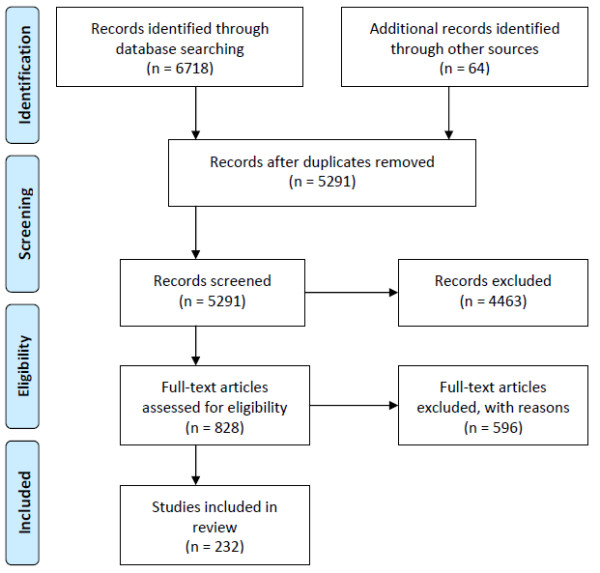
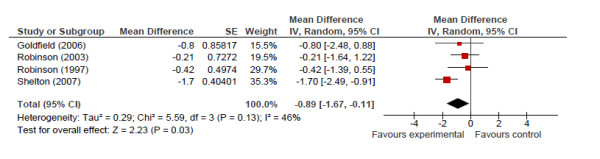
Accumulating evidence suggests that, independent of physical activity levels, sedentary behaviours are associated with increased risk of cardio-metabolic disease, all-cause mortality, and a variety of physiological and psychological problems. Therefore, the purpose of this systematic review is to determine the relationship between sedentary behaviour and health indicators in school-aged children and youth aged 5-17 years. Online databases (MEDLINE, EMBASE and PsycINFO), personal libraries and government documents were searched for relevant studies examining time spent engaging in sedentary behaviours and six specific health indicators (body composition, fitness, metabolic syndrome and cardiovascular disease, self-esteem, pro-social behaviour and academic achievement). 232 studies including 983,840 participants met inclusion criteria and were included in the review. Television (TV) watching was the most common measure of sedentary behaviour and body composition was the most common outcome measure. Qualitative analysis of all studies revealed a dose-response relation between increased sedentary behaviour and unfavourable health outcomes. Watching TV for more than 2 hours per day was associated with unfavourable body composition, decreased fitness, lowered scores for self-esteem and pro-social behaviour and decreased academic achievement. Meta-analysis was completed for randomized controlled studies that aimed to reduce sedentary time and reported change in body mass index (BMI) as their primary outcome. In this regard, a meta-analysis revealed an overall significant effect of -0.81 (95% CI of -1.44 to -0.17, p = 0.01) indicating an overall decrease in mean BMI associated with the interventions. There is a large body of evidence from all study designs which suggests that decreasing any type of sedentary time is associated with lower health risk in youth aged 5-17 years. In particular, the evidence suggests that daily TV viewing in excess of 2 hours is associated with reduced physical and psychosocial health, and that lowering sedentary time leads to reductions in BMI.
Overview
The claims and statistics of this paper haven’t been checked yet.
Free: it reads the open-access text and checks the first 5 claims that cite a source we can check. Create a free account to check every claim.
Integrity signals
Registry
Cites
Statistics
Figures
Verification
Claims the paper makes
The claims and statistics of this paper haven’t been checked yet.
Free: it reads the open-access text and checks the first 5 claims that cite a source we can check. Create a free account to check every claim.
Claims other papers make about this one
Each is checked against this paper’s own text: does it say what the citing paper says it does?
The source backs part of the claim, not all of it — or backs it for a different population, condition or comparison.
In the citing paper
“More than 2 hours per day of television viewing has been associated with lower academic performance in children and adolescents.14”
From Association Between Screen Media Use and Academic Performance Among Children and Adolescents: A Systematic Review and Meta-analysis (2019) · cites this paper as [14]
Experimental — accuracy not yet measuredThe cited source says what the claim attributes to it.
In the citing paper
“Previous systematic reviews in children and adolescents have focused on the association of television viewing and video game playing with academic performance, showing a negative association. 14,15”
From Association Between Screen Media Use and Academic Performance Among Children and Adolescents: A Systematic Review and Meta-analysis (2019) · cites this paper as [14]
In the citing paper
“In view of emerging evidence that sedentary behaviour may have independent health effects in young people 79”
From The school environment and adolescent physical activity and sedentary behaviour: a mixed-studies systematic review (2016) · cites this paper as [79]
Self-check
Percentages, sums and reported differences re-computed from the paper’s own numbers.
The self-check needs the paper’s full text.
Citations
Cites
Meta-analysis in clinical trials
DerSimonian, R., & Laird, N. (1986) · Controlled Clinical Trials · doi:10.1016/0197-2456(86)90046-2 · Cited by 39,552 · cited 1×
“Pooled estimates for the meta-analysis and their 95% confidence intervals were obtained using the random effects estimator of DerSimonian-Laird [37].”
MethodQuantifying heterogeneity in a meta‐analysis
Higgins, J. P. T., & Thompson, S. G. (2002) · Statistics in Medicine · doi:10.1002/sim.1186 · Cited by 36,763 · cited 1×
“Cochrane’s Q was used to test for heterogeneity among studies and the I(2) (squared) index [10] was used to determine the degree of heterogeneity [38].”
MethodBundesgesundheitsblatt - Gesundheitsforschung - Gesundheitsschutz
(2013) · Bundesgesundheitsblatt - Gesundheitsforschung - Gesundheitsschutz · doi:10.1007/103.1437-1588 · Cited by 11,796
Downs, S. H., & Black, N. (1998) · Journal of Epidemiology and Community Health · doi:10.1136/jech.52.6.377 · Cited by 8,252
Physical Activity in the United States Measured by Accelerometer
TROIANO, R. P., BERRIGAN, D., DODD, K. W., MÂSSE, L. C., TILERT, T., & MCDOWELL, M. (2008) · Medicine & Science in Sports & Exercise · doi:10.1249/mss.0b013e31815a51b3 · Cited by 7,638 · cited 1×
“However, across all age groups, levels of physical activity remain low [7-12] and obesity rates continue to rise [10,11,13,14]; collectively threatening the persistent increase in life expectancy enjoyed over the past century and efforts to counteract the inactivity and obesity crisis [15].”
BackgroundPrevalence and Trends in Obesity Among US Adults, 1999-2008
Flegal, K. M. (2010) · JAMA · doi:10.1001/jama.2009.2014 · Cited by 7,580 · cited 1×
“However, across all age groups, levels of physical activity remain low [7-12] and obesity rates continue to rise [10,11,13,14]; collectively threatening the persistent increase in life expectancy enjoyed over the past century and efforts to counteract the inactivity and obesity crisis [15].”
BackgroundJanssen, I., & LeBlanc, A. G. (2010) · International Journal of Behavioral Nutrition and Physical Activity · doi:10.1186/1479-5868-7-40 · Cited by 4,829 · cited 1×
“Engaging in regular physical activity is widely accepted as an effective preventative measure for a variety of health risk factors across all age, gender, ethnic and socioeconomic subgroups [1-6].”
BackgroundSelf-citationAmount of Time Spent in Sedentary Behaviors in the United States, 2003-2004
Matthews, C. E., Chen, K. Y., Freedson, P. S., Buchowski, M. S., Beech, B. M., Pate, R. R., & Troiano, R. P. (2008) · American Journal of Epidemiology · doi:10.1093/aje/kwm390 · Cited by 2,631
A Potential Decline in Life Expectancy in the United States in the 21st Century
Olshansky, S. J., Passaro, D. J., Hershow, R. C., Layden, J., Carnes, B. A., Brody, J., Hayflick, L., Butler, R. N., Allison, D. B., & Ludwig, D. S. (2005) · New England Journal of Medicine · doi:10.1056/nejmsr043743 · Cited by 2,612
A Potential Decline in Life Expectancy in the United States in the 21st Century
Olshansky, S. J., Passaro, D. J., Hershow, R. C., Layden, J., Carnes, B. A., Brody, J., Hayflick, L., Butler, R. N., Allison, D. B., & Ludwig, D. S. (2005) · Obstetrical & Gynecological Survey · doi:10.1097/01.ogx.0000167407.83915.e7 · Cited by 1,944
Research works printed but not linked: 5
- World Health Organization Global recommendations on physical activity for health 2010 Geneva, Switzerland; World Health Organization 26180873
- Bull FC Expert Working Groups Physical activity guidelines in the U.K.: Review and recommendations 2010 Leicestershire, UK: School of Sport, Exercise, and Health Sciences. Loughborough University
- Kirk SFL Penney TL Langille JJ The relationship between screen time, physical activity, dietary intake and healthy weights in children and youth: literature review and recommendations for intervention 2009 Halifax: Halifax Regional Physical Activity and the IWK Health Centre. Nova Scotia Department of Health Promotion and Protection
- LeBlanc AG Saunders TJ Larouche R Colley RC Goldfield G Tremblay MS Relation between sedentary behaviours and health outcomes in children and youth Joint Meeting of the North American Society for Pediatric Exercise Medicine and the European Group for Pediatric Work Physiology Annual General Meeting 2010 Sep 22-26, 2010; Niagara-on-the-Lake, ON. (abstract)
- Dasgupta K Sex differences in the development of higher systolic blood pressure during adolescence Cardiology Review 2008 25 5 54 7
Cited by
Items 601–700 of 1,002
Bentley, G. F., Jago, R., & Turner, K. M. (2015) · BMJ Open · doi:10.1136/bmjopen-2015-008383 · Cited by 39
Heavy screen users are the heaviest among 10,000 children
Engberg, E., Figueiredo, R. A. D. O., Rounge, T. B., Weiderpass, E., & Viljakainen, H. T. (2019) · Scientific Reports · doi:10.1038/s41598-019-46971-6 · Cited by 47
Agiovlasitis, S., Choi, P., Allred, A. T., Xu, J., & Motl, R. W. (2019) · Journal of Applied Research in Intellectual Disabilities · doi:10.1111/jar.12659 · Cited by 36
Clemes, S. A., Bingham, D. D., Pearson, N., Chen, Y., Edwardson, C. L., McEachan, R., Tolfrey, K., Cale, L., Richardson, G. A., Fray, M., et al. (2020) · International Journal of Behavioral Nutrition and Physical Activity · doi:10.1186/s12966-020-00958-z · Cited by 40
Mooses, K., Vihalemm, T., Uibu, M., Mägi, K., Korp, L., Kalma, M., Mäestu, E., & Kull, M. (2021) · BMC Public Health · doi:10.1186/s12889-020-10111-x · Cited by 46
“It has also been argued that sedentary time predicts chronic diseases independently from total PA and should therefore be considered as an independent health risk factor [5, 6].”
BackgroundValenzuela, A. V., Hernández, E. H., Alonso, J. L. N., Conte, L., León, J., & Murcia, J. A. M. (2021) · Sustainability · doi:10.3390/su132111759 · Cited by 41
“However, one of the greatest problems for adolescents is physical inactivity, associated with health risks such as increased metabolic syndrome and various cardiovascular diseases [3], finding that a large part of adolescents is not physically active enough to benefit from these health services [4].”
BackgroundAssociations of Passive and Active Screen Time With Psychosomatic Complaints of Adolescents
Khan, A., Lee, E., Janssen, I., & Tremblay, M. S. (2022) · American Journal of Preventive Medicine · doi:10.1016/j.amepre.2022.01.008 · Cited by 42
Self-citationLarrieu, M., Billieux, J., & Décamps, G. (2022) · Addictive Behaviors · doi:10.1016/j.addbeh.2022.107363 · Cited by 47
Are associations between electronic media use and BMI different across levels of physical activity?
Melkevik, O., Haug, E., Rasmussen, M., Fismen, A., Wold, B., Borraccino, A., Sigmund, E., Balázsi, R., Bucksch, J., Inchley, J., et al. (2015) · BMC Public Health · doi:10.1186/s12889-015-1810-6 · Cited by 41
“For TV viewing, this corresponds well with the literature as a comprehensive review on the topic [15] concluded that there is a dose– response relationship between TV viewing and BMI and that individuals who spend more than 2 hours watching TV are at increased risk for overweight or obesity.”
BackgroundMethodVideira‐Silva, A., Palmeira, A. L., Pedro, L. M., Martins, S., & Fonseca, H. (2015) · European Journal of Pediatrics · doi:10.1007/s00431-015-2654-x · Cited by 37
“The aim of this cross-sectional study was to analyze the association between sedentary behavior, PA, CRF, and cIMT in obese adolescents, who are a group typically spending most of their time in sedentary behaviors [7, 39] and presenting lower levels of CRF compared to their non-overweight peers [1].”
BackgroundBusch, V., Laninga-Wijnen, L., Schrijvers, A. J. P., & De Leeuw, J. R. J. (2017) · Health Promotion International · doi:10.1093/heapro/dav058 · Cited by 30
van Kann, D., de Vries, S. I., Schipperijn, J., de Vries, N. K., Jansen, M. W. J., & Kremers, S. (2016) · Journal of School Health · doi:10.1111/josh.12459 · Cited by 57
Ng, K., Augustine, L., & Inchley, J. (2018) · International Journal of Environmental Research and Public Health · doi:10.3390/ijerph15102276 · Cited by 36
“Evidence of associations between sedentary behaviour and poor health outcomes, such as obesity, low fitness and low self-esteem [8], has led to recommended limits of less than two hours per day of time spent on STB [9,10].”
BackgroundJurado‐Castro, J. M., Gil‐Campos, M., González, H. G., & Llorente‐Cantarero, F. J. (2020) · International Journal of Environmental Research and Public Health · doi:10.3390/ijerph17176031 · Cited by 35
“meta-analysis [52] reported significant reductions in BMI which were associated with a lower sedentary time.”
BackgroundGoldfield, G. S., Cameron, J. D., Murray, M., Maras, D., Wilson, A. L., Phillips, P., Kenny, G. P., Hadjiyannakis, S., Alberga, A. S., Tulloch, H. E., et al. (2015) · Acta Paediatrica · doi:10.1111/apa.13073 · Cited by 31
“Although TV was not independently associated with any HRQoL indicator in the current study, it has been shown to be related to increased weight gain, obesity and cardiometabolic risk factors in adolescents (12), and therefore, TV and other types of screen time behaviour should also be limited.”
BackgroundSelf-citationLepeleere, S. D., DeSmet, A., Verloigne, M., Cardon, G., & Bourdeaudhuij, I. D. (2013) · BMC Public Health · doi:10.1186/1471-2458-13-1067 · Cited by 38
“; licensee BioMed C Creative Commons Attribution License (http:/ distribution, and reproduction in any medium diet [6,7], sufficient PA [8] or limited SB [9].”
BackgroundComparison of ActiGraph GT3X+ and Actical accelerometer data in 9–11-year-old Canadian children
Borghese, M. M., Tremblay, M. S., LeBlanc, A. G., Leduc, G., Boyer, C., & Chaput, J. (2016) · Journal of Sports Sciences · doi:10.1080/02640414.2016.1175653 · Cited by 34
“Given the emerging link between sedentary behaviours and health outcomes (Tremblay et al., 2011), along with the mixed literature between objectively measured SED and health risk in children (Colley, Garriguet, Janssen et al., 2013), it is crucial that the field adopt standardised assessments of…”
BackgroundSelf-citationTuominen, P. P. A., Husu, P., Raitanen, J. A., Kujala, U. M., & Luoto, R. M. (2017) · PLoS ONE · doi:10.1371/journal.pone.0183317 · Cited by 33
Mohammadi, S., Jalaludin, M. Y., Su, T. T., Dahlui, M., Mohamed, M. N. A., & Majid, H. A. (2019) · BMC Public Health · doi:10.1186/s12889-019-6557-z · Cited by 31
Increasing socioeconomic disparities in sedentary behaviors in Chinese children
Gong, W. J., Fong, D., Wang, M. P., Lam, T.-H., Chung, T. W.-H., & Ho, S. Y. (2019) · BMC Public Health · doi:10.1186/s12889-019-7092-7 · Cited by 33
Accelerometer-Measured Physical Activity and Sedentary Behavior Patterns in Taiwanese Adolescents
Wang, W., Hsieh, Y.-L., Hsueh, M., Liu, Y., & Liao, Y. (2019) · International Journal of Environmental Research and Public Health · doi:10.3390/ijerph16224392 · Cited by 32
“Time spent in sedentary behavior has been found to be an independent behavior factor for health risks in adolescents, such as metabolic disease, being overweight, and cardiovascular disease, and to have a negative impact on academic achievement, fitness, and psychological health [17].”
BackgroundJulian, V., Bergsten, P., Forslund, A. H., Ahlström, H. K., Ciba, I., Dahlbom, M., Furthner, D., Gomahr, J., Kullberg, J., Maruszczak, K., et al. (2022) · Pediatric Obesity · doi:10.1111/ijpo.12897 · Cited by 36
“Physical inactivity and SB obesity-related health outcomes have thus been studied in isolation from each other.(17) In addition, decreasing SB has been largely associated with improved adiposity, waist circumference, health-related physical fitness (HRPF), metabolic and cardiovascular risk factors in children and adol…”
BackgroundSaunders, T. J., Chaput, J., Goldfield, G. S., Colley, R. C., Kenny, G. P., Doucet, É., & Tremblay, M. S. (2013) · British Journal Of Nutrition · doi:10.1017/s000711451300295x · Cited by 44
“Similarly, a recent systematic review by Tremblay et al.((3)) concluded that sedentary behaviour (generally measured as time spent watching television) was consistently associated with increased body”
BackgroundInfluentialSelf-citationGebremariam, M. K., Chinapaw, M. J. M., Bringolf‐Isler, B., Bere, E. T., Kovacs, E., Verloigne, M., Stok, F. M., Μanios, Y., Brug, J., & Lien, N. (2017) · PLoS ONE · doi:10.1371/journal.pone.0171537 · Cited by 36
Yabe, Y., Hagiwara, Y., Sekiguchi, T., Momma, H., Tsuchiya, M., Kuroki, K., Kanazawa, K., Koide, M., Itaya, N., Itoi, E., et al. (2017) · European Spine Journal · doi:10.1007/s00586-017-5177-5 · Cited by 29
“Furthermore, they spend a long time engaging in sedentary activities nowadays [9].”
BackgroundSchaan, C. W., Cureau, F. V., Bloch, K. V., de Carvalho, K. M. B., Ekelund, U., & Schaan, B. D. (2018) · Applied Physiology, Nutrition, and Metabolism · doi:10.1139/apnm-2017-0630 · Cited by 29
Vetter, M., O’Connor, H., O’Dwyer, N., & Orr, R. (2018) · Journal of Physical Activity and Health · doi:10.1123/jpah.2017-0234 · Cited by 29
Finni, T. J., Sääkslahti, A., Laukkanen, A., Pesola, A. J., & Sipilä, S. (2011) · BMC Public Health · doi:10.1186/1471-2458-11-944 · Cited by 43
Ke, Y., Chen, S., Hong, J., Liang, Y., & Liu, Y. (2023) · PLoS ONE · doi:10.1371/journal.pone.0280248 · Cited by 42
“Evidence has shown that excessive ST in children and adolescents is associated with various unhealthy behaviours such as irregular sleep [10, 11], eating disorders, poor eating habits [12, 13], as well as physical health outcomes, including obesity, cardiovascular disease, musculoskeletal disease, and higher all-cause…”
BackgroundCarson, V., & Janssen, I. (2012) · Pediatric Obesity · doi:10.1111/j.2047-6310.2012.00049.x · Cited by 34
“Meta-analyses conducted within the literature reviews examining the relationship between television viewing and BMI have reported small (1) to modest (23) effects, which is also consistent with the present study.”
ResultMäättä, S., Ray, C., Roos, G., & Roos, E. (2015) · Early Childhood Education Journal · doi:10.1007/s10643-015-0737-y · Cited by 36
“levels of sedentary behaviors, defined as all forms of activities carried out in sitting or lying positions (Sedentary Behaviour Network 2012), are associated with these problems because these behaviors require low levels of energy expenditure (de Rezende et al. 2014; Tremblay et al. 2011).”
BackgroundFamily structure as a predictor of screen time among youth
McMillan, R., McIsaac, M. A., & Janssen, I. (2015) · PeerJ · doi:10.7717/peerj.1048 · Cited by 37
Suchert, V., Isensee, B., Sargent, J. D., Weisser, B., & Hanewinkel, R. (2015) · Preventive Medicine · doi:10.1016/j.ypmed.2015.10.002 · Cited by 34
TV watching and computer use in U.S. youth aged 12-15, 2012.
Herrick, K., Fakhouri, T. H. I., Carlson, S. A., & Fulton, J. E. (2014) · PubMed · Cited by 28
Longitudinal Follow-Up of Physical Activity During School Recess: Impact of Playground Markings
Baquet, G., Aucouturier, J., Gamelin, F. X., & Berthoin, S. (2018) · Frontiers in Public Health · doi:10.3389/fpubh.2018.00283 · Cited by 38
“In children, MVPA and sedentary behavior are independent (11) and then can be influenced by different factors (12).”
BackgroundSchool‐level factors associated with obesity: A systematic review of longitudinal studies
Gray, H. L., Buro, A. W., Ikan, J. B., Wang, W., & Stern, M. (2019) · Obesity Reviews · doi:10.1111/obr.12852 · Cited by 36
Evaluation of Children’s Screen Viewing Time and Parental Role in Household Context
Nwankwo, F., Shin, H. D., Al‐Habaibeh, A., & Massoud, H. K. (2019) · Global Pediatric Health · doi:10.1177/2333794x19878062 · Cited by 47
“However, sedentary behavior is a complex phenomenon established to occur in a different context such as a home where the family setting could encourage screen behaviors, including TV viewing, using smartphones and tablets, and playing video games.(19) Bandura’s(20) social cognitive theory advocates that learning and b…”
BackgroundIshii, K., Aoyagi, K., Shibata, A., Koohsari, M. J., Carver, A., & Oka, K. (2020) · International Journal of Environmental Research and Public Health · doi:10.3390/ijerph17030757 · Cited by 46
“For example, a systematic review of 35 studies found spending more than two hours per day in front of a screen to be negatively associated with academic achievement among school-aged children [3].”
BackgroundSong, M., Dieckmann, N. F., Stoyles, S. A., Kim, Y., & Lumeng, J. C. (2017) · Preventive Medicine Reports · doi:10.1016/j.pmedr.2017.10.012 · Cited by 33
“Relatedly, sedentary time (ST) is independently associated with negative health outcomes such as obesity and cardiometabolic risk (Saunders, 2014; Tremblay et al., 2011) and although there are no formal guidelines for ST in children, evidence shows that ST increases in youth as they get older: (Janssen et al.”
BackgroundLindsay, A. R., Hongu, N. K., Spears, K. E., Idris, R., Dyrek, A. J., & Manore, M. M. (2013) · Journal of Nutrition Education and Behavior · doi:10.1016/j.jneb.2013.03.013 · Cited by 41
de Sousa, G. R., & Silva, D. A. S. (2017) · Ciência & Saúde Coletiva · doi:10.1590/1413-812320172212.00472016 · Cited by 40
Król-Zielińska, M., Groffik, D., Bronikowski, M., Kantanista, A., Laudańska–Krzemińska, I., Bronikowska, M., Korcz, A., Borowiec, J., & Frömel, K. (2018) · BioMed Research International · doi:10.1155/2018/1849715 · Cited by 32
“Conversely, being physically inactive directly connected to multiple negative health consequences [4].”
Jakšić, D., Mandic, S., Maksimović, N., Milošević, Z., Roklicer, R., Vuković, J., Poček, S., Lakičević, N., Bianco, A., Cassar, S., et al. (2020) · International Journal of Environmental Research and Public Health · doi:10.3390/ijerph17186609 · Cited by 42
“[9] reported that only 7% of Canadian children and youth participate in at least one hour of moderateto vigorous-intensity PA per day, thus meeting the current PA recommendations from World Health Organization [10].”
Backgroundda Costa, B. G. G., Chaput, J., Lopes, M. V. V., Malheiros, L. E. A., Tremblay, M. S., & da Silva, K. S. (2020) · PLoS ONE · doi:10.1371/journal.pone.0239833 · Cited by 34
Self-citationGualdi‐Russo, E., Rinaldo, N., Toselli, S., & Zaccagni, L. (2020) · Sustainability · doi:10.3390/su13010335 · Cited by 32
Recent Trends in Sedentary Time: A Systematic Literature Review
Fang, H., Jing, Y., Chen, J., Wu, Y., & Wan, Y. (2021) · Healthcare · doi:10.3390/healthcare9080969 · Cited by 41
“Researchers have studied the relationship between sedentary behavior and health indicators in children and youth and found that decreasing any type of sedentary time is associated with a lower health risk [111].”
BackgroundMooses, K., Mägi, K., Riso, E., Kalma, M., Kaasik, P., & Kull, M. (2017) · BMC Public Health · doi:10.1186/s12889-017-4046-9 · Cited by 40
“Therefore, it is recommended to break up sitting as frequently as possible and avoid prolonged sitting [12, 17].”
BackgroundPotential moderators of day-to-day variability in children’s physical activity patterns
Ridgers, N. D., Barnett, L. M., Lubans, D. R., Timperio, A. F., Cerin, E., & Salmon, J. (2017) · Journal of Sports Sciences · doi:10.1080/02640414.2017.1328126 · Cited by 30
“Although equivocal (Chinapaw, Proper, Brug, Van Mechelen, & Singh, 2011), there is also evidence that sedentary behaviour (time spent sitting and expending 1.5METs) is an independent risk factor for children’s health (Tremblay et al., 2011).”
BackgroundPotter, M., Spence, J. C., Boulé, N. G., Stearns, J. A., & Carson, V. (2017) · Pediatric Exercise Science · doi:10.1123/pes.2016-0239 · Cited by 36
Bejarano, C. M., Carlson, J., Cushing, C. C., Kerr, J., Saelens, B. E., Frank, L. D., Glanz, K., Cain, K. L., Conway, T. L., & Sallis, J. F. (2019) · Health & Place · doi:10.1016/j.healthplace.2019.01.015 · Cited by 34
“Although evidence is mixed regarding the health consequences of objectively measured sedentary time in youth (Carson et al., 2014; Cliff et al., 2016; Saunders et al., 2013; Tremblay et al., 2011; Van Ekris et al., 2016), there is a large literature linking TV and screen time with greater risk of youth obesity (Trembl…”
Methodology to Derive Objective Screen-State from Smartphones: A SMART Platform Study
Katapally, T. R., & Chu, L. M. (2019) · International Journal of Environmental Research and Public Health · doi:10.3390/ijerph16132275 · Cited by 32
“As screen time is predominantly assessed using self-report questionnaires that primarily focus on assessing television [7,8], video gaming, texting [9] and computer time [10–14], without taking into”
MethodCauses, Consequences, and Preventive Strategies for Childhood Obesity: A Narrative Review
Goel, A., Reddy, S., & Goel, P. (2024) · Cureus · doi:10.7759/cureus.64985 · Cited by 58
“Urbanization has led to a reduction in physical activity spaces and an increase in sedentary lifestyles [10,11].”
BackgroundActividad física, ejercicio y deporte en la lucha contra la obesidad infantil y juvenil
y Salud, E. R. E. D. I. E. E. F., Vicente‐Rodríguez, G., Benito, P. J., Casajús, J. A., Ara, I., Aznar, S., Castillo, M. J., Dorado, C., González‐Agüero, A., González‐Gallego, J., et al. (2016) · Nutrición Hospitalaria · doi:10.20960/nh.828 · Cited by 82
Katapally, T. R., Thorisdottir, A. S., Laxer, R. E., Qian, W., & Leatherdale, S. T. (2018) · Health Promotion and Chronic Disease Prevention in Canada · doi:10.24095/hpcdp.38.10.03 · Cited by 30
“Katapally, PhD (1,2,3); Audur Sjofn Thorisdottir, MSc (4); Rachel Laxer, MSc (5); Wei Qian, MSc (5); Scott T.”
BackgroundMethodCrnic, M., & Kondo, M. C. (2019) · American Journal of Public Health · doi:10.2105/ajph.2019.305204 · Cited by 33
“well as attention-defi cit hyperactivity disorder (ADHD), anxiety, and depression.(9) Despite these divergent trends, we argue that historical”
BackgroundHuang, X., Zeng, N., & Ye, S. (2019) · International Journal of Environmental Research and Public Health · doi:10.3390/ijerph16224494 · Cited by 34
“Two points of 3 h/day and 6 h/day were applied to classify screen-based weekend SB into three categories for further analysis [22].”
BackgroundMethodLander, N., Koorts, H., Mazzoli, E., Moncrieff, K., & Salmon, J. (2019) · Pilot and Feasibility Studies · doi:10.1186/s40814-019-0507-5 · Cited by 33
Micklesfield, L. K., Hanson, S. K., Lobelo, F., Cunningham, S. A., Hartman, T. J., Norris, S. A., & Stein, A. D. (2021) · BMC Pediatrics · doi:10.1186/s12887-020-02451-9 · Cited by 34
“Adolescents who engage in more than 2 h of sedentary behavior per day have higher risk of unfavorable body composition [17].”
BackgroundNigg, C., Niessner, C., Nigg, C. R., Oriwol, D., Schmidt, S., & Wöll, A. (2021) · BMC Public Health · doi:10.1186/s12889-021-11754-0 · Cited by 38
“Screentime sedentary behavior has similar directions with health outcomes as direct sedentary behavior measures [37].”
BackgroundNally, S., Ridgers, N. D., Gallagher, A. M., MURPHY, M. H., Salmon, J., & Carlin, A. (2022) · Frontiers in Sports and Active Living · doi:10.3389/fspor.2022.789259 · Cited by 44
“There are also concerns about coexisting sedentary behavior (SB) in children, specifically screen-based activities like television viewing, which has unfavorable effects on various health indicators, independent of PA (Tremblay et al., 2011).”
BackgroundStraker, L. M., Howie, E. K., Cliff, D. P., Davern, M. T., Engelen, L., Gomersall, S. R., Ziviani, J. M., Schranz, N. K., Olds, T., & Tomkinson, G. R. (2015) · Journal of Physical Activity and Health · doi:10.1123/jpah.2015-0026 · Cited by 33
Effect of aerobic and anaerobic exercises on glycemic control in type 1 diabetic youths
Lukács, A., & Barkai, L. (2015) · World Journal of Diabetes · doi:10.4239/wjd.v6.i3.534 · Cited by 39
Suchert, V., Pedersen, A., Hanewinkel, R., & Isensee, B. (2017) · ADHD Attention Deficit and Hyperactivity Disorders · doi:10.1007/s12402-017-0229-6 · Cited by 34
“62, 24118 Kiel, Germany with mental health outcomes in several studies (Biddle and Asare 2011; Tremblay et al. 2011).”
BackgroundInfluentialDo family environment factors play a role in adolescents' involvement in organized activities?
Baďura, P., Gecková, A. M., Sigmundová, D., Sigmund, E., van Dijk, J. P., & Reijneveld, S. A. (2017) · Journal of Adolescence · doi:10.1016/j.adolescence.2017.05.017 · Cited by 36
Miguel, P. A. S., Marcos, F. M. L., Alonso, D. A., González, J. J. P., & Sánchez‐Oliva, D. (2017) · Journal of Human Kinetics · doi:10.1515/hukin-2017-0145 · Cited by 40
“In this regard, encouraging children to be physically active is an important public health objective and disease prevention strategy (Jansen and LeBlanc, 2010; Strong et al., 2005; Tremblay et al., 2011b).”
BackgroundShakir, R. N., Coates, A. M., Olds, T., Rowlands, A. V., & Tsiros, M. D. (2018) · Obesity Research & Clinical Practice · doi:10.1016/j.orcp.2018.09.001 · Cited by 33
Yu, H., Cheng, J., Gordon, S. P., An, R., Yu, M., Chen, X., Yue, Q., & Qiu, J. (2018) · International Journal of Environmental Research and Public Health · doi:10.3390/ijerph15122811 · Cited by 27
Greca, J. P. D. A., Silva, D. A. S., & Loch, M. R. (2016) · Revista Paulista de Pediatria (English Edition) · doi:10.1016/j.rppede.2016.01.001 · Cited by 26
Longitudinal Changes in Children’s Accelerometer-derived Activity Pattern Metrics
DUNTON, G. F., YANG, C.-H., ZINK, J., DZUBUR, E., & BELCHER, B. R. (2020) · Medicine & Science in Sports & Exercise · doi:10.1249/mss.0000000000002247 · Cited by 25
Television Time among Brazilian Adolescents: Correlated Factors are Different between Boys and Girls
Silva, D. A. S., Tremblay, M. S., Gonçalves, E. C. D. A., & Silva, R. J. D. S. (2014) · The Scientific World JOURNAL · doi:10.1155/2014/794539 · Cited by 32
Self-citationA scoping review examining physical activity measurement and levels in the first 2 years of life
Prioreschi, A., & Micklesfield, L. K. (2016) · Child Care Health and Development · doi:10.1111/cch.12382 · Cited by 28
Sedentary Behavior and Cardiometabolic Health Associations in Obese 11–13-Year Olds
Norman, G. J., Carlson, J., Patrick, K., Kolodziejczyk, J. K., Godino, J., Huang, J. S., & Thyfault, J. P. (2017) · Childhood Obesity · doi:10.1089/chi.2017.0048 · Cited by 27
“However, few studies included objectively measured sedentary time when determining correlates of cardiometabolic health in youth, and even fewer have included both accelerometry and reported TV viewing time.(2,4) There is scant longitudinal evidence on the association”
BackgroundFavotto, L., Michaelson, V. E., & Davison, C. (2017) · International Journal of Qualitative Studies on Health and Well-Being · doi:10.1080/17482631.2017.1335575 · Cited by 37
“Sedentary behaviour is linked to poor physical health outcomes such as higher body mass index, along with low self-esteem and poor academic success (Tremblay, LeBlanc, Kho et al., 2011).”
BackgroundChzhen, Y., Bruckauf, Z., Toczydlowska, E., Elgar, F. J., Moreno-Maldonado, C., Stevens, G. W. J. M., Sigmundová, D., & Gariépy, G. (2017) · Child Indicators Research · doi:10.1007/s12187-017-9489-0 · Cited by 31
“…(Machado-Rodrigues et al. 2015) and increased incidence of health complaints (Brindova et al. 2015; Bickham et al. 2015; Nuutinen et al. 2014; Tremblay et al. 2011), we are focusing on one extreme only, i.e. the lack of access to a computer, because we use it as an indicator of limited…”
Motorik-Module (MoMo) – the KiGGS wave 2 module to survey motor performance and physical activity
RKI (2017) · PubMed Central · doi:10.17886/rki-gbe-2017-110 · Cited by 32
“Inversely, experts blame the increasingly sedentary lifestyle of children, adolescents and adults for the progress of diseases such as obesity [7], cardiovascular diseases [2] and mental disorders [8].”
BackgroundNdagire, C. T., Muyonga, J. H., & Nakimbugwe, D. (2019) · Food Science & Nutrition · doi:10.1002/fsn3.883 · Cited by 29
Omorou, A. Y., Manneville, F., Langlois, J., Legrand, K., Böhme, P., Muller, L., Guillemin, F., Briançon, S., Lecomte, E., Böhme, P., et al. (2020) · Preventive Medicine · doi:10.1016/j.ypmed.2020.106043 · Cited by 24
Pearson, N., Biddle, S., Griffiths, P. L., Sherar, L. B., McGeorge, S., & Haycraft, E. (2020) · BMC Public Health · doi:10.1186/s12889-020-8232-9 · Cited by 40
Bravo‐Sànchez, A., Morán-García, J., Abián, P., & Abián‐Vicén, J. (2021) · International Journal of Environmental Research and Public Health · doi:10.3390/ijerph18031042 · Cited by 36
“Furthermore, other studies point out that on the one hand adolescents who have physical activity habits or practice sports at a competitive level obtain better academic results than sedentary students [17,18], and on the other hand, spending more than two hours per day in front of a screen could be associated with low…”
BackgroundWeight self-perception in adolescents: evidence from a population-based study
Martini, M. C. S., de Assumpção, D., Barros, M. B. D. A., Filho, A. D. A. B., & Mattei, J. (2021) · Public Health Nutrition · doi:10.1017/s1368980021000690 · Cited by 28
“sion or playing computer/video games, are associated with unfavourable body composition, low self-esteem, higher depressive symptoms, decreased fitness and lower perceptions of self-worth(9), and higher risk for physical and psychological poor health(10).”
BackgroundJones, D., Innerd, A. L., Giles, E. L., & Azevedo, L. B. (2021) · International Journal of Environmental Research and Public Health · doi:10.3390/ijerph182211931 · Cited by 39
“sedentary, improve the likelihood of being school-ready, such as fine motor skills, reading and writing, whilst reducing sedentary behaviours that have negative health outcomes, such as excess, poor-quality screen time [48].”
BackgroundChanges in physical fitness of Hungarian college students in the last fifteen years
Kaj, M., Tékus, É., Juhász, I., Stomp, K., & Wilhelm, M. (2015) · Acta Biologica Hungarica · doi:10.1556/018.66.2015.3.3 · Cited by 35
“PA is associated with the decreased risk of cardiovascular diseases, metabolic syndrome, adiposity and obesity, and a variety of physiological and psychological problems [42].”
BackgroundMetabolic risk and television time in adolescent females
Machado‐Rodrigues, A. M., Leite, N., Coelho-e-Silva, M. J., Enes, F., Fernandes, R. A., Mascarenhas, L. P. G., Boguszewski, M. C. D. S., & Malina, R. M. (2014) · International Journal of Public Health · doi:10.1007/s00038-014-0625-z · Cited by 27
“, TV viewing) was associated with a worse metabolic profile in youth (Hsu et al. 2011; Tremblay et al. 2011).”
BackgroundMethodResultInfluentialSimons, M., Chinapaw, M. J. M., van de Bovenkamp, M., de Boer, M. R., Seidell, J. C., Brug, J., & de Vet, E. (2014) · BMC Public Health · doi:10.1186/1471-2458-14-275 · Cited by 36
“Regarding the latter, sedentary activities such as watching TV and playing video games, have been found to be associated with negative health outcomes such as overweight and obesity, partly independent of diet and moderate to vigorous physical activity [12-16].”
BackgroundPhysical Activity of Individuals with Intellectual Disabilities: Challenges and Future Directions
Lloyd, M. (2016) · Current Developmental Disorders Reports · doi:10.1007/s40474-016-0079-5 · Cited by 28
Novel technology to help understand the context of physical activity and sedentary behaviour
Loveday, A., Sherar, L. B., Sanders, J. P., Sanderson, P. W., & Esliger, D. (2016) · Physiological Measurement · doi:10.1088/0967-3334/37/10/1834 · Cited by 31
“An emerging body of cross sectional and experimental evidence (Tremblay et al. 2011, Wilmot et al. 2012, Edwardson et al. 2012, Biswas et al. 2015, van der Berg et al. 2016) suggests that, independent of physical activity, large amounts of sedentary time may confer an unfavourable cardio-metabolic…”
BackgroundMackintosh, K. A., Ridgers, N. D., Evans, R. E., & McNarry, M. A. (2017) · Journal of Physical Activity and Health · doi:10.1123/jpah.2017-0011 · Cited by 30
Määttä, S., Ray, C., Vepsäläinen, H., Lehto, E., Kaukonen, R., Ylönen, A., & Roos, E. (2018) · International Journal of Environmental Research and Public Health · doi:10.3390/ijerph15020366 · Cited by 33
Latomme, J., Stappen, V. V., Cardon, G., Morgan, P. J., Lateva, M. P., Chakarova, N. Y., Kivelä, J., Lindström, J., Androutsos, O., González‐Gil, E. M., et al. (2018) · International Journal of Environmental Research and Public Health · doi:10.3390/ijerph15112599 · Cited by 35
Christófaro, D. G. D., Turi-Lynch, B. C., Lynch, K. R., Tebar, W. R., Fernandes, R. A., Tebar, F. C. S. G., Mielke, G. I., & Sui, X. (2019) · Journal of Physical Activity and Health · doi:10.1123/jpah.2018-0173 · Cited by 28
SEDENTARY BEHAVIOR AND CARDIOVASCULAR RISK IN CHILDREN: A SYSTEMATIC REVIEW
Canabrava, K. L. R., Amorim, P. R. D. S., Miranda, V. P. N., Priore, S. E., & Franceschini, S. D. C. C. (2019) · Revista Brasileira de Medicina do Esporte · doi:10.1590/1517-869220192505168868 · Cited by 44
Alligier, M., Barrès, R., Blaak, E. E., Boirie, Y., Bouwman, J., Brunault, P., Campbell, K., Clément, K., Farooqi, I. S., Farpour‐Lambert, N. J., et al. (2020) · Obesity Facts · doi:10.1159/000505342 · Cited by 32
Biological Maturation and Physical Activity in South Korean Adolescent Girls
Lee, E., An, K., Jeon, J. Y., Rodgers, W. M., Harber, V. J., & Spence, J. C. (2016) · Medicine & Science in Sports & Exercise · doi:10.1249/mss.0000000000001031 · Cited by 27
“This underestimation of SB may have limited our ability to detect relationships with other variables, such as BMI and %BF (36).”
BackgroundPhysical activity and sedentary behaviour among Asian and Anglo‐Australian adolescents
Strugnell, C., Renzaho, A. M. N., Ridley, K., & Burns, C. (2015) · Health Promotion Journal of Australia · doi:10.1071/he14092 · Cited by 25
Results From Brazil’s 2016 Report Card on Physical Activity for Children and Youth
Nardo, N., Silva, D. A. S., Ferrari, G., Petróski, E. L., Pacheco, R. L., Martins, P. C., de Oliveira, L. C., Araújo, T. L., Mendes, A. A., Lazarin, S. P. B., et al. (2016) · Journal of Physical Activity and Health · doi:10.1123/jpah.2016-0398 · Cited by 24
Devís‐Devís, J., Lizandra, J., Valencia‐Peris, A., Pérez-Gimeno, E., García‐Massó, X., & Velert, C. P. (2017) · PLoS ONE · doi:10.1371/journal.pone.0179502 · Cited by 30
Wu, X., Kirk, S., Öhinmaa, A., & Veugelers, P. J. (2017) · BMC Psychology · doi:10.1186/s40359-017-0208-x · Cited by 27
“Relative to childhood PA for mental health, the association of sedentary behaviour with mental health among children and youth has been less investigated [13] and the evidence of sedentary behaviour as a risk factor for development of poor mental health in youth is scarce [13, 14].”
BackgroundMännikkö, N., Ruotsalainen, H., Tolvanen, A. J., & Kääriäinen, M. (2019) · International Journal of Mental Health and Addiction · doi:10.1007/s11469-019-00100-6 · Cited by 33
Ecological correlates of activity-related behavior typologies among adolescents
Parker, K. E., Salmon, J., Villanueva, K., Mavoa, S., Veitch, J., Brown, H. L., & Timperio, A. F. (2019) · BMC Public Health · doi:10.1186/s12889-019-7386-9 · Cited by 27
Mandic, S., Hopkins, D., Bengoechea, E. G., Moore, A., Sandretto, S., Coppell, K. J., Ergler, C. R., Keall, M., Rolleston, A. K., Kidd, G., et al. (2020) · BMJ Open · doi:10.1136/bmjopen-2019-034899 · Cited by 28
Metadata
- Authors
- Tremblay, M. S., LeBlanc, A. G., Kho, M. E., Saunders, T. J., Larouche, R., Colley, R. C., Goldfield, G., & Gorber, S.
- Affiliations
- Children's Hospital of Eastern Ontario (CA)
- Johns Hopkins University (US)
- Public Health Agency of Canada (CA)
- Corresponding author
- Tremblay, Mark S
- ORCID
- Venue
- International Journal of Behavioral Nutrition and Physical Activity
- Published
- 2011
- Volume
- 8
- Issue
- 1
- Pages
- 98
- ISSN
- 1479-5868 (ISSN-L)
- PMC
- PMC3186735
- OpenAlex
- W2136823874
- Cited by
- 2,085
- References
- 276
- Citations by year
- 2026: 72 · 2025: 103 · 2024: 99 · 2023: 114 · 2022: 164 · 2021: 167 · 2020: 173 · 2019: 189 · 2018: 152 · 2017: 179 · 2016: 185 · 2015: 186 · 2014: 144 · 2013: 104 · 2012: 50
- FWCI
- 10.31
- Type
- journal article
- Language
- en
- Open access
- gold
- doi.org
- Licence
- cc-by
- Locations
- International Journal of Behavioral Nutrition and Physical Activity (publishedVersion, cc-by)
- Europe PMC (PubMed Central) (publishedVersion, cc-by)
- PubMed Central (publishedVersion, cc-by)
- PubMed (publishedVersion)
- uO Research (University of Ottawa) (submittedVersion, public-domain)
- DOAJ (DOAJ: Directory of Open Access Journals) (submittedVersion, cc-by-sa)
- Funders
- Public Health Agency of Canada
- Public Health Agency
- Canadian Institutes of Health Research
- Topics
- Health Sciences › Medicine › Public Health, Environmental and Occupational Health › Physical Activity and Health
- Health Sciences › Medicine › Public Health, Environmental and Occupational Health › Obesity, Physical Activity, Diet
- Health Sciences › Medicine › Public Health, Environmental and Occupational Health › School Health and Nursing Education
- Keywords
- sedentary behavior, television viewing, body composition, body mass index, physical fitness, metabolic syndrome, cardiovascular disease, self-esteem, prosocial behavior, academic performance, cardiometabolic risk
- MeSH terms
- Adolescent, Adolescent Behavior, Body Composition, Cardiovascular Diseases, Child, Child Behavior, Educational Status, Health Status, Health Status Indicators, Humans, Interpersonal Relations, Mortality, Obesity, Physical Fitness, Risk Factors, Self Concept, Television, Health Behavior, Body Mass Index, Metabolic Syndrome, Qualitative Research, Sedentary Behavior
About these checks
Registry, retraction, Cites and statistics results are computed, not judged, with one exception: a printed reference that no index lists is read once by a model before it counts as a citation error. Claims are extracted by a model and kept only when their quote appears verbatim in the text; each cited source is then checked, with a model’s help, for whether it says what the claim relies on. Those verdicts can be wrong — read the claim’s quote and the cited source before relying on one.
Statistics and arithmetic are recomputed, not judged.
Confidence bands are shown only for fields calibrated on our annotated test set. None is calibrated yet, so no band is shown.
What counts as a claim ›How we measure confidence ›How we check this ›
Are you an author, or do you see a problem with this page? Request a review
Data sources
Bibliographic data: Semantic Scholar, OpenAlex, Crossref.
Contains information from the Semantic Scholar Academic Graph Datasets, made available under the ODC Attribution License (ODC-BY 1.0).
Semantic Scholar’s data is described in: Kinney, R., et al. (2023). The Semantic Scholar Open Data Platform. arXiv:2301.10140.
