

Systematic review of sedentary behaviour and health indicators in school-aged children and youth.
Open accessThe DOI matches its Crossref record; 276 of the 276 references it cites were found in a registry or an index.
Abstract
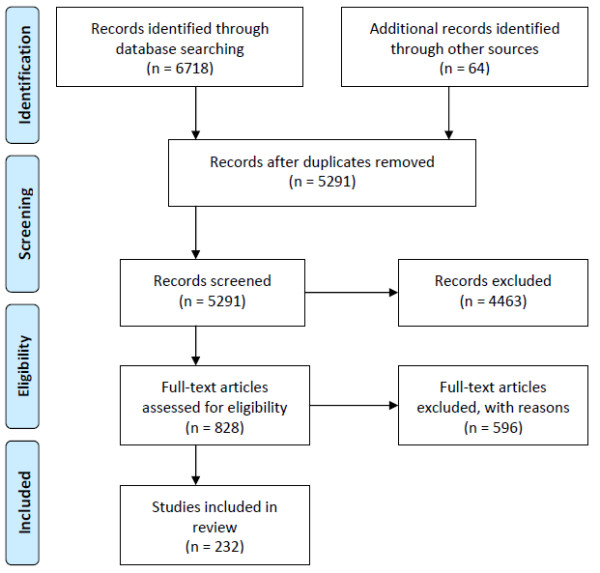
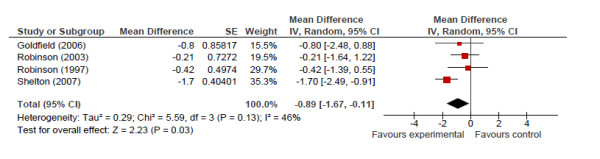
Accumulating evidence suggests that, independent of physical activity levels, sedentary behaviours are associated with increased risk of cardio-metabolic disease, all-cause mortality, and a variety of physiological and psychological problems. Therefore, the purpose of this systematic review is to determine the relationship between sedentary behaviour and health indicators in school-aged children and youth aged 5-17 years. Online databases (MEDLINE, EMBASE and PsycINFO), personal libraries and government documents were searched for relevant studies examining time spent engaging in sedentary behaviours and six specific health indicators (body composition, fitness, metabolic syndrome and cardiovascular disease, self-esteem, pro-social behaviour and academic achievement). 232 studies including 983,840 participants met inclusion criteria and were included in the review. Television (TV) watching was the most common measure of sedentary behaviour and body composition was the most common outcome measure. Qualitative analysis of all studies revealed a dose-response relation between increased sedentary behaviour and unfavourable health outcomes. Watching TV for more than 2 hours per day was associated with unfavourable body composition, decreased fitness, lowered scores for self-esteem and pro-social behaviour and decreased academic achievement. Meta-analysis was completed for randomized controlled studies that aimed to reduce sedentary time and reported change in body mass index (BMI) as their primary outcome. In this regard, a meta-analysis revealed an overall significant effect of -0.81 (95% CI of -1.44 to -0.17, p = 0.01) indicating an overall decrease in mean BMI associated with the interventions. There is a large body of evidence from all study designs which suggests that decreasing any type of sedentary time is associated with lower health risk in youth aged 5-17 years. In particular, the evidence suggests that daily TV viewing in excess of 2 hours is associated with reduced physical and psychosocial health, and that lowering sedentary time leads to reductions in BMI.
Overview
The claims and statistics of this paper haven’t been checked yet.
Free: it reads the open-access text and checks the first 5 claims that cite a source we can check. Create a free account to check every claim.
Integrity signals
Registry
Cites
Statistics
Figures
Verification
Claims the paper makes
The claims and statistics of this paper haven’t been checked yet.
Free: it reads the open-access text and checks the first 5 claims that cite a source we can check. Create a free account to check every claim.
Claims other papers make about this one
Each is checked against this paper’s own text: does it say what the citing paper says it does?
The source backs part of the claim, not all of it — or backs it for a different population, condition or comparison.
In the citing paper
“More than 2 hours per day of television viewing has been associated with lower academic performance in children and adolescents.14”
From Association Between Screen Media Use and Academic Performance Among Children and Adolescents: A Systematic Review and Meta-analysis (2019) · cites this paper as [14]
Experimental — accuracy not yet measuredThe cited source says what the claim attributes to it.
In the citing paper
“Previous systematic reviews in children and adolescents have focused on the association of television viewing and video game playing with academic performance, showing a negative association. 14,15”
From Association Between Screen Media Use and Academic Performance Among Children and Adolescents: A Systematic Review and Meta-analysis (2019) · cites this paper as [14]
In the citing paper
“In view of emerging evidence that sedentary behaviour may have independent health effects in young people 79”
From The school environment and adolescent physical activity and sedentary behaviour: a mixed-studies systematic review (2016) · cites this paper as [79]
Self-check
Percentages, sums and reported differences re-computed from the paper’s own numbers.
The self-check needs the paper’s full text.
Citations
Cites
Meta-analysis in clinical trials
DerSimonian, R., & Laird, N. (1986) · Controlled Clinical Trials · doi:10.1016/0197-2456(86)90046-2 · Cited by 39,552 · cited 1×
“Pooled estimates for the meta-analysis and their 95% confidence intervals were obtained using the random effects estimator of DerSimonian-Laird [37].”
MethodQuantifying heterogeneity in a meta‐analysis
Higgins, J. P. T., & Thompson, S. G. (2002) · Statistics in Medicine · doi:10.1002/sim.1186 · Cited by 36,763 · cited 1×
“Cochrane’s Q was used to test for heterogeneity among studies and the I(2) (squared) index [10] was used to determine the degree of heterogeneity [38].”
MethodBundesgesundheitsblatt - Gesundheitsforschung - Gesundheitsschutz
(2013) · Bundesgesundheitsblatt - Gesundheitsforschung - Gesundheitsschutz · doi:10.1007/103.1437-1588 · Cited by 11,796
Downs, S. H., & Black, N. (1998) · Journal of Epidemiology and Community Health · doi:10.1136/jech.52.6.377 · Cited by 8,252
Physical Activity in the United States Measured by Accelerometer
TROIANO, R. P., BERRIGAN, D., DODD, K. W., MÂSSE, L. C., TILERT, T., & MCDOWELL, M. (2008) · Medicine & Science in Sports & Exercise · doi:10.1249/mss.0b013e31815a51b3 · Cited by 7,638 · cited 1×
“However, across all age groups, levels of physical activity remain low [7-12] and obesity rates continue to rise [10,11,13,14]; collectively threatening the persistent increase in life expectancy enjoyed over the past century and efforts to counteract the inactivity and obesity crisis [15].”
BackgroundPrevalence and Trends in Obesity Among US Adults, 1999-2008
Flegal, K. M. (2010) · JAMA · doi:10.1001/jama.2009.2014 · Cited by 7,580 · cited 1×
“However, across all age groups, levels of physical activity remain low [7-12] and obesity rates continue to rise [10,11,13,14]; collectively threatening the persistent increase in life expectancy enjoyed over the past century and efforts to counteract the inactivity and obesity crisis [15].”
BackgroundJanssen, I., & LeBlanc, A. G. (2010) · International Journal of Behavioral Nutrition and Physical Activity · doi:10.1186/1479-5868-7-40 · Cited by 4,829 · cited 1×
“Engaging in regular physical activity is widely accepted as an effective preventative measure for a variety of health risk factors across all age, gender, ethnic and socioeconomic subgroups [1-6].”
BackgroundSelf-citationAmount of Time Spent in Sedentary Behaviors in the United States, 2003-2004
Matthews, C. E., Chen, K. Y., Freedson, P. S., Buchowski, M. S., Beech, B. M., Pate, R. R., & Troiano, R. P. (2008) · American Journal of Epidemiology · doi:10.1093/aje/kwm390 · Cited by 2,631
A Potential Decline in Life Expectancy in the United States in the 21st Century
Olshansky, S. J., Passaro, D. J., Hershow, R. C., Layden, J., Carnes, B. A., Brody, J., Hayflick, L., Butler, R. N., Allison, D. B., & Ludwig, D. S. (2005) · New England Journal of Medicine · doi:10.1056/nejmsr043743 · Cited by 2,612
A Potential Decline in Life Expectancy in the United States in the 21st Century
Olshansky, S. J., Passaro, D. J., Hershow, R. C., Layden, J., Carnes, B. A., Brody, J., Hayflick, L., Butler, R. N., Allison, D. B., & Ludwig, D. S. (2005) · Obstetrical & Gynecological Survey · doi:10.1097/01.ogx.0000167407.83915.e7 · Cited by 1,944
Research works printed but not linked: 5
- World Health Organization Global recommendations on physical activity for health 2010 Geneva, Switzerland; World Health Organization 26180873
- Bull FC Expert Working Groups Physical activity guidelines in the U.K.: Review and recommendations 2010 Leicestershire, UK: School of Sport, Exercise, and Health Sciences. Loughborough University
- Kirk SFL Penney TL Langille JJ The relationship between screen time, physical activity, dietary intake and healthy weights in children and youth: literature review and recommendations for intervention 2009 Halifax: Halifax Regional Physical Activity and the IWK Health Centre. Nova Scotia Department of Health Promotion and Protection
- LeBlanc AG Saunders TJ Larouche R Colley RC Goldfield G Tremblay MS Relation between sedentary behaviours and health outcomes in children and youth Joint Meeting of the North American Society for Pediatric Exercise Medicine and the European Group for Pediatric Work Physiology Annual General Meeting 2010 Sep 22-26, 2010; Niagara-on-the-Lake, ON. (abstract)
- Dasgupta K Sex differences in the development of higher systolic blood pressure during adolescence Cardiology Review 2008 25 5 54 7
Cited by
Items 101–200 of 1,002
Fairclough, S. J., Dumuid, D., Taylor, S., Curry, W., McGrane, B., Stratton, G., Maher, C., & Olds, T. (2017) · International Journal of Behavioral Nutrition and Physical Activity · doi:10.1186/s12966-017-0521-z · Cited by 167
“sedentary behaviour are independently associated with a range of health indicators [1, 2].”
BackgroundSanders, T., Parker, P. D., del Pozo-Cruz, B., Noetel, M., & Lonsdale, C. (2019) · International Journal of Behavioral Nutrition and Physical Activity · doi:10.1186/s12966-019-0881-7 · Cited by 164
The Ubiquity of the Screen: An Overview of the Risks and Benefits of Screen Time in Our Modern World
LeBlanc, A. G., Gunnell, K. E., Prince, S. A., Saunders, T. J., Barnes, J. D., & Chaput, J.-P. (2017) · Translational Journal of the American College of Sports Medicine · doi:10.1249/tjx.0000000000000039 · Cited by 158
Self-citationHrafnkelsdottir, S. M., Brychta, R. J., Rognvaldsdottir, V., Gestsdottir, S., Chen, K. Y., Johannsson, E., Guðmundsdottir, S. L., & Arngrimsson, S. A. (2018) · PLOS ONE · doi:10.1371/journal.pone.0196286 · Cited by 159
Fine and gross motor skills differ between healthy-weight and obese children
Gentier, I., D’Hondt, E., Shultz, S., Deforche, B., Augustijn, M., Hoorne, S., Verlaecke, K., De Bourdeaudhuij, I., & Lenoir, M. (2013) · Research in Developmental Disabilities · doi:10.1016/j.ridd.2013.08.040 · Cited by 158
Aminian, S., & Hinckson, E. A. (2012) · International Journal of Behavioral Nutrition and Physical Activity · doi:10.1186/1479-5868-9-119 · Cited by 156
“Introduction Current evidence suggests that increased time spent in leisure-time sedentary activities is related to obesity and other physical and psychosocial health problems in children [1].”
BackgroundSlawson, D. L., Fitzgerald, N., & Morgan, K. T. (2013) · Journal of the Academy of Nutrition and Dietetics · doi:10.1016/j.jand.2013.05.005 · Cited by 153
Margaritis, I., Houdart, S., El Ouadrhiri, Y., Bigard, X., Vuillemin, A., & Duché, P. (2020) · Archives of Public Health · doi:10.1186/s13690-020-00432-z · Cited by 153
Endrighi, R., Steptoe, A., & Hamer, M. (2016) · British Journal of Psychiatry · doi:10.1192/bjp.bp.114.150755 · Cited by 152
Promoting Health and Wellness: Implications for Physical Therapist Practice
Bezner, J. R. (2015) · Physical Therapy · doi:10.2522/ptj.20140271 · Cited by 180
Rethinking the sleep-health link
Matricciani, L., Bin, Y. S., Lallukka, T., Kronholm, E., Wake, M., Paquet, C., Dumuid, D., & Olds, T. (2018) · Sleep Health · doi:10.1016/j.sleh.2018.05.004 · Cited by 146
Sanders, T., Noetel, M., Parker, P., Del Pozo Cruz, B., Biddle, S., Ronto, R., Hulteen, R., Parker, R., Thomas, G., De Cocker, K., et al. (2023) · Nature Human Behaviour · doi:10.1038/s41562-023-01712-8 · Cited by 148
Obesity, Physical Activity, and Sedentary Behavior of Youth With Learning Disabilities and ADHD
Cook, B. G., Li, D., & Heinrich, K. M. (2015) · Journal of Learning Disabilities · doi:10.1177/0022219413518582 · Cited by 147
“…activities; Pate, O’Neill, & Lobelo, 2008), is inversely associated with cardiorespiratory, musculoskeletal, and overall physical fitness and is positively associated with serum cholesterol levels, blood pressure, insulin resistance, and cholesterol levels (e.g., Tremblay et al., 2011).”
BackgroundInfluentialMicklesfield, L. K., Pedro, T. M., Kahn, K., Kinsman, J., Pettifor, J. M., Tollman, S. M., & Norris, S. A. (2014) · BMC Public Health · doi:10.1186/1471-2458-14-40 · Cited by 185
“A concern, however, is that a recent systematic review suggests that time spent in sedentary activities, independent of physical activity time, is associated with adverse health outcomes including an increase risk of cardio-metabolic disease in children and adolescents [22]; hence interventions should not focus only o…”
Backgroundvan Stralen, M. M., Yıldırım, M., Wulp, A., te Velde, S. J., Verloigne, M., Doessegger, A., Androutsos, O., Kovács, É., Brug, J., & Chinapaw, M. J. M. (2014) · Journal of Science and Medicine in Sport · doi:10.1016/j.jsams.2013.04.019 · Cited by 144
Colley, R. C., Garriguet, D., Janssen, I., Wong, S. L., Saunders, T. J., Carson, V., & Tremblay, M. S. (2013) · BMC Public Health · doi:10.1186/1471-2458-13-200 · Cited by 144
“The lack of evidence linking accelerometer-measured sedentary time with health risk in children is counterintuitive given the consistent observation that screen time, a key contributor to total sedentary time, is associated with health risk [1-4].”
BackgroundSelf-citationOliveira, R. G. D., & Guedes, D. P. (2016) · PLOS ONE · doi:10.1371/journal.pone.0168503 · Cited by 144
Hinkley, T., Teychenne, M., Downing, K. L., Ball, K., Salmon, J., & Hesketh, K. D. (2014) · Preventive Medicine · doi:10.1016/j.ypmed.2014.02.007 · Cited by 141
“…investigating psychosocial well-being in children and adolescents have reported modest inverse associations between PA and depression (Janssen and Leblanc, 2010) and between electronic media use (primarily assessed as TV viewing) and both self-esteem and pro-social behavior (Tremblay et al., 2011).”
BackgroundVäistö, J., Eloranta, A.-M., Viitasalo, A., Tompuri, T., Lintu, N., Karjalainen, P., Lampinen, E.-K., Ågren, J., Laaksonen, D. E., Lakka, H.-M., et al. (2014) · International Journal of Behavioral Nutrition and Physical Activity · doi:10.1186/1479-5868-11-55 · Cited by 141
“However, there are few studies on the independent associations of PA and SB with cardiometabolic risk factors other than overweight in children [19,21].”
BackgroundThomas, G., Bennie, J. A., De Cocker, K., Castro, O., & Biddle, S. J. H. (2020) · Child Indicators Research · doi:10.1007/s12187-019-09663-1 · Cited by 139
“This includes unfavourable cardiometabolic risk factors, including increased adiposity and low physical fitness (Tremblay et al. 2011; Carson et al. 2016), although associations might be small and complex (Biddle et al.”
BackgroundChaput, J. ‐., Saunders, T. J., & Carson, V. (2017) · Obesity Reviews · doi:10.1111/obr.12508 · Cited by 139
“Participating in MVPA on a regular basis and limiting sedentary behaviours (especially screen time) have been reported to improve health outcomes (2,10,63,64).”
BackgroundSelf-citationClassroom Standing Desks and Sedentary Behavior: A Systematic Review
Minges, K. E., Chao, A. M., Irwin, M. L., Owen, N., Park, C., Whittemore, R., & Salmon, J. (2016) · Pediatrics · doi:10.1542/peds.2015-3087 · Cited by 138
Chambonniere, C., Lambert, C., Fearnbach, N., Tardieu, M., Fillon, A., Genin, P., Larras, B., Melsens, P., Bois, J., Pereira, B., et al. (2021) · European Journal of Integrative Medicine · doi:10.1016/j.eujim.2021.101308 · Cited by 137
Nguyen, P., Le, L. K.-D., Nguyen, D., Gao, L., Dunstan, D. W., & Moodie, M. (2020) · International Journal of Behavioral Nutrition and Physical Activity · doi:10.1186/s12966-020-01009-3 · Cited by 135
Aadland, K. N., Moe, V. F., Aadland, E., Anderssen, S. A., Resaland, G. K., & Ommundsen, Y. (2017) · Mental Health and Physical Activity · doi:10.1016/j.mhpa.2017.01.001 · Cited by 134
Sedentary behaviour across the primary-secondary school transition: A systematic review
Pearson, N., Haycraft, E., P. Johnston, J., & Atkin, A. J. (2017) · Preventive Medicine · doi:10.1016/j.ypmed.2016.11.010 · Cited by 133
“…sedentary behaviours have been associated with chronic disease morbidity and mortality, whilst associations with obesity and clustered metabolic risk have been identified in children and adolescents (Ford and Caspersen, 2012; Grontved and Hu, 2011; Michell and Byun, 2014; Tremblay et al., 2011).”
BackgroundPrevalence and Correlates of Screen Time in Youth
Atkin, A. J., Sharp, S. J., Corder, K. L., & van Sluijs, E. M. F. (2014) · American Journal of Preventive Medicine · doi:10.1016/j.amepre.2014.07.043 · Cited by 168
Longitudinal associations between changes in screen-time and mental health outcomes in adolescents
Babic, M. J., Smith, J. J., Morgan, P. J., Eather, N., Plotnikoff, R. C., & Lubans, D. R. (2017) · Mental Health and Physical Activity · doi:10.1016/j.mhpa.2017.04.001 · Cited by 137
Sparks, C., Lonsdale, C., Dimmock, J., & Jackson, B. (2017) · Journal of Sport and Exercise Psychology · doi:10.1123/jsep.2016-0198 · Cited by 131
Busch, V., van Stel, H. F., Schrijvers, G., & de Leeuw, J. R. J. (2013) · BMC Public Health · doi:10.1186/1471-2458-13-1118 · Cited by 154
“However, similar clustering studies that integrated the compulsive aspect of these behaviors in adolescents were not retrieved, although previous research has shown that, separately, compulsive and excessive screen time behaviors differ in their relation to outcomes such as psychosocial problems [52], educational outc…”
BackgroundResultScreen-viewing among preschoolers in childcare: a systematic review
Vanderloo, L. M. (2014) · BMC Pediatrics · doi:10.1186/1471-2431-14-205 · Cited by 127
Aerobic fitness and academic achievement: A systematic review and meta-analysis
Álvarez‐Bueno, C., Hillman, C. H., Cavero‐Redondo, I., Sánchez‐López, M., Pozuelo‐Carrascosa, D. P., & Martínez‐Vizcaíno, V. (2020) · Journal of Sports Sciences · doi:10.1080/02640414.2020.1720496 · Cited by 156
“The rising number of obesity cases and increasingly prevalent sedentary behaviours among the global population have led to poorer health outcomes among children across industrialised nations (Tremblay et al., 2011).”
BackgroundJúdice, P. B., Silva, A. M., Berria, J., Petroski, E. L., Ekelund, U., & Sardinha, L. B. (2017) · International Journal of Behavioral Nutrition and Physical Activity · doi:10.1186/s12966-017-0481-3 · Cited by 125
Arora, M., Nazar, G. P., Gupta, V. K., Perry, C. L., Reddy, K. S., & Stigler, M. H. (2012) · BMC Public Health · doi:10.1186/1471-2458-12-881 · Cited by 124
“These cut-off values were almost similar to other studies conducted in the West [43,46-48].”
ResultInfluentialHankonen, N., Heino, M. T. J., Kujala, E., Hynynen, S.-T., Absetz, P., Araújo-Soares, V., Borodulin, K., & Haukkala, A. (2017) · BMC Public Health · doi:10.1186/s12889-016-3880-5 · Cited by 124
“Adolescents also engage in unhealthy amounts of sedentary behaviours (SB), especially screen time such as sitting in front of TV, computers and console games, linked to adverse health outcomes independent of PA [2, 3].”
BackgroundBMI, Health Behaviors, and Quality of Life in Children and Adolescents: A School-Based Study
Chen, G., Ratcliffe, J., Olds, T., Magarey, A., Jones, M., & Leslie, E. (2014) · Pediatrics · doi:10.1542/peds.2013-0622 · Cited by 123
Adiposity and different types of screen time
Falbe, J., Rosner, B., Willett, W. C., Sonneville, K. R., Hu, F. B., & Field, A. E. (2013) · Pediatrics · doi:10.1542/peds.2013-0887 · Cited by 119
Dumuid, D., Stanford, T. E., Pedišić, Ž., Maher, C., Lewis, L. K., Martín-Fernández, J.-A., Katzmarzyk, P. T., Chaput, J.-P., Fogelholm, M., Standage, M., et al. (2018) · BMC Public Health · doi:10.1186/s12889-018-5207-1 · Cited by 121
Self-citationParrish, A., Tremblay, M. S., Carson, S., Veldman, S. L. C., Cliff, D. P., Vella, S. A., Chong, K. H., Nácher, M., Cruz, B. D. P., Ellis, Y., et al. (2020) · International Journal of Behavioral Nutrition and Physical Activity · doi:10.1186/s12966-020-0914-2 · Cited by 151
Self-citationMarsh, S., Foley, L. S., Wilks, D. C., & Maddison, R. (2014) · Obesity Reviews · doi:10.1111/obr.12105 · Cited by 117
Grøntved, A., Ried-Larsen, M., Møller, N. C., Kristensen, P. L., Wedderkopp, N., Froberg, K., Hu, F. B., Ekelund, U., & Andersen, L. B. (2014) · European Journal of Preventive Cardiology · doi:10.1177/2047487312454760 · Cited by 117
“Some of these recommendations state that children and adolescents should limit their recreational screen time to no more than 2 hours/day to minimize health risks.(7,8,10) The evidence from prospective studies to support these specific time limits is weak, and it is unknown if time spent on TV viewing and computer use…”
BackgroundBarkley, J. E., & Lepp, A. (2015) · Computers in Human Behavior · doi:10.1016/j.chb.2015.11.001 · Cited by 147
Maternal Education and Investments in Children's Health
Prickett, K. C., & Augustine, J. M. (2015) · Journal of Marriage and the Family · doi:10.1111/jomf.12253 · Cited by 149
“Parenting practices that encourage physical activities and discourage sedentary ones such as television watching have also been linked to children’s short- and long-term health in general via an association with body composition, fitness, metabolic syndrome and cardiovascular disease risk factors (Tremblay et al., 201…”
Social Media Use, School Connectedness, and Academic Performance Among Adolescents
Sampasa‐Kanyinga, H., Chaput, J., & Hamilton, H. A. (2019) · The Journal of Primary Prevention · doi:10.1007/s10935-019-00543-6 · Cited by 153
van Grieken, A., Ezendam, N. P., Paulis, W. D., van der Wouden, J. C., & Raat, H. (2012) · International Journal of Behavioral Nutrition and Physical Activity · doi:10.1186/1479-5868-9-61 · Cited by 111
“The association between sedentary behaviour and overweight [6], supports the relevance of targeting children and adolescents independent of their current weight status or current amount of TV viewing.”
BackgroundInfluentialImpact of mobile apps to combat obesity in children and adolescents: A systematic literature review
Quelly, S. B., Norris, A. E., & DiPietro, J. L. (2016) · Journal for Specialists in Pediatric Nursing · doi:10.1111/jspn.12134 · Cited by 112
“Television viewing is often used as a measure of sedentary activity, and watching television for more than 2 hr a day is associated with unfavorable body composition (Tremblay et al., 2011).”
BackgroundReducing youth screen time: Qualitative metasynthesis of findings on barriers and facilitators.
Minges, K. E., Owen, N., Salmon, J., Chao, A., Dunstan, D. W., & Whittemore, R. (2015) · Health Psychology · doi:10.1037/hea0000172 · Cited by 109
Clemes, S. A., Barber, S. E., Bingham, D. D., Ridgers, N. D., Fletcher, E., Pearson, N., Salmon, J., & Dunstan, D. W. (2016) · Journal of Public Health · doi:10.1093/pubmed/fdv084 · Cited by 109
The Impacts of Sports Schools on Holistic Athlete Development: A Mixed Methods Systematic Review
Thompson, F., Rongen, F., Cowburn, I. H. J., & Till, K. (2022) · Sports Medicine · doi:10.1007/s40279-022-01664-5 · Cited by 183
Alosaimi, N., Sherar, L. B., Griffiths, P. L., & Pearson, N. (2023) · BMC Public Health · doi:10.1186/s12889-023-16372-6 · Cited by 147
“…this, a recent systematic review that examined the relationship between SB and health indicators in young people aged 5–17 years found that an increase in SB, expressed as total hours of screen time, was associated with an increase in cardiovascular risk markers in children and adolescents [101].”
BackgroundObesity and economic environments
Sturm, R., & An, R. (2014) · CA A Cancer Journal for Clinicians · doi:10.3322/caac.21237 · Cited by 129
ERICA: use of screens and consumption of meals and snacks by Brazilian adolescents
Oliveira, J. S., Barufaldi, L. A., Abreu, G. D. A., Leal, V. S., Brunken, G. S., Vasconcelos, S. M. L., dos Santos, M. M., & Bloch, K. V. (2016) · Revista de Saúde Pública · doi:10.1590/s01518-8787.2016050006680 · Cited by 133
Healthy Lifestyle and Incidence of Metabolic Syndrome in the SUN Cohort
Garralda-Del-Villar, M., Chillerón, S. C., Díaz‐Gutiérrez, J., Ruiz‐Canela, M., Gea, A., Martínez‐González, M. Á., Bes‐Rastrollo, M., Ruiz-Estigarribia, L., Kales, S. N., & Fernández‐Montero, A. (2018) · Nutrients · doi:10.3390/nu11010065 · Cited by 129
“Consistent with our results, some studies have reported the relation between TV viewing and MetSyn [52], as TV viewing may displace physical activity.”
ResultPhysical activity and sedentary time in relation to academic achievement in children
Haapala, E. A., Väistö, J., Lintu, N., Westgate, K., Ekelund, U., Poikkeus, A.-M., Brage, S., & Lakka, T. A. (2017) · Journal of Science and Medicine in Sport · doi:10.1016/j.jsams.2016.11.003 · Cited by 105
Tassitano, R. M., Weaver, R. G., Tenório, M. C. M., Brazendale, K., & Beets, M. W. (2020) · International Journal of Behavioral Nutrition and Physical Activity · doi:10.1186/s12966-020-01054-y · Cited by 122
Collings, P. J., Wijndaele, K., Corder, K., Westgate, K., Ridgway, C. L., Dunn, V., Goodyer, I., Ekelund, U., & Brage, S. (2014) · International Journal of Behavioral Nutrition and Physical Activity · doi:10.1186/1479-5868-11-23 · Cited by 106
“It is thought to be associated with components of the metabolic syndrome (particularly higher body fatness), lower fitness, and lower self-esteem in school-aged children and youth [21].”
BackgroundBai, Y., Chen, S., Laurson, K. R., Kim, Y., Saint-Maurice, P. F., & Welk, G. J. (2016) · PLOS ONE · doi:10.1371/journal.pone.0148038 · Cited by 105
Ludwig, K., Arthur, R., Sculthorpe, N., Fountain, H., & Buchan, D. S. (2018) · JMIR mHealth and uHealth · doi:10.2196/10799 · Cited by 106
“These findings are particularly concerning as sedentary behavior (SB) is associated with various aspects of poor psychological and physiological health and all-cause and cardiovascular disease-related mortality [8-11].”
Carson, V., Salmon, J., Arundell, L., Ridgers, N. D., Cerin, E., Brown, H. E., Hesketh, K. D., Ball, K., Chinapaw, M. J. M., Yıldırım, M., et al. (2013) · International Journal of Behavioral Nutrition and Physical Activity · doi:10.1186/1479-5868-10-62 · Cited by 115
“, too much sitting), in particular screen-based sedentary behavior, is an important determinant of overweight/obesity and related cardio-metabolic biomarkers among children [1].”
BackgroundEffects of Rapid Weight Loss on Judo Athletes: A Systematic Review
Lakičević, N., Roklicer, R., Bianco, A., Mani, D., Paoli, A., Trivić, T., Ostojić, S. M., Milovančev, A., Maksimović, N., & Drid, P. (2020) · Nutrients · doi:10.3390/nu12051220 · Cited by 131
“[16], the average score of included studies was labeled as moderate quality.”
BackgroundBody image dissatisfaction, physical activity and screen-time in Spanish adolescents
Añez, E., Fornieles-Deu, A., Fauquet-Ars, J., López-Guimerà, G., Puntí-Vidal, J., & Sánchez-Carracedo, D. (2018) · Journal of Health Psychology · doi:10.1177/1359105316664134 · Cited by 104
“For example, it has been linked to weight gain/obesity risk in adulthood, reduced self worth, reduced academic achievement, depression and as a potential risk factor for eating disorders (Jordan et al., 2008; Thorp et al., 2011; Tremblay et al., 2011; Vaughan and Fouts, 2003).”
BackgroundSantos, R., Zhang, Z., Pereira, J. R., Sousa‐Sá, E., Cliff, D. P., & Okely, A. D. (2017) · BMC Public Health · doi:10.1186/s12889-017-4857-8 · Cited by 123
Downing, K. L., Hnatiuk, J. A., Hinkley, T., Salmon, J., & Hesketh, K. D. (2018) · British Journal of Sports Medicine · doi:10.1136/bjsports-2016-096634 · Cited by 102
Habib-Mourad, C., Ghandour, L. A., Moore, H. J., Nabhani-Zeidan, M., Adetayo, K., Hwalla, N., & Summerbell, C. (2014) · BMC Public Health · doi:10.1186/1471-2458-14-940 · Cited by 102
“The lack of any observed changes in students’ BMI and waist circumference measurements in the present study is probably due to the insufficient duration between pre- and post-test (i.e.12 weeks), making it difficult to detect any noticeable changes in adiposity.”
BackgroundInfluentialDraper, C. E., Micklesfield, L. K., Kahn, K., Tollman, S. M., Pettifor, J. M., Dunger, D. B., Norris, S. A., & Ntshembo Consortium (2014) · BMC Public Health · doi:10.1186/1471-2458-14-s2-s5 · Cited by 101
“High levels of sedentary behaviour, such as more than two hours of television viewing, have been associated with poor physical and psychosocial health outcomes in children and adolescents (5-17 years), with a decrease in sedentary time associated with a decrease in BMI [77].”
BackgroundPeltzer, K., & Pengpid, S. (2016) · International Journal of Environmental Research and Public Health · doi:10.3390/ijerph13020217 · Cited by 101
Screen Time and Its Health Consequences in Children and Adolescents
Priftis, N., & Panagiotakos, D. (2023) · Children · doi:10.3390/children10101665 · Cited by 100
“The findings of the present study mostly agree with those of previous research when compared to previous systematic reviews [8,9,20,30,35,36,41,66] and meta-analyses [10,11,13,28,46,55].”
BackgroundResultInfluentialStanding Classrooms: Research and Lessons Learned from Around the World
Hinckson, E. A., Salmon, J., Benden, M. E., Clemes, S. A., Sudholz, B., Barber, S., Aminian, S., & Ridgers, N. D. (2015) · Sports Medicine · doi:10.1007/s40279-015-0436-2 · Cited by 120
“Among school-aged children, higher television viewing time (proxy for sitting time at home) has been associated with attention difficulties, slowed reading progression, lower cognitive test performance and less leisure time spent studying and reading; all of which may potentially reduce academic achievement [13].”
BackgroundIntervention effects on physical activity: the HEIA study - a cluster randomized controlled trial
Grydeland, M., Bergh, I. H., Bjelland, M., Lien, N., Andersen, L. F., Ommundsen, Y., Klepp, K.-I., & Anderssen, S. A. (2013) · International Journal of Behavioral Nutrition and Physical Activity · doi:10.1186/1479-5868-10-17 · Cited by 100
“This is promising, as a recent comprehensive systematic review revealed a dose–response relationship between increased sedentary behaviour and unfavourable health outcomes in school-aged children [34].”
BackgroundSedentary behavior in Brazilian children and adolescents: a systematic review
Guerra, P. H., Júnior, J. C. D. F., & Florindo, A. A. (2016) · Revista de Saúde Pública · doi:10.1590/s1518-8787.2016050006307 · Cited by 208
Chaput, J.-P., Saunders, T. J., Mathieu, M.-È., Henderson, M., Tremblay, M. S., O'Loughlin, J., & Tremblay, A. (2013) · Applied Physiology, Nutrition, and Metabolism · doi:10.1139/apnm-2012-0382 · Cited by 99
Self-citationBerglind, D., & Tynelius, P. (2017) · BMC Public Health · doi:10.1186/s12889-017-4600-5 · Cited by 125
“The high prevalence of screen-time in the present study is alarming, since substantial evidence from a recent systematic review, in children aged zero- to four-years of age, indicates that screen-time, but not objectively measured ST [2], is consistently negatively associated with health outcomes in a dose-response ma…”
BackgroundLubans, D. R., Smith, J. J., Skinner, G., & Morgan, P. J. (2014) · Frontiers in Public Health · doi:10.3389/fpubh.2014.00042 · Cited by 98
Zuckerman, S. L., Tang, A. R., Richard, K. E., Grisham, C. J., Kuhn, A. W., Bonfield, C. M., & Yengo-Kahn, A. M. (2021) · The Physician and Sportsmedicine · doi:10.1080/00913847.2020.1850152 · Cited by 98
the HBSC Study Group Germany, Bucksch, J., Inchley, J., Hamrik, Z., Finne, E., & Kolip, P. (2014) · BMC Public Health · doi:10.1186/1471-2458-14-351 · Cited by 97
“Systematic reviews in children and adolescents also underpin the association of screen-time behaviours with a range of physical (e.g. body composition) and psycho-social health outcomes (e.g. self-esteem, academic achievement) that are independent of PA levels [3,4].”
BackgroundPhysical activity for paediatric rheumatic diseases: standing up against old paradigms
Gualano, B., Bonfá, E., Pereira, R. M. R., & Silva, C. A. (2017) · Nature Reviews Rheumatology · doi:10.1038/nrrheum.2017.75 · Cited by 117
Chen, Y.-C., Tu, Y.-K., Huang, K.-C., Chen, P.-C., Chu, D.-C., & Lee, Y. L. (2014) · American Journal of Respiratory and Critical Care Medicine · doi:10.1164/rccm.201401-0097oc · Cited by 95
5-Year Changes in Afterschool Physical Activity and Sedentary Behavior
Arundell, L., Ridgers, N. D., Veitch, J., Salmon, J., Hinkley, T., & Timperio, A. F. (2013) · American Journal of Preventive Medicine · doi:10.1016/j.amepre.2013.01.029 · Cited by 107
Hamilton, K., Spinks, T., White, K. M., Kavanagh, D. J., & Walsh, A. M. (2015) · British Journal of Health Psychology · doi:10.1111/bjhp.12168 · Cited by 125
Falbe, J., Willett, W. C., Rosner, B., Gortmaker, S. L., Sonneville, K. R., & Field, A. E. (2014) · The American Journal of Clinical Nutrition · doi:10.3945/ajcn.114.088500 · Cited by 95
How parents can affect excessive spending of time on screen-based activities
Husárová, D., Pavelka, J., Ševčíková, A., Žežula, I., van Dijk, J. P., Reijneveld, S. A., & Gecková, A. M. (2014) · BMC Public Health · doi:10.1186/1471-2458-14-1261 · Cited by 111
“More sedentary time of any type was associated with more psychological complaints, such as depression, or those related to well-being, social support [24] or poorer self-esteem [27].”
BackgroundReducing Recreational Sedentary Screen Time
Ramsey Buchanan, L., Rooks-Peck, C. R., Finnie, R. K. C., Wethington, H. R., Jacob, V., Fulton, J. E., Johnson, D. B., Kahwati, L. C., Pratt, C. A., Ramirez, G., et al. (2016) · American Journal of Preventive Medicine · doi:10.1016/j.amepre.2015.09.030 · Cited by 94
“The interest might be a result of the link between screen time during childhood and childhood obesity or lowered scores for self-esteem and decreased academic achievement, 9 or the link between childhood/adolescent TV viewing and overweight, poor fitness, and elevated cholesterol in adulthood.”
Aranceta Bartrina, J. (2016) · Nutrición Hospitalaria · doi:10.20960/nh.827 · Cited by 95
Booker, C. L., Skew, A. J., Kelly, Y. J., & Sacker, A. (2015) · American Journal of Public Health · doi:10.2105/ajph.2013.301783 · Cited by 95
Associations between sedentary behavior and motor coordination in children
Lopes, L., Santos, R., Pereira, B., & Lopes, V. P. (2012) · American Journal of Human Biology · doi:10.1002/ajhb.22310 · Cited by 130
Screen time is associated with adiposity and insulin resistance in children
Nightingale, C. M., Rudnicka, A. R., Donin, A. S., Sattar, N., Cook, D. G., Whincup, P. H., & Owen, C. G. (2017) · Archives of Disease in Childhood · doi:10.1136/archdischild-2016-312016 · Cited by 93
They just need to move: Teachers' perception of classroom physical activity breaks
Dinkel, D. M., Schaffer, C. L., Snyder, K., & Lee, J. M. (2017) · Teaching and Teacher Education · doi:10.1016/j.tate.2016.12.020 · Cited by 139
Aubert, S., Barnes, J. D., Aguilar-Farías, N., Cardon, G., Chang, C., Nyström, C. D., Demetriou, Y., Edwards, L. C., Emeljanovas, A., Gába, A., et al. (2018) · Journal of Physical Activity and Health · doi:10.1123/jpah.2018-0431 · Cited by 105
Self-citationMeijer, A., Königs, M., Vermeulen, G. T., Visscher, C., Bosker, R. J., Hartman, E., & Oosterlaan, J. (2020) · Developmental Cognitive Neuroscience · doi:10.1016/j.dcn.2020.100828 · Cited by 93
Sociodemographic and behavioral factors associated with physical activity in Brazilian adolescents
Rezende, L. F. M., Azeredo, C. M., Canella, D. S., Claro, R. M., de Castro, I. R. R., Levy, R. B., & Luiz, O. D. C. (2014) · BMC Public Health · doi:10.1186/1471-2458-14-485 · Cited by 114
“The total time invested in such activities was classified as < 120 min/day or ≥ 120 min/day [25].”
BackgroundEnsemble Methods for Classification of Physical Activities from Wrist Accelerometry
Chowdhury, A. K., Tjondronegoro, D., Chandran, V., & Trost, S. G. (2017) · Medicine & Science in Sports & Exercise · doi:10.1249/mss.0000000000001291 · Cited by 108
“In addition, there is a growing body of evidence to suggest that, sedentary behavior, characterised by prolonged bouts of sitting, is associated with serious health conditions, independent of the effects of physical activity (PA) (20,35).”
Talarico, R., & Janssen, I. (2018) · International Journal of Obesity · doi:10.1038/s41366-018-0053-x · Cited by 103
Prevention and treatment of childhood and adolescent obesity: a systematic review of meta-analyses
Ψαλτοπούλου, Θ., Tzanninis, S., Ntanasis‐Stathopoulos, I., Panotopoulos, G., Kostopoulou, M., Tzanninis, I., Tsagianni, A., & Sergentanis, T. Ν. (2019) · World Journal of Pediatrics · doi:10.1007/s12519-019-00266-y · Cited by 112
Physical Education Increases Daily Moderate to Vigorous Physical Activity and Reduces Sedentary Time
Mooses, K., Pihu, M., Riso, E., Hannus, A., Kaasik, P., & Kull, M. (2017) · Journal of School Health · doi:10.1111/josh.12530 · Cited by 112
Bedard, C., St John, L., Bremer, E., Graham, J. D., & Cairney, J. (2019) · PLOS ONE · doi:10.1371/journal.pone.0218633 · Cited by 89
Fenton, S. A. M., Duda, J. L., Quested, E., & Barrett, T. G. (2014) · Psychology of sport and exercise · doi:10.1016/j.psychsport.2014.04.005 · Cited by 132
Lee, E., Hesketh, K. D., Hunter, S., Kuzik, N., Rhodes, R. E., Rinaldi, C. M., Spence, J. C., & Carson, V. (2017) · BMC Public Health · doi:10.1186/s12889-017-4855-x · Cited by 110
Gebremariam, M. K., Bergh, I. H., Andersen, L. F., Ommundsen, Y., Totland, T. H., Bjelland, M., Grydeland, M., & Lien, N. (2013) · International Journal of Behavioral Nutrition and Physical Activity · doi:10.1186/1479-5868-10-9 · Cited by 89
“5], one hour [1], two hours [2], three hours [3], four hours [4], five hours or more [5].”
Background(2020) · doi:10.1186/s12889-020-09700-7 · Cited by 77
“watching television), increased over the past years [7, 8].”
BackgroundKek, C. C., Bengoechea, E. G., Spence, J. C., & Mandic, S. (2019) · Journal of sport and health science/Journal of Sport and Health Science · doi:10.1016/j.jshs.2019.02.006 · Cited by 108
“, sitting) among adolescents contribute at least in part to increasing levels of overweight and obesity in this age group.(2) Active transport (AT) to school provides a potential source of regular PA.”
Background
Metadata
- Authors
- Tremblay, M. S., LeBlanc, A. G., Kho, M. E., Saunders, T. J., Larouche, R., Colley, R. C., Goldfield, G., & Gorber, S.
- Affiliations
- Children's Hospital of Eastern Ontario (CA)
- Johns Hopkins University (US)
- Public Health Agency of Canada (CA)
- Corresponding author
- Tremblay, Mark S
- ORCID
- Venue
- International Journal of Behavioral Nutrition and Physical Activity
- Published
- 2011
- Volume
- 8
- Issue
- 1
- Pages
- 98
- ISSN
- 1479-5868 (ISSN-L)
- PMC
- PMC3186735
- OpenAlex
- W2136823874
- Cited by
- 2,085
- References
- 276
- Citations by year
- 2026: 72 · 2025: 103 · 2024: 99 · 2023: 114 · 2022: 164 · 2021: 167 · 2020: 173 · 2019: 189 · 2018: 152 · 2017: 179 · 2016: 185 · 2015: 186 · 2014: 144 · 2013: 104 · 2012: 50
- FWCI
- 10.31
- Type
- journal article
- Language
- en
- Open access
- gold
- doi.org
- Licence
- cc-by
- Locations
- International Journal of Behavioral Nutrition and Physical Activity (publishedVersion, cc-by)
- Europe PMC (PubMed Central) (publishedVersion, cc-by)
- PubMed Central (publishedVersion, cc-by)
- PubMed (publishedVersion)
- uO Research (University of Ottawa) (submittedVersion, public-domain)
- DOAJ (DOAJ: Directory of Open Access Journals) (submittedVersion, cc-by-sa)
- Funders
- Public Health Agency of Canada
- Public Health Agency
- Canadian Institutes of Health Research
- Topics
- Health Sciences › Medicine › Public Health, Environmental and Occupational Health › Physical Activity and Health
- Health Sciences › Medicine › Public Health, Environmental and Occupational Health › Obesity, Physical Activity, Diet
- Health Sciences › Medicine › Public Health, Environmental and Occupational Health › School Health and Nursing Education
- Keywords
- sedentary behavior, television viewing, body composition, body mass index, physical fitness, metabolic syndrome, cardiovascular disease, self-esteem, prosocial behavior, academic performance, cardiometabolic risk
- MeSH terms
- Adolescent, Adolescent Behavior, Body Composition, Cardiovascular Diseases, Child, Child Behavior, Educational Status, Health Status, Health Status Indicators, Humans, Interpersonal Relations, Mortality, Obesity, Physical Fitness, Risk Factors, Self Concept, Television, Health Behavior, Body Mass Index, Metabolic Syndrome, Qualitative Research, Sedentary Behavior
About these checks
Registry, retraction, Cites and statistics results are computed, not judged, with one exception: a printed reference that no index lists is read once by a model before it counts as a citation error. Claims are extracted by a model and kept only when their quote appears verbatim in the text; each cited source is then checked, with a model’s help, for whether it says what the claim relies on. Those verdicts can be wrong — read the claim’s quote and the cited source before relying on one.
Statistics and arithmetic are recomputed, not judged.
Confidence bands are shown only for fields calibrated on our annotated test set. None is calibrated yet, so no band is shown.
What counts as a claim ›How we measure confidence ›How we check this ›
Are you an author, or do you see a problem with this page? Request a review
Data sources
Bibliographic data: Semantic Scholar, OpenAlex, Crossref.
Contains information from the Semantic Scholar Academic Graph Datasets, made available under the ODC Attribution License (ODC-BY 1.0).
Semantic Scholar’s data is described in: Kinney, R., et al. (2023). The Semantic Scholar Open Data Platform. arXiv:2301.10140.
