

Systematic review of sedentary behaviour and health indicators in school-aged children and youth.
Open accessThe DOI matches its Crossref record; 276 of the 276 references it cites were found in a registry or an index.
Abstract
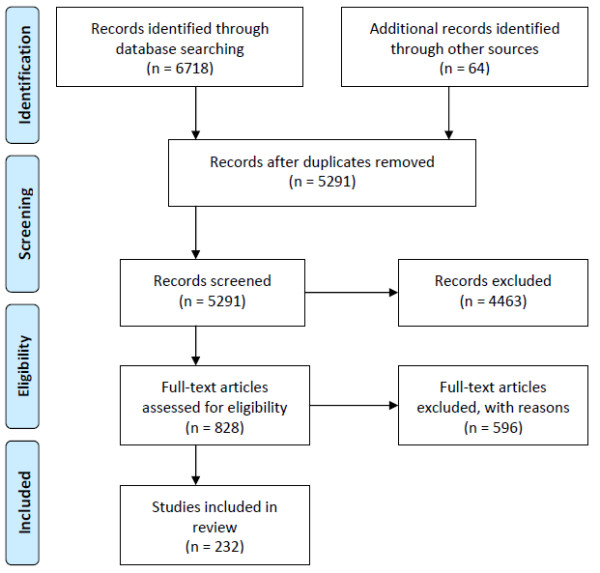
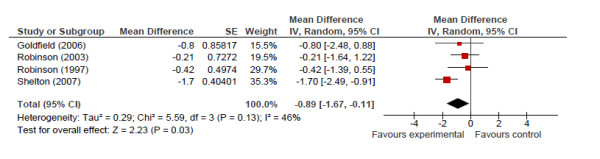
Accumulating evidence suggests that, independent of physical activity levels, sedentary behaviours are associated with increased risk of cardio-metabolic disease, all-cause mortality, and a variety of physiological and psychological problems. Therefore, the purpose of this systematic review is to determine the relationship between sedentary behaviour and health indicators in school-aged children and youth aged 5-17 years. Online databases (MEDLINE, EMBASE and PsycINFO), personal libraries and government documents were searched for relevant studies examining time spent engaging in sedentary behaviours and six specific health indicators (body composition, fitness, metabolic syndrome and cardiovascular disease, self-esteem, pro-social behaviour and academic achievement). 232 studies including 983,840 participants met inclusion criteria and were included in the review. Television (TV) watching was the most common measure of sedentary behaviour and body composition was the most common outcome measure. Qualitative analysis of all studies revealed a dose-response relation between increased sedentary behaviour and unfavourable health outcomes. Watching TV for more than 2 hours per day was associated with unfavourable body composition, decreased fitness, lowered scores for self-esteem and pro-social behaviour and decreased academic achievement. Meta-analysis was completed for randomized controlled studies that aimed to reduce sedentary time and reported change in body mass index (BMI) as their primary outcome. In this regard, a meta-analysis revealed an overall significant effect of -0.81 (95% CI of -1.44 to -0.17, p = 0.01) indicating an overall decrease in mean BMI associated with the interventions. There is a large body of evidence from all study designs which suggests that decreasing any type of sedentary time is associated with lower health risk in youth aged 5-17 years. In particular, the evidence suggests that daily TV viewing in excess of 2 hours is associated with reduced physical and psychosocial health, and that lowering sedentary time leads to reductions in BMI.
Overview
The claims and statistics of this paper haven’t been checked yet.
Free: it reads the open-access text and checks the first 5 claims that cite a source we can check. Create a free account to check every claim.
Integrity signals
Registry
Cites
Statistics
Figures
Verification
Claims the paper makes
The claims and statistics of this paper haven’t been checked yet.
Free: it reads the open-access text and checks the first 5 claims that cite a source we can check. Create a free account to check every claim.
Claims other papers make about this one
Each is checked against this paper’s own text: does it say what the citing paper says it does?
The source backs part of the claim, not all of it — or backs it for a different population, condition or comparison.
In the citing paper
“More than 2 hours per day of television viewing has been associated with lower academic performance in children and adolescents.14”
From Association Between Screen Media Use and Academic Performance Among Children and Adolescents: A Systematic Review and Meta-analysis (2019) · cites this paper as [14]
Experimental — accuracy not yet measuredThe cited source says what the claim attributes to it.
In the citing paper
“Previous systematic reviews in children and adolescents have focused on the association of television viewing and video game playing with academic performance, showing a negative association. 14,15”
From Association Between Screen Media Use and Academic Performance Among Children and Adolescents: A Systematic Review and Meta-analysis (2019) · cites this paper as [14]
In the citing paper
“In view of emerging evidence that sedentary behaviour may have independent health effects in young people 79”
From The school environment and adolescent physical activity and sedentary behaviour: a mixed-studies systematic review (2016) · cites this paper as [79]
Self-check
Percentages, sums and reported differences re-computed from the paper’s own numbers.
The self-check needs the paper’s full text.
Citations
Cites
Meta-analysis in clinical trials
DerSimonian, R., & Laird, N. (1986) · Controlled Clinical Trials · doi:10.1016/0197-2456(86)90046-2 · Cited by 39,552 · cited 1×
“Pooled estimates for the meta-analysis and their 95% confidence intervals were obtained using the random effects estimator of DerSimonian-Laird [37].”
MethodQuantifying heterogeneity in a meta‐analysis
Higgins, J. P. T., & Thompson, S. G. (2002) · Statistics in Medicine · doi:10.1002/sim.1186 · Cited by 36,763 · cited 1×
“Cochrane’s Q was used to test for heterogeneity among studies and the I(2) (squared) index [10] was used to determine the degree of heterogeneity [38].”
MethodBundesgesundheitsblatt - Gesundheitsforschung - Gesundheitsschutz
(2013) · Bundesgesundheitsblatt - Gesundheitsforschung - Gesundheitsschutz · doi:10.1007/103.1437-1588 · Cited by 11,796
Downs, S. H., & Black, N. (1998) · Journal of Epidemiology and Community Health · doi:10.1136/jech.52.6.377 · Cited by 8,252
Physical Activity in the United States Measured by Accelerometer
TROIANO, R. P., BERRIGAN, D., DODD, K. W., MÂSSE, L. C., TILERT, T., & MCDOWELL, M. (2008) · Medicine & Science in Sports & Exercise · doi:10.1249/mss.0b013e31815a51b3 · Cited by 7,638 · cited 1×
“However, across all age groups, levels of physical activity remain low [7-12] and obesity rates continue to rise [10,11,13,14]; collectively threatening the persistent increase in life expectancy enjoyed over the past century and efforts to counteract the inactivity and obesity crisis [15].”
BackgroundPrevalence and Trends in Obesity Among US Adults, 1999-2008
Flegal, K. M. (2010) · JAMA · doi:10.1001/jama.2009.2014 · Cited by 7,580 · cited 1×
“However, across all age groups, levels of physical activity remain low [7-12] and obesity rates continue to rise [10,11,13,14]; collectively threatening the persistent increase in life expectancy enjoyed over the past century and efforts to counteract the inactivity and obesity crisis [15].”
BackgroundJanssen, I., & LeBlanc, A. G. (2010) · International Journal of Behavioral Nutrition and Physical Activity · doi:10.1186/1479-5868-7-40 · Cited by 4,829 · cited 1×
“Engaging in regular physical activity is widely accepted as an effective preventative measure for a variety of health risk factors across all age, gender, ethnic and socioeconomic subgroups [1-6].”
BackgroundSelf-citationAmount of Time Spent in Sedentary Behaviors in the United States, 2003-2004
Matthews, C. E., Chen, K. Y., Freedson, P. S., Buchowski, M. S., Beech, B. M., Pate, R. R., & Troiano, R. P. (2008) · American Journal of Epidemiology · doi:10.1093/aje/kwm390 · Cited by 2,631
A Potential Decline in Life Expectancy in the United States in the 21st Century
Olshansky, S. J., Passaro, D. J., Hershow, R. C., Layden, J., Carnes, B. A., Brody, J., Hayflick, L., Butler, R. N., Allison, D. B., & Ludwig, D. S. (2005) · New England Journal of Medicine · doi:10.1056/nejmsr043743 · Cited by 2,612
A Potential Decline in Life Expectancy in the United States in the 21st Century
Olshansky, S. J., Passaro, D. J., Hershow, R. C., Layden, J., Carnes, B. A., Brody, J., Hayflick, L., Butler, R. N., Allison, D. B., & Ludwig, D. S. (2005) · Obstetrical & Gynecological Survey · doi:10.1097/01.ogx.0000167407.83915.e7 · Cited by 1,944
Research works printed but not linked: 5
- World Health Organization Global recommendations on physical activity for health 2010 Geneva, Switzerland; World Health Organization 26180873
- Bull FC Expert Working Groups Physical activity guidelines in the U.K.: Review and recommendations 2010 Leicestershire, UK: School of Sport, Exercise, and Health Sciences. Loughborough University
- Kirk SFL Penney TL Langille JJ The relationship between screen time, physical activity, dietary intake and healthy weights in children and youth: literature review and recommendations for intervention 2009 Halifax: Halifax Regional Physical Activity and the IWK Health Centre. Nova Scotia Department of Health Promotion and Protection
- LeBlanc AG Saunders TJ Larouche R Colley RC Goldfield G Tremblay MS Relation between sedentary behaviours and health outcomes in children and youth Joint Meeting of the North American Society for Pediatric Exercise Medicine and the European Group for Pediatric Work Physiology Annual General Meeting 2010 Sep 22-26, 2010; Niagara-on-the-Lake, ON. (abstract)
- Dasgupta K Sex differences in the development of higher systolic blood pressure during adolescence Cardiology Review 2008 25 5 54 7
Cited by
Items 701–800 of 1,002
Santos, A. M. D. S., Rossi, F. E., de Moura, H. P. D. S. N., de Sousa, A. V. M., Machado, D. D. C. D., Neves, L. M., Brito, A. S., Moura, P. V. D. S., Monteiro, P. A., Júnior, I. F. F., et al. (2021) · Sport Sciences for Health · doi:10.1007/s11332-021-00763-6 · Cited by 30
“1 3 [3], SB are associated with impaired glucose metabolism [4], cardiovascular diseases and mortality [5], and low physical fitness [6].”
BackgroundComportamento sedentário e competência motora em crianças e adolescentes: revisão
dos Santos, G., Guerra, P. H., Milani, S. A., Santos, A. B. D., Cattuzzo, M. T., & Ré, A. H. N. (2021) · Revista de Saúde Pública · doi:10.11606/s1518-8787.2021055002917 · Cited by 52
“Data were extracted independently by two authors (GS and SAM), using an electronic spreadsheet, which was organized into two levels of information: (1) descriptive (location, design, sample and age) and (2) methodological (type and measurement of MC, type and measurement of SB, statistics and main results).”
MethodWeight management recommendations for youth with Down syndrome: Expert recommendations
Ptomey, L. T., Oreskovic, N. M., Hendrix, J. A., Nichols, D., & Agiovlasitis, S. (2023) · Frontiers in Pediatrics · doi:10.3389/fped.2022.1064108 · Cited by 32
“These benefits are independent of its impact on weight, and any increases in physical activity or decrease in sedentary behaviors, such as screen time, may have health benefits (69, 70).”
BackgroundLubans, D. R., Lonsdale, C., Plotnikoff, R. C., Smith, J. J., Dally, K. A., & Morgan, P. J. (2013) · Preventive Medicine · doi:10.1016/j.ypmed.2013.07.023 · Cited by 30
Age and time effects on children’s lifestyle and overweight in Sweden
Moraeus, L., Lissner, L., Olsson, L., & Sjöberg, A. (2015) · BMC Public Health · doi:10.1186/s12889-015-1635-3 · Cited by 24
“We did however, find similar SEP gradients in physical activity and consumption of SSB as others have [23], and in the previous national sample we observed association between sedentary behavior and overweight, similar to other studies [1,34].”
ResultDirectly Observed Physical Activity among 3-Year-Olds in Finnish Childcare
Soini, A., Villberg, J. J., Sääkslahti, A., Gubbels, J. S., Mehtälä, A., Kettunen, T., & Poskiparta, M. (2014) · International Journal of Early Childhood · doi:10.1007/s13158-014-0111-z · Cited by 60
“Therefore, the enhancement of PA and reduction in SB in early68 childhood are important from a public health perspective (Strong et al. 2005; Tremblay et al. 2011).69 Various studies have shown that the childcare centres children attend influence their levels of PA (Bower et al.70 2008; Finn et al.…”
BackgroundJanssen, I., Medina, C., Pedroza-Tobías, A., & Barquera, S. (2013) · Salud Pública de México · doi:10.21149/spm.v55i5.7248 · Cited by 24
Drenowatz, C. J., Kobel, S., Kettner, S., Kesztyüs, D., & Steinacker, J. M. (2012) · European Journal of Sport Science · doi:10.1080/17461391.2012.732615 · Cited by 25
“There was also a significant but low inverse correlation between fitness and TV time, which has been reported previously as well (Tremblay et al., 2011).”
BackgroundVierola, A., Suominen, A. L., Lindi, V., Viitasalo, A., Ikävalko, T., Lintu, N., Väistö, J., Kellokoski, J. K., Närhi, M. V. O., & Lakka, T. A. (2016) · Journal of Pain · doi:10.1016/j.jpain.2016.03.011 · Cited by 37
“Children in developed countries are becoming physic ally less active and are increasingly adopting a sedentary lifestyle [29].”
BackgroundIshii, K., Shibata, A., Adachi, M., Yoshiyuki, M. A. N. O., & Oka, K. (2017) · BMC Public Health · doi:10.1186/s12889-017-4221-z · Cited by 27
“Despite these risks, the proportion of children who spend excessive time in sedentary behavior is increasing worldwide [4].”
BackgroundFletcher, E. A., Lamb, K. E., McNaughton, S. A., Garnett, S. P., Dunstan, D. W., Baur, L. A., & Salmon, J. (2017) · BMC Public Health · doi:10.1186/s12889-017-4771-0 · Cited by 35
“The null finding for the association of TV viewing with zBMI in the current study is in contrast to previous studies in youth that have consistently shown significant and positive associations both cross-sectionally [6] and prospectively [29, 30].”
BackgroundResultDo Stand-Biased Desks in the Classroom Change School-Time Activity and Sedentary Behavior?
Swartz, A. M., Tokarek, N. R., Lisdahl, K. M., Maeda, H., Strath, S. J., & Cho, C. C. (2019) · International Journal of Environmental Research and Public Health · doi:10.3390/ijerph16060933 · Cited by 29
Stand Up, Students! Decisional Cues Reduce Sedentary Behavior in University Students
Nigg, C., Bachert, P., Kunkel, J., Wäsche, H., Neumann, R., & Nigg, C. R. (2019) · Frontiers in Public Health · doi:10.3389/fpubh.2019.00230 · Cited by 30
“screen-based sedentary behaviors such as TV watching and playing computer games, leading to less time for interactions with peers and studying for school (5).”
BackgroundNagy, L., Faisal, M., Horne, M., Collings, P. J., Barber, S., & Mohammed, M. (2019) · BMJ Open · doi:10.1136/bmjopen-2018-025071 · Cited by 29
Association of Video Game Use With Body Mass Index and Other Energy-Balance Behaviors in Children
Goodman, W., Jackson, S. E., McFerran, E., Purves, R., Redpath, I., & Beeken, R. J. (2020) · Archives of Pediatrics and Adolescent Medicine · doi:10.1001/jamapediatrics.2020.0202 · Cited by 32
Ghorbani, S., Afshari, M., Eckelt, M., Dana, A., & Bund, A. (2021) · Children · doi:10.3390/children8111022 · Cited by 34
“It is plausible to assume that this situation has led to a further increase in sedentary behavior in children and adolescents, which would be particularly worrying since children and adolescents did not reach the WHO guideline in pre-COVID-19 times, even under normal living conditions [12,13].”
BackgroundBusto-Zapico, R., Vázquez, I. A., Peña-Suárez, E., & Fernández, C. (2014) · Psychology Health & Medicine · doi:10.1080/13548506.2013.878805 · Cited by 24
“, 2011; Matricciani, Olds, & Petkov, 2012) or a rise in the popularity of sedentary leisure activities (Babey, Hastert, & Wolstein, 2013; Tremblay et al., 2011).”
BackgroundBorghese, M. M., Tremblay, M. S., Leduc, G., Boyer, C., Bélanger, P., LeBlanc, A. G., Francis, C. E., & Chaput, J. (2015) · Journal of Nutritional Science · doi:10.1017/jns.2014.72 · Cited by 28
“is consistent with the literature((5,7)).”
Self-citationVerloigne, M., Ridgers, N. D., Chinapaw, M. J. M., Altenburg, T. M., Bere, E. T., Berntsen, S., Cardon, G., Brug, J., Bourdeaudhuij, I. D., Lippevelde, W. V., et al. (2014) · Pediatric Exercise Science · doi:10.1123/pes.2014-0039 · Cited by 24
Kidokoro, T., Tanaka, H., Naoi, K., Ueno, K., Yanaoka, T., Kashiwabara, K., & Miyashita, M. (2016) · European Journal of Sport Science · doi:10.1080/17461391.2016.1183050 · Cited by 28
“television/DVD viewing, computer use) are associated with unfavourable health outcomes in children and adolescents (Biddle, Petrolini, & Pearson, 2014; Tremblay et al., 2011).”
BackgroundResults From South Korea’s 2016 Report Card on Physical Activity for Children and Youth
Song, Y., Yang, H. I., Lee, E., Yu, M.-S., Kang, M. J., Kang, H. J., Song, W. J., Kim, Y. S., Park, H., Lee, H. J., et al. (2016) · Journal of Physical Activity and Health · doi:10.1123/jpah.2016-0402 · Cited by 27
El-Ammari, A., Kazdouh, H. E., Bouftini, S., Fakir, S. E., & Achhab, Y. E. (2017) · Environmental Health and Preventive Medicine · doi:10.1186/s12199-017-0657-0 · Cited by 27
The Physical Activity and Sedentary Behaviour Patterns of Children in Kindergarten and Grade 2
Crane, J. R., Naylor, P., & Temple, V. A. (2018) · Children · doi:10.3390/children5100131 · Cited by 31
“However, when fewer days per week were examined, 40% and 80% of Canadian children achieved the recommended daily 60 min of MVPA at least three days and at least one day per week, respectively [4].”
Craemer, M. D., Verloigne, M., Ghekiere, A., Loyen, A., Dargent‐Molina, P., Brug, J., Lien, N., Froberg, K., Wedderkopp, N., CHASTIN, S. F. M., et al. (2018) · PLoS ONE · doi:10.1371/journal.pone.0203592 · Cited by 26
Reimers, A. K., Brzoska, P., Niessner, C., Schmidt, S., Worth, A., & Wöll, A. (2019) · PLoS ONE · doi:10.1371/journal.pone.0214022 · Cited by 36
Bandeira, A. D. S., da Silva, K. S., Bastos, J. L., Silva, D. A. S., Lopes, A. D. S., & Filho, V. C. B. (2019) · Journal of science and medicine in sport · doi:10.1016/j.jsams.2019.09.004 · Cited by 27
Physical activity and sedentary behaviour in Bangladesh: a systematic scoping review
Uddin, R., Hasan, M. T., Saif‐Ur‐Rahman, K., Mandic, S., & Khan, A. (2019) · Public Health · doi:10.1016/j.puhe.2019.10.006 · Cited by 33
Behavioral problems in preadolescence: Does gender matter?
Khan, B., & Avan, B. I. (2020) · PsyCh Journal · doi:10.1002/pchj.347 · Cited by 40
de Brito, J. N., Loth, K. A., Tate, A. D., & Berge, J. M. (2020) · JMIR mhealth and uhealth · doi:10.2196/15458 · Cited by 29
“Reduced physical activity (PA) and increased sedentary behavior (SB) among children have been associated with less healthy body composition, reduced cardiovascular and musculoskeletal fitness, and other health problems [1].”
BackgroundLatin American interventions in children and adolescents’ sedentary behavior: a systematic review
Ribeiro, E. H. C., Guerra, P. H., de Oliveira, A. C., da Silva, K. S., dos Santos, P. C., Santos, R., Okely, A. D., & Florindo, A. A. (2020) · Revista de Saúde Pública · doi:10.11606/s1518-8787.2020054001977 · Cited by 25
Aida, A., Svensson, T., Svensson, A. K., Chung, U., & Yamauchi, T. (2020) · JMIR mhealth and uhealth · doi:10.2196/18316 · Cited by 31
Schmidt, S., Burchartz, A., Kolb, S., Niessner, C., Oriwol, D., & Wöll, A. (2021) · German Journal of Exercise and Sport Research · doi:10.1007/s12662-021-00783-x · Cited by 41
Carson, V., LeBlanc, C. M. A., Moreau, E., & Tremblay, M. S. (2013) · Paediatrics & Child Health · doi:10.1093/pch/18.10.538 · Cited by 23
Self-citationMarsh, S., Mhurchú, C. N., Jiang, Y., & Maddison, R. (2014) · Appetite · doi:10.1016/j.appet.2014.02.008 · Cited by 31
“Much of the literature linking sedentary time and increased bodyweight has used television (TV) watching as a proxy measure for sedentary behaviour (Tremblay et al., 2011).”
Correlates of sedentary behaviour in 8- to 10-year-old children at elevated risk for obesity
Herman, K. M., Sabiston, C. M., Mathieu, M.-E., Tremblay, A., & Paradis, G. (2014) · Applied Physiology, Nutrition, and Metabolism · doi:10.1139/apnm-2014-0039 · Cited by 28
van Sluijs, E. M. F., Sharp, S. J., Ambrosini, G. L., Cassidy, A., Griffin, S. J., & Ekelund, U. (2016) · British Journal Of Nutrition · doi:10.1017/s0007114515005097 · Cited by 28
“Moreover, despite suggestions that time spent sedentary may be an important independent risk factor for children’s health((12,13)), recent prospective studies have failed to confirm this association((14,15)).”
Prevalence of Physical Activity and Sitting Time Among South Korean Adolescents
Lee, E., Carson, V., Jeon, J. Y., & Spence, J. C. (2016) · Asia Pacific Journal of Public Health · doi:10.1177/1010539516654540 · Cited by 27
“To examine associations between sociodemographic factors (ie, household income, area of residence), weight status and (1) compliance of PA levels with global recommendations (60 minutes MVPA daily) and (2) sitting time quartiles, multiple logistic regression models were”
BackgroundMethodKatapally, T. R., Laxer, R. E., Qian, W., & Leatherdale, S. T. (2017) · Preventive Medicine · doi:10.1016/j.ypmed.2017.11.026 · Cited by 29
The Characteristics of Coaches that Verbally or Physically Abuse Young Athletes
Yabe, Y., Hagiwara, Y., Sekiguchi, T., Momma, H., Tsuchiya, M., Kuroki, K., Kanazawa, K., Koide, M., Itaya, N., Yoshida, S., et al. (2018) · The Tohoku Journal of Experimental Medicine · doi:10.1620/tjem.244.297 · Cited by 29
Parrish, A., Trost, S. G., Howard, S. J., Batterham, M. J., Cliff, D. P., Salmon, J., & Okely, A. D. (2018) · Journal of science and medicine in sport · doi:10.1016/j.jsams.2018.05.020 · Cited by 26
Martínez‐Vizcaíno, V., Álvarez‐Bueno, C., Cavero‐Redondo, I., Pozuelo‐Carrascosa, D. P., Garrido‐Miguel, M., Martínez‐Hortelano, J. A., Madrid, V. M., de Medio, E. P., & Sánchez‐López, M. (2019) · Medicine · doi:10.1097/md.0000000000014737 · Cited by 22
“During the last decades, children’s sedentary behaviors have been continuously increasing.([1,2]) As the World Health Organization (WHO) reports, 81% of adolescents do not meet the recommended 60 minutes per day of moderate-to-vigorous intensity physical activity.”
BackgroundCarlson, J., Bellettiere, J., Kerr, J., Salmon, J., Timperio, A. F., Verswijveren, S. J. J. M., & Ridgers, N. D. (2019) · Journal of Sports Sciences · doi:10.1080/02640414.2019.1605646 · Cited by 28
“…time, most frequently objectively assessed using hip-worn accelerometer cut-point methods, has been associated with unfavourable metabolic and cardiovascular health risk factors in children, though findings have been somewhat inconsistent (M. S. Tremblay et al., 2011; van Ekris et al., 2016).”
ResultAdolescent media use and its association to wellbeing in a Canadian national sample
Fitzpatrick, C., Burkhalter, R., & Asbridge, M. (2019) · Preventive Medicine Reports · doi:10.1016/j.pmedr.2019.100867 · Cited by 23
Hu, J., Ding, N., Liu, Y., Ma, Y., Gao, M., & Wen, D. (2019) · BMC Pediatrics · doi:10.1186/s12887-019-1557-9 · Cited by 31
Factors associated with excessive daytime sleepiness among Brazilian adolescents
Meyer, C., Ferrari, G. J., Andrade, R. D., Barbosa, D. G., da Silva, R. C., Pelegrini, A., & Pereira, É. F. (2019) · Chronobiology International · doi:10.1080/07420528.2019.1633661 · Cited by 27
“Teenagers were considered “sedentary” if they spent 2+ hours sitting, according to the American Academy of Pediatrics (2001) and Tremblay et al. (2011).”
MethodArundell, L., Parker, K. E., Salmon, J., Veitch, J., & Timperio, A. F. (2019) · International Journal of Environmental Research and Public Health · doi:10.3390/ijerph16224565 · Cited by 26
“5 metabolic equivalents (METs) [1], with a multitude of negative health outcomes such as an increased risk of obesity, cardio-metabolic risk factors, anti-social behavior, and lower academic achievement [2].”
BackgroundVaquero‐Solís, M., Tapia‐Serrano, M. Á., Alcalá, D. H., Sierra-Díaz, M. J., & Miguel, P. A. S. (2021) · International Journal of Environmental Research and Public Health · doi:10.3390/ijerph18147550 · Cited by 28
Li, N., Zhao, P. Z., Diao, C., Qiao, Y., Katzmarzyk, P. T., Chaput, J., Fogelholm, M., Kuriyan, R., Kurpad, A. V., Lambert, E. V., et al. (2019) · International Journal of Obesity · doi:10.1038/s41366-019-0329-9 · Cited by 29
Self-citationRisk Factors for Cardiovascular Disease
Kucia, A. M., & Hartley, A. (2022) · Wiley eBooks · doi:10.1002/9781119117810.ch5 · Cited by 28
Wunsch, K., Fiedler, J., Hubenschmid, S., Reiterer, H., Renner, B., & Wöll, A. (2024) · JMIR mhealth and uhealth · doi:10.2196/51201 · Cited by 31
Janssen, X., Basterfield, L., Parkinson, K. N., Pearce, M. S., Reilly, J. K., Adamson, A., & Reilly, J. J. (2015) · Preventive Medicine Reports · doi:10.1016/j.pmedr.2015.10.007 · Cited by 31
Ambientes educativos inovadores: o estudo do fator espaço nas ‘salas de aula do futuro’ portuguesas
Pedro, N. (2017) · Revista Tempos e Espaços em Educação · doi:10.20952/revtee.v10i23.7448 · Cited by 22
School Bag Weight as a Barrier to Active Transport to School among New Zealand Adolescents
Mandic, S., Keller, R., Bengoechea, E. G., Moore, A., & Coppell, K. J. (2018) · Children · doi:10.3390/children5100129 · Cited by 29
“Other important considerations include physical inactivity and a sedentary lifestyle, which contribute to poor health, including obesity and reduced psychosocial health [12].”
BackgroundactivPAL-measured sitting levels and patterns in 9–10 years old children from a UK city
Sherry, A. P., Pearson, N., Ridgers, N. D., Barber, S., Bingham, D. D., Nagy, L., & Clemes, S. A. (2018) · Journal of Public Health · doi:10.1093/pubmed/fdy181 · Cited by 27
Impact on Physical Fitness of the Chinese CHAMPS: A Clustered Randomized Controlled Trial
Zhou, Z., Li, S., Yin, J., Fu, Q., Ren, H., Jin, T., Zhu, J., Howard, J. T., Lan, T., & Yin, Z. (2019) · International Journal of Environmental Research and Public Health · doi:10.3390/ijerph16224412 · Cited by 31
“Increasing MVPA during the after-school period has great potential to increase the compliance with PA recommendation in children and reduce sedentary behavior [79,89], and ameliorate the impact of the obesogenic environment on health-related outcomes in children [90,91].”
BackgroundDelgado‐Floody, P., Guzmán‐Guzmán, I. P., Navarrete, F. C., Jerez‐Mayorga, D., Zulic-Agramunt, C. M., & Cofré-Lizama, A. (2020) · Psychology Health & Medicine · doi:10.1080/13548506.2020.1817958 · Cited by 29
“, screen time >2 h/day) has been associated with reduced psychosocial health (Tremblay et al., 2011).”
BackgroundVajravelu, M. E., & Arslanian, S. A. (2021) · Current Obesity Reports · doi:10.1007/s13679-021-00456-8 · Cited by 29
Paschke, K., Napp, A.-K., & Thomasius, R. (2022) · Journal of Behavioral Addictions · doi:10.1556/2006.2022.00041 · Cited by 28
Zhao, Y., Paulus, M. P., Tapert, S. F., Bagot, K. S., Constable, R. T., Yaggi, H. K., Redeker, N. S., & Potenza, M. N. (2024) · Journal of Behavioral Addictions · doi:10.1556/2006.2024.00016 · Cited by 33
“In particular, excessive cumulative screen engagement may displace vital activities for healthy development like sleep, exercise, and face-to-face interactions (Tremblay et al., 2011).”
BackgroundPeck, T. J., Scharf, R. J., Conaway, M. R., & DeBoer, M. D. (2015) · Obesity · doi:10.1002/oby.21132 · Cited by 34
“Studies that found associations were commonly from wide age ranges (9-11,13,18), were from smaller cohorts that were not nationally representative (11,12,18), or did not evaluate computer or video-game use in their analysis (9-11,17,18).”
BackgroundWebb, O. J., Benjamin, C. C., Gammon, C., McKee, H. C., & Biddle, S. (2012) · Mental health and physical activity · doi:10.1016/j.mhpa.2012.08.005 · Cited by 29
Nigg, C. R., & Amato, K. (2014) · International Journal of Behavioral Medicine · doi:10.1007/s12529-014-9440-4 · Cited by 33
“As hypothesized, sedentary behavior was negatively related to academics, confirming findings of other studies [25].”
ResultPapaioannou, A. G., Appleton, P. R., Torregrossa, M., Jowett, G. E., Bosselut, G., García, L. G., Haug, E., Ertesvaag, V., & Comoutos, N. (2013) · International Journal of Sport and Exercise Psychology · doi:10.1080/1612197x.2013.830429 · Cited by 30
“evidence for the association between physical activity and self-esteem is available in a systematic review conducted by Tremblay et al. (2011) regarding sedentary behaviour and health indicators in school-aged children and youths.”
BackgroundCasey, M. M., Harvey, J. T., Telford, A., Eime, R., Mooney, A., & Payne, W. R. (2016) · Journal of science and medicine in sport · doi:10.1016/j.jsams.2016.02.004 · Cited by 26
Bringolf‐Isler, B., de Hoogh, K., Schindler, C., Kayser, B., Suggs, L. S., Dössegger, A., Probst-Hensch, N. M., & The SOPHYA Study Group (2018) · International Journal of Environmental Research and Public Health · doi:10.3390/ijerph15050918 · Cited by 27
Guerra, P. H., Filho, V. C. B., Almeida, A., Silva, L. D. S., Pinto, M. T. V., Leonel, R. M., Ribeiro, E. H. C., & Florindo, A. A. (2020) · Revista Paulista de Pediatria · doi:10.1590/1984-0462/2020/38/2018112 · Cited by 34
Katapally, T. R., Rainham, D. G. C., & Muhajarine, N. (2016) · AIMS Public Health · doi:10.3934/publichealth.2016.4.663 · Cited by 23
Sharma, B., Cosme Chavez, R., Jeong, A., & Nam, E. (2017) · International Journal of Environmental Research and Public Health · doi:10.3390/ijerph14040383 · Cited by 21
“A review article also stated that watching television for >2 h per day was associated with decreased academic achievement [15].”
BackgroundCastillo, M. A. L., Carlson, J., Cain, K. L., Bonilla, E. A., Chuang, E., Elder, J. P., & Sallis, J. F. (2015) · Research Quarterly for Exercise and Sport · doi:10.1080/02701367.2015.1014084 · Cited by 26
“, sitting) in youth has been associated with obesity, risk for high blood pressure, low reading levels, poor cognitive test grades, low self-esteem, low perceptions of self-worth, and high depressive symptoms (Tremblay et al., 2011).”
BackgroundPestana, E. R., de Carvalho, W. R. G., Nunes, L. A. D. M., Almeida, F. D. A. D. S., & Salvador, E. P. (2018) · Sport Sciences for Health · doi:10.1007/s11332-018-0478-6 · Cited by 29
Armstrong, B., Covington, L. B., Unick, G. J., & Black, M. M. (2018) · Journal of Pediatric Psychology · doi:10.1093/jpepsy/jsy089 · Cited by 29
Wrottesley, S. V., Bosire, E. N., Mukoma, G., Motlhatlhedi, M., Mabena, G., Barker, M. E., Hardy‐Johnson, P., Fall, C. H. D., & Norris, S. A. (2019) · Public Health Nutrition · doi:10.1017/s1368980019002829 · Cited by 27
“These behaviours not only limit the time available for active engagement in exercise, but are independently associated with obesity and non-communicable disease risk(53).”
BackgroundToledo-Vargas, M., Perez-Contreras, P., Chandía-Poblete, D., & Aguilar-Farías, N. (2020) · Journal of Physical Activity and Health · doi:10.1123/jpah.2019-0672 · Cited by 24
Ortega, A., Bejarano, C. M., Cushing, C. C., Staggs, V. S., Papa, A. E., Steel, C., Shook, R. P., Sullivan, D. K., Couch, S. C., Conway, T. L., et al. (2020) · International Journal of Behavioral Nutrition and Physical Activity · doi:10.1186/s12966-020-01027-1 · Cited by 28
Gadais, T., Caron, T., Ayoub, M., Karelis, A. D., & Nadeau, L. (2020) · International Journal of Environmental Research and Public Health · doi:10.3390/ijerph17197344 · Cited by 25
Bejarano, C. M., Carlson, J., Conway, T. L., Saelens, B. E., Glanz, K., Couch, S. C., Cain, K. L., & Sallis, J. F. (2021) · American Journal of Health Promotion · doi:10.1177/0890117120984943 · Cited by 22
“The time young people spent watching television (TV time) has been consistently associated with higher weight status,(4,5) more so than other types of screen time(6) or than accelerometerassessed sedentary time.(5,7) TV time has also been associated with higher BMI and obesity-related health conditions longitudinally…”
BackgroundResultInfluentialWachira, L.-J. M. (2021) · IntechOpen eBooks · doi:10.5772/intechopen.95840 · Cited by 29
BRUSSONI, M. J., Han, C. S. E., Lin, Y., Jacob, J., Munday, F., Zeni, M., Walters, M., & Oberle, E. (2022) · Journal of Medical Internet Research · doi:10.2196/36826 · Cited by 23
“In addition, outdoor play increases children’s social competency and self-esteem [12,13].”
Body Weight Dissatisfaction and Health Risk Behaviors in Adolescents
Gonçalves, L., Zanlorenci, S., Borges, L. L., de Lima, T. R., & Silva, D. A. S. (2022) · Perceptual and Motor Skills · doi:10.1177/00315125221137678 · Cited by 28
“Participants who spent 2 hr or more sitting (≥2 hr/day) in front of the TV, computer and/or video game were considered inadequate and (<2 hr/day”) were considered adequate (Sousa & Silva, 2017; Tremblay et al., 2011).”
BackgroundPhysical Inactivity, Sedentarism, and Low Fitness: A Worldwide Pandemic for Public Health
Bueno‐Antequera, J., & Munguía‐Izquierdo, D. (2023) · Integrated science · doi:10.1007/978-3-031-17778-1_19 · Cited by 38
Thorne, H. T., Smith, J. J., Morgan, P. J., Babic, M., & Lubans, D. R. (2014) · Journal of Adolescence · doi:10.1016/j.adolescence.2014.09.012 · Cited by 25
Clustering and Correlates of Multiple Health Behaviours in 9–10 Year Old Children
Elsenburg, L. K., Corpeleijn, E., van Sluijs, E. M. F., & Atkin, A. J. (2014) · PLoS ONE · doi:10.1371/journal.pone.0099498 · Cited by 27
Correa‐Burrows, P., Burrows, R. A., Orellana, Y. Z., & Ivanovic, D. M. (2014) · Journal of Sports Sciences · doi:10.1080/02640414.2014.910606 · Cited by 42
“There is a vast amount of evidence indicating that physical inactivity in childhood and adolescence is a leading cause of cardiovascular and metabolic disorders, as well as a contributor to other risk factors, including obesity, hypertension and glucose alteration (Andersen et al., 2008; Biddle, Gorely, & Stensel, 200…”
BackgroundVerloigne, M., Lippevelde, W. V., Bere, E. T., Μanios, Y., Kovács, É., Grillenberger, M., Maes, L., Brug, J., & Bourdeaudhuij, I. D. (2015) · BMC Public Health · doi:10.1186/s12889-015-2276-2 · Cited by 25
Zheng, W., Chen, Y., Zhao, A., Xue, Y., Zheng, Y., Mu, Z., Wang, P., & Zhang, Y. (2016) · BMC Public Health · doi:10.1186/s12889-016-3826-y · Cited by 24
“Questionnaire survey Questionnaire surveys were given to the legal guardians and school teachers of participants because of the young age of the participants; this is a common approach according to a recent review [6].”
BackgroundMethodThurber, K. A., Dobbins, T., Neeman, T. M., Banwell, C. L., & Banks, E. (2017) · Obesity · doi:10.1002/oby.21783 · Cited by 26
“Based on our findings, we can exclude a large prospective effect of baseline screen time on BMI change in this sample, consistent with previous research employing longitudinal methods (35,37,38).”
BackgroundResultClemes, S. A., Bingham, D. D., Pearson, N., Chen, Y., Edwardson, C. L., McEachan, R., Tolfrey, K., Cale, L., Richardson, G. A., Fray, M., et al. (2018) · Pilot and Feasibility Studies · doi:10.1186/s40814-018-0295-3 · Cited by 24
“Adverse associations between sedentary behaviour and cardio-metabolic health risk markers (obesity, blood pressure, cholesterol, insulin) have been reported in children [7, 8].”
Raudsepp, L., & Vink, K. (2019) · Journal of Physical Activity and Health · doi:10.1123/jpah.2018-0123 · Cited by 23
Development of wearable posture monitoring system for dynamic assessment of sitting posture
Wu, C.-C., Chiu, C.-C., & Yeh, C.-Y. (2019) · Physical and Engineering Sciences in Medicine · doi:10.1007/s13246-019-00836-4 · Cited by 24
Consortia, O. B. O. T. I. A. I. F., Cheng, L., Pohlabeln, H., Ahrens, W., Lauria, F., Veidebaum, T., Chadjigeorgiou, C., Molnár, D., Eiben, G., Michels, N., et al. (2020) · International Journal of Behavioral Nutrition and Physical Activity · doi:10.1186/s12966-020-00956-1 · Cited by 27
Do adolescent sedentary behavior levels predict type 2 diabetes risk in adulthood?
Scandiffio, J., & Janssen, I. (2021) · BMC Public Health · doi:10.1186/s12889-021-10948-w · Cited by 32
Martin, N., Ameluxen-Coleman, E. J., & Heinrichs, D. M. (2015) · Journal of Physical Education Recreation & Dance · doi:10.1080/07303084.2015.1009205 · Cited by 29
Bälter, O., Hedin, B., Tobiasson, H., & Toivanen, S. (2018) · International Journal of Environmental Research and Public Health · doi:10.3390/ijerph15020303 · Cited by 29
“As research results of the negative consequences of sedentary behaviour are becoming increasingly reliable, and the amount of sedentary behaviour on a population level is increasing, there is a need to explore alternative designs of the settings for teaching and learning [23].”
BackgroundImpact of Screen Time on Development of Children
Kar, S. S., Dube, R., Goud, M., Gibrata, Q. S., El-Balbissi, A. A., Salim, T. A. A., & Fatayerji, R. N. M. A. K. (2025) · Children · doi:10.3390/children12101297 · Cited by 67
“Prolonged sitting and reduced movement additionally contribute to metabolic dysregulation, raising risks for conditions such as type 2 diabetes and cardiovascular disease [63].”
Strugnell, C., Turner, K., Malakellis, M., Hayward, J., Foster, C. E., Millar, L., & Allender, S. E. (2016) · BMJ Open · doi:10.1136/bmjopen-2016-011478 · Cited by 25
Ajja, R., Wikkeling-Scott, L., Brazendale, K., Hijazi, R., & Abdulle, A. M. (2021) · BMC Pediatrics · doi:10.1186/s12887-021-02639-7 · Cited by 25
“The negative impact of sedentary time on children health has gained increasing attention in recent years independent of amount of time spent in MVPA [8, 34].”
BackgroundSleep, Diet, Physical Activity, and Stress during the COVID-19 Pandemic: A Qualitative Analysis
Orr, K., Ta, Z., Shoaf, K., Halliday, T. M., Tobin, S. Y., & Baron, K. G. (2022) · Behavioral Sciences · doi:10.3390/bs12030066 · Cited by 24
“In terms of PA, our results were somewhat consistent with quantitative studies showing decreased PA levels in many participants [9,31] but also demonstrated increases in PA among some participants.”
ResultConsensus statement on Singapore integrated 24-hour activity guide for children and adolescents
Loo, B. K. G., Tan, B., Chia, M., Chan, P. C., Sirisena, D., bin Zainuddin, M. A., Oh, J. Y., Teoh, O. H., Tan, T. S. Z., Lim, M. C. M., et al. (2022) · Annals of the Academy of Medicine Singapore · doi:10.47102/annals-acadmedsg.202141 · Cited by 20
Association between screen time exposure, anxiety, and sleep quality in adolescents
Santiago, F. L., da Silva, A. O., Silva, R. I. D. S., Melo, W. V. D. C., Filho, E. D. A. R., Pirauá, A. L. T., Farah, B. Q., & de Oliveira, L. M. F. T. (2022) · Salud Mental · doi:10.17711/sm.0185-3325.2022.017 · Cited by 33
Konok, V., & Szőke, R. (2022) · Sustainability · doi:10.3390/su14148845 · Cited by 28
Metadata
- Authors
- Tremblay, M. S., LeBlanc, A. G., Kho, M. E., Saunders, T. J., Larouche, R., Colley, R. C., Goldfield, G., & Gorber, S.
- Affiliations
- Children's Hospital of Eastern Ontario (CA)
- Johns Hopkins University (US)
- Public Health Agency of Canada (CA)
- Corresponding author
- Tremblay, Mark S
- ORCID
- Venue
- International Journal of Behavioral Nutrition and Physical Activity
- Published
- 2011
- Volume
- 8
- Issue
- 1
- Pages
- 98
- ISSN
- 1479-5868 (ISSN-L)
- PMC
- PMC3186735
- OpenAlex
- W2136823874
- Cited by
- 2,085
- References
- 276
- Citations by year
- 2026: 72 · 2025: 103 · 2024: 99 · 2023: 114 · 2022: 164 · 2021: 167 · 2020: 173 · 2019: 189 · 2018: 152 · 2017: 179 · 2016: 185 · 2015: 186 · 2014: 144 · 2013: 104 · 2012: 50
- FWCI
- 10.31
- Type
- journal article
- Language
- en
- Open access
- gold
- doi.org
- Licence
- cc-by
- Locations
- International Journal of Behavioral Nutrition and Physical Activity (publishedVersion, cc-by)
- Europe PMC (PubMed Central) (publishedVersion, cc-by)
- PubMed Central (publishedVersion, cc-by)
- PubMed (publishedVersion)
- uO Research (University of Ottawa) (submittedVersion, public-domain)
- DOAJ (DOAJ: Directory of Open Access Journals) (submittedVersion, cc-by-sa)
- Funders
- Public Health Agency of Canada
- Public Health Agency
- Canadian Institutes of Health Research
- Topics
- Health Sciences › Medicine › Public Health, Environmental and Occupational Health › Physical Activity and Health
- Health Sciences › Medicine › Public Health, Environmental and Occupational Health › Obesity, Physical Activity, Diet
- Health Sciences › Medicine › Public Health, Environmental and Occupational Health › School Health and Nursing Education
- Keywords
- sedentary behavior, television viewing, body composition, body mass index, physical fitness, metabolic syndrome, cardiovascular disease, self-esteem, prosocial behavior, academic performance, cardiometabolic risk
- MeSH terms
- Adolescent, Adolescent Behavior, Body Composition, Cardiovascular Diseases, Child, Child Behavior, Educational Status, Health Status, Health Status Indicators, Humans, Interpersonal Relations, Mortality, Obesity, Physical Fitness, Risk Factors, Self Concept, Television, Health Behavior, Body Mass Index, Metabolic Syndrome, Qualitative Research, Sedentary Behavior
About these checks
Registry, retraction, Cites and statistics results are computed, not judged, with one exception: a printed reference that no index lists is read once by a model before it counts as a citation error. Claims are extracted by a model and kept only when their quote appears verbatim in the text; each cited source is then checked, with a model’s help, for whether it says what the claim relies on. Those verdicts can be wrong — read the claim’s quote and the cited source before relying on one.
Statistics and arithmetic are recomputed, not judged.
Confidence bands are shown only for fields calibrated on our annotated test set. None is calibrated yet, so no band is shown.
What counts as a claim ›How we measure confidence ›How we check this ›
Are you an author, or do you see a problem with this page? Request a review
Data sources
Bibliographic data: Semantic Scholar, OpenAlex, Crossref.
Contains information from the Semantic Scholar Academic Graph Datasets, made available under the ODC Attribution License (ODC-BY 1.0).
Semantic Scholar’s data is described in: Kinney, R., et al. (2023). The Semantic Scholar Open Data Platform. arXiv:2301.10140.
