

Systematic review of sedentary behaviour and health indicators in school-aged children and youth.
Open accessThe DOI matches its Crossref record; 276 of the 276 references it cites were found in a registry or an index.
Abstract
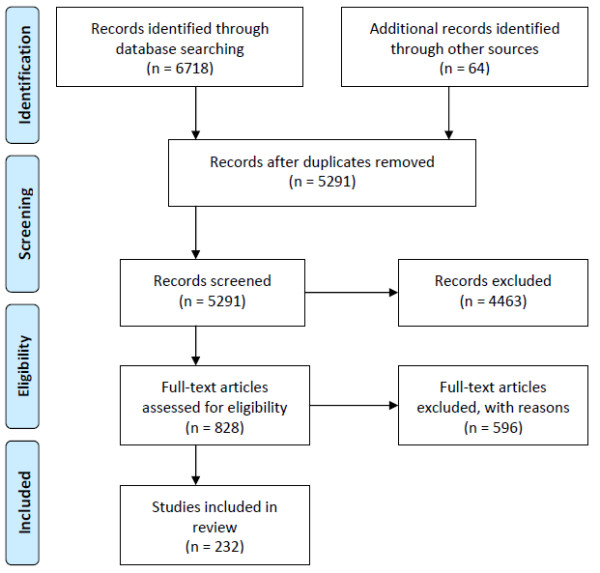
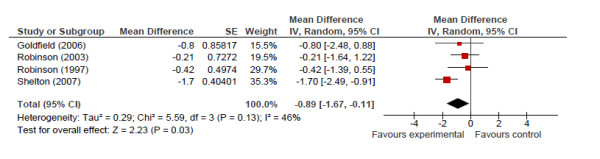
Accumulating evidence suggests that, independent of physical activity levels, sedentary behaviours are associated with increased risk of cardio-metabolic disease, all-cause mortality, and a variety of physiological and psychological problems. Therefore, the purpose of this systematic review is to determine the relationship between sedentary behaviour and health indicators in school-aged children and youth aged 5-17 years. Online databases (MEDLINE, EMBASE and PsycINFO), personal libraries and government documents were searched for relevant studies examining time spent engaging in sedentary behaviours and six specific health indicators (body composition, fitness, metabolic syndrome and cardiovascular disease, self-esteem, pro-social behaviour and academic achievement). 232 studies including 983,840 participants met inclusion criteria and were included in the review. Television (TV) watching was the most common measure of sedentary behaviour and body composition was the most common outcome measure. Qualitative analysis of all studies revealed a dose-response relation between increased sedentary behaviour and unfavourable health outcomes. Watching TV for more than 2 hours per day was associated with unfavourable body composition, decreased fitness, lowered scores for self-esteem and pro-social behaviour and decreased academic achievement. Meta-analysis was completed for randomized controlled studies that aimed to reduce sedentary time and reported change in body mass index (BMI) as their primary outcome. In this regard, a meta-analysis revealed an overall significant effect of -0.81 (95% CI of -1.44 to -0.17, p = 0.01) indicating an overall decrease in mean BMI associated with the interventions. There is a large body of evidence from all study designs which suggests that decreasing any type of sedentary time is associated with lower health risk in youth aged 5-17 years. In particular, the evidence suggests that daily TV viewing in excess of 2 hours is associated with reduced physical and psychosocial health, and that lowering sedentary time leads to reductions in BMI.
Overview
The claims and statistics of this paper haven’t been checked yet.
Free: it reads the open-access text and checks the first 5 claims that cite a source we can check. Create a free account to check every claim.
Integrity signals
Registry
Cites
Statistics
Figures
Verification
Claims the paper makes
The claims and statistics of this paper haven’t been checked yet.
Free: it reads the open-access text and checks the first 5 claims that cite a source we can check. Create a free account to check every claim.
Claims other papers make about this one
Each is checked against this paper’s own text: does it say what the citing paper says it does?
The source backs part of the claim, not all of it — or backs it for a different population, condition or comparison.
In the citing paper
“More than 2 hours per day of television viewing has been associated with lower academic performance in children and adolescents.14”
From Association Between Screen Media Use and Academic Performance Among Children and Adolescents: A Systematic Review and Meta-analysis (2019) · cites this paper as [14]
Experimental — accuracy not yet measuredThe cited source says what the claim attributes to it.
In the citing paper
“Previous systematic reviews in children and adolescents have focused on the association of television viewing and video game playing with academic performance, showing a negative association. 14,15”
From Association Between Screen Media Use and Academic Performance Among Children and Adolescents: A Systematic Review and Meta-analysis (2019) · cites this paper as [14]
In the citing paper
“In view of emerging evidence that sedentary behaviour may have independent health effects in young people 79”
From The school environment and adolescent physical activity and sedentary behaviour: a mixed-studies systematic review (2016) · cites this paper as [79]
Self-check
Percentages, sums and reported differences re-computed from the paper’s own numbers.
The self-check needs the paper’s full text.
Citations
Cites
Meta-analysis in clinical trials
DerSimonian, R., & Laird, N. (1986) · Controlled Clinical Trials · doi:10.1016/0197-2456(86)90046-2 · Cited by 39,552 · cited 1×
“Pooled estimates for the meta-analysis and their 95% confidence intervals were obtained using the random effects estimator of DerSimonian-Laird [37].”
MethodQuantifying heterogeneity in a meta‐analysis
Higgins, J. P. T., & Thompson, S. G. (2002) · Statistics in Medicine · doi:10.1002/sim.1186 · Cited by 36,763 · cited 1×
“Cochrane’s Q was used to test for heterogeneity among studies and the I(2) (squared) index [10] was used to determine the degree of heterogeneity [38].”
MethodBundesgesundheitsblatt - Gesundheitsforschung - Gesundheitsschutz
(2013) · Bundesgesundheitsblatt - Gesundheitsforschung - Gesundheitsschutz · doi:10.1007/103.1437-1588 · Cited by 11,796
Downs, S. H., & Black, N. (1998) · Journal of Epidemiology and Community Health · doi:10.1136/jech.52.6.377 · Cited by 8,252
Physical Activity in the United States Measured by Accelerometer
TROIANO, R. P., BERRIGAN, D., DODD, K. W., MÂSSE, L. C., TILERT, T., & MCDOWELL, M. (2008) · Medicine & Science in Sports & Exercise · doi:10.1249/mss.0b013e31815a51b3 · Cited by 7,638 · cited 1×
“However, across all age groups, levels of physical activity remain low [7-12] and obesity rates continue to rise [10,11,13,14]; collectively threatening the persistent increase in life expectancy enjoyed over the past century and efforts to counteract the inactivity and obesity crisis [15].”
BackgroundPrevalence and Trends in Obesity Among US Adults, 1999-2008
Flegal, K. M. (2010) · JAMA · doi:10.1001/jama.2009.2014 · Cited by 7,580 · cited 1×
“However, across all age groups, levels of physical activity remain low [7-12] and obesity rates continue to rise [10,11,13,14]; collectively threatening the persistent increase in life expectancy enjoyed over the past century and efforts to counteract the inactivity and obesity crisis [15].”
BackgroundJanssen, I., & LeBlanc, A. G. (2010) · International Journal of Behavioral Nutrition and Physical Activity · doi:10.1186/1479-5868-7-40 · Cited by 4,829 · cited 1×
“Engaging in regular physical activity is widely accepted as an effective preventative measure for a variety of health risk factors across all age, gender, ethnic and socioeconomic subgroups [1-6].”
BackgroundSelf-citationAmount of Time Spent in Sedentary Behaviors in the United States, 2003-2004
Matthews, C. E., Chen, K. Y., Freedson, P. S., Buchowski, M. S., Beech, B. M., Pate, R. R., & Troiano, R. P. (2008) · American Journal of Epidemiology · doi:10.1093/aje/kwm390 · Cited by 2,631
A Potential Decline in Life Expectancy in the United States in the 21st Century
Olshansky, S. J., Passaro, D. J., Hershow, R. C., Layden, J., Carnes, B. A., Brody, J., Hayflick, L., Butler, R. N., Allison, D. B., & Ludwig, D. S. (2005) · New England Journal of Medicine · doi:10.1056/nejmsr043743 · Cited by 2,612
A Potential Decline in Life Expectancy in the United States in the 21st Century
Olshansky, S. J., Passaro, D. J., Hershow, R. C., Layden, J., Carnes, B. A., Brody, J., Hayflick, L., Butler, R. N., Allison, D. B., & Ludwig, D. S. (2005) · Obstetrical & Gynecological Survey · doi:10.1097/01.ogx.0000167407.83915.e7 · Cited by 1,944
Research works printed but not linked: 5
- World Health Organization Global recommendations on physical activity for health 2010 Geneva, Switzerland; World Health Organization 26180873
- Bull FC Expert Working Groups Physical activity guidelines in the U.K.: Review and recommendations 2010 Leicestershire, UK: School of Sport, Exercise, and Health Sciences. Loughborough University
- Kirk SFL Penney TL Langille JJ The relationship between screen time, physical activity, dietary intake and healthy weights in children and youth: literature review and recommendations for intervention 2009 Halifax: Halifax Regional Physical Activity and the IWK Health Centre. Nova Scotia Department of Health Promotion and Protection
- LeBlanc AG Saunders TJ Larouche R Colley RC Goldfield G Tremblay MS Relation between sedentary behaviours and health outcomes in children and youth Joint Meeting of the North American Society for Pediatric Exercise Medicine and the European Group for Pediatric Work Physiology Annual General Meeting 2010 Sep 22-26, 2010; Niagara-on-the-Lake, ON. (abstract)
- Dasgupta K Sex differences in the development of higher systolic blood pressure during adolescence Cardiology Review 2008 25 5 54 7
Cited by
Items 501–600 of 1,002
Seasonal and daily variation in physical activity among three-year-old Finnish preschool children
Soini, A., Tammelin, T., Sääkslahti, A., Watt, A. P., Villberg, J. J., Kettunen, T., Mehtälä, A., & Poskiparta, M. (2013) · Early Child Development and Care · doi:10.1080/03004430.2013.804070 · Cited by 63
“In light of this trend, the enhancement of PA and reduction in sedentary behaviour in children are genuinely important from a public health perspective (Tremblay et al., 2011).”
BackgroundBMI and Healthcare Cost Impact of Eliminating Tax Subsidy for Advertising Unhealthy Food to Youth
Sonneville, K. R., Long, M. W., Ward, Z. J., Resch, S., Wang, Y. C., Pomeranz, J. L., Moodie, M., Carter, R., Sacks, G., Swinburn, B. A., et al. (2015) · American Journal of Preventive Medicine · doi:10.1016/j.amepre.2015.02.026 · Cited by 39
Wennberg, P., Gustafsson, P. E., Howard, B., Wennberg, M., & Hammarström, A. (2014) · Journal of Epidemiology and Community Health · doi:10.1136/jech-2013-203504 · Cited by 37
KWAN, M. Y. W., King‐Dowling, S., Hay, J., Faught, B. E., & Cairney, J. (2016) · Human Movement Science · doi:10.1016/j.humov.2016.03.004 · Cited by 47
Vancampfort, D., Probst, M., Daenen, A., Damme, T. V., Binder, M. D., Rosenbaum, S., & Bruyninckx, D. (2016) · Psychiatry Research · doi:10.1016/j.psychres.2016.05.042 · Cited by 39
Ee, J., Parry, S. P., de Oliveira, B., McVeigh, J. A., Howie, E. K., & Straker, L. M. (2018) · International Journal of Environmental Research and Public Health · doi:10.3390/ijerph15081668 · Cited by 43
“dose-response manner as sedentary levels rise [5,11,12].”
BackgroundInfluentialSigmundová, D., Sigmund, E., Vokáčová, J., & Kopčáková, J. (2014) · International Journal of Environmental Research and Public Health · doi:10.3390/ijerph110707163 · Cited by 46
“Daily screen time greater than or equal to 2 h per day was considered excessive in accordance with evidence-based sedentary behaviour recommendations for children [5,41] and adults [42].”
MethodPierre, N., Appriou, Z., Gratas‐Delamarche, A., & Derbré, F. (2015) · Free Radical Biology and Medicine · doi:10.1016/j.freeradbiomed.2015.12.028 · Cited by 51
“Physical inactivity: definition, causes and consequences Physical inactivity is basically defined as a lack of physical activity [10].”
Jahangiry, L., Aune, D., & Farhangi, M. A. (2022) · Nutrition, Metabolism and Cardiovascular Diseases · doi:10.1016/j.numecd.2022.08.004 · Cited by 36
Abdelkarim, O., Ammar, A., Soliman, A. M. A., & Hökelmann, A. (2017) · Egyptian Pediatric Association Gazette · doi:10.1016/j.epag.2017.02.001 · Cited by 43
Kariippanon, K. E., Cliff, D. P., Ellis, Y., Ucci, M., Okely, A. D., & Parrish, A. (2020) · Journal of School Health · doi:10.1111/josh.12984 · Cited by 67
Al-Haifi, A. A., Al-Majed, H. T., Al-Hazzaa, H. M., Musaiger, A. O., Arab, M. A., & Hasan, R. A. (2015) · Global Journal of Health Science · doi:10.5539/gjhs.v8n1p107 · Cited by 42
“The percentage of adolescents who met daily physical activity recommendations (Tremblay et al., 2011) was calculated, using cut-off scores equivalent to one hour per day of moderate-intensity (4 METs) physical activity.”
MethodEffect of television viewing on food and nutrient intake among adolescents
Ramos, E., Costa, A., Araújo, J., Severo, M., & Lopes, C. M. M. (2013) · Nutrition · doi:10.1016/j.nut.2013.05.007 · Cited by 43
Cameron, J. D., Maras, D., Sigal, R. J., Kenny, G. P., Borghese, M. M., Chaput, J., Alberga, A. S., & Goldfield, G. S. (2016) · Appetite · doi:10.1016/j.appet.2016.08.101 · Cited by 49
“Given that sedentary behaviourdparticularly watching TVdis associated with an increased risk of obesity and cardiometabolic complications in youth (Tremblay et al. 2011), and the fact that sedentary behaviour tracks from childhood through adolescence (Francis et al.”
BackgroundSelf-citationArnaoutis, G., Georgoulis, M., Psarra, G., Milkonidou, A., Panagiotakos, D. B., Kyriakou, D., Bellou, E., Tambalis, K. D., & Sidossis, L. S. (2018) · Frontiers in Nutrition · doi:10.3389/fnut.2018.00010 · Cited by 45
Ngantcha, M. E., Janssen, É., Godeau, E., Ehlinger, V., Nézet, O. L., Beck, F., & Spilka, S. (2018) · Journal of Physical Activity and Health · doi:10.1123/jpah.2017-0272 · Cited by 51
Staiano, A. E., Webster, E. K., Allen, A. T., Jarrell, A. R., & Martin, C. K. (2018) · Childhood Obesity · doi:10.1089/chi.2018.0078 · Cited by 47
Russo, R. G., Northridge, M. E., Wu, B., & Yi, S. S. (2020) · Journal of Racial and Ethnic Health Disparities · doi:10.1007/s40615-020-00733-7 · Cited by 42
Gába, A., Dygrýn, J., Štefelová, N., Rubín, L., Hron, K., & Jakubec, L. (2021) · Environmental Health and Preventive Medicine · doi:10.1186/s12199-021-00932-6 · Cited by 40
Aumento de horas de pantalla se asocia con un bajo rendimiento escolar
Zapata‐Lamana, R., Ibarra-Mora, J., Henríquez‐Beltrán, M., Sepúlveda-Martin, S., Martínez-González, L., & Cigarroa, I. (2021) · Andes pediatrica · doi:10.32641/andespediatr.v92i4.3317 · Cited by 69
Han, G., Zhang, J., Ma, S., Lu, R., Duan, J., Song, Y., & Lau, W. C. (2021) · Journal of Physical Activity and Health · doi:10.1123/jpah.2020-0512 · Cited by 46
Taylor, R. W., Haszard, J. J., Healey, D. M., Meredith-Jones, K. A., Taylor, B. J., & Galland, B. C. (2021) · International Journal of Behavioral Nutrition and Physical Activity · doi:10.1186/s12966-021-01185-w · Cited by 43
Yousef, S., Eapen, V., Zoubeidi, T., & Mabrouk, A. (2014) · International Journal of Psychiatry in Clinical Practice · doi:10.3109/13651501.2013.874442 · Cited by 36
“…phones, and computers are associated with undesirable behaviors (Proper et al. 2011; Ö zmert et al. 2002), such as impaired fi tness (Tremblay et al. 2011), increased body fatness (Marshall et al. 2004), attention defi cit (Swing et al. 2010), and poorer academic achievement (Tremblay et al. 2011).”
BackgroundInfluentialIn-school versus out-of-school sedentary behavior patterns in U.S. children
Courtney, J. B., Chard, C. A., Hilzendegen, C., Hill, J. O., & Stroebele‐Benschop, N. (2016) · BMC Obesity · doi:10.1186/s40608-016-0115-3 · Cited by 42
Prince, S. A., Dempsey, P. C., Reed, J. L., Rubín, L., Saunders, T. J., Ta, J., Tomkinson, G. R., Merucci, K., & Lang, J. J. (2024) · Sports Medicine · doi:10.1007/s40279-023-01986-y · Cited by 47
“Evidence from quasi-experimental studies and cohort studies also suggests mixed associations between SB and CRF. Previous systematic review evidence for youth was largely based on cross-sectional studies and suggested that SB is negatively associated with CRF [44, 106].”
Self-citationBrug, J., & Chinapaw, M. J. M. (2015) · International Journal of Behavioral Nutrition and Physical Activity · doi:10.1186/s12966-015-0293-2 · Cited by 43
“However, the evidence that too much sitting is detrimental to health in youth is less convincing and inconsistent [3, 4].”
BackgroundHornby‐Turner, Y. C., Hampshire, K., & Pollard, T. M. (2014) · International Journal of Behavioral Nutrition and Physical Activity · doi:10.1186/1479-5868-11-74 · Cited by 38
“Screen-time is the most commonly researched sedentary behaviour and it appears to be more strongly associated with risk of obesity and cardiometabolic disease than is objectively assessed sedentary time [17].”
BackgroundLee, C., Lin, W., Tsai, S., Hung, Y.-C., Wu, P., Yang, Y.-C., Chan, T., Huang, H., Weng, Y.-L., Chiu, Y., et al. (2016) · Nutrients · doi:10.3390/nu8090567 · Cited by 40
“A recent study suggested that, independent of PA levels, screen-based sedentary behavior is an emerging risk factor for adiposity and cardiometabolic diseases among children and youth [40].”
BackgroundSaunders, T. J., MacDonald, D. J., Copeland, J. L., Longmuir, P. E., Barnes, J. D., Belanger, K., Bruner, B., Gregg, M. J., Hall, N., Kolen, A. M., et al. (2018) · BMC Public Health · doi:10.1186/s12889-018-5892-9 · Cited by 47
Self-citationHealy, S., & Garcia, J. M. (2018) · Journal of Developmental and Physical Disabilities · doi:10.1007/s10882-018-9642-9 · Cited by 39
Leis, R., Jurado‐Castro, J. M., Llorente‐Cantarero, F. J., Anguita‐Ruiz, A., Rupérez, A. I., Bedoya-Carpente, J. J., Vázquez‐Cobela, R., Aguilera, C. M., Bueno, G., & Gil‐Campos, M. (2020) · Nutrients · doi:10.3390/nu12051288 · Cited by 47
“Sedentary behavior was independently and positively associated with a worse state of health [39,40].”
BackgroundA Conceptual Framework for Modelling Safe Walking and Cycling Routes to High Schools
Rahman, M. L., Moore, A., Smith, M., Lieswyn, J., & Mandic, S. (2020) · International Journal of Environmental Research and Public Health · doi:10.3390/ijerph17093318 · Cited by 48
“Physical inactivity and sedentary lifestyles among adolescents represent global public health problems [1], with 80% of adolescents (13–18 years old) worldwide not meeting the minimum physical activity guidelines of at least 60 min of moderate-to-vigorous physical activity per day [2,3].”
BackgroundWunsch, K., Eckert, T., Fiedler, J., Cleven, L., Niermann, C. Y. N., Reiterer, H., Renner, B., & Wöll, A. (2020) · JMIR Research Protocols · doi:10.2196/20534 · Cited by 40
“These behaviors increase the risk of health conditions across all ages [1-4].”
Andriyani, F. D., Biddle, S., & Cocker, K. A. D. (2021) · BMC Public Health · doi:10.1186/s12889-021-11931-1 · Cited by 49
Ehrlich, S. F., Rosas, L. G., Ferrara, A. M., King, J. C., Abrams, B. F., Harley, K. G., Hedderson, M. M., & Eskenazi, B. (2013) · American Journal of Epidemiology · doi:10.1093/aje/kws312 · Cited by 38
“Lifestyle characteristics are shared among family members, so sensitivity analyses with additional adjustment for the children’s consumption of sugar-sweetened beverages (22) and/or television watching (23) were conducted; these variables served as proxies for the corresponding behavior during pregnancy, which were th…”
MethodAtkin, A. J., Corder, K. L., Goodyer, I. M., Bamber, D. J., Ekelund, U., Brage, S., Dunn, V. J., & van Sluijs, E. M. F. (2015) · International Journal of Behavioral Nutrition and Physical Activity · doi:10.1186/s12966-015-0180-x · Cited by 43
“A growing body of research indicates that sedentary behaviours, such as TV viewing or travelling by motorised transport, may be detrimental to physical and psychological health, independently of participation in physical activity [7].”
BackgroundThomas, E., Gentile, A., Lakicevic, N., Moro, T., Bellafiore, M., Paoli, A., Drid, P., Palma, A., & Bianco, A. (2021) · Aging Clinical and Experimental Research · doi:10.1007/s40520-021-01853-8 · Cited by 34
Indoor school environments, physical activity, sitting behaviour and pedagogy: a scoping review
Ucci, M., Law, S., Andrews, R., Fisher, A., Smith, L., Sawyer, A. D. M., & Marmot, A. (2015) · Building Research & Information · doi:10.1080/09613218.2015.1004275 · Cited by 41
“For example, research shows that daily viewing of television in excess of two hours is associated with reduced physical and psychosocial health (Tremblay et al., 2011).”
BackgroundDesign and baseline characteristics of the Short bouTs of Exercise for Preschoolers (STEP) study
Alhassan, S., Nwaokelemeh, O., Mendoza, A., Shitole, S. G., Whitt‐Glover, M. C., & Yancey, A. K. (2012) · BMC Public Health · doi:10.1186/1471-2458-12-582 · Cited by 42
“In addition, while little research on the effects of prolonged sitting has been conducted in this population, the effects are unlikely to be less adverse than in older groups [5].”
BackgroundLopes, A. S., da Silva, K. S., Filho, V. C. B., Bezerra, J., de Oliveira, E. S. A., & Nahas, M. V. (2014) · Journal of Public Health · doi:10.1093/pubmed/fdt133 · Cited by 37
Hildebrand, M., Kolle, E., Hansen, B. H., Collings, P. J., Wijndaele, K., Kordas, K., Cooper, A. R., Sherar, L. B., Andersen, L. B., Sardinha, L. B., et al. (2015) · American Journal of Clinical Nutrition · doi:10.3945/ajcn.114.103648 · Cited by 43
“Because of the high amount of time spent sedentary in youth (26, 27) and the potential independent harmful effects of excessive sedentary behavior on numerous health outcomes later in life (25, 28, 29), an understanding of potential correlates and determinants of this behavior is important to provide evidence for publ…”
BackgroundBürgi, R., Tomatis, L., Murer, K., & de Bruin, E. D. (2016) · BMC Public Health · doi:10.1186/s12889-016-2954-8 · Cited by 42
“There is growing evidence that SB can affect the health status in children and youth distinct and independent of PA levels [12].”
BackgroundAngoorani, P., Heshmat, R., Ejtahed, H., Motlagh, M. E., Ziaodini, H., Taheri, M., Aminaee, T., Shafiee, G., Godarzi, A., Qorbani, M., et al. (2017) · Jornal de Pediatria · doi:10.1016/j.jped.2017.06.024 · Cited by 37
“A idade média (desvio padrão) dos estudantes foi 12,3 (3,2) anos e a prevalência de baixa atividade física e alto tempo de tela foi 58,2% e 17,7%, respectivamente.”
BackgroundJalambo, M. O., Karim, N. A., Naser, I. A., & Sharif, R. (2018) · Public Health Nutrition · doi:10.1017/s1368980018001568 · Cited by 48
“The total time spent watching television and using the Internet was a factor related to increased sedentary behaviours and consequently decreased physical activity((44)).”
BackgroundWhat Works in Sedentary Behavior Interventions for Youth: A Review of Reviews
dos Santos, P. C., Filho, V. C. B., da Silva, J. A., Bandeira, A. D. S., Minatto, G., & da Silva, K. S. (2018) · Adolescent Research Review · doi:10.1007/s40894-018-0105-4 · Cited by 37
“Thus, reducing sedentary behavior in youth (Tremblay et al. 2011) is one of the relevant aims for public health policies Electronic supplementary material The online version of this article (https ://doi.”
BackgroundArundell, L., Salmon, J., Veitch, J., & Timperio, A. F. (2019) · International Journal of Environmental Research and Public Health · doi:10.3390/ijerph16020277 · Cited by 42
“Sedentary behaviours are associated with negative health outcomes among children and youth [7].”
BackgroundMarques, A., Bordado, J., Tesler, R., Demetriou, Y., Sturm, D. J., & de Matos, M. G. (2020) · American Journal of Human Biology · doi:10.1002/ajhb.23419 · Cited by 42
“Evidence suggests that excessive time spent watching television or other screen devices is associated with reduced physical and psychosocial health (Liu, Wu, & Yao, 2016; Marques, Calmeiro, Loureiro, Frasquilho, & de Matos, 2015; Tremblay et al., 2011).”
BackgroundYang, X., Lee, J., Gu, X., Zhang, X., & Zhang, T. (2020) · Children · doi:10.3390/children7080095 · Cited by 47
Somarriba, G. A., Lopez‐Mitnik, G., Ludwig, D. A., Neri, D. A., Schaefer, N., Lipshultz, S. E., Scott, G. B., & Miller, T. L. (2012) · AIDS Research and Human Retroviruses · doi:10.1089/aid.2012.0047 · Cited by 38
Latimer‐Cheung, A. E., Copeland, J. L., Fowles, J. R., Zehr, L., Duggan, M., & Tremblay, M. S. (2016) · Applied Physiology, Nutrition, and Metabolism · doi:10.1139/apnm-2016-0086 · Cited by 43
Self-citationCalahorro-Cañada, F., Torres‐Luque, G., López‐Fernández, I., & Carnero, E. Á. (2016) · Scandinavian Journal of Medicine and Science in Sports · doi:10.1111/sms.12740 · Cited by 54
Lopes, V. P., Barnett, L. M., & Rodrigues, L. P. (2016) · Journal of Motor Learning and Development · doi:10.1123/jmld.2015-0012 · Cited by 45
“For instance, watching TV for more than 2 hr per day was associated with unfavorable body composition, decreased fitness, lowered scores for self-esteem and prosocial behavior, and decreased academic achievement in school-age children and youths (ages 5–17 years; Tremblay et al., 2011).”
BackgroundWick, K., Faude, O., Manes, S., Zahner, L., & Donath, L. (2018) · International Journal of Environmental Research and Public Health · doi:10.3390/ijerph15020356 · Cited by 42
“In children, adverse associations between sedentary behavior (sitting) and cardio-metabolic health risk markers (obesity, blood pressure, cholesterol, insulin), fitness, cognitive development and academic achievement have been reported [11,12].”
BackgroundAl‐Thani, M., Al-Thani, A.-A., Alyafei, S. A., Al‐Kuwari, M. G., Al-Chetachi, W., Khalifa, S., Ibrahim, I. A. E., Sayegh, S., Vinodson, B., & Akram, H. (2018) · Public Health · doi:10.1016/j.puhe.2018.03.019 · Cited by 36
Sedentary Lifestyle: Health Implications
Journals, I., Inyang, M. P., & Okey-Orji, S. (2015) · Figshare · doi:10.6084/m9.figshare.1344674 · Cited by 33
“This includes; Car time, Chair/Sitting time, Indoor time and Screen time [11,12]”
BackgroundBabaeer, L., Stylianou, M., LEVERITT, M. D., & Gomersall, S. R. (2021) · Journal of American College Health · doi:10.1080/07448481.2020.1846047 · Cited by 61
Grao‐Cruces, A., Nuviala, A. N., Martínez, A. F., & López, E. J. M. (2015) · PubMed · doi:10.3305/nh.2015.31.4.8256 · Cited by 33
Rutten, C., Boen, F., & Seghers, J. (2014) · Journal of Physical Activity and Health · doi:10.1123/jpah.2012-0465 · Cited by 41
Jarvis, J. W., Harrington, D. W., & Manson, H. E. (2017) · International Journal of Behavioral Nutrition and Physical Activity · doi:10.1186/s12966-017-0508-9 · Cited by 48
“screen time [11, 12], all contribute to desirable health outcomes by protecting children against the development of chronic diseases.”
BackgroundKleppang, A. L., Thurston, M., Hartz, I., & Hagquist, C. (2019) · Scandinavian Journal of Public Health · doi:10.1177/1403494817716374 · Cited by 33
Prospective associations between toddler televiewing and subsequent lifestyle habits in adolescence
Simonato, I., Janosz, M., Archambault, I., & Pagani, L. S. (2018) · Preventive Medicine · doi:10.1016/j.ypmed.2018.02.008 · Cited by 45
“, 2012), with several prospective exceptions (Fitzpatrick et al., 2012; Pagani et al., 2010a; Tremblay et al., 2011; Viner and Cole, 2005).”
BackgroundInfluentialJaakkola, T. T., Hakonen, H., Kankaanpää, A., Joensuu, L., Kulmala, J., Kallio, J., Watt, A. P., & Tammelin, T. (2018) · Journal of science and medicine in sport · doi:10.1016/j.jsams.2018.07.012 · Cited by 39
Rollo, S., Crutchlow, L., Nagpal, T. S., Sui, W., & Prapavessis, H. (2018) · Learning Environments Research · doi:10.1007/s10984-018-9271-3 · Cited by 52
Association of sports and physical activity with obesity among teenagers in Poland
Glinkowska, B., & Glinkowski, W. (2018) · International Journal of Occupational Medicine and Environmental Health · doi:10.13075/ijomeh.1896.01170 · Cited by 41
Mazzoli, E., Teo, W., Salmon, J., Pesce, C., He, J. L., Ben‐Soussan, T. D., & Barnett, L. M. (2019) · International Journal of Environmental Research and Public Health · doi:10.3390/ijerph16091482 · Cited by 43
“Emerging evidence suggests that children with higher screen time have poorer cardio-metabolic health outcomes [7,14,15].”
BackgroundHanson, S. K., Munthali, R. J., Micklesfield, L. K., Lobelo, F., Cunningham, S. A., Hartman, T. J., Norris, S. A., & Stein, A. D. (2019) · BMC Pediatrics · doi:10.1186/s12887-019-1619-z · Cited by 42
Félez-Nóbrega, M., Raine, L. B., Haro, J. M., Wijndaele, K., & Koyanagi, A. (2020) · International Journal of Behavioral Nutrition and Physical Activity · doi:10.1186/s12966-020-01010-w · Cited by 40
Julian, V., Haschke, F., Fearnbach, N., Gomahr, J., Pixner, T., Furthner, D., Weghuber, D., & Thivel, D. (2022) · Current Obesity Reports · doi:10.1007/s13679-021-00467-5 · Cited by 41
Moore, J. B., Beets, M. W., Barr‐Anderson, D. J., & Evenson, K. R. (2013) · Journal of Sports Sciences · doi:10.1080/02640414.2013.793378 · Cited by 40
“However, understanding how this inverse relationship may or may not persist when examining the entire spectrum of sedentary behaviours (any activity less than 1.5 metabolic equivalent (METs)) is yet to be explored (Tremblay et al., 2011).”
BackgroundInfluentialYang‐Huang, J., van Grieken, A., Moll, H. A., Jaddoe, V. W. V., Wijtzes, A. I., & Raat, H. (2017) · PLoS ONE · doi:10.1371/journal.pone.0188363 · Cited by 35
“As a key children’s sedentary leisure time pursuit, parent-reported screen time behavior has been linked with adverse health outcomes in childhood including obesity [3], cardiovascular diseases and increased metabolic risk [4, 5].”
BackgroundCorrelates of weight status among Norwegian 11-year-olds: The HEIA study
Grydeland, M., Bergh, I. H., Bjelland, M., Lien, N., Andersen, L. F., Ommundsen, Y., Klepp, K., & Anderssen, S. A. (2012) · BMC Public Health · doi:10.1186/1471-2458-12-1053 · Cited by 46
“(2011) found a dose–response relationship between increased sedentary behavior and unfavorable health outcomes in a large systematic review of sedentary behavior on health indicators based on 232 studies of school-aged children and youth [47].”
BackgroundBarnes, J. D., Colley, R. C., & Tremblay, M. S. (2012) · Applied Physiology, Nutrition, and Metabolism · doi:10.1139/h2012-033 · Cited by 33
“%) of Canadian children and youth meet the Canadian Physical Activity Guidelines (Colley et al. 2011b), which recommend at least 60 min of moderate- to vigorousintensity physical activity (MVPA) on a daily basis (Canadian Society for Exercise Physiology 2011b, 2011c; Tremblay et al. 2011b).”
InfluentialSelf-citationYamada, M., Sekine, M., & Tatsuse, T. (2018) · Journal of Epidemiology · doi:10.2188/jea.je20170100 · Cited by 32
Mazzoli, E., Koorts, H., Salmon, J., Pesce, C., May, T., Teo, W., & Barnett, L. M. (2019) · Journal of sport and health science/Journal of Sport and Health Science · doi:10.1016/j.jshs.2019.01.002 · Cited by 40
Flexible learning spaces reduce sedentary time in adolescents
Kariippanon, K. E., Cliff, D. P., Okely, A. D., & Parrish, A. (2019) · Journal of science and medicine in sport · doi:10.1016/j.jsams.2019.02.007 · Cited by 37
Parajára, M. D. C., de Castro, B. M., Coelho, D. B., & Meireles, A. L. (2019) · International Journal of Environmental Health Research · doi:10.1080/09603123.2019.1597833 · Cited by 37
“A systematic review (Tremblay et al. 2011b) of 232 studies and a total of 983,840 participants showed that body composition, cardio-metabolic diseases, metabolic syndrome, all-cause mortality, decreased fitness, low self-esteem, pro-social behavior, and low academic achievement were associated with higher levels of SB…”
BackgroundInfluentialYoon, J., & Lee, C. (2019) · Landscape and Urban Planning · doi:10.1016/j.landurbplan.2019.01.010 · Cited by 36
Walsh, J. J., Bonafiglia, J. T., Goldfield, G. S., Sigal, R. J., Kenny, G. P., Doucette, S. P., Hadjiyannakis, S., Alberga, A. S., Prud’homme, D., & Gurd, B. J. (2019) · Applied Physiology, Nutrition, and Metabolism · doi:10.1139/apnm-2019-0088 · Cited by 41
Self-citationLee, P. H. (2014) · PLoS ONE · doi:10.1371/journal.pone.0110732 · Cited by 39
“89 kg/m decrease in BMI [28].”
Morgan, K., Hallingberg, B., Littlecott, H., Murphy, S., Fletcher, A., Roberts, C., & Moore, G. F. (2016) · BMC Public Health · doi:10.1186/s12889-016-3213-8 · Cited by 34
Miguel‐Berges, M. L., Santaliestra-Pasías, A. M., Mouratidou, T., Miguel‐Etayo, P. D., Androutsos, O., Craemer, M. D., Galcheva, S., Koletzko, B. V., Kułaga, Z., Μanios, Y., et al. (2019) · Nutrients · doi:10.3390/nu11051048 · Cited by 36
Saidj, M., Jørgensen, T., Jacobsen, R. K., Linneberg, A. R., & Aadahl, M. (2014) · Scandinavian Journal of Work Environment & Health · doi:10.5271/sjweh.3443 · Cited by 34
“Adverse associations of sedentary behaviors have been identified with cardiorespiratory and muscular fitness among children and young adults (11, 12), and with muscular fitness among the elderly (13).”
BackgroundInfluentialParrish, A., Okely, A. D., Batterham, M. J., Cliff, D. P., & Magee, C. (2015) · Journal of science and medicine in sport · doi:10.1016/j.jsams.2015.04.017 · Cited by 37
Patterns of movement behaviors and their association with overweight and obesity in youth
Carson, V., Faulkner, G., Sabiston, C. M., Tremblay, M. S., & Leatherdale, S. T. (2015) · International Journal of Public Health · doi:10.1007/s00038-015-0685-8 · Cited by 42
“Conversely, excessive sedentary behavior, in particular screen-based sedentary behavior (e.g., television viewing and computer use), has unfavorable effects on adiposity (Tremblay et al. 2011).”
BackgroundSelf-citationSleep duration and risk of obesity among a sample of Victorian school children
Morrissey, B., Malakellis, M., Whelan, J., Millar, L., Swinburn, B. A., Allender, S. E., & Strugnell, C. (2016) · BMC Public Health · doi:10.1186/s12889-016-2913-4 · Cited by 42
McVeigh, J. A., Zhu, K., Mountain, J., Pennell, C. E., Lye, S. J., Walsh, J. P., & Straker, L. M. (2016) · Journal of Bone and Mineral Research · doi:10.1002/jbmr.2890 · Cited by 34
“Several studies have synthesized the evidence for the negative association between TV watching and various cardiometabolic health outcomes at specific life-course epochs, including early childhood((6)) and adolescence((7)); young adulthood;((8)) and during later adult years.”
BackgroundFactors Associated with Screen Time in Iranian Children and Adolescents: The CASPIAN-IV Study
Mozafarian, N., Motlagh, M. E., Heshmat, R., Karimi, S., Mansourian, M., Mohebpour, F., Qorbani, M., & Kelishadi, R. (2017) · International Journal of Preventive Medicine · doi:10.4103/ijpvm.ijpvm_36_17 · Cited by 33
Wyszyńska, J., Podgórska‐Bednarz, J., Dereń, K., & Mazur, A. (2017) · BioMed Research International · doi:10.1155/2017/1940602 · Cited by 33
“Research results showed that TVviewing and screen timewere associatedwith unfavorable body composition, decreased fitness, lowered scores for self-esteem, and prosocial behavior [7] as well as higher systolic BP and diastolic BP in children and adolescents [8, 9].”
Tanskey, L. A., Goldberg, J. P., Chui, K. K. H., Must, A., & Sacheck, J. M. (2019) · Childhood Obesity · doi:10.1089/chi.2017.0228 · Cited by 37
“Excess sedentary time is a concern because it increases children’s risks for obesity, chronic disease, and poor self-esteem and academic achievement.(32,33) Larger within-subjects studies of seasonal differences are needed to identify school year and summer differences in diet and PA and clarify their role in accelera…”
BackgroundKidokoro, T., Shimizu, Y., Edamoto, K., & Annear, M. J. (2019) · International Journal of Environmental Research and Public Health · doi:10.3390/ijerph16111892 · Cited by 39
“In addition, it has been reported that high levels of SB are associated with lower self-esteem and academic achievements in children [4,5].”
BackgroundPhysical activity and sedentary behaviour in children with spina bifida
Claridge, E. A., Bloemen, M. A. T., Rook, R. A., Obeid, J., Timmons, B. W., Takken, T., van den Berg-Emons, R. J. G., de Groot, J. F., & Gorter, J. W. (2019) · Developmental Medicine & Child Neurology · doi:10.1111/dmcn.14333 · Cited by 33
Schaan, C. W., Cureau, F. V., Salvo, D., Kohl, H. W., & Schaan, B. D. (2019) · International Journal of Behavioral Nutrition and Physical Activity · doi:10.1186/s12966-019-0880-8 · Cited by 37
Relationship between Smoking, Physical Activity, Screen Time, and Quality of Life among Adolescents
Dong, X., Ding, M., Chen, W., Liu, Z., & Yi, X. (2020) · International Journal of Environmental Research and Public Health · doi:10.3390/ijerph17218043 · Cited by 35
“Previous researches illustrated that low PA levels in children and adolescents is associated with unhealthy states such as obesity, cardiometabolic health risks and mental health problems [20,21].”
Backgroundde Menezes-Junior, F. J., de Jesus, Í. C., Brand, C., Mota, J. A. P. S., & Leite, N. (2021) · Pediatric Exercise Science · doi:10.1123/pes.2020-0207 · Cited by 36
Pfefferbaum, B. J., & Horn, R. L. V. (2022) · Current Psychiatry Reports · doi:10.1007/s11920-022-01366-9 · Cited by 44
Race/Ethnicity, Obesity, and Related Cardio-Metabolic Risk Factors: A Life-Course Perspective
Wahi, G., & Anand, S. S. (2013) · Current Cardiovascular Risk Reports · doi:10.1007/s12170-013-0329-6 · Cited by 31
Sudholz, B., Timperio, A. F., Ridgers, N. D., Dunstan, D. W., Baldock, R., Holland, B. V., & Salmon, J. (2016) · AIMS Public Health · doi:10.3934/publichealth.2016.2.274 · Cited by 39
“screen time) among children and adolescents have been found to track into adulthood [7] and are associated with reduced physical and psychosocial health [4, 8, 9].”
BackgroundPhysical Activity in Individuals with Autism Spectrum Disorders (ASD): A Review
Benson, S. M. S., Wright, K. T., Robertson‐Wilson, J., Fletcher, P. C., & Bryden, P. J. (2017) · InTech eBooks · doi:10.5772/66680 · Cited by 38
Impact on adolescent mental health of replacing screen-use with exercise: A prospective cohort study
Kandola, A., del Pozo Cruz, B., Hayes, J. F., Owen, N., Dunstan, D. W., & Hallgren, M. (2022) · Journal of Affective Disorders · doi:10.1016/j.jad.2021.12.064 · Cited by 30
“While general screen time may provide a proxy indicator of overall sedentary behaviour in young people (11), different screen-based devices can provide distinct experiences with the potential to influence the brain and mental health.”
BackgroundAbuMweis, S. S., Tayyem, R., Bawadi, H. A., Musaiger, A. O., & Al-Hazzaa, H. M. (2014) · Mediterranean Journal of Nutrition and Metabolism · doi:10.3233/mnm-140007 · Cited by 33
“This is an alarming as watching television for more than 2 hours per day has been linked with unfavorable body composition, decreased fitness, lowered scores for self-esteem and pro-social behavior and decreased academic achievement [25].”
Background
Metadata
- Authors
- Tremblay, M. S., LeBlanc, A. G., Kho, M. E., Saunders, T. J., Larouche, R., Colley, R. C., Goldfield, G., & Gorber, S.
- Affiliations
- Children's Hospital of Eastern Ontario (CA)
- Johns Hopkins University (US)
- Public Health Agency of Canada (CA)
- Corresponding author
- Tremblay, Mark S
- ORCID
- Venue
- International Journal of Behavioral Nutrition and Physical Activity
- Published
- 2011
- Volume
- 8
- Issue
- 1
- Pages
- 98
- ISSN
- 1479-5868 (ISSN-L)
- PMC
- PMC3186735
- OpenAlex
- W2136823874
- Cited by
- 2,085
- References
- 276
- Citations by year
- 2026: 72 · 2025: 103 · 2024: 99 · 2023: 114 · 2022: 164 · 2021: 167 · 2020: 173 · 2019: 189 · 2018: 152 · 2017: 179 · 2016: 185 · 2015: 186 · 2014: 144 · 2013: 104 · 2012: 50
- FWCI
- 10.31
- Type
- journal article
- Language
- en
- Open access
- gold
- doi.org
- Licence
- cc-by
- Locations
- International Journal of Behavioral Nutrition and Physical Activity (publishedVersion, cc-by)
- Europe PMC (PubMed Central) (publishedVersion, cc-by)
- PubMed Central (publishedVersion, cc-by)
- PubMed (publishedVersion)
- uO Research (University of Ottawa) (submittedVersion, public-domain)
- DOAJ (DOAJ: Directory of Open Access Journals) (submittedVersion, cc-by-sa)
- Funders
- Public Health Agency of Canada
- Public Health Agency
- Canadian Institutes of Health Research
- Topics
- Health Sciences › Medicine › Public Health, Environmental and Occupational Health › Physical Activity and Health
- Health Sciences › Medicine › Public Health, Environmental and Occupational Health › Obesity, Physical Activity, Diet
- Health Sciences › Medicine › Public Health, Environmental and Occupational Health › School Health and Nursing Education
- Keywords
- sedentary behavior, television viewing, body composition, body mass index, physical fitness, metabolic syndrome, cardiovascular disease, self-esteem, prosocial behavior, academic performance, cardiometabolic risk
- MeSH terms
- Adolescent, Adolescent Behavior, Body Composition, Cardiovascular Diseases, Child, Child Behavior, Educational Status, Health Status, Health Status Indicators, Humans, Interpersonal Relations, Mortality, Obesity, Physical Fitness, Risk Factors, Self Concept, Television, Health Behavior, Body Mass Index, Metabolic Syndrome, Qualitative Research, Sedentary Behavior
About these checks
Registry, retraction, Cites and statistics results are computed, not judged, with one exception: a printed reference that no index lists is read once by a model before it counts as a citation error. Claims are extracted by a model and kept only when their quote appears verbatim in the text; each cited source is then checked, with a model’s help, for whether it says what the claim relies on. Those verdicts can be wrong — read the claim’s quote and the cited source before relying on one.
Statistics and arithmetic are recomputed, not judged.
Confidence bands are shown only for fields calibrated on our annotated test set. None is calibrated yet, so no band is shown.
What counts as a claim ›How we measure confidence ›How we check this ›
Are you an author, or do you see a problem with this page? Request a review
Data sources
Bibliographic data: Semantic Scholar, OpenAlex, Crossref.
Contains information from the Semantic Scholar Academic Graph Datasets, made available under the ODC Attribution License (ODC-BY 1.0).
Semantic Scholar’s data is described in: Kinney, R., et al. (2023). The Semantic Scholar Open Data Platform. arXiv:2301.10140.
