

Systematic review of sedentary behaviour and health indicators in school-aged children and youth.
Open accessThe DOI matches its Crossref record; 276 of the 276 references it cites were found in a registry or an index.
Abstract
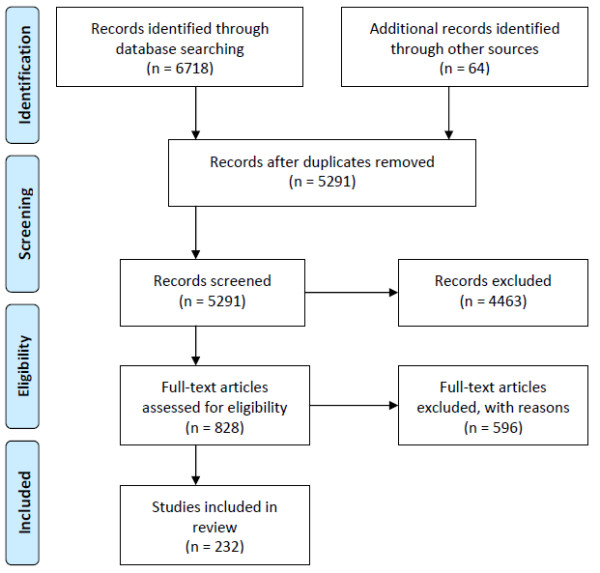
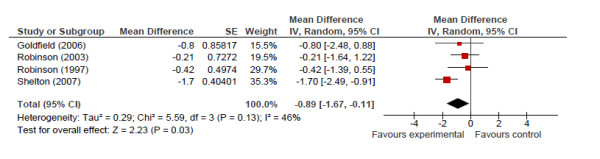
Accumulating evidence suggests that, independent of physical activity levels, sedentary behaviours are associated with increased risk of cardio-metabolic disease, all-cause mortality, and a variety of physiological and psychological problems. Therefore, the purpose of this systematic review is to determine the relationship between sedentary behaviour and health indicators in school-aged children and youth aged 5-17 years. Online databases (MEDLINE, EMBASE and PsycINFO), personal libraries and government documents were searched for relevant studies examining time spent engaging in sedentary behaviours and six specific health indicators (body composition, fitness, metabolic syndrome and cardiovascular disease, self-esteem, pro-social behaviour and academic achievement). 232 studies including 983,840 participants met inclusion criteria and were included in the review. Television (TV) watching was the most common measure of sedentary behaviour and body composition was the most common outcome measure. Qualitative analysis of all studies revealed a dose-response relation between increased sedentary behaviour and unfavourable health outcomes. Watching TV for more than 2 hours per day was associated with unfavourable body composition, decreased fitness, lowered scores for self-esteem and pro-social behaviour and decreased academic achievement. Meta-analysis was completed for randomized controlled studies that aimed to reduce sedentary time and reported change in body mass index (BMI) as their primary outcome. In this regard, a meta-analysis revealed an overall significant effect of -0.81 (95% CI of -1.44 to -0.17, p = 0.01) indicating an overall decrease in mean BMI associated with the interventions. There is a large body of evidence from all study designs which suggests that decreasing any type of sedentary time is associated with lower health risk in youth aged 5-17 years. In particular, the evidence suggests that daily TV viewing in excess of 2 hours is associated with reduced physical and psychosocial health, and that lowering sedentary time leads to reductions in BMI.
Overview
The claims and statistics of this paper haven’t been checked yet.
Free: it reads the open-access text and checks the first 5 claims that cite a source we can check. Create a free account to check every claim.
Integrity signals
Registry
Cites
Statistics
Figures
Verification
Claims the paper makes
The claims and statistics of this paper haven’t been checked yet.
Free: it reads the open-access text and checks the first 5 claims that cite a source we can check. Create a free account to check every claim.
Claims other papers make about this one
Each is checked against this paper’s own text: does it say what the citing paper says it does?
The source backs part of the claim, not all of it — or backs it for a different population, condition or comparison.
In the citing paper
“More than 2 hours per day of television viewing has been associated with lower academic performance in children and adolescents.14”
From Association Between Screen Media Use and Academic Performance Among Children and Adolescents: A Systematic Review and Meta-analysis (2019) · cites this paper as [14]
Experimental — accuracy not yet measuredThe cited source says what the claim attributes to it.
In the citing paper
“Previous systematic reviews in children and adolescents have focused on the association of television viewing and video game playing with academic performance, showing a negative association. 14,15”
From Association Between Screen Media Use and Academic Performance Among Children and Adolescents: A Systematic Review and Meta-analysis (2019) · cites this paper as [14]
In the citing paper
“In view of emerging evidence that sedentary behaviour may have independent health effects in young people 79”
From The school environment and adolescent physical activity and sedentary behaviour: a mixed-studies systematic review (2016) · cites this paper as [79]
Self-check
Percentages, sums and reported differences re-computed from the paper’s own numbers.
The self-check needs the paper’s full text.
Citations
Cites
Meta-analysis in clinical trials
DerSimonian, R., & Laird, N. (1986) · Controlled Clinical Trials · doi:10.1016/0197-2456(86)90046-2 · Cited by 39,552 · cited 1×
“Pooled estimates for the meta-analysis and their 95% confidence intervals were obtained using the random effects estimator of DerSimonian-Laird [37].”
MethodQuantifying heterogeneity in a meta‐analysis
Higgins, J. P. T., & Thompson, S. G. (2002) · Statistics in Medicine · doi:10.1002/sim.1186 · Cited by 36,763 · cited 1×
“Cochrane’s Q was used to test for heterogeneity among studies and the I(2) (squared) index [10] was used to determine the degree of heterogeneity [38].”
MethodBundesgesundheitsblatt - Gesundheitsforschung - Gesundheitsschutz
(2013) · Bundesgesundheitsblatt - Gesundheitsforschung - Gesundheitsschutz · doi:10.1007/103.1437-1588 · Cited by 11,796
Downs, S. H., & Black, N. (1998) · Journal of Epidemiology and Community Health · doi:10.1136/jech.52.6.377 · Cited by 8,252
Physical Activity in the United States Measured by Accelerometer
TROIANO, R. P., BERRIGAN, D., DODD, K. W., MÂSSE, L. C., TILERT, T., & MCDOWELL, M. (2008) · Medicine & Science in Sports & Exercise · doi:10.1249/mss.0b013e31815a51b3 · Cited by 7,638 · cited 1×
“However, across all age groups, levels of physical activity remain low [7-12] and obesity rates continue to rise [10,11,13,14]; collectively threatening the persistent increase in life expectancy enjoyed over the past century and efforts to counteract the inactivity and obesity crisis [15].”
BackgroundPrevalence and Trends in Obesity Among US Adults, 1999-2008
Flegal, K. M. (2010) · JAMA · doi:10.1001/jama.2009.2014 · Cited by 7,580 · cited 1×
“However, across all age groups, levels of physical activity remain low [7-12] and obesity rates continue to rise [10,11,13,14]; collectively threatening the persistent increase in life expectancy enjoyed over the past century and efforts to counteract the inactivity and obesity crisis [15].”
BackgroundJanssen, I., & LeBlanc, A. G. (2010) · International Journal of Behavioral Nutrition and Physical Activity · doi:10.1186/1479-5868-7-40 · Cited by 4,829 · cited 1×
“Engaging in regular physical activity is widely accepted as an effective preventative measure for a variety of health risk factors across all age, gender, ethnic and socioeconomic subgroups [1-6].”
BackgroundSelf-citationAmount of Time Spent in Sedentary Behaviors in the United States, 2003-2004
Matthews, C. E., Chen, K. Y., Freedson, P. S., Buchowski, M. S., Beech, B. M., Pate, R. R., & Troiano, R. P. (2008) · American Journal of Epidemiology · doi:10.1093/aje/kwm390 · Cited by 2,631
A Potential Decline in Life Expectancy in the United States in the 21st Century
Olshansky, S. J., Passaro, D. J., Hershow, R. C., Layden, J., Carnes, B. A., Brody, J., Hayflick, L., Butler, R. N., Allison, D. B., & Ludwig, D. S. (2005) · New England Journal of Medicine · doi:10.1056/nejmsr043743 · Cited by 2,612
A Potential Decline in Life Expectancy in the United States in the 21st Century
Olshansky, S. J., Passaro, D. J., Hershow, R. C., Layden, J., Carnes, B. A., Brody, J., Hayflick, L., Butler, R. N., Allison, D. B., & Ludwig, D. S. (2005) · Obstetrical & Gynecological Survey · doi:10.1097/01.ogx.0000167407.83915.e7 · Cited by 1,944
Reducing Children's Television Viewing to Prevent Obesity: A Randomized Controlled Trial
Robinson, T. N. (1999) · JAMA · doi:10.1001/jama.282.16.1561 · Cited by 1,838 · cited 3×
“Robinson TN [58] 1999 US 192 hour week TV, GAMES BC”
BackgroundSitting time and mortality from all causes, cardiovascular disease, and cancer
KATZMARZYK, P. T., CHURCH, T. S., CRAIG, C. L., & BOUCHARD, C. (2009) · Medicine & Science in Sports & Exercise · doi:10.1249/mss.0b013e3181930355 · Cited by 1,611 · cited 1×
“Accumulating evidence shows that, independent of physical activity levels, sedentary behaviours are associated with increased risk of cardio-metabolic disease, all-cause mortality, and a variety of physiological and psychological problems [29-31].”
BackgroundPhysiological and health implications of a sedentary lifestyle
Tremblay, M. S., Colley, R. C., Saunders, T. J., Healy, G. N., & Owen, N. (2010) · Applied Physiology, Nutrition, and Metabolism · doi:10.1139/h10-079 · Cited by 1,426 · cited 1×
“A recent scoping review identified review articles, meta-analyses, and grey literature that examined the relationship between sedentary behaviour and health [32].”
BackgroundSelf-citationAndersen, R. E., Crespo, C. J., Bartlett, S. J., Cheskin, L. J., & Pratt, M. (1998) · JAMA · doi:10.1001/jama.279.12.938 · Cited by 1,331 · cited 2×
“Of the 119 cross sectional studies, 94 reported that increased sedentary time was associated with one or more of increased fat mass, increased BMI, increased weight status and increased risk for being overweight [28,90-182].”
BackgroundDietz, W. H., & Gortmaker, S. L. (1985) · Pediatrics · doi:10.1542/peds.75.5.807 · Cited by 1,307 · cited 4×
“Of the 119 cross sectional studies, 94 reported that increased sedentary time was associated with one or more of increased fat mass, increased BMI, increased weight status and increased risk for being overweight [28,90-182].”
BackgroundInfluentialColley, R. C., Garriguet, D., Janssen, I., Craig, C. L., Clarke, J., & Tremblay, M. S. (2011) · PubMed · Cited by 1,265
Self-citationNew Canadian Physical Activity Guidelines
Tremblay, M. S., Warburton, D. E. R., Janssen, I., Paterson, D. H., Latimer, A. E., Rhodes, R. E., Kho, M. E., Hicks, A., LeBlanc, A. G., Zehr, L., et al. (2011) · Applied Physiology, Nutrition, and Metabolism · doi:10.1139/h11-009 · Cited by 1,238 · cited 9×
“5753 2842 2911 hour day TV BC Taylor WC [158] 2002 US 6-15 11.1 509 231 278 kcal day SB BC te Velde SJ [129] 2007 International 9-14 11.4 12538 6256 6282 hour day TV, COMP BC Thompson AM [189] 2009 Canada 3, 7, 11 1777 795 982 min day TV BC Toschke AM [112] 2008 Germany 5-6 4884 hour day TV BC Toschke AM [121] 2007 Ge…”
BackgroundInfluentialSelf-citationLau, D. C. W., Douketis, J. D., Morrison, K. M., Hramiak, I. M., Sharma, A. M., Ur, E., & Panel, F. M. O. T. O. C. C. P. G. E. (2007) · Canadian Medical Association Journal · doi:10.1503/cmaj.061409 · Cited by 1,154
Physical Activity and Health: A Report of the Surgeon General: (305102003-001)
Satcher, D., Marks, J. S., Bales, V. S., Daily, L. A., Speers, M. A., & Trowbridge, F. L. (1996) · PsycEXTRA Dataset · doi:10.1037/e305102003-001 · Cited by 1,104
Television Viewing as a Cause of Increasing Obesity Among Children in the United States, 1986-1990
Gortmaker, S. L. (1996) · Archives of Pediatrics & Adolescent Medicine · doi:10.1001/archpedi.1996.02170290022003 · Cited by 1,103
Colley, R. C., Garriguet, D., Janssen, I., Craig, C. L., Clarke, J., & Tremblay, M. S. (2011) · Health reports · Cited by 1,102
Self-citationPaterson, D. H., & Warburton, D. E. (2010) · International Journal of Behavioral Nutrition and Physical Activity · doi:10.1186/1479-5868-7-38 · Cited by 953 · cited 1×
“Engaging in regular physical activity is widely accepted as an effective preventative measure for a variety of health risk factors across all age, gender, ethnic and socioeconomic subgroups [1-6].”
BackgroundA systematic review of the evidence for Canada's Physical Activity Guidelines for Adults
Warburton, D. E., Charlesworth, S., Ivey, A., Nettlefold, L., & Bredin, S. S. (2010) · International Journal of Behavioral Nutrition and Physical Activity · doi:10.1186/1479-5868-7-39 · Cited by 902 · cited 1×
“Engaging in regular physical activity is widely accepted as an effective preventative measure for a variety of health risk factors across all age, gender, ethnic and socioeconomic subgroups [1-6].”
BackgroundShephard, R. J. (2011) · Yearbook of Sports Medicine · doi:10.1016/j.yspm.2011.03.006 · Cited by 877
Hancox, R. J., Milne, B. J., & Poulton, R. (2004) · The Lancet · doi:10.1016/s0140-6736(04)16675-0 · Cited by 872 · cited 3×
“Longitudinal studies found that those watching more than 2 hours of television per day had higher serum cholesterol levels [88] and were more likely to have high blood pressure [215] than their peers who watched less TV.”
BackgroundCrespo, C. J., Smit, E., Troiano, R. P., Bartlett, S. J., Macera, C. A., & Andersen, R. E. (2001) · Archives of Pediatrics & Adolescent Medicine · doi:10.1001/archpedi.155.3.360 · Cited by 771
Ekelund, U., Brage, S., Froberg, K., Harro, M., Anderssen, S. A., Sardinha, L. B., Riddoch, C., & Andersen, L. B. (2006) · PLoS Medicine · doi:10.1371/journal.pmed.0030488 · Cited by 667
Berkey, C. S., Rockett, H. R. H., Field, A. E., Gillman, M. W., Frazier, A. L., Camargo, C. A., MD, Jr., & Colditz, G. A. (2000) · Pediatrics · doi:10.1542/peds.105.4.e56 · Cited by 637 · cited 2×
“Berkey CS [90] 2000 US Sep-14 10769 4620 6149 hour day TV BC”
BackgroundLinking obesity and activity level with children's television and video game use
Vandewater, E. A., Shim, M., & Caplovitz, A. G. (2004) · Journal of Adolescence · doi:10.1016/j.adolescence.2003.10.003 · Cited by 604 · cited 2×
“Of the 119 cross sectional studies, 94 reported that increased sedentary time was associated with one or more of increased fat mass, increased BMI, increased weight status and increased risk for being overweight [28,90-182].”
BackgroundWhitlock, E. P., O'Connor, E. A., Williams, S. B., Beil, T. L., & Lutz, K. W. (2010) · Pediatrics · doi:10.1542/peds.2009-1955 · Cited by 570 · cited 2×
“where children and youth spend an average of 6-8 hours per day being sedentary [22-28].”
BackgroundActive Video Games to Promote Physical Activity in Children and Youth: A Systematic Review
Biddiss, E., & Irwin, J. (2010) · Archives of Pediatrics & Adolescent Medicine · doi:10.1001/archpediatrics.2010.104 · Cited by 562 · cited 1×
“Although it is true that some games can require sufficient energy expenditure for health benefits [271], the socio-cognitive and physiological aspects of remaining indoors for long periods are unknown.”
BackgroundDecreasing Sedentary Behaviors in Treating Pediatric Obesity
Epstein, L. H., Paluch, R. A., Gordy, C. C., & Dorn, J. (2000) · Archives of Pediatrics & Adolescent Medicine · doi:10.1001/archpedi.154.3.220 · Cited by 561 · cited 2×
“An intervention reported that targeting decreased sedentary behaviour lead to increases in aerobic fitness [56].”
BackgroundEpstein, L. H., Roemmich, J. N., Robinson, J. L., Paluch, R. A., Winiewicz, D. D., Fuerch, J. H., & Robinson, T. N. (2008) · Archives of Pediatrics & Adolescent Medicine · doi:10.1001/archpediatrics.2007.45 · Cited by 557 · cited 4×
“Epstein LH [50] 2008 US 4-7 6 70 37 33 hour day TV BC”
BackgroundInfluentialCanadian Sedentary Behaviour Guidelines for Children and Youth
Tremblay, M. S., LeBlanc, A. G., Janssen, I., Kho, M. E., Hicks, A., Murumets, K., Colley, R. C., & Duggan, M. (2011) · Applied Physiology, Nutrition, and Metabolism · doi:10.1139/h11-012 · Cited by 548 · cited 2×
“The purpose of this review was to provide an evidence base to inform clinical practice sedentary behaviour guidelines for children and youth [266].”
BackgroundSelf-citationOverweight and obesity among children and youth.
Shields, M. E. (2006) · PubMed · Cited by 524
Is the Canadian childhood obesity epidemic related to physical inactivity?
Tremblay, M. S., & Willms, J. D. (2003) · International Journal of Obesity · doi:10.1038/sj.ijo.0802376 · Cited by 517 · cited 2×
“Tremblay MS [172] 2003 Canada 7-11 7261 hour day TV BC”
BackgroundSelf-citationFitness of Canadian children and youth: results from the 2007-2009 Canadian Health Measures Survey.
Tremblay, M. S., Shields, M. E., Laviolette, M., Craig, C. L., Janssen, I., & Gorber, S. C. (2010) · PubMed · Cited by 482
Self-citationEffects of decreasing sedentary behavior and increasing activity on weight change in obese children.
Epstein, L. H., Valoski, A. M., Vara, L. S., & McCurley, J. (1995) · Health Psychology · doi:10.1037//0278-6133.14.2.109 · Cited by 477
Diet, Physical Activity, and Sedentary Behaviors as Risk Factors for Overweight in Adolescence
Patrick, K., Norman, G. J., Calfas, K. J., Sallis, J. F., Zabinski, M. F., Rupp, J., & Cella, J. (2004) · Archives of Pediatrics & Adolescent Medicine · doi:10.1001/archpedi.158.4.385 · Cited by 475 · cited 1×
“Of the 119 cross sectional studies, 94 reported that increased sedentary time was associated with one or more of increased fat mass, increased BMI, increased weight status and increased risk for being overweight [28,90-182].”
BackgroundAdamo, K. B., Prince, S. A., Tricco, A. C., Connor-Gorber, S., & Tremblay, M. (2009) · International Journal of Pediatric Obesity · doi:10.1080/17477160802315010 · Cited by 463 · cited 1×
“Previous work [269,270] has shown significant differences between direct and indirect measures of physical activity; similar work needs to be completed with respect to sedentary behaviour to gain a better understanding of possible biases in previous studies.”
BackgroundSelf-citationBMI from 3–6 y of age is predicted by TV viewing and physical activity, not diet
Jago, R., Baranowski, T., Baranowski, J. C., Thompson, D., & Greaves, K. A. (2005) · International Journal of Obesity · doi:10.1038/sj.ijo.0802969 · Cited by 433 · cited 1×
“While nine-teen longitudinal studies reported that children who watched greater amounts of TV at baseline saw steeper increases in BMI, body weight and fat mass over time [64-82], nine longitudinal studies reported no significant relationship between time spent sedentary and weight status or fat mass [61-63,83-89].”
BackgroundActive Healthy Living: Prevention of Childhood Obesity Through Increased Physical Activity
Council on Sports Medicine and Fitness and Council on School Health (2006) · Pediatrics · doi:10.1542/peds.2006-0472 · Cited by 428
Nelson, M. C., & Gordon-Larsen, P. (2006) · Pediatrics · doi:10.1542/peds.2005-1692 · Cited by 419 · cited 2×
“Nelson MC [233] 2006 US 7-12 11957 5979 5978 hour day SCREEN PRO”
BackgroundRobinson, T. N., Killen, J. D., KRAEMER, H. C., Wilson, D. M., Matheson, D., Haskell, W. L., Pruitt, L. A., Powell, T. M., Owens, A. S., Thompson, N. S., et al. (2003) · PubMed · Cited by 402
Hernández, B., Gortmaker, S., Colditz, G., Peterson, K., Laird, N., & Parra-Cabrera, S. (1999) · International Journal of Obesity · doi:10.1038/sj.ijo.0800962 · Cited by 401 · cited 4×
“Risk for obesity increased in a dose response manner with increased time spent engaging in sedentary behaviours [92,106,110,128, 156,178].”
BackgroundInfluentialToo much sitting: a novel and important predictor of chronic disease risk?: Figure 1
Owen, N., Bauman, A., & Brown, W. (2009) · British Journal of Sports Medicine · doi:10.1136/bjsm.2008.055269 · Cited by 400 · cited 2×
“Accumulating evidence shows that, independent of physical activity levels, sedentary behaviours are associated with increased risk of cardio-metabolic disease, all-cause mortality, and a variety of physiological and psychological problems [29-31].”
BackgroundMethodRace, Gender, and Information Technology Use: The New Digital Divide
Jackson, L. A., Zhao, Y., Kolenic, A., Fitzgerald, H. E., Harold, R., & Von Eye, A. (2008) · CyberPsychology & Behavior · doi:10.1089/cpb.2007.0157 · Cited by 396 · cited 1×
“Ten of the cross sectional studies found no significant relationship [57,226,227,238,256-261].”
BackgroundSingh, G. K., Kogan, M. D., Van Dyck, P. C., & Siahpush, M. (2008) · Annals of Epidemiology · doi:10.1016/j.annepidem.2008.05.001 · Cited by 396 · cited 3×
“Risk for obesity increased in a dose response manner with increased time spent engaging in sedentary behaviours [92,106,110,128, 156,178].”
BackgroundJanssen, I., Katzmarzyk, P. T., Boyce, W. F., King, M. A., & Pickett, W. (2004) · Journal of Adolescent Health · doi:10.1016/j.jadohealth.2003.11.095 · Cited by 391
Chaput, J.-P., Brunet, M., & Tremblay, A. (2006) · International Journal of Obesity · doi:10.1038/sj.ijo.0803291 · Cited by 379 · cited 1×
“Of the 119 cross sectional studies, 94 reported that increased sedentary time was associated with one or more of increased fat mass, increased BMI, increased weight status and increased risk for being overweight [28,90-182].”
BackgroundTracking of Activity and Sedentary Behaviors in Childhood
Janz, K. F., Burns, T. L., & Levy, S. M. (2005) · American Journal of Preventive Medicine · doi:10.1016/j.amepre.2005.06.001 · Cited by 369
Giammattei, J., Blix, G., Marshak, H. H., Wollitzer, A. O., & Pettitt, D. J. (2003) · Archives of Pediatrics & Adolescent Medicine · doi:10.1001/archpedi.157.9.882 · Cited by 364
Robinson, T. N., Hammer, L. D., Wilson, D. M., Killen, J. D., Kraemer, H. C., Hayward, C., & Taylor, C. B. (1993) · Pediatrics · doi:10.1542/peds.91.2.273 · Cited by 358
Ethnic Differences in Physical Activity and Inactivity Patterns and Overweight Status
Gordon‐Larsen, P., Adair, L. S., & Popkin, B. M. (2002) · Obesity Research · doi:10.1038/oby.2002.23 · Cited by 350 · cited 1×
“Of the 119 cross sectional studies, 94 reported that increased sedentary time was associated with one or more of increased fat mass, increased BMI, increased weight status and increased risk for being overweight [28,90-182].”
BackgroundBerkey, C. S., Rockett, H. R. H., Gillman, M. W., & Colditz, G. A. (2003) · Pediatrics · doi:10.1542/peds.111.4.836 · Cited by 349 · cited 2×
“While nine-teen longitudinal studies reported that children who watched greater amounts of TV at baseline saw steeper increases in BMI, body weight and fat mass over time [64-82], nine longitudinal studies reported no significant relationship between time spent sedentary and weight status or fat mass [61-63,83-89].”
BackgroundLowry, R., Wechsler, H., Galuska, D. A., Fulton, J. E., & Kann, L. (2002) · Journal of School Health · doi:10.1111/j.1746-1561.2002.tb03551.x · Cited by 334 · cited 2×
“Of the 119 cross sectional studies, 94 reported that increased sedentary time was associated with one or more of increased fat mass, increased BMI, increased weight status and increased risk for being overweight [28,90-182].”
BackgroundGable, S., Chang, Y., & Krull, J. L. (2007) · Journal of the American Dietetic Association · doi:10.1016/j.jada.2006.10.010 · Cited by 334 · cited 2×
“While nine-teen longitudinal studies reported that children who watched greater amounts of TV at baseline saw steeper increases in BMI, body weight and fat mass over time [64-82], nine longitudinal studies reported no significant relationship between time spent sedentary and weight status or fat mass [61-63,83-89].”
BackgroundRelationships between five after-school activities and academic achievement.
Cooper, H., Valentine, J. C., Nye, B., & Lindsay, J. J. (1999) · Journal of Educational Psychology · doi:10.1037/0022-0663.91.2.369 · Cited by 333 · cited 2×
“Cooper H [247] 1999 US 7-11 424 225 199 hour day TV AA”
BackgroundWhitt-Glover, M. C., Taylor, W. C., Floyd, M. F., Yore, M. M., Yancey, A. K., & Matthews, C. E. (2009) · Journal of Public Health Policy · doi:10.1057/jphp.2008.46 · Cited by 325 · cited 6×
“There were 14 studies [24,27,28,39-49] that directly measured sedentary behaviour with accelerometers and one that directly measured television viewing through a monitoring device [50].”
BackgroundInfluentialPhysical Activity, TV Viewing, and Weight in U.S. Youth: 1999 Youth Risk Behavior Survey
Eisenmann, J. C., Bartee, R. T., & Wang, M. Q. (2002) · Obesity Research · doi:10.1038/oby.2002.52 · Cited by 320 · cited 2×
“Of the 119 cross sectional studies, 94 reported that increased sedentary time was associated with one or more of increased fat mass, increased BMI, increased weight status and increased risk for being overweight [28,90-182].”
BackgroundMaffeis, C., Talamini, G., & Tatò, L. (1998) · International Journal of Obesity · doi:10.1038/sj.ijo.0800655 · Cited by 311 · cited 1×
“While nine-teen longitudinal studies reported that children who watched greater amounts of TV at baseline saw steeper increases in BMI, body weight and fat mass over time [64-82], nine longitudinal studies reported no significant relationship between time spent sedentary and weight status or fat mass [61-63,83-89].”
BackgroundIs Rural Residency a Risk Factor for Overweight and Obesity for U.S. Children?
Lutfiyya, M. N., Lipsky, M. S., Wisdom‐Behounek, J., & Inpanbutr‐Martinkus, M. (2007) · Obesity · doi:10.1038/oby.2007.278 · Cited by 301
Anderson, S. E., Economos, C. D., & Must, A. (2008) · BMC Public Health · doi:10.1186/1471-2458-8-366 · Cited by 295 · cited 2×
“Anderson SE [103] 2008 US 4-12 8 2964 1509 1455 hour day TV BC”
BackgroundParental involvement, homework, and tv time: direct and indirect effects on high school achievement.
Keith, T. Z., Reimers, T. M., Fehrmann, P. G., Pottebaum, S. M., & Aubey, L. W. (1986) · Journal of Educational Psychology · doi:10.1037/0022-0663.78.5.373 · Cited by 292 · cited 2×
“Ten of the cross sectional studies found no significant relationship [57,226,227,238,256-261].”
BackgroundBoone, J. E., Gordon-Larsen, P., Adair, L. S., & Popkin, B. M. (2007) · International Journal of Behavioral Nutrition and Physical Activity · doi:10.1186/1479-5868-4-26 · Cited by 285
Utter, J., Neumark-Sztainer, D., Jeffery, R., & Story, M. (2003) · Journal of the American Dietetic Association · doi:10.1016/s0002-8223(03)01079-4 · Cited by 283 · cited 1×
“Of the 119 cross sectional studies, 94 reported that increased sedentary time was associated with one or more of increased fat mass, increased BMI, increased weight status and increased risk for being overweight [28,90-182].”
BackgroundTelevision viewing habits associated with obesity risk factors: a survey of Melbourne schoolchildren
Salmon, J., Campbell, K. J., & Crawford, D. A. (2006) · Medical Journal of Australia · doi:10.5694/j.1326-5377.2006.tb00117.x · Cited by 272 · cited 2×
“Of the 119 cross sectional studies, 94 reported that increased sedentary time was associated with one or more of increased fat mass, increased BMI, increased weight status and increased risk for being overweight [28,90-182].”
BackgroundRelationship between screen time and metabolic syndrome in adolescents
Mark, A. E., & Janssen, I. (2008) · Journal of Public Health · doi:10.1093/pubmed/fdn022 · Cited by 271 · cited 2×
“Cross sectional studies reported that high levels of screen time and self-reported sedentary behaviour were associated with increased risk for high systolic and diastolic blood pressure [47,108,216,217], higher HbA1 c [218], fasting insulin [134,216], insulin resistance [48,219], and MS [220].”
BackgroundChildren and video games: addiction, engagement, and scholastic achievement.
Skoric, M. M., Teo, L. L. C., & Neo, R. L. (2009) · CyberPsychology & Behavior · doi:10.1089/cpb.2009.0079 · Cited by 270 · cited 2×
“Ten of the cross sectional studies found no significant relationship [57,226,227,238,256-261].”
BackgroundJanz, K. (2002) · Preventive Medicine · doi:10.1006/pmed.2002.1113 · Cited by 268
McMurray, R. G., Harrell, J. S., Deng, S., Bradley, C. B., Cox, L. M., & Bangdiwala, S. I. (2000) · Obesity Research · doi:10.1038/oby.2000.14 · Cited by 259
Pate, R. R., Wang, C.-Y., Dowda, M., Farrell, S. W., & O’Neill, J. R. (2006) · Archives of Pediatrics & Adolescent Medicine · doi:10.1001/archpedi.160.10.1005 · Cited by 257 · cited 1×
“Eight of 12 cross sectional studies showed that greater than 2 hours of screen time per day was associated with decreased VO2max, lower cardiorespiratory fitness, and lower aerobic fitness [95,206-212].”
BackgroundBrodersen, N. H., Steptoe, A., Williamson, S., & Wardle, J. (2005) · Annals of Behavioral Medicine · doi:10.1207/s15324796abm2901_2 · Cited by 253 · cited 1×
“Those who watched less TV were more emotionally stable, sensitive, imaginative, outgoing, self-controlled, intelligent, moralistic, college bound, and less likely to be aggressive or to engage in risky behaviour [42,115,230-235].”
BackgroundReducing Obesity via a School-Based Interdisciplinary Intervention Among Youth: Planet Health
Gortmaker, S. L., Peterson, K., Wiecha, J., Sobol, A. M., Dixit, S., Fox, M. K., & Laird, N. (1999) · Archives of Pediatrics & Adolescent Medicine · doi:10.1001/archpedi.153.4.409 · Cited by 252 · cited 5×
“Of the 8 RCTs, only 6 had data that could be used to calculate the change in BMI after the intervention [50,58,221,262-264] (the other two reported on prevalence of overweight and obesity) [57,265].”
BackgroundInfluentialAssociation between television, movie, and video game exposure and school performance
Sharif, I., & Sargent, J. D. (2006) · Pediatrics · doi:10.1542/peds.2005-2854 · Cited by 252 · cited 3×
“This association increased in a dose response manner [181,244,248].”
BackgroundMistry, K. B., Minkovitz, C. S., Strobino, D. M., & Borzekowski, D. L. G. (2007) · Pediatrics · doi:10.1542/peds.2006-3573 · Cited by 251
Fitness of Canadian adults: results from the 2007-2009 Canadian Health Measures Survey.
Shields, M. E., Tremblay, M. S., Laviolette, M., Craig, C. L., Janssen, I., & Gorber, S. C. (2010) · PubMed · Cited by 240
Self-citationKautiainen, S., Koivusilta, L., Lintonen, T., Virtanen, S. M., & Rimpelä, A. (2005) · International Journal of Obesity · doi:10.1038/sj.ijo.0802994 · Cited by 238
Watching television is associated with childhood obesity: but is it clinically important?
Hancox, R. J., & Poulton, R. (2006) · International Journal of Obesity · doi:10.1038/sj.ijo.0803071 · Cited by 234 · cited 2×
“Hancox RJ [72] 2006 New Zealand 5-15 603 372 339 hour day SCREEN BC”
BackgroundVideogames, Television Violence, and Aggression in Teenagers
Dominick, J. R. (1984) · Journal of Communication · doi:10.1111/j.1460-2466.1984.tb02165.x · Cited by 231 · cited 3×
“Dominick JR [225] 1984 US 10, 11 14-18 250 110 140 hour Day TV, GAME SE, PRO”
BackgroundElectronic Games and Environmental Factors Associated with Childhood Obesity in Switzerland
Stettler, N., Signer, T. M., & Suter, P. M. (2004) · Obesity Research · doi:10.1038/oby.2004.109 · Cited by 214 · cited 2×
“Of the 119 cross sectional studies, 94 reported that increased sedentary time was associated with one or more of increased fat mass, increased BMI, increased weight status and increased risk for being overweight [28,90-182].”
BackgroundObarzanek, E., Schreiber, G., Crawford, P., Goldman, Sr., Barrier, P., Frederick, M., & Lakatos, E. (1994) · The American Journal of Clinical Nutrition · doi:10.1093/ajcn/60.1.15 · Cited by 214 · cited 1×
“Of the 119 cross sectional studies, 94 reported that increased sedentary time was associated with one or more of increased fat mass, increased BMI, increased weight status and increased risk for being overweight [28,90-182].”
BackgroundPhysical Activity in Nonoverweight and Overweight Hispanic Children and Adolescents
BUTTE, N. F., PUYAU, M. R., ADOLPH, A. L., VOHRA, F. A., & ZAKERI, I. (2007) · Medicine & Science in Sports & Exercise · doi:10.1249/mss.0b013e3180621fb6 · Cited by 212 · cited 1×
“Of the 119 cross sectional studies, 94 reported that increased sedentary time was associated with one or more of increased fat mass, increased BMI, increased weight status and increased risk for being overweight [28,90-182].”
BackgroundCardiorespiratory Fitness and Sedentary Activities Are Associated with Adiposity in Adolescents
Ortega, F. B., Tresaco, B., Ruiz, J. R., Moreno, L. A., Martin‐Matillas, M., Mesa, J. L., Warnberg, J., Bueno, M., Tercedor, P., Gutiérrez, Á., et al. (2007) · Obesity · doi:10.1038/oby.2007.188 · Cited by 211
The Contribution of Active and Passive Leisure to Children's Well-being
Holder, M. D., Coleman, B., & Sehn, Z. L. (2009) · Journal of Health Psychology · doi:10.1177/1359105308101676 · Cited by 207
Salmon, J., Ball, K., Hume, C., Booth, M., & Crawford, D. (2008) · International Journal of Obesity · doi:10.1038/sj.ijo.0803805 · Cited by 204
Gentile, D. A., Welk, G., Eisenmann, J. C., Reimer, R. A., Walsh, D. A., Russell, D. W., Callahan, R., Walsh, M., Strickland, S., & Fritz, K. (2009) · BMC Medicine · doi:10.1186/1741-7015-7-49 · Cited by 204 · cited 2×
“Three intervention studies [61-63] reported that although sedentary behaviour decreased, there was no change in weight status (measured through BMI and skinfold thickness); however, these studies had relatively short follow-up periods (~1 year) and no control group leading the authors hypothesized that a longer follow…”
BackgroundJohnson, J. G., Cohen, P., Kasen, S., & Brook, J. S. (2007) · Archives of Pediatrics & Adolescent Medicine · doi:10.1001/archpedi.161.5.480 · Cited by 202 · cited 5×
“There were 14 studies [24,27,28,39-49] that directly measured sedentary behaviour with accelerometers and one that directly measured television viewing through a monitoring device [50].”
BackgroundInfluentialte Velde, S. J., De Bourdeaudhuij, I., Thorsdottir, I., Rasmussen, M., Hagströmer, M., Klepp, K.-I., & Brug, J. (2007) · BMC Public Health · doi:10.1186/1471-2458-7-16 · Cited by 201
Sardinha, L. B., Andersen, L. B., Anderssen, S. A., Quitério, A. L., Ornelas, R., Froberg, K., Riddoch, C. J., & Ekelund, U. (2008) · Diabetes Care · doi:10.2337/dc07-1286 · Cited by 189
Ussher, M. H., Owen, C. G., Cook, D. G., & Whincup, P. H. (2007) · Social Psychiatry and Psychiatric Epidemiology · doi:10.1007/s00127-007-0232-x · Cited by 186 · cited 2×
“Ussher MH [231] 1007 England 13-16 2623 hour day TV PRO, AA”
BackgroundEpstein, L. H., Paluch, R. A., Kilanowski, C. K., & Raynor, H. A. (2004) · Health Psychology · doi:10.1037/0278-6133.23.4.371 · Cited by 185 · cited 1×
“changes in body weight, BMI, and weight status among children and youth who successfully decreased their sedentary time [51-60].”
BackgroundReducing Children's Television Viewing to Prevent Obesity: A Randomized Controlled Trial
Robinson, T. N. (2000) · Contemporary pediatrics · Cited by 184
Sedentary behaviour, physical activity and weight problems in adolescents in Wales
Elgar, F. J., Roberts, C., Moore, L., & Tudor‐Smith, C. (2005) · Public Health · doi:10.1016/j.puhe.2004.10.011 · Cited by 183 · cited 1×
“While nine-teen longitudinal studies reported that children who watched greater amounts of TV at baseline saw steeper increases in BMI, body weight and fat mass over time [64-82], nine longitudinal studies reported no significant relationship between time spent sedentary and weight status or fat mass [61-63,83-89].”
BackgroundDuration of television watching is associated with increased body mass index
Kaur, H., Choi, W. S., Mayo, M. S., & Harris, K. J. (2003) · The Journal of Pediatrics · doi:10.1067/s0022-3476(03)00418-9 · Cited by 181 · cited 2×
“While nine-teen longitudinal studies reported that children who watched greater amounts of TV at baseline saw steeper increases in BMI, body weight and fat mass over time [64-82], nine longitudinal studies reported no significant relationship between time spent sedentary and weight status or fat mass [61-63,83-89].”
BackgroundTelevision, computer use and body mass index in Australian primary school children
Wake, M., Hesketh, K., & Waters, E. (2003) · Journal of Paediatrics and Child Health · doi:10.1046/j.1440-1754.2003.00104.x · Cited by 179 · cited 2×
“Wake M [186] 2003 Australia 5-13 9.”
Lampert, T., Sygusch, R., & Schlack, R. (2007) · Bundesgesundheitsblatt - Gesundheitsforschung - Gesundheitsschutz · doi:10.1007/s00103-007-0225-7 · Cited by 178
Wells, J. C. K., Hallal, P. C., Reichert, F. F., Menezes, A. M. B., Araújo, C. L. P., & Victora, C. G. (2008) · International Journal of Obesity · doi:10.1038/ijo.2008.37 · Cited by 178
Sedentary Behavior and Obesity in a Large Cohort of Children
Mitchell, J. A., Mattocks, C., Ness, A. R., Leary, S. D., Pate, R. R., Dowda, M., Blair, S. N., & Riddoch, C. (2009) · Obesity · doi:10.1038/oby.2009.42 · Cited by 178 · cited 2×
“There were 14 studies [24,27,28,39-49] that directly measured sedentary behaviour with accelerometers and one that directly measured television viewing through a monitoring device [50].”
BackgroundNível de atividade física em adolescentes do Município de Niterói, Rio de Janeiro, Brasil
Silva, R. C. R. D., & Malina, R. M. (2000) · Cadernos de Saúde Pública · doi:10.1590/s0102-311x2000000400027 · Cited by 177
Activity, inactivity, and obesity: racial, ethnic, and age differences among schoolgirls.
Wolf, A. M., Gortmaker, S. L., Cheung, L., Gray, H. M., Herzog, D. B., & Colditz, G. A. (1993) · American Journal of Public Health · doi:10.2105/ajph.83.11.1625 · Cited by 176 · cited 1×
“Wolf AM [203] 1998 US 11-14 552 0 552 hour day TV BC”
Lioret, S., Maire, B., Volatier, J.-L., & Charles, M.-A. (2007) · European Journal of Clinical Nutrition · doi:10.1038/sj.ejcn.1602538 · Cited by 175
Combined Influence of Physical Activity and Screen Time Recommendations on Childhood Overweight
Laurson, K. R., Eisenmann, J. C., Welk, G. J., Wickel, E. E., Gentile, D. A., & Walsh, D. A. (2008) · The Journal of Pediatrics · doi:10.1016/j.jpeds.2008.02.042 · Cited by 173 · cited 2×
“Of the 119 cross sectional studies, 94 reported that increased sedentary time was associated with one or more of increased fat mass, increased BMI, increased weight status and increased risk for being overweight [28,90-182].”
BackgroundSimon, C., Wagner, A., DiVita, C., Rauscher, E., Platat, C., Arveiler, D., Schweitzer, B., & Triby, E. (2004) · International Journal of Obesity · doi:10.1038/sj.ijo.0802812 · Cited by 172 · cited 2×
“changes in body weight, BMI, and weight status among children and youth who successfully decreased their sedentary time [51-60].”
BackgroundCombined influence of physical activity and television viewing on the risk of overweight in US youth
Eisenmann, J. C., Bartee, R. T., Smith, D. T., Welk, G. J., & Fu, Q. (2008) · International Journal of Obesity · doi:10.1038/sj.ijo.0803800 · Cited by 168 · cited 1×
“Of the 119 cross sectional studies, 94 reported that increased sedentary time was associated with one or more of increased fat mass, increased BMI, increased weight status and increased risk for being overweight [28,90-182].”
BackgroundOverweight and obesity among Norwegian schoolchildren: Changes from 1993 to 2000
Andersen, L. F., Lillegaard, I. T. L., Øverby, N., Lytle, L., Klepp, K.-I., & Johansson, L. (2005) · Scandinavian Journal of Public Health · doi:10.1080/140349404100410019172 · Cited by 168
Hughes, A. R., Stewart, L., Chapple, J., McColl, J. H., Donaldson, M. D. C., Kelnar, C. J. H., Zabihollah, M., Ahmed, F., & Reilly, J. J. (2008) · Pediatrics · doi:10.1542/peds.2007-1786 · Cited by 165
Harrison, M., Burns, C., McGuinness, M., Heslin, J., & Murphy, N. M. (2006) · Journal of science and medicine in sport · doi:10.1016/j.jsams.2006.06.012 · Cited by 165 · cited 2×
“Three intervention studies [61-63] reported that although sedentary behaviour decreased, there was no change in weight status (measured through BMI and skinfold thickness); however, these studies had relatively short follow-up periods (~1 year) and no control group leading the authors hypothesized that a longer follow…”
BackgroundBiobehavioral Factors Are Associated with Obesity in Puerto Rican Children
Tanasescu, M., Ferris, A. M., Rodriguez, N., Himmelgreen, D. A., & Pérez-Escamilla, R. (2000) · The Journal of Nutrition · doi:10.1093/jn/130.7.1734 · Cited by 162 · cited 2×
“Tanasescu M [55] 2000 Puerto Rico 7-10 9.”
BackgroundPhysical activity as a substitute for sedentary behavior in youth
Epstein, L. H., Roemmich, J. N., Paluch, R. A., & Raynor, H. A. (2005) · Annals of Behavioral Medicine · doi:10.1207/s15324796abm2903_6 · Cited by 162 · cited 2×
“Epstein LH [60] 2005 US 8-16 58 28 30 hour day SB, TV BC”
BackgroundThe ecology of childhood overweight: a 12-year longitudinal analysis
O'Brien, M., Nader, P. R., Houts, R., Bradley, R. H., Friedman, S. L., Belsky, J., & Susman, E. J. (2007) · International Journal of Obesity · doi:10.1038/sj.ijo.0803611 · Cited by 160
Dasgupta, K., O’Loughlin, J., Chen, S., Karp, I., Paradis, G., Tremblay, J., Hamet, P., & Pilote, L. (2006) · Circulation · doi:10.1161/circulationaha.106.624536 · Cited by 160 · cited 2×
“Dasgupta K [215] 2007 Canada 13-17 1267 hour week SCREEN MS”
BackgroundColwell, J., & Kato, M. (2003) · Asian Journal of Social Psychology · doi:10.1111/1467-839x.t01-1-00017 · Cited by 157 · cited 1×
“Colwell J [200] 2003 Japan 12-13 305 159 146 hour day SCREEN BC, PRO”
The relationship of television viewing to physical fitness and obesity.
Tucker, L. A. (1986) · PubMed · Cited by 154
Weekend and Weekday Patterns of Physical Activity in Overweight and Normal‐weight Adolescent Girls
Treuth, M. S., Catellier, D. J., Schmitz, K. H., Pate, R. R., Elder, J. P., McMurray, R. G., Blew, R. M., Yang, S., & Webber, L. (2007) · Obesity · doi:10.1038/oby.2007.212 · Cited by 154 · cited 2×
“Accumulating evidence shows that, independent of physical activity levels, sedentary behaviours are associated with increased risk of cardio-metabolic disease, all-cause mortality, and a variety of physiological and psychological problems [29-31].”
BackgroundPredictor factors for childhood obesity in a Spanish case-control study
Ochoa, M. C., Moreno-Aliaga, M. J., Martínez‐González, M. Á., Martínez, J. A., & Martí, A. (2007) · Nutrition · doi:10.1016/j.nut.2007.02.004 · Cited by 154 · cited 1×
“changes in body weight, BMI, and weight status among children and youth who successfully decreased their sedentary time [51-60].”
BackgroundEffect of Visual Media Use on School Performance: A Prospective Study
Sharif, I., Wills, T. A., & Sargent, J. D. (2010) · Journal of Adolescent Health · doi:10.1016/j.jadohealth.2009.05.012 · Cited by 152
Television watching, videogames, and excess of body fat in Spanish adolescents: The AVENA study
Vicente‐Rodríguez, G., Rey-López, J. P., Martín‐Matillas, M., Moreno, L. A., Wärnberǵ, J., Redondo, C., Tercedor, P., Delgado‐Fernández, M., Marcos, A., Castillo, M. J., et al. (2008) · Nutrition · doi:10.1016/j.nut.2008.03.011 · Cited by 149
Physical activity is inversely related to waist circumference in 12-y-old French adolescents
Platat, C., Oujaa, M., Wagner, A., Haan, M. C., Arveiler, D., Schlienger, J.-L., & Simon, C. (2004) · International Journal of Obesity · doi:10.1038/sj.ijo.0802740 · Cited by 145 · cited 2×
“Klein-Platat C [165] 2005 France 12 2714 1357 1357 hour week SB BC”
BackgroundChildren and Videogames: Leisure Activities, Aggression, Social Integration, and School Performance1
van Schie, E. G. M., & Wiegman, O. (1997) · Journal of Applied Social Psychology · doi:10.1111/j.1559-1816.1997.tb01800.x · Cited by 145 · cited 2×
“Ten of the cross sectional studies found no significant relationship [57,226,227,238,256-261].”
BackgroundMedia Use and Adolescent Psychological Adjustment: An Examination of Gender Differences
Ohannessian, C. M. (2009) · Journal of Child and Family Studies · doi:10.1007/s10826-009-9261-2 · Cited by 142
Family and school determinants of overweight in 13‐year‐old Portuguese adolescents
Ramos, E., & Barros, H. (2007) · Acta Paediatrica · doi:10.1111/j.1651-2227.2007.00107.x · Cited by 136
Özmert, E., Toyran, M., & Yurdakök, K. (2002) · Archives of Pediatrics & Adolescent Medicine · doi:10.1001/archpedi.156.9.910 · Cited by 131 · cited 5×
“The majority of cross sectional studies (75%) reported that children and youth who watched higher levels of TV tended to spend less time doing homework, studying, and reading for leisure which may lead to a decrease in academic achievement [42,181,239-255].”
BackgroundInfluentialÅman, J., Skinner, T., de Beaufort, C., Swift, P., Aanstoot, H.-J., Cameron, F., & Hvidoere Study Group on Childhood Diabetes (2009) · Pediatric Diabetes · doi:10.1111/j.1399-5448.2008.00495.x · Cited by 126 · cited 1×
“Cross sectional studies reported that high levels of screen time and self-reported sedentary behaviour were associated with increased risk for high systolic and diastolic blood pressure [47,108,216,217], higher HbA1 c [218], fasting insulin [134,216], insulin resistance [48,219], and MS [220].”
BackgroundRelations of television viewing and reading: Findings from a 4-year longitudinal study.
Ennemoser, M., & Schneider, W. (2007) · Journal of Educational Psychology · doi:10.1037/0022-0663.99.2.349 · Cited by 125 · cited 2×
“Ennemoser M [237] 2007 German 6-8 332 min day TV SE, AA”
BackgroundGoldfield, G. S., Mallory, R., Parker, T., Cunningham, T., Legg, C., Lumb, A., Parker, K., Prud'homme, D., Gaboury, I., & Adamo, K. B. (2006) · Pediatrics · doi:10.1542/peds.2005-3052 · Cited by 119 · cited 1×
“Of the 8 RCTs, only 6 had data that could be used to calculate the change in BMI after the intervention [50,58,221,262-264] (the other two reported on prevalence of overweight and obesity) [57,265].”
BackgroundSelf-citationBhargava, A., Jolliffe, D., & Howard, L. L. (2008) · British Journal of Nutrition · doi:10.1017/s0007114508894366 · Cited by 119
Lifestyle and Overweight Among Japanese Adolescents: The Toyama Birth Cohort Study
Sun, Y., Sekine, M., & Kagamimori, S. (2009) · Journal of Epidemiology · doi:10.2188/jea.je20080095 · Cited by 118 · cited 1×
“Of the 119 cross sectional studies, 94 reported that increased sedentary time was associated with one or more of increased fat mass, increased BMI, increased weight status and increased risk for being overweight [28,90-182].”
BackgroundNagel, G., Wabitsch, M., Galm, C., Berg, S., Brandstetter, S., Fritz, M., Klenk, J., Peter, R., Prokopchuk, D., Steiner, R. P., et al. (2009) · European Journal of Pediatrics · doi:10.1007/s00431-009-1016-y · Cited by 118 · cited 1×
“Of the 119 cross sectional studies, 94 reported that increased sedentary time was associated with one or more of increased fat mass, increased BMI, increased weight status and increased risk for being overweight [28,90-182].”
BackgroundWong, S. L., & Leatherdale, S. T. (2009) · PubMed Central · Cited by 115
Kuriyan, R., Bhat, S., Thomas, T., Vaz, M., & Kurpad, A. V. (2007) · Nutrition Journal · doi:10.1186/1475-2891-6-25 · Cited by 115 · cited 2×
“Of the 119 cross sectional studies, 94 reported that increased sedentary time was associated with one or more of increased fat mass, increased BMI, increased weight status and increased risk for being overweight [28,90-182].”
BackgroundProjected Progression of the Prevalence of Obesity in Australia
Walls, H. L., Magliano, D. J., Stevenson, C. E., Backholer, K., Mannan, H. R., Shaw, J. E., & Peeters, A. (2012) · Obesity · doi:10.1038/oby.2010.338 · Cited by 113
Television, computer use, physical activity, diet and fatness in Australian adolescents
Burke, V., Beilin, L. J., Durkin, K., Stritzke, W. G. K., Houghton, S., & Cameron, C. A. (2006) · International Journal of Pediatric Obesity · doi:10.1080/17477160600984975 · Cited by 113 · cited 1×
“While nine-teen longitudinal studies reported that children who watched greater amounts of TV at baseline saw steeper increases in BMI, body weight and fat mass over time [64-82], nine longitudinal studies reported no significant relationship between time spent sedentary and weight status or fat mass [61-63,83-89].”
BackgroundDanner, F. W. (2008) · Journal of Pediatric Psychology · doi:10.1093/jpepsy/jsn034 · Cited by 113 · cited 2×
“While nine-teen longitudinal studies reported that children who watched greater amounts of TV at baseline saw steeper increases in BMI, body weight and fat mass over time [64-82], nine longitudinal studies reported no significant relationship between time spent sedentary and weight status or fat mass [61-63,83-89].”
BackgroundDietary and Lifestyle Factors Associated with Blood Pressure among U.S. Adolescents
Sugiyama, T., Xie, D., Graham‐Maar, R. C., Inoue, K., Kobayashi, Y., & Stettler, N. (2006) · Journal of Adolescent Health · doi:10.1016/j.jadohealth.2006.09.006 · Cited by 112 · cited 3×
“Cross sectional studies reported that high levels of screen time and self-reported sedentary behaviour were associated with increased risk for high systolic and diastolic blood pressure [47,108,216,217], higher HbA1 c [218], fasting insulin [134,216], insulin resistance [48,219], and MS [220].”
BackgroundExploring Pathways From Television Viewing to Academic Achievement in School Age Children
Shin, N. (2004) · The Journal of Genetic Psychology · doi:10.3200/gntp.165.4.367-382 · Cited by 112 · cited 2×
“Shin N [239] 2004 US 6-13 9 1203 605 598 min day TV AA”
BackgroundExcessive computer usage in adolescents – a psychometric evaluation
Grüsser, S. M., Thalemann, R., Albrecht, U., & Thalemann, C. N. (2005) · Wiener klinische Wochenschrift · doi:10.1007/s00508-005-0339-6 · Cited by 112 · cited 2×
“There were 14 studies [24,27,28,39-49] that directly measured sedentary behaviour with accelerometers and one that directly measured television viewing through a monitoring device [50].”
BackgroundNEUMARK-SZTAINER, D., GOEDEN, C., STORY, M., & WALL, M. (2004) · Eating Disorders · doi:10.1080/10640260490444989 · Cited by 111 · cited 2×
“Two studies [224,225] reported that increased TV viewing was associated with decreased self-esteem in boys but not girls, and increased aggression in girls but not boys.”
BackgroundOverweight in Children and Adolescents Associated with TV Viewing and Parental Weight
Steffen, L. M., Dai, S., Fulton, J. E., & Labarthe, D. R. (2009) · American Journal of Preventive Medicine · doi:10.1016/j.amepre.2009.04.017 · Cited by 111
Overweight and obesity related to activities in Portuguese children, 7-9 years
Carvalhal, M. M., Padez, M. C., Moreira, P. A., & Rosado, V. M. (2007) · The European Journal of Public Health · doi:10.1093/eurpub/ckl093 · Cited by 111 · cited 3×
“Of the 119 cross sectional studies, 94 reported that increased sedentary time was associated with one or more of increased fat mass, increased BMI, increased weight status and increased risk for being overweight [28,90-182].”
BackgroundObesogenic Clusters: Multidimensional Adolescent Obesity-related Behaviors in the U.S.
Boone-Heinonen, J., Gordon-Larsen, P., & Adair, L. S. (2008) · Annals of Behavioral Medicine · doi:10.1007/s12160-008-9074-3 · Cited by 110
Physical activity and health-related fitness in youth: amultivariate analysis
KATZMARZYK, P. T., MALINA, R. M., SONG, T. M. K., & BOUCHARD, C. (1998) · Medicine & Science in Sports & Exercise · doi:10.1097/00005768-199805000-00011 · Cited by 110 · cited 2×
“Katzmarzyk PT [197] 1998 Canada 9-18 784 423 361 min day TV BC, FIT”
BackgroundAssociations Between Media Use and Health in US Children
Russ, S. A., Larson, K., Franke, T. M., & Halfon, N. (2009) · Academic Pediatrics · doi:10.1016/j.acap.2009.04.006 · Cited by 109 · cited 4×
“Of the 119 cross sectional studies, 94 reported that increased sedentary time was associated with one or more of increased fat mass, increased BMI, increased weight status and increased risk for being overweight [28,90-182].”
BackgroundInfluentialAssociation between the family environment and television viewing in Australian children
Van Zutphen, M., Bell, A. C., Kremer, P. J., & Swinburn, B. A. (2007) · Journal of Paediatrics and Child Health · doi:10.1111/j.1440-1754.2007.01111.x · Cited by 109
Lajunen, H.-R., Keski-Rahkonen, A., Pulkkinen, L., Rose, R. J., Rissanen, A., & Kaprio, J. (2007) · BMC Public Health · doi:10.1186/1471-2458-7-24 · Cited by 109 · cited 3×
“Risk for obesity increased in a dose response manner with increased time spent engaging in sedentary behaviours [92,106,110,128, 156,178].”
BackgroundSitting Time and Mortality from All Causes, Cardiovascular Disease, and Cancer
Shephard, R. J. (2010) · Yearbook of Sports Medicine · doi:10.1016/s0162-0908(09)79519-4 · Cited by 105
Katzmarzyk, P. T., Malina, R. M., Song, T. M. K., & Bouchard, C. (1998) · Journal of Adolescent Health · doi:10.1016/s1054-139x(98)00070-6 · Cited by 104 · cited 2×
“Two studies showed no consistent association between television viewing and aerobic and musculoskeletal fitness [184,214].”
BackgroundForshee, R. A., Anderson, P. A., & Storey, M. L. (2004) · International Journal of Food Sciences and Nutrition · doi:10.1080/09637480400015729 · Cited by 103 · cited 1×
“Forshee RA [201] 2004 US 12-16 14 2216 1075 1141 hour day TV BC”
Blair, N. J., Thompson, J. M. D., Black, P. N., Becroft, D. M. O., Clark, P. M., Han, D. Y., Robinson, E., Waldie, K. E., Wild, C. J., & Mitchell, E. A. (2007) · Archives of Disease in Childhood · doi:10.1136/adc.2007.116855 · Cited by 103
Physical Activity, Energy Intake, Sedentary Behavior, and Adiposity in Youth
Fulton, J. E., Dai, S., Steffen, L. M., Grunbaum, J. A., Shah, S. M., & Labarthe, D. R. (2009) · American Journal of Preventive Medicine · doi:10.1016/j.amepre.2009.04.010 · Cited by 101 · cited 2×
“Fulton JE [84] 2009 US 10-18 472 245 227 min day TV BC”
BackgroundLong sleep duration and childhood overweight/obesity and body fat
Padez, C., Mourao, I., Moreira, P., & Rosado, V. (2009) · American Journal of Human Biology · doi:10.1002/ajhb.20884 · Cited by 100 · cited 2×
“Of the 119 cross sectional studies, 94 reported that increased sedentary time was associated with one or more of increased fat mass, increased BMI, increased weight status and increased risk for being overweight [28,90-182].”
BackgroundReporting of trials presented in conference abstracts needs to be improved
Hopewell, S., Clarke, M. J., & Askie, L. M. (2006) · Journal of Clinical Epidemiology · doi:10.1016/j.jclinepi.2005.09.016 · Cited by 98 · cited 1×
“the quality of reporting in conference abstracts [267,268].”
Backgroundde Moraes, S. A., Rosas, J. B., Mondini, L., & de Freitas, I. C. M. (2006) · Cadernos de Saúde Pública · doi:10.1590/s0102-311x2006000600018 · Cited by 98
Lutfiyya, M. N., Garcia, R., Dankwa, C. M., Young, T., & Lipsky, M. S. (2008) · The Journal of the American Board of Family Medicine · doi:10.3122/jabfm.2008.03.070207 · Cited by 98 · cited 2×
“Of the 119 cross sectional studies, 94 reported that increased sedentary time was associated with one or more of increased fat mass, increased BMI, increased weight status and increased risk for being overweight [28,90-182].”
BackgroundObesity and related risk factors among low socio-economic status minority students in Chicago
Wang, Y., Liang, H., Tussing, L., Braunschweig, C., Caballero, B., & Flay, B. (2007) · Public Health Nutrition · doi:10.1017/s1368980007658005 · Cited by 97 · cited 1×
“Of the 119 cross sectional studies, 94 reported that increased sedentary time was associated with one or more of increased fat mass, increased BMI, increased weight status and increased risk for being overweight [28,90-182].”
BackgroundGoldfield, G. S., Mallory, R., Parker, T., Cunningham, T., Legg, C., Lumb, A., Parker, K., Prud'homme, D., & Adamo, K. B. (2007) · Journal of Pediatric Psychology · doi:10.1093/jpepsy/jsm017 · Cited by 90 · cited 2×
“changes in body weight, BMI, and weight status among children and youth who successfully decreased their sedentary time [51-60].”
BackgroundSelf-citationActivity, Inactivity, and Screen Time in Relation to Weight and Fatness Over Adolescence in Girls
Must, A., Bandini, L. G., Tybor, D. J., Phillips, S. M., Naumova, E. N., & Dietz, W. H. (2007) · Obesity · doi:10.1038/oby.2007.211 · Cited by 89 · cited 2×
“Must A [87] 2007 US 10-17 156 0 156 hour day SB, SCREEN BC”
BackgroundLeBlanc, A. G. W., & Janssen, I. (2010) · Pediatric Exercise Science · doi:10.1123/pes.22.4.523 · Cited by 89 · cited 1×
“Previous work [269,270] has shown significant differences between direct and indirect measures of physical activity; similar work needs to be completed with respect to sedentary behaviour to gain a better understanding of possible biases in previous studies.”
BackgroundSelf-citationPatterns of sedentary behavior among adolescents.
Zabinski, M. F., Norman, G. J., Sallis, J. F., Calfas, K. J., & Patrick, K. (2007) · Health Psychology · doi:10.1037/0278-6133.26.1.113 · Cited by 88 · cited 2×
“Of the 119 cross sectional studies, 94 reported that increased sedentary time was associated with one or more of increased fat mass, increased BMI, increased weight status and increased risk for being overweight [28,90-182].”
BackgroundCarlin, B. M., & Myers, J. P. (1998) · Journal of Cardiopulmonary Rehabilitation · doi:10.1097/00008483-199807000-00015 · Cited by 85
Lifestyle factors are determinants of children's blood pressure levels: the CYKIDS study
Lazarou, C., Panagiotakos, D. B., & Matalas, A. (2008) · Journal of Human Hypertension · doi:10.1038/jhh.2008.151 · Cited by 84 · cited 1×
“Cross sectional studies reported that high levels of screen time and self-reported sedentary behaviour were associated with increased risk for high systolic and diastolic blood pressure [47,108,216,217], higher HbA1 c [218], fasting insulin [134,216], insulin resistance [48,219], and MS [220].”
BackgroundA 3‐year longitudinal analysis of changes in fitness, physical activity, fatness and screen time
Aires, L., Andersen, L., Mendonça, D., Martins, C., Silva, G., & Mota, J. (2010) · Acta Paediatrica · doi:10.1111/j.1651-2227.2009.01536.x · Cited by 82
Family physical activity and sedentary environments and weight change in children
Timperio, A., Salmon, J., Ball, K., Baur, L. A., Telford, A., Jackson, M., Salmon, L., & Crawford, D. (2008) · International Journal of Pediatric Obesity · doi:10.1080/17477160801970385 · Cited by 82 · cited 2×
“While nine-teen longitudinal studies reported that children who watched greater amounts of TV at baseline saw steeper increases in BMI, body weight and fat mass over time [64-82], nine longitudinal studies reported no significant relationship between time spent sedentary and weight status or fat mass [61-63,83-89].”
BackgroundActivity Patterns and Correlates among Youth: Differences by Weight Status
Taylor, W. C., Sallis, J. F., Dowda, M., Freedson, P. S., Eason, K., & Pate, R. R. (2002) · Pediatric Exercise Science · doi:10.1123/pes.14.4.418 · Cited by 82 · cited 1×
“Of the 119 cross sectional studies, 94 reported that increased sedentary time was associated with one or more of increased fat mass, increased BMI, increased weight status and increased risk for being overweight [28,90-182].”
Modifiable characteristics associated with sedentary behaviours among youth
Leatherdale, S. T., & Wong, S. L. (2008) · International Journal of Pediatric Obesity · doi:10.1080/17477160701830879 · Cited by 80 · cited 3×
“Of the 119 cross sectional studies, 94 reported that increased sedentary time was associated with one or more of increased fat mass, increased BMI, increased weight status and increased risk for being overweight [28,90-182].”
BackgroundDifferences in physical activity and sedentary time in relation to weight in 8–9 year old children
Purslow, L. R., Hill, C., Saxton, J., Corder, K. L., & Wardle, J. (2008) · International Journal of Behavioral Nutrition and Physical Activity · doi:10.1186/1479-5868-5-67 · Cited by 80
Television viewing and school achievement.
Fetler, M. (1984) · Journal of Communication · doi:10.1111/j.1460-2466.1984.tb02163.x · Cited by 79 · cited 2×
“Fetler M [249] 1984 US 6 10603 hour day SCREEN AA”
BackgroundChildren's Television Viewing, Body Fat, and Physical Fitness
Armstrong, C. A., Sallis, J. F., Alcaraz, J. E., Kolody, B., McKenzie, T. L., & Hovell, M. F. (1998) · American Journal of Health Promotion · doi:10.4278/0890-1171-12.6.363 · Cited by 79 · cited 1×
“Two studies showed weak relationships between television watching and fitness [197,213].”
BackgroundPhysical activity and diet in 5 to 7 years old children
Müller, M. J., Koertzinger, I., Mast, M., Langnäse, K., & Grund, A. (1999) · Public Health Nutrition · doi:10.1017/s1368980099000609 · Cited by 79 · cited 2×
“Of the 119 cross sectional studies, 94 reported that increased sedentary time was associated with one or more of increased fat mass, increased BMI, increased weight status and increased risk for being overweight [28,90-182].”
BackgroundSedentary behaviours among Australian adolescents
Hardy, L. L., Dobbins, T., Booth, M. L., Denney‐Wilson, E., & Okely, A. D. (2006) · Australian and New Zealand Journal of Public Health · doi:10.1111/j.1467-842x.2006.tb00782.x · Cited by 77 · cited 2×
“Of the 119 cross sectional studies, 94 reported that increased sedentary time was associated with one or more of increased fat mass, increased BMI, increased weight status and increased risk for being overweight [28,90-182].”
BackgroundOverweight in Swiss Children and Associations With Children's and Parents’ Characteristics
Lasserre, A. M., Chioléro, A., Cachat, F., Paccaud, F. M., & Bovet, P. (2007) · Obesity · doi:10.1038/oby.2007.347 · Cited by 76
Adiposity and TV Viewing Are Related to Less Bone Accrual in Young Children
Wosje, K. S., Khoury, P. R., Claytor, R. P., Copeland, K. A., Kalkwarf, H. J., & Daniels, S. R. (2009) · The Journal of Pediatrics · doi:10.1016/j.jpeds.2008.06.031 · Cited by 75 · cited 1×
“One longitudinal study showed that > 2 hours per day of TV and computer use was associated with decreased musculoskeletal fitness [205]; while the second longitudinal study found no association between increased screen time and decreased fitness.”
BackgroundTelevision Viewing and Forms of Bullying among Adolescents from Eight Countries
Kuntsche, E. N., Pickett, W., Overpeck, M. D., Craig, W., Boyce, W., & de Matos, M. G. (2006) · Journal of Adolescent Health · doi:10.1016/j.jadohealth.2006.06.007 · Cited by 75 · cited 2×
“Those who watched less TV were more emotionally stable, sensitive, imaginative, outgoing, self-controlled, intelligent, moralistic, college bound, and less likely to be aggressive or to engage in risky behaviour [42,115,230-235].”
BackgroundLongitudinal Associations Between Television Viewing and Body Mass Index Among White and Black Girls
Henderson, V. R. (2007) · Journal of Adolescent Health · doi:10.1016/j.jadohealth.2007.04.018 · Cited by 74 · cited 2×
“While nine-teen longitudinal studies reported that children who watched greater amounts of TV at baseline saw steeper increases in BMI, body weight and fat mass over time [64-82], nine longitudinal studies reported no significant relationship between time spent sedentary and weight status or fat mass [61-63,83-89].”
BackgroundPhysical activity, leisure habits and obesity in first-grade children
Graf, C., Koch, B., Dordel, S., Schindler-Marlow, S., Icks, A., Schüller, A., Bjarnason-Wehrens, B., Tokarski, W., & Predel, H.-G. (2004) · European Journal of Cardiovascular Prevention & Rehabilitation · doi:10.1097/01.hjr.0000129740.30593.18 · Cited by 74 · cited 1×
“Of the 119 cross sectional studies, 94 reported that increased sedentary time was associated with one or more of increased fat mass, increased BMI, increased weight status and increased risk for being overweight [28,90-182].”
BackgroundRandomised controlled trial: A parent‐based group education programme for overweight children
Shelton, D., Le Gros, K., Norton, L., Stanton‐Cook, S., Morgan, J., & Masterman, P. (2007) · Journal of Paediatrics and Child Health · doi:10.1111/j.1440-1754.2007.01150.x · Cited by 73
Hesketh, K., Wake, M., Graham, M., & Waters, E. (2007) · International Journal of Behavioral Nutrition and Physical Activity · doi:10.1186/1479-5868-4-60 · Cited by 73 · cited 1×
“While nine-teen longitudinal studies reported that children who watched greater amounts of TV at baseline saw steeper increases in BMI, body weight and fat mass over time [64-82], nine longitudinal studies reported no significant relationship between time spent sedentary and weight status or fat mass [61-63,83-89].”
BackgroundMorgenstern, M., Sargent, J. D., & Hanewinkel, R. (2009) · Archives of Pediatrics & Adolescent Medicine · doi:10.1001/archpediatrics.2009.78 · Cited by 73 · cited 3×
“Morgenstern M [94] 2009 Germany/US 12-16 14 4473 2239 2234 hour day SCREEN BC”
BackgroundParsons, T. J., Power, C., & Manor, O. (2005) · International Journal of Obesity · doi:10.1038/sj.ijo.0802932 · Cited by 72 · cited 2×
“Parsons TJ [74] 2005 England/Scotland/Wales 11/16 17733 hour day TV BC”
BackgroundSabbah, H. A., Vereecken, C. A., Abdeen, Z., Coats, E., & Maes, L. (2008) · Journal of Human Nutrition and Dietetics · doi:10.1111/j.1365-277x.2008.00901.x · Cited by 70
Bellisle, F., Rolland‐Cachera, M. ‐., & the Kellogg Scientific Advisory Committee ‘Child and Nutrition’ (2000) · Journal of Human Nutrition and Dietetics · doi:10.1046/j.1365-277x.2000.00222.x · Cited by 70
Reading achievement and diminishing returns to time.
Walberg, H. J., & Tsai, S.-L. (1984) · Journal of Educational Psychology · doi:10.1037/0022-0663.76.3.442 · Cited by 67 · cited 2×
“Walberg HJ [251] 1984 US 2-6 13 2890 1445 1445 hour day TV AA”
BackgroundTelevision's Impact on High School Achievement
Gaddy, G. D. (1986) · Public Opinion Quarterly · doi:10.1086/268988 · Cited by 66 · cited 2×
“Gaddy GD [257] 1986 US 5074 hour day TV AA”
Backgroundda Costa Ribeiro, I., Taddei, J. A. A., & Colugnatti, F. (2003) · Public Health Nutrition · doi:10.1079/phn2003473 · Cited by 66 · cited 2×
“Of the 119 cross sectional studies, 94 reported that increased sedentary time was associated with one or more of increased fat mass, increased BMI, increased weight status and increased risk for being overweight [28,90-182].”
BackgroundMikolajczyk, R., & Richter, M. (2008) · Sozial- und Präventivmedizin · doi:10.1007/s00038-008-7123-0 · Cited by 65 · cited 1×
“Mikolajczyk RT [194] 2008 Germany 11-17 13.”
The Impact of Television Viewing on Mental Aptitude and Achievement: A Longitudinal Study
Gortmaker, S. L., Salter, C. A., Walker, D. K., & Dietz, Jr. (1990) · Public Opinion Quarterly · doi:10.1086/269230 · Cited by 65 · cited 2×
“One study [228] found that this relationship was significant in adolescents but not younger children.”
BackgroundSedentariness, Small-Screen Recreation, and Fitness in Youth
Hardy, L. L., Dobbins, T., Denney‐Wilson, E., Okely, A. D., & Booth, M. L. (2009) · American Journal of Preventive Medicine · doi:10.1016/j.amepre.2008.09.034 · Cited by 64 · cited 1×
“Eight of 12 cross sectional studies showed that greater than 2 hours of screen time per day was associated with decreased VO2max, lower cardiorespiratory fitness, and lower aerobic fitness [95,206-212].”
BackgroundSpinks, A. B., Macpherson, A., Bain, C., & McClure, R. (2006) · Journal of science and medicine in sport · doi:10.1016/j.jsams.2006.06.008 · Cited by 64 · cited 2×
“Of the 119 cross sectional studies, 94 reported that increased sedentary time was associated with one or more of increased fat mass, increased BMI, increased weight status and increased risk for being overweight [28,90-182].”
BackgroundA Longitudinal Study of Sedentary Behavior and Overweight in Adolescent Girls
Treuth, M. S., Baggett, C. D., Pratt, C. A., Going, S. B., Elder, J. P., Charneco, E. Y., & Webber, L. S. (2009) · Obesity · doi:10.1038/oby.2008.598 · Cited by 64 · cited 4×
“where children and youth spend an average of 6-8 hours per day being sedentary [22-28].”
BackgroundInfluentialObesity, Physical Activity, Computer Use, and TV Viewing in Portuguese Adolescents
Mota, J., Ribeiro, J., Santos, M. P., & Gomes, H. (2006) · Pediatric Exercise Science · doi:10.1123/pes.18.1.113 · Cited by 63 · cited 2×
“Mota J [199] 2006 Portugal 14.”
Correlates of body mass index among a nationally representative sample of New Zealand children
Utter, J., Scragg, R., Schaaf, D., Fitzgerald, E., & Wilson, N. (2007) · International Journal of Pediatric Obesity · doi:10.1080/17477160601127988 · Cited by 62 · cited 2×
“Of the 119 cross sectional studies, 94 reported that increased sedentary time was associated with one or more of increased fat mass, increased BMI, increased weight status and increased risk for being overweight [28,90-182].”
BackgroundGomez, L. F., Parra, D. C., Lobelo, F., Samper, B., Moreno, J., Jacoby, E., Lucumi, D. I., Matsudo, S., & Borda, C. (2007) · International Journal of Behavioral Nutrition and Physical Activity · doi:10.1186/1479-5868-4-41 · Cited by 61
Could the Savory Taste of Snacks Be a Further Risk Factor for Overweight in Children?
Maffeis, C., Grezzani, A., Perrone, L., Del Giudice, E. M., Saggese, G., & Tatò, L. (2008) · Journal of Pediatric Gastroenterology and Nutrition · doi:10.1097/mpg.0b013e318163b850 · Cited by 61 · cited 1×
“Of the 119 cross sectional studies, 94 reported that increased sedentary time was associated with one or more of increased fat mass, increased BMI, increased weight status and increased risk for being overweight [28,90-182].”
BackgroundFactors Associated with Physical Inactivity in Adolescents in Ho Chi Minh City, Vietnam
TRANG, N. H. H. D., HONG, T. K., DIBLEY, M. J., & SIBBRITT, D. W. (2009) · Medicine & Science in Sports & Exercise · doi:10.1249/mss.0b013e31819c0dd3 · Cited by 61 · cited 3×
“Of the 119 cross sectional studies, 94 reported that increased sedentary time was associated with one or more of increased fat mass, increased BMI, increased weight status and increased risk for being overweight [28,90-182].”
BackgroundInfluentialFactors associated with obesity in Indonesian adolescents
Collins, A. E., Pakiz, B., & Rock, C. L. (2008) · International Journal of Pediatric Obesity · doi:10.1080/17477160701520132 · Cited by 59 · cited 2×
“Of the 119 cross sectional studies, 94 reported that increased sedentary time was associated with one or more of increased fat mass, increased BMI, increased weight status and increased risk for being overweight [28,90-182].”
BackgroundAlternative regression models to assess increase in childhood BMI
Beyerlein, A., Fahrmeir, L., Mansmann, U., & Toschke, A. M. (2008) · BMC Medical Research Methodology · doi:10.1186/1471-2288-8-59 · Cited by 57
Self-Concept, Self-Esteem, Gender, Race, and Information Technology Use
Jackson, L. A., Zhao, Y., Witt, E. A., Fitzgerald, H. E., von Eye, A., & Harold, R. (2009) · CyberPsychology & Behavior · doi:10.1089/cpb.2008.0286 · Cited by 57 · cited 2×
“Jackson LA [223] 2009 US 12 500 235 265 hour day COMP, SCREEP SE”
BackgroundLimitations of Canada's physical activity data: implications for monitoring trends.
Katzmarzyk, P. T., & Tremblay, M. S. (2007) · PubMed · Cited by 56
Self-citationDepressive Symptoms and Physical Activity in Adolescent Girls
JOHNSON, C. C., MURRAY, D. M., ELDER, J. P., JOBE, J. B., DUNN, A. L., KUBIK, M., VOORHEES, C., & SCHACHTER, K. (2008) · Medicine & Science in Sports & Exercise · doi:10.1249/mss.0b013e3181632d49 · Cited by 56 · cited 3×
“There were 14 studies [24,27,28,39-49] that directly measured sedentary behaviour with accelerometers and one that directly measured television viewing through a monitoring device [50].”
BackgroundSakamoto, A. (1994) · Journal of Applied Social Psychology · doi:10.1111/j.1559-1816.1994.tb00551.x · Cited by 56 · cited 2×
“Two studies found a significant relationship between increased computer use and behaviour problems in boys [111,236] but not girls.”
Background
Research works printed but not linked: 5
- World Health Organization Global recommendations on physical activity for health 2010 Geneva, Switzerland; World Health Organization 26180873
- Bull FC Expert Working Groups Physical activity guidelines in the U.K.: Review and recommendations 2010 Leicestershire, UK: School of Sport, Exercise, and Health Sciences. Loughborough University
- Kirk SFL Penney TL Langille JJ The relationship between screen time, physical activity, dietary intake and healthy weights in children and youth: literature review and recommendations for intervention 2009 Halifax: Halifax Regional Physical Activity and the IWK Health Centre. Nova Scotia Department of Health Promotion and Protection
- LeBlanc AG Saunders TJ Larouche R Colley RC Goldfield G Tremblay MS Relation between sedentary behaviours and health outcomes in children and youth Joint Meeting of the North American Society for Pediatric Exercise Medicine and the European Group for Pediatric Work Physiology Annual General Meeting 2010 Sep 22-26, 2010; Niagara-on-the-Lake, ON. (abstract)
- Dasgupta K Sex differences in the development of higher systolic blood pressure during adolescence Cardiology Review 2008 25 5 54 7
Cited by
Sedentary Behavior Research Network (SBRN)—Terminology Consensus Project process and outcome
on behalf of SBRN Terminology Consensus Project Participants, Tremblay, M. S., Aubert, S., Barnes, J. D., Saunders, T. J., Carson, V., Latimer-Cheung, A. E., Chastin, S. F. M., Altenburg, T. M., & Chinapaw, M. J. M. (2017) · International Journal of Behavioral Nutrition and Physical Activity · doi:10.1186/s12966-017-0525-8 · Cited by 3,793
Self-citationEime, R. M., Young, J. A., Harvey, J. T., Charity, M. J., & Payne, W. R. (2013) · International Journal of Behavioral Nutrition and Physical Activity · doi:10.1186/1479-5868-10-98 · Cited by 2,366
“other systematic reviews within the physical activity and health field [33,34].”
BackgroundTremblay, M. S., Carson, V., Chaput, J.-P., Connor Gorber, S., Dinh, T., Duggan, M., Faulkner, G., Gray, C. E., Gruber, R., Janson, K., et al. (2016) · Applied Physiology, Nutrition, and Metabolism · doi:10.1139/apnm-2016-0151 · Cited by 2,024
Self-citationStockwell, S., Trott, M., Tully, M., Shin, J., Barnett, Y., Butler, L., McDermott, D., Schuch, F., & Smith, L. (2021) · BMJ Open Sport & Exercise Medicine · doi:10.1136/bmjsem-2020-000960 · Cited by 1,463
Carson, V., Hunter, S., Kuzik, N., Gray, C. E., Poitras, V. J., Chaput, J.-P., Saunders, T. J., Katzmarzyk, P. T., Okely, A. D., Connor Gorber, S., et al. (2016) · Applied Physiology, Nutrition, and Metabolism · doi:10.1139/apnm-2015-0630 · Cited by 1,380
Self-citation
Metadata
- Authors
- Tremblay, M. S., LeBlanc, A. G., Kho, M. E., Saunders, T. J., Larouche, R., Colley, R. C., Goldfield, G., & Gorber, S.
- Affiliations
- Children's Hospital of Eastern Ontario (CA)
- Johns Hopkins University (US)
- Public Health Agency of Canada (CA)
- Corresponding author
- Tremblay, Mark S
- ORCID
- Venue
- International Journal of Behavioral Nutrition and Physical Activity
- Published
- 2011
- Volume
- 8
- Issue
- 1
- Pages
- 98
- ISSN
- 1479-5868 (ISSN-L)
- PMC
- PMC3186735
- OpenAlex
- W2136823874
- Cited by
- 2,085
- References
- 276
- Citations by year
- 2026: 72 · 2025: 103 · 2024: 99 · 2023: 114 · 2022: 164 · 2021: 167 · 2020: 173 · 2019: 189 · 2018: 152 · 2017: 179 · 2016: 185 · 2015: 186 · 2014: 144 · 2013: 104 · 2012: 50
- FWCI
- 10.31
- Type
- journal article
- Language
- en
- Open access
- gold
- doi.org
- Licence
- cc-by
- Locations
- International Journal of Behavioral Nutrition and Physical Activity (publishedVersion, cc-by)
- Europe PMC (PubMed Central) (publishedVersion, cc-by)
- PubMed Central (publishedVersion, cc-by)
- PubMed (publishedVersion)
- uO Research (University of Ottawa) (submittedVersion, public-domain)
- DOAJ (DOAJ: Directory of Open Access Journals) (submittedVersion, cc-by-sa)
- Funders
- Public Health Agency of Canada
- Public Health Agency
- Canadian Institutes of Health Research
- Topics
- Health Sciences › Medicine › Public Health, Environmental and Occupational Health › Physical Activity and Health
- Health Sciences › Medicine › Public Health, Environmental and Occupational Health › Obesity, Physical Activity, Diet
- Health Sciences › Medicine › Public Health, Environmental and Occupational Health › School Health and Nursing Education
- Keywords
- sedentary behavior, television viewing, body composition, body mass index, physical fitness, metabolic syndrome, cardiovascular disease, self-esteem, prosocial behavior, academic performance, cardiometabolic risk
- MeSH terms
- Adolescent, Adolescent Behavior, Body Composition, Cardiovascular Diseases, Child, Child Behavior, Educational Status, Health Status, Health Status Indicators, Humans, Interpersonal Relations, Mortality, Obesity, Physical Fitness, Risk Factors, Self Concept, Television, Health Behavior, Body Mass Index, Metabolic Syndrome, Qualitative Research, Sedentary Behavior
About these checks
Registry, retraction, Cites and statistics results are computed, not judged, with one exception: a printed reference that no index lists is read once by a model before it counts as a citation error. Claims are extracted by a model and kept only when their quote appears verbatim in the text; each cited source is then checked, with a model’s help, for whether it says what the claim relies on. Those verdicts can be wrong — read the claim’s quote and the cited source before relying on one.
Statistics and arithmetic are recomputed, not judged.
Confidence bands are shown only for fields calibrated on our annotated test set. None is calibrated yet, so no band is shown.
What counts as a claim ›How we measure confidence ›How we check this ›
Are you an author, or do you see a problem with this page? Request a review
Data sources
Bibliographic data: Semantic Scholar, OpenAlex, Crossref.
Contains information from the Semantic Scholar Academic Graph Datasets, made available under the ODC Attribution License (ODC-BY 1.0).
Semantic Scholar’s data is described in: Kinney, R., et al. (2023). The Semantic Scholar Open Data Platform. arXiv:2301.10140.
