

Systematic review of sedentary behaviour and health indicators in school-aged children and youth.
Open accessThe DOI matches its Crossref record; 276 of the 276 references it cites were found in a registry or an index.
Abstract
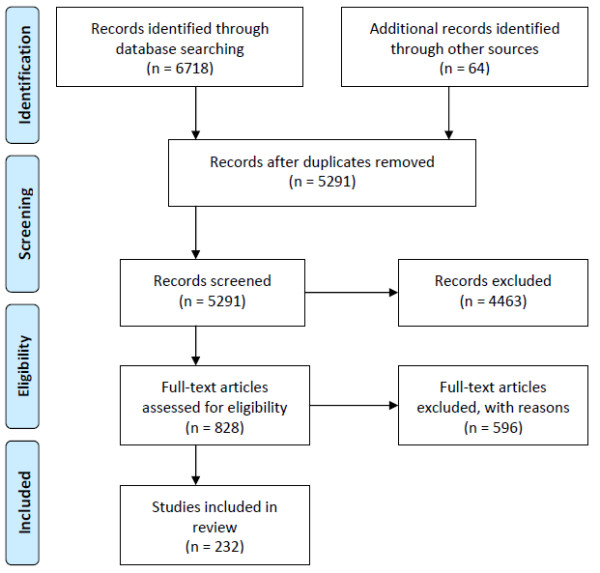
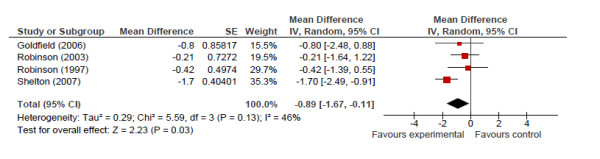
Accumulating evidence suggests that, independent of physical activity levels, sedentary behaviours are associated with increased risk of cardio-metabolic disease, all-cause mortality, and a variety of physiological and psychological problems. Therefore, the purpose of this systematic review is to determine the relationship between sedentary behaviour and health indicators in school-aged children and youth aged 5-17 years. Online databases (MEDLINE, EMBASE and PsycINFO), personal libraries and government documents were searched for relevant studies examining time spent engaging in sedentary behaviours and six specific health indicators (body composition, fitness, metabolic syndrome and cardiovascular disease, self-esteem, pro-social behaviour and academic achievement). 232 studies including 983,840 participants met inclusion criteria and were included in the review. Television (TV) watching was the most common measure of sedentary behaviour and body composition was the most common outcome measure. Qualitative analysis of all studies revealed a dose-response relation between increased sedentary behaviour and unfavourable health outcomes. Watching TV for more than 2 hours per day was associated with unfavourable body composition, decreased fitness, lowered scores for self-esteem and pro-social behaviour and decreased academic achievement. Meta-analysis was completed for randomized controlled studies that aimed to reduce sedentary time and reported change in body mass index (BMI) as their primary outcome. In this regard, a meta-analysis revealed an overall significant effect of -0.81 (95% CI of -1.44 to -0.17, p = 0.01) indicating an overall decrease in mean BMI associated with the interventions. There is a large body of evidence from all study designs which suggests that decreasing any type of sedentary time is associated with lower health risk in youth aged 5-17 years. In particular, the evidence suggests that daily TV viewing in excess of 2 hours is associated with reduced physical and psychosocial health, and that lowering sedentary time leads to reductions in BMI.
Overview
The claims and statistics of this paper haven’t been checked yet.
Free: it reads the open-access text and checks the first 5 claims that cite a source we can check. Create a free account to check every claim.
Integrity signals
Registry
Cites
Statistics
Figures
Verification
Claims the paper makes
The claims and statistics of this paper haven’t been checked yet.
Free: it reads the open-access text and checks the first 5 claims that cite a source we can check. Create a free account to check every claim.
Claims other papers make about this one
Each is checked against this paper’s own text: does it say what the citing paper says it does?
The source backs part of the claim, not all of it — or backs it for a different population, condition or comparison.
In the citing paper
“More than 2 hours per day of television viewing has been associated with lower academic performance in children and adolescents.14”
From Association Between Screen Media Use and Academic Performance Among Children and Adolescents: A Systematic Review and Meta-analysis (2019) · cites this paper as [14]
Experimental — accuracy not yet measuredThe cited source says what the claim attributes to it.
In the citing paper
“Previous systematic reviews in children and adolescents have focused on the association of television viewing and video game playing with academic performance, showing a negative association. 14,15”
From Association Between Screen Media Use and Academic Performance Among Children and Adolescents: A Systematic Review and Meta-analysis (2019) · cites this paper as [14]
In the citing paper
“In view of emerging evidence that sedentary behaviour may have independent health effects in young people 79”
From The school environment and adolescent physical activity and sedentary behaviour: a mixed-studies systematic review (2016) · cites this paper as [79]
Self-check
Percentages, sums and reported differences re-computed from the paper’s own numbers.
The self-check needs the paper’s full text.
Citations
Cites
Meta-analysis in clinical trials
DerSimonian, R., & Laird, N. (1986) · Controlled Clinical Trials · doi:10.1016/0197-2456(86)90046-2 · Cited by 39,552 · cited 1×
“Pooled estimates for the meta-analysis and their 95% confidence intervals were obtained using the random effects estimator of DerSimonian-Laird [37].”
MethodQuantifying heterogeneity in a meta‐analysis
Higgins, J. P. T., & Thompson, S. G. (2002) · Statistics in Medicine · doi:10.1002/sim.1186 · Cited by 36,763 · cited 1×
“Cochrane’s Q was used to test for heterogeneity among studies and the I(2) (squared) index [10] was used to determine the degree of heterogeneity [38].”
MethodBundesgesundheitsblatt - Gesundheitsforschung - Gesundheitsschutz
(2013) · Bundesgesundheitsblatt - Gesundheitsforschung - Gesundheitsschutz · doi:10.1007/103.1437-1588 · Cited by 11,796
Downs, S. H., & Black, N. (1998) · Journal of Epidemiology and Community Health · doi:10.1136/jech.52.6.377 · Cited by 8,252
Physical Activity in the United States Measured by Accelerometer
TROIANO, R. P., BERRIGAN, D., DODD, K. W., MÂSSE, L. C., TILERT, T., & MCDOWELL, M. (2008) · Medicine & Science in Sports & Exercise · doi:10.1249/mss.0b013e31815a51b3 · Cited by 7,638 · cited 1×
“However, across all age groups, levels of physical activity remain low [7-12] and obesity rates continue to rise [10,11,13,14]; collectively threatening the persistent increase in life expectancy enjoyed over the past century and efforts to counteract the inactivity and obesity crisis [15].”
BackgroundPrevalence and Trends in Obesity Among US Adults, 1999-2008
Flegal, K. M. (2010) · JAMA · doi:10.1001/jama.2009.2014 · Cited by 7,580 · cited 1×
“However, across all age groups, levels of physical activity remain low [7-12] and obesity rates continue to rise [10,11,13,14]; collectively threatening the persistent increase in life expectancy enjoyed over the past century and efforts to counteract the inactivity and obesity crisis [15].”
BackgroundJanssen, I., & LeBlanc, A. G. (2010) · International Journal of Behavioral Nutrition and Physical Activity · doi:10.1186/1479-5868-7-40 · Cited by 4,829 · cited 1×
“Engaging in regular physical activity is widely accepted as an effective preventative measure for a variety of health risk factors across all age, gender, ethnic and socioeconomic subgroups [1-6].”
BackgroundSelf-citationAmount of Time Spent in Sedentary Behaviors in the United States, 2003-2004
Matthews, C. E., Chen, K. Y., Freedson, P. S., Buchowski, M. S., Beech, B. M., Pate, R. R., & Troiano, R. P. (2008) · American Journal of Epidemiology · doi:10.1093/aje/kwm390 · Cited by 2,631
A Potential Decline in Life Expectancy in the United States in the 21st Century
Olshansky, S. J., Passaro, D. J., Hershow, R. C., Layden, J., Carnes, B. A., Brody, J., Hayflick, L., Butler, R. N., Allison, D. B., & Ludwig, D. S. (2005) · New England Journal of Medicine · doi:10.1056/nejmsr043743 · Cited by 2,612
A Potential Decline in Life Expectancy in the United States in the 21st Century
Olshansky, S. J., Passaro, D. J., Hershow, R. C., Layden, J., Carnes, B. A., Brody, J., Hayflick, L., Butler, R. N., Allison, D. B., & Ludwig, D. S. (2005) · Obstetrical & Gynecological Survey · doi:10.1097/01.ogx.0000167407.83915.e7 · Cited by 1,944
Research works printed but not linked: 5
- World Health Organization Global recommendations on physical activity for health 2010 Geneva, Switzerland; World Health Organization 26180873
- Bull FC Expert Working Groups Physical activity guidelines in the U.K.: Review and recommendations 2010 Leicestershire, UK: School of Sport, Exercise, and Health Sciences. Loughborough University
- Kirk SFL Penney TL Langille JJ The relationship between screen time, physical activity, dietary intake and healthy weights in children and youth: literature review and recommendations for intervention 2009 Halifax: Halifax Regional Physical Activity and the IWK Health Centre. Nova Scotia Department of Health Promotion and Protection
- LeBlanc AG Saunders TJ Larouche R Colley RC Goldfield G Tremblay MS Relation between sedentary behaviours and health outcomes in children and youth Joint Meeting of the North American Society for Pediatric Exercise Medicine and the European Group for Pediatric Work Physiology Annual General Meeting 2010 Sep 22-26, 2010; Niagara-on-the-Lake, ON. (abstract)
- Dasgupta K Sex differences in the development of higher systolic blood pressure during adolescence Cardiology Review 2008 25 5 54 7
Cited by
Items 401–500 of 1,002
Fitzpatrick, C., Pagani, L. S., & Barnett, T. A. (2012) · International Journal of Behavioral Nutrition and Physical Activity · doi:10.1186/1479-5868-9-87 · Cited by 61
“Studies have shown that independent of physical activity levels, time spent engaged in sedentary pursuits adversely affects physical and mental health in youth [6].”
BackgroundAn Assessment of Sedentary Time Among Undergraduate Students at a Canadian University
Moulin, M. S., & Irwin, J. D. (2017) · International journal of exercise science · doi:10.70252/cddk5126 · Cited by 74
“The health risks associated with sedentary behavior exist across the entire life span from school-aged children (28), working aged adults (22), to the 60+ population (8).”
BackgroundThe health and social benefits of nature and biodiversity protection
ten Brink, P., Mutafoglu, K., Schweitzer, J.-P., Kettunen, M., Twigger-Ross, C., Baker, J., Kuipers, Y., Emonts, M., Tyrväinen, L., Hujala, T., et al. (2016) · Cited by 85
Factors related with public open space use among adolescents: a study using GPS and accelerometers
Hecke, L. V., Verhoeven, H., Clarys, P., Dyck, D. V., de Weghe, N. V., Baert, T., Deforche, B. I., & Cauwenberg, J. V. (2018) · International Journal of Health Geographics · doi:10.1186/s12942-018-0123-2 · Cited by 55
“On the one hand, a POS can be a suitable location for physical activity (and thereby directly increase overall physical activity levels), but on the other hand, a POS can also be a destination that adolescents can visit using active transportation (and thereby increase overall physical activity levels through active t…”
BackgroundVancampfort, D., Damme, T. V., Firth, J., Hallgren, M. Å., Smith, L., Stubbs, B., Rosenbaum, S., & Koyanagi, A. (2019) · PLoS ONE · doi:10.1371/journal.pone.0224339 · Cited by 53
“In particular, the evidence suggests that daily TV viewing in excess of 2 hours is associated with greater physical health risks, and that lowering sedentary time leads to reductions in body mass index (BMI) [10].”
BackgroundSubtypes of Adolescent Video Gamers: a Latent Class Analysis
Faulkner, G., Irving, H. M., Adlaf, E. M., & Turner, N. E. (2014) · International Journal of Mental Health and Addiction · doi:10.1007/s11469-014-9501-6 · Cited by 57
Totland, T. H., Bjelland, M., Lien, N., Bergh, I. H., Gebremariam, M. K., Grydeland, M., Ommundsen, Y., & Andersen, L. F. (2013) · International Journal of Behavioral Nutrition and Physical Activity · doi:10.1186/1479-5868-10-89 · Cited by 59
“Sedentary behaviours can be defined as low-energy expenditure activities [5,9,15], and the most common sedentary behaviours are related to desk-based work and education, motorized transport, sitting while socializing and screen time [5,16].”
BackgroundKuzik, N., & Carson, V. (2016) · BMC Pediatrics · doi:10.1186/s12887-016-0642-6 · Cited by 57
Physical activity, screen time and the risk of subjective health complaints in school-aged children
Keane, E., Kelly, C. N. M., Molcho, M., & Gabhainn, S. N. (2016) · Preventive Medicine · doi:10.1016/j.ypmed.2016.12.011 · Cited by 73
Throuvala, M. A., Griffiths, M. D., Rennoldson, M., & Kuss, D. J. (2020) · International Journal of Mental Health and Addiction · doi:10.1007/s11469-019-00213-y · Cited by 67
“cardiovascular disease, type two diabetes), crucial health indicators (Chinapaw et al. 2011; Tremblay et al. 2011), and shorter sleep duration particularly for portable devices (Hysing et al.”
BackgroundResultInfluentialSilva, K. S., da Silva Lopes, A., Dumith, S. C., Garcia, L. M. T., Bezerra, J., & Nahas, M. V. (2014) · International Journal of Public Health · doi:10.1007/s00038-013-0464-3 · Cited by 46
“Because of these observations, some organizations, such as the American Academy of Pediatrics (2001) and the Canadian Society for Exercise Physiology (Tremblay et al. 2011a), recommend limiting the total media time of children and youths to no more than 2 h/day.”
BackgroundInfluentialSedentary Time in Children: Influence of Accelerometer Processing on Health Relations
ATKIN, A. J., EKELUND, U., MØLLER, N. C., FROBERG, K., SARDINHA, L. B., ANDERSEN, L. B., & BRAGE, S. (2013) · Medicine & Science in Sports & Exercise · doi:10.1249/mss.0b013e318282190e · Cited by 46
Verloigne, M., Bere, E., Van Lippevelde, W., Maes, L., Lien, N., Vik, F. N., Brug, J., Cardon, G., & De Bourdeaudhuij, I. (2012) · BMC Public Health · doi:10.1186/1471-2458-12-805 · Cited by 46
“[1] clearly showed that an increase in sedentary time was associated with negative health outcomes in 5- to 17-year-old boys and girls.”
Relationship between screen-time and motor proficiency in children: a longitudinal study
Cadoret, G., Bigras, N., Lemay, L., Lehrer, J. S., & Lemire, J. (2016) · Early Child Development and Care · doi:10.1080/03004430.2016.1211123 · Cited by 70
“Centre-ville, Montréal, QC, Canada H3C 3P8 While many studies have considered the effects of ST on children’s health and cognitive development (Cliff et al., 2016; Tremblay et al., 2011; Vanderloo, 2014), very few have examined the relationship between ST and children’s motor development.”
BackgroundHealth‐equity issues related to childhood obesity: a scoping review
Vargas, C. M., Stines, E. M., & Granado, H. S. (2017) · Journal of Public Health Dentistry · doi:10.1111/jphd.12233 · Cited by 54
Brian, A., Taunton, S. A., Lieberman, L. J., Beach, P., Foley, J. T., & Santarossa, S. (2018) · Adapted Physical Activity Quarterly · doi:10.1123/apaq.2017-0061 · Cited by 55
High sedentary time in children is not only due to screen media use: a cross-sectional study
Hoffmann, B., Kobel, S., Wartha, O., Kettner, S., Dreyhaupt, J., & Steinacker, J. M. (2019) · BMC Pediatrics · doi:10.1186/s12887-019-1521-8 · Cited by 57
“has been associated with most of the previously investigated health aspects [1], especially with obesity [1, 8, 9].”
BackgroundZavala-Crichton, J. P., Esteban‐Cornejo, I., Solis‐Urra, P., Mora-González, J., Cadenas‐Sánchez, C., Rodríguez‐Ayllón, M., Migueles, J. H., Molina‐García, P., Verdejo‐Román, J., Kramer, A. F., et al. (2020) · Journal of Clinical Medicine · doi:10.3390/jcm9041101 · Cited by 58
“Sedentary behavior represents approximately 60% of the awake time of children and an increase has been reported in the last years [2,3].”
Application of Exercise Snacks across Youth, Adult and Clinical Populations: A Scoping Review
Weston, K. L., Little, J. P., Weston, M., McCreary, S., Kitchin, V., Gill, A. J., Niven, A. G., McNarry, M. A., & Mackintosh, K. A. (2025) · Sports Medicine - Open · doi:10.1186/s40798-025-00829-6 · Cited by 61
“…sedentary behavior, defined as any waking behavior characterized by an energy expenditure 1.5 metabolic equivalent of task [MET]), while in a sitting, lying or reclining position [6], can have negative health consequences beyond those associated with low levels of physical activity [6, 8].”
InfluentialEime, R., Casey, M. M., Harvey, J. T., Charity, M. J., Young, J. A., & Payne, W. R. (2015) · BMC Public Health · doi:10.1186/s12889-015-2012-y · Cited by 51
“Many children and youth are engaged in high levels of sedentary time which impact negatively on their health [4].”
BackgroundGroth, S. W., Rhee, H., & Kitzman, H. J. (2015) · Journal of Asthma · doi:10.3109/02770903.2015.1063646 · Cited by 48
“It is important for young adolescents with asthma to be physically active and less sedentary because physical activity could improve asthma symptoms and reduce risk for overweight, while sedentary behavior increases the risk of cardio-metabolic disease and all-cause mortality [34].”
Prevalência de comportamento sedentário de escolares e fatores associados
Ferreira, R. W., Rombaldi, A. J., Ricardo, L. I. C., Hallal, P. C., & Azevedo, M. R. (2015) · Revista Paulista de Pediatria · doi:10.1016/j.rpped.2015.06.005 · Cited by 70
Physical Activity and Global Self-worth in a Longitudinal Study of Children
REDDON, H., MEYRE, D., & CAIRNEY, J. (2017) · Medicine & Science in Sports & Exercise · doi:10.1249/mss.0000000000001275 · Cited by 45
“A previous systematic review identified sedentary behavior as another important predictor of self-worth and reported that each additional hour of TV viewing was associated with significant decreases in self-worth and self-concept (45).”
BackgroundCabanas‐Sánchez, V., Martínez‐Gómez, D., Izquierdo‐Gómez, R., Segura‐Jiménez, V., Castro‐Piñero, J., & Veiga, Ó. L. (2018) · The Journal of Pediatrics · doi:10.1016/j.jpeds.2018.03.075 · Cited by 54
Niermann, C. Y. N., Gerards, S. M. P. L., & Kremers, S. (2018) · International Journal of Environmental Research and Public Health · doi:10.3390/ijerph15122714 · Cited by 56
Screen-based media and young children: Review and recommendations
Arumugam, C. T., Said, M. A., & Farid, N. D. N. (2021) · Malaysian Family Physician · doi:10.51866/rv1143 · Cited by 61
Busschaert, C., Cardon, G., Cauwenberg, J. V., Maes, L., Damme, J. V., Hublet, A., Bourdeaudhuij, I. D., & Cocker, K. A. D. (2015) · Journal of Adolescent Health · doi:10.1016/j.jadohealth.2014.11.016 · Cited by 57
“In adolescents, high levels of SB (mostly measured via television [TV] time) are associated with unfavorable body composition, lower levels of physical fitness, lowered scores for self-esteem and prosocial behavior, and decreased academic achievement [2].”
BackgroundVik, F. N., Lien, N., Berntsen, S., Bourdeaudhuij, I. D., Grillenberger, M., Μanios, Y., Kovacs, E., Chinapaw, M. J. M., Brug, J., & Bere, E. T. (2015) · PLoS ONE · doi:10.1371/journal.pone.0122612 · Cited by 49
“A recent meta-analysis [1] and a systematic review [7] revealed that sedentary time among children is most often operationalized as TV time.”
BackgroundLongmuir, P. E., Colley, R. C., Wherley, V., & Tremblay, M. S. (2014) · Applied Physiology, Nutrition, and Metabolism · doi:10.1139/apnm-2014-0074 · Cited by 57
“…indicate that the risk associated with increasing physical activity is very low and the health benefits to be obtained far outweigh the risk (Janssen and LeBlanc 2010; Physical Activity Guidelines Advisory Committee 2008; Strong et al. 2005; Tremblay et al. 2011b; Timmons et al. 2012; WHO 2010).”
BackgroundInfluentialSelf-citationMaitland, C., Stratton, G., Foster, S. A., Braham, R. A., & Rosenberg, M. (2014) · International Journal of Behavioral Nutrition and Physical Activity · doi:10.1186/s12966-014-0157-1 · Cited by 64
“Conversely, time spent sedentary, in particular watching television (TV), has been associated with overweight and obesity, reduced fitness and poorer social and cognitive skills [4,5].”
BackgroundChildren’s sedentary activity after hurricane exposure.
Lai, B. S., Greca, A. M. L., & Llabre, M. M. (2013) · Psychological Trauma Theory Research Practice and Policy · doi:10.1037/a0033331 · Cited by 44
Zhang, T., Cai, L., Ma, L., Jin, J., Chen, Y., & Ma, J. (2016) · BMC Public Health · doi:10.1186/s12889-016-3599-3 · Cited by 58
“However, unlike previous findings [49, 50], television viewing was not associated with overweight or obesity.”
BackgroundGába, A., Dygrýn, J., Štefelová, N., Rubín, L., Hron, K., Jakubec, L., & Pedišić, Ž. (2020) · International Journal of Behavioral Nutrition and Physical Activity · doi:10.1186/s12966-020-01004-8 · Cited by 46
Moitra, P., Madan, J., & Verma, P. (2021) · BMC Public Health · doi:10.1186/s12889-021-12183-9 · Cited by 61
“Previous studies have consistently indicated an inverse association between PA and body weight status [18], a dose-response relation between reduced ST and improved weight-related outcomes [3], and the persistence of negative health effects of ST > 2 h/d independent of PA levels in adolescents [2].”
BackgroundMarsigliante, S., López, M. G., & Muscella, A. (2023) · International Journal of Environmental Research and Public Health · doi:10.3390/ijerph20031927 · Cited by 84
“A meta-analysis study has demonstrated that, in children, PA participation is associated with better cognitive performance [5].”
BackgroundRisk Factors Associated with High Blood Pressure in Two- to Five-Year-Old Children
Crispim, P. A. A., Peixoto, M. D. R. G., & Jardim, P. C. B. V. (2013) · Arquivos Brasileiros de Cardiologia · doi:10.5935/abc.20130227 · Cited by 43
“Leite e derivados Sim 265 (96,0) 50 (18,9) 0,031 Não 11 (4,0) 5 (45,4)”
InfluentialThe impact of cell phone texting on the amount of time spent exercising at different intensities
Rebold, M. J., Sheehan, T. P., Dirlam, M. T., Maldonado, T., & O’Donnell, D. (2015) · Computers in Human Behavior · doi:10.1016/j.chb.2015.09.005 · Cited by 52
Straker, L., Smith, A., Hands, B., Olds, T., & Abbott, R. (2013) · BMC Public Health · doi:10.1186/1471-2458-13-1174 · Cited by 43
“; licensee BioMed Central Commons Attribution License (http://creativec reproduction in any medium, provided the or composition, decreased fitness, lowered scores for selfesteem and pro-social behaviour and decreased academic achievement in school-aged children and youth [3].”
BackgroundDumith, S. C., Garcia, L. M. T., da Silva, K. S., Menezes, A. M. B., & Hallal, P. C. (2012) · Journal of Adolescent Health · doi:10.1016/j.jadohealth.2012.06.025 · Cited by 43
“[6] Tremblay MS, LeBlanc AG, Kho ME, et al.”
BackgroundResultInfluentialEsteban-Cornejo, I., Martinez-Gomez, D., Sallis, J. F., Cabanas-Sánchez, V., Fernández-Santos, J., Castro-Piñero, J., & Veiga, O. L. (2015) · Preventive Medicine · doi:10.1016/j.ypmed.2015.05.013 · Cited by 43
Yli-Piipari, S. R., Kulmala, J., Jaakkola, T. T., Hakonen, H., Fish, J. C., & Tammelin, T. (2015) · Journal of Physical Activity and Health · doi:10.1123/jpah.2015-0335 · Cited by 58
Poulain, T., Peschel, T., Vogel, M., Jurkutat, A., & Kiess, W. (2018) · BMC Public Health · doi:10.1186/s12889-018-5489-3 · Cited by 43
Meredith-Jones, K. A., Galland, B. C., Haszard, J. J., Gray, A. R., Sayers, R., Hanna, M., Taylor, B. J., & Taylor, R. W. (2019) · International Journal of Obesity · doi:10.1038/s41366-019-0432-y · Cited by 49
Meijer, A., Königs, M., van der Fels, I. M. J., Visscher, C., Bosker, R., Hartman, E., & Oosterlaan, J. (2020) · Journal of Sport and Exercise Psychology · doi:10.1123/jsep.2020-0034 · Cited by 52
The Impact of Cell Phone Use on the Intensity and Liking of a Bout of Treadmill Exercise
Rebold, M. J., Lepp, A., Sanders, G. J., & Barkley, J. E. (2015) · PLoS ONE · doi:10.1371/journal.pone.0125029 · Cited by 50
Chen, S., & Yan, J. H. (2020) · Children · doi:10.3390/children7020013 · Cited by 48
“Studies have demonstrated that physical activity (PA) [1,2], screen time (ST) [3,4], and sleep (SLP) [5] are linked with health outcomes in young people.”
BackgroundOh, C., Carducci, B., Vaivada, T., & Bhutta, Z. A. (2022) · Pediatrics · doi:10.1542/peds.2021-053852i · Cited by 42
“14,15 16 – 23 However, these reviews, although insightful, did not exclusively focus on school-aged children and adolescents, and often pooled data from both normal, and overweight and obese participants.”
Andrade, S., Verloigne, M., Cardon, G., Kolsteren, P., Ochoa-Avilés, A., Verstraeten, R., Donoso, S., & Lachat, C. (2015) · BMC Public Health · doi:10.1186/s12889-015-2274-4 · Cited by 42
Effects of a Theory-Based Education Program to Prevent Overweightness in Primary School Children
Kocken, P., Scholten, A.-M., Westhoff, E., de Kok, B., Taal, E., & Goldbohm, R. A. (2016) · Nutrients · doi:10.3390/nu8010012 · Cited by 48
“This may have affected the power to show significant statistical associations.”
Schöeppe, S., Rebar, A. L., Short, C. E., Alley, S., Lippevelde, W. V., & Vandelanotte, C. (2016) · BMC Public Health · doi:10.1186/s12889-016-2789-3 · Cited by 67
Sardinha, L. B., Marques, A., Minderico, C. S., & Ekelund, U. (2016) · Pediatric Obesity · doi:10.1111/ijpo.12153 · Cited by 55
“Because screen-based activities are the primary source of children’s leisure time sedentary behaviours (16), one possible strategy could be reducing the amount of time children spend on computer, talking on mobile phones, or playing videogames.”
BackgroundJackson, S. L., & Cunningham, S. A. (2017) · Preventive Medicine · doi:10.1016/j.ypmed.2017.04.026 · Cited by 60
Longitudinal associations between television in the bedroom and body fatness in a UK cohort study
Heilmann, A., Rouxel, P. L., Fitzsimons, E., Kelly, Y. J., & Watt, R. G. (2017) · International Journal of Obesity · doi:10.1038/ijo.2017.129 · Cited by 57
Sigmund, E., Baďura, P., Sigmundová, D., Voráčová, J., Zacpal, J., Kalman, M., Pavelka, J., Vokáčová, J., Hobza, V., & Hamřík, Z. (2018) · BMC Public Health · doi:10.1186/s12889-017-5013-1 · Cited by 52
“Two or more hours per day of ST is classified as excessive [49].”
BackgroundMethodPredicting parental support and parental perceptions of child and youth movement behaviors
Rhodes, R. E., Stearns, J. A., Berry, T. R., Faulkner, G., Latimer‐Cheung, A. E., O’Reilly, N., Tremblay, M. S., Vanderloo, L. M., & Spence, J. C. (2018) · Psychology of sport and exercise · doi:10.1016/j.psychsport.2018.11.016 · Cited by 50
Self-citationPrevalence of excessive screen time and associated factors in adolescents
de Lucena, J. M. S., Cheng, L. A., Cavalcante, T. L. M., da Silva, V. A., & Júnior, J. C. D. F. (2015) · Revista Paulista de Pediatria (English Edition) · doi:10.1016/j.rppede.2015.08.014 · Cited by 72
Zhao, L., Hwang, W., & Shih, T. K. (2021) · International Journal of Distance Education Technologies · doi:10.4018/ijdet.20210401.oa4 · Cited by 51
“Particularly speaking, in traditional education, physical exercise and sedentary behaviours are related to academic performance in children (Fedewa & Ahn, 2011; Tremblay et al., 2011).”
BackgroundZhang, Y., Tao, S., Qu, Y., Mou, X., Gan, H., Zhou, P., Zhu, Z., Wu, X., & Tao, F. (2023) · Frontiers in Public Health · doi:10.3389/fpubh.2022.1031560 · Cited by 50
Sigmund, E., Sigmundová, D., Hamřík, Z., & Gecková, A. M. (2014) · International Journal of Environmental Research and Public Health · doi:10.3390/ijerph110101076 · Cited by 54
“A more comprehensive understanding of SED and PA levels on a school day in school-aged children also requires valid information as to the possible influence of lifestyle behaviour—family and home-environmental characteristics, socio-economic status, parental behaviour, self-esteem, pro-social behaviour, and academic a…”
BackgroundCollings, P. J., Wijndaele, K., Corder, K., Westgate, K., Ridgway, C. L., Sharp, S. J., Dunn, V., Goodyer, I., Ekelund, U., & Brage, S. (2015) · International Journal of Behavioral Nutrition and Physical Activity · doi:10.1186/s12966-015-0222-4 · Cited by 41
“For these reasons, it is recommended that constrained focus on MVPA as the dominant health-related aspect of human movement should be stemmed, and that the entire range of PA intensities should be investigated [19], inclusive of ST which may be independently associated with adiposity [20] and CVD risk factors [21].”
BackgroundReliability and Validity of the Early Years Physical Activity Questionnaire (EY-PAQ)
Bingham, D. D., Collings, P. J., Clemes, S. A., Costa, S., Santorelli, G., Griffiths, P. L., & Barber, S. (2016) · Sports · doi:10.3390/sports4020030 · Cited by 53
“health outcomes in children (bone health, motor development, cardiovascular risk factors, cognitive development, psycho-social health and healthy adiposity) [3–5].”
BackgroundOutdoor adventures and adolescents’ mental health: daily screen time as a moderator of changes
Mutz, M., Müller, J., & Göring, A. (2019) · Journal of Adventure Education and Outdoor Learning · doi:10.1080/14729679.2018.1507830 · Cited by 41
“Systematic reviews demonstrated that ST is associated with more depressive symptomatology (Liu et al., 2016), less self-esteem (Tremblay et al., 2011), negative body image and eating disorders (Brown & Bobkowski, 2011) and less psychological well-being (Costigan et al., 2013; Iannotti et al., 2009;…”
BackgroundAdom, T., de Villiers, A., Puoane, T. R., & Kengne, A. P. (2019) · BMC Obesity · doi:10.1186/s40608-019-0234-8 · Cited by 50
“[64] indicated that watching television for more than two hours a day was associated with unfavourable health outcomes including body composition, of children and youth.”
Cardy, R. E., Dupuis, A., Anagnostou, E., Ziolkowski, J., Biddiss, E. A., Monga, S., Brian, J., Penner, M., & Kushki, A. (2021) · Frontiers in Psychiatry · doi:10.3389/fpsyt.2021.702774 · Cited by 41
“, obesity (40), adiposity (41), and metabolic risk factors (42)], though reported effects are mixed (43, 44).”
BackgroundReligion and Screen Hours in a US National SamplePreprint
Gillum, R. F., Dodd, K. D., & Dodd, I. M. E. (2016) · SSRN Electronic Journal · doi:10.2139/ssrn.2825157 · Cited by 41
Weaver, R. G., Webster, C. A., Egan, C., Campos, C. M. C., Michael, R. D., & Vazou, S. (2018) · American Journal of Health Promotion · doi:10.1177/0890117117707289 · Cited by 40
Screen time, physical activity and self-esteem in children: The Ulm birth cohort study
Braig, S., Genuneit, J., Walter, V., Brandt, S., Wabitsch, M., Goldbeck, L., Brenner, H., & Rothenbacher, D. (2018) · International Journal of Environmental Research and Public Health · doi:10.3390/ijerph15061275 · Cited by 40
Carpenter, C. A., Byun, S., Turner‐McGrievy, G. M., & West, D. S. (2021) · International Journal of Environmental Research and Public Health · doi:10.3390/ijerph18189930 · Cited by 66
“Research in other populations indicates that screen time is the most common sedentary activity [17], and screen time has been associated with poor sleep quality [18–20], decreased physical activity [19,21], and higher body weight among adolescents [22–25], as well as poor sleep quality [26,27] and higher body mass ind…”
BackgroundOkazaki, K., Suzuki, K., Sakamoto, Y., & Sasaki, K. (2015) · Preventive Medicine Reports · doi:10.1016/j.pmedr.2015.08.010 · Cited by 43
“This is an open access article under with health consequences and outcomes independent from the health benefits of physical activity (Tremblay et al., 2011; Owen et al., 2010).”
BackgroundKerr, C. J., Smith, L. R., Charman, S. J., Harvey, S., Savory, L. A., Fairclough, S. J., & Govus, A. D. (2016) · European Physical Education Review · doi:10.1177/1356336x16672127 · Cited by 54
“Time spent sedentary is associated with higher body fat, lower cardiorespiratory fitness and reduced psychosocial health in children (Tremblay et al., 2011), and specific guidance for children to minimise the amount of time spent in this behaviour are now included in the Department of Health (2011) physical activity g…”
BackgroundTimperio, A. F., Crawford, D. A., Ball, K., & Salmon, J. (2016) · Health & Place · doi:10.1016/j.healthplace.2016.10.004 · Cited by 51
Ferguson, G. M., Muzaffar, H., Iturbide, M. I., Chu, H., & Gardner, J. M. (2017) · Child Development · doi:10.1111/cdev.12808 · Cited by 48
“Among the myriad determinants of obesity, time spent watching TV more than 2 hr a day has been recognized as a major risk factor across countries (Marshall, Biddle, Gorely, Cameron, & Murdey, 2004; Tremblay et al., 2011).”
BackgroundHardy, L. L., Mihrshahi, S., Bellew, W., Bauman, A. E., & Ding, D. (2017) · Preventive Medicine Reports · doi:10.1016/j.pmedr.2017.10.006 · Cited by 46
“…time spent in sedentary behaviors among young people (Biddle et al., 2014), and longer screen-time in children is associated with detrimental health effects including reduced physical and psychosocial health (Tremblay et al., 2011), emotional problems and poorer well-being (Hinkley et al., 2014).”
BackgroundBrittin, J., Frerichs, L., Sirard, J. R., Wells, N. M., Myers, B. M., Garcia, J. M., Sorensen, D., Trowbridge, M., & Huang, T. T. ‐. (2017) · PLoS ONE · doi:10.1371/journal.pone.0189236 · Cited by 58
Puolitaival, T., Sieppi, M., Pyky, R., Enwald, H., Korpelainen, R., & Nurkkala, M. (2020) · BMC Public Health · doi:10.1186/s12889-020-08522-x · Cited by 58
Arundell, L., Parker, K. E., Timperio, A. F., Salmon, J., & Veitch, J. (2020) · BMC Public Health · doi:10.1186/s12889-020-09581-w · Cited by 53
Sigmundová, D., & Sigmund, E. (2021) · International Journal of Environmental Research and Public Health · doi:10.3390/ijerph18094532 · Cited by 51
“two hours per day for older children and parents [23,24].”
BackgroundTambalis, K. D., Panagiotakos, D. B., Psarra, G., & Sidossis, L. S. (2019) · PubMed Central · Cited by 42
A Qualitative Study on Children’s Digital Media Use and Parents’ Self-interest
Geurts, S. M., Koning, I. M., Vossen, H. G. M., & van den Eijnden, R. J. J. M. (2021) · Journal of Child and Family Studies · doi:10.1007/s10826-021-02074-3 · Cited by 68
Hoare, E., Crooks, N., Hayward, J., Allender, S. E., & Strugnell, C. (2019) · Health and Quality of Life Outcomes · doi:10.1186/s12955-019-1086-0 · Cited by 82
Verswijveren, S. J. J. M., Lamb, K. E., Fernández, J. A. M., WINKLER, E. A. H., Leech, R. M., Timperio, A. F., Salmon, J., Daly, R. M., Cerin, E., Dunstan, D. W., et al. (2021) · Journal of sport and health science/Journal of Sport and Health Science · doi:10.1016/j.jshs.2021.03.004 · Cited by 47
Griggs, G., & Fleet, M. (2021) · Education Sciences · doi:10.3390/educsci11110701 · Cited by 66
“In England, there are, however, an ever-increasing number of children who drop out of participating in sport and PA at the earliest opportunity, leading to an increase in sedentary lifestyles and a rise in childhood obesity [3].”
BackgroundManyanga, T., Barnes, J. D., Abdeta, C., Adeniyi, A. F., Bhawra, J., Draper, C. E., Katapally, T. R., Khan, A., Lambert, E., Makaza, D., et al. (2018) · Journal of Physical Activity and Health · doi:10.1123/jpah.2018-0370 · Cited by 38
McAllister, C., Hisler, G. C., Blake, A. B., Twenge, J. M., Farley, E., & Hamilton, J. L. (2021) · Research on Child and Adolescent Psychopathology · doi:10.1007/s10802-021-00832-x · Cited by 38
Associations of screen use with cognitive development in early childhood: the ELFE birth cohort
Yang, S., Saïd, M., Peyre, H., Ramus, F., Taine, M., Law, E. C. N., Dufourg, M., Heude, B., Charles, M.-A. A., & Bernard, J. Y. (2023) · Journal of Child Psychology and Psychiatry · doi:10.1111/jcpp.13887 · Cited by 65
“There has been extensive concern that early excessive screen use may hinder children’s development (Stiglic & Viner, 2019; Tremblay et al., 2011), but there is no clear consensus to date (Madigan, McArthur, Anhorn, Eirich, & Chris-takis, 2020).”
BackgroundNihill, G. F. J., Lubans, D. R., & Plotnikoff, R. C. (2013) · Mental Health and Physical Activity · doi:10.1016/j.mhpa.2012.02.003 · Cited by 38
Lepeleere, S. D., Bourdeaudhuij, I. D., Cardon, G., & Verloigne, M. (2015) · BMJ Open · doi:10.1136/bmjopen-2014-007209 · Cited by 50
“The review included 232 studies from 39 different countries and concluded that daily screen time (TV and computer activities combined) should be limited to a maximum of 2 h/day.(10) However, the ENERGY project showed that European children spent on average more than 2 h/day on screen time.”
BackgroundAssociations of School Violence With Physical Activity Among U.S. High School Students
Demissie, Z., Lowry, R., Eaton, D. K., Hertz, M. F., & Lee, S. M. (2014) · Journal of Physical Activity and Health · doi:10.1123/jpah.2012-0191 · Cited by 49
Robust Compositional Analysis of Physical Activity and Sedentary Behaviour Data
Štefelová, N., Dygrýn, J., Hron, K., Gába, A., Rubín, L., & Palarea‐Albaladejo, J. (2018) · International Journal of Environmental Research and Public Health · doi:10.3390/ijerph15102248 · Cited by 40
“These behaviors account for a large proportion of the day (~80%) and are considered independent risk factors for obesity [10].”
BackgroundFraysse, F., Grobler, A. C., Muller, J., Wake, M. A., & Olds, T. (2019) · BMJ Open · doi:10.1136/bmjopen-2018-023194 · Cited by 48
Rodrigues, D., Gama, A., Machado‐Rodrigues, A. M., Nogueira, H. G. D. S. M., Silva, R., Rosado‐Marques, V., & Padez, C. M. P. (2020) · BMC Public Health · doi:10.1186/s12889-020-09026-4 · Cited by 58
“Given the AAP recommendations for daily screen use [21] and considering that previous studies have found that, for children, ≥2 h daily TV viewing was associated with reduced physical and psychosocial health [30] and <1 h/d of video game playing was associated with positive psychosocial health [31], screen time was ca…”
BackgroundCardiovascular fitness and executive functioning in primary school‐aged children
Meijer, A., Königs, M., de Bruijn, A. G. M., Visscher, C., Bosker, R., Hartman, E., & Oosterlaan, J. (2020) · Developmental Science · doi:10.1111/desc.13019 · Cited by 41
“A sedentary lifestyle during childhood is related to an increased prevalence of several chronic diseases across the life span, including cardiovascular disease and diabetes (Gabel et al., 2016; Tremblay et al., 2011).”
BackgroundZhang, Z., Li, H. J., Slapšinskaitė, A., Zhang, T., Zhang, L., & Gui, C. Y. (2020) · Public Health · doi:10.1016/j.puhe.2020.07.001 · Cited by 46
Sedentary Behaviors in Fifth-Grade Boys and Girls: Where, with Whom, and Why?
Ross, S. E. T., Byun, W., Dowda, M. C., McIver, K. L., Saunders, R. P., & Pate, R. R. (2013) · Childhood Obesity · doi:10.1089/chi.2013.0021 · Cited by 41
“7 However, the majority of studies examining sedentary behavior in children and youth have focused primarily on TV viewing 5 and have not accounted for other important behaviors that may contribute to overall time spent being sedentary.”
Song, C., Gong, W., Ding, C., Yuan, F., Zhang, Y., Feng, G., Chen, Z., & Liu, A. (2019) · BMC Public Health · doi:10.1186/s12889-019-7259-2 · Cited by 37
Adherence to combined lifestyle factors and their contribution to obesity in the IDEFICS study
Kovács, E., Hunsberger, M., Reisch, L., Gwozdz, W., Eiben, G., De Bourdeaudhuij, I., Russo, P., Veidebaum, T., Hadjigeorgiou, C., Sieri, S., et al. (2015) · Obesity Reviews · doi:10.1111/obr.12349 · Cited by 37
“A systematic review of 232 studies and nearly 1million participants (49) also confirmed that in the 5- to 17-year-old population, TV viewing for more than 2 h per day is associated with several adverse effects, e.”
BackgroundInfluentialMaden, Ç., Bayramlar, K., Arıcak, O. T., & Vardar‐Yağlı, N. (2022) · Mental health and physical activity · doi:10.1016/j.mhpa.2022.100465 · Cited by 42
Wang, K., Li, Y., Liu, H., Zhang, T., & Luo, J. (2024) · Frontiers in Public Health · doi:10.3389/fpubh.2024.1412389 · Cited by 72
Lifestyle factors associated with childhood obesity: a cross-sectional study in Shanghai, China
Li, L., Shen, T., Wen, L. M., Wu, M., He, P., Wang, Y., Qu, W., Tan, H., & He, G. (2015) · BMC Research Notes · doi:10.1186/s13104-014-0958-y · Cited by 41
“Relationship between physical activity, screen time and weight status Some previous research found that total volume of physical activities was significantly lower in overweight and obese children, while levels of sedentary behaviors were significantly higher among them [16].”
BackgroundCardiorespiratory fitness and nutritional status of schoolchildren: 30-year evolution
Ferrari, G., Bracco, M. M., Matsudo, V. K. R., & Fisberg, M. (2013) · Jornal de Pediatria · doi:10.1016/j.jped.2012.12.006 · Cited by 46
Metadata
- Authors
- Tremblay, M. S., LeBlanc, A. G., Kho, M. E., Saunders, T. J., Larouche, R., Colley, R. C., Goldfield, G., & Gorber, S.
- Affiliations
- Children's Hospital of Eastern Ontario (CA)
- Johns Hopkins University (US)
- Public Health Agency of Canada (CA)
- Corresponding author
- Tremblay, Mark S
- ORCID
- Venue
- International Journal of Behavioral Nutrition and Physical Activity
- Published
- 2011
- Volume
- 8
- Issue
- 1
- Pages
- 98
- ISSN
- 1479-5868 (ISSN-L)
- PMC
- PMC3186735
- OpenAlex
- W2136823874
- Cited by
- 2,085
- References
- 276
- Citations by year
- 2026: 72 · 2025: 103 · 2024: 99 · 2023: 114 · 2022: 164 · 2021: 167 · 2020: 173 · 2019: 189 · 2018: 152 · 2017: 179 · 2016: 185 · 2015: 186 · 2014: 144 · 2013: 104 · 2012: 50
- FWCI
- 10.31
- Type
- journal article
- Language
- en
- Open access
- gold
- doi.org
- Licence
- cc-by
- Locations
- International Journal of Behavioral Nutrition and Physical Activity (publishedVersion, cc-by)
- Europe PMC (PubMed Central) (publishedVersion, cc-by)
- PubMed Central (publishedVersion, cc-by)
- PubMed (publishedVersion)
- uO Research (University of Ottawa) (submittedVersion, public-domain)
- DOAJ (DOAJ: Directory of Open Access Journals) (submittedVersion, cc-by-sa)
- Funders
- Public Health Agency of Canada
- Public Health Agency
- Canadian Institutes of Health Research
- Topics
- Health Sciences › Medicine › Public Health, Environmental and Occupational Health › Physical Activity and Health
- Health Sciences › Medicine › Public Health, Environmental and Occupational Health › Obesity, Physical Activity, Diet
- Health Sciences › Medicine › Public Health, Environmental and Occupational Health › School Health and Nursing Education
- Keywords
- sedentary behavior, television viewing, body composition, body mass index, physical fitness, metabolic syndrome, cardiovascular disease, self-esteem, prosocial behavior, academic performance, cardiometabolic risk
- MeSH terms
- Adolescent, Adolescent Behavior, Body Composition, Cardiovascular Diseases, Child, Child Behavior, Educational Status, Health Status, Health Status Indicators, Humans, Interpersonal Relations, Mortality, Obesity, Physical Fitness, Risk Factors, Self Concept, Television, Health Behavior, Body Mass Index, Metabolic Syndrome, Qualitative Research, Sedentary Behavior
About these checks
Registry, retraction, Cites and statistics results are computed, not judged, with one exception: a printed reference that no index lists is read once by a model before it counts as a citation error. Claims are extracted by a model and kept only when their quote appears verbatim in the text; each cited source is then checked, with a model’s help, for whether it says what the claim relies on. Those verdicts can be wrong — read the claim’s quote and the cited source before relying on one.
Statistics and arithmetic are recomputed, not judged.
Confidence bands are shown only for fields calibrated on our annotated test set. None is calibrated yet, so no band is shown.
What counts as a claim ›How we measure confidence ›How we check this ›
Are you an author, or do you see a problem with this page? Request a review
Data sources
Bibliographic data: Semantic Scholar, OpenAlex, Crossref.
Contains information from the Semantic Scholar Academic Graph Datasets, made available under the ODC Attribution License (ODC-BY 1.0).
Semantic Scholar’s data is described in: Kinney, R., et al. (2023). The Semantic Scholar Open Data Platform. arXiv:2301.10140.
