

Systematic review of sedentary behaviour and health indicators in school-aged children and youth.
Open accessThe DOI matches its Crossref record; 276 of the 276 references it cites were found in a registry or an index.
Abstract
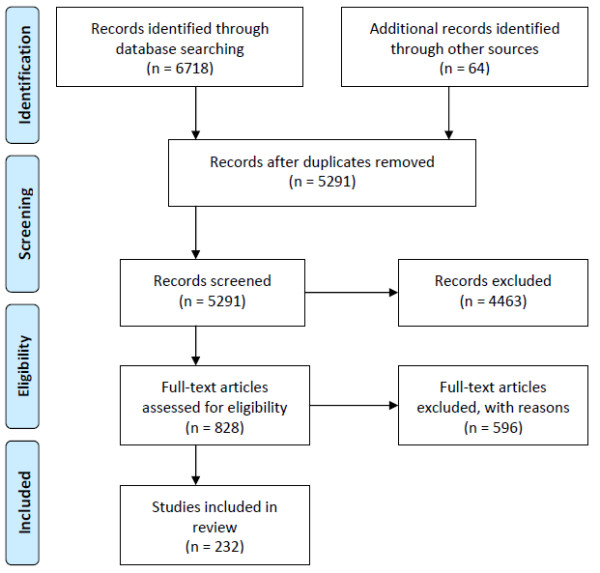
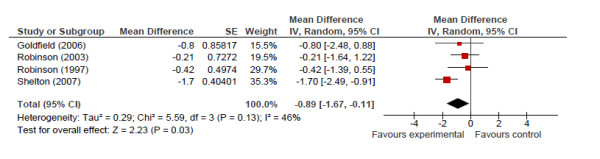
Accumulating evidence suggests that, independent of physical activity levels, sedentary behaviours are associated with increased risk of cardio-metabolic disease, all-cause mortality, and a variety of physiological and psychological problems. Therefore, the purpose of this systematic review is to determine the relationship between sedentary behaviour and health indicators in school-aged children and youth aged 5-17 years. Online databases (MEDLINE, EMBASE and PsycINFO), personal libraries and government documents were searched for relevant studies examining time spent engaging in sedentary behaviours and six specific health indicators (body composition, fitness, metabolic syndrome and cardiovascular disease, self-esteem, pro-social behaviour and academic achievement). 232 studies including 983,840 participants met inclusion criteria and were included in the review. Television (TV) watching was the most common measure of sedentary behaviour and body composition was the most common outcome measure. Qualitative analysis of all studies revealed a dose-response relation between increased sedentary behaviour and unfavourable health outcomes. Watching TV for more than 2 hours per day was associated with unfavourable body composition, decreased fitness, lowered scores for self-esteem and pro-social behaviour and decreased academic achievement. Meta-analysis was completed for randomized controlled studies that aimed to reduce sedentary time and reported change in body mass index (BMI) as their primary outcome. In this regard, a meta-analysis revealed an overall significant effect of -0.81 (95% CI of -1.44 to -0.17, p = 0.01) indicating an overall decrease in mean BMI associated with the interventions. There is a large body of evidence from all study designs which suggests that decreasing any type of sedentary time is associated with lower health risk in youth aged 5-17 years. In particular, the evidence suggests that daily TV viewing in excess of 2 hours is associated with reduced physical and psychosocial health, and that lowering sedentary time leads to reductions in BMI.
Overview
The claims and statistics of this paper haven’t been checked yet.
Free: it reads the open-access text and checks the first 5 claims that cite a source we can check. Create a free account to check every claim.
Integrity signals
Registry
Cites
Statistics
Figures
Verification
Claims the paper makes
The claims and statistics of this paper haven’t been checked yet.
Free: it reads the open-access text and checks the first 5 claims that cite a source we can check. Create a free account to check every claim.
Claims other papers make about this one
Each is checked against this paper’s own text: does it say what the citing paper says it does?
The source backs part of the claim, not all of it — or backs it for a different population, condition or comparison.
In the citing paper
“More than 2 hours per day of television viewing has been associated with lower academic performance in children and adolescents.14”
From Association Between Screen Media Use and Academic Performance Among Children and Adolescents: A Systematic Review and Meta-analysis (2019) · cites this paper as [14]
Experimental — accuracy not yet measuredThe cited source says what the claim attributes to it.
In the citing paper
“Previous systematic reviews in children and adolescents have focused on the association of television viewing and video game playing with academic performance, showing a negative association. 14,15”
From Association Between Screen Media Use and Academic Performance Among Children and Adolescents: A Systematic Review and Meta-analysis (2019) · cites this paper as [14]
In the citing paper
“In view of emerging evidence that sedentary behaviour may have independent health effects in young people 79”
From The school environment and adolescent physical activity and sedentary behaviour: a mixed-studies systematic review (2016) · cites this paper as [79]
Self-check
Percentages, sums and reported differences re-computed from the paper’s own numbers.
The self-check needs the paper’s full text.
Citations
Cites
Meta-analysis in clinical trials
DerSimonian, R., & Laird, N. (1986) · Controlled Clinical Trials · doi:10.1016/0197-2456(86)90046-2 · Cited by 39,552 · cited 1×
“Pooled estimates for the meta-analysis and their 95% confidence intervals were obtained using the random effects estimator of DerSimonian-Laird [37].”
MethodQuantifying heterogeneity in a meta‐analysis
Higgins, J. P. T., & Thompson, S. G. (2002) · Statistics in Medicine · doi:10.1002/sim.1186 · Cited by 36,763 · cited 1×
“Cochrane’s Q was used to test for heterogeneity among studies and the I(2) (squared) index [10] was used to determine the degree of heterogeneity [38].”
MethodBundesgesundheitsblatt - Gesundheitsforschung - Gesundheitsschutz
(2013) · Bundesgesundheitsblatt - Gesundheitsforschung - Gesundheitsschutz · doi:10.1007/103.1437-1588 · Cited by 11,796
Downs, S. H., & Black, N. (1998) · Journal of Epidemiology and Community Health · doi:10.1136/jech.52.6.377 · Cited by 8,252
Physical Activity in the United States Measured by Accelerometer
TROIANO, R. P., BERRIGAN, D., DODD, K. W., MÂSSE, L. C., TILERT, T., & MCDOWELL, M. (2008) · Medicine & Science in Sports & Exercise · doi:10.1249/mss.0b013e31815a51b3 · Cited by 7,638 · cited 1×
“However, across all age groups, levels of physical activity remain low [7-12] and obesity rates continue to rise [10,11,13,14]; collectively threatening the persistent increase in life expectancy enjoyed over the past century and efforts to counteract the inactivity and obesity crisis [15].”
BackgroundPrevalence and Trends in Obesity Among US Adults, 1999-2008
Flegal, K. M. (2010) · JAMA · doi:10.1001/jama.2009.2014 · Cited by 7,580 · cited 1×
“However, across all age groups, levels of physical activity remain low [7-12] and obesity rates continue to rise [10,11,13,14]; collectively threatening the persistent increase in life expectancy enjoyed over the past century and efforts to counteract the inactivity and obesity crisis [15].”
BackgroundJanssen, I., & LeBlanc, A. G. (2010) · International Journal of Behavioral Nutrition and Physical Activity · doi:10.1186/1479-5868-7-40 · Cited by 4,829 · cited 1×
“Engaging in regular physical activity is widely accepted as an effective preventative measure for a variety of health risk factors across all age, gender, ethnic and socioeconomic subgroups [1-6].”
BackgroundSelf-citationAmount of Time Spent in Sedentary Behaviors in the United States, 2003-2004
Matthews, C. E., Chen, K. Y., Freedson, P. S., Buchowski, M. S., Beech, B. M., Pate, R. R., & Troiano, R. P. (2008) · American Journal of Epidemiology · doi:10.1093/aje/kwm390 · Cited by 2,631
A Potential Decline in Life Expectancy in the United States in the 21st Century
Olshansky, S. J., Passaro, D. J., Hershow, R. C., Layden, J., Carnes, B. A., Brody, J., Hayflick, L., Butler, R. N., Allison, D. B., & Ludwig, D. S. (2005) · New England Journal of Medicine · doi:10.1056/nejmsr043743 · Cited by 2,612
A Potential Decline in Life Expectancy in the United States in the 21st Century
Olshansky, S. J., Passaro, D. J., Hershow, R. C., Layden, J., Carnes, B. A., Brody, J., Hayflick, L., Butler, R. N., Allison, D. B., & Ludwig, D. S. (2005) · Obstetrical & Gynecological Survey · doi:10.1097/01.ogx.0000167407.83915.e7 · Cited by 1,944
Research works printed but not linked: 5
- World Health Organization Global recommendations on physical activity for health 2010 Geneva, Switzerland; World Health Organization 26180873
- Bull FC Expert Working Groups Physical activity guidelines in the U.K.: Review and recommendations 2010 Leicestershire, UK: School of Sport, Exercise, and Health Sciences. Loughborough University
- Kirk SFL Penney TL Langille JJ The relationship between screen time, physical activity, dietary intake and healthy weights in children and youth: literature review and recommendations for intervention 2009 Halifax: Halifax Regional Physical Activity and the IWK Health Centre. Nova Scotia Department of Health Promotion and Protection
- LeBlanc AG Saunders TJ Larouche R Colley RC Goldfield G Tremblay MS Relation between sedentary behaviours and health outcomes in children and youth Joint Meeting of the North American Society for Pediatric Exercise Medicine and the European Group for Pediatric Work Physiology Annual General Meeting 2010 Sep 22-26, 2010; Niagara-on-the-Lake, ON. (abstract)
- Dasgupta K Sex differences in the development of higher systolic blood pressure during adolescence Cardiology Review 2008 25 5 54 7
Cited by
Items 801–900 of 1,002
U.S. Physical Activity Para Report Card for Children and Adolescents With Disabilities
Stanish, H. I., Ross, S. M., Lai, B. W., Haegele, J. A., Yun, J., & Healy, S. (2023) · Adapted Physical Activity Quarterly · doi:10.1123/apaq.2022-0054 · Cited by 20
Sequí‐Domínguez, I., Cavero‐Redondo, I., Álvarez‐Bueno, C., López‐Gil, J. F., Martínez‐Vizcaíno, V., & Pascual‐Morena, C. (2024) · Journal of Medical Internet Research · doi:10.2196/41649 · Cited by 29
“Despite evidence supporting the substantial health benefits of engaging in adequate levels of PA and decreasing sedentary behaviors during childhood [13-15], interventions promoting PA targeting children and adolescents have shown serious shortcomings, including a lack of scalability, high costs,…”
Marsigliante, S., My, G., Mazzotta, G., & Muscella, A. (2024) · Children · doi:10.3390/children11101172 · Cited by 37
“This epidemic is driven by various factors, including unhealthy dietary habits, sedentary lifestyles, and environmental influences that promote calorie-dense, nutrient-poor food choices [3,61].”
BackgroundReid, M.-A., MacCormack, J. W. H., Cousins, S., & Freeman, J. G. (2015) · School Mental Health · doi:10.1007/s12310-015-9150-3 · Cited by 27
Leatherdale, S. T. (2013) · BMC Public Health · doi:10.1186/1471-2458-13-982 · Cited by 25
“Research has previously identified that overweight youth are less likely to be active [2-4], more likely to spend time in sedentary behaviours [2,3,5], and more likely to be male [2].”
BackgroundThe Wii Club: Gaming for Weight Loss in Overweight and Obese Youth
Staiano, A. E., Abraham, A., & Calvert, S. L. (2012) · Games for Health Journal · doi:10.1089/g4h.2012.0052 · Cited by 20
“Inactivity in adolescence is associated with increased body fat, decreased fitness, lower self-esteem, and even poor academic achievement.(7) Over a lifetime, inactivity also contributes to coronary heart disease, type 2 diabetes, breast cancer, and colon cancer, accounting for 9 percent of premature deaths worldwide.”
Kong, I. G., Lee, H., Kim, S. Y., Sim, S., & Choi, H. G. (2015) · Medicine · doi:10.1097/md.0000000000001965 · Cited by 24
Results From Hong Kong’s 2016 Report Card on Physical Activity for Children and Youth
Huang, Y., Wong, S. H., Wong, M. C. S., Sit, C. H. P., Sum, R. K. W., & He, G. (2016) · Journal of Physical Activity and Health · doi:10.1123/jpah.2016-0302 · Cited by 20
Increasing Physical Activity and Enjoyment Through Goal-Setting at Summer Camp
Wilson, C., Sibthorp, J., & Brusseau, T. A. (2017) · Journal of Park and Recreation Administration · doi:10.18666/jpra-2017-v35-i4-7930 · Cited by 24
“Children today are likely to suffer from problems associated with a sedentary lifestyle including being overweight or obese, and the chronic health conditions associated with excess weight (Tremblay et al., 2011).”
BackgroundClustering of Health Behaviors and Cardiorespiratory Fitness Among U.S. Adolescents
Hartz, J. C., Yingling, L., Ayers, C. R., Adu‐Brimpong, J., Rivers, J. P., Ahuja, C., & Powell‐Wiley, T. M. (2018) · Journal of Adolescent Health · doi:10.1016/j.jadohealth.2017.11.298 · Cited by 27
Xu, F., Greaney, M. L., Cohen, S. A., Riebe, D. A., & Greene, G. W. (2018) · Journal of Obesity · doi:10.1155/2018/3547856 · Cited by 22
“Since sitting time and screen time may be associated with an increased risk for obesity [33, 34], it is important to address sedentary behaviors via appropriate and effective guidance and support to reduce obesity among adolescents.”
BackgroundLepp, A., & Barkley, J. E. (2019) · Digital Health · doi:10.1177/2055207619844870 · Cited by 28
Diet, physical activity, and screen time among school students in Manipur
Akoijam, B., Lyngdoh, M., Agui, R. S., & Singh, K. S. (2019) · Indian Journal of Community Medicine · doi:10.4103/ijcm.ijcm_282_18 · Cited by 19
“[6] The high prevalence of adolescents exposed to excessive screen time is a matter of concern because of its association with several health problems, such as overweight and obesity, alterations in blood glucose and cholesterol, poor school performance, decreased social interaction, and lower levels of physical activ…”
BackgroundPhysical Activity, Sedentary Behaviour and Mental Health in Young People: A Review of Reviews
Rodríguez‐Ayllón, M., Estévez‐López, F., Cadenas‐Sánchez, C., Gracia‐Marco, L., Lubans, D. R., Ortega, F. B., & Esteban‐Cornejo, I. (2019) · Springer eBooks · doi:10.1007/978-3-030-25816-0_3 · Cited by 25
No changes in adolescent’s sedentary behaviour across Europe between 2002 and 2017
Fernández, J. L., López‐Valenciano, A., Mayo, X., Liguori, G. A., Lamb, M. A., Copeland, R. J., & Jiménez, A. (2021) · BMC Public Health · doi:10.1186/s12889-021-10860-3 · Cited by 24
“SB has become one of the main risk factors for weight and adiposity weight [5-7], psychological health problems (e.”
BackgroundImplicações neuropsicológicas e comportamentais na infância e adolescência a partir do uso de telas
Peixoto, M. J. R., Cassel, P. A., & Bredemeier, J. (2020) · Research Society and Development · doi:10.33448/rsd-v9i9.7188 · Cited by 62
Irwin, J. D., Johnson, A. M., Vanderloo, L. M., Burke, S. M., & Tucker, P. (2015) · Preventive Medicine Reports · doi:10.1016/j.pmedr.2015.07.007 · Cited by 19
“As such, increasing physical activity and reducing sedentary behaviors helps to promote overall health and lower health risks among children (Tremblay et al., 2011).”
BackgroundBaere, S. D., Seghers, J., Philippaerts, R. M., Martelaer, K. D., & Lefevre, J. (2015) · Journal of Physical Activity and Health · doi:10.1123/jpah.2014-0416 · Cited by 21
Trends in Screen Time Behaviours in Czech Schoolchildren between 2002 and 2014: HBSC Study.
Sigmundová, D., Sigmund, E., Bucksch, J., Baďura, P., Kalman, M., & Hamřík, Z. (2017) · Central European Journal of Public Health · doi:10.21101/cejph.a4822 · Cited by 25
Baumgartner, L., Postler, T., Gräf, C., Ferrari, N., Haller, B., Oberhoffer, R., & Schulz, T. (2020) · Frontiers in Public Health · doi:10.3389/fpubh.2020.00352 · Cited by 28
Yu, M., Wu, Y., Gordon, S. P., Cheng, J., Chen, P., Wang, Y., & Yu, H. (2020) · Environmental Research · doi:10.1016/j.envres.2020.110492 · Cited by 19
White, K. N., Lubans, D. R., & Eather, N. (2022) · Pilot and Feasibility Studies · doi:10.1186/s40814-021-00964-3 · Cited by 23
“Although reducing screentime has been identified as a potential strategy to improve adolescents’ psychosocial health [93], findings from experimental studies have been mixed [8].”
BackgroundKariippanon, K. E., Chong, K. H., Janssen, X., Tomaz, S. A., Ribeiro, E. H. C., Munambah, N., Chan, C. H. S., Chathurangana, P., Draper, C. E., Hamdouchi, A. E., et al. (2022) · Medicine & Science in Sports & Exercise · doi:10.1249/mss.0000000000002886 · Cited by 23
Self-citationCristi‐Montero, C., Hernández-Jaña, S., Zavala-Crichton, J. P., Tremblay, M. S., Ortega, F. B., Feter, N., Mota, J. A. P. S., Aguilar-Farías, N., Ferrari, G., Sadarangani, K. P., et al. (2023) · Mental health and physical activity · doi:10.1016/j.mhpa.2023.100561 · Cited by 22
Self-citationKatapally, T. R., & Muhajarine, N. (2015) · International Journal of Environmental Research and Public Health · doi:10.3390/ijerph120910995 · Cited by 24
“The benefits of physical activity (PA) have been well established, and, independent of PA, sedentary behaviour (SB) has emerged as an important factor that influences a wide range of health outcomes [1–3].”
BackgroundLippevelde, W. V., Bere, E. T., Verloigne, M., van Stralen, M. M., Bourdeaudhuij, I. D., Lien, N., Vik, F. N., Μanios, Y., Grillenberger, M., Kovács, É., et al. (2014) · BMC Public Health · doi:10.1186/1471-2458-14-857 · Cited by 25
“Sedentary behaviours have been associated with obesity in childhood [2].”
BackgroundMethodInfluentialFeliciano, E. M. C., Horan, C. M., Gillman, M. W., Gortmaker, S. L., Price, S. N., Rifas‐Shiman, S. L., Mitchell, K. F., & Taveras, E. M. (2014) · Preventive Medicine · doi:10.1016/j.ypmed.2014.02.005 · Cited by 19
“…et al., 2011; Walpole et al., 2011) Intervention trials in older children show that greater reductions in TV predict greater reductions in BMI, (Tremblay et al., 2011) and a recent meta-analysis of 68 effective interventions to promote healthy weight in children found that reduced TV viewing…”
BackgroundInfluentialMartinez, M. E., Navarrete‐Muñoz, E. M., de la Hera, M. G., Giménez-Monzó, D., González‐Palacios, S., Valera‐Gran, D., Sempere-Orts, M., & Vioqué, J. (2014) · Gaceta Sanitaria · doi:10.1016/j.gaceta.2013.12.003 · Cited by 38
Minges, K. E., Chao, A. M., Nam, S., Grey, M. J., & Whittemore, R. (2014) · The Journal of School Nursing · doi:10.1177/1059840514554089 · Cited by 24
“Nonschool ST, or discretionary time spent watching television, playing video games, or using the computer was used as a proxy for sedentary behavior given the positive association with BMI (Tremblay et al., 2011).”
MethodInfluentialThe Children’s Perceived Locus of Causality Scale for Physical Education
Pannekoek, L., Piek, J. P., & Hagger, M. S. (2014) · Journal of Teaching in Physical Education · doi:10.1123/jtpe.2013-0095 · Cited by 39
Comportamento sedentário em estudantes Universitários
Lourenço, C. L. M., Sousa, T., Fonseca, S. A., Júnior, J. S. V., & Barbosa, A. R. (2016) · Revista Brasileira de Atividade Física & Saúde · doi:10.12820/rbafs.v.21n1p67-77 · Cited by 23
on behalf of the ToyBox-study group, Miguel‐Berges, M. L., Santaliestra-Pasías, A. M., Mouratidou, T., Androutsos, O., Craemer, M. D., Pinket, A.-S., Birnbaum, J., Koletzko, B. V., Iotova, V., et al. (2016) · European Journal of Nutrition · doi:10.1007/s00394-016-1236-7 · Cited by 28
McNeill, G., Masson, L. F., Macdiarmid, J. I., Craig, L. C. A., Wills, W., & Bromley, C. (2017) · Public Health Nutrition · doi:10.1017/s1368980016002949 · Cited by 19
“In recent years an association between sedentary behaviour and obesity risk in children has highlighted((27)), while levels of physical activity give further cause for concern.”
BackgroundDamian, M., Oltean, A., & Damian, G. C. (2018) · Revista Romaneasca pentru Educatie Multidimensionala · doi:10.18662/rrem/19 · Cited by 34
Alert, M. D., Saab, P. G., Llabre, M. M., & McCalla, J. R. (2018) · Health Education & Behavior · doi:10.1177/1090198118788599 · Cited by 25
Menon, S., Philipneri, A., Ratnasingham, S., & Manson, H. E. (2019) · BMC Public Health · doi:10.1186/s12889-019-7007-7 · Cited by 24
Sedentary Behavior: Implications for Children With Cerebral Palsy
Innes, J., & Darrah, J. (2013) · Pediatric Physical Therapy · doi:10.1097/pep.0b013e31829c4234 · Cited by 21
Mo‐suwan, L., Nontarak, J., Aekplakorn, W., & Satheannoppakao, W. (2014) · International Journal of Pediatrics · doi:10.1155/2014/364702 · Cited by 19
Walton, J., McNulty, B. A., Nugent, A. P., Gibney, M. J., & Flynn, A. (2014) · Proceedings of The Nutrition Society · doi:10.1017/s0029665114000056 · Cited by 19
“Television (TV) viewing has been shown to be associated with BMI in youth (53,54) and evidence suggests that children and teenagers should watch 2h TV per day during their discretionary time to improve body composition (54) .”
Health promotion partnership to promote physical activity in Swedish children with ASD and ADHD
Lydell, M., Kristén, L., & Nyholm, M. (2022) · Health Promotion International · doi:10.1093/heapro/daac169 · Cited by 22
“A sedentary lifestyle is a major public health issue because it contributes to cardio-metabolic risk factors, decreases quality of life and negatively affects cognitive functioning and weight status (Tremblay et al., 2011; Wu et al., 2017).”
BackgroundObjectively measured sedentary behaviour and self-esteem among children
Faulkner, G., Carson, V., & Stone, M. R. (2013) · Mental health and physical activity · doi:10.1016/j.mhpa.2013.11.001 · Cited by 19
Venkatapoorna, C. M. K., Ayine, P., Selvaraju, V., PARRA, E. P., Koenigs, T., Babu, J. R., & Geetha, T. (2020) · Journal of Clinical Sleep Medicine · doi:10.5664/jcsm.8080 · Cited by 22
Barroso, C. S., Springer, A. E., Ledingham, C., & Kelder, S. H. (2020) · International Journal of Qualitative Studies on Health and Well-Being · doi:10.1080/17482631.2020.1735766 · Cited by 22
“Excessive screen time and other sedentary behaviours are associated with an increased risk for obesity, lower physical fitness, greater anti-social behaviours, and lower academic achievement in children and adolescents (Hancox, Milne, & Poulton, 2004; Robinson et al., 2017; Tremblay et al., 2011).”
BackgroundYusuf, R. A., Mont, D. F., Lin, W., & Chen, H. (2021) · Asia Pacific Journal of Public Health · doi:10.1177/1010539521997255 · Cited by 24
Gao, W., Zhang, Y., Wu, D., Dong, Y., Liu, N., & Wang, H. (2022) · International Journal of Environmental Research and Public Health · doi:10.3390/ijerph19031262 · Cited by 20
“Previous studies have explored the impact of health-related behaviors, such as physical activity (PA), sedentary behavior (SB), and sleep behavior (SLP), on various health-related outcomes among preschool children [3–7], which found that the moderate to vigorous physical activity (MVPA) could improve the ability of bo…”
BackgroundCarriedo, A., & Estrada, J. A. C. (2022) · Early Childhood Education Journal · doi:10.1007/s10643-022-01325-2 · Cited by 25
McGowan, A. L., Gerde, H. K., Pfeiffer, K. A., & Pontifex, M. B. (2022) · Early Education and Development · doi:10.1080/10409289.2022.2056694 · Cited by 23
“…the independent contributions of greater levels of physical activity, sufficient sleep, and reduced sedentary behavior for physical health in school-age children (Cappuccio et al., 2008; Janssen & LeBlanc, 2010; Tremblay et al., 2011) and to a lesser extent young children (Kuzik et al., 2017).”
BackgroundPetrović, M., Miljković, T., Ilić, A., Kovacevic, M., Čanković, M., Dabović, D., Milosavljević, A. S., Čemerlić, S., Jaraković, M., Andrić, D., et al. (2024) · Frontiers in Cardiovascular Medicine · doi:10.3389/fcvm.2024.1276521 · Cited by 23
Beyond “Brain Breaks”: A New Model for Integrating Classroom-Based Active Breaks
Lander, N., Ayala, A. M. C., Mazzoli, E., Lai, S. K., Orr, J., & Salmon, J. (2024) · Journal of Physical Education Recreation & Dance · doi:10.1080/07303084.2024.2308253 · Cited by 40
Garmy, P., Clausson, E. K., Nyberg, P., & Jakobsson, U. (2013) · Nursing and Health Sciences · doi:10.1111/nhs.12076 · Cited by 32
“In addition, sedentary behaviour such as spending long periods of time either watching television or sitting at a computer, have been linked to overweight (Tremblay et al., 2011; Jelastopulu et al., 2012).”
BackgroundResultFerrar, K., & Golley, R. K. (2015) · Health Education & Behavior · doi:10.1177/1090198114560017 · Cited by 23
“For example, the members of the girls’ Unhealthy Screener clusters were characterized by high TV and computer time, pastimes typically associated with obesity (Tremblay et al., 2011).”
BackgroundXue, H., Tian, G., Duan, R., Quan, L., Zhao, L., Yang, M. S., Libuda, L., Muckelbauer, R., & Cheng, G. (2016) · Nutrients · doi:10.3390/nu8110667 · Cited by 20
Joschtel, B., Gomersall, S. R., Tweedy, S. M., Petsky, H., Chang, A. B., & Trost, S. G. (2019) · BMC Pulmonary Medicine · doi:10.1186/s12890-018-0772-8 · Cited by 22
Familial Environment and Overweight/Obese Adolescents’ Physical Activity
Carbert, N., BRUSSONI, M. J., Geller, J., & Mâsse, L. C. (2019) · International Journal of Environmental Research and Public Health · doi:10.3390/ijerph16142558 · Cited by 21
“To help manage this ongoing problem, research suggests that engaging in positive health behaviours such as increased physical activity (PA) among other behaviours can act as a protective factor against obesity [3,4].”
BackgroundSchroeder, K., Kubik, M., Lee, J., Sirard, J. R., & Fulkerson, J. A. (2019) · Journal of Physical Activity and Health · doi:10.1123/jpah.2019-0108 · Cited by 21
Sigmund, E., Sigmundová, D., & Baďura, P. (2020) · International Journal of Public Health · doi:10.1007/s00038-020-01419-x · Cited by 25
Sollerhed, A., & Hedov, G. (2021) · International Journal of Environmental Research and Public Health · doi:10.3390/ijerph18020660 · Cited by 21
“Sedentary behavior is associated with an increased risk of allcause mortality and various physiological and psychological problems [16,33–35], also in children [36].”
BackgroundMosha, M., Msuya, S. E., Kasagama, E., Ayieko, P., Todd, J., & Filteau, S. (2021) · PLoS ONE · doi:10.1371/journal.pone.0249595 · Cited by 22
“This observation guided our decision to dichotomize the responses for sedentary behaviour as “� 2 hours” and “> 2 hours” [21].”
MethodWang, H., Abbey, C., She, X., Rozelle, S., & Ma, X. (2021) · International Journal of Environmental Research and Public Health · doi:10.3390/ijerph18105107 · Cited by 24
“The first strand documents the association between sedentary behaviors and poor mental health outcomes [71,72].”
BackgroundSu, Y., Zhang, Y., Chen, S., Hong, J.-T., & Wang, H. (2022) · Frontiers in Public Health · doi:10.3389/fpubh.2022.729641 · Cited by 22
Joint associations of physical activity and sedentary time with adiposity during adolescence: ALSPAC
Kwon, S., Ekelund, U., Kandula, N. R., & Janz, K. F. (2022) · European Journal of Public Health · doi:10.1093/eurpub/ckac023 · Cited by 21
Comparison of three activity monitors for estimating sedentary time among children
Stålesen, J. H., Vik, F. N., Hansen, B. H., & Berntsen, S. (2016) · BMC Sports Science Medicine and Rehabilitation · doi:10.1186/s13102-016-0028-y · Cited by 22
“Sedentary time has been inversely associated with high-density lipoprotein cholesterol in overweight and obese children [3] and self-reported screen time has been associated with pediatric obesity and cardio metabolic disease [4].”
BackgroundGreig, A. A., Constantin, E., LeBlanc, C. M. A., Riverin, B. D., Li, P. T.-S., Cummings, C., & Canadian Paediatric Society (2016) · Paediatrics & Child Health · doi:10.1093/pch/21.5.265 · Cited by 22
Zhang, T., Wang, P., Liu, H., Wang, L., Li, W., Leng, J., Li, N., Zhang, S., Qi, L., Tuomilehto, J., et al. (2017) · Scientific Reports · doi:10.1038/srep41115 · Cited by 22
Introduction to Sedentary Behaviour Epidemiology
Jochem, C., Schmid, D., & Leitzmann, M. F. (2017) · Springer series on epidemiology and public health · doi:10.1007/978-3-319-61552-3_1 · Cited by 21
Physical Activity in 15–17-Year-Old Adolescents as Compensation for Sedentary Behavior in School
Jakubec, L., Frömel, K., Chmelík, F., & Groffik, D. (2020) · International Journal of Environmental Research and Public Health · doi:10.3390/ijerph17093281 · Cited by 23
“It is clear that even schools must start to respect the fact that decreasing any type of sedentary time is associated with a lower health risk in youth [51].”
BackgroundSteenbock, B., Pischke, C. R., Schönbach, J., Pöttgen, S., & Brand, T. (2015) · Bundesgesundheitsblatt - Gesundheitsforschung - Gesundheitsschutz · doi:10.1007/s00103-014-2100-7 · Cited by 17
Liebherr, M., Heyder, A., Brailovskaia, J., Burkardt, T. M., Latrouite, C., Montag, C., & Antons, S. (2025) · Journal of Behavioral Addictions · doi:10.1556/2006.2025.00007 · Cited by 28
“Furthermore, Tremblay et al. (2011) found that excessive screen time is correlated with poor physical fi tness and increased risk of chronic diseases.”
School-related physical activity, lifestyle and obesity in children
Sigmund, E., & Sigmundová, D. (2014) · doi:10.5507/ftk.14.24439266 · Cited by 19
Oellingrath, I. M., & Svendsen, M. V. (2016) · Public Health Nutrition · doi:10.1017/s1368980016002536 · Cited by 24
Zhou, Z., Dong, S., Yin, J., Fu, Q., Ren, H., & Yin, Z. (2018) · International Journal of Environmental Research and Public Health · doi:10.3390/ijerph15050976 · Cited by 18
Screen Time dalam Perilaku Pengasuhan Gererasi Alpha pada Masa Tanggap Darurat Covid-19
Pratiwi, H. P. (2020) · Jurnal Obsesi Jurnal Pendidikan Anak Usia Dini · doi:10.31004/obsesi.v5i1.544 · Cited by 42
Teachers’ Perspective on Strategies to Reduce Sedentary Behavior in Educational Institutions
Podrekar, N., Kastelic, K., & Šarabon, N. (2020) · International Journal of Environmental Research and Public Health · doi:10.3390/ijerph17228407 · Cited by 17
“Therefore, students should be educated about the negative consequences of prolonged sitting and sedentary behavior (SB), such as unfavorable body composition, decreased fitness, lowered scores for self-esteem, and decreased academic achievement [2], and should learn strategies to counteract these negative effects.”
BackgroundChoudhary, S. S., Biswal, S., Saha, R., & Chatterjee, C. (2021) · Arabian Journal of Geosciences · doi:10.1007/s12517-021-08139-3 · Cited by 17
“The crop/ plant consumes nutrients up to a certain limit; consequently over or under application of nitrogen (N) is worthless, reckless, and unfavorable for environmental, ecological balance, and human health (Ju et al. 2009; Tremblay et al. 2011; Parks et al. 2012).”
BackgroundThe effects of light physical activity on learning in adolescents: a systematic review
Chim, H. Q., Gijselaers, H. J. M., de Groot, R. H. M., Gerven, P. W. M. V., Egbrink, M. G. A. O., & Savelberg, H. H. C. M. (2021) · International Review of Sport and Exercise Psychology · doi:10.1080/1750984x.2021.2001837 · Cited by 23
“Apart from the focus on learning, other researchers have found LPA to be bene fi cial for physical health (Chastin et al., 2019; Füzéki et al., 2017), counteracting the negative risks of prolonged SB (Rezende et al., 2014; Tremblay et al., 2011).”
BackgroundLin, E.-Y. J., Witten, K., Carroll, P., Romeo, J. S., Donnellan, N., & Smith, M. (2022) · Children s Geographies · doi:10.1080/14733285.2022.2121913 · Cited by 24
“Over the past decade, sedentary behaviour (SB) has become a growing public health concern and subject of research interest (Tremblay et al. 2011), especially since it has been identi fi ed as a health risk factor independent of physical activity (Carson et al. 2016; Mitchell and Byun 2014).”
BackgroundGodoy-Cumillaf, A. E. R., Fuentes-Merino, P., Farías‐Valenzuela, C., Bastías, D. M. D., Giakoni-Ramírez, F., Bruneau-Chávez, J., & Merellano-Navarro, E. (2023) · Children · doi:10.3390/children10060981 · Cited by 34
“In children and young people, sedentary behavior represents 60% of their daily awake time, values that have been increasing in recent years [6].”
BackgroundSliwa, S. A., Hawkins, G. T., Lee, S. M., & Hunt, H. (2023) · Journal of School Health · doi:10.1111/josh.13374 · Cited by 23
“26,27 This special issue, featuring this overview; 7 systematic reviews; 1 scoping review; and a commentary, aims to summarize evidence published since 2010 around school-based approaches to support student and staff PA and consumption of nutritious foods, and to identify what this means for…”
BackgroundFenton, S. A. M., Duda, J. L., & Barrett, T. G. (2015) · Journal of Sports Sciences · doi:10.1080/02640414.2015.1048273 · Cited by 23
“In addition, associations between PA, sedentary time and health have been reported to occur in both males and females, and in different cultures and ethnic groups (Janssen & Leblanc, 2010; Tremblay et al., 2011).”
BackgroundInfluentialAtividade física e tempo de tela em jovens de uma cidade de médio porte do Sul do Brasil
Greca, J. P. D. A., Silva, D. A. S., & Loch, M. R. (2016) · Revista Paulista de Pediatria · doi:10.1016/j.rpped.2015.11.001 · Cited by 18
Association between physical activity motives and type of physical activity in children
Goguen, J., Bélanger, M. F., O’Loughlin, J. L., Xhignesse, M., Ward, S. A., Caissie, I., & Sabiston, C. M. (2015) · International Journal of Sport and Exercise Psychology · doi:10.1080/1612197x.2015.1095779 · Cited by 24
“Despite the many health benefits of PA (Bailey, Boddy, Savory, Denton, & Kerr, 2012; Bloemers et al., 2011; Janssen & LeBlanc, 2010; Tremblay et al., 2011), only 5% of Canadian youth age 5–17 years attain the recommended 60 minutes of MVPA per day (Canadian Society for Exercise Physiology [CSEP],…”
BackgroundEffects of the 3-year Sigue la Huella intervention on sedentary time in secondary school students
Pardo, B. M., Bengoechea, E. G., Lanaspa, E. G., Casterad, J. Z., & Clemente, J. A. J. (2014) · European Journal of Public Health · doi:10.1093/eurpub/cku194 · Cited by 24
Sedentary Behavior Research Priorities—NHLBI/NIA Sedentary Behavior Workshop Summary
Boyington, J., Joseph, L., Fielding, R. A., & Pate, R. R. (2014) · Medicine & Science in Sports & Exercise · doi:10.1249/mss.0000000000000516 · Cited by 21
“Yet, the health consequences of sedentary behavior are not clearly understood (4,5,7-11,18).”
BackgroundTaxonomy-based content analysis of sedentary behavior questionnaires: A systematic review
Rivière, F., Aubert, S., Omorou, A. Y., Ainsworth, B. E., & Vuillemin, A. (2018) · PLoS ONE · doi:10.1371/journal.pone.0193812 · Cited by 21
Physical fitness and activity, metabolic profile, adipokines and endothelial function in children
da Penha, J. T., Gazolla, F. M., Carvalho, C. N. D. M., Madeira, I. R., Rodrigues‐Júnior, F., Machado, E. D. A., Sicuro, F. L., Farinatti, P., Bouskela, E., & Collett‐Solberg, P. F. (2018) · Jornal de Pediatria · doi:10.1016/j.jped.2018.04.010 · Cited by 24
Sigmund, E., Sigmundová, D., Baďura, P., & Gecková, A. M. (2018) · BMC Public Health · doi:10.1186/s12889-018-5582-7 · Cited by 20
“However, rather than all types of sedentary behaviours, attention was focused on screen time activities only, since they allow more accurate discrimination of health-risk behaviours than total sedentary behaviour does [61, 62].”
BackgroundThe Relationships between Adolescents’ Obesity and the Built Environment: Are They City Dependent?
HaGani, N., Moran, M. R., Caspi, O., Plaut, P., Endevelt, R., & Baron‐Epel, O. (2019) · International Journal of Environmental Research and Public Health · doi:10.3390/ijerph16091579 · Cited by 19
Gao, Y., Haapala, E. A., Vanhala, A., Sääkslahti, A., Rantakokko, M., Laukkanen, A., Pesola, A. J., Rantalainen, T., & Finni, T. J. (2019) · Frontiers in Physiology · doi:10.3389/fphys.2019.00997 · Cited by 19
Brand, C., Lima, R. A., da Silva, T. F., Macêdo, D. S., Mota, J. A. P. S., Andersen, L. B., Martins, C., & Gaya, A. R. (2019) · Sport Sciences for Health · doi:10.1007/s11332-019-00590-w · Cited by 21
O’Brien, K. M., Agostino, J., Ciszek, K., & Douglas, K. A. (2020) · BMJ Open · doi:10.1136/bmjopen-2019-034847 · Cited by 19
Physical activity levels during a Sport Education season of games from around the world
Puente-Maxera, F., Mendez‐Giménez, A., & de Ojeda, D. M. (2020) · European Physical Education Review · doi:10.1177/1356336x20939591 · Cited by 21
“However, physical inactivity has nowadays reached epidemic proportions, and is associated with an increased risk of chronic diseases (Tremblay et al., 2011).”
BackgroundHealth-Risk Behaviors and Dietary Patterns Among Jordanian College Students: A Pilot Study
Alkhalidy, H., Orabi, A., Alzboun, T., Alnaser, K., Al-Shami, I. K., & Al-Bayyari, N. S. (2021) · Frontiers in Nutrition · doi:10.3389/fnut.2021.632035 · Cited by 29
Möller, S., Poulain, T., Körner, A., Meigen, C., Jurkutat, A., Vogel, M., Wessela, S., Hiemisch, A., Grafe, N., & Kieß, W. (2021) · PLoS ONE · doi:10.1371/journal.pone.0251738 · Cited by 23
“This contradicts findings of a systematic review of 232 studies with participants from 39 countries showing negative associations of TV-watching with physical and musculoskeletal fitness in most cases [46].”
ResultGonzález, J. J. P., Tapia‐Serrano, M. Á., García, J. D., Ponce-Bordón, J. C., & López-Gajardo, M. Á. (2021) · International Journal of Environmental Research and Public Health · doi:10.3390/ijerph18157775 · Cited by 33
“Despite a large number of guidelines to reduce SB [14,15], several studies have shown that SB has increased over the last years [12–15], which may lead to unfavorable measures of body composition, fitness, self-esteem, prosocial behavior, and academic achievement [16].”
BackgroundHealth-Related Quality of Life and Frequency of Physical Activity in Spanish Students Aged 8–14
Calzada-Rodríguez, J. I., Denche-Zamorano, Á. M., Pérez‐Gómez, J., Mendoza-Muñoz, M., Carlos‐Vivas, J., Barrios-Fernández, S., & Adsuar, J. C. (2021) · International Journal of Environmental Research and Public Health · doi:10.3390/ijerph18179418 · Cited by 25
“In contrast, sedentary behaviors impair not only fitness and body composition but also lead to reduced self-esteem [67] and depression [68].”
BackgroundWang, Y., Liu, Q., Chen, Y., Qian, Y.-L., Pan, B., Ge, L., Wang, Q., Ding, G., & Wang, J. (2021) · Frontiers in Pediatrics · doi:10.3389/fped.2021.633525 · Cited by 23
Adachi, M., Takahashi, M., Shinkawa, H., Mori, H., Nishimura, T., & Nakamura, K. (2021) · Social Psychiatry and Psychiatric Epidemiology · doi:10.1007/s00127-021-02196-5 · Cited by 19
“A byproduct of these lifestyle changes is the increased screen time (ST) during the pandemic, as children and adolescents were forced to use electronic devices for communicational and educational purposes [2], even before COVID-19, it was well-known that prolonged sedentary behavior was linked to negative mental healt…”
BackgroundTime use clusters in children and their associations with sociodemographic factors
Huang, Y., & Wong, S. H. (2015) · Journal of Public Health · doi:10.1093/pubmed/fdv088 · Cited by 18
Unhealthy Behaviors in Adolescents: Multibehavioral Associations with Psychosocial Problems
Busch, V., & de Leeuw, J. R. J. (2013) · International Journal of Behavioral Medicine · doi:10.1007/s12529-013-9316-z · Cited by 19
“Several studies have investigated the associations between various unhealthy behaviors and physical or psychosocial health [2–5], and in addition to traditional health-related behaviors, such as nutrition, physical activity, and substance use, “new” behaviors such as bullying [3, 6], internet use [7–9], and videogame…”
BackgroundPardo, B. M., Bengoechea, E. G., Clemente, J. A. J., & Lanaspa, E. G. (2015) · International Journal of Behavioral Medicine · doi:10.1007/s12529-015-9528-5 · Cited by 23
Metadata
- Authors
- Tremblay, M. S., LeBlanc, A. G., Kho, M. E., Saunders, T. J., Larouche, R., Colley, R. C., Goldfield, G., & Gorber, S.
- Affiliations
- Children's Hospital of Eastern Ontario (CA)
- Johns Hopkins University (US)
- Public Health Agency of Canada (CA)
- Corresponding author
- Tremblay, Mark S
- ORCID
- Venue
- International Journal of Behavioral Nutrition and Physical Activity
- Published
- 2011
- Volume
- 8
- Issue
- 1
- Pages
- 98
- ISSN
- 1479-5868 (ISSN-L)
- PMC
- PMC3186735
- OpenAlex
- W2136823874
- Cited by
- 2,085
- References
- 276
- Citations by year
- 2026: 72 · 2025: 103 · 2024: 99 · 2023: 114 · 2022: 164 · 2021: 167 · 2020: 173 · 2019: 189 · 2018: 152 · 2017: 179 · 2016: 185 · 2015: 186 · 2014: 144 · 2013: 104 · 2012: 50
- FWCI
- 10.31
- Type
- journal article
- Language
- en
- Open access
- gold
- doi.org
- Licence
- cc-by
- Locations
- International Journal of Behavioral Nutrition and Physical Activity (publishedVersion, cc-by)
- Europe PMC (PubMed Central) (publishedVersion, cc-by)
- PubMed Central (publishedVersion, cc-by)
- PubMed (publishedVersion)
- uO Research (University of Ottawa) (submittedVersion, public-domain)
- DOAJ (DOAJ: Directory of Open Access Journals) (submittedVersion, cc-by-sa)
- Funders
- Public Health Agency of Canada
- Public Health Agency
- Canadian Institutes of Health Research
- Topics
- Health Sciences › Medicine › Public Health, Environmental and Occupational Health › Physical Activity and Health
- Health Sciences › Medicine › Public Health, Environmental and Occupational Health › Obesity, Physical Activity, Diet
- Health Sciences › Medicine › Public Health, Environmental and Occupational Health › School Health and Nursing Education
- Keywords
- sedentary behavior, television viewing, body composition, body mass index, physical fitness, metabolic syndrome, cardiovascular disease, self-esteem, prosocial behavior, academic performance, cardiometabolic risk
- MeSH terms
- Adolescent, Adolescent Behavior, Body Composition, Cardiovascular Diseases, Child, Child Behavior, Educational Status, Health Status, Health Status Indicators, Humans, Interpersonal Relations, Mortality, Obesity, Physical Fitness, Risk Factors, Self Concept, Television, Health Behavior, Body Mass Index, Metabolic Syndrome, Qualitative Research, Sedentary Behavior
About these checks
Registry, retraction, Cites and statistics results are computed, not judged, with one exception: a printed reference that no index lists is read once by a model before it counts as a citation error. Claims are extracted by a model and kept only when their quote appears verbatim in the text; each cited source is then checked, with a model’s help, for whether it says what the claim relies on. Those verdicts can be wrong — read the claim’s quote and the cited source before relying on one.
Statistics and arithmetic are recomputed, not judged.
Confidence bands are shown only for fields calibrated on our annotated test set. None is calibrated yet, so no band is shown.
What counts as a claim ›How we measure confidence ›How we check this ›
Are you an author, or do you see a problem with this page? Request a review
Data sources
Bibliographic data: Semantic Scholar, OpenAlex, Crossref.
Contains information from the Semantic Scholar Academic Graph Datasets, made available under the ODC Attribution License (ODC-BY 1.0).
Semantic Scholar’s data is described in: Kinney, R., et al. (2023). The Semantic Scholar Open Data Platform. arXiv:2301.10140.
