

Systematic review of sedentary behaviour and health indicators in school-aged children and youth.
Open accessThe DOI matches its Crossref record; 276 of the 276 references it cites were found in a registry or an index.
Abstract
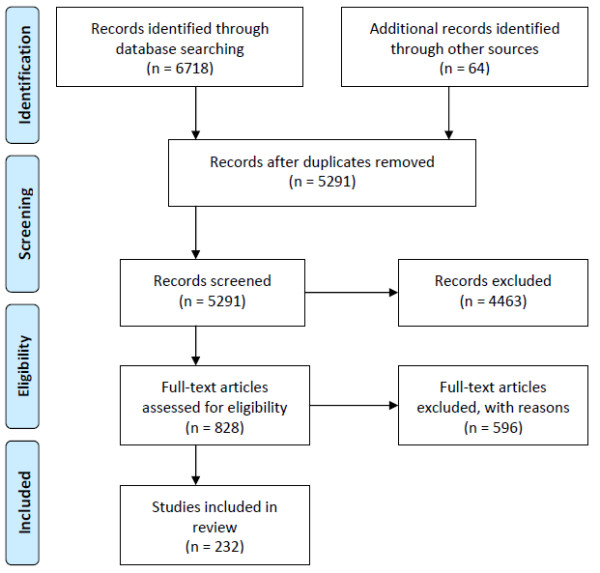
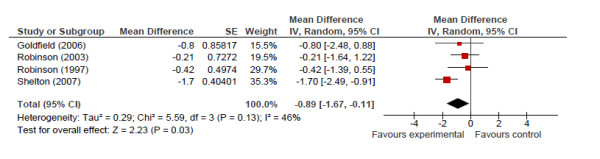
Accumulating evidence suggests that, independent of physical activity levels, sedentary behaviours are associated with increased risk of cardio-metabolic disease, all-cause mortality, and a variety of physiological and psychological problems. Therefore, the purpose of this systematic review is to determine the relationship between sedentary behaviour and health indicators in school-aged children and youth aged 5-17 years. Online databases (MEDLINE, EMBASE and PsycINFO), personal libraries and government documents were searched for relevant studies examining time spent engaging in sedentary behaviours and six specific health indicators (body composition, fitness, metabolic syndrome and cardiovascular disease, self-esteem, pro-social behaviour and academic achievement). 232 studies including 983,840 participants met inclusion criteria and were included in the review. Television (TV) watching was the most common measure of sedentary behaviour and body composition was the most common outcome measure. Qualitative analysis of all studies revealed a dose-response relation between increased sedentary behaviour and unfavourable health outcomes. Watching TV for more than 2 hours per day was associated with unfavourable body composition, decreased fitness, lowered scores for self-esteem and pro-social behaviour and decreased academic achievement. Meta-analysis was completed for randomized controlled studies that aimed to reduce sedentary time and reported change in body mass index (BMI) as their primary outcome. In this regard, a meta-analysis revealed an overall significant effect of -0.81 (95% CI of -1.44 to -0.17, p = 0.01) indicating an overall decrease in mean BMI associated with the interventions. There is a large body of evidence from all study designs which suggests that decreasing any type of sedentary time is associated with lower health risk in youth aged 5-17 years. In particular, the evidence suggests that daily TV viewing in excess of 2 hours is associated with reduced physical and psychosocial health, and that lowering sedentary time leads to reductions in BMI.
Overview
The claims and statistics of this paper haven’t been checked yet.
Free: it reads the open-access text and checks the first 5 claims that cite a source we can check. Create a free account to check every claim.
Integrity signals
Registry
Cites
Statistics
Figures
Verification
Claims the paper makes
The claims and statistics of this paper haven’t been checked yet.
Free: it reads the open-access text and checks the first 5 claims that cite a source we can check. Create a free account to check every claim.
Claims other papers make about this one
Each is checked against this paper’s own text: does it say what the citing paper says it does?
The source backs part of the claim, not all of it — or backs it for a different population, condition or comparison.
In the citing paper
“More than 2 hours per day of television viewing has been associated with lower academic performance in children and adolescents.14”
From Association Between Screen Media Use and Academic Performance Among Children and Adolescents: A Systematic Review and Meta-analysis (2019) · cites this paper as [14]
Experimental — accuracy not yet measuredThe cited source says what the claim attributes to it.
In the citing paper
“Previous systematic reviews in children and adolescents have focused on the association of television viewing and video game playing with academic performance, showing a negative association. 14,15”
From Association Between Screen Media Use and Academic Performance Among Children and Adolescents: A Systematic Review and Meta-analysis (2019) · cites this paper as [14]
In the citing paper
“In view of emerging evidence that sedentary behaviour may have independent health effects in young people 79”
From The school environment and adolescent physical activity and sedentary behaviour: a mixed-studies systematic review (2016) · cites this paper as [79]
Self-check
Percentages, sums and reported differences re-computed from the paper’s own numbers.
The self-check needs the paper’s full text.
Citations
Cites
Meta-analysis in clinical trials
DerSimonian, R., & Laird, N. (1986) · Controlled Clinical Trials · doi:10.1016/0197-2456(86)90046-2 · Cited by 39,552 · cited 1×
“Pooled estimates for the meta-analysis and their 95% confidence intervals were obtained using the random effects estimator of DerSimonian-Laird [37].”
MethodQuantifying heterogeneity in a meta‐analysis
Higgins, J. P. T., & Thompson, S. G. (2002) · Statistics in Medicine · doi:10.1002/sim.1186 · Cited by 36,763 · cited 1×
“Cochrane’s Q was used to test for heterogeneity among studies and the I(2) (squared) index [10] was used to determine the degree of heterogeneity [38].”
MethodBundesgesundheitsblatt - Gesundheitsforschung - Gesundheitsschutz
(2013) · Bundesgesundheitsblatt - Gesundheitsforschung - Gesundheitsschutz · doi:10.1007/103.1437-1588 · Cited by 11,796
Downs, S. H., & Black, N. (1998) · Journal of Epidemiology and Community Health · doi:10.1136/jech.52.6.377 · Cited by 8,252
Physical Activity in the United States Measured by Accelerometer
TROIANO, R. P., BERRIGAN, D., DODD, K. W., MÂSSE, L. C., TILERT, T., & MCDOWELL, M. (2008) · Medicine & Science in Sports & Exercise · doi:10.1249/mss.0b013e31815a51b3 · Cited by 7,638 · cited 1×
“However, across all age groups, levels of physical activity remain low [7-12] and obesity rates continue to rise [10,11,13,14]; collectively threatening the persistent increase in life expectancy enjoyed over the past century and efforts to counteract the inactivity and obesity crisis [15].”
BackgroundPrevalence and Trends in Obesity Among US Adults, 1999-2008
Flegal, K. M. (2010) · JAMA · doi:10.1001/jama.2009.2014 · Cited by 7,580 · cited 1×
“However, across all age groups, levels of physical activity remain low [7-12] and obesity rates continue to rise [10,11,13,14]; collectively threatening the persistent increase in life expectancy enjoyed over the past century and efforts to counteract the inactivity and obesity crisis [15].”
BackgroundJanssen, I., & LeBlanc, A. G. (2010) · International Journal of Behavioral Nutrition and Physical Activity · doi:10.1186/1479-5868-7-40 · Cited by 4,829 · cited 1×
“Engaging in regular physical activity is widely accepted as an effective preventative measure for a variety of health risk factors across all age, gender, ethnic and socioeconomic subgroups [1-6].”
BackgroundSelf-citationAmount of Time Spent in Sedentary Behaviors in the United States, 2003-2004
Matthews, C. E., Chen, K. Y., Freedson, P. S., Buchowski, M. S., Beech, B. M., Pate, R. R., & Troiano, R. P. (2008) · American Journal of Epidemiology · doi:10.1093/aje/kwm390 · Cited by 2,631
A Potential Decline in Life Expectancy in the United States in the 21st Century
Olshansky, S. J., Passaro, D. J., Hershow, R. C., Layden, J., Carnes, B. A., Brody, J., Hayflick, L., Butler, R. N., Allison, D. B., & Ludwig, D. S. (2005) · New England Journal of Medicine · doi:10.1056/nejmsr043743 · Cited by 2,612
A Potential Decline in Life Expectancy in the United States in the 21st Century
Olshansky, S. J., Passaro, D. J., Hershow, R. C., Layden, J., Carnes, B. A., Brody, J., Hayflick, L., Butler, R. N., Allison, D. B., & Ludwig, D. S. (2005) · Obstetrical & Gynecological Survey · doi:10.1097/01.ogx.0000167407.83915.e7 · Cited by 1,944
Research works printed but not linked: 5
- World Health Organization Global recommendations on physical activity for health 2010 Geneva, Switzerland; World Health Organization 26180873
- Bull FC Expert Working Groups Physical activity guidelines in the U.K.: Review and recommendations 2010 Leicestershire, UK: School of Sport, Exercise, and Health Sciences. Loughborough University
- Kirk SFL Penney TL Langille JJ The relationship between screen time, physical activity, dietary intake and healthy weights in children and youth: literature review and recommendations for intervention 2009 Halifax: Halifax Regional Physical Activity and the IWK Health Centre. Nova Scotia Department of Health Promotion and Protection
- LeBlanc AG Saunders TJ Larouche R Colley RC Goldfield G Tremblay MS Relation between sedentary behaviours and health outcomes in children and youth Joint Meeting of the North American Society for Pediatric Exercise Medicine and the European Group for Pediatric Work Physiology Annual General Meeting 2010 Sep 22-26, 2010; Niagara-on-the-Lake, ON. (abstract)
- Dasgupta K Sex differences in the development of higher systolic blood pressure during adolescence Cardiology Review 2008 25 5 54 7
Cited by
Sedentary Behavior Research Network (SBRN)—Terminology Consensus Project process and outcome
on behalf of SBRN Terminology Consensus Project Participants, Tremblay, M. S., Aubert, S., Barnes, J. D., Saunders, T. J., Carson, V., Latimer-Cheung, A. E., Chastin, S. F. M., Altenburg, T. M., & Chinapaw, M. J. M. (2017) · International Journal of Behavioral Nutrition and Physical Activity · doi:10.1186/s12966-017-0525-8 · Cited by 3,793
Self-citationEime, R. M., Young, J. A., Harvey, J. T., Charity, M. J., & Payne, W. R. (2013) · International Journal of Behavioral Nutrition and Physical Activity · doi:10.1186/1479-5868-10-98 · Cited by 2,366
“other systematic reviews within the physical activity and health field [33,34].”
BackgroundTremblay, M. S., Carson, V., Chaput, J.-P., Connor Gorber, S., Dinh, T., Duggan, M., Faulkner, G., Gray, C. E., Gruber, R., Janson, K., et al. (2016) · Applied Physiology, Nutrition, and Metabolism · doi:10.1139/apnm-2016-0151 · Cited by 2,024
Self-citationStockwell, S., Trott, M., Tully, M., Shin, J., Barnett, Y., Butler, L., McDermott, D., Schuch, F., & Smith, L. (2021) · BMJ Open Sport & Exercise Medicine · doi:10.1136/bmjsem-2020-000960 · Cited by 1,463
Carson, V., Hunter, S., Kuzik, N., Gray, C. E., Poitras, V. J., Chaput, J.-P., Saunders, T. J., Katzmarzyk, P. T., Okely, A. D., Connor Gorber, S., et al. (2016) · Applied Physiology, Nutrition, and Metabolism · doi:10.1139/apnm-2015-0630 · Cited by 1,380
Self-citationRodriguez-Ayllon, M., Cadenas-Sánchez, C., Estévez-López, F., Muñoz, N. E., Mora-Gonzalez, J., Migueles, J. H., Molina-García, P., Henriksson, H., Mena-Molina, A., Martínez-Vizcaíno, V., et al. (2019) · Sports Medicine · doi:10.1007/s40279-019-01099-5 · Cited by 1,360
Stiglic, N., & Viner, R. M. (2019) · BMJ Open · doi:10.1136/bmjopen-2018-023191 · Cited by 1,259
Styne, D. M., Arslanian, S. A., Connor, E. L., Farooqi, I. S., Murad, M. H., Silverstein, J. H., & Yanovski, J. A. (2017) · The Journal of Clinical Endocrinology & Metabolism · doi:10.1210/jc.2016-2573 · Cited by 1,282
“A meta-analysis showed a positive association between sedentary time and the risk for obesity, although the effects were small (172).”
Chaput, J.-P., Willumsen, J., Bull, F., Chou, R., Ekelund, U., Firth, J., Jago, R., Ortega, F. B., & Katzmarzyk, P. T. (2020) · International Journal of Behavioral Nutrition and Physical Activity · doi:10.1186/s12966-020-01037-z · Cited by 1,277
Sedentary behavior and health outcomes: an overview of systematic reviews.
Rezende, L. F. M. D., Rodrigues Lopes, M., Rey-López, J. P., Matsudo, V. K. R., & Luiz, O. D. C. (2014) · PLoS ONE · doi:10.1371/journal.pone.0105620 · Cited by 965
“[19,24] In such studies, television viewing was associated with lower self-esteem and pro-social behaviors.[26] In addition, Pearson and Biddle [21] conducted a review in which they concluded that sedentary behavior, predominantly screen time, is associated with unhealthy eating habits (alcohol consumption and eating…”
BackgroundInfluentialOwen, N., Sugiyama, T., Eakin, E. E., Gardiner, P. A., Tremblay, M. S., & Sallis, J. F. (2011) · American Journal of Preventive Medicine · doi:10.1016/j.amepre.2011.05.013 · Cited by 894
Self-citationAubert, S., Barnes, J. D., Abdeta, C., Abi Nader, P., Adeniyi, A. F., Aguilar-Farias, N., Andrade Tenesaca, D. S., Bhawra, J., Brazo-Sayavera, J., Cardon, G., et al. (2018) · Journal of Physical Activity and Health · doi:10.1123/jpah.2018-0472 · Cited by 799
Self-citationEducating the Student Body: Taking Physical Activity and Physical Education to School
Kohl, H. W., Cook, H. D. V., & Nutrition Board (2013) · Cited by 979
Schmidt, S. C. E., Anedda, B., Burchartz, A., Eichsteller, A., Kolb, S., Nigg, C., Niessner, C., Oriwol, D., Worth, A., & Woll, A. (2020) · Scientific Reports · doi:10.1038/s41598-020-78438-4 · Cited by 719
Teenagers, screens and social media: a narrative review of reviews and key studies
Orben, A. (2020) · Social Psychiatry and Psychiatric Epidemiology · doi:10.1007/s00127-019-01825-4 · Cited by 706
Sedentary behavior and health outcomes among older adults: a systematic review
Rezende, L. F. M. D., Rey-López, J. P., Matsudo, V. K. R., & Luiz, O. D. C. (2014) · BMC Public Health · doi:10.1186/1471-2458-14-333 · Cited by 685
“children, adolescents, [13-15] and adults [11,16-19] have recently been published.”
BackgroundWu, X. Y., Han, L. H., Zhang, J. H., Luo, S., Hu, J. W., & Sun, K. (2017) · PLOS ONE · doi:10.1371/journal.pone.0187668 · Cited by 664
Tremblay, M. S., Chaput, J.-P., Adamo, K. B., Aubert, S., Barnes, J. D., Choquette, L., Duggan, M., Faulkner, G., Goldfield, G. S., Gray, C. E., et al. (2017) · BMC Public Health · doi:10.1186/s12889-017-4859-6 · Cited by 637
Self-citationEime, R. M., Young, J. A., Harvey, J. T., Charity, M. J., & Payne, W. R. (2013) · International Journal of Behavioral Nutrition and Physical Activity · doi:10.1186/1479-5868-10-135 · Cited by 632
“Study quality was objectively appraised using the Downs and Black checklist [20] This checklist has been used in other systematic reviews within the physical activity and health field [21,22].”
MethodHoare, E., Milton, K., Foster, C., & Allender, S. (2016) · International Journal of Behavioral Nutrition and Physical Activity · doi:10.1186/s12966-016-0432-4 · Cited by 616
“The relationship between unfavourable body composition [9], weight status [10] and increased levels of sedentary behaviour has been demonstrated among adolescents.”
BackgroundTrends in Sedentary Behavior Among the US Population, 2001-2016
Yang, L., Cao, C., Kantor, E. D., Nguyen, L. H., Zheng, X., Park, Y., Giovannucci, E. L., Matthews, C. E., Colditz, G. A., & Cao, Y. (2019) · JAMA · doi:10.1001/jama.2019.3636 · Cited by 593
Saunders, T. J., Gray, C. E., Poitras, V. J., Chaput, J.-P., Janssen, I., Katzmarzyk, P. T., Olds, T., Connor Gorber, S., Kho, M. E., Sampson, M., et al. (2016) · Applied Physiology, Nutrition, and Metabolism · doi:10.1139/apnm-2015-0626 · Cited by 589
“2016), as well as with reviews performed to inform previous Canadian movement guidelines (Janssen and LeBlanc 2010; Tremblay et al. 2011).”
BackgroundMethodSelf-citationLeech, R. M., McNaughton, S. A., & Timperio, A. (2014) · International Journal of Behavioral Nutrition and Physical Activity · doi:10.1186/1479-5868-11-4 · Cited by 579
“[55,56].”
Compositional data analysis for physical activity, sedentary time and sleep research
Dumuid, D., Stanford, T. E., Martin-Fernández, J.-A., Pedišić, Ž., Maher, C. A., Lewis, L. K., Hron, K., Katzmarzyk, P. T., Chaput, J.-P., Fogelholm, M., et al. (2018) · Statistical Methods in Medical Research · doi:10.1177/0962280217710835 · Cited by 542
Self-citationMethods of Measurement in epidemiology: Sedentary Behaviour
Atkin, A. J., Gorely, T., Clemes, S. A., Yates, T., Edwardson, C., Brage, S., Salmon, J., Marshall, S. J., & Biddle, S. J. (2012) · International Journal of Epidemiology · doi:10.1093/ije/dys118 · Cited by 518
Rhodes, R. E., Mark, R. S., & Temmel, C. P. (2012) · American Journal of Preventive Medicine · doi:10.1016/j.amepre.2011.10.020 · Cited by 484
Position Statement on Active Outdoor Play
Tremblay, M., Gray, C., Babcock, S., Barnes, J., Bradstreet, C., Carr, D., Chabot, G., Choquette, L., Chorney, D., Collyer, C., et al. (2015) · International Journal of Environmental Research and Public Health · doi:10.3390/ijerph120606475 · Cited by 471
“youth who watched TV for more than 2 hours/day had less favorable body composition, reduced fitness, lower scores for self-esteem and pro-social behavior, and decreased academic achievement [76].”
BackgroundSelf-citationTremblay, M. S., Barnes, J. D., González, S. A., Katzmarzyk, P. T., Onywera, V. O., Reilly, J. J., Tomkinson, G. R., & _, _. (2016) · Journal of Physical Activity and Health · doi:10.1123/jpah.2016-0594 · Cited by 451
Self-citationAubert, S., Barnes, J. D., Demchenko, I., Hawthorne, M., Abdeta, C., Abi Nader, P., Adsuar Sala, J. C., Aguilar-Farias, N., Aznar, S., Bakalár, P., et al. (2022) · Journal of Physical Activity and Health · doi:10.1123/jpah.2022-0456 · Cited by 439
Self-citationImportance of All Movement Behaviors in a 24 Hour Period for Overall Health
Chaput, J.-P., Carson, V., Gray, C., & Tremblay, M. (2014) · International Journal of Environmental Research and Public Health · doi:10.3390/ijerph111212575 · Cited by 444
“Reallocating sedentary time to LPA (e.g., TV watching to active play) is of substantial public health interest given that it is not feasible to participate in MVPA during all waking hours.”
BackgroundSelf-citationEvaluation of raw acceleration sedentary thresholds in children and adults
Hildebrand, M., Hansen, B. H., van Hees, V. T., & Ekelund, U. (2017) · Scandinavian Journal of Medicine & Science in Sports · doi:10.1111/sms.12795 · Cited by 425
Carson, V., Tremblay, M. S., Chaput, J.-P., & Chastin, S. F. M. (2016) · Applied Physiology, Nutrition, and Metabolism · doi:10.1139/apnm-2016-0026 · Cited by 414
Self-citationDiPietro, L., Al-Ansari, S. S., Biddle, S. J. H., Borodulin, K., Bull, F. C., Buman, M. P., Cardon, G., Carty, C., Chaput, J.-P., Chastin, S., et al. (2020) · International Journal of Behavioral Nutrition and Physical Activity · doi:10.1186/s12966-020-01042-2 · Cited by 387
Liu, M., Wu, L., & Yao, S. (2016) · British Journal of Sports Medicine · doi:10.1136/bjsports-2015-095084 · Cited by 364
Pearson, N., Braithwaite, R. E., Biddle, S. J. H., van Sluijs, E. M. F., & Atkin, A. J. (2014) · Obesity Reviews · doi:10.1111/obr.12188 · Cited by 373
“Emerging evidence also indicates a potentially adverse impact of sedentary behaviour on health in children and adolescents (13,14).”
BackgroundOswald, T. K., Rumbold, A. R., Kedzior, S. G. E., & Moore, V. M. (2020) · PLoS ONE · doi:10.1371/journal.pone.0237725 · Cited by 367
for the ISCOLE Research Group, Roman-Viñas, B., Chaput, J.-P., Katzmarzyk, P. T., Fogelholm, M., Lambert, E. V., Maher, C., Maia, J., Olds, T., Onywera, V., et al. (2016) · International Journal of Behavioral Nutrition and Physical Activity · doi:10.1186/s12966-016-0449-8 · Cited by 368
Self-citationThe association between sedentary behaviour and risk of anxiety: a systematic review
Teychenne, M., Costigan, S. A., & Parker, K. (2015) · BMC Public Health · doi:10.1186/s12889-015-1843-x · Cited by 351
“unfavourable body composition, decreased fitness, lowered scores for self-esteem, and pro-social behaviour and decreased academic achievement [9], sleep problems, musculoskeletal pain, depression, and poor psychological well-being [10]).”
BackgroundWu, X., Tao, S., Zhang, Y., Zhang, S., & Tao, F. (2015) · PLOS ONE · doi:10.1371/journal.pone.0119607 · Cited by 364
Lepp, A., Barkley, J. E., Sanders, G. J., Rebold, M., & Gates, P. (2013) · International Journal of Behavioral Nutrition and Physical Activity · doi:10.1186/1479-5868-10-79 · Cited by 363
“While there are certainly “active couch potatoes”, multiple studies have suggested that individuals who participate in large amounts of sedentary behavior do so at the expense of physical activity and exhibit lower cardio-respiratory fitness than individuals who do not participate in large amounts of sedentary behavio…”
BackgroundDadvand, P., Villanueva, C. M., Font-Ribera, L., Martinez, D., Basagaña, X., Belmonte, J., Vrijheid, M., Gražulevičienė, R., Kogevinas, M., & Nieuwenhuijsen, M. J. (2014) · Environmental Health Perspectives · doi:10.1289/ehp.1308038 · Cited by 356
“Noneducational screen time has been used as an indicator of sedentary behavior in schoolchildren (Chinapaw et al. 2011; Swinburn and Shelly 2008; Tremblay et al. 2011).”
BackgroundPaterson, D. C., Ramage, K., Moore, S. A., Riazi, N., Tremblay, M. S., & Faulkner, G. (2021) · Journal of Sport and Health Science · doi:10.1016/j.jshs.2021.07.001 · Cited by 347
Self-citationActive Video Games and Health Indicators in Children and Youth: A Systematic Review
LeBlanc, A. G., Chaput, J.-P., McFarlane, A., Colley, R. C., Thivel, D., Biddle, S. J. H., Maddison, R., Leatherdale, S. T., & Tremblay, M. S. (2013) · PLoS ONE · doi:10.1371/journal.pone.0065351 · Cited by 342
“High levels of habitual sedentary time (especially via screenbased activities) are associated with a range of negative health and behavioural indicators including poorer measures of body composition, fitness, self-esteem, self-worth, pro-social behaviour, and/or academic achievement [4].”
Self-citationTremblay, M. S., Carson, V., & Chaput, J.-P. (2016) · Applied Physiology, Nutrition, and Metabolism · doi:10.1139/apnm-2016-0203 · Cited by 337
Self-citationSystematic review of sedentary behaviour and health indicators in the early years (aged 0–4 years)
LeBlanc, A. G., Spence, J. C., Carson, V., Connor Gorber, S., Dillman, C., Janssen, I., Kho, M. E., Stearns, J. A., Timmons, B. W., & Tremblay, M. S. (2012) · Applied Physiology, Nutrition, and Metabolism · doi:10.1139/h2012-063 · Cited by 336
“This is consistent with evidence in older children (aged 5–17 years) that reported an association between increased screen time and unfavourable body composition, decreased fitness, lowered scores for self-esteem, and pro-social behaviour and decreased academic achievement (Tremblay et al. 2011c).”
BackgroundResultSelf-citationLeBlanc, A. G., Katzmarzyk, P. T., Barreira, T. V., Broyles, S. T., Chaput, J.-P., Church, T. S., Fogelholm, M., Harrington, D. M., Hu, G., Kuriyan, R., et al. (2015) · PLOS ONE · doi:10.1371/journal.pone.0129622 · Cited by 335
“Previous work has relied largely upon self-reported sedentary pursuits, and focused largely on screen time (ST), which usually entails some combination of watching TV, playing video games, and/or using the computer [4].”
BackgroundSelf-citationRhodes, R. E., Guerrero, M. D., Vanderloo, L. M., Barbeau, K., Birken, C. S., Chaput, J.-P., Faulkner, G., Janssen, I., Madigan, S., Mâsse, L. C., et al. (2020) · International Journal of Behavioral Nutrition and Physical Activity · doi:10.1186/s12966-020-00973-0 · Cited by 334
Self-citationMorton, K. L., Atkin, A. J., Corder, K., Suhrcke, M., & van Sluijs, E. M. F. (2016) · Obesity Reviews · doi:10.1111/obr.12352 · Cited by 325
“In view of emerging evidence that sedentary behaviour may have independent health effects in young people (79), this is a topic worthy of further study.”
BackgroundSuchert, V., Hanewinkel, R., & Isensee, B. (2015) · Preventive Medicine · doi:10.1016/j.ypmed.2015.03.026 · Cited by 329
“On the one hand, high levels of SB are related to higher body mass index and unfavorable body composition (Tremblay et al., 2011) which themselves are associated with a higher rate of attentiondeficit/hyperactivity disorder and less quality of life (Erhart et al.”
BackgroundSedentary Behaviour as an Emerging Risk Factor for Cardiometabolic Diseases in Children and Youth
Saunders, T. J., Chaput, J.-P., & Tremblay, M. S. (2014) · Canadian Journal of Diabetes · doi:10.1016/j.jcjd.2013.08.266 · Cited by 328
Self-citationAdelantado-Renau, M., Moliner-Urdiales, D., Cavero-Redondo, I., Beltran-Valls, M. R., Martínez-Vizcaíno, V., & Álvarez-Bueno, C. (2019) · JAMA Pediatrics · doi:10.1001/jamapediatrics.2019.3176 · Cited by 313
Silveira, E. A., Mendonça, C. R., Delpino, F. M., Elias Souza, G. V., Pereira de Souza Rosa, L., de Oliveira, C., & Noll, M. (2022) · Clinical Nutrition ESPEN · doi:10.1016/j.clnesp.2022.06.001 · Cited by 307
Wang, X., Li, Y., & Fan, H. (2019) · BMC Public Health · doi:10.1186/s12889-019-7904-9 · Cited by 299
Kovacs, V. A., Starc, G., Brandes, M., Kaj, M., Blagus, R., Leskošek, B., Suesse, T., Dinya, E., Guinhouya, B. C., Zito, V., et al. (2022) · European Journal of Sport Science · doi:10.1080/17461391.2021.1897166 · Cited by 304
“We found commonly observed sex- and age-related differences (McCormack & Meendering, 2016 Troiano et al., 2008).”
BackgroundCliff, D. P., Hesketh, K. D., Vella, S. A., Hinkley, T., Tsiros, M. D., Ridgers, N. D., Carver, A., Veitch, J., Parrish, A. ‐., Hardy, L. L., et al. (2016) · Obesity Reviews · doi:10.1111/obr.12371 · Cited by 301
“in preschoolers (16,17), and school-aged children and adolescents (18,19,64).”
BackgroundJones, R. A., Downing, K., Rinehart, N. J., Barnett, L. M., May, T., McGillivray, J. A., Papadopoulos, N. V., Skouteris, H., Timperio, A., & Hinkley, T. (2017) · PLOS ONE · doi:10.1371/journal.pone.0172482 · Cited by 291
Costigan, S. A., Barnett, L., Plotnikoff, R. C., & Lubans, D. R. (2013) · Journal of Adolescent Health · doi:10.1016/j.jadohealth.2012.07.018 · Cited by 290
“Although Tremblay and colleagues [31] did not consider physical activity as a potential confounder of the relationship between sedentary behavior and health outcomes in their meta-analyses, a more recent highquality study found that sedentary behavior was not associated with cardiometabolic risk factors in youth after…”
BackgroundHealth associations with meeting new 24-hour movement guidelines for Canadian children and youth
Carson, V., Chaput, J.-P., Janssen, I., & Tremblay, M. S. (2017) · Preventive Medicine · doi:10.1016/j.ypmed.2016.12.005 · Cited by 285
Self-citationWebster, C. A., Russ, L., Vazou, S., Goh, T. L., & Erwin, H. (2015) · Obesity Reviews · doi:10.1111/obr.12285 · Cited by 275
“A qualitative review of research on children and adolescents found a dose–response relationship between higher levels of sedentarism and undesirable health outcomes, such as unfavourable body composition and lower fitness, selfesteem and academic achievement (12).”
BackgroundCliff, D. P., McNeill, J., Vella, S. A., Howard, S. J., Santos, R., Batterham, M., Melhuish, E., Okely, A. D., & de Rosnay, M. (2017) · BMC Public Health · doi:10.1186/s12889-017-4858-7 · Cited by 269
Booker, C. L., Kelly, Y. J., & Sacker, A. (2018) · BMC Public Health · doi:10.1186/s12889-018-5220-4 · Cited by 268
“Risk factors such as social isolation [10], low self-esteem [11, 12], increased obesity [13] and decreased physical activity [14] may all contribute to later life health issues.”
BackgroundTrott, M., Driscoll, R., Iraldo, E., & Pardhan, S. (2022) · eClinicalMedicine · doi:10.1016/j.eclinm.2022.101452 · Cited by 266
Hynynen, S.-T., van Stralen, M. M., Sniehotta, F. F., Araújo-Soares, V., Hardeman, W., Chinapaw, M. J. M., Vasankari, T., & Hankonen, N. (2016) · International Review of Sport and Exercise Psychology · doi:10.1080/1750984x.2015.1081706 · Cited by 253
“…of minimising the time spent sedentary can be achieved by several means: in addition to limiting recreational screen time, also limiting sedentary transport, extended sitting time and time spent indoors throughout the day which also may involve time spent in classrooms (Tremblay et al., 2011b).”
BackgroundDankiw, K. A., Tsiros, M. D., Baldock, K. L., & Kumar, S. (2020) · PLOS ONE · doi:10.1371/journal.pone.0229006 · Cited by 261
“This lack of outdoor play may promote a sedentary lifestyle with play restricted to electronic devices and solitary play [11, 14], suggesting that children may be becoming ‘nature deficient’, failing to develop a personal connection to the natural world [15–17].”
BackgroundHayes, G., Dowd, K. P., MacDonncha, C., & Donnelly, A. E. (2019) · Journal of Adolescent Health · doi:10.1016/j.jadohealth.2019.03.013 · Cited by 256
Screen Time and Problem Behaviors in Children: Exploring the Mediating Role of Sleep Duration
Guerrero, M. D., Barnes, J. D., Chaput, J.-P., & Tremblay, M. S. (2019) · International Journal of Behavioral Nutrition and Physical Activity · doi:10.1186/s12966-019-0862-x · Cited by 240
“Increased screen time (ST) has been linked with unfavorable body composition, higher cardiometabolic risk, unfavorable behavioral conduct, lower fitness, and lower self-esteem in children [2, 3].”
BackgroundSelf-citationBarnett, T. A., Kelly, A. S., Young, D. R., Perry, C. K., Pratt, C. A., Edwards, N. M., Rao, G., Vos, M. B., & On behalf of the American Heart Association Obesity Committee of the Council on Lifestyle and Cardiometabolic Health; Council on Cardiovascular Disease in the Young; and Stroke Council (2018) · Circulation · doi:10.1161/cir.0000000000000591 · Cited by 249
Fakhouri, T. H. I., Hughes, J. P., Brody, D. J., Kit, B. K., & Ogden, C. L. (2013) · JAMA Pediatrics · doi:10.1001/2013.jamapediatrics.122 · Cited by 248
“P HYSICAL ACTIVITY AND SEDentary behaviors in children are associated with overall physical, psychological, and psychosocial wellbeing.(1-12) Children who are physically active have a lower adiposity, more favorable lipid profiles, and increased cognitive function compared with their inactive counterparts.”
BackgroundPearson, T. A., Palaniappan, L. P., Artinian, N. T., Carnethon, M. R., Criqui, M. H., Daniels, S. R., Fonarow, G. C., Fortmann, S. P., Franklin, B. A., Galloway, J. M., et al. (2013) · Circulation · doi:10.1161/cir.0b013e31828f8a94 · Cited by 246
Sedentary behaviour and adiposity in youth: a systematic review of reviews and analysis of causality
Biddle, S. J. H., García Bengoechea, E., & Wiesner, G. (2017) · International Journal of Behavioral Nutrition and Physical Activity · doi:10.1186/s12966-017-0497-8 · Cited by 245
Sleep duration, restfulness, and screens in the sleep environment
Falbe, J., Davison, K. K., Franckle, R. L., Ganter, C., Gortmaker, S. L., Smith, L., Land, T., & Taveras, E. M. (2015) · PEDIATRICS · doi:10.1542/peds.2014-2306 · Cited by 237
Maitland, C., Stratton, G., Foster, S., Braham, R., & Rosenberg, M. (2013) · International Journal of Behavioral Nutrition and Physical Activity · doi:10.1186/1479-5868-10-99 · Cited by 231
“More recently, time spent sedentary, in particular watching television, has been associated with detrimental health effects including overweight and obesity, reduced fitness and poorer social and cognitive skills [7,8].”
BackgroundInterventions designed to reduce sedentary behaviours in young people: a review of reviews
Biddle, S. J. H., Petrolini, I., & Pearson, N. (2014) · British Journal of Sports Medicine · doi:10.1136/bjsports-2013-093078 · Cited by 230
“(2) led to the conclusion that “sedentary behaviour (assessed primarily through increased TV viewing) for more than 2 hours per day was associated with unfavourable body composition, decreased fitness, lowered scores for selfesteem and pro-social behaviour and decreased academic achievement in school-aged”
BackgroundArundell, L., Fletcher, E., Salmon, J., Veitch, J., & Hinkley, T. (2016) · International Journal of Behavioral Nutrition and Physical Activity · doi:10.1186/s12966-016-0419-1 · Cited by 228
“org/publicdomain/ze body composition and decreased academic achievement among children [2].”
BackgroundValerio, G., Maffeis, C., Saggese, G., Ambruzzi, M. A., Balsamo, A., Bellone, S., Bergamini, M., Bernasconi, S., Bona, G., Calcaterra, V., et al. (2018) · Italian Journal of Pediatrics · doi:10.1186/s13052-018-0525-6 · Cited by 225
Saunders, T. J., & Vallance, J. K. (2017) · Applied Health Economics and Health Policy · doi:10.1007/s40258-016-0289-3 · Cited by 221
Self-citationPhysical Activity, Sedentary Time, and Obesity in an International Sample of Children
KATZMARZYK, P. T., BARREIRA, T. V., BROYLES, S. T., CHAMPAGNE, C. M., CHAPUT, J.-P., FOGELHOLM, M., HU, G., JOHNSON, W. D., KURIYAN, R., KURPAD, A., et al. (2015) · Medicine & Science in Sports & Exercise · doi:10.1249/mss.0000000000000649 · Cited by 222
“also indicates an association between sedentary behavior, especially TV viewing, and health in children and youth (18,26).”
BackgroundSelf-citationWilhite, K., Booker, B., Huang, B.-H., Antczak, D., Corbett, L., Parker, P., Noetel, M., Rissel, C., Lonsdale, C., del Pozo Cruz, B., et al. (2023) · American Journal of Epidemiology · doi:10.1093/aje/kwac212 · Cited by 213
Brown, C. L., Halvorson, E. E., Cohen, G. M., Lazorick, S., & Skelton, J. A. (2015) · Pediatric Clinics of North America · doi:10.1016/j.pcl.2015.05.013 · Cited by 210
Early Childhood Electronic Media Use as a Predictor of Poorer Well-being: A Prospective Cohort Study
Hinkley, T., Verbestel, V., Ahrens, W., Lissner, L., Molnár, D., Moreno, L. A., Pigeot, I., Pohlabeln, H., Reisch, L. A., Russo, P., et al. (2014) · JAMA Pediatrics · doi:10.1001/jamapediatrics.2014.94 · Cited by 209
Sedentary Behavior and Public Health: Integrating the Evidence and Identifying Potential Solutions
Owen, N., Healy, G. N., Dempsey, P. C., Salmon, J., Timperio, A., Clark, B. K., Goode, A. D., Koorts, H., Ridgers, N. D., Hadgraft, N. T., et al. (2020) · Annual Review of Public Health · doi:10.1146/annurev-publhealth-040119-094201 · Cited by 206
“The focus of sedentary behavior research with children and youth has emphasized limiting recreational screen time on the basis of a more diverse range of outcomes than has been examined for adults (16, 123).”
BackgroundNobari, H., Fashi, M., Eskandari, A., Villafaina, S., Murillo-Garcia, Á., & Pérez-Gómez, J. (2021) · International Journal of Environmental Research and Public Health · doi:10.3390/ijerph18094563 · Cited by 204
“Independently of physical activity levels, sedentary activities, especially those based on the use of electronic devices, are associated with an increased risk of obesity, a reduction in physical condition, self-esteem, and prosocial behavior [5].”
BackgroundCanada’s Physical Literacy Consensus Statement: process and outcome
Tremblay, M. S., Costas-Bradstreet, C., Barnes, J. D., Bartlett, B., Dampier, D., Lalonde, C., Leidl, R., Longmuir, P., McKee, M., Patton, R., et al. (2018) · BMC Public Health · doi:10.1186/s12889-018-5903-x · Cited by 200
Self-citationKatzmarzyk, P. T., Denstel, K. D., Beals, K., Bolling, C., Wright, C., Crouter, S. E., McKenzie, T. L., Pate, R. R., Saelens, B. E., Staiano, A. E., et al. (2016) · Journal of Physical Activity and Health · doi:10.1123/jpah.2016-0321 · Cited by 199
“23 Several epidemiological studies have identified associations between sedentary behavior and health indicators in children, 24 as well as between sedentary behavior and chronic disease incidence and premature mortality in adults.”
Sigal, R. J., Alberga, A. S., Goldfield, G. S., Prud’homme, D., Hadjiyannakis, S., Gougeon, R., Phillips, P., Tulloch, H., Malcolm, J., Doucette, S., et al. (2014) · JAMA Pediatrics · doi:10.1001/jamapediatrics.2014.1392 · Cited by 197
Self-citationPyper, E., Harrington, D., & Manson, H. (2016) · BMC Public Health · doi:10.1186/s12889-016-3245-0 · Cited by 191
“TV viewing and other types of screen time act as proxy measures for sedentary behaviour, which is characterized by little physical movement and low energy expenditure [8, 44].”
BackgroundSelf-affirmation alters the brain’s response to health messages and subsequent behavior change.
Falk, E. B., O’Donnell, M. B., Cascio, C. N., Tinney, F., Kang, Y., Lieberman, M. D., Taylor, S. E., An, L., Resnicow, K., & Strecher, V. J. (2015) · Proceedings of the National Academy of Sciences · doi:10.1073/pnas.1500247112 · Cited by 190
The Double Burden of Malnutrition
Shrimpton, R., & Rokx, C. (2012) · World Bank, Washington, DC eBooks · doi:10.1596/27417 · Cited by 187
Saunders, T. J., Tremblay, M. S., Mathieu, M.-È., Henderson, M., O’Loughlin, J., Tremblay, A., Chaput, J.-P., & on behalf of the QUALITY cohort research group (2013) · PLoS ONE · doi:10.1371/journal.pone.0079143 · Cited by 184
Self-citationKołota, A., & Głąbska, D. (2021) · Nutrients · doi:10.3390/nu13051596 · Cited by 184
“[62] indicating that watching television for more than 2 h daily is associated with reduced physical and psychosocial health.”
BackgroundStubbs, B., Binnekade, T. T., Soundy, A., Schofield, P., Huijnen, I. P. J., & Eggermont, L. H. P. (2013) · Pain Medicine · doi:10.1111/pme.12154 · Cited by 178
Physical activity, screen exposure and sleep among students during the pandemic of COVID-19
Guo, Y.-F., Liao, M.-Q., Cai, W.-L., Yu, X.-X., Li, S.-N., Ke, X.-Y., Tan, S.-X., Luo, Z.-Y., Cui, Y.-F., Wang, Q., et al. (2021) · Scientific Reports · doi:10.1038/s41598-021-88071-4 · Cited by 177
Canadian Sedentary Behaviour Guidelines for the Early Years (aged 0–4 years)
Tremblay, M. S., LeBlanc, A. G., Carson, V., Choquette, L., Connor Gorber, S., Dillman, C., Duggan, M., Gordon, M. J., Hicks, A., Janssen, I., et al. (2012) · Applied Physiology, Nutrition, and Metabolism · doi:10.1139/h2012-019 · Cited by 174
Self-citationVerloigne, M., Loyen, A., Van Hecke, L., Lakerveld, J., Hendriksen, I., De Bourdheaudhuij, I., Deforche, B., Donnelly, A., Ekelund, U., Brug, J., et al. (2016) · International Journal of Behavioral Nutrition and Physical Activity · doi:10.1186/s12966-016-0395-5 · Cited by 175
Guerrero, M. D., Vanderloo, L. M., Rhodes, R. E., Faulkner, G., Moore, S. A., & Tremblay, M. S. (2020) · Journal of Sport and Health Science · doi:10.1016/j.jshs.2020.06.005 · Cited by 175
Self-citationKahlmeier, S., Wijnhoven, T. M. A., Alpiger, P., Schweizer, C., Breda, J., & Martin, B. W. (2015) · BMC Public Health · doi:10.1186/s12889-015-1412-3 · Cited by 170
“The mounting evidence of its detrimental health effects for young people [49] as well as adults [50] warrants a stronger emphasis on this issue.”
BackgroundHrafnkelsdottir, S. M., Brychta, R. J., Rognvaldsdottir, V., Gestsdottir, S., Chen, K. Y., Johannsson, E., Guðmundsdottir, S. L., & Arngrimsson, S. A. (2018) · PLOS ONE · doi:10.1371/journal.pone.0196286 · Cited by 159
Katzmarzyk, P. T., Barreira, T. V., Broyles, S. T., Champagne, C. M., Chaput, J., Fogelholm, M., Hu, G., Johnson, W. D., Kuriyan, R., Kurpad, A., et al. (2015) · Obesity · doi:10.1002/oby.21152 · Cited by 167
“Sedentary behavior has emerged as a potential risk factor for obesity and cardiometabolic risk factors in children (9).”
BackgroundSelf-citationKharel, M., Sakamoto, J. L., Carandang, R. R., Ulambayar, S., Shibanuma, A., Yarotskaya, E., Basargina, M., & Jimba, M. (2022) · BMJ Global Health · doi:10.1136/bmjgh-2021-007190 · Cited by 168
A systematic review of determinants of sedentary behaviour in youth: a DEDIPAC-study
on behalf of the DEDIPAC consortium, Stierlin, A. S., De Lepeleere, S., Cardon, G., Dargent-Molina, P., Hoffmann, B., Murphy, M. H., Kennedy, A., O’Donoghue, G., Chastin, S. F., et al. (2015) · International Journal of Behavioral Nutrition and Physical Activity · doi:10.1186/s12966-015-0291-4 · Cited by 167
Metadata
- Authors
- Tremblay, M. S., LeBlanc, A. G., Kho, M. E., Saunders, T. J., Larouche, R., Colley, R. C., Goldfield, G., & Gorber, S.
- Affiliations
- Children's Hospital of Eastern Ontario (CA)
- Johns Hopkins University (US)
- Public Health Agency of Canada (CA)
- Corresponding author
- Tremblay, Mark S
- ORCID
- Venue
- International Journal of Behavioral Nutrition and Physical Activity
- Published
- 2011
- Volume
- 8
- Issue
- 1
- Pages
- 98
- ISSN
- 1479-5868 (ISSN-L)
- PMC
- PMC3186735
- OpenAlex
- W2136823874
- Cited by
- 2,085
- References
- 276
- Citations by year
- 2026: 72 · 2025: 103 · 2024: 99 · 2023: 114 · 2022: 164 · 2021: 167 · 2020: 173 · 2019: 189 · 2018: 152 · 2017: 179 · 2016: 185 · 2015: 186 · 2014: 144 · 2013: 104 · 2012: 50
- FWCI
- 10.31
- Type
- journal article
- Language
- en
- Open access
- gold
- doi.org
- Licence
- cc-by
- Locations
- International Journal of Behavioral Nutrition and Physical Activity (publishedVersion, cc-by)
- Europe PMC (PubMed Central) (publishedVersion, cc-by)
- PubMed Central (publishedVersion, cc-by)
- PubMed (publishedVersion)
- uO Research (University of Ottawa) (submittedVersion, public-domain)
- DOAJ (DOAJ: Directory of Open Access Journals) (submittedVersion, cc-by-sa)
- Funders
- Public Health Agency of Canada
- Public Health Agency
- Canadian Institutes of Health Research
- Topics
- Health Sciences › Medicine › Public Health, Environmental and Occupational Health › Physical Activity and Health
- Health Sciences › Medicine › Public Health, Environmental and Occupational Health › Obesity, Physical Activity, Diet
- Health Sciences › Medicine › Public Health, Environmental and Occupational Health › School Health and Nursing Education
- Keywords
- sedentary behavior, television viewing, body composition, body mass index, physical fitness, metabolic syndrome, cardiovascular disease, self-esteem, prosocial behavior, academic performance, cardiometabolic risk
- MeSH terms
- Adolescent, Adolescent Behavior, Body Composition, Cardiovascular Diseases, Child, Child Behavior, Educational Status, Health Status, Health Status Indicators, Humans, Interpersonal Relations, Mortality, Obesity, Physical Fitness, Risk Factors, Self Concept, Television, Health Behavior, Body Mass Index, Metabolic Syndrome, Qualitative Research, Sedentary Behavior
About these checks
Registry, retraction, Cites and statistics results are computed, not judged, with one exception: a printed reference that no index lists is read once by a model before it counts as a citation error. Claims are extracted by a model and kept only when their quote appears verbatim in the text; each cited source is then checked, with a model’s help, for whether it says what the claim relies on. Those verdicts can be wrong — read the claim’s quote and the cited source before relying on one.
Statistics and arithmetic are recomputed, not judged.
Confidence bands are shown only for fields calibrated on our annotated test set. None is calibrated yet, so no band is shown.
What counts as a claim ›How we measure confidence ›How we check this ›
Are you an author, or do you see a problem with this page? Request a review
Data sources
Bibliographic data: Semantic Scholar, OpenAlex, Crossref.
Contains information from the Semantic Scholar Academic Graph Datasets, made available under the ODC Attribution License (ODC-BY 1.0).
Semantic Scholar’s data is described in: Kinney, R., et al. (2023). The Semantic Scholar Open Data Platform. arXiv:2301.10140.
