

The DOI matches its Crossref record; 83 of the 85 references it cites were found in a registry or an index.
CD200-CD200R dysfunction exacerbates microglial activation and dopaminergic neurodegeneration in a rat model of Parkinson's disease
Open accessAbstract
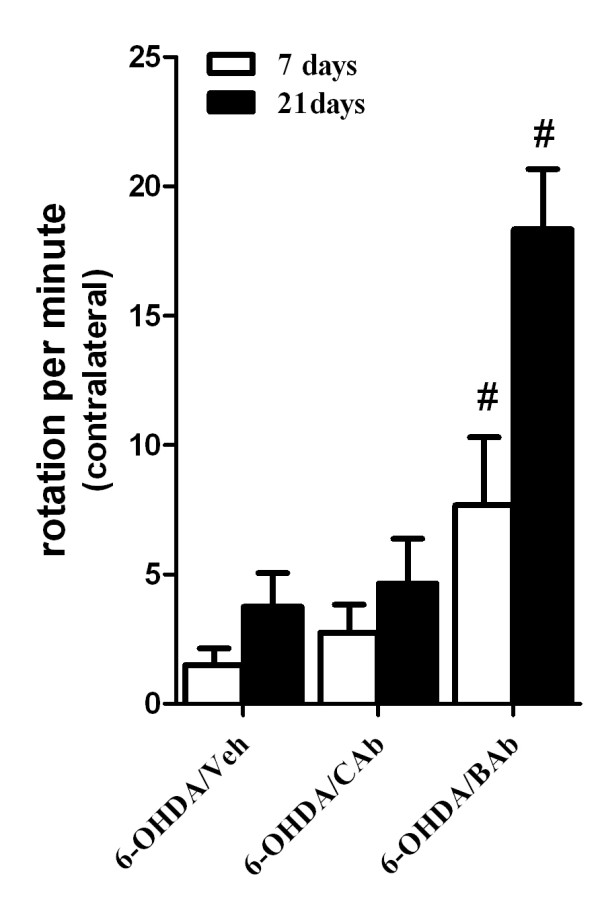
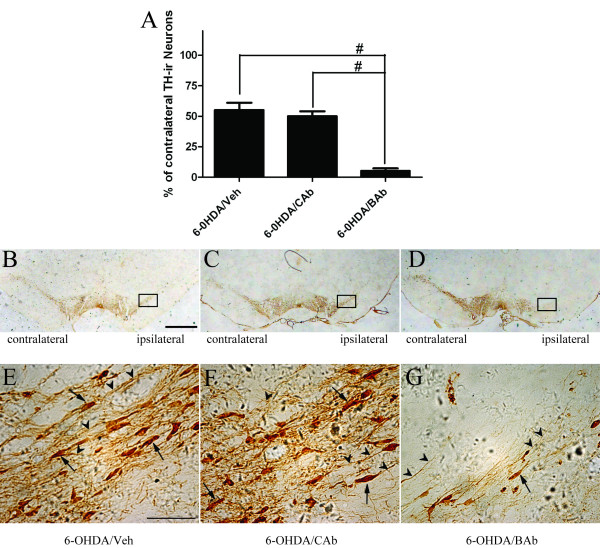
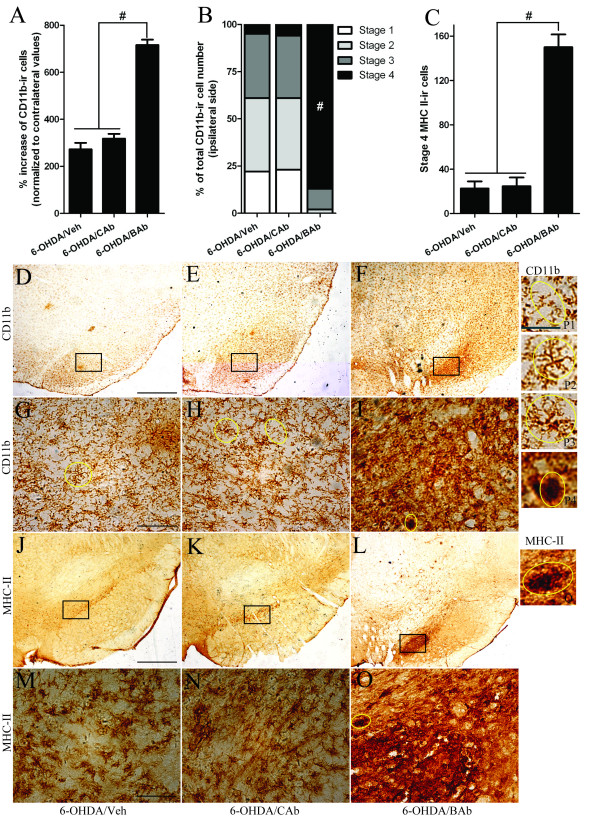
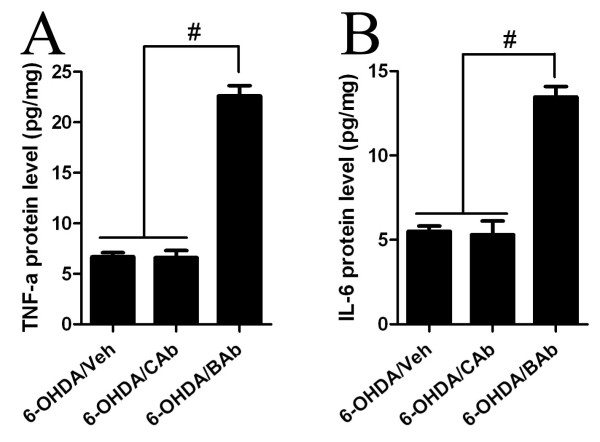
BACKGROUND: Increasing evidence suggests that microglial activation may participate in the aetiology and pathogenesis of Parkinson's disease (PD). CD200-CD200R signalling has been shown to be critical for restraining microglial activation. We have previously shown that expression of CD200R in monocyte-derived macrophages, induced by various stimuli, is impaired in PD patients, implying an intrinsic abnormality of CD200-CD200R signalling in PD brain. Thus, further in vivo evidence is needed to elucidate the role of malfunction of CD200-CD200R signalling in the pathogenesis of PD. METHODS: 6-hydroxydopamine (6-OHDA)-lesioned rats were used as an animal model of PD. CD200R-blocking antibody (BAb) was injected into striatum to block the engagement of CD200 and CD200R. The animals were divided into three groups, which were treated with 6-OHDA/Veh (PBS), 6-OHDA/CAb (isotype control antibody) or 6-OHDA/BAb, respectively. Rotational tests and immunohistochemistry were employed to evaluate motor deficits and dopaminergic neurodegeneration in animals from each group. HPLC analysis was used to measure monoamine levels in striatum. Morphological analysis and quantification of CD11b- (or MHC II-) immunoreactive cells were performed to investigate microglial activation and possible neuroinflammation in the substantia nigra (SN). Finally, ELISA was employed to assay protein levels of proinflammatory cytokines. RESULTS: Compared with 6-OHDA/CAb or 6-OHDA/Veh groups, rats treated with 6-OHDA/BAb showed a significant increase in counts of contralateral rotation and a significant decrease in TH-immunoreactive (TH-ir) neurons in SN. A marked decrease in monoamine levels was also detected in 6-OHDA/BAb-treated rats, in comparison to 6-OHDA/Veh-treated ones. Furthermore, remarkably increased activation of microglia as well as up-regulation of proinflammatory cytokines was found concomitant with dopaminergic neurodegeneration in 6-OHDA/BAb-treated rats. CONCLUSIONS: This study shows that deficits in the CD200-CD200R system exacerbate microglial activation and dopaminergic neurodegeneration in a 6-OHDA-induced rat model of PD. Our results suggest that dysfunction of CD200-CD200R signalling may be involved in the aetiopathogenesis of PD.
Overview
The claims and statistics of this paper haven’t been checked yet.
Run the check — free, no account needed. It reads the open-access text and checks the sources it cites.
Integrity signals
Registry
Cites
Statistics
Figures
Verification
Claims the paper makes
The claims and statistics of this paper haven’t been checked yet.
Run the check — free, no account needed. It reads the open-access text and checks the sources it cites.
Claims other papers make about this one
Each is checked against this paper’s own text: does it say what the citing paper says it does?
In the citing paper
“In rat PD models, both deficiency CX3CL1 or CX3CR1 as well as the dysfunction of CD200-CD200R signaling have been shown to increase microglial activation and the degeneration of DA neurons (Wang et al., 2011; Zhang et al., 2011).”
From The role of microglia in retinal neurodegeneration: Alzheimer’s disease, parkinson, and glaucoma. (2017) · cites this paper as Zhang et al., 2011
Self-check
Percentages, sums and reported differences re-computed from the paper’s own numbers.
The self-check needs the paper’s full text.
Citations
Cites
PROTEIN MEASUREMENT WITH THE FOLIN PHENOL REAGENT
Lowry, O. H., Rosebrough, N., Farr, A. L., & Randall, R. (1951) · Journal of Biological Chemistry · doi:10.1016/s0021-9258(19)52451-6 · Cited by 316,394 · cited 2×
“The protein contents were determined in pellet fractions by the method described by Lowry [45], and expressed as ng/g wet weight of tissue (ng/g WW).”
MethodStaging of brain pathology related to sporadic Parkinson’s disease
Braak, H., Tredici, K. D., Rüb, U., de Vos, R. A. I., Jansen Steur, E. N. H., & Braak, E. (2003) · Neurobiology of Aging · doi:10.1016/s0197-4580(02)00065-9 · Cited by 10,777 · cited 1×
“Parkinson’s disease (PD) is the second most common neurodegenerative disease in the world, and is characterized by dopaminergic neuron loss in the substantia nigra pars compacta (SNpc) [1].”
BackgroundMicroglia: a sensor for pathological events in the CNS
Kreutzberg, G. W. (1996) · Trends in Neurosciences · doi:10.1016/0166-2236(96)10049-7 · Cited by 4,396 · cited 7×
“Kyrkanides S, O’Banion MK, Whiteley PE, Daeschner JC, Olschowka JA: Enhanced glial activation and expression of specific CNS inflammationrelated molecules in aged versus young rats following cortical stab injury.”
BackgroundMethodInfluentialWest, M. J., Slomianka, L., & Gundersen, H. J. G. (1991) · The Anatomical Record · doi:10.1002/ar.1092310411 · Cited by 2,994 · cited 1×
“Unbiased stereological estimates of DA (TH-positive cell) neuron numbers were performed using StereoInvestigator analysis software (MicroBrightField, Williston, VT), combined with a Nikon Eclipse E600 microscope, and the optical fractionator method according to previously published reports [42,43].”
MethodMcGeer, P. L., Itagaki, S., Boyes, B. E., & McGeer, E. G. (1988) · Neurology · doi:10.1212/wnl.38.8.1285 · Cited by 2,990 · cited 2×
“Molecules related to neuroinflammation, such as tumor necrosis factor-alpha (TNF-a), IL-6, IL-1b, interferongamma (IFN-g), and superoxide, have been found colocalized with microglia in brain, and in cerebrospinal fluid and serum of PD patients as well [6,7,14-22].”
BackgroundUngerstedt, U., & Arbuthnott, G. W. (1970) · Brain Research · doi:10.1016/0006-8993(70)90187-3 · Cited by 1,995 · cited 1×
“Rotational behaviour was tested in rotometer bowls [47].”
MethodNeuroinflammation in Parkinson’s disease: A target for neuroprotection?
Hirsch, E. C., & Hunot, S. (2009) · The Lancet Neurology · doi:10.1016/s1474-4422(09)70062-6 · Cited by 1,984 · cited 1×
“To further confirm a relationship between CD200CD200R signalling and neuroinflammation in PD, we assayed several molecules that would be secreted by activated microglia in the proinflammatory stage [10,55-59].”
MethodThe role of inflammation in CNS injury and disease
Lucas, S., Rothwell, N. J., & Gibson, R. M. (2006) · British Journal of Pharmacology · doi:10.1038/sj.bjp.0706400 · Cited by 1,272 · cited 1×
“To further confirm a relationship between CD200CD200R signalling and neuroinflammation in PD, we assayed several molecules that would be secreted by activated microglia in the proinflammatory stage [10,55-59].”
MethodIn vivo imaging of microglial activation with [11C](R)-PK11195 PET in idiopathic Parkinson's disease
Gerhard, A., Pavese, N., Hotton, G., Turkheimer, F., Es, M., Hammers, A., Eggert, K., Oertel, W., Banati, R. B., & Brooks, D. J. (2006) · Neurobiology of Disease · doi:10.1016/j.nbd.2005.08.002 · Cited by 1,200 · cited 1×
“Activated microglia are found in the SN of mesencephalon in the brain of PD patients [5-8] and of parkinsonian animal models [9-13].”
BackgroundDown-Regulation of the Macrophage Lineage Through Interaction with OX2 (CD200)
Hoek, R. M., Ruuls, S. R., Murphy, C. A., Wright, G. J., Goddard, R., Zurawski, S. M., Blom, B., Homola, M. E., Streit, W. J., Brown, M. H., et al. (2000) · Science · doi:10.1126/science.290.5497.1768 · Cited by 1,022 · cited 7×
“In addition, preventing CD200CD200R interactions with CD200R-blocking antibodies also induces augmented microglial activation in EAE rats [32,33].”
BackgroundInfluential
Cited by
Sorted by citations
Microglia in neurodegenerative diseases: mechanism and potential therapeutic targets
Gao, C., Jiang, J., Tan, Y., & Chen, S. (2023) · Signal Transduction and Targeted Therapy · doi:10.1038/s41392-023-01588-0 · Cited by 1,616
“253 Besides, CB1 receptors are abundant in neurons, while CB2 receptors are primarily expressed in microglia in the brain.”
BackgroundSelf-citationMicroglia development and function
Nayak, D., Roth, T. L., & McGavern, D. B. (2014) · Annual Review of Immunology · doi:10.1146/annurev-immunol-032713-120240 · Cited by 1,154
Neuroinflammation in Parkinson's disease and its potential as therapeutic target
Wang, Q., Liu, Y., & Zhou, J. (2015) · Translational Neurodegeneration · doi:10.1186/s40035-015-0042-0 · Cited by 884
“Likewise, dysfunction of CD200-CD200R signaling also increases the activation of microglia and exacerbates the degeneration of DA neurons in rat PD models [30, 31].”
BackgroundPerry, V. H., & Teeling, J. L. (2013) · Seminars in Immunopathology · doi:10.1007/s00281-013-0382-8 · Cited by 638
The role of microglia in retinal neurodegeneration: Alzheimer’s disease, parkinson, and glaucoma.
Ramirez, A. I., de Hoz, R., Salobrar-Garcia, E., Salazar, J. J., Rojas, B., Ajoy, D., López-Cuenca, I., Rojas, P., Triviño, A., & Ramírez, J. M. (2017) · Frontiers in Aging Neuroscience · doi:10.3389/fnagi.2017.00214 · Cited by 466
“In rat PD models, both deficiency CX3CL1 or CX3CR1 as well as the dysfunction of CD200CD200R signaling have been shown to increase microglial activation and the degeneration of DA neurons (Wang et al., 2011; Zhang et al., 2011).”
BackgroundAn Inflammation-Centric View of Neurological Disease: Beyond the Neuron
Skaper, S. D., Facci, L., Zusso, M., & Giusti, P. (2018) · Frontiers in Cellular Neuroscience · doi:10.3389/fncel.2018.00072 · Cited by 477
“Immunomodulator dysregulation increases microglial activation and the degeneration of dopamine neurons (Zhang et al., 2011).”
BackgroundGonzález, H., Elgueta, D., Montoya, A., & Pacheco, R. (2014) · Journal of Neuroimmunology · doi:10.1016/j.jneuroim.2014.07.012 · Cited by 352
“The relevance of this interaction has been demonstrated in different neurodegenerative conditions, as the dysfunction of this interaction results in exacerbated degeneration of dopaminergic neurons in a PD model (Zhang et al., 2011), increased neuroinflammation in an AD model (Lyons et al.”
BackgroundMicroglial Dynamics and Role in the Healthy and Diseased Brain: A Paradigm of Functional Plasticity
Gomez-Nicola, D., & Perry, V. H. (2015) · The Neuroscientist · doi:10.1177/1073858414530512 · Cited by 340
Yan, Z., Gibson, S. A., Buckley, J. A., Qin, H., & Benveniste, E. N. (2018) · Clinical Immunology · doi:10.1016/j.clim.2016.09.014 · Cited by 318
Myeloid Cells in the Central Nervous System
Herz, J., Filiano, A. J., Wiltbank, A. T., Yogev, N., & Kipnis, J. (2017) · Immunity · doi:10.1016/j.immuni.2017.06.007 · Cited by 345
Physical Exercise Inhibits Inflammation and Microglial Activation
Mee-inta, O., Zhao, Z., & Kuo, Y. (2019) · Cells · doi:10.3390/cells8070691 · Cited by 285
“Remarkably, expression levels of several anti-microglial activation factors are significantly decreased in AD and PD [30,31].”
BackgroundMacrophages transfer mitochondria to sensory neurons to resolve inflammatory pain
van der Vlist, M., Raoof, R., Willemen, H. L. D. M., Prado, J., Versteeg, S., Gil, C. M., Vos, M. W., Lokhorst, R. E., Pasterkamp, R. J., Kojima, T., et al. (2021) · Neuron · doi:10.1016/j.neuron.2021.11.020 · Cited by 278
Marshall, S. A., McClain, J. A., Kelso, M. L., Hopkins, D. M., Pauly, J. R., & Nixon, K. (2013) · Neurobiology of Disease · doi:10.1016/j.nbd.2012.12.016 · Cited by 254
“Microglia exhibit weak antigen presenting capabilities, but many neuroinflammatory reactions involve the upregulation of microglial MHC-II (Zhang et al., 2011).”
Microglia-neuron crosstalk: Signaling mechanism and control of synaptic transmission
Marinelli, S., Basilico, B., Marrone, M. C., & Ragozzino, D. (2019) · Seminars in Cell & Developmental Biology · doi:10.1016/j.semcdb.2019.05.017 · Cited by 233
Hjorth, E., Zhu, M., Toro, V. C., Vedin, I., Palmblad, J. E. W., Cederholm, T., Freund‐Levi, Y., Irving, G. F., Wahlund, L., Basun, H., et al. (2013) · Journal of Alzheimer s Disease · doi:10.3233/jad-130131 · Cited by 237
“Dysfunction of the CD200-CD200R pathway has been shown to increase microglial activation and neurodegeneration in a rat model of Parkinson’s disease [84].”
When and How Do Seizures Kill Neurons, and Is Cell Death Relevant to Epileptogenesis?
Dingledine, R. J., Varvel, N. H., & Dudek, F. E. (2014) · Advances in experimental medicine and biology · doi:10.1007/978-94-017-8914-1_9 · Cited by 226
“If interactions between CD200R and CD200 [ 42 , 102 ] or CX3CR1 and CX3CL1 [ 3 , 13 ] are disrupted by signals released during neuronal damage or distress, then microglia are unleashed from this constitutive state of inhibition and a more fl orid microglial response ensues.”
BackgroundInflammation in Parkinson's Disease
Tüfekçi, K. U., Meuwissen, R. L. J., Genç, Ş., & Genç, K. (2012) · Advances in protein chemistry and structural biology · doi:10.1016/b978-0-12-398314-5.00004-0 · Cited by 205
Parodi, B., Rossi, S., Morando, S., Cordano, C., Bragoni, A., Motta, C., Usai, C., Wipke, B. T., Scannevin, R. H., Mancardi, G., et al. (2015) · Acta Neuropathologica · doi:10.1007/s00401-015-1422-3 · Cited by 204
“In parallel, the expression of chemokine (C-X3-C motif) receptor 1 (Cx3cr1) and CD200 receptor (Cd200r), receptors essential for the maintenance of interactions with ligands expressed by neurons and whose disruption results in highly activated neurotoxic microglia [8, 61], as well as of that of Nr4a2, an orphan nuclea…”
BackgroundThe role of inflammation in sporadic and familial Parkinson’s disease
Deleidi, M., & Gasser, T. (2013) · Cellular and Molecular Life Sciences · doi:10.1007/s00018-013-1352-y · Cited by 169
Autoimmunity in Parkinson's Disease: The Role of α-Synuclein-Specific T Cells
Garretti, F., Agalliu, D., Arlehamn, C. S. L., Sette, A., & Sulzer, D. (2019) · Frontiers in Immunology · doi:10.3389/fimmu.2019.00303 · Cited by 171
Ontogeny and Functions of Central Nervous System Macrophages
Katsumoto, A., Lu, H., Miranda, A. S., & Ransohoff, R. M. (2014) · The Journal of Immunology · doi:10.4049/jimmunol.1400716 · Cited by 149
“blocking exacerbates neurodegeneration in a rat model (76).”
BackgroundThe immune system in Parkinson's disease: what we know so far
Roodveldt, C., Bernardino, L. I., Çakmak, Ö. Ö., Dragić, M., Fladmark, K. E., Ertan, S., Aktaş, B., Pita, C., Ciglar, L., Garraux, G., et al. (2024) · Brain · doi:10.1093/brain/awae177 · Cited by 151
Pharmacological Targeting of Microglial Activation: New Therapeutic Approach
Liu, C., Wang, X., Liu, C., & Zhang, H. (2019) · Frontiers in Cellular Neuroscience · doi:10.3389/fncel.2019.00514 · Cited by 147
Self-citationHu, X., Liou, A. K. F., Leak, R. K., Xu, M., An, C., Suenaga, J., Shi, Y., Gao, Y., Zheng, P., & Chen, J. (2014) · Progress in Neurobiology · doi:10.1016/j.pneurobio.2014.06.002 · Cited by 139
Sung, Y.-H., Kim, S.-C., Hong, H.-P., Park, C.-Y., Shin, M.-S., Kim, C., Seo, J.-H., Kim, D., Kim, D.-J., & Cho, H. (2012) · Life Sciences · doi:10.1016/j.lfs.2012.10.003 · Cited by 129
Role of the CD200-CD200R Axis During Homeostasis and Neuroinflammation
Manich, G., Recasens, M., Valente, T., Almolda, B., González, B., & Castellano, B. (2018) · Neuroscience · doi:10.1016/j.neuroscience.2018.10.030 · Cited by 130
Parkinson's disease in the nuclear age of neuroinflammation
Nolan, Y. M., Sullivan, A. M., & Toulouse, A. (2013) · Trends in Molecular Medicine · doi:10.1016/j.molmed.2012.12.003 · Cited by 119
Protective Microglia and Their Regulation in Parkinson’s Disease
Le, W., Wu, J., & Tang, Y. (2016) · Frontiers in Molecular Neuroscience · doi:10.3389/fnmol.2016.00089 · Cited by 123
“Furthermore, blocking CD200–CD200R interaction exaggerates microglial activation with elevated TNF-α and IL-6 production in a 6- hydroxydopamine-induced rat model of PD, eventually causing more extensive dopaminergic neuron loss (Zhang et al., 2011).”
BackgroundMast Cells in Neurodegenerative Disease
Jones, M. K., Nair, A. A., & Gupta, M. (2019) · Frontiers in Cellular Neuroscience · doi:10.3389/fncel.2019.00171 · Cited by 107
Emerging roles of microglial activation and non-motor symptoms in Parkinson's disease
Doorn, K. J., Lucassen, P. J., Boddeke, H. W. G. M., Prins, M., Berendse, H. W., Drukarch, B., & van Dam, A. (2012) · Progress in Neurobiology · doi:10.1016/j.pneurobio.2012.06.005 · Cited by 98
Neuroinflammation - A major cause for striatal dopaminergic degeneration in Parkinson's disease
Kaur, K., Gill, J. S., Bansal, P. K., & Deshmukh, R. R. (2017) · Journal of the Neurological Sciences · doi:10.1016/j.jns.2017.08.3251 · Cited by 102
Neuroplasticity related to chronic pain and its modulation by microglia
Hiraga, S.-I., Itokazu, T., Nishibe, M., & Yamashita, T. (2022) · Inflammation and Regeneration · doi:10.1186/s41232-022-00199-6 · Cited by 101
Parrella, E., Maxim, T., Maialetti, F., Zhang, L., Wan, J., Wei, M., Cohen, P., Fontana, L., & Longo, V. D. (2013) · Aging Cell · doi:10.1111/acel.12049 · Cited by 89
“Briefly,we defined four stages of microglia activation (Zhang et al., 2011): Stage 1: Resting microglia.”
BackgroundMethodCan we switch microglia's phenotype to foster neuroprotection? Focus on multiple sclerosis
Giunti, D., Parodi, B., Cordano, C., Uccelli, A., & de Rosbo, N. K. (2013) · Immunology · doi:10.1111/imm.12177 · Cited by 87
Xu, Y., Long, L., Yan, J., Wei, L., Pan, M., Gao, H., Zhou, P., Liu, M., Zhu, C., Tang, B., et al. (2012) · CNS Neuroscience & Therapeutics · doi:10.1111/cns.12053 · Cited by 84
L’Episcopo, F., Tirolo, C., Serapide, M. F., Caniglia, S., Testa, N., Leggio, L., Vivarelli, S., Iraci, N., Pluchino, S., & Marchetti, B. (2018) · Frontiers in Aging Neuroscience · doi:10.3389/fnagi.2018.00012 · Cited by 85
Chamera, K., Trojan, E., Szuster-Głuszczak, M., & Basta‐Kaim, A. (2019) · Current Neuropharmacology · doi:10.2174/1570159x17666191113101629 · Cited by 82
“[299], who employed the 6-OHDA model combined with a CD200R-blocking antibody.”
MethodL’Episcopo, F., Tirolo, C., Caniglia, S., Testa, N., Morale, M. C., Serapide, M. F., Pluchino, S., & Marchetti, B. (2014) · Journal of Molecular Cell Biology · doi:10.1093/jmcb/mjt053 · Cited by 83
“CD200R through interaction with CD200, a transmembrane glycoprotein expressed on neurons, surveys glial activation state (Wang et al., 2011; Zhang et al., 2011a).”
BackgroundSun, H., He, X., Tao, X., Hou, T., Chen, M., He, M., & Liao, H. (2020) · Journal of Neuroinflammation · doi:10.1186/s12974-020-01845-x · Cited by 77
Varnum, M. M., Kiyota, T., Dixie, K. L. I., Ikezu, S., & Ikezu, T. (2015) · Neurobiology of Aging · doi:10.1016/j.neurobiolaging.2015.07.027 · Cited by 77
Rangan, P., Lobo, F., Parrella, E., Rochette, N. C., Morselli, M., Stephen, T., Cremonini, A. L., Tagliafico, L., Persia, A., Caffa, I., et al. (2022) · Cell Reports · doi:10.1016/j.celrep.2022.111417 · Cited by 73
Cebrián, C., Loike, J. D., & Sulzer, D. (2014) · Current Topics in Behavioral Neurosciences · doi:10.1007/7854_2014_356 · Cited by 65
“…is provided by inhibiting inflammation with a peroxisome proliferator-activated receptor gamma agonist (Sadeghian et al. 2012), silencing theenzyme inducible nitricoxide synthase (iNOS) (Li et al. 2012)orblocking TNF-α (McCoy et al. 2006; Harms et al. 2011; Pabon et al. 2011; Zhang et al. 2011b).”
BackgroundSemenova, E., Grudniak, M., Machaj, E. K., Bocian, K., Chrościńska–Krawczyk, M., Trochonowicz, M., Stepaniec, I. M., Murzyn, M., Zagorska, K. E., Boruczkowski, D., et al. (2021) · Stem Cell Reviews and Reports · doi:10.1007/s12015-021-10157-3 · Cited by 64
Xie, X., Luo, X., Liu, N., Li, X., Lou, F., Zheng, Y., & Ren, Y. (2017) · Journal of Neurochemistry · doi:10.1111/jnc.13972 · Cited by 64
“the peripheral inflammation model Several studies confirmed the importance of CD200CD200R1 signaling as a crucial down-regulator of endogenous CNS inflammation (Liu et al. 2010; Zhang et al. 2011).”
BackgroundInfluentialBogale, T. A., Faustini, G., Longhena, F., Mitola, S. M. F., Pizzi, M., & Bellucci, A. (2021) · Frontiers in Immunology · doi:10.3389/fimmu.2021.611761 · Cited by 61
“Inactivation of the transmembrane glycoprotein CD200R in microglia of a toxin-induced PD mouse model results in increased activation of these cells, release of proinflammatory cytokines, loss of dopaminergic neurons in the SN, and behavioral deficits (179).”
BackgroundMicroglial Activation in Metal Neurotoxicity: Impact in Neurodegenerative Diseases
Martínez-Hernández, M. I., Acosta‐Saavedra, L. C., Hernández‐Kelly, L. C., Loaeza‐Loaeza, J., & Ortega, A. (2023) · BioMed Research International · doi:10.1155/2023/7389508 · Cited by 63
“The interaction CD200/CD200R maintains microglia in a quiescent state; therefore, CD200/CD200R signaling disruption can cause microglial over reactivity [47].”
BackgroundHu, Y., & Tao, W. (2024) · Journal of Advanced Research · doi:10.1016/j.jare.2024.01.006 · Cited by 64
CD200R1 and CD200 expression are regulated by PPAR‐γ in activated glial cells
Dentesano, G., Serratosa, J., Tusell, J. M., Ramon-Cañellas, P., Valente, T., Saura, J., & Solà, C. (2014) · Glia · doi:10.1002/glia.22656 · Cited by 62
“, 2012) and the inhibition of CD200R1 function potentiates it (Lyons et al., 2007; Wang et al., 2011; Zhang et al., 2011), suggesting that CD200-CD200R1 interaction is involved in the suppression of the pro-inflammatory phenotype in microglia.”
BackgroundChamera, K., Kotarska, K., Szuster-Głuszczak, M., Trojan, E., Skórkowska, A., Pomierny, B., Krzyżanowska, W., Bryniarska, N., & Basta‐Kaim, A. (2020) · Journal of Neuroinflammation · doi:10.1186/s12974-020-01923-0 · Cited by 57
“In prenatally LPStreated offspring, we also demonstrated dysfunction of the CD200-CD200R interaction and IL-1β upregulation, which, in turn, both potentiate dopaminergic-induced neurodegeneration [100] and contribute to cognitive impairment [101].”
BackgroundZhang, F., Ran, Y., Tahir, M., Li, Z., Wang, J., & Chen, X. (2022) · Frontiers in Cellular Neuroscience · doi:10.3389/fncel.2022.955222 · Cited by 57
“Within hours of initiating ischemia, microglia respond to the changing environment (Zhang et al., 2011).”
BackgroundHernangómez, M., Klusáková, I., Joukal, M., Hradilová‐Svíženská, I., Guaza, C., & Dubový, P. (2016) · Journal of Neuroinflammation · doi:10.1186/s12974-016-0508-8 · Cited by 54
“In contrast to neurodegenerative diseases [19, 25, 64], sciatic nerve injury probably activated endogenous regulatory mechanisms including upregulation of CD200/ CD200R.”
BackgroundWalker, D. G., & Lue, L. (2013) · Future Neurology · doi:10.2217/fnl.13.14 · Cited by 52
“Blocking of CD200R resulted in significantly more severe PD-like movement dys function and a significantly greater loss of tyro sine hydroxylase-positive dopaminergic neurons in SN [51].”
BackgroundRole of microglia in methamphetamine-induced neurotoxicity.
Xu, E., Liu, J., Liu, H., Wang, X., & Xiong, H. (2017) · Europe PMC (PubMed Central) · Cited by 52
Self-citationWang, L., Liu, Y., Yan, S., Du, T., Fu, X., Gong, X., Zhou, X., Zhang, T., & Wang, X. (2020) · Aging and disease · doi:10.14336/ad.2019.0615 · Cited by 49
“found that a CD200R1blocking antibody injected into the striatum exacerbates microglial activation and dopaminergic neurodegeneration in a rat model of 6-OHDA-induced PD [11].”
BackgroundSelf-citationDok2 mediates the CD200Fc attenuation of Aβ-induced changes in glia
Lyons, A., Downer, E. J., Costello, D. A., Murphy, N., & Lynch, M. A. (2012) · Journal of Neuroinflammation · doi:10.1186/1742-2094-9-107 · Cited by 50
“-20 0 20 40 60 80 140 200 Control A [1-40] CD200+A [1-40]”
BackgroundInfluentialDysregulated CD200-CD200R signaling in early diabetes modulates microglia-mediated retinopathy
Pfeifer, C. W., Walsh, J. T., Santeford, A. C., Lin, J. B., Beatty, W. L., Terao, R., Liu, Y. A., Hase, K., Ruzycki, P. A., & Apte, R. S. (2023) · Proceedings of the National Academy of Sciences · doi:10.1073/pnas.2308214120 · Cited by 48
“Interestingly, decreased expression of CD200 in CNS neurons, or blocking of CD200R binding, correlates with increases in myeloid cell CD200R expression and neurodegeneration (57, 79, 80).”
BackgroundInterplay between human microglia and neural stem/progenitor cells in an allogeneic co‐culture model
Liu, J., Hjorth, E., Zhu, M., Calzarossa, C., Samuelsson, E., Schultzberg, M., & Åkesson, E. (2013) · Journal of Cellular and Molecular Medicine · doi:10.1111/jcmm.12123 · Cited by 48
Sweepers in the CNS: Microglial Migration and Phagocytosis in the Alzheimer Disease Pathogenesis
Noda, M., & Suzumura, A. (2012) · International Journal of Alzheimer s Disease · doi:10.1155/2012/891087 · Cited by 52
“Blocking of CD200R increases neurodegeneration in mouse model of Parkinson’s disease [88].”
BackgroundTian, L., Hui, C. W., Bisht, K., Tan, Y., Sharma, K. P., Chen, S., Zhang, X., & Tremblay, M. (2017) · Progress in Neuro-Psychopharmacology and Biological Psychiatry · doi:10.1016/j.pnpbp.2017.01.007 · Cited by 52
Self-citationOria, M., Figueira, R. L., Scorletti, F., Sbragia, L., Owens, K. J., Li, Z., Pathak, B., Corona, M. U., Marotta, M., Encinas, J. L., et al. (2018) · Scientific Reports · doi:10.1038/s41598-018-28829-5 · Cited by 46
Immune-mediated processes in neurodegeneration: where do we stand?
Fakhoury, M. (2016) · Journal of Neurology · doi:10.1007/s00415-016-8052-0 · Cited by 43
“described in several inflammatory neurodegenerative diseases [54, 62], and dysfunction of this interaction was shown to exacerbate the course of neurodegeneration [63].”
BackgroundAnalysis of the Impact of CD200 on Phagocytosis
Lyons, A., Minogue, A. M., Jones, R. S., Fitzpatrick, O. M., Noonan, J., Campbell, V. A., & Lynch, M. A. (2016) · Molecular Neurobiology · doi:10.1007/s12035-016-0223-6 · Cited by 45
“This finding has led to the proposal that the decreased interaction between CD200R and CD200 in AD is a factor in driving the observed neuroinflammation [8], and similar changes have been described in animal models of Parkinson’s disease [9] and multiple sclerosis [4].”
ResultChristensen, L. B., Woods, T. A., Carmody, A., Caughey, B. W., & Peterson, K. E. (2014) · Journal of Neuroinflammation · doi:10.1186/1742-2094-11-70 · Cited by 42
“Deficiency in CD200R has been linked to increased inflammation in models of experimental autoimmune encephalitis (EAE) and Parkinson’s disease [43,44], while CD172a negatively regulates CD11b-mediated adhesion, migration and phagocytosis [35,45].”
BackgroundNeuronal influence behind the central nervous system regulation of the immune cells
Chavarría, A., & Cárdenas, G. (2013) · Frontiers in Integrative Neuroscience · doi:10.3389/fnint.2013.00064 · Cited by 40
“Also, defects in CD200-CD200R pathway play a critical role in neurodegenerative disease development such as multiple sclerosis (MS), Parkinson’s and Alzheimer’s diseases (Koning et al., 2007; Walker et al., 2009; Zhang et al., 2011).”
BackgroundŚlusarczyk, J., Trojan, E., Wydra, K., Głombik, K., Chamera, K., Kucharczyk, M. W., Budziszewska, B., Kubera, M., Lasoń, W., Filip, M., et al. (2016) · Biochemical Pharmacology · doi:10.1016/j.bcp.2016.05.008 · Cited by 41
Singh, A., Falk, M. K., Hviid, T. V. F., & Sørensen, T. L. (2013) · Ophthalmology · doi:10.1016/j.ophtha.2012.11.002 · Cited by 40
T cells, α-synuclein and Parkinson disease
Garretti, F., Monahan, C., Sette, A., Agalliu, D., & Sulzer, D. (2022) · Handbook of clinical neurology · doi:10.1016/b978-0-12-819410-2.00023-0 · Cited by 39
Elshal, M. F., Aldahlawi, A., Saadah, O. I., & McCoy, J. P. (2015) · International Journal of Molecular Sciences · doi:10.3390/ijms161226143 · Cited by 36
“Consistent with this premise, dysfunction in CD200/CD200R1 signaling has been reported in numerous autoimmune diseases, including Parkinson’s disease [23], Alzheimer’s disease [24], rheumatoid arthritis [25], uveoretinitis [26], lupus [27], autoimmune and inflammatory skin disorders [28] and spontaneous fetal loss [29…”
BackgroundHarackiewicz, O., & Grembecka, B. (2024) · Journal of Integrative Neuroscience · doi:10.31083/j.jin2311203 · Cited by 39
“[127] on a rat model of PD induced by 6-hydroxydopamine (6-OHDA) administration.”
Feige, L., Zaeck, L. M., Sehl‐Ewert, J., Finke, S., & Bourhy, H. (2021) · Viruses · doi:10.3390/v13122364 · Cited by 37
Walker, D. G., Lue, L.-F., Tang, T. M., Adler, C. H., Caviness, J. N., Sabbagh, M. N., Serrano, G. E., Sue, L. I., & Beach, T. G. (2017) · Neurobiology of Aging · doi:10.1016/j.neurobiolaging.2017.03.007 · Cited by 33
“, 2011, 2014), while blocking CD200 and CD200R interactions can result in significantly increased tissue inflammation (Meuth et al., 2008; Wang et al., 2011; Zhang et al., 2011).”
BackgroundChen, X., Cui, Q., Hu, X.-H., Ye, J., Liu, Z.-C., Mei, Y.-X., Wang, F., Hu, Z., & Chen, J. (2023) · Journal of Neuroinflammation · doi:10.1186/s12974-023-02836-4 · Cited by 33
Rabaneda‐Lombarte, N., Serratosa, J., Bové, J., Vila, M., Saura, J., & Solà, C. (2021) · Journal of Neuroinflammation · doi:10.1186/s12974-021-02132-z · Cited by 33
“By contrast, when CD200R1 is blocked, an exacerbation of microglial activation and dopaminergic neurodegeneration in 6-OHDA-treated rats has been described [87], as well as increased dopaminergic neuron death in the LPS model of PD [83] and a worse outcome in experimental autoimmune encephalomyelitis [55].”
BackgroundChamera, K., Szuster-Głuszczak, M., Trojan, E., & Basta-Kaim, A. (2020) · Cells · doi:10.3390/cells9071676 · Cited by 31
“Disturbances in the CD200–CD200R communication stimulate microglia and alter their phenotype to the activated state, which in turn may result in an exacerbated inflammatory response and neurodegeneration [33].”
BackgroundCD200 dysfunction in neuron contributes to synaptic deficits and cognitive impairment
Feng, D., Huang, A., Yan, W., & Chen, D. (2019) · Biochemical and Biophysical Research Communications · doi:10.1016/j.bbrc.2019.06.134 · Cited by 34
Sun, H., Li, A., Hou, T., Tao, X., Chen, M., Wu, C., Chen, S., Zhu, L., & Liao, H. (2019) · Brain Behavior and Immunity · doi:10.1016/j.bbi.2019.09.005 · Cited by 32
Self-citationZhao, W., Liu, Z., Wu, J., Liu, A., & Yan, J. (2025) · Neural Regeneration Research · doi:10.4103/nrr.nrr-d-24-01343 · Cited by 37
“One blocking antibody against CD200R resulted in increases in microglial activation and the expression of pro-inflammatory factors in a 6-hydroxydopamine-induced PD mouse model (Zhang et al., 2011).”
Cohen, M., Ben-Yehuda, H., Porat, Z., Rapôso, C., Gordon, S., & Schwartz, M. (2016) · Journal of Neuroscience · doi:10.1523/jneurosci.2199-16.2016 · Cited by 31
“…signaling leads to tissue damage derived from microglia-induced inflammation, and is associated with increased susceptibility to autoimmune and neurodegenerative diseases (Hoek et al., 2000; Broderick et al., 2002; Frank et al., 2006; Koning et al., 2007; Walker et al., 2009; Zhang et al., 2011).”
BackgroundInfluentialCallai, E. M. M., Zin, L. E. F., Catarina, L. S., Ponzoni, D., Gonçalves, C. A., Vizuete, A. F. K., Cougo, M. C. R., Boff, J., Puricelli, E., Fernandes, E. K., et al. (2022) · Behavioural Brain Research · doi:10.1016/j.bbr.2022.113880 · Cited by 30
Singh, V., Kushwaha, S., Gera, R., Ansari, J. A., Mishra, J., Dewangan, J., Patnaik, S., & Ghosh, D. (2018) · Molecular Neurobiology · doi:10.1007/s12035-018-1155-0 · Cited by 30
Vocht, N. D., Praet, J., Reekmans, K., Blon, D. L., Hoornaert, C., Daans, J., Berneman, Z. N., der Linden, A. V., & Ponsaerts, P. (2013) · Stem Cell Research & Therapy · doi:10.1186/scrt312 · Cited by 29
“Alternatively, increased numbers of activated microglia as well as an upregulation of the production of pro-inflammatory cytokines was observed upon blocking of CD200-CD200R signalling with a CD200R blocking antibody [88].”
BackgroundMatsumoto, S., Tanaka, J., Yano, H., Takahashi, H., Sugimoto, K., Ohue, S., Inoue, A., Aono, H., Kusakawa, A., Watanabe, H., et al. (2015) · Journal of Neuroimmunology · doi:10.1016/j.jneuroim.2015.03.013 · Cited by 28
Morton, L., Arndt, P., Garza, A. P., Henneicke, S., Mattern, H., Gonzalez, M., Dityatev, A. E., Yilmazer‐Hanke, D., Schreiber, S., & Dunay, I. R. (2023) · Acta Neuropathologica Communications · doi:10.1186/s40478-023-01672-0 · Cited by 28
“…coupled with its significant reduction in hypertensive brains, implies inefficient regulation of pro-inflammatory conditions that ultimately lead to deficient feedback loops in the induction of inflammatory mechanisms that can contribute to vascular inflammation and neurodegeneration [10, 73–75].”
BackgroundZheng, H., Zhang, C., Zhang, J., & Duan, L. (2023) · Protein & Cell · doi:10.1093/procel/pwad020 · Cited by 29
CD200-CD200R signaling and diseases: a potential therapeutic target?
Ngwa, C., & Liu, F. (2019) · PubMed Central · Cited by 27
Neural inflammation and the microglial response in diabetic retinopathy
Abcouwer, S. F. (2011) · Journal of ocular biology, diseases, and informatics · doi:10.1007/s12177-012-9086-x · Cited by 27
“A lack of these ligands on neurons or a lack of the corresponding receptors on microglia greatly impacts microglial function and activation [26, 27].”
BackgroundOlesen, M. N., Christiansen, J. R., Petersen, S. V., Jensen, P. H., Pasławski, W., Romero‐Ramos, M., & Sánchez-Guajardo, V. (2018) · Heliyon · doi:10.1016/j.heliyon.2018.e00513 · Cited by 28
“In animal models of PD, binding to CD200 on neurons prevents microglia activation and dopaminergic neurodegeneration (Zhang et al., 2011).”
BackgroundChamera, K., Trojan, E., Kotarska, K., Szuster-Głuszczak, M., Bryniarska, N., Tylek, K., & Basta‐Kaim, A. (2021) · International Journal of Molecular Sciences · doi:10.3390/ijms22041558 · Cited by 25
“For instance, IL-1β up-regulation potentiates neurodegeneration induced by dopaminergic signalling [49], whereas excessive secretion of TNF-α contributes to cognitive impairment [128].”
BackgroundFeng, Z., Ye, L., Klebe, D., Ding, Y., Guo, Z.-N., Flores, J. J., Yin, C., Tang, J., & Zhang, J. H. (2019) · Journal of Cerebral Blood Flow & Metabolism · doi:10.1177/0271678x17725211 · Cited by 23
“CD200–CD200R1 signaling has been shown to suppress microglia activation in Alzheimer’s disease and Parkinson’s disease.(19,23) Lack of CD200 also results in rapid onset of experimental autoimmune encephalomyelitis.”
BackgroundYin, P., Wang, S., Wei, Y., Wang, X., Zhang, J., Yin, X., Feng, J., & Zhu, M. (2020) · Journal of Alzheimer’s Disease · doi:10.3233/jad-190682 · Cited by 24
“Blocking CD200R result in neurodegeneration in Parkinson’s disease mouse models [34].”
Self-citationPankratova, S., Björnsdóttir, H., Christensen, C., Zhang, L., Li, S., Dmytriyeva, O., Bock, E., & Berezin, V. (2014) · Molecular Neurobiology · doi:10.1007/s12035-014-9037-6 · Cited by 23
“Additionally, blocking CD200R with antibody injected into the striatum has been shown to aggravate microglial activation and the degeneration of dopaminergic neurons in a rat model of Parkinson’s disease [16].”
Nielsen, M. K., Subhi, Y., Molbech, C. R., Falk, M. K., Singh, A., Nissen, M. H., & Sørensen, T. L. (2018) · Clinical and Experimental Ophthalmology · doi:10.1111/ceo.13362 · Cited by 22
CD200-CD200R Interaction: An Important Regulator After Stroke
Zhao, X., Li, J., & Sun, H. (2019) · Frontiers in Neuroscience · doi:10.3389/fnins.2019.00840 · Cited by 23
Immunology primer for neurosurgeons and neurologists part 2: Innate brain immunity
Blaylock, R. L. (2013) · Surgical Neurology International · doi:10.4103/2152-7806.118349 · Cited by 23
“[99] Mice lacking CD200 receptors demonstrate an exaggerated proinflammatory release following stimulation with LPS or other CNS or systemic immune activators and deficiencies in CD200 are linked to Alzheimer’s dementia and Parkinson’s syndrome.[165,170,182] Aged mice were found to have less CD200R on the surface of t…”
ResultNeuronal CD200 Signaling Is Protective in the Acute Phase of Ischemic Stroke
Mamun, A. A., Ngwa, C., Qi, S., Honarpisheh, P., Datar, S. S., Sharmeen, R., Xu, Y., McCullough, L. D., & Liu, F. (2021) · Stroke · doi:10.1161/strokeaha.120.032374 · Cited by 21
CD200 attenuates methamphetamine-induced microglial activation and dopamine depletion
Yue, X., Qiao, D., Wang, A., Tan, X.-H., Li, Y., Liu, C., & Wang, H. (2012) · Journal of Huazhong University of Science and Technology [Medical Sciences] · doi:10.1007/s11596-012-0072-0 · Cited by 21
Jia, Y., Yao, Y., Zhuo, L., Chen, X., Yan, C., Ji, Y., Tao, J., & Zhu, Y. (2022) · Frontiers in Neurology · doi:10.3389/fneur.2022.862078 · Cited by 21
“When the body endures a pathological injury, the microglia can be activated by pro-inflammatory factors (97) to mediate downstream signaling pathways that trigger inflammatory reactions and aggravate inflammation (98), or inhibited by anti-inflammatory factors that restore the body to homeostasis (99–101).”
BackgroundProdeus, A., Cydzik, M., Abdul‐Wahid, A., Huang, E., Khatri, I. A., Gorczynski, R. M., & Gariépy, J. (2014) · Molecular Therapy — Nucleic Acids · doi:10.1038/mtna.2014.41 · Cited by 20
Chen, H.-Q., Wang, X., Wang, M., Liu, Y., Yan, Z., Zhang, Y., & Liu, Z. (2015) · Frontiers in Aging Neuroscience · doi:10.3389/fnagi.2015.00206 · Cited by 19
“…to environmental toxins, immune/inflammatory factors, genetic predisposition, and innate characteristics of the nigrostriatal dopaminergic system in the brain (Olanow and Tatton, 1999; Kidd, 2000; Gao et al., 2003; Wang et al., 2005a,b, 2007a,b, 2011; Zhang et al., 2011; Connolly and Lang, 2014).”
BackgroundSelf-citationThe role of N-glycosylation of CD200-CD200R1 interaction in classical microglial activation
Liu, C., Shen, Y., Tang, Y., & Gu, Y. (2018) · Journal of Inflammation · doi:10.1186/s12950-018-0205-8 · Cited by 19
Metadata
- Authors
- Zhang, S., Wang, X.-J., Tian, L.-P., Pan, J., Lu, G.-Q., Zhang, Y.-J., Ding, J.-Q., & Chen, S.-D.
- Affiliations
- Shanghai Jiao Tong University (CN)
- ORCID
- Pan, Jing
- Venue
- Journal of Neuroinflammation
- Published
- 2011-11-06
- Volume
- 8
- Issue
- 1
- Pages
- 154-154
- ISSN
- 1742-2094 (ISSN-L)
- PMC
- PMC3226566
- OpenAlex
- W2033271712
- Cited by
- 154
- References
- 85
- Citations by year
- 2026: 3 · 2025: 7 · 2024: 13 · 2023: 12 · 2022: 8 · 2021: 11 · 2020: 10 · 2019: 13 · 2018: 10 · 2017: 8 · 2016: 10 · 2015: 8 · 2014: 16 · 2013: 16 · 2012: 8
- FWCI
- 7.24
- Type
- journal article
- Language
- en
- Open access
- gold
- doi.org
- Licence
- cc-by
- Locations
- Journal of Neuroinflammation (publishedVersion, cc-by)
- PubMed Central (publishedVersion, cc-by)
- PubMed (publishedVersion)
- DOAJ (DOAJ: Directory of Open Access Journals) (submittedVersion, cc-by-sa)
- Topics
- Life Sciences › Neuroscience › Neurology › Neuroinflammation and Neurodegeneration Mechanisms
- Health Sciences › Medicine › Clinical Neurology › Parkinson's Disease Mechanisms and Treatments
- Life Sciences › Biochemistry, Genetics and Molecular Biology › Molecular Biology › Nuclear Receptors and Signaling
- Keywords
- Parkinson's disease, microglial activation, dopaminergic neuron loss, 6-hydroxydopamine lesion, substantia nigra, neuroinflammation, inflammatory cytokines, monoamine levels, motor impairment, striatum, neuroprotection, rat model
- MeSH terms
- Animals, Behavior, Animal, Disease Models, Animal, Dopamine, Humans, Male, Nerve Degeneration, Receptors, Immunologic, Antigens, CD, Oxidopamine, Rats, Sprague-Dawley, Microglia, Antibodies, Blocking, Parkinsonian Disorders, Rats, Dopaminergic Neurons
About these checks
Registry, retraction, Cites and statistics results are computed, not judged, with one exception: a printed reference that no index lists is read once by a model before it counts as a citation error. Claims are extracted by a model and kept only when their quote appears verbatim in the text; each cited source is then checked, with a model’s help, for whether it says what the claim relies on. Those verdicts can be wrong — read the claim’s quote and the cited source before relying on one.
Statistics and arithmetic are recomputed, not judged.
Confidence bands are shown only for fields calibrated on our annotated test set. None is calibrated yet, so no band is shown.
What counts as a claim ›How we measure confidence ›How we check this ›
Are you an author, or do you see a problem with this page? Request a review
