

The DOI matches its Crossref record; 58 of the 58 references it cites were found in a registry or an index.
Fruit and vegetable consumption and proinflammatory gene expression from peripheral blood mononuclear cells in young adults: a translational study
Open accessAbstract
BACKGROUND: Fruits and vegetables are important sources of fiber and nutrients with a recognized antioxidant capacity, which could have beneficial effects on the proinflammatory status as well as some metabolic syndrome and cardiovascular disease features. The current study assessed the potential relationships of fruit and vegetable consumption with the plasma concentrations and mRNA expression values of some proinflammatory markers in young adults. METHODS: One-hundred and twenty healthy subjects (50 men/70 women; 20.8 +/- 2.6 y; 22.3 +/- 2.8 kg/m2) were enrolled. Experimental determinations included anthropometry, blood pressure and lifestyle features as well as blood biochemical and inflammatory measurements. The mRNA was isolated from peripheral blood mononuclear cells (PBMC) and the gene expression concerning selected inflammatory markers was assessed by quantitative real-time PCR. Nutritional intakes were estimated by a validated semi-quantitative food-frequency questionnaire. RESULTS: The highest tertile of energy-adjusted fruit and vegetable consumption (>660 g/d) was associated with lower plasma concentrations of C-reactive protein (CRP) and homocysteine and with lower ICAM1, IL1R1, IL6, TNFalpha and NFkappaB1 gene expression in PBMC (P for trend < 0.05), independently of gender, age, energy intake, physical activity, smoking, body mass index, systolic blood pressure and circulating non-esterified fatty acids. In addition, plasma CRP, homocysteine and TNFalpha concentrations and ICAM1, TNFalpha and NFkappaB1 gene expression in PBMC showed a descending trend as increased fiber intake (>19.5 g/d) from fruits and vegetables (P for trend < 0.05). Furthermore, the participants within the higher tertile (>11.8 mmol/d) of dietary total antioxidant capacity showed lower plasma CRP and mRNA values of ICAM1, IL1R1, IL6, TNFalpha and NFkappaB1 genes (P for trend < 0.05). The inverse association between fruit and vegetable consumption and study proinflammatory markers followed the same trend and remained statistically significant, after the inclusion of other foods/nutrients in the linear regression models. CONCLUSION: A higher fruit and vegetable consumption was independently associated not only with reduced CRP and homocysteine concentrations but also with a lower mRNA expression in PBMC of some relevant proinflammatory markers in healthy young adults.
Overview
The claims and statistics of this paper haven’t been checked yet.
Run the check — free, no account needed. It reads the open-access text and checks the sources it cites.
Integrity signals
Registry
Cites
Statistics
Figures
Verification
Claims the paper makes
The claims and statistics of this paper haven’t been checked yet.
Run the check — free, no account needed. It reads the open-access text and checks the sources it cites.
Claims other papers make about this one
Each is checked against this paper’s own text: does it say what the citing paper says it does?
The check wasn’t confident either way, so it gives no verdict — never disputed.
In the citing paper
“This was first identified by Grimble et al. (649) who showed that the ability of fish oil to lower the LPS-stimulated production of TNF-a by blood mononuclear cells was determined in part by polymorphisms within the TNF-a and TNF-b genes.”
From Dietary factors and low-grade inflammation in relation to overweight and obesity (2011) · cites this paper as [649]
Experimental — accuracy not yet measured
Self-check
Percentages, sums and reported differences re-computed from the paper’s own numbers.
The self-check needs the paper’s full text.
Citations
Cites
Analysis of Relative Gene Expression Data Using Real-Time Quantitative PCR and the 2−ΔΔCT Method
Livak, K. J., & Schmittgen, T. D. (2001) · Methods · doi:10.1006/meth.2001.1262 · Cited by 180,860 · cited 1×
“Gene expression levels were assessed and normalized by using 18s rRNA as internal control following previously described protocols [26,27].”
MethodMatthews, D. R., Hosker, J. P., Rudenski, A. S., Naylor, B. A., Treacher, D. F., & Turner, R. C. (1985) · Diabetologia · doi:10.1007/bf00280883 · Cited by 31,502 · cited 1×
“Insulin resistance was estimated by the HOMA-IR, which was calculated as follows: HOMA-IR = [fasting glucose (mmol/l) × fasting insulin (μIU/l)]/22.5 [ 24 ].”
MethodInfluentialInflammation and metabolic disorders
Hotamisligil, G. S. (2006) · Nature · doi:10.1038/nature05485 · Cited by 9,199 · cited 1×
“An altered expression of ILs, TNFα, ICAM1 genes and of their respective receptors in adipose tissue as well as in PBMC has been implicated in the higher risk of suffering metabolic syndrome and cardiovascular disease [3,4,35].”
BackgroundA Clinical Trial of the Effects of Dietary Patterns on Blood Pressure
Appel, L. J., Moore, T. J., Obarzanek, E., Vollmer, W. M., Svetkey, L. P., Sacks, F. M., Bray, G. A., Vogt, T. M., Cutler, J. A., Windhauser, M. M., et al. (1997) · New England Journal of Medicine · doi:10.1056/nejm199704173361601 · Cited by 5,981
Willett, W. C. (1998) · doi:10.1093/acprof:oso/9780195122978.001.0001 · Cited by 4,541
Mechanisms linking obesity with cardiovascular disease
Van Gaal, L. F., Mertens, I. L., & De Block, C. E. (2006) · Nature · doi:10.1038/nature05487 · Cited by 2,814 · cited 4×
“These changes appear to involve a higher production of proinflammatory and pro-atherogenic molecules such as C-reactive protein (CRP), homocysteine, selectins and adhesion molecules as well as some cytokines [1,3].”
BackgroundInfluentialAdipose tissue dysfunction in obesity, diabetes, and vascular diseases
Hajer, G. R., van Haeften, T. W., & Visseren, F. L. J. (2008) · European Heart Journal · doi:10.1093/eurheartj/ehn387 · Cited by 1,410 · cited 3×
“These changes appear to involve a higher production of proinflammatory and pro-atherogenic molecules such as C-reactive protein (CRP), homocysteine, selectins and adhesion molecules as well as some cytokines [1,3].”
BackgroundDauchet, L., Amouyel, P., Hercberg, S., & Dallongeville, J. (2006) · The Journal of Nutrition · doi:10.1093/jn/136.10.2588 · Cited by 1,204 · cited 1×
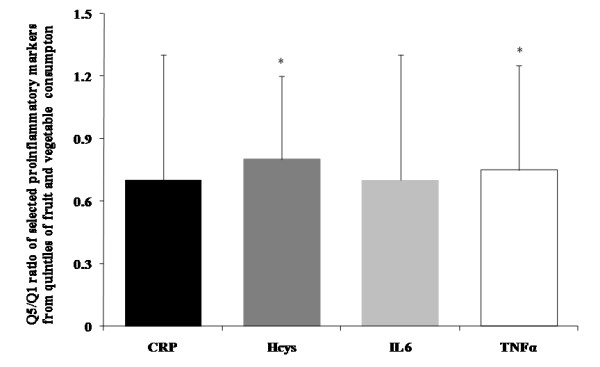
“Discussion A high intake of fruits and vegetables has been inversely associated with metabolic syndrome features [5,6], cardiovascular diseases [31,32], and total mortality [33], while greater values of proinflammatory markers such Figure 1 Ratios of protein levels of selected proinflammatory markers, calculated from…”
BackgroundDevelopment and Validation of a Food Frequency Questionnaire in Spain
Martin-Moreno, J. M., Boyle, P., Gorgojo, L., Maisonneuve, P., Fernandez‐Rodriguez, J. C., Salvini, S., & Willett, W. C. (1993) · International Journal of Epidemiology · doi:10.1093/ije/22.3.512 · Cited by 909 · cited 2×
“This semi-quantitative food frequency questionnaire, which is validated for Spanish people [16], includes 136 items, considering 13 fruit items (oranges, banana, apple, pear, strawberry, grapefruit, peach/apricot/nectarine, cherry/plum, watermelon, melon, mango, papaya, and kiwi) and 11 vegetable items (spinach, lettu…”
BackgroundCirculating Mononuclear Cells in the Obese Are in a Proinflammatory State
Ghanim, H., Aljada, A., Hofmeyer, D., Syed, T., Mohanty, P., & Dandona, P. (2004) · Circulation · doi:10.1161/01.cir.0000142055.53122.fa · Cited by 611 · cited 2×
“(PBMC) may have an important role in all these complex inflammatory processes, which are mediated by transcriptional nuclear-factors, cytokines and other proatherogenic molecules [4].”
Background
Research works printed but not linked: 1
- Moreiras O, Carbajal A, Cabrera L, Cuadrado C: Tabla de composición de alimentos. 2006, Madrid: Ediciones Pirámide, 10
Cited by
Sorted by citations
Dietary factors and low-grade inflammation in relation to overweight and obesity
Calder, P. C., Ahluwalia, N., Brouns, F., Buetler, T., Clement, K., Cunningham, K., Esposito, K., Jönsson, L. S., Kolb, H., Lansink, M., et al. (2011) · British Journal of Nutrition · doi:10.1017/s0007114511005460 · Cited by 1,098
“A recent study reported that a high intake of vegetables and fruits was associated with a lower peripheral blood mononuclear cell gene expression for several pro-inflammatory cytokines and adhesion molecules((326)).”
Shivappa, N., Steck, S. E., Hurley, T. G., Hussey, J. R., Ma, Y., Ockene, I. S., Tabung, F. K., & Hébert, J. R. (2013) · Public Health Nutrition · doi:10.1017/s1368980013002565 · Cited by 724
“In addition, CRP and inflammatory cytokines such as IL-6 and TNF-a are increased among obese individuals, positively correlated with BMI, and central adiposity has been shown to be associated with increased inflammation(7).”
BackgroundAge-associated chronic diseases require age-old medicine: Role of chronic inflammation
Prasad, S., Sung, B., & Aggarwal, B. B. (2011) · Preventive Medicine · doi:10.1016/j.ypmed.2011.11.011 · Cited by 317
“Fruits and vegetables have been shown to suppress CVD biomarkers, including CRP, in in vitro models (Hermsdorff et al., 2010), animals (Rein et al., 2006), and humans (Franzini et al., 2010).”
BackgroundRuiz‐Canela, M., Zazpe, I., Shivappa, N., Hébert, J. R., Sánchez‐Tainta, A., Corella, D., Salas‐Salvadó, J., Fitó, M., Lamuela-Raventós, R. M., Rekondo, J., et al. (2015) · British Journal Of Nutrition · doi:10.1017/s0007114514004401 · Cited by 285
Virgin olive oil supplementation and long-term cognition: the Predimed-Navarra randomized, trial
Martínez‐Lapiscina, E. H., Clavero, P., Toledo, E., Julian, B. S., Sánchez‐Tainta, A., Corella, D., Lamuela-Raventós, R. M., Martínez, J. A., & Martínez‐González, M. Á. (2013) · The journal of nutrition health & aging · doi:10.1007/s12603-013-0027-6 · Cited by 267
Hosseini, B., Berthon, B. S., Saedisomeolia, A., Starkey, M. R., Collison, A., Wark, P. A. B., & Wood, L. G. (2018) · The American Journal of Clinical Nutrition · doi:10.1093/ajcn/nqy082 · Cited by 252
“Downloaded from https://academic.oup.com/ajcn/advance-article-abstract/doi/10.1093/ajcn/nqy082/5042153 by MIT Libraries user on 22 June 2018 TABLE 1 Methodologic quality rating of each study as determined by the judgments of the authors1 First author (year) Q12 Q23 Q34 Q45 Q56 Q67 Q78 Q89 Q910 Q1011 QA Amagase (2009)…”
InfluentialNutritionally Mediated Oxidative Stress and Inflammation
Muñoz, A. B., & Costa, M. (2013) · Oxidative Medicine and Cellular Longevity · doi:10.1155/2013/610950 · Cited by 215
“After adjustment for possible confounding factors including age and fiber intake, the highest tertile of fruit and vegetable consumptionwas found to be associatedwith the lowest levels of CRP, homocysteine, ICAM1, interleukin receptor 1 (ILR1), IL6, TNFα, and NFκB gene expression in young adults [86].”
Backgroundde Mello, V. D., Kolehmanien, M., Schwab, U., Pulkkinen, L., & Uusitupa, M. I. J. (2012) · Molecular Nutrition & Food Research · doi:10.1002/mnfr.201100685 · Cited by 184
“Consumption of these foods may reduce the presence of factors related to the metabolic syndrome [56–58], and have also been associated with an antiinflammatory profile and improved antioxidant capacity [59, 60].”
BackgroundGögebakan, Ö., Kohl, A., Osterhoff, M. A., van Baak, M. A., Jebb, S. A., Papadaki, A., Martinez, J. A., Handjieva-Darlenska, T., Hlavaty, P., Weickert, M. O., et al. (2011) · Circulation · doi:10.1161/circulationaha.111.033274 · Cited by 180
The Role of Dietary Inflammatory Index in Cardiovascular Disease, Metabolic Syndrome and Mortality
Ruiz‐Canela, M., Bes‐Rastrollo, M., & Martínez‐González, M. Á. (2016) · International Journal of Molecular Sciences · doi:10.3390/ijms17081265 · Cited by 184
Dietary Inflammatory Index and Incidence of Cardiovascular Disease in the SUN Cohort
Ramallal, R., Toledo, E., Martínez‐González, M. Á., Hernández, A., García‐Arellano, A., Shivappa, N., Hébert, J. R., & Ruiz‐Canela, M. (2015) · PLoS ONE · doi:10.1371/journal.pone.0135221 · Cited by 175
Hermsdorff, H. H. M., Puchau, B., Volp, A. C. P., Barbosa, K. B., Bressan, J., Zulet, M. Á., & Martínez, J. A. (2011) · Nutrition & Metabolism · doi:10.1186/1743-7075-8-59 · Cited by 165
“However, the relationship of dietary TAC with biomarkers has been only modestly investigated in young adult people [17,18], which is of great interest to provide new light for early an association of overall antioxidant intake with metabolic and oxidative biomarkers in vivo.”
BackgroundMethodInfluentialVegans report less stress and anxiety than omnivores
Beezhold, B., Radnitz, C. L., Rinne, A., & DiMatteo, J. (2014) · Nutritional Neuroscience · doi:10.1179/1476830514y.0000000164 · Cited by 155
Freedman, D. A., Vaudrin, N., Schneider, C., Trapl, E., Ohri‐Vachaspati, P., Taggart, M., Cascio, M. A., Walsh, C. C., & Flocke, S. A. (2016) · Journal of the Academy of Nutrition and Dietetics · doi:10.1016/j.jand.2016.02.010 · Cited by 139
Namazi, N., Larijani, B. A., & Azadbakht, L. (2018) · Hormone and Metabolic Research · doi:10.1055/a-0596-8204 · Cited by 138
“For instance, some studies have reported an association between the lower serum levels of CRP and a higher consumption of legumes [31], fruits and vegetable [32, 33], and nuts [34].”
Ciavarella, C., Motta, I., Valente, S., & Pasquinelli, G. (2020) · Molecules · doi:10.3390/molecules25092076 · Cited by 119
The role of dietary fatty acid intake in inflammatory gene expression: a critical review
Rocha, D. M. U. P., Bressan, J., & Hermsdorff, H. H. M. (2017) · Sao Paulo Medical Journal · doi:10.1590/1516-3180.2016.008607072016 · Cited by 108
Anti-inflammatory Properties of Orange Juice: Possible Favorable Molecular and Metabolic Effects
Coelho, R. C. L. A., Hermsdorff, H. H. M., & Bressan, J. (2013) · Plant Foods for Human Nutrition · doi:10.1007/s11130-013-0343-3 · Cited by 105
“Interleukin 1 The IL-1 family is composed of two subunits, IL1a and IL1β, both potent mediators of inflammation which are secreted by PBMC, such as macrophages and lymphocytes B. IL1a and IL1β have similar biological functions through the activation of IL1R1, stimulating transcription factors related to immune respons…”
InfluentialSeyedsadjadi, N., & Grant, R. (2020) · Antioxidants · doi:10.3390/antiox10010015 · Cited by 108
Hermsdorff, H. H. M., Barbosa, K. B. F., Volp, A. C. P., Puchau, B., Bressan, J., Zulet, M. Á., & Martínez, J. A. (2011) · British Journal Of Nutrition · doi:10.1017/s0007114511004235 · Cited by 97
“For example, young adults included in the higher tertile of FV intake ($660 g/d) had a lower gene expression of NF-kB1 (p50) as well as relevant cytokines, such as IL-6 and TNF-a, in peripheral blood mononuclear cells((30)).”
BackgroundInfluentialPandey, R., Shubhashish, K., & Pandey, J. (2011) · Ecotoxicology and Environmental Safety · doi:10.1016/j.ecoenv.2011.10.004 · Cited by 91
Hermsdorff, H. H. M., Mansego, M. L., Campión, J., Milagro, F. I., Zulet, M. Á., & Martínez, J. A. (2013) · Cytokine · doi:10.1016/j.cyto.2013.05.028 · Cited by 91
Nuts and Dried Fruits: An Update of Their Beneficial Effects on Type 2 Diabetes
Hernández‐Alonso, P., Camacho‐Barcia, L., Bulló, M., & Salas‐Salvadó, J. (2017) · Nutrients · doi:10.3390/nu9070673 · Cited by 88
“However, a translational study conducted in 120 healthy young subjects has shown that individuals in the highest tertile of fruit and vegetable consumption had statistically lower values of the expression of some pro-inflammatory marker genes such as intercellular adhesion molecule-1 (ICAM-1), IL-6 and TNF-α, in perip…”
BackgroundTsolaki, M., Lazarou, E., Kozori, M., Petridou, N., Tabakis, I.-M., Lazarou, I., Karakota, M., Saoulidis, I., Melliou, E., & Magiatis, P. (2020) · Journal of Alzheimer s Disease · doi:10.3233/jad-200405 · Cited by 91
Peluso, I., Raguzzini, A., & Serafini, M. (2013) · Molecular Nutrition & Food Research · doi:10.1002/mnfr.201200721 · Cited by 83
“Studies have suggested an inverse correlation between fruit and vegetable consumption and serum levels of inflammatory markers [11–13].”
BackgroundGómez‐Donoso, C., Martínez‐González, M. Á., Martínez, J. A., Gea, A., Sanz-Serrano, J., Pérez-Cueto, F. J. A., & Bes‐Rastrollo, M. (2019) · Nutrients · doi:10.3390/nu11071553 · Cited by 81
“The strengths of the present study include the prospective longitudinal design with a long follow-up period and a relatively large sample size; the restriction to participants with baseline BMI < 25 kg/m2, which minimized the possibility of reverse causation bias; and the use of repeated measurements of the diet, whic…”
MethodCorley, J., Shivappa, N., Hébert, J. R., Starr, J. M., & Deary, I. J. (2019) · The journal of nutrition health & aging · doi:10.1007/s12603-019-1221-y · Cited by 84
Lee, M.-J., Lim, M., & Kim, J. (2019) · British Journal Of Nutrition · doi:10.1017/s000711451900165x · Cited by 80
“The protective effects of fruits against the MetS may be mediated through the effect of favourable components on inflammatory markers such as C-reactive protein and TNF-α(33,34).”
BackgroundSilveira, B. K. S., Oliveira, T. M. S., Andrade, P. A., Hermsdorff, H. H. M., Rosa, C. D. O. B., & Franceschini, S. D. C. C. (2018) · Cardiology Research and Practice · doi:10.1155/2018/4762575 · Cited by 81
“Fruits and vegetables are foods that, when consumed on a daily basis in an adequate amount, are capable of reducing the oxidative stress and low-grade inflammation markers [9, 43].”
BackgroundBacchetti, T., Turco, I., Urbano, A., Morresi, C., & Ferretti, G. (2018) · Nutrition · doi:10.1016/j.nut.2018.10.034 · Cited by 84
Groups, T. T.-G. S. O. W. O. D. A. H. S., Kobayashi, S., Asakura, K., Suga, H., & Sasaki, S. (2014) · The journal of nutrition health & aging · doi:10.1007/s12603-014-0478-4 · Cited by 71
Zulet, M. Á., Bondia‐Pons, I., Abete, I., de la Iglesia, R., Lopez‐Legarrea, P., Forga, L., Navas‐Carretero, S., & Martínez, J. A. (2011) · PubMed · Cited by 68
Fusco, R., Cirmi, S., Gugliandolo, E., Paola, R. D., Cuzzocrea, S., & Navarra, M. (2017) · Journal of Functional Foods · doi:10.1016/j.jff.2016.12.038 · Cited by 66
Mozaffari, H., Daneshzad, E., Surkan, P. J., & Azadbakht, L. (2018) · Journal of the American College of Nutrition · doi:10.1080/07315724.2018.1441079 · Cited by 65
“In addition, oxidative stress is associated with insulin resistance directly through reduction of tyrosine phosphorylation of insulin receptor substrate 1 and indirectly through inducing the production of stress hormone (11).”
BackgroundAssociation of plant-based dietary patterns with psychological profile and obesity in Iranian women
Zamani, B., Daneshzad, E., Siassi, F., Guilani, B., Bellissimo, N., & Azadbakht, L. (2019) · Clinical Nutrition · doi:10.1016/j.clnu.2019.07.019 · Cited by 66
Daneshzad, E., Keshavarz, S. A., Qorbani, M., Larijani, B. A., Bellissimo, N., & Azadbakht, L. (2019) · British Journal Of Nutrition · doi:10.1017/s0007114519003179 · Cited by 63
“SES n (%) Poor (31·70) 42 (57·5) 31 (42·5) 0·043 49 (67·1) 24 (32·9) <0·0001 23 (31·5) 50 (68·5) <0·0001 29 (39·7) 44 (60·3) 0·104 23 (31·5) 50 (68·5) <0·0001 Moderate 87 (37·80) 38 (43·7) 49 (56·3) 42 (48·3) 45 (51·7) 40 (46·0) 47 (54·0) 48 (55·2) 39 (44·8) 50 (57·5) 37 (42·5) Rich 70 (30·50) 26 (37·1) 44 (62·9) 23 (…”
Kalia, A., & Parshad, V. R. (2013) · Critical Reviews in Food Science and Nutrition · doi:10.1080/10408398.2011.649315 · Cited by 62
Bioactive compounds with effects on inflammation markers in humans
Rosa, F. T., Zulet, M. Á., Marchini, J. S., & Martínez, J. A. (2012) · International Journal of Food Sciences and Nutrition · doi:10.3109/09637486.2011.649250 · Cited by 59
“…studies in animals and humans have been carried out to find and characterize dietary patterns, foods and bioactive compounds that could be applied to prevent or counteract the inflammationmediated metabolic diseases (Hermsdorff et al. 2009, 2010c, 2011a; Ramel et al. 2010; Vincent et al. 2010).”
BackgroundKobayashi, S., Murakami, K., Sasaki, S., Uenishi, K., Yamasaki, M., Hayabuchi, H., Goda, T., Oka, J., Baba, K., Ohki, K., et al. (2012) · Nutrition Journal · doi:10.1186/1475-2891-11-91 · Cited by 58
“Previous observational studies [10-12] and an interventional study [13] showed that dietary TAC was inversely related to CRP among Italian, Spanish, and Greek populations.”
BackgroundResultInfluentialthe Three-generation Study of Women on Diets and Health Study Group, Kobayashi, S., Suga, H., & Sasaki, S. (2017) · Nutrition Journal · doi:10.1186/s12937-017-0250-9 · Cited by 57
“Furthermore, previous studies showed that dietary TAC was inversely associated with inflammatory molecules [43, 44].”
BackgroundOliveira, T. M. S., Bressan, J., Pimenta, A. M., Martínez‐González, M. Á., Shivappa, N., Hébert, J. R., & Hermsdorff, H. H. M. (2019) · Nutrition · doi:10.1016/j.nut.2019.110635 · Cited by 56
Cocate, P. G., Natali, A. J., de Oliveira, A., Longo, G. Z., Alfenas, R. D. C. G., Pelúzio, M. D. C. G., dos Santos, E. C., Buthers, J. M., de Oliveira, L. L., & Hermsdorff, H. H. M. (2013) · Nutrition · doi:10.1016/j.nut.2013.10.015 · Cited by 53
“It has been reported that the daily intake of adequate amounts of FV is inversely associated with chronic disease [12], cardiovascular risk factors [13], and oxidative stress [14,15] probably due to their potential anti-inflammatory [16,17] and antioxidant effects [18–21].”
BackgroundMethodCarotenoid consumption is related to lower lipid oxidation and DNA damage in middle-aged men
Cocate, P. G., Natali, A. J., Alfenas, R. D. C. G., de Oliveira, A., dos Santos, E. C., & Hermsdorff, H. H. M. (2015) · British Journal Of Nutrition · doi:10.1017/s0007114515001622 · Cited by 52
“the consumption of these foods have been inversely associated with chronic diseases((3,4)) and oxidative stress((5,6)).”
Bollati, V., Favero, C., Albetti, B., Tarantini, L., Moroni, A., Byun, H., Motta, V., Conti, D. M., Tirelli, A. S., Vigna, L., et al. (2014) · Nutrients · doi:10.3390/nu6104625 · Cited by 51
“demonstrated to be modified in response to the intake of several foods or nutrients, such as fruits and vegetables [38], olive oil and walnuts [39], fructose [40] and polyunsaturated fatty acids [41].”
BackgroundDietary inflammatory index in relation to obesity and body mass index: a meta-analysis
Kord‐Varkaneh, H., Fatahi, S., Tajik, S., Rahmani, J., Zarezadeh, M., & Shab‐Bidar, S. (2018) · Nutrition & Food Science · doi:10.1108/nfs-09-2017-0203 · Cited by 51
Namazi, N., Larijani, B. A., & Azadbakht, L. (2018) · Public Health · doi:10.1016/j.puhe.2018.04.015 · Cited by 48
Jahns, L., Conrad, Z., Johnson, L. K., Whigham, L. D., Wu, D., & Larson, K. (2018) · Nutrition Research · doi:10.1016/j.nutres.2018.02.005 · Cited by 44
Zahedi, H., Djalalinia, S., Asayesh, H., Mansourian, M., Abdar, Z. E., Gorabi, A. M., Ansari, H., Noroozi, M., & Qorbani, M. (2020) · International Journal of Preventive Medicine · doi:10.4103/ijpvm.ijpvm_332_18 · Cited by 44
Hosseinpour‐Niazi, S., Mirmiran, P., Mirzaei, S., & Azizi, F. (2014) · Journal of Human Nutrition and Dietetics · doi:10.1111/jhn.12242 · Cited by 39
Yang, M., Chung, S., Floegel, A., Song, W. O., Koo, S. I., & Chun, O. K. (2013) · European Journal of Nutrition · doi:10.1007/s00394-012-0491-5 · Cited by 38
Lécuyer, L., Laouali, N., Viallon, V., Artaud, F., Hébert, J. R., Shivappa, N., Agudo, A., Tjønneland, A. M., Mellemkjær, L., Kaaks, R., et al. (2023) · Clinical Nutrition · doi:10.1016/j.clnu.2023.05.012 · Cited by 38
Transcriptional Profiling to Identify Biomarkers of Disease and Drug Response
Mendrick, D. L. (2011) · Pharmacogenomics · doi:10.2217/pgs.10.184 · Cited by 36
Kabiri, N., Asgary, S., & Setorki, M. (2011) · Lipids in Health and Disease · doi:10.1186/1476-511x-10-89 · Cited by 34
“two servings/day) and the selected proinflammatory gene expression and significantly reduced CRP levels [32,33].”
BackgroundLiddle, D. M. (2021) · The Atrium (University of Guelph) · doi:10.1093/ajcn/nqab094
Dietary fibre linked to decreased inflammation in overweight minority youth
Miller, S. J., Batra, A. K., Shearrer, G. E., House, B. T., Cook, L. T., Pont, S. J., Goran, M. I., & Davis, J. N. (2016) · Pediatric Obesity · doi:10.1111/ijpo.12017 · Cited by 31
“The previous studies by Parikh and Hermsdorff have elucidated the relationship between dietary fibre intake and lower levels of inflammation markers in Caucasian and African–American normalweight adolescents, as well as Spanish normal-weight adults (28,31).”
BackgroundShakeri, Z., Mirmiran, P., Khalili‐Moghadam, S., Hosseini‐Esfahani, F., Ataie‐Jafari, A., & Azizi, F. (2019) · Diabetology & Metabolic Syndrome · doi:10.1186/s13098-019-0411-4 · Cited by 31
Orange juice modulates proinflammatory cytokines after high-fat saturated meal consumption
Rocha, D. M. U. P., Lopes, L. L., da Silva, A., de Oliveira, L. L., Bressan, J., & Hermsdorff, H. H. M. (2017) · Food & Function · doi:10.1039/c7fo01139c · Cited by 29
Ghoreishy, S. M., Askari, G., Mohammadi, H., Campbell, M. S., Khorvash, F., & Arab, A. (2022) · Scientific Reports · doi:10.1038/s41598-022-06819-y · Cited by 30
Dave, A., Park, E., Kumar, A., Parande, F., Beyoğlu, D., Idle, J. R., & Pezzuto, J. M. (2022) · Foods · doi:10.3390/foods11131984 · Cited by 27
“In healthy adults, consumption of fruits and vegetables (>660 g/day) lowers plasma concentrations of homocysteine and C-reactive protein (CRP) with reduced NFκB1, TNFα, IL6, IL1R1 and ICAM1 gene expression, independent of age, gender, physical activity, energy intake, systolic blood pressure, circulating non-esterifie…”
BackgroundRudkowska, I., Ponton, A., Jacques, H., Lavigne, C., Holub, B. J., Marette, A., & Vohl, M. (2011) · Lifestyle Genomics · doi:10.1159/000330226 · Cited by 26
Folchetti, L. D., Monfort‐Pires, M., de Barros, C. R., Martini, L. A., & Ferreira, S. R. G. (2014) · Diabetology & Metabolic Syndrome · doi:10.1186/1758-5996-6-22 · Cited by 26
“Studies in animal models and humans have provided evidence about the pathways by which micronutrients in FV may induce protective cardiometabolic effects [4,7,15].”
BackgroundThe association between plant-based diet indices and metabolic syndrome in Iranian older adults
Amini, M. R., Shahinfar, H., Djafari, F., Sheikhhossein, F., Naghshi, S., Djafarian, K., Clark, C. C. T., & Shab‐Bidar, S. (2021) · Nutrition and Health · doi:10.1177/0260106021992672 · Cited by 27
“The higher consumption of fruits can have a beneficial effect on reducing an inflammatory marker C-reactive protein, which is related to overall inflammation and oxidative stress (Hermsdorff et al., 2010; Mahoney and Loprinzi, 2014).”
BackgroundAndrade, P. A., Hermsdorff, H. H. M., Leite, J. I. A., Shivappa, N., Hébert, J. R., Henriques, H. K. F., & Rosa, C. D. O. B. (2018) · Obesity Surgery · doi:10.1007/s11695-018-3530-3 · Cited by 23
Mazidi, M., Kengne, A. P., Katsiki, N., Mikhailidis, D. P., & Banach, M. (2018) · British Journal Of Nutrition · doi:10.1017/s0007114518002581 · Cited by 21
“A higher intake of fruits and vegetables is associated with a lower risk of CVD((10)), possibly due to the antioxidant properties of several phytochemicals and vitamins that are abundant in fruits and vegetables((11)).”
Κοκκινοπούλου, Ά., & Kafatos, A. (2021) · Nutrition Research Reviews · doi:10.1017/s0954422421000184 · Cited by 22
“legumes and vegetables that had been associated with a protective effect against CVD, diabetes(50) and blood pressure(51).”
BackgroundBertuccioli, A., & Ninfali, P. (2014) · Mediterranean Journal of Nutrition and Metabolism · doi:10.3233/mnm-140008 · Cited by 20
“The role of the polyphenols seems involved in blocking NF-kB activation and modulation of sub-clinic inflammatory stimuli due to oxidative stress or FA alimentary disequilibrium [61].”
BackgroundInfluentialCarraro, J. C. C., Hermsdorff, H. H. M., Mansego, M. L., Zulet, M. Á., Milagro, F. I., Bressan, J., & Martínez, J. A. (2016) · Lifestyle Genomics · doi:10.1159/000448101 · Cited by 21
Inflammation: a New Player in the Link Between Mediterranean Diet and Diabetes Mellitus: a Review
Koloverou, E., & Panagiotakos, D. B. (2017) · Current Nutrition Reports · doi:10.1007/s13668-017-0209-7 · Cited by 19
Shokri, A., Pirouzpanah, S., Foroutan-Ghaznavi, M., Montazeri, V., Fakhrjou, A., Charoudeh, H. N., & Tavoosidana, G. (2019) · Genes & Nutrition · doi:10.1186/s12263-019-0645-7 · Cited by 17
Fruit and Juice Epigenetic Signatures Are Associated with Independent Immunoregulatory Pathways
Nicodemus‐Johnson, J., & Sinnott, R. (2017) · Nutrients · doi:10.3390/nu9070752 · Cited by 18
Boadi, W. Y., Stevenson, C., Johnson, D., & Mohamed, M. A. (2021) · Advances in Biological Chemistry · doi:10.4236/abc.2021.116019 · Cited by 15
“Thus, consumption of foods containing polyphenols may help reduce the causes of factors related to the metabolic syndrome [18] [19] [20] and those associated with the anti-inflammatory mechanisms and improved antioxidant capacity [21] [22].”
BackgroundSoveid, N., Barkhidarian, B., Samadi, M., Hatami, M., Gholami, F., Yekaninejad, M. S., Saedisomeolia, A., Karbasian, M., Siadat, S. D., & Mirzaei, K. (2024) · BMC Microbiology · doi:10.1186/s12866-024-03534-8 · Cited by 16
“In agreement with our results, one study revealed that the consumption of plant-based foods such as fruits and vegetables could mitigate the levels of IL-6 and other inflammatory markers [51].”
ResultAdherence to plant-based dietary patterns in relation to glioma: a case–control study
Mousavi, S. M., Shayanfar, M., Rigi, S., Mohammad-Shirazi, M., Sharifi, G., & Esmaillzadeh, A. (2021) · Scientific Reports · doi:10.1038/s41598-021-01212-7 · Cited by 14
Daily polyphenol intake from fresh fruits in Portugal: contribution from berry fruits
Pinto, P., Cardoso, S. M., Pimpão, R. C., Tavares, L., Ferreira, R. B., & dos Santos, C. N. (2013) · International Journal of Food Sciences and Nutrition · doi:10.3109/09637486.2013.816938 · Cited by 14
“An inverse association between fruit and vegetable consumption and proinflammatory markers has been described (Hermsdorff et al., 2010), showing the importance of a diet rich in these types of food for disease prevention and health promotion.”
BackgroundFruit and Vegetables and Health: An Overview
Desjardins, Y. (2014) · Springer eBooks · doi:10.1007/978-94-017-8560-0_2 · Cited by 14
Firouzabadi, F. D., Jayedi, A., Asgari, E., Akbarzadeh, Z., Janbozorgi, N., Djafarian, K., & Shab‐Bidar, S. (2021) · Frontiers in Nutrition · doi:10.3389/fnut.2021.735174 · Cited by 13
Shermon, S., Goldfinger, M. S., Morris, A. J., Harper, B. D., Leder, A. N., Santella, A. J., & Krishnamachari, B. (2021) · Chronic Illness · doi:10.1177/17423953211039789 · Cited by 12
“Vegetable consumption appears to have the opposite effect, reducing inflammation with increased consumption.(15,16) Dietary factors are a current focus of public health initiatives, as evidenced by the goals of the US Department of Health and Human Services’ Healthy People initiative.”
BackgroundMyhrstad, M. C. W., de Mello, V. D., Dahlman, I. A., Kolehmainen, M., Paananen, J., Rundblad, A., Carlberg, C., Olstad, O. K., Pihlajamäki, J., Holven, K. B., et al. (2019) · Molecular Nutrition & Food Research · doi:10.1002/mnfr.201801405 · Cited by 12
Coelho, R. C. L. A., Hermsdorff, H. H. M., Gomide, R. S., Alves, R. D. M., & Bressan, J. (2016) · Archives of Endocrinology and Metabolism · doi:10.1590/2359-3997000000229 · Cited by 12
“In turn, fruit intake has been associated with an improvement in lipid profile and reduction in concentrations of inflammatory and oxidative stress markers (9,10).”
BackgroundCarrasco‐Marín, F., Zhao, L., Hébert, J. R., Wirth, M. D., Petermann-Rocha, F. E., Phillips, N., Malcomson, F. C., Mathers, J. C., Ferguson, L. D., Ho, F., et al. (2024) · Nutrition Metabolism and Cardiovascular Diseases · doi:10.1016/j.numecd.2024.03.010 · Cited by 10
Ye, J., Kiage, J. N., Arnett, D. K., Bartolucci, A. A., & Kabagambe, E. K. (2011) · Diabetology & Metabolic Syndrome · doi:10.1186/1758-5996-3-24 · Cited by 10
“Indeed, studies have shown that exercise, dietary modifications as well as other lifestyle changes lead to a reduction in serum CRP levels [10,11].”
BackgroundWang, S., Bao, Y., Wang, L., Xie, X., & Lu, Y. (2025) · Frontiers in Immunology · doi:10.3389/fimmu.2025.1596806 · Cited by 9
Houghton, C. A. (2023) · International Journal of Molecular Sciences · doi:10.3390/ijms241713448 · Cited by 9
“showed that biomarkers of inflammation, CRP, TNF-alpha, IL-6 and others, together with homocysteine, were significantly lowered by a diet containing >660 g of (non-organic) vegetables daily [70].”
BackgroundPossa, L. D. O., Hinkelman, J. V., dos Santos, C. A., de Oliveira, C. A., Faria, B. S., Hermsdorff, H. H., & Rosa, C. D. O. B. (2021) · Nutrition (Burbank, Los Angeles County, Calif.) · doi:10.1016/j.nut.2021.111359 · Cited by 7
Belančić, A., Jovanović, G. K., & Majanović, S. K. (2018) · Medicina Fluminensis · doi:10.21860/medflum2018_207350 · Cited by 8
Tabrizi, F. P. F., & Farhangi, M. A. (2021) · Nutrition Clinique et Métabolisme · doi:10.1016/j.nupar.2021.06.003 · Cited by 8
Leite-Lais, L., Vale, S. H. D. L., Xavier, C. A., Silva, A. D. A., Aydemir, T. B., & Cousins, R. J. (2016) · Clinical Nutrition Research · doi:10.7762/cnr.2016.5.1.26 · Cited by 8
“Zip3) [26], and in diabetic women with T2DM after (Zip3 vs.”
BackgroundResultLopes, L. L., Rocha, D. M. U. P., da Silva, A., Pelúzio, M. D. C. G., Bressan, J., & Hermsdorff, H. H. M. (2018) · Journal of the American College of Nutrition · doi:10.1080/07315724.2017.1399835 · Cited by 8
“state, and the oxidative stress (1,2), all related to the risk for”
BackgroundKadkhoda, G., Zarkesh, M., Saidpour, A., Oghaz, M. H., Hedayati, M., & Khalaj, A. (2020) · Gene · doi:10.1016/j.gene.2020.144353 · Cited by 9
Barkhidarian, B., Soveid, N., Samadi, M., Lesani, A., Aghakhani, A., Yekaninejad, M. S., Saedisomeolia, A., Karbasian, M., Siadat, S. D., & Mirzaei, K. (2025) · European Journal of Nutrition · doi:10.1007/s00394-025-03671-4 · Cited by 7
“One study, along with our work, revealed that higher consumption of healthy plant foods attenuated serum concentrations of IL-6 and some inflammatory markers [127].”
Jennen, D. G. J., van Leeuwen, D. M., Hendrickx, D. M., Gottschalk, R. W. H., van Delft, J. H. M., & Kleinjans, J. C. S. (2015) · Chemical Research in Toxicology · doi:10.1021/acs.chemrestox.5b00145 · Cited by 7
Mixed carotenoid supplementation and dysmetabolic obesity: gaps in knowledge
Canas, J. A. (2020) · International Journal of Food Sciences and Nutrition · doi:10.1080/09637486.2020.1852193 · Cited by 7
“blood pressure and circulating non-esterified fatty acids (Hermsdorff et al. 2010).”
BackgroundSilveira, B. K. S., de Novaes, J. F., Reis, N. D. A., Lourenço, L. P., Capobiango, A. H. M., Leal, A. C. G., & Hermsdorff, H. H. M. (2019) · doi:10.12691/jfnr-7-2-6 · Cited by 7
“The higher intake of fruits and vegetables characterizes healthier eating patterns and lower chronic diseases risk [59,65], because they provide micronutrients, fibers, anti-antioxidants and anti-inflammatory compounds with cardioprotective effect, leading to reduction of oxidative stress, subclinical inflammation and…”
BackgroundZhou, M. G., Cai, B., Xiao, Q., Zou, H., Zeng, X., Zhao, J., & Zhu, X. (2024) · Arthritis Care & Research · doi:10.1002/acr.25336 · Cited by 6
“13,14 Previous studies have shown that diets high in fruits and vegetables are associated with lower levels of C-reactive protein (CRP), 15 whereas diets high in re fi ned grains, red meat, and butter have positive association with higher levels of CRP and interleukin-6 (IL-6).”
Cheng, E., Hong, C., Ergas, I. J., Caan, B. J., Kwan, M. L., Roh, J. M., Cheng, T. D., Sharma, N. J., Hanson, J. R., Minderman, H., et al. (2025) · British Journal Of Nutrition · doi:10.1017/s0007114525000856 · Cited by 6
Hybrid Dietary-Blood Inflammatory Profiles and Postmenopausal Breast Cancer: A Case-Control Study
Stasiewicz, B., Wądołowska, L., Biernacki, M., Słowińska, M. A., & Drozdowski, M. (2020) · Nutrients · doi:10.3390/nu12113503 · Cited by 6
“[24,25] indicated that the consumption of fruits, vegetables, legumes and nuts was associated with decreased serum concentrations of CRP.”
BackgroundBoadi, W. Y., Myles, E. L., & Garcia, A. S. (2019) · Journal of the American College of Nutrition · doi:10.1080/07315724.2019.1616234 · Cited by 6
Effect of the Flavonoid Quercetin on Adipocytes
Swick, J. (2023) · ScholarWorks@UMassAmherst (University of Massachusetts Amherst) · doi:10.7275/2208765 · Cited by 6
Hermsdorff, H. H. M., Zulet, M. Á., & Martínez, J. A. (2011) · American Journal of Clinical Nutrition · doi:10.3945/ajcn.111.013607 · Cited by 6
Li, R., Zhan, W., Huang, X., Wang, J., Lv, S., Liang, L., Zhang, F., & Ma, Y. (2021) · International Journal of Gynecology & Obstetrics · doi:10.1002/ijgo.14024 · Cited by 5
Metadata
- Authors
- Hermsdorff, H. H. M., Zulet, M. Á., Puchau, B., & Martínez, J. A.
- Affiliations
- Universidad de Navarra (ES)
- Corresponding author
- Martínez, José Alfredo
- Venue
- Nutrition & Metabolism
- Published
- 2010-05-13
- Volume
- 7
- Issue
- 1
- Pages
- 42-42
- ISSN
- 1743-7075 (ISSN-L)
- PMC
- PMC2882916
- OpenAlex
- W2161028038
- Cited by
- 141
- References
- 58
- Citations by year
- 2026: 2 · 2025: 7 · 2024: 8 · 2023: 7 · 2022: 4 · 2021: 14 · 2020: 9 · 2019: 11 · 2018: 13 · 2017: 9 · 2016: 6 · 2015: 8 · 2014: 8 · 2013: 13 · 2012: 6
- FWCI
- 11.13
- Type
- journal article
- Language
- en
- Open access
- gold
- doi.org
- Licence
- cc-by
- Locations
- Nutrition & Metabolism (publishedVersion, cc-by)
- PubMed Central (publishedVersion, cc-by)
- PubMed (publishedVersion)
- Deposito Adademico Digital Universidad De Navarra (University of Navarra) (submittedVersion, other-oa)
- DOAJ (DOAJ: Directory of Open Access Journals) (submittedVersion)
- Funders
- Universidad de Navarra (LE/97)
- Gobierno de Navarra
- Topics
- Health Sciences › Medicine › Public Health, Environmental and Occupational Health › Nutritional Studies and Diet
- Health Sciences › Medicine › Biochemistry (medical) › Phytochemicals and Antioxidant Activities
- Health Sciences › Medicine › Physiology (medical) › Exercise and Physiological Responses
- Keywords
- fruit and vegetable intake, dietary fiber, pro-inflammatory gene expression, peripheral blood mononuclear cells, C-reactive protein, homocysteine, TNF-α, NFKB1, ICAM-1, IL-1 receptor, interleukin-6, total antioxidant capacity, young adults, inflammation
About these checks
Registry, retraction, Cites and statistics results are computed, not judged, with one exception: a printed reference that no index lists is read once by a model before it counts as a citation error. Claims are extracted by a model and kept only when their quote appears verbatim in the text; each cited source is then checked, with a model’s help, for whether it says what the claim relies on. Those verdicts can be wrong — read the claim’s quote and the cited source before relying on one.
Statistics and arithmetic are recomputed, not judged.
Confidence bands are shown only for fields calibrated on our annotated test set. None is calibrated yet, so no band is shown.
What counts as a claim ›How we measure confidence ›How we check this ›
Are you an author, or do you see a problem with this page? Request a review
