

Skeletal muscle protein metabolism in the elderly: Interventions to counteract the 'anabolic resistance' of ageing
Open accessThe DOI matches its Crossref record; 110 of the 111 references it cites were found in a registry or an index.
Abstract
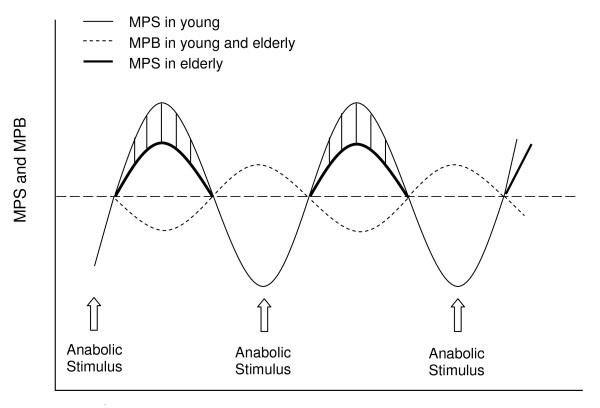
Age-related muscle wasting (sarcopenia) is accompanied by a loss of strength which can compromise the functional abilities of the elderly. Muscle proteins are in a dynamic equilibrium between their respective rates of synthesis and breakdown. It has been suggested that age-related sarcopenia is due to: i) elevated basal-fasted rates of muscle protein breakdown, ii) a reduction in basal muscle protein synthesis (MPS), or iii) a combination of the two factors. However, basal rates of muscle protein synthesis and breakdown are unchanged with advancing healthy age. Instead, it appears that the muscles of the elderly are resistant to normally robust anabolic stimuli such as amino acids and resistance exercise. Ageing muscle is less sensitive to lower doses of amino acids than the young and may require higher quantities of protein to acutely stimulate equivalent muscle protein synthesis above rest and accrue muscle proteins. With regard to dietary protein recommendations, emerging evidence suggests that the elderly may need to distribute protein intake evenly throughout the day, so as to promote an optimal per meal stimulation of MPS. The branched-chain amino acid leucine is thought to play a central role in mediating mRNA translation for MPS, and the elderly should ensure sufficient leucine is provided with dietary protein intake. With regards to physical activity, lower, than previously realized, intensity high-volume resistance exercise can stimulate a robust muscle protein synthetic response similar to traditional high-intensity low volume training, which may be beneficial for older adults. Resistance exercise combined with amino acid ingestion elicits the greatest anabolic response and may assist elderly in producing a 'youthful' muscle protein synthetic response provided sufficient protein is ingested following exercise.
Overview
The claims and statistics of this paper haven’t been checked yet.
Free: it reads the open-access text and checks the first 5 claims that cite a source we can check. Create a free account to check every claim.
Integrity signals
Registry
Cites
Statistics
Figures
Verification
Claims the paper makes
The claims and statistics of this paper haven’t been checked yet.
Free: it reads the open-access text and checks the first 5 claims that cite a source we can check. Create a free account to check every claim.
Claims other papers make about this one
Each is checked against this paper’s own text: does it say what the citing paper says it does?
The source backs part of the claim, not all of it — or backs it for a different population, condition or comparison.
In the citing paper
“Nevertheless, a higher daily protein intake (1.2–1.6 g/kg BW/day) has been suggested to improve lean body mass gain or maintain muscle mass in young and old healthy adults.”
From Systematic review and meta-analysis of protein intake to support muscle mass and function in healthy adults (2022) · cites this paper as [19]
Experimental — accuracy not yet measuredThe source backs part of the claim, not all of it — or backs it for a different population, condition or comparison.
In the citing paper
“Recommendations for leucine consumption—around 3–4 g per meal, which equates to 25–30 g of high quality protein and 1.0–1.6 g/kg/day distributed into 3–4 daily meals—aim to promote greater MPS stimulation in older adults [131,132,133,134].”
From Impact of Protein Intake in Older Adults with Sarcopenia and Obesity: A Gut Microbiota Perspective (2020) · cites this paper as [131]
Experimental — accuracy not yet measuredThe source backs part of the claim, not all of it — or backs it for a different population, condition or comparison.
In the citing paper
“Aging represents the most profound naturally occurring model of impaired translational capacity, clinically manifesting as sarcopenia and “anabolic resistance” [46].”
From Ribosome Biogenesis as a Putative Bottleneck to Skeletal Muscle Hypertrophy: Mechanisms, Human Evidence, and Practical Modulators (2026) · cites this paper as [46]
Experimental — accuracy not yet measuredThe source backs part of the claim, not all of it — or backs it for a different population, condition or comparison.
In the citing paper
“Because the aged nucleolus is highly resistant to standard loading, Breen and Phillips have hypothesized that older adults require a significantly higher relative mechanical threshold to elicit the same molecular spark observed in the young [46,110].”
From Ribosome Biogenesis as a Putative Bottleneck to Skeletal Muscle Hypertrophy: Mechanisms, Human Evidence, and Practical Modulators (2026) · cites this paper as [46]
Experimental — accuracy not yet measuredThe cited source says what the claim attributes to it.
In the citing paper
“evidence suggests that young muscles are more sensitive to the anabolic action of EAAs compared to aging muscles [62].”
From Animal Protein versus Plant Protein in Supporting Lean Mass and Muscle Strength: A Systematic Review and Meta-Analysis of Randomized Controlled Trials (2021) · cites this paper as [62]
2 more claims about this paper
Create a free account to see every claim other papers make about this one.
Self-check
Percentages, sums and reported differences re-computed from the paper’s own numbers.
The self-check needs the paper’s full text.
Citations
Cites
Garber, C. E., Blissmer, B., Deschenes, M. R., Franklin, B. A., Lamonte, M. J., Lee, I.-M., Nieman, D. C., & Swain, D. P. (2011) · Medicine & Science in Sports & Exercise · doi:10.1249/mss.0b013e318213fefb · Cited by 9,319
Acute-Phase Proteins and Other Systemic Responses to Inflammation
Gabay, C., & Kushner, I. (1999) · New England Journal of Medicine · doi:10.1056/nejm199902113400607 · Cited by 6,734 · cited 1×
“TNF-a, which is one of the main inducers of the acute-phase response [39], plays an important role in alterations of muscle protein metabolism in this model of sepsis [38].”
BackgroundHigh-Intensity Strength Training in Nonagenarians: Effects on Skeletal Muscle
Fiatarone, M. A. (1990) · JAMA · doi:10.1001/jama.1990.03440220053029 · Cited by 1,593
Strength conditioning in older men: skeletal muscle hypertrophy and improved function
Frontera, W. R., Meredith, C. N., O'Reilly, K. P., Knuttgen, H. G., & Evans, W. J. (1988) · Journal of Applied Physiology · doi:10.1152/jappl.1988.64.3.1038 · Cited by 1,384
Anabolic signaling deficits underlie amino acid resistance of wasting, aging muscle
Cuthbertson, D., Smith, K., Babraj, J., Leese, G., Waddell, T., Atherton, P., Wackerhage, H., Taylor, P. M., & Rennie, M. J. (2005) · The FASEB Journal · doi:10.1096/fj.04-2640fje · Cited by 1,211 · cited 11×
“Resistance exercise acutely increases MPS [22,29,48] and, when practiced frequently over time, promotes muscle hypertrophy in older adults [75-78], although the anabolic response is generally blunted compared with younger adults [47,79,80].”
BackgroundMethodResultInfluentialSkeletal Muscle Cutpoints Associated with Elevated Physical Disability Risk in Older Men and Women
Janssen, I. (2004) · American Journal of Epidemiology · doi:10.1093/aje/kwh058 · Cited by 1,190
Mixed muscle protein synthesis and breakdown after resistance exercise in humans
Phillips, S. M., Tipton, K. D., Aarsland, A., Wolf, S. E., & Wolfe, R. R. (1997) · American Journal of Physiology-Endocrinology and Metabolism · doi:10.1152/ajpendo.1997.273.1.e99 · Cited by 1,132 · cited 2×
“Thus, protein feeding during late exercise recovery still maintains the capacity to be synergistic to exercise-mediated rates that have been shown to exist in the fasted-state during this time [14,98].”
BackgroundSelf-citationTang, J. E., Moore, D. R., Kujbida, G. W., Tarnopolsky, M. A., & Phillips, S. M. (2009) · Journal of Applied Physiology · doi:10.1152/japplphysiol.00076.2009 · Cited by 998
Self-citationMoore, D. R., Robinson, M. J., Fry, J. L., Tang, J. E., Glover, E. I., Wilkinson, S. B., Prior, T., Tarnopolsky, M. A., & Phillips, S. M. (2009) · The American Journal of Clinical Nutrition · doi:10.3945/ajcn.2008.26401 · Cited by 973 · cited 2×
“Previously, we have shown that maximal post-exercise stimulation of MPS can be achieved with ingestion of 20 g of egg protein in young adults [63].”
BackgroundSelf-citationKatsanos, C. S., Kobayashi, H., Sheffield-Moore, M., Aarsland, A., & Wolfe, R. R. (2006) · American Journal of Physiology-Endocrinology and Metabolism · doi:10.1152/ajpendo.00488.2005 · Cited by 923 · cited 3×
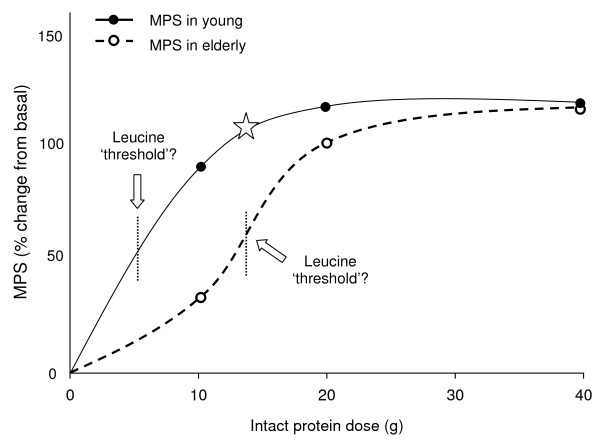
“The resistance of elderly muscles to a physiological dose of amino acids was subsequently confirmed by others [35-37] and is presented in Figure 1.”
BackgroundResult
Research works printed but not linked: 1
- Dickinson JM Fry CS Drummond MJ Gundermann DM Walker DK Glynn EL Timmerman KL Dhanani S Volpi E Rasmussen BB Mammalian Target of Rapamycin Complex 1 Activation Is Required for the Stimulation of Human Skeletal Muscle Protein Synthesis by Essential Amino Acids J Nutr 2011 PMC3077888 21430254
Cited by
Items 301–400 of 622
Merchant, R. A., Chan, Y. H., Anbarasan, D., Seetharaman, S. K., Au, L. S. Y., Vidhya, N., Lai, A., Ho, V., Wong, B., Pang, E., et al. (2023) · Frontiers in Medicine · doi:10.3389/fmed.2023.1204198 · Cited by 13
Sarcopenia, malnutrition and nutrient density in older people
Smith, A. (2014) · Post Reproductive Health · doi:10.1177/1754045314521552 · Cited by 12
“This means that the evening meal may be the only meal of the day providing a sufficient level of absorbed EAA to stimulate anabolism.(4) Researchers suggest that intake of high biological value protein should be distributed equally between three or more meals each day, with 20–30 g protein (containing 5–8 g EAA) consu…”
BackgroundInfluentialLee, E. H., & Neppl, R. L. (2021) · Genes · doi:10.3390/genes12050688 · Cited by 13
Seemer, J., Volkert, D., Fleckenstein, D., Bader‐Mittermaier, S., Sieber, C. C., & Kiesswetter, E. (2021) · Nutrients · doi:10.3390/nu13072168 · Cited by 13
“Moreover, at all meals, except lunch, the main protein source was dairy, and thus whey protein, which is particularly effective in contributing to muscle protein synthesis due to its high content of essential amino acids such as leucine [15,55,56].”
BackgroundHang, S., Xiaoyu, L., Jue, W., Yingli, L., & Li, Z. (2025) · Scientific Reports · doi:10.1038/s41598-025-11076-w · Cited by 8
Moyama, S., Yamada, Y., Noboru, M., Fujita, H., Araki, A., Suzuki, A., Seino, Y., Shide, K., Kimura, K., Murotani, K., et al. (2023) · Nutrients · doi:10.3390/nu15092024 · Cited by 12
“The ability to synthesize muscle protein deteriorates with age, resulting in a need for higher protein intake by older adults than that by younger adults [2].”
Backgroundten Haaf, D. S. M., Bongers, C. C. W. G., Hulshof, H. G., Eijsvogels, T. M. H., & Hopman, M. T. E. (2020) · Nutrients · doi:10.3390/nu12061806 · Cited by 11
“The anabolic resistance in older adults is multifactorial but includes a lower amino acid delivery to and uptake by ageing muscles, and an impaired mammalian target of rapamycin complex 1 (MTOR-1) pathway, which is essential for muscle protein synthesis [9,10].”
Adult-Onset Myopathy with Constitutive Activation of Akt following the Loss of hnRNP-U
Bagchi, D., Mason, B. D., Baldino, K., Li, B., Lee, E. H., Zhang, Y., Chu, L. K., Raheb, S. E., Sinha, I., & Neppl, R. L. (2020) · iScience · doi:10.1016/j.isci.2020.101319 · Cited by 11
Murine myoblast migration: influence of replicative ageing and nutrition
Brown, A. D., Close, G. L., Sharples, A. P., & Stewart, C. E. (2017) · Biogerontology · doi:10.1007/s10522-017-9735-3 · Cited by 11
“supplementation, it is reported that muscle in older adults displays a level of anabolic resistance (Breen and Phillips 2011).”
BackgroundClifford, T. (2019) · Journal of Aging and Physical Activity · doi:10.1123/japa.2018-0351 · Cited by 11
The association between dietary acid load and muscle strength among Iranian adults
Mohammadpour, S., Djafari, F., Davarzani, S., Djafarian, K., Clark, C. C. T., & Shab‐Bidar, S. (2020) · BMC Research Notes · doi:10.1186/s13104-020-05309-6 · Cited by 10
de Branco, F. M. S., Rossato, L. T., Rinaldi, A. E. M., Azeredo, C. M., & de Oliveira, E. P. (2022) · Prostaglandins Leukotrienes and Essential Fatty Acids · doi:10.1016/j.plefa.2022.102412 · Cited by 10
Sullivan, B. P., Larson, A. A., Shams, A. S., McMillin, S. L., Ebeling, M. C., Peng, S., Kyba, M., & Lowe, D. A. (2024) · Aging Cell · doi:10.1111/acel.14441 · Cited by 10
“In subsequent Aging is associated with a loss of skeletal muscle mass and strength (Messier et al., 2011) and in aged humans and mice anabolic resistance and reduced responsiveness to hypertro - phic stimuli has been reported (Breen & Phillips, 2011; Hodson et al., 2019 ; van Dijk et al., 2017).”
Ageing of human myofibres in the Vastus Lateralis muscle: A narrative review
Granic, A., Simoes, D. C. M., Bowen, T. S., Almaghtuf, N., Richardson, G. D., & Sayer, A. A. (2026) · Ageing Research Reviews · doi:10.1016/j.arr.2026.103022 · Cited by 10
Grzyb, K., Candow, D. G., Schoenfeld, B. J., Bernat, P., Butchart, S., & Neary, J. P. (2020) · The Journal of Strength and Conditioning Research · doi:10.1519/jsc.0000000000003422 · Cited by 9
“There is evidence that aging adults experience an attenuated muscle protein synthetic response to anabolic stimuli such as resistance training (2).”
BackgroundDiet Is Associated with Frailty in Lung Cancer: A Possible Role of Gut Microbiota
Li, Z., Qian, L., Chu, J., Liu, Y., Maitiniyazi, G., Chen, Y., Cheng, X., He, J., Cheng, L., Ou, M., et al. (2023) · Nutrients · doi:10.3390/nu15194298 · Cited by 10
“Leucine, the primary precursor for activating muscle protein synthesis, plays a crucial role in regulating frailty status by activating mammalian target of rapamycin complex (mTORC) pathway [42].”
BackgroundEffects of protein supplementation on muscle wasting disorders: A brief update of the evidence
Kirk, B., Iuliano, S., Daly, R. M., & Duque, G. (2020) · Australian Journal on Ageing · doi:10.1111/ajag.12853 · Cited by 9
Oligonucleotide Therapeutics for Age-Related Musculoskeletal Disorders: Successes and Challenges
Nicholson, T. A., Sagmeister, M. S., Wijesinghe, S. N., Farah, H., Hardy, R., & Jones, S. W. (2023) · Pharmaceutics · doi:10.3390/pharmaceutics15010237 · Cited by 10
Cooper, L. A., Brown, S. L., Hocking, E., & Mullen, A. (2015) · International Journal of Dairy Technology · doi:10.1111/1471-0307.12280 · Cited by 9
Saber, Z. M., Takeuchi, Y., Sawada, Y., Aita, Y., Ho, M. H., Karkoutly, S., Tao, D., Katabami, K., Ye, C., Murayama, Y., et al. (2021) · Biochemical and Biophysical Research Communications · doi:10.1016/j.bbrc.2021.10.027 · Cited by 10
Osburn, S. C., Vann, C. G., Church, D. D., Ferrando, A. A., & Roberts, M. D. (2021) · Physiologia · doi:10.3390/physiologia1010005 · Cited by 9
“The maintenance of skeletal muscle mass relies upon the achievement of a net neutral protein balance, or the balance of protein synthesis and protein breakdown rates [1].”
BackgroundEffectiveness of Whey Protein Supplement in Resistance Trained Individuals
Naclerio, F. (2013) · Journal of Sports Medicine & Doping Studies · doi:10.4172/2161-0673.1000130 · Cited by 10
“Leucine, one of the Branched Chain Amino acid (BCAA) is a key essential AA to trigger a potent increase in protein synthesis when a minimum amount of 1 g or 2 g per meal is consumed by young or elderly people respectively [46].”
BackgroundHwang, J. H., & Jung, H. W. (2018) · Medicine · doi:10.1097/md.0000000000011534 · Cited by 8
Deferoxamine prevents dexamethasone-induced muscle atrophy by reducing MuRF1 and atrogin-1
Jeong, J.-Y., Son, Y., Kim, Y., Lee, N., Kim, Y., Heo, Y. J., Choi, S., Choi, J., Han, S. J., Jeon, J., et al. (2025) · Frontiers in Pharmacology · doi:10.3389/fphar.2025.1582216 · Cited by 8
Ramos-Hernández, R., Miguel‐Ortega, Á., Martínez‐Ferrán, M., Fernández‐Lázaro, D., Busto, N., & Mielgo‐Ayuso, J. (2025) · GeroScience · doi:10.1007/s11357-025-01889-y · Cited by 8
“However, owing to age-related anabolic resistance, the adaptive response to exercise is often attenuated in older adults [6], highlighting the importance of combining training with additional strategies, such as nutritional support.”
Apicella, M. C. A., Jameson, T. S. O., Monteyne, A. J., Pavis, G. F., Abdelrahman, D. R., Murton, A. J., Alamdari, N., Dirks, M. L., Wall, B. T., & Stephens, F. B. (2025) · American Journal of Physiology-Endocrinology and Metabolism · doi:10.1152/ajpendo.00365.2024 · Cited by 8
Machek, S. B., Cardaci, T. D., & Willoughby, D. S. (2020) · Strength and conditioning journal · doi:10.1519/ssc.0000000000000556 · Cited by 8
Villani, A. M. (2022) · Healthcare · doi:10.3390/healthcare10102107 · Cited by 11
“As such, adequate intake of dietary protein is imperative, particularly given that the elderly are less able to efficiently utilize amino acids for muscle protein synthesis, resulting in a blunted muscle protein synthetic response to an anabolic stimuli, a phenomenon termed anabolic resistance [25].”
BackgroundXie, M., Yang, D., Zhu, Q., Zhu, L., Zhong, Q., Gu, R., & Xu, D. (2025) · Aging Clinical and Experimental Research · doi:10.1007/s40520-025-03114-4 · Cited by 8
Shibasaki, I., Otani, N., Ouchi, M., Fukuda, T., Matsuoka, T., Hirota, S., Yokoyama, S., Kanazawa, Y., Kato, T., Shimizu, R., et al. (2023) · Journal of Cardiology · doi:10.1016/j.jjcc.2023.08.013 · Cited by 7
Fernandes, A. L., Hayashi, A. P., Filho, J. C. J., de Capitani, M. D., de Santana, D. A., Gualano, B., & Roschel, H. (2017) · Nutrition and Health · doi:10.1177/0260106017737465 · Cited by 10
“…anabolic nutrient, therefore, a great amount of research has been dedicated to investigate the underlying mechanisms behind its effects on muscle protein turnover (Breen and Phillips, 2011; Dardevet et al., 2012; Pennings et al., 2011a, 2011b; Phillips, 2015; Yang et al., 2012a, 2012b).”
BackgroundInfluentialCallegari, S., Mirzaei, F., Agbaria, L., Shariff, S., Kantawala, B., Moronge, D., & Ogendi, B. M. O. (2023) · International Journal of Molecular Sciences · doi:10.3390/ijms242317018 · Cited by 7
“…of persistent oxidative damage and the resulting mitochondrial malfunction coincide with the potential of telomere breakage, Protein homeostasis (production and breakdown) in skeletal muscle includes numerous mechanisms, and its disruption contributes to the occurrence of sarcopenia [62].”
BackgroundMuscle Wasting, Dysfunction, and Inflammaging
Degens, H., & McPhee, J. S. (2013) · Elsevier eBooks · doi:10.1016/b978-0-12-397803-5.00020-4 · Cited by 11
Gathercole, J. L., Grosvenor, A. J., Lee, E., Thomas, A., Mitchell, C. J., Zeng, N., D’Souza, R. F., Ramzan, F., Sharma, P., Knowles, S. O., et al. (2021) · Frontiers in Nutrition · doi:10.3389/fnut.2020.595905 · Cited by 8
“Studies on elderly people suggest a potential requirement for a greater daily protein or amino acid intake to aid in sustaining skeletal muscle mass and function (19, 20).”
BackgroundNygård, L. K., Mundal, I. P., Dahl, L., Benth, J. Š., & Rokstad, A. M. M. (2021) · Marine Drugs · doi:10.3390/md19020062 · Cited by 9
“The population that is most in need of help with stimulating MPS is composed of people who are immobilized over a period of time, e.g., after injuries or illnesses affecting mobility.”
BackgroundInfluentialRoss, E., Wright, H. H., & Villani, A. M. (2021) · Quality of Life Research · doi:10.1007/s11136-021-02821-5 · Cited by 7
1. The good egg, the forgotten benefits: protein, carotenoids, choline and glycemic index
Fernández, M. L., & Andersen, C. J. (2015) · Wageningen Academic Publishers eBooks · doi:10.3920/978-90-8686-804-9_1 · Cited by 9
Kirk, B., Phu, S., Debruin, D. A., Hayes, A., & Duque, G. (2019) · Elsevier eBooks · doi:10.1016/b978-0-12-801238-3.11430-8 · Cited by 8
Todoroki, H., Takayanagi, T., Morikawa, R., Asada, Y., Hidaka, S., Yoshino, Y., Hiratsuka, I., Shibata, M., Wada, A., Asai, S., et al. (2025) · Nutrients · doi:10.3390/nu17213459 · Cited by 6
“Muscle mass decreases with age, but it is known that lower-limb muscle strength declines in older adults before muscle mass decreases [30].”
Xue, X., Xu, J., Wang, H., Wang, K., Chen, Y., Xu, Y., Que, S., & Liu, Z. (2026) · Frontiers in Cellular and Infection Microbiology · doi:10.3389/fcimb.2025.1710582 · Cited by 8
“Skeletal muscle protein turnover — the core physiological process sustaining muscle homeostasis — is governed by the dynamic equilibrium between muscle protein synthesis (MPS) and muscle protein breakdown (MPB) (Breen and Phillips, 2011).”
InfluentialCosta, T. M. D. R. L., & Borba, V. Z. C. (2015) · Revista Médica da UFPR · doi:10.5380/rmu.v2i3.42076 · Cited by 10
Meta-analysis of changes in skeletal muscle mass within 1 year after bariatric surgery
Hua, M., Li, J., Wang, T., Xu, Y., Zhao, Y., Sun, Q., Yuan, H., & Wang, D. (2025) · Surgical Endoscopy · doi:10.1007/s00464-024-11512-4 · Cited by 8
“Moreover, combining resistance exercise with sufficient amino acid intake can elicit maximal anabolic responses, promoting muscle protein synthesis in older individuals [54].”
Muscle Strength and Cardiovascular Health in MASLD: A Prospective Study
Kumbaroğlu, F. B., Balaban, Y. H., & Düger, T. (2025) · Medicina · doi:10.3390/medicina61020247 · Cited by 6
“In our study, we referenced the quadriceps femoris muscle, which plays a crucial role in daily activities (such as walking and stair climbing) and is considered a significant predictor for diagnosing and monitoring sarcopenia [24,49].”
Bolaji, O. F., Santos, L. P., González, M. C., Barbosa-Silva, T. G., Demarco, F. F., & Bielemann, R. M. (2025) · Nutrition · doi:10.1016/j.nut.2025.112849 · Cited by 7
Rempe, H. M., Sproesser, G., Hannink, A., Skurk, T., Brandl, B., Hauner, H., Renner, B., Volkert, D., Sieber, C. C., Freiberger, E., et al. (2020) · Nutrients · doi:10.3390/nu12030662 · Cited by 8
“In addition to the amount of consumed protein, the quality of protein seems to be a factor for maintaining muscle health [7,16].”
BackgroundThe top 100 most-cited articles on exercise therapy for sarcopenia: A bibliometric analysis
Guo, Z.-J., Xie, W., Cai, Z., Zhang, Y.-Y., Ding, Y.-L., Naranmandakh, S., Li, Y., & Xiao, W. (2022) · Frontiers in Medicine · doi:10.3389/fmed.2022.961318 · Cited by 6
Lu, L., Liu, B., & Ma, Y. (2023) · Diabetes Metabolic Syndrome and Obesity · doi:10.2147/dmso.s398475 · Cited by 7
“Adequate nutrition and exercise interventions that may maximize the muscle protein synthetic response in elderly, so as to counteract age-related sarcopenia.(20,21) Muscle mass and strength change across throughout a lifetime, with literature showing that leg muscle mass and strength decline by 1–2% and 1.”
BackgroundLanger, H. T., & Carlsohn, A. (2014) · Strength and conditioning journal · doi:10.1519/ssc.0000000000000057 · Cited by 8
“The authors hypothesized that there would be no difference between the groups, agreeing with earlier assumptions about a “leucine threshold” (4).”
BackgroundResultRoutine Yoga Practice Impacts Whole Body Protein Utilization in Healthy Women
Colletto, M., & Rodriguez, N. R. (2017) · Journal of Aging and Physical Activity · doi:10.1123/japa.2016-0085 · Cited by 6
Sarkopenie und Frailty beim älteren Rheumapatienten
Lange, U. (2018) · Zeitschrift für Rheumatologie · doi:10.1007/s00393-018-0444-3 · Cited by 7
Villani, A. M., Barrett, M., McClure, R., & Wright, H. H. (2020) · Nutrition Metabolism and Cardiovascular Diseases · doi:10.1016/j.numecd.2020.11.018 · Cited by 6
Cho, J. K., Kang, H., & Yoon, J. H. (2013) · The Korean Journal of Obesity · doi:10.7570/kjo.2013.22.2.77 · Cited by 6
Ridge, A. J., Devine, A., Lyons‐Wall, P., Conlon, J. A., & Lo, J. (2018) · Food Quality and Preference · doi:10.1016/j.foodqual.2018.01.013 · Cited by 7
Sarcopenic obesity, pathogenesis, and treatment with a focus on exercise and protein intake
Karaağaç, Y. (2023) · Journal of Mind and Medical Sciences · doi:10.22543/2392-7674.1419 · Cited by 5
“As the muscle protein synthesis response to anabolic stimuli is blunted in the elderly, more protein is needed to stimulate muscle protein synthesis [64].”
BackgroundMcIntosh, M. C., Mueller, B. J., Tiede, D., Anglin, D. A., Kontos, G. J., Plotkin, D. L., Mattingly, M. L., Kontos, N. J., Michel, J. M., Agyin-Birikorang, A., et al. (2026) · American Journal of Physiology-Regulatory, Integrative and Comparative Physiology · doi:10.1152/ajpregu.00195.2025 · Cited by 5
Adaptation and validation of a protein intake screening tool for a UK adult population
Tuttiett, E. R., Ioannou, E., Wijnhoven, H. A. H., Corfe, B. M., & Williams, E. A. (2022) · Journal of Nutritional Science · doi:10.1017/jns.2022.96 · Cited by 5
“(MPS) although MPS anabolism remains stimulable, albeit in response to higher dosing((7)).”
BackgroundEggs: Establishing the nutritional benefits
Gray, J., & Griffin, B. A. (2013) · Nutrition Bulletin · doi:10.1111/nbu.12066 · Cited by 7
Prevalence and Factors Related to Sarcopenic Obesity among Community-dwelling Elderly Women
Lee, M. H., & Park, Y. (2017) · Journal of Korean Biological Nursing Science · doi:10.7586/jkbns.2017.19.1.30 · Cited by 5
Casagranda, M., Zanella, P. B., Vieira, A., & Macedo, R. C. O. (2019) · Nutrition & Food Science · doi:10.1108/nfs-11-2018-0328 · Cited by 5
Teljigović, S., Søgaard, K., Sandal, L. F., Dalager, T., Nielsen, N. O., Sjøgaard, G., & Holm, L. (2020) · BMJ Open · doi:10.1136/bmjopen-2020-041605 · Cited by 5
Pickering, C., Hicks, D. S., & Kiely, J. (2021) · Journal of Aging and Physical Activity · doi:10.1123/japa.2020-0302 · Cited by 5
Metabolic Change and Nutritional Supply in the Elderly
Kim, S., & Kim, K. (2014) · Journal of Clinical Nutrition · doi:10.15747/jcn.2014.6.1.2 · Cited by 5
Improving Regulatory Decisions through Targeted Research: A Case Study Concerning Amino Acids
Rogers, M. D., & Smriga, M. (2012) · European Journal of Risk Regulation · doi:10.1017/s1867299x00002002 · Cited by 5
Nwachukwu, I. D., Kouritzin, T., Aluko, R. E., & Myrie, S. B. (2017) · Journal of Food Biochemistry · doi:10.1111/jfbc.12435 · Cited by 6
Gingrich, A., Rennekamp, R., Brandl, B., Skurk, T., Hauner, H., Sieber, C. C., Volkert, D., & Kiesswetter, E. (2018) · Nutrients · doi:10.3390/nu10091217 · Cited by 5
Nutritional Applications of Whey Protein
Guo, M., & Wang, G. (2019) · Wiley eBooks · doi:10.1002/9781119256052.ch6 · Cited by 7
Traditional and elastic resistance training enhances functionality and lipid profile in the elderly
Silva, B. S. D. A., Lira, F. S., de Freitas, M. C., Uzeloto, J. S., dos Santos, V. R., Freire, A. P. C. F., Bertolini, G. N., & Gobbo, L. A. (2020) · Experimental Gerontology · doi:10.1016/j.exger.2020.110921 · Cited by 6
Agergaard, J., Zillmer, M. C. F., Castro-Mejía, J. L., Mertz, K. H., Kot, W., Højfeldt, G. W., van Hall, G., Nielsen, D. S., Schjerling, P., & Holm, L. (2021) · Scientific Reports · doi:10.1038/s41598-021-96000-8 · Cited by 5
de Souza, E. B., Marfori, T., & Gomes, D. V. (2021) · Jornal de Investigação Médica · doi:10.29073/jim.v2i2.423 · Cited by 14
Blood Flow Restriction in Exercise and Rehabilitation
Whipple, M. T., Erickson, R. A., Donnenwerth, J. J., & Peterson, A. R. (2021) · ACSMʼs Health & Fitness Journal · doi:10.1249/fit.0000000000000693 · Cited by 6
Ablation of Ghrelin Receptor Mitigates the Metabolic Decline of Aging Skeletal Muscle
O'Reilly, C. L., Lin, L.-G., Wang, H.-Y., Fluckey, J., & Sun, Y.-X. (2022) · Genes · doi:10.3390/genes13081368 · Cited by 4
Trends in knee osteoarthritis prevalence over a 10-year period in Japan: The ROAD study 2005–2015
Tanegashima, G., Iidaka, T., Muraki, S., Horii, C., Oka, H., Kawaguchi, H., Nakamura, K., Akune, T., Tanaka, S., & Yoshimura, N. (2025) · Osteoarthritis and Cartilage Open · doi:10.1016/j.ocarto.2025.100569 · Cited by 5
von Renesse, J., Kessel, M., Oehme, F., Kirchberg, J., Kalandarishvili, M., Nebelung, H., Merboth, F., Mirtschink, P., Weitz, J., Distler, M., et al. (2025) · Critical Care · doi:10.1186/s13054-025-05695-y · Cited by 4
Huang, Y., Wang, Q., Wang, G., Ding, M. C., You, Y., Li, F., Wang, T., & Yan, Y. (2026) · BMC Geriatrics · doi:10.1186/s12877-025-06938-x · Cited by 4
Molecular Mechanisms and Nutritional Modulation in Sarcopenia: A Narrative Review
Chin, H. S., Liu, L., Liao, P.-J., Wee, A. L. R. M., Kwek, X.-Y., Teh, B. T., & Koh, F. H.-X. (2026) · Nutrients · doi:10.3390/nu18071161 · Cited by 5
Contribution of muscle hypertrophy to strength gain after training in elderly adults
Stragier, S., Baudry, S., POORTMANS, J. R., Duchateau, J., & Carpentier, A. (2015) · Computer Methods in Biomechanics & Biomedical Engineering · doi:10.1080/10255842.2015.1070593 · Cited by 4
“© 2015 taylor & Francis CONTACT s. stragier severine.stragier@ulb.ac.be ComPuteR methoDS in BiomeChAniCS AnD BiomeDiCAl engineeRing 2063 of intramuscular signalling pathways regulating protein synthesis compared with younger adults (Breen & Phillips 2011).”
MethodMuscle wasting in ICU-patients with COVID-19 - Descriptive analysis and risk factors identification
García‐Grimaldo, A., Rodríguez‐Moguel, N. C., Ríos‐Ayala, M. A., Hernández‐Cardenas, C. M., Pensado-Piedra, L. E., & Osuna‐Padilla, I. A. (2024) · Medicina Intensiva (English Edition) · doi:10.1016/j.medine.2024.04.010 · Cited by 4
D’Souza, A. C., Rajmohan, S., Younes, R., McKendry, J., Lim, C., Wilkson, D. J., Smith, K. E., Atherton, P. J., & Phillips, S. M. (2024) · Advanced Exercise and Health Science · doi:10.1016/j.aehs.2024.11.003 · Cited by 6
Self-citationProspects for the diagnosis and treatment of sarcopenia in the Philippines
Sun, J., Zhang, W., & Han, P. (2025) · Frontiers in Medicine · doi:10.3389/fmed.2024.1501501 · Cited by 4
Moyama, S., Yamazaki, Y., Takahashi, T., Noboru, M., Hamamoto, Y., Kurose, T., Yamada, Y., Kuwata, H., & Seino, Y. (2025) · Nutrients · doi:10.3390/nu17040731 · Cited by 4
“Thus, in addition to ensuring an adequate total daily protein intake, the distribution of protein intake over the three meals is important to maximize muscle synthesis per day [4,6,8].”
Daly, R. M. (2013) · Springer eBooks · doi:10.1007/978-1-4471-2769-7_1 · Cited by 4
Oh, S.-H., Lee, D., Lee, Y., & Ju, J.-S. (2019) · Exercise Science · doi:10.15857/ksep.2019.28.2.159 · Cited by 4
“근육 손실은 단백질 합성 률의 감소, 단백질 분해률의 증가, 또는 이 두 가지 과정의 조합이 원인 이 될 수 있다[12].”
Sadri, S., Sharifi, G., & Dehkordi, K. J. (2021) · Sport Sciences for Health · doi:10.1007/s11332-021-00828-6 · Cited by 4
Possibilities of treating sarcopenia in liver cirrhosis with hypoammonemic agents
Ostrovskaya, A. S., Maevskaya, M. V., Loban, K. M., Жаркова, М. С., Петровна, Ш. М., Андреевна, В. Е., Chvileva, Y. O., & Ivashkin, V. T. (2024) · Meditsinskiy sovet = Medical Council · doi:10.21518/ms2024-383 · Cited by 4
Daly, R. M. (2016) · Springer eBooks · doi:10.1007/978-3-319-32417-3_6 · Cited by 4
Park, J., Kim, M. S., & Boo, Y.-K. (2025) · Nutrition Reviews · doi:10.1093/nutrit/nuaf181 · Cited by 3
Li, T., Guo, T., Zhi, Z., Wang, P., Zhou, J., Zhang, H., Cui, M., Zhang, J., & Zhang, J. (2025) · Journal of Agricultural and Food Chemistry · doi:10.1021/acs.jafc.5c10158 · Cited by 3
Suzuki, G., Iwanami, Y., NAKAZAWA, M., Yoshioka, S., Furuta, M., Nakanishi, M., Kanayama, H., Ishikawa, K., Nishioka, S., Kobori, T., et al. (2026) · Trials · doi:10.1186/s13063-026-09584-9 · Cited by 3
Li, S., Li, J., Ren, K., Yang, X., Yu, X., Zhao, Q., & Huang, H. (2026) · Complementary Therapies in Medicine · doi:10.1016/j.ctim.2026.103343 · Cited by 3
Ciubean, A. D., Popa, T., Ciortea, V. M., Dogaru, G. B., & Irsay, L. (2025) · Balneo and PRM Research Journal · doi:10.12680/balneo.2025.814 · Cited by 3
Jones, S. W., Shigdar, S. M., Temple, J., Tollitt, B. R., Janvier, A. J., Mutter, F., Henstock, J. R., Ohana, J., Turner, D. A., McArdle, C., et al. (2026) · npj Microgravity · doi:10.1038/s41526-026-00579-z · Cited by 3
“Despite the implementation of daily (~2 h/day) aerobic and resistance exercise on the International Space Station (ISS), the preventative effects remain incomplete, echoing the challenges of exercise ef fi cacy in ageing populations 6,7 .”
Exercise in Elderly Cancer Survivors
Schwartz, A. L., & Winters‐Stone, K. M. (2012) · Springer eBooks · doi:10.1007/978-1-4614-4493-0_11 · Cited by 3
Comment maintenir son niveau de performance physique avec l’âge ? L’exemple de l’athlète master
Louis, J. B., Vercruyssen, F., & Bernard, T. (2018) · Science & Sports · doi:10.1016/j.scispo.2018.03.006 · Cited by 3
Blood amino acid dynamics after ingestion of chicken-derived peptides in healthy subjects
Guo, H., Yamamura, A., & Sato, M. (2022) · Functional Foods in Health and Disease · doi:10.31989/ffhd.v12i7.926 · Cited by 3
“protein ingested [3], but the amount of protein required to induce muscle synthesis increases with”
BackgroundMuscle wasting in ICU-patients with COVID-19 - Descriptive analysis and risk factors identification
García‐Grimaldo, A., Rodríguez‐Moguel, N. C., Ríos‐Ayala, M. A., Hernández‐Cardenas, C. M., Pensado-Piedra, L. E., & Osuna‐Padilla, I. A. (2024) · Medicina Intensiva · doi:10.1016/j.medin.2024.03.018 · Cited by 3
A suplementação de leucina pode atenuar a atrofia muscular? Uma revisão da literatura
Amaral, R. B. D., Martins, C. E. C., Lancha, A. H., & Painelli, V. D. S. (2015) · Brazilian Journal of Kinanthropometry and Human Performance · doi:10.5007/1980-0037.2015v17n4p496 · Cited by 3
Atualidades sobre o tratamento da Sarcopenia revisão de literatura
Gago, L. C., & Gago, F. C. P. (2016) · International Journal of Nutrology · doi:10.1055/s-0040-1705640 · Cited by 12
Protein Metabolism in the Elderly
Dillon, E. L. (2016) · Elsevier eBooks · doi:10.1016/b978-0-12-802167-5.00007-4 · Cited by 3
Kiesswetter, E. (2018) · Aktuelle Ernährungsmedizin · doi:10.1055/s-0043-124947 · Cited by 6
“2,5–3g pro Mahlzeit überschritten werden muss, um die postprandiale Muskelproteinsynthese optimal zu stimulieren [11].”
BackgroundInfluentialEggs as Part of a Healthy Eating Pattern
Ahnen, R. T., & Slavin, J. L. (2019) · Royal Society of Chemistry eBooks · doi:10.1039/9781788013833-00001 · Cited by 3
Metadata
- Authors
- Breen, L., & Phillips, S. M.
- Affiliations
- McMaster University (CA)
- Corresponding author
- Phillips, Stuart M
- Venue
- Nutrition & Metabolism
- Published
- 2011
- Volume
- 8
- Issue
- 1
- Pages
- 68
- ISSN
- 1743-7075 (ISSN-L)
- PMC
- PMC3201893
- OpenAlex
- W2096840621
- Cited by
- 576
- References
- 111
- Citations by year
- 2026: 71 · 2025: 49 · 2024: 34 · 2023: 37 · 2022: 36 · 2021: 51 · 2020: 53 · 2019: 40 · 2018: 33 · 2017: 39 · 2016: 32 · 2015: 34 · 2014: 23 · 2013: 20 · 2012: 21
- FWCI
- 10.13
- Type
- journal article
- Language
- en
- Open access
- gold
- doi.org
- Licence
- cc-by
- Locations
- Nutrition & Metabolism (publishedVersion, cc-by)
- Europe PMC (PubMed Central) (publishedVersion, cc-by)
- PubMed Central (publishedVersion, cc-by)
- PubMed (publishedVersion)
- DOAJ (DOAJ: Directory of Open Access Journals) (submittedVersion)
- University of Birmingham Research Portal (University of Birmingham) (submittedVersion, other-oa)
- Topics
- Health Sciences › Nursing › Nutrition and Dietetics › Muscle metabolism and nutrition
- Health Sciences › Medicine › Physiology (medical) › Nutrition and Health in Aging
- Life Sciences › Biochemistry, Genetics and Molecular Biology › Molecular Biology › Muscle Physiology and Disorders
- Keywords
- sarcopenia, muscle protein synthesis, muscle protein degradation, anabolic resistance, aging, older adults, dietary protein, branched-chain amino acids, leucine, resistance training, amino acid ingestion, muscle atrophy
About these checks
Registry, retraction, Cites and statistics results are computed, not judged, with one exception: a printed reference that no index lists is read once by a model before it counts as a citation error. Claims are extracted by a model and kept only when their quote appears verbatim in the text; each cited source is then checked, with a model’s help, for whether it says what the claim relies on. Those verdicts can be wrong — read the claim’s quote and the cited source before relying on one.
Statistics and arithmetic are recomputed, not judged.
Confidence bands are shown only for fields calibrated on our annotated test set. None is calibrated yet, so no band is shown.
What counts as a claim ›How we measure confidence ›How we check this ›
Are you an author, or do you see a problem with this page? Request a review
Data sources
Bibliographic data: Semantic Scholar, OpenAlex, Crossref.
Contains information from the Semantic Scholar Academic Graph Datasets, made available under the ODC Attribution License (ODC-BY 1.0).
Semantic Scholar’s data is described in: Kinney, R., et al. (2023). The Semantic Scholar Open Data Platform. arXiv:2301.10140.
