

Skeletal muscle protein metabolism in the elderly: Interventions to counteract the 'anabolic resistance' of ageing
Open accessThe DOI matches its Crossref record; 110 of the 111 references it cites were found in a registry or an index.
Abstract
Age-related muscle wasting (sarcopenia) is accompanied by a loss of strength which can compromise the functional abilities of the elderly. Muscle proteins are in a dynamic equilibrium between their respective rates of synthesis and breakdown. It has been suggested that age-related sarcopenia is due to: i) elevated basal-fasted rates of muscle protein breakdown, ii) a reduction in basal muscle protein synthesis (MPS), or iii) a combination of the two factors. However, basal rates of muscle protein synthesis and breakdown are unchanged with advancing healthy age. Instead, it appears that the muscles of the elderly are resistant to normally robust anabolic stimuli such as amino acids and resistance exercise. Ageing muscle is less sensitive to lower doses of amino acids than the young and may require higher quantities of protein to acutely stimulate equivalent muscle protein synthesis above rest and accrue muscle proteins. With regard to dietary protein recommendations, emerging evidence suggests that the elderly may need to distribute protein intake evenly throughout the day, so as to promote an optimal per meal stimulation of MPS. The branched-chain amino acid leucine is thought to play a central role in mediating mRNA translation for MPS, and the elderly should ensure sufficient leucine is provided with dietary protein intake. With regards to physical activity, lower, than previously realized, intensity high-volume resistance exercise can stimulate a robust muscle protein synthetic response similar to traditional high-intensity low volume training, which may be beneficial for older adults. Resistance exercise combined with amino acid ingestion elicits the greatest anabolic response and may assist elderly in producing a 'youthful' muscle protein synthetic response provided sufficient protein is ingested following exercise.
Overview
The claims and statistics of this paper haven’t been checked yet.
Free: it reads the open-access text and checks the first 5 claims that cite a source we can check. Create a free account to check every claim.
Integrity signals
Registry
Cites
Statistics
Figures
Verification
Claims the paper makes
The claims and statistics of this paper haven’t been checked yet.
Free: it reads the open-access text and checks the first 5 claims that cite a source we can check. Create a free account to check every claim.
Claims other papers make about this one
Each is checked against this paper’s own text: does it say what the citing paper says it does?
The source backs part of the claim, not all of it — or backs it for a different population, condition or comparison.
In the citing paper
“Nevertheless, a higher daily protein intake (1.2–1.6 g/kg BW/day) has been suggested to improve lean body mass gain or maintain muscle mass in young and old healthy adults.”
From Systematic review and meta-analysis of protein intake to support muscle mass and function in healthy adults (2022) · cites this paper as [19]
Experimental — accuracy not yet measuredThe source backs part of the claim, not all of it — or backs it for a different population, condition or comparison.
In the citing paper
“Recommendations for leucine consumption—around 3–4 g per meal, which equates to 25–30 g of high quality protein and 1.0–1.6 g/kg/day distributed into 3–4 daily meals—aim to promote greater MPS stimulation in older adults [131,132,133,134].”
From Impact of Protein Intake in Older Adults with Sarcopenia and Obesity: A Gut Microbiota Perspective (2020) · cites this paper as [131]
Experimental — accuracy not yet measuredThe source backs part of the claim, not all of it — or backs it for a different population, condition or comparison.
In the citing paper
“Aging represents the most profound naturally occurring model of impaired translational capacity, clinically manifesting as sarcopenia and “anabolic resistance” [46].”
From Ribosome Biogenesis as a Putative Bottleneck to Skeletal Muscle Hypertrophy: Mechanisms, Human Evidence, and Practical Modulators (2026) · cites this paper as [46]
Experimental — accuracy not yet measuredThe source backs part of the claim, not all of it — or backs it for a different population, condition or comparison.
In the citing paper
“Because the aged nucleolus is highly resistant to standard loading, Breen and Phillips have hypothesized that older adults require a significantly higher relative mechanical threshold to elicit the same molecular spark observed in the young [46,110].”
From Ribosome Biogenesis as a Putative Bottleneck to Skeletal Muscle Hypertrophy: Mechanisms, Human Evidence, and Practical Modulators (2026) · cites this paper as [46]
Experimental — accuracy not yet measuredThe cited source says what the claim attributes to it.
In the citing paper
“evidence suggests that young muscles are more sensitive to the anabolic action of EAAs compared to aging muscles [62].”
From Animal Protein versus Plant Protein in Supporting Lean Mass and Muscle Strength: A Systematic Review and Meta-Analysis of Randomized Controlled Trials (2021) · cites this paper as [62]
2 more claims about this paper
Create a free account to see every claim other papers make about this one.
Self-check
Percentages, sums and reported differences re-computed from the paper’s own numbers.
The self-check needs the paper’s full text.
Citations
Cites
Garber, C. E., Blissmer, B., Deschenes, M. R., Franklin, B. A., Lamonte, M. J., Lee, I.-M., Nieman, D. C., & Swain, D. P. (2011) · Medicine & Science in Sports & Exercise · doi:10.1249/mss.0b013e318213fefb · Cited by 9,319
Acute-Phase Proteins and Other Systemic Responses to Inflammation
Gabay, C., & Kushner, I. (1999) · New England Journal of Medicine · doi:10.1056/nejm199902113400607 · Cited by 6,734 · cited 1×
“TNF-a, which is one of the main inducers of the acute-phase response [39], plays an important role in alterations of muscle protein metabolism in this model of sepsis [38].”
BackgroundHigh-Intensity Strength Training in Nonagenarians: Effects on Skeletal Muscle
Fiatarone, M. A. (1990) · JAMA · doi:10.1001/jama.1990.03440220053029 · Cited by 1,593
Strength conditioning in older men: skeletal muscle hypertrophy and improved function
Frontera, W. R., Meredith, C. N., O'Reilly, K. P., Knuttgen, H. G., & Evans, W. J. (1988) · Journal of Applied Physiology · doi:10.1152/jappl.1988.64.3.1038 · Cited by 1,384
Anabolic signaling deficits underlie amino acid resistance of wasting, aging muscle
Cuthbertson, D., Smith, K., Babraj, J., Leese, G., Waddell, T., Atherton, P., Wackerhage, H., Taylor, P. M., & Rennie, M. J. (2005) · The FASEB Journal · doi:10.1096/fj.04-2640fje · Cited by 1,211 · cited 11×
“Resistance exercise acutely increases MPS [22,29,48] and, when practiced frequently over time, promotes muscle hypertrophy in older adults [75-78], although the anabolic response is generally blunted compared with younger adults [47,79,80].”
BackgroundMethodResultInfluentialSkeletal Muscle Cutpoints Associated with Elevated Physical Disability Risk in Older Men and Women
Janssen, I. (2004) · American Journal of Epidemiology · doi:10.1093/aje/kwh058 · Cited by 1,190
Mixed muscle protein synthesis and breakdown after resistance exercise in humans
Phillips, S. M., Tipton, K. D., Aarsland, A., Wolf, S. E., & Wolfe, R. R. (1997) · American Journal of Physiology-Endocrinology and Metabolism · doi:10.1152/ajpendo.1997.273.1.e99 · Cited by 1,132 · cited 2×
“Thus, protein feeding during late exercise recovery still maintains the capacity to be synergistic to exercise-mediated rates that have been shown to exist in the fasted-state during this time [14,98].”
BackgroundSelf-citationTang, J. E., Moore, D. R., Kujbida, G. W., Tarnopolsky, M. A., & Phillips, S. M. (2009) · Journal of Applied Physiology · doi:10.1152/japplphysiol.00076.2009 · Cited by 998
Self-citationMoore, D. R., Robinson, M. J., Fry, J. L., Tang, J. E., Glover, E. I., Wilkinson, S. B., Prior, T., Tarnopolsky, M. A., & Phillips, S. M. (2009) · The American Journal of Clinical Nutrition · doi:10.3945/ajcn.2008.26401 · Cited by 973 · cited 2×
“Previously, we have shown that maximal post-exercise stimulation of MPS can be achieved with ingestion of 20 g of egg protein in young adults [63].”
BackgroundSelf-citationKatsanos, C. S., Kobayashi, H., Sheffield-Moore, M., Aarsland, A., & Wolfe, R. R. (2006) · American Journal of Physiology-Endocrinology and Metabolism · doi:10.1152/ajpendo.00488.2005 · Cited by 923 · cited 3×
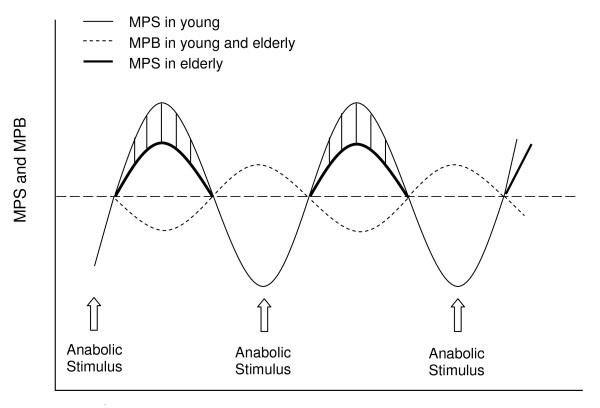
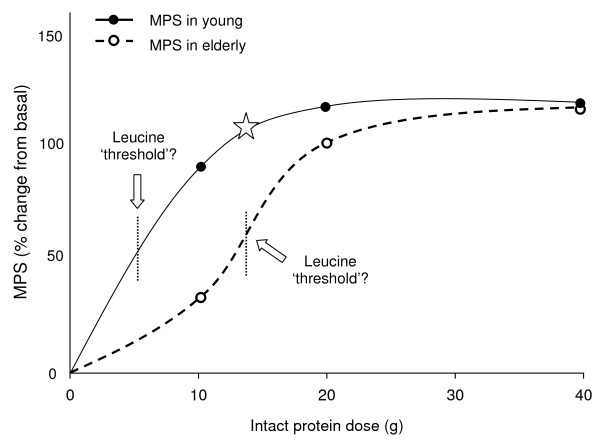
“The resistance of elderly muscles to a physiological dose of amino acids was subsequently confirmed by others [35-37] and is presented in Figure 1.”
BackgroundResult
Research works printed but not linked: 1
- Dickinson JM Fry CS Drummond MJ Gundermann DM Walker DK Glynn EL Timmerman KL Dhanani S Volpi E Rasmussen BB Mammalian Target of Rapamycin Complex 1 Activation Is Required for the Stimulation of Human Skeletal Muscle Protein Synthesis by Essential Amino Acids J Nutr 2011 PMC3077888 21430254
Cited by
Skeletal muscle performance and ageing
Tieland, M., Trouwborst, I., & Clark, B. C. (2018) · Journal of Cachexia, Sarcopenia and Muscle · doi:10.1002/jcsm.12238 · Cited by 904
“221 Although omega 3-fatty acid supplementation is found to promote muscle protein synthesis, no strong evidence is present in the literature showing that insuf fi cient omega 3-fatty acid intake is linked to lower muscle mass or decreased skeletal muscle performance.”
Kim, D. H., & Rockwood, K. (2024) · New England Journal of Medicine · doi:10.1056/nejmra2301292 · Cited by 824
Hughes, L., Paton, B., Rosenblatt, B., Gissane, C., & Patterson, S. D. (2017) · British Journal of Sports Medicine · doi:10.1136/bjsports-2016-097071 · Cited by 766
Role of Inactivity in Chronic Diseases: Evolutionary Insight and Pathophysiological Mechanisms
Booth, F. W., Roberts, C. K., Thyfault, J. P., Ruegsegger, G. N., & Toedebusch, R. G. (2017) · Physiological Reviews · doi:10.1152/physrev.00019.2016 · Cited by 696
“They also indicated that the failure to recover lost skeletal muscle because of inactivity would add to the progression of sarcopenia (64, 65), in agreement with animal data (540).”
ResultBauer, J. M., Verlaan, S., Bautmans, I., Brandt, K., Donini, L. M., Maggio, M., McMurdo, M. E. T., Mets, T., Seal, C., Wijers, S. L., et al. (2015) · Journal of the American Medical Directors Association · doi:10.1016/j.jamda.2015.05.021 · Cited by 670
Wycherley, T. P., Moran, L. J., Clifton, P. M., Noakes, M., & Brinkworth, G. D. (2012) · The American Journal of Clinical Nutrition · doi:10.3945/ajcn.112.044321 · Cited by 606
Plant Proteins: Assessing Their Nutritional Quality and Effects on Health and Physical Function
Hertzler, S. R., Lieblein-Boff, J. C., Weiler, M., & Allgeier, C. (2020) · Nutrients · doi:10.3390/nu12123704 · Cited by 594
“For example, whey protein has received much attention for muscle building due to its high level of leucine (see Figure 1), which serves as a nutrient signal for initiating the process of muscle protein synthesis [59,60].”
BackgroundReisinger, K. W., van Vugt, J. L. A., Tegels, J. J. W., Snijders, C., Hulsewé, K. W. E., Hoofwijk, A. G. M., Stoot, J. H., Von Meyenfeldt, M. F., Beets, G. L., Derikx, J. P. M., et al. (2015) · Annals of Surgery · doi:10.1097/sla.0000000000000628 · Cited by 507
Quality of Life in Sarcopenia and Frailty
Rizzoli, R., Reginster, J.-Y., Arnal, J.-F., Bautmans, I., Beaudart, C., Bischoff-Ferrari, H., Biver, E., Boonen, S., Brandi, M.-L., Chines, A., et al. (2013) · Calcified Tissue International · doi:10.1007/s00223-013-9758-y · Cited by 425
“, following menopause or andropause) [53, 54], with the onset of anabolic resistance [55], and with a more sedentary lifestyle, leads to loss of muscle mass and muscle strength [44, 56].”
BackgroundBreen, L., Stokes, K. A., Churchward-Venne, T. A., Moore, D. R., Baker, S. K., Smith, K., Atherton, P. J., & Phillips, S. M. (2013) · The Journal of Clinical Endocrinology & Metabolism · doi:10.1210/jc.2013-1502 · Cited by 395
Self-citationNunes, E. A., Colenso‐Semple, L., McKellar, S. R., Yau, T., Ali, M. U., Fitzpatrick‐Lewis, D., Sherifali, D., Gaudichon, C., Tomé, D., Atherton, P. J., et al. (2022) · Journal of Cachexia, Sarcopenia and Muscle · doi:10.1002/jcsm.12922 · Cited by 280
“gain or maintain muscle mass in young and old healthy adults.(5,10,19)”
BackgroundSelf-citationGielen, E., Beckwée, D., Delaere, A., De Breucker, S., Vandewoude, M., Bautmans, I., the Sarcopenia Guidelines Development Group of the Belgian Society of Gerontology and Geriatrics (BSGG), Bautmans, I., Beaudart, C., Beckwée, D., et al. (2021) · Nutrition Reviews · doi:10.1093/nutrit/nuaa011 · Cited by 269
Chen, L.-K., Hsiao, F.-Y., Akishita, M., Assantachai, P., Lee, W.-J., Lim, W. S., Muangpaisan, W., Kim, M., Merchant, R. A., Peng, L.-N., et al. (2025) · Nature Aging · doi:10.1038/s43587-025-01004-y · Cited by 262
“…sex 22 , efficient metabolic function 23 , appropriate fiber-type distribution and plasticity 24 , robust regenerative capacity including nuclear migration mechanisms 25–27 , efficient neuromuscular junction communication 28 , healthy mitochondrial function 29 and balanced protein turnover 23,30 .”
Mathus-Vliegen, E. M. H., Basdevant, A., Finer, N., Hainer, V., Hauner, H., Micic, D., Maislos, M., Roman, G., Schutz, Y., Tsigos, C., et al. (2012) · Obesity Facts · doi:10.1159/000341193 · Cited by 261
Bilski, J., Pierzchalski, P., Szczepanik, M., Bonior, J., & Zoladz, J. (2022) · Cells · doi:10.3390/cells11010160 · Cited by 251
“They also include the processes of repair and reconstruction of muscle tissue [46,47] and balance between the breakdown of skeletal muscle proteins and their synthesis [48].”
BackgroundMechanisms of skeletal muscle aging: insights from Drosophila and mammalian models
Demontis, F., Piccirillo, R., Goldberg, A. L., & Perrimon, N. (2013) · Disease Models & Mechanisms · doi:10.1242/dmm.012559 · Cited by 238
“Exercise and ingestion of amino acids normally stimulate protein synthesis in human muscles but are less effective at doing this in the elderly, a phenomenon termed ‘anabolic resistance’, which likely contributes to sarcopenia (Breen and Phillips, 2011).”
Verreijen, A. M., Verlaan, S., Engberink, M. F., Swinkels, S., de Vogel-van den Bosch, J., & Weijs, P. J. (2015) · The American Journal of Clinical Nutrition · doi:10.3945/ajcn.114.090290 · Cited by 237
“Several recent studies indicate that older adults are muscle anabolic resistant, which implies a blunted postprandial response to the anabolic stimuli from protein or amino acids compared with young adults (13, 29).”
Nutritional strategies to attenuate muscle disuse atrophy
Wall, B. T., & van Loon, L. J. (2013) · Nutrition Reviews · doi:10.1111/nure.12019 · Cited by 228
Mathus-Vliegen, E. M. (2012) · Journal of Clinical Gastroenterology · doi:10.1097/mcg.0b013e31825692ce · Cited by 222
Dietary Patterns, Skeletal Muscle Health, and Sarcopenia in Older Adults
Granic, A., Sayer, A. A., & Robinson, S. M. (2019) · Nutrients · doi:10.3390/nu11040745 · Cited by 211
“Intervention studies suggest that some of these pathophysiological processes may be counteracted by ensuring adequate nutrition and exercise levels [38,42,47,48].”
BackgroundExercise and nutrition strategies to counteract sarcopenic obesity
Trouwborst, I., Verreijen, A., Memelink, R., Massanet, P., Boirie, Y., Weijs, P., & Tieland, M. (2018) · Nutrients · doi:10.3390/nu10050605 · Cited by 210
“As a result, obese older adults may have higher protein needs compared with younger lean people, in order to optimally promote muscle protein synthesis so as to maintain or to regain muscle proteins [115].”
BackgroundBarbé, F., Ménard, O., Le Gouar, Y., Buffière, C., Famelart, M.-H., Laroche, B., Le Feunteun, S., Dupont, D., & Rémond, D. (2013) · Food Chemistry · doi:10.1016/j.foodchem.2012.09.022 · Cited by 209
Daly, R. M., O’Connell, S. L., Mundell, N. L., Grimes, C. A., Dunstan, D. W., & Nowson, C. A. (2014) · The American Journal of Clinical Nutrition · doi:10.3945/ajcn.113.064154 · Cited by 205
“The quality or type of protein consumed can also play an important role in the anabolic response to PRT (3, 21, 23).”
BackgroundInfluentialBruns, E. R. J., van den Heuvel, B., Buskens, C. J., van Duijvendijk, P., Festen, S., Wassenaar, E. B., van der Zaag, E. S., Bemelman, W. A., & van Munster, B. C. (2016) · Colorectal Disease · doi:10.1111/codi.13429 · Cited by 200
Gillis, C., Loiselle, S.-E., Fiore, J. F., Awasthi, R., Wykes, L., Liberman, A. S., Stein, B., Charlebois, P., & Carli, F. (2016) · Journal of the Academy of Nutrition and Dietetics · doi:10.1016/j.jand.2015.06.007 · Cited by 193
The Role of Dietary Protein Intake in the Prevention of Sarcopenia of Aging
Beasley, J. M., Shikany, J. M., & Thomson, C. A. (2013) · Nutrition in Clinical Practice · doi:10.1177/0884533613507607 · Cited by 191
Konopka, A. R., Suer, M. K., Wolff, C. A., & Harber, M. P. (2014) · The Journals of Gerontology: Series A · doi:10.1093/gerona/glt107 · Cited by 187
Texture-modified foods for the elderly: Status, technology and opportunities
Aguilera, J. M., & Park, D. J. (2016) · Trends in Food Science & Technology · doi:10.1016/j.tifs.2016.10.001 · Cited by 186
“3 g/kg body weight) than younger people mostly because they metabolize protein inefficiently (Bauer et al., 2013; Breen & Phillips, 2011; Morais, Chevalier, & Gougeon, 2006).”
BackgroundBo, Y., Liu, C., Ji, Z., Yang, R., An, Q., Zhang, X., You, J., Duan, D., Sun, Y., Zhu, Y., et al. (2019) · Clinical Nutrition · doi:10.1016/j.clnu.2017.12.020 · Cited by 184
Evolution of sarcopenia research
Janssen, I. (2010) · Applied Physiology, Nutrition, and Metabolism · doi:10.1139/h10-067 · Cited by 181
Frailty and nutrition: From epidemiological and clinical evidence to potential mechanisms
Yannakoulia, M., Ntanasi, E., Anastasiou, C. A., & Scarmeas, N. (2017) · Metabolism · doi:10.1016/j.metabol.2016.12.005 · Cited by 169
“These results are in line with the proposal of Paddon-Jones and Rasmussen [14] and the one of Breen and Phillips [15], stating that it is important to include a moderate serving of protein of high biological value during each meal, i.”
BackgroundResultPost-Prandial Protein Handling: You Are What You Just Ate
Groen, B. B. L., Horstman, A. M., Hamer, H. M., de Haan, M., van Kranenburg, J., Bierau, J., Poeze, M., Wodzig, W. K. W. H., Rasmussen, B. B., & van Loon, L. J. C. (2015) · PLOS ONE · doi:10.1371/journal.pone.0141582 · Cited by 150
“To investigate dietary protein digestion and amino acid absorption kinetics, we have previously combined the ingestion of specifically produced intrinsically L-[1-(13)C]-phenylalanine labeled milk protein [12] with the continuous intravenous infusion of L-[ring-(2)H5]- phenylalanine [5, 13–22].”
MethodLim, M. T., Pan, B. J., Toh, D. W. K., Sutanto, C. N., & Kim, J. E. (2021) · Nutrients · doi:10.3390/nu13020661 · Cited by 164
“Animal protein generally contains higher EAA content than plant protein [61], and evidence suggests that young muscles are more sensitive to the anabolic action of EAAs compared to aging muscles [62].”
BackgroundCramer, J. T., Cruz-Jentoft, A. J., Landi, F., Hickson, M., Zamboni, M., Pereira, S. L., Hustead, D. S., & Mustad, V. A. (2016) · Journal of the American Medical Directors Association · doi:10.1016/j.jamda.2016.08.009 · Cited by 163
“9) FM, kg 25 (20, 30) 25 (18, 30) LMM, kg* 12 (10, 15) 12 (10, 14) RSMI, % 25 (23, 31) 26 (23, 30) MQ, Nm$kg 1 9.”
Barclay, R. D., Burd, N. A., Tyler, C., Tillin, N. A., & Mackenzie, R. W. (2019) · Frontiers in Nutrition · doi:10.3389/fnut.2019.00146 · Cited by 152
“Habitual RE attenuates anabolic sensitivity via increased Akt and mTOR activity in response to anabolic stimuli (12, 89).”
Influentialten Haaf, D. S. M., Nuijten, M. A. H., Maessen, M. F. H., Horstman, A. M. H., Eijsvogels, T. M. H., & Hopman, M. T. (2018) · The American Journal of Clinical Nutrition · doi:10.1093/ajcn/nqy192 · Cited by 152
Reisinger, K. W., Bosmans, J. W. A. M., Uittenbogaart, M., Alsoumali, A., Poeze, M., Sosef, M. N., & Derikx, J. P. M. (2015) · Annals of Surgical Oncology · doi:10.1245/s10434-015-4558-4 · Cited by 127
“The combination of physical exercise with essential amino acid ingestion elicits the greatest anabolic response.(28,29) Because physical exercise is only effective in terms of improving muscle strength when performed 2–3 days a week, the feasibility of this approach in combination with the physical and mental side-eff…”
BackgroundThe Impact of Step Reduction on Muscle Health in Aging: Protein and Exercise as Countermeasures
Oikawa, S. Y., Holloway, T. M., & Phillips, S. M. (2019) · Frontiers in Nutrition · doi:10.3389/fnut.2019.00075 · Cited by 141
“The Role for Nutrition in Attenuating LBM Losses With Disuse The term anabolic resistance describes the reduction in MPS in response to a given protein dose (64) (and subsequent hyperaminoacidemia) and to a bout of resistance exercise with age (65, 66) and is a negative consequence induced by disuse (31).”
BackgroundSelf-citationDietary Protein and Muscle in Aging People: The Potential Role of the Gut Microbiome
Ni Lochlainn, M., Bowyer, R. C. E., & Steves, C. J. (2018) · Nutrients · doi:10.3390/nu10070929 · Cited by 138
Milk Protein Hydrolysates and Bioactive Peptides
Nongonierma, A. B., O’Keeffe, M. B., & Fitzgerald, R. J. (2015) · Springer eBooks · doi:10.1007/978-1-4939-2800-2_15 · Cited by 154
Dietary Protein and Muscle in Aging People: The Potential Role of the Gut Microbiome
Ni Lochlainn, M., Bowyer, R. C. E., & Steves, C. J. (2018) · doi:10.20944/preprints201806.0152.v1 · Cited by 138
Beneficial Effects of Leucine Supplementation on Criteria for Sarcopenia: A Systematic Review
Martínez-Arnau, F. M., Fonfría-Vivas, R., & Cauli, O. (2019) · Nutrients · doi:10.3390/nu11102504 · Cited by 129
“Moreover, older adults exhibit a decreased anabolic response to protein feeding [17,18], which is a mechanism underpinning the loss of muscle mass in sarcopenic individuals.”
BackgroundImpaired proteostasis during skeletal muscle aging
Fernando, R., Drescher, C., Nowotny, K., Grune, T., & Castro, J. P. (2019) · Free Radical Biology and Medicine · doi:10.1016/j.freeradbiomed.2018.08.037 · Cited by 134
Sarcopenia in chronic liver disease: mechanisms and countermeasures
Allen, S., Quinlan, J. I., Dhaliwal, A., Armstrong, M. J., Elsharkawy, A. M., Greig, C. A., Lord, J. M., Lavery, G. G., & Breen, L. (2020) · American Journal of Physiology-Gastrointestinal and Liver Physiology · doi:10.1152/ajpgi.00373.2020 · Cited by 144
Self-citationSarcopenia in Inflammatory Bowel Disease: A Narrative Overview
Dhaliwal, A., Quinlan, J. I., Overthrow, K., Greig, C. A., Lord, J. M., Armstrong, M. J., & Cooper, S. C. (2021) · Nutrients · doi:10.3390/nu13020656 · Cited by 141
“Nonetheless, if some degree of anabolic resistance occurs in IBD then data in elderly individuals suggest that larger acute doses of protein may be able to overcome this [82].”
BackgroundCreatine supplementation in the aging population: effects on skeletal muscle, bone and brain
Gualano, B., Rawson, E. S., Candow, D. G., & Chilibeck, P. D. (2016) · Amino Acids · doi:10.1007/s00726-016-2239-7 · Cited by 133
Lifestyle and Sarcopenia – Etiology, Prevention and Treatment
Rom, O., Kaisari, S., Aizenbud, D., & Reznick, A. Z. (2012) · Rambam Maimonides Medical Journal · doi:10.5041/rmmj.10091 · Cited by 130
Stout, J. R., Smith-Ryan, A. E., Fukuda, D. H., Kendall, K. L., Moon, J. R., Hoffman, J. R., Wilson, J. M., Oliver, J. S., & Mustad, V. A. (2013) · Experimental Gerontology · doi:10.1016/j.exger.2013.08.007 · Cited by 123
“Breen and Phillips (2011) recently suggested that low-intensity and high-repetition resistance exercise may be more effective for older adults.”
BackgroundNoone, J., Mucinski, J. M., DeLany, J. P., Sparks, L. M., & Goodpaster, B. H. (2024) · Cell Metabolism · doi:10.1016/j.cmet.2023.12.025 · Cited by 128
Effects of meal frequency on weight loss and body composition: a meta-analysis
Jon Schoenfeld, B., Albert Aragon, A., & Krieger, J. W. (2015) · Nutrition Reviews · doi:10.1093/nutrit/nuu017 · Cited by 127
Verreijen, A. M., Engberink, M. F., Memelink, R. G., van der Plas, S. E., Visser, M., & Weijs, P. J. M. (2017) · Nutrition Journal · doi:10.1186/s12937-017-0229-6 · Cited by 121
“it is likely that the amount of leucine known to stimulate muscle protein synthesis (at least 2 g per meal [12]) for”
BackgroundBioactive properties of milk proteins in humans: A review
Nongonierma, A. B., & FitzGerald, R. J. (2015) · Peptides · doi:10.1016/j.peptides.2015.08.009 · Cited by 116
“in certain instances in elevated fracture risk [16].”
Messina, M., Lynch, H., Dickinson, J. M., & Reed, K. E. (2018) · International Journal of Sport Nutrition and Exercise Metabolism · doi:10.1123/ijsnem.2018-0071 · Cited by 120
Tagawa, R., Watanabe, D., Ito, K., Ueda, K., Nakayama, K., Sanbongi, C., & Miyachi, M. (2021) · Nutrition Reviews · doi:10.1093/nutrit/nuaa104 · Cited by 118
“A decrease in muscle mass may be accelerated by a decline in the assimilation response to insufficient protein intake.(7) According to a meta-analysis of nitrogen delivery tests to evaluate the amount of protein required in healthy adults, the average protein requirement was estimated to be 0.”
BackgroundSleep, circadian biology and skeletal muscle interactions: Implications for metabolic health
Morrison, M., Halson, S. L., Weakley, J., & Hawley, J. A. (2022) · Sleep Medicine Reviews · doi:10.1016/j.smrv.2022.101700 · Cited by 118
“In response to sleep deprivation, there may be an emergence of a potential ‘anabolic resistant’ phenotype, as observed in elderly humans, causing a decrease in the rate of muscle protein synthesis even in the presence of adequate amino acid availability [71,86].”
BackgroundChen, L.-H., Huang, S.-Y., Huang, K.-C., Hsu, C.-C., Yang, K.-C., Li, L.-A., Chan, C.-H., & Huang, H.-Y. (2019) · Aging · doi:10.18632/aging.101782 · Cited by 117
“Thus, a reduction in MPB and/or a rise in MPS were suggested to result in the accretion of muscle [66].”
BackgroundMaltais, M. L., Ladouceur, J. P., & Dionne, I. J. (2016) · Journal of Strength and Conditioning Research · doi:10.1519/jsc.0000000000001255 · Cited by 116
“Second, the anabolic resistance in muscle protein synthesis seen with aging can also decrease the capacity to maximally stimulate muscle protein synthesis (7).”
BackgroundPost-intensive care syndrome follow-up system after hospital discharge: a narrative review
Nakanishi, N., Liu, K., Hatakeyama, J., Kawauchi, A., Yoshida, M., Sumita, H., Miyamoto, K., & Nakamura, K. (2024) · Journal of Intensive Care · doi:10.1186/s40560-023-00716-w · Cited by 125
“From the viewpoint of muscle protein synthesis, adequate energy and protein provision is vital for maintaining and restoring muscle volume, which is linked to physical performance [96].”
BackgroundTezze, C., Sandri, M., & Tessari, P. (2023) · Nutrients · doi:10.3390/nu15184073 · Cited by 130
“Whey protein Y (≈21 y) males >20 g ≈20 to 40 g +Ex [71] Whey protein Y (20–22 y) males 10 g 40 g −/+Ex [54] Whey protein Y adults 5–20 g 20 g −Ex [72] Combination of 5 Whey Protein and 1 Egg studies (original data recalculated to body weight.”
BackgroundMethodInfluentialUnderstanding the Role of Exercise in Cancer Cachexia Therapy
Hardee, J. P., Counts, B. R., & Carson, J. A. (2017) · American Journal of Lifestyle Medicine · doi:10.1177/1559827617725283 · Cited by 120
Exercise and nutritional approaches to prevent frail bones, falls and fractures: an update
Daly, R. M. (2017) · Climacteric · doi:10.1080/13697137.2017.1286890 · Cited by 97
Exploring the Impact of Obesity on Skeletal Muscle Function in Older Age
Morgan, P. T., Smeuninx, B., & Breen, L. (2020) · Frontiers in Nutrition · doi:10.3389/fnut.2020.569904 · Cited by 98
Self-citationSarcopenia and malignancies: epidemiology, clinical classification and implications
Zhang, F., Wu, H.-F., Shi, H., Yu, Z., & Zhuang, C.-L. (2023) · Ageing Research Reviews · doi:10.1016/j.arr.2023.102057 · Cited by 118
Baek, J. Y., Jung, H., Kim, K. M., Kim, M., Park, C. Y., Lee, K., Lee, S. Y., Jang, I., Jeon, O. H., & Lim, J. (2023) · Annals of Geriatric Medicine and Research · doi:10.4235/agmr.23.0009 · Cited by 117
ten Haaf, D. S. M., Eijsvogels, T. M. H., Bongers, C. C. W. G., Horstman, A. M. H., Timmers, S., de Groot, L. C. P. G. M., & Hopman, M. T. E. (2019) · Journal of Cachexia, Sarcopenia and Muscle · doi:10.1002/jcsm.12394 · Cited by 97
Impact of Protein Intake in Older Adults with Sarcopenia and Obesity: A Gut Microbiota Perspective
Prokopidis, K., Cervo, M. M., Gandham, A., & Scott, D. (2020) · Nutrients · doi:10.3390/nu12082285 · Cited by 99
Nabuco, H. C. G., Tomeleri, C. M., Sugihara Junior, P., Fernandes, R. R., Cavalcante, E. F., Antunes, M., Ribeiro, A. S., Teixeira, D. C., Silva, A. M., Sardinha, L. B., et al. (2018) · Nutrients · doi:10.3390/nu10050563 · Cited by 87
“Functional dependence, the risk of falls, and development of diseases and mortality occur in older adults during the aging process due to declines in muscle mass (sarcopenia) and muscular strength (dynapenia) [1,2].”
BackgroundMitochondria and Aging—The Role of Exercise as a Countermeasure
Nilsson, M. I., & Tarnopolsky, M. A. (2019) · Biology · doi:10.3390/biology8020040 · Cited by 92
Kirwan, R. P., Mazidi, M., Rodríguez García, C., Lane, K. E., Jafari, A., Butler, T., Perez de Heredia, F., & Davies, I. G. (2022) · The American Journal of Clinical Nutrition · doi:10.1093/ajcn/nqab355 · Cited by 89
Prevalence Rate and Associated Factors of Sarcopenic Obesity in Korean Elderly Population
Hwang, B., Lim, J.-Y., Lee, J., Choi, N.-K., Ahn, Y.-O., & Park, B.-J. (2012) · Journal of Korean Medical Science · doi:10.3346/jkms.2012.27.7.748 · Cited by 95
“8 g/kg/day protein to ensure the synthesis of an appropriate amount of protein in muscles (24).”
Background‘Sarcobesity’: A metabolic conundrum
Parr, E. B., Coffey, V. G., & Hawley, J. A. (2013) · Maturitas · doi:10.1016/j.maturitas.2012.10.014 · Cited by 95
Nilsson, M. I., Mikhail, A., Lan, L., Di Carlo, A., Hamilton, B., Barnard, K., Hettinga, B. P., Hatcher, E., Tarnopolsky, M. G., Nederveen, J. P., et al. (2020) · Nutrients · doi:10.3390/nu12082391 · Cited by 94
Sarcopenia and Critical Illness: A Deadly Combination in the Elderly
Hanna, J. (2015) · Journal of Parenteral and Enteral Nutrition · doi:10.1177/0148607114567710 · Cited by 107
The ketogenic diet preserves skeletal muscle with aging in mice
Wallace, M. A., Aguirre, N. W., Marcotte, G. R., Marshall, A. G., Baehr, L. M., Hughes, D. C., Hamilton, K. L., Roberts, M. N., Lopez‐Dominguez, J. A., Miller, B. F., et al. (2021) · Aging Cell · doi:10.1111/acel.13322 · Cited by 93
“…stress (Deepa et al., 2019; Sullivan- Gunn & Lewandowski, 2013), inflammation (Nelke et al., 2019; Peake et al., 2010), anabolic resistance (Breen & Phillips, 2011), protein malnutrition (Phillips & Martinson, 2019; Robinson et al., 2018), and the dysregulation of proteostasis (Murton,…”
BackgroundMavros, Y., Kay, S., Simpson, K. A., Baker, M. K., Wang, Y., Zhao, R. R., Meiklejohn, J., Climstein, M., O'Sullivan, A. J., de Vos, N., et al. (2014) · Journal of Cachexia, Sarcopenia and Muscle · doi:10.1007/s13539-014-0134-1 · Cited by 91
“Given the known catabolic effects of systemic inflammation, and its role in anabolic resistance [29], our data suggest that reductions in CRP may allow more robust increases in SMM in response to PRT.”
BackgroundNaderi, A., de Oliveira, E. P., Ziegenfuss, T. N., & Willems, M. E. T. (2016) · Journal of Exercise Nutrition & Biochemistry · doi:10.20463/jenb.2016.0031 · Cited by 82
Nasimi, N., Sohrabi, Z., Nunes, E. A., Sadeghi, E., Jamshidi, S., Gholami, Z., Akbarzadeh, M., Faghih, S., Akhlaghi, M., & Phillips, S. M. (2023) · Advances in Nutrition · doi:10.1016/j.advnut.2023.05.011 · Cited by 79
“Our results are noteworthy because older adults exhibit impaired muscle anabolism in response to protein intake [50,51].”
ResultSelf-citationDenis, S., Sayd, T., Georges, A. D. J., Chambon, C., Chalançon, S., Santé-Lhoutellier, V., & Blanquet‐Diot, S. (2016) · Food & Function · doi:10.1039/c6fo00120c · Cited by 90
Rate and determinants of excessive fat-free mass loss after bariatric surgery
Nuijten, M. A. H., Monpellier, V. M., Eijsvogels, T. M. H., Janssen, I. M. C., Hazebroek, E. J., & Hopman, M. T. E. (2020) · Obesity Surgery · doi:10.1007/s11695-020-04654-6 · Cited by 87
Mitchell, C., McGregor, R., D’Souza, R., Thorstensen, E., Markworth, J., Fanning, A., Poppitt, S., & Cameron-Smith, D. (2015) · Nutrients · doi:10.3390/nu7105420 · Cited by 87
“Protein ingestion is known to result in a relatively transient increase in anabolic signaling [48].”
BackgroundGranic, A., Mendonça, N., Hill, T., Jagger, C., Stevenson, E., Mathers, J., & Sayer, A. (2018) · Nutrients · doi:10.3390/nu10030269 · Cited by 67
Vascular Impairment, Muscle Atrophy, and Cognitive Decline: Critical Age-Related Conditions
de Lima, E. P., Tanaka, M., Lamas, C. B., Quesada, K., Detregiachi, C. R. P., Araújo, A. C., Guiguer, E. L., Catharin, V. M. C. S., de Castro, M. V. M., Junior, E. B., et al. (2024) · Biomedicines · doi:10.3390/biomedicines12092096 · Cited by 73
Manders, R. J., Little, J. P., Forbes, S. C., & Candow, D. G. (2012) · Nutrients · doi:10.3390/nu4111664 · Cited by 79
“One main contributing factor towards the age-related loss in muscle mass and strength is the reduced ability to increase skeletal muscle protein synthesis in response to feeding, referred to as ―anabolic resistance‖ (for reviews see [4,6]).”
BackgroundHangelbroek, R. W. J., Fazelzadeh, P., Tieland, M., Boekschoten, M. V., Hooiveld, G. J. E. J., van Duynhoven, J. P. M., Timmons, J. A., Verdijk, L. B., de Groot, L. C. P. G. M., van Loon, L. J. C., et al. (2016) · Journal of Cachexia, Sarcopenia and Muscle · doi:10.1002/jcsm.12099 · Cited by 84
Zaromskyte, G., Prokopidis, K., Ioannidis, T., Tipton, K. D., & Witard, O. C. (2021) · Frontiers in Nutrition · doi:10.3389/fnut.2021.685165 · Cited by 88
“Accordingly, this relationship was used as the basis to develop the leucine trigger hypothesis (18).”
MethodPlotkin, D. L., Delcastillo, K., Van Every, D. W., Tipton, K. D., Aragon, A. A., & Schoenfeld, B. J. (2021) · International Journal of Sport Nutrition and Exercise Metabolism · doi:10.1123/ijsnem.2020-0356 · Cited by 80
“Due to the effects of age-related anabolic resistance, higher doses of leucine are required in older adults to maximize the MPS response (Breen & Phillips, 2011).”
BackgroundC57BL/6 life span study: age-related declines in muscle power production and contractile velocity
Graber, T. G., Kim, J.-H., Grange, R. W., McLoon, L. K., & Thompson, L. V. (2015) · AGE · doi:10.1007/s11357-015-9773-1 · Cited by 76
Factors contributing to the variability in muscle ageing
Degens, H., & Korhonen, M. T. (2012) · Maturitas · doi:10.1016/j.maturitas.2012.07.015 · Cited by 87
“It appears that combination of exercise and a leucine rich diet are most effective in inducing hypertrophy in the elderly [44], and additional benefits may be gained with an omega3 rich diet [45].”
BackgroundPinckaers, P. J. M., Kouw, I. W. K., Hendriks, F. K., van Kranenburg, J. M. X., de Groot, L. C. P. G. M., Verdijk, L. B., Snijders, T., & van Loon, L. J. C. (2021) · British Journal Of Nutrition · doi:10.1017/s0007114521000635 · Cited by 76
“Accordingly, it has been suggested that the amount of leucine necessary to induce a robust stimulation of muscle protein synthesis is lower in young when compared with older individuals(8,34,35).”
Contribution of muscle satellite cells to sarcopenia
Huo, F., Liu, Q., & Liu, H. (2022) · Frontiers in Physiology · doi:10.3389/fphys.2022.892749 · Cited by 74
Cheng, H., Kong, J., Underwood, C., Petocz, P., Hirani, V., Dawson, B., & O’Leary, F. (2018) · British Journal of Nutrition · doi:10.1017/s0007114517003816 · Cited by 72
“Nutritional supplementation alone or in association with geriatric rehabilitation may be a practical Abbreviations: AA, amino acid; EAA, essential amino acid; FFM, fat-free mass; MPS, muscle protein synthesis; ROB, Risk of Bias; RT, resistance training; SMD, standardised mean difference.”
BackgroundInfluentialPhysiology of ageing of the musculoskeletal system
Boros, K., & Freemont, A. J. (2017) · Best Practice & Research Clinical Rheumatology · doi:10.1016/j.berh.2017.09.003 · Cited by 84
Wilund, K. R., Viana, J. L., & Perez, L. M. (2020) · Exercise and Sport Sciences Reviews · doi:10.1249/jes.0000000000000209 · Cited by 62
Haines, R. W., Prowle, J. R., Day, A., Bear, D. E., Heyland, D. K., & Puthucheary, Z. (2024) · Critical Care · doi:10.1186/s13054-024-04799-1 · Cited by 73
“Covariables included the treatment effect of higher protein and the following a priori baseline covariates: • Age; increasing age is associated with increased illness severity and potential increase in inability to process excess protein load [19].”
BackgroundWandrag, L., Brett, S. J., Frost, G., & Hickson, M. (2015) · Journal of Human Nutrition and Dietetics · doi:10.1111/jhn.12238 · Cited by 68
Fang, X., Rioux, L., Labrie, S., & Turgeon, S. L. (2016) · International Dairy Journal · doi:10.1016/j.idairyj.2016.01.023 · Cited by 70
Osteosarcopenia: beyond age-related muscle and bone loss
Belchior, G. F., Kirk, B., da Silva, E. A. P., & Duque, G. (2020) · European Geriatric Medicine · doi:10.1007/s41999-020-00355-6 · Cited by 69
Nutritionally essential amino acids and metabolic signaling in aging
Dillon, E. L. (2013) · Amino Acids · doi:10.1007/s00726-012-1438-0 · Cited by 67
“…synthesis (Kobayashi et al. 2003) and that this threshold is increased in aged muscle, requiring higher concentrations of amino acids like leucine to elicit maximum anabolic responses in old muscle comparable with those observed in young muscle (Dardevet et al. 2000; Breen and Phillips 2011).”
BackgroundInfluentialExercise and Amino Acid Anabolic Cell Signaling and the Regulation of Skeletal Muscle Mass
Pasiakos, S. M. (2012) · Nutrients · doi:10.3390/nu4070740 · Cited by 62
“In a recent review, Breen and Phillips [94] hypothesized the existence of a leucine threshold, which must be surpassed to maximize MPS and mTORC1 signaling.”
BackgroundSarcopenia – Definition, Radiological Diagnosis, Clinical Significance
Vogele, D., Otto, S., Sollmann, N., Haggenmüller, B., Wolf, D., Beer, M., & Schmidt, S. A. (2023) · RöFo - Fortschritte auf dem Gebiet der Röntgenstrahlen und der bildgebenden Verfahren · doi:10.1055/a-1990-0201 · Cited by 79
“present in whey protein) is recommended [82, 83].”
Metadata
- Authors
- Breen, L., & Phillips, S. M.
- Affiliations
- McMaster University (CA)
- Corresponding author
- Phillips, Stuart M
- Venue
- Nutrition & Metabolism
- Published
- 2011
- Volume
- 8
- Issue
- 1
- Pages
- 68
- ISSN
- 1743-7075 (ISSN-L)
- PMC
- PMC3201893
- OpenAlex
- W2096840621
- Cited by
- 576
- References
- 111
- Citations by year
- 2026: 71 · 2025: 49 · 2024: 34 · 2023: 37 · 2022: 36 · 2021: 51 · 2020: 53 · 2019: 40 · 2018: 33 · 2017: 39 · 2016: 32 · 2015: 34 · 2014: 23 · 2013: 20 · 2012: 21
- FWCI
- 10.13
- Type
- journal article
- Language
- en
- Open access
- gold
- doi.org
- Licence
- cc-by
- Locations
- Nutrition & Metabolism (publishedVersion, cc-by)
- Europe PMC (PubMed Central) (publishedVersion, cc-by)
- PubMed Central (publishedVersion, cc-by)
- PubMed (publishedVersion)
- DOAJ (DOAJ: Directory of Open Access Journals) (submittedVersion)
- University of Birmingham Research Portal (University of Birmingham) (submittedVersion, other-oa)
- Topics
- Health Sciences › Nursing › Nutrition and Dietetics › Muscle metabolism and nutrition
- Health Sciences › Medicine › Physiology (medical) › Nutrition and Health in Aging
- Life Sciences › Biochemistry, Genetics and Molecular Biology › Molecular Biology › Muscle Physiology and Disorders
- Keywords
- sarcopenia, muscle protein synthesis, muscle protein degradation, anabolic resistance, aging, older adults, dietary protein, branched-chain amino acids, leucine, resistance training, amino acid ingestion, muscle atrophy
About these checks
Registry, retraction, Cites and statistics results are computed, not judged, with one exception: a printed reference that no index lists is read once by a model before it counts as a citation error. Claims are extracted by a model and kept only when their quote appears verbatim in the text; each cited source is then checked, with a model’s help, for whether it says what the claim relies on. Those verdicts can be wrong — read the claim’s quote and the cited source before relying on one.
Statistics and arithmetic are recomputed, not judged.
Confidence bands are shown only for fields calibrated on our annotated test set. None is calibrated yet, so no band is shown.
What counts as a claim ›How we measure confidence ›How we check this ›
Are you an author, or do you see a problem with this page? Request a review
Data sources
Bibliographic data: Semantic Scholar, OpenAlex, Crossref.
Contains information from the Semantic Scholar Academic Graph Datasets, made available under the ODC Attribution License (ODC-BY 1.0).
Semantic Scholar’s data is described in: Kinney, R., et al. (2023). The Semantic Scholar Open Data Platform. arXiv:2301.10140.
