

Skeletal muscle protein metabolism in the elderly: Interventions to counteract the 'anabolic resistance' of ageing
Open accessThe DOI matches its Crossref record; 110 of the 111 references it cites were found in a registry or an index.
Abstract
Age-related muscle wasting (sarcopenia) is accompanied by a loss of strength which can compromise the functional abilities of the elderly. Muscle proteins are in a dynamic equilibrium between their respective rates of synthesis and breakdown. It has been suggested that age-related sarcopenia is due to: i) elevated basal-fasted rates of muscle protein breakdown, ii) a reduction in basal muscle protein synthesis (MPS), or iii) a combination of the two factors. However, basal rates of muscle protein synthesis and breakdown are unchanged with advancing healthy age. Instead, it appears that the muscles of the elderly are resistant to normally robust anabolic stimuli such as amino acids and resistance exercise. Ageing muscle is less sensitive to lower doses of amino acids than the young and may require higher quantities of protein to acutely stimulate equivalent muscle protein synthesis above rest and accrue muscle proteins. With regard to dietary protein recommendations, emerging evidence suggests that the elderly may need to distribute protein intake evenly throughout the day, so as to promote an optimal per meal stimulation of MPS. The branched-chain amino acid leucine is thought to play a central role in mediating mRNA translation for MPS, and the elderly should ensure sufficient leucine is provided with dietary protein intake. With regards to physical activity, lower, than previously realized, intensity high-volume resistance exercise can stimulate a robust muscle protein synthetic response similar to traditional high-intensity low volume training, which may be beneficial for older adults. Resistance exercise combined with amino acid ingestion elicits the greatest anabolic response and may assist elderly in producing a 'youthful' muscle protein synthetic response provided sufficient protein is ingested following exercise.
Overview
The claims and statistics of this paper haven’t been checked yet.
Free: it reads the open-access text and checks the first 5 claims that cite a source we can check. Create a free account to check every claim.
Integrity signals
Registry
Cites
Statistics
Figures
Verification
Claims the paper makes
The claims and statistics of this paper haven’t been checked yet.
Free: it reads the open-access text and checks the first 5 claims that cite a source we can check. Create a free account to check every claim.
Claims other papers make about this one
Each is checked against this paper’s own text: does it say what the citing paper says it does?
The source backs part of the claim, not all of it — or backs it for a different population, condition or comparison.
In the citing paper
“Nevertheless, a higher daily protein intake (1.2–1.6 g/kg BW/day) has been suggested to improve lean body mass gain or maintain muscle mass in young and old healthy adults.”
From Systematic review and meta-analysis of protein intake to support muscle mass and function in healthy adults (2022) · cites this paper as [19]
Experimental — accuracy not yet measuredThe source backs part of the claim, not all of it — or backs it for a different population, condition or comparison.
In the citing paper
“Recommendations for leucine consumption—around 3–4 g per meal, which equates to 25–30 g of high quality protein and 1.0–1.6 g/kg/day distributed into 3–4 daily meals—aim to promote greater MPS stimulation in older adults [131,132,133,134].”
From Impact of Protein Intake in Older Adults with Sarcopenia and Obesity: A Gut Microbiota Perspective (2020) · cites this paper as [131]
Experimental — accuracy not yet measuredThe source backs part of the claim, not all of it — or backs it for a different population, condition or comparison.
In the citing paper
“Aging represents the most profound naturally occurring model of impaired translational capacity, clinically manifesting as sarcopenia and “anabolic resistance” [46].”
From Ribosome Biogenesis as a Putative Bottleneck to Skeletal Muscle Hypertrophy: Mechanisms, Human Evidence, and Practical Modulators (2026) · cites this paper as [46]
Experimental — accuracy not yet measuredThe source backs part of the claim, not all of it — or backs it for a different population, condition or comparison.
In the citing paper
“Because the aged nucleolus is highly resistant to standard loading, Breen and Phillips have hypothesized that older adults require a significantly higher relative mechanical threshold to elicit the same molecular spark observed in the young [46,110].”
From Ribosome Biogenesis as a Putative Bottleneck to Skeletal Muscle Hypertrophy: Mechanisms, Human Evidence, and Practical Modulators (2026) · cites this paper as [46]
Experimental — accuracy not yet measuredThe cited source says what the claim attributes to it.
In the citing paper
“evidence suggests that young muscles are more sensitive to the anabolic action of EAAs compared to aging muscles [62].”
From Animal Protein versus Plant Protein in Supporting Lean Mass and Muscle Strength: A Systematic Review and Meta-Analysis of Randomized Controlled Trials (2021) · cites this paper as [62]
2 more claims about this paper
Create a free account to see every claim other papers make about this one.
Self-check
Percentages, sums and reported differences re-computed from the paper’s own numbers.
The self-check needs the paper’s full text.
Citations
Cites
Garber, C. E., Blissmer, B., Deschenes, M. R., Franklin, B. A., Lamonte, M. J., Lee, I.-M., Nieman, D. C., & Swain, D. P. (2011) · Medicine & Science in Sports & Exercise · doi:10.1249/mss.0b013e318213fefb · Cited by 9,319
Acute-Phase Proteins and Other Systemic Responses to Inflammation
Gabay, C., & Kushner, I. (1999) · New England Journal of Medicine · doi:10.1056/nejm199902113400607 · Cited by 6,734 · cited 1×
“TNF-a, which is one of the main inducers of the acute-phase response [39], plays an important role in alterations of muscle protein metabolism in this model of sepsis [38].”
BackgroundHigh-Intensity Strength Training in Nonagenarians: Effects on Skeletal Muscle
Fiatarone, M. A. (1990) · JAMA · doi:10.1001/jama.1990.03440220053029 · Cited by 1,593
Strength conditioning in older men: skeletal muscle hypertrophy and improved function
Frontera, W. R., Meredith, C. N., O'Reilly, K. P., Knuttgen, H. G., & Evans, W. J. (1988) · Journal of Applied Physiology · doi:10.1152/jappl.1988.64.3.1038 · Cited by 1,384
Anabolic signaling deficits underlie amino acid resistance of wasting, aging muscle
Cuthbertson, D., Smith, K., Babraj, J., Leese, G., Waddell, T., Atherton, P., Wackerhage, H., Taylor, P. M., & Rennie, M. J. (2005) · The FASEB Journal · doi:10.1096/fj.04-2640fje · Cited by 1,211 · cited 11×
“Resistance exercise acutely increases MPS [22,29,48] and, when practiced frequently over time, promotes muscle hypertrophy in older adults [75-78], although the anabolic response is generally blunted compared with younger adults [47,79,80].”
BackgroundMethodResultInfluentialSkeletal Muscle Cutpoints Associated with Elevated Physical Disability Risk in Older Men and Women
Janssen, I. (2004) · American Journal of Epidemiology · doi:10.1093/aje/kwh058 · Cited by 1,190
Mixed muscle protein synthesis and breakdown after resistance exercise in humans
Phillips, S. M., Tipton, K. D., Aarsland, A., Wolf, S. E., & Wolfe, R. R. (1997) · American Journal of Physiology-Endocrinology and Metabolism · doi:10.1152/ajpendo.1997.273.1.e99 · Cited by 1,132 · cited 2×
“Thus, protein feeding during late exercise recovery still maintains the capacity to be synergistic to exercise-mediated rates that have been shown to exist in the fasted-state during this time [14,98].”
BackgroundSelf-citationTang, J. E., Moore, D. R., Kujbida, G. W., Tarnopolsky, M. A., & Phillips, S. M. (2009) · Journal of Applied Physiology · doi:10.1152/japplphysiol.00076.2009 · Cited by 998
Self-citationMoore, D. R., Robinson, M. J., Fry, J. L., Tang, J. E., Glover, E. I., Wilkinson, S. B., Prior, T., Tarnopolsky, M. A., & Phillips, S. M. (2009) · The American Journal of Clinical Nutrition · doi:10.3945/ajcn.2008.26401 · Cited by 973 · cited 2×
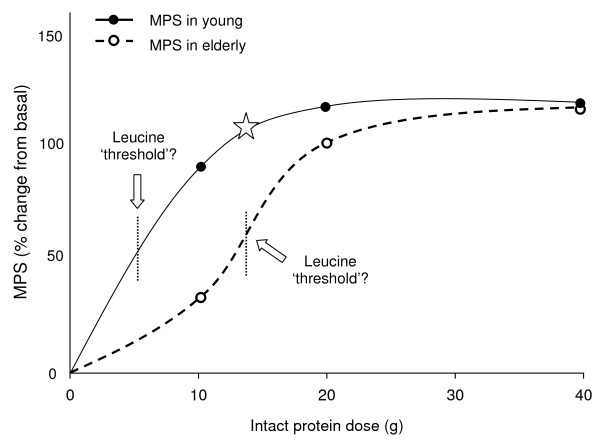
“Previously, we have shown that maximal post-exercise stimulation of MPS can be achieved with ingestion of 20 g of egg protein in young adults [63].”
BackgroundSelf-citationKatsanos, C. S., Kobayashi, H., Sheffield-Moore, M., Aarsland, A., & Wolfe, R. R. (2006) · American Journal of Physiology-Endocrinology and Metabolism · doi:10.1152/ajpendo.00488.2005 · Cited by 923 · cited 3×
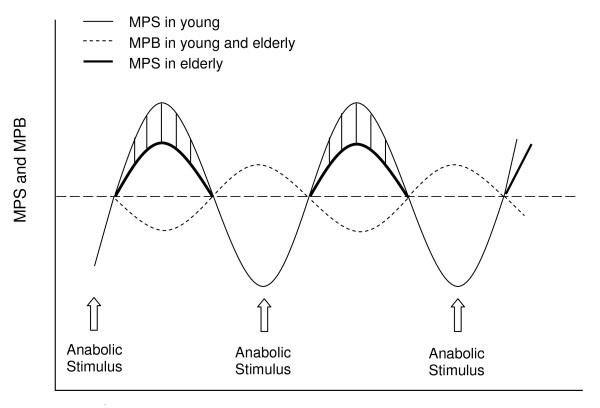
“The resistance of elderly muscles to a physiological dose of amino acids was subsequently confirmed by others [35-37] and is presented in Figure 1.”
BackgroundResult
Research works printed but not linked: 1
- Dickinson JM Fry CS Drummond MJ Gundermann DM Walker DK Glynn EL Timmerman KL Dhanani S Volpi E Rasmussen BB Mammalian Target of Rapamycin Complex 1 Activation Is Required for the Stimulation of Human Skeletal Muscle Protein Synthesis by Essential Amino Acids J Nutr 2011 PMC3077888 21430254
Cited by
Items 101–200 of 622
Backx, E. M. P., Tieland, M., Borgonjen-van den Berg, K. J., Claessen, P. R., van Loon, L. J. C., & de Groot, L. C. P. G. M. (2016) · International Journal of Obesity · doi:10.1038/ijo.2015.182 · Cited by 66
Skeletal muscle and childhood cancer: Where are we now and where we go from here
Goodenough, C. G., Partin, R. E., & Ness, K. K. (2021) · Aging and Cancer · doi:10.1002/aac2.12027 · Cited by 72
Vezzoli, A., Mrakic‐Sposta, S., Montorsi, M., Porcelli, S., Vago, P., Cereda, F., Longo, S., Maggio, M. G., & Narici, M. V. (2019) · Antioxidants · doi:10.3390/antiox8100431 · Cited by 71
“These benefits are related to the findings that low intensity/high volume RT seems particularly effective for counteracting the anabolic resistance of ageing [28,29] and that moderate intensity and volume RT (3 × 9 repetitions at 60% 1RM) maximizes myofibrillar protein synthesis in the elderly [30].”
BackgroundSenolytic treatment rescues blunted muscle hypertrophy in old mice
Dungan, C. M., Figueiredo, V. C., Wen, Y., VonLehmden, G. L., Zdunek, C. J., Thomas, N. T., Mobley, C. B., Murach, K. A., Brightwell, C. R., Long, D. E., et al. (2022) · GeroScience · doi:10.1007/s11357-022-00542-2 · Cited by 65
“Many older adults suffer from a diminished ability to grow skeletal muscle with resistance training, termed anabolic resistance, which may be due to a host of defective biologic processes [4, 6, 63].”
BackgroundMarshall, R. N., Smeuninx, B., Morgan, P. T., & Breen, L. (2020) · Nutrients · doi:10.3390/nu12051533 · Cited by 63
“RET and protein nutrition are undoubtedly the most potent non-pharmacological interventions to maintain, or even increase, muscle mass and function with advancing age [46].”
BackgroundSelf-citationMagne, H., Savary‐Auzeloux, I., Migné, C., Peyron, M., Combaret, L., Rémond, D., & Dardevet, D. (2012) · The Journal of Physiology · doi:10.1113/jphysiol.2011.226266 · Cited by 61
“These observations confirm data presented in the recent review of Breen & Phillips (2011), which suggest that protein-based interventions could be a good way to induce hypertrophy, particularly during ageing.”
ResultEly, I. A., Phillips, B. E., Smith, K., Wilkinson, D. J., Piasecki, M., Breen, L., Larsen, M. S., & Atherton, P. J. (2023) · Clinical Nutrition · doi:10.1016/j.clnu.2023.08.010 · Cited by 64
Self-citationThe effects of myosteatosis on skeletal muscle function in older adults
Dondero, K., Friedman, B., Rekant, J., Landers‐Ramos, R., & Addison, O. (2024) · Physiological Reports · doi:10.14814/phy2.16042 · Cited by 63
“Contemporary perspectives consider reduced muscle protein synthesis to be due to an amino acid imbalance and decreased sensitivity to anabolic stimuli, such as insufficient or low-quality dietary protein intake and lack of physical activity (Breen & Phillips, 2011; Ferrucci et al., 2014).”
BackgroundSheffield‐Moore, M., Dillon, E. L., Randolph, K. M., Casperson, S. L., White, G. R., Jennings, K., Rathmacher, J. A., Schuette, S. A., Janghorbani, M., Urban, R. J., et al. (2013) · Journal of Cachexia Sarcopenia and Muscle · doi:10.1007/s13539-013-0117-7 · Cited by 69
“the anabolic effects of interventions than healthier individuals [33–38], making it difficult to reverse the muscle loss.”
BackgroundLee, J. H., Jeon, J. H., & Lee, M. J. (2020) · Nutrients · doi:10.3390/nu12092597 · Cited by 64
Dietary protein supplementation in the elderly for limiting muscle mass loss
Lancha, A. H., Zanella, R., Tanabe, S. G. O., Andriamihaja, M., & Blachier, F. (2016) · Amino Acids · doi:10.1007/s00726-016-2355-4 · Cited by 72
“2012) and low grade inflammation (Breen and Phillips 2011; Dardevet et al. 2012; Haran et al. 2012; Ticinesi et al. 2016) may also contribute to reduce the ability of some elderly to display a normal stimulation of MPS.”
BackgroundInfluentialGrosset, J.-F., Breen, L., Stewart, C. E., Burgess, K., & Onambélé-Pearson, G. L. (2014) · AGE · doi:10.1007/s11357-014-9657-9 · Cited by 73
Self-citationEffect of creatine supplementation and drop-set resistance training in untrained aging adults
Johannsmeyer, S., Candow, D. G., Brahms, C. M., Michel, D., & Zello, G. A. (2016) · Experimental Gerontology · doi:10.1016/j.exger.2016.08.005 · Cited by 59
“Speculation exists that the age-related loss of musclemass is partially caused by an attenuated response to resistance training (Breen and Phillips, 2011).”
BackgroundMorgan, P. T., Harris, D. O., Marshall, R. N., Quinlan, J. I., Edwards, S. J., Allen, S. L., & Breen, L. (2021) · The Journal of Nutrition · doi:10.1093/jn/nxab055 · Cited by 53
Self-citationThe biphasic and age-dependent impact of klotho on hallmarks of aging and skeletal muscle function
Clemens, Z. J., Sivakumar, S., Pius, A., Sahu, A., Shinde, S. S., Mamiya, H., Luketich, N., Cui, J., Dixit, P. D., Hoeck, J. D., et al. (2021) · eLife · doi:10.7554/elife.61138 · Cited by 59
“In humans, dieting and exercise intervention studies reveal blunted muscle protein synthesis in the elderly population (greater than 60 years old) (66, 67).”
BackgroundSugihara Junior, P., Ribeiro, A. S., Nabuco, H. C. G., Fernandes, R. R., Tomeleri, C. M., Cunha, P. M., Venturini, D., Barbosa, D. S., Schoenfeld, B. J., & Cyrino, E. S. (2018) · International Journal of Sport Nutrition and Exercise Metabolism · doi:10.1123/ijsnem.2017-0253 · Cited by 54
Amasene, M., Besga, A., Echeverria, I., Urquiza, M., Ruiz, J. R., Rodriguez-Larrad, A., Aldamiz, M., Anaut, P., Irazusta, J., & Labayen, I. (2019) · Nutrients · doi:10.3390/nu11102337 · Cited by 50
“Muscle mass accretion and strength gain depend on the synergistic effect of protein consumption and resistance training [8,16].”
BackgroundInfluentialDietary protein considerations to support active aging
Wall, B. T., Cermak, N. M., & van Loon, L. J. C. (2014) · Sports Medicine · doi:10.1007/s40279-014-0258-7 · Cited by 56
“Collectively, this reduced responsiveness to meal ingestion in older adults has been termed ‘anabolic resistance’ and is now commonly thought to be a key factor in the etiology of sarcopenia [46–49].”
BackgroundMcKendry, J., Lowisz, C. V., Nanthakumar, A., Macdonald, M. L., Lim, C., Currier, B. S., & Phillips, S. M. (2024) · American Journal of Clinical Nutrition · doi:10.1016/j.ajcnut.2024.05.009 · Cited by 61
“We have postulated that suboptimal stimulation of MPS is a major driver of skeletal muscle loss in older individuals [56,57].”
Self-citationDirks, M. L., Wall, B. T., & van Loon, L. J. C. (2018) · Journal of Applied Physiology · doi:10.1152/japplphysiol.00985.2016 · Cited by 52
“In healthy, young individuals, a dose of 20 g of high-quality protein (or 10 g of crystalline essential amino acids) is sufficient to maximally stimulate muscle protein synthesis rates (21, 23, 34).”
BackgroundTime Course of Resistance Training–Induced Muscle Hypertrophy in the Elderly
Lixandrão, M. E., Damas, F., Chacon-Mikahil, M. P. T., Cavaglieri, C. R., Ugrinowitsch, C., Bottaro, M., Vechin, F. C., Conceição, M. S., Berton, R., & Libardi, C. A. (2016) · Journal of Strength and Conditioning Research · doi:10.1519/jsc.0000000000001019 · Cited by 54
“As aging seems to hamper the anabolic response to RT (3,5), it is important to understand the effect of RT protocols to counteract the anabolic resistance phenomenon in older subjects.”
BackgroundHuang, Y., Wang, C., Cui, H., Sun, G., Qi, X., & Yao, X. (2025) · Frontiers in Cell and Developmental Biology · doi:10.3389/fcell.2025.1590524 · Cited by 61
“…decreased resting myofibrillar protein synthesis, approximately 20%–30% lower than in younger individuals, coupled with an increase of up to 50% in markers indicative of muscle protein breakdown, leading to a more negative net protein balance compared with younger adults (Breen and Phillips, 2011).”
InfluentialImproving the outcomes in oncological colorectal surgery
van Vugt, J. L. A. (2014) · World Journal of Gastroenterology · doi:10.3748/wjg.v20.i35.12445 · Cited by 64
Ispoglou, T., Witard, O. C., Duckworth, L. C., & Lees, M. J. (2020) · Proceedings of The Nutrition Society · doi:10.1017/s0029665120008010 · Cited by 58
“Furthermore, older individuals have been shown to require a higher per meal protein intake because they are less sensitive to anabolic stimuli such as protein; a concept termed skeletal muscle ‘anabolic resistance’((56,57)).”
BackgroundTrabal, J., Forga, M., Leyes, P., Torres, F., Rubio, J., Prieto, E., & Farran-Codina, A. (2015) · Clinical Interventions in Aging · doi:10.2147/cia.s75271 · Cited by 54
Daly, R. M., Gianoudis, J., Prosser, M., Kidgell, D., Ellis, K. A., O’Connell, S., & Nowson, C. A. (2015) · Trials · doi:10.1186/s13063-015-0884-x · Cited by 49
“Men and women aged 65 years and over will be randomly allocated to one of two groups: 1) PRT with two 80g servings of cooked lean red meat on each of the three days that they complete their exercise session (RT+Meat group), or 2) control PRT in which participants will be provided with and advised to consume ≥1 serving…”
BackgroundInfluentialMcDonald, C. K., Ankarfeldt, M. Z., Capra, S., Bauer, J., Raymond, K., & Heitmann, B. L. (2016) · British Journal of Nutrition · doi:10.1017/s0007114516000611 · Cited by 48
“A number of smaller well-designed controlled experiments have further elucidated that increasing amounts of complete protein sources containing 2 g or more leucine effectively stimulate muscle protein synthesis (MPS) in elderly men((16)), with larger doses being related to a greater response((17,18)).”
BackgroundGingrich, A., Spiegel, A., Kob, R., Schoene, D., Skurk, T., Hauner, H., Sieber, C. C., Volkert, D., & Kiesswetter, E. (2017) · Nutrients · doi:10.3390/nu9121358 · Cited by 56
The Importance of mTOR Trafficking for Human Skeletal Muscle Translational Control
Hodson, N., & Philp, A. (2019) · Exercise and Sport Sciences Reviews · doi:10.1249/jes.0000000000000173 · Cited by 49
Muscle growth: To infinity and beyond?
Counts, B. R., Buckner, S. L., Mouser, J. G., Dankel, S. J., Jessee, M. B., Mattocks, K. T., & Loenneke, J. P. (2017) · Muscle & Nerve · doi:10.1002/mus.25696 · Cited by 49
Skallerup, A., Nygaard, L. B., Olesen, S. S., Køhler, M., Vinter‐Jensen, L., & Rasmussen, H. H. (2017) · Clinical Nutrition · doi:10.1016/j.clnu.2017.09.010 · Cited by 56
Sarcopenia: Tilting the Balance of Protein Homeostasis
Tan, K. T., Ang, S. T., & Tsai, S. (2019) · PROTEOMICS · doi:10.1002/pmic.201800411 · Cited by 58
Thomson, R. L., Brinkworth, G. D., Noakes, M., & Buckley, J. D. (2016) · Clinical Nutrition · doi:10.1016/j.clnu.2015.01.018 · Cited by 50
Oktaviana, J., Zanker, J., Vogrin, S., & Duque, G. (2019) · Archives of Gerontology and Geriatrics · doi:10.1016/j.archger.2019.103938 · Cited by 51
From preoperative assessment to preoperative optimization of frail older patiens
Carli, F., & Baldini, G. (2020) · European Journal of Surgical Oncology · doi:10.1016/j.ejso.2020.06.011 · Cited by 53
Periodization Strategies in Older Adults: Impact on Physical Function and Health
CONLON, J. A., NEWTON, R. U., TUFANO, J. J., BANYARD, H. G., HOPPER, A. J., RIDGE, A. J., & HAFF, G. G. (2016) · Medicine & Science in Sports & Exercise · doi:10.1249/mss.0000000000001053 · Cited by 49
Chan, Y.-H., Foo, T.-L., Yeo, C. J., & Chew, W. Y. C. (2014) · Hand Surgery · doi:10.1142/s021881041450004x · Cited by 49
Pandit, V., Khan, M., Martínez, C. C., Jehan, F., Zeeshan, M., Koblinski, J. E., Hamidi, M., Omesieta, P., Osuchukwu, O. O., & Nfonsam, V. N. (2018) · The American Journal of Surgery · doi:10.1016/j.amjsurg.2018.07.006 · Cited by 51
Guo, Y., Phillips, B. E., Atherton, P. J., & Piasecki, M. (2020) · Mechanisms of Ageing and Development · doi:10.1016/j.mad.2020.111402 · Cited by 51
“(protein-based) interventions can increase MPS and as such, help mitigate the anabolic resistance commonly observed in ageing muscle (Breen and Phillips, 2011).”
BackgroundMethodExploration of the protein requirement during weight loss in obese older adults
Weijs, P. J. M., & Wolfe, R. R. (2016) · Clinical Nutrition · doi:10.1016/j.clnu.2015.02.016 · Cited by 48
“[29] showed that the ingestion of at least 20 g protein at once leads to a significant increase of muscle protein synthesis in the older adults.”
BackgroundVolek, J. S., Kackley, M. L., & Buga, A. (2024) · Current Nutrition Reports · doi:10.1007/s13668-024-00548-6 · Cited by 48
“In general, a meal that provides ~25–30 g of a high-biological value protein can adequately stimulate muscle protein synthesis due to the intrinsic connection between total protein dose and EAA content, specifically leucine, to surpass rate-limiting threshold for protein synthesis [115, 126–128].”
BackgroundBlazing a trail for the clinical use of rapamycin as a geroprotecTOR
Konopka, A. R., Lamming, D. W., RAP PAC Investigators, Grasso, B. A., Marrah, R. C., Decker, S., Garg, N., Park, Y., Lim, S. Y., Simcox, J., et al. (2023) · GeroScience · doi:10.1007/s11357-023-00935-x · Cited by 50
Reid-McCann, R., Brennan, S., Ward, N. A., Logan, D., McKinley, M. C., & McEvoy, C. T. (2025) · Nutrition Reviews · doi:10.1093/nutrit/nuae200 · Cited by 52
“31 In this review, there was a stronger beneficial effect of animal protein compared with plant protein on muscle mass in trials involving younger adults ( 60 years) than in those involving older adults ( ≥ 60 years).”
Bacillus coagulans GBI-30, 6086 improves amino acid absorption from milk protein
Stecker, R. A., Moon, J. M., Russo, T. J., Ratliff, K. M., Mumford, P. W., Jäger, R., Purpura, M., & Kerksick, C. M. (2020) · Nutrition & Metabolism · doi:10.1186/s12986-020-00515-2 · Cited by 45
Omura, T., & Araki, A. (2022) · Geriatrics & Gerontology International · doi:10.1111/ggi.14339 · Cited by 47
Miyazaki, A., Okuyama, T., Mori, H., Sato, K., Kumamoto, K., & Hiyama, A. (2022) · International Journal of Environmental Research and Public Health · doi:10.3390/ijerph19106202 · Cited by 52
“Given the reduced ability to synthesize muscle with age [45,53] and reports of intervention trials where muscle wasting occurred upon exercise [46], protein intake becomes essential when older adults perform exercise.”
BackgroundFang, X., Rioux, L., Labrie, S., & Turgeon, S. L. (2016) · Food Research International · doi:10.1016/j.foodres.2016.04.008 · Cited by 47
Mikkelsen, U. R., Agergaard, J., Couppé, C., Grosset, J. F., Karlsen, A., Magnusson, S. P., Schjerling, P., Kjær, M., & Mackey, A. L. (2017) · Experimental Gerontology · doi:10.1016/j.exger.2017.04.001 · Cited by 53
“Although basal protein breakdown in general is believed to be similar between young and old humans (Breen and Phillips, 2011; Markofski et al., 2015), the higher expression of FoXO3 that we observed in the aged groups could indicate an enhanced protein breakdown signalling (Sanchez et al.”
BackgroundStraight, C. R., Fedewa, M. V., Toth, M. J., & Miller, M. S. (2020) · Journal of Applied Physiology · doi:10.1152/japplphysiol.00170.2020 · Cited by 46
“A number of reviews have described various studies supporting anabolic resistance with age in response to a variety of stimuli (9, 10, 70).”
BackgroundJung, H., Kim, S., Kim, I., Lim, J., Park, H.-S., Song, W., Yoo, H. J., Jang, H. C., Kim, K., Park, Y., et al. (2018) · Annals of Geriatric Medicine and Research · doi:10.4235/agmr.18.0046 · Cited by 46
Nutrient interaction for optimal protein anabolism in resistance exercise
Breen, L., & Phillips, S. M. (2012) · Current Opinion in Clinical Nutrition and Metabolic Care · doi:10.1097/mco.0b013e3283516850 · Cited by 45
“Alterations in the protein turnover and the anabolic capacity of elderly skeletal muscles may be due to a decline in physical activity and/or alterations in inflammatory/hormonal status [11].”
BackgroundSelf-citationAlternative dietary protein sources to support healthy and active skeletal muscle aging
van der Heijden, I., Monteyne, A. J., Stephens, F. B., & Wall, B. T. (2023) · Nutrition Reviews · doi:10.1093/nutrit/nuac049 · Cited by 45
“to the emergence of the theory that such an imperceptibly small level of daily muscle loss may be better explained by a reduced responsiveness to daily anabolic stimuli.(30,89) Empirical support followed from multiple studies to show that a blunted muscle protein synthetic response to dietary protein ingestion(18,84,9…”
BackgroundHinkley, J. M., Yu, G. X., Standley, R. A., Distéfano, G., Tolstikov, V., Narain, N. R., Greenwood, B. P., Karmacharya, S., Kiebish, M. A., Carnero, E. Á., et al. (2023) · The Journal of Physiology · doi:10.1113/jp284142 · Cited by 47
“It is suggested that muscle plasticity to resistance exercise is blunted in older adults (Breen & Phillips, 2011; Deane et al., 2019; Drummond et al., 2008; Fry et al., 2011; Haran et al., 2012); however, the metabolic response of muscle to an acute endurance exercise bout has not been fully…”
BackgroundNew horizons in hospital-associated deconditioning: a global condition of body and mind
Welch, C., Chen, Y. S., Hartley, P., Naughton, C., Martínez‐Velilla, N., Stein, D. F., & Romero‐Ortuño, R. (2024) · Age and Ageing · doi:10.1093/ageing/afae241 · Cited by 48
“The importance of adequate protein intake is well recognised for promotion of muscle synthesis and thus prevention of acute sarcopenia [108].”
BackgroundProtein and amino acid supplementation in older humans
Fukagawa, N. K. (2013) · Amino Acids · doi:10.1007/s00726-013-1480-6 · Cited by 57
“A few selected studies are detailed in Table 3 and recently reviewed by Breen and Phillips (2011).”
Morgan, P. T., & Breen, L. (2021) · Nutrition & Metabolism · doi:10.1186/s12986-021-00574-z · Cited by 44
Self-citationCharacteristics of sarcopenia by European consensuses and a phenotype score
Jang, I., Lee, E., Lee, H., Park, H., Kim, S., Kim, K., Jung, H., & Kim, D. H. (2020) · Journal of Cachexia, Sarcopenia and Muscle · doi:10.1002/jcsm.12507 · Cited by 44
Postoperative muscle loss, protein intake, physical activity and outcome associations
Hogenbirk, R. N. M., van der Plas, W. Y., Hentzen, J. E. K. R., van Wijk, L., Wijma, A. G., Buis, C. I., Viddeleer, A. R., de Bock, G. H., van der Schans, C. P., van Dam, G. M., et al. (2022) · British journal of surgery · doi:10.1093/bjs/znac384 · Cited by 46
Wilkinson, K., Koscien, C. P., Monteyne, A. J., Wall, B. T., & Stephens, F. B. (2023) · Physiological Reports · doi:10.14814/phy2.15775 · Cited by 39
Ribeiro, M. B. T., Guzzoni, V., Hord, J. M., Lopes, G. N., Marqueti, R. D. C., de Andrade, R. V., Selistre-de-Araujo, H. S., & Durigan, J. L. Q. (2017) · Scientific Reports · doi:10.1038/s41598-017-09343-6 · Cited by 40
Valenzuela, P. L., Ordóñez, F. M., Morales, J. S., Castillo‐García, A., & Lucía, A. (2019) · Nutrients · doi:10.3390/nu11061429 · Cited by 53
“In this regard, aging is associated with an impaired anabolic response to both aminoacidemia and acute physical exercise [38], which might have acted as a confounding factor in our results.”
ResultMyogenic, genomic and non‐genomic influences of the vitamin D axis in skeletal muscle
Bollen, S. E., & Atherton, P. J. (2020) · Cell Biochemistry and Function · doi:10.1002/cbf.3595 · Cited by 45
Seino, S., Sumi, K., Narita, M., Yokoyama, Y., Ashida, K., Kitamura, A., & Shinkai, S. (2018) · The Journal of nutrition, health and aging · doi:10.1007/s12603-017-0904-5 · Cited by 38
“However, the effect of feeding-induced stimulation of MPS is weaker in older adults than in younger adults (2).”
Haramizu, S., Mori, T., Yano, M., Ota, N., Hashizume, K., Otsuka, A., Hase, T., & Shimotoyodome, A. (2014) · SpringerPlus · doi:10.1186/2193-1801-3-339 · Cited by 44
“Background Aging skeletal muscle is characterized by progressive loss of muscle mass and function (Breen and Phillips 2011).”
Nutritional Strategies to Combat Type 2 Diabetes in Aging Adults: The Importance of Protein
Beaudry, K. M., & Devries, M. C. (2019) · Frontiers in Nutrition · doi:10.3389/fnut.2019.00138 · Cited by 45
“In fact, protein intake recommendations do not differ from that recommended for the general population, despite protein anabolic resistance and a greater need for protein as a result of inflammation and oxidative modification of proteins in individuals with diabetes (50).”
BackgroundWilhelmsen, A., Tsintzas, K., & Jones, S. W. (2021) · GeroScience · doi:10.1007/s11357-021-00322-4 · Cited by 44
Inflammation and metabolism: the role of adiposity in sarcopenic obesity
Lynch, G. M., Murphy, C. H., Castro, E. D. M., & Roche, H. M. (2020) · Proceedings of the Nutrition Society · doi:10.1017/s0029665120007119 · Cited by 41
“1, AR and IR co-exist but have separate effects on skeletal muscle, resulting in sarcopenia((51)) and T2D, respectively.”
BackgroundFrancis, P. R., Cormack, W. M., Toomey, C., Norton, C., Saunders, J. A., Kerin, E., Lyons, M., & Jakeman, P. M. (2016) · Biogerontology · doi:10.1007/s10522-016-9671-7 · Cited by 44
“This is thought necessary to offset the reported phenomenon of anabolic resistance to protein feeding that has been observed in the elderly (Breen and Phillips 2011; Paddon-Jones and Rasmussen 2009).”
BackgroundThe efficacy of periodised resistance training on neuromuscular adaptation in older adults
Conlon, J. A., Newton, R. U., Tufano, J. J., Peñailillo, L. E., Banyard, H. G., Hopper, A. J., Ridge, A. J., & Haff, G. G. (2017) · European Journal of Applied Physiology · doi:10.1007/s00421-017-3605-1 · Cited by 29
“…resistance training and protein supplementation is considered the gold standard for maximising the anabolic environment in senescent muscle (Breen and Phillips 2011), ultimately promoting skeletal muscle hypertrophy and consequent neuromuscular adaptation (Esmarck et al. 2001; Micah et al.…”
BackgroundPratiwi, Y. S., Lesmana, R., Goenawan, H., Sylviana, N., Setiawan, I. B., Tarawan, V. M., Lestari, K., Abdulah, R., Dwipa, L., Purba, A., et al. (2018) · Evidence-based Complementary and Alternative Medicine · doi:10.1155/2018/2810840 · Cited by 42
“Lower rates of muscle protein synthesis lead to muscle wasting in the elderly [10] and elevated basal rates of muscle protein breakdown [11].”
BackgroundEdwards, S. J., Smeuninx, B., McKendry, J., Nishimura, Y., Luo, D., Marshall, R. N., Perkins, M., Ramsay, J., Joanisse, S., Philp, A., et al. (2020) · American Journal of Clinical Nutrition · doi:10.1093/ajcn/nqaa229 · Cited by 45
Self-citationKoh, F. H.-X., Chua, J. M. W., Tan, J. L., Foo, F. J., Tan, W. J. H., Sivarajah, S. S., Ho, L. M. L., Teh, B. T., & Chew, M. (2021) · World Journal of Gastrointestinal Surgery · doi:10.4240/wjgs.v13.i8.734 · Cited by 41
Rubenstein, A. B., Hinkley, J. M., Nair, V. D., Nudelman, G., Standley, R. A., Yi, F., Yu, G., Trappe, T. A., Bamman, M. M., Trappe, S. W., et al. (2022) · American Journal of Physiology-Endocrinology and Metabolism · doi:10.1152/ajpendo.00378.2021 · Cited by 41
Sumi, K., Tagawa, R., Yamazaki, K., Nakayama, K., Ichimura, T., Sanbongi, C., & Nakazato, K. (2023) · Nutrients · doi:10.3390/nu15204366 · Cited by 43
“However, in this study, the subjects were administered 30 g of protein, which is more than the amount at which anabolic resistance is observed (approximately under 20 g) [81]; thus, it will be necessary to conduct a study using a lower dosage.”
BackgroundNiitsu, M., Ichinose, D., Hirooka, T., Mitsutomi, K., Morimoto, Y., Sarukawa, J., Nishikino, S., Yamauchi, K., & Yamazaki, K. (2015) · Clinical Nutrition · doi:10.1016/j.clnu.2015.07.006 · Cited by 39
“Additionally, chronic inflammation, increased insulin resistance, low sensitivity to amino acids and reduced physical activity resulting in a decline in the anabolism of proteins are common among the elderly [4].”
BackgroundCritical variables regulating age-related anabolic responses to protein nutrition in skeletal muscle
Deane, C. S., Cox, J., & Atherton, P. J. (2024) · Frontiers in Nutrition · doi:10.3389/fnut.2024.1419229 · Cited by 41
Radaelli, R., Rech, A., Molinari, T., Markarian, A. M., Πετροπούλου, Μ., Granacher, U., Hortobágyi, T., & López, P. (2024) · Sports Medicine · doi:10.1007/s40279-024-02123-z · Cited by 46
“Furthermore, the relatively modest effects and lack of continuous improvement in these outcomes were observed in previous studies [18, 219, 220] and seem to be associated with anabolic resistance [18, 219, 220], as we previously observed [221], and the diminishing returns principle, respectively.”
Fabek, H., Sánchez‐Hernández, D., Ahmed, M., Marinangeli, C. P. F., House, J. D., & Anderson, G. H. (2021) · Applied Physiology, Nutrition, and Metabolism · doi:10.1139/apnm-2020-1039 · Cited by 39
‘Exerkines’: A Comprehensive Term for the Factors Produced in Response to Exercise
Novelli, G., Calcaterra, G., Casciani, F., Pecorelli, S. L., & Mehta, J. L. (2024) · Biomedicines · doi:10.3390/biomedicines12091975 · Cited by 39
“Net protein balance is defined as the difference between skeletal muscle protein synthesis and muscle protein breakdown [7].”
BackgroundDeane, C. S., Ely, I. A., Wilkinson, D. J., Smith, K., Phillips, B. E., & Atherton, P. J. (2020) · Proceedings of The Nutrition Society · doi:10.1017/s0029665120007879 · Cited by 39
“In terms of exercise intensity, it has been suggested that low-intensity highvolume RET may have comparative effects to highintensity low-volume RET, a modality which would be of particular practicable benefit to older individuals((22)).”
BackgroundResultInfluentialHan, M., Woo, K.-S., & Kim, K. (2024) · Nutrients · doi:10.3390/nu16244350 · Cited by 42
“Due to anabolic resistance associated with aging, older adults require higher protein intake than younger individuals, with a particular need for increased levels of essential amino acids (EAAs) to better preserve muscle mass [17].”
Molnár, A., Sztruhár, I. J., Csontos, Á., Ferencz, C., Várbíró, S., & Székács, B. (2016) · Physiology International · doi:10.1556/2060.103.2016.3.12 · Cited by 41
“Although numerous encouraging findings have been available on the positive effects of enhanced physical activity (27), and adequate qualitative and increased quantitative uptake of proteins (7, 15, 28, 29), these procedures even in their combinations were often unsuccessful in the elderly people (7, 10, 11) due to the…”
BackgroundImplication of diet and exercise on the management of age‐related sarcopenic obesity in Asians
Kim, Y. J., Moon, S., Yu, J. M., & Chung, H. S. (2022) · Geriatrics and gerontology international/Geriatrics & gerontology international · doi:10.1111/ggi.14442 · Cited by 39
Ohno, Y., Yamada, S., Goto, A., Ikuta, A., Sugiura, T., Ohira, Y., Yoshioka, T., & Goto, K. (2012) · Molecular and Cellular Biochemistry · doi:10.1007/s11010-012-1367-y · Cited by 40
High Intensity Interval Training: A Potential Method for Treating Sarcopenia
Liu, Q., Xie, W., Luo, Y., Li, Y., Huang, W., Wu, Y., & Li, Y. (2022) · Clinical Interventions in Aging · doi:10.2147/cia.s366245 · Cited by 39
“Scientists hypothesized this phenomenon as the primary cause of muscle mass wasting in the elderly.(23)”
BackgroundOmega-3 fatty acids and changes in LBM: alone or in synergy for better muscle health?
McDonald, C. J., Bauer, J. D., & Capra, S. M. (2012) · Canadian Journal of Physiology and Pharmacology · doi:10.1139/cjpp-2012-0304 · Cited by 35
“2011a; 2011b), anabolic agents (Breen and Phillips 2011; Deutz et al. 2011), or combinations of both (Rogers et al.”
BackgroundAssyov, Y. S., Nedeva, I., Spassov, B., Gerganova, A., Velikov, T., Kamenov, Z. A., & Velikova, T. V. (2024) · Nutrients · doi:10.3390/nu16152560 · Cited by 34
“…summary, the majority of studies conclude that elderly people with obesity (>65 years) with sarcopenia should maintain a hypocaloric diet while receiving a higher protein intake of above 1–1.2 g/kg body weight in order to maintain and even improve muscle quantity, quality, and function [12,29–31].”
BackgroundInfluentialRossato, L. T., Nahas, P. C., de Branco, F. M. S., Martins, F. M., Souza, A. D. P., Carneiro, M. A. S., Orsatti, F. L., & de Oliveira, E. P. (2017) · Nutrients · doi:10.3390/nu9091007 · Cited by 38
Smeuninx, B., Elhassan, Y., Sapey, E., Rushton, A., Morgan, P. T., Korzepa, M., Belfield, A. E., Philp, A., Brook, M. S., Gharahdaghi, N., et al. (2023) · The Journal of Physiology · doi:10.1113/jp285130 · Cited by 33
“In older adults, the postprandial myo-fibrillar protein synthesis (MyoPS) response to amino acid nutrition is diminished (anabolic resistance) (Cuthbertson et al., 2005; Moore et al., 2015), and probably underpins age-related sarcopenia progression (Breen & Phillips, 2011).”
Self-citationLi, H., Xu, W., Ma, Y., Zhou, S., & Xiao, R. (2018) · International Journal of Biological Macromolecules · doi:10.1016/j.ijbiomac.2018.04.026 · Cited by 33
“Compared to a younger person, the elderly (aged > 60) produce less muscle protein from the same amount of dietary protein [3], have a slower rate of basal, post-absorptive myofibrillar muscle protein synthesis and have a more negative net protein balance [4].”
BackgroundLeucine: a nutrient ‘trigger’ for muscle anabolism, but what more?
Breen, L., & Churchward‐Venne, T. A. (2012) · The Journal of Physiology · doi:10.1113/jphysiol.2012.230631 · Cited by 32
Self-citationMuscle loss and GLP-1R agonists use
Rossi, G., Bucciarelli, L., Mananguite, C.-L., Giovarelli, M., & Fiorina, P. (2025) · Acta Diabetologica · doi:10.1007/s00592-025-02611-2 · Cited by 31
“Age-related anabolic resistance diminishes the muscle-preserving effects of protein intake and exercise during weight loss [36].”
Whey protein and high-volume resistance training in postmenopausal women
Weisgarber, K. D., Candow, D. G., & Farthing, J. P. (2015) · The Journal of nutrition, health and aging · doi:10.1007/s12603-015-0454-7 · Cited by 30
“The age-related decline in muscle mass and strength is partially due to an attenuated response to anabolic stimuli (e.g., resistance training and dietary protein), known as aging anabolic resistance (4, 5).”
Prehabilitation: finally utilizing frailty screening data
Carli, F., Bessissow, A., Awasthi, R., & Liberman, S. A. (2020) · European Journal of Surgical Oncology · doi:10.1016/j.ejso.2020.01.001 · Cited by 32
Villani, A. M., Wright, H. H., Slater, G., & Buckley, J. D. (2018) · BMC Geriatrics · doi:10.1186/s12877-017-0700-4 · Cited by 35
“skeletal muscle wasting in the elderly [29, 30]; it appears that the elderly may be less able to efficiently utilize amino acids for MPS, resulting in a blunted muscle protein synthetic response to an anabolic stimuli, a phenomenon termed anabolic resistance [27, 31].”
BackgroundDUFF, W. R. D., Kontulainen, S. A., Candow, D. G., Gordon, J. J., Mason, R., Taylor‐Gjevre, R. M., Nair, B. V., Szafron, M., Baxter-Jones, A. D. G., Zello, G. A., et al. (2016) · Bone Reports · doi:10.1016/j.bonr.2016.04.004 · Cited by 32
“Resistance training is an effective intervention for increasingmuscle and bonemass; however, aging individuals experience an attenuated response to resistance training which contributes to aging anabolic resistance and sarcopenia (Breen and Philips, 2011).”
BackgroundAndré, H. C. S., Esteves, G. P., Barreto, G., Longhini, F., Dolan, E., & Benatti, F. B. (2022) · Advances in Nutrition · doi:10.1016/j.advnut.2022.11.005 · Cited by 33
“Indeed, previous literature suggests that n-3PUFA supplementation may be more likely to provide an anabolic stimulus in situations whereby muscle protein synthesis is compromised [64], such as when protein intake is suboptimal [65], within older adults who have higher degrees of anabolic resistance [66] and in conditi…”
BackgroundVAN DER HEIJDEN, I., MONTEYNE, A. J., WEST, S., MORTON, J. P., LANGAN-EVANS, C., HEARRIS, M. A., ABDELRAHMAN, D. R., MURTON, A. J., STEPHENS, F. B., & WALL, B. T. (2024) · Medicine & Science in Sports & Exercise · doi:10.1249/mss.0000000000003432 · Cited by 29
“…therefore, it may be considered that if sufficient leucine is provided within a protein source (in line with the “ leucine threshold ” hypothesis (70)) to provoke a systemic rise in leucine concentrations, the exact circulating levels are perhaps lower than assumed and/or of less(er) consequence…”
Exercise as a therapy for cancer-induced muscle wasting
Halle, J. L., Counts, B. R., & Carson, J. A. (2020) · Sports Medicine and Health Science · doi:10.1016/j.smhs.2020.11.004 · Cited by 30
Mediterranean Diet attenuates risk of frailty and sarcopenia: New insights and future directions
McClure, R., & Villani, A. M. (2017) · JCSM Clinical Reports · doi:10.17987/jcsm-cr.v2i2.45 · Cited by 33
Metadata
- Authors
- Breen, L., & Phillips, S. M.
- Affiliations
- McMaster University (CA)
- Corresponding author
- Phillips, Stuart M
- Venue
- Nutrition & Metabolism
- Published
- 2011
- Volume
- 8
- Issue
- 1
- Pages
- 68
- ISSN
- 1743-7075 (ISSN-L)
- PMC
- PMC3201893
- OpenAlex
- W2096840621
- Cited by
- 576
- References
- 111
- Citations by year
- 2026: 71 · 2025: 49 · 2024: 34 · 2023: 37 · 2022: 36 · 2021: 51 · 2020: 53 · 2019: 40 · 2018: 33 · 2017: 39 · 2016: 32 · 2015: 34 · 2014: 23 · 2013: 20 · 2012: 21
- FWCI
- 10.13
- Type
- journal article
- Language
- en
- Open access
- gold
- doi.org
- Licence
- cc-by
- Locations
- Nutrition & Metabolism (publishedVersion, cc-by)
- Europe PMC (PubMed Central) (publishedVersion, cc-by)
- PubMed Central (publishedVersion, cc-by)
- PubMed (publishedVersion)
- DOAJ (DOAJ: Directory of Open Access Journals) (submittedVersion)
- University of Birmingham Research Portal (University of Birmingham) (submittedVersion, other-oa)
- Topics
- Health Sciences › Nursing › Nutrition and Dietetics › Muscle metabolism and nutrition
- Health Sciences › Medicine › Physiology (medical) › Nutrition and Health in Aging
- Life Sciences › Biochemistry, Genetics and Molecular Biology › Molecular Biology › Muscle Physiology and Disorders
- Keywords
- sarcopenia, muscle protein synthesis, muscle protein degradation, anabolic resistance, aging, older adults, dietary protein, branched-chain amino acids, leucine, resistance training, amino acid ingestion, muscle atrophy
About these checks
Registry, retraction, Cites and statistics results are computed, not judged, with one exception: a printed reference that no index lists is read once by a model before it counts as a citation error. Claims are extracted by a model and kept only when their quote appears verbatim in the text; each cited source is then checked, with a model’s help, for whether it says what the claim relies on. Those verdicts can be wrong — read the claim’s quote and the cited source before relying on one.
Statistics and arithmetic are recomputed, not judged.
Confidence bands are shown only for fields calibrated on our annotated test set. None is calibrated yet, so no band is shown.
What counts as a claim ›How we measure confidence ›How we check this ›
Are you an author, or do you see a problem with this page? Request a review
Data sources
Bibliographic data: Semantic Scholar, OpenAlex, Crossref.
Contains information from the Semantic Scholar Academic Graph Datasets, made available under the ODC Attribution License (ODC-BY 1.0).
Semantic Scholar’s data is described in: Kinney, R., et al. (2023). The Semantic Scholar Open Data Platform. arXiv:2301.10140.
