

Skeletal muscle protein metabolism in the elderly: Interventions to counteract the 'anabolic resistance' of ageing
Open accessThe DOI matches its Crossref record; 110 of the 111 references it cites were found in a registry or an index.
Abstract
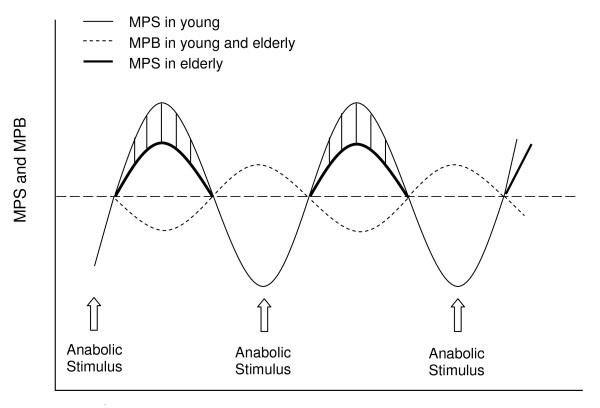
Age-related muscle wasting (sarcopenia) is accompanied by a loss of strength which can compromise the functional abilities of the elderly. Muscle proteins are in a dynamic equilibrium between their respective rates of synthesis and breakdown. It has been suggested that age-related sarcopenia is due to: i) elevated basal-fasted rates of muscle protein breakdown, ii) a reduction in basal muscle protein synthesis (MPS), or iii) a combination of the two factors. However, basal rates of muscle protein synthesis and breakdown are unchanged with advancing healthy age. Instead, it appears that the muscles of the elderly are resistant to normally robust anabolic stimuli such as amino acids and resistance exercise. Ageing muscle is less sensitive to lower doses of amino acids than the young and may require higher quantities of protein to acutely stimulate equivalent muscle protein synthesis above rest and accrue muscle proteins. With regard to dietary protein recommendations, emerging evidence suggests that the elderly may need to distribute protein intake evenly throughout the day, so as to promote an optimal per meal stimulation of MPS. The branched-chain amino acid leucine is thought to play a central role in mediating mRNA translation for MPS, and the elderly should ensure sufficient leucine is provided with dietary protein intake. With regards to physical activity, lower, than previously realized, intensity high-volume resistance exercise can stimulate a robust muscle protein synthetic response similar to traditional high-intensity low volume training, which may be beneficial for older adults. Resistance exercise combined with amino acid ingestion elicits the greatest anabolic response and may assist elderly in producing a 'youthful' muscle protein synthetic response provided sufficient protein is ingested following exercise.
Overview
The claims and statistics of this paper haven’t been checked yet.
Free: it reads the open-access text and checks the first 5 claims that cite a source we can check. Create a free account to check every claim.
Integrity signals
Registry
Cites
Statistics
Figures
Verification
Claims the paper makes
The claims and statistics of this paper haven’t been checked yet.
Free: it reads the open-access text and checks the first 5 claims that cite a source we can check. Create a free account to check every claim.
Claims other papers make about this one
Each is checked against this paper’s own text: does it say what the citing paper says it does?
The source backs part of the claim, not all of it — or backs it for a different population, condition or comparison.
In the citing paper
“Nevertheless, a higher daily protein intake (1.2–1.6 g/kg BW/day) has been suggested to improve lean body mass gain or maintain muscle mass in young and old healthy adults.”
From Systematic review and meta-analysis of protein intake to support muscle mass and function in healthy adults (2022) · cites this paper as [19]
Experimental — accuracy not yet measuredThe source backs part of the claim, not all of it — or backs it for a different population, condition or comparison.
In the citing paper
“Recommendations for leucine consumption—around 3–4 g per meal, which equates to 25–30 g of high quality protein and 1.0–1.6 g/kg/day distributed into 3–4 daily meals—aim to promote greater MPS stimulation in older adults [131,132,133,134].”
From Impact of Protein Intake in Older Adults with Sarcopenia and Obesity: A Gut Microbiota Perspective (2020) · cites this paper as [131]
Experimental — accuracy not yet measuredThe source backs part of the claim, not all of it — or backs it for a different population, condition or comparison.
In the citing paper
“Aging represents the most profound naturally occurring model of impaired translational capacity, clinically manifesting as sarcopenia and “anabolic resistance” [46].”
From Ribosome Biogenesis as a Putative Bottleneck to Skeletal Muscle Hypertrophy: Mechanisms, Human Evidence, and Practical Modulators (2026) · cites this paper as [46]
Experimental — accuracy not yet measuredThe source backs part of the claim, not all of it — or backs it for a different population, condition or comparison.
In the citing paper
“Because the aged nucleolus is highly resistant to standard loading, Breen and Phillips have hypothesized that older adults require a significantly higher relative mechanical threshold to elicit the same molecular spark observed in the young [46,110].”
From Ribosome Biogenesis as a Putative Bottleneck to Skeletal Muscle Hypertrophy: Mechanisms, Human Evidence, and Practical Modulators (2026) · cites this paper as [46]
Experimental — accuracy not yet measuredThe cited source says what the claim attributes to it.
In the citing paper
“evidence suggests that young muscles are more sensitive to the anabolic action of EAAs compared to aging muscles [62].”
From Animal Protein versus Plant Protein in Supporting Lean Mass and Muscle Strength: A Systematic Review and Meta-Analysis of Randomized Controlled Trials (2021) · cites this paper as [62]
2 more claims about this paper
Create a free account to see every claim other papers make about this one.
Self-check
Percentages, sums and reported differences re-computed from the paper’s own numbers.
The self-check needs the paper’s full text.
Citations
Cites
Garber, C. E., Blissmer, B., Deschenes, M. R., Franklin, B. A., Lamonte, M. J., Lee, I.-M., Nieman, D. C., & Swain, D. P. (2011) · Medicine & Science in Sports & Exercise · doi:10.1249/mss.0b013e318213fefb · Cited by 9,319
Acute-Phase Proteins and Other Systemic Responses to Inflammation
Gabay, C., & Kushner, I. (1999) · New England Journal of Medicine · doi:10.1056/nejm199902113400607 · Cited by 6,734 · cited 1×
“TNF-a, which is one of the main inducers of the acute-phase response [39], plays an important role in alterations of muscle protein metabolism in this model of sepsis [38].”
BackgroundHigh-Intensity Strength Training in Nonagenarians: Effects on Skeletal Muscle
Fiatarone, M. A. (1990) · JAMA · doi:10.1001/jama.1990.03440220053029 · Cited by 1,593
Strength conditioning in older men: skeletal muscle hypertrophy and improved function
Frontera, W. R., Meredith, C. N., O'Reilly, K. P., Knuttgen, H. G., & Evans, W. J. (1988) · Journal of Applied Physiology · doi:10.1152/jappl.1988.64.3.1038 · Cited by 1,384
Anabolic signaling deficits underlie amino acid resistance of wasting, aging muscle
Cuthbertson, D., Smith, K., Babraj, J., Leese, G., Waddell, T., Atherton, P., Wackerhage, H., Taylor, P. M., & Rennie, M. J. (2005) · The FASEB Journal · doi:10.1096/fj.04-2640fje · Cited by 1,211 · cited 11×
“Resistance exercise acutely increases MPS [22,29,48] and, when practiced frequently over time, promotes muscle hypertrophy in older adults [75-78], although the anabolic response is generally blunted compared with younger adults [47,79,80].”
BackgroundMethodResultInfluentialSkeletal Muscle Cutpoints Associated with Elevated Physical Disability Risk in Older Men and Women
Janssen, I. (2004) · American Journal of Epidemiology · doi:10.1093/aje/kwh058 · Cited by 1,190
Mixed muscle protein synthesis and breakdown after resistance exercise in humans
Phillips, S. M., Tipton, K. D., Aarsland, A., Wolf, S. E., & Wolfe, R. R. (1997) · American Journal of Physiology-Endocrinology and Metabolism · doi:10.1152/ajpendo.1997.273.1.e99 · Cited by 1,132 · cited 2×
“Thus, protein feeding during late exercise recovery still maintains the capacity to be synergistic to exercise-mediated rates that have been shown to exist in the fasted-state during this time [14,98].”
BackgroundSelf-citationTang, J. E., Moore, D. R., Kujbida, G. W., Tarnopolsky, M. A., & Phillips, S. M. (2009) · Journal of Applied Physiology · doi:10.1152/japplphysiol.00076.2009 · Cited by 998
Self-citationMoore, D. R., Robinson, M. J., Fry, J. L., Tang, J. E., Glover, E. I., Wilkinson, S. B., Prior, T., Tarnopolsky, M. A., & Phillips, S. M. (2009) · The American Journal of Clinical Nutrition · doi:10.3945/ajcn.2008.26401 · Cited by 973 · cited 2×
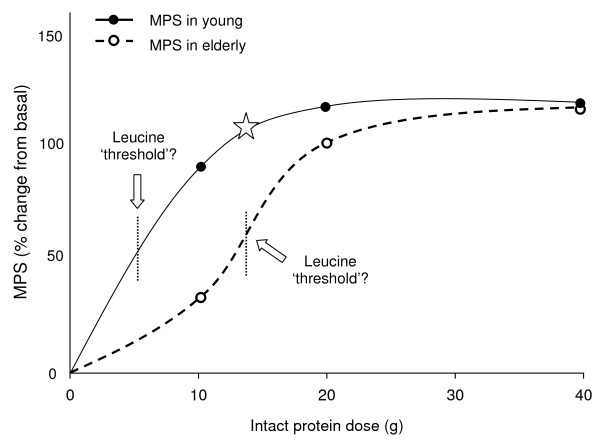
“Previously, we have shown that maximal post-exercise stimulation of MPS can be achieved with ingestion of 20 g of egg protein in young adults [63].”
BackgroundSelf-citationKatsanos, C. S., Kobayashi, H., Sheffield-Moore, M., Aarsland, A., & Wolfe, R. R. (2006) · American Journal of Physiology-Endocrinology and Metabolism · doi:10.1152/ajpendo.00488.2005 · Cited by 923 · cited 3×
“The resistance of elderly muscles to a physiological dose of amino acids was subsequently confirmed by others [35-37] and is presented in Figure 1.”
BackgroundResult
Research works printed but not linked: 1
- Dickinson JM Fry CS Drummond MJ Gundermann DM Walker DK Glynn EL Timmerman KL Dhanani S Volpi E Rasmussen BB Mammalian Target of Rapamycin Complex 1 Activation Is Required for the Stimulation of Human Skeletal Muscle Protein Synthesis by Essential Amino Acids J Nutr 2011 PMC3077888 21430254
Cited by
Items 401–500 of 622
Lees, M. J., Hodson, N. W., Tinline‐Goodfellow, C. T., Fung, H. J. W., Elia, A., & Moore, D. R. (2022) · American Journal of Physiology-Endocrinology and Metabolism · doi:10.1152/ajpendo.00064.2022 · Cited by 3
Yu, J., Li, X., Yu, H., & Huang, Y. (2026) · Frontiers in Public Health · doi:10.3389/fpubh.2026.1775783 · Cited by 2
“A principal biological explanation is age-related anabolic resistance, a well-recognized phenomenon whereby older adults exhibit a blunted skeletal muscle protein synthesis response to both resistance exercise and protein intake (28).”
Hagiyama, A., Yamamoto, N., Watanabe, J., Tsuge, T., Nakashima, Y., Nakao, S., Sato, H., & Yorifuji, T. (2024) · Cureus · doi:10.7759/cureus.69212 · Cited by 4
Differing dietary patterns according to body composition
Lee, Y.-C., Kim, H.-M., Lee, H. S., Jeon, S., Kwon, Y., & Lee, J. (2025) · Frontiers in Nutrition · doi:10.3389/fnut.2025.1509620 · Cited by 2
Wang, K., Xu, K., Liu, Y., Alshanniek, S., Newmeyer, N., Mesnik, L., Prudhivi, V., Chase, T., Rangasamy, V., Sison, S. D. M., et al. (2025) · Journal of the American Geriatrics Society · doi:10.1111/jgs.70095 · Cited by 2
Gould, D. W., Baker, L. A., Wilkinson, T. J., Eastly, N., Ashford, R. U., Denniff, M. J., Graham-Brown, M. P. M., Smith, A., Viana, J. L., Philp, A., et al. (2026) · BMC Nephrology · doi:10.1186/s12882-026-04891-4 · Cited by 2
“…that combined exercise training also restores the capacity of the skeletal muscle to activate Akt signalling in response to an acute bout, supporting the notion that exercise training can somewhat recalibrate anabolic sensitivity in CKD, which is also seen in the context of ageing [26].”
Cox, J., Phillips, B. E., Bunce, J., Smart, T., Wall, J. J. S., Crossland, H., Wilkinson, D. J., Smith, K., & Atherton, P. J. (2025) · Nutrients · doi:10.3390/nu17213328 · Cited by 2
Ros‐Baró, M., Capellas, M., Chiva‐Blanch, G., Díaz‐Rizzolo, D. A., Aguilar, A., Rafart, M. J., Chiriac, I., Rogel, M. B., Cunill, M. P., Casas‐Agustench, P., et al. (2025) · Food Science & Nutrition · doi:10.1002/fsn3.70925 · Cited by 2
“Leucine, a branched-chain essential amino acid, plays a central role in the regulation of muscle protein synthesis (MPS), particularly under conditions associated with increased risk of muscle mass loss such as aging, caloric restriction, or high physical demands.”
Chang, Y.-C., Chan, Y., Chen, Y. J., Huang, C.-Y., & Chang, S.-J. (2025) · Experimental Gerontology · doi:10.1016/j.exger.2025.112954 · Cited by 3
Zheng, H., Li, D., Rentao, M. A., Huang, Z., Ding, Q., & Wang, S. (2026) · Frontiers in Public Health · doi:10.3389/fpubh.2025.1739530 · Cited by 2
Dharmansyah, D., Rahayuwati, L., Pramukti, I., & Mutyara, K. (2026) · The journal of nutrition health & aging · doi:10.1016/j.jnha.2026.100862 · Cited by 2
“This threshold exceeds the recommended dietary allowance of 0.8 g/kg/day, reflecting emerging consensus that older adults require higher protein intakes to offset age-related anabolic resistance [68,80,81,86].”
InfluentialFarsi, D. N., Cotter, P. D., & O’Sullivan, Ó. (2026) · Communications Biology · doi:10.1038/s42003-026-10941-2 · Cited by 2
“By lowering chronic low-grade in fl ammation, FPFs may indirectly reduce catabolic signalling within ske-letalmuscleandcreateamorepermissiveenvironmentforMPS.”
Influentialde Branco, F. M. S., Rossato, L. T., dos Reis, A. S., de Araújo, M. L. A., Queiroz, C. C., Azeredo, C. M., Orsatti, F. L., & de Oliveira, E. P. (2021) · Nutrire · doi:10.1186/s41110-020-00132-2 · Cited by 2
“The sample was composed by both young and postmenopausal women, and different amounts of protein per meal would be necessary according to the age [30], since older adults seem to present “anabolic resistance” [31].”
BackgroundProtein intake by Māori of advanced age
Bennett, B., Wham, C. A., Teh, R., Moyes, S. A., Kēpa, M., Maxted, E., & Kerse, N. M. (2017) · MAI Journal A New Zealand Journal of Indigenous Scholarship · doi:10.20507/maijournal.2017.6.2.1 · Cited by 3
Publication trends in nutrition research for sarcopenic obesity: A 20-year bibliometric analysis
Liu, J. L., & Li, J. (2023) · Medicine · doi:10.1097/md.0000000000035758 · Cited by 2
Hiraoka, A., Ohama, H., Tada, F., Kimura, Y., Nakamura, A., Murakawa, K., Matsuda, T., Matsuoka, K., Kato, K., Onishi, K., et al. (2025) · Hepatology Research · doi:10.1111/hepr.70002 · Cited by 2
Baek, G., Han, B., & Lee, K.-H. (2025) · Applied Sciences · doi:10.3390/app152010906 · Cited by 2
Cui, Z. L., Schoenfeld, M. J., Chen, Y., Bush, E. N., & Burge, R. T. (2014) · American Journal of Physical Medicine & Rehabilitation · doi:10.1097/phm.0000000000000154 · Cited by 2
“Preindex period, mean (SD) Inpatient stays 13,046 (35,602) 3,592 (13,992) 3,099 (13,774) 3,298 (14,503) Outpatient visits 16,812 (21,351) 9,521 (20,724) 7,442 (11,318) 7,718 (12,325) Pharmacy costs 3,763 (4,947) 2,925 (4,470) 2,814 (4,101) 2,836 (4,140) Total cost 33,622 (48,129) 16,038 (30,003) 13,355 (20,970) 13,852…”
Duc, H. T. (2014) · Biomedicine & Aging Pathology · doi:10.1016/j.biomag.2014.03.006 · Cited by 2
Autophagy Flux Is Decreased in Response to Endurance Exercise Training in Aged Mouse Skeletal Muscle
Hong, Y.-S., Oh, S.-H., Lee, D.-W., & Ju, J.-S. (2016) · Exercise Science · doi:10.15857/ksep.2016.25.1.50 · Cited by 2
“노인들의 근육 손실은 단백질 합성률의 감소, 단백질 분해률의 증가, 또는 이 두 가지 과정의 조합이 원인이 될 수 있다[7].”
The Role of Meat in a Healthful Dietary Pattern: Evidence from Menu Modeling
Cochran, B. H. N. (2015) · Journal of Nutrition & Food Sciences · doi:10.4172/2155-9600.1000404 · Cited by 2
“, 20-30 g/meal), combined with physical activity, can be an effective strategy for adults to maximize lean body mass before its decline, and help slow the progression of or prevent sarcopenia in older adults [30,40-42].”
BackgroundJongen, A. C. H. M., van Woerden, V., van Vugt, J. L. A., de Hoogt, P. A., de Wijkerslooth, E. M. L., Tegels, J. J. W., Bouvy, N. D., & Stoot, J. H. M. B. (2016) · InTech eBooks · doi:10.5772/64775 · Cited by 2
“It has been shown that the intake of amino acids combined with physical exercise elicits the greatest anabolic response [230], and that essential amino acids in particular stimulate muscle protein synthesis [231].”
BackgroundImproving Perioperative Functional Capacity: A Case for Prehabilitation
Carli, F., & Bousquet-Dion, G. (2017) · Springer eBooks · doi:10.1007/978-3-319-66878-9_6 · Cited by 3
Naclerio, F., & Kingdom, U. (2019) · RICYDE Revista Internacional de Ciencias del Deporte · doi:10.5232/ricyde2019.05703 · Cited by 2
“Furthermore, as the ageing muscle is less sensitive to the amino acids driven anabolic stimulus than the young, to accrue muscle proteins, higher amino acids concentrations may be required to stimulate equivalent muscle protein synthesis above rest (Breen and Phillips 2011).”
BackgroundInfluentialDairy foods and maintenance of muscle mass in the elderly
Breen, L., & Smeuninx, B. (2020) · Elsevier eBooks · doi:10.1016/b978-0-12-815603-2.00014-0 · Cited by 3
Self-citationPhysical Activity and Exercise in Chronic Kidney Disease
Meade, A., & Wilund, K. R. (2020) · Springer eBooks · doi:10.1007/978-3-030-44858-5_30 · Cited by 2
Mathewson, S. L., Gordon, A. L., Smith, K., Atherton, P. J., Greig, C. A., & Phillips, B. E. (2021) · Nutrients · doi:10.3390/nu13103560 · Cited by 2
“Based on the concept of anabolic resistance [15], some evidence indicates that older individuals need to consume a higher acute protein dose to elicit the same MPS feeding response as younger adults [26].”
BackgroundCrabtree, D. R., Holliday, A., Buosi, W., Fyfe, C., Horgan, G. W., Johnstone, A. M., & on behalf of the Full4Health-study Group (2022) · Geriatrics · doi:10.3390/geriatrics7010016 · Cited by 2
“requirements increase with age, attributed partly to an increase in anabolic resistance to muscle protein synthesis (MPS), which accelerates loss of skeletal muscle mass and function [11,12].”
Backgroundde Camargo, J. B. B. (2023) · Journal of Aging and Physical Activity · doi:10.1123/japa.2022-0275 · Cited by 2
Desenvolvimento de uma nova ferramenta de triagem de sarcopenia em idosos
Ferreira, N. C. L. (2023) · Digital Library of Theses and Dissertations (Universidade de São Paulo) · doi:10.11606/d.5.2023.tde-21062023-151917 · Cited by 2
Body Composition Changes with Semaglutide: A Systematic Review and Meta-AnalysisPreprint
Giorelli, G., Mizumoto, M., Sartoretto, S., Giorelli, S., Giorelli, P., Bedin-Pochini, A., Toledo, D. O., Barreto, G., & Saunders, B. (2025) · medRxiv · doi:10.1101/2025.09.29.25336760 · Cited by 2
Muñoz López, M., López-Gil, J. F., Ramírez de la piscina Viúdez, X., Baz-Valle, E., & Tornero Aguilera, J. F. (2026) · Cells · doi:10.3390/cells15111041 · Cited by 1
“This structural dependency acquires critical relevance in the context of human aging, manifesting clinically as “anabolic resistance” [46].”
New Therapeutic Approaches and Biomarkers for Increased Healthspan
Guest, P. C. (2021) · Advances in experimental medicine and biology · doi:10.1007/978-3-030-55035-6_1 · Cited by 1
Saeteros, M., Virto, N., Oyarzábal, I., Río, X., García, R. R., Avendaño, A., Cortés, E. B., Gómez, E., Abizanda, P., Rodríguez‐Mañas, L., et al. (2023) · IEEE International Ultrasonics Symposium · doi:10.1109/ius51837.2023.10307573 · Cited by 1
Carneiro, M. A. S., Nunes, P. R. P., Francsuel, J., Lisboa, F., Stavinski, N. G. D. L., Carneiro, N. H., Assumpção, C. D. O., Silva‐Grigoletto, M. E. D., Cadore, E. L., & Cyrino, E. S. (2025) · Applied Physiology, Nutrition, and Metabolism · doi:10.1139/apnm-2024-0551 · Cited by 1
Song, G. Y. (2025) · Korean Journal of Geriatrics & Gerontology · doi:10.15656/kjgg.2025.26.1.9 · Cited by 1
Musculoskeletal Physiology and Nutritional Integrity
Kabeer, D. A., Vinu, W., Safad, A. K., Aravind, M. K., Shareef, K. K., Reddy, B. S., & Sunooj, K. V. (2025) · Springer eBooks · doi:10.1007/978-3-031-94582-3_15 · Cited by 1
Tavares, H., Roschel, H., Souto, V. F., NOBREGA, Á., Hevia-Larraín, V., Gonçalves, L. D. S., BARROS, T. A. R., COSTA, A. S., & do Nascimento, E. (2025) · The Journal of Sports Medicine and Physical Fitness · doi:10.23736/s0022-4707.25.16698-x · Cited by 1
RNA and protein degradation in the aging process
Lin, J., Qiu, Y., Ye, C., Zhang, Y., Zeng, Z., Yao, B., Hu, Y., & Zhao, L. (2025) · Cellular Signalling · doi:10.1016/j.cellsig.2025.112166 · Cited by 1
A Narrative Review of Sarcopenic Obesity in the Elderly: Pathogenesis and Treatment Strategies
Shi, H., Wu, T., & Duan, R. (2026) · Health and Metabolism · doi:10.53941/hm.2026.100002 · Cited by 1
“…older adults and obese individuals exhibit a blunted protein synthesis response to anabolic stimuli (e.g., dietary protein), necessitating higher protein requirements in obese older adults compared to younger lean individuals to optimize muscle protein synthesis and preserve muscle mass [79].”
Ramos-Hernández, R., Busto, N. B., Miguel, Á., Martínez‐Ferrán, M., Santamaría-Peláez, M., Saiz‐Rodríguez, M., & Mielgo‐Ayuso, J. (2026) · Aging Clinical and Experimental Research · doi:10.1007/s40520-025-03312-0 · Cited by 1
“However, anabolic resistance blunts the full adaptive response in many older adults [11].”
Current progress in protein requirement changes and associated factors in the aging population
Tu, S.-Y., Hao, X.-Y., Xu, S., Liao, W., Xia, H., Wang, S.-K., & Sun, G.-J. (2026) · Food & medicine homology. · doi:10.26599/fmh.2026.9420136 · Cited by 3
dos Reis, A. S., Limirio, L. S., Santos, H. O., & de Oliveira, E. P. (2026) · Journal of Renal Nutrition · doi:10.1053/j.jrn.2026.04.009 · Cited by 1
Sustaining Muscle, Cardiovascular Health, and the Environment: Is Plant-Based Protein the Key?
Cannito, T., Ivetac, A., Fiotti, N., Mearelli, F., Bella, S. D., Girolamo, F. G. D., & Biolo, G. (2026) · Nutrients · doi:10.3390/nu18091446 · Cited by 1
“In addition, physiological factors—particularly in older adults, including impaired digestion, increased splanchnic extraction, and reduced anabolic sensitivity—further complicate the direct translation of protein quality metrics into functional outcomes [53,54].”
Chopra, S., Tornvall, I., Reid, N., Whiting, E., Hilmer, S. N., Job, J., Villani, A. M., Maiorana, A., Morgan, M., Fox, S. T., et al. (2026) · The Medical Journal of Australia · doi:10.5694/mja2.70182 · Cited by 1
Cheng, X., Jiang, C., Jin, J., Jin, Q., Liu, W., Wei, W., & Wang, X. (2026) · Food Bioscience · doi:10.1016/j.fbio.2026.109267 · Cited by 1
Jang, J., Wolfe, R. R., & Kim, I. (2026) · Nutrients · doi:10.3390/nu18121990 · Cited by 3
“Reduced muscle quality (muscle strength/mass) with aging seems to be due in part to the age-associated decline in muscle protein turnover, driven by physical inactivity, comorbidity, and/or aging [43].”
Zhuang, J., Wang, J., Hu, Y., Song, L., Jin, J., Hu, Z., Tong, J., Fu, C., & Fang, L. (2026) · BMJ Open · doi:10.1136/bmjopen-2026-120059 · Cited by 1
“11 Second, patients who have had a stroke are at high risk of malnutrition (prevalence 16%–49%), with inadequate protein intake common due to dysphagia, reduced appetite and functional limitations.”
Chen, Z. (2026) · Amino Acids · doi:10.1007/s00726-026-03541-1 · Cited by 1
“By improving vascular delivery of amino acids and enhancing metabolic signaling, L-citrulline may help overcome some components of this resistance when combined with exercise (Breen and Phillips 2011, Plé-nier et al. 2017).”
Chuxin, S., Zhang, S., Ma, H. F., Wu, R., & Liao, Y. (2026) · Frontiers in Nutrition · doi:10.3389/fnut.2026.1772577 · Cited by 1
Toumi, H., Almhdie-Imjabbar, A., Ibrahim-Nasser, N., & Lespessailles, É. (2026) · International Journal of Molecular Sciences · doi:10.3390/ijms27146332 · Cited by 2
“It is characterized by a reduced ability of skeletal muscle to respond adequately to anabolic stimuli such as dietary protein intake, amino acids, insulin, and physical exercise [20].”
Antonio, G. C. F., Pitoli, B. D. S., Macêdo, A. P. A., de Lima, R. D., Muñoz, V. R., Vieira, R. F. L., Dias, L. M., Cintra, D. E., da Silva, A. S. R., Ropelle, E. R., et al. (2026) · Cell Biochemistry and Function · doi:10.1002/cbf.70272 · Cited by 1
“…application of TRF in older adults, as shortened eating windows may reduce opportunities for protein intake and muscle protein synthesis [41], potentially exacerbating age‐related challenges and the assumption that aging per se invariably impairs glucose homeostasis and anabolic resistance [42].”
Otepova, G. D., Khoshraftar, M., Tazhbenova, S., Aitmaganbet, P., Yermukhanova, L. S., Nogayeva, M. G., & Afshar, A. (2026) · Journal of Clinical Medicine · doi:10.3390/jcm15155904 · Cited by 1
“Aging muscle shows anabolic resistance, meaning a reduced protein synthetic response to both dietary amino acids and resistance exercise [39,40].”
Hao, S., Jin, F., Lei, X., He, Y., & Liu, Y. (2026) · Frontiers in Nutrition · doi:10.3389/fnut.2026.1871477 · Cited by 1
“A fundamental mechanism contributing to the diminution of muscle mass with advancing age is anabolic resistance, which is characterized by a diminished muscle protein synthesis (MPS) response to anabolic stimuli, such as the intake of dietary protein and engagement in physical activity (9).”
Norton, C., & Jakeman, P. M. (2013) · International Journal of Dairy Technology · doi:10.1111/1471-0307.12078 · Cited by 3
Exercising Our Brains, Muscles and Cells to Fight the Ageing Process
Lucas, S. J. E., Breen, L., & Phillips, A. C. (2015) · Science Progress · doi:10.3184/003685015x14467218232110 · Cited by 1
Self-citationKiesswetter, E. (2017) · Osteologie/Osteology · doi:10.1055/s-0037-1622078 · Cited by 1
“2,5–3 g pro Mahlzeit überschritten werden muss, um die postprandiale Muskelproteinsynthese optimal zu stimulieren (11).”
BackgroundInfluentialJung, W., Cho, H.-S., & Lee, M.-G. (2017) · Korean Journal of Sport Science · doi:10.24985/kjss.2017.28.4.808 · Cited by 2
Eggs are a Natural Functional Food
Fernández, M. L., & Lemos, B. S. (2019) · Royal Society of Chemistry eBooks · doi:10.1039/9781788013833-00022 · Cited by 2
La place des lipides dans les compléments nutritionnels oraux (CNO)
Bonhomme, C. (2019) · OCL · doi:10.1051/ocl/2019017 · Cited by 1
Faezi, G., Moghadam, M. S., Shadmehri, S., & Fathalipour, M. (2020) · فصلنامه علوم پزشکی دانشگاه آزاد اسلامی واحد پزشکی تهران · doi:10.29252/iau.30.2.120 · Cited by 2
Sakurai, Y. (2020) · The Japanese Journal of SURGICAL METABOLISM and NUTRITION · doi:10.11638/jssmn.54.3_109 · Cited by 2
Reduced grip strength is associated with progression of depressive status in chronic liver diseases
Nishikawa, H., Yoh, K., Enomoto, H., Ikeda, N., Takashima, T., Aizawa, N., Nishimura, T., Nishiguchi, S., & Iijima, H. (2021) · Annals of Palliative Medicine · doi:10.21037/apm-20-2059 · Cited by 1
“, protein turnover) in muscle tissue (36,37).”
Dietary approaches to maintaining muscle mass
Alamilla, R. A., Paulussen, K. J. M., Askow, A. T., & Burd, N. A. (2021) · Elsevier eBooks · doi:10.1016/b978-0-12-822146-4.00003-x · Cited by 1
Achieving Optimal Protein Synthesis and Muscle Function: Less Processing May Be Beneficial
Hewlings, S. J., & Kalman, D. (2020) · Journal of Exercise and Nutrition · Cited by 3
Passos, R. P., Carvalho, A. D. S., Pereira, A. D. A., de Carvalho, A. F., Martelli, A., Lima, B. N., Martins, G. C., de Oliveira, H. F. D. R., de Oliveira, J. R. L., Almeida, K. D. S., et al. (2022) · Revista CPAQV - Centro de Pesquisas Avançadas em Qualidade de Vida · doi:10.36692/v14n2-02r · Cited by 1
Willems, M. E. T., Naderi, A., Sunoo, S., & Ziegenfuss, T. N. (2016) · Physical Activity and Nutrition · doi:10.20463/jenb.2016.12.20.4.3 · Cited by 1
Quaresma, M. V. L. D. S., de Melo, C. M., & Ribeiro, S. M. L. (2022) · Clinical Nutrition ESPEN · doi:10.1016/j.clnesp.2022.07.001 · Cited by 1
Resistance Training Guidelines for Active Females Throughout the Lifespan, from Childhood to Elderly
Fernández-del-Valle, M., & Naclerio, F. (2023) · Springer eBooks · doi:10.1007/978-3-031-15485-0_26 · Cited by 1
Protein and Energy Supplements for the Elderly
Hardiany, N. S., Agusta, I., Dewi, S., Iswanti, F. C., & Paramita, R. (2023) · Sub-cellular biochemistry/Subcellular biochemistry · doi:10.1007/978-3-031-26576-1_14 · Cited by 1
Environmental Enrichment Improves Motor Function and Muscle Transcriptome of Aged Mice
Huang, W., Bates, R., Zou, X., Queen, N. J., Mo, X. M., Arnold, W. D., Ray, A., Owendoff, G., & Cao, L. (2023) · Advanced Biology · doi:10.1002/adbi.202300148 · Cited by 2
Physical Medicine and Rehabilitation in Knee Osteoarthritis
Román-Belmonte, J. M., la Corte‐Rodríguez, H. D., & Rodriguez-Merchan, E. C. (2020) · Springer eBooks · doi:10.1007/978-3-030-44492-1_2 · Cited by 1
Rocha, C. C. D. (2012) · Buleria (Universidad de León) · doi:10.18002/10612/2313 · Cited by 2
ten Haaf, D. S. M., Bongers, C. C. W. G., Hulshof, H. G., Eijsvogels, T. M. H., & Hopman, M. T. E. (2019) · doi:10.21203/rs.2.19249/v1 · Cited by 1
Ma, X., Sun, G., Liu, C., Yan, X., Liang, W., & Ma, Z. (2026) · Frontiers in Nutrition · doi:10.3389/fnut.2026.1859967
“Aging muscle is characterized by anabolic resistance, meaning that the muscle-protein synthetic response to feeding and exercise may be blunted unless the exercise stimulus and protein supply are sufficient (28).”
Age-related change in muscle mass, strength and function in healthy adult Irish women
Francis, P. R. (2014) · University of Limerick Institutional Repository (University of Limerick) · doi:10.34961/5862 · Cited by 1
de Moraes, W. M. A. M. (2011) · Digital Library of Theses and Dissertations (Universidade de São Paulo) · doi:10.11606/d.39.2011.tde-14022012-145955
Carvalho, J., Marques, E. A., & Moreira, P. A. M. (2015) · Wiley eBooks · doi:10.1002/9781118823408.ch7
Ergogenic Aids and the Female Athlete
Jordan, S. L., & Naclerio, F. (2013) · Springer eBooks · doi:10.1007/978-1-4614-8884-2_30
Gómez, T. G. (2014) · LA Referencia (Red Federada de Repositorios Institucionales de Publicaciones Científicas) · Cited by 2
Optimizing Protein in the Older Adult: Issues and Considerations When Applying the Evidence
Pietro, K. J. (2015) · American Journal of Lifestyle Medicine · doi:10.1177/1559827615578827
“However, when comparing the muscle protein synthesis (MPS) stimulating effects of whey and soy, it is the higher leucine content of whey, not the total amino acid profile, that contribute to the greater MPS potential seen in whey.(5)”
BackgroundEfeito da suplementação com glutamina sobre a inflamação sistêmica e a composição corporal de idosos
Freitas, A. M. D. P. (2015) · Digital Library of Theses and Dissertations (Universidade de São Paulo) · doi:10.11606/d.89.2015.tde-26052015-153623
Effectiveness of Whey Protein Supplement in Resistance Trained
AlKhatib, A. H., & Jiménez, A. (2013)
Weisgarber, K. (2014) · oURspace (University of Regina) · doi:10.82465/7032
Rouleau-Gagnon, G. (2015) · Knowledge UdeS (Institutional Deposit of the University of Sherbrooke)
Intestinal cell damage, inflammation and wound healing in major gastrointestinal surgery
Reisinger, K. W. (2015) · Research Publications (Maastricht University) · doi:10.26481/dis.20150605kr
Exercise and nutrient interactions: Effects on skeletal muscle and body fat mass
Parr, E. B. (2015) · Research Bank (Australian Catholic University) · doi:10.4226/66/5a9cbd34b0b99
“Therefore, in order to achieve “healthy” ageing (i.e. conservation of lean mass and function) it is essential that the minimum RDA for protein is met and that protein intake is distributed appropriately throughout the day (Breen & Phillips, 2011).”
BackgroundNutritional interventions to preserve skeletal muscle mass
Backx, E. M. P. (2016) · doi:10.18174/389376
The Effects of 'High-Low' Resistance Training and Creatine Supplementation in Aging Adults
Johannsmeyer, S. (2016) · doi:10.82465/5802 · Cited by 1
New evaluation for dental treatment using a body-composition analyzer
Kojima, M., Kojima, Y., Kokubun, N., 稲毛恵, KASEN, T., Nohara, K., Sakaguchi, K., & Sakaguchi, Y. (2017) · Dental Hypotheses · doi:10.4103/denthyp.denthyp_36_17
Die Rolle von Nahrungsproteinen für die Knochen- und Muskelgesundheit
Meyer, U., Kistler-Fischbacher, M., & Bischoff-Ferrari, H. A. (2018) · Osteologie/Osteology · doi:10.1055/s-0038-1656920
“Durch seine Fähigkeit, die Muskelproteinsynthese sowohl insulin-abhängig, wie auch -unabhängig zu stimulieren, geht man davon aus, dass Leucin die altersbedingte anabole Resistenz im Muskel kompensieren kann (58–60).”
Backgroundde Capitani, M. D. (2018) · Digital Library of Theses and Dissertations (Universidade de São Paulo) · doi:10.11606/d.39.2018.tde-19062018-094527 · Cited by 2
Muscle, fat and performance during androgen deprivation for prostate cancerPreprint
Owen, P. J. (2018) · Thesis Commons (OSF Preprints) · doi:10.31237/osf.io/xthkv
Hone, M. (2018) · Dublin City University Open Access Institutional Repository (Dublin City University)
Topic 3. The importance of dairy products in the athlete’s daily nutrition
Louis, J. B., Meur, Y. L., & Hausswirth, C. (2015) · INSEP-Éditions eBooks · doi:10.4000/books.insep.1847
Příjem bílkovin po odporovém tréninku a svalová hypertrofie (přehledová práce)
Richter, M., & Kumstát, M. (2015) · Studia sportiva · doi:10.5817/sts2015-2-10
“U starších jedinců je k ekvivalentní proteosyntetické odpovědi organismu nezbytné větší množství bílkovin (~25–40 g) (Breen & Phillips, 2011).”
Metadata
- Authors
- Breen, L., & Phillips, S. M.
- Affiliations
- McMaster University (CA)
- Corresponding author
- Phillips, Stuart M
- Venue
- Nutrition & Metabolism
- Published
- 2011
- Volume
- 8
- Issue
- 1
- Pages
- 68
- ISSN
- 1743-7075 (ISSN-L)
- PMC
- PMC3201893
- OpenAlex
- W2096840621
- Cited by
- 576
- References
- 111
- Citations by year
- 2026: 71 · 2025: 49 · 2024: 34 · 2023: 37 · 2022: 36 · 2021: 51 · 2020: 53 · 2019: 40 · 2018: 33 · 2017: 39 · 2016: 32 · 2015: 34 · 2014: 23 · 2013: 20 · 2012: 21
- FWCI
- 10.13
- Type
- journal article
- Language
- en
- Open access
- gold
- doi.org
- Licence
- cc-by
- Locations
- Nutrition & Metabolism (publishedVersion, cc-by)
- Europe PMC (PubMed Central) (publishedVersion, cc-by)
- PubMed Central (publishedVersion, cc-by)
- PubMed (publishedVersion)
- DOAJ (DOAJ: Directory of Open Access Journals) (submittedVersion)
- University of Birmingham Research Portal (University of Birmingham) (submittedVersion, other-oa)
- Topics
- Health Sciences › Nursing › Nutrition and Dietetics › Muscle metabolism and nutrition
- Health Sciences › Medicine › Physiology (medical) › Nutrition and Health in Aging
- Life Sciences › Biochemistry, Genetics and Molecular Biology › Molecular Biology › Muscle Physiology and Disorders
- Keywords
- sarcopenia, muscle protein synthesis, muscle protein degradation, anabolic resistance, aging, older adults, dietary protein, branched-chain amino acids, leucine, resistance training, amino acid ingestion, muscle atrophy
About these checks
Registry, retraction, Cites and statistics results are computed, not judged, with one exception: a printed reference that no index lists is read once by a model before it counts as a citation error. Claims are extracted by a model and kept only when their quote appears verbatim in the text; each cited source is then checked, with a model’s help, for whether it says what the claim relies on. Those verdicts can be wrong — read the claim’s quote and the cited source before relying on one.
Statistics and arithmetic are recomputed, not judged.
Confidence bands are shown only for fields calibrated on our annotated test set. None is calibrated yet, so no band is shown.
What counts as a claim ›How we measure confidence ›How we check this ›
Are you an author, or do you see a problem with this page? Request a review
Data sources
Bibliographic data: Semantic Scholar, OpenAlex, Crossref.
Contains information from the Semantic Scholar Academic Graph Datasets, made available under the ODC Attribution License (ODC-BY 1.0).
Semantic Scholar’s data is described in: Kinney, R., et al. (2023). The Semantic Scholar Open Data Platform. arXiv:2301.10140.
