

Skeletal muscle protein metabolism in the elderly: Interventions to counteract the 'anabolic resistance' of ageing
Open accessThe DOI matches its Crossref record; 110 of the 111 references it cites were found in a registry or an index.
Abstract
Age-related muscle wasting (sarcopenia) is accompanied by a loss of strength which can compromise the functional abilities of the elderly. Muscle proteins are in a dynamic equilibrium between their respective rates of synthesis and breakdown. It has been suggested that age-related sarcopenia is due to: i) elevated basal-fasted rates of muscle protein breakdown, ii) a reduction in basal muscle protein synthesis (MPS), or iii) a combination of the two factors. However, basal rates of muscle protein synthesis and breakdown are unchanged with advancing healthy age. Instead, it appears that the muscles of the elderly are resistant to normally robust anabolic stimuli such as amino acids and resistance exercise. Ageing muscle is less sensitive to lower doses of amino acids than the young and may require higher quantities of protein to acutely stimulate equivalent muscle protein synthesis above rest and accrue muscle proteins. With regard to dietary protein recommendations, emerging evidence suggests that the elderly may need to distribute protein intake evenly throughout the day, so as to promote an optimal per meal stimulation of MPS. The branched-chain amino acid leucine is thought to play a central role in mediating mRNA translation for MPS, and the elderly should ensure sufficient leucine is provided with dietary protein intake. With regards to physical activity, lower, than previously realized, intensity high-volume resistance exercise can stimulate a robust muscle protein synthetic response similar to traditional high-intensity low volume training, which may be beneficial for older adults. Resistance exercise combined with amino acid ingestion elicits the greatest anabolic response and may assist elderly in producing a 'youthful' muscle protein synthetic response provided sufficient protein is ingested following exercise.
Overview
The claims and statistics of this paper haven’t been checked yet.
Free: it reads the open-access text and checks the first 5 claims that cite a source we can check. Create a free account to check every claim.
Integrity signals
Registry
Cites
Statistics
Figures
Verification
Claims the paper makes
The claims and statistics of this paper haven’t been checked yet.
Free: it reads the open-access text and checks the first 5 claims that cite a source we can check. Create a free account to check every claim.
Claims other papers make about this one
Each is checked against this paper’s own text: does it say what the citing paper says it does?
The source backs part of the claim, not all of it — or backs it for a different population, condition or comparison.
In the citing paper
“Nevertheless, a higher daily protein intake (1.2–1.6 g/kg BW/day) has been suggested to improve lean body mass gain or maintain muscle mass in young and old healthy adults.”
From Systematic review and meta-analysis of protein intake to support muscle mass and function in healthy adults (2022) · cites this paper as [19]
Experimental — accuracy not yet measuredThe source backs part of the claim, not all of it — or backs it for a different population, condition or comparison.
In the citing paper
“Recommendations for leucine consumption—around 3–4 g per meal, which equates to 25–30 g of high quality protein and 1.0–1.6 g/kg/day distributed into 3–4 daily meals—aim to promote greater MPS stimulation in older adults [131,132,133,134].”
From Impact of Protein Intake in Older Adults with Sarcopenia and Obesity: A Gut Microbiota Perspective (2020) · cites this paper as [131]
Experimental — accuracy not yet measuredThe source backs part of the claim, not all of it — or backs it for a different population, condition or comparison.
In the citing paper
“Aging represents the most profound naturally occurring model of impaired translational capacity, clinically manifesting as sarcopenia and “anabolic resistance” [46].”
From Ribosome Biogenesis as a Putative Bottleneck to Skeletal Muscle Hypertrophy: Mechanisms, Human Evidence, and Practical Modulators (2026) · cites this paper as [46]
Experimental — accuracy not yet measuredThe source backs part of the claim, not all of it — or backs it for a different population, condition or comparison.
In the citing paper
“Because the aged nucleolus is highly resistant to standard loading, Breen and Phillips have hypothesized that older adults require a significantly higher relative mechanical threshold to elicit the same molecular spark observed in the young [46,110].”
From Ribosome Biogenesis as a Putative Bottleneck to Skeletal Muscle Hypertrophy: Mechanisms, Human Evidence, and Practical Modulators (2026) · cites this paper as [46]
Experimental — accuracy not yet measuredThe cited source says what the claim attributes to it.
In the citing paper
“evidence suggests that young muscles are more sensitive to the anabolic action of EAAs compared to aging muscles [62].”
From Animal Protein versus Plant Protein in Supporting Lean Mass and Muscle Strength: A Systematic Review and Meta-Analysis of Randomized Controlled Trials (2021) · cites this paper as [62]
2 more claims about this paper
Create a free account to see every claim other papers make about this one.
Self-check
Percentages, sums and reported differences re-computed from the paper’s own numbers.
The self-check needs the paper’s full text.
Citations
Cites
Garber, C. E., Blissmer, B., Deschenes, M. R., Franklin, B. A., Lamonte, M. J., Lee, I.-M., Nieman, D. C., & Swain, D. P. (2011) · Medicine & Science in Sports & Exercise · doi:10.1249/mss.0b013e318213fefb · Cited by 9,319
Acute-Phase Proteins and Other Systemic Responses to Inflammation
Gabay, C., & Kushner, I. (1999) · New England Journal of Medicine · doi:10.1056/nejm199902113400607 · Cited by 6,734 · cited 1×
“TNF-a, which is one of the main inducers of the acute-phase response [39], plays an important role in alterations of muscle protein metabolism in this model of sepsis [38].”
BackgroundHigh-Intensity Strength Training in Nonagenarians: Effects on Skeletal Muscle
Fiatarone, M. A. (1990) · JAMA · doi:10.1001/jama.1990.03440220053029 · Cited by 1,593
Strength conditioning in older men: skeletal muscle hypertrophy and improved function
Frontera, W. R., Meredith, C. N., O'Reilly, K. P., Knuttgen, H. G., & Evans, W. J. (1988) · Journal of Applied Physiology · doi:10.1152/jappl.1988.64.3.1038 · Cited by 1,384
Anabolic signaling deficits underlie amino acid resistance of wasting, aging muscle
Cuthbertson, D., Smith, K., Babraj, J., Leese, G., Waddell, T., Atherton, P., Wackerhage, H., Taylor, P. M., & Rennie, M. J. (2005) · The FASEB Journal · doi:10.1096/fj.04-2640fje · Cited by 1,211 · cited 11×
“Resistance exercise acutely increases MPS [22,29,48] and, when practiced frequently over time, promotes muscle hypertrophy in older adults [75-78], although the anabolic response is generally blunted compared with younger adults [47,79,80].”
BackgroundMethodResultInfluentialSkeletal Muscle Cutpoints Associated with Elevated Physical Disability Risk in Older Men and Women
Janssen, I. (2004) · American Journal of Epidemiology · doi:10.1093/aje/kwh058 · Cited by 1,190
Mixed muscle protein synthesis and breakdown after resistance exercise in humans
Phillips, S. M., Tipton, K. D., Aarsland, A., Wolf, S. E., & Wolfe, R. R. (1997) · American Journal of Physiology-Endocrinology and Metabolism · doi:10.1152/ajpendo.1997.273.1.e99 · Cited by 1,132 · cited 2×
“Thus, protein feeding during late exercise recovery still maintains the capacity to be synergistic to exercise-mediated rates that have been shown to exist in the fasted-state during this time [14,98].”
BackgroundSelf-citationTang, J. E., Moore, D. R., Kujbida, G. W., Tarnopolsky, M. A., & Phillips, S. M. (2009) · Journal of Applied Physiology · doi:10.1152/japplphysiol.00076.2009 · Cited by 998
Self-citationMoore, D. R., Robinson, M. J., Fry, J. L., Tang, J. E., Glover, E. I., Wilkinson, S. B., Prior, T., Tarnopolsky, M. A., & Phillips, S. M. (2009) · The American Journal of Clinical Nutrition · doi:10.3945/ajcn.2008.26401 · Cited by 973 · cited 2×
“Previously, we have shown that maximal post-exercise stimulation of MPS can be achieved with ingestion of 20 g of egg protein in young adults [63].”
BackgroundSelf-citationKatsanos, C. S., Kobayashi, H., Sheffield-Moore, M., Aarsland, A., & Wolfe, R. R. (2006) · American Journal of Physiology-Endocrinology and Metabolism · doi:10.1152/ajpendo.00488.2005 · Cited by 923 · cited 3×
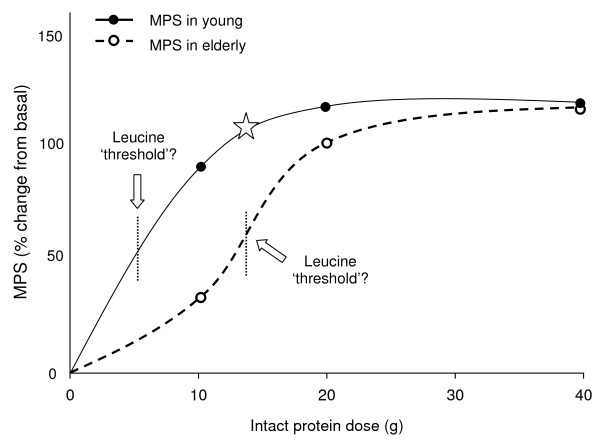
“The resistance of elderly muscles to a physiological dose of amino acids was subsequently confirmed by others [35-37] and is presented in Figure 1.”
BackgroundResult
Research works printed but not linked: 1
- Dickinson JM Fry CS Drummond MJ Gundermann DM Walker DK Glynn EL Timmerman KL Dhanani S Volpi E Rasmussen BB Mammalian Target of Rapamycin Complex 1 Activation Is Required for the Stimulation of Human Skeletal Muscle Protein Synthesis by Essential Amino Acids J Nutr 2011 PMC3077888 21430254
Cited by
Items 201–300 of 622
Lean, fast and strong: Determinants of functional performance in the elderly
Orssatto, L. B. R., Bezerra, E. S., Schoenfeld, B. J., & Diefenthaeler, F. (2020) · Clinical Biomechanics · doi:10.1016/j.clinbiomech.2020.105073 · Cited by 28
Hallmarks of frailty and osteosarcopenia in prematurely aged PolgA (D257A/D257A) mice
Scheuren, A. C., D’Hulst, G., Kuhn, G. A., Masschelein, E., Wehrle, E., Bock, K. D., & Müller, R. (2020) · Journal of Cachexia Sarcopenia and Muscle · doi:10.1002/jcsm.12588 · Cited by 30
“In the field of muscle 57 physiology, studies in humans and rodents have shown that aged muscles are less responsive to 58 well-known anabolic stimuli such as amino acids (10-12) and muscle contractions (13); this 59 likely results from reduced protein synthesis due to diminished intracellular signaling through 60 the…”
Smith, R., Clegg, M., & Methven, L. (2022) · Critical Reviews in Food Science and Nutrition · doi:10.1080/10408398.2022.2137777 · Cited by 30
“Older adults suffer from anabolic resistance and so there is a need for effective intervention strategies to compensate (Pennings et al. 2012), including higher protein intake and resistance exercises (Breen and Phillips 2011).”
BackgroundLand-walking vs. water-walking interventions in older adults: Effects on aerobic fitness
Haynes, A., Naylor, L. H., Carter, H. H., Spence, A. L., Robey, E., Cox, K. L., Maslen, B. A., Lautenschlager, N. T., Ridgers, N. D., & GREEN, D. J. (2019) · Journal of sport and health science/Journal of Sport and Health Science · doi:10.1016/j.jshs.2019.11.005 · Cited by 29
The Effect of Whole Egg Intake on Muscle Mass: Are the Yolk and Its Nutrients Important?
Santos, H. O., Gomes, G. K., Schoenfeld, B. J., & de Oliveira, E. P. (2021) · International Journal of Sport Nutrition and Exercise Metabolism · doi:10.1123/ijsnem.2021-0086 · Cited by 30
“In addition, omega-3 possesses anti-in fl ammatory effects (McGlory et al., 2019), which can result in positive effects on muscle mass given that increased in fl ammation is an established cause of muscle loss (Breen & Phillips, 2011; Roubenoff, 2007; Schaap et al., 2006, 2009).”
BackgroundEffect of Creatine Supplementation Dosing Strategies on Aging Muscle Performance
Chami, J., & Candow, D. G. (2019) · The Journal of nutrition, health and aging · doi:10.1007/s12603-018-1148-8 · Cited by 27
McKendry, J., Shad, B. J., Smeuninx, B., Oikawa, S. Y., Wallis, G., Greig, C., Phillips, S. M., & Breen, L. (2019) · Frontiers in Physiology · doi:10.3389/fphys.2019.01084 · Cited by 27
“, 2017), that blunt the muscle protein synthesis (MPS) response to normally robust anabolic stimuli, such as hyperaminoacidemia and resistance exercise (RE; Breen and Phillips, 2011; Shad et al., 2016).”
BackgroundSelf-citationHénin, G., Lanthier, N., & Dahlqvist, G. (2022) · Acta gastro-enterologica belgica · doi:10.51821/85.4.10899 · Cited by 31
“Skeletal muscle mass is the result of a balance between protein synthesis and proteolysis (11).”
BackgroundPossible-sarcopenic screening with disturbed plasma amino acid profile in the elderly
Duan, Y., Tao, K., Fang, Z., & Lu, Y. (2023) · BMC Geriatrics · doi:10.1186/s12877-023-04137-0 · Cited by 28
“Studies have shown that perturbations of amino acid metabolism are widespread in elderly with skeletal muscle hypofunction [46].”
BackgroundStrategies to improve diet in older adults
Johnson, M. A. (2012) · Proceedings of The Nutrition Society · doi:10.1017/s0029665112002819 · Cited by 31
Smithard, D. G. (2017) · Geriatrics · doi:10.3390/geriatrics2030024 · Cited by 29
“Globally, those >60 years will number 2 billion by 2050, with those >80 years forming the fastest growing age group [3] (Figure 1) and 56.”
BackgroundPerry, R. A., Brown, L. A., Lee, D. E., Brown, J. L., Baum, J., Greene, N. P., & Washington, T. A. (2016) · Mechanisms of Ageing and Development · doi:10.1016/j.mad.2016.05.007 · Cited by 28
Groen, B. B. L., Horstman, A. M. H., Hamer, H. M., de Haan, M. W., van Kranenburg, J. M. X., Bierau, J., Poeze, M., Wodzig, W. K. W. H., Rasmussen, B. B., & van Loon, L. J. C. (2016) · The Journal of Clinical Endocrinology & Metabolism · doi:10.1210/jc.2016-1436 · Cited by 31
Amasene, M., Cadenas‐Sánchez, C., Echeverria, I., Sanz, B., Alonso, C., Tobalina, I., Irazusta, J., Labayen, I., & Besga, A. (2021) · Journal of Clinical Medicine · doi:10.3390/jcm11010097 · Cited by 27
“Hence, leucine is considered the main precursor for activating muscle protein synthesis [11].”
BackgroundProbiotic BC30 Improves Amino Acid Absorption from Plant Protein Concentrate in Older Women
Walden, K. E., Hagele, A. M., Orr, L. S., Gross, K. N., Krieger, J. M., Jäger, R., & Kerksick, C. M. (2022) · Probiotics and Antimicrobial Proteins · doi:10.1007/s12602-022-10028-4 · Cited by 26
“Second, age-related “anabolic resistance” is a well-established phenomenon [28] which leads to a situation where larger doses of protein are needed to stimulate rates of muscle protein synthesis.”
BackgroundTorres, S. J., Robinson, S. M., Orellana, L., O’Connell, S. L., Grimes, C. A., Mundell, N. L., Dunstan, D. W., Nowson, C. A., & Daly, R. M. (2017) · British Journal Of Nutrition · doi:10.1017/s0007114517001507 · Cited by 28
“As previously reported((27,37)), there is evidence that the anabolic sensitivity of skeletal muscle to dietary protein”
BackgroundLeucine supplementation is anti-atrophic during paradoxical sleep deprivation in rats
Souza, H. D. S., Antunes, H. K. M., Dattilo, M., Lee, K. S., Mônico‐Neto, M., Giampá, S. Q. D. C., Phillips, S. M., Tufik, S., & de Mello, M. T. (2015) · Amino Acids · doi:10.1007/s00726-015-2142-7 · Cited by 29
“However, in this study, we observed that sleep deprivation possibly generated an anabolic resistance phenotype, similar to what occurs in the elderly (Breen and Phillips 2011).”
Self-citationRisk Assessment of Sarcopenia in Patients With Type 2 Diabetes Mellitus Using Data Mining Methods
Cui, M., Gang, X., Gao, F., Wang, G., Xiao, X., Li, Z., Li, X., Ning, G., & Wang, G. (2020) · Frontiers in Endocrinology · doi:10.3389/fendo.2020.00123 · Cited by 25
“In the elderly, sufficient protein intake is another vital component to maintain and regain muscle mass (11, 12) and lack of protein and Vitamin D has been indicated as a risk factor of sarcopenia (13).”
BackgroundMolecular Mechanisms and Treatment of Sarcopenia in Liver Disease: A Review of Current Knowledge
Kamimura, H., Sato, T., Natsui, K., Kobayashi, T., Yoshida, T., Kamimura, K., Tsuchiya, A., Murayama, T., Yokoyama, J., Kawai, H., et al. (2021) · International Journal of Molecular Sciences · doi:10.3390/ijms22031425 · Cited by 25
“which can result in falls or gait disturbance [5].”
BackgroundOh, H., Jin, H., & Lee, B.-Y. (2023) · Cells · doi:10.3390/cells12152015 · Cited by 28
Nygård, L. K., Dahl, L., Mundal, I. P., Benth, J. Š., & Rokstad, A. M. M. (2020) · Geriatrics · doi:10.3390/geriatrics5040100 · Cited by 26
“A good protein distribution could, on the contrary, have a negative effect, as it might cause none of the individual meals to reach the required protein intake to initiate MPS. Previous research has shown that the protein dose needed to stimulate MPS is about 20 g protein per meal, or 35–40 g for older people, as olde…”
BackgroundInfluentialO’Connor, D., Brennan, L. K., & Caulfield, B. (2018) · Maturitas · doi:10.1016/j.maturitas.2018.04.009 · Cited by 29
“In addition, changes in dietary intake and an age-related impairment in the muscle’s protein synthetic response to feeding termed “anabolic resistance” also likely contribute to reduced muscle protein accretion [40].”
BackgroundInfluence of IGF-I serum concentration on muscular regeneration capacity in patients with sarcopenia
Jarmusch, S., Baber, L., Bidlingmaier, M., Ferrari, U., Hofmeister, F., Hintze, S., Mehaffey, S., Meinke, P., Neuerburg, C., Schoser, B. G. H., et al. (2021) · BMC Musculoskeletal Disorders · doi:10.1186/s12891-021-04699-3 · Cited by 28
“It is believed to be a multifactorial pathogenesis, including several different factors such as an imbalance in protein metabolism and catabolism [4], satellite cell dysfunction and following type II muscle fiber atrophy [5], but also physical inactivity [6].”
BackgroundKim, H., Kim, S., Lee, S., Jung, D., & Williams, D. R. (2022) · Journal of Cachexia Sarcopenia and Muscle · doi:10.1002/jcsm.13092 · Cited by 25
“determined by the balance between synthesis and degradation, because the proteins are in constant turnover.(28,29) Therefore, increases in synthesis may increase protein content in the presence of breakdown mediated by atrogin-1 of MuRF-1.”
BackgroundGingrich, A., Spiegel, A., Gradl, J. E., Skurk, T., Hauner, H., Sieber, C. C., Volkert, D., & Kiesswetter, E. (2018) · Aging Clinical and Experimental Research · doi:10.1007/s40520-018-1081-z · Cited by 26
Sumi, K., Ashida, K., & Nakazato, K. (2019) · Journal of Applied Physiology · doi:10.1152/japplphysiol.00585.2019 · Cited by 27
How to Overcome Anabolic Resistance in Dialysis-Treated Patients?
Garibotto, G., Saio, M., Aimasso, F., Russo, E., Picciotto, D., Viazzi, F. C., Verzola, D., Laudon, A., Esposito, P. B., & Brunori, G. (2021) · Frontiers in Nutrition · doi:10.3389/fnut.2021.701386 · Cited by 25
“In the elderly, who are “anabolic resistant” combining exercise with protein supplementation provides an enhanced anabolic response (193).”
BackgroundNutrient Timing: The Means to Improved Exercise Performance, Recovery, and Training Adaptation
Ivy, J. L., & Ferguson-Stegall, L. M. (2014) · American Journal of Lifestyle Medicine · doi:10.1177/1559827613502444 · Cited by 22
Dirks, M. L., Groen, B. B. L., Franssen, R., van Kranenburg, J., & van Loon, L. J. C. (2017) · Journal of Applied Physiology · doi:10.1152/japplphysiol.00331.2016 · Cited by 22
“To attenuate muscle loss during such short periods of bed rest in the older population, various interventional strategies have been suggested (9).”
BackgroundIkenaga, M., Yamada, Y., Takeda, N., Kimura, M., Higaki, Y., Tanaka, H., Kiyonaga, A., & Nakagawa Study Group (2014) · The Journal of Physical Fitness and Sports Medicine · doi:10.7600/jpfsm.3.147 · Cited by 24
Saur, N. M., Montroni, I., Shahrokni, A., Kunitake, H., Potenti, F. M., Goodacre, R., Davis, B. R., & Carli, F. (2020) · Diseases of the Colon & Rectum · doi:10.1097/dcr.0000000000001793 · Cited by 22
“A dietary plan that includes sufficient high-quality proteins and energy per meal will provide sufficient essential amino acids, particularly leucine, which is needed to elicit muscle protein synthetic response and accretion of muscle protein.(23) Medicare and many insurance companies limit nutrition consultations to…”
LOPEZ, P., RADAELLI, R., TAAFFE, D. R., GALVÃO, D. A., NEWTON, R. U., NONEMACHER, E. R., WENDT, V. M., BASSANESI, R. N., TURELLA, D. J. P., & RECH, A. (2022) · Medicine & Science in Sports & Exercise · doi:10.1249/mss.0000000000002984 · Cited by 21
Ispoglou, T., Deighton, K., King, R. F., White, H., & Lees, M. (2017) · Nutrition Journal · doi:10.1186/s12937-017-0298-6 · Cited by 21
“Supplementation with the essential amino acid L-leucine (leucine) has attracted specific interest due to its crucial role in the regulation of muscle protein synthesis [39, 40].”
BackgroundMesenchymal Stem Cell Transplantation for the Treatment of Age-Related Musculoskeletal Frailty
Mahindran, E., Law, J. X., Ng, M. H., & Nordin, F. (2021) · International Journal of Molecular Sciences · doi:10.3390/ijms221910542 · Cited by 22
“Aged muscles also demonstrate “anabolic resistance” where it becomes less responsive to anabolic stimuli such as exercise or amino acid consumption that promote protein synthesis [32].”
BackgroundDorrington, N., Fallaize, R., Hobbs, D., Weech, M., & Lovegrove, J. A. (2021) · British Journal Of Nutrition · doi:10.1017/s0007114521005043 · Cited by 21
“…in the FDQI-65+PA and NFDQI-65+PA due to physical activity acting synergistically with protein to enhance muscle maintenance or synthesis in response to amino acids (28) , and its additional role in supporting weight maintenance, cardiovascular health and preventing loss of bone strength (30) .”
BackgroundInfluentialYTHDF2 governs muscle size through a targeted modulation of proteostasis
Gilbert, C. J., Rabolli, C. P., Golubeva, V. A., Sattler, K. M., Wang, M., Ketabforoush, A. H. M. E., Arnold, W. D., Lepper, C., & Accornero, F. (2024) · Nature Communications · doi:10.1038/s41467-024-46546-8 · Cited by 23
“Previous studies point to a proteostatic imbalance favoring protein catabolism (decay) in aged muscle, leading to a blunted response to growth stimuli 12,13 .”
Gillon, A., & Sheard, P. W. (2015) · Biogerontology · doi:10.1007/s10522-015-9608-6 · Cited by 21
“The pathophysiology of sarcopenia is poorly understood but is believed to involve many factors including imbalances in protein metabolism and catabolism (Breen and Phillips 2011), increased oxidative stress (Mitchell et al.”
Use of Blood Flow Restriction Training for Postoperative Rehabilitation
Wilkinson, B. G., Donnenwerth, J. J., & Peterson, A. R. (2019) · Current Sports Medicine Reports · doi:10.1249/jsr.0000000000000604 · Cited by 21
“These degenerative effects are most commonly seen in acute injuries requiring prolonged immobilization, but are often a result of chronic injury (33), or in older populations due to sarcopenia stemming from agingmuscle resistance to anabolic stimuli (34).”
BackgroundJungert, A., Eichner, G., & Neuhäuser‐Berthold, M. (2020) · Nutrients · doi:10.3390/nu12123626 · Cited by 23
“Higher protein intake levels are often recommended for elderly people compared to young- and middle-aged adults due to anabolic resistance and catabolic situations caused by underlying diseases [23].”
BackgroundPetkova, D., Stoyanova, S., Dinkov, G., & Bogdanov, M. G. (2025) · International Journal of Molecular Sciences · doi:10.3390/ijms262311264 · Cited by 22
Protein intake in older people: Why, how much and how?
Kiesswetter, E., Sieber, C. C., & Volkert, D. (2020) · Zeitschrift für Gerontologie und Geriatrie · doi:10.1007/s00391-020-01723-4 · Cited by 23
Margolis, L. M., & Rivas, D. A. (2014) · Calcified Tissue International · doi:10.1007/s00223-014-9921-0 · Cited by 21
Yano, M., Minegishi, Y., Sugita, S., & Ota, N. (2017) · Experimental Gerontology · doi:10.1016/j.exger.2017.07.012 · Cited by 22
“Age-related physical impairments mainly caused by loss of skeletal muscle mass and function (Breen and Phillips, 2011) have a significant impact on the quality of life in the elderly by interfering with performing daily activities and a good mental health.”
Backgrounddi Palumbo, A. S., McSwiney, F. T., Hone, M., McMorrow, A. M., Lynch, G. M., VITO, G. D., & Egan, B. (2021) · Journal of Dietary Supplements · doi:10.1080/19390211.2021.1897057 · Cited by 21
“Changes in LBM occur in response to temporal fluctuations in MPS and muscle protein breakdown in response to nutrient intake, exercise, and inactivity, which determine whether a net gain or loss in muscle mass is observed (Rennie et al. 2004; Breen and Phillips 2011).”
BackgroundInfluentialSpillane, M., Schwarz, N. A., & Willoughby, D. S. (2014) · Europe PMC (PubMed Central) · Cited by 19
Baker, B. A. (2018) · Journal of Functional Morphology and Kinesiology · doi:10.3390/jfmk3020036 · Cited by 20
Nahas, P. C., Rossato, L. T., Martins, F. M., Souza, A. P., de Branco, F. M. S., Carneiro, M. A. S., Teixeira, K. R., Orsatti, F. L., & de Oliveira, E. P. (2019) · Nutrients · doi:10.3390/nu11061323 · Cited by 24
“However, current evidence suggests that aging leads to “anabolic resistance” [2,3], which makes a number of expert groups to suggest an intake of a greater amount of protein (1.”
BackgroundDaďová, K., Petr, M., Šteffl, M., Sontáková, L., Chlumský, M., Matouš, M., Štich, V., Štěpán, M., & Šiklová, M. (2020) · Nutrients · doi:10.3390/nu12020481 · Cited by 20
“For targeting inflammation as a significant contributor to sarcopenia, which also may compromise the anabolic effect of exercise on skeletal muscle [23], the supplementation of n-3 PUFA is proposed as an alternative and safe treatment to anti-inflammatory drugs [18].”
BackgroundOpazo, R., Bárbara Angel, B., Márquez, C., Lydia Lera, M., dos Santos, G. R. C., Monnerat, G., & Albala, C. (2021) · Metabolomics · doi:10.1007/s11306-021-01832-0 · Cited by 19
Buhl, S. F., Beck, A. M., Christensen, B., & Caserotti, P. (2020) · Trials · doi:10.1186/s13063-020-04572-z · Cited by 18
Skeletal muscle wasting after a severe burn is a consequence of cachexia and sarcopenia
Song, J., Clark, A. T., Wade, C. E., & Wolf, S. E. (2021) · Journal of Parenteral and Enteral Nutrition · doi:10.1002/jpen.2238 · Cited by 23
Accelerated aging of skeletal muscle and the immune system in patients with chronic liver disease
Nicholson, T. A., Dhaliwal, A., Quinlan, J. I., Allen, S., Williams, F. R., Hazeldine, J., McGee, K. C., Sullivan, J., Breen, L., Elsharkawy, A. M., et al. (2024) · Experimental & Molecular Medicine · doi:10.1038/s12276-024-01287-y · Cited by 20
“With respect to sarcopenia, some of the hallmarks associated with reduced muscle mass are stem cell exhaustion 10 , cellular senescence 11 , increased in fl ammation 12 , and reduced anabolic responses to amino acids and physical activity 13 .”
BackgroundSelf-citationDiet and physical exercise in elderly people with obesity: The state of the art
Battista, F., Bettini, S., Verde, L., Busetto, L., Barrea, L., & Muscogiuri, G. (2024) · European Journal of Internal Medicine · doi:10.1016/j.ejim.2024.08.007 · Cited by 19
Arentson‐Lantz, E. J., Ruff, Z. V., Connolly, G., Albano, F. R., Kilroe, S. P., Wacher, A., Campbell, W. W., & Paddon‐Jones, D. (2024) · Journal of Nutrition · doi:10.1016/j.tjnut.2024.10.010 · Cited by 20
Agergaard, J., Bülow, J., Jensen, J. K., Reitelseder, S., Bornø, A., Drummond, M. J., Schjerling, P., & Holm, L. (2017) · Physiological Reports · doi:10.14814/phy2.13444 · Cited by 17
The regulating pathway of creatine on muscular protein metabolism depends on the energy state
Sun, M., Jiao, H., Wang, X., Li, H., Zhou, Y., Zhao, J., & Lin, H. (2022) · American Journal of Physiology-Cell Physiology · doi:10.1152/ajpcell.00447.2021 · Cited by 17
Francis, T., Jaka, O., Ellison, G. M., Lazarus, N. R., & Harridge, S. D. R. (2022) · JCSM Rapid Communications · doi:10.1002/rco2.67 · Cited by 18
Giesbertz, P., Brandl, B., Volkert, D., Hauner, H., & Skurk, T. (2023) · The FASEB Journal · doi:10.1096/fj.202101930r · Cited by 17
Aging, adaptation and maladaptation
Lissek, T. (2023) · Frontiers in Aging · doi:10.3389/fragi.2023.1256844 · Cited by 19
Kusakabe, T., Arai, H., Yamamoto, Y., Nakao, K., Akamatsu, Y., Ishihara, Y., Tagami, T., Yasoda, A., & Satoh‐Asahara, N. (2023) · Nutrition · doi:10.1016/j.nut.2023.112265 · Cited by 19
Aging as a Consequence of the Adaptation–Maladaptation Dilemma
Lissek, T. (2024) · Advanced Biology · doi:10.1002/adbi.202300654 · Cited by 19
Madini, N., Vincenti, A., Beretta, A., Santero, S., Viroli, G., & Cena, H. (2024) · Nutrients · doi:10.3390/nu16234141 · Cited by 18
“Higher habitual protein intake is associated with lean mass preservation and improved muscle function [113,114], which is particularly relevant for older adults whose muscles are less sensitive to anabolic stimuli compared to younger people [115].”
Nabuco, H. C. G., Tomeleri, C. M., Sugihara, P., Fernandes, R. R., Cavalcante, E. F., Nunes, J. P., Cunha, P. M., dos Santos, L., & Cyrino, E. S. (2019) · Nutrition and Health · doi:10.1177/0260106019838365 · Cited by 26
“…muscle mass is more pronounced in the lower limbs, which is accompanied by a decline in muscular strength, resulting in impaired mobility and balance, and is associated with a higher risk of falls, frailty, and dependence in the elderly (Breen and Phillips, 2011; Keller and Engelhardt, 2013).”
BackgroundZhao, R., Dong, Y., Zheng, Q., & Yao, J. (2025) · Frontiers in Nutrition · doi:10.3389/fnut.2025.1685014 · Cited by 16
“This has led to systematic differences in participants’ functional status and disease severity across studies, thereby undermining the interpretability and generalisability of the findings (12, 13).”
Coker, M. S., Barati, Z., Murphy, C. J., Bateman, T., Newcomer, B. R., Wolfe, R. R., & Coker, R. H. (2022) · Clinical Nutrition ESPEN · doi:10.1016/j.clnesp.2022.07.004 · Cited by 16
“This may be facilitated by the optimization of intracellular translation in conjunction with the delivery of amino acid precursors needed to support optimal protein balance [18,21].”
BackgroundTransthyretin Concentrations in Acute Stroke Patients Predict Convalescent Rehabilitation
Isono, N., Imamura, Y., Ohmura, K., Ueda, N., Kawabata, S., Furuse, M., & Kuroiwa, T. (2017) · Journal of Stroke and Cerebrovascular Diseases · doi:10.1016/j.jstrokecerebrovasdis.2017.02.020 · Cited by 16
Butterworth, M., Lees, M. J., Harlow, P., Hind, K., Duckworth, L. C., & Ispoglou, T. (2019) · Applied Physiology, Nutrition, and Metabolism · doi:10.1139/apnm-2018-0650 · Cited by 18
Mesenchymal Stem Cell-Derived Extracellular Vesicles: Hype or Hope for Skeletal Muscle Anti-Frailty
Mahindran, E., Zaman, W. S. W. K., Noordin, K. B. A. A., Tan, Y.-F., & Nordin, F. (2023) · International Journal of Molecular Sciences · doi:10.3390/ijms24097833 · Cited by 17
“Aged muscles also exhibit ‘anabolic resistance’, which means they become less receptive to anabolic stimuli, such as exercise or amino acid ingestion, both of which enhance protein synthesis [68].”
Backgroundde Zwart, A. H., van der Leeden, M., Roorda, L. D., Visser, M., van der Esch, M., Lems, W. F., & Dekker, J. (2019) · Rheumatology International · doi:10.1007/s00296-018-4223-x · Cited by 17
Xie, C., Yan, R., & Tao, R. (2026) · BMC Musculoskeletal Disorders · doi:10.1186/s12891-025-09436-8 · Cited by 16
“…consensus recommendations suggest that healthy older adults should consume 1.0–1.2 g/kg of protein per day, and that this intake should be increased to 1.2–2.0 g/kg in the presence of acute or chronic illness or malnutrition to more effectively stimulate MPS and maintain muscle health [46, 47].”
InfluentialStoodley, I. L., Berthon, B. S., Scott, H. A., Williams, E. J., Baines, P. J., Knox, H., Wood, S., Paradzayi, B., Cameron‐Smith, D., & Wood, L. G. (2024) · Nutrients · doi:10.3390/nu16091380 · Cited by 19
“The cut-point for low protein intake was derived from current recommendations, which suggest that the optimal protein level for older adults is between 1.0–1.2 g per kilogram body weight, per day (g · kg − 1 · day − 1 ) [8,22].”
BackgroundMethodInfluentialHorwath, O., Moberg, M., Hodson, N. W., Edman, S., Johansson, M., Andersson, E. A., van Hall, G., Rooyackers, O., Philp, A., & Apró, W. (2024) · Journal of Cachexia Sarcopenia and Muscle · doi:10.1002/jcsm.13613 · Cited by 18
“Currently, the prevailing view is that skeletal muscle of old individuals has a reduced ability to stimulate MPS in response to anabolic stimuli, and this AR is believed to be the primary cause of sarcopenia [3, 4].”
Nygård, L. K., Mundal, I. P., Dahl, L., Benth, J. Š., & Rokstad, A. M. M. (2018) · BMJ Open · doi:10.1136/bmjopen-2018-023845 · Cited by 17
“Dietary protein intake should be distributed over several meals, as there seems to be a protein threshold for the onset of MPS between 20 g and 40 g of protein per meal.(8) 12 15 MPH or fish protein could stimulate MPS at lower doses of 1.”
InfluentialLees, M. J., Wilson, O. J., Webb, E. K., Traylor, D. A., Prior, T., Elia, A., Harlow, P., Black, A. D., Parker, P. J., Harris, N. J., et al. (2020) · Nutrients · doi:10.3390/nu12072067 · Cited by 16
“This phenomenon has been described as ‘anabolic resistance’ [11,26], although several studies have disputed its existence [27–29].”
BackgroundSelf-citationNabuco, H. C. G., Tomeleri, C. M., Fernandes, R. R., Sugihara Junior, P., Cavalcante, E. F., Venturini, D., Barbosa, D. S., Silva, A. M., Sardinha, L. B., & Cyrino, E. S. (2019) · Journal of Aging and Physical Activity · doi:10.1123/japa.2018-0370 · Cited by 12
Protein for the Pre-Surgical Cancer Patient: a Narrative Review
Gillis, C., & Phillips, S. M. (2021) · Current anesthesiology reports · doi:10.1007/s40140-021-00494-x · Cited by 15
Self-citationMcDonald, C. J., Bauer, J. D., Capra, S. M., & Coll, J. R. (2014) · BMC Cancer · doi:10.1186/1471-2407-14-264 · Cited by 19
“Advances in nutritional supplementation and support for exercise training in other populations indicate that inclusion of specific nutrients, such as amino acids [39] or possibly long chain omega-3 fatty acids (LCn-3s) [40], may significantly enhance the response of LBM in conjunction with exercise training.”
BackgroundSun, J., He, M. T., Chen, M., Chen, Y., Yuan, W., Song, F., Ren, L., Shen, H., Zhang, J., Shen, X., et al. (2025) · Nutrition Journal · doi:10.1186/s12937-025-01244-z · Cited by 17
“Evidence indicated that, compared to younger adults, older adults exhibited attenuated anabolic responsiveness to lower amino acid doses, necessitating greater protein intake to achieve equivalent rates of muscle protein synthesis [32].”
Current Research on Vitamin D Supplementation against Sarcopenia: A Review of Clinical Trials
Kressel, H., & Matsakas, A. (2023) · International Journal of Sports Medicine · doi:10.1055/a-2116-9240 · Cited by 14
Strategic Considerations in Designing Food Solutions for Seniors
Mashiah, L., Lavoisier, A., Gwala, S., Araiza‐Calahorra, A., Levi, C. S., Rødbotten, R., Varela, P., Sarkar, A., Brodkorb, A., Dupont, D., et al. (2025) · Foods · doi:10.3390/foods14030396 · Cited by 16
“This highlights the need for higher protein intake in the elderly to combat sarcopenia and maintain muscle mass and function, which can potentially mitigate through targeted public nutrition initiatives [35,36].”
Khani, Y., Salmani, A. S., Elahi, M., Vahed, I. E., Rad, E. S., Samani, A. B., Karami, S., Nouroozi, M., & Mehrvar, A. (2025) · Journal of Orthopaedic Surgery and Research · doi:10.1186/s13018-025-05847-4 · Cited by 18
“Regarding the different PS options, studies in the field of arthroplasty are focused mainly on EAAs, including leucine [29–32, 35, 41, 43, 45].”
Associations between malnutrition and physical performance, sarcopenia, and frailty in older adults
Coelho‐Júnior, H. J., Álvarez‐Bustos, A., Russo, A., Rodríguez‐Mañas, L., Landi, F., & Marzetti, E. (2025) · BMC Geriatrics · doi:10.1186/s12877-025-06274-0 · Cited by 14
“As a result, malnourished individuals commonly show significant impairments in protein synthesis and turnover [41], causing losses in muscle mass and function [42].”
Miyazaki, A., Okuyama, T., Mori, H., Sato, K., Ichiki, M., & Nouchi, R. (2020) · Frontiers in Aging Neuroscience · doi:10.3389/fnagi.2020.00142 · Cited by 19
“Even in older adults, concurrent interventions of dietary protein ingestion and exercise may prevent or slow sarcopenic muscle loss (Breen and Phillips, 2011).”
BackgroundLeucine Intake and Risk of Impaired Physical Function and Frailty in Older Adults
Vega-Cabello, V., Caballero, F. F., Rodríguez‐Artalejo, F., López‐García, E., & Struijk, E. A. (2022) · The Journals of Gerontology Series A · doi:10.1093/gerona/glac191 · Cited by 15
Understanding the sensitivity of muscle protein synthesis to dairy protein in middle-aged men
Mitchell, C. J., D’Souza, R. F., Zeng, N., McGregor, R. A., Fanning, A. C., Poppitt, S. D., & Cameron‐Smith, D. (2016) · International Dairy Journal · doi:10.1016/j.idairyj.2016.07.008 · Cited by 16
Li, H., Xu, W., Ma, Y., & Zhou, S. (2017) · New Journal of Chemistry · doi:10.1039/c7nj00560a · Cited by 15
The Role of Nutrition in Attenuating Age-Related Skeletal Muscle Atrophy
Abiri, B., & Vafa, M. (2020) · Advances in experimental medicine and biology · doi:10.1007/978-3-030-42667-5_12 · Cited by 15
Allen, S., Breen, L., Lord, J. M., & Duggal, N. A. (2026) · Ageing Research Reviews · doi:10.1016/j.arr.2026.103065 · Cited by 13
Self-citationKinoshita, K., Otsuka, R., Nishita, Y., Tange, C., Tomida, M., Zhang, S., Ando, F., Shimokata, H., & Arai, H. (2022) · Journal of the American Medical Directors Association · doi:10.1016/j.jamda.2021.11.037 · Cited by 14
Quinlan, J. I., Dhaliwal, A., Williams, F. R., Allen, S., Choudhary, S., Rowlands, A. V., Breen, L., Lavery, G. G., Lord, J. M., Elsharkawy, A. M., et al. (2023) · Experimental Physiology · doi:10.1113/ep091157 · Cited by 13
“Indeed, physical activity is known to be a key regulator of muscle mass, and it is particularly relevant within the lower limbs due to their use in day-to-day activities such as walking and climbing stairs (Breen & Phillips, 2011).”
BackgroundSelf-citationJahan-Mihan, A., Khoury, D. T. D. E., Brewer, G. J., & Chapleau, A. (2025) · Nutrients · doi:10.3390/nu17223528 · Cited by 15
Justesen, T. E. H., Jespersen, S. E., Thomsen, T. T., Holm, L., van Hall, G., & Agergaard, J. (2022) · Nutrients · doi:10.3390/nu14214442 · Cited by 12
“The net protein balance of skeletal muscle is determined by protein synthesis and protein breakdown, and the balance between these two turnover rates changes throughout the day as a response to anabolic stimuli such as protein-feeding and resistance exercise [10].”
BackgroundSheikholeslami‐Vatani, D., & Ahmadi, S. (2016) · Topics in Clinical Nutrition · doi:10.1097/tin.0000000000000085 · Cited by 14
Dorhout, B. G., Doets, E. L., van Dongen, E. J. I., de Groot, C. P. G. M., & Haveman‐Nies, A. (2021) · The Journals of Gerontology Series A · doi:10.1093/gerona/glab104 · Cited by 13
Artioli, G. G., Solis, M. Y., Tritto, A. C., & Franchini, É. (2018) · Elsevier eBooks · doi:10.1016/b978-0-12-813922-6.00009-6 · Cited by 17
Shatenstein, B., Kergoat, M., & Reid, I. (2016) · Journal of Applied Gerontology · doi:10.1177/0733464816628512 · Cited by 15
“…energy intake—evenly spaced throughout the day, is a reasonable target for optimizing protein intake for overall health and physiological function among for older individuals (Berner, Becker, Wise, & Doi, 2013; Breen & Phillips, 2011; Gaffney-Stomberg et al., 2009; Wolfe, Miller, & Miller, 2008).”
BackgroundMichiko, Y. A. N. O., Haramizu, S., Ota, N., Minegishi, Y., & Shimotoyodome, A. (2019) · Journal of Nutritional Science and Vitaminology · doi:10.3177/jnsv.65.405 · Cited by 12
Korzepa, M., Quinlan, J. I., Marshall, R. N., Rogers, L. M., Belfield, A. E., Elhassan, Y., Lawson, A., Ayre, C., Senden, J. M., Goessens, J. P. B., et al. (2025) · American Journal of Clinical Nutrition · doi:10.1016/j.ajcnut.2025.04.019 · Cited by 13
“…is thought to commence from the fourth decade of life [3], although most research studies have focused on those aged > 60 y. Resistance exercise training (RET) and adequate dietary protein nutrition are well-characterized muscle anabolic stimuli to support muscle health with advancing age [4,5].”
Self-citationFazekas‐Pongor, V., Major, D., Varga, J. T., Lehoczki, A., Varga, P., Jarecsny, T., Lipécz, Á., Csípő, T., Szappanos, Á., Matiscsák, A., et al. (2026) · Nutrients · doi:10.3390/nu18050788 · Cited by 11
“In older adults, skeletal muscle exhibits a blunted anabolic response to dietary protein intake and to mechanical loading induced by resistance exercise [37].”
Kimura, T., Bier, D. M., & Taylor, C. L. (2012) · Journal of Nutrition · doi:10.3945/jn.112.160846 · Cited by 11
Metadata
- Authors
- Breen, L., & Phillips, S. M.
- Affiliations
- McMaster University (CA)
- Corresponding author
- Phillips, Stuart M
- Venue
- Nutrition & Metabolism
- Published
- 2011
- Volume
- 8
- Issue
- 1
- Pages
- 68
- ISSN
- 1743-7075 (ISSN-L)
- PMC
- PMC3201893
- OpenAlex
- W2096840621
- Cited by
- 576
- References
- 111
- Citations by year
- 2026: 71 · 2025: 49 · 2024: 34 · 2023: 37 · 2022: 36 · 2021: 51 · 2020: 53 · 2019: 40 · 2018: 33 · 2017: 39 · 2016: 32 · 2015: 34 · 2014: 23 · 2013: 20 · 2012: 21
- FWCI
- 10.13
- Type
- journal article
- Language
- en
- Open access
- gold
- doi.org
- Licence
- cc-by
- Locations
- Nutrition & Metabolism (publishedVersion, cc-by)
- Europe PMC (PubMed Central) (publishedVersion, cc-by)
- PubMed Central (publishedVersion, cc-by)
- PubMed (publishedVersion)
- DOAJ (DOAJ: Directory of Open Access Journals) (submittedVersion)
- University of Birmingham Research Portal (University of Birmingham) (submittedVersion, other-oa)
- Topics
- Health Sciences › Nursing › Nutrition and Dietetics › Muscle metabolism and nutrition
- Health Sciences › Medicine › Physiology (medical) › Nutrition and Health in Aging
- Life Sciences › Biochemistry, Genetics and Molecular Biology › Molecular Biology › Muscle Physiology and Disorders
- Keywords
- sarcopenia, muscle protein synthesis, muscle protein degradation, anabolic resistance, aging, older adults, dietary protein, branched-chain amino acids, leucine, resistance training, amino acid ingestion, muscle atrophy
About these checks
Registry, retraction, Cites and statistics results are computed, not judged, with one exception: a printed reference that no index lists is read once by a model before it counts as a citation error. Claims are extracted by a model and kept only when their quote appears verbatim in the text; each cited source is then checked, with a model’s help, for whether it says what the claim relies on. Those verdicts can be wrong — read the claim’s quote and the cited source before relying on one.
Statistics and arithmetic are recomputed, not judged.
Confidence bands are shown only for fields calibrated on our annotated test set. None is calibrated yet, so no band is shown.
What counts as a claim ›How we measure confidence ›How we check this ›
Are you an author, or do you see a problem with this page? Request a review
Data sources
Bibliographic data: Semantic Scholar, OpenAlex, Crossref.
Contains information from the Semantic Scholar Academic Graph Datasets, made available under the ODC Attribution License (ODC-BY 1.0).
Semantic Scholar’s data is described in: Kinney, R., et al. (2023). The Semantic Scholar Open Data Platform. arXiv:2301.10140.
