

Skeletal muscle protein metabolism in the elderly: Interventions to counteract the 'anabolic resistance' of ageing
Open accessThe DOI matches its Crossref record; 110 of the 111 references it cites were found in a registry or an index.
Abstract
Age-related muscle wasting (sarcopenia) is accompanied by a loss of strength which can compromise the functional abilities of the elderly. Muscle proteins are in a dynamic equilibrium between their respective rates of synthesis and breakdown. It has been suggested that age-related sarcopenia is due to: i) elevated basal-fasted rates of muscle protein breakdown, ii) a reduction in basal muscle protein synthesis (MPS), or iii) a combination of the two factors. However, basal rates of muscle protein synthesis and breakdown are unchanged with advancing healthy age. Instead, it appears that the muscles of the elderly are resistant to normally robust anabolic stimuli such as amino acids and resistance exercise. Ageing muscle is less sensitive to lower doses of amino acids than the young and may require higher quantities of protein to acutely stimulate equivalent muscle protein synthesis above rest and accrue muscle proteins. With regard to dietary protein recommendations, emerging evidence suggests that the elderly may need to distribute protein intake evenly throughout the day, so as to promote an optimal per meal stimulation of MPS. The branched-chain amino acid leucine is thought to play a central role in mediating mRNA translation for MPS, and the elderly should ensure sufficient leucine is provided with dietary protein intake. With regards to physical activity, lower, than previously realized, intensity high-volume resistance exercise can stimulate a robust muscle protein synthetic response similar to traditional high-intensity low volume training, which may be beneficial for older adults. Resistance exercise combined with amino acid ingestion elicits the greatest anabolic response and may assist elderly in producing a 'youthful' muscle protein synthetic response provided sufficient protein is ingested following exercise.
Overview
The claims and statistics of this paper haven’t been checked yet.
Free: it reads the open-access text and checks the first 5 claims that cite a source we can check. Create a free account to check every claim.
Integrity signals
Registry
Cites
Statistics
Figures
Verification
Claims the paper makes
The claims and statistics of this paper haven’t been checked yet.
Free: it reads the open-access text and checks the first 5 claims that cite a source we can check. Create a free account to check every claim.
Claims other papers make about this one
Each is checked against this paper’s own text: does it say what the citing paper says it does?
The source backs part of the claim, not all of it — or backs it for a different population, condition or comparison.
In the citing paper
“Nevertheless, a higher daily protein intake (1.2–1.6 g/kg BW/day) has been suggested to improve lean body mass gain or maintain muscle mass in young and old healthy adults.”
From Systematic review and meta-analysis of protein intake to support muscle mass and function in healthy adults (2022) · cites this paper as [19]
Experimental — accuracy not yet measuredThe source backs part of the claim, not all of it — or backs it for a different population, condition or comparison.
In the citing paper
“Recommendations for leucine consumption—around 3–4 g per meal, which equates to 25–30 g of high quality protein and 1.0–1.6 g/kg/day distributed into 3–4 daily meals—aim to promote greater MPS stimulation in older adults [131,132,133,134].”
From Impact of Protein Intake in Older Adults with Sarcopenia and Obesity: A Gut Microbiota Perspective (2020) · cites this paper as [131]
Experimental — accuracy not yet measuredThe source backs part of the claim, not all of it — or backs it for a different population, condition or comparison.
In the citing paper
“Aging represents the most profound naturally occurring model of impaired translational capacity, clinically manifesting as sarcopenia and “anabolic resistance” [46].”
From Ribosome Biogenesis as a Putative Bottleneck to Skeletal Muscle Hypertrophy: Mechanisms, Human Evidence, and Practical Modulators (2026) · cites this paper as [46]
Experimental — accuracy not yet measuredThe source backs part of the claim, not all of it — or backs it for a different population, condition or comparison.
In the citing paper
“Because the aged nucleolus is highly resistant to standard loading, Breen and Phillips have hypothesized that older adults require a significantly higher relative mechanical threshold to elicit the same molecular spark observed in the young [46,110].”
From Ribosome Biogenesis as a Putative Bottleneck to Skeletal Muscle Hypertrophy: Mechanisms, Human Evidence, and Practical Modulators (2026) · cites this paper as [46]
Experimental — accuracy not yet measuredThe cited source says what the claim attributes to it.
In the citing paper
“evidence suggests that young muscles are more sensitive to the anabolic action of EAAs compared to aging muscles [62].”
From Animal Protein versus Plant Protein in Supporting Lean Mass and Muscle Strength: A Systematic Review and Meta-Analysis of Randomized Controlled Trials (2021) · cites this paper as [62]
2 more claims about this paper
Create a free account to see every claim other papers make about this one.
Self-check
Percentages, sums and reported differences re-computed from the paper’s own numbers.
The self-check needs the paper’s full text.
Citations
Cites
Garber, C. E., Blissmer, B., Deschenes, M. R., Franklin, B. A., Lamonte, M. J., Lee, I.-M., Nieman, D. C., & Swain, D. P. (2011) · Medicine & Science in Sports & Exercise · doi:10.1249/mss.0b013e318213fefb · Cited by 9,319
Acute-Phase Proteins and Other Systemic Responses to Inflammation
Gabay, C., & Kushner, I. (1999) · New England Journal of Medicine · doi:10.1056/nejm199902113400607 · Cited by 6,734 · cited 1×
“TNF-a, which is one of the main inducers of the acute-phase response [39], plays an important role in alterations of muscle protein metabolism in this model of sepsis [38].”
BackgroundHigh-Intensity Strength Training in Nonagenarians: Effects on Skeletal Muscle
Fiatarone, M. A. (1990) · JAMA · doi:10.1001/jama.1990.03440220053029 · Cited by 1,593
Strength conditioning in older men: skeletal muscle hypertrophy and improved function
Frontera, W. R., Meredith, C. N., O'Reilly, K. P., Knuttgen, H. G., & Evans, W. J. (1988) · Journal of Applied Physiology · doi:10.1152/jappl.1988.64.3.1038 · Cited by 1,384
Anabolic signaling deficits underlie amino acid resistance of wasting, aging muscle
Cuthbertson, D., Smith, K., Babraj, J., Leese, G., Waddell, T., Atherton, P., Wackerhage, H., Taylor, P. M., & Rennie, M. J. (2005) · The FASEB Journal · doi:10.1096/fj.04-2640fje · Cited by 1,211 · cited 11×
“Resistance exercise acutely increases MPS [22,29,48] and, when practiced frequently over time, promotes muscle hypertrophy in older adults [75-78], although the anabolic response is generally blunted compared with younger adults [47,79,80].”
BackgroundMethodResultInfluentialSkeletal Muscle Cutpoints Associated with Elevated Physical Disability Risk in Older Men and Women
Janssen, I. (2004) · American Journal of Epidemiology · doi:10.1093/aje/kwh058 · Cited by 1,190
Mixed muscle protein synthesis and breakdown after resistance exercise in humans
Phillips, S. M., Tipton, K. D., Aarsland, A., Wolf, S. E., & Wolfe, R. R. (1997) · American Journal of Physiology-Endocrinology and Metabolism · doi:10.1152/ajpendo.1997.273.1.e99 · Cited by 1,132 · cited 2×
“Thus, protein feeding during late exercise recovery still maintains the capacity to be synergistic to exercise-mediated rates that have been shown to exist in the fasted-state during this time [14,98].”
BackgroundSelf-citationTang, J. E., Moore, D. R., Kujbida, G. W., Tarnopolsky, M. A., & Phillips, S. M. (2009) · Journal of Applied Physiology · doi:10.1152/japplphysiol.00076.2009 · Cited by 998
Self-citationMoore, D. R., Robinson, M. J., Fry, J. L., Tang, J. E., Glover, E. I., Wilkinson, S. B., Prior, T., Tarnopolsky, M. A., & Phillips, S. M. (2009) · The American Journal of Clinical Nutrition · doi:10.3945/ajcn.2008.26401 · Cited by 973 · cited 2×
“Previously, we have shown that maximal post-exercise stimulation of MPS can be achieved with ingestion of 20 g of egg protein in young adults [63].”
BackgroundSelf-citationKatsanos, C. S., Kobayashi, H., Sheffield-Moore, M., Aarsland, A., & Wolfe, R. R. (2006) · American Journal of Physiology-Endocrinology and Metabolism · doi:10.1152/ajpendo.00488.2005 · Cited by 923 · cited 3×
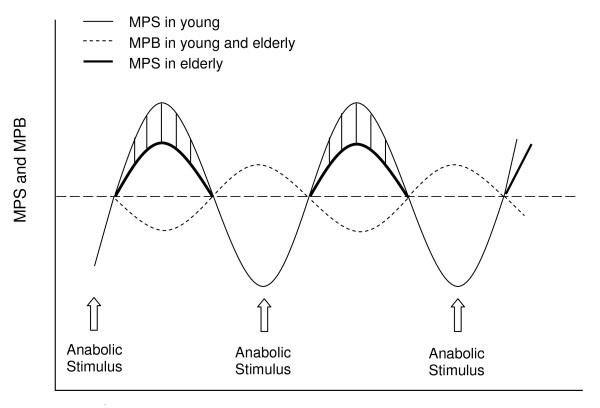
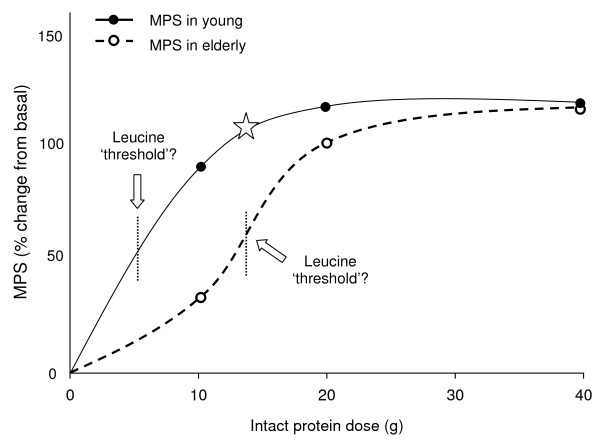
“The resistance of elderly muscles to a physiological dose of amino acids was subsequently confirmed by others [35-37] and is presented in Figure 1.”
BackgroundResult
Research works printed but not linked: 1
- Dickinson JM Fry CS Drummond MJ Gundermann DM Walker DK Glynn EL Timmerman KL Dhanani S Volpi E Rasmussen BB Mammalian Target of Rapamycin Complex 1 Activation Is Required for the Stimulation of Human Skeletal Muscle Protein Synthesis by Essential Amino Acids J Nutr 2011 PMC3077888 21430254
Cited by
Items 501–600 of 622
Anthony, R. (2018) · Research Online (University of Wollongong)
Insulinotropic and Muscle Protein Synthetic Effects of Branched-Chain Amino Acids
MANDERS, R. J. F., Little, J. P., Forbes, S. C., & Candow, D. G. (2016) · Apple Academic Press eBooks · doi:10.1201/9781315364971-7
Leite, M. A. F. D. J., Marques, B. O., Cardoso, L. G., & Cândido, R. F. (2019) · Arquivos de Ciências do Esporte · doi:10.17648/aces.v6n4.2930 · Cited by 1
Neureuter, Z. (2019) · Research Commons (University of Waikato)
The effect of milk on recovery from exercise in females
Rankin, P. (2019)
Hayashi, A. P. (2019) · Digital Library of Theses and Dissertations (Universidade de São Paulo) · doi:10.11606/t.5.2019.tde-06122019-110243
Dietary Protein and Muscle in Aging People
Cesari, M., & Marzetti, E. (2018) · MDPI eBooks · doi:10.3390/books978-3-03897-458-1
Sarcoplasmic reticulum Ca2+ dynamics in aging Drosophila and correlation with sarcopenia
Delrio-Lorenzo, A. (2020) · UVaDOC UVaDOC University of Valladolid Documentary Repository (University of Valladolid) · doi:10.35376/10324/43643
Coker, M. S., Ladd, K., Barati, Z., Murphy, C. J., Bateman, T., Newcomer, B. R., Wolfe, R. R., & Coker, R. H. (2021) · Preprints.org · doi:10.20944/preprints202101.0432.v1
Qian, C. (2021) · Undergraduate Research in Natural and Clinical Science and Technology (URNCST) Journal · doi:10.26685/urncst.226
“related increase in inflammatory cytokines [33], such as”
BackgroundSun, M., Jiao, H., Wang, X., Zhao, J., & Lin, H. (2021) · Research Square · doi:10.21203/rs.3.rs-354913/v1
The Leucine Requirement of Older Adult Men Determined by Indicator Amino Acid Oxidation Method
Szwiega, S. (2019) · TSpace (University of Toronto)
Editora, P. (2021) · Jornal de Investigação Médica · doi:10.29073/jim.v2i2.452
Thissen, J. (2016) · Springer eBooks · doi:10.1007/978-3-319-27687-8_5
Sakurai, Y., Nanba, H., & Odo, S. (2022) · The Japanese Journal of SURGICAL METABOLISM and NUTRITION · doi:10.11638/jssmn.56.2_81
Effects of Age on Exercise Metabolism
Hinkley, J. M., Coen, P. M., & Goodpaster, B. H. (2022) · Physiology in health and disease · doi:10.1007/978-3-030-94305-9_14
Peyghambarzadeh, M., Askari, R., Damavandi, M., & Pusceddu, M. M. (2023) · Journal of Human Sport and Exercise · doi:10.14198/jhse.2023.182.14 · Cited by 1
“…such as the accelerated transmission of neurotransmitters (Piasecki et al., 2016), the increased coherence of motor units (synchronisation) (Semmler, 2002), the improvement in muscle metabolism (Breen & Phillips, 2011), and increase in recruitment of motor units (Arnold & Bautmans, 2014).”
BackgroundKhan, S., Scher, N., & Avinoam, O. (2023) · Reference series in biomedical engineering · doi:10.1007/978-3-030-85569-7_5-1
V. Nutritional Therapy for Sarcopenia and Frailty
Kuzuya, M. (2023) · Nihon Naika Gakkai Zasshi · doi:10.2169/naika.112.642
Impact of Nutritional Methods On Physical Performance Parameters
Szafrańska, K., Dominiczak, K., Niemirka, S., Janiak, A., Grądalski, Ł., Kopaczyńska, A., & Dębicki, F. (2024) · Quality in Sport · doi:10.12775/qs.2024.35.56362
Dietary Protein for Human Health
Hendriks, W., Moughan, P., Hodgkinson, S., Mensink, M., Chungchunlam, S., van der Wielen, N., Lim, W. X. J., & Stroebinger, N. (2025) · Frontiers research topics · doi:10.3389/978-2-8325-5949-9
Harada, Y., Okamura, R., Sawano, J., Koide, N., & Miyakawa, M. (2025) · Cureus · doi:10.7759/cureus.79516 · Cited by 1
“Older adults often exhibit decreased sensitivity to anabolic stimuli, necessitating adequate protein intake to maintain or increase muscle mass [41].”
Ribeiro, A. S., da Silva, J. A., Kassiano, W., Stavinski, N. G. D. L., Martinho, D. V., Antunes, M., Cyrino, L. T., Sugihara, P., Fernandes, R. R., Santos, A. P., et al. (2025) · The Journal of Strength and Conditioning Research · doi:10.1519/jsc.0000000000005104
Kang, H. J. (2025) · The Asian Journal of Kinesiology · doi:10.15758/ajk.2025.27.3.107
Sakurai, Y., Namba, H., & Odo, S. (2025) · 한국정맥경장영양학회지 · doi:10.15747/acnm.25.0011
“Administration of amino acids, and branched-chain amino acids (BCAAs) in particular, have been reported to have important nutritional effects in preventing skeletal muscle loss and improving blood glucose regulation by overcoming anabolic resistance associated with aging [6,7].”
Khan, S., Scher, N., & Avinoam, O. (2025) · Reference series in biomedical engineering · doi:10.1007/978-3-031-91544-4_5
Healthspan versus lifespan: The vital role of muscle in successful aging
Lees, M. J. (2024) · The Conversation · doi:10.64628/aam.apccjj4fp
Sohn, Y. J., Bae, H., Park, H. R., & Joo, E. Y. (2025) · Journal of Sleep Medicine · doi:10.13078/jsm.250009
“25 Sleep disturbances often lead to daytime fatigue and reduced physical activity, which are essential for maintaining muscle mass and strength.”
The Impact of Dairy-based Nutrition and Resistance Training on Muscle Strength among Geriatric Adult
Zadgaonkar, U. (2025) · Asian Journal of Dairy and Food Research · doi:10.18805/ajdfr.dr-2313
“The ingestion of high-quality dairy proteins, particularly whey and casein, post-exercise offers both rapid and sustained amino acid delivery, which is crucial in overcoming anabolic resistance in older adults (Breen and Phillips, 2011).”
Enhancing Geriatric Care: International Collaboration and Best Practices for Aging Populations
Crome, P., Marcus, E.-L., & Kyriazis, M. (2025) · Frontiers research topics · doi:10.3389/978-2-8325-6977-1
Leitão, A. E. (2025) · Digital Library of Theses and Dissertations (Universidade de São Paulo) · doi:10.11606/t.39.2025.tde-23102025-153202
Optimising Patient Care: Cutting-Edge Nutritional Strategies in Oncology
Boreham, H. (2025) · EMJ Oncology · doi:10.33590/emjoncol/pwpe6967
Cooper, R. G. (2013) · Greenwich Academic Literature Archive (University of Greenwich)
Mohammadpour, S., Djafari, F., Davarzani, S., Djafarian, K., Clark, C. C. T., & Shab-Bidar, S. (2020) · Figshare · doi:10.6084/m9.figshare.13076646
Jarmusch, S., Baber, L., Bidlingmaier, M., Ferrari, U., Hofmeister, F., Hintze, S., Mehaffey, S., Meinke, P., Neuerburg, C., Schoser, B., et al. (2021) · Figshare · doi:10.6084/m9.figshare.16650380
Haines, R. W., Prowle, J. R., Day, A., Bear, D. E., Heyland, D. K., & Puthucheary, Z. (2024) · Figshare · doi:10.6084/m9.figshare.26668407
Martinez, I. G. (2018) · Illinois Digital Environment for Access to Learning and Scholarship (University of Illinois at Urbana-Champaign)
Prosser, S. P. (2024) · University of Birmingham Institutional Research Archive (University of Birmingham)
Obesity mediated dysregulation in the expression and action of myostatin
Wilhelmsen, A. (2022) · Nottingham ePrints (University of Nottingham) · Cited by 2
Banic, M. (2024) · Stirling Online Research Repository (University of Stirling)
Pearson, A. G. (2023) · Durham e-Theses (Durham University) · Cited by 2
The role of the vitamin D axis in skeletal muscle physiology: a multi-modal approach
Bollen, S. E. (2024) · Nottingham ePrints (University of Nottingham)
Pabla, P. (2021) · Nottingham ePrints (University of Nottingham) · Cited by 2
Anyiam, O. (2025) · Nottingham ePrints (University of Nottingham) · Cited by 1
Sian, T. S. (2021) · Nottingham ePrints (University of Nottingham)
Pour vieillir en bonne santé, prenez soin de vos muscles
Lees, M. J. (2025) · The Conversation · doi:10.64628/aap.vrj5yffhv
Xue, K., Deng, D., Xie, H., Bai, Z., & Zhao, X. (2025) · Journal of Exercise Science & Fitness · doi:10.1016/j.jesf.2025.200435
“These protective associations are likely multifactorial, consistent with evidence that PA can mitigate core drivers of frailty such as sarcopenia, 47 chronic inflammation, 48,49 and metabolic dysregulation.”
Myokines in Response to Exercise: Endocrine Function and Systemic Effects of Muscles
Çolak, H. (2025) · Herkes için Spor ve Rekreasyon Dergisi · doi:10.56639/jsar.1758342
2025 was the year protein ‘jumped the shark’
Phillips, S. (2026) · The Conversation · doi:10.64628/aam.s6wdtqm3a · Cited by 1
Self-citationPhillips, S. (2026) · The Conversation · doi:10.64628/aap.u7axnpsdc
Self-citationZhuang, S.-R., Yen, C., Lin, K.-Y., & Shen, Y. (2026) · Nutrients · doi:10.3390/nu18030504
“Impaired absorption of amino acids may contribute to anabolic resistance, a condition in which the muscle tissue becomes less responsive to amino acid stimulation, ultimately limiting gains in muscle strength and mass [48–50].”
Burke, A. M., Sullivan, E. O., Giblin, L., Nugent, A. P., Flynn, A., McNulty, B. A., Kehoe, L., Callanan, M. J., & Walton, J. (2026) · Nutrients · doi:10.3390/nu18030487
Bernardo, L. R., & Dimer, N. W. (2025) · Revista Multidisciplinar do Nordeste Mineiro · doi:10.61164/xb2tsw82
Sarcopenia Risk is Associated With Decreased Swallow Safety in Patients With Dysphagia
Nativ‐Zeltzer, N., Ashkenazi, Y., Halaby, L., Hayat, L., Wasserzug, O., Oestreicher‐Kedem, Y., Muhanna, N., & Nachalon, Y. (2026) · Otolaryngology · doi:10.1002/ohn.70172
Jakljević, T. (2025) · University of Zagreb University Computing Centre (SRCE)
Petrushchenkova, M. S., Ільїн, В. М., Khmelnytska, Y. K., & Varvarynets, A. O. (2026) · Bulletin of Problems Biology and Medicine · doi:10.29254/2077-4214-2026-1-180-82-95
短時間・低強度の運動が身体組成及び体力に与える影響 : 健常若年女性におけるパイロット研究
橘田, 薫., Higuchi, Y., 宮脇, 尚., 梶山, 静., 梶山, 真., & 今井, 佐. (2026) · Institutional Repositories DataBase (IRDB) · doi:10.69181/4108
Atallah, N. (2021) · theses.fr (ABES) · doi:10.70675/2d77836czb401z4b83zaaf0zd8b6e224a4d8 · Cited by 1
Pizzimenti, M. (2021) · theses.fr (ABES) · doi:10.70675/c5e8c59dzf135z4524zbdddzd5ad228c0677
Étude et prévention du déconditionnement musculaire induit par l'hypoactivité et le vieillissement
Fovet, T. (2022) · theses.fr (ABES) · doi:10.70675/6afe75d3zf9f5z4f01za279z0401f508cf39
Hernández-Martínez, J., Váldes-Badilla, P., Cid-Calfucura, I., VÁSQUEZ-CARRASCO, E., Bohn, L., Mota, J., Sandoval-Vásquez, C., Marques, M. G. D. S., & Branco, B. H. M. (2026) · Nutrients · doi:10.3390/nu18081227 · Cited by 1
“Moreover, differences in metabolic flexibility and the lipolytic responsiveness of adipose tissue among individuals may result in diminished fat loss responses in normal-weight older women, as suggested by previous studies on metabolism and aging [43,44].”
Wójcik, Ł., Czmyr, J., Bojanowski, H. T., Marczak, Z., Sito, M., Jurkowski, F., Gawron, N., Dobracka, A., Zachar, K., & Jarowicz, M. (2026) · Journal of Education Health and Sport · doi:10.12775/jehs.2026.90.70373
Quddus, N., Rastogi, S. K., Singla, D., & Yoosuf, M. (2026) · Indian Journal of Physiotherapy and Occupational Therapy - An International Journal · doi:10.37506/7wmvb815
Chen, Z., & Niu, Z. (2026) · Frontiers in Physiology · doi:10.3389/fphys.2026.1809107
“Because older adults often exhibit weak anabolic responses and heightened in fl ammatory susceptibility, maintaining glutamine-related pathways has become an important research focus (Minet-Quinard et al., 1999; Breen and Phillips, 2011).”
Ke, A., jinyuan, Z., Xiang, L., & Su, Z. (2026) · Journal of Physiology and Biochemistry · doi:10.1007/s13105-026-01190-2
“This blunted response may contribute to anabolic resistance, making it more challeng - ing for older adults to build and maintain muscle mass in response to physical activity [191, 192].”
Shen, Z., Peng, Y., Du, H., & Ma, Z. (2026) · Geriatrics and gerontology international/Geriatrics & gerontology international · doi:10.1111/ggi.70544
Xiong, C. (2026) · Frontiers in Nutrition · doi:10.3389/fnut.2026.1806863 · Cited by 1
“As a result, the supplementation of collagen in isolation is improbable to optimally induce myofibrillar hypertrophy, particularly in older adults who manifest anabolic resistance to protein consumption (33, 34).”
López-González, M. L., Álvarez‐Bueno, C., Molina, M. C., Frontelo-García, M., Rodríguez-Martín, B., & Priego-Jiménez, S. (2026) · Archives of Gerontology and Geriatrics · doi:10.1016/j.archger.2026.106313
Effects of prolonged physical training on skeletal muscle mass accrual throughout the life span
Ledergerber, R., Kotikangas, J., Cadore, E. L., Feuerbacher, J. F., & Schumann, M. (2026) · Best Practice & Research Clinical Endocrinology & Metabolism · doi:10.1016/j.beem.2026.102132
Chang, Z., Liu, Y., Zhao, S., Zhang, X., & An, N. (2026) · Frontiers in Nutrition · doi:10.3389/fnut.2026.1865035
“In this regard, classic reviews on anabolic resistance have pointed out that the response of older skeletal muscle to anabolic stimuli such as amino acids and resistance exercise is attenuated (58, 60).”
Zhou, Z., Sun, T., Zhao, J., Wang, Y., & Wu, W. (2026) · Nutrition and Health · doi:10.1177/02601060261461906
“In addition, anabolic resistance — described in aging and wasting states — may limit the effectiveness of perioperative nutritional intake in the absence of structured assessment and individualized planning (Breen and Phillips, 2011; Cuthbertson et al., 2005).”
Liu, J., Huang, K., Qian, J., & Zhai, Q. (2026) · Nutrition Reviews · doi:10.1093/nutrit/nuag095
Tang, Y., Su, W., Zhang, Y., Lv, Y., He, L., & Yu, L. (2026) · Journal of the American Medical Directors Association · doi:10.1016/j.jamda.2026.106351
Reclaiming Muscle, Restoring Life: Rehabilitation Perspectives in Sarcopenia
Kale, S., Deshpande, S., Shroff, R. A., & Shyam, A. K. (2026) · Journal of Orthopaedic Case Reports · doi:10.13107/jocr.2026.v16.i07.7566
Miyazaki, A., Okuyama, T., Mori, H., Sato, K., Ono, S., & Hiyama, A. (2026) · Frontiers in Aging · doi:10.3389/fragi.2026.1862298
“This issue may be particularly important in older adults because aging is associated with anabolic resistance, meaning that the muscle protein synthetic response to dietary protein intake is blunted (Breen and Phillips, 2011).”
Prokopidis, K., Stubbs, B., Veronese, N., Cacciatore, S., Piaggi, P., Prado, C. M. M., Batsis, J. A., & Schlögl, M. (2026) · Journal of Nutritional Science · doi:10.1017/jns.2026.10124
“(11, 12) ALST and handgrip strength (HGS) have been identified as reliable markers of muscle mass and upper body strength, respectively.”
Blood Flow Restriction in Older Adults: Implications and Interventions for Sarcopenia Management
Friedman, B., Rekant, J., Dondero, K. R., Beamer, B. A., Prior, S. J., & Addison, O. R. (2026) · Topics in Geriatric Rehabilitation · doi:10.1097/tgr.0000000000000515
rodriguez, S. (2026) · Tesis Doctorals en Xarxa (Consorci de Serveis Universitaris de Catalunya)
Ueda, N., Nakamura, M., Ojima, T., Miura, A., Nagahata, T., Kondo, I., Hayakawa, T., Kadota, A., Kondo, K., Yoshita, K., et al. (2026) · Nutrition and Health · doi:10.1177/02601060261464039
Rin, T., Natsume, M., Iwasawa, K., Iwasaka, C., Haseda, A., Kagami‐Katsuyama, H., Honma, N., & Nishihira, J. (2026) · BMC Nutrition · doi:10.1186/s40795-026-01445-7
“Age-related anabolic resistance emphasizes the importance of protein quantity, quality (including essential amino acids and leucine), and timing or distribution [9, 10].”
Zhang, L., Wang, Q., He, J., Wang, L., & Ning, Y. (2026) · Molecular Biology Reports · doi:10.1007/s11033-026-12533-z
“Notably, the transition from middle to old age may represent a critical period which muscle tissue exhibits reduced responsiveness to anabolic signals [5].”
Kristiansen, J. B., Andresen, J., Jakobsgaard, J. E., & Vissing, K. (2026) · Experimental Gerontology · doi:10.1016/j.exger.2026.113265
Benito‐Vázquez, I., Méndez-Albiñana, P., Fernández-Quintero, A., Morán-Valero, M. I., Moreno, F. J., Díez‐Municio, M., Fernández, N., Monge, L., Uranga, J. A., & Blanco‐Rivero, J. (2026) · International Journal of Molecular Sciences · doi:10.3390/ijms27167086
“Under aging conditions, skeletal muscle exhibits reduced sensitivity to essential amino acids, a phenomenon termed anabolic resistance, characterized by diminished activation of anabolic signalling pathways and impaired stimulation of MPS [8,9].”
Wang, S., Zhang, Y., Yuan, Y., Huang, C., & Chen, Z. (2026) · Frontiers in Nutrition · doi:10.3389/fnut.2026.1916756
“Older adults exhibit a blunted protein synthetic response to feeding compared with younger individuals (32, 33), meaning that higher caloric delivery does not automatically translate into proportionally greater lean tissue accretion or functional recovery (34, 35).”
Nutritional management of older patients with impaired functions that dentists should be aware of
Kayashita, J. (2026) · Annals of Japan Prosthodontic Society · doi:10.2186/ajps.18.201
Lee, K., & Kim, J. (2026) · Exercise Science · doi:10.15857/ksep.2026.00101
“…into cell membranes with subsequent alterations in membrane fluidity and signaling environments, modulation of intracellular pathways associated with muscle protein synthesis, and regulation of inflammatory processes that may otherwise impair anabolic signaling efficiency [11,12,44-46].”
InfluentialLi, Y., Gao, Z., & Xiong, Z. (2026) · Geriatric Nursing · doi:10.1016/j.gerinurse.2026.104336
Whey protein and muscle synthesis: Implications for healthy aging and sports performance
Gigli, I. (2026) · Elsevier eBooks · doi:10.1016/b978-0-443-27648-4.00011-6
Kim, M., Kobori, T., Kim, T., & Oh, S. (2026) · Scientific Reports · doi:10.1038/s41598-026-68443-4
Learning muscle-health trajectories in ageing: Towards AI-guided organ chips
Liu, Y., Lin, Z., Hu, L., Zhou, X., Xie, Q., Wang, L., Tang, J., & Wu, Y. (2026) · Ageing Research Reviews · doi:10.1016/j.arr.2026.103346
Stress biology and metabolic ageing in older adults during prolonged crises: Ukraine as an example
Lushchak, O., Strilbytska, O. M., Petakh, P., & Kamyshnyi, O. (2026) · Biogerontology · doi:10.1007/s10522-026-10502-4
“Muscle mass and strength can consequently decline without substantial changes in total body weight (Breen and Phillips 2011).”
Kurz, S., Habich, O., Brauer, K., & Schneckmann, F. W. (2026) · European Geriatric Medicine · doi:10.1007/s41999-026-01577-w
Metadata
- Authors
- Breen, L., & Phillips, S. M.
- Affiliations
- McMaster University (CA)
- Corresponding author
- Phillips, Stuart M
- Venue
- Nutrition & Metabolism
- Published
- 2011
- Volume
- 8
- Issue
- 1
- Pages
- 68
- ISSN
- 1743-7075 (ISSN-L)
- PMC
- PMC3201893
- OpenAlex
- W2096840621
- Cited by
- 576
- References
- 111
- Citations by year
- 2026: 71 · 2025: 49 · 2024: 34 · 2023: 37 · 2022: 36 · 2021: 51 · 2020: 53 · 2019: 40 · 2018: 33 · 2017: 39 · 2016: 32 · 2015: 34 · 2014: 23 · 2013: 20 · 2012: 21
- FWCI
- 10.13
- Type
- journal article
- Language
- en
- Open access
- gold
- doi.org
- Licence
- cc-by
- Locations
- Nutrition & Metabolism (publishedVersion, cc-by)
- Europe PMC (PubMed Central) (publishedVersion, cc-by)
- PubMed Central (publishedVersion, cc-by)
- PubMed (publishedVersion)
- DOAJ (DOAJ: Directory of Open Access Journals) (submittedVersion)
- University of Birmingham Research Portal (University of Birmingham) (submittedVersion, other-oa)
- Topics
- Health Sciences › Nursing › Nutrition and Dietetics › Muscle metabolism and nutrition
- Health Sciences › Medicine › Physiology (medical) › Nutrition and Health in Aging
- Life Sciences › Biochemistry, Genetics and Molecular Biology › Molecular Biology › Muscle Physiology and Disorders
- Keywords
- sarcopenia, muscle protein synthesis, muscle protein degradation, anabolic resistance, aging, older adults, dietary protein, branched-chain amino acids, leucine, resistance training, amino acid ingestion, muscle atrophy
About these checks
Registry, retraction, Cites and statistics results are computed, not judged, with one exception: a printed reference that no index lists is read once by a model before it counts as a citation error. Claims are extracted by a model and kept only when their quote appears verbatim in the text; each cited source is then checked, with a model’s help, for whether it says what the claim relies on. Those verdicts can be wrong — read the claim’s quote and the cited source before relying on one.
Statistics and arithmetic are recomputed, not judged.
Confidence bands are shown only for fields calibrated on our annotated test set. None is calibrated yet, so no band is shown.
What counts as a claim ›How we measure confidence ›How we check this ›
Are you an author, or do you see a problem with this page? Request a review
Data sources
Bibliographic data: Semantic Scholar, OpenAlex, Crossref.
Contains information from the Semantic Scholar Academic Graph Datasets, made available under the ODC Attribution License (ODC-BY 1.0).
Semantic Scholar’s data is described in: Kinney, R., et al. (2023). The Semantic Scholar Open Data Platform. arXiv:2301.10140.
