

The DOI matches its Crossref record; 99 of the 100 references it cites were found in a registry or an index.
Canine and feline vector-borne diseases in Italy: current situation and perspectives
Open accessAbstract
In Italy, dogs and cats are at risk of becoming infected by different vector-borne pathogens, including protozoa, bacteria, and helminths. Ticks, fleas, phlebotomine sand flies, and mosquitoes are recognized vectors of pathogens affecting cats and dogs, some of which (e.g., Anaplasma phagocytophilum, Borrelia burgdorferi, Dipylidium caninum, Leishmania infantum, Dirofilaria immitis, and Dirofilaria repens) are of zoonotic concern. Recent studies have highlighted the potential of fleas as vectors of pathogens of zoonotic relevance (e.g., Rickettsia felis) in this country. While some arthropod vectors (e.g., ticks and fleas) are present in certain Italian regions throughout the year, others (e.g., phlebotomine sand flies) are most active during the summer season. Accordingly, control strategies, such as those relying on the systematic use of acaricides and insecticides, should be planned on the basis of the ecology of both vectors and pathogens in different geographical areas in order to improve their effectiveness in reducing the risk of infection by vector-borne pathogens. This article reviews the current situation and perspectives of canine and feline vector-borne diseases in Italy.
Overview
The claims and statistics of this paper haven’t been checked yet.
Run the check — free, no account needed. It reads the open-access text and checks the sources it cites.
Integrity signals
Registry
Cites
Statistics
Figures
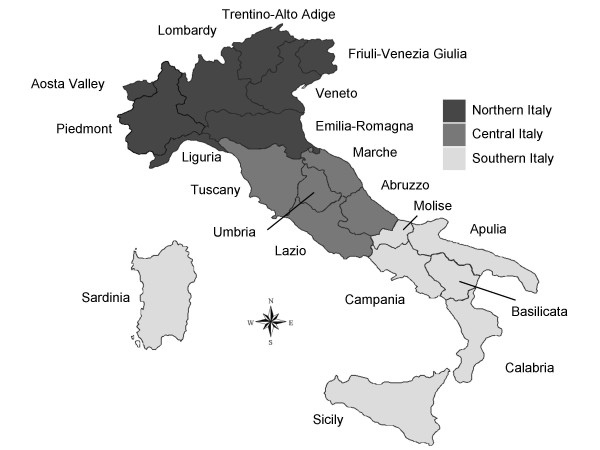
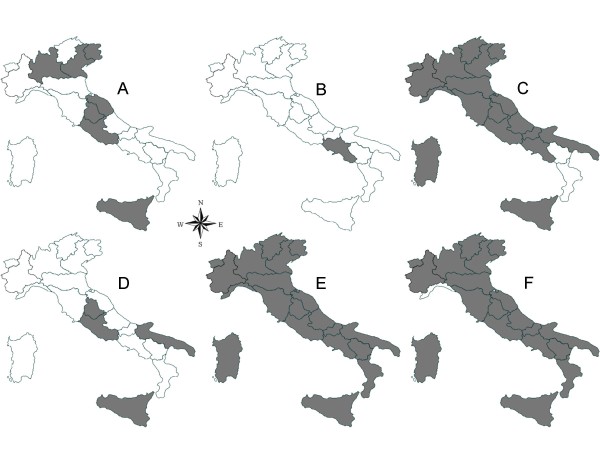
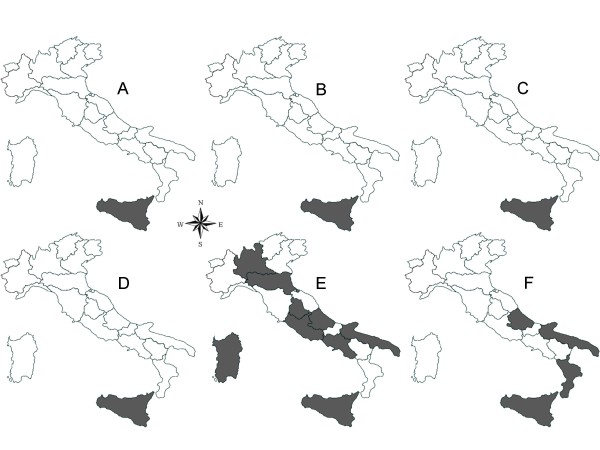
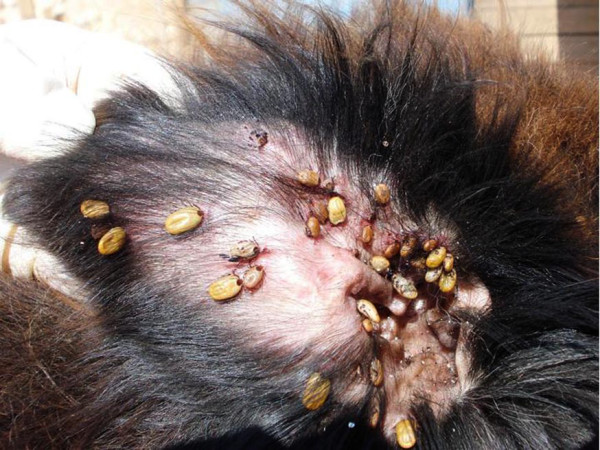
Verification
Claims the paper makes
The claims and statistics of this paper haven’t been checked yet.
Run the check — free, no account needed. It reads the open-access text and checks the sources it cites.
Claims other papers make about this one
Each is checked against this paper’s own text: does it say what the citing paper says it does?
The source backs part of the claim, not all of it — or backs it for a different population, condition or comparison.
In the citing paper
“These factors caused new autochthonous foci of heartworm disease that have recently been reported in previously non-endemic areas of southern Italy [8, 30].”
From Dirofilaria immitis and Angiostrongylus vasorum: the contemporaneous detection in kennels (2015) · cites this paper as [30]
Experimental — accuracy not yet measured
Self-check
Percentages, sums and reported differences re-computed from the paper’s own numbers.
The self-check needs the paper’s full text.
Citations
Cites
Dantas‐Torres, F. (2008) · Veterinary Parasitology · doi:10.1016/j.vetpar.2007.12.030 · Cited by 580 · cited 3×
“felis has received a renewed attention from the scientific community in recent years [10,77].”
BackgroundSelf-citationClimate Change and Vector-Borne Diseases
Rogers, D. J., & Randolph, S. E. (2006) · Advances in Parasitology · doi:10.1016/s0065-308x(05)62010-6 · Cited by 362 · cited 1×
“For long time VBDs have been believed to be strictly linked to the seasonality in temperate areas and the role of climate and environmental factors on arthropod infection rate has been documented [39].”
BackgroundManaging canine vector-borne diseases of zoonotic concern: part one
Otranto, D., Dantas‐Torres, F., & Breitschwerdt, E. B. (2009) · Trends in Parasitology · doi:10.1016/j.pt.2009.01.003 · Cited by 310 · cited 3×
“Some VBDs might be lifethreatening in cats and dogs, they might develop after long incubation period making their diagnosis challenging, particularly because their clinical signs are not pathognomonic [1,2].”
BackgroundInfluentialSelf-citationMaroli, M., Rossi, L., Baldelli, R., Capelli, G., Ferroglio, E., Genchi, C., Gramiccia, M., Mortarino, M., Pietrobelli, M., & Gradoni, L. (2008) · Tropical Medicine & International Health · doi:10.1111/j.1365-3156.2007.01998.x · Cited by 305 · cited 10×
“variegata) display a typical seasonal activity [29,36].”
BackgroundInfluentialManaging canine vector-borne diseases of zoonotic concern: part two
Otranto, D., Dantas‐Torres, F., & Breitschwerdt, E. B. (2009) · Trends in Parasitology · doi:10.1016/j.pt.2009.02.005 · Cited by 295 · cited 2×
“Some VBDs might be lifethreatening in cats and dogs, they might develop after long incubation period making their diagnosis challenging, particularly because their clinical signs are not pathognomonic [1, 2 ].”
BackgroundMethodSelf-citationCoutinho, M. T. Z., Bueno, L. L., Sterzik, A., Fujiwara, R. T., Botelho, J. R., de María, M., Genaro, O., & Linardi, P. M. (2004) · Veterinary Parasitology · doi:10.1016/j.vetpar.2004.11.011 · Cited by 213 · cited 1×
“infantum via their ingestion [78] and a recent study has reported the detection of L.”
Aedes albopictus is a natural vector of Dirofilaria immitis in Italy
Cancrini, G., Frangipane di Regalbono, A., Ricci, I., Tessarin, C., Gabrielli, S., & Pietrobelli, M. (2003) · Veterinary Parasitology · doi:10.1016/j.vetpar.2003.10.011 · Cited by 206 · cited 1×
“repens [41,42], during the 1990s has been implicated in the appearance of new autochthonous foci of heartworm disease that have recently been reported in previously non-endemic areas of southern Italy (i.”
BackgroundDirofilariasis due to Dirofilaria repens in Italy, an emergent zoonosis: report of 60 new cases
Pampiglione, S., Rivasi, F., Angeli, G., Boldorini, R., Incensati, R. M., Pastormerlo, M., Pavesi, M., & Ramponi, A. (2001) · Histopathology · doi:10.1046/j.1365-2559.2001.01099.x · Cited by 202 · cited 2×
“repens [65] and dogs have been regarded as natural reservoirs of this filarid [71].”
BackgroundInfection of sandflies by a cat naturally infected with Leishmania infantum
Maroli, M., Pennisi, M. G., Muccio, T. D., Khoury, C., Gradoni, L., & GRAMICCIA, M. (2006) · Veterinary Parasitology · doi:10.1016/j.vetpar.2006.11.009 · Cited by 192 · cited 2×
“perniciosus under laboratory conditions [32].”
BackgroundOtranto, D., Capelli, G., & Genchi, C. (2009) · Parasites & Vectors · doi:10.1186/1756-3305-2-s1-s2 · Cited by 177 · cited 5×
“However, in the past decades, the ‘seasonality paradigm’ has been extensively debated and nowadays it cannot be considered more valid for many VBDs in the Mediterranean area [33].”
BackgroundInfluentialSelf-citation
Research works printed but not linked: 1
- Pampiglione S Villani M Fioravanti ML Rivasi F La dirofilariasi umana nel sud Italia. III regione Molise Pathologica 1995 87 139 141 8532405
Cited by
Sorted by citations
Vector-borne helminths of dogs and humans in Europe
Otranto, D., Dantas-Torres, F., Brianti, E., Traversa, D., Petrić, D., Genchi, C., & Capelli, G. (2013) · Parasites & Vectors · doi:10.1186/1756-3305-6-16 · Cited by 336
“[47,53] and/or an upsurge of the prevalence in dogs compared to”
Self-citationDantas‐Torres, F., Latrofa, M. S., Annoscia, G., Giannelli, A., Parisi, A., & Otranto, D. (2013) · Parasites & Vectors · doi:10.1186/1756-3305-6-213 · Cited by 310
Self-citationThe Biology and Ecology of Cat Fleas and Advancements in Their Pest Management: A Review
Rust, M. Κ. (2017) · Insects · doi:10.3390/insects8040118 · Cited by 164
“However, the prevalence of flea-borne diseases has been greatly underestimated by health practitioners and agencies [149,150].”
BackgroundTick-borne infections in dogs—An emerging infectious threat
Chomel, B. B. (2011) · Veterinary Parasitology · doi:10.1016/j.vetpar.2011.03.040 · Cited by 150
Otranto, D., Napoli, E., Latrofa, M. S., Annoscia, G., Tarallo, V. D., Greco, G., Lorusso, E., Gulotta, L., Falsone, L., Basano, F. S., et al. (2017) · Veterinary Parasitology · doi:10.1016/j.vetpar.2017.01.019 · Cited by 131
Self-citationHodžić, A., Alić, A., Fuehrer, H., Harl, J., Wille-Piazzai, W., & Duscher, G. G. (2015) · Parasites & Vectors · doi:10.1186/s13071-015-0692-x · Cited by 125
“Vector-borne diseases (VBDs) are caused by many protozoan, helminthic, bacterial and viral pathogens, which are transmitted to animals and humans by blood-sucking arthropods, such as ticks, mosquitos, fleas and phlebotomine sand flies [1].”
BackgroundDiagnosis of Canine Vector-Borne Diseases in Young Dogs: a Longitudinal Study
Otranto, D., Testini, G., Dantas‐Torres, F., Latrofa, M. S., Diniz, P. P. V. D. P., de Caprariis, D., Lia, R. P., Mencke, N., Stanneck, D., Capelli, G., et al. (2010) · Journal of Clinical Microbiology · doi:10.1128/jcm.00379-10 · Cited by 120
“In Italy, CVBDs, such as anaplasmosis, babesiosis, dirofilariosis, ehrlichiosis, and leishmaniosis, are highly prevalent, with some evidence supporting the spread of vectors and pathogens into new geographic locations (26).”
BackgroundInfluentialSelf-citationCardoso, L., Mendão, C., & Madeira de Carvalho, L. (2012) · Parasites & Vectors · doi:10.1186/1756-3305-5-62 · Cited by 119
“Dogs are the natural hosts, but infection may also occur in other canids and cats, and there is also a risk of zoonotic transmission [6].”
BackgroundFeline vector-borne pathogens in the north and centre of Portugal
Vilhena, H., Martinez-Diaz, V. L., Cardoso, L., Vieira, L., Altet, L., Francino, O., Pastor, J., & Silvestre‐Ferreira, A. C. (2013) · Parasites & Vectors · doi:10.1186/1756-3305-6-99 · Cited by 119
“Background Vector-borne diseases compromise a variety of infectious illnesses caused by several agents, including viruses, bacteria, protozoa and helminthes, which are transmitted by ticks, fleas, mosquitoes and phlebotomine sand flies [1,2].”
BackgroundInfluentialMendoza-Roldan, J., Benelli, G., Panarese, R., Iatta, R., Furlanello, T., Beugnet, F., Zatelli, A., & Otranto, D. (2020) · Parasites & Vectors · doi:10.1186/s13071-020-04063-9 · Cited by 119
Self-citationImported and travelling dogs as carriers of canine vector-borne pathogens in Germany
Menn, B., Lorentz, S., & Naucke, T. J. (2010) · Parasites & Vectors · doi:10.1186/1756-3305-3-34 · Cited by 148
“These areas have a considerable prevalence of canine arthropodborne diseases [5,9,17-24].”
BackgroundAttipa, C., Papasouliotis, K., Solano‐Gallego, L., Baneth, G., Nachum‐Biala, Y., Sarvani, E., Knowles, T. G., Mengi, S., Morris, D. T. J., Helps, C. R., et al. (2017) · Parasites & Vectors · doi:10.1186/s13071-017-2063-2 · Cited by 111
Are vector-borne pathogen co-infections complicating the clinical presentation in dogs?
Tommasi, A. S. D., Otranto, D., Dantas‐Torres, F., Capelli, G., Breitschwerdt, E. B., & de Caprariis, D. (2013) · Parasites & Vectors · doi:10.1186/1756-3305-6-97 · Cited by 109
“; licensee BioMed C Creative Commons Attribution License (http:/ distribution, and reproduction in any medium Dirofilaria immitis and Dirofilaria repens [3].”
BackgroundSelf-citationRojas, A., Rojas-Araya, D., Montenegro, V. M., Gutiérrez, R., Yasur-Landau, D., & Baneth, G. (2013) · Veterinary Parasitology · doi:10.1016/j.vetpar.2013.10.027 · Cited by 101
Thelazia callipaeda: infection in dogs: a new parasite for Spain
Miró, G., Montoya, A., Hernández, L., Dado, D., Vázquez, M. V., Benito, M., Villagrasa, M., Brianti, E., & Otranto, D. (2011) · Parasites & Vectors · doi:10.1186/1756-3305-4-148 · Cited by 99
“Background: Thelazia callipaeda (Spirurida, Thelaziidae), eyeworms, are known as the causative agents of thelaziosis, initially described in Asia and, later on, over the last decade, also in some European countries (e.g., Italy, France, Germany and Switzerland).”
BackgroundInfluentialSelf-citationOtranto, D., de Caprariis, D., Lia, R. P., Tarallo, V. D., Lorusso, V., Testini, G., Dantas‐Torres, F., Latrofa, S., Diniz, P. P. V. D. P., Mencke, N., et al. (2010) · Veterinary Parasitology · doi:10.1016/j.vetpar.2010.05.017 · Cited by 96
“In Italy, the CVBD-causing pathogens most frequently detected in dogs are Anaplasma platys, Babesia vogeli, Bartonella spp., Ehrlichia canis, Hepatozoon canis and Leishmania infantum (reviewed by Otranto and Dantas-Torres, 2010).”
BackgroundSelf-citationThe symbiotic role of Wolbachia in Onchocercidae and its impact on filariasis
Bouchery, T., Lefoulon, E., Karadjian, G., Nieguitsila, A., & Martin, C. (2012) · Clinical Microbiology and Infection · doi:10.1111/1469-0691.12069 · Cited by 103
Detection of vector-borne pathogens in cats and their ectoparasites in southern Italy
Persichetti, M. F., Solano‐Gallego, L., Serrano, L., Altet, L., Reale, S., Masucci, M., & Pennisi, M. G. (2016) · Parasites & Vectors · doi:10.1186/s13071-016-1534-1 · Cited by 89
“It is well known that the most frequent flea species found on cats is Ctenocephalides felis [2].”
Tarallo, V. D., Dantas‐Torres, F., Lia, R. P., & Otranto, D. (2010) · Acta Tropica · doi:10.1016/j.actatropica.2010.08.013 · Cited by 87
Self-citationLorusso, V., Dantas‐Torres, F., Lia, R. P., Tarallo, V. D., Mencke, N., Capelli, G., & Otranto, D. (2010) · Medical and Veterinary Entomology · doi:10.1111/j.1365-2915.2010.00885.x · Cited by 83
“The results presented here also underline the importance of using preventative measures of tick control on a yearly rather than a seasonal basis (Otranto & Dantas-Torres, 2010).”
BackgroundSelf-citationOtranto, D., Brianti, E., Dantas‐Torres, F., Weigl, S., Latrofa, M. S., Gaglio, G., Cauquil, L., Giannetto, S., & Bain, O. (2011) · Veterinary Parasitology · doi:10.1016/j.vetpar.2011.05.043 · Cited by 80
Self-citationDiakou, Α., Cesare, A. D., Accettura, P. M., Barros, L. A., Iorio, R., Paoletti, B., di Regalbono, A. F., Halos, L., Beugnet, F., & Traversa, D. (2017) · PLoS neglected tropical diseases · doi:10.1371/journal.pntd.0005335 · Cited by 78
Nguyen, V., Colella, V., Greco, G., Fang, F., Nurcahyo, W., Hadi, U. K., Venturina, V., Tong, K. B. Y., Tsai, Y., Taweethavonsawat, P., et al. (2020) · Parasites & Vectors · doi:10.1186/s13071-020-04288-8 · Cited by 79
Self-citationLatrofa, M. S., Montarsi, F., Ciocchetta, S., Annoscia, G., Dantas-Torres, F., Ravagnan, S., Capelli, G., & Otranto, D. (2012) · Parasites & Vectors · doi:10.1186/1756-3305-5-76 · Cited by 77
“immitis, mainly in areas where these species are endemic and/or occur in sympatry [4,58].”
BackgroundSelf-citationPersichetti, M. F., Pennisi, M. G., Vullo, A., Masucci, M., Migliazzo, A., & Solano‐Gallego, L. (2018) · Parasites & Vectors · doi:10.1186/s13071-018-2725-8 · Cited by 75
“Also, clinical signs and laboratory abnormalities associated with VBD are widely variable and nonspecific [1, 3, 4].”
BackgroundOtranto, D. (2017) · Veterinary Parasitology · doi:10.1016/j.vetpar.2017.12.021 · Cited by 75
Self-citationde Caprariis, D., Dantas-Torres, F., Capelli, G., Mencke, N., Stanneck, D., Breitschwerdt, E. B., & Otranto, D. (2011) · Veterinary Microbiology · doi:10.1016/j.vetmic.2010.10.006 · Cited by 73
“Diseases of global importance for companion animal veterinarians include anaplasmosis, babesiosis, dirofilariosis, ehrlichiosis, hepatozoonosis, leishmaniosis, and rickettsiosis (Otranto and Dantas-Torres, 2010).”
BackgroundSelf-citationWang, J., Ha, Y., Gao, C., Wang, Y., Yang, Y.-T., & Chen, H.-T. (2011) · Parasites & Vectors · doi:10.1186/1756-3305-4-69 · Cited by 74
Thelaziosis in Humans, a Zoonotic Infection, Spain, 2011
Fuentes, I., Montes, I., Saugar, J. M., Latrofa, S., Gárate, T., & Otranto, D. (2012) · Emerging infectious diseases · doi:10.3201/eid1812.120472 · Cited by 72
“In brief, after we extracted genomic DNA from the female worm with the QIAamp DNA Mini Kit (QIAGEN, Hilden, Germany), a partial sequence of the mitochondrial cytochrome c oxidase subunit 1 gene (cox1, 689 bp) was amplifi ed by PCR. Amplicons were purifi ed by using Amicon Ultrafree-DA columns (Millipore, Bedford, MA,…”
BackgroundInfluentialSelf-citationA multiplex PCR for the simultaneous detection of species of filarioids infesting dogs
Latrofa, M. S., Weigl, S., Dantas-Torres, F., Annoscia, G., Traversa, D., Brianti, E., & Otranto, D. (2012) · Acta Tropica · doi:10.1016/j.actatropica.2012.01.006 · Cited by 70
“Blood samples negative by the Knott’s test and skin samples btained from 10, 120 days old purpose-bred beagles in a previous tudy (Otranto et al., 2010, 2011) were included as controls.”
MethodSelf-citationSilaghi, C., Knaus, M., Rapti, D., Kusi, I., Shukullari, E., Hamel, D., Pfister, K., & Rehbein, S. (2014) · Parasites & Vectors · doi:10.1186/1756-3305-7-62 · Cited by 71
“Among other factors, the mild Mediterranean climate is favourable for the stable development of many arthropod species, which are incriminated as vectors for various agents [1,2].”
BackgroundFirst report of canine ocular thelaziosis by Thelazia callipaeda in Portugal
Vieira, L., Rodrigues, F. T., Costa, Á., Diz-Lopes, D., Machado, J., Coutinho, T., Tuna, J., Latrofa, M. S., Cardoso, L., & Otranto, D. (2012) · Parasites & Vectors · doi:10.1186/1756-3305-5-124 · Cited by 61
“Italy [20,21], France [11,12] and Spain [14].”
Self-citationPennisi, M. G., Caprì, A., Solano‐Gallego, L., Lombardo, G., Torina, A., & Masucci, M. (2012) · Ticks and Tick-borne Diseases · doi:10.1016/j.ttbdis.2012.10.026 · Cited by 56
Efficacy of an imidacloprid/flumethrin collar against fleas, ticks and tick-borne pathogens in dogs
Dantas‐Torres, F., Capelli, G., Giannelli, A., Ramos, R. A. N., Lia, R. P., Cantacessi, C., de Caprariis, D., Tommasi, A. S. D., Latrofa, M. S., Lacasella, V., et al. (2013) · Parasites & Vectors · doi:10.1186/1756-3305-6-245 · Cited by 56
“; licensee BioMed C Creative Commons Attribution License (http:/ distribution, and reproduction in any medium response against the infection [2,3].”
BackgroundSelf-citationPombi, M., Giacomi, A., Barlozzari, G., Mendoza‐Roldan, J. A., Macrì, G., Otranto, D., & Gabrielli, S. (2020) · Medical and Veterinary Entomology · doi:10.1111/mve.12464 · Cited by 56
“…infantum, a major agent of canine and human leishmaniasis, is endemic throughout the Mediterranean basin, including Italy (Maroli et al., 2008; Otranto & Dantas-Torres, 2010), where its northwards spread has been Correspondence: Marco Pombi, Dipartimento di Sanità Pubblica e Malattie…”
BackgroundSelf-citationMendoza‐Roldan, J. A., Manoj, R. R. S., Latrofa, M. S., Iatta, R., Annoscia, G., Lovreglio, P., Stufano, A., Dantas‐Torres, F., Davoust, B., Laidoudi, Y., et al. (2021) · PLoS neglected tropical diseases · doi:10.1371/journal.pntd.0009090 · Cited by 56
“aeschlimannii and Rickettsia sibirica mongolitimonae), are considered as emerging human pathogens [64,65].”
BackgroundSelf-citationPennisi, M. G., Hartmann, K., Addie, D., Lutz, H., Gruffydd-Jones, T., Boucraut‐Baralon, C., Egberink, H. F., Frymus, T., Horzinek, M. C., Hosie, M. J., et al. (2015) · Journal of Feline Medicine and Surgery · doi:10.1177/1098612x15588449 · Cited by 55
Ticks and associated pathogens collected from cats in Sicily and Calabria (Italy)
Pennisi, M. G., Persichetti, M. F., Serrano, L., Altet, L., Reale, S., Gulotta, L., & Solano‐Gallego, L. (2015) · Parasites & Vectors · doi:10.1186/s13071-015-1128-3 · Cited by 53
“Ticks (Acari: Ixodida) are vectors of many pathogens (VBPs) some of them considered emerging and worldwide spread [1].”
BackgroundLatrofa, M. S., Iatta, R., Dantas‐Torres, F., Annoscia, G., Gabrielli, S., Pombi, M., Gradoni, L., & Otranto, D. (2018) · Veterinary Parasitology · doi:10.1016/j.vetpar.2018.02.006 · Cited by 52
“In Italy, this parasite has spread from traditional endemic areas of southern and insular regions to central and northern areas (Maroli et al., 2008; Otranto and Dantas-Torres, 2010).”
BackgroundSelf-citationSauda, F., Malandrucco, L., Macrì, G., Scarpulla, M., De Liberato, C., Terracciano, G., Fichi, G., Berrilli, F., & Perrucci, S. (2018) · Parasite · doi:10.1051/parasite/2018001 · Cited by 52
“Therefore, in Italian dog kennels animal density is often very high andmay pose serious risks for the spread of canine-specific and potential zoonotic parasites [29,53].”
BackgroundAcute febrile illness is associated with Rickettsia spp infection in dogs
Solano‐Gallego, L., Caprì, A., Pennisi, M. G., Caldín, M., Furlanello, T., & Trotta, M. (2015) · Parasites & Vectors · doi:10.1186/s13071-015-0824-3 · Cited by 51
“infantum are similar to previous studies performed in southern Italy [52,53] and other Mediterranean areas”
ResultSingla, L. D., Sumbria, D., Mandhotra, A., Bal, M. S., & Kaur, P. (2016) · Acta Parasitologica · doi:10.1515/ap-2016-0098 · Cited by 50
Fallahi, S., Arab‐Mazar, Z., Ghasemian, M., & Haghighi, A. N. (2015) · Asian Pacific Journal of Tropical Medicine · doi:10.1016/s1995-7645(14)60345-x · Cited by 49
Piantedosi, D., Neola, B., D’Alessio, N., Prisco, F. D., Santoro, M., Pacifico, L., Sgroi, G., Auletta, L., Buch, J. S., Chandrashekar, R., et al. (2017) · Parasitology Research · doi:10.1007/s00436-017-5574-z · Cited by 49
Emerging feline vector-borne pathogens in Italy
Morganti, G., Veronesi, F., Stefanetti, V., Muccio, T. D., Fiorentino, E., Diaferia, M., Santoro, A., Passamonti, F., & GRAMICCIA, M. (2019) · Parasites & Vectors · doi:10.1186/s13071-019-3409-8 · Cited by 48
Latrofa, M. S., Dantas-Torres, F., Annoscia, G., Genchi, M., Traversa, D., & Otranto, D. (2012) · Veterinary Parasitology · doi:10.1016/j.vetpar.2011.10.038 · Cited by 47
Self-citationA molecular survey of vector-borne pathogens and haemoplasmas in owned cats across Italy
Latrofa, M. S., Iatta, R., Toniolo, F., Furlanello, T., Ravagnan, S., Capelli, G., Schunack, B., Chomel, B. B., Zatelli, A., Mendoza‐Roldan, J. A., et al. (2020) · Parasites & Vectors · doi:10.1186/s13071-020-3990-x · Cited by 47
Self-citationGao, C., Ding, D., Wang, J., Steverding, D., Wang, X., Yang, Y.-T., & Shi, F. (2015) · Parasites & Vectors · doi:10.1186/s13071-015-0991-2 · Cited by 46
“infantum [2–5].”
Exposure to vector-borne pathogens in candidate blood donor and free-roaming dogs of northeast Italy
Vascellari, M., Ravagnan, S., Carminato, A., Cazzin, S., Carli, E., Rold, G. D., Lucchese, L., Natale, A., Otranto, D., & Capelli, G. (2016) · Parasites & Vectors · doi:10.1186/s13071-016-1639-6 · Cited by 45
“Some of these infections can be life-threatening in dogs (leishmaniosis, cardiopulmonary filariosis, babesiosis) and, in some cases, in humans (leishmaniosis, dirofilariosis, anaplasmosis) [6].”
BackgroundSelf-citationBuczek, A. M., & Buczek, W. (2020) · Animals · doi:10.3390/ani11010006 · Cited by 42
Sgroi, G., Iatta, R., Veneziano, V., Bezerra‐Santos, M. A., Lesiczka, P. M., Hrazdilová, K., Annoscia, G., D’Alessio, N., Golovchenko, M., Rudenko, N., et al. (2021) · Ticks and Tick-borne Diseases · doi:10.1016/j.ttbdis.2021.101669 · Cited by 43
Self-citationDo, T., Phoosangwalthong, P., Kamyingkird, K., Kengradomkij, C., Chimnoi, W., & Inpankaew, T. (2021) · Pathogens · doi:10.3390/pathogens10050561 · Cited by 41
“Previously, some reports similarly concluded that the likelihood of a dog becoming in contact with a vector-borne pathogen in a given area was greatly influenced by the vector population density as well as by the prevalence of the infection within the vector population [37].”
BackgroundRené‐Martellet, M., Lebert, I., Chêne, J., Massot, R., León, M., Leal, A., Badavelli, S., Chalvet‐Monfray, K., Ducrot, C., Abrial, D., et al. (2015) · Parasites & Vectors · doi:10.1186/s13071-014-0613-4 · Cited by 41
“Numerous studies on the seroprevalence of VBD of pets in endemic areas have been performed during the last decades [9,21-23].”
Koh, F. X., Panchadcharam, C., & Tay, S. T. (2015) · Journal of Medical Entomology · doi:10.1093/jme/tjv153 · Cited by 40
Gama, A., Pires, I. C. R., Canado, M., Coutinho, T., Lopes, A. P., Latrofa, M. S., Cardoso, L., Dantas‐Torres, F., & Otranto, D. (2016) · Parasites & Vectors · doi:10.1186/s13071-016-1526-1 · Cited by 41
“Otranto et al. [16] investigated the occurrence of this infection in wildlife species from Italy and reported for the first time T. callipaeda in brown hares (L. europaeus), a species that belongs to the same family (Leporidae) of the European rabbit.”
BackgroundInfluentialSelf-citationZoonotic intestinal parasites and vector-borne pathogens in Italian shelter and kennel dogs
Traversa, D., Di Cesare, A., Simonato, G., Cassini, R., Merola, C., Diakou, A., Halos, L., Beugnet, F., & Frangipane di Regalbono, A. (2017) · Comparative Immunology, Microbiology and Infectious Diseases · doi:10.1016/j.cimid.2017.04.003 · Cited by 39
MOLECULAR INVESTIGATION OF VECTOR-BORNE PATHOGENS IN RED FOXES (VULPES VULPES) FROM SOUTHERN FRANCE
Medkour, H., Laidoudi, Y., Marié, J.-L., Fenollar, F., Davoust, B., & Mediannikov, O. (2020) · Journal of Wildlife Diseases · doi:10.7589/2019-09-234 · Cited by 38
“Vector-borne diseases (VBD) are transmitted to animals and humans by blood-sucking arthropods (Otranto and Dantas-Torres 2010).”
BackgroundMorelli, S., Crisi, P. E., Cesare, A. D., Santis, F. D., Barlaam, A., Santoprete, G., Parrinello, C., Palermo, S., Mancini, P., & Traversa, D. (2019) · Comparative Immunology Microbiology and Infectious Diseases · doi:10.1016/j.cimid.2019.101344 · Cited by 39
Olivieri, E., Zanzani, S. A., Latrofa, M. S., Lia, R. P., Dantas‐Torres, F., Otranto, D., & Manfredi, M. T. (2016) · Parasites & Vectors · doi:10.1186/s13071-016-1502-9 · Cited by 38
Self-citationThe role of companion animals in the environmental circulation of tick-borne bacterial pathogens
Skotarczak, B. (2018) · Annals of Agricultural and Environmental Medicine · doi:10.26444/aaem/93381 · Cited by 36
What Is in a Cat Scratch? Growth of Bartonella henselae in a Biofilm
Okaro, U., George, S., & ANDERSON, B. E. (2021) · Microorganisms · doi:10.3390/microorganisms9040835 · Cited by 38
Evaluation of blood and bone marrow in selected canine vector-borne diseases
Tommasi, A. S. D., Otranto, D., Furlanello, T., Tasca, S., Cantacessi, C., Breitschwerdt, E. B., Stanneck, D., Dantas‐Torres, F., Baneth, G., Capelli, G., et al. (2014) · Parasites & Vectors · doi:10.1186/preaccept-1335140742127765 · Cited by 36
Self-citationEfficacy of an imidacloprid/flumethrin collar against fleas and ticks on cats
Stanneck, D., Kruedewagen, E. M., Fourie, J. J., Horak, I. G., Davis, W., & Krieger, K. J. (2012) · Parasites & Vectors · doi:10.1186/1756-3305-5-82 · Cited by 35
“However, their roles as vectors of a wide range of viral, bacterial and protozoan diseases and also of helminths have only relatively recently been recognized [1-3].”
BackgroundHuber, D., Reil, I., Duvnjak, S., Jurković, D., Lukačević, D., Pilat, M., Beck, A., Mihaljević, Ž., Vojta, L., Polkinghorne, A., et al. (2017) · Parasitology Research · doi:10.1007/s00436-017-5611-y · Cited by 34
“Molecular studies have also been performed in dogs in Portugal (Santos et al. 2009), Central Italy (Otranto and Dantas-Torres 2010) and Germany (Jensen et al. 2007) revealing prevalence rates between 0 and 6.3%.”
BackgroundInfluentialGeurden, T., Becskei, C., Farkas, R., Lin, D., & Rugg, D. (2017) · Veterinary Parasitology · doi:10.1016/j.vetpar.2017.03.008 · Cited by 33
“…et al. / Veterinary ick species (Ixodes ricinus, I. hexagonus, Rhipicephalus sanguineus .l. and Dermacentor reticulatus) are found to infest cats in the EU Ogden et al., 2000; Otranto and Dantas-Torres, 2010; Stanneck t al., 2012; Capári et al., 2013; Claerebout et al., 2013; Pennisi et al., 015).”
Molecular detection of vector-borne agents in cats in Southern Brazil
Pedrassani, D., Biolchi, J., Gonçalves, L. R., Mendes, N. S., Zanatto, D. C. D. S., Calchi, A. C., Machado, R. Z., & André, M. R. (2019) · Revista Brasileira de Parasitologia Veterinária/Brazilian Journal of Veterinary Parasitology · doi:10.1590/s1984-29612019077 · Cited by 33
Longoni, S. S., López-Céspedes, Á., Sánchez‐Moreno, M., Bolio‐González, M. E., Sauri-Arceo, C. H., Rodríguez‐Vivas, R. I., & Marı́n, C. (2012) · Comparative Immunology Microbiology and Infectious Diseases · doi:10.1016/j.cimid.2012.04.003 · Cited by 33
Petruccelli, A., Ferrara, G., Iovane, G., Schettini, R., Ciarcia, R., Caputo, V., Pompameo, M., Pagnini, U., & Montagnaro, S. (2020) · Animals · doi:10.3390/ani11010009 · Cited by 32
“[30] that CVBD risk varies between outbreaks according to these local factors.”
BackgroundFirst record of Hepatozoon spp. in domestic cats in Greece
Morelli, S., Diakou, Α., Traversa, D., Gennaro, E. D., Simonato, G., Colombo, M., Dimzas, D., Grillini, M., di Regalbono, A. F., Beugnet, F., et al. (2020) · Ticks and Tick-borne Diseases · doi:10.1016/j.ttbdis.2020.101580 · Cited by 32
Hepatozoon canis infection in ticks during spring and summer in Italy
Dantas‐Torres, F., Latrofa, M. S., Weigl, S., Tarallo, V. D., Lia, R. P., & Otranto, D. (2011) · Parasitology Research · doi:10.1007/s00436-011-2544-8 · Cited by 32
Self-citationGómez‐Barroso, D., Vescio, M. F., Bella, A., Ciervo, A., Busani, L., Rizzo, C., Rezza, G., & Pezzotti, P. (2018) · Ticks and Tick-borne Diseases · doi:10.1016/j.ttbdis.2018.09.001 · Cited by 31
Molecular Survey of Vector-Borne Pathogens of Dogs and Cats in Two Regions of Saudi Arabia
Alanazi, A. D., Alouffi, A., Alyousif, M. S., Alshahrani, M. Y., Abdullah, H. H. A. M., Abdel-Shafy, S., Calvani, N. E. D., Ansari‐Lari, M., Sazmand, A., & Otranto, D. (2020) · Pathogens · doi:10.3390/pathogens10010025 · Cited by 31
“In this context, vectorborne infections of dogs and cats—that have a close relationship with humans in both urban and rural areas—pose potential public health concerns [6].”
BackgroundSelf-citationAnimals in the city: Wither the human-animal divide
Shingne, M. C., & Reese, L. A. (2022) · Journal of Urban Affairs · doi:10.1080/07352166.2020.1779006 · Cited by 29
“Otranto and Dantas-Torres (2010), for example, focus on the zoonotic diseases spread between animals and humans, especially in cramped urban settings.”
BackgroundBezerra‐Santos, M. A., Benelli, G., Germinara, G. S., Volf, P., & Otranto, D. (2024) · Parasites & Vectors · doi:10.1186/s13071-024-06299-1 · Cited by 29
Self-citationFrequency of PiroplasmsBabesia microtiandCytauxzoon felisin Stray Cats from Northern Italy
Spada, E., Proverbio, D., Galluzzo, P., Perego, R., Giorgi, G. B. D., Roggero, N., & CARACAPPA, S. (2014) · BioMed Research International · doi:10.1155/2014/943754 · Cited by 29
Co-infection with arthropod-borne pathogens in domestic cats
André, M. R., Filgueira, K. D., Calchi, A. C., de Sousa, K. C. M., Gonçalves, L. R., Medeiros, V. B., Ximenes, P. A., Lélis, I. C. N. G., de Meireles, M. V. N., & Machado, R. Z. (2017) · Revista Brasileira de Parasitologia Veterinária/Brazilian Journal of Veterinary Parasitology · doi:10.1590/s1984-29612017064 · Cited by 29
Initiation and modulation of Tau protein phase separation by the drug suramin
Prince, P. R., Hochmair, J., Brognaro, H., Gevorgyan, S., Franck, M., Schubert, R., Lorenzen, K., Yazici, S., Mandelkow�, E., Wegmann, S., et al. (2023) · Scientific Reports · doi:10.1038/s41598-023-29846-9 · Cited by 28
Exposure of humans to the zoonotic nematode Dirofilaria immitis in Northern Portugal
Fontes-Sousa, A. P., Silvestre-Ferreira, A. C., Carretón, E., Esteves-Guimarães, J., Maia-Rocha, C., Oliveira, P., Lobo, L., Morchón, R., Araújo, F., Simón, F., et al. (2019) · Epidemiology and Infection · doi:10.1017/s0950268819001687 · Cited by 27
“In these countries, the prevalence has increased in some regions [4, 5], while others with consolidated prophylactic programs have reported decreased prevalence [6].”
BackgroundKoneval, M., Miterpáková, M., Hurníková, Z., Blaňarová, L., & Víchová, B. (2017) · Veterinary Parasitology · doi:10.1016/j.vetpar.2017.06.029 · Cited by 27
Brianti, E., Falsone, L., Napoli, E., Prudente, C., Gaglio, G., & Giannetto, S. (2013) · Parasites & Vectors · doi:10.1186/1756-3305-6-210 · Cited by 26
“Background Ticks and fleas represent a major concern for dogs for their primary injury on infested animals and for their role as vectors of virus, bacteria, protozoa and helminths [1-3].”
BackgroundGottlieb, J., André, M. R., Soares, J. F., Gonçalves, L. R., de Oliveira, M. T., Costa, M. M., Labruna, M. B., Bortolini, C. E., Machado, R. Z., & Vieira, M. I. B. (2016) · Revista Brasileira de Parasitologia Veterinária/Brazilian Journal of Veterinary Parasitology · doi:10.1590/s1984-29612016041 · Cited by 25
Kaur, N., Singh, H., Sharma, P., Singh, N. K., Kashyap, N., & Singh, N. (2020) · Acta Tropica · doi:10.1016/j.actatropica.2020.105713 · Cited by 25
Colombo, M., Morelli, S., Simonato, G., Di Cesare, A., Veronesi, F., Frangipane di Regalbono, A., Grassi, L., Russi, I., Tiscar, P. G., Morganti, G., et al. (2021) · Pathogens · doi:10.3390/pathogens10050507 · Cited by 24
“sites C–F located in central Italy are expected and, accordingly, a decreasing trend of prevalence from central to northern areas has been previously described for this protozoan [47], as shown by the low number of seropositive animals detected in recent studies on kenneled and sheltered dogs from the same areas [42].”
BackgroundMalangmei, L., Kumar, K. G. A., Nandini, A., Bora, C. A. F., Varghese, A., Amrutha, B. M., Kurbet, P. S., Pradeep, R. K., Nimisha, M., Deepa, C. K., et al. (2021) · Frontiers in Veterinary Science · doi:10.3389/fvets.2020.597598 · Cited by 23
Shukullari, E., Rapti, D., Visser, M., Pfister, K., & Rehbein, S. (2016) · Parasitology Research · doi:10.1007/s00436-016-5302-0 · Cited by 24
Arthropod-Borne Pathogens in Stray Cats from Northern Italy: A Serological and Molecular Survey
Ebani, V. V., Guardone, L., Marra, F., Altomonte, I., Nardoni, S., & Mancianti, F. (2020) · Animals · doi:10.3390/ani10122334 · Cited by 22
“Infections by different arthropod-borne pathogens (ABPs) have been investigated in feline populations, even though less frequently than in dogs [7,8].”
BackgroundSun, K. W., Wang, G., Zhang, J., Wang, Y., Tian, Y., Liao, L., Yang, B., Chen, D., & Chen, J. (2012) · Parasites & Vectors · doi:10.1186/1756-3305-5-75 · Cited by 22
“Following the accelerating urbanization and population mobility, canine leishmaniasis is epidemic in America, Asia and Europe [8-14].”
BackgroundGizzarelli, M., Manzillo, V. F., Ciucă, L., Morgoglione, M. E., Fayala, N. E. H. B., Cringoli, G., Oliva, G., Rinaldi, L., & Maurelli, M. P. (2019) · Frontiers in Veterinary Science · doi:10.3389/fvets.2019.00288 · Cited by 23
Evaluation of hematological alteration of vector‐borne pathogens in cats from Bangkok, Thailand
Do, T., Kamyingkird, K., Chimnoi, W., & Inpankaew, T. (2021) · BMC Veterinary Research · doi:10.1186/s12917-020-02737-1 · Cited by 21
“and hemotropic mycoplasma, respectively [1].”
Hoseinpoor, E., Goudarztalejerdi, A., & Sazmand, A. (2024) · BMC Microbiology · doi:10.1186/s12866-024-03356-8 · Cited by 21
“It is partly because of their increasing incidence, challenges in their diagnosis (e.g. long incubation periods, no pathognomonic clinical signs) and subsequently their control [5].”
BackgroundResultSingh, K., Singh, H., Singh, N. K., Kashyap, N., Sood, N. K., & Rath, S. S. (2017) · Comparative Immunology Microbiology and Infectious Diseases · doi:10.1016/j.cimid.2017.10.001 · Cited by 21
Singh, M. D., Singh, H., Singh, N., Singh, N. K., Kashyap, N., Sood, N. K., & Rath, S. S. (2018) · Ticks and Tick-borne Diseases · doi:10.1016/j.ttbdis.2018.11.016 · Cited by 21
Priolo, V., Martínez-Orellana, P., Pennisi, M. G., Raya, A. I., Jurado‐Tarifa, E., Masucci, M., Donato, G., Bruno, F., Castelli, G., & Solano‐Gallego, L. (2022) · Veterinary Sciences · doi:10.3390/vetsci9090482 · Cited by 20
“Furthermore, the lack of preventive treatments due to financial restrictions and particularly long sheltered periods that became years, increased the endemicity as was observed in this study [55,65,66].”
ResultOtranto, D., Dantas‐Torres, F., Napoli, E., Basano, F. S., Deuster, K., Pollmeier, M., Capelli, G., & Brianti, E. (2017) · Veterinary Parasitology · doi:10.1016/j.vetpar.2017.10.023 · Cited by 20
Self-citationDumitrache, M., Gherman, C. M., Cozma, V., Mircean, V., Györke, A., Sándor, A. D., & Mihalca, A. D. (2011) · Parasitology Research · doi:10.1007/s00436-011-2703-y · Cited by 20
“phagocytophilum (Otranto and Dantas-Torres 2010).”
Dirofilaria immitis and Angiostrongylus vasorum: the contemporaneous detection in kennels
Del Prete, L., Maurelli, M. P., Pennacchio, S., Bosco, A., Musella, V., Ciuca, L., Cringoli, G., & Rinaldi, L. (2015) · BMC Veterinary Research · doi:10.1186/s12917-015-0619-y · Cited by 19
“These factors caused new autochthonous foci of heartworm disease that have recently been reported in previously non-endemic areas of southern Italy [8, 30].”
BackgroundSeroprevalences of Rickettsia conorii, Ehrlichia canis and Coxiella burnetii in Dogs from Montenegro
Laušević, D., Ilić, T., Nenadović, K., Bacić, D., & Obrenović, S. (2019) · Acta Parasitologica · doi:10.2478/s11686-019-00098-w · Cited by 19
Stufano, A., Iatta, R., Sgroi, G., Jahantigh, H. R., Cagnazzo, F., Flöel, A., Lucchese, G., Loconsole, D., Centrone, F., Mendoza‐Roldan, J. A., et al. (2022) · Parasites & Vectors · doi:10.1186/s13071-022-05385-6 · Cited by 21
“Overall, reports on tick-borne diseases (TBDs) are increasing because of the alarming geographical expansion of tick vectors, especially in new geographic areas of the northern hemisphere, leading to an increased public health burden [12] as a consequence of multifactorial reasons such as animal movement [13], anthrop…”
BackgroundSelf-citationFourie, J., Crafford, D., Horak, I. G., & Stanneck, D. (2013) · Parasitology Research · doi:10.1007/s00436-013-3279-5 · Cited by 21
“The parasite is widely distributed in Italy (Oranto and Dantas-Torres 2010) and 38 of 63 adult dogs selected for an anthelmintic efficacy trial were infected (based on faecal examination for proglottids) (Genchi et al. 1990).”
BackgroundDumont, P., Fourie, J., Soll, M. D., & Beugnet, F. (2015) · Parasites & Vectors · doi:10.1186/s13071-015-0682-z · Cited by 19
“In temperate areas of Europe, Dermacentor reticulatus is a quite common tick species affecting dogs and is the primary vector of canine babesiosis due to Babesia canis [1,2].”
Metadata
- Authors
- Otranto, D., & Dantas-Torres, F.
- Affiliations
- University of Bari Aldo Moro (IT)
- Corresponding author
- Otranto, Domenico
- ORCID
- Otranto, Domenico
- Venue
- Parasites & Vectors
- Published
- 2010
- Volume
- 3
- Issue
- 1
- Pages
- 2
- ISSN
- 1756-3305 (ISSN-L)
- PMC
- PMC2818618
- OpenAlex
- W2120432890
- Cited by
- 201
- References
- 100
- Citations by year
- 2026: 6 · 2025: 8 · 2024: 15 · 2023: 11 · 2022: 9 · 2021: 21 · 2020: 20 · 2019: 13 · 2018: 8 · 2017: 17 · 2016: 9 · 2015: 11 · 2014: 8 · 2013: 10 · 2012: 16
- FWCI
- 10.84
- Type
- journal article
- Language
- en
- Open access
- gold
- doi.org
- Licence
- cc-by
- Locations
- Parasites & Vectors (publishedVersion, cc-by)
- PubMed Central (publishedVersion, cc-by)
- PubMed (publishedVersion)
- DOAJ (DOAJ: Directory of Open Access Journals) (submittedVersion, cc-by-sa)
- CINECA IRIS Institutional Research Information System (University of Bari Aldo Moro) (submittedVersion)
- Funders
- Università degli Studi di Padova
- Royal Veterinary College
- Topics
- Life Sciences › Immunology and Microbiology › Parasitology › Vector-borne infectious diseases
- Health Sciences › Medicine › Public Health, Environmental and Occupational Health › Research on Leishmaniasis Studies
- Health Sciences › Medicine › Infectious Diseases › Bartonella species infections research
- Keywords
- vector-borne diseases, dogs, cats, ticks, fleas, sand flies, mosquitoes, zoonoses, Anaplasma phagocytophilum, Borrelia burgdorferi, Dipylidium caninum, Leishmania infantum, Dirofilaria immitis, Dirofilaria repens, Rickettsia felis, acaricides, insecticides, vector ecology, Italy
About these checks
Registry, retraction, Cites and statistics results are computed, not judged, with one exception: a printed reference that no index lists is read once by a model before it counts as a citation error. Claims are extracted by a model and kept only when their quote appears verbatim in the text; each cited source is then checked, with a model’s help, for whether it says what the claim relies on. Those verdicts can be wrong — read the claim’s quote and the cited source before relying on one.
Statistics and arithmetic are recomputed, not judged.
Confidence bands are shown only for fields calibrated on our annotated test set. None is calibrated yet, so no band is shown.
What counts as a claim ›How we measure confidence ›How we check this ›
Are you an author, or do you see a problem with this page? Request a review
