

Model-based Analysis of ChIP-Seq (MACS)
Open accessThe DOI matches its Crossref record; 13 of the 14 references it cites were found in a registry or an index.
Abstract
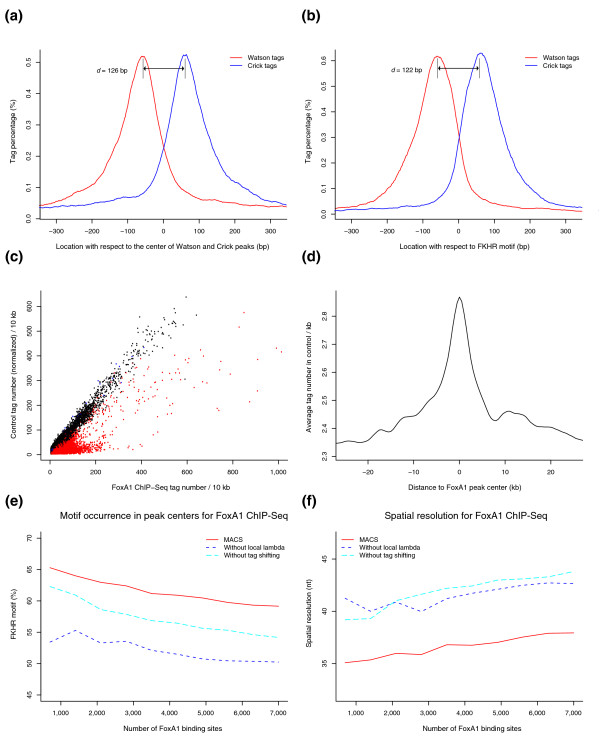
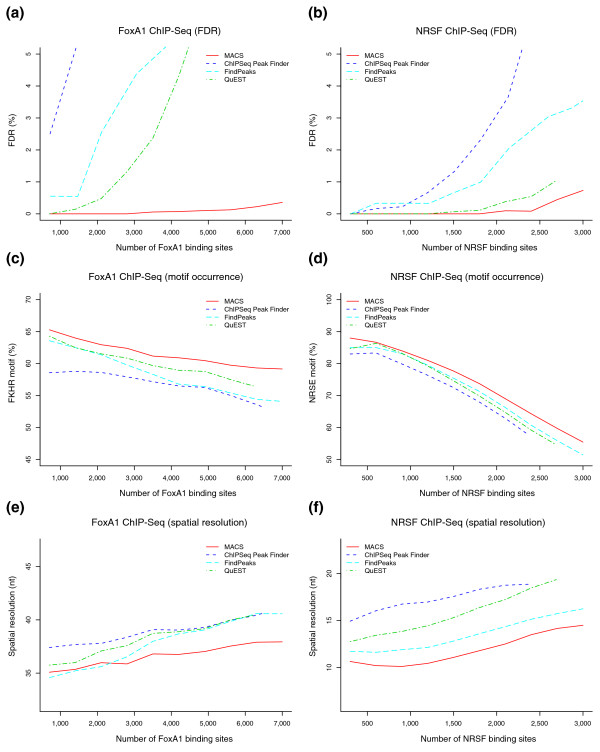
We present Model-based Analysis of ChIP-Seq data, MACS, which analyzes data generated by short read sequencers such as Solexa's Genome Analyzer. MACS empirically models the shift size of ChIP-Seq tags, and uses it to improve the spatial resolution of predicted binding sites. MACS also uses a dynamic Poisson distribution to effectively capture local biases in the genome, allowing for more robust predictions. MACS compares favorably to existing ChIP-Seq peak-finding algorithms, and is freely available.
Overview
The claims and statistics of this paper haven’t been checked yet.
Free: it reads the open-access text and checks the first 5 claims that cite a source we can check. Create a free account to check every claim.
Integrity signals
Registry
Cites
Statistics
Figures
Verification
Claims the paper makes
The claims and statistics of this paper haven’t been checked yet.
Free: it reads the open-access text and checks the first 5 claims that cite a source we can check. Create a free account to check every claim.
Claims other papers make about this one
Each is checked against this paper’s own text: does it say what the citing paper says it does?
The source backs part of the claim, not all of it — or backs it for a different population, condition or comparison.
In the citing paper
“Peaks of enrichment were identified with MACS2 98 (v2.2.7.1) by comparing treatment samples against IgG controls, using paired-end mode and allowing all duplicate fragments to be retained, as appropriate for CUT&RUN data.”
From Tetramerisation governs SALL transcription factor function in development and disease (2025) · cites this paper as [98]
Experimental — accuracy not yet measuredThe check wasn’t confident either way, so it gives no verdict — never disputed.
In the citing paper
“We detected 30,477 peaks from cells without treatment (fold-enrichment > 3 and p-value < 0.05), which are highly enriched in simple repeats (also known as short tandem repeats, STRs) (Log2[obs/exp]: 2.107)”
From Single-cell parallel analysis of DNA damage and transcriptome reveals selective genome vulnerability (2025) · cites this paper as [51]
Experimental — accuracy not yet measured
Self-check
Percentages, sums and reported differences re-computed from the paper’s own numbers.
The self-check needs the paper’s full text.
Citations
Cites
High-Resolution Profiling of Histone Methylations in the Human Genome
Barski, A., Cuddapah, S., Cui, K., Roh, T.-Y., Schones, D. E., Wang, Z., Wei, G., Chepelev, I., & Zhao, K. (2007) · Cell · doi:10.1016/j.cell.2007.05.009 · Cited by 6,845 · cited 6×
“ChIP-chip [5,8].”
BackgroundResultInfluentialGlobal variation in copy number in the human genome
Redon, R., Ishikawa, S., Fitch, K. R., Feuk, L., Perry, G. H., Andrews, T. D., Fiegler, H., Shapero, M. H., Carson, A. R., Chen, W., et al. (2006) · Nature · doi:10.1038/nature05329 · Cited by 4,288
Genome-wide maps of chromatin state in pluripotent and lineage-committed cells
Mikkelsen, T. S., Ku, M., Jaffe, D. B., Issac, B., Lieberman, E., Giannoukos, G., Alvarez, P., Brockman, W., Kim, T.-K., Koche, R. P., et al. (2007) · Nature · doi:10.1038/nature06008 · Cited by 4,129 · cited 4×
“With the current genome coverage of most ChIP-Seq experiments, tag distribution along the genome could be modeled by a Poisson distribution [7].”
BackgroundMethodInfluentialSelf-citationGenome-Wide Mapping of in Vivo Protein-DNA Interactions
Johnson, D. S., Mortazavi, A., Myers, R. M., & Wold, B. (2007) · Science · doi:10.1126/science.1141319 · Cited by 2,927
Self-citationGenome-Wide Location and Function of DNA Binding Proteins
Ren, B., Robert, F., Wyrick, J. J., Aparicio, O., Jennings, E. G., Simon, I., Zeitlinger, J., Schreiber, J., Hannett, N., Kanin, E., et al. (2000) · Science · doi:10.1126/science.290.5500.2306 · Cited by 1,766
Robertson, G., Hirst, M., Bainbridge, M., Bilenky, M., Zhao, Y., Zeng, T., Euskirchen, G., Bernier, B., Varhol, R., Delaney, A., et al. (2007) · Nature Methods · doi:10.1038/nmeth1068 · Cited by 1,454 · cited 2×
“and sequencing (ChIP-Seq) [5-8] have become popular tech-”
BackgroundGenome-wide analysis of estrogen receptor binding sites
Carroll, J. S., Meyer, C. A., Song, J., Li, W., Geistlinger, T. R., Eeckhoute, J., Brodsky, A. S., Keeton, E. K., Fertuck, K. C., Hall, G. F., et al. (2006) · Nature Genetics · doi:10.1038/ng1901 · Cited by 1,377
Self-citationA Global Map of p53 Transcription-Factor Binding Sites in the Human Genome
Wei, C.-L., Wu, Q., Vega, V. B., Chiu, K. P., Ng, P., Zhang, T., Shahab, A., Yong, H. C., Fu, Y., Weng, Z., et al. (2006) · Cell · doi:10.1016/j.cell.2005.10.043 · Cited by 1,141 · cited 2×
“This implies that the λlocal is critical for ChIP-Seq studies when matching control samples are not available [5,9].”
BackgroundGenomic binding sites of the yeast cell-cycle transcription factors SBF and MBF
Iyer, V. R., Horak, C. E., Scafe, C. S., Botstein, D., Snyder, M., & Brown, P. O. (2001) · Nature · doi:10.1038/35054095 · Cited by 1,083
FoxA1 Translates Epigenetic Signatures into Enhancer-Driven Lineage-Specific Transcription
Lupien, M., Eeckhoute, J., Meyer, C. A., Wang, Q., Zhang, Y., Li, W., Carroll, J. S., Liu, X. S., & Brown, M. (2008) · Cell · doi:10.1016/j.cell.2008.01.018 · Cited by 983 · cited 4×
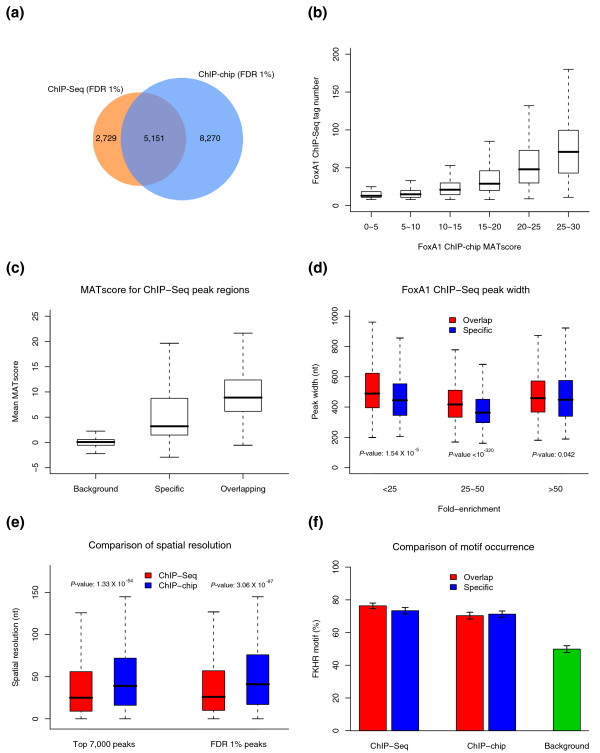
“ChIP-chip data for FoxA1 and controls in MCF7 cells were previously published [1], and their corresponding ChIP-Seq data were generated specifically for this study.”
BackgroundMethodInfluentialSelf-citation
Cited by
Items 1,301–1,400 of 1,860
Streubel, G., Watson, A., Jammula, S. G., Scelfo, A., Fitzpatrick, D. J., Oliviero, G., McCole, R., Conway, E., Glancy, E., Negri, G. L., et al. (2018) · Molecular Cell · doi:10.1016/j.molcel.2018.02.027 · Cited by 167
“ChIP enriched regions (peaks) were computed using macs2 (Zhang et al., 2008) for the H3K27me3 wild-type and Nsd1.”
MethodInfluentialMurat, P., Marsico, G., Herdy, B., Ghanbarian, A., Portella, G., & Balasubramanian, S. (2018) · Genome Biology · doi:10.1186/s13059-018-1602-2 · Cited by 167
“Bedgraph files were calculated (command bigWigToBedGraph from the UCSC utilities) and analyzed for peak calling using MACS2 [77] (command macs2 bdgpeakcall -l 40 -g 30 -c 5).”
Blood Pressure Loci Identified with a Gene-Centric Array
Johnson, T., Gaunt, T. R., Newhouse, S. J., Padmanabhan, S., Tomaszewski, M., Kumari, M., Morris, R. W., Tzoulaki, I., O'Brien, E. T., Poulter, N. R., et al. (2011) · The American Journal of Human Genetics · doi:10.1016/j.ajhg.2011.10.013 · Cited by 167
Self-citationLattanzi, A., Camarena, J., Lahiri, P., Segal, H., Srifa, W., Vakulskas, C. A., Frock, R. L., Kenrick, J., Lee, C., Talbott, N., et al. (2021) · Science Translational Medicine · doi:10.1126/scitranslmed.abf2444 · Cited by 167
An androgen receptor switch underlies lineage infidelity in treatment-resistant prostate cancer
Davies, A., Nouruzi, S., Ganguli, D., Namekawa, T., Thaper, D., Linder, S., Karaoğlanoğlu, F., Omur, M. E., Kim, S., Kobelev, M., et al. (2021) · Nature Cell Biology · doi:10.1038/s41556-021-00743-5 · Cited by 167
Molecular and cellular dynamics of the developing human neocortex
Wang, L., Wang, C., Moriano, J. A., Chen, S., Zuo, G., Cebrián-Silla, A., Zhang, S., Mukhtar, T., Wang, S., Song, M., et al. (2025) · Nature · doi:10.1038/s41586-024-08351-7 · Cited by 167
“For ATAC data of snMultiome analysis, open chromatin region peaks were called on individual samples using MACS2 (v.2.2.7) 50 .”
InfluentialLong-term histone lactylation connects metabolic and epigenetic rewiring in innate immune memory
Ziogas, A., Novakovic, B., Ventriglia, L., Galang, N., Tran, K. A., Li, W., Matzaraki, V., van Unen, N., Schlüter, T., Ferreira, A. V., et al. (2025) · Cell · doi:10.1016/j.cell.2025.03.048 · Cited by 167
Self-citationPTEN deficiency reprogrammes human neural stem cells towards a glioblastoma stem cell-like phenotype
Duan, S., Yuan, G., Liu, X., Ren, R., Li, J., Zhang, W., Wu, J., Xu, X., Fu, L., Li, Y., et al. (2015) · Nature Communications · doi:10.1038/ncomms10068 · Cited by 167
Self-citationImmediate and deferred epigenomic signatures of in vivo neuronal activation in mouse hippocampus
Fernandez-Albert, J., Lipinski, M., Lopez-Cascales, M. T., Rowley, M. J., Martin-Gonzalez, A. M., del Blanco, B., Corces, V. G., & Barco, A. (2019) · Nature Neuroscience · doi:10.1038/s41593-019-0476-2 · Cited by 166
Hayatsu, N., Miyao, T., Tachibana, M., Murakami, R., Kimura, A., Kato, T., Kawakami, E., Endo, T. A., Setoguchi, R., Watarai, H., et al. (2017) · Immunity · doi:10.1016/j.immuni.2017.07.008 · Cited by 166
Genetic determinants and epigenetic effects of pioneer-factor occupancy
Donaghey, J., Thakurela, S., Charlton, J., Chen, J. S., Smith, Z. D., Gu, H., Pop, R., Clement, K., Stamenova, E. K., Karnik, R., et al. (2018) · Nature Genetics · doi:10.1038/s41588-017-0034-3 · Cited by 166
“All data sets were subjected to irreproducible discovery rate (IDR) framework 45 with 0.1 as cutoff in combination with using MACS2 (Ref 46) for calling peaks in each replicate separately.”
Influentialepic2 efficiently finds diffuse domains in ChIP-seq data
Stovner, E. B., & Sætrom, P. (2019) · Bioinformatics · doi:10.1093/bioinformatics/btz232 · Cited by 166
Transcriptional States and Chromatin Accessibility Underlying Human Erythropoiesis
Ludwig, L. S., Lareau, C. A., Bao, E. L., Nandakumar, S. K., Muus, C., Ulirsch, J. C., Chowdhary, K., Buenrostro, J. D., Mohandas, N., An, X., et al. (2019) · Cell Reports · doi:10.1016/j.celrep.2019.05.046 · Cited by 166
“Chromatin accessibility peaks were called using MACS2 using custom parameters for ATAC-seq (-nomodel-nolambda-keep-dup all-call-summits) (Zhang et al., 2008).”
MethodRecurrent evolution of vertebrate transcription factors by transposase capture
Cosby, R. L., Judd, J., Zhang, R., Zhong, A., Garry, N., Pritham, E. J., & Feschotte, C. (2021) · Science · doi:10.1126/science.abc6405 · Cited by 166
“With these samples, we called binding peaks using MACS2 (42) for each genotype relative to input and filtered out peaks identified in all three genotypes (>50% reciprocal overlap), which are likely to represent spurious or non-specific interactions (see Methods).”
MethodInfluentialSingle nucleus multi-omics identifies human cortical cell regulatory genome diversity
Luo, C., Liu, H., Xie, F., Armand, E. J., Siletti, K., Bakken, T. E., Fang, R., Doyle, W. I., Stuart, T., Hodge, R. D., et al. (2022) · Cell Genomics · doi:10.1016/j.xgen.2022.100107 · Cited by 166
The long non-coding RNA Dali is an epigenetic regulator of neural differentiation
Chalei, V., Sansom, S. N., Kong, L., Lee, S., Montiel, J. F., Vance, K. W., & Ponting, C. P. (2014) · eLife · doi:10.7554/elife.04530 · Cited by 166
Sch9 regulates ribosome biogenesis via Stb3, Dot6 and Tod6 and the histone deacetylase complex RPD3L
Huber, A., French, S. L., Tekotte, H., Yerlikaya, S., Stahl, M., Perepelkina, M. P., Tyers, M., Rougemont, J., Beyer, A. L., & Loewith, R. (2011) · The EMBO Journal · doi:10.1038/emboj.2011.221 · Cited by 166
“The MACS algorithm v 1.7.3.1 (Zhang et al, 2008) was used to detect Sds3–TAP binding peaks by comparing the mapped read counts obtained from the sch9asSDS3– TAP versus the untagged sch9as strains with parameters –mfold¼ 2 –”
InfluentialLong-range enhancer activity determines Myc sensitivity to Notch inhibitors in T cell leukemia
Yashiro-Ohtani, Y., Wang, H., Zang, C., Arnett, K. L., Bailis, W., Ho, Y., Knoechel, B., Lanauze, C., Louis, L., Forsyth, K. S., et al. (2014) · Proceedings of the National Academy of Sciences · doi:10.1073/pnas.1407079111 · Cited by 166
“4) (35), normalized by the total nonredundant read count of each sample, and displayed using IGV Browser.”
Self-citationTee, W.-W., Shen, S. S., Oksuz, O., Narendra, V., & Reinberg, D. (2014) · Cell · doi:10.1016/j.cell.2014.01.009 · Cited by 165
ERα is an RNA-binding protein sustaining tumor cell survival and drug resistance
Xu, Y., Huangyang, P., Wang, Y., Xue, L., Devericks, E., Nguyen, H. G., Yu, X., Oses-Prieto, J. A., Burlingame, A. L., Miglani, S., et al. (2021) · Cell · doi:10.1016/j.cell.2021.08.036 · Cited by 165
Uniform, optimal signal processing of mapped deep-sequencing data
Kumar, V., Muratani, M., Rayan, N. A., Kraus, P., Lufkin, T., Ng, H. H., & Prabhakar, S. (2013) · Nature Biotechnology · doi:10.1038/nbt.2596 · Cited by 165
“Thus, FAIRE-seq could potentially require greater sequencing depth than DNase-seq to achieve comparable sensitivity at nonpromoter regulatory elements.”
BackgroundMethodHistone lactylation couples cellular metabolism with developmental gene regulatory networks
Merkuri, F., Rothstein, M., & Simoes-Costa, M. (2024) · Nature Communications · doi:10.1038/s41467-023-44121-1 · Cited by 165
Transient loss of Polycomb components induces an epigenetic cancer fate
Parreno, V., Loubiere, V., Schuettengruber, B., Fritsch, L., Rawal, C. C., Erokhin, M., Győrffy, B., Normanno, D., Di Stefano, M., Moreaux, J., et al. (2024) · Nature · doi:10.1038/s41586-024-07328-w · Cited by 165
High-Resolution Genome-wide Mapping of the Primary Structure of Chromatin
Zhang, Z., & Pugh, B. F. (2011) · Cell · doi:10.1016/j.cell.2011.01.003 · Cited by 165
A DNA Repair Complex Functions as an Oct4/Sox2 Coactivator in Embryonic Stem Cells
Fong, Y. W., Inouye, C., Yamaguchi, T., Cattoglio, C., Grubisic, I., & Tjian, R. (2011) · Cell · doi:10.1016/j.cell.2011.08.038 · Cited by 165
“The peak overlap distribution was calculated by taking the distance between the middle of the Oct4/Sox2 and Nanog/Tcf3 peaks and the MACS summits of the RAD23B and IgG overlapping peaks.”
InfluentialR-Loops Promote Antisense Transcription across the Mammalian Genome
Tan-Wong, S. M., Dhir, S., & Proudfoot, N. J. (2019) · Molecular Cell · doi:10.1016/j.molcel.2019.10.002 · Cited by 165
Genome‐wide cooperation of EMT transcription factor ZEB 1 with YAP and AP ‐1 in breast cancer
Feldker, N., Ferrazzi, F., Schuhwerk, H., Widholz, S. A., Guenther, K., Frisch, I., Jakob, K., Kleemann, J., Riegel, D., Bönisch, U., et al. (2020) · The EMBO Journal · doi:10.15252/embj.2019103209 · Cited by 165
“Peaks were called using MACS2 (v. 2.1.0) (Zhang et al , 2008).”
InfluentialChen, C., Liu, W., Guo, J., Liu, Y., Liu, X., Liu, J., Dou, X., Le, R., Huang, Y., Li, C., et al. (2021) · Protein & Cell · doi:10.1007/s13238-021-00837-8 · Cited by 165
Self-citationPaugh, S. W., Bonten, E. J., Savic, D., Ramsey, L. B., Thierfelder, W. E., Gurung, P., Malireddi, R. K. S., Actis, M., Mayasundari, A., Min, J., et al. (2015) · Nature Genetics · doi:10.1038/ng.3283 · Cited by 164
Self-citationFOXO3 shares common targets with ASCL1 genome-wide and inhibits ASCL1-dependent neurogenesis
Webb, A. E., Pollina, E. A., Vierbuchen, T., Urbán, N., Ucar, D., Leeman, D. S., Martynoga, B., Sewak, M., Rando, T. A., Guillemot, F., et al. (2013) · Cell Reports · doi:10.1016/j.celrep.2013.06.035 · Cited by 164
Bonetti, A., Agostini, F., Suzuki, A. M., Hashimoto, K., Pascarella, G., Gimenez, J., Roos, L., Nash, A. J., Ghilotti, M., Cameron, C. J. F., et al. (2020) · Nature Communications · doi:10.1038/s41467-020-14337-6 · Cited by 164
Wheat chromatin architecture is organized in genome territories and transcription factories
Concia, L., Veluchamy, A., Ramirez-Prado, J. S., Martin-Ramirez, A., Huang, Y., Perez, M., Domenichini, S., Rodriguez Granados, N. Y., Kim, S., Blein, T., et al. (2020) · Genome Biology · doi:10.1186/s13059-020-01998-1 · Cited by 164
“Peaks of Chip-seq read density were identified using the software MACS2 [93] with the command “macs2 callpeak -f BAM --nomodel --to-large -p 0.01 -broad -g 17e9 --bw 300” for histone marks and “macs2 callpeak -f BAMPE --nomodel –q 0.001 --broad-cutoff 0.01 -g 17e9 --bw 300” for RNAPII.”
BackgroundMethodInfluentialYang, G., Yuan, Y., Yuan, H., Wang, J., Yun, H., Geng, Y., Zhao, M., Li, L., Weng, Y., Liu, Z., et al. (2021) · EMBO reports · doi:10.15252/embr.202050967 · Cited by 164
“87.chr reference genome using Bowtie2 (Langmead & Salzberg, 2012), and ChIP peaks were called using model-based analysis of ChIP-seq 14 (MACS 14), with the input sample as the control (Zhang, Liu et al , 2008).”
Bayona-Feliu, A., Barroso, S., Muñoz, S., & Aguilera, A. (2021) · Nature Genetics · doi:10.1038/s41588-021-00867-2 · Cited by 164
Impact of DNA methylation on 3D genome structure
Buitrago, D., Labrador, M., Arcon, J. P., Lema, R., Flores, O., Esteve-Codina, A., Blanc, J., Villegas, N., Bellido, D., Gut, M., et al. (2021) · Nature Communications · doi:10.1038/s41467-021-23142-8 · Cited by 164
Chen, S., Ma, J., Wu, F., Xiong, L.-J., Ma, H., Xu, W., Lv, R., Li, X., Villen, J., Gygi, S. P., et al. (2012) · Genes & Development · doi:10.1101/gad.186056.111 · Cited by 164
“4 with P-value = 10 5 to call peaks from the aligned results (Zhang et al. 2008).”
BackgroundSelf-citationSumida, T. S., Dulberg, S., Schupp, J. C., Lincoln, M. R., Stillwell, H. A., Axisa, P.-P., Comi, M., Unterman, A., Kaminski, N., Madi, A., et al. (2022) · Nature Immunology · doi:10.1038/s41590-022-01152-y · Cited by 164
A Genome-Wide Regulatory Framework Identifies Maize Pericarp Color1 Controlled Genes
Morohashi, K., Casas, M. I., Falcone Ferreyra, M. L., Mejía-Guerra, M. K., Pourcel, L., Yilmaz, A., Feller, A., Carvalho, B., Emiliani, J., Rodriguez, E., et al. (2012) · The Plant Cell · doi:10.1105/tpc.112.098004 · Cited by 164
Transcriptional repression by MYB 3R proteins regulates plant organ growth
Kobayashi, K., Suzuki, T., Iwata, E., Nakamichi, N., Suzuki, T., Chen, P., Ohtani, M., Ishida, T., Hosoya, H., Müller, S., et al. (2015) · The EMBO Journal · doi:10.15252/embj.201490899 · Cited by 164
“The data for MACS2 were drawn by R (http://www.r-project.org/).”
MethodGiraddi, R. R., Chung, C.-Y., Heinz, R. E., Balcioglu, O., Novotny, M., Trejo, C. L., Dravis, C., Hagos, B. M., Mehrabad, E. M., Rodewald, L. W., et al. (2018) · Cell Reports · doi:10.1016/j.celrep.2018.07.025 · Cited by 164
N6-methyldeoxyadenine is a transgenerational epigenetic signal for mitochondrial stress adaptation
Ma, C., Niu, R., Huang, T., Shao, L.-W., Peng, Y., Ding, W., Wang, Y., Jia, G., He, C., Li, C.-Y., et al. (2019) · Nature Cell Biology · doi:10.1038/s41556-018-0238-5 · Cited by 164
Small-molecule targeting of brachyury transcription factor addiction in chordoma
Sharifnia, T., Wawer, M. J., Chen, T., Huang, Q.-Y., Weir, B. A., Sizemore, A., Lawlor, M. A., Goodale, A., Cowley, G. S., Vazquez, F., et al. (2019) · Nature Medicine · doi:10.1038/s41591-018-0312-3 · Cited by 164
Moutier, E., Ye, T., Choukrallah, M.-A., Urban, S., Osz, J., Chatagnon, A., Delacroix, L., Langer, D., Rochel, N., Moras, D., et al. (2012) · Journal of Biological Chemistry · doi:10.1074/jbc.m112.361790 · Cited by 163
“Peak detection was performed using the MACS software (13) under settings where an anti-GFP ChIP from the embryoid bodies was used as a negative control.”
MethodAdaptive laboratory evolution of a genome-reduced Escherichia coli
Choe, D., Lee, J. H., Yoo, M., Hwang, S., Sung, B. H., Cho, S., Palsson, B., Kim, S. C., & Cho, B.-K. (2019) · Nature Communications · doi:10.1038/s41467-019-08888-6 · Cited by 163
RNAi promotes heterochromatic silencing through replication-coupled release of RNA Pol II
Zaratiegui, M., Castel, S. E., Irvine, D. V., Kloc, A., Ren, J., Li, F., de Castro, E., Marín, L., Chang, A.-Y., Goto, D., et al. (2011) · Nature · doi:10.1038/nature10501 · Cited by 163
Home, P., Saha, B., Ray, S., Dutta, D., Gunewardena, S., Yoo, B., Pal, A., Vivian, J. L., Larson, M., Petroff, M., et al. (2012) · Proceedings of the National Academy of Sciences · doi:10.1073/pnas.1201595109 · Cited by 163
Using ChIP-Seq Technology to Generate High-Resolution Profiles of Histone Modifications
O’Geen, H., Echipare, L., & Farnham, P. J. (2011) · Methods in Molecular Biology · doi:10.1007/978-1-61779-316-5_20 · Cited by 163
A reinforcing HNF4–SMAD4 feed-forward module stabilizes enterocyte identity
Chen, L., Toke, N. H., Luo, S., Vasoya, R. P., Fullem, R. L., Parthasarathy, A., Perekatt, A. O., & Verzi, M. P. (2019) · Nature Genetics · doi:10.1038/s41588-019-0384-0 · Cited by 163
Kaaij, L. J. T., Mohn, F., van der Weide, R. H., de Wit, E., & Bühler, M. (2019) · Cell · doi:10.1016/j.cell.2019.08.007 · Cited by 163
A single-cell transcriptomic landscape of primate arterial aging
Zhang, W., Zhang, S., Yan, P., Ren, J., Song, M., Li, J., Lei, J., Pan, H., Wang, S., Ma, X., et al. (2020) · Nature Communications · doi:10.1038/s41467-020-15997-0 · Cited by 163
Self-citationThe landscape of RNA Pol II binding reveals a stepwise transition during ZGA
Liu, B., Xu, Q., Wang, Q., Feng, S., Lai, F., Wang, P., Zheng, F., Xiang, Y., Wu, J., Nie, J., et al. (2020) · Nature · doi:10.1038/s41586-020-2847-y · Cited by 163
Single-cell genomics and regulatory networks for 388 human brains
Emani, P. S., Liu, J. J., Clarke, D., Jensen, M., Warrell, J., Gupta, C., Meng, R., Lee, C. Y., Xu, S., Dursun, C., et al. (2024) · Science · doi:10.1126/science.adi5199 · Cited by 163
Self-citationGenetic analysis of variation in transcription factor binding in yeast
Zheng, W., Zhao, H., Mancera, E., Steinmetz, L. M., & Snyder, M. (2010) · Nature · doi:10.1038/nature08934 · Cited by 162
DNMT3A Loss Drives Enhancer Hypomethylation in FLT3-ITD-Associated Leukemias
Yang, L., Rodriguez, B., Mayle, A., Park, H. J., Lin, X., Luo, M., Jeong, M., Curry, C. V., Kim, S.-B., Ruau, D., et al. (2016) · Cancer Cell · doi:10.1016/j.ccell.2016.05.003 · Cited by 162
“H3K27ac peaks and H3K4me1 peaks were called by MACS2 (Zhang et al., 2008) with CD34+ primary cells (GSM772885 and GSM706845).”
Self-citationGenome‐wide survey by ChIP‐seq reveals YY1 regulation of lincRNAs in skeletal myogenesis
Lu, L., Sun, K., Chen, X., Zhao, Y., Wang, L., Zhou, L., Sun, H., & Wang, H. (2013) · The EMBO Journal · doi:10.1038/emboj.2013.182 · Cited by 162
“The protein DNA binding peaks (sites) were identified using Model-based Analysis for ChIP-seq (MACS, version 2.0.9) (Zhang et al , 2008) with IgG control sample as a background.”
InfluentialMapping the mouse Allelome reveals tissue-specific regulation of allelic expression
Andergassen, D., Dotter, C. P., Wenzel, D., Sigl, V., Bammer, P. C., Muckenhuber, M., Mayer, D., Kulinski, T. M., Theussl, H.-C., Penninger, J. M., et al. (2017) · eLife · doi:10.7554/elife.25125 · Cited by 162
“In addition, we called H3K4me3 peaks using MACS and performed an inner join (multiIntersectBed) from the four replicates for each tissue (Zhang et al., 2008).”
MethodGozdecka, M., Meduri, E., Mazan, M., Tzelepis, K., Dudek, M., Knights, A. J., Pardo, M., Yu, L., Choudhary, J. S., Metzakopian, E., et al. (2018) · Nature Genetics · doi:10.1038/s41588-018-0114-z · Cited by 162
Telomerase regulates MYC-driven oncogenesis independent of its reverse transcriptase activity
Koh, C. M., Khattar, E., Leow, S. C., Liu, C. Y., Muller, J., Ang, W. X., Li, Y., Franzoso, G., Li, S., Guccione, E., et al. (2015) · Journal of Clinical Investigation · doi:10.1172/jci79134 · Cited by 162
Asymmetric Expression of LincGET Biases Cell Fate in Two-Cell Mouse Embryos
Wang, J., Wang, L., Feng, G., Wang, Y., Li, Y., Li, X., Liu, C., Jiao, G., Huang, C., Shi, J., et al. (2018) · Cell · doi:10.1016/j.cell.2018.11.039 · Cited by 162
Self-citationAn Adversarial DNA N6-Methyladenine-Sensor Network Preserves Polycomb Silencing
Kweon, S.-M., Chen, Y., Moon, E., Kvederaviciutė, K., Klimasauskas, S., & Feldman, D. E. (2019) · Molecular Cell · doi:10.1016/j.molcel.2019.03.018 · Cited by 162
AP2/ERF Transcription Factors Integrate Age and Wound Signals for Root Regeneration
Ye, B.-B., Shang, G.-D., Pan, Y., Xu, Z.-G., Zhou, C.-M., Mao, Y.-B., Bao, N., Sun, L., Xu, T., & Wang, J.-W. (2020) · The Plant Cell · doi:10.1105/tpc.19.00378 · Cited by 162
“All the ChIP-seq peaks were called by MACS2 with default parameters (Zhang et al., 2008).”
MethodPolycomb preferentially targets stalled promoters of coding and noncoding transcripts
Enderle, D., Beisel, C., Stadler, M. B., Gerstung, M., Athri, P., & Paro, R. (2011) · Genome Research · doi:10.1101/gr.114348.110 · Cited by 162
“To gain an unbiased insight into the regulatory capacity of the PcG/TrxG system (up to this point we concentrated our analysis on a nonoverlapping set of 8977 TSS regions), we employedMACS for peak detection and mapped 2826, 4402, 2108, and 5240 binding sites for Pc, Ph, Psc, and TRX-C proteins, respectively (Zhang et…”
BackgroundMethodBeisaw, A., Kuenne, C., Guenther, S., Dallmann, J., Wu, C.-C., Bentsen, M., Looso, M., & Stainier, D. Y. R. (2020) · Circulation Research · doi:10.1161/circresaha.119.316167 · Cited by 162
lncRNA DIGIT and BRD3 protein form phase-separated condensates to regulate endoderm differentiation
Daneshvar, K., Ardehali, M. B., Klein, I. A., Hsieh, F.-K., Kratkiewicz, A. J., Mahpour, A., Cancelliere, S. O. L., Zhou, C., Cook, B. M., Li, W., et al. (2020) · Nature Cell Biology · doi:10.1038/s41556-020-0572-2 · Cited by 162
Self-citationDeng, P., Yuan, Q., Cheng, Y., Li, J., Liu, Z., Liu, Y., Li, Y., Su, T., Wang, J., Salvo, M. E., et al. (2021) · Cell Stem Cell · doi:10.1016/j.stem.2021.01.010 · Cited by 162
Mosler, T., Conte, F., Longo, G. M. C., Mikicic, I., Kreim, N., Möckel, M. M., Petrosino, G., Flach, J., Barau, J., Luke, B., et al. (2021) · Nature Communications · doi:10.1038/s41467-021-27530-y · Cited by 162
Positively selected enhancer elements endow osteosarcoma cells with metastatic competence
Morrow, J. J., Bayles, I., Funnell, A. P. W., Miller, T. E., Saiakhova, A., Lizardo, M. M., Bartels, C. F., Kapteijn, M. Y., Hung, S., Mendoza, A., et al. (2018) · Nature Medicine · doi:10.1038/nm.4475 · Cited by 161
LINE-1 Evasion of Epigenetic Repression in Humans
Sanchez-Luque, F. J., Kempen, M.-J. H. C., Gerdes, P., Vargas-Landin, D. B., Richardson, S. R., Troskie, R.-L., Jesuadian, J. S., Cheetham, S. W., Carreira, P. E., Salvador-Palomeque, C., et al. (2019) · Molecular Cell · doi:10.1016/j.molcel.2019.05.024 · Cited by 161
FoxO maintains a genuine muscle stem-cell quiescent state until geriatric age
García-Prat, L., Perdiguero, E., Alonso-Martín, S., Dell’Orso, S., Ravichandran, S., Brooks, S. R., Juan, A. H., Campanario, S., Jiang, K., Hong, X., et al. (2020) · Nature Cell Biology · doi:10.1038/s41556-020-00593-7 · Cited by 161
SRF Co-factors Control the Balance between Cell Proliferation and Contractility
Gualdrini, F., Esnault, C., Horswell, S., Stewart, A., Matthews, N., & Treisman, R. (2016) · Molecular Cell · doi:10.1016/j.molcel.2016.10.016 · Cited by 161
Suppression of the SWI/SNF Component Arid1a Promotes Mammalian Regeneration
Sun, X., Chuang, J.-C., Kanchwala, M., Wu, L., Celen, C., Li, L., Liang, H., Zhang, S., Maples, T., Nguyen, L. H., et al. (2016) · Cell Stem Cell · doi:10.1016/j.stem.2016.03.001 · Cited by 161
Self-citationHuang, H., Shao, X., Xie, Y., Wang, T., Zhang, Y., Wang, X., & Deng, X. (2019) · Nature Communications · doi:10.1038/s41467-019-10778-w · Cited by 161
Self-citationJakovcevski, M., Ruan, H., Shen, E. Y., Dincer, A., Javidfar, B., Ma, Q., Peter, C. J., Cheung, I., Mitchell, A. C., Jiang, Y., et al. (2015) · The Journal of Neuroscience · doi:10.1523/jneurosci.3004-14.2015 · Cited by 161
“Key words: ChIP-seq; histone H3-lysine 4 methylation; neuroepigenetics; neuronal nuclei sorting; short-term plasticity; working memory”
MethodInfluentialJiang, H., Shi, Y., Liu, J., Li, Z., Fu, D., Wu, S., Li, M., Yang, Z., Shi, Y., Lai, J., et al. (2022) · Nature Plants · doi:10.1038/s41477-022-01254-3 · Cited by 161
Research Resource: Genome-Wide Profiling of Progesterone Receptor Binding in the Mouse Uterus
Rubel, C. A., Lanz, R. B., Kommagani, R., Franco, H. L., Lydon, J. P., & DeMayo, F. J. (2012) · Molecular Endocrinology · doi:10.1210/me.2011-1355 · Cited by 161
Santamaría Nuñez, G., Robles, C. M. G., Giraudon, C., Martínez-Leal, J. F., Compe, E., Coin, F., Aviles, P., Galmarini, C. M., & Egly, J.-M. (2016) · Molecular Cancer Therapeutics · doi:10.1158/1535-7163.mct-16-0172 · Cited by 161
Cai, T., Jen, H.-I., Kang, H., Klisch, T. J., Zoghbi, H. Y., & Groves, A. K. (2015) · The Journal of Neuroscience · doi:10.1523/jneurosci.5083-14.2015 · Cited by 161
“To predict Atoh1 binding sites, the MACS package (Zhang et al., 2008) was used to select the top 5000 Atoh1 binding sites from ChIP-Seq data obtained from the neonatal cerebellum (Klisch et al.”
MethodRed Blood Cell Invasion by the Malaria Parasite Is Coordinated by the PfAP2-I Transcription Factor
Santos, J. M., Josling, G., Ross, P., Joshi, P., Orchard, L., Campbell, T., Schieler, A., Cristea, I. M., & Llinás, M. (2017) · Cell Host & Microbe · doi:10.1016/j.chom.2017.05.006 · Cited by 161
Systematic bias in high-throughput sequencing data and its correction by BEADS
Cheung, M.-S., Down, T. A., Latorre, I., & Ahringer, J. (2011) · Nucleic Acids Research · doi:10.1093/nar/gkr425 · Cited by 160
Gogol-Döring, A., Ammar, I., Gupta, S., Bunse, M., Miskey, C., Chen, W., Uckert, W., Schulz, T. F., Izsvák, Z., & Ivics, Z. (2016) · Molecular Therapy · doi:10.1038/mt.2016.11 · Cited by 160
Role and species-specific expression of colon T cell homing receptor GPR15 in colitis
Nguyen, L. P., Pan, J., Dinh, T. T., Hadeiba, H., O'Hara, E., Ebtikar, A., Hertweck, A., Gökmen, M. R., Lord, G. M., Jenner, R. G., et al. (2015) · Nature Immunology · doi:10.1038/ni.3079 · Cited by 160
Shan, Q., Zeng, Z., Xing, S., Li, F., Hartwig, S. M., Gullicksrud, J. A., Kurup, S. P., Van Braeckel-Budimir, N., Su, Y., Martin, M. D., et al. (2017) · Nature Immunology · doi:10.1038/ni.3773 · Cited by 160
Systemic Loss and Gain of Chromatin Architecture throughout Zebrafish Development
Kaaij, L. J. T., van der Weide, R. H., Ketting, R. F., & de Wit, E. (2018) · Cell Reports · doi:10.1016/j.celrep.2018.06.003 · Cited by 160
DNMT3A and TET1 cooperate to regulate promoter epigenetic landscapes in mouse embryonic stem cells
Gu, T., Lin, X., Cullen, S. M., Luo, M., Jeong, M., Estecio, M., Shen, J., Hardikar, S., Sun, D., Su, J., et al. (2018) · Genome Biology · doi:10.1186/s13059-018-1464-7 · Cited by 160
“The TET1 peaks were called by MACS2 [48] with parameters “broad: True and broad-cutoff: 0.01.””
BackgroundInfluentialSelf-citationAdams, S., Grundy, J., Veflingstad, S. R., Dyer, N. P., Hannah, M. A., Ott, S., & Carré, I. A. (2018) · New Phytologist · doi:10.1111/nph.15415 · Cited by 160
Chromosomal Loop Domains Direct the Recombination of Antigen Receptor Genes
Hu, J., Zhang, Y., Zhao, L., Frock, R. L., Du, Z., Meyers, R. M., Meng, F.-L., Schatz, D. G., & Alt, F. W. (2015) · Cell · doi:10.1016/j.cell.2015.10.016 · Cited by 160
Self-citationTwo distinct modes of DNMT1 recruitment ensure stable maintenance DNA methylation
Nishiyama, A., Mulholland, C. B., Bultmann, S., Kori, S., Endo, A., Saeki, Y., Qin, W., Trummer, C., Chiba, Y., Yokoyama, H., et al. (2020) · Nature Communications · doi:10.1038/s41467-020-15006-4 · Cited by 160
CNTF-STAT3-IL-6 Axis Mediates Neuroinflammatory Cascade across Schwann Cell-Neuron-Microglia
Hu, Z., Deng, N., Liu, K., Zhou, N., Sun, Y., & Zeng, W. (2020) · Cell Reports · doi:10.1016/j.celrep.2020.107657 · Cited by 160
p53 is a central regulator driving neurodegeneration caused by C9orf72 poly(PR)
Maor-Nof, M., Shipony, Z., Lopez-Gonzalez, R., Nakayama, L., Zhang, Y.-J., Couthouis, J., Blum, J. A., Castruita, P. A., Linares, G. R., Ruan, K., et al. (2021) · Cell · doi:10.1016/j.cell.2020.12.025 · Cited by 160
Self-citationPeakRanger: A cloud-enabled peak caller for ChIP-seq data
Feng, X., Grossman, R., & Stein, L. (2011) · BMC Bioinformatics · doi:10.1186/1471-2105-12-139 · Cited by 160
“tion of such binding sites or regions, a large number of algorithms have been proposed for peak calling[2,9-24].”
BackgroundLiu, X., Bie, X. M., Lin, X., Li, M., Wang, H., Zhang, X., Yang, Y., Zhang, C., Zhang, X. S., & Xiao, J. (2023) · Nature Plants · doi:10.1038/s41477-023-01406-z · Cited by 160
Self-citationMarco, A., Meharena, H. S., Dileep, V., Raju, R. M., Davila-Velderrain, J., Zhang, A. L., Adaikkan, C., Young, J. Z., Gao, F., Kellis, M., et al. (2020) · Nature Neuroscience · doi:10.1038/s41593-020-00717-0 · Cited by 159
Yucel, N., Wang, Y. X., Mai, T., Porpiglia, E., Lund, P. J., Markov, G., Garcia, B. A., Bendall, S. C., Angelo, M., & Blau, H. M. (2019) · Cell Reports · doi:10.1016/j.celrep.2019.05.092 · Cited by 159
YEATS2 links histone acetylation to tumorigenesis of non-small cell lung cancer
Mi, W., Guan, H., Lyu, J., Zhao, D., Xi, Y., Jiang, S., Andrews, F. H., Wang, X., Gagea, M., Wen, H., et al. (2017) · Nature Communications · doi:10.1038/s41467-017-01173-4 · Cited by 159
Self-citationRamos-Rodríguez, M., Raurell-Vila, H., Colli, M. L., Alvelos, M. I., Subirana-Granés, M., Juan-Mateu, J., Norris, R., Turatsinze, J.-V., Nakayasu, E. S., Webb-Robertson, B.-J. M., et al. (2019) · Nature Genetics · doi:10.1038/s41588-019-0524-6 · Cited by 159
Katsuyama, E., Suarez-Fueyo, A., Bradley, S. J., Mizui, M., Marin, A. V., Mulki, L., Krishfield, S., Malavasi, F., Yoon, J., Sui, S. J. H., et al. (2020) · Cell Reports · doi:10.1016/j.celrep.2019.12.014 · Cited by 159
“To call the peaks with unique reads, we used MACS2 (Zhang et al., 2008) followed by a quality check with the ChIPQC Bioconductor package (Carroll et al., 2014).”
Ubiquitin Ligase COP1 Suppresses Neuroinflammation by Degrading c/EBPβ in Microglia
Ndoja, A., Reja, R., Lee, S.-H., Webster, J. D., Ngu, H., Rose, C. M., Kirkpatrick, D. S., Modrusan, Z., Chen, Y.-J. J., Dugger, D. L., et al. (2020) · Cell · doi:10.1016/j.cell.2020.07.011 · Cited by 159
Delacroix, L., Moutier, E., Altobelli, G., Legras, S., Poch, O., Choukrallah, M.-A., Bertin, I., Jost, B., & Davidson, I. (2010) · Molecular and Cellular Biology · doi:10.1128/mcb.00756-09 · Cited by 159
“was performed using the MACS software (63), and the peaks were annotated”
MethodChemical profiling of DNA G-quadruplex-interacting proteins in live cells
Zhang, X., Spiegel, J., Martínez Cuesta, S., Adhikari, S., & Balasubramanian, S. (2021) · Nature Chemistry · doi:10.1038/s41557-021-00736-9 · Cited by 159
DNA–protein interactions: methods for detection and analysis
Dey, B., Thukral, S., Krishnan, S., Chakrobarty, M., Gupta, S., Manghani, C., & Rani, V. (2012) · Molecular and Cellular Biochemistry · doi:10.1007/s11010-012-1269-z · Cited by 159
“ChIP sequencing combines the technique of chromatin immunoprecipitation and DNA sequencing to identify the binding sites of various protein factors co-precipitated along with DNA fragments during ChIP [102].”
BackgroundMethod
Metadata
- Authors
- Zhang, Y., Liu, T., Meyer, C. A., Eeckhoute, J., Johnson, D. S., Bernstein, B. E., Nusbaum, C., Myers, R. M., Brown, M., Li, W., & Liu, X. S.
- Affiliations
- Harvard University (US)
- Brigham and Women's Hospital (US)
- Broad Institute (US)
- Stanford Medicine (US)
- Baylor College of Medicine (US)
- Corresponding author
- Li, Wei
- Liu, X Shirley
- ORCID
- Venue
- Genome Biology
- Published
- 2008-09-17
- Volume
- 9
- Issue
- 9
- Pages
- R137-R137
- ISSN
- 1465-6906 (ISSN-L)
- 1474-760X
- PMC
- PMC2592715
- OpenAlex
- W2171808845
- Semantic Scholar
- 42abddd227d653a0375d7d037ddb885f6c07f66f
- Cited by
- 18,386
- References
- 14
- Citations by year
- 2026: 1533 · 2025: 2054 · 2024: 2035 · 2023: 2028 · 2022: 1720 · 2021: 1744 · 2020: 1407 · 2019: 1184 · 2018: 977 · 2017: 802 · 2016: 658 · 2015: 572 · 2014: 534 · 2013: 423 · 2012: 304
- FWCI
- 54.09
- Type
- journal article
- Language
- en
- Open access
- gold
- doi.org
- Licence
- cc-by
- creativecommons.org/licenses/by/2.0/ (tdm)
- creativecommons.org/licenses/by/2.0/ (vor)
- Locations
- Genome biology (publishedVersion, cc-by)
- PubMed Central (publishedVersion, cc-by)
- PubMed (publishedVersion)
- DSpace@MIT (Massachusetts Institute of Technology) (submittedVersion, cc-by)
- Funders
- National Institutes of Health
- National Human Genome Research Institute (U01HG004270, HG004069, R01HG004069, HG004270)
- National Institute of Diabetes and Digestive and Kidney Diseases (DK074967)
- Topics
- Life Sciences › Biochemistry, Genetics and Molecular Biology › Molecular Biology › Genomics and Chromatin Dynamics
- Life Sciences › Biochemistry, Genetics and Molecular Biology › Molecular Biology › Genomics and Phylogenetic Studies
- Life Sciences › Biochemistry, Genetics and Molecular Biology › Molecular Biology › Bioinformatics and Genomic Networks
- Keywords
- ChIP-seq, MACS, peak calling, binding site prediction, short-read sequencing, model-based analysis
- MeSH terms
- Algorithms, Humans, Models, Genetic, Oligonucleotide Array Sequence Analysis, Cell Line, Tumor, Chromatin Immunoprecipitation, Hepatocyte Nuclear Factor 3-alpha
About these checks
Registry, retraction, Cites and statistics results are computed, not judged, with one exception: a printed reference that no index lists is read once by a model before it counts as a citation error. Claims are extracted by a model and kept only when their quote appears verbatim in the text; each cited source is then checked, with a model’s help, for whether it says what the claim relies on. Those verdicts can be wrong — read the claim’s quote and the cited source before relying on one.
Statistics and arithmetic are recomputed, not judged.
Confidence bands are shown only for fields calibrated on our annotated test set. None is calibrated yet, so no band is shown.
What counts as a claim ›How we measure confidence ›How we check this ›
Are you an author, or do you see a problem with this page? Request a review
Data sources
Bibliographic data: Semantic Scholar, OpenAlex, Crossref.
Contains information from the Semantic Scholar Academic Graph Datasets, made available under the ODC Attribution License (ODC-BY 1.0).
Semantic Scholar’s data is described in: Kinney, R., et al. (2023). The Semantic Scholar Open Data Platform. arXiv:2301.10140.
